Library
Browse and search books
3,533 novels found

G
LiteratureG
H
The poetry creations of heavyweight writers in the German literary world fill the gap in the introduction of contemporary German poetry into the country: Matthias Politiki is a master of contemporary German literature. He has won many important awards such as the North German Literature Prize, and has published more than 30 works of various types. No works have been introduced to China before. This collection of poems shows contemporary German poetry other than Goethe and Schiller to a broad audience. Selected from the author's 30 years of poetry creation, recording nature, city, life, love and travel: This book carefully selects 81 poems from Matthias's 30 years of poetry collection, divided into five parts according to theme, sharing his many feelings about nature, city, life and love, and also recording the inspiration he received during his travels around the world. Find poetry in the gaps of daily life and think about the world: in Matthias's view, life itself is the source of poetry. In this collection of poems, we can not only see his records of life fragments, but also feel the consistent in-depth thinking of German writers. The translation project of the Goethe-Institut was fully funded, and the Qiyi Poetry Workshop of the German Department of Peking University devoted the translation: the translation of the whole book is smooth and beautiful. During the translation process of this book, teachers and students from the German Department of Peking University carefully read the text with Matthias, and repeatedly refined it to convey the emotions in the original poem in every detail.
The poetry creations of heavyweight writers in the German literary world fill the gap in the introduction of contemporary German poetry into the country: Matthias Politiki is a master of contemporary German literature. He has won many important awards such as the North German Literature Prize, and has published more than 30 works of various types. No works have been introduced to China before. This collection of poems shows contemporary German poetry other than Goethe and Schiller to a broad audience. Selected from the author's 30 years of poetry creation, recording nature, city, life, love and travel: This book carefully selects 81 poems from Matthias's 30 years of poetry collection, divided into five parts according to theme, sharing his many feelings about nature, city, life and love, and also recording the inspiration he received during his travels around the world. Find poetry in the gaps of daily life and think about the world: in Matthias's view, life itself is the source of poetry. In this collection of poems, we can not only see his records of life fragments, but also feel the consistent in-depth thinking of German writers. The translation project of the Goethe-Institut was fully funded, and the Qiyi Poetry Workshop of the German Department of Peking University devoted the translation: the translation of the whole book is smooth and beautiful. During the translation process of this book, teachers and students from the German Department of Peking University carefully read the text with Matthias, and repeatedly refined it to convey the emotions in the original poem in every detail.

致后代:布莱希特诗选
H
Select Brecht's representative works from various periods to present the entire process of his poetry creation: early poetry and early urban poetry (1913-1925), urban poetry (1925-1929), crisis period (1929- 1933), the early years of exile (1934-1938), the darkest years (1938-1941), the American period (1941-1947), and later poetry (1947-1956).
Select Brecht's representative works from various periods to present the entire process of his poetry creation: early poetry and early urban poetry (1913-1925), urban poetry (1925-1929), crisis period (1929- 1933), the early years of exile (1934-1938), the darkest years (1938-1941), the American period (1941-1947), and later poetry (1947-1956).

O
Literatureo
H
"Birds" is one of Rabindranath Tagore's masterpieces written in 1913, and is also one of the most outstanding poetry collections in the world. This collection of poems contains a total of 365 poems, which is a very philosophical collection of English aphorisms. "In this dusk haze, many things look like illusions - the lower floors of the spires disappear in the darkness, the tops of the trees look like spots of ink. I will wait for the dawn, and when I wake up, I will see your city in the light ." The contradictory existences of sunrise and sunset, betrayal and freedom, sparks and ice blades, streams and oceans were all integrated into profound philosophy of life by Tagore in short and concise sentences, which became the source that leads the world to seek wisdom and truth.
"Birds" is one of Rabindranath Tagore's masterpieces written in 1913, and is also one of the most outstanding poetry collections in the world. This collection of poems contains a total of 365 poems, which is a very philosophical collection of English aphorisms. "In this dusk haze, many things look like illusions - the lower floors of the spires disappear in the darkness, the tops of the trees look like spots of ink. I will wait for the dawn, and when I wake up, I will see your city in the light ." The contradictory existences of sunrise and sunset, betrayal and freedom, sparks and ice blades, streams and oceans were all integrated into profound philosophy of life by Tagore in short and concise sentences, which became the source that leads the world to seek wisdom and truth.
B
LiteratureB
H
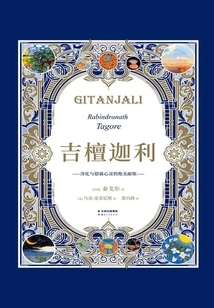
"Gitanjali" is Tagore's Nobel Prize-winning poetry collection, with a total of 103 poems. The entire collection of poems forms a complete whole in terms of emotion and structure. It is Tagore who suffered from real difficulties. Through dialogue with "God", using images full of nature, and using language with great rhythm and music, it combines the ancient Indian spiritual tradition and the modern Western spirit. He sees all living beings and the universe from himself, and confides his loneliness, struggle, expectations, love and faith. "Gitanjali" combines philosophy and lyricism, with profound and rare spiritual beauty. It is the most representative classic poetry collection for understanding Rabindranath Tagore. This edition adopts Xiao Xingzheng's new translation, which is bilingual in Chinese and English. It contains 103 exquisite illustrations by American artist Mark McGinnis and is illustrated with the text.
"Gitanjali" is Tagore's Nobel Prize-winning poetry collection, with a total of 103 poems. The entire collection of poems forms a complete whole in terms of emotion and structure. It is Tagore who suffered from real difficulties. Through dialogue with "God", using images full of nature, and using language with great rhythm and music, it combines the ancient Indian spiritual tradition and the modern Western spirit. He sees all living beings and the universe from himself, and confides his loneliness, struggle, expectations, love and faith. "Gitanjali" combines philosophy and lyricism, with profound and rare spiritual beauty. It is the most representative classic poetry collection for understanding Rabindranath Tagore. This edition adopts Xiao Xingzheng's new translation, which is bilingual in Chinese and English. It contains 103 exquisite illustrations by American artist Mark McGinnis and is illustrated with the text.
霍桑的希腊神话(套色版画插图本)
H
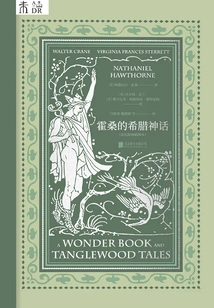
The Greek ancestors lived in an era where reality and fantasy could not be distinguished. In that era, every natural phenomenon was a god in human form, and every episode of life could be woven into a myth. As a romantic writer in the 19th century, Hawthorne added the color of the times to the dreams that were both real and illusory. He replaced moral education with humorous ridicule. During the conversation and laughter, he used the battle of dragon tooth warriors to insinuate the cannibalism of mankind. He used the victory of the dwarves to praise the unyielding courage, allowing the sunshine of joy and tranquility to shine into the hearts of readers. This book contains twelve popular classic stories such as "The Chimera, the Fire-Breathing Monster", "Medusa's Head", "The Golden Fleece", "Dragon Tooth Warrior" and "Three Golden Apples".
The Greek ancestors lived in an era where reality and fantasy could not be distinguished. In that era, every natural phenomenon was a god in human form, and every episode of life could be woven into a myth. As a romantic writer in the 19th century, Hawthorne added the color of the times to the dreams that were both real and illusory. He replaced moral education with humorous ridicule. During the conversation and laughter, he used the battle of dragon tooth warriors to insinuate the cannibalism of mankind. He used the victory of the dwarves to praise the unyielding courage, allowing the sunshine of joy and tranquility to shine into the hearts of readers. This book contains twelve popular classic stories such as "The Chimera, the Fire-Breathing Monster", "Medusa's Head", "The Golden Fleece", "Dragon Tooth Warrior" and "Three Golden Apples".
伊索寓言:555则(经典译林)
H
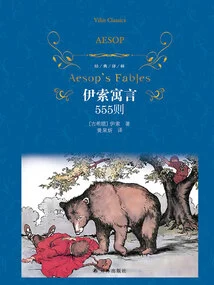
"Aesop's Fables" is a collection of ancient Greek fables circulated in the name of Aesop, an ancient Greek fable writer in the 6th century BC. The fables in it do not have complicated plots, but are lively, interesting, profound, and inspiring. They have always been loved by readers from all countries and at all levels. After thousands of years of circulation and evolution, there have been many versions of "Aesop's Fables", and "Aesop's Fables: 555" was compiled by the famous translator Huang Gaoxin on the basis of multiple versions and combining the strengths of various fables, bringing the number of fables to an unprecedented 555. These complex fables were divided into ten categories according to the protagonists of the stories, making them well-organized and easy to query and compare.
"Aesop's Fables" is a collection of ancient Greek fables circulated in the name of Aesop, an ancient Greek fable writer in the 6th century BC. The fables in it do not have complicated plots, but are lively, interesting, profound, and inspiring. They have always been loved by readers from all countries and at all levels. After thousands of years of circulation and evolution, there have been many versions of "Aesop's Fables", and "Aesop's Fables: 555" was compiled by the famous translator Huang Gaoxin on the basis of multiple versions and combining the strengths of various fables, bringing the number of fables to an unprecedented 555. These complex fables were divided into ten categories according to the protagonists of the stories, making them well-organized and easy to query and compare.

K
Literaturek
H
"Shishuoxinyu" was compiled by Liu Yiqing, King of Linchuan in the Southern Song Dynasty. It is a representative work of "note novels" in the Wei, Jin, Southern and Northern Dynasties, and includes 36 categories in total. The book mainly records people and words, using short words to record the words, deeds and anecdotes of the scholar group from the late Eastern Han Dynasty to the Wei and Jin Dynasties. It focuses on showing the turbulent and divided era of the Wei and Jin Dynasties, and reflects the social atmosphere at that time that valued talent, good wit, good conversation, and respect for nature.
"Shishuoxinyu" was compiled by Liu Yiqing, King of Linchuan in the Southern Song Dynasty. It is a representative work of "note novels" in the Wei, Jin, Southern and Northern Dynasties, and includes 36 categories in total. The book mainly records people and words, using short words to record the words, deeds and anecdotes of the scholar group from the late Eastern Han Dynasty to the Wei and Jin Dynasties. It focuses on showing the turbulent and divided era of the Wei and Jin Dynasties, and reflects the social atmosphere at that time that valued talent, good wit, good conversation, and respect for nature.
Iron Coin
Literature铁币
H
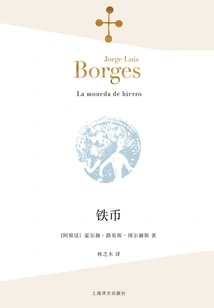
A collection of poems created by Borges in 1976, containing thirty-five poems. The author has deep knowledge of the aesthetic theory and creative practice of poetry. He proposed that "every thing, no matter how brief and slight, will give us a special sense of beauty. Every word, even though it has existed for many centuries, can still start a new chapter and have an impact on the future." In this collection of poems, Borges strives to discover the unique beauty of things and the overlooked value of words, giving poetry richer connotations.
A collection of poems created by Borges in 1976, containing thirty-five poems. The author has deep knowledge of the aesthetic theory and creative practice of poetry. He proposed that "every thing, no matter how brief and slight, will give us a special sense of beauty. Every word, even though it has existed for many centuries, can still start a new chapter and have an impact on the future." In this collection of poems, Borges strives to discover the unique beauty of things and the overlooked value of words, giving poetry richer connotations.

Borges, Spoken
Literature博尔赫斯,口述
H
Collection of lectures. In May and June of 1978, Borges gave five lectures at the University of Belgrano in Argentina, on the topics of books, immortality, Emmanuel Swedenborg, detective novels, and time. The theme seems grand and abstract, but the author takes a different approach: talking about the history of books from the perspective of oral tradition, using poetry as a starting point to analyze the meaning of immortality, using Swedenborg to talk about the philosophical propositions of life and death, and hailing detective novels as saviors in a chaotic literary era. The basic metaphysical question of "time" runs throughout the five lessons.
Collection of lectures. In May and June of 1978, Borges gave five lectures at the University of Belgrano in Argentina, on the topics of books, immortality, Emmanuel Swedenborg, detective novels, and time. The theme seems grand and abstract, but the author takes a different approach: talking about the history of books from the perspective of oral tradition, using poetry as a starting point to analyze the meaning of immortality, using Swedenborg to talk about the philosophical propositions of life and death, and hailing detective novels as saviors in a chaotic literary era. The basic metaphysical question of "time" runs throughout the five lessons.
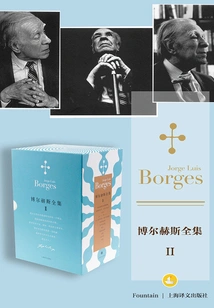
博尔赫斯全集第二辑(套装共12册)
H
"The Complete Works of Borges, Volume 2 (set of 12 volumes in total)" is a collection of Borges's poetry works, including a total of 12 works, including the first collection of poems "Passion of Buenos Aires" published by Borges at his own expense in 1923, as well as the collections of poems he published in the 1920s, 1960s, 1970s and 1980s, "The Moon Before Me: Notes of Saint Martin", "The Poet", "The Tiger's Gold", "Stories of the Night", "Days", etc. The poems written by Borges are "random metaphors, free writing or breaking the constraints of sonnets". They are more like a combination of poetry and prose. They are a major innovation in poetry genre, because compared to form, poetry is the most important: "For a true poet, every moment of life, Everything should be poetic, because that is what it is." "Everything - a comment, a farewell, an encounter, an interesting Arabic pattern on a playing card - can inspire beauty, and the poet's mission is to reflect this affectionate emotion in allegory or rhyme."
"The Complete Works of Borges, Volume 2 (set of 12 volumes in total)" is a collection of Borges's poetry works, including a total of 12 works, including the first collection of poems "Passion of Buenos Aires" published by Borges at his own expense in 1923, as well as the collections of poems he published in the 1920s, 1960s, 1970s and 1980s, "The Moon Before Me: Notes of Saint Martin", "The Poet", "The Tiger's Gold", "Stories of the Night", "Days", etc. The poems written by Borges are "random metaphors, free writing or breaking the constraints of sonnets". They are more like a combination of poetry and prose. They are a major innovation in poetry genre, because compared to form, poetry is the most important: "For a true poet, every moment of life, Everything should be poetic, because that is what it is." "Everything - a comment, a farewell, an encounter, an interesting Arabic pattern on a playing card - can inspire beauty, and the poet's mission is to reflect this affectionate emotion in allegory or rhyme."
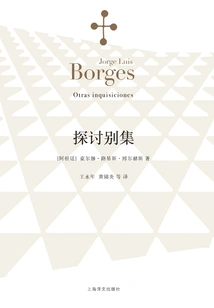
Discuss Other Episodes
Literature探讨别集
H
A collection of essays, published in 1952, containing thirty-five essays, which are Borges's comments on his favorite works and writers. He discussed the spread of Confucian classics through the burning of books by the First Emperor of Qin, traced Kafka's aesthetic pioneers in Kafka's novels, searched for the spatiotemporal connection between individuals and groups in Keats's poems, and discovered the psychological trajectory of the collision of fantasy and reality from Hawthorne and Edgar Allan Poe. These unconventional aesthetic understandings show advanced perceptions.
A collection of essays, published in 1952, containing thirty-five essays, which are Borges's comments on his favorite works and writers. He discussed the spread of Confucian classics through the burning of books by the First Emperor of Qin, traced Kafka's aesthetic pioneers in Kafka's novels, searched for the spatiotemporal connection between individuals and groups in Keats's poems, and discovered the psychological trajectory of the collision of fantasy and reality from Hawthorne and Edgar Allan Poe. These unconventional aesthetic understandings show advanced perceptions.
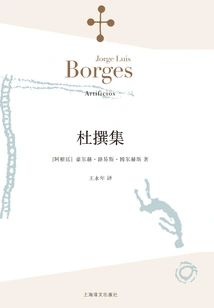
Apocryphal Collection
General Fiction杜撰集
H
A collection of novels, including nine short stories, which was published together with "The Garden of Forking Paths" as the "Fictional Collection" in 1944, continuing the theme of fictional legendary stories. On Christmas Eve in 1938, Borges hit his head on the window while going upstairs. The wound became infected and deteriorated into sepsis. He suffered from high fever, hallucinations, and aphasia. It took more than a month to recover. This experience of wandering between life and death became the author's "most proud story" in the collection of novels, "The South", which is also regarded as a turning point in Borges's writing. Since then, the complete elimination of the binary opposition between reality and fiction has become Borges's most common writing technique.
A collection of novels, including nine short stories, which was published together with "The Garden of Forking Paths" as the "Fictional Collection" in 1944, continuing the theme of fictional legendary stories. On Christmas Eve in 1938, Borges hit his head on the window while going upstairs. The wound became infected and deteriorated into sepsis. He suffered from high fever, hallucinations, and aphasia. It took more than a month to recover. This experience of wandering between life and death became the author's "most proud story" in the collection of novels, "The South", which is also regarded as a turning point in Borges's writing. Since then, the complete elimination of the binary opposition between reality and fiction has become Borges's most common writing technique.

博尔赫斯全集第三辑(套装共12册)
H
The four-hand collaboration between Borges and famous artists, fantasy and reality, past and present, space and time, those abrupt endings die over and over again in the writer's writing, and are resurrected again and again in the readers' hearts. Capture the light of philosophy in the name of literature, and build an exquisite labyrinth of literature with extraordinary imagination. "The Complete Works of Borges: The Third Volume" includes the literary essays of Borges, the Argentine poet, novelist, critic, translator and master of Spanish literature, as well as fantasy stories, game articles, movie scripts, literary reviews, speech records, etc. Co-authored by Borges and Adolfo Bioy Casares and others. There are 12 volumes in total, which fully demonstrate Borges's writing exploration and achievements outside the well-known literary fields. Attached are 12 volumes with titles of works: "Original Manuscripts", "Introduction to English Literature", "Introduction to American Literature", "Suburbanites Believer's Paradise", "Chronicles of Bustos Domec", "New Stories of Bustos Domec", "Six Mysteries of Isidro Parodi", "Two Visions Worth Remembering", "Models of Death", "The Language of Buenos Aires", "About Martin Fierro", "Germanic Medieval Literature".
The four-hand collaboration between Borges and famous artists, fantasy and reality, past and present, space and time, those abrupt endings die over and over again in the writer's writing, and are resurrected again and again in the readers' hearts. Capture the light of philosophy in the name of literature, and build an exquisite labyrinth of literature with extraordinary imagination. "The Complete Works of Borges: The Third Volume" includes the literary essays of Borges, the Argentine poet, novelist, critic, translator and master of Spanish literature, as well as fantasy stories, game articles, movie scripts, literary reviews, speech records, etc. Co-authored by Borges and Adolfo Bioy Casares and others. There are 12 volumes in total, which fully demonstrate Borges's writing exploration and achievements outside the well-known literary fields. Attached are 12 volumes with titles of works: "Original Manuscripts", "Introduction to English Literature", "Introduction to American Literature", "Suburbanites Believer's Paradise", "Chronicles of Bustos Domec", "New Stories of Bustos Domec", "Six Mysteries of Isidro Parodi", "Two Visions Worth Remembering", "Models of Death", "The Language of Buenos Aires", "About Martin Fierro", "Germanic Medieval Literature".
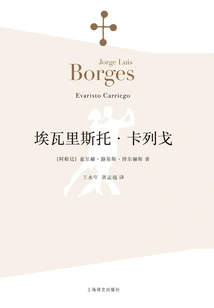
Evaristo Callego
Literature埃瓦里斯托·卡列戈
H
This collection of essays, published in 1930, is Borges's introduction and evaluation of the life and works of Argentine poet Evaristo Callego, as well as his imagination of Argentine city life. Evaristo Callego is a poet rooted in the city. The suburbs he writes are completely different from the environment in which Borges grew up, full of laughter but tense at any time. Tango, six-stringed harp, dagger, hero, traitor and other keywords of suburban life merged into the world in Borges's eyes.
This collection of essays, published in 1930, is Borges's introduction and evaluation of the life and works of Argentine poet Evaristo Callego, as well as his imagination of Argentine city life. Evaristo Callego is a poet rooted in the city. The suburbs he writes are completely different from the environment in which Borges grew up, full of laughter but tense at any time. Tango, six-stringed harp, dagger, hero, traitor and other keywords of suburban life merged into the world in Borges's eyes.
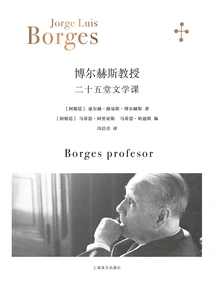
博尔赫斯教授:二十五堂文学课(博尔赫斯全集)
H
"I taught English literature at the university for a full forty semesters, and not only that, I also tried to convey my love for English literature." "Professor Borges: Twenty-Five Literature Lessons" brings together the complete content of the English literature course that Borges taught at the School of Philosophy and Literature at the University of Buenos Aires in 1966. In these twenty-five lessons, Borges takes us on a true journey through English literature, always staying close to his own readings and works. The journey begins in the mists of time, beginning with the arrival of the Angles, Jutes, and Saxons in England, continuing to the work of Samuel Johnson; wandering to Macpherson, the Romantic poets, and the Victorian era; offering a panoramic view of the lives and works of the Pre-Raphaelites; and ending in nineteenth-century Samoa with one of Borges's favorite writers, Robert Louis Stevenson. What ties these lectures together is an authentic enjoyment of literature, the affection with which Borges approached each work, and his desire to share his enthusiasm for each author and period he studied.
"I taught English literature at the university for a full forty semesters, and not only that, I also tried to convey my love for English literature." "Professor Borges: Twenty-Five Literature Lessons" brings together the complete content of the English literature course that Borges taught at the School of Philosophy and Literature at the University of Buenos Aires in 1966. In these twenty-five lessons, Borges takes us on a true journey through English literature, always staying close to his own readings and works. The journey begins in the mists of time, beginning with the arrival of the Angles, Jutes, and Saxons in England, continuing to the work of Samuel Johnson; wandering to Macpherson, the Romantic poets, and the Victorian era; offering a panoramic view of the lives and works of the Pre-Raphaelites; and ending in nineteenth-century Samoa with one of Borges's favorite writers, Robert Louis Stevenson. What ties these lectures together is an authentic enjoyment of literature, the affection with which Borges approached each work, and his desire to share his enthusiasm for each author and period he studied.
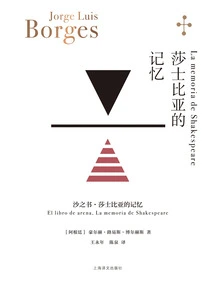
The Memory of Shakespeare (the Complete Works of Borges)
General Fiction莎士比亚的记忆(博尔赫斯全集)
H
"The Book of Sand" + "Shakespeare's Memory" are the final works of Borges' novels. This book is a collection of novels by Borges, the Argentinian poet, novelist, critic, translator, and master of Spanish literature. It includes Borges's short story collection "The Book of Sand" published in 1975 and his 1983 short story collection "The Memory of Shakespeare". They are the writer's last two consecutive novels. Among them, "The Book of Sand" contains thirteen chapters and is Borges's top work in his later writing period. Facing a "book of sand" with endless pages, at first it was a sense of happiness that we took for ourselves, and finally we realized that it was a terrible monster and the source of all troubles. This book is the embodiment of Borges's book worship complex and symbolizes the infinite universe and world. People try their best to break through the unknown, but in the end they experience the infinite and confirm their own insignificance and powerlessness. "Shakespeare's Memory" contains four chapters, including "August 25, 1983", "The Blue Tiger", "The Rose of Paracelsus" and "Shakespeare's Memory". In each chapter, there appears another "I" coexisting with "I", the blue "pebble" that can be derived, the "rose" that is reborn after destruction, and the "memory of Shakespeare" that appears in each chapter. The "memory of Shakespeare" that a person remembers seems to be the presentation of dreams. In fact, Borges uses dreams to explore the relationship between the three human abilities-memory, understanding, and fantasy. Memory is like a cave. It is not a superposition of the past, but a mixture of various possibilities with unclear meanings.
"The Book of Sand" + "Shakespeare's Memory" are the final works of Borges' novels. This book is a collection of novels by Borges, the Argentinian poet, novelist, critic, translator, and master of Spanish literature. It includes Borges's short story collection "The Book of Sand" published in 1975 and his 1983 short story collection "The Memory of Shakespeare". They are the writer's last two consecutive novels. Among them, "The Book of Sand" contains thirteen chapters and is Borges's top work in his later writing period. Facing a "book of sand" with endless pages, at first it was a sense of happiness that we took for ourselves, and finally we realized that it was a terrible monster and the source of all troubles. This book is the embodiment of Borges's book worship complex and symbolizes the infinite universe and world. People try their best to break through the unknown, but in the end they experience the infinite and confirm their own insignificance and powerlessness. "Shakespeare's Memory" contains four chapters, including "August 25, 1983", "The Blue Tiger", "The Rose of Paracelsus" and "Shakespeare's Memory". In each chapter, there appears another "I" coexisting with "I", the blue "pebble" that can be derived, the "rose" that is reborn after destruction, and the "memory of Shakespeare" that appears in each chapter. The "memory of Shakespeare" that a person remembers seems to be the presentation of dreams. In fact, Borges uses dreams to explore the relationship between the three human abilities-memory, understanding, and fantasy. Memory is like a cave. It is not a superposition of the past, but a mixture of various possibilities with unclear meanings.
K
LiteratureK
H
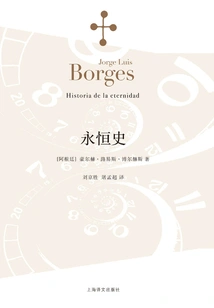
A collection of essays, published in 1936, containing eight articles. Among them, "The History of Eternity" sorts out and denies the history of "eternity" in Platonism and Christian theology, and "Two Commentaries: Approaching Almotaxin" attempts to prove the "circular" nature of time... "Eternity," "reincarnation," and "cycle" all point to the proposition of time.
A collection of essays, published in 1936, containing eight articles. Among them, "The History of Eternity" sorts out and denies the history of "eternity" in Platonism and Christian theology, and "Two Commentaries: Approaching Almotaxin" attempts to prove the "circular" nature of time... "Eternity," "reincarnation," and "cycle" all point to the proposition of time.
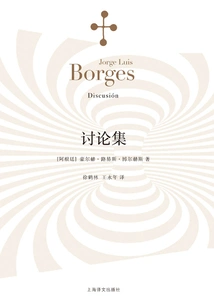
Discussion Set
Literature讨论集
H
A collection of essays, published in 1932, which includes book and film reviews written by Borges and discusses his views on literature and art. For example, "Gaucho Poems" and "Argentinian Writers and Tradition" focus on the local literary style of Argentina; "The Other Whitman" and "Flaubert and His Iconic Goals" turn their attention to world literature; "Achilles and the Eternal Race of the Tortoise" and "The Metamorphosis of the Tortoise" explore the philosophical propositions that the author has in mind. The article covers a wide range of topics. Borges said: "My life lacks life and death. It is this lack that makes me reluctantly like these trivial things."
A collection of essays, published in 1932, which includes book and film reviews written by Borges and discusses his views on literature and art. For example, "Gaucho Poems" and "Argentinian Writers and Tradition" focus on the local literary style of Argentina; "The Other Whitman" and "Flaubert and His Iconic Goals" turn their attention to world literature; "Achilles and the Eternal Race of the Tortoise" and "The Metamorphosis of the Tortoise" explore the philosophical propositions that the author has in mind. The article covers a wide range of topics. Borges said: "My life lacks life and death. It is this lack that makes me reluctantly like these trivial things."
D
LiteratureD
H
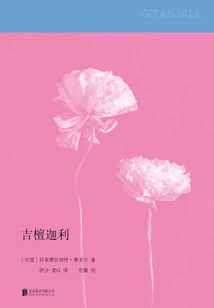
"Gitanjali" means "poetry" in Hindi. It consists of 103 poems, which were selected by Tagore when he was 50 years old from his three collections of poems - "Navidya", "Kaya", "Gitanjali" and poems scattered in newspapers and magazines since 1908. Tagore integrated modern Western humanism and scientific thought with traditional Indian religion, devoted himself to absorbing the positive meanings of various Indian teachings, and combined modern Western civilization with the spirit of Indian classical philosophy to create a unique "poet's religion." The profound connotation of this philosophy of life is fully reflected in "Gitanjali". As a representative work of pantheism, "Gitanjali" describes the poet's praise of God, his desire for God's arrival, his disappointment in missing God, and his carnival in union with God. It embodies the poet's yearning and contemplation of the infinite world. Isha, Old G's translation enables readers to feel the poet's life passion and invisible power from the lines of poems, guiding readers into the world of passion and love built by the poet.
"Gitanjali" means "poetry" in Hindi. It consists of 103 poems, which were selected by Tagore when he was 50 years old from his three collections of poems - "Navidya", "Kaya", "Gitanjali" and poems scattered in newspapers and magazines since 1908. Tagore integrated modern Western humanism and scientific thought with traditional Indian religion, devoted himself to absorbing the positive meanings of various Indian teachings, and combined modern Western civilization with the spirit of Indian classical philosophy to create a unique "poet's religion." The profound connotation of this philosophy of life is fully reflected in "Gitanjali". As a representative work of pantheism, "Gitanjali" describes the poet's praise of God, his desire for God's arrival, his disappointment in missing God, and his carnival in union with God. It embodies the poet's yearning and contemplation of the infinite world. Isha, Old G's translation enables readers to feel the poet's life passion and invisible power from the lines of poems, guiding readers into the world of passion and love built by the poet.

Life is Like a Summer Flower: Tagore's Classic Selected Poems Iv (Platinum Commemorative Edition)
Literature生如夏花:泰戈尔经典诗选Ⅳ(白金纪念版)
H
It includes Rabindranath Tagore's "Collection of Thoughts on Travels", "Collection of Leaves", "Collection of the Last Week", "Collection of Children", etc., Which are famous for his exquisite philosophy. In the poet's writing, the scenery of the Ganges plain water town is picturesque, with the quiet and melodious sky full of stars, sweet lovers, and the ever-singing larks filled with beautiful atmosphere. He enthusiastically praised that love that can bring happiness to people is the haven of a happy life.
It includes Rabindranath Tagore's "Collection of Thoughts on Travels", "Collection of Leaves", "Collection of the Last Week", "Collection of Children", etc., Which are famous for his exquisite philosophy. In the poet's writing, the scenery of the Ganges plain water town is picturesque, with the quiet and melodious sky full of stars, sweet lovers, and the ever-singing larks filled with beautiful atmosphere. He enthusiastically praised that love that can bring happiness to people is the haven of a happy life.
J
LiteratureJ
H
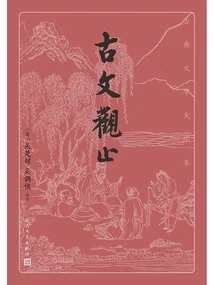
"Guwen Guanzhi" is a selection of ancient prose selected by Wu Chucai and Wu Tiaohou of the Qing Dynasty. This book was compiled as a teaching material for students and was an enlightenment reading for scholars at that time. In the thirty-fourth year of Kangxi's reign (1695), it was officially engraved and printed. The title of the book "Guwen Guanzhi" means that the articles included in the collection represent the highest level of classical Chinese, and the study of classical Chinese stops at this point. The selected essays range from the pre-Qin period to the late Ming Dynasty, and generally reflect the general outline and main features of the development of prose from the pre-Qin period to the late Ming Dynasty. This time, professional scholars were invited to make detailed annotations for each article, along with explanations. The annotations are accurate and the explanations are civilized. It is an important reference book for learning ancient Chinese.
"Guwen Guanzhi" is a selection of ancient prose selected by Wu Chucai and Wu Tiaohou of the Qing Dynasty. This book was compiled as a teaching material for students and was an enlightenment reading for scholars at that time. In the thirty-fourth year of Kangxi's reign (1695), it was officially engraved and printed. The title of the book "Guwen Guanzhi" means that the articles included in the collection represent the highest level of classical Chinese, and the study of classical Chinese stops at this point. The selected essays range from the pre-Qin period to the late Ming Dynasty, and generally reflect the general outline and main features of the development of prose from the pre-Qin period to the late Ming Dynasty. This time, professional scholars were invited to make detailed annotations for each article, along with explanations. The annotations are accurate and the explanations are civilized. It is an important reference book for learning ancient Chinese.
如何读,为什么读?(名家文学讲坛)
H
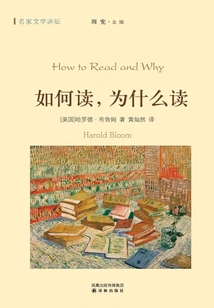
"How to read and why to read?" "" Is a personal introduction book published by Bloom when he was nearly seventy years old. This reading master, wise old man, and classic classic reader clears up the source for us, sorts out the immortal works of the West, and talks about his favorite poems, novels, and dramas from childhood to old age. This book can be said to be a complementary version of "The Western Canon". Readers who have read "The Western Canon" can explore and rediscover the Western Canon here, and receive Bloom's critical energy again; readers who are exposed to Bloom for the first time can start here and embark on a journey to find and share the Western Canon.
"How to read and why to read?" "" Is a personal introduction book published by Bloom when he was nearly seventy years old. This reading master, wise old man, and classic classic reader clears up the source for us, sorts out the immortal works of the West, and talks about his favorite poems, novels, and dramas from childhood to old age. This book can be said to be a complementary version of "The Western Canon". Readers who have read "The Western Canon" can explore and rediscover the Western Canon here, and receive Bloom's critical energy again; readers who are exposed to Bloom for the first time can start here and embark on a journey to find and share the Western Canon.
Western Canon
Literature西方正典
H
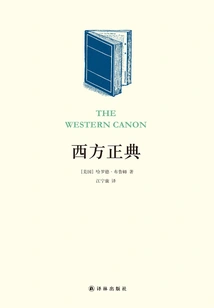
Shakespeare or Cervantes, Homer or Dante, Chaucer or Rabelais, the real function of reading their works is to enhance the growth of the inner self. Deep study of the scriptures does not make people better or worse, nor does it make citizens more useful or harmful. The mind's self-talk is not inherently a social reality. The whole point of the Western classics is to enable people to make good use of their loneliness, the ultimate form of which is a person's encounter with his own death.
Shakespeare or Cervantes, Homer or Dante, Chaucer or Rabelais, the real function of reading their works is to enhance the growth of the inner self. Deep study of the scriptures does not make people better or worse, nor does it make citizens more useful or harmful. The mind's self-talk is not inherently a social reality. The whole point of the Western classics is to enable people to make good use of their loneliness, the ultimate form of which is a person's encounter with his own death.
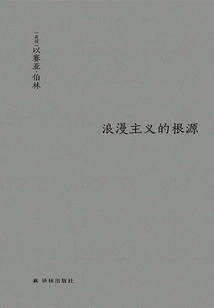
浪漫主义的根源(伯林文集)
H
This book is compiled based on the recording of Berlin's "Romanticism" Mellon lectures in 1965. Starting from the definition of romanticism, he experienced its origin, growth and expansion, and revealed its huge and lasting influence. Berlin used the perspective of the history of ideas that his predecessors had not developed to show the incomparable power of the romantic revolution as a way of cognition and ideology. Berlin's speech has a clear structure, meticulous thinking, allusions like overwhelming mountains, and rows like torrents. It is a heroic thought and music, and a moment of genius blessed by God.
This book is compiled based on the recording of Berlin's "Romanticism" Mellon lectures in 1965. Starting from the definition of romanticism, he experienced its origin, growth and expansion, and revealed its huge and lasting influence. Berlin used the perspective of the history of ideas that his predecessors had not developed to show the incomparable power of the romantic revolution as a way of cognition and ideology. Berlin's speech has a clear structure, meticulous thinking, allusions like overwhelming mountains, and rows like torrents. It is a heroic thought and music, and a moment of genius blessed by God.
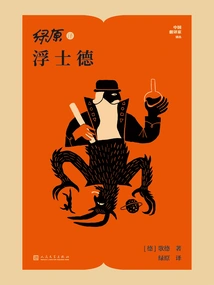
绿原译浮士德(中国翻译家译丛)
H
The tragedy "Faust" is Goethe's encyclopedic masterpiece. Faust is a scholar who sold his soul to the devil in medieval legend. The first part of "Faust" mainly describes the love tragedy of Faust and Gretchen, while the second part describes Faust's pursuit and disillusionment in the fields of politics, economy and other fields after entering the "big world". The works reflect the human spirit of searching from top to bottom, knowing that something is impossible and doing it. Faust, who has good intentions, and Mephistopheles, the devil who represents evil and destruction, are two opposite yet unified characters, revealing the contradictions and dialectical philosophy of man. Mr. Luyuan himself is an outstanding poet, and his translation of poems and plays is a good story. Lu Yuan's translation of "Faust" is faithful, smooth, vivid and expressive. The translation has been widely praised. It has won the Chinese Translation "Rainbow Award" and the Lu Xun Literary Award for Literary Translation issued by the China Translators Association.
The tragedy "Faust" is Goethe's encyclopedic masterpiece. Faust is a scholar who sold his soul to the devil in medieval legend. The first part of "Faust" mainly describes the love tragedy of Faust and Gretchen, while the second part describes Faust's pursuit and disillusionment in the fields of politics, economy and other fields after entering the "big world". The works reflect the human spirit of searching from top to bottom, knowing that something is impossible and doing it. Faust, who has good intentions, and Mephistopheles, the devil who represents evil and destruction, are two opposite yet unified characters, revealing the contradictions and dialectical philosophy of man. Mr. Luyuan himself is an outstanding poet, and his translation of poems and plays is a good story. Lu Yuan's translation of "Faust" is faithful, smooth, vivid and expressive. The translation has been widely praised. It has won the Chinese Translation "Rainbow Award" and the Lu Xun Literary Award for Literary Translation issued by the China Translators Association.
N
LiteratureN
H
"Romeo and Juliet" is one of the "Complete Chinese Translation Classics by Xu Yuanchong" and is also one of Shakespeare's famous tragedies. The story told is familiar to the majority of readers: the plot tells the story of Juliet, the daughter of the Kapler family, an Italian aristocratic family, and Montague, who have been enemies for generations. The son Romeo fell in love at first sight, fell in love persistently, and had a secret union. However, due to the conflict and mutual killing between the two families, Romeo was exiled. With the help of the priest, Juliet took medicine and faked her death to escape the marriage arranged by her father, and finally both died in love.
"Romeo and Juliet" is one of the "Complete Chinese Translation Classics by Xu Yuanchong" and is also one of Shakespeare's famous tragedies. The story told is familiar to the majority of readers: the plot tells the story of Juliet, the daughter of the Kapler family, an Italian aristocratic family, and Montague, who have been enemies for generations. The son Romeo fell in love at first sight, fell in love persistently, and had a secret union. However, due to the conflict and mutual killing between the two families, Romeo was exiled. With the help of the priest, Juliet took medicine and faked her death to escape the marriage arranged by her father, and finally both died in love.
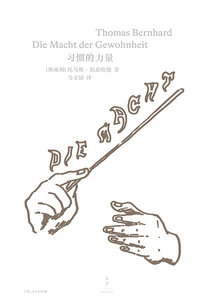
Force of Habit
Literature习惯的力量
H
"The Force of Habit" premiered at the Salzburg Festival in 1974 and was Thomas Bernhard's first true comedy. Garibaldi, a circus owner, decides to practice the cello in order to overcome illness, aging, and the chaos of mediocrity. For years, when not touring the circus, Garibaldi tried to perfect the music by performing Schubert's Trout Quintet in its entirety with circus clowns, animal trainers, jugglers and his high-wire walking granddaughter. However, rehearsals often have to be interrupted for various reasons and become a complete disaster. Year after year of grotesque drills became a circus routine. We don't like this life, but it has to be lived; we all hate the Trout Quintet, but we have to play it.
"The Force of Habit" premiered at the Salzburg Festival in 1974 and was Thomas Bernhard's first true comedy. Garibaldi, a circus owner, decides to practice the cello in order to overcome illness, aging, and the chaos of mediocrity. For years, when not touring the circus, Garibaldi tried to perfect the music by performing Schubert's Trout Quintet in its entirety with circus clowns, animal trainers, jugglers and his high-wire walking granddaughter. However, rehearsals often have to be interrupted for various reasons and become a complete disaster. Year after year of grotesque drills became a circus routine. We don't like this life, but it has to be lived; we all hate the Trout Quintet, but we have to play it.

悲剧卷二(莎士比亚全集·第五卷)
H
This set of books is the first complete work of Shakespeare in verse in the Chinese-speaking world. The original form of Shakespeare's drama is a verse drama, which is a verse drama with blank verse as its basic form. Translating poetry into verse, trying to make the translation closer to the original appearance of Shakespeare's drama in terms of tone and language rhythm, is the ultimate appeal of this version. "Tragedy Volume Two" contains three of Shakespeare's tragedies. "King Lear" is one of Shakespeare's four famous tragedies. Macbeth is Shakespeare's shortest tragedy and his most popular work. It is often considered the darkest and most powerful of his tragedies. "Timon of Athens" is Shakespeare's last tragedy, written around 1607-1608. The plot tells the story of the Athenian nobleman Timon, who was generous and charitable by nature, so many people took the opportunity to come and defraud him of money. Later, he went bankrupt, his "friends" left him one after another, and finally died alone in despair.
This set of books is the first complete work of Shakespeare in verse in the Chinese-speaking world. The original form of Shakespeare's drama is a verse drama, which is a verse drama with blank verse as its basic form. Translating poetry into verse, trying to make the translation closer to the original appearance of Shakespeare's drama in terms of tone and language rhythm, is the ultimate appeal of this version. "Tragedy Volume Two" contains three of Shakespeare's tragedies. "King Lear" is one of Shakespeare's four famous tragedies. Macbeth is Shakespeare's shortest tragedy and his most popular work. It is often considered the darkest and most powerful of his tragedies. "Timon of Athens" is Shakespeare's last tragedy, written around 1607-1608. The plot tells the story of the Athenian nobleman Timon, who was generous and charitable by nature, so many people took the opportunity to come and defraud him of money. Later, he went bankrupt, his "friends" left him one after another, and finally died alone in despair.

仲夏夜之梦(汉英对照)
H
Shakespeare's classic comedy. Zhu Shenghao's classic translation, a Chinese-English bilingual version, allows you to intuitively experience the charm of Shakespeare's language. "A Midsummer Night's Dream" is a very representative comedy work by Shakespeare. It tells the love story of lovers who finally get married. This work has a huge influence in the history of world literature and drama. Although the story in the play takes place in the ancient Greek period, the thoughts and feelings of the characters in the play are based on the real life in Britain at that time, reflecting the struggle of new women at that time for the right to free love and independent marriage. Through the contrast of real emotions and the magic forest, and the coexistence of real characters and the fairy king of the forest, it expresses the humanistic ideal of equal coexistence between people and harmonious coexistence between man and nature. If this drama offends you, just think of it as a dream.
Shakespeare's classic comedy. Zhu Shenghao's classic translation, a Chinese-English bilingual version, allows you to intuitively experience the charm of Shakespeare's language. "A Midsummer Night's Dream" is a very representative comedy work by Shakespeare. It tells the love story of lovers who finally get married. This work has a huge influence in the history of world literature and drama. Although the story in the play takes place in the ancient Greek period, the thoughts and feelings of the characters in the play are based on the real life in Britain at that time, reflecting the struggle of new women at that time for the right to free love and independent marriage. Through the contrast of real emotions and the magic forest, and the coexistence of real characters and the fairy king of the forest, it expresses the humanistic ideal of equal coexistence between people and harmonious coexistence between man and nature. If this drama offends you, just think of it as a dream.
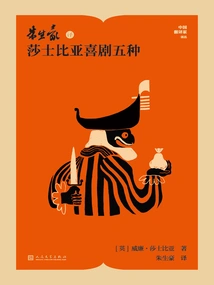
朱生豪译莎士比亚喜剧五种(中国翻译家译丛)
H
The plays Shakespeare wrote throughout his life include historical dramas, comedies and tragedies, which belong to three creative periods with their own emphasis. In comedy, Shakespeare achieved high achievements. The humanists of the Renaissance held beautiful ideals and believed deeply that the future of mankind was infinitely bright. This spirit of optimism was the keynote of Shakespeare's comedy creations. This book selects five representative comedies among these, namely "The Merchant of Venice", "A Midsummer Night's Dream", "Twelfth Night", "Much Ado About Nothing" and "As You Like It", collectively known as "Shakespeare's Five Comedies". Zhu Shenghao's translation is distinctive in quality and style, with beautiful and clear diction and distinctive characters. It is an artistic treasure cherished by readers and recognized by Shakespeare researchers at home and abroad. Since its publication by our publisher, the book has been revised by successive generations of experts, scholars and editors. It has condensed the wisdom of the academic community on Shakespeare research and has been recognized by readers over the years.
The plays Shakespeare wrote throughout his life include historical dramas, comedies and tragedies, which belong to three creative periods with their own emphasis. In comedy, Shakespeare achieved high achievements. The humanists of the Renaissance held beautiful ideals and believed deeply that the future of mankind was infinitely bright. This spirit of optimism was the keynote of Shakespeare's comedy creations. This book selects five representative comedies among these, namely "The Merchant of Venice", "A Midsummer Night's Dream", "Twelfth Night", "Much Ado About Nothing" and "As You Like It", collectively known as "Shakespeare's Five Comedies". Zhu Shenghao's translation is distinctive in quality and style, with beautiful and clear diction and distinctive characters. It is an artistic treasure cherished by readers and recognized by Shakespeare researchers at home and abroad. Since its publication by our publisher, the book has been revised by successive generations of experts, scholars and editors. It has condensed the wisdom of the academic community on Shakespeare research and has been recognized by readers over the years.
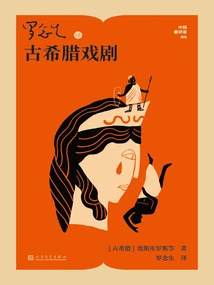
Translation of Ancient Greek Drama by Luo Niansheng (translation Series by Chinese Translators)
Literature罗念生译古希腊戏剧(中国翻译家译丛)
H
Ancient Greek drama is the oldest drama in the world and the source of the literary genre of drama. It originated in the sixth century BC and reached its peak in the fifth century BC. As a treasure of ancient literature in the world, ancient Greek drama has lasted more than two thousand years, but its touching plots, profound thoughts and superb skills can still impress people today. This translation is exclusive to our company. The translator Luo Niansheng directly translated the representative tragedies "Prometheus Bound", "Oedipus the King", "Medea" and the comedy "Knights" from ancient Greek. It portrays the hero Prometheus who was tortured for stealing fire from mankind in the ancient Greek era, and Oedipus the King who shows the struggle between human will and destiny. It praises human heroes and beautiful emotions, exposes the corruption of rulers, and displays the history and culture of ancient Greece.
Ancient Greek drama is the oldest drama in the world and the source of the literary genre of drama. It originated in the sixth century BC and reached its peak in the fifth century BC. As a treasure of ancient literature in the world, ancient Greek drama has lasted more than two thousand years, but its touching plots, profound thoughts and superb skills can still impress people today. This translation is exclusive to our company. The translator Luo Niansheng directly translated the representative tragedies "Prometheus Bound", "Oedipus the King", "Medea" and the comedy "Knights" from ancient Greek. It portrays the hero Prometheus who was tortured for stealing fire from mankind in the ancient Greek era, and Oedipus the King who shows the struggle between human will and destiny. It praises human heroes and beautiful emotions, exposes the corruption of rulers, and displays the history and culture of ancient Greece.
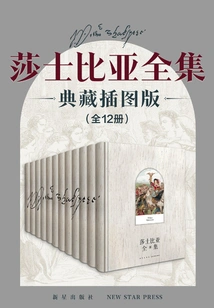
莎士比亚全集(典藏插图版 全12册)
H
Shakespeare's works are treasures in the history of human literature, encyclopedias of human society, and are even considered secular bibles. Everyone can find their own shadow in Shakespeare's plays. This set of "The Complete Works of Shakespeare" contains all of Shakespeare's plays and poetry, including 41 plays, 2 plays plus plays, 154 sonnets, two long narrative poems and other poems. Particularly different from other previous editions, this set of Shakespeare's complete works uses nearly a thousand illustrations by famous artists such as John Gilbert, the president of the Royal Watercolor Society in the 19th century, and illustrator George Cruickshank. The combination of pictures and texts provides more visual images for reading and understanding Shakespeare's works. This set of Shakespeare's complete works is selected from Zhu Shenghao's classic translation. The parts not translated by Zhu Shenghao were completed by the famous translator Su Fuzhong.
Shakespeare's works are treasures in the history of human literature, encyclopedias of human society, and are even considered secular bibles. Everyone can find their own shadow in Shakespeare's plays. This set of "The Complete Works of Shakespeare" contains all of Shakespeare's plays and poetry, including 41 plays, 2 plays plus plays, 154 sonnets, two long narrative poems and other poems. Particularly different from other previous editions, this set of Shakespeare's complete works uses nearly a thousand illustrations by famous artists such as John Gilbert, the president of the Royal Watercolor Society in the 19th century, and illustrator George Cruickshank. The combination of pictures and texts provides more visual images for reading and understanding Shakespeare's works. This set of Shakespeare's complete works is selected from Zhu Shenghao's classic translation. The parts not translated by Zhu Shenghao were completed by the famous translator Su Fuzhong.
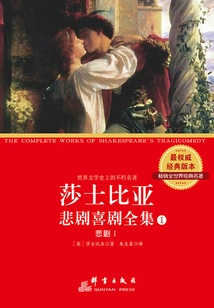
莎士比亚悲剧喜剧全集1:悲剧Ⅰ
H
This book is the first volume, and this set of books is divided into six volumes. The three volumes of tragedies and three volumes of comedies include 11 tragedies such as "Hamlet", "Othello", "King Lear" and "Macbeth" and 12 comedies such as "The Merchant of Venice", "A Midsummer Night's Dream", "As You Like It", "Twelfth Night" and "The Merry Wives of Windsor", all arranged in order of Shakespeare's writing time. This set of books is translated by Mr. Zhu Shenghao. It has been tested for a long time and is worth reading and collecting by readers!
This book is the first volume, and this set of books is divided into six volumes. The three volumes of tragedies and three volumes of comedies include 11 tragedies such as "Hamlet", "Othello", "King Lear" and "Macbeth" and 12 comedies such as "The Merchant of Venice", "A Midsummer Night's Dream", "As You Like It", "Twelfth Night" and "The Merry Wives of Windsor", all arranged in order of Shakespeare's writing time. This set of books is translated by Mr. Zhu Shenghao. It has been tested for a long time and is worth reading and collecting by readers!
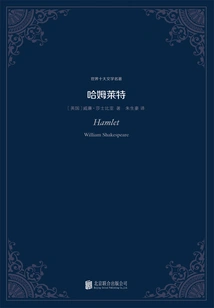
哈姆莱特(世界十大文学名著)
H
"Hamlet" contains Shakespeare's four most famous tragedies: "Hamlet", "Othello", "King Lear" and "Macbeth". In order to avenge his father, Hamlet found that "the whole era was out of joint" and decided to take up the responsibility of "rearranging the world". The result was that his ambition was empty and he was unable to recover. Othello is an upright and honest man who trusts people but hates evil as much as he hates evil. He killed his wife and himself under the influence of an adulterer. In pursuit of the best and the most beautiful, he suffered evil retribution. King Lear lost his nature in the honor, pride, and self-confidence that power brought to him. He lost his role as a king and became an ordinary person. He could be equally or even greater, so he suffered a lot of pain. Macbeth was originally a meritorious hero with a kind and beautiful side in his character. However, driven by the temptation of the throne and ambition, he became a sinner who "went from blood to blood" and regretted nothing. The tragedies of these characters profoundly reveal the various social evils that have begun to appear during the period of primitive accumulation of capital, and show the irreconcilable contradiction between humanistic ideals and cruel reality, which has a high degree of general significance.
"Hamlet" contains Shakespeare's four most famous tragedies: "Hamlet", "Othello", "King Lear" and "Macbeth". In order to avenge his father, Hamlet found that "the whole era was out of joint" and decided to take up the responsibility of "rearranging the world". The result was that his ambition was empty and he was unable to recover. Othello is an upright and honest man who trusts people but hates evil as much as he hates evil. He killed his wife and himself under the influence of an adulterer. In pursuit of the best and the most beautiful, he suffered evil retribution. King Lear lost his nature in the honor, pride, and self-confidence that power brought to him. He lost his role as a king and became an ordinary person. He could be equally or even greater, so he suffered a lot of pain. Macbeth was originally a meritorious hero with a kind and beautiful side in his character. However, driven by the temptation of the throne and ambition, he became a sinner who "went from blood to blood" and regretted nothing. The tragedies of these characters profoundly reveal the various social evils that have begun to appear during the period of primitive accumulation of capital, and show the irreconcilable contradiction between humanistic ideals and cruel reality, which has a high degree of general significance.
P
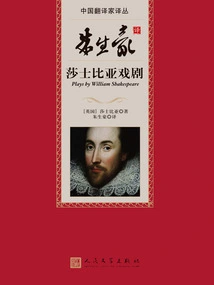
朱生豪译莎士比亚戏剧
H
Zhu Shenghao (February 2, 1912 - December 26, 1944), a native of Jiaxing, Zhejiang Province, China, is the earliest and most translator of Shakespeare's works in China. The quality and style of his translations are outstanding and recognized by Shakespeare researchers at home and abroad. Zhu Shenghao has high literary literacy, English proficiency and translation ability. In the spring of 1936, he began to translate "The Complete Works of Shakespeare's Dramas". He translated a total of 31 types of comedies, tragedies, historical dramas, dramas, etc. With smooth translation and gorgeous diction, it is the most classic and vivid translation of Shakespeare's works in my country.
Zhu Shenghao (February 2, 1912 - December 26, 1944), a native of Jiaxing, Zhejiang Province, China, is the earliest and most translator of Shakespeare's works in China. The quality and style of his translations are outstanding and recognized by Shakespeare researchers at home and abroad. Zhu Shenghao has high literary literacy, English proficiency and translation ability. In the spring of 1936, he began to translate "The Complete Works of Shakespeare's Dramas". He translated a total of 31 types of comedies, tragedies, historical dramas, dramas, etc. With smooth translation and gorgeous diction, it is the most classic and vivid translation of Shakespeare's works in my country.
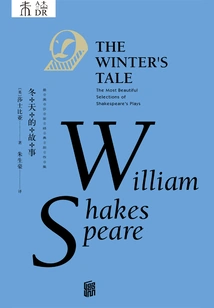
最美莎翁经典剧作集:冬天的故事
H
400 years after Shakespeare's death, his works are unparalleled in popularity and influence among all other classic writers. The English vocabulary and classic sayings he created have rewritten the entire history of world literature and influenced hundreds of millions of readers for several generations. "The Winter's Tale" is one of the last tragicomedies created by Shakespeare in his later years and occupies an important position in Shakespeare's plays. "The Winter's Tale" tells the story of King Leontes of Sicily who asked Queen Hermione to help persuade his best friend, King Polixenes of Bohemia, to stay in the palace for a longer period of time. The queen finally succeeded in persuading him to stay, and Leontes finally succeeded in persuading him to stay. This caused Thys to become jealous without warning, accusing Hermione and Polixenes of having an affair, forcing the queen to death, frightening the little prince Mamelus to death, and abandoning his infant daughter Perdita, for which he was cursed by the gods. Sixteen years later, Perdita, who was rescued by a Bohemian shepherd, grew up and fell in love with the Bohemian prince Florizel. However, she was strongly opposed by the Bohemian king. The two eloped to Sicily, which eventually led to the recognition of Leontes and Perdita as father and daughter, and Hermione's "resurrection" from the statue...
400 years after Shakespeare's death, his works are unparalleled in popularity and influence among all other classic writers. The English vocabulary and classic sayings he created have rewritten the entire history of world literature and influenced hundreds of millions of readers for several generations. "The Winter's Tale" is one of the last tragicomedies created by Shakespeare in his later years and occupies an important position in Shakespeare's plays. "The Winter's Tale" tells the story of King Leontes of Sicily who asked Queen Hermione to help persuade his best friend, King Polixenes of Bohemia, to stay in the palace for a longer period of time. The queen finally succeeded in persuading him to stay, and Leontes finally succeeded in persuading him to stay. This caused Thys to become jealous without warning, accusing Hermione and Polixenes of having an affair, forcing the queen to death, frightening the little prince Mamelus to death, and abandoning his infant daughter Perdita, for which he was cursed by the gods. Sixteen years later, Perdita, who was rescued by a Bohemian shepherd, grew up and fell in love with the Bohemian prince Florizel. However, she was strongly opposed by the Bohemian king. The two eloped to Sicily, which eventually led to the recognition of Leontes and Perdita as father and daughter, and Hermione's "resurrection" from the statue...
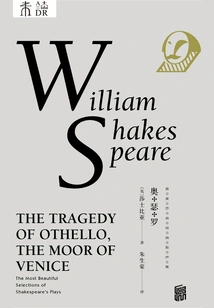
最美莎翁经典剧作集:奥瑟罗
H
400 years after Shakespeare's death, his works are unparalleled in popularity and influence among all other classic writers. The English vocabulary and classic sayings he created have rewritten the entire history of world literature and influenced hundreds of millions of readers for several generations. "Othello" is one of Shakespeare's four great tragedies. It tells the story of Desdemona, the daughter of Venetian senator Brabantio, who fell in love with the Moor Othello, and the two held a private wedding. After Brabantio learned of this, he went to the Senate to accuse Othello. Othello defended himself and told the story of the love proposal, and Brabantio had no choice but to agree. At this time, the Venetian authorities sent Othello to lead troops to resist the Turkish fleet's invasion of the island of Cyprus. Desdemona happily accompanied her husband on the expedition. After arriving in Cyprus, Iago, Othello's flag officer, was very scheming and cunning. He hated Othello for promoting the young officer Cassio to his lieutenant, so he planned to take revenge on Othello...
400 years after Shakespeare's death, his works are unparalleled in popularity and influence among all other classic writers. The English vocabulary and classic sayings he created have rewritten the entire history of world literature and influenced hundreds of millions of readers for several generations. "Othello" is one of Shakespeare's four great tragedies. It tells the story of Desdemona, the daughter of Venetian senator Brabantio, who fell in love with the Moor Othello, and the two held a private wedding. After Brabantio learned of this, he went to the Senate to accuse Othello. Othello defended himself and told the story of the love proposal, and Brabantio had no choice but to agree. At this time, the Venetian authorities sent Othello to lead troops to resist the Turkish fleet's invasion of the island of Cyprus. Desdemona happily accompanied her husband on the expedition. After arriving in Cyprus, Iago, Othello's flag officer, was very scheming and cunning. He hated Othello for promoting the young officer Cassio to his lieutenant, so he planned to take revenge on Othello...
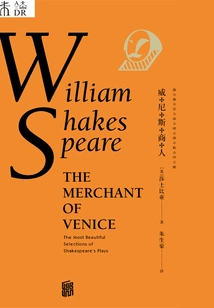
最美莎翁经典剧作集:威尼斯商人
H
400 years after Shakespeare's death, his works are unparalleled in popularity and influence among all other classic writers. The English vocabulary and classic sayings he created have rewritten the entire history of world literature and influenced hundreds of millions of readers for several generations. "The Merchant of Venice" is Shakespeare's important early work and a highly satirical comedy. In order to help his friend Bassanio get married, the Venetian merchant Antonio borrowed three thousand gold coins from the Jewish loan shark Shylock. Because Antonio lent money to others without interest, which affected his business and insulted him, Shylock took the opportunity to retaliate and wrote in the loan agreement that if the money was not paid at the end of three months, he would cut off a pound of Antonio's flesh to pay off the debt. Antonio was unable to repay the money as scheduled due to a shipwreck, so Shylock filed a lawsuit and asked Antonio to fulfill the loan agreement...
400 years after Shakespeare's death, his works are unparalleled in popularity and influence among all other classic writers. The English vocabulary and classic sayings he created have rewritten the entire history of world literature and influenced hundreds of millions of readers for several generations. "The Merchant of Venice" is Shakespeare's important early work and a highly satirical comedy. In order to help his friend Bassanio get married, the Venetian merchant Antonio borrowed three thousand gold coins from the Jewish loan shark Shylock. Because Antonio lent money to others without interest, which affected his business and insulted him, Shylock took the opportunity to retaliate and wrote in the loan agreement that if the money was not paid at the end of three months, he would cut off a pound of Antonio's flesh to pay off the debt. Antonio was unable to repay the money as scheduled due to a shipwreck, so Shylock filed a lawsuit and asked Antonio to fulfill the loan agreement...
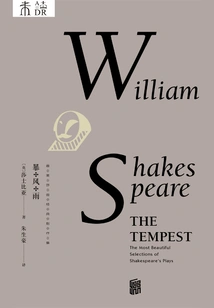
最美莎翁经典剧作集:暴风雨
H
400 years after Shakespeare's death, his works are unparalleled in popularity and influence among all other classic writers. The English vocabulary and classic sayings he created have rewritten the entire history of world literature and influenced hundreds of millions of readers for several generations. "The Tempest" is considered to be the last play written by Shakespeare alone. It has the characteristics of tragedy and comedy, so it is classified as a "legend play". The plot tells the story of Prospero, Duke of Milan, who was usurped by his younger brother because he was studying behind closed doors and ignoring state affairs. He was exiled to the sea with his infant daughter. Thanks to the help of the kind-hearted minister Gongchaluo, they managed to survive and ended up living on a desert island. Prospero relied on the powerful magic he learned in the book to rescue the suffering elves on the island. He also used the power of the elves to control wind and rain, attract enemies, and make them repent and admit their mistakes. Finally, Prospero forgave his enemies with his broad mind, and found a lover for his daughter. Everyone left the island and returned to Milan.
400 years after Shakespeare's death, his works are unparalleled in popularity and influence among all other classic writers. The English vocabulary and classic sayings he created have rewritten the entire history of world literature and influenced hundreds of millions of readers for several generations. "The Tempest" is considered to be the last play written by Shakespeare alone. It has the characteristics of tragedy and comedy, so it is classified as a "legend play". The plot tells the story of Prospero, Duke of Milan, who was usurped by his younger brother because he was studying behind closed doors and ignoring state affairs. He was exiled to the sea with his infant daughter. Thanks to the help of the kind-hearted minister Gongchaluo, they managed to survive and ended up living on a desert island. Prospero relied on the powerful magic he learned in the book to rescue the suffering elves on the island. He also used the power of the elves to control wind and rain, attract enemies, and make them repent and admit their mistakes. Finally, Prospero forgave his enemies with his broad mind, and found a lover for his daughter. Everyone left the island and returned to Milan.
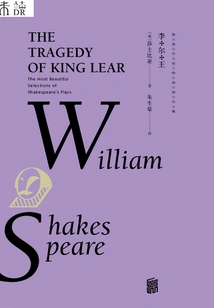
最美莎翁经典剧作集:李尔王
H
400 years after Shakespeare's death, his works are unparalleled in popularity and influence among all other classic writers. The English vocabulary and classic sayings he created have rewritten the entire history of world literature and influenced hundreds of millions of readers for several generations. "King Lear" is a famous tragedy by Shakespeare. "King Lear" tells the story of the elderly King Lear who, after abdicating the throne, was driven into the wilderness by his eldest and second daughters who could only speak sweet words. The third daughter, who became the Queen of France, led an army to save her father, but was killed instead. King Lear was so heartbroken that he died beside his younger daughter...
400 years after Shakespeare's death, his works are unparalleled in popularity and influence among all other classic writers. The English vocabulary and classic sayings he created have rewritten the entire history of world literature and influenced hundreds of millions of readers for several generations. "King Lear" is a famous tragedy by Shakespeare. "King Lear" tells the story of the elderly King Lear who, after abdicating the throne, was driven into the wilderness by his eldest and second daughters who could only speak sweet words. The third daughter, who became the Queen of France, led an army to save her father, but was killed instead. King Lear was so heartbroken that he died beside his younger daughter...
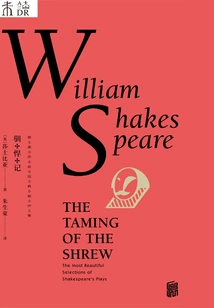
最美莎翁经典剧作集:驯悍记
H
400 years after Shakespeare's death, his works are unparalleled in popularity and influence among all other classic writers. The English vocabulary and classic sayings he created have rewritten the entire history of world literature and influenced hundreds of millions of readers for several generations. "The Taming of the Shrew" is a famous early humorous comedy by Shakespeare. "The Taming of the Shrew" tells the story of Katharina, who could not find any man who dared to marry her because of her bad temper and stubborn temper. Reluctantly, she married Petruchio, a tall, strong bearded man. Petruchio was determined to train Katharina to be a good wife who would be obedient to him, so he came up with a strategy and started an interesting story of taming the shrew by "fighting violence with violence"...
400 years after Shakespeare's death, his works are unparalleled in popularity and influence among all other classic writers. The English vocabulary and classic sayings he created have rewritten the entire history of world literature and influenced hundreds of millions of readers for several generations. "The Taming of the Shrew" is a famous early humorous comedy by Shakespeare. "The Taming of the Shrew" tells the story of Katharina, who could not find any man who dared to marry her because of her bad temper and stubborn temper. Reluctantly, she married Petruchio, a tall, strong bearded man. Petruchio was determined to train Katharina to be a good wife who would be obedient to him, so he came up with a strategy and started an interesting story of taming the shrew by "fighting violence with violence"...
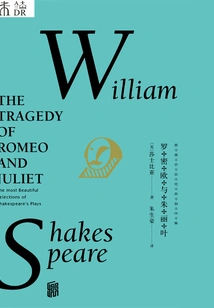
最美莎翁经典剧作集:罗密欧与朱丽叶
H
400 years after Shakespeare's death, his works are unparalleled in popularity and influence among all other classic writers. The English vocabulary and classic sayings he created have rewritten the entire history of world literature and influenced hundreds of millions of readers for several generations. "Romeo and Juliet" is a famous tragedy by Shakespeare. "Romeo and Juliet" tells the story of two young men and women who fell in love, but suffered misfortune due to the generational hatred between the two families, and finally led to the reconciliation of the two families. The play has been popular throughout the ages and, along with "Hamlet", has become the most frequently performed Shakespeare play...
400 years after Shakespeare's death, his works are unparalleled in popularity and influence among all other classic writers. The English vocabulary and classic sayings he created have rewritten the entire history of world literature and influenced hundreds of millions of readers for several generations. "Romeo and Juliet" is a famous tragedy by Shakespeare. "Romeo and Juliet" tells the story of two young men and women who fell in love, but suffered misfortune due to the generational hatred between the two families, and finally led to the reconciliation of the two families. The play has been popular throughout the ages and, along with "Hamlet", has become the most frequently performed Shakespeare play...
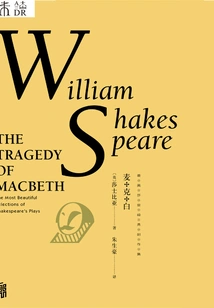
最美莎翁经典剧作集:麦克白
H
400 years after Shakespeare's death, his works are unparalleled in popularity and influence among all other classic writers. The English vocabulary and classic sayings he created have rewritten the entire history of world literature and influenced hundreds of millions of readers for several generations. Macbeth is Shakespeare's shortest tragedy and one of his most popular works. It is often considered the darkest and most powerful of his tragedies. The story is set in Scotland and observes the evil of chasing power and betrayal in a dramatic way, through psychological effects and political struggles. The play tells the story of Macbeth, a brave Scottish general who receives a prophecy from three witches that he will one day become King of Scotland. Out of ambition and the instigation of his wife, Macbeth assassinated King Duncan and proclaimed himself king. Tormented by self-blame and fantasy, he soon degenerated into a tyrant, forced to protect his throne and suppress hostility and suspicion through constant ruthlessness. The massacre and civil war made Macbeth and his wife arrogant and crazy. Macbeth, who gained power by insidiously usurping the throne, eventually went to destruction...
400 years after Shakespeare's death, his works are unparalleled in popularity and influence among all other classic writers. The English vocabulary and classic sayings he created have rewritten the entire history of world literature and influenced hundreds of millions of readers for several generations. Macbeth is Shakespeare's shortest tragedy and one of his most popular works. It is often considered the darkest and most powerful of his tragedies. The story is set in Scotland and observes the evil of chasing power and betrayal in a dramatic way, through psychological effects and political struggles. The play tells the story of Macbeth, a brave Scottish general who receives a prophecy from three witches that he will one day become King of Scotland. Out of ambition and the instigation of his wife, Macbeth assassinated King Duncan and proclaimed himself king. Tormented by self-blame and fantasy, he soon degenerated into a tyrant, forced to protect his throne and suppress hostility and suspicion through constant ruthlessness. The massacre and civil war made Macbeth and his wife arrogant and crazy. Macbeth, who gained power by insidiously usurping the throne, eventually went to destruction...
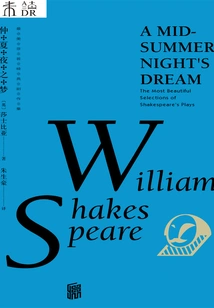
最美莎翁经典剧作集:仲夏夜之梦
H
400 years after Shakespeare's death, his works are unparalleled in popularity and influence among all other classic writers. The English vocabulary and classic sayings he created have rewritten the entire history of world literature and influenced hundreds of millions of readers for several generations. "A Midsummer Night's Dream" is the most romantic of all Shakespeare's plays. This play tells the story of a pair of lovers in Athens, Hermia and Lysander, who fled Athens due to the opposition of their families and the possible legal sanctions they may face. Demetrius, who loves Hermia, and Helena, who is obsessed with Demetrius, also followed the lovers into the forest. At this time, the fairy king and queen in the forest were at odds because of a "changer". In order to make the Fairy Queen make concessions, the Fairy King sent Puck to get the magic juice to tease the Fairy Queen. This magic juice has such magical power: if you drop it on the eyelids of a sleeping person, no matter whether you are a man or a woman, you will fall madly in love with the first creature you see when you wake up. Because of the emergence of magic juice, the whole story changed dramatically...
400 years after Shakespeare's death, his works are unparalleled in popularity and influence among all other classic writers. The English vocabulary and classic sayings he created have rewritten the entire history of world literature and influenced hundreds of millions of readers for several generations. "A Midsummer Night's Dream" is the most romantic of all Shakespeare's plays. This play tells the story of a pair of lovers in Athens, Hermia and Lysander, who fled Athens due to the opposition of their families and the possible legal sanctions they may face. Demetrius, who loves Hermia, and Helena, who is obsessed with Demetrius, also followed the lovers into the forest. At this time, the fairy king and queen in the forest were at odds because of a "changer". In order to make the Fairy Queen make concessions, the Fairy King sent Puck to get the magic juice to tease the Fairy Queen. This magic juice has such magical power: if you drop it on the eyelids of a sleeping person, no matter whether you are a man or a woman, you will fall madly in love with the first creature you see when you wake up. Because of the emergence of magic juice, the whole story changed dramatically...
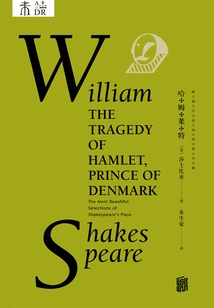
最美莎翁经典剧作集:哈姆莱特
H
400 years after Shakespeare's death, his works are unparalleled in popularity and influence among all other classic writers. The English vocabulary and classic sayings he created have rewritten the entire history of world literature and influenced hundreds of millions of readers for several generations. "Hamlet" is one of the world's famous tragedies and Shakespeare's most famous play. It tells the story of Prince Hamlet of Denmark who was studying abroad when his uncle Claudius poisoned King Hamlet, usurped the throne and married Queen Gertrude. After Hamlet returned home, his father's ghost told him the cause of his death. He followed the ghost's instructions and decided to take revenge. At the same time, the king began to doubt Hamlet. On the advice of the minister Polonius, he used the minister's daughter and Hamlet's lover Ophelia to test him. He also ordered Rosencrantz and Guildenstern to test him, but he found out. Hamlet took advantage of the opportunity of a troupe to perform in the palace, confirmed the ghost's words, and decided to act. However, in a series of actions, the story turned towards tragedy...
400 years after Shakespeare's death, his works are unparalleled in popularity and influence among all other classic writers. The English vocabulary and classic sayings he created have rewritten the entire history of world literature and influenced hundreds of millions of readers for several generations. "Hamlet" is one of the world's famous tragedies and Shakespeare's most famous play. It tells the story of Prince Hamlet of Denmark who was studying abroad when his uncle Claudius poisoned King Hamlet, usurped the throne and married Queen Gertrude. After Hamlet returned home, his father's ghost told him the cause of his death. He followed the ghost's instructions and decided to take revenge. At the same time, the king began to doubt Hamlet. On the advice of the minister Polonius, he used the minister's daughter and Hamlet's lover Ophelia to test him. He also ordered Rosencrantz and Guildenstern to test him, but he found out. Hamlet took advantage of the opportunity of a troupe to perform in the palace, confirmed the ghost's words, and decided to act. However, in a series of actions, the story turned towards tragedy...
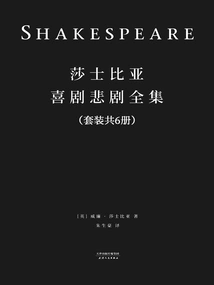
莎士比亚喜剧悲剧全集(套装共六册)
H
A complete collection of twenty-three plays from Shakespeare's comedies and tragedies. There are six volumes in total, three volumes of comedy and three volumes of tragedy. In 1947, "The Complete Works of Shakespeare's Dramas" translated by Mr. Zhu Shenghao was published by World Book Company. The entire book was selected and edited based on this edition. As one of China's earliest translators of Shakespeare's works, Zhu Shenghao's primary purpose of translation is to "maintain the charm of the original work", followed by clarity. It has been translated for more than seventy years and is still very popular. Zhu's translation is basically consistent with the style of today's Chinese. The distinctive Wu dialect and words that are unknown to modern readers but are rich in allusions and have great literary talent are all preserved in this edition. If combined with the context, these expressions will not cause obstacles to understanding the original text, and readers can also appreciate the charm of the original translation.
A complete collection of twenty-three plays from Shakespeare's comedies and tragedies. There are six volumes in total, three volumes of comedy and three volumes of tragedy. In 1947, "The Complete Works of Shakespeare's Dramas" translated by Mr. Zhu Shenghao was published by World Book Company. The entire book was selected and edited based on this edition. As one of China's earliest translators of Shakespeare's works, Zhu Shenghao's primary purpose of translation is to "maintain the charm of the original work", followed by clarity. It has been translated for more than seventy years and is still very popular. Zhu's translation is basically consistent with the style of today's Chinese. The distinctive Wu dialect and words that are unknown to modern readers but are rich in allusions and have great literary talent are all preserved in this edition. If combined with the context, these expressions will not cause obstacles to understanding the original text, and readers can also appreciate the charm of the original translation.
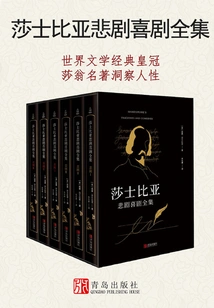
莎士比亚悲剧喜剧全集(共6册)
H
I
I

毛姆剧作全集(全四卷)
H
Maugham is well-known among Chinese readers for his novels such as "The Moon and Sixpence" that have long become cultural symbols. But in fact, in the first half of his life, long before Maugham became a novelist, he had achieved astonishing success in the theater world. During the heyday of his dramatic writing, London's major theaters once staged four of his plays simultaneously. Contemporaries once joked in cartoons that such an achievement would make Shakespeare jealous. Divided into four volumes, this complete collection includes complete translations of all 25 Maugham published plays, filling a gap in this field in the domestic publishing industry. His plays particularly embody his literary style that appeals to both refined and popular tastes, humor and wit, and are worthy of appreciation by all Maugham lovers.
Maugham is well-known among Chinese readers for his novels such as "The Moon and Sixpence" that have long become cultural symbols. But in fact, in the first half of his life, long before Maugham became a novelist, he had achieved astonishing success in the theater world. During the heyday of his dramatic writing, London's major theaters once staged four of his plays simultaneously. Contemporaries once joked in cartoons that such an achievement would make Shakespeare jealous. Divided into four volumes, this complete collection includes complete translations of all 25 Maugham published plays, filling a gap in this field in the domestic publishing industry. His plays particularly embody his literary style that appeals to both refined and popular tastes, humor and wit, and are worthy of appreciation by all Maugham lovers.