Library
Browse and search books
13,360 novels found
R
General Fictionr
H
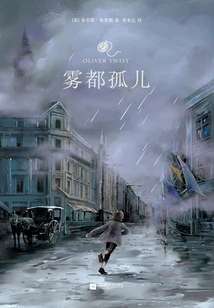
The abandoned baby Oliver lost his mother at birth and suffered inhuman abuse in the workhouse. After becoming a coffin shop apprentice, the situation did not improve at all. Unbearable, he had to escape to London but broke into a den of thieves. He was once taken in by a good family, but unfortunately he was discovered by a thief and imprisoned in a den of thieves. In order to rescue Oliver, the kind-hearted female thief Nancy helped Oliver find his long-lost relatives regardless of the thief's surveillance and threats. However, Nancy was brutally killed by the leader of the den of thieves. Nancy's death also brought disaster to the den of thieves. Oliver was adopted as an adopted son by a good family, ending his miserable childhood. After going through many difficulties, the kind-hearted Oliver finally saw the rainbow, and finally ushered in a happy ending to the story.
The abandoned baby Oliver lost his mother at birth and suffered inhuman abuse in the workhouse. After becoming a coffin shop apprentice, the situation did not improve at all. Unbearable, he had to escape to London but broke into a den of thieves. He was once taken in by a good family, but unfortunately he was discovered by a thief and imprisoned in a den of thieves. In order to rescue Oliver, the kind-hearted female thief Nancy helped Oliver find his long-lost relatives regardless of the thief's surveillance and threats. However, Nancy was brutally killed by the leader of the den of thieves. Nancy's death also brought disaster to the den of thieves. Oliver was adopted as an adopted son by a good family, ending his miserable childhood. After going through many difficulties, the kind-hearted Oliver finally saw the rainbow, and finally ushered in a happy ending to the story.

Q

Remarque's Lost Generation Trilogy Set
General Fiction雷马克迷失的一代三部曲套装
J
Remarque - He is one of the most widely read German-language writers in the world. His works have influenced Zweig, Günter Grass, and Bob Dylan. From small German towns to frontline battlefields, from the Swiss countryside to the streets of Paris, from Hollywood to Manhattan, Erich Maria Remarque pays attention to the plight of generations of young people. He not only wrote about his youth during the war, but also about the loss after returning from the battlefield, love in troubled times, and wandering in the city... "All Quiet on the Western Front" is just the beginning of his story. Newly published classic works by Remarque, the top novelist of the 20th century
Remarque - He is one of the most widely read German-language writers in the world. His works have influenced Zweig, Günter Grass, and Bob Dylan. From small German towns to frontline battlefields, from the Swiss countryside to the streets of Paris, from Hollywood to Manhattan, Erich Maria Remarque pays attention to the plight of generations of young people. He not only wrote about his youth during the war, but also about the loss after returning from the battlefield, love in troubled times, and wandering in the city... "All Quiet on the Western Front" is just the beginning of his story. Newly published classic works by Remarque, the top novelist of the 20th century

Tibetan Mastiff Notes
General Fiction藏獒笔记
K
Xiao Bing, a retired special forces soldier, met such a purebred Tibetan Mastiff, Dahei, in a village in Shigatse, Tibet. At the beginning, Dahei behaved extremely arrogantly and looked down upon Xiao Bing. Xiao Bing also ignored Dahei. Soon, after a series of events, especially after the Tibetan Mastiff Dahei fought fiercely with wolves many times, Xiao Bing finally saw the prowess of this plateau king...
Xiao Bing, a retired special forces soldier, met such a purebred Tibetan Mastiff, Dahei, in a village in Shigatse, Tibet. At the beginning, Dahei behaved extremely arrogantly and looked down upon Xiao Bing. Xiao Bing also ignored Dahei. Soon, after a series of events, especially after the Tibetan Mastiff Dahei fought fiercely with wolves many times, Xiao Bing finally saw the prowess of this plateau king...
Imprisoned Mind
General Fiction被禁锢的头脑
J
This book is a classic work written by Milosz, the winner of the 1980 Nobel Prize for Literature, in the early 1950s. It provides a wonderful description and reflection on the situation of people in Poland and the three Baltic countries before and after World War II. Many of Milosz's insights are still powerful in interpretation in today's context, and even have greater potential and space. The Chinese-speaking world is looking forward to this book. The Chinese version is directly translated from the Polish, and it also has a preface to the German and English versions. The famous critic Ms. Cui Weiping is invited to give an introduction. It can be said to be a rare book.
This book is a classic work written by Milosz, the winner of the 1980 Nobel Prize for Literature, in the early 1950s. It provides a wonderful description and reflection on the situation of people in Poland and the three Baltic countries before and after World War II. Many of Milosz's insights are still powerful in interpretation in today's context, and even have greater potential and space. The Chinese-speaking world is looking forward to this book. The Chinese version is directly translated from the Polish, and it also has a preface to the German and English versions. The famous critic Ms. Cui Weiping is invited to give an introduction. It can be said to be a rare book.
二十年目睹之怪现状(全2册)
I
"The Strange Current Situation Witnessed in Twenty Years" describes various social anomalies in the more than 20 years from before and after the Sino-French War in 1884 to around 1904. The scope of its description is slightly wider than "The Appearance of Officialdom", but it still takes the strange current situation of officialdom as the central clue, and secondly involves shopping malls and "foreign markets". The power of shopping malls and "foreign markets" can sometimes influence officialdom. Corresponding to the plot, the author is very good at creating negative images and complex characters. It is one of the representative works of the genre of condemnation novels in the late Qing Dynasty.
"The Strange Current Situation Witnessed in Twenty Years" describes various social anomalies in the more than 20 years from before and after the Sino-French War in 1884 to around 1904. The scope of its description is slightly wider than "The Appearance of Officialdom", but it still takes the strange current situation of officialdom as the central clue, and secondly involves shopping malls and "foreign markets". The power of shopping malls and "foreign markets" can sometimes influence officialdom. Corresponding to the plot, the author is very good at creating negative images and complex characters. It is one of the representative works of the genre of condemnation novels in the late Qing Dynasty.
Three Words and Two Beats · Yushi Mingyan
General Fiction三言二拍·喻世明言
G
"Three Words and Two Pai" is a collection of short stories in ancient Chinese vernacular, including "Three Words": "Mingyan Yan", "Warning Words" and "Everlasting Words to Awaken the World" compiled by the literary master Feng Menglong of the Ming Dynasty; and "Two Pai" edited by the novel master Ling Shuchu: "Surprise at the First Carving" and "Surprise at the Second Moment". "Three Words and Two Patterns" has a total of 200 classic short stories in vernacular, which completely encompasses the essence of short stories in vernacular from the Song, Yuan and Ming dynasties. Each story in the book is independent, exciting and ups and downs, such as the White Snake who forever holds down the Leifeng Pagoda, Du Shiniang who sank his treasure chest in anger, and Yu Boya who dropped his piano to say goodbye. Classic stories that are familiar to Chinese people, such as the bosom friend, are all derived from the "three words and two beats"; "Three words and two beats" are also derived from the "three words and two beats"; "Three words and two beats" are also derived from "Three words and two beats"; "It is difficult to be a master without suffering", "It is difficult to draw a dragon or a tiger, but it is difficult to draw a skeleton, and you know people and their faces but not their hearts". Thousands of thousands of years of worldly wonders, people and events are all captured in a few words and two shots; two hundred classic short stories are written about all kinds of situations in the world! Writer Da Bing strongly recommends: "Know sentient beings in the impermanent place, and know all living beings in the sentient place."
"Three Words and Two Pai" is a collection of short stories in ancient Chinese vernacular, including "Three Words": "Mingyan Yan", "Warning Words" and "Everlasting Words to Awaken the World" compiled by the literary master Feng Menglong of the Ming Dynasty; and "Two Pai" edited by the novel master Ling Shuchu: "Surprise at the First Carving" and "Surprise at the Second Moment". "Three Words and Two Patterns" has a total of 200 classic short stories in vernacular, which completely encompasses the essence of short stories in vernacular from the Song, Yuan and Ming dynasties. Each story in the book is independent, exciting and ups and downs, such as the White Snake who forever holds down the Leifeng Pagoda, Du Shiniang who sank his treasure chest in anger, and Yu Boya who dropped his piano to say goodbye. Classic stories that are familiar to Chinese people, such as the bosom friend, are all derived from the "three words and two beats"; "Three words and two beats" are also derived from the "three words and two beats"; "Three words and two beats" are also derived from "Three words and two beats"; "It is difficult to be a master without suffering", "It is difficult to draw a dragon or a tiger, but it is difficult to draw a skeleton, and you know people and their faces but not their hearts". Thousands of thousands of years of worldly wonders, people and events are all captured in a few words and two shots; two hundred classic short stories are written about all kinds of situations in the world! Writer Da Bing strongly recommends: "Know sentient beings in the impermanent place, and know all living beings in the sentient place."
V
General Fictionv
J
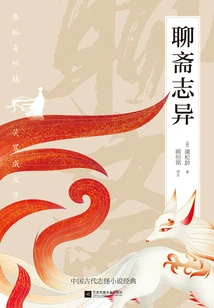
"Strange Stories from a Chinese Studio" is a collection of short stories in classical Chinese written by the novelist Pu Songling. It is also a classic of ancient Chinese fantasy novels. His thoughts include exposing the darkness of feudal rule, criticizing the corruption of the imperial examination system, or resisting the constraints of feudal ethics. The work expresses the author's yearning for ideal love by telling the love between flower demons, foxes, spirits, and humans. The works describing the theme of love occupy the most pages in the book. They express a strong anti-feudal etiquette spirit. Some of the works have been adapted into film and television dramas and are known to the public. They are treasures of China's excellent traditional culture.
"Strange Stories from a Chinese Studio" is a collection of short stories in classical Chinese written by the novelist Pu Songling. It is also a classic of ancient Chinese fantasy novels. His thoughts include exposing the darkness of feudal rule, criticizing the corruption of the imperial examination system, or resisting the constraints of feudal ethics. The work expresses the author's yearning for ideal love by telling the love between flower demons, foxes, spirits, and humans. The works describing the theme of love occupy the most pages in the book. They express a strong anti-feudal etiquette spirit. Some of the works have been adapted into film and television dramas and are known to the public. They are treasures of China's excellent traditional culture.
Three Words and Two Beats: Yushi Mingyan
General Fiction三言二拍:喻世明言
H
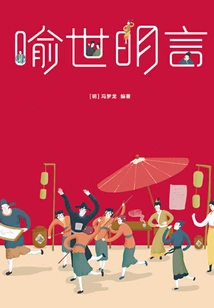
"Yu Shi Ming Yan", a collection of vernacular short stories, was originally titled "Ancient and Modern Novels", also known as "Full Image of Ancient and Modern Novels". Compiled by Feng Menglong in the late Ming Dynasty. Some of them are old versions of the Song and Yuan dialects, and some were drafted by people in the Ming Dynasty. The text may have been processed by the editor. Most of the themes come from folklore, and some are adapted from historical novels and previous novels.
"Yu Shi Ming Yan", a collection of vernacular short stories, was originally titled "Ancient and Modern Novels", also known as "Full Image of Ancient and Modern Novels". Compiled by Feng Menglong in the late Ming Dynasty. Some of them are old versions of the Song and Yuan dialects, and some were drafted by people in the Ming Dynasty. The text may have been processed by the editor. Most of the themes come from folklore, and some are adapted from historical novels and previous novels.
A Collection of Vernacular Novels About Gods and Monsters: the Legend of the Eight Immortals (part 5)
General Fiction白话长篇神怪小说集:八仙得道传(五)
I
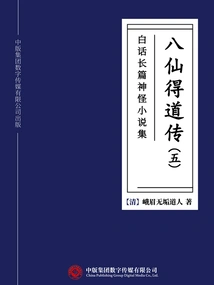
"The Legend of the Eight Immortals Achieving the Way" respectively describes the detailed process of the eight great immortals cultivating immortality and attaining the Way. It started from the birth of Taishang Laojun at the turn of the Xia and Shang Dynasties to the time when the eight immortals completed their great achievements and returned to heaven together in the Song Dynasty, which lasted for thousands of years. The novel has rich plots, moving twists and turns, and is quite attractive. Most of the eight great immortals narrated in the story came from the human world. It is said that "immortals are originally made by mortals." They have all experienced thousands of years of cultivation and become immortals. Some of them have been reincarnated as immortals, and some have transformed from animals into humans, and then cultivated themselves into immortals from humans. They live in different eras, but there is a master-student relationship in the novel. This book is the fifth volume.
"The Legend of the Eight Immortals Achieving the Way" respectively describes the detailed process of the eight great immortals cultivating immortality and attaining the Way. It started from the birth of Taishang Laojun at the turn of the Xia and Shang Dynasties to the time when the eight immortals completed their great achievements and returned to heaven together in the Song Dynasty, which lasted for thousands of years. The novel has rich plots, moving twists and turns, and is quite attractive. Most of the eight great immortals narrated in the story came from the human world. It is said that "immortals are originally made by mortals." They have all experienced thousands of years of cultivation and become immortals. Some of them have been reincarnated as immortals, and some have transformed from animals into humans, and then cultivated themselves into immortals from humans. They live in different eras, but there is a master-student relationship in the novel. This book is the fifth volume.
三言二拍·初刻拍案惊奇
H
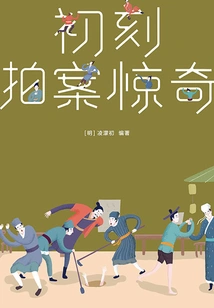
"Three Words and Two Pai" is a collection of short stories in ancient Chinese vernacular, including "Three Words": "Mingyan Yan", "Warning Words" and "Everlasting Words to Awaken the World" compiled by the literary master Feng Menglong of the Ming Dynasty; and "Two Pai" edited by the novel master Ling Shuchu: "Surprise at the First Carving" and "Surprise at the Second Moment". "Three Words and Two Patterns" has a total of 200 classic short stories in vernacular, which completely encompasses the essence of short stories in vernacular from the Song, Yuan and Ming dynasties. Each story in the book is independent, exciting and ups and downs, such as the White Snake who forever holds down the Leifeng Pagoda, Du Shiniang who sank his treasure chest in anger, and Yu Boya who dropped his piano to say goodbye. Classic stories that are familiar to Chinese people, such as the bosom friend, are all derived from the "three words and two beats"; "Three words and two beats" are also derived from the "three words and two beats"; "Three words and two beats" are also derived from "Three words and two beats"; "It is difficult to be a master without suffering", "It is difficult to draw a dragon or a tiger, but it is difficult to draw a skeleton, and you know people and their faces but not their hearts". Thousands of thousands of years of worldly wonders, people and events are all captured in a few words and two shots; two hundred classic short stories are written about all kinds of situations in the world! Writer Da Bing strongly recommends: "Know sentient beings in the impermanent place, and know all living beings in the sentient place."
"Three Words and Two Pai" is a collection of short stories in ancient Chinese vernacular, including "Three Words": "Mingyan Yan", "Warning Words" and "Everlasting Words to Awaken the World" compiled by the literary master Feng Menglong of the Ming Dynasty; and "Two Pai" edited by the novel master Ling Shuchu: "Surprise at the First Carving" and "Surprise at the Second Moment". "Three Words and Two Patterns" has a total of 200 classic short stories in vernacular, which completely encompasses the essence of short stories in vernacular from the Song, Yuan and Ming dynasties. Each story in the book is independent, exciting and ups and downs, such as the White Snake who forever holds down the Leifeng Pagoda, Du Shiniang who sank his treasure chest in anger, and Yu Boya who dropped his piano to say goodbye. Classic stories that are familiar to Chinese people, such as the bosom friend, are all derived from the "three words and two beats"; "Three words and two beats" are also derived from the "three words and two beats"; "Three words and two beats" are also derived from "Three words and two beats"; "It is difficult to be a master without suffering", "It is difficult to draw a dragon or a tiger, but it is difficult to draw a skeleton, and you know people and their faces but not their hearts". Thousands of thousands of years of worldly wonders, people and events are all captured in a few words and two shots; two hundred classic short stories are written about all kinds of situations in the world! Writer Da Bing strongly recommends: "Know sentient beings in the impermanent place, and know all living beings in the sentient place."
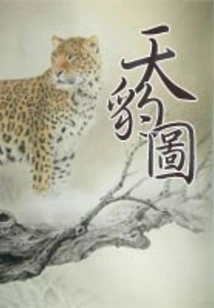
天豹图(中国禁毁小说百部)
K
"Tian Bao Tu" has twelve volumes and forty chapters, and was published in the Qing Dynasty. It is a heroic romance novel. The book tells the story of heroes fighting off violence, and also includes the story of the struggle between loyalists and traitors in the court and the relationship between heroes and beauties, which is quite attractive to readers.
"Tian Bao Tu" has twelve volumes and forty chapters, and was published in the Qing Dynasty. It is a heroic romance novel. The book tells the story of heroes fighting off violence, and also includes the story of the struggle between loyalists and traitors in the court and the relationship between heroes and beauties, which is quite attractive to readers.
V
General Fictionv
M
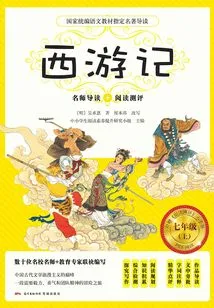
"Journey to the West" is an outstanding fantasy novel about gods and demons in the history of Chinese literature. The book is based on the historical event of "Tang Monk's Study of Buddhist Scriptures", and through the author's artistic processing, it profoundly depicts the social reality at that time. It mainly describes the story of Sun Wukong being born, and then meeting Tang Monk, Zhu Bajie, and Monk Sha. They defeated demons along the way and protected Tang Monk on his journey to the west to obtain Buddhist scriptures. After going through eighty-one hardships, he finally reached the Western Heaven and met the Tathagata Buddha, and the Five Saints came true. The author Wu Cheng'en used romantic techniques to soar with the wings of extremely rich imagination, depicting a colorful, magical and magnificent fantasy world, creating a series of interesting and fascinating mythological stories, and successfully created the idealized hero image of Sun Wukong, an extraordinary and holy person. In the fantasy world, it twists and turns to reflect the human condition and worldly feelings, expresses fresh human wisdom, has full flesh and blood of reality and a rich flavor of life. "Journey to the West", with its unique thoughts and artistic charm, brings readers into the beautiful palace of art and feels its artistic charm.
"Journey to the West" is an outstanding fantasy novel about gods and demons in the history of Chinese literature. The book is based on the historical event of "Tang Monk's Study of Buddhist Scriptures", and through the author's artistic processing, it profoundly depicts the social reality at that time. It mainly describes the story of Sun Wukong being born, and then meeting Tang Monk, Zhu Bajie, and Monk Sha. They defeated demons along the way and protected Tang Monk on his journey to the west to obtain Buddhist scriptures. After going through eighty-one hardships, he finally reached the Western Heaven and met the Tathagata Buddha, and the Five Saints came true. The author Wu Cheng'en used romantic techniques to soar with the wings of extremely rich imagination, depicting a colorful, magical and magnificent fantasy world, creating a series of interesting and fascinating mythological stories, and successfully created the idealized hero image of Sun Wukong, an extraordinary and holy person. In the fantasy world, it twists and turns to reflect the human condition and worldly feelings, expresses fresh human wisdom, has full flesh and blood of reality and a rich flavor of life. "Journey to the West", with its unique thoughts and artistic charm, brings readers into the beautiful palace of art and feels its artistic charm.
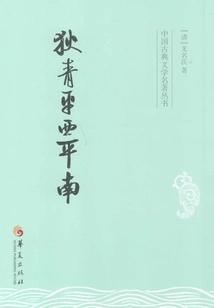
Di Qingping Xipingnan
General Fiction狄青平西平南
J
"Di Qing Ping Xi Ping Nan" is a collection of two novels "The Prequel of Five Tigers Ping Xi" and "The Post Biography of Five Tigers Ping Nan". Written by an unknown person in the Qing Dynasty, it tells the story of the five tiger generals Di Qing, Zhang Zhong, Li Yi, Liu Qing, and Shi Yu who were ordered to conquer the west and the south during the reign of Emperor Renzong of the Song Dynasty. "The Prequel of Five Tigers Ping Xi" describes that Di Qing and other five tiger generals were ordered by Song Renzong to conquer Qingtang and Shangcheng. They mistakenly left Shanshan (Shanshan) country and were captured by Princess Shuangyang. Di Qing had no choice but to marry Princess Shuangyang, but ordered the four tiger generals Zhang, Li, Liu, and Shi to travel secretly to complete the mission of conquering the west. Di Qing then took the opportunity to escape and was chased by Princess Shuangyang. Di Qing had no choice but to tell the truth about the expedition to the west, and was forgiven by Princess Shuangyang to let him go, and assisted Di Qing in defeating the Western Liao Dynasty. "The Story of Five Tigers Pingnan" is the sequel to "The Story of Five Tigers Pingxi". The book tells that after Di Qing and the Five Tiger Generals pacified the West City, the barbarian king in the south rebelled, proclaimed himself king and marched north. Di Qing's five generals again accepted Renzong's imperial edict and were ordered to march south. Later he was trapped in Mengyunguan. Renzong ordered Yang Wenguang to take command, and Mu Guiying and other female generals from the Yang family assisted in rescuing Di Qing. The generals went through many hardships and dangers, and finally put down the rebellion and returned to the court.
"Di Qing Ping Xi Ping Nan" is a collection of two novels "The Prequel of Five Tigers Ping Xi" and "The Post Biography of Five Tigers Ping Nan". Written by an unknown person in the Qing Dynasty, it tells the story of the five tiger generals Di Qing, Zhang Zhong, Li Yi, Liu Qing, and Shi Yu who were ordered to conquer the west and the south during the reign of Emperor Renzong of the Song Dynasty. "The Prequel of Five Tigers Ping Xi" describes that Di Qing and other five tiger generals were ordered by Song Renzong to conquer Qingtang and Shangcheng. They mistakenly left Shanshan (Shanshan) country and were captured by Princess Shuangyang. Di Qing had no choice but to marry Princess Shuangyang, but ordered the four tiger generals Zhang, Li, Liu, and Shi to travel secretly to complete the mission of conquering the west. Di Qing then took the opportunity to escape and was chased by Princess Shuangyang. Di Qing had no choice but to tell the truth about the expedition to the west, and was forgiven by Princess Shuangyang to let him go, and assisted Di Qing in defeating the Western Liao Dynasty. "The Story of Five Tigers Pingnan" is the sequel to "The Story of Five Tigers Pingxi". The book tells that after Di Qing and the Five Tiger Generals pacified the West City, the barbarian king in the south rebelled, proclaimed himself king and marched north. Di Qing's five generals again accepted Renzong's imperial edict and were ordered to march south. Later he was trapped in Mengyunguan. Renzong ordered Yang Wenguang to take command, and Mu Guiying and other female generals from the Yang family assisted in rescuing Di Qing. The generals went through many hardships and dangers, and finally put down the rebellion and returned to the court.
Ae
General Fictionae
G
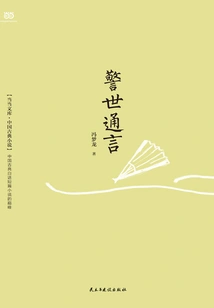
"Words to Warn the World" is a collection of short stories in vernacular compiled by Feng Menglong, a writer in the late Ming Dynasty. Together with Feng Menglong's other two novels "Awakening Words to Awaken the World" and "Yingshi Mingyan", they are collectively known as "Three Words" by later generations. Together with Ling Shuchu's "Surprise at the First Moment" and "Surprise at the Second Moment" by Ling Shuchu, they are also known as "Three Words and Two Pai". As a peak of ancient vernacular short stories, "Jingshi Tongyan" contains a total of forty stories in the Song, Yuan and Ming dynasties in both scripts and pseudo-hua scripts. The themes of "Words to Warn the World" are all-encompassing, including marriage, love and women's fate, fame and fortune and the vicissitudes of life, strange and unjust cases and the weird world, which focus on the thoughts, artistic characteristics and achievements of "Three Words". Except for "Old Disciple III Repaying Favor" written by Feng Menglong, which has been confirmed to be written by Feng Menglong himself, the other works included in the collection were processed and organized by the editor. Among them, "Du Shiniang sank her treasure chest in anger", "Spring falls in the Yutang and it is hard to find a husband", "Yu Boya threw his zither to thank his close friend", "Li banished the immortal with drunken grass and frightened the barbarians", etc. Are all popular famous works. "Du Shiniang Sinks the Treasure Box in Anger" represents the highest achievement of the Ming Dynasty's scripts in terms of ideological and artistic quality.
"Words to Warn the World" is a collection of short stories in vernacular compiled by Feng Menglong, a writer in the late Ming Dynasty. Together with Feng Menglong's other two novels "Awakening Words to Awaken the World" and "Yingshi Mingyan", they are collectively known as "Three Words" by later generations. Together with Ling Shuchu's "Surprise at the First Moment" and "Surprise at the Second Moment" by Ling Shuchu, they are also known as "Three Words and Two Pai". As a peak of ancient vernacular short stories, "Jingshi Tongyan" contains a total of forty stories in the Song, Yuan and Ming dynasties in both scripts and pseudo-hua scripts. The themes of "Words to Warn the World" are all-encompassing, including marriage, love and women's fate, fame and fortune and the vicissitudes of life, strange and unjust cases and the weird world, which focus on the thoughts, artistic characteristics and achievements of "Three Words". Except for "Old Disciple III Repaying Favor" written by Feng Menglong, which has been confirmed to be written by Feng Menglong himself, the other works included in the collection were processed and organized by the editor. Among them, "Du Shiniang sank her treasure chest in anger", "Spring falls in the Yutang and it is hard to find a husband", "Yu Boya threw his zither to thank his close friend", "Li banished the immortal with drunken grass and frightened the barbarians", etc. Are all popular famous works. "Du Shiniang Sinks the Treasure Box in Anger" represents the highest achievement of the Ming Dynasty's scripts in terms of ideological and artistic quality.
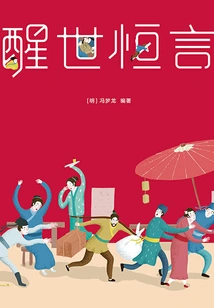
Three Words and Two Beats·eternal Words to Awaken the World
General Fiction三言二拍·醒世恒言
G
"Three Words and Two Pai" is a collection of short stories in ancient Chinese vernacular, including "Three Words": "Mingyan Yan", "Warning Words" and "Everlasting Words to Awaken the World" compiled by the literary master Feng Menglong of the Ming Dynasty; and "Two Pai" edited by the novel master Ling Shuchu: "Surprise at the First Carving" and "Surprise at the Second Moment". "Three Words and Two Patterns" has a total of 200 classic short stories in vernacular, which completely encompasses the essence of short stories in vernacular from the Song, Yuan and Ming dynasties. Each story in the book is independent, exciting and ups and downs, such as the White Snake who forever holds down the Leifeng Pagoda, Du Shiniang who sank his treasure chest in anger, and Yu Boya who dropped his piano to say goodbye. Classic stories that are familiar to Chinese people, such as the bosom friend, are all derived from the "three words and two beats"; "Three words and two beats" are also derived from the "three words and two beats"; "Three words and two beats" are also derived from "Three words and two beats"; "It is difficult to be a master without suffering", "It is difficult to draw a dragon or a tiger, but it is difficult to draw a skeleton, and you know people and their faces but not their hearts". Thousands of thousands of years of worldly wonders, people and events are all captured in a few words and two shots; two hundred classic short stories are written about all kinds of situations in the world! Writer Da Bing strongly recommends: "Know sentient beings in the impermanent place, and know all living beings in the sentient place."
"Three Words and Two Pai" is a collection of short stories in ancient Chinese vernacular, including "Three Words": "Mingyan Yan", "Warning Words" and "Everlasting Words to Awaken the World" compiled by the literary master Feng Menglong of the Ming Dynasty; and "Two Pai" edited by the novel master Ling Shuchu: "Surprise at the First Carving" and "Surprise at the Second Moment". "Three Words and Two Patterns" has a total of 200 classic short stories in vernacular, which completely encompasses the essence of short stories in vernacular from the Song, Yuan and Ming dynasties. Each story in the book is independent, exciting and ups and downs, such as the White Snake who forever holds down the Leifeng Pagoda, Du Shiniang who sank his treasure chest in anger, and Yu Boya who dropped his piano to say goodbye. Classic stories that are familiar to Chinese people, such as the bosom friend, are all derived from the "three words and two beats"; "Three words and two beats" are also derived from the "three words and two beats"; "Three words and two beats" are also derived from "Three words and two beats"; "It is difficult to be a master without suffering", "It is difficult to draw a dragon or a tiger, but it is difficult to draw a skeleton, and you know people and their faces but not their hearts". Thousands of thousands of years of worldly wonders, people and events are all captured in a few words and two shots; two hundred classic short stories are written about all kinds of situations in the world! Writer Da Bing strongly recommends: "Know sentient beings in the impermanent place, and know all living beings in the sentient place."
H
General FictionH
H
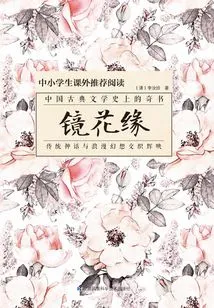
"Flower in the Mirror" is rich in exaggeration, metaphor, contrast and other techniques. The book describes countries such as the Country of Gentlemen, the Country of Women, and the Country of Intestines, which shows the author's unparalleled imagination. It is a masterpiece of oriental classical fantasy. This edition of "Flowers in the Mirror" is accompanied by annotations and Qing Dynasty illustrations to facilitate readers' better understanding and reading. This edition of "Flowers in the Mirror" is faithful to the original work and is based on the engraving edition personally supervised by Li Ruzhen in the Qing Dynasty. It is a complete version with 100 chapters.
"Flower in the Mirror" is rich in exaggeration, metaphor, contrast and other techniques. The book describes countries such as the Country of Gentlemen, the Country of Women, and the Country of Intestines, which shows the author's unparalleled imagination. It is a masterpiece of oriental classical fantasy. This edition of "Flowers in the Mirror" is accompanied by annotations and Qing Dynasty illustrations to facilitate readers' better understanding and reading. This edition of "Flowers in the Mirror" is faithful to the original work and is based on the engraving edition personally supervised by Li Ruzhen in the Qing Dynasty. It is a complete version with 100 chapters.
Ac
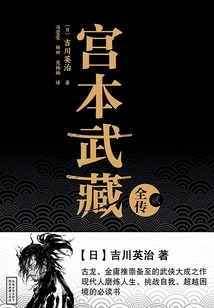
The Complete Biography of Miyamoto Musashi (2)
General Fiction宫本武藏全传(贰)
I
Miyamoto Musashi, a well-known legend in Japan. A Japanese swordsman, strategist, and artist from the late Warring States Period to the early Edo Period. In the hearts of the Japanese, Miyamoto Musashi is a strong man, a wise man, a philosopher, a martial artist, and the eternal winner. We have only read half of "Miyamoto Musashi" so far. "Miyamoto Musashi" by Eiji Yoshikawa is actually just a prequel to "The Complete Biography of Miyamoto Musashi", and "Miyamoto Musashi" by Koyama Katsuki is its postquel. Only by reading the complete "The Complete Biography of Miyamoto Musashi" can we understand the real Miyamoto Musashi. This book describes the complete life legend of the sword master Miyamoto Musashi, reveals the spiritual code and cultural spirit of the Japanese nation, awakens sensitive, impetuous, and weak modern people, and regains the strong mental outlook, dreams and sincere pursuit of life possessed by human beings. It is a must-read for modern people to temper their lives, challenge themselves, and overcome difficulties. There are five volumes in total. "The Complete Biography of Miyamoto Musashi II" contains the contents of two volumes: Wind Volume and Sky Volume.
Miyamoto Musashi, a well-known legend in Japan. A Japanese swordsman, strategist, and artist from the late Warring States Period to the early Edo Period. In the hearts of the Japanese, Miyamoto Musashi is a strong man, a wise man, a philosopher, a martial artist, and the eternal winner. We have only read half of "Miyamoto Musashi" so far. "Miyamoto Musashi" by Eiji Yoshikawa is actually just a prequel to "The Complete Biography of Miyamoto Musashi", and "Miyamoto Musashi" by Koyama Katsuki is its postquel. Only by reading the complete "The Complete Biography of Miyamoto Musashi" can we understand the real Miyamoto Musashi. This book describes the complete life legend of the sword master Miyamoto Musashi, reveals the spiritual code and cultural spirit of the Japanese nation, awakens sensitive, impetuous, and weak modern people, and regains the strong mental outlook, dreams and sincere pursuit of life possessed by human beings. It is a must-read for modern people to temper their lives, challenge themselves, and overcome difficulties. There are five volumes in total. "The Complete Biography of Miyamoto Musashi II" contains the contents of two volumes: Wind Volume and Sky Volume.
T
General Fictiont
H
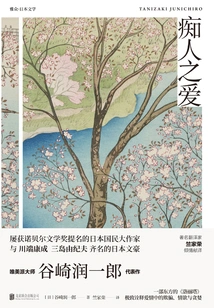
The conscientious salaryman Rangji fell in love with the poor bar waitress Naomi. He sympathized with her background and intended to cultivate her into a noble woman. The two hit it off and started living together. With the support of Rangji, Naomi began to learn English and dance, became a bird of love, and eventually transformed into a girl who was good at using her beauty to hunt men. Rangji couldn't stand her debauchery and drove her out of his life time and time again. However, he found that he was deeply involved in this twisted love relationship, willing and unable to extricate himself... "Idiot Love" is the masterpiece of Tanizaki Junichiro. It is a watershed in his creative career and an immortal literary classic.
The conscientious salaryman Rangji fell in love with the poor bar waitress Naomi. He sympathized with her background and intended to cultivate her into a noble woman. The two hit it off and started living together. With the support of Rangji, Naomi began to learn English and dance, became a bird of love, and eventually transformed into a girl who was good at using her beauty to hunt men. Rangji couldn't stand her debauchery and drove her out of his life time and time again. However, he found that he was deeply involved in this twisted love relationship, willing and unable to extricate himself... "Idiot Love" is the masterpiece of Tanizaki Junichiro. It is a watershed in his creative career and an immortal literary classic.
The Sun Also Rises (classic Translation)
General Fiction太阳照常升起(译文经典)
K
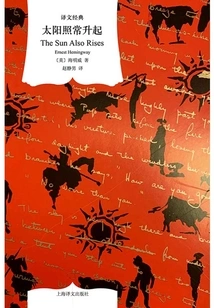
The first novel of "tough guy writer" Hemingway can be regarded as the pinnacle of his artistic achievements; an important work that established Hemingway as the spokesman for the "lost generation"; famous translations, authentic restoration of Hemingway's classic works. The American young man Barnes suffered a spinal injury in World War I and lost his sexual ability. After the war, while working as a reporter in Paris, he fell in love with the British Mrs. Ashley. She pursued pleasure blindly, while he could only drink to drown his sorrows. The two went to Pamplona, Spain, with a group of male and female friends to participate in the bullfighting festival in pursuit of spiritual stimulation. The lady rejected the pursuit of the Jewish young man Cohen, but fell in love with the 19-year-old bullfighter Romero. However, after getting along for a period of time, due to the huge age gap between the two parties, and Mrs. Ashley could not bear to ruin the future of the innocent young man, the relationship ended sadly. Madame eventually returned to Barnes, although both parties knew that they could never truly be together. "The Sun Also Rises" is Hemingway's first novel, and it can be regarded as his highest artistic achievement. Hemingway also became the spokesperson of the "lost generation".
The first novel of "tough guy writer" Hemingway can be regarded as the pinnacle of his artistic achievements; an important work that established Hemingway as the spokesman for the "lost generation"; famous translations, authentic restoration of Hemingway's classic works. The American young man Barnes suffered a spinal injury in World War I and lost his sexual ability. After the war, while working as a reporter in Paris, he fell in love with the British Mrs. Ashley. She pursued pleasure blindly, while he could only drink to drown his sorrows. The two went to Pamplona, Spain, with a group of male and female friends to participate in the bullfighting festival in pursuit of spiritual stimulation. The lady rejected the pursuit of the Jewish young man Cohen, but fell in love with the 19-year-old bullfighter Romero. However, after getting along for a period of time, due to the huge age gap between the two parties, and Mrs. Ashley could not bear to ruin the future of the innocent young man, the relationship ended sadly. Madame eventually returned to Barnes, although both parties knew that they could never truly be together. "The Sun Also Rises" is Hemingway's first novel, and it can be regarded as his highest artistic achievement. Hemingway also became the spokesperson of the "lost generation".
巨人传(上册)(译文名著典藏)
J
Q
Q
R
General Fictionr
H
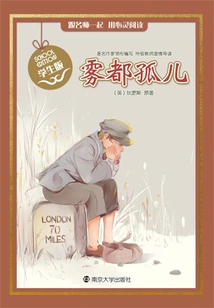
"Oliver Twist" is a realistic novel published by the British writer Dickens in 1838. Set in the foggy city of London, it tells the story of an orphan's tragic life experience and experiences. The protagonist Oliver grew up in an orphanage, experienced an apprenticeship, escaped with difficulty, fell into a den of thieves by mistake, and was forced to work with vicious murderers. He went through countless hardships. Finally, with the help of kind people, he found out his life experience and gained happiness. Like Dickens' other novels, this book exposes many social problems of the time, such as workhouses, child labor, and gangs recruiting young people to participate in crime. This book has been adapted into movies, television and stage plays many times.
"Oliver Twist" is a realistic novel published by the British writer Dickens in 1838. Set in the foggy city of London, it tells the story of an orphan's tragic life experience and experiences. The protagonist Oliver grew up in an orphanage, experienced an apprenticeship, escaped with difficulty, fell into a den of thieves by mistake, and was forced to work with vicious murderers. He went through countless hardships. Finally, with the help of kind people, he found out his life experience and gained happiness. Like Dickens' other novels, this book exposes many social problems of the time, such as workhouses, child labor, and gangs recruiting young people to participate in crime. This book has been adapted into movies, television and stage plays many times.
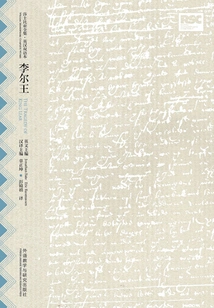
King Lear: English-chinese (shakespeare Tragedy Series)
General Fiction李尔王:英汉对照(莎士比亚悲剧系列)
G
"King Lear" tells the story of King Lear who listened to the flattery of his two eldest daughters and gave them his land, but drove away the younger daughter who told the truth, which ultimately led to tragedy.
"King Lear" tells the story of King Lear who listened to the flattery of his two eldest daughters and gave them his land, but drove away the younger daughter who told the truth, which ultimately led to tragedy.
J
General Fictionj
G
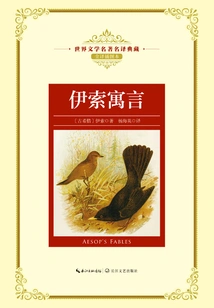
"Aesop's Fables" was born in ancient Greece more than 2,500 years ago. It was originally called "Aesop's Fables" and was introduced to China by missionaries in the late Ming Dynasty. Modern translator Lin Shu was the first to publish it and translated it into "Aesop's Fables", which is still in use today.
"Aesop's Fables" was born in ancient Greece more than 2,500 years ago. It was originally called "Aesop's Fables" and was introduced to China by missionaries in the late Ming Dynasty. Modern translator Lin Shu was the first to publish it and translated it into "Aesop's Fables", which is still in use today.
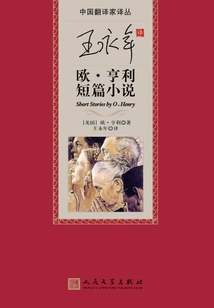
Wang Yongnian's Translation of O. Henry's Short Stories
General Fiction王永年译欧·亨利短篇小说
I
O. Henry, formerly known as William Sidney Porter, is a famous American critical realist writer and one of the world's three great short story masters. He was once hailed as the Manhattan prose writer and the father of modern American short stories. Some famous works such as "The Sacrifice of Love", "The Police and the Hymn", "The Furnished Room for Rent", "The Gift of the Wise", "The Last Ivy Leaf", etc. Have gained him world reputation. Wang Yongnian's translations are famous for their conciseness and accuracy. His translations of O. Henry's novels have been published in many editions and have been highly praised by British and American literature researchers.
O. Henry, formerly known as William Sidney Porter, is a famous American critical realist writer and one of the world's three great short story masters. He was once hailed as the Manhattan prose writer and the father of modern American short stories. Some famous works such as "The Sacrifice of Love", "The Police and the Hymn", "The Furnished Room for Rent", "The Gift of the Wise", "The Last Ivy Leaf", etc. Have gained him world reputation. Wang Yongnian's translations are famous for their conciseness and accuracy. His translations of O. Henry's novels have been published in many editions and have been highly praised by British and American literature researchers.
D
General FictionD
G
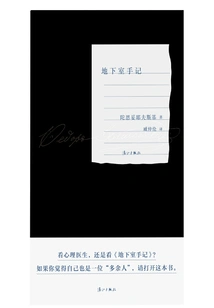
"Notes from the Underground" embodies all the artistic characteristics of Dostoevsky's poetics. It is profound in content and strange in form. It is like a novel, a confession, and a philosophical essay. The protagonist of the work looks like a bad guy and a good guy; a villain and a resigned person who has experienced many vicissitudes of life; a hero and a "non-hero" and nothing at all. ... The "basement man" is considered to be a "typical egotist", but some people believe that the "basement man" is the Russian Hamlet, a contemporary variant of the "superfluous man". Dostoevsky was the "seeker of truth" of his time. "Notes from the Underground" has become an increasingly popular book and is considered the preface to Dostoevsky's five novels and a milestone in his creative career. The depth of the human heart, the suffering of the human heart, the helplessness and tragedy of the human heart, everything that everyone has personally experienced but cannot express in words, are all contained in this book.
"Notes from the Underground" embodies all the artistic characteristics of Dostoevsky's poetics. It is profound in content and strange in form. It is like a novel, a confession, and a philosophical essay. The protagonist of the work looks like a bad guy and a good guy; a villain and a resigned person who has experienced many vicissitudes of life; a hero and a "non-hero" and nothing at all. ... The "basement man" is considered to be a "typical egotist", but some people believe that the "basement man" is the Russian Hamlet, a contemporary variant of the "superfluous man". Dostoevsky was the "seeker of truth" of his time. "Notes from the Underground" has become an increasingly popular book and is considered the preface to Dostoevsky's five novels and a milestone in his creative career. The depth of the human heart, the suffering of the human heart, the helplessness and tragedy of the human heart, everything that everyone has personally experienced but cannot express in words, are all contained in this book.
Shakespeare's Four Tragedies (translation 40)
General Fiction莎士比亚四大悲剧(译文40)
H
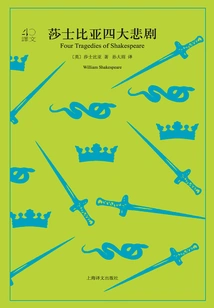
William Shakespeare was the greatest playwright and poet of the English Renaissance and the master of European Renaissance humanistic literature. He is an unprecedented and arguably unprecedented great dramatic poet, and the greatest literary figure in the world in history. Shakespeare's masterpieces are recognized as treasures of human culture, and his four most famous masterpieces "Hamlet", "Othello", "King Lear" and "Macbeth" are known as Shakespeare's "four great tragedies" and are the most famous chapters in the history of human literature and even civilization. The translation of this book is an important result of the famous professor and poet Mr. Sun Dayu's concentration on the study and translation of Shakespeare. Mr. Sun Dayu is the first scholar in my country to translate Shakespeare's poems and plays in verse. His translation uses pentameter plain verse with the phonetic system he created to translate the pentameter plain verse of the original text of Shakespeare's plays, which is of great pioneering significance and unique style and charm. This book contains a complete set of more than 100 exquisite illustrations of the four tragedies drawn by the famous British artist and illustrator Sir John Gilbert, which is of great collection value.
William Shakespeare was the greatest playwright and poet of the English Renaissance and the master of European Renaissance humanistic literature. He is an unprecedented and arguably unprecedented great dramatic poet, and the greatest literary figure in the world in history. Shakespeare's masterpieces are recognized as treasures of human culture, and his four most famous masterpieces "Hamlet", "Othello", "King Lear" and "Macbeth" are known as Shakespeare's "four great tragedies" and are the most famous chapters in the history of human literature and even civilization. The translation of this book is an important result of the famous professor and poet Mr. Sun Dayu's concentration on the study and translation of Shakespeare. Mr. Sun Dayu is the first scholar in my country to translate Shakespeare's poems and plays in verse. His translation uses pentameter plain verse with the phonetic system he created to translate the pentameter plain verse of the original text of Shakespeare's plays, which is of great pioneering significance and unique style and charm. This book contains a complete set of more than 100 exquisite illustrations of the four tragedies drawn by the famous British artist and illustrator Sir John Gilbert, which is of great collection value.

King Lear (english-chinese Version)
General Fiction李尔王(英汉对照版)
G
"King Lear" tells the story of the aging King Lear who plans to abdicate and divide the kingdom among his three daughters according to how much they say they love him. Annoyed and disappointed by his younger daughter Cordelia's words, Lear exiled her and divided the kingdom equally between his eldest and second daughters. Jealousy and pride devour the consciences of the two sisters, and Lear is driven into the wilderness by them. The youngest daughter who became the Queen of France led an army to rescue her father, but was killed. Lear died sadly beside her.
"King Lear" tells the story of the aging King Lear who plans to abdicate and divide the kingdom among his three daughters according to how much they say they love him. Annoyed and disappointed by his younger daughter Cordelia's words, Lear exiled her and divided the kingdom equally between his eldest and second daughters. Jealousy and pride devour the consciences of the two sisters, and Lear is driven into the wilderness by them. The youngest daughter who became the Queen of France led an army to rescue her father, but was killed. Lear died sadly beside her.
The Outsider Plague (classic Translation)
General Fiction局外人 鼠疫(经典译林)
H
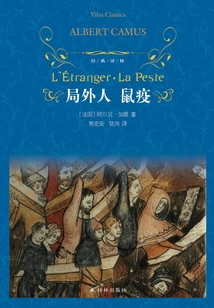
"The Stranger" is a novella written by French writer Albert Camus. By creating the image of Morsot, an "outsider" who behaves shockingly and speaks deviantly, it fully reveals the absurdity of the world and the opposition between man and society. "The Plague" is an important work by Camus. By describing the story of a large number of people, represented by the protagonist Dr. Rieux, who struggled to fight after the plague broke out in a city called Oran in North Africa, it vividly shows the spirit of liberal humanitarianism of those true brave men who are neither desperate nor dejected, who rise up in absurdity and insist on truth and justice in despair.
"The Stranger" is a novella written by French writer Albert Camus. By creating the image of Morsot, an "outsider" who behaves shockingly and speaks deviantly, it fully reveals the absurdity of the world and the opposition between man and society. "The Plague" is an important work by Camus. By describing the story of a large number of people, represented by the protagonist Dr. Rieux, who struggled to fight after the plague broke out in a city called Oran in North Africa, it vividly shows the spirit of liberal humanitarianism of those true brave men who are neither desperate nor dejected, who rise up in absurdity and insist on truth and justice in despair.
P
General Fictionp
I
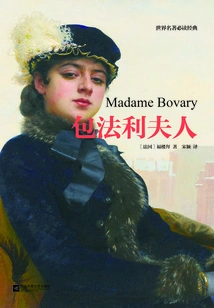
"Madame Bovary" is one of the most influential novels in the world in the 19th century. It is also an epoch-making novel in the history of French literature. It is recognized as the first French masterpiece after Balzac. The author uses concise and delicate writing style to reproduce the social life of France in the mid-19th century through the tragic emotional life of the heroine. The protagonist Emma is a beautiful girl. She is the only daughter of a wealthy farmer and receives an aristocratic education in a monastery. Influenced by romanticism and with a beautiful longing for love, she married Bovary, a town doctor...
"Madame Bovary" is one of the most influential novels in the world in the 19th century. It is also an epoch-making novel in the history of French literature. It is recognized as the first French masterpiece after Balzac. The author uses concise and delicate writing style to reproduce the social life of France in the mid-19th century through the tragic emotional life of the heroine. The protagonist Emma is a beautiful girl. She is the only daughter of a wealthy farmer and receives an aristocratic education in a monastery. Influenced by romanticism and with a beautiful longing for love, she married Bovary, a town doctor...
Around the World in Eighty Days
General Fiction八十天环游地球
I
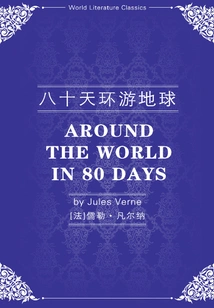
"Around the World in Eighty Days" tells the story of a fantasy journey that started out as a result of a bet: without a plane and could only take trains and cruise ships, the British gentleman Fokker and his servant "Master" experienced many difficulties and obstacles, and finally completed the amazing feat of traveling around the world in eighty days. The thrilling journey, the strange local customs, the protagonist's valuable qualities of honesty and trustworthiness, and his calm and extraordinary wisdom are eye-opening for readers. After the work was published, it caused a sensation and was reprinted many times. After being adapted into a script by the author himself in 1874, it was also widely welcomed.
"Around the World in Eighty Days" tells the story of a fantasy journey that started out as a result of a bet: without a plane and could only take trains and cruise ships, the British gentleman Fokker and his servant "Master" experienced many difficulties and obstacles, and finally completed the amazing feat of traveling around the world in eighty days. The thrilling journey, the strange local customs, the protagonist's valuable qualities of honesty and trustworthiness, and his calm and extraordinary wisdom are eye-opening for readers. After the work was published, it caused a sensation and was reprinted many times. After being adapted into a script by the author himself in 1874, it was also widely welcomed.
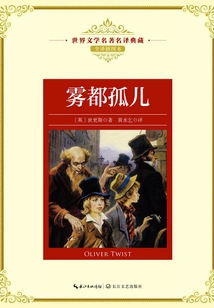
雾都孤儿(世界文学名著名译典藏)
H
"Oliver Twist" is set in the foggy city of London. It tells the story of an orphan's tragic life experience and experiences. The protagonist Oliver grew up in an orphanage, experienced an apprenticeship, escaped with difficulty, fell into a den of thieves by mistake, and was forced to work with vicious murderers. He went through countless hardships. Finally, with the help of kind people, he found out his life experience and gained happiness.
"Oliver Twist" is set in the foggy city of London. It tells the story of an orphan's tragic life experience and experiences. The protagonist Oliver grew up in an orphanage, experienced an apprenticeship, escaped with difficulty, fell into a den of thieves by mistake, and was forced to work with vicious murderers. He went through countless hardships. Finally, with the help of kind people, he found out his life experience and gained happiness.
Q
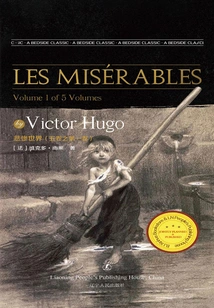
Les Misérables (volume 1 of 5)
General Fiction悲惨世界(五卷之第一卷)
G
"Les Misérables" is a novel published by the French writer Victor Hugo in 1862. Its content covers the Napoleonic War and the following ten years. The main line of the story revolves around the personal experience of the protagonist Jean Valjean, a torture prisoner in Toulon, and integrates French history, revolution, war, moral philosophy, law, justice, and religious beliefs. The work has been adapted into film and television works many times. The book is divided into 5 volumes, and this book is the first volume among them, and it is in English.
"Les Misérables" is a novel published by the French writer Victor Hugo in 1862. Its content covers the Napoleonic War and the following ten years. The main line of the story revolves around the personal experience of the protagonist Jean Valjean, a torture prisoner in Toulon, and integrates French history, revolution, war, moral philosophy, law, justice, and religious beliefs. The work has been adapted into film and television works many times. The book is divided into 5 volumes, and this book is the first volume among them, and it is in English.
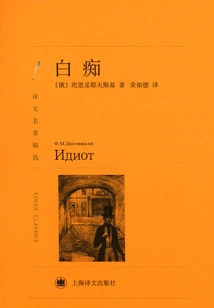
Idiot (selected Translations of Classics)
General Fiction白痴(译文名著精选)
H
"The Idiot" is one of the important works of Fyodor Dostoyevsky, the great Russian writer of the 19th century. The novel describes Nastasya, a beautiful woman from a noble family in the 1860s who has been ravaged by the landowner Totsky for many years. Later, Totsky was willing to pay a large sum of money to marry her to the despicable Ganya. At the heroine's birthday party, the young Duke Myshkin, who was regarded as an idiot by people, suddenly appeared and was willing to marry Nastasya unconditionally, which moved her deeply. On the day of her upcoming wedding to the Duke, although Nastasya loved the Duke deeply, she ran away with the playboy Rogozhin and was eventually killed by Rogozhin. The novel gives an extensive description of the Russian upper class after the serfdom reform, involving complex psychological and moral issues. The kind and tolerant Prince Myshkin is unable to influence or benefit those around him, a quixotic figure whose efforts are in vain.
"The Idiot" is one of the important works of Fyodor Dostoyevsky, the great Russian writer of the 19th century. The novel describes Nastasya, a beautiful woman from a noble family in the 1860s who has been ravaged by the landowner Totsky for many years. Later, Totsky was willing to pay a large sum of money to marry her to the despicable Ganya. At the heroine's birthday party, the young Duke Myshkin, who was regarded as an idiot by people, suddenly appeared and was willing to marry Nastasya unconditionally, which moved her deeply. On the day of her upcoming wedding to the Duke, although Nastasya loved the Duke deeply, she ran away with the playboy Rogozhin and was eventually killed by Rogozhin. The novel gives an extensive description of the Russian upper class after the serfdom reform, involving complex psychological and moral issues. The kind and tolerant Prince Myshkin is unable to influence or benefit those around him, a quixotic figure whose efforts are in vain.
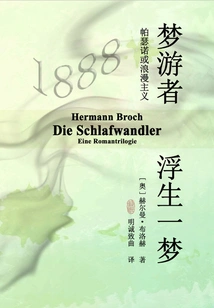
Sleepwalker: a Dream
General Fiction梦游者:浮生一梦
P
The story takes place in 1888, which is also known as the "Year of the Three Emperors" in Germany. Although Wilhelm II, the last emperor of the Second German Empire, flaunted his reform after ascending the throne, he actually clung to the old tradition of autocratic monarchy. Correspondingly, the novel's protagonist Joachim, who was born in a traditional Junker family, was also influenced by old and new forces, wandering between tradition and modernity. According to the Junker tradition that "the eldest son inherits the family business and the youngest son must join the army", Joachim was forcibly sent to Kulm Military Academy by his parents when he was ten years old, and he has been homeless since then. Twenty years later, when he became a lieutenant, he fell in love with Ruzena, a waitress whom he met by chance. However, after his brother Helmut, the intended heir to the manor, died in a duel with a Polish landowner, he faced a major life decision: inheriting his father's inheritance, taking over the manor, and proposing to the baron's daughter Elizabeth. However, during the decision-making process, sharp conflicts arose between father and son, which eventually led to his father's mental breakdown.
The story takes place in 1888, which is also known as the "Year of the Three Emperors" in Germany. Although Wilhelm II, the last emperor of the Second German Empire, flaunted his reform after ascending the throne, he actually clung to the old tradition of autocratic monarchy. Correspondingly, the novel's protagonist Joachim, who was born in a traditional Junker family, was also influenced by old and new forces, wandering between tradition and modernity. According to the Junker tradition that "the eldest son inherits the family business and the youngest son must join the army", Joachim was forcibly sent to Kulm Military Academy by his parents when he was ten years old, and he has been homeless since then. Twenty years later, when he became a lieutenant, he fell in love with Ruzena, a waitress whom he met by chance. However, after his brother Helmut, the intended heir to the manor, died in a duel with a Polish landowner, he faced a major life decision: inheriting his father's inheritance, taking over the manor, and proposing to the baron's daughter Elizabeth. However, during the decision-making process, sharp conflicts arose between father and son, which eventually led to his father's mental breakdown.
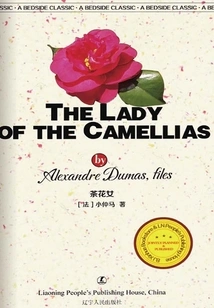
La Traviata (english Version)
General Fiction茶花女(英文版)
I
"La Traviata" is a masterpiece by Alexandre Dumas, the son of the famous French writer Alexandre Dumas in the 19th century. More than a hundred years after its publication, it has been recognized as a classic of world literature and has also become a must-have in Western spiritual and cultural life. This version has also become the most classic model version of the English translation. The protagonist of the story is a young man who fell in love with the prostitute Margaret. But the young man's father did not agree that this relationship would come to any fruition. So, there was a lot of obstruction. As a result, a touching love story was born. This section covers the big issues in human nature such as hope, love, compassion and forgiveness, and also provides a very perspective analysis and exposure of social classes.
"La Traviata" is a masterpiece by Alexandre Dumas, the son of the famous French writer Alexandre Dumas in the 19th century. More than a hundred years after its publication, it has been recognized as a classic of world literature and has also become a must-have in Western spiritual and cultural life. This version has also become the most classic model version of the English translation. The protagonist of the story is a young man who fell in love with the prostitute Margaret. But the young man's father did not agree that this relationship would come to any fruition. So, there was a lot of obstruction. As a result, a touching love story was born. This section covers the big issues in human nature such as hope, love, compassion and forgiveness, and also provides a very perspective analysis and exposure of social classes.

Gone with the Wind (all 3 Volumes)
General Fiction飘(全3册)
J
"Gone with the Wind" is a novel about the war. Margaret focuses on the experience and feelings of the women who stayed at home and suffered from the war. From the beginning of the war, she had a reverence for the war and fully supported the war, to the pain of losing relatives due to the war, having to succumb to the fate of failure, and the arduous journey of rebuilding her homeland after the war...
"Gone with the Wind" is a novel about the war. Margaret focuses on the experience and feelings of the women who stayed at home and suffered from the war. From the beginning of the war, she had a reverence for the war and fully supported the war, to the pain of losing relatives due to the war, having to succumb to the fate of failure, and the arduous journey of rebuilding her homeland after the war...
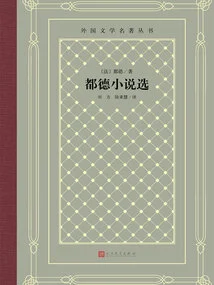
Selected Dude Novels
General Fiction都德小说选
I
"Selected Novels of Daudet" selects from French writer Daudet's most representative novels such as "The Mill Letters", "Sunday Stories", and "The Thrilling Adventures of Tartaran of Tarrasgon". There are popular works such as "The Last Lesson" and "The Siege of Berlin" that promote the spirit of patriotism, as well as mill stories full of Provence style in southern France, and the exaggerated and ridiculous "The Adventures of Tatalan". These novels are full of fun and can bring readers pleasure and enjoyment.
"Selected Novels of Daudet" selects from French writer Daudet's most representative novels such as "The Mill Letters", "Sunday Stories", and "The Thrilling Adventures of Tartaran of Tarrasgon". There are popular works such as "The Last Lesson" and "The Siege of Berlin" that promote the spirit of patriotism, as well as mill stories full of Provence style in southern France, and the exaggerated and ridiculous "The Adventures of Tatalan". These novels are full of fun and can bring readers pleasure and enjoyment.
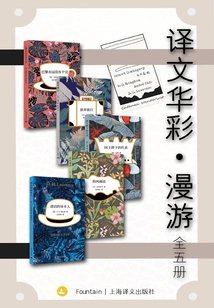
Translation Huacai·wandering (complete Works)
General Fiction译文华彩·漫游(全集)
K
"Translation Huacai" is a new book series launched by Shanghai Translation Publishing House. The theme is clear and published in volumes, with five types in each volume, with exquisite covers that match the theme style. It is designed by the new generation of outstanding designer Zhou Weiwei. In terms of content, we make full use of the powerful and widely recognized translation resources of Shanghai Translation Publishing House to extract famous works from them into a volume. The theme of the first volume is "Wandering", including Gide, Hemingway, Lawrence, Nagai Kafeng, Maugham The travel writings of five famous literary figures include Gide's "Abandoning Travel", Hemingway's "Paris Never Ends", Lawrence "The Wandering Stranger", Nagai Kafeng's "Whispers on the Lotus Wind" and Somerset Maugham's "On His Majesty's Representation".
"Translation Huacai" is a new book series launched by Shanghai Translation Publishing House. The theme is clear and published in volumes, with five types in each volume, with exquisite covers that match the theme style. It is designed by the new generation of outstanding designer Zhou Weiwei. In terms of content, we make full use of the powerful and widely recognized translation resources of Shanghai Translation Publishing House to extract famous works from them into a volume. The theme of the first volume is "Wandering", including Gide, Hemingway, Lawrence, Nagai Kafeng, Maugham The travel writings of five famous literary figures include Gide's "Abandoning Travel", Hemingway's "Paris Never Ends", Lawrence "The Wandering Stranger", Nagai Kafeng's "Whispers on the Lotus Wind" and Somerset Maugham's "On His Majesty's Representation".
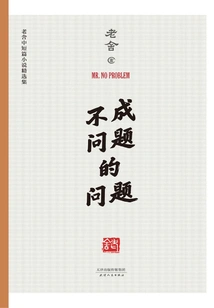
不成问题的问题(老舍中短篇小说精选集)
H
"Lao She makes us cry and laugh, but he never condemns anyone and never protects anyone." The book includes five novels, "No Problem", "Micro God", "Soul-Breaking Gun", "Crescent Moon" and "My Life", each chapter is a classic and every sentence is wonderful.
"Lao She makes us cry and laugh, but he never condemns anyone and never protects anyone." The book includes five novels, "No Problem", "Micro God", "Soul-Breaking Gun", "Crescent Moon" and "My Life", each chapter is a classic and every sentence is wonderful.
R
General Fictionr
H
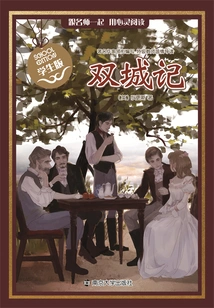
"A Tale of Two Cities" is a long historical novel written by the British writer Charles Dickens and set against the background of the French Revolution. It has a touching plot and is one of the classics of world literature. The story connects the two major cities of Paris and London, and revolves around the family of Dr. Manette and the Saint-Antoine district headed by the Defarges. The novel describes how the nobles corrupted and harmed the people. The people's deep hatred for the nobles accumulated in their hearts, which led to the inevitable French Revolution. The main idea of the book is self-sacrifice for love. The "Twin Cities" in the book's title refer to Paris and London.
"A Tale of Two Cities" is a long historical novel written by the British writer Charles Dickens and set against the background of the French Revolution. It has a touching plot and is one of the classics of world literature. The story connects the two major cities of Paris and London, and revolves around the family of Dr. Manette and the Saint-Antoine district headed by the Defarges. The novel describes how the nobles corrupted and harmed the people. The people's deep hatred for the nobles accumulated in their hearts, which led to the inevitable French Revolution. The main idea of the book is self-sacrifice for love. The "Twin Cities" in the book's title refer to Paris and London.
N
General Fictionn
G
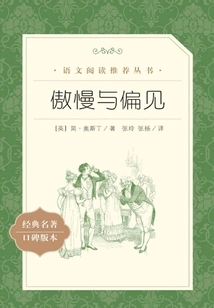
Pride and Prejudice is the masterpiece of British female novelist Jane Austen. The novel tells the love story of Elizabeth Bennet, the daughter of a squire. This work uses daily life as the material. It goes against the content and artificial writing methods of sentimental novels that were popular in the society at that time. It vividly reflects the conservative and closed-off British rural life and world conditions from the end of the 18th century to the beginning of the 19th century. And has been adapted into movies and TV series many times.
Pride and Prejudice is the masterpiece of British female novelist Jane Austen. The novel tells the love story of Elizabeth Bennet, the daughter of a squire. This work uses daily life as the material. It goes against the content and artificial writing methods of sentimental novels that were popular in the society at that time. It vividly reflects the conservative and closed-off British rural life and world conditions from the end of the 18th century to the beginning of the 19th century. And has been adapted into movies and TV series many times.
Old Man and Sea
General Fiction老人与海
J
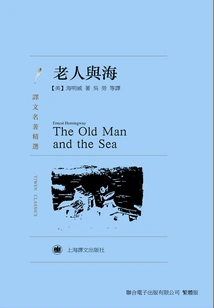
Ernest Hemingway (1899-1961), one of the most outstanding writers in the United States, winner of the 1954 Nobel Prize for Literature. "The Old Man and the Sea" is Hemingway's most representative inspirational novel. The work describes an old Cuban fisherman who finally caught a big fish alone after eighty-four consecutive days without catching a fish. He fought with the big fish for three days at sea and finally killed it. On his way back, he was repeatedly attacked by sharks. When he finally returned to port, only the head, tail and a spine were left.
Ernest Hemingway (1899-1961), one of the most outstanding writers in the United States, winner of the 1954 Nobel Prize for Literature. "The Old Man and the Sea" is Hemingway's most representative inspirational novel. The work describes an old Cuban fisherman who finally caught a big fish alone after eighty-four consecutive days without catching a fish. He fought with the big fish for three days at sea and finally killed it. On his way back, he was repeatedly attacked by sharks. When he finally returned to port, only the head, tail and a spine were left.
小爵爷:插图本(世界文学名著经典)
H
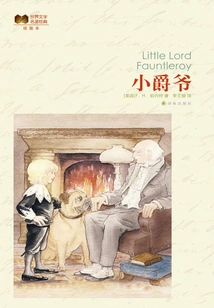
"The Little Lord" is Mrs. Burnett's classic masterpiece. It has been best-selling for nearly a century and has been made into movies many times. It tells the story of a talented and beautiful little boy who goes through great changes in his life and becomes the heir to a title. Cedric Errol and his mother depended on each other after the death of his father. When he was seven years old, his life changed drastically: he originally had no right to inherit the title, but due to the death of two uncles, he became the heir to the title. His grandfather, Earl Dorincourt, sent someone to bring him to England to prepare him to inherit the title. When he arrived in England, Cedric won the love of almost everyone around him, including the housekeeper and the coachman, with his innocent and kind words and deeds. In contact with his lovely, kind and innocent grandson, the selfish, violent and snobbish old earl was also deeply affected. Not only did he fall in love with the young earl, he also accepted his mother.
"The Little Lord" is Mrs. Burnett's classic masterpiece. It has been best-selling for nearly a century and has been made into movies many times. It tells the story of a talented and beautiful little boy who goes through great changes in his life and becomes the heir to a title. Cedric Errol and his mother depended on each other after the death of his father. When he was seven years old, his life changed drastically: he originally had no right to inherit the title, but due to the death of two uncles, he became the heir to the title. His grandfather, Earl Dorincourt, sent someone to bring him to England to prepare him to inherit the title. When he arrived in England, Cedric won the love of almost everyone around him, including the housekeeper and the coachman, with his innocent and kind words and deeds. In contact with his lovely, kind and innocent grandson, the selfish, violent and snobbish old earl was also deeply affected. Not only did he fall in love with the young earl, he also accepted his mother.
F
Julius Caesar: English-chinese (shakespeare Tragedy Series)
General Fiction尤力乌斯·凯撒:英汉对照(莎士比亚悲剧系列)
G
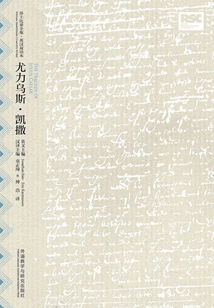
"Julius Caesar" tells the story of a group of Roman senators who plotted and successfully assassinated the dictator Caesar in 44 BC, and how the conspirators were destroyed at Philippi.
"Julius Caesar" tells the story of a group of Roman senators who plotted and successfully assassinated the dictator Caesar in 44 BC, and how the conspirators were destroyed at Philippi.
Les Miserables (part 1)
General Fiction悲惨世界(上)
F
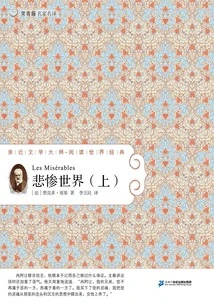
Jean Valjean, the protagonist of "Les Misérables", is a hard labor prisoner serving a nineteen-year sentence. After he was released from prison, he was inspired by the bishop and determined to do good. He went away to a different place, changed his name to Madeleine, and after becoming a wealthy man, he extended his benevolence and was later appointed mayor. He helps the female worker Fantine and the orphan Cosette. Throughout his life, Jean Valjean struggled in suffering, but he had the sentiment of self-sacrifice for others. Hugo used the image of Jean Valjean to point out a way out for the predicament of human existence. The novel reflects Hugo's humanitarian thoughts and is full of Hugo's concern for the suffering and destiny of mankind and his unswerving belief in the future. It has a shocking artistic appeal.
Jean Valjean, the protagonist of "Les Misérables", is a hard labor prisoner serving a nineteen-year sentence. After he was released from prison, he was inspired by the bishop and determined to do good. He went away to a different place, changed his name to Madeleine, and after becoming a wealthy man, he extended his benevolence and was later appointed mayor. He helps the female worker Fantine and the orphan Cosette. Throughout his life, Jean Valjean struggled in suffering, but he had the sentiment of self-sacrifice for others. Hugo used the image of Jean Valjean to point out a way out for the predicament of human existence. The novel reflects Hugo's humanitarian thoughts and is full of Hugo's concern for the suffering and destiny of mankind and his unswerving belief in the future. It has a shocking artistic appeal.