Library
Browse and search books
13,360 novels found
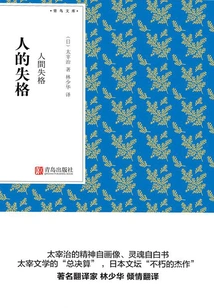
Human Disqualification (qade Bird Library)
General Fiction人的失格(青鸟文库)
G
"The Disqualification of Man" can be said to be a self-portrait of the author's entire life. From it, we can see his step-by-step process of losing his qualifications as a human being from a sentimental boy. The author uses naked confessions to unabashedly analyze the protagonist's feelings of alienation, loneliness, fear and despair towards people and the world. At the same time, the author pushes the author's demands for love and sincerity, friendship and trust, freedom and happiness to the limit, showing the bloody and real soul slices of marginalized people and people living in an autistic world. Translated by the famous translator Lin Shaohua.
"The Disqualification of Man" can be said to be a self-portrait of the author's entire life. From it, we can see his step-by-step process of losing his qualifications as a human being from a sentimental boy. The author uses naked confessions to unabashedly analyze the protagonist's feelings of alienation, loneliness, fear and despair towards people and the world. At the same time, the author pushes the author's demands for love and sincerity, friendship and trust, freedom and happiness to the limit, showing the bloody and real soul slices of marginalized people and people living in an autistic world. Translated by the famous translator Lin Shaohua.
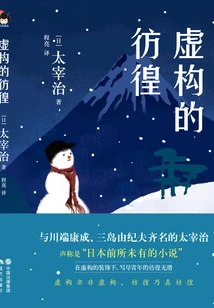
Fictional Hesitation
General Fiction虚构的彷徨
G
This book is based on "The Complete Works of Osamu Dazai" published by Japan's Tsukuma Shobo in 1985, and includes three novels: "The Clown's Flower", "The God of Madness" and "Imaginary Spring", forming "Imaginary Wandering". Attached are three short stories "Memories", "Leaves" and "Toys" from "Late Years". "Clown's Flower" was published in "Japanese Romanticism" in May 1935. The following year, "The God of Kyogen" was recommended by Mr. Haruo Sato and published in the October issue of the art magazine "Toyo", and "Imaginary Spring" was recommended by Mr. Tetsutaro Kawakami and published in the July issue of "Literary World". These three chapters, in the order of flowers, gods and spring, constitute the long trilogy "Imaginary Wandering".
This book is based on "The Complete Works of Osamu Dazai" published by Japan's Tsukuma Shobo in 1985, and includes three novels: "The Clown's Flower", "The God of Madness" and "Imaginary Spring", forming "Imaginary Wandering". Attached are three short stories "Memories", "Leaves" and "Toys" from "Late Years". "Clown's Flower" was published in "Japanese Romanticism" in May 1935. The following year, "The God of Kyogen" was recommended by Mr. Haruo Sato and published in the October issue of the art magazine "Toyo", and "Imaginary Spring" was recommended by Mr. Tetsutaro Kawakami and published in the July issue of "Literary World". These three chapters, in the order of flowers, gods and spring, constitute the long trilogy "Imaginary Wandering".
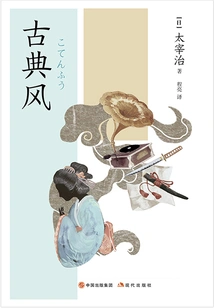
Classical Style
General Fiction古典风
G
"Classic Style" contains Osamu Dazai's daily essays, short stories, and essays. The themes are rich and the forms are diverse, showing Dazai Osamu's various explorations in the field of literature, and incorporating Dazai Osamu's own perceptions of life. The publication of these works broke the public's stereotype of Dazai Osamu as "melancholy and degenerate", and gradually recognized his rich emotions as an ordinary person. Want to know the real Osamu Dazai? Then you must not miss this "Classic Style".
"Classic Style" contains Osamu Dazai's daily essays, short stories, and essays. The themes are rich and the forms are diverse, showing Dazai Osamu's various explorations in the field of literature, and incorporating Dazai Osamu's own perceptions of life. The publication of these works broke the public's stereotype of Dazai Osamu as "melancholy and degenerate", and gradually recognized his rich emotions as an ordinary person. Want to know the real Osamu Dazai? Then you must not miss this "Classic Style".
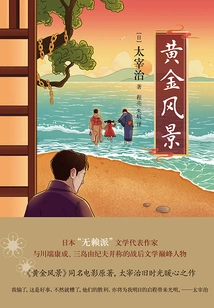
Golden Scenery
General Fiction黄金风景
G
This book is based on "The Complete Works of Osamu Dazai" published by Japan's Chikuma Shobo in 1985, and includes 13 novels and essays by Osamu Dazai, including "Golden Landscape", "Women's Talk", "Eighty-Eight Nights", "Pretty Girl", "Yezakura and the Magic Flute". "Golden Scenery" depicts Dazai Osamu's respect for female beauty through the maid Qing's consistent consideration and comfort for the dandy young master. "The Song of Lazy" deeply reflects on the evil of laziness and writes the inspiring saying "If you don't work, you have no rights, and you will naturally lose your qualifications as a human being."
This book is based on "The Complete Works of Osamu Dazai" published by Japan's Chikuma Shobo in 1985, and includes 13 novels and essays by Osamu Dazai, including "Golden Landscape", "Women's Talk", "Eighty-Eight Nights", "Pretty Girl", "Yezakura and the Magic Flute". "Golden Scenery" depicts Dazai Osamu's respect for female beauty through the maid Qing's consistent consideration and comfort for the dandy young master. "The Song of Lazy" deeply reflects on the evil of laziness and writes the inspiring saying "If you don't work, you have no rights, and you will naturally lose your qualifications as a human being."
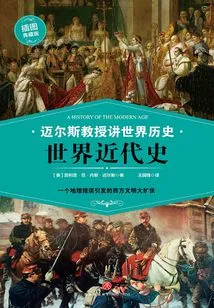
迈尔斯教授讲世界历史:世界近代史
I
This book is a textbook on modern world history written by Professor Miles. It narrates the history of the world from Columbus's discovery of the American continent to the end of World War I.
This book is a textbook on modern world history written by Professor Miles. It narrates the history of the world from Columbus's discovery of the American continent to the end of World War I.
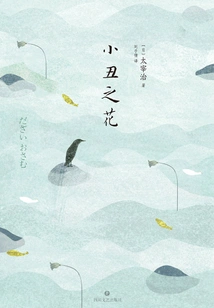
S
General FictionS
G
Dazai Osamu uses his suicide experience to analyze his true self to readers. When Osamu Dazai was twenty-one, he met a married woman in a Ginza cafe. Three days after living together, they took sleeping pills and committed suicide by drowning in Kamakura. As a result, Osamu Dazai was rescued, but the 18-year-old woman died. Osamu Dazai was therefore charged with "assisting suicide". Although he was later found not to be prosecuted, he created "Clown's Flower" based on his guilty conscience of leaving a woman to die alone after making an appointment to die in love. The protagonist Ye Zang Oba in "The Clown Flower" has the same name as the protagonist in "The Unfit". It describes Ye Zang's failure to die for love and then enters a nursing home. However, unlike the Ye Zang in "The Unfit" who has low self-esteem, cowardice, and decadence, the Ye Zang in "The Clown Flower" is young, impulsive and proud. In this work, the author analyzes the mental journey of the protagonist Oba Yezo, who appears to be passive and decadent but actually seeks to survive in a desperate situation in his future pinnacle work "Disqualification in the World", and also reveals many secrets about writing.
Dazai Osamu uses his suicide experience to analyze his true self to readers. When Osamu Dazai was twenty-one, he met a married woman in a Ginza cafe. Three days after living together, they took sleeping pills and committed suicide by drowning in Kamakura. As a result, Osamu Dazai was rescued, but the 18-year-old woman died. Osamu Dazai was therefore charged with "assisting suicide". Although he was later found not to be prosecuted, he created "Clown's Flower" based on his guilty conscience of leaving a woman to die alone after making an appointment to die in love. The protagonist Ye Zang Oba in "The Clown Flower" has the same name as the protagonist in "The Unfit". It describes Ye Zang's failure to die for love and then enters a nursing home. However, unlike the Ye Zang in "The Unfit" who has low self-esteem, cowardice, and decadence, the Ye Zang in "The Clown Flower" is young, impulsive and proud. In this work, the author analyzes the mental journey of the protagonist Oba Yezo, who appears to be passive and decadent but actually seeks to survive in a desperate situation in his future pinnacle work "Disqualification in the World", and also reveals many secrets about writing.
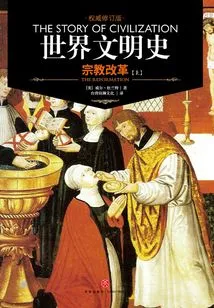
世界文明史:宗教改革(上)
G
The accurate name of this volume should be "The history of European civilization outside Italy from around 1300 to 1564, including the religious history of Italy, as well as the civilizations of Islam and Judaism in Europe, Africa, and West Asia." The Renaissance and the Reformation were the two sources of hostility between intellectuality and morality in modern life. Some people would be grateful to the Renaissance for liberating people's minds and beautifying life, while others would be grateful to the Reformation for inspiring religious beliefs and moral awareness. The Renaissance indeed inherited the mainstream of European spiritual development, and later led to the Enlightenment; but the Reformation deviated from the norm, rejected reason, and reaffirmed medieval beliefs. The lesson provided by the war is that any religion must survive in competition, and it will not become tolerant if it does not face challenges to appear supreme. The gift of the Reformation was to provide this kind of competition of faith, to make each religion strive to strive, to remind them of their tolerance, and to bring the desire and experiment of freedom to our fragile hearts.
The accurate name of this volume should be "The history of European civilization outside Italy from around 1300 to 1564, including the religious history of Italy, as well as the civilizations of Islam and Judaism in Europe, Africa, and West Asia." The Renaissance and the Reformation were the two sources of hostility between intellectuality and morality in modern life. Some people would be grateful to the Renaissance for liberating people's minds and beautifying life, while others would be grateful to the Reformation for inspiring religious beliefs and moral awareness. The Renaissance indeed inherited the mainstream of European spiritual development, and later led to the Enlightenment; but the Reformation deviated from the norm, rejected reason, and reaffirmed medieval beliefs. The lesson provided by the war is that any religion must survive in competition, and it will not become tolerant if it does not face challenges to appear supreme. The gift of the Reformation was to provide this kind of competition of faith, to make each religion strive to strive, to remind them of their tolerance, and to bring the desire and experiment of freedom to our fragile hearts.
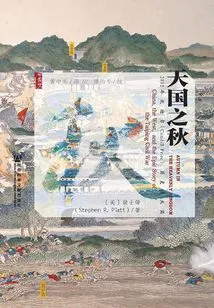
天国之秋(甲骨文系列)
W
This book approaches the Taiping Rebellion (called the Civil War by the author) from the perspective of international relations, with special emphasis on the diplomatic and military impact of the British and American countries on the Taiping War. It focuses on showing how the fate of China's rulers and its people were at the mercy of British diplomatic and commercial interests, and how they were affected by the unorthodox religious and political ideas of the Taiping Rebellion itself. The author of the book takes the Qing army commander Zeng Guofan and the Taiping Army leader Hong Rengan as the core figures in the discussion. The original work won the 2012 Cundill Prize.
This book approaches the Taiping Rebellion (called the Civil War by the author) from the perspective of international relations, with special emphasis on the diplomatic and military impact of the British and American countries on the Taiping War. It focuses on showing how the fate of China's rulers and its people were at the mercy of British diplomatic and commercial interests, and how they were affected by the unorthodox religious and political ideas of the Taiping Rebellion itself. The author of the book takes the Qing army commander Zeng Guofan and the Taiping Army leader Hong Rengan as the core figures in the discussion. The original work won the 2012 Cundill Prize.
Q
Historyq
J
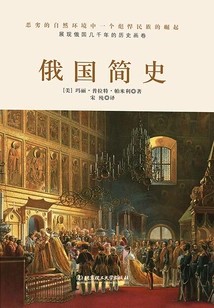
The geographical environment of a country determines the development prospects of the country to some extent. The "Russian Empire" symbolizes a world power with great majesty, but most people are not involved in it. There are many reasons for this incongruity. The Russians need to contend with harsh natural conditions; they must deal with strange national problems... But they have still entered the ranks of great powers. "A Brief History of Russia" comprehensively displays the rise of the sturdy Russian people in the harsh natural environment. "A Brief History of Russia" was written by historian Mary Pratt Parmelee. The book has a total of twenty-six chapters. The content starts from the geographical environment and the evolution of race, and covers Russian politics, religion, culture, etc. It is a comprehensive understanding of Russian history. The author is good at writing from historical stories and tying together the entire Russian history. The language is easy to understand and the articles are short and concise. It can not only provide a panoramic understanding of Russia's history, but also focus on studying each historical event. Turn every page and look at every subtitle or paragraph to start reading. If you want to understand Russia today, you should read this "A Brief History of Russia".
The geographical environment of a country determines the development prospects of the country to some extent. The "Russian Empire" symbolizes a world power with great majesty, but most people are not involved in it. There are many reasons for this incongruity. The Russians need to contend with harsh natural conditions; they must deal with strange national problems... But they have still entered the ranks of great powers. "A Brief History of Russia" comprehensively displays the rise of the sturdy Russian people in the harsh natural environment. "A Brief History of Russia" was written by historian Mary Pratt Parmelee. The book has a total of twenty-six chapters. The content starts from the geographical environment and the evolution of race, and covers Russian politics, religion, culture, etc. It is a comprehensive understanding of Russian history. The author is good at writing from historical stories and tying together the entire Russian history. The language is easy to understand and the articles are short and concise. It can not only provide a panoramic understanding of Russia's history, but also focus on studying each historical event. Turn every page and look at every subtitle or paragraph to start reading. If you want to understand Russia today, you should read this "A Brief History of Russia".
维京人:北欧人的传奇历史(暗黑历史书系)
I
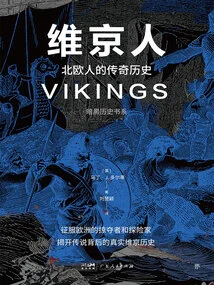
Were the Vikings just brutal pirates? They did loot cities and invade Western Europe, but they came from a well-ordered society ruled by law. They wore well-made clothes, loved to be clean, and could comb their beards; they were not professional robbers, but probably craftsmen or farmers with a well-built farm. This book tells the complete history of the Vikings from the 8th to the 11th century, from religion, law, and social order to weapons, food, and daily life, from plundering, and trade to the entire Viking kingdom, covering all aspects of Viking history. It contains more than 200 photos, maps, and paintings, and provides a clear portrait of this legendary nation with superb brushwork.
Were the Vikings just brutal pirates? They did loot cities and invade Western Europe, but they came from a well-ordered society ruled by law. They wore well-made clothes, loved to be clean, and could comb their beards; they were not professional robbers, but probably craftsmen or farmers with a well-built farm. This book tells the complete history of the Vikings from the 8th to the 11th century, from religion, law, and social order to weapons, food, and daily life, from plundering, and trade to the entire Viking kingdom, covering all aspects of Viking history. It contains more than 200 photos, maps, and paintings, and provides a clear portrait of this legendary nation with superb brushwork.
埃及艳后:被艳名掩盖的政治天才
O
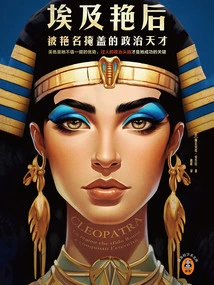
Later generations often attribute all of Cleopatra's success to her beauty, but they don't know that beauty is just a part of her political game, and men are just pawns for her to seize power: she skillfully played with the power in her hands, and the portrait on the coin became the best medium for her to promote her legitimate power; she provided financial support for Caesar's political ambitions in exchange for his backing to govern her country; She provided Antony with a place to have fun at all costs in exchange for the expansion of the territory of ancient Egypt; she was proficient in multiple languages, proficient in speech and communication skills, and was unfavorable in diplomatic negotiations... Compared with the title of Cleopatra, Cleopatra should be remembered as the king of ancient Egypt. With her superhuman political acumen, she led the ancient Egyptian kingdom to complete its unprecedented expansion, bringing unprecedented territory and wealth to this ancient country that was originally struggling to survive. Open this book and see how the political genius Cleopatra ascended to the pinnacle of power!
Later generations often attribute all of Cleopatra's success to her beauty, but they don't know that beauty is just a part of her political game, and men are just pawns for her to seize power: she skillfully played with the power in her hands, and the portrait on the coin became the best medium for her to promote her legitimate power; she provided financial support for Caesar's political ambitions in exchange for his backing to govern her country; She provided Antony with a place to have fun at all costs in exchange for the expansion of the territory of ancient Egypt; she was proficient in multiple languages, proficient in speech and communication skills, and was unfavorable in diplomatic negotiations... Compared with the title of Cleopatra, Cleopatra should be remembered as the king of ancient Egypt. With her superhuman political acumen, she led the ancient Egyptian kingdom to complete its unprecedented expansion, bringing unprecedented territory and wealth to this ancient country that was originally struggling to survive. Open this book and see how the political genius Cleopatra ascended to the pinnacle of power!
U
U
Q
Born to Run
Literature天生就会跑
L
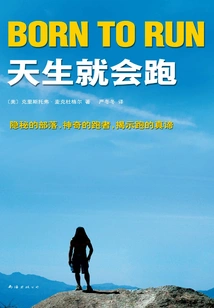
Every morning, the antelope knows that it must run faster than the fastest lion; the lion knows that it must run faster than the slowest antelope. Whether it is a lion or an antelope, when the sun rises, it must start running. All other mammals on earth are running free, are humans the only exception? Mexico's Copper Canyon is home to the Tarahumara, the strongest long-distance running group in history. They survived because their fathers could outrun a deer, and their fathers survived because their grandfather could outrun an Apache war horse. They never know how fast or how long they will have to run in pursuit of their prey. Only by adjusting posture, direction and speed at any time, and jumping nimbly between rocks and ravines, can one run through intricate mountain roads, climb steep rock walls, and return home. The Tarahumara run not so much to be faster as to be closer to each other and infinitely closer to nature. It turns out that people are born to run!
Every morning, the antelope knows that it must run faster than the fastest lion; the lion knows that it must run faster than the slowest antelope. Whether it is a lion or an antelope, when the sun rises, it must start running. All other mammals on earth are running free, are humans the only exception? Mexico's Copper Canyon is home to the Tarahumara, the strongest long-distance running group in history. They survived because their fathers could outrun a deer, and their fathers survived because their grandfather could outrun an Apache war horse. They never know how fast or how long they will have to run in pursuit of their prey. Only by adjusting posture, direction and speed at any time, and jumping nimbly between rocks and ravines, can one run through intricate mountain roads, climb steep rock walls, and return home. The Tarahumara run not so much to be faster as to be closer to each other and infinitely closer to nature. It turns out that people are born to run!
世界简史(精装插图版)
H
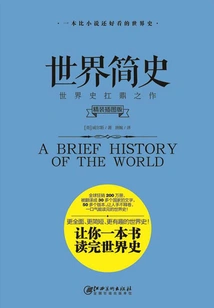
"A Brief History of the World" is a distinctive world history written by the famous British writer Wells. In "A Brief History of the World", the author has unique narratives about ancient Egypt, ancient Greece and Rome, the European Renaissance, the Reformation, the British Industrial Revolution, the American War of Independence, the French Revolution, etc. Eastern culture, including Confucianism and Taoism, are all involved. "A Brief History of the World" got rid of the narrow-mindedness of nationalism and even Eurocentrism earlier than many works of the same era. In "A Brief History of the World", Wells focused on the heritage of the entire human civilization, including culture, thought, religion, art, etc., Which are truly valuable things in the process of human history. Wells wrote history as a writer with great literary talent. Therefore, "A Brief History of the World" is highly readable. Since its publication, it has been a model book for young people to learn historical knowledge!
"A Brief History of the World" is a distinctive world history written by the famous British writer Wells. In "A Brief History of the World", the author has unique narratives about ancient Egypt, ancient Greece and Rome, the European Renaissance, the Reformation, the British Industrial Revolution, the American War of Independence, the French Revolution, etc. Eastern culture, including Confucianism and Taoism, are all involved. "A Brief History of the World" got rid of the narrow-mindedness of nationalism and even Eurocentrism earlier than many works of the same era. In "A Brief History of the World", Wells focused on the heritage of the entire human civilization, including culture, thought, religion, art, etc., Which are truly valuable things in the process of human history. Wells wrote history as a writer with great literary talent. Therefore, "A Brief History of the World" is highly readable. Since its publication, it has been a model book for young people to learn historical knowledge!
K
Literaturek
I
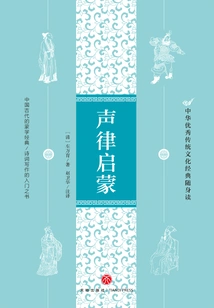
"Rhythm Enlightenment" is a work about the rhyme of poetry, and it is an enlightenment book for ancient children to learn to compose poetry. "Rhythm Enlightenment" is divided into rhymes, including virtual and real responses to astronomy, geography, flowers and trees, birds and beasts, people, utensils, idioms, allusions, historical facts, etc. There are single-character pairs, double-character pairs, three-character pairs, five-character pairs, seven-character pairs, and eleven-character pairs. The language is elegant and lively, the content is rich and plain, the rhythm is lively, catchy, and has strong readability. As an introductory book for learning poetry writing, "Rhythm Enlightenment" has been widely circulated and enduring since its publication.
"Rhythm Enlightenment" is a work about the rhyme of poetry, and it is an enlightenment book for ancient children to learn to compose poetry. "Rhythm Enlightenment" is divided into rhymes, including virtual and real responses to astronomy, geography, flowers and trees, birds and beasts, people, utensils, idioms, allusions, historical facts, etc. There are single-character pairs, double-character pairs, three-character pairs, five-character pairs, seven-character pairs, and eleven-character pairs. The language is elegant and lively, the content is rich and plain, the rhythm is lively, catchy, and has strong readability. As an introductory book for learning poetry writing, "Rhythm Enlightenment" has been widely circulated and enduring since its publication.
O
Literatureo
G
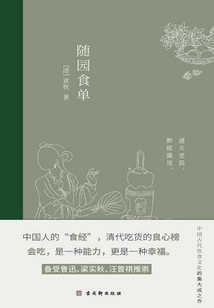
"Suiyuan Food List" is a collection of classical Chinese essays written by Yuan Mei, a poet and essayist of the Qing Dynasty. The book is divided into instructions list, warning list, seafood list, fresh food list, special animal list, miscellaneous animal list, feather menu, aquatic scaled menu, aquatic scaleless menu, miscellaneous vegetable menu, small menu, snack menu, rice and porridge menu and tea and wine menu, a total of fourteen menus, plus a preface. His work describes in detail more than 320 kinds of dishes, meals, teas and wines popular in the north and south during the Qing Dynasty. He also makes extremely incisive discussions on the selection, processing, cutting and cooking of the dishes, as well as the color, aroma, taste, shape and utensils of the dishes. It is called the "Food Classic" in Chinese history by gourmets at home and abroad.
"Suiyuan Food List" is a collection of classical Chinese essays written by Yuan Mei, a poet and essayist of the Qing Dynasty. The book is divided into instructions list, warning list, seafood list, fresh food list, special animal list, miscellaneous animal list, feather menu, aquatic scaled menu, aquatic scaleless menu, miscellaneous vegetable menu, small menu, snack menu, rice and porridge menu and tea and wine menu, a total of fourteen menus, plus a preface. His work describes in detail more than 320 kinds of dishes, meals, teas and wines popular in the north and south during the Qing Dynasty. He also makes extremely incisive discussions on the selection, processing, cutting and cooking of the dishes, as well as the color, aroma, taste, shape and utensils of the dishes. It is called the "Food Classic" in Chinese history by gourmets at home and abroad.
Japanese World View
History日本的世界观
P
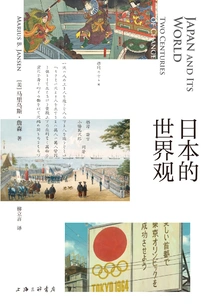
Marius Jensen uses the stories of three ordinary characters, Sugita Genpaku, Kuni Kunitake, and Matsumoto Shigeharu, as the main line to analyze how the Japanese re-understood the world in the mid-Tokugawa period, the early Tokugawa period, the early Meiji period, and the postwar Showa period, and traced the ideological and psychological historical roots of the Japanese worldview. Genpaku Sugita gave up traditional Chinese medicine and turned to translating Dutch anatomy works. Kumi Kunitake traveled to the West with the envoys but eventually lost his teaching position because his works were disrespectful to the emperor. Shigeharu Matsumoto, who experienced World War II, was committed to communicating with the world. Behind the three ordinary characters is the transformation of the entire Japan, and the ups and downs are condensed by Jensen into this small book.
Marius Jensen uses the stories of three ordinary characters, Sugita Genpaku, Kuni Kunitake, and Matsumoto Shigeharu, as the main line to analyze how the Japanese re-understood the world in the mid-Tokugawa period, the early Tokugawa period, the early Meiji period, and the postwar Showa period, and traced the ideological and psychological historical roots of the Japanese worldview. Genpaku Sugita gave up traditional Chinese medicine and turned to translating Dutch anatomy works. Kumi Kunitake traveled to the West with the envoys but eventually lost his teaching position because his works were disrespectful to the emperor. Shigeharu Matsumoto, who experienced World War II, was committed to communicating with the world. Behind the three ordinary characters is the transformation of the entire Japan, and the ups and downs are condensed by Jensen into this small book.
Y
Literaturey
H
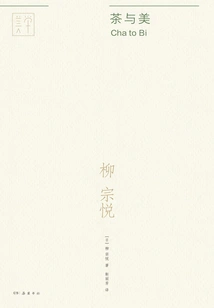
"Tea and Beauty" is a classic work handed down from generation to generation by Liu Zongyue. It is a collection of his essays on the theme of tea and beauty. In the book, Yanagi Zongue uses tea utensils, tea ceremonies, crafts, paintings, etc. To deeply explore the spirit and core of beauty of tea, explains the methods and methods of collection, criticizes the chaos of tea ceremony, and points out that the key to appreciating utensils is intuition. In his eyes, the beauty of tea is the beauty of nothingness and the ultimate beauty.
"Tea and Beauty" is a classic work handed down from generation to generation by Liu Zongyue. It is a collection of his essays on the theme of tea and beauty. In the book, Yanagi Zongue uses tea utensils, tea ceremonies, crafts, paintings, etc. To deeply explore the spirit and core of beauty of tea, explains the methods and methods of collection, criticizes the chaos of tea ceremony, and points out that the key to appreciating utensils is intuition. In his eyes, the beauty of tea is the beauty of nothingness and the ultimate beauty.
Q
Literatureq
J
In 1869, Muir was invited by a friend to go to the Sierra Nevada Mountains in Yosemite Valley to herd sheep and investigate. Along the way, he wrote "Walking Through the Mountains in a Summer." Three months of walking in the mountains made him realize that the damage caused by natural grazing to mountain grasslands is irreversible. In 1903, he took Theodore Roosevelt on a nature tour of the valley, confiding to the president his grief at the erosion of the beauty. Roosevelt was impressed by Muir and realized that only through federal power could the beauty of the Sierra Nevada be preserved for a long time. In 1906, Muir single-handedly promoted the establishment of national parks in the United States, and under his influence, Roosevelt approved the creation of 53 wildlife refuges, 16 national monuments, and six national parks during his term. Since then, Muir has been known as the "Father of American National Parks."
In 1869, Muir was invited by a friend to go to the Sierra Nevada Mountains in Yosemite Valley to herd sheep and investigate. Along the way, he wrote "Walking Through the Mountains in a Summer." Three months of walking in the mountains made him realize that the damage caused by natural grazing to mountain grasslands is irreversible. In 1903, he took Theodore Roosevelt on a nature tour of the valley, confiding to the president his grief at the erosion of the beauty. Roosevelt was impressed by Muir and realized that only through federal power could the beauty of the Sierra Nevada be preserved for a long time. In 1906, Muir single-handedly promoted the establishment of national parks in the United States, and under his influence, Roosevelt approved the creation of 53 wildlife refuges, 16 national monuments, and six national parks during his term. Since then, Muir has been known as the "Father of American National Parks."
盛宴易散:卡波蒂书信
J
Revealing the truth about why Truman Capote was able to write the masterpiece "In Cold Blood", the candid and private portrait of Capote constitutes an autobiography of extraordinary significance. It contains the "circle of friends" of the author of "Breakfast at Tiffany's" throughout his life. A large number of private letters are presented for the first time. Little-known literary anecdotes, crackling entertainment gossips, grievances and resentments of same-sex couples, and embarrassing creative inside stories. Big names in the literary world and Hollywood stars compete to appear. It is full of absolute fun. This book contains more than 400 of Capote's personal letters, compiled and compiled by Capote's biographer Gerald Clark, and disclosed to the world for the first time. It thus presents the most candid and private portrait of Capote, constituting a writer's autobiography of extraordinary significance. From a "statement" written to his biological father when he was 12 years old, to a tearful telegram sent to his lifelong partner two years before his death, the owner of the letter went from a "little wizard" and elf who jumped into the New York literary world, and experienced his high-spirited and heroic years; and then a slightly inner life. In the 1950s, he lived in Europe with his partner and wrote non-stop; in the 1960s, a pioneering non-fiction writing work, "In Cold Blood", pushed him to the top of his career and became the most famous writer in the United States; until the feast dissipated and the light faded, he died of alcohol and drugs in his prime. Capote's letters are full of openness and vitality, and his open-mindedness and uniqueness as a humanistic person make the book full of "absolute fun and crackling rumors and gossip" (Vanity Fair's words), just like a feast that is easy to break up, and it is a feast for the eyes.
Revealing the truth about why Truman Capote was able to write the masterpiece "In Cold Blood", the candid and private portrait of Capote constitutes an autobiography of extraordinary significance. It contains the "circle of friends" of the author of "Breakfast at Tiffany's" throughout his life. A large number of private letters are presented for the first time. Little-known literary anecdotes, crackling entertainment gossips, grievances and resentments of same-sex couples, and embarrassing creative inside stories. Big names in the literary world and Hollywood stars compete to appear. It is full of absolute fun. This book contains more than 400 of Capote's personal letters, compiled and compiled by Capote's biographer Gerald Clark, and disclosed to the world for the first time. It thus presents the most candid and private portrait of Capote, constituting a writer's autobiography of extraordinary significance. From a "statement" written to his biological father when he was 12 years old, to a tearful telegram sent to his lifelong partner two years before his death, the owner of the letter went from a "little wizard" and elf who jumped into the New York literary world, and experienced his high-spirited and heroic years; and then a slightly inner life. In the 1950s, he lived in Europe with his partner and wrote non-stop; in the 1960s, a pioneering non-fiction writing work, "In Cold Blood", pushed him to the top of his career and became the most famous writer in the United States; until the feast dissipated and the light faded, he died of alcohol and drugs in his prime. Capote's letters are full of openness and vitality, and his open-mindedness and uniqueness as a humanistic person make the book full of "absolute fun and crackling rumors and gossip" (Vanity Fair's words), just like a feast that is easy to break up, and it is a feast for the eyes.
Everything, Leave it to Time
Literature一切的一切,都交给时间吧
M
This is a "book of insights" that brings together Yamamoto's emotions for nearly ten years. There are the memories of Yamamoto Fumio resigning from the company and returning to his parents' home to "grow old"; there are the emotional twists and turns of getting married, divorced and remarried; there is the joy and forgetfulness of going from the Yoshikawa Eiji Literary Newcomer Award to the Naoki Award; there is the dilemma of suffering from depression because of winning the Naoki Award; in this way, the author has written prose essays for various media with various moods in these ten years, sometimes joking, sometimes serious. Although the styles are different, the author clearly presents his true self to the readers with his most sincere heart. Warm words and thoughtful insights are given to every one of you who is lost...
This is a "book of insights" that brings together Yamamoto's emotions for nearly ten years. There are the memories of Yamamoto Fumio resigning from the company and returning to his parents' home to "grow old"; there are the emotional twists and turns of getting married, divorced and remarried; there is the joy and forgetfulness of going from the Yoshikawa Eiji Literary Newcomer Award to the Naoki Award; there is the dilemma of suffering from depression because of winning the Naoki Award; in this way, the author has written prose essays for various media with various moods in these ten years, sometimes joking, sometimes serious. Although the styles are different, the author clearly presents his true self to the readers with his most sincere heart. Warm words and thoughtful insights are given to every one of you who is lost...
英语民族史:伟大的民主
J
The British Empire reigned supreme in the 19th century, with its territories and colonies spread all over the world. It was known as the Empire on which the sun never sets. The newly born United States dominated the 20th century, and its politics, economy, culture, and military influenced the historical process of the 20th century in all aspects. Since the Industrial Revolution, the two English-speaking countries have dominated the world for more than 200 years. This is by no means an accident. Winston Churchill revealed the secrets to us profoundly and vividly with his broad strokes. This is his historical masterpiece "History of the English People", coupled with his monumental memoirs "Memoirs of the First World War" and "Memoirs of the Second World War", which almost completely describe the historical trajectory of the English-speaking people from the wilderness to the world's super power.
The British Empire reigned supreme in the 19th century, with its territories and colonies spread all over the world. It was known as the Empire on which the sun never sets. The newly born United States dominated the 20th century, and its politics, economy, culture, and military influenced the historical process of the 20th century in all aspects. Since the Industrial Revolution, the two English-speaking countries have dominated the world for more than 200 years. This is by no means an accident. Winston Churchill revealed the secrets to us profoundly and vividly with his broad strokes. This is his historical masterpiece "History of the English People", coupled with his monumental memoirs "Memoirs of the First World War" and "Memoirs of the Second World War", which almost completely describe the historical trajectory of the English-speaking people from the wilderness to the world's super power.
Q
N
Literaturen
H
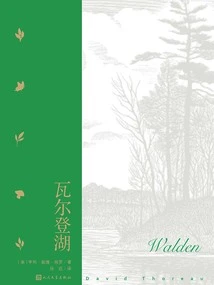
"Walden" is a collection of essays written by American writer Thoreau. "Walden" is a record of the American writer Thoreau who lived alone by Walden Pond, describing what he saw, heard and thought during more than two years. The book advocates simple life and loves the natural scenery. It has rich content, far-reaching meaning and vivid language. This publication adopts an aesthetic and exquisite design style, targeting the petty bourgeoisie and white-collar crowd, with precise positioning, meeting the specific aesthetic needs of readers at a specific level, and filling the gap in this aspect of our publisher's foreign literary masterpieces.
"Walden" is a collection of essays written by American writer Thoreau. "Walden" is a record of the American writer Thoreau who lived alone by Walden Pond, describing what he saw, heard and thought during more than two years. The book advocates simple life and loves the natural scenery. It has rich content, far-reaching meaning and vivid language. This publication adopts an aesthetic and exquisite design style, targeting the petty bourgeoisie and white-collar crowd, with precise positioning, meeting the specific aesthetic needs of readers at a specific level, and filling the gap in this aspect of our publisher's foreign literary masterpieces.
N
Historyn
H
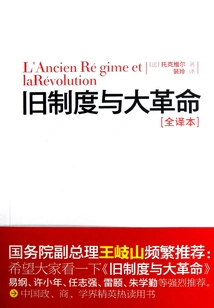
The main content of "The Old Regime and the Revolution (Full Translation)" includes the polarizing evaluations it received when the Revolution broke out; the main and ultimate purpose of the Revolution was not, as people thought, to destroy religious power and weaken political power; why feudal rights disgusted the people more in France than anywhere else; why the French wanted reform first and then freedom, etc.
The main content of "The Old Regime and the Revolution (Full Translation)" includes the polarizing evaluations it received when the Revolution broke out; the main and ultimate purpose of the Revolution was not, as people thought, to destroy religious power and weaken political power; why feudal rights disgusted the people more in France than anywhere else; why the French wanted reform first and then freedom, etc.
罪孽的报应:德国和日本的战争记忆
J
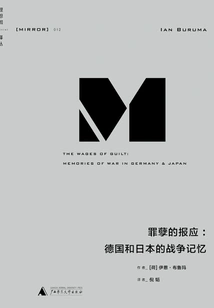
A political travelogue about war memory, state crimes, and national remorse. Seventy years after the end of World War II, when the righteous side cheers for victory, how do the two "dangerous nations" Germany and Japan face their disgraceful pasts? On the surface, the Germans' thorough reflection on the Holocaust and Japan's denial of responsibility for aggression are obvious to the world. However, under the shadow of history, regarding the purgatory of Auschwitz, Hiroshima and Nanjing, the trial of the victors and the proliferation of historical commemorations, as well as the efforts and means to achieve "normalization", the two seemingly different countries are actually full of gray areas where it is difficult to distinguish right from wrong. Visiting the ambiguous corners of history and capturing the subtext behind the high-sounding words, the author also does not forget to ask again and again: Who should pay for this sin?
A political travelogue about war memory, state crimes, and national remorse. Seventy years after the end of World War II, when the righteous side cheers for victory, how do the two "dangerous nations" Germany and Japan face their disgraceful pasts? On the surface, the Germans' thorough reflection on the Holocaust and Japan's denial of responsibility for aggression are obvious to the world. However, under the shadow of history, regarding the purgatory of Auschwitz, Hiroshima and Nanjing, the trial of the victors and the proliferation of historical commemorations, as well as the efforts and means to achieve "normalization", the two seemingly different countries are actually full of gray areas where it is difficult to distinguish right from wrong. Visiting the ambiguous corners of history and capturing the subtext behind the high-sounding words, the author also does not forget to ask again and again: Who should pay for this sin?
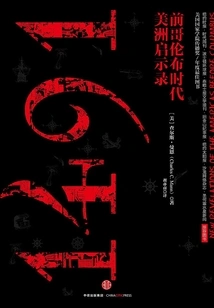
1491:前哥伦布时代美洲启示录
P
It is a must-read among all introductory books on pre-Columbian American civilization, and should become a must-read for all high school and college students. What did the American continent look like 500 years ago? This problem bothers many people. For a long time, we have known very little about the New World of America before Columbus arrived. The poor introduction in textbooks has led people to misunderstand that this is a vast area that has not been fully developed and utilized, with a sparse population and a barbaric civilization in a primitive state. However, "1491: Apocalypse in Pre-Columbian America" tells us with pictures and facts - we were all wrong! "1491: Apocalypse in Pre-Columbian America" is the work of American journalist Charles Mann. He followed a scientific research team to the sites of ancient American civilizations, visited and investigated local historical relics, folk customs, and consulted local preserved historical documents and records, as well as many archaeologists. Experts in anthropology, biology, linguistics, sociology, and ethnology communicated and communicated. They used vivid language to describe that the people of the Americas had an amazing amount of knowledge and developed a highly complex civilization 500 years ago. It completely subverted the world's cognition and broadened the horizons of readers, especially today's teenagers. In addition, "1491: The Apocalypse of Pre-Columbian America" is equipped with nearly a hundred precious pictures, taking readers through thousands of years, uncovering the mystery of the American continent, and presenting the clearest and most authentic history of Native American social civilization. The wonderful immersive feeling, the fascinating storyline, the brilliant and thorough research reasoning, and the amazing observation perspective make "1491: The Apocalypse of Pre-Columbian America" an excellent work of evangelism. It can be said that "1491: The Apocalypse of Pre-Columbian America" is an indispensable book for teenagers to understand the history of the Americas. In addition, "1491: The Apocalypse of Pre-Columbian America" is more suitable for parents and children to read together. In the story of the Indian empire, they can discover the interest of history and absorb the wisdom of life. "1491: The Apocalypse of the Americas in the Pre-Columbian Era" bids farewell to obscure professional terminology, and uses concise and entertaining words to comprehensively show readers a different history of the Americas, explaining what is a "history book with history, facts, materials and interesting information". At the same time, "1491: The Apocalypse of the Americas in the Pre-Columbian Era" completely overturns the long-standing common perception that "the American continent is barbaric" and opens a new window for young people to understand the world. As the "Observer" said, "Among the introductory books on pre-Columbian American civilization, there are very few better books than this, and no book is more up-to-date." Even McNeill, the author of "World History" and the "modern founder" of the world history discipline, praised "1491: The Apocalypse of Pre-Columbian America" as an "extraordinary work."
It is a must-read among all introductory books on pre-Columbian American civilization, and should become a must-read for all high school and college students. What did the American continent look like 500 years ago? This problem bothers many people. For a long time, we have known very little about the New World of America before Columbus arrived. The poor introduction in textbooks has led people to misunderstand that this is a vast area that has not been fully developed and utilized, with a sparse population and a barbaric civilization in a primitive state. However, "1491: Apocalypse in Pre-Columbian America" tells us with pictures and facts - we were all wrong! "1491: Apocalypse in Pre-Columbian America" is the work of American journalist Charles Mann. He followed a scientific research team to the sites of ancient American civilizations, visited and investigated local historical relics, folk customs, and consulted local preserved historical documents and records, as well as many archaeologists. Experts in anthropology, biology, linguistics, sociology, and ethnology communicated and communicated. They used vivid language to describe that the people of the Americas had an amazing amount of knowledge and developed a highly complex civilization 500 years ago. It completely subverted the world's cognition and broadened the horizons of readers, especially today's teenagers. In addition, "1491: The Apocalypse of Pre-Columbian America" is equipped with nearly a hundred precious pictures, taking readers through thousands of years, uncovering the mystery of the American continent, and presenting the clearest and most authentic history of Native American social civilization. The wonderful immersive feeling, the fascinating storyline, the brilliant and thorough research reasoning, and the amazing observation perspective make "1491: The Apocalypse of Pre-Columbian America" an excellent work of evangelism. It can be said that "1491: The Apocalypse of Pre-Columbian America" is an indispensable book for teenagers to understand the history of the Americas. In addition, "1491: The Apocalypse of Pre-Columbian America" is more suitable for parents and children to read together. In the story of the Indian empire, they can discover the interest of history and absorb the wisdom of life. "1491: The Apocalypse of the Americas in the Pre-Columbian Era" bids farewell to obscure professional terminology, and uses concise and entertaining words to comprehensively show readers a different history of the Americas, explaining what is a "history book with history, facts, materials and interesting information". At the same time, "1491: The Apocalypse of the Americas in the Pre-Columbian Era" completely overturns the long-standing common perception that "the American continent is barbaric" and opens a new window for young people to understand the world. As the "Observer" said, "Among the introductory books on pre-Columbian American civilization, there are very few better books than this, and no book is more up-to-date." Even McNeill, the author of "World History" and the "modern founder" of the world history discipline, praised "1491: The Apocalypse of Pre-Columbian America" as an "extraordinary work."
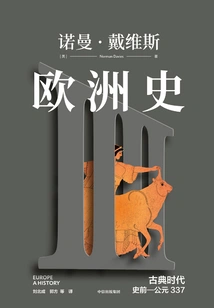
欧洲史:古典时代(史前—公元337)
I
"A History of Europe" is the representative work of British historian Norman Davis. It designs a time and space coordinate system for European history, presenting a rare overall historical impression. It combines traditional narrative methods with close-ups, and accommodates various strange things and ideas that are often ignored by serious historians. It has become a valuable and convincing European general history work in recent years. "History of Europe: Classical Era (Prehistory - AD 337)" is the history of this land before "Europe" officially appeared. Europe is not an independent "continent", but a "peninsula". Landforms, climate, geology and fauna combine to create a benign environment that is fundamental to understanding European history. The history of ancient Greece spans more than 1,000 years. In its heyday, the Greeks made amazing achievements explosively in various fields. The rise of Rome, known for its cohesion, heralded the conquest of "coastline civilization" by a new type of land power. Rome, which absorbed Greek culture, became a cultural hybrid that dominated the political and cultural life of the Roman Empire for hundreds of years until the emergence of a new cultural foundation - Christianity.
"A History of Europe" is the representative work of British historian Norman Davis. It designs a time and space coordinate system for European history, presenting a rare overall historical impression. It combines traditional narrative methods with close-ups, and accommodates various strange things and ideas that are often ignored by serious historians. It has become a valuable and convincing European general history work in recent years. "History of Europe: Classical Era (Prehistory - AD 337)" is the history of this land before "Europe" officially appeared. Europe is not an independent "continent", but a "peninsula". Landforms, climate, geology and fauna combine to create a benign environment that is fundamental to understanding European history. The history of ancient Greece spans more than 1,000 years. In its heyday, the Greeks made amazing achievements explosively in various fields. The rise of Rome, known for its cohesion, heralded the conquest of "coastline civilization" by a new type of land power. Rome, which absorbed Greek culture, became a cultural hybrid that dominated the political and cultural life of the Roman Empire for hundreds of years until the emergence of a new cultural foundation - Christianity.
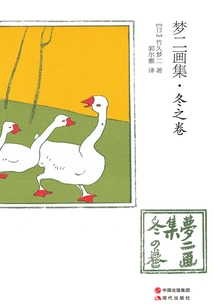
梦二画集·冬之卷
J
This book is a collection of poems by Yumeji Takehisa, a famous Japanese poet in the Meiji and Taisho periods. It is in the same series as "Collection of Yumeji Paintings: Spring Scroll", "Collection of Yumeji Paintings: Summer Scroll", and "Collection of Yumeji Paintings: Autumn Scroll". The illustrations are drawn by Yumeji himself. The poems and paintings complement each other, and the artistic conception is far-reaching, thought-provoking, and full of humanistic sentiments.
This book is a collection of poems by Yumeji Takehisa, a famous Japanese poet in the Meiji and Taisho periods. It is in the same series as "Collection of Yumeji Paintings: Spring Scroll", "Collection of Yumeji Paintings: Summer Scroll", and "Collection of Yumeji Paintings: Autumn Scroll". The illustrations are drawn by Yumeji himself. The poems and paintings complement each other, and the artistic conception is far-reaching, thought-provoking, and full of humanistic sentiments.
On Criticism Yun Huan Jie
Literature论批评 云鬟劫
N
"On Criticism: Yun Huan Jie" is one of the "Chinese Translation World Literature Masterpiece Series", in the poetry category, two long poems combined into one book. "An Essay on Criticism" (1711) is Pope's famous work. Its main purpose is to elucidate the principles of literary criticism. The poem has a total of 744 lines. Samuel Johnson considered the poem to be "a work of insight, subtlety of analysis, a depth of insight into human nature, and a depth of knowledge both ancient and modern, which even the most seasoned and experienced poets have seldom achieved." "The Rape of the Lock" (1717) is one of Pope's most widely known poems. It takes a farce in the upper class as an opportunity, uses fantastic imagination and gorgeous arrangements, and elucidates profound moral themes in a relaxed and humorous style. It has been praised by many Western commentators as an outstanding representative of satirical epics. The whole poem has a total of 794 lines (148 lines in Chapter 1, 142 lines in Chapter 2, 178 lines in Chapter 3, 176 lines in Chapter 4, and 150 lines in Chapter 5).
"On Criticism: Yun Huan Jie" is one of the "Chinese Translation World Literature Masterpiece Series", in the poetry category, two long poems combined into one book. "An Essay on Criticism" (1711) is Pope's famous work. Its main purpose is to elucidate the principles of literary criticism. The poem has a total of 744 lines. Samuel Johnson considered the poem to be "a work of insight, subtlety of analysis, a depth of insight into human nature, and a depth of knowledge both ancient and modern, which even the most seasoned and experienced poets have seldom achieved." "The Rape of the Lock" (1717) is one of Pope's most widely known poems. It takes a farce in the upper class as an opportunity, uses fantastic imagination and gorgeous arrangements, and elucidates profound moral themes in a relaxed and humorous style. It has been praised by many Western commentators as an outstanding representative of satirical epics. The whole poem has a total of 794 lines (148 lines in Chapter 1, 142 lines in Chapter 2, 178 lines in Chapter 3, 176 lines in Chapter 4, and 150 lines in Chapter 5).
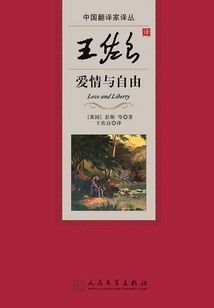
王佐良译爱情与自由
L
"Love and Freedom Translated by Wang Zuoliang" belongs to the third series of "Chinese Translators' Translation Series" and contains sixty poems by Robert Burns, the greatest poet in the history of Scottish literature. Among them, "Love and Freedom" is an excellent long poem, which not only realistically and vividly presents the lower society, but also challenges the hypocritical morality of the ruling class. The solos have distinctive personalities, and the bold chorus conveys the emotions of the wanderers gathered in the small hotel. Burns' poetry style is simple, fresh, vivid, musical, and every song is singable. In addition, it also includes more than 100 poems or fragments of more than 20 poets including William Blake and John Milton translated by Wang Zuoliang.
"Love and Freedom Translated by Wang Zuoliang" belongs to the third series of "Chinese Translators' Translation Series" and contains sixty poems by Robert Burns, the greatest poet in the history of Scottish literature. Among them, "Love and Freedom" is an excellent long poem, which not only realistically and vividly presents the lower society, but also challenges the hypocritical morality of the ruling class. The solos have distinctive personalities, and the bold chorus conveys the emotions of the wanderers gathered in the small hotel. Burns' poetry style is simple, fresh, vivid, musical, and every song is singable. In addition, it also includes more than 100 poems or fragments of more than 20 poets including William Blake and John Milton translated by Wang Zuoliang.
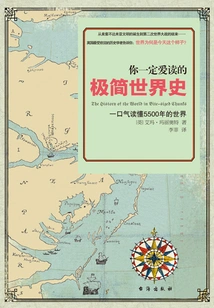
你一定爱读的极简世界史
J
"A Minimalist History of the World You Will Love to Read" is concise in content, but covers the major historical events around the world, from ancient civilizations to the end of World War II. Whether it is Alexander the Great, the prosperity of the Carthage Republic and its subsequent destruction by Rome, the rise of the Arab dynasties or the Tang Dynasty of China, the American Civil War and women's suffrage, as well as the rise and fall of fascism and communism, readers can read about it in this book.
"A Minimalist History of the World You Will Love to Read" is concise in content, but covers the major historical events around the world, from ancient civilizations to the end of World War II. Whether it is Alexander the Great, the prosperity of the Carthage Republic and its subsequent destruction by Rome, the rise of the Arab dynasties or the Tang Dynasty of China, the American Civil War and women's suffrage, as well as the rise and fall of fascism and communism, readers can read about it in this book.
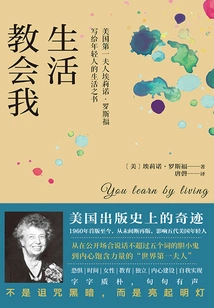
Life Teaches Me
Literature生活教会我
L
This book was first published in 1960 and was written by Eleanor Roosevelt in the last years of her life. This is an inspiring handbook about personal exploration and life change. It is also a book that tells us the wisdom of life from an experienced grandmother, giving people confidence, strength and courage. The greatest experience in life, at the age of seventy-six, she said, is "experiencing life to its limits." This book gives us a lot of specific suggestions, such as how to use time, how to overcome fear, how to make ourselves useful to others, how to adjust ourselves, how to be an independent individual, how to let others show their best side when interacting with others, how to be responsible, how to participate in society and make changes, so that ourselves and others can live a better life, etc. "What have you learned in life to help you solve various problems?" The real first lady in the eyes of Americans gives the answer in this book.
This book was first published in 1960 and was written by Eleanor Roosevelt in the last years of her life. This is an inspiring handbook about personal exploration and life change. It is also a book that tells us the wisdom of life from an experienced grandmother, giving people confidence, strength and courage. The greatest experience in life, at the age of seventy-six, she said, is "experiencing life to its limits." This book gives us a lot of specific suggestions, such as how to use time, how to overcome fear, how to make ourselves useful to others, how to adjust ourselves, how to be an independent individual, how to let others show their best side when interacting with others, how to be responsible, how to participate in society and make changes, so that ourselves and others can live a better life, etc. "What have you learned in life to help you solve various problems?" The real first lady in the eyes of Americans gives the answer in this book.
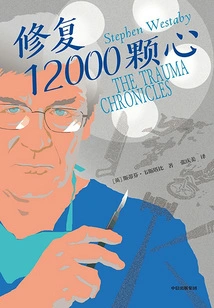
Repair 12,000 Hearts
Literature修复12000颗心
J
Heart surgeon Stephen Westaby's adrenaline-packed, sharp, humorous, and face-to-face account of a doctor's daily life. Some deep affection for life must appear in a ruthless manner. "You ask me, do I see this patient on the stage as a living person? Is this important? This victim does not need an anxious, empathetic surgeon, she needs a capable expert." He is like a ruthless killer hunter, a detective, pursuing death! He once used a chisel and hammer to open the chest of a stabbed girl, and the police present fainted at the sight; he also saved an Oxford student who attempted suicide, and a bright sharp knife was stuck in the young man's chest. That was his first case as a chief physician; he also rescued a pregnant woman injured in a shooting while he was a visiting professor in Brazil, delivering a new life and repairing the gunshot wound in just 4 minutes! He would even wear the same surgical gown and fight bloody battles for a full 24 hours...
Heart surgeon Stephen Westaby's adrenaline-packed, sharp, humorous, and face-to-face account of a doctor's daily life. Some deep affection for life must appear in a ruthless manner. "You ask me, do I see this patient on the stage as a living person? Is this important? This victim does not need an anxious, empathetic surgeon, she needs a capable expert." He is like a ruthless killer hunter, a detective, pursuing death! He once used a chisel and hammer to open the chest of a stabbed girl, and the police present fainted at the sight; he also saved an Oxford student who attempted suicide, and a bright sharp knife was stuck in the young man's chest. That was his first case as a chief physician; he also rescued a pregnant woman injured in a shooting while he was a visiting professor in Brazil, delivering a new life and repairing the gunshot wound in just 4 minutes! He would even wear the same surgical gown and fight bloody battles for a full 24 hours...
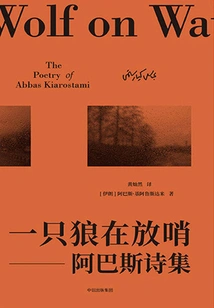
一只狼在放哨:阿巴斯诗集
M
"A Wolf Watching: Abbas' Poems" selects more than 500 excellent poems from Abbas's three English-translated poetry collections and has been translated by the famous poet and translator Mr. Huang Canran. It is the most complete translation of Abbas' poetry so far. Abbas's poetry inherits the long and profound tradition of Persian poetry, which is exquisite, beautiful and mysterious. His poems are short, concise, beautiful and innocent; he does not write grand propositions, but only the truth and love of ordinary life; he also never determines the title of each poem, as if he picked it up at his fingertips, but at ease, each poem is a world of its own. His poems are both swift and timeless, both abstract and subtle, reflecting the poet's focused gaze and philosophical meditation on a world full of nuances.
"A Wolf Watching: Abbas' Poems" selects more than 500 excellent poems from Abbas's three English-translated poetry collections and has been translated by the famous poet and translator Mr. Huang Canran. It is the most complete translation of Abbas' poetry so far. Abbas's poetry inherits the long and profound tradition of Persian poetry, which is exquisite, beautiful and mysterious. His poems are short, concise, beautiful and innocent; he does not write grand propositions, but only the truth and love of ordinary life; he also never determines the title of each poem, as if he picked it up at his fingertips, but at ease, each poem is a world of its own. His poems are both swift and timeless, both abstract and subtle, reflecting the poet's focused gaze and philosophical meditation on a world full of nuances.
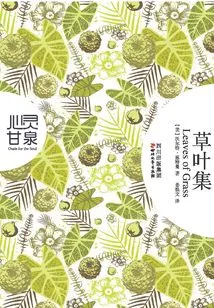
Soul Fountain·leaves of Grass
Literature心灵甘泉·草叶集
I
This book is the grass that grows all over the American land, always vibrant and exuding an alluring fragrance. It is the summary of Whitman's life creation and a brilliant milestone in the history of American poetry, ushering in a new era of American national poetry. Reading it will guide us to think and chant about the environment, history, and life, and guide our democracy to keep moving forward.
This book is the grass that grows all over the American land, always vibrant and exuding an alluring fragrance. It is the summary of Whitman's life creation and a brilliant milestone in the history of American poetry, ushering in a new era of American national poetry. Reading it will guide us to think and chant about the environment, history, and life, and guide our democracy to keep moving forward.
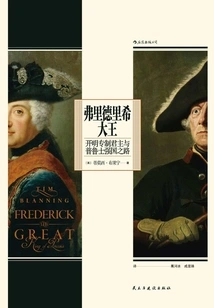
弗里德里希大王:开明专制君主与普鲁士强国之路
Q
In European history, there are few figures as great as King Friedrich the Great. When he succeeded to the Prussian throne in 1740, he ruled a weak and scattered kingdom; by the end of his reign, Prussia had become one of the great powers of continental Europe. In this book, historian Timothy Braining gives us a comprehensive portrait of the king who dominated the political, military, and cultural life of Europe half a century before Napoleon. Friedrich had a complex and multi-faceted character. He was sometimes a ruthless monarch, sometimes a strategizing battlefield commander, and sometimes an enthusiastic patron of the arts. He also maintained active contacts with other major thinkers of the era such as Voltaire. Timothy Breining's ambitious biography recounts Friedrich's remarkable life and the sweeping political and cultural transformation of Prussia under his rule. Readers can delve into the mind of this great monarch and better understand Prussia's rise to become a European power.
In European history, there are few figures as great as King Friedrich the Great. When he succeeded to the Prussian throne in 1740, he ruled a weak and scattered kingdom; by the end of his reign, Prussia had become one of the great powers of continental Europe. In this book, historian Timothy Braining gives us a comprehensive portrait of the king who dominated the political, military, and cultural life of Europe half a century before Napoleon. Friedrich had a complex and multi-faceted character. He was sometimes a ruthless monarch, sometimes a strategizing battlefield commander, and sometimes an enthusiastic patron of the arts. He also maintained active contacts with other major thinkers of the era such as Voltaire. Timothy Breining's ambitious biography recounts Friedrich's remarkable life and the sweeping political and cultural transformation of Prussia under his rule. Readers can delve into the mind of this great monarch and better understand Prussia's rise to become a European power.
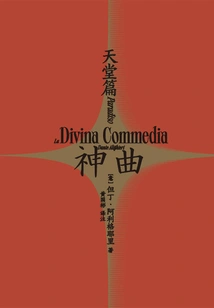
Divine Comedy 3: Paradise
Literature神曲3:天堂篇
J
"The Divine Comedy" is a long classical poem written by the famous Italian poet Dante for more than ten years. It is divided into three parts: "Inferno", "Purgatory" and "Paradise". This book is the third part. The whole poem starts with the traveler Dante getting lost in the dark forest and tells the story. Under the guidance of Virgil, he travels through the center of the earth, walks out of hell, climbs to the top of Purgatory Mountain, flies through the heavens with Beatrice, and finally sees the Trinity. It is a journey into a wonderland that combines magic, novelty, terror, thrills, and wisdom. The translation of "The Divine Comedy" introduced by Utopia this time is the first complete Chinese translation of the three-rhyme "Divine Comedy" translated into Italian by the well-known Hong Kong translator Huang Guobin for more than 20 years. While conveying the style of Dante's original poem to the greatest extent possible, it also uses encyclopedia-like detailed annotations to help readers clarify the religious changes, mythological allusions and even historical context in the Middle Ages. To appreciate the profound meaning of the Divine Comedy, this volume is enough.
"The Divine Comedy" is a long classical poem written by the famous Italian poet Dante for more than ten years. It is divided into three parts: "Inferno", "Purgatory" and "Paradise". This book is the third part. The whole poem starts with the traveler Dante getting lost in the dark forest and tells the story. Under the guidance of Virgil, he travels through the center of the earth, walks out of hell, climbs to the top of Purgatory Mountain, flies through the heavens with Beatrice, and finally sees the Trinity. It is a journey into a wonderland that combines magic, novelty, terror, thrills, and wisdom. The translation of "The Divine Comedy" introduced by Utopia this time is the first complete Chinese translation of the three-rhyme "Divine Comedy" translated into Italian by the well-known Hong Kong translator Huang Guobin for more than 20 years. While conveying the style of Dante's original poem to the greatest extent possible, it also uses encyclopedia-like detailed annotations to help readers clarify the religious changes, mythological allusions and even historical context in the Middle Ages. To appreciate the profound meaning of the Divine Comedy, this volume is enough.
冻结时期的诗篇:米沃什诗集Ⅰ
I
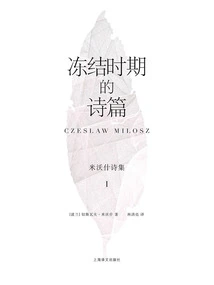
"The purpose of poetry is, and can only be, salvation." "Poems in the Frozen Period: Miłosz's Collected Poems I" contains 56 poems by Miłosz, from "Poems in the Frozen Period" (1933), "Three Winters" (1936), "Salvation" (1945), The Light of Day (1953), "On Poetry" (1957) and "King Poppierre and Others" (1962). Most of them are long poems, which include rich lyricism and description, as well as fierce and indignant ridicule and criticism. During this period, Milosz witnessed many historical events and wrote famous works such as "Piazza Fiori". Czeslaw Milosz, one of the greatest poets of the 20th century, defined the tragedy and beauty of his era with unparalleled precision and elegance. His poems, whether they describe his boyhood in Poland, his grief in war-torn Warsaw, or his pursuit of faith, are all astonishing and awe-inspiring, and they convey a strong sense of life and the individuality of ordinary life. The poem's exploration of death, war, love and faith is gripping, shocking and thought-provoking: "The existence of this land itself is far beyond the description of any language." "Miłosz's Collected Poems" contains 335 of the poet's poems from 1931 to 2001. This poem chapter, according to the year of creation and publication, is divided into four volumes: "Poems of the Frozen Period", "Enchanted Guqiao", "Reminiscences of Homeland" and "Facing the River". It was directly translated from Polish by Polish literature experts. It is the first time that the complete picture of Miłosz's poetry is presented in the Chinese world.
"The purpose of poetry is, and can only be, salvation." "Poems in the Frozen Period: Miłosz's Collected Poems I" contains 56 poems by Miłosz, from "Poems in the Frozen Period" (1933), "Three Winters" (1936), "Salvation" (1945), The Light of Day (1953), "On Poetry" (1957) and "King Poppierre and Others" (1962). Most of them are long poems, which include rich lyricism and description, as well as fierce and indignant ridicule and criticism. During this period, Milosz witnessed many historical events and wrote famous works such as "Piazza Fiori". Czeslaw Milosz, one of the greatest poets of the 20th century, defined the tragedy and beauty of his era with unparalleled precision and elegance. His poems, whether they describe his boyhood in Poland, his grief in war-torn Warsaw, or his pursuit of faith, are all astonishing and awe-inspiring, and they convey a strong sense of life and the individuality of ordinary life. The poem's exploration of death, war, love and faith is gripping, shocking and thought-provoking: "The existence of this land itself is far beyond the description of any language." "Miłosz's Collected Poems" contains 335 of the poet's poems from 1931 to 2001. This poem chapter, according to the year of creation and publication, is divided into four volumes: "Poems of the Frozen Period", "Enchanted Guqiao", "Reminiscences of Homeland" and "Facing the River". It was directly translated from Polish by Polish literature experts. It is the first time that the complete picture of Miłosz's poetry is presented in the Chinese world.
生命与希望之歌(汉译世界文学名著丛书)
T
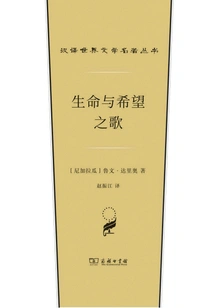
The Nicaraguan poet Rubén Dario is the most influential poet in the modern development of Latin American literature. His poetry not only has a huge influence in Latin America, but also plays a unique role in the innovation and progress of Spanish poetry as a whole. The modernist literary creation he represents is also a watershed in the history of the development of Spanish poetry. He is an indispensable outstanding figure in studying the overall achievements of Latin American literature. This book includes Dario's collection of poems "Songs of Life and Hope" published in 1905. This is his most outstanding collection of poems and a symbol of his transformation from escapism to new cosmopolitanism. "Song of Life and Hope" was first translated and published in China in 1997 and received unanimous praise from the literary circle.
The Nicaraguan poet Rubén Dario is the most influential poet in the modern development of Latin American literature. His poetry not only has a huge influence in Latin America, but also plays a unique role in the innovation and progress of Spanish poetry as a whole. The modernist literary creation he represents is also a watershed in the history of the development of Spanish poetry. He is an indispensable outstanding figure in studying the overall achievements of Latin American literature. This book includes Dario's collection of poems "Songs of Life and Hope" published in 1905. This is his most outstanding collection of poems and a symbol of his transformation from escapism to new cosmopolitanism. "Song of Life and Hope" was first translated and published in China in 1997 and received unanimous praise from the literary circle.
迈尔斯教授讲世界历史:世界通史(套装共2册)
I
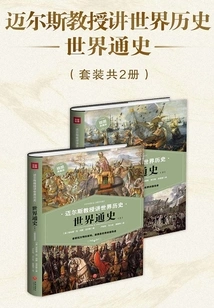
"Professor Miles Teach World History: A General History of the World" is a world history textbook written by Professor Miles. The content of "Professor Myers's World History: A General History of the World (Volume 1)" starts from prehistoric humans to the Middle Ages; "Professor Myers's World History: A General History of the World (Volume 2)" covers the entire modern history and ends at the end of the First World War. It is a relatively complete general history of the world.
"Professor Miles Teach World History: A General History of the World" is a world history textbook written by Professor Miles. The content of "Professor Myers's World History: A General History of the World (Volume 1)" starts from prehistoric humans to the Middle Ages; "Professor Myers's World History: A General History of the World (Volume 2)" covers the entire modern history and ends at the end of the First World War. It is a relatively complete general history of the world.
The Unfinished Empire
History未终结的帝国
Y
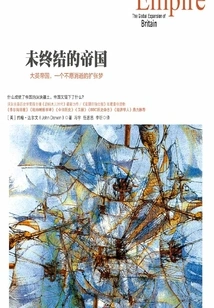
With his unique vision, clear thinking and slightly ironic realism style, the author of this book interprets and restores the British Empire, taking us into each historical scene to gain an in-depth understanding of the past of the British Empire's global expansion and its profound impact on today's world and even the future. Any reader who wants to understand the history of the British Empire and the origin and development of today's world structure cannot miss this book.
With his unique vision, clear thinking and slightly ironic realism style, the author of this book interprets and restores the British Empire, taking us into each historical scene to gain an in-depth understanding of the past of the British Empire's global expansion and its profound impact on today's world and even the future. Any reader who wants to understand the history of the British Empire and the origin and development of today's world structure cannot miss this book.
N
Historyn
H
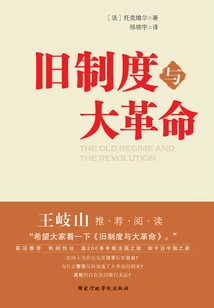
"The Old Regime and the Great Revolution" is a work by the French historian Tocqueville. Through the analysis of a large number of historical facts, it reveals the intrinsic connection between the Old Regime and the French Revolution. This book explores the collapse of the original feudal system due to corruption and unpopularity during the French Revolution. However, the social unrest did not bring about the results expected by the revolutionary party. Both the rulers and the people were ultimately swallowed up by mutual anger. It is a must-read for studying the history of the French Revolution.
"The Old Regime and the Great Revolution" is a work by the French historian Tocqueville. Through the analysis of a large number of historical facts, it reveals the intrinsic connection between the Old Regime and the French Revolution. This book explores the collapse of the original feudal system due to corruption and unpopularity during the French Revolution. However, the social unrest did not bring about the results expected by the revolutionary party. Both the rulers and the people were ultimately swallowed up by mutual anger. It is a must-read for studying the history of the French Revolution.
A Brief History of Mankind
History人类简史
H
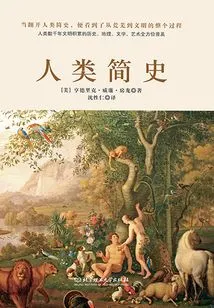
"A Brief History of Humanity" is one of the classic works by the famous science popularization master Fang Long. It tells the entire process of human beings from desolation to civilization. The origin of mankind, the origin of ancient civilizations, hieroglyphics, the medieval world, the Renaissance, the rise of religion and war, and the revolutions of great powers such as Britain, the United States, France, and Russia. It can be said that this is a book that comprehensively popularizes the history, geography, literature, and art accumulated by human civilization over thousands of years. In addition to showing the major events in the development of human civilization, it also shows the sparkling wisdom and limitations of human beings in a specific era, allowing us to fully understand the history of mankind. Fang Long, a master of "humanism", uses humorous writing style, novel viewpoints and easy-to-understand narrative methods to turn the long history of mankind into pillow reading that everyone can understand. History does not have to be heavy and boring, but can be a more exciting story than a novel; history is not a dead past, but a living past. The housekeeper dragon talks about human history and foresees the future.
"A Brief History of Humanity" is one of the classic works by the famous science popularization master Fang Long. It tells the entire process of human beings from desolation to civilization. The origin of mankind, the origin of ancient civilizations, hieroglyphics, the medieval world, the Renaissance, the rise of religion and war, and the revolutions of great powers such as Britain, the United States, France, and Russia. It can be said that this is a book that comprehensively popularizes the history, geography, literature, and art accumulated by human civilization over thousands of years. In addition to showing the major events in the development of human civilization, it also shows the sparkling wisdom and limitations of human beings in a specific era, allowing us to fully understand the history of mankind. Fang Long, a master of "humanism", uses humorous writing style, novel viewpoints and easy-to-understand narrative methods to turn the long history of mankind into pillow reading that everyone can understand. History does not have to be heavy and boring, but can be a more exciting story than a novel; history is not a dead past, but a living past. The housekeeper dragon talks about human history and foresees the future.
武装和平:1871—1914(华文全球史)
K
"Armed peace" is recognized by European historians as the "key" to the outbreak of World War I. The Franco-Prussian War defeated France and Germany was unified. Why couldn't France be destroyed? What role did coordination among European powers play at the Berlin Conference? Why was the transition of the Second German Empire from the Bismarck era to the Wilhelm II era a strategic mistake? Why are there irreconcilable contradictions between the Austro-Hungarian Empire's coveting of the Balkan Peninsula and the Russian Empire's Pan-Slavism? Why did the Ottoman Empire lose to the Balkan Alliance in the First Balkan War? How did the uneven distribution of spoils in the Balkan Alliance trigger the Second Balkan War? How did the Moroccan crisis occur and be resolved? Was the assassination of Archduke Franz Ferdinand, Crown Prince of the Austro-Hungarian Empire, an official act of the Kingdom of Serbia or a private act? What happened in the critical twelve days before the outbreak of World War I? Why did the European coordination and ambassadorial conferences fail to prevent the outbreak of the First World War? This book will give detailed answers.
"Armed peace" is recognized by European historians as the "key" to the outbreak of World War I. The Franco-Prussian War defeated France and Germany was unified. Why couldn't France be destroyed? What role did coordination among European powers play at the Berlin Conference? Why was the transition of the Second German Empire from the Bismarck era to the Wilhelm II era a strategic mistake? Why are there irreconcilable contradictions between the Austro-Hungarian Empire's coveting of the Balkan Peninsula and the Russian Empire's Pan-Slavism? Why did the Ottoman Empire lose to the Balkan Alliance in the First Balkan War? How did the uneven distribution of spoils in the Balkan Alliance trigger the Second Balkan War? How did the Moroccan crisis occur and be resolved? Was the assassination of Archduke Franz Ferdinand, Crown Prince of the Austro-Hungarian Empire, an official act of the Kingdom of Serbia or a private act? What happened in the critical twelve days before the outbreak of World War I? Why did the European coordination and ambassadorial conferences fail to prevent the outbreak of the First World War? This book will give detailed answers.

冬日列车:维希政权与纳粹集中营里的法国女性
P
Based on interviews with survivors and their families, as well as numerous memoirs, letters, manuscripts, and archives, this book recreates the heroic and courageous resistance of those brave French women against the German occupation during World War II, as well as their epic efforts to survive the Auschwitz concentration camp. The book is divided into two parts, with a total of fifteen chapters. The first part narrates the experiences of French women who took active actions in the resistance movement, were unfortunately arrested, and were imprisoned in French prisons. The second part begins when the arrested women were escorted from French prisons to the Auschwitz concentration camp on the "31,000 train". It details their struggle to survive in the concentration camp, where they were always threatened by death, and how they returned home and worked hard to live after the war.
Based on interviews with survivors and their families, as well as numerous memoirs, letters, manuscripts, and archives, this book recreates the heroic and courageous resistance of those brave French women against the German occupation during World War II, as well as their epic efforts to survive the Auschwitz concentration camp. The book is divided into two parts, with a total of fifteen chapters. The first part narrates the experiences of French women who took active actions in the resistance movement, were unfortunately arrested, and were imprisoned in French prisons. The second part begins when the arrested women were escorted from French prisons to the Auschwitz concentration camp on the "31,000 train". It details their struggle to survive in the concentration camp, where they were always threatened by death, and how they returned home and worked hard to live after the war.
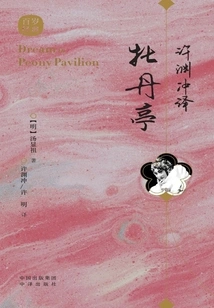
许渊冲译牡丹亭
G
China is a country of poetry. Ancient poetry and drama are treasures in our country's literary treasure house and the cultural essence of our nation. The aesthetic trends and valuable wealth created by Chinese traditional culture over thousands of years of civilization development have great charm that transcends times and crosses national boundaries. Translation master Xu Yuanchong has spent decades selecting traditional literary classics that have had a profound influence on Chinese history from the vast sea of ancient Chinese cultural books, and using superb translation techniques to translate them into English, so that readers at home and abroad can appreciate the beauty and charm of Chinese classical literature even in an English context. The book is published in Chinese-English format. The English part is personally reviewed by native English experts, and rare words in the Chinese part are notated and explained, making it easier to refer to and study. This book is divided into two volumes, the upper and lower volumes, and contains 300 well-known Tang poems. The English parts are all translated by Xu Yuanchong. I hope that through this form of bilingual reading, readers can appreciate the various phenomena of Chinese poetry at its peak.
China is a country of poetry. Ancient poetry and drama are treasures in our country's literary treasure house and the cultural essence of our nation. The aesthetic trends and valuable wealth created by Chinese traditional culture over thousands of years of civilization development have great charm that transcends times and crosses national boundaries. Translation master Xu Yuanchong has spent decades selecting traditional literary classics that have had a profound influence on Chinese history from the vast sea of ancient Chinese cultural books, and using superb translation techniques to translate them into English, so that readers at home and abroad can appreciate the beauty and charm of Chinese classical literature even in an English context. The book is published in Chinese-English format. The English part is personally reviewed by native English experts, and rare words in the Chinese part are notated and explained, making it easier to refer to and study. This book is divided into two volumes, the upper and lower volumes, and contains 300 well-known Tang poems. The English parts are all translated by Xu Yuanchong. I hope that through this form of bilingual reading, readers can appreciate the various phenomena of Chinese poetry at its peak.