Library
Browse and search books
13,360 novels found
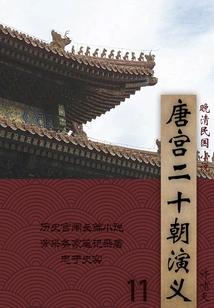
Novels of the Late Qing Dynasty and the Republic of China: Romance of the Tang Palace and Twenty Dynasties (11)
General Fiction晚清民国小说:唐宫二十朝演义(11)
H
N
N
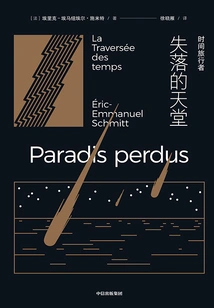
Time Traveler: Lost Paradise
General Fiction时间旅行者:失落的天堂
J
This book is the first part of the long series "Time Travelers" by French writer Eric-Emmanuel Schmitt. This masterpiece, which the writer spent thirty years gestating, tells the history of mankind in the form of a novel: the protagonist goes through evolution and revolution from prehistory to the present, and the past illuminates the present. The protagonist Norm was born in a lakeside village in the Neolithic Age and grew up surrounded by nature. He encountered the tragedy of the tribe, met the charming woman Nora, and was changed by a famous disaster-the great flood: he gained the ability to live forever. It's a gift and a curse. He is free from human fears: disease, aging, and death; but he is also unable to establish ordinary relationships with people. In order not to be discovered, he has to escape every once in a while. He was forced to become an eternal wanderer, constantly traveling through new places, new languages, and new societies to explore what happened to himself and try to grasp the essence and meaning of life. To tell Nome's adventures is to tell the history of mankind. From the time of the Flood to today, Nome has witnessed and even participated in all the transformations that make us who we are: from hunter-gathering to settlement, from villages to cities, the creation of writing, the birth of class, the beginning of the economy, the construction of religion, the survival of political institutions, technological and scientific inventions, the birth and decadence of art and civilization... And the irreversible damage to the environment caused by human existence.
This book is the first part of the long series "Time Travelers" by French writer Eric-Emmanuel Schmitt. This masterpiece, which the writer spent thirty years gestating, tells the history of mankind in the form of a novel: the protagonist goes through evolution and revolution from prehistory to the present, and the past illuminates the present. The protagonist Norm was born in a lakeside village in the Neolithic Age and grew up surrounded by nature. He encountered the tragedy of the tribe, met the charming woman Nora, and was changed by a famous disaster-the great flood: he gained the ability to live forever. It's a gift and a curse. He is free from human fears: disease, aging, and death; but he is also unable to establish ordinary relationships with people. In order not to be discovered, he has to escape every once in a while. He was forced to become an eternal wanderer, constantly traveling through new places, new languages, and new societies to explore what happened to himself and try to grasp the essence and meaning of life. To tell Nome's adventures is to tell the history of mankind. From the time of the Flood to today, Nome has witnessed and even participated in all the transformations that make us who we are: from hunter-gathering to settlement, from villages to cities, the creation of writing, the birth of class, the beginning of the economy, the construction of religion, the survival of political institutions, technological and scientific inventions, the birth and decadence of art and civilization... And the irreversible damage to the environment caused by human existence.

U
General Fictionu
H
At the end of the world last time, a wood beetle got into Noah's ark. What it saw Noah doing was very different from what was recorded in the book. The Ark reappears repeatedly in human history, whether it is a robbed cruise ship, a Titanic, or a lone boat on the sea in a nuclear panic... This stowaway has not left. It looks coldly at how history is distorted, and how the distortion can become "real" history; it possesses Barnes's wonderful writing, teaching him to collage a seemingly absurd but enlightening world history with pieces of wonderful articles.
At the end of the world last time, a wood beetle got into Noah's ark. What it saw Noah doing was very different from what was recorded in the book. The Ark reappears repeatedly in human history, whether it is a robbed cruise ship, a Titanic, or a lone boat on the sea in a nuclear panic... This stowaway has not left. It looks coldly at how history is distorted, and how the distortion can become "real" history; it possesses Barnes's wonderful writing, teaching him to collage a seemingly absurd but enlightening world history with pieces of wonderful articles.
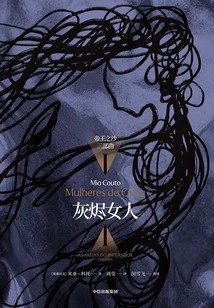
Sands of Kings Trilogy I: Woman of Ashes
General Fiction帝王之沙三部曲Ⅰ:灰烬女人
I
Imani, a 15-year-old girl, grew up in native Chopi and Portuguese education. Her village was in the midst of double invasions by the African Gaza Empire and Portuguese colonizers. The village chose the protection of the Portuguese, but in the face of the invasion of the Gaza army, the Portuguese sergeant Melo was unable to mobilize the army, so Imani and the sergeant embarked on a journey of exile.
Imani, a 15-year-old girl, grew up in native Chopi and Portuguese education. Her village was in the midst of double invasions by the African Gaza Empire and Portuguese colonizers. The village chose the protection of the Portuguese, but in the face of the invasion of the Gaza army, the Portuguese sergeant Melo was unable to mobilize the army, so Imani and the sergeant embarked on a journey of exile.

U
General Fictionu
H
History keeps repeating itself, "the first time is a tragedy, the second time is a farce." At the end of the world last time, a wood beetle got into Noah's ark. What it saw Noah doing was very different from what was recorded in the book. The Ark reappears repeatedly in human history, whether it is a robbed cruise ship, a Titanic, or a lone boat on the sea in a nuclear panic... This stowaway has not left. It looks coldly at how history is distorted, and how the distortion can become "real" history; it possesses Barnes's wonderful writing, teaching him to collage a seemingly absurd but enlightening world history with pieces of wonderful articles.
History keeps repeating itself, "the first time is a tragedy, the second time is a farce." At the end of the world last time, a wood beetle got into Noah's ark. What it saw Noah doing was very different from what was recorded in the book. The Ark reappears repeatedly in human history, whether it is a robbed cruise ship, a Titanic, or a lone boat on the sea in a nuclear panic... This stowaway has not left. It looks coldly at how history is distorted, and how the distortion can become "real" history; it possesses Barnes's wonderful writing, teaching him to collage a seemingly absurd but enlightening world history with pieces of wonderful articles.

Bashan Night Rain (7)
General Fiction巴山夜雨(7)
H
"Bashan Night Rain" was written in 1946 after the victory of the Anti-Japanese War and began to be serialized in 1946. It took more than three years to complete at the end of 1948. It is Zhang Henshui's "painful lesson" work. With a cold and rational writing style, the author takes the lead in exploring the national psychology while accusing the war atrocities of the Japanese invaders. The novel takes the protagonist Li Nanquan as the axis and shows readers a picture of all living beings in the mountain village of eastern Shu. The characters are lifelike, the language is humorous and sharp, and the novel's descriptive skills have reached a level of proficiency.
"Bashan Night Rain" was written in 1946 after the victory of the Anti-Japanese War and began to be serialized in 1946. It took more than three years to complete at the end of 1948. It is Zhang Henshui's "painful lesson" work. With a cold and rational writing style, the author takes the lead in exploring the national psychology while accusing the war atrocities of the Japanese invaders. The novel takes the protagonist Li Nanquan as the axis and shows readers a picture of all living beings in the mountain village of eastern Shu. The characters are lifelike, the language is humorous and sharp, and the novel's descriptive skills have reached a level of proficiency.

R
General Fictionr
J
"The Enchanted Marsh" is a representative work of George Sand's famous pastoral novel. It tells the story of a young farmer, Germain, who is unfortunately widowed and lives with his three children. His father-in-law kindly introduced him to a wealthy widow from a neighboring village as his wife, so Germain and his young son Pierre went to propose marriage. They also traveled with the poor shepherdess from the neighboring family. On the way, they camped beside a pond that the locals called the "Magic Swamp." The tranquility, mysterious and unique scenery of the countryside in the novel add a strong romantic color to the love experience of the hero and heroine. George Sand undoubtedly idealized the love and rural scenery of young peasant men and women. The ideal world and ideal characters described by the author appear as the opposite of the ugly phenomena of capitalist society. Although they lack profundity, they have the value of positive ideals.
"The Enchanted Marsh" is a representative work of George Sand's famous pastoral novel. It tells the story of a young farmer, Germain, who is unfortunately widowed and lives with his three children. His father-in-law kindly introduced him to a wealthy widow from a neighboring village as his wife, so Germain and his young son Pierre went to propose marriage. They also traveled with the poor shepherdess from the neighboring family. On the way, they camped beside a pond that the locals called the "Magic Swamp." The tranquility, mysterious and unique scenery of the countryside in the novel add a strong romantic color to the love experience of the hero and heroine. George Sand undoubtedly idealized the love and rural scenery of young peasant men and women. The ideal world and ideal characters described by the author appear as the opposite of the ugly phenomena of capitalist society. Although they lack profundity, they have the value of positive ideals.
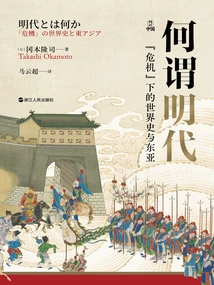
何谓明代:“危机”下的世界史与东亚
I
With the outbreak of the "Crisis of the 14th Century", the Eurasian world system built by the Mongol Empire disintegrated, and the East and the West separated, gradually evolving into a new modern world order that affects today. The Ming Dynasty that overthrew the Mongol rule established a new East Asian system. After the arrival of the "17th Century Crisis" and the end of the Ming Dynasty, this system was inherited by the Qing Dynasty. What was the Ming Dynasty (1368-1644) like, caught between the two major crises of the "late Yuan Dynasty and early Ming Dynasty" and "the late Ming Dynasty and early Qing Dynasty"? Apart from the brutal, bloody, conflicting politics, what else is interesting about this period? What deviations occurred in the ancestral confinement system established by Ming Taizu? What impact did the arrival of the Age of Discovery have on China? This book combines a variety of latest research results to make the seemingly "unchanged" Ming Dynasty become more vivid and "interesting".
With the outbreak of the "Crisis of the 14th Century", the Eurasian world system built by the Mongol Empire disintegrated, and the East and the West separated, gradually evolving into a new modern world order that affects today. The Ming Dynasty that overthrew the Mongol rule established a new East Asian system. After the arrival of the "17th Century Crisis" and the end of the Ming Dynasty, this system was inherited by the Qing Dynasty. What was the Ming Dynasty (1368-1644) like, caught between the two major crises of the "late Yuan Dynasty and early Ming Dynasty" and "the late Ming Dynasty and early Qing Dynasty"? Apart from the brutal, bloody, conflicting politics, what else is interesting about this period? What deviations occurred in the ancestral confinement system established by Ming Taizu? What impact did the arrival of the Age of Discovery have on China? This book combines a variety of latest research results to make the seemingly "unchanged" Ming Dynasty become more vivid and "interesting".
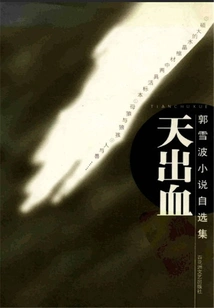
Bleeding
General Fiction天出血
M
This book contains seven short stories and short stories: "Sand Wolf", "Sand Burial", "Goshawk", "Wolf's Family", "Sand Fox", "Sand Badger" and "Bitter Sand".
This book contains seven short stories and short stories: "Sand Wolf", "Sand Burial", "Goshawk", "Wolf's Family", "Sand Fox", "Sand Badger" and "Bitter Sand".
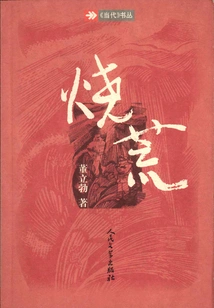
Burning Wasteland
General Fiction烧荒
K
"Burning Wasteland" is one of the volumes in the "Contemporary Book Series" and is another masterpiece by Dong Libo after "White Beans". The novel tells the story of the soldiers of the Corps who burned wasteland and reclaimed farmland in the lower fields after the founding of the People's Republic of China. They clashed with nature, love and humanity. "Burning the Wasteland" has an ups and downs plot and rich characters. It is a classic novel describing the red era. The novel describes how after the founding of the People's Republic of China, the soldiers of the Corps burned wasteland and reclaimed farmland in the lower fields, and they clashed with nature, love and humanity. Burning wasteland is a symbol of burning passion in that fiery era. Against this background, a series of emotional entanglements unfold around the main characters such as Pantong, Zhiqi, Abu, Hua Mulan, and Zhanshi.
"Burning Wasteland" is one of the volumes in the "Contemporary Book Series" and is another masterpiece by Dong Libo after "White Beans". The novel tells the story of the soldiers of the Corps who burned wasteland and reclaimed farmland in the lower fields after the founding of the People's Republic of China. They clashed with nature, love and humanity. "Burning the Wasteland" has an ups and downs plot and rich characters. It is a classic novel describing the red era. The novel describes how after the founding of the People's Republic of China, the soldiers of the Corps burned wasteland and reclaimed farmland in the lower fields, and they clashed with nature, love and humanity. Burning wasteland is a symbol of burning passion in that fiery era. Against this background, a series of emotional entanglements unfold around the main characters such as Pantong, Zhiqi, Abu, Hua Mulan, and Zhanshi.

Chat with World Greats
History与世界伟人谈心
J
This book introduces dozens of important figures in human history to readers in a unique form of dialogue between ancient and modern times. The author uses the form of weekend dinners to resurrect long-dead characters and invite them to attend this strange dinner. A total of 21 dinners were held, and guests present included Erasmus, William the Silent, George Washington, Thomas More... The growth process and thoughts of the great men were slowly revealed in these conversations.
This book introduces dozens of important figures in human history to readers in a unique form of dialogue between ancient and modern times. The author uses the form of weekend dinners to resurrect long-dead characters and invite them to attend this strange dinner. A total of 21 dinners were held, and guests present included Erasmus, William the Silent, George Washington, Thomas More... The growth process and thoughts of the great men were slowly revealed in these conversations.
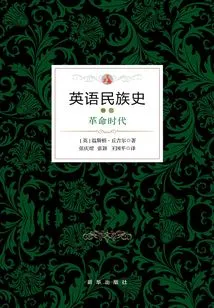
英语民族史·革命时代
J
This volume is the third volume of the "History of the English-speaking Peoples" series "The Age of Revolutions". During the period from 1688 to 1815 described in this volume, three revolutions profoundly affected the destiny of mankind. All three revolutions occurred within a century, and they all led to war between England and France.
This volume is the third volume of the "History of the English-speaking Peoples" series "The Age of Revolutions". During the period from 1688 to 1815 described in this volume, three revolutions profoundly affected the destiny of mankind. All three revolutions occurred within a century, and they all led to war between England and France.

大国的崩溃:苏联解体的台前幕后
I
Top-secret archives at the Bush Library newly declassified! An expert on modern history from Harvard University, he restores the five months that changed the fate of the Soviet Union and the face of the world. The collapse of the Soviet Union in 1991 was undoubtedly one of the most significant events of the 20th century. The author reinterprets that complicated history based on recently declassified top-secret archives from the Bush presidential library, including memos from presidential advisers and top-secret phone calls between Bush and world leaders. This book challenges conventional wisdom about the end of the Cold War and reveals the complex game played by the Bush administration as it sought to end the Cold War and preserve the Soviet Union as its key partner on the international stage. The author focuses on four figures at the center of the event - George Bush, Mikhail Gorbachev, Boris Yeltsin, and Leonid Kravchuk - to tell the story of the last five months of the Soviet Union, which changed the fate of the Soviet Union and the structure of the world. The author of this book is multilingual and has access to documents in English, Russian, Polish, Ukrainian and Belarusian, which puts him in a unique position to present a new and dramatic story about the collapse of the Soviet Union.
Top-secret archives at the Bush Library newly declassified! An expert on modern history from Harvard University, he restores the five months that changed the fate of the Soviet Union and the face of the world. The collapse of the Soviet Union in 1991 was undoubtedly one of the most significant events of the 20th century. The author reinterprets that complicated history based on recently declassified top-secret archives from the Bush presidential library, including memos from presidential advisers and top-secret phone calls between Bush and world leaders. This book challenges conventional wisdom about the end of the Cold War and reveals the complex game played by the Bush administration as it sought to end the Cold War and preserve the Soviet Union as its key partner on the international stage. The author focuses on four figures at the center of the event - George Bush, Mikhail Gorbachev, Boris Yeltsin, and Leonid Kravchuk - to tell the story of the last five months of the Soviet Union, which changed the fate of the Soviet Union and the structure of the world. The author of this book is multilingual and has access to documents in English, Russian, Polish, Ukrainian and Belarusian, which puts him in a unique position to present a new and dramatic story about the collapse of the Soviet Union.
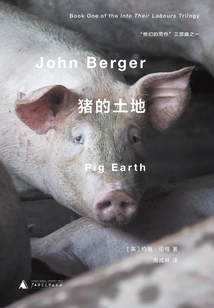
Pig Land
General Fiction猪的土地
J
"Pig Land" is set in a small mountain village in the French Alps. Berg created a group of people: the men are hardworking and suspicious, and the women are independent. He wrote about newborn calves and pigs waiting to be slaughtered, about people making hay in the summer and resting in the long dark winter. This book describes how the deceased father said to the prodigal son who returned home, "I forgive you", and also created an extraordinary woman - Lucy Cabrol, a female dwarf who was exiled to a mountain hut by her brothers. Ultimately, this book can be seen as an inventory from John Berger of how much value and wealth we have lost as we leave our ancient countryside behind.
"Pig Land" is set in a small mountain village in the French Alps. Berg created a group of people: the men are hardworking and suspicious, and the women are independent. He wrote about newborn calves and pigs waiting to be slaughtered, about people making hay in the summer and resting in the long dark winter. This book describes how the deceased father said to the prodigal son who returned home, "I forgive you", and also created an extraordinary woman - Lucy Cabrol, a female dwarf who was exiled to a mountain hut by her brothers. Ultimately, this book can be seen as an inventory from John Berger of how much value and wealth we have lost as we leave our ancient countryside behind.
X
General Fictionx
G
The novel describes the joys and sorrows of a pair of twin sisters. Due to a poor family, her sister Chieko was abandoned and adopted by a silk and satin wholesaler, and she became a pampered young lady. Although her younger sister Miaozi stayed at her parents' home, she became an orphan when she was infancy. When she grew up, she stayed in the village to be employed and support herself. The two sisters are beautiful in appearance and kind-hearted. Chieko is sensitive and possesses the delicate emotions of a girl, while her younger sister Miaozi is gentle and simple, like the spirit of Beishan fir, tall, beautiful and full of vitality. Kawabata Yasunari used two parasitic purple-flowered cicadas on a large maple tree to compare the fate of the two sisters. Although they are so far away from each other, they can meet each other for a while, but they never get together.
The novel describes the joys and sorrows of a pair of twin sisters. Due to a poor family, her sister Chieko was abandoned and adopted by a silk and satin wholesaler, and she became a pampered young lady. Although her younger sister Miaozi stayed at her parents' home, she became an orphan when she was infancy. When she grew up, she stayed in the village to be employed and support herself. The two sisters are beautiful in appearance and kind-hearted. Chieko is sensitive and possesses the delicate emotions of a girl, while her younger sister Miaozi is gentle and simple, like the spirit of Beishan fir, tall, beautiful and full of vitality. Kawabata Yasunari used two parasitic purple-flowered cicadas on a large maple tree to compare the fate of the two sisters. Although they are so far away from each other, they can meet each other for a while, but they never get together.
Dancing Girl
General Fiction舞姬
G
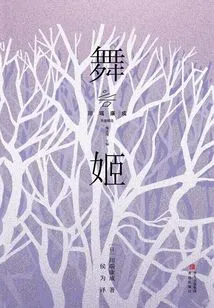
"Dancing Princess" begins with the main line of the family of dancer Namiko and her husband Yagi, daughter dancer Shinoko and son Takao. After dancer Namiko married Yagi, she gradually left the stage and turned to education. Later, Japan was defeated and Bozi had to sell off his belongings to maintain the family's livelihood. Bozi unexpectedly met her childhood sweetheart Takehara during a performance, and a spark of love burst out between them.
"Dancing Princess" begins with the main line of the family of dancer Namiko and her husband Yagi, daughter dancer Shinoko and son Takao. After dancer Namiko married Yagi, she gradually left the stage and turned to education. Later, Japan was defeated and Bozi had to sell off his belongings to maintain the family's livelihood. Bozi unexpectedly met her childhood sweetheart Takehara during a performance, and a spark of love burst out between them.

Born a Woman (kawabata Yasunari's Works Series)
General Fiction生为女人(川端康成作品系列)
G
The work of Nobel Prize winner Kawabata Yasunari depicts the dangers and chaos of young sensibility, the loneliness and fear of being born a woman, and delicately paints a picture of Showa women's life. "Born a Woman" is a representative novel by Nobel Prize-winning writer Kawabata Yasunari. In "Born a Woman", the Sayama couple, who are nearly forty years old, still have no children, but they have a harmonious relationship and live a prosperous and worry-free life. Out of sympathy, Sayama took in Taeko, the murderer's daughter; Arong, the daughter of his wife Ichiko's old friend, also ran away from home to join Ichiko, who longed for a free life in Tokyo. Taeko is restrained, introverted and sick, and her father committed a crime, which made her even more inferior; Arong is bold and willful, and falls in love with Ichiko and Sagawa at the same time. The originally peaceful family is in trouble because of these two girls... Kawabata Yasunari is a master of describing women's emotions and life. In his light narrative, he shows the pure, quiet and lamentable world of women.
The work of Nobel Prize winner Kawabata Yasunari depicts the dangers and chaos of young sensibility, the loneliness and fear of being born a woman, and delicately paints a picture of Showa women's life. "Born a Woman" is a representative novel by Nobel Prize-winning writer Kawabata Yasunari. In "Born a Woman", the Sayama couple, who are nearly forty years old, still have no children, but they have a harmonious relationship and live a prosperous and worry-free life. Out of sympathy, Sayama took in Taeko, the murderer's daughter; Arong, the daughter of his wife Ichiko's old friend, also ran away from home to join Ichiko, who longed for a free life in Tokyo. Taeko is restrained, introverted and sick, and her father committed a crime, which made her even more inferior; Arong is bold and willful, and falls in love with Ichiko and Sagawa at the same time. The originally peaceful family is in trouble because of these two girls... Kawabata Yasunari is a master of describing women's emotions and life. In his light narrative, he shows the pure, quiet and lamentable world of women.

A Collection of Kawabata Yasunari's Award-winning Masterpieces (set of 2 Volumes in Total)
General Fiction川端康成获奖名作作品集(套装共2册)
G
"Collection of Kawabata Yasunari's award-winning masterpieces (2 volumes in total)" includes "Snow Country" and "The Dancing Girl of Izu". "Snow Country" includes seven classic works from "Snow Country" and "Oil", "Fantasy of May", "Bonfire", "Her Dress", "Chiyo", "Orphan's Feelings" and "Human Heart" from the short story collection "First Love Novels". The story of "Snow Country" mainly tells the story of a Tokyo dance art researcher named Shimamura, who went to the hot spring hotel in Snow Country three times and had a love entanglement with the local geisha Komako and the girl Ye Zi who met by chance. The article is full of delicate emotions of love and futility. "The Dancer of Izu" is a famous work by Kawabata Yasunari. It describes a pure first love story of a young student who meets a teenage dancer in the green mountains and beautiful waters of Izu. It includes "The Dancer of Izu", "The Blue Sea and the Black Sea", "Reunion", "The Wife Riding a Donkey", "Soul Song", "Twenty Years Old", "Beasts", "Parents", etc., A total of 8 short stories.
"Collection of Kawabata Yasunari's award-winning masterpieces (2 volumes in total)" includes "Snow Country" and "The Dancing Girl of Izu". "Snow Country" includes seven classic works from "Snow Country" and "Oil", "Fantasy of May", "Bonfire", "Her Dress", "Chiyo", "Orphan's Feelings" and "Human Heart" from the short story collection "First Love Novels". The story of "Snow Country" mainly tells the story of a Tokyo dance art researcher named Shimamura, who went to the hot spring hotel in Snow Country three times and had a love entanglement with the local geisha Komako and the girl Ye Zi who met by chance. The article is full of delicate emotions of love and futility. "The Dancer of Izu" is a famous work by Kawabata Yasunari. It describes a pure first love story of a young student who meets a teenage dancer in the green mountains and beautiful waters of Izu. It includes "The Dancer of Izu", "The Blue Sea and the Black Sea", "Reunion", "The Wife Riding a Donkey", "Soul Song", "Twenty Years Old", "Beasts", "Parents", etc., A total of 8 short stories.

雪国(汉译世界文学名著丛书)
G
Tokyo dance artist Shimamura went to a hot spring hotel in Snow Country three times and fell in love with a local geisha named Komako by chance. At the same time, on the second train to the Snow Country, Dao Cun expressed his admiration for the girl Ye Zi who met by chance on the other side of the glass window. Shimamura, who has a lot of nihilistic thoughts, idles around and eats all day long. He believes that all the pursuits and efforts in life are "in vain". He feels helpless about Juzi's life experience and decides to break up. Although Juzi pursues true love, it is "in vain" and comes to nothing. After the death of his beloved, Ye Zi made an agreement with Shimamura to go to Tokyo. Unexpectedly, a fire broke out in the end. The novel finally ends with Ye Zi's unexpected death and Ju Zi's madness. It is a tragic story with beautiful writing and touching plot.
Tokyo dance artist Shimamura went to a hot spring hotel in Snow Country three times and fell in love with a local geisha named Komako by chance. At the same time, on the second train to the Snow Country, Dao Cun expressed his admiration for the girl Ye Zi who met by chance on the other side of the glass window. Shimamura, who has a lot of nihilistic thoughts, idles around and eats all day long. He believes that all the pursuits and efforts in life are "in vain". He feels helpless about Juzi's life experience and decides to break up. Although Juzi pursues true love, it is "in vain" and comes to nothing. After the death of his beloved, Ye Zi made an agreement with Shimamura to go to Tokyo. Unexpectedly, a fire broke out in the end. The novel finally ends with Ye Zi's unexpected death and Ju Zi's madness. It is a tragic story with beautiful writing and touching plot.

Fire Festival of the Sea (kawabata Yasunari's Work Series)
General Fiction海之火祭(川端康成作品系列)
G
Summer, seaside, love, fire, death. The Chinese version of Yasushi Kawabata's debut novel is released for the first time. "The Fire Festival of the Sea" is the debut novel of the famous Japanese novelist Kawabata Yasunari. In this work, Kawabata Yasunari interweaves his first love experience with Indian and Greek mythology to write a charming youth novel. The story of the novel takes place on the Kamakura beach in midsummer. Young men and women Shinichi and Yumiko ignited the flames of love, but then the elegant and mysterious girl Tsukiko appeared, making Shinichi fall in love at first sight; Tachikawa and Asako were regarded as a perfect match by the people around them, but they both dared not break through the window paper; Tsukiko and his sister had a deep relationship, but the fathers of the two sisters were not the same. This secret made both of them extremely painful... Several young people chased each other on the beach of Kamakura, wandering, savoring the sweetness and sadness of their respective youths. When the Kamakura Umi Fire Festival was held, the lanterns of comfort disappeared with the waves, and the youth stories of several young people also came to an end.
Summer, seaside, love, fire, death. The Chinese version of Yasushi Kawabata's debut novel is released for the first time. "The Fire Festival of the Sea" is the debut novel of the famous Japanese novelist Kawabata Yasunari. In this work, Kawabata Yasunari interweaves his first love experience with Indian and Greek mythology to write a charming youth novel. The story of the novel takes place on the Kamakura beach in midsummer. Young men and women Shinichi and Yumiko ignited the flames of love, but then the elegant and mysterious girl Tsukiko appeared, making Shinichi fall in love at first sight; Tachikawa and Asako were regarded as a perfect match by the people around them, but they both dared not break through the window paper; Tsukiko and his sister had a deep relationship, but the fathers of the two sisters were not the same. This secret made both of them extremely painful... Several young people chased each other on the beach of Kamakura, wandering, savoring the sweetness and sadness of their respective youths. When the Kamakura Umi Fire Festival was held, the lanterns of comfort disappeared with the waves, and the youth stories of several young people also came to an end.

川端康成名作名译系列:山音
G
"Mountain Sound" describes the story of Shingo's family. The old man Xinwu has passed the age of hearing, and his two sons and daughters have got married one after another. It is supposed to be a time for them to enjoy family happiness. However, the daughter's marriage failed and she returned to her parents' home with her two children. The son had an affair. Xinwu felt sorry for his daughter-in-law Juzi, but he developed a subtle attachment, and the whole family was enveloped in an abnormal atmosphere. One night, Shinwu heard the sound of the mountains, like the sound of wind or waves. After the sound stopped, he fell into a kind of fear... In "Mountain Sound", everyone has everyone's misfortune. Kawabata never wanted to criticize anyone or laugh at anyone. He just appropriately presented the helpless feeling of fate.
"Mountain Sound" describes the story of Shingo's family. The old man Xinwu has passed the age of hearing, and his two sons and daughters have got married one after another. It is supposed to be a time for them to enjoy family happiness. However, the daughter's marriage failed and she returned to her parents' home with her two children. The son had an affair. Xinwu felt sorry for his daughter-in-law Juzi, but he developed a subtle attachment, and the whole family was enveloped in an abnormal atmosphere. One night, Shinwu heard the sound of the mountains, like the sound of wind or waves. After the sound stopped, he fell into a kind of fear... In "Mountain Sound", everyone has everyone's misfortune. Kawabata never wanted to criticize anyone or laugh at anyone. He just appropriately presented the helpless feeling of fate.
B
General FictionB
G
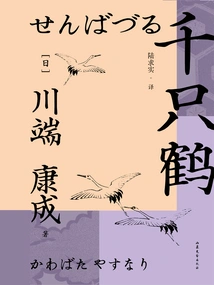
"A Thousand Cranes" contains four classic novels by the world-famous writer Kawabata Yasunari, "A Thousand Cranes", "Cangha Plover", "Dancing Girl of Izu" and "Hot Spring Hotel". Among them, "A Thousand Cranes" was one of the three novels mentioned when he was awarded the Nobel Prize for Literature. It tells a story about an abnormal love affair involving two generations. Mitani Kikuharu's father was a famous tea ceremony master who once had an affair with a woman named Kurimoto Chikako, and later fell in love with Mrs. Ota. Many years after his father's death, Kikuji and Mrs. Ota met unexpectedly at a tea party held by Chigako. Ota, longing for his former lover, actually moved on to his son Kikuji, who also accepted this unethical love... The novel shows the conflict between love and morality, and depicts Japanese culture and psychology to the extreme.
"A Thousand Cranes" contains four classic novels by the world-famous writer Kawabata Yasunari, "A Thousand Cranes", "Cangha Plover", "Dancing Girl of Izu" and "Hot Spring Hotel". Among them, "A Thousand Cranes" was one of the three novels mentioned when he was awarded the Nobel Prize for Literature. It tells a story about an abnormal love affair involving two generations. Mitani Kikuharu's father was a famous tea ceremony master who once had an affair with a woman named Kurimoto Chikako, and later fell in love with Mrs. Ota. Many years after his father's death, Kikuji and Mrs. Ota met unexpectedly at a tea party held by Chigako. Ota, longing for his former lover, actually moved on to his son Kikuji, who also accepted this unethical love... The novel shows the conflict between love and morality, and depicts Japanese culture and psychology to the extreme.

G
General FictionG
G
"Sound of the Mountain" depicts the story of Shingo's family, his son's affair, his daughter's failure of marriage, and the sorrow of old age... Kawabata Yasunari uses his usual beautiful brushwork to delicately and calmly condense the post-war world, style and reality into Japan's ancient sorrow and melancholy, demonstrating the skill of overlapping images of poetry and drama.
"Sound of the Mountain" depicts the story of Shingo's family, his son's affair, his daughter's failure of marriage, and the sorrow of old age... Kawabata Yasunari uses his usual beautiful brushwork to delicately and calmly condense the post-war world, style and reality into Japan's ancient sorrow and melancholy, demonstrating the skill of overlapping images of poetry and drama.

The Beauty of Japan and Me
General Fiction日本的美与我
G
This book fully incorporates Kawabata Yasunari's unique style: the sense of fantasy, the sadness of secludedness, and the mysterious aftertaste, which are traditional Japanese literary features. In his beautiful articles, he conveys people's subjective spiritual realm and charm, which is very contagious. Starting from the natural aesthetics, Kawabata describes concrete, detailed and delicate works, and adds a thicker and more delicate subjective emotional tone. Several of his speeches in the book became Kawabata Yasunari's Theory of Japanese Beauty and Japanese Art, constituting his unique aesthetic theoretical system, which shines uniquely in Kawabata's literature.
This book fully incorporates Kawabata Yasunari's unique style: the sense of fantasy, the sadness of secludedness, and the mysterious aftertaste, which are traditional Japanese literary features. In his beautiful articles, he conveys people's subjective spiritual realm and charm, which is very contagious. Starting from the natural aesthetics, Kawabata describes concrete, detailed and delicate works, and adds a thicker and more delicate subjective emotional tone. Several of his speeches in the book became Kawabata Yasunari's Theory of Japanese Beauty and Japanese Art, constituting his unique aesthetic theoretical system, which shines uniquely in Kawabata's literature.

Waltz of Flowers (selected Works of Kawabata Yasunari)
General Fiction花的圆舞曲(川端康成作品精选)
G
This book contains four of Kawabata Yasunari's late masterpieces: "The Lake", "Waltz of Flowers", "Sleeping Beauty" and "Arm". In the late period of Kawabata Yasunari's creation, the themes of his works became more bold and the thoughts he expressed became more profound. "The Lake" reveals the loneliness that cannot be cured throughout a person's life, and all pursuits and longings are nothing but sorrow and illusion; "Waltz of Flowers" expresses the author's belief in art through a lingering and pathos first love; "Sleeping Beauty" and "Arm" embody Kawabata's unique thinking on the philosophy of life based on the Eastern cultural tradition. Although the content is absurd, it is full of Zen principles. The inclusion of Kawabata's late masterpieces in one book reflects the literary professionalism of People's Literature Publishing House in selecting the collection of Kawabata Yasunari's works. The translator of this book, Chen Dewen, has been immersed in the translation of Japanese classic literature for many years. He not only has a special liking for Kawabata Yasunari's writings, but also has many years of painstaking research, making him the best choice to translate Kawabata's works. In this publication, the text has been revised again to make it more concise and elegant.
This book contains four of Kawabata Yasunari's late masterpieces: "The Lake", "Waltz of Flowers", "Sleeping Beauty" and "Arm". In the late period of Kawabata Yasunari's creation, the themes of his works became more bold and the thoughts he expressed became more profound. "The Lake" reveals the loneliness that cannot be cured throughout a person's life, and all pursuits and longings are nothing but sorrow and illusion; "Waltz of Flowers" expresses the author's belief in art through a lingering and pathos first love; "Sleeping Beauty" and "Arm" embody Kawabata's unique thinking on the philosophy of life based on the Eastern cultural tradition. Although the content is absurd, it is full of Zen principles. The inclusion of Kawabata's late masterpieces in one book reflects the literary professionalism of People's Literature Publishing House in selecting the collection of Kawabata Yasunari's works. The translator of this book, Chen Dewen, has been immersed in the translation of Japanese classic literature for many years. He not only has a special liking for Kawabata Yasunari's writings, but also has many years of painstaking research, making him the best choice to translate Kawabata's works. In this publication, the text has been revised again to make it more concise and elegant.

G
General FictionG
G
Kikuchi's father is a famous tea ceremony master who once had an affair with a woman named Kurimoto Chikako, and later fell in love with Mrs. Ota. Four years after his father's death, Kikuchi met Mrs. Ota at a tea party hosted by Chikako Kurimoto, and began an illicit love affair with her... This book includes Kawabata Yasunari's Nobel Prize-winning novel "Thousand Cranes" and its sequel "A Thousand Birds of Blue Waves", which is known as the watershed in Kawabata Yasunari's writing career. It is a profound description of the conflict between love and morality. The text is meaningful and meaningful.
Kikuchi's father is a famous tea ceremony master who once had an affair with a woman named Kurimoto Chikako, and later fell in love with Mrs. Ota. Four years after his father's death, Kikuchi met Mrs. Ota at a tea party hosted by Chikako Kurimoto, and began an illicit love affair with her... This book includes Kawabata Yasunari's Nobel Prize-winning novel "Thousand Cranes" and its sequel "A Thousand Birds of Blue Waves", which is known as the watershed in Kawabata Yasunari's writing career. It is a profound description of the conflict between love and morality. The text is meaningful and meaningful.

X
General Fictionx
G
"The Dancing Girl of Izu" is Kawabata Yasunari's famous work and a representative work of his aestheticism. It tells the story of a pure first love between a young student and a teenage dancing girl in the green mountains and beautiful waters of Izu. The new translation of "The Dancer of Izu" includes Kawabata Yasunari's most popular and famous classic "The Dancer of Izu", as well as "Blue Sea, Black Sea", "Reunion", "Wife Riding a Donkey", "Soul Song", "Twenty Years Old", "Beasts", "Parents", etc., A total of 8 short stories.
"The Dancing Girl of Izu" is Kawabata Yasunari's famous work and a representative work of his aestheticism. It tells the story of a pure first love between a young student and a teenage dancing girl in the green mountains and beautiful waters of Izu. The new translation of "The Dancer of Izu" includes Kawabata Yasunari's most popular and famous classic "The Dancer of Izu", as well as "Blue Sea, Black Sea", "Reunion", "Wife Riding a Donkey", "Soul Song", "Twenty Years Old", "Beasts", "Parents", etc., A total of 8 short stories.
A
General FictionA
G
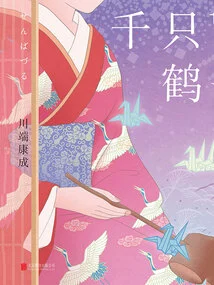
Isn't the depth of grief the depth of love? "A Thousand Cranes" is the Nobel Prize-winning work of Kawabata Yasunari. It is the ultimate masterpiece that combines morality and desire into the tea ceremony. The novel tells the story of Kikuji, who was born in a famous tea ceremony family, and quietly met several women who had a close relationship with his father at a tea party, and was involved in the whirlpool of fate. The work uses Yukiko's cloth bag decorated with thousands of cranes as a symbol of beauty, to metaphorize that the beautiful and pure women in the heart are like flowers in the water, moon and mirror, out of reach. In the conflict between morality and taboo, it touches the cold and warm love, famous objects, life and death, showing an illusory beauty of sorrow. The sin may not be eradicated, but the sorrow will eventually pass. Supreme purity cannot be contaminated by any filth, and it is therefore inclusive of everything.
Isn't the depth of grief the depth of love? "A Thousand Cranes" is the Nobel Prize-winning work of Kawabata Yasunari. It is the ultimate masterpiece that combines morality and desire into the tea ceremony. The novel tells the story of Kikuji, who was born in a famous tea ceremony family, and quietly met several women who had a close relationship with his father at a tea party, and was involved in the whirlpool of fate. The work uses Yukiko's cloth bag decorated with thousands of cranes as a symbol of beauty, to metaphorize that the beautiful and pure women in the heart are like flowers in the water, moon and mirror, out of reach. In the conflict between morality and taboo, it touches the cold and warm love, famous objects, life and death, showing an illusory beauty of sorrow. The sin may not be eradicated, but the sorrow will eventually pass. Supreme purity cannot be contaminated by any filth, and it is therefore inclusive of everything.

X
General Fictionx
G
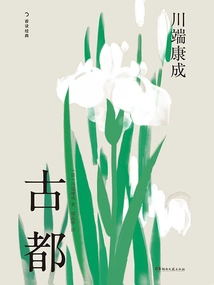
"Ancient Capital" is one of the three novels mentioned by Kawabata Yasunari when he was awarded the Nobel Prize for Literature. It is also one of his highly regarded novels. It describes the joys and sorrows of a pair of twin sisters, and also presents the customs and customs of Kyoto. Chieko was adopted by a brocade merchant and became a beautiful girl. On the night of the Gion Festival, she met Miaozi, a girl from a mountain village, and was surprised to learn that the two were twin sisters. They miss each other, but they cannot recognize each other because of their different identities. The sisters' faint sadness is woven into the beautiful scenery of Kyoto in all four seasons. Kawabata Yasunari uses light and delicate writing to narrate the story of the twin sisters Chieko and Naeko and the loneliness of the world. It brings the readers into a light poetic sentimentality. He writes about the bitter life experience and pure love of the twin sisters, their yearning for a better life, and at the same time shows people's simplicity and kindness.
"Ancient Capital" is one of the three novels mentioned by Kawabata Yasunari when he was awarded the Nobel Prize for Literature. It is also one of his highly regarded novels. It describes the joys and sorrows of a pair of twin sisters, and also presents the customs and customs of Kyoto. Chieko was adopted by a brocade merchant and became a beautiful girl. On the night of the Gion Festival, she met Miaozi, a girl from a mountain village, and was surprised to learn that the two were twin sisters. They miss each other, but they cannot recognize each other because of their different identities. The sisters' faint sadness is woven into the beautiful scenery of Kyoto in all four seasons. Kawabata Yasunari uses light and delicate writing to narrate the story of the twin sisters Chieko and Naeko and the loneliness of the world. It brings the readers into a light poetic sentimentality. He writes about the bitter life experience and pure love of the twin sisters, their yearning for a better life, and at the same time shows people's simplicity and kindness.
浅草九宫鸟(川端康成作品系列)
G
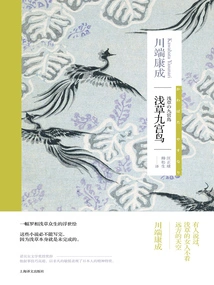
The work of Nobel Prize winner Kawabata Yasunari is an ukiyo-e depicting all living things in Asakusa. "Asakusa Nine Palace Birds" collects three Asakusa-related novellas "Rainbow", "Asakusa Nine Palace Birds" and "Asakusa Sisters" written by Kawabata Yasunari in the 1930s. As the earliest bustling city in Edo, Asakusa is a prosperous and lively public entertainment area in Tokyo. Kawabata Yasunari came to Tokyo from his hometown in 1917, and initially settled in Asakusa. Since then, he created a series of works with Asakusa as the background, depicting ukiyo-e paintings depicting all living things in Asakusa. Most of the characters who appear in the novel are those at the bottom of society. They are the dancers in the sketch drama who are swept away by the winds of fate, and are precocious and coquettish mixed with childish innocence in "The Rainbow". They are the idle but still adhering to their own rules in the world of "The Asakusa Birds". A Fei is also the singing girl in "Asakusa Sisters" who walks the streets with a shamisen and protects each other in suffering... Kawabata Yasunari observes and reproduces their dreams and love, innocence and evil, the pain of life and the yearning for beauty with lyrical eyes.
The work of Nobel Prize winner Kawabata Yasunari is an ukiyo-e depicting all living things in Asakusa. "Asakusa Nine Palace Birds" collects three Asakusa-related novellas "Rainbow", "Asakusa Nine Palace Birds" and "Asakusa Sisters" written by Kawabata Yasunari in the 1930s. As the earliest bustling city in Edo, Asakusa is a prosperous and lively public entertainment area in Tokyo. Kawabata Yasunari came to Tokyo from his hometown in 1917, and initially settled in Asakusa. Since then, he created a series of works with Asakusa as the background, depicting ukiyo-e paintings depicting all living things in Asakusa. Most of the characters who appear in the novel are those at the bottom of society. They are the dancers in the sketch drama who are swept away by the winds of fate, and are precocious and coquettish mixed with childish innocence in "The Rainbow". They are the idle but still adhering to their own rules in the world of "The Asakusa Birds". A Fei is also the singing girl in "Asakusa Sisters" who walks the streets with a shamisen and protects each other in suffering... Kawabata Yasunari observes and reproduces their dreams and love, innocence and evil, the pain of life and the yearning for beauty with lyrical eyes.
Ancient Capital (kawabata Yasunari's Works Series)
General Fiction古都(川端康成作品系列)
G
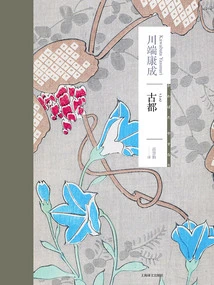
Kawabata Yasunari's timeless masterpiece, a Nobel Prize-winning work, a Japanese literary classic that has influenced countless people. The elegance and sadness of the thousand-year-old ancient capital, the sadness and dreams of the girl, a timeless and cool aria, and the passing of the four seasons weave a beautiful and sad picture of Kyoto's customs. "Ancient Capital" is set in Kyoto, which was transformed between classical and modern times after World War II. It takes the young girl Chieko as the protagonist and tells the story of Chieko's experiences during this year. Chieko, the only daughter of a long-established silk and satin merchant, feels sad about her status as an abandoned child. However, her family's declining business and her father who is escaping from the world make her even more worried. On the night of the Gion Festival, Chieko accidentally met her twin sister Miaozi, a girl who worked logging in a mountain village. Because of the disparity in their identities, the twin sister Miaozi is unwilling to disturb Qianezi's life. In addition, Qianezi's love and marriage are also undergoing subtle fluctuations...
Kawabata Yasunari's timeless masterpiece, a Nobel Prize-winning work, a Japanese literary classic that has influenced countless people. The elegance and sadness of the thousand-year-old ancient capital, the sadness and dreams of the girl, a timeless and cool aria, and the passing of the four seasons weave a beautiful and sad picture of Kyoto's customs. "Ancient Capital" is set in Kyoto, which was transformed between classical and modern times after World War II. It takes the young girl Chieko as the protagonist and tells the story of Chieko's experiences during this year. Chieko, the only daughter of a long-established silk and satin merchant, feels sad about her status as an abandoned child. However, her family's declining business and her father who is escaping from the world make her even more worried. On the night of the Gion Festival, Chieko accidentally met her twin sister Miaozi, a girl who worked logging in a mountain village. Because of the disparity in their identities, the twin sister Miaozi is unwilling to disturb Qianezi's life. In addition, Qianezi's love and marriage are also undergoing subtle fluctuations...
Bf
General Fictionbf
G
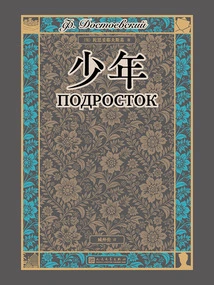
"Youth" is a coming-of-age novel that takes the growth experience of a young man who is inexperienced in the world and deeply influenced by Rothschild's thoughts as the main line, and depicts the various conditions of Russian society in the 1870s when capitalism was developing rapidly. In academic circles, "The Idiot", "Crime and Punishment", "The Demons", "The Boy" and "The Brothers Karamazov" are known as the "Pentateuch". These five novels are Dostoevsky's mature works. They not only fully demonstrate his writing talent, but also profoundly and comprehensively demonstrate his world view and outlook on life.
"Youth" is a coming-of-age novel that takes the growth experience of a young man who is inexperienced in the world and deeply influenced by Rothschild's thoughts as the main line, and depicts the various conditions of Russian society in the 1870s when capitalism was developing rapidly. In academic circles, "The Idiot", "Crime and Punishment", "The Demons", "The Boy" and "The Brothers Karamazov" are known as the "Pentateuch". These five novels are Dostoevsky's mature works. They not only fully demonstrate his writing talent, but also profoundly and comprehensively demonstrate his world view and outlook on life.
Third Party
General Fiction第三者
S
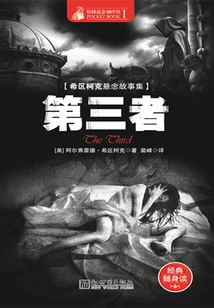
Selected from Hitchcock's short story collection, including more than ten short stories such as "The Third Person", "The Emerald Necklace" and "Escape", the text is concise and plain, the plots are twists and turns, and the endings are unexpected, and often give readers an immersive feeling. The novel is highly readable, full of modern features, in line with current reading habits and trends, and is very popular among the younger generation.
Selected from Hitchcock's short story collection, including more than ten short stories such as "The Third Person", "The Emerald Necklace" and "Escape", the text is concise and plain, the plots are twists and turns, and the endings are unexpected, and often give readers an immersive feeling. The novel is highly readable, full of modern features, in line with current reading habits and trends, and is very popular among the younger generation.

I Am in Marvel Diy Dragon Ball
Multiverse我在漫威Diy七龙珠
W
In the Hormone Apartment, Zhang Wei watched a video of playing Dragon Balls and traveled to the Marvel Cinematic Universe (MCU), where he obtained the dragon family's unique ability to defy the heavens and can create Dragon Balls and summon dragons. I thought I could shout: "Back off... I'm going to start pretending." Who would have thought that the materials for making Dragon Balls would have to be collected by oneself, but this is the MCU. As a result, dragons with various materials, shapes, and abilities were born.
In the Hormone Apartment, Zhang Wei watched a video of playing Dragon Balls and traveled to the Marvel Cinematic Universe (MCU), where he obtained the dragon family's unique ability to defy the heavens and can create Dragon Balls and summon dragons. I thought I could shout: "Back off... I'm going to start pretending." Who would have thought that the materials for making Dragon Balls would have to be collected by oneself, but this is the MCU. As a result, dragons with various materials, shapes, and abilities were born.

Cat Eye
General Fiction猫眼
H
"Through this cat's eye marble, I saw my entire life." The painter Elaine never thought that she would return to her hometown again after so many years. What awaits her is not the joy of revisiting her old place, but the lingering "ghost of childhood" - Cordelia, her best friend and enemy, the creator of her endless pain. Isolation, hostility, and mental violence once made Elaine's life worse than death; and it only takes one compromise for the violence to escalate step by step. As an adult, Elaine still cannot get out of the shadow of her childhood and can only keep running away from those darkest years. In fact, as long as you fight back ruthlessly once, you can break away from the false friendship.
"Through this cat's eye marble, I saw my entire life." The painter Elaine never thought that she would return to her hometown again after so many years. What awaits her is not the joy of revisiting her old place, but the lingering "ghost of childhood" - Cordelia, her best friend and enemy, the creator of her endless pain. Isolation, hostility, and mental violence once made Elaine's life worse than death; and it only takes one compromise for the violence to escalate step by step. As an adult, Elaine still cannot get out of the shadow of her childhood and can only keep running away from those darkest years. In fact, as long as you fight back ruthlessly once, you can break away from the false friendship.

R
General Fictionr
H
In 1946, O'Connor, who was in his early twenties, published his first short story "Geranium", which together with several early short stories such as "The Barber", "Wild Cat" and "The Crop", demonstrated his vitality and penetrating creative talent. This book "Geranium" selects 12 short stories written by O'Connor. In addition to the early 9 short stories, it also includes "A Festival in Partridge Town" and "Why Do Foreign Countries Fight?" " "You will not be worse than the dead" are three mid- to late-stage works. Among them, "Train", "Peeler", "Heart of the Park" and "Enoch and the Gorilla" outline the prototype of his full-length masterpiece "Wisdom of Blood", while "You Can't Be Worse Than the Dead" is the beginning of the novel "Force to Take".
In 1946, O'Connor, who was in his early twenties, published his first short story "Geranium", which together with several early short stories such as "The Barber", "Wild Cat" and "The Crop", demonstrated his vitality and penetrating creative talent. This book "Geranium" selects 12 short stories written by O'Connor. In addition to the early 9 short stories, it also includes "A Festival in Partridge Town" and "Why Do Foreign Countries Fight?" " "You will not be worse than the dead" are three mid- to late-stage works. Among them, "Train", "Peeler", "Heart of the Park" and "Enoch and the Gorilla" outline the prototype of his full-length masterpiece "Wisdom of Blood", while "You Can't Be Worse Than the Dead" is the beginning of the novel "Force to Take".

We Have Always Lived in the Castle=we Have Always Lived in the Castle (english Version)
General FictionWe Have Always Lived in the Castle=我们一直住在城堡里(英文版)
I
"We Have Always Lived in the Castle" is a masterpiece of gothic novels by the famous American female writer Shirley Jackson. Merricat Blackwood lives on the family estate with her sister Constance and uncle Julian. Not long ago, there were seven Blackwoods on the estate - until one terrible night, deadly arsenic found its way into the sugar bowl. Constance is acquitted and returns home, where Merricat protects her from the curiosity and hostility of the villagers. Their days pass in happy solitude until cousin Charles appears. Only Merricat can see the danger, and she must act quickly to prevent Constance from falling into his clutches.
"We Have Always Lived in the Castle" is a masterpiece of gothic novels by the famous American female writer Shirley Jackson. Merricat Blackwood lives on the family estate with her sister Constance and uncle Julian. Not long ago, there were seven Blackwoods on the estate - until one terrible night, deadly arsenic found its way into the sugar bowl. Constance is acquitted and returns home, where Merricat protects her from the curiosity and hostility of the villagers. Their days pass in happy solitude until cousin Charles appears. Only Merricat can see the danger, and she must act quickly to prevent Constance from falling into his clutches.

Song of Life (hesse Works 03)
General Fiction生命之歌(黑塞作品03)
G
"Song of Life" describes a musician who was accidentally disabled due to a love affair in his teenage years. When he emerged as a composer after hard work, his lover was taken away by his friend, the singer, who was the embodiment of passion. In the end, the male protagonist Kun became a great musician, and the singer Maude and the heroine Gertrude got married. However, the love triangle ended in tragedy due to incompatible personalities. In the story, the hero Kuhn, with his great and pure will, overcame a difficult fate and composed a triumphant song of love and life. This is a novel full of philosophy, with themes of singing music and pure love. It is the pathos of a lonely person pursuing happiness.
"Song of Life" describes a musician who was accidentally disabled due to a love affair in his teenage years. When he emerged as a composer after hard work, his lover was taken away by his friend, the singer, who was the embodiment of passion. In the end, the male protagonist Kun became a great musician, and the singer Maude and the heroine Gertrude got married. However, the love triangle ended in tragedy due to incompatible personalities. In the story, the hero Kuhn, with his great and pure will, overcame a difficult fate and composed a triumphant song of love and life. This is a novel full of philosophy, with themes of singing music and pure love. It is the pathos of a lonely person pursuing happiness.
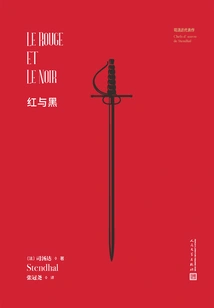
Red and Black (stendhal's Masterpiece)
General Fiction红与黑(司汤达代表作)
I
"The Red and the Black" is a monument of French and even European literature in the nineteenth century. The protagonist Julien is the son of a small business owner. With his intelligence, he hooked up with the mayor's wife when he was working as a tutor in the local mayor's house. After the affair was exposed, he fled the mayor's house and entered the seminary. Recommended by the dean of the seminary, he went to Paris to work as a personal secretary for the Marquis de Larmore, a backbone of the extreme royalist party. He was quickly appreciated and reused by the Marquis. At the same time, Julien had an affair with the Marquis' daughter. Finally, under the church's planning, the mayor's wife was forced to write an informant letter to expose him, ruining his career. In anger, he shot and wounded the mayor's wife and was sentenced to death and put on the guillotine. The confrontation between the individual and society is the central theme of The Red and the Black. The book challenges traditional customs and denounces the hypocrisy of social values.
"The Red and the Black" is a monument of French and even European literature in the nineteenth century. The protagonist Julien is the son of a small business owner. With his intelligence, he hooked up with the mayor's wife when he was working as a tutor in the local mayor's house. After the affair was exposed, he fled the mayor's house and entered the seminary. Recommended by the dean of the seminary, he went to Paris to work as a personal secretary for the Marquis de Larmore, a backbone of the extreme royalist party. He was quickly appreciated and reused by the Marquis. At the same time, Julien had an affair with the Marquis' daughter. Finally, under the church's planning, the mayor's wife was forced to write an informant letter to expose him, ruining his career. In anger, he shot and wounded the mayor's wife and was sentenced to death and put on the guillotine. The confrontation between the individual and society is the central theme of The Red and the Black. The book challenges traditional customs and denounces the hypocrisy of social values.
E
U
General Fictionu
H
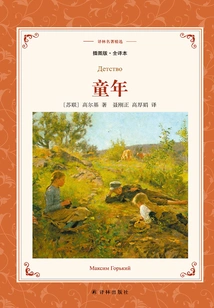
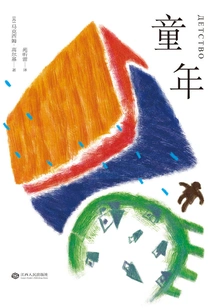
"Childhood" is one of Gorky's autobiographical trilogy. It describes the growth experience of a Russian teenager from a first-person perspective. The creation of this work is based on the author's real experience. In this work, Gorky observes various bizarre events in old Russian family life through the eyes of his childhood - some of which are already commonplace in the eyes of adults, but colorful in the eyes of children - and the various people who make up these events, including relatives, domestic servants and neighbors, all of them are meticulous and lifelike. In particular, the image of the smart, capable and considerate grandmother has warmed thousands of readers and left a deep impression on them. This edition of "Childhood" is a direct translation from the final Russian version. It is accompanied by a thousand-word introduction by the translator Mr. Yuan Tinglei, character relationship diagrams, geographical diagrams and other illustrations to help readers better read and understand this century-old classic.
"Childhood" is one of Gorky's autobiographical trilogy. It describes the growth experience of a Russian teenager from a first-person perspective. The creation of this work is based on the author's real experience. In this work, Gorky observes various bizarre events in old Russian family life through the eyes of his childhood - some of which are already commonplace in the eyes of adults, but colorful in the eyes of children - and the various people who make up these events, including relatives, domestic servants and neighbors, all of them are meticulous and lifelike. In particular, the image of the smart, capable and considerate grandmother has warmed thousands of readers and left a deep impression on them. This edition of "Childhood" is a direct translation from the final Russian version. It is accompanied by a thousand-word introduction by the translator Mr. Yuan Tinglei, character relationship diagrams, geographical diagrams and other illustrations to help readers better read and understand this century-old classic.

Sweet Tooth
General Fiction甜牙
H
Like McEwan's other novels in recent years, "Sweet Tooth" is the kind of work whose plot is particularly closely aligned with the era in which it is set. As the only "female literary youth" in the Five Divisions who is keen on reading novels, and who "happens" to have a figure and appearance that seems to have come directly from a novel, Selina accepted a special task: "Operation Sweet Tooth" aims to indirectly and covertly fund writers who are ideologically aligned with British interests and have influence on the public. The person Selina is responsible for approaching and luring them to join is the only novelist in this operation, Tom Haley. Tom and Serena fell in love with each other, and they loved each other step by step, they loved each other true and false, and they survived desperate situations. But if you guess the beginning, you may not be able to guess the end.
Like McEwan's other novels in recent years, "Sweet Tooth" is the kind of work whose plot is particularly closely aligned with the era in which it is set. As the only "female literary youth" in the Five Divisions who is keen on reading novels, and who "happens" to have a figure and appearance that seems to have come directly from a novel, Selina accepted a special task: "Operation Sweet Tooth" aims to indirectly and covertly fund writers who are ideologically aligned with British interests and have influence on the public. The person Selina is responsible for approaching and luring them to join is the only novelist in this operation, Tom Haley. Tom and Serena fell in love with each other, and they loved each other step by step, they loved each other true and false, and they survived desperate situations. But if you guess the beginning, you may not be able to guess the end.

Dora Bruder (modiano Series)
General Fiction多拉·布吕代(莫迪亚诺作品系列)
I
"Dora Bruder" tells the story: In 1988, Patrick Modiano saw a missing person notice in the "Paris Evening News" on New Year's Eve in 1941: "Missing girl Dora Bruder, fifteen years old, 1.55 Meters, oval face, gray maroon eyes, wearing a red coat, burgundy pullover, navy skirt and hat, maroon sneakers." The people who published the newspaper were looking for Dora. The Jewish girl left Catholic boarding school that winter and never returned. For ten years, Modiano worked tirelessly to search for all information about Dora. Why did she want to escape the school that sheltered her at the height of Nazi rule? Another official reference to Dora is a list of Jews sent from Paris to Auschwitz in September 1942. Modiano gradually discovered that more unknown people, more stories and histories also disappeared in that turbulent era. The story of Dora Bruder also reminded him of his troubled teenage years. Modiano used superb montage techniques to create this classic work about loss and memory that is between fiction and documentary.
"Dora Bruder" tells the story: In 1988, Patrick Modiano saw a missing person notice in the "Paris Evening News" on New Year's Eve in 1941: "Missing girl Dora Bruder, fifteen years old, 1.55 Meters, oval face, gray maroon eyes, wearing a red coat, burgundy pullover, navy skirt and hat, maroon sneakers." The people who published the newspaper were looking for Dora. The Jewish girl left Catholic boarding school that winter and never returned. For ten years, Modiano worked tirelessly to search for all information about Dora. Why did she want to escape the school that sheltered her at the height of Nazi rule? Another official reference to Dora is a list of Jews sent from Paris to Auschwitz in September 1942. Modiano gradually discovered that more unknown people, more stories and histories also disappeared in that turbulent era. The story of Dora Bruder also reminded him of his troubled teenage years. Modiano used superb montage techniques to create this classic work about loss and memory that is between fiction and documentary.
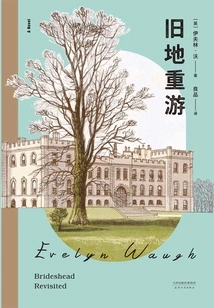
Revisit Old Places
General Fiction旧地重游
H
When World War II broke out, Charles's army was stationed in a vast snowfield. When the snow melted, he discovered that this was the place where the story took place more than 20 years ago - Brideshead Manor. It was a day in June when Charles followed Sebastian, an aristocratic boy he met in Oxford, to Brideshead Manor for the first time and walked into this Catholic family. His mother, Lady Marchmain, was in charge of the manor, while his father, Lord Marchmain, left his family and his mistress behind to live in Venice after the First World War. The father's deviant behavior brought shame to the entire family, and the children grew up in a distorted environment. Sebastian became addicted to alcohol, broke up with his family, and even disappeared from home like his father. Sister Julia married a snobbish politician despite her mother's objections, and her marriage was unfortunate. When Mrs. Marchmain was critically ill, she begged Charles to find her runaway son. However, Charles, who was already married, met Julia and fell in love... When Charles stepped into Brideshead Manor again, the former magnificence no longer existed, and the pastoral life was gone, leaving only infinite memories.
When World War II broke out, Charles's army was stationed in a vast snowfield. When the snow melted, he discovered that this was the place where the story took place more than 20 years ago - Brideshead Manor. It was a day in June when Charles followed Sebastian, an aristocratic boy he met in Oxford, to Brideshead Manor for the first time and walked into this Catholic family. His mother, Lady Marchmain, was in charge of the manor, while his father, Lord Marchmain, left his family and his mistress behind to live in Venice after the First World War. The father's deviant behavior brought shame to the entire family, and the children grew up in a distorted environment. Sebastian became addicted to alcohol, broke up with his family, and even disappeared from home like his father. Sister Julia married a snobbish politician despite her mother's objections, and her marriage was unfortunate. When Mrs. Marchmain was critically ill, she begged Charles to find her runaway son. However, Charles, who was already married, met Julia and fell in love... When Charles stepped into Brideshead Manor again, the former magnificence no longer existed, and the pastoral life was gone, leaving only infinite memories.

Hakka
General Fiction客乡
U
Shortlisted for the Leipzig Book Prize (2008), and selected into The Guardian's Top 100 Books of the 21st Century (2019). An architect built a dream summer villa on the lakeside outside Berlin, but he had no idea what this land had and would experience: a young woman went crazy and drowned in the lake; Jewish neighbors sold their property at a low price and then disappeared; the advancing Red Army requisitioned the house; fled the Nazi government The author Quan returned from exile and wanted to drag out an ideal home that could last for a long time from the ruins; decades after the reunification of the two Germanys, her granddaughter was forced to give up the property rights, and the successor was the heir of its original builder... In the same place, residents of different eras separated and came. The huge invisible force of history continues to erode mankind's efforts to establish lasting values, and above all passion, pain, reconciliation and destiny stands a landscape that no amount of madness or turmoil can truly change. The "iceberg-like transcendence" poetic narrative of "A Guest" is an echo of Germany's centuries-old vicissitudes. From the Weimar Republic to the years after reunification, twelve fragments of life form a mosaic in which the past and the future collapse. The real teller of the story is time. "Eternal life has existed in the lifetime of an individual human being."
Shortlisted for the Leipzig Book Prize (2008), and selected into The Guardian's Top 100 Books of the 21st Century (2019). An architect built a dream summer villa on the lakeside outside Berlin, but he had no idea what this land had and would experience: a young woman went crazy and drowned in the lake; Jewish neighbors sold their property at a low price and then disappeared; the advancing Red Army requisitioned the house; fled the Nazi government The author Quan returned from exile and wanted to drag out an ideal home that could last for a long time from the ruins; decades after the reunification of the two Germanys, her granddaughter was forced to give up the property rights, and the successor was the heir of its original builder... In the same place, residents of different eras separated and came. The huge invisible force of history continues to erode mankind's efforts to establish lasting values, and above all passion, pain, reconciliation and destiny stands a landscape that no amount of madness or turmoil can truly change. The "iceberg-like transcendence" poetic narrative of "A Guest" is an echo of Germany's centuries-old vicissitudes. From the Weimar Republic to the years after reunification, twelve fragments of life form a mosaic in which the past and the future collapse. The real teller of the story is time. "Eternal life has existed in the lifetime of an individual human being."

Journey to the Center of the Earth (full Translation)
General Fiction地心游记(全译本)
H
"Journey to the Center of the Earth" was first published in 1864 and is one of Verne's early famous science fiction novels. The story tells that the German geologist Lidenbrock, influenced by a coded letter from his predecessor, took his nephew and guide on an adventure trip through the center of the earth. They descended from a volcano crater in Iceland, overcoming difficulties such as lack of water, getting lost, and storms along the way, and finally returned to the ground along a volcano in Sicily. This work has a tortuous plot and fluent language. With its extraordinary imagination, it presents readers with a fantasy world that transcends time and space.
"Journey to the Center of the Earth" was first published in 1864 and is one of Verne's early famous science fiction novels. The story tells that the German geologist Lidenbrock, influenced by a coded letter from his predecessor, took his nephew and guide on an adventure trip through the center of the earth. They descended from a volcano crater in Iceland, overcoming difficulties such as lack of water, getting lost, and storms along the way, and finally returned to the ground along a volcano in Sicily. This work has a tortuous plot and fluent language. With its extraordinary imagination, it presents readers with a fantasy world that transcends time and space.

没有指针的钟(麦卡勒斯作品系列·珍藏版)
H
"The Clock Without Hands" is an impressive novel by McCullers, written about people in three age groups: the 80-year-old former member of the House of Representatives, Judge Fox Klein, the pharmacy owner Mr. Malone who suffers from leukemia, the judge's grandson, Jester, a seventeen-year-old high school student, and Sherman, a black man of the same year. The novel connects these vivid characters through two main lines. The first main line is that Mr. Malone, the owner of the pharmacy, was diagnosed with leukemia. From then on, his life became a clock without hands until he calmly closed his eyes forever. Fourteen months passed in between. The second main line is that the blue-eyed black orphan Sherman Puyou is determined to find his biological mother, while the judge's grandson is interested in finding out the cause of his father's death, so the novel has a very thick "racial discrimination" main line. The novel does not have a bizarre and tortuous plot, but the characters are flesh and blood, each one vivid and vivid on the page.
"The Clock Without Hands" is an impressive novel by McCullers, written about people in three age groups: the 80-year-old former member of the House of Representatives, Judge Fox Klein, the pharmacy owner Mr. Malone who suffers from leukemia, the judge's grandson, Jester, a seventeen-year-old high school student, and Sherman, a black man of the same year. The novel connects these vivid characters through two main lines. The first main line is that Mr. Malone, the owner of the pharmacy, was diagnosed with leukemia. From then on, his life became a clock without hands until he calmly closed his eyes forever. Fourteen months passed in between. The second main line is that the blue-eyed black orphan Sherman Puyou is determined to find his biological mother, while the judge's grandson is interested in finding out the cause of his father's death, so the novel has a very thick "racial discrimination" main line. The novel does not have a bizarre and tortuous plot, but the characters are flesh and blood, each one vivid and vivid on the page.

Virgin Lover (collector's Edition)
General Fiction处女的情人(珍藏版)
H
Power and love are always difficult to have at the same time, but truth and death go hand in hand - in the autumn of 1558, church bells rang throughout England, announcing the news that Elizabeth had become queen. Only one person was worried about it: Amy Dudley. The bells will call her husband Robert back to power and to the amorous Queen. The favored minister fell in love with the queen, but money and power could not fill Robert's expanding ambition. He dreams of regaining control of his destiny and marrying Her Majesty the Queen of England, but he believes that the only obstacle on this road is Amy... "The Virgin Lover" centers on Elizabeth I and writes about the men and women who surround her after she ascends the throne. How much sincerity and how much flattery is there in love based on power?
Power and love are always difficult to have at the same time, but truth and death go hand in hand - in the autumn of 1558, church bells rang throughout England, announcing the news that Elizabeth had become queen. Only one person was worried about it: Amy Dudley. The bells will call her husband Robert back to power and to the amorous Queen. The favored minister fell in love with the queen, but money and power could not fill Robert's expanding ambition. He dreams of regaining control of his destiny and marrying Her Majesty the Queen of England, but he believes that the only obstacle on this road is Amy... "The Virgin Lover" centers on Elizabeth I and writes about the men and women who surround her after she ascends the throne. How much sincerity and how much flattery is there in love based on power?

Evelyn Waugh Collection: Scoop
General Fiction伊夫林·沃作品系列:独家新闻
K
The book was inspired by Evelyn Waugh's experience as a war correspondent in Albania. The male protagonist of the novel, William Butt, is a columnist for "The Daily Beast". He lives in seclusion in the countryside far away from London, and lives a peaceful life without fighting against the world. Lord Copper, the owner of the newspaper, mistook William Butt for John Butt, a popular novelist who was eager to escape life in London. William was sent to the fictional East African country of Ishmaelia by mistake, as a war correspondent to report on the raging civil war there. Although William Butt knew nothing about journalism, he was lucky enough to always get blessings in disguise. His simple personality and wise and foolish way of doing things allowed him to deal with fellow reporters, first love girlfriend, consulates of various countries, President Ishmaelia, the Information Bureau, local celebrities and other forces with ease, and skillfully obtained "exclusive news" at the first time. William, who finally completed the mission successfully, transferred all the credit to his uncle Theodore and returned to his pastoral life.
The book was inspired by Evelyn Waugh's experience as a war correspondent in Albania. The male protagonist of the novel, William Butt, is a columnist for "The Daily Beast". He lives in seclusion in the countryside far away from London, and lives a peaceful life without fighting against the world. Lord Copper, the owner of the newspaper, mistook William Butt for John Butt, a popular novelist who was eager to escape life in London. William was sent to the fictional East African country of Ishmaelia by mistake, as a war correspondent to report on the raging civil war there. Although William Butt knew nothing about journalism, he was lucky enough to always get blessings in disguise. His simple personality and wise and foolish way of doing things allowed him to deal with fellow reporters, first love girlfriend, consulates of various countries, President Ishmaelia, the Information Bureau, local celebrities and other forces with ease, and skillfully obtained "exclusive news" at the first time. William, who finally completed the mission successfully, transferred all the credit to his uncle Theodore and returned to his pastoral life.