Library
Browse and search books
13,360 novels found

从街角数起的第二棵树(译文随笔)
I
A rather unique collection of essays by E. B. White, the author of "Charlotte's Web" and the master of American essays. "The Second Tree Counting from the Street Corner" is a unique collection of essays by the American essayist E. B. White. It not only selects White's most representative essays, but also includes his early poems, short stories and journal notes. The content includes politics, culture, urban life style, environmental protection, etc. The writing style is humorous, vivid, full of interest, and multi-faceted, reflecting the writing style of this stylistic master. It is a rare must-have book for readers who cherish White's works.
A rather unique collection of essays by E. B. White, the author of "Charlotte's Web" and the master of American essays. "The Second Tree Counting from the Street Corner" is a unique collection of essays by the American essayist E. B. White. It not only selects White's most representative essays, but also includes his early poems, short stories and journal notes. The content includes politics, culture, urban life style, environmental protection, etc. The writing style is humorous, vivid, full of interest, and multi-faceted, reflecting the writing style of this stylistic master. It is a rare must-have book for readers who cherish White's works.
B
General FictionB
H
This book describes the story of Carrie, a rural girl who came to the big city of Chicago to find happiness. In order to get rid of poverty, she chose to sell herself in desperation. The writer, represented by Carrie, profoundly exposed the cruelty of the American capitalist system's oppression of poor people and the corrosiveness of the bourgeois lifestyle on petty bourgeois elements.
This book describes the story of Carrie, a rural girl who came to the big city of Chicago to find happiness. In order to get rid of poverty, she chose to sell herself in desperation. The writer, represented by Carrie, profoundly exposed the cruelty of the American capitalist system's oppression of poor people and the corrosiveness of the bourgeois lifestyle on petty bourgeois elements.

Macbeth: English-chinese (shakespeare's Tragedy Series)
General Fiction麦克白:英汉对照(莎士比亚悲剧系列)
G
"Macbeth" tells the story of the Scottish general Macbeth who received a prophecy from the three witches that he would become king. Out of ambition and the instigation of his wife, Macbeth assassinated King Duncan and proclaimed himself king. Tormented by self-blame and fantasy, he soon degenerated into a tyrant until the couple finally perished.
"Macbeth" tells the story of the Scottish general Macbeth who received a prophecy from the three witches that he would become king. Out of ambition and the instigation of his wife, Macbeth assassinated King Duncan and proclaimed himself king. Tormented by self-blame and fantasy, he soon degenerated into a tyrant until the couple finally perished.
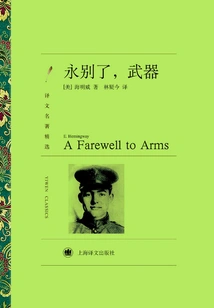
Farewell to Arms (selected Translated Masterpieces)
General Fiction永别了,武器(译文名著精选)
I
Ernest Hemingway (1899-1961), one of the most outstanding writers in the United States, winner of the 1954 Nobel Prize for Literature. "A Farewell to Arms" is one of his major works. In the late stages of World War I, American young man Frederick Henry volunteered to drive an ambulance for the Red Cross and rescue the wounded on the northern Italian front. During a mission, Henry was hit by a cannonball and injured. While recovering from his injuries in a Milan hospital, he was cared for by British nurse Catherine, and the two fell in love. After recovering from his injuries, Henry returned to the front line. When he retreated with the Italian troops, he witnessed the cruel scenes of the war. He resolutely left the army, joined Catherine and fled to Switzerland. As a result, Catherine died in childbirth. Based on his own experience in the war, Hemingway sang a sad and moving elegy with war and love as the main lines. It has been adapted to the screen many times and can be called a classic of modern literature.
Ernest Hemingway (1899-1961), one of the most outstanding writers in the United States, winner of the 1954 Nobel Prize for Literature. "A Farewell to Arms" is one of his major works. In the late stages of World War I, American young man Frederick Henry volunteered to drive an ambulance for the Red Cross and rescue the wounded on the northern Italian front. During a mission, Henry was hit by a cannonball and injured. While recovering from his injuries in a Milan hospital, he was cared for by British nurse Catherine, and the two fell in love. After recovering from his injuries, Henry returned to the front line. When he retreated with the Italian troops, he witnessed the cruel scenes of the war. He resolutely left the army, joined Catherine and fled to Switzerland. As a result, Catherine died in childbirth. Based on his own experience in the war, Hemingway sang a sad and moving elegy with war and love as the main lines. It has been adapted to the screen many times and can be called a classic of modern literature.

Donkey Skin
General Fiction驴皮记
H
"The Story of Donkey Skin" is one of Balzac's top ten classics. Human desires are like a piece of donkey skin. The more desires we have, the less life we have! Observe the various aspects of life with a smile and read all the customs of the world! "Donkey Skin" is Balzac's first full-length philosophical novel. The novel ingeniously uses a donkey skin to symbolize the contradiction between human desires and life, and uses this to summarize his life experience and philosophical thinking. It tells the story of Valentine, a young man from an aristocratic background who went bankrupt and threw himself into the social scene. When he was desperate, he was about to commit suicide by drowning when an antique dealer gave him a magical donkey skin. This donkey skin can fulfill any of his wishes, whether they are good or evil thoughts, but once the wish is realized, the donkey skin will immediately shrink and his life span will be shortened.
"The Story of Donkey Skin" is one of Balzac's top ten classics. Human desires are like a piece of donkey skin. The more desires we have, the less life we have! Observe the various aspects of life with a smile and read all the customs of the world! "Donkey Skin" is Balzac's first full-length philosophical novel. The novel ingeniously uses a donkey skin to symbolize the contradiction between human desires and life, and uses this to summarize his life experience and philosophical thinking. It tells the story of Valentine, a young man from an aristocratic background who went bankrupt and threw himself into the social scene. When he was desperate, he was about to commit suicide by drowning when an antique dealer gave him a magical donkey skin. This donkey skin can fulfill any of his wishes, whether they are good or evil thoughts, but once the wish is realized, the donkey skin will immediately shrink and his life span will be shortened.
O
General Fictiono
H
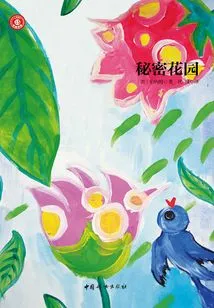
In a manor, there is an abandoned secret garden. A little girl named Maria accidentally gets the key to the garden and finds the hidden door. This originally willful and violent girl fell in love with the garden. She played in the garden with the two boys. As the flowers and plants grew, they also changed their bad habits and became beautiful girls and strong boys. All thanks to the magic of nature...
In a manor, there is an abandoned secret garden. A little girl named Maria accidentally gets the key to the garden and finds the hidden door. This originally willful and violent girl fell in love with the garden. She played in the garden with the two boys. As the flowers and plants grew, they also changed their bad habits and became beautiful girls and strong boys. All thanks to the magic of nature...

Imperial Envoy
General Fiction钦差大臣
I
The story takes place in a small city in Russia. The city has become corrupt, dominated by a rude and corrupt mayor and a group of officials who are gangsters but actually idiots. When this group of corrupt officials heard that the capital had sent an imperial envoy incognito for private patrols, everyone was so confused that they didn't know what to do. At this time, they suddenly heard that a man named Khlestakov was staying in an exclusive hotel in the city. Therefore, they mistakenly thought that Khlestakov, who had an extraordinary appearance but actually resigned and returned home for gambling and wandering, was the imperial envoy. The letter was written by the young man to his friends in Petersburg. In the letter, he ridiculed the fools who mistakenly thought he was the imperial minister, and gave each official an embarrassing nickname. When the mayor and officials were speechless over this incident, the real imperial minister arrived. The curtain fell while everyone was stunned.
The story takes place in a small city in Russia. The city has become corrupt, dominated by a rude and corrupt mayor and a group of officials who are gangsters but actually idiots. When this group of corrupt officials heard that the capital had sent an imperial envoy incognito for private patrols, everyone was so confused that they didn't know what to do. At this time, they suddenly heard that a man named Khlestakov was staying in an exclusive hotel in the city. Therefore, they mistakenly thought that Khlestakov, who had an extraordinary appearance but actually resigned and returned home for gambling and wandering, was the imperial envoy. The letter was written by the young man to his friends in Petersburg. In the letter, he ridiculed the fools who mistakenly thought he was the imperial minister, and gave each official an embarrassing nickname. When the mayor and officials were speechless over this incident, the real imperial minister arrived. The curtain fell while everyone was stunned.

Good Weather Alone
General Fiction一个人的好天气
H
"One Person's Good Weather" describes the story of a part-time job girl getting along with her older relatives while pursuing herself and independence. The various encounters and emotions of a girl who is on her way to independence in work, life and love are heart-wrenching. The novel fully describes the bitterness of being a freelancer ("freeter"). The author Nanae Aoyama said in an interview with reporters: "I want to tell them that as long as you are willing to take the first step, there will be a way out." She hopes that her work can help them "take the first step."
"One Person's Good Weather" describes the story of a part-time job girl getting along with her older relatives while pursuing herself and independence. The various encounters and emotions of a girl who is on her way to independence in work, life and love are heart-wrenching. The novel fully describes the bitterness of being a freelancer ("freeter"). The author Nanae Aoyama said in an interview with reporters: "I want to tell them that as long as you are willing to take the first step, there will be a way out." She hopes that her work can help them "take the first step."
U
General Fictionu
I
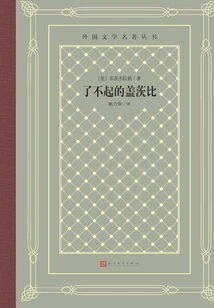
In the United States in the 1920s, the air was filled with singing and drinking. By chance, the poor clerk Nick breaks into the secret world of the spendthrift tycoon Gatsby. He is surprised to find that the only connection in his heart is the little green light on the opposite bank of the river - in the flickering light, lives his beloved Daisy. However, the cold reality cannot tolerate vague dreams. In the end, the goddess in Gatsby's heart is just a material girl in the earthly world.
In the United States in the 1920s, the air was filled with singing and drinking. By chance, the poor clerk Nick breaks into the secret world of the spendthrift tycoon Gatsby. He is surprised to find that the only connection in his heart is the little green light on the opposite bank of the river - in the flickering light, lives his beloved Daisy. However, the cold reality cannot tolerate vague dreams. In the end, the goddess in Gatsby's heart is just a material girl in the earthly world.
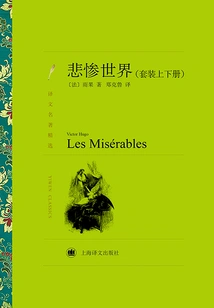
Les Miserables (set Volume 1 and 2)
General Fiction悲惨世界(套装上下册)
I
Jean Valjean had to serve nineteen years of hard labor for stealing a piece of bread; Fantine sold her teeth in order to raise her illegitimate daughter; the corpse thief became the savior of the general who escaped death. What kind of miserable world is this? Hugo used passionate writing to recreate the dark and soul-stirring era from the Napoleonic Wars to the French July Monarchy, and outlined the lives of a group of little people living at the bottom of society.
Jean Valjean had to serve nineteen years of hard labor for stealing a piece of bread; Fantine sold her teeth in order to raise her illegitimate daughter; the corpse thief became the savior of the general who escaped death. What kind of miserable world is this? Hugo used passionate writing to recreate the dark and soul-stirring era from the Napoleonic Wars to the French July Monarchy, and outlined the lives of a group of little people living at the bottom of society.
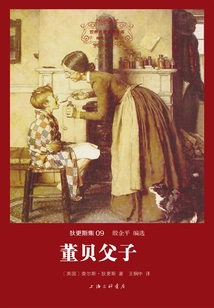
Dong Bei and Son (complete Works)
General Fiction董贝父子(全集)
H
"Dombey and Son" is one of Dickens's most important works, published in 1848. The novel describes the rise and fall of Dong Bei and Sons. Dong Bei is a greedy big capitalist, and his wife and children have become tools and furnishings for him to pursue profits. The company manager Kaker is a treacherous villain. After defrauding Dong Bei's trust, he single-handedly caused his bankruptcy. In the lessons of reality, Dong Bei's thinking changed. In the end, although he was unable to rebuild the family business, he achieved real family happiness.
"Dombey and Son" is one of Dickens's most important works, published in 1848. The novel describes the rise and fall of Dong Bei and Sons. Dong Bei is a greedy big capitalist, and his wife and children have become tools and furnishings for him to pursue profits. The company manager Kaker is a treacherous villain. After defrauding Dong Bei's trust, he single-handedly caused his bankruptcy. In the lessons of reality, Dong Bei's thinking changed. In the end, although he was unable to rebuild the family business, he achieved real family happiness.
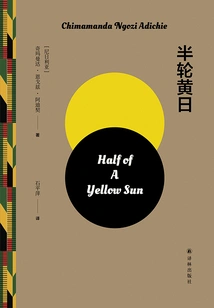
Half of a Yellow Sun (work by Adichie)
General Fiction半轮黄日(阿迪契作品)
I
"Half of a Yellow Sun" is a lament written by the Nigerian female writer Adichie about the Nigerian Civil War in the 1960s (1967-1970). The 13-year-old Ugu comes from a poor family and works as a valet in the house of Odenigbo, a professor at the University of Nsukka. The learning opportunities given to him by his master gradually help him get rid of ignorance and superstition; Olanna, the daughter of the chief of the Igbo tribe, is Odenigbo's girlfriend. Her family had a prominent reputation and wealth before the civil war. Olanna advocates freedom. But she has always kept a distance from her snobbish and opportunistic family; Olanna's twin sister Kenene has been taking care of the family business, and she fell in love with Richard, a British journalist living in Nigeria. Richard, who hates the hypocrisy of post-colonialism, has always tried to record everything that this country has experienced fairly and objectively.
"Half of a Yellow Sun" is a lament written by the Nigerian female writer Adichie about the Nigerian Civil War in the 1960s (1967-1970). The 13-year-old Ugu comes from a poor family and works as a valet in the house of Odenigbo, a professor at the University of Nsukka. The learning opportunities given to him by his master gradually help him get rid of ignorance and superstition; Olanna, the daughter of the chief of the Igbo tribe, is Odenigbo's girlfriend. Her family had a prominent reputation and wealth before the civil war. Olanna advocates freedom. But she has always kept a distance from her snobbish and opportunistic family; Olanna's twin sister Kenene has been taking care of the family business, and she fell in love with Richard, a British journalist living in Nigeria. Richard, who hates the hypocrisy of post-colonialism, has always tried to record everything that this country has experienced fairly and objectively.
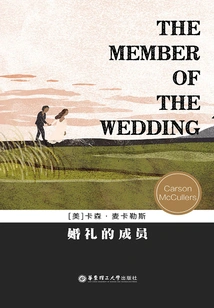
Members of the Wedding (english Original)
General Fiction婚礼的成员(英文原版)
G
This book is the pure English version of the masterpiece "The Wedding Member" by the famous American writer Carson McCullers. The book tells the story of the heroine who dreams of attending her brother's wedding and flying away with them, but is unable to have meaningful communication in reality. It expresses the lament of everyone being locked in loneliness deep in their hearts.
This book is the pure English version of the masterpiece "The Wedding Member" by the famous American writer Carson McCullers. The book tells the story of the heroine who dreams of attending her brother's wedding and flying away with them, but is unable to have meaningful communication in reality. It expresses the lament of everyone being locked in loneliness deep in their hearts.

Remarque's Series: All Quiet on the Western Front
General Fiction雷马克作品系列:西线无战事
I
During World War I, 19-year-old Paul Boymer was inspired by "patriotism" and volunteered to join the army with his classmates. However, the cruelty of war and military life was completely beyond imagination. In boot camp, they are forced to abandon their former faith in knowledge and freedom and undergo a radical transformation. After a short training, the recruits were sent to the front line to fight, and what they saw and heard was cruel: the trenches were full of rats and lice; severe infectious diseases threatened the life of every soldier; comrades were killed one by one, or were injured and sent to field hospitals; the field hospitals were poorly equipped and lacked medicines, and the mortality rate of injured patients was extremely high. When Paul returned home on vacation, he found that Germany was still immersed in heroic fantasies about war. Ordinary people could not imagine the disasters suffered by soldiers on the front line. He was completely out of touch with his previous life, and no one could understand his feelings. Paul returns to the front line. At this time, the war is becoming more and more fierce, and the future is confused...
During World War I, 19-year-old Paul Boymer was inspired by "patriotism" and volunteered to join the army with his classmates. However, the cruelty of war and military life was completely beyond imagination. In boot camp, they are forced to abandon their former faith in knowledge and freedom and undergo a radical transformation. After a short training, the recruits were sent to the front line to fight, and what they saw and heard was cruel: the trenches were full of rats and lice; severe infectious diseases threatened the life of every soldier; comrades were killed one by one, or were injured and sent to field hospitals; the field hospitals were poorly equipped and lacked medicines, and the mortality rate of injured patients was extremely high. When Paul returned home on vacation, he found that Germany was still immersed in heroic fantasies about war. Ordinary people could not imagine the disasters suffered by soldiers on the front line. He was completely out of touch with his previous life, and no one could understand his feelings. Paul returns to the front line. At this time, the war is becoming more and more fierce, and the future is confused...
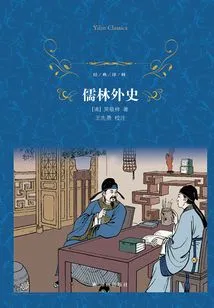
The Scholars (classic Translation)
General Fiction儒林外史(经典译林)
H
"The Scholars" is a novel written by Wu Jingzi in the Qing Dynasty. It uses realism to depict the different expressions of fame and wealth of various people, and represents the peak of ancient Chinese satirical novels. The use of vernacular in the novel has become more proficient, and the characterization of the characters is also quite in-depth and delicate, especially the use of superb satirical techniques, making the book a masterpiece of Chinese classical satirical literature.
"The Scholars" is a novel written by Wu Jingzi in the Qing Dynasty. It uses realism to depict the different expressions of fame and wealth of various people, and represents the peak of ancient Chinese satirical novels. The use of vernacular in the novel has become more proficient, and the characterization of the characters is also quite in-depth and delicate, especially the use of superb satirical techniques, making the book a masterpiece of Chinese classical satirical literature.
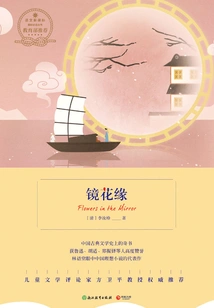
M
General FictionM
H
"Flowers in the Mirror" is a novel written by Li Ruzhen, a literati in the Qing Dynasty. The first half of the book describes the story of Tang Ao, Duo Jiugong and others traveling overseas by boat, including their experiences in the Daughter's Country, the Gentleman's Country and other countries. The second half tells the story of Wu Zetian's imperial examination to select talented girls, Tang Xiaoshan, who was entrusted by Baihua Fairy, and one hundred talented girls entrusted by other flower fairies who passed the exam and made a difference in the court. His magical and humorous creative techniques are based on classics, and he cleverly outlines a gorgeous color picture of the heavenly wheel.
"Flowers in the Mirror" is a novel written by Li Ruzhen, a literati in the Qing Dynasty. The first half of the book describes the story of Tang Ao, Duo Jiugong and others traveling overseas by boat, including their experiences in the Daughter's Country, the Gentleman's Country and other countries. The second half tells the story of Wu Zetian's imperial examination to select talented girls, Tang Xiaoshan, who was entrusted by Baihua Fairy, and one hundred talented girls entrusted by other flower fairies who passed the exam and made a difference in the court. His magical and humorous creative techniques are based on classics, and he cleverly outlines a gorgeous color picture of the heavenly wheel.
古代经典故事库:东周列国演义(三)
G
"The Romance of the Eastern Zhou Dynasties" is a novel about the history of the Spring and Autumn Period and the Warring States Period. Starting from the Western Weekend when King You of Zhou was killed, King Ping of Zhou moved to the east, and Qin Shihuang unified the world, the history of more than five hundred years is briefly described. The people and events of this period are the most prominent and typical in history. It is almost the theoretical source of success or failure for future generations, and it is also the standard and example for future generations to behave. Through rich and vivid storylines, the novel praises the good-hearted princes, strict rewards and punishments, generous princes and loyal, brave and strategic generals, as well as the brave, resourceful and courageous heroes who act for justice. The novel also tells about some foolish, cruel, shameless emperors, princes and other rulers as well as greedy, treacherous and insidious sycophants. "The Romance of the Kingdoms of the Eastern Zhou Dynasty" is divided into four volumes with a total of 108 chapters. This book is the third volume, including the content from "Chapter 55, Hua Yuan ascends the bed and robs the children, rebels against the old man, knots grass and Kang Du Hui" to "Chapter 81, Gou Jian cleverly uses beauty traps and Zigong recommends himself to the other countries".
"The Romance of the Eastern Zhou Dynasties" is a novel about the history of the Spring and Autumn Period and the Warring States Period. Starting from the Western Weekend when King You of Zhou was killed, King Ping of Zhou moved to the east, and Qin Shihuang unified the world, the history of more than five hundred years is briefly described. The people and events of this period are the most prominent and typical in history. It is almost the theoretical source of success or failure for future generations, and it is also the standard and example for future generations to behave. Through rich and vivid storylines, the novel praises the good-hearted princes, strict rewards and punishments, generous princes and loyal, brave and strategic generals, as well as the brave, resourceful and courageous heroes who act for justice. The novel also tells about some foolish, cruel, shameless emperors, princes and other rulers as well as greedy, treacherous and insidious sycophants. "The Romance of the Kingdoms of the Eastern Zhou Dynasty" is divided into four volumes with a total of 108 chapters. This book is the third volume, including the content from "Chapter 55, Hua Yuan ascends the bed and robs the children, rebels against the old man, knots grass and Kang Du Hui" to "Chapter 81, Gou Jian cleverly uses beauty traps and Zigong recommends himself to the other countries".

川端康成代表作:伊豆的舞女(典藏版)
G
J
J
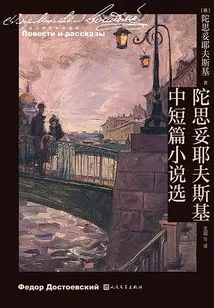
Selected Novels and Novels by Dostoevsky
General Fiction陀思妥耶夫斯基中短篇小说选
G
Dostoyevsky is a great Russian novelist. His works are numerous in number, profound in content, and complex in character. This "Selected Short Stories and Novels" includes "The Poor", "The Fragile Heart", "The Honest Thief", "The Christmas Tree and the Wedding", "Other People's Wifes and Husbands Under the Bed", "White Nights", "The Little Hero", "Uncle's Dream", "The Crocodile", "Peasant Malei" and other short and novella works. It reflects Dostoevsky's extensive, profound, rapid and timely thinking on the social and political life of Russia at that time, and provides a profound insight into the inner world of the characters. Dostoevsky belongs to the great ranks of Dante, Shakespeare, Goethe, Balzac and Tolstoy in the history of world literature. His short stories and novellas, like his masterpieces, are treasures in the world's literary treasure house.
Dostoyevsky is a great Russian novelist. His works are numerous in number, profound in content, and complex in character. This "Selected Short Stories and Novels" includes "The Poor", "The Fragile Heart", "The Honest Thief", "The Christmas Tree and the Wedding", "Other People's Wifes and Husbands Under the Bed", "White Nights", "The Little Hero", "Uncle's Dream", "The Crocodile", "Peasant Malei" and other short and novella works. It reflects Dostoevsky's extensive, profound, rapid and timely thinking on the social and political life of Russia at that time, and provides a profound insight into the inner world of the characters. Dostoevsky belongs to the great ranks of Dante, Shakespeare, Goethe, Balzac and Tolstoy in the history of world literature. His short stories and novellas, like his masterpieces, are treasures in the world's literary treasure house.
Pastoral Trilogy
General Fiction田园三部曲
I
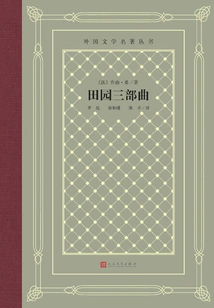
The "Pastoral Trilogy" contains three pastoral novels by the 19th-century French romantic novelist George Sand: "The Enchanted Marsh," "Little Fadette" and "The Outcast François." "The Enchanted Marsh" is the first pastoral novel written by George Sand when he secluded himself in his own manor in Nohant. It tells the story of farmer Germain and his neighbor little Marie walking together and falling in love with each other. This group of pastoral works based on rural life depicts simple and peaceful pastoral scenery, and eulogizes the innocent love between young men and women that transcends social class and the gap between rich and poor. With its bright and cheerful atmosphere, innocent and simple style, and the consistent awareness of social equality, it has won the love of many readers.
The "Pastoral Trilogy" contains three pastoral novels by the 19th-century French romantic novelist George Sand: "The Enchanted Marsh," "Little Fadette" and "The Outcast François." "The Enchanted Marsh" is the first pastoral novel written by George Sand when he secluded himself in his own manor in Nohant. It tells the story of farmer Germain and his neighbor little Marie walking together and falling in love with each other. This group of pastoral works based on rural life depicts simple and peaceful pastoral scenery, and eulogizes the innocent love between young men and women that transcends social class and the gap between rich and poor. With its bright and cheerful atmosphere, innocent and simple style, and the consistent awareness of social equality, it has won the love of many readers.
官场现形记(中国古典小说最经典)
T
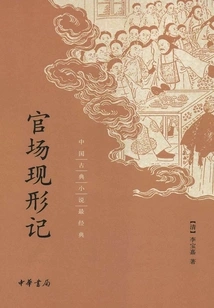
The Sixty Chapters of "The Appearance of Officialdom" was written by Li Baojia in the late Qing Dynasty. It is one of the "four major condemnation novels" in the late Qing Dynasty. It is also a satirical masterpiece that achieved a sensational social effect at the time of its publication. This book focuses on describing all kinds of dark, ugly and corrupt situations in the officialdom of the late Qing Dynasty. The characters shown in the book include military ministers, governors and governors, admirals, as well as county magistrates, officials, and miscellaneous officials. They are either dirty and despicable, ignorant, or corrupt, forming a picture of the ugliness of the late Qing bureaucracy. In the structure of the book, one person is narrated and then transferred to the next person, and so on. Using the technique of exaggeration and irony, the characters are described deeply, thoroughly, and vividly. It has a profound influence at that time and in later generations, and has a long-lasting artistic charm.
The Sixty Chapters of "The Appearance of Officialdom" was written by Li Baojia in the late Qing Dynasty. It is one of the "four major condemnation novels" in the late Qing Dynasty. It is also a satirical masterpiece that achieved a sensational social effect at the time of its publication. This book focuses on describing all kinds of dark, ugly and corrupt situations in the officialdom of the late Qing Dynasty. The characters shown in the book include military ministers, governors and governors, admirals, as well as county magistrates, officials, and miscellaneous officials. They are either dirty and despicable, ignorant, or corrupt, forming a picture of the ugliness of the late Qing bureaucracy. In the structure of the book, one person is narrated and then transferred to the next person, and so on. Using the technique of exaggeration and irony, the characters are described deeply, thoroughly, and vividly. It has a profound influence at that time and in later generations, and has a long-lasting artistic charm.
R
General Fictionr
H
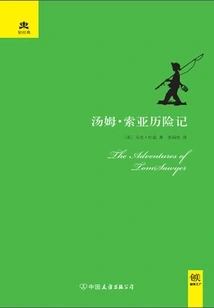
"The Adventures of Tom Sawyer" is a novel full of children's interest and a very representative work of the American humor master Mark Twain. The story takes place in a small town along the Mississippi River. The young protagonist Tom Sawyer is innocent, lively, unfettered, and pursues freedom. He hates boring homework and a rigid and vulgar living environment, and dreams of living a pirate-style adventure life. In an accident, he and his good friend Huckleberry witnessed a murder case, and overcame their fear, bravely stood up to expose the brutal criminal, and protected the innocent townspeople. In the process, they used their cleverness and wit to solve the mystery of the robbers' treasure and found the treasure, winning the appreciation and admiration of the townspeople.
"The Adventures of Tom Sawyer" is a novel full of children's interest and a very representative work of the American humor master Mark Twain. The story takes place in a small town along the Mississippi River. The young protagonist Tom Sawyer is innocent, lively, unfettered, and pursues freedom. He hates boring homework and a rigid and vulgar living environment, and dreams of living a pirate-style adventure life. In an accident, he and his good friend Huckleberry witnessed a murder case, and overcame their fear, bravely stood up to expose the brutal criminal, and protected the innocent townspeople. In the process, they used their cleverness and wit to solve the mystery of the robbers' treasure and found the treasure, winning the appreciation and admiration of the townspeople.
L
General FictionL
H
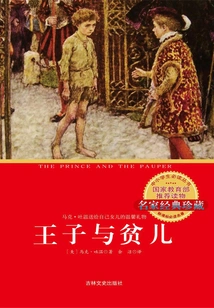
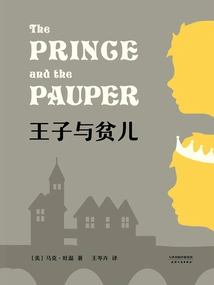
This book is set in England in the 16th century, and describes a fairy-tale story in which a prince and a pauper exchange identities. By chance, the identical-looking prince Edward and the pauper Tom exchange clothes, which leads to a reversal of fate. The former little beggar became the prince's "stand-in", and the real prince lived abroad, suffering bullying and ridicule. Later, the prince finally returned to the palace after experiencing various disasters; and Tom also returned the throne that did not belong to him to the prince. After this "exchange of identities", both teenagers learned a lot...
This book is set in England in the 16th century, and describes a fairy-tale story in which a prince and a pauper exchange identities. By chance, the identical-looking prince Edward and the pauper Tom exchange clothes, which leads to a reversal of fate. The former little beggar became the prince's "stand-in", and the real prince lived abroad, suffering bullying and ridicule. Later, the prince finally returned to the palace after experiencing various disasters; and Tom also returned the throne that did not belong to him to the prince. After this "exchange of identities", both teenagers learned a lot...
M
General FictionM
H
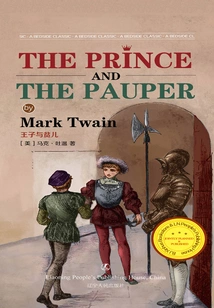
"The Prince and the Pauper" is Mark Twain's attempt at a historical fantasy novel. The story is set in England in the mid-16th century. The protagonists are Prince Edward, the son of King Henry VIII, and Tom, a poor boy who is often abused by his father. Not only were they born on the same day, they even have the same appearance. After a chance encounter, the two exchanged clothes out of curiosity about each other's lives. From then on, Tom cautiously began his dream palace life, while Edward went through many hardships and embarked on a tortuous road back to the palace...
"The Prince and the Pauper" is Mark Twain's attempt at a historical fantasy novel. The story is set in England in the mid-16th century. The protagonists are Prince Edward, the son of King Henry VIII, and Tom, a poor boy who is often abused by his father. Not only were they born on the same day, they even have the same appearance. After a chance encounter, the two exchanged clothes out of curiosity about each other's lives. From then on, Tom cautiously began his dream palace life, while Edward went through many hardships and embarked on a tortuous road back to the palace...
Q
General FictionQ
H
"The Prince and the Pauper (English Edition)/Classic English Library" is a satirical novel. The story is based on the social conditions of England in the 16th century. It describes in the form of a fairy tale that Tom, a poor boy in the slums, dramatically changes his identity with Prince Edward by chance and becomes the King of England. After the kind-hearted Tom became the king, he implemented some benevolent policies, abolished some cruel punishments, and pardoned some innocent prisoners, thus gaining the love and support of the people. The real prince Edward experienced various social conditions under the autocratic rule of the feudal monarchy, which enabled him to witness the suffering and shortcomings of the people with his own eyes, which made him deeply aware of the cruelty of British law and the contradictions of social classes. The writing style of the work is light, but the meaning is profound. Every line reveals the author's dissatisfaction with the rulers and sympathy for the suffering people.
"The Prince and the Pauper (English Edition)/Classic English Library" is a satirical novel. The story is based on the social conditions of England in the 16th century. It describes in the form of a fairy tale that Tom, a poor boy in the slums, dramatically changes his identity with Prince Edward by chance and becomes the King of England. After the kind-hearted Tom became the king, he implemented some benevolent policies, abolished some cruel punishments, and pardoned some innocent prisoners, thus gaining the love and support of the people. The real prince Edward experienced various social conditions under the autocratic rule of the feudal monarchy, which enabled him to witness the suffering and shortcomings of the people with his own eyes, which made him deeply aware of the cruelty of British law and the contradictions of social classes. The writing style of the work is light, but the meaning is profound. Every line reveals the author's dissatisfaction with the rulers and sympathy for the suffering people.
N
General Fictionn
H
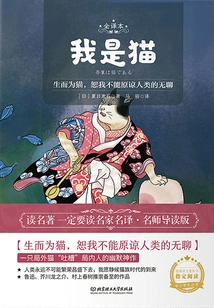
"I am a Cat" is the masterpiece of Japanese writer Natsume Soseki. In a humorous, sarcastic and comical way, this book uses the vision, hearing and feeling of a cat to describe the mediocre and trivial life of its owner, the poor teacher Kusha Mi, and his family, as well as the boring and elegant life of his friends Mi Ting, Han Yue, Dong Feng, Du Xian and others. The whole book is based on the daily life of the protagonist, a middle school teacher, Kushaya. It is interspersed with the conflicts of the neighbor capitalist Kaneda who tries to marry his daughter and plots to take revenge on Kushaya. It mocks the empty spiritual life of the intellectuals in the Meiji era and ridicules them for claiming to be noble but doing nothing. Dissatisfied with reality, but unable to resist; mediocre and boring, but denouncing the secular contradictory character, lashing out at the snobbish, vulgar, and cruel nature of bourgeois figures such as Kaneda and their accomplices, and criticizing the money-oriented society and the social habits of blind worship of Western lifestyles.
"I am a Cat" is the masterpiece of Japanese writer Natsume Soseki. In a humorous, sarcastic and comical way, this book uses the vision, hearing and feeling of a cat to describe the mediocre and trivial life of its owner, the poor teacher Kusha Mi, and his family, as well as the boring and elegant life of his friends Mi Ting, Han Yue, Dong Feng, Du Xian and others. The whole book is based on the daily life of the protagonist, a middle school teacher, Kushaya. It is interspersed with the conflicts of the neighbor capitalist Kaneda who tries to marry his daughter and plots to take revenge on Kushaya. It mocks the empty spiritual life of the intellectuals in the Meiji era and ridicules them for claiming to be noble but doing nothing. Dissatisfied with reality, but unable to resist; mediocre and boring, but denouncing the secular contradictory character, lashing out at the snobbish, vulgar, and cruel nature of bourgeois figures such as Kaneda and their accomplices, and criticizing the money-oriented society and the social habits of blind worship of Western lifestyles.
Q
R
R
S

T
R
S

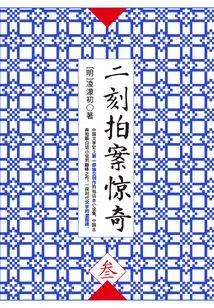
初刻拍案惊奇(古典文库)
H
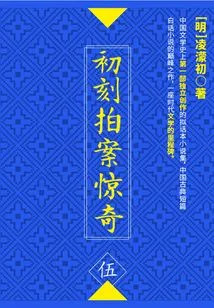
This book is a collection of short vernacular novels compiled by Ling Shuchu in the late Ming Dynasty. Together with another collection of short vernacular novels he compiled, "The Surprise at the Second Moment", they are collectively referred to as "Er Pai". Later generations often refer to it together with "Three Words" ("Yu Shi Ming Yan", "Awakening Words", and "Warning Words") compiled by Feng Menglong. They are both the most famous collection of short vernacular novels in ancient my country. The forty chapters of "The Surprise at the First Moment" show a diverse and colorful society. Here, traditional scholars, dignitaries, and heroes have been relegated to a relatively secondary position, while ordinary people such as businessmen, craftsmen, prostitutes, monks, nuns, squires, subordinates, bandits, and swindlers have occupied the main stage of literature. Driven by various desires, they have performed scenes of surprising tragedies and comedies of life.
This book is a collection of short vernacular novels compiled by Ling Shuchu in the late Ming Dynasty. Together with another collection of short vernacular novels he compiled, "The Surprise at the Second Moment", they are collectively referred to as "Er Pai". Later generations often refer to it together with "Three Words" ("Yu Shi Ming Yan", "Awakening Words", and "Warning Words") compiled by Feng Menglong. They are both the most famous collection of short vernacular novels in ancient my country. The forty chapters of "The Surprise at the First Moment" show a diverse and colorful society. Here, traditional scholars, dignitaries, and heroes have been relegated to a relatively secondary position, while ordinary people such as businessmen, craftsmen, prostitutes, monks, nuns, squires, subordinates, bandits, and swindlers have occupied the main stage of literature. Driven by various desires, they have performed scenes of surprising tragedies and comedies of life.

毛姆精选作品集(套装共三册)
I
"The Moon and Sixpence" tells the story of Strickland, a successful securities broker who has a comfortable life that others envy. Later, he went to Paris alone because he was obsessed with painting. However, his colorful paintings were not recognized by the outside world, and he fell into the abyss of poverty and illness. "The Veil" tells the story of the young and beautiful Katie who went to Hong Kong with her husband. Katie fell in love with a married man and thought she had met true love. But after the affair was revealed, her lover immediately abandoned her for the sake of his reputation. After experiencing betrayal, Walter decided to practice medicine in Meitan Mansion, where the epidemic was rampant, and asked the painful Katie to go with him. "Blade" tells the story of Larry, who fought bravely and returned to the United States after World War I. What greeted him was a seemingly magnanimous life. But the cruelty of the war and the death of his comrades made him doubt the meaning and value of life.
"The Moon and Sixpence" tells the story of Strickland, a successful securities broker who has a comfortable life that others envy. Later, he went to Paris alone because he was obsessed with painting. However, his colorful paintings were not recognized by the outside world, and he fell into the abyss of poverty and illness. "The Veil" tells the story of the young and beautiful Katie who went to Hong Kong with her husband. Katie fell in love with a married man and thought she had met true love. But after the affair was revealed, her lover immediately abandoned her for the sake of his reputation. After experiencing betrayal, Walter decided to practice medicine in Meitan Mansion, where the epidemic was rampant, and asked the painful Katie to go with him. "Blade" tells the story of Larry, who fought bravely and returned to the United States after World War I. What greeted him was a seemingly magnanimous life. But the cruelty of the war and the death of his comrades made him doubt the meaning and value of life.
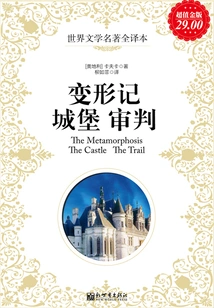
Metamorphosis Castle Trial
General Fiction变形记 城堡 审判
L
This book includes the Austrian writer Kafka's works such as "The Metamorphosis", "The Castle" and "The Trial". Kafka is a famous European Expressionist writer. He lived in an era when the Austro-Hungarian Empire was about to collapse, and was deeply influenced by the philosophies of Nietzsche and Bergson. He always had a bystander attitude towards political events. Therefore, most of his works used deformed and absurd images and symbolic intuition to express isolated and desperate individuals surrounded by a hostile social environment.
This book includes the Austrian writer Kafka's works such as "The Metamorphosis", "The Castle" and "The Trial". Kafka is a famous European Expressionist writer. He lived in an era when the Austro-Hungarian Empire was about to collapse, and was deeply influenced by the philosophies of Nietzsche and Bergson. He always had a bystander attitude towards political events. Therefore, most of his works used deformed and absurd images and symbolic intuition to express isolated and desperate individuals surrounded by a hostile social environment.

老舍短篇小说集(套装共3册)
I
In the mid-1930s, "The Collection of Sakura Sea" and "The Collection of Clams and Algae" were all created while Lao She was living in Qingdao, which was the peak and mature period of Lao She's creation.
In the mid-1930s, "The Collection of Sakura Sea" and "The Collection of Clams and Algae" were all created while Lao She was living in Qingdao, which was the peak and mature period of Lao She's creation.

The Lucy Barton Quartet (complete Works)
General Fiction露西·巴顿四部曲(全集)
I
The four-part Lucy Barton series: "My name is Lucy Barton", "It's not that bad, I guess", "Oh, William!" "I know it's about loss."
The four-part Lucy Barton series: "My name is Lucy Barton", "It's not that bad, I guess", "Oh, William!" "I know it's about loss."

Talk to Ryuka
General Fiction与琉喀对话
K
This book is a collection of short stories, consisting of 27 short dialogues between mythological characters. It is a strange book with a special form and a representative work in the collection of Pavese's short stories. Through dialogues between characters from ancient Greek mythology, the writer talks about universal experiences of the world: childhood, family, sexuality, poetry, love, struggle, failure and resistance. The selected mythological characters are closely related to the author's personal troubles, interests, and concepts, and are his Jungian prototypes and poetic endorsements. One reference for this book is Leopardi's "Moral Pieces" (19th-century Italian poet and philosopher), but "Dialogues" focuses more on mythology than philosophy. In his interpretation and rewriting of traditional mythology, Pavese presents fundamental themes such as fate, tragedy, childhood, and failure. These mythological characters are closely related to the author's personal troubles, interests, and concepts, and are his Jungian prototypes and poetic endorsements.
This book is a collection of short stories, consisting of 27 short dialogues between mythological characters. It is a strange book with a special form and a representative work in the collection of Pavese's short stories. Through dialogues between characters from ancient Greek mythology, the writer talks about universal experiences of the world: childhood, family, sexuality, poetry, love, struggle, failure and resistance. The selected mythological characters are closely related to the author's personal troubles, interests, and concepts, and are his Jungian prototypes and poetic endorsements. One reference for this book is Leopardi's "Moral Pieces" (19th-century Italian poet and philosopher), but "Dialogues" focuses more on mythology than philosophy. In his interpretation and rewriting of traditional mythology, Pavese presents fundamental themes such as fate, tragedy, childhood, and failure. These mythological characters are closely related to the author's personal troubles, interests, and concepts, and are his Jungian prototypes and poetic endorsements.
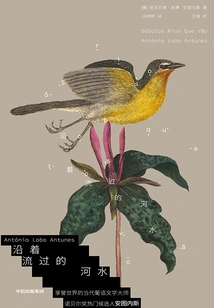
Along the Flowing River
General Fiction沿着流过的河水
J
This book is a literary work by Portuguese writer Antunes. It tells the story of the protagonist who became weak after the removal of a malignant tumor and endured pain and humiliation all day long, giving him an unusual experience of life and the past. From the end of March to early April 2007, after undergoing a major operation, the protagonist, in the pain and confusion caused by anesthesia and drugs, re-remembered the fragments of his life and the people he met in his life: his parents and grandparents, his childhood village, the mountains, love and hate. The pain of the moment, past memories, and fantasies are all intertwined. Like a flowing river, we live with it the stigma of illness, the approach of death, and the call of life. Antunes' language is like the title of the book, like a flowing river, breaking the boundaries of time and space with a tension-filled non-linear narrative, allowing the characters' voices to naturally interweave in multiple time dimensions.
This book is a literary work by Portuguese writer Antunes. It tells the story of the protagonist who became weak after the removal of a malignant tumor and endured pain and humiliation all day long, giving him an unusual experience of life and the past. From the end of March to early April 2007, after undergoing a major operation, the protagonist, in the pain and confusion caused by anesthesia and drugs, re-remembered the fragments of his life and the people he met in his life: his parents and grandparents, his childhood village, the mountains, love and hate. The pain of the moment, past memories, and fantasies are all intertwined. Like a flowing river, we live with it the stigma of illness, the approach of death, and the call of life. Antunes' language is like the title of the book, like a flowing river, breaking the boundaries of time and space with a tension-filled non-linear narrative, allowing the characters' voices to naturally interweave in multiple time dimensions.
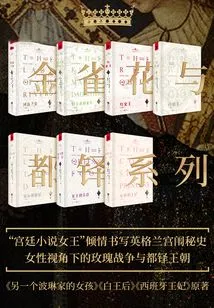
Plantagenet and Tudor Series (set of 7 Volumes)
General Fiction金雀花与都铎系列(套装7册)
H
This set of books is part of the Plantagenet and Tudor series, including: "The River Daughter", "The Kingmaker's Daughter", "The Red Queen", "The White Princess", "The Eternal Princess", "The Queen's Fool" and "The Last Tudor", a total of 7 volumes. Focusing on the British royal women in the late Middle Ages, writing "her history" from a first-person perspective, and comprehensively showing the disputes behind the "War of the Roses" and "Tudor Dynasty".
This set of books is part of the Plantagenet and Tudor series, including: "The River Daughter", "The Kingmaker's Daughter", "The Red Queen", "The White Princess", "The Eternal Princess", "The Queen's Fool" and "The Last Tudor", a total of 7 volumes. Focusing on the British royal women in the late Middle Ages, writing "her history" from a first-person perspective, and comprehensively showing the disputes behind the "War of the Roses" and "Tudor Dynasty".
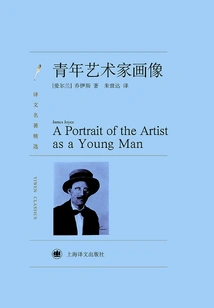
青年艺术家画像(译文名著精选)
I
James Joyce's first novel using the "stream of consciousness" technique is also one of the earliest and most successful stream-of-consciousness novels in the history of world literature. It has a strong autobiographical color and mainly describes how Stephen, a young man in Dublin, tried to get rid of various influences that hindered his development and the painful process of pursuing the true meaning of art and beauty. It is actually a portrayal of the young Joyce's mental journey from awakening to maturity.
James Joyce's first novel using the "stream of consciousness" technique is also one of the earliest and most successful stream-of-consciousness novels in the history of world literature. It has a strong autobiographical color and mainly describes how Stephen, a young man in Dublin, tried to get rid of various influences that hindered his development and the painful process of pursuing the true meaning of art and beauty. It is actually a portrayal of the young Joyce's mental journey from awakening to maturity.
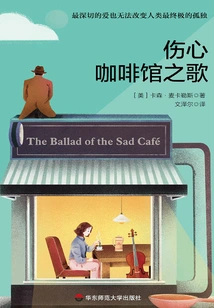
P
General Fictionp
G
The famous classic novella "Song of the Sad Cafe" describes three lonely and struggling souls because of love; the blockbuster debut "Prodigy" writes about the difficult choice between dreams and reality; "The Jockey", "The Sojourner", "Family Dilemma", "Mrs. Zelensky and the King of Finland", "One Tree·One Stone·One" are not to be missed. "Clouds", each article is fascinating, heartbreaking, and sighing: "Loneliness is the fate of you and me. No one or anything can change it, not even love." American National Book Award winner Irving Howe: "This is one of the highest classics of novels written by Americans." Everyone who longs to love and be loved can see themselves in the story.
The famous classic novella "Song of the Sad Cafe" describes three lonely and struggling souls because of love; the blockbuster debut "Prodigy" writes about the difficult choice between dreams and reality; "The Jockey", "The Sojourner", "Family Dilemma", "Mrs. Zelensky and the King of Finland", "One Tree·One Stone·One" are not to be missed. "Clouds", each article is fascinating, heartbreaking, and sighing: "Loneliness is the fate of you and me. No one or anything can change it, not even love." American National Book Award winner Irving Howe: "This is one of the highest classics of novels written by Americans." Everyone who longs to love and be loved can see themselves in the story.

Marry First, Love Later
Modern Romance先婚后宠
Y
"Are you the newly transferred Zuo Yanqing? I'm Luo Di from the public relations department. Go change clothes immediately and go out with me!" Luo Di looked at the beautiful woman with exquisite facial features in front of him, and immediately became more hopeful about the evening's entertainment. When the white tube top skirt was thrown on Zuo Yanqing, Zuo Yanqing was holding the cardboard box brought from the editorial department and just stepped into the public relations department with her left foot! Barely allowing her to make another move, Rody couldn't wait to take the box in her hand and put it down, pulling her into the rest room. "Now there's something going on! I've long heard that Zuo Yan Qingqin's body is fragrant and her appearance is extraordinary. It's really fragrant...
"Are you the newly transferred Zuo Yanqing? I'm Luo Di from the public relations department. Go change clothes immediately and go out with me!" Luo Di looked at the beautiful woman with exquisite facial features in front of him, and immediately became more hopeful about the evening's entertainment. When the white tube top skirt was thrown on Zuo Yanqing, Zuo Yanqing was holding the cardboard box brought from the editorial department and just stepped into the public relations department with her left foot! Barely allowing her to make another move, Rody couldn't wait to take the box in her hand and put it down, pulling her into the rest room. "Now there's something going on! I've long heard that Zuo Yan Qingqin's body is fragrant and her appearance is extraordinary. It's really fragrant...
Phoenix Guides the Country
Ancient Romance凤指点江山
T
Isn't it a pity not to save the beautiful man frozen in ice? The result of being mean-spirited is that someone "repays kindness with hatred." "I want to get rid of the lingering cold in my body..."... She is a hired leader. Once she travels through time, her useless material turns into something wonderful, and the world is about to turn upside down. The nine orifices are opened, and the life experience is shocking. The journey of cultivation is full of blood and glory. Above the nine heavens, she smiles proudly; in the world of mortals, she just wants to be with her. He is domineering: Huang Quan Bi Luo, you can only be my woman; he is affectionate: It doesn't matter if I don't have a wife for the rest of my life... Who says that a scheming woman can't be humorous from time to time, and who says that a strong woman doesn't need to be taken care of? A lively novel about strong women, the heroine begs friends from all walks of life to resolutely step into the trap and caress her!
Isn't it a pity not to save the beautiful man frozen in ice? The result of being mean-spirited is that someone "repays kindness with hatred." "I want to get rid of the lingering cold in my body..."... She is a hired leader. Once she travels through time, her useless material turns into something wonderful, and the world is about to turn upside down. The nine orifices are opened, and the life experience is shocking. The journey of cultivation is full of blood and glory. Above the nine heavens, she smiles proudly; in the world of mortals, she just wants to be with her. He is domineering: Huang Quan Bi Luo, you can only be my woman; he is affectionate: It doesn't matter if I don't have a wife for the rest of my life... Who says that a scheming woman can't be humorous from time to time, and who says that a strong woman doesn't need to be taken care of? A lively novel about strong women, the heroine begs friends from all walks of life to resolutely step into the trap and caress her!

After the Official Announcement with Top Idols
Modern Romance和顶流爱豆官宣后
S
Cheng Qiaojiu has been dreaming about idols lately. She thought about it, it was just a dream anyway, so she might as well do all the things she wouldn't dare to do on a daily basis. Ever since-- Cheng Qiaojiu: Xixi, your kissing skills are so bad! Zhou Shenxi:... (I tolerate it) It wasn't until she met her idol later that she discovered that her idol also remembered what happened in her dream! One day, fans found clues and asked Zhou Shenxi, what is his relationship with Cheng Qiaojiu? Zhou Shenxi said calmly, "She is my wife." Cheng Qiaojiu:? ? ? Fan:?!!
Cheng Qiaojiu has been dreaming about idols lately. She thought about it, it was just a dream anyway, so she might as well do all the things she wouldn't dare to do on a daily basis. Ever since-- Cheng Qiaojiu: Xixi, your kissing skills are so bad! Zhou Shenxi:... (I tolerate it) It wasn't until she met her idol later that she discovered that her idol also remembered what happened in her dream! One day, fans found clues and asked Zhou Shenxi, what is his relationship with Cheng Qiaojiu? Zhou Shenxi said calmly, "She is my wife." Cheng Qiaojiu:? ? ? Fan:?!!

I Know You Are Gentle
Modern Romance我知道你很温柔
U
In Jiangcheng City, the genius girl He Lianjin was born into a wealthy family, but she has an extreme personality because she has supernatural powers. He suffered an accident two years ago, but when he woke up, he forgot everything he had ever done. He had no choice but to join the Jialan Club, and he and his partners stopped a series of stories about people with supernatural powers in the city. But Wen Yifei fell in love with such a cold He Lianjin to the point where he could smile even to death. "It doesn't matter if you forget everything, I will remember it all." "Now that I meet you again, let me get to know you again with a new identity." "I didn't protect you two years ago. I will spend the rest of my life protecting you this time." "He Lianjin, I will protect that smile of yours. I will love you for the rest of my life, and I can predict it to the point where I can laugh at it even if I die..." In his heart, there has always been a stubborn knight who has loved her and protected her tirelessly for many years...
In Jiangcheng City, the genius girl He Lianjin was born into a wealthy family, but she has an extreme personality because she has supernatural powers. He suffered an accident two years ago, but when he woke up, he forgot everything he had ever done. He had no choice but to join the Jialan Club, and he and his partners stopped a series of stories about people with supernatural powers in the city. But Wen Yifei fell in love with such a cold He Lianjin to the point where he could smile even to death. "It doesn't matter if you forget everything, I will remember it all." "Now that I meet you again, let me get to know you again with a new identity." "I didn't protect you two years ago. I will spend the rest of my life protecting you this time." "He Lianjin, I will protect that smile of yours. I will love you for the rest of my life, and I can predict it to the point where I can laugh at it even if I die..." In his heart, there has always been a stubborn knight who has loved her and protected her tirelessly for many years...

Husband, You Are Bad
Modern Romance老公,你很坏
Z
"Marry him, marry him..." Everyone shouted in unison, accompanied by some screams and whistles. Lin Meng looked at Gu Jinbai, who was kneeling on one leg in front of her with a ring, at a loss. Today was her twentieth birthday, but she never expected that he would choose to propose to her today. She had never thought about marrying Gu Jinbai, and she was only twenty years old. She raised her eyes to look at Ouyang Jun, who was standing behind Gu Jinbai, trying to see the expression she wanted to see on his face. But there was a warm smile on his face, more like a silent encouragement. Her heart began to sink. What did he...
"Marry him, marry him..." Everyone shouted in unison, accompanied by some screams and whistles. Lin Meng looked at Gu Jinbai, who was kneeling on one leg in front of her with a ring, at a loss. Today was her twentieth birthday, but she never expected that he would choose to propose to her today. She had never thought about marrying Gu Jinbai, and she was only twenty years old. She raised her eyes to look at Ouyang Jun, who was standing behind Gu Jinbai, trying to see the expression she wanted to see on his face. But there was a warm smile on his face, more like a silent encouragement. Her heart began to sink. What did he...

Your Majesty, Please Be Cruel!
Ancient Romance王爷,算你狠!
E
(A simple copywriting, has nothing to do with the ending) He always had an alluring face, a charming attitude, a smile that would charm people to death, and sometimes he was as cruel as Shura, sometimes he was like a charming woman, flirting with her, sometimes he would slap you, and then he would turn around and give you a sweet treat. With such a man, who would she recruit? Who to mess with? Is she wrong to live a life of idleness? Just put such a goblin in there to torture her? And he brought her so much trouble one after another. He roared loudly, "My lord, you are cruel, you will ravage me in this life, and I will rape and kill your whole family in the next life!" (If you want to know the plot of the story, readers, please be patient and listen to me slowly~_~!) Please do not classify the article as funny, because this is not the main line, and it is impossible for a person to be funny all the time as he grows up. This article is a journey through vulgarity. ※※※※※※※※※Division※※※※※※※※※※※ Combination Xuan Accord is officially released! The four authors who belong to this pavilion - Beixue Ling, You Yeluo, Xuexi hope, and Wanfeng Mochen Produced by our company, quality and quantity are guaranteed! If you are short of weight, you are welcome to complain in the group! Enjoy the wonderful articles written by the authors of Xuan Ya Ge: You Ye Luo\u003C Sinful Concubine\u003E: http:\u002F\u002Fread. Xxsy. Net\u002Finfo\u002F81407. Html (This article is updated absolutely quickly!) Feel free to hope\u003CMy cousin's wife (ancient times)\u003E: http:\u002F\u002Fread. Xxsy. Net\u002Finfo\u002F75100. Html (This article has been completed and is being continued now) Evening breeze dust\u003CVampire Queen\u003E: http:\u002F\u002Fread. Xxsy. Net\u002Finfo\u002F91586. Html (Chen's new article) (If you pass by~~ go check it out!) Group number: 63271793 (Xuanyage) ----------- VIP member group! Anyone who likes to read the articles of our Xuanyage authors can join. There is no particular reader. V members can be in it as they please. The stepping stone is your member name, otherwise we will not open the door.
(A simple copywriting, has nothing to do with the ending) He always had an alluring face, a charming attitude, a smile that would charm people to death, and sometimes he was as cruel as Shura, sometimes he was like a charming woman, flirting with her, sometimes he would slap you, and then he would turn around and give you a sweet treat. With such a man, who would she recruit? Who to mess with? Is she wrong to live a life of idleness? Just put such a goblin in there to torture her? And he brought her so much trouble one after another. He roared loudly, "My lord, you are cruel, you will ravage me in this life, and I will rape and kill your whole family in the next life!" (If you want to know the plot of the story, readers, please be patient and listen to me slowly~_~!) Please do not classify the article as funny, because this is not the main line, and it is impossible for a person to be funny all the time as he grows up. This article is a journey through vulgarity. ※※※※※※※※※Division※※※※※※※※※※※ Combination Xuan Accord is officially released! The four authors who belong to this pavilion - Beixue Ling, You Yeluo, Xuexi hope, and Wanfeng Mochen Produced by our company, quality and quantity are guaranteed! If you are short of weight, you are welcome to complain in the group! Enjoy the wonderful articles written by the authors of Xuan Ya Ge: You Ye Luo\u003C Sinful Concubine\u003E: http:\u002F\u002Fread. Xxsy. Net\u002Finfo\u002F81407. Html (This article is updated absolutely quickly!) Feel free to hope\u003CMy cousin's wife (ancient times)\u003E: http:\u002F\u002Fread. Xxsy. Net\u002Finfo\u002F75100. Html (This article has been completed and is being continued now) Evening breeze dust\u003CVampire Queen\u003E: http:\u002F\u002Fread. Xxsy. Net\u002Finfo\u002F91586. Html (Chen's new article) (If you pass by~~ go check it out!) Group number: 63271793 (Xuanyage) ----------- VIP member group! Anyone who likes to read the articles of our Xuanyage authors can join. There is no particular reader. V members can be in it as they please. The stepping stone is your member name, otherwise we will not open the door.