Library
Browse and search books
13,360 novels found
V
General FictionV
H
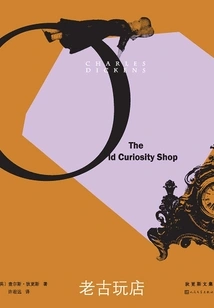
"The Old Curiosity Shop" is a novel published by the British writer Dickens in 1840-1841. In order for his granddaughter, who was not yet 14 years old, to live a happy life after his death, Torent tried his best to get rich, but unexpectedly fell into the clutches of the upstart loan shark Daniel Quilp. Quilp used loan sharking to not only take away all the property of the old antique shop, but also wanted to take away the beautiful little Nell. The grandfather and grandson were forced to flee London and live a life of begging. In the end, Xiao Nai'er, who was physically and mentally injured, died due to mental exhaustion. "The Old Curiosity Shop" is known as "Victorian melancholy".
"The Old Curiosity Shop" is a novel published by the British writer Dickens in 1840-1841. In order for his granddaughter, who was not yet 14 years old, to live a happy life after his death, Torent tried his best to get rich, but unexpectedly fell into the clutches of the upstart loan shark Daniel Quilp. Quilp used loan sharking to not only take away all the property of the old antique shop, but also wanted to take away the beautiful little Nell. The grandfather and grandson were forced to flee London and live a life of begging. In the end, Xiao Nai'er, who was physically and mentally injured, died due to mental exhaustion. "The Old Curiosity Shop" is known as "Victorian melancholy".

双城记(汉译世界文学名著丛书)
H
"A Tale of Two Cities" is a long historical novel written by the British writer Charles Dickens and set against the background of the French Revolution. It was first published in 1859. The story connects the two big cities of Paris and London, and revolves around Dr. Manette's family and the Saint-Antoine district headed by the Defarges. The novel describes how the nobles corrupted and harmed the people. The people's deep hatred for the nobles accumulated in their hearts, which led to the inevitable French Revolution. This book is translated by Zhang Ling and Zhang Yang.
"A Tale of Two Cities" is a long historical novel written by the British writer Charles Dickens and set against the background of the French Revolution. It was first published in 1859. The story connects the two big cities of Paris and London, and revolves around Dr. Manette's family and the Saint-Antoine district headed by the Defarges. The novel describes how the nobles corrupted and harmed the people. The people's deep hatred for the nobles accumulated in their hearts, which led to the inevitable French Revolution. This book is translated by Zhang Ling and Zhang Yang.
Great Expectations
General Fiction远大前程
G
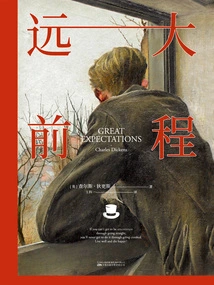
Dickens was a masterpiece of skill in his later years, and he often read new world classics. "Great Expectations" is a very important work by Dickens in his later years. In an autobiographical form, the book depicts the arduous journey of an orphan pursuing "Great Expectations", revealing that love, loyalty and conscience are always more important than wealth and social status: Great Expectations is certainly pursued, but if you cannot follow the right path to reach the extraordinary, don't go the wrong way for the sake of the extraordinary. Live well and die happily.
Dickens was a masterpiece of skill in his later years, and he often read new world classics. "Great Expectations" is a very important work by Dickens in his later years. In an autobiographical form, the book depicts the arduous journey of an orphan pursuing "Great Expectations", revealing that love, loyalty and conscience are always more important than wealth and social status: Great Expectations is certainly pursued, but if you cannot follow the right path to reach the extraordinary, don't go the wrong way for the sake of the extraordinary. Live well and die happily.
P
General Fictionp
H
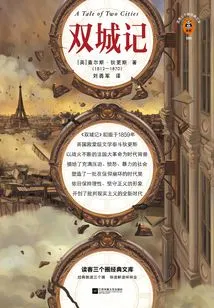
"It was the best of times, and it was also the worst of times!" It was an era full of oppression and plunder, when people were roughly classified into piles, and society was chaotic and disorderly; it was an era full of anger and massacre, with angry language everywhere, and reason was annihilated by fanaticism; but there were still people who were willing to give up their aristocratic status and huge amounts of property in order to uphold justice; there were still people who, for the sake of the ideal clear world, Willing to sacrifice his own life... "A Tale of Two Cities" was first published in 1859. The British literary giant Dickens used the raging French Revolution as the background to depict a society full of oppression, anger, and violence. He created a group of people who remained rational and upheld justice in an era of broken faith, and created a new era of British critical realism. In "A Tale of Two Cities", you will witness the darkest social reality and see the most noble light of humanity.
"It was the best of times, and it was also the worst of times!" It was an era full of oppression and plunder, when people were roughly classified into piles, and society was chaotic and disorderly; it was an era full of anger and massacre, with angry language everywhere, and reason was annihilated by fanaticism; but there were still people who were willing to give up their aristocratic status and huge amounts of property in order to uphold justice; there were still people who, for the sake of the ideal clear world, Willing to sacrifice his own life... "A Tale of Two Cities" was first published in 1859. The British literary giant Dickens used the raging French Revolution as the background to depict a society full of oppression, anger, and violence. He created a group of people who remained rational and upheld justice in an era of broken faith, and created a new era of British critical realism. In "A Tale of Two Cities", you will witness the darkest social reality and see the most noble light of humanity.
Illustrated Book Series on Representative Works of Cultural Greats: Great Expectations
General Fiction文化伟人代表作图释书系:远大前程
H
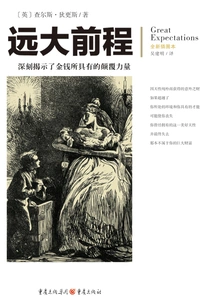
"Great Expectations" is a novel written by Dickens in his later years. The story is set from Christmas Eve of 1812 to the winter of 1840. The protagonist, orphan Pip, uses an autobiographical approach to narrate three stages of his life starting from the age of 7.
"Great Expectations" is a novel written by Dickens in his later years. The story is set from Christmas Eve of 1812 to the winter of 1840. The protagonist, orphan Pip, uses an autobiographical approach to narrate three stages of his life starting from the age of 7.
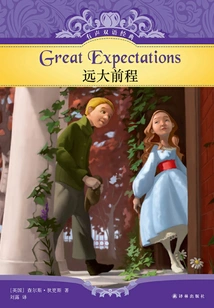
Great Expectations (audio Bilingual Classic)
General Fiction远大前程(有声双语经典)
H
Yilin's "Audio Bilingual Classics" original version introduces English classics specially written by American education experts for students, and selects classic works that are close to the English acquisition level of Chinese students. The series of books selects high-quality Chinese translations, accompanied by introductions, introductions to the authors' works and illustrations, and employs senior college entrance examination listening test anchors to read English audio books. The audiobook playback platform is easy to operate. Just scan the QR code in the book to listen and download. The book series covers classic literary works from various countries, allowing children to improve their literary appreciation and English listening and reading skills during reading. The famous children's literature writer Huang Beijia recommends a long article introduction. Behind the dazzling four words "Great Expectations", there are some questions that are often ignored by people: How can we have "Great Expectations"? What standards must be met to be called "Great Expectations"? And, why do we want to have Great Expectations? Dickens is as sharp as Dickens, and by writing about the bizarre experiences of the young Pip and the people around him, he answers these important questions about "Great Expectations" for us. "Great Expectations" is Dickens's classic work depicting society and human nature. Pip, a little boy, wants to be a gentleman, and a mysterious benefactor helps him get promoted. Pip moved to London and received an education from the upper class. He wanted to change his background and marry the beautiful Miss Estella. When the identity of the benefactor is exposed, will everything be in vain? In this masterpiece of his later years, Dickens expressed his views on love, wealth and friendship.
Yilin's "Audio Bilingual Classics" original version introduces English classics specially written by American education experts for students, and selects classic works that are close to the English acquisition level of Chinese students. The series of books selects high-quality Chinese translations, accompanied by introductions, introductions to the authors' works and illustrations, and employs senior college entrance examination listening test anchors to read English audio books. The audiobook playback platform is easy to operate. Just scan the QR code in the book to listen and download. The book series covers classic literary works from various countries, allowing children to improve their literary appreciation and English listening and reading skills during reading. The famous children's literature writer Huang Beijia recommends a long article introduction. Behind the dazzling four words "Great Expectations", there are some questions that are often ignored by people: How can we have "Great Expectations"? What standards must be met to be called "Great Expectations"? And, why do we want to have Great Expectations? Dickens is as sharp as Dickens, and by writing about the bizarre experiences of the young Pip and the people around him, he answers these important questions about "Great Expectations" for us. "Great Expectations" is Dickens's classic work depicting society and human nature. Pip, a little boy, wants to be a gentleman, and a mysterious benefactor helps him get promoted. Pip moved to London and received an education from the upper class. He wanted to change his background and marry the beautiful Miss Estella. When the identity of the benefactor is exposed, will everything be in vain? In this masterpiece of his later years, Dickens expressed his views on love, wealth and friendship.
David Copperfield: Volumes 1 and 2 (chinese Translation of Masterpieces of World Literature)
General Fiction大卫·考坡菲:上下卷(汉译世界文学名著丛书)
H
"The Personal History of David Copperfield" (The Personal History of David Copperfield, also translated as "David Copperfield") is a novel written by the British novelist Charles Dickens. It was called by the author his "favorite child in his heart". It was published in twenty parts monthly from 1849 to 1850. The whole book adopts first-person narrative and incorporates many of the author's own life experiences. The novel tells the story of the protagonist David's life from childhood to middle age. Taking the birth of "I" as the source, the novel combines the sincerity and darkness of friends, the childishness and impulsiveness of love, the sweetness and triviality of marriage, and the conflicts and harmony of family members into a stream that slowly flows on the river bed of fate and eventually merges into the tolerant and magnificent sea. Mixed in with all kinds of characters and opportunities. The language is witty and interesting, showing a broad picture of Britain in the mid-19th century, reflecting Dickens's ideal that the world is full of kindness and justice.
"The Personal History of David Copperfield" (The Personal History of David Copperfield, also translated as "David Copperfield") is a novel written by the British novelist Charles Dickens. It was called by the author his "favorite child in his heart". It was published in twenty parts monthly from 1849 to 1850. The whole book adopts first-person narrative and incorporates many of the author's own life experiences. The novel tells the story of the protagonist David's life from childhood to middle age. Taking the birth of "I" as the source, the novel combines the sincerity and darkness of friends, the childishness and impulsiveness of love, the sweetness and triviality of marriage, and the conflicts and harmony of family members into a stream that slowly flows on the river bed of fate and eventually merges into the tolerant and magnificent sea. Mixed in with all kinds of characters and opportunities. The language is witty and interesting, showing a broad picture of Britain in the mid-19th century, reflecting Dickens's ideal that the world is full of kindness and justice.
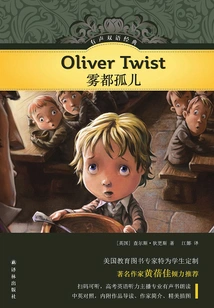
Oliver Twist (audio Bilingual Classic)
General Fiction雾都孤儿(有声双语经典)
H
Dickens uses the foggy London as the background to tell us the difficult experience of an orphan, showing the battle between good and evil, beauty and ugliness, and full of humane feelings. Oliver's mother died when he was born, and when he was nine years old, he was sent to a coffin shop as an apprentice in the workhouse. Unable to endure the insults and beatings, he ran away alone. Although he fell into a den of thieves by mistake, Oliver stuck to his inner integrity and kindness and refused to be a thief. Later, with the help of the kind-hearted Mr. Brownlow and Mrs. Mellie, he came to know his life experience and finally lived a happy life.
Dickens uses the foggy London as the background to tell us the difficult experience of an orphan, showing the battle between good and evil, beauty and ugliness, and full of humane feelings. Oliver's mother died when he was born, and when he was nine years old, he was sent to a coffin shop as an apprentice in the workhouse. Unable to endure the insults and beatings, he ran away alone. Although he fell into a den of thieves by mistake, Oliver stuck to his inner integrity and kindness and refused to be a thief. Later, with the help of the kind-hearted Mr. Brownlow and Mrs. Mellie, he came to know his life experience and finally lived a happy life.
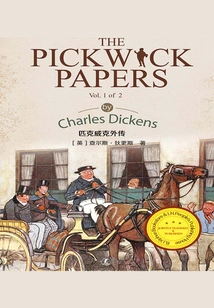
The Pickwick Papers (part 1 and 2)
General Fiction匹克威克外传(上下)
H
The Pickwick Papers is the first novel written by Charles Dickens. After the novel was published, it became a sensation and became a highlight in the British publishing industry at that time. Charles Dickens started writing "The Pickwick Papers" mainly with the intention of writing a series of novels. Therefore, the various chapters in "The Pickwick Papers" are very loosely related to each other and are more like a series of adventure novels. The protagonist of the novel, Mr. Samuel Pickwick, is a wealthy, kind-hearted old gentleman, and the founder and permanent president of the Pickwick Club. In order to have a deeper exploration and understanding of many strange phenomena in life, the old gentleman suggested that he should take the lead and be joined by three other members of the Pickwick Club (they are Mr. Wink, Mr. Snodgrass and Mr. Topman), and follow him from London to a distant place (it is said to be remote, but actually to the British countryside) to explore the meaning of life, and after returning, report what they saw and heard to the club members. As a result, the entire novel revolves around their excursions into the English countryside.
The Pickwick Papers is the first novel written by Charles Dickens. After the novel was published, it became a sensation and became a highlight in the British publishing industry at that time. Charles Dickens started writing "The Pickwick Papers" mainly with the intention of writing a series of novels. Therefore, the various chapters in "The Pickwick Papers" are very loosely related to each other and are more like a series of adventure novels. The protagonist of the novel, Mr. Samuel Pickwick, is a wealthy, kind-hearted old gentleman, and the founder and permanent president of the Pickwick Club. In order to have a deeper exploration and understanding of many strange phenomena in life, the old gentleman suggested that he should take the lead and be joined by three other members of the Pickwick Club (they are Mr. Wink, Mr. Snodgrass and Mr. Topman), and follow him from London to a distant place (it is said to be remote, but actually to the British countryside) to explore the meaning of life, and after returning, report what they saw and heard to the club members. As a result, the entire novel revolves around their excursions into the English countryside.
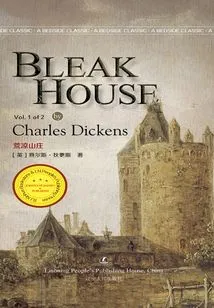
Desolate House (top and Bottom)
General Fiction荒凉山庄(上下)
H
"Bleak House" tells the story of a girl who discovers her parents' hidden secrets. The story includes murder, suicide, betrayal, love and fear. Almost all human emotions that readers can imagine are included in Dickens. However, "Bleak House" also deeply explores the philosophical significance of charity and the philosophical thought of loving your neighbor as yourself from another angle: How much attention should we pay to people who are not favored by the goddess of luck in life and are suffering from tragic fate? The so-called charity, how to give alms? How much charity? How can we avoid focusing on one thing and losing another? In addition, there is a more important question: How do poor people escape poverty? Must they rely on the good will of individuals? What role should the government play in this? How much responsibility is there to help them? The reason why Dickens raised so many questions was mainly because he felt about the British society at that time.
"Bleak House" tells the story of a girl who discovers her parents' hidden secrets. The story includes murder, suicide, betrayal, love and fear. Almost all human emotions that readers can imagine are included in Dickens. However, "Bleak House" also deeply explores the philosophical significance of charity and the philosophical thought of loving your neighbor as yourself from another angle: How much attention should we pay to people who are not favored by the goddess of luck in life and are suffering from tragic fate? The so-called charity, how to give alms? How much charity? How can we avoid focusing on one thing and losing another? In addition, there is a more important question: How do poor people escape poverty? Must they rely on the good will of individuals? What role should the government play in this? How much responsibility is there to help them? The reason why Dickens raised so many questions was mainly because he felt about the British society at that time.
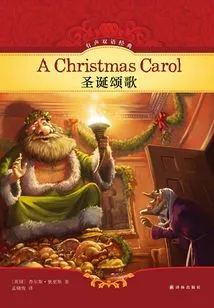
圣诞颂歌(有声双语经典)
H
Yilin's "Audio Bilingual Classics" original version introduces English classics specially written by American education experts for students, and selects classic works that are close to the English acquisition level of Chinese students. The series of books selects high-quality Chinese translations, accompanied by introductions, introductions to the authors' works and illustrations, and employs senior college entrance examination listening test anchors to read English audio books. The audiobook playback platform is easy to operate. Just scan the QR code in the book to listen and download. The book series covers classic literary works from various countries, allowing children to improve their literary appreciation and English listening and reading skills during reading. The famous children's literature writer Huang Beijia recommends a long article introduction. "A Christmas Carol" is one of Charles Dickens' classic representative works. The book is deeply loved by literature lovers all over the world. The book creates the classic literary character Scrooge and promotes the humanitarian sentiment of mutual help and generosity to the whole society. It has a profound influence on some Western countries that believe in Christianity. Dickens himself was called "the man who invented Christmas" by readers because of this work. The famous Christmas greeting "Merry Christmas" became popular all over the world through this book.
Yilin's "Audio Bilingual Classics" original version introduces English classics specially written by American education experts for students, and selects classic works that are close to the English acquisition level of Chinese students. The series of books selects high-quality Chinese translations, accompanied by introductions, introductions to the authors' works and illustrations, and employs senior college entrance examination listening test anchors to read English audio books. The audiobook playback platform is easy to operate. Just scan the QR code in the book to listen and download. The book series covers classic literary works from various countries, allowing children to improve their literary appreciation and English listening and reading skills during reading. The famous children's literature writer Huang Beijia recommends a long article introduction. "A Christmas Carol" is one of Charles Dickens' classic representative works. The book is deeply loved by literature lovers all over the world. The book creates the classic literary character Scrooge and promotes the humanitarian sentiment of mutual help and generosity to the whole society. It has a profound influence on some Western countries that believe in Christianity. Dickens himself was called "the man who invented Christmas" by readers because of this work. The famous Christmas greeting "Merry Christmas" became popular all over the world through this book.
J
K
T
General Fictiont
H
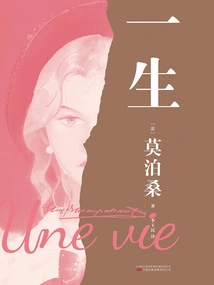
"Life" is the French writer Maupassant's classic debut novel, and it is also his only novel that has been adapted for the screen. This novel was completed under the care of his mentor Flaubert. It was revised several times and carefully polished. It is a work of female spiritual awakening about marriage, growth and disillusionment. Maupassant described the life of aristocratic girl Yana in "A Life". She was innocent, romantic and full of fantasy, but she suffered the betrayal of her husband, the death of her parents and the departure of her children. Exhausted physically and mentally, Yana could only seek some comfort from the dream of life in the maid. "Life" depicts the innocent dreams of women in the background of that era and the collision of their heads and blood in the real society of overflowing desires. It is the epitome of the miserable lives of most women. Even today, unfortunate women can see themselves in Yana and see in this book the heavy pressure they may face.
"Life" is the French writer Maupassant's classic debut novel, and it is also his only novel that has been adapted for the screen. This novel was completed under the care of his mentor Flaubert. It was revised several times and carefully polished. It is a work of female spiritual awakening about marriage, growth and disillusionment. Maupassant described the life of aristocratic girl Yana in "A Life". She was innocent, romantic and full of fantasy, but she suffered the betrayal of her husband, the death of her parents and the departure of her children. Exhausted physically and mentally, Yana could only seek some comfort from the dream of life in the maid. "Life" depicts the innocent dreams of women in the background of that era and the collision of their heads and blood in the real society of overflowing desires. It is the epitome of the miserable lives of most women. Even today, unfortunate women can see themselves in Yana and see in this book the heavy pressure they may face.
Mask: Selected Novels of Maupassant's World
General Fiction假面具:莫泊桑世态小说选
H
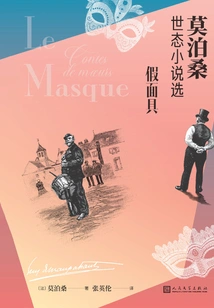
This five-volume set of Maupassant's short stories and short stories includes "Selected Novels of Maupassant's World", "Selected Romance Novels of Maupassant", "Selected Novels of Maupassant's War", "Selected Selection of Maupassant's Humorous Novels" and "Selected Selection of Maupassant's Bizarre Novels". It is the result of the author's appreciation and selection of more than 300 short stories and short stories by the "King of Short Stories" based on his long-term research and translation. It can also be said to be a collection of Maupassant's short stories in a classified form. Maupassant was first and foremost a social genre painter. Adhering to the fundamental principle of realism, his worldly novels mainly write about the two social classes he is most familiar with: farmers in Normandy, his hometown where he spent his youth, and clerks in Paris where he worked as an adult. Little characters occupy the center of literature; their lives, their anguish and despair are laid bare. What is particularly commendable is the writer's deep sympathy for the suffering people at the bottom. This book is equipped with original illustrations.
This five-volume set of Maupassant's short stories and short stories includes "Selected Novels of Maupassant's World", "Selected Romance Novels of Maupassant", "Selected Novels of Maupassant's War", "Selected Selection of Maupassant's Humorous Novels" and "Selected Selection of Maupassant's Bizarre Novels". It is the result of the author's appreciation and selection of more than 300 short stories and short stories by the "King of Short Stories" based on his long-term research and translation. It can also be said to be a collection of Maupassant's short stories in a classified form. Maupassant was first and foremost a social genre painter. Adhering to the fundamental principle of realism, his worldly novels mainly write about the two social classes he is most familiar with: farmers in Normandy, his hometown where he spent his youth, and clerks in Paris where he worked as an adult. Little characters occupy the center of literature; their lives, their anguish and despair are laid bare. What is particularly commendable is the writer's deep sympathy for the suffering people at the bottom. This book is equipped with original illustrations.

莫泊桑中短篇小说全集(11-19卷)
H
Maupassant's short stories and short stories are deeply rooted in reality and have a wide range of themes. They mainly describe the French social customs of his time, and all kinds of life are included in them. Among the collections of Maupassant's works published in France, the most influential one was the "Illustrated Complete Works of Maupassant" (1901-1912) published by Paul Hollandorff Publishing House. There are nineteen volumes of short stories and short stories in this complete collection, of which the titles and contents of fifteen volumes are basically the same as those of Mo's self-edited volume. There are another four volumes supplemented by the publishing house. These nineteen volumes collect a total of 272 short stories and short stories by Maupassant. The translator is now requested to include the thirty-four pieces not included in the Austrian edition as "addendums" to six of the nineteen volumes. The 306 Mo's short stories and short stories discovered so far are all included in them, and are accompanied by some illustrations from the Austrian edition, which can be said to be rich in pictures and texts. The translator Zhang Yinglun is an expert on Maupassant at the Academy of Social Sciences. He has been cooperating with our agency to translate Maupassant's short stories and short stories. His writing style is humorous and in line with Maupassant's writing style.
Maupassant's short stories and short stories are deeply rooted in reality and have a wide range of themes. They mainly describe the French social customs of his time, and all kinds of life are included in them. Among the collections of Maupassant's works published in France, the most influential one was the "Illustrated Complete Works of Maupassant" (1901-1912) published by Paul Hollandorff Publishing House. There are nineteen volumes of short stories and short stories in this complete collection, of which the titles and contents of fifteen volumes are basically the same as those of Mo's self-edited volume. There are another four volumes supplemented by the publishing house. These nineteen volumes collect a total of 272 short stories and short stories by Maupassant. The translator is now requested to include the thirty-four pieces not included in the Austrian edition as "addendums" to six of the nineteen volumes. The 306 Mo's short stories and short stories discovered so far are all included in them, and are accompanied by some illustrations from the Austrian edition, which can be said to be rich in pictures and texts. The translator Zhang Yinglun is an expert on Maupassant at the Academy of Social Sciences. He has been cooperating with our agency to translate Maupassant's short stories and short stories. His writing style is humorous and in line with Maupassant's writing style.
Selected Short Stories and Short Stories by Maupassant
General Fiction莫泊桑中短篇小说选
H
This book selects the most representative short stories and short stories such as "Ball of Suet" by Maupassant, the master of French novels. Maupassant was good at cutting out typical fragments from ordinary and trivial things, and summarizing the reality of life with small insights. His novels have unique conceptions, ups and downs of plots, vivid and detailed descriptions, and lifelike characters, which make people have endless aftertaste after reading them. This book is a new translation, which is more suitable for contemporary readers than the language of the old translation.
This book selects the most representative short stories and short stories such as "Ball of Suet" by Maupassant, the master of French novels. Maupassant was good at cutting out typical fragments from ordinary and trivial things, and summarizing the reality of life with small insights. His novels have unique conceptions, ups and downs of plots, vivid and detailed descriptions, and lifelike characters, which make people have endless aftertaste after reading them. This book is a new translation, which is more suitable for contemporary readers than the language of the old translation.
Life; Pierre and Jean
General Fiction一生;皮埃尔与让
H
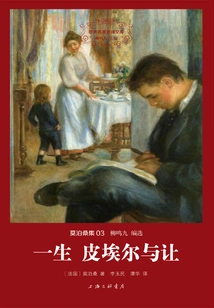
This book is a collection of Maupassant's two novels, "Life" and "Pierre and Jean". "Life" is Maupassant's first novel, a genre novel depicting the countryside of Normandy. "Pierre and Jean" tells the story of two brothers, Pierre and Jean, because the heir to an inheritance is their younger brother, which arouses the elder brother's jealousy and makes many words and deeds that hurt his younger brother and his mother. In the end, the younger brother decides to give up the right to inherit the inheritance, and the older brother realizes that he has gone too far and decides to develop abroad.
This book is a collection of Maupassant's two novels, "Life" and "Pierre and Jean". "Life" is Maupassant's first novel, a genre novel depicting the countryside of Normandy. "Pierre and Jean" tells the story of two brothers, Pierre and Jean, because the heir to an inheritance is their younger brother, which arouses the elder brother's jealousy and makes many words and deeds that hurt his younger brother and his mother. In the end, the younger brother decides to give up the right to inherit the inheritance, and the older brother realizes that he has gone too far and decides to develop abroad.

T
General Fictiont
H
The aristocratic girl Yana eagerly returns to her home at Poplar Grange from the monastery where she studied with a beautiful vision for the future and life. 17-Year-old Yana is at the age when she is in love. She is innocent, full of fantasy, and longs for love. And fate seemed to be particularly partial to her. Not long after she returned home, she met the elegant, gentle and considerate young aristocrat Viscount de Lamar, and they quickly fell in love and got married. Yana was full of hope that she was about to usher in a lifetime of happiness, but she never expected that the beautiful love she had always imagined would be the beginning of a lifetime of misfortune. After the marriage, the viscount quickly took off his gentle mask when pursuing Yana, revealing his true nature of being despicable, evil, greedy and lustful. He occupied Yana's property and had an affair with Yana's maid. Her husband's betrayal made Yana miserable. When she wanted to die, she was told that she was pregnant. The appearance of the child gave her new hope. But the happiness was too short-lived. Then a series of changes such as her husband's betrayal and death, the death of her parents, her only son running away from home, and bankruptcy, etc., Dashed Yana's hopes again and again. Yana gradually aged in despair. When her life came to an end, she said: "This life is neither as good nor as bad as you think."
The aristocratic girl Yana eagerly returns to her home at Poplar Grange from the monastery where she studied with a beautiful vision for the future and life. 17-Year-old Yana is at the age when she is in love. She is innocent, full of fantasy, and longs for love. And fate seemed to be particularly partial to her. Not long after she returned home, she met the elegant, gentle and considerate young aristocrat Viscount de Lamar, and they quickly fell in love and got married. Yana was full of hope that she was about to usher in a lifetime of happiness, but she never expected that the beautiful love she had always imagined would be the beginning of a lifetime of misfortune. After the marriage, the viscount quickly took off his gentle mask when pursuing Yana, revealing his true nature of being despicable, evil, greedy and lustful. He occupied Yana's property and had an affair with Yana's maid. Her husband's betrayal made Yana miserable. When she wanted to die, she was told that she was pregnant. The appearance of the child gave her new hope. But the happiness was too short-lived. Then a series of changes such as her husband's betrayal and death, the death of her parents, her only son running away from home, and bankruptcy, etc., Dashed Yana's hopes again and again. Yana gradually aged in despair. When her life came to an end, she said: "This life is neither as good nor as bad as you think."

Return: Selected Romance Novels by Maupassant
General Fiction归来:莫泊桑情爱小说选
H
This five-volume set of Maupassant's short stories and short stories includes "Selected Novels of Maupassant's World", "Selected Romance Novels of Maupassant", "Selected Novels of Maupassant's War", "Selected Selection of Maupassant's Humorous Novels" and "Selected Selection of Maupassant's Bizarre Novels". It is the result of the author's appreciation and selection of more than 300 short stories and short stories by the "King of Short Stories" based on long-term research and translation of his works. It can also be said to be a collection of Maupassant's short stories. Love novels are also worldly novels, but the large number of short and medium-sized novels and novels written by Maupassant with love as the theme has won it a unique place. Love is an eternal theme, and Maupassant's love novels are a complete example. There is joy, but more tears and blood, and there are still some lingering sounds of the French knight tradition. This book is equipped with original illustrations.
This five-volume set of Maupassant's short stories and short stories includes "Selected Novels of Maupassant's World", "Selected Romance Novels of Maupassant", "Selected Novels of Maupassant's War", "Selected Selection of Maupassant's Humorous Novels" and "Selected Selection of Maupassant's Bizarre Novels". It is the result of the author's appreciation and selection of more than 300 short stories and short stories by the "King of Short Stories" based on long-term research and translation of his works. It can also be said to be a collection of Maupassant's short stories. Love novels are also worldly novels, but the large number of short and medium-sized novels and novels written by Maupassant with love as the theme has won it a unique place. Love is an eternal theme, and Maupassant's love novels are a complete example. There is joy, but more tears and blood, and there are still some lingering sounds of the French knight tradition. This book is equipped with original illustrations.
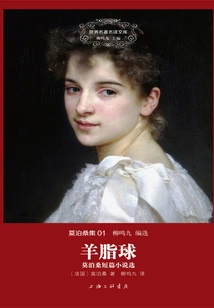
Ball of Suet: Selected Short Stories by Maupassant
General Fiction羊脂球:莫泊桑短篇小说选
H
Maupassant is one of the world's leading short story masters. The publication of "Ball de Suif" in 1880 made him famous in one fell swoop. The story has also become a classic in the history of world literature. The author compares "Ball of Suet", a prostitute who is at the bottom of society and is discriminated against, with all kinds of sanctimonious so-called upper-class figures, fully showing the former's beautiful soul with a strong sense of justice and compassion and the latter's extremely selfish, shameless and ugly soul. This book collects more than 30 fine works such as "Ball of Suet".
Maupassant is one of the world's leading short story masters. The publication of "Ball de Suif" in 1880 made him famous in one fell swoop. The story has also become a classic in the history of world literature. The author compares "Ball of Suet", a prostitute who is at the bottom of society and is discriminated against, with all kinds of sanctimonious so-called upper-class figures, fully showing the former's beautiful soul with a strong sense of justice and compassion and the latter's extremely selfish, shameless and ugly soul. This book collects more than 30 fine works such as "Ball of Suet".

The Martian: Selected Strange Novels by Maupassant
General Fiction火星人:莫泊桑奇异小说选
H
This five-volume set of Maupassant's short stories and short stories includes "Selected Novels of Maupassant's World", "Selected Romance Novels of Maupassant", "Selected Novels of Maupassant's War", "Selected Selection of Maupassant's Humorous Novels" and "Selected Selection of Maupassant's Bizarre Novels". It is the result of the author's appreciation and selection of more than 300 short stories and short stories by the "King of Short Stories" based on long-term research and translation of his works. It can also be said to be a collection of Maupassant's short stories. Maupassant, who focused on realism, also played a significant role in the history of French fantasy novels. Some of his strange novels are fantastic and amazing; but more of his strange novels, although the plots are bizarre, are aimed at illuminating the illusion of the supernatural. Whether realistic or bizarre, he is in a league of his own. This book is equipped with original illustrations.
This five-volume set of Maupassant's short stories and short stories includes "Selected Novels of Maupassant's World", "Selected Romance Novels of Maupassant", "Selected Novels of Maupassant's War", "Selected Selection of Maupassant's Humorous Novels" and "Selected Selection of Maupassant's Bizarre Novels". It is the result of the author's appreciation and selection of more than 300 short stories and short stories by the "King of Short Stories" based on long-term research and translation of his works. It can also be said to be a collection of Maupassant's short stories. Maupassant, who focused on realism, also played a significant role in the history of French fantasy novels. Some of his strange novels are fantastic and amazing; but more of his strange novels, although the plots are bizarre, are aimed at illuminating the illusion of the supernatural. Whether realistic or bizarre, he is in a league of his own. This book is equipped with original illustrations.
T
General Fictiont
H
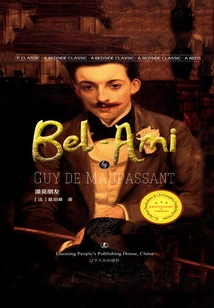
The work tells the story of Duroy, a junior officer of the French colonial army in Algeria, who came to Paris and worked as a newspaper editor. He relied on his beautiful appearance and the ability to please women to seduce upper-class women, and used this as a springboard to embark on the road to prosperity. In the end, he kidnapped the daughter of the newspaper owner, forced the owner to marry his daughter to him, and became the editor-in-chief of the newspaper. The end of the novel also hints that he will soon become a senator and cabinet minister, and his future is still bright.
The work tells the story of Duroy, a junior officer of the French colonial army in Algeria, who came to Paris and worked as a newspaper editor. He relied on his beautiful appearance and the ability to please women to seduce upper-class women, and used this as a springboard to embark on the road to prosperity. In the end, he kidnapped the daughter of the newspaper owner, forced the owner to marry his daughter to him, and became the editor-in-chief of the newspaper. The end of the novel also hints that he will soon become a senator and cabinet minister, and his future is still bright.
P
General Fictionp
H
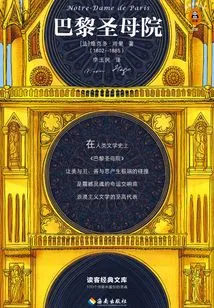
You should read "The Hunchback of Notre Dame" every ten years. It can always awaken the power of loving the world in your heart! Selected as one of the top ten famous books in the world by The New York Times and one of the top ten must-read books by The Times. The famous Chinese translator Li Yumin's classic translation was based on the original version written by Victor Hugo. The story tells the story of a girl who combines all the beautiful things in one body and an ugly and deaf bell-ringer. They were separated when they were babies, but they still couldn't get rid of the entanglement of fate. Their lives intersected again and ended at Notre Dame de Paris...
You should read "The Hunchback of Notre Dame" every ten years. It can always awaken the power of loving the world in your heart! Selected as one of the top ten famous books in the world by The New York Times and one of the top ten must-read books by The Times. The famous Chinese translator Li Yumin's classic translation was based on the original version written by Victor Hugo. The story tells the story of a girl who combines all the beautiful things in one body and an ugly and deaf bell-ringer. They were separated when they were babies, but they still couldn't get rid of the entanglement of fate. Their lives intersected again and ended at Notre Dame de Paris...
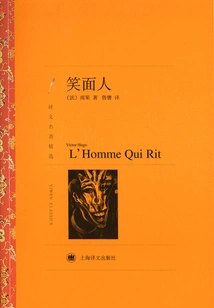
The Laughing Man (selected Translations of Famous Works)
General Fiction笑面人(译文名著精选)
I
The protagonist Gwynplaine in "The Man Who Laughs" is a descendant of a noble family. He fell into the hands of human traffickers when he was young and was disfigured and mutilated. His face always seemed to be smiling strangely. The kind-hearted entertainer Yu Sousse adopted him as his adopted son, and also adopted the blind girl Di that Gwen Pulan rescued from the snow. A few of them wandered around the world and made a living by performing arts. Later, due to accidental factors and the needs of the British political arena, Gwynplaine was able to regain his title, but he refused this dirty gift, preferring to return to his companions in distress; by this time Dee was seriously ill. After the blind girl passed away, Gwen Pulan was so sad that she threw herself into the sea and committed suicide.
The protagonist Gwynplaine in "The Man Who Laughs" is a descendant of a noble family. He fell into the hands of human traffickers when he was young and was disfigured and mutilated. His face always seemed to be smiling strangely. The kind-hearted entertainer Yu Sousse adopted him as his adopted son, and also adopted the blind girl Di that Gwen Pulan rescued from the snow. A few of them wandered around the world and made a living by performing arts. Later, due to accidental factors and the needs of the British political arena, Gwynplaine was able to regain his title, but he refused this dirty gift, preferring to return to his companions in distress; by this time Dee was seriously ill. After the blind girl passed away, Gwen Pulan was so sad that she threw herself into the sea and committed suicide.
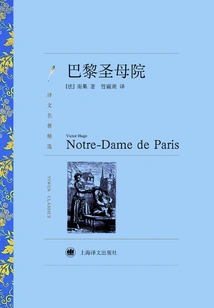
Notre Dame De Paris (selected Translations of Famous Works)
General Fiction巴黎圣母院(译文名著精选)
I
Hugo (1802-1885), a famous French novelist and poet. "Notre Dame de Paris" is his masterpiece novel. The gypsy girl Esmeralda is a street performer, and Froed, the deputy bishop of Notre Dame Church, wants to take possession of her. Later, it was discovered that she had another lover, and she assassinated her lover and framed the blame on her, resulting in her being sentenced to death. Quasimodo, the ugly bell ringer who was full of love and humility for her, rescued her and took refuge in Notre Dame. Froed kidnapped her and forced her to give in to his bestial desires. After being refused, Froude handed her over to the officers and soldiers and watched her being hanged upstairs in Notre Dame. In despair, Quasimodo angrily pushed Froude, who had raised him, off the attic and fell to death. He went to the Eagle Mountain Crypt to hug Esmeralda's body and died with her, completing the "wedding".
Hugo (1802-1885), a famous French novelist and poet. "Notre Dame de Paris" is his masterpiece novel. The gypsy girl Esmeralda is a street performer, and Froed, the deputy bishop of Notre Dame Church, wants to take possession of her. Later, it was discovered that she had another lover, and she assassinated her lover and framed the blame on her, resulting in her being sentenced to death. Quasimodo, the ugly bell ringer who was full of love and humility for her, rescued her and took refuge in Notre Dame. Froed kidnapped her and forced her to give in to his bestial desires. After being refused, Froude handed her over to the officers and soldiers and watched her being hanged upstairs in Notre Dame. In despair, Quasimodo angrily pushed Froude, who had raised him, off the attic and fell to death. He went to the Eagle Mountain Crypt to hug Esmeralda's body and died with her, completing the "wedding".
P
General Fictionp
H
"The Hunchback of Notre Dame" is the first full-length romantic novel by French writer Victor Hugo. "Notre Dame de Paris" artistically reproduces the historical reality of the reign of French King Louis XI more than 400 years ago, how the palace and the church colluded to oppress the people, and how the people fought heroically against the two forces. The novel has a strong romantic color and uses contrasting writing techniques. It is an artistic example of applying the contrast principle of romanticism.
"The Hunchback of Notre Dame" is the first full-length romantic novel by French writer Victor Hugo. "Notre Dame de Paris" artistically reproduces the historical reality of the reign of French King Louis XI more than 400 years ago, how the palace and the church colluded to oppress the people, and how the people fought heroically against the two forces. The novel has a strong romantic color and uses contrasting writing techniques. It is an artistic example of applying the contrast principle of romanticism.
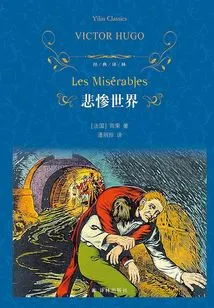
Les Miserables (classic Translation)
General Fiction悲惨世界(经典译林)
H
Jean Valjean had to serve nineteen years of hard labor for stealing a piece of bread; Fantine sold her teeth in order to raise her illegitimate daughter; the corpse thief became the savior of the general who escaped death. What kind of miserable world is this? Hugo used passionate writing to recreate the dark and soul-stirring era from the Napoleonic Wars to the French July Monarchy, and outlined the lives of a group of little people living at the bottom of society. Through the tragic experiences of Jean Val and others and a series of touching deeds after Jean Valjean was converted by Bishop Bian Furu, this book profoundly exposes and criticizes the decadent nature and evil phenomena of French feudal autocratic society in the 19th century. It expresses compassion and sympathy for the exploitation, fraud and cruel persecution suffered by the poor people under the heavy feudal pressure.
Jean Valjean had to serve nineteen years of hard labor for stealing a piece of bread; Fantine sold her teeth in order to raise her illegitimate daughter; the corpse thief became the savior of the general who escaped death. What kind of miserable world is this? Hugo used passionate writing to recreate the dark and soul-stirring era from the Napoleonic Wars to the French July Monarchy, and outlined the lives of a group of little people living at the bottom of society. Through the tragic experiences of Jean Val and others and a series of touching deeds after Jean Valjean was converted by Bishop Bian Furu, this book profoundly exposes and criticizes the decadent nature and evil phenomena of French feudal autocratic society in the 19th century. It expresses compassion and sympathy for the exploitation, fraud and cruel persecution suffered by the poor people under the heavy feudal pressure.
Notre Dame De Paris (top Ten Literary Classics in the World)
General Fiction巴黎圣母院(世界十大文学名著)
H
"Notre Dame de Paris" is set in France in 1482. It focuses on the relationship between the gypsy girl Esmeralda and the young and handsome captain of the guard, the sanctimonious archdeacon and the deformed and ugly bell ringer. It describes the entanglement between the fates of Esmeralda, Cassimordo and Frollo and other major characters. Conflict and destruction tells a legendary and tragic story that took place in Paris, France in the 15th century. It artistically reproduces the historical reality of France during the reign of King Louis XI, passionately sings the noble humanity of the gypsy girl and the bell ringer, and deeply lashes out at the hypocrisy and despicability of the captain of the guard and the deputy bishop. The novel embodies Hugo's artistic expression principle of "contrast between beauty and ugliness". Its publication broke the shackles of pseudo-classicism and marked the complete victory of romanticism.
"Notre Dame de Paris" is set in France in 1482. It focuses on the relationship between the gypsy girl Esmeralda and the young and handsome captain of the guard, the sanctimonious archdeacon and the deformed and ugly bell ringer. It describes the entanglement between the fates of Esmeralda, Cassimordo and Frollo and other major characters. Conflict and destruction tells a legendary and tragic story that took place in Paris, France in the 15th century. It artistically reproduces the historical reality of France during the reign of King Louis XI, passionately sings the noble humanity of the gypsy girl and the bell ringer, and deeply lashes out at the hypocrisy and despicability of the captain of the guard and the deputy bishop. The novel embodies Hugo's artistic expression principle of "contrast between beauty and ugliness". Its publication broke the shackles of pseudo-classicism and marked the complete victory of romanticism.
1993
General Fiction九三年
H
"Ninety-Three Years" (1874) is Hugo's last novel. The novel creates three central characters: the Marquis de Lantenac, the leader of the Vendée rebels, his grandnephew, Guo Wen, the commander of the Republican Army who suppressed the rebellion, and Simourden, Guo Wen's tutor and commissioner of the Public Security Commission. An intricate plot unfolded around them, vividly describing the historical scene of the life-and-death struggle between the bourgeoisie and feudal forces in 1793. At the end of the novel: Lanternac, who had narrowly escaped death, returned to the burning castle to rescue three children due to his conscience. Guo Wen was moved by his uncle's humanitarian spirit and was willing to trade his own head for Landenac's life; Simulden shot himself while Guo Wen's head fell to the ground. "1993" Can be said to be the most perfect expression of Hugo's writing art and humanitarian spirit.
"Ninety-Three Years" (1874) is Hugo's last novel. The novel creates three central characters: the Marquis de Lantenac, the leader of the Vendée rebels, his grandnephew, Guo Wen, the commander of the Republican Army who suppressed the rebellion, and Simourden, Guo Wen's tutor and commissioner of the Public Security Commission. An intricate plot unfolded around them, vividly describing the historical scene of the life-and-death struggle between the bourgeoisie and feudal forces in 1793. At the end of the novel: Lanternac, who had narrowly escaped death, returned to the burning castle to rescue three children due to his conscience. Guo Wen was moved by his uncle's humanitarian spirit and was willing to trade his own head for Landenac's life; Simulden shot himself while Guo Wen's head fell to the ground. "1993" Can be said to be the most perfect expression of Hugo's writing art and humanitarian spirit.
Notre Dame De Paris (collection Edition)
General Fiction巴黎圣母院(典藏本)
H
"Notre Dame de Paris" is the representative work of French writer Victor Hugo. It is a historical novel rich in romanticism. The book takes the twists and turns of the beautiful and kind-hearted street performer Esmeralda and the ugly Notre Dame bell-ringer Quasimodo as the main line. It panoramically displays the customs, beliefs, ethics, law, art and other aspects of medieval Paris, with exciting plots and rich scenes. With his certain philosophical cultivation and profound historical knowledge, the writer's profound insight into the society at that time and the rich presentation of the tragic situation of the people at the bottom triggered readers to think about what is truth, goodness and beauty, and what is false, evil and ugly. This made the novel a world literary classic that transcends time and space, and its influence continues to this day. The translator, Mr. Cheng Zenghou, had a lifelong love and accumulation of Hugo. When he was nearly 60 years old, he began to translate "Notre Dame de Paris" and regarded it as an academic project. In addition to careful consideration of the translation, it also provides contemporary Chinese readers with more than a thousand annotations and more than a hundred exquisite pictures that are rare in other Chinese translations, so as to help readers better experience the full picture of Paris in medieval France while reading the classics.
"Notre Dame de Paris" is the representative work of French writer Victor Hugo. It is a historical novel rich in romanticism. The book takes the twists and turns of the beautiful and kind-hearted street performer Esmeralda and the ugly Notre Dame bell-ringer Quasimodo as the main line. It panoramically displays the customs, beliefs, ethics, law, art and other aspects of medieval Paris, with exciting plots and rich scenes. With his certain philosophical cultivation and profound historical knowledge, the writer's profound insight into the society at that time and the rich presentation of the tragic situation of the people at the bottom triggered readers to think about what is truth, goodness and beauty, and what is false, evil and ugly. This made the novel a world literary classic that transcends time and space, and its influence continues to this day. The translator, Mr. Cheng Zenghou, had a lifelong love and accumulation of Hugo. When he was nearly 60 years old, he began to translate "Notre Dame de Paris" and regarded it as an academic project. In addition to careful consideration of the translation, it also provides contemporary Chinese readers with more than a thousand annotations and more than a hundred exquisite pictures that are rare in other Chinese translations, so as to help readers better experience the full picture of Paris in medieval France while reading the classics.
O
General Fictiono
H
The plot of this work is bizarre, the characters are grotesque, and it is full of coincidences and exaggerations. Especially the use of the principle of contrast between beauty and ugliness adds to the romantic atmosphere. For example, Esmeralda was abducted sixteen years ago, and the day when mother and daughter reunited was the time of farewell; Quasimodo alone withstood the attack of hundreds of people on the top floor of Notre Dame; when the bones of Esmeralda and Quasimodo hugging each other in the cemetery were separated, they immediately weathered. Another example is the contrast between two "dynasties", two "kings", and two "tribunals". One is filled with the kindness and friendship of the common people, while the other is filled with cruelty, stupidity, and hypocrisy; the contrast between the goodness of Esmeralda and Quasimodo and the evil of the archdeacon and Phoebus, as well as the contrast between the light and darkness, the noble and the humble of the characters themselves, etc. The author's presentation of the colorful scenery of the Middle Ages and his praise of the medieval Gothic building of Notre Dame de Paris also make the work more romantic.
The plot of this work is bizarre, the characters are grotesque, and it is full of coincidences and exaggerations. Especially the use of the principle of contrast between beauty and ugliness adds to the romantic atmosphere. For example, Esmeralda was abducted sixteen years ago, and the day when mother and daughter reunited was the time of farewell; Quasimodo alone withstood the attack of hundreds of people on the top floor of Notre Dame; when the bones of Esmeralda and Quasimodo hugging each other in the cemetery were separated, they immediately weathered. Another example is the contrast between two "dynasties", two "kings", and two "tribunals". One is filled with the kindness and friendship of the common people, while the other is filled with cruelty, stupidity, and hypocrisy; the contrast between the goodness of Esmeralda and Quasimodo and the evil of the archdeacon and Phoebus, as well as the contrast between the light and darkness, the noble and the humble of the characters themselves, etc. The author's presentation of the colorful scenery of the Middle Ages and his praise of the medieval Gothic building of Notre Dame de Paris also make the work more romantic.
O
General Fictiono
H
This book is the first large-scale romantic novel by French writer Hugo. It uses bizarre and contrasting techniques to tell a story that took place in France in the 15th century: Claude, the vice-president of Notre Dame de Paris, was sanctimonious and vicious, loved first and then hated, and persecuted the Gypsy girl Esmeralda. The ugly but kind-hearted bell ringer Quasimodo sacrificed his life to save the girl. The novel exposes the hypocrisy of religion, declares the bankruptcy of asceticism, praises the kindness, friendship and self-sacrifice of the lower working people, and reflects Hugo's humanitarian thoughts.
This book is the first large-scale romantic novel by French writer Hugo. It uses bizarre and contrasting techniques to tell a story that took place in France in the 15th century: Claude, the vice-president of Notre Dame de Paris, was sanctimonious and vicious, loved first and then hated, and persecuted the Gypsy girl Esmeralda. The ugly but kind-hearted bell ringer Quasimodo sacrificed his life to save the girl. The novel exposes the hypocrisy of religion, declares the bankruptcy of asceticism, praises the kindness, friendship and self-sacrifice of the lower working people, and reflects Hugo's humanitarian thoughts.

Notre Dame De Paris (translation 40)
General Fiction巴黎圣母院(译文40)
H
"Notre Dame de Paris" is a masterpiece of the novel by the famous French novelist and poet Victor Hugo. The gypsy girl Esmeralda is a street performer, and Froed, the deputy bishop of Notre Dame Church, wants to take possession of her. Later, it was discovered that she had another lover, and she assassinated her lover and framed the blame on her, resulting in her being sentenced to death. Quasimodo, the ugly bell ringer who was full of love and humility for her, rescued her and took refuge in Notre Dame. Froed kidnapped her and forced her to give in to his bestial desires. After being refused, Froude handed her over to the officers and soldiers and watched her being hanged upstairs in Notre Dame. In despair, Quasimodo angrily pushed Froude, who had raised him, off the attic and fell to death. He went to the Eagle Mountain Crypt to hug Esmeralda's body and died with her, completing the "wedding".
"Notre Dame de Paris" is a masterpiece of the novel by the famous French novelist and poet Victor Hugo. The gypsy girl Esmeralda is a street performer, and Froed, the deputy bishop of Notre Dame Church, wants to take possession of her. Later, it was discovered that she had another lover, and she assassinated her lover and framed the blame on her, resulting in her being sentenced to death. Quasimodo, the ugly bell ringer who was full of love and humility for her, rescued her and took refuge in Notre Dame. Froed kidnapped her and forced her to give in to his bestial desires. After being refused, Froude handed her over to the officers and soldiers and watched her being hanged upstairs in Notre Dame. In despair, Quasimodo angrily pushed Froude, who had raised him, off the attic and fell to death. He went to the Eagle Mountain Crypt to hug Esmeralda's body and died with her, completing the "wedding".
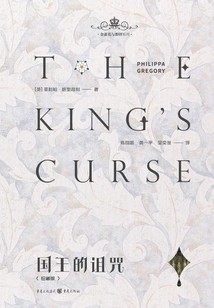
The King's Curse (collector's Edition)
General Fiction国王的诅咒(珍藏版)
H
Power and love are always difficult to have at the same time, but truth and death go hand in hand - in the spring of 1502, Arthur Tudor, who was only sixteen years old, died unexpectedly. The young crown prince who had the same name as the ancient British king passed away before he could realize his ideals of governing the country. The king and his wife lost their beloved son, and his young widow Catherine had to wait for the king's brother to come of age to remarry him... In the autumn of 1514, a newborn baby stopped breathing in his infancy. Queen Catherine suffered the loss of another son, and the Tudor dynasty still had not yet welcomed the expected heir. Only the last of the Plantagenets, Margaret Pole, might know why. That was a curse, derived from the power of the water goddess Melusina-those who murder the princes in the tower will also be cut off from their own escape. The book "The King's Curse" tells the story of the troubled life of Margaret Pole, a descendant of Plantagenet. Her noble birth was the reason why she was deposed by the Tudor family. She fell into abject poverty and lived in hardship for a time. After Henry VIII succeeded to the throne, she regained the favor of the royal family and her status rose. She was even later named Countess of Salisbury. Queen Catherine's inability to give birth to an heir becomes a dark cloud hanging over the Tudor royal family. Margaret remembers a secret curse passed down in the family: the descendants of anyone who murders the Plantagenet Prince in the Tower will suffer the same fate. As Henry fell out with the queen, Margaret, who sided with Catherine, once again lost the king's trust, and her fate became precarious... Readers who want to understand the history of the Tudor Dynasty can feel the intensity of the various struggles surrounding the throne of England at that time from the book.
Power and love are always difficult to have at the same time, but truth and death go hand in hand - in the spring of 1502, Arthur Tudor, who was only sixteen years old, died unexpectedly. The young crown prince who had the same name as the ancient British king passed away before he could realize his ideals of governing the country. The king and his wife lost their beloved son, and his young widow Catherine had to wait for the king's brother to come of age to remarry him... In the autumn of 1514, a newborn baby stopped breathing in his infancy. Queen Catherine suffered the loss of another son, and the Tudor dynasty still had not yet welcomed the expected heir. Only the last of the Plantagenets, Margaret Pole, might know why. That was a curse, derived from the power of the water goddess Melusina-those who murder the princes in the tower will also be cut off from their own escape. The book "The King's Curse" tells the story of the troubled life of Margaret Pole, a descendant of Plantagenet. Her noble birth was the reason why she was deposed by the Tudor family. She fell into abject poverty and lived in hardship for a time. After Henry VIII succeeded to the throne, she regained the favor of the royal family and her status rose. She was even later named Countess of Salisbury. Queen Catherine's inability to give birth to an heir becomes a dark cloud hanging over the Tudor royal family. Margaret remembers a secret curse passed down in the family: the descendants of anyone who murders the Plantagenet Prince in the Tower will suffer the same fate. As Henry fell out with the queen, Margaret, who sided with Catherine, once again lost the king's trust, and her fate became precarious... Readers who want to understand the history of the Tudor Dynasty can feel the intensity of the various struggles surrounding the throne of England at that time from the book.
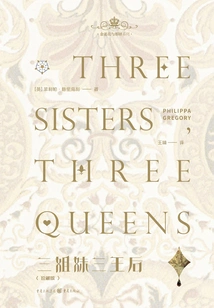
Three Sisters and Three Queens (collector's Edition)
General Fiction三姐妹三王后(珍藏版)
H
Power and love are always difficult to have at the same time, but truth and death go hand in hand - In the hot summer of 1503, Margaret of the Tudor family held a grand ceremony with the King of Scotland. The marriage and coronation simultaneously gave the Tudor princess happiness and power. She was very satisfied with the marriage: she was marrying a mature monarch, while Catherine, who was married to her brother Arthur, was just a princess. However, thousands of miles away and alone, she could only confide in endless letters with Catherine and her sister Mary, who was married to France. The three aristocratic women were like sisters, but they also had hidden jealousies. They had no choice about the future. Giving birth to a precious heir was the only meaning of becoming a queen. Conspiracy and lust for power separate their emotions. How will they finally make a choice? "Three Sisters and Three Queens" focuses on the three women around Henry VIII: his biological sisters and his first queen. Margaret and Mary married in Scotland and France respectively, while Catherine, who became his queen, came from Spain. Although the three of them were royal ladies, they essentially still had to rely on male dignitaries to make a living. The meaning of life was just to give birth to children, but under the harsh medical conditions at the time, every birth was like a trip to hell. Whichever of them gives birth to a prince first, may become the mother of the Tudor heir. The emotions of the three people are interdependent and undercurrent... The book shows the reality of the low social status of women at that time from the side many times, and can also see the budding self-awareness of women who are bound by traditional education.
Power and love are always difficult to have at the same time, but truth and death go hand in hand - In the hot summer of 1503, Margaret of the Tudor family held a grand ceremony with the King of Scotland. The marriage and coronation simultaneously gave the Tudor princess happiness and power. She was very satisfied with the marriage: she was marrying a mature monarch, while Catherine, who was married to her brother Arthur, was just a princess. However, thousands of miles away and alone, she could only confide in endless letters with Catherine and her sister Mary, who was married to France. The three aristocratic women were like sisters, but they also had hidden jealousies. They had no choice about the future. Giving birth to a precious heir was the only meaning of becoming a queen. Conspiracy and lust for power separate their emotions. How will they finally make a choice? "Three Sisters and Three Queens" focuses on the three women around Henry VIII: his biological sisters and his first queen. Margaret and Mary married in Scotland and France respectively, while Catherine, who became his queen, came from Spain. Although the three of them were royal ladies, they essentially still had to rely on male dignitaries to make a living. The meaning of life was just to give birth to children, but under the harsh medical conditions at the time, every birth was like a trip to hell. Whichever of them gives birth to a prince first, may become the mother of the Tudor heir. The emotions of the three people are interdependent and undercurrent... The book shows the reality of the low social status of women at that time from the side many times, and can also see the budding self-awareness of women who are bound by traditional education.

Duology of Fools (set of 2 Volumes in Total)
General Fiction愚人二部曲(套装共2册)
P
"Duology of Fools" is a series of works by the famous American writer Richard Russo. The novel tells the story of the decline of the American Rust Belt and the people at the bottom struggling in the decadence. Through the daily depiction of the small town, the writer keenly captures the life dilemmas, family conflicts, emotional entanglements, fulfillment and evasion of moral obligations of contemporary people. The seemingly simple family love presents complex emotional tension in Russo's writing. "Sully the Fool" is the first part of the "Duology of Fools". With humorous, sophisticated and touching words, the writer describes the life of Bath Town, a simple town in northern New York: unhappy marriage life, estranged father-son relationship, ruthless capital erosion, hopeless people who stick to the bottom line of human nature... "Fool Remo" is the sequel to "Fool Sally". In "Remo the Fool", former enemies have reached reconciliation, emotional betrayals have been forgiven, and the little people still walk forward with courage, humor and warmth.
"Duology of Fools" is a series of works by the famous American writer Richard Russo. The novel tells the story of the decline of the American Rust Belt and the people at the bottom struggling in the decadence. Through the daily depiction of the small town, the writer keenly captures the life dilemmas, family conflicts, emotional entanglements, fulfillment and evasion of moral obligations of contemporary people. The seemingly simple family love presents complex emotional tension in Russo's writing. "Sully the Fool" is the first part of the "Duology of Fools". With humorous, sophisticated and touching words, the writer describes the life of Bath Town, a simple town in northern New York: unhappy marriage life, estranged father-son relationship, ruthless capital erosion, hopeless people who stick to the bottom line of human nature... "Fool Remo" is the sequel to "Fool Sally". In "Remo the Fool", former enemies have reached reconciliation, emotional betrayals have been forgiven, and the little people still walk forward with courage, humor and warmth.
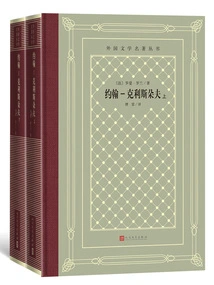
John-christophe (top and Bottom)
General Fiction约翰-克利斯朵夫(上下)
H
"John-Christophe" is Romain Rolland's masterpiece novel. It reflects a series of contradictions and conflicts in real society through the life experience of John-Christophe, and promotes humanitarianism and heroism. The novel describes the struggling life of John-Christophe, from the awakening of his musical talent as a child, to his contempt and resistance to the powerful in his youth, to his career pursuit and success as an adult, and finally to the lofty state of spiritual tranquility. In 1915 Romain Rolland won the Nobel Prize for Literature for "Johan-Christophe". The translator of this book is Fu Lei, a famous Chinese translator, writer, educator, and art critic. The translation is beautiful and fluent. It accurately translates the author's descriptions of various types of music, and uses a vivid translation to present the author's high morale revealed between the lines.
"John-Christophe" is Romain Rolland's masterpiece novel. It reflects a series of contradictions and conflicts in real society through the life experience of John-Christophe, and promotes humanitarianism and heroism. The novel describes the struggling life of John-Christophe, from the awakening of his musical talent as a child, to his contempt and resistance to the powerful in his youth, to his career pursuit and success as an adult, and finally to the lofty state of spiritual tranquility. In 1915 Romain Rolland won the Nobel Prize for Literature for "Johan-Christophe". The translator of this book is Fu Lei, a famous Chinese translator, writer, educator, and art critic. The translation is beautiful and fluent. It accurately translates the author's descriptions of various types of music, and uses a vivid translation to present the author's high morale revealed between the lines.
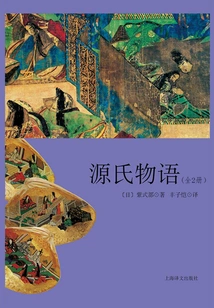
The Tale of Genji (2 Volumes in Total)
General Fiction源氏物语(全2册)
H
"The Tale of Genji" is the world's earliest full-length realistic novel and Japan's immortal "national literature". It ushered in the era of "mono-sorrow" and had a profound impact on the development of Japanese literature in later generations. It is known as the source of inspiration for Japanese literature and the highest peak of Japanese classical realism literature. The work was written between approximately 1001 and 1008 AD. The novel is set in the heyday of the Heian Dynasty in Japan, with the Genji family as the center. The first two parts describe the tragic or beautiful love lives of the Genji family and the women. The third part uses the son of the Genji family, Kaoru-kun, as the protagonist, and lays out the complicated love entanglements between men and women. The original text of the book is nearly a million words, and the 400-word manuscript uses about 2,400 sheets of paper. It has a total of fifty-four chapters, covering the lives of three generations, four generations of emperors, a period of more than seventy years, and nearly 500 characters. It shows the various aspects of court life in the Heian period (equivalent to the Northern Song Dynasty in my country), leaving a detailed and rich sketch of the aristocratic life in the Heian and prosperous times. The story is outstandingly elegant, the psychological description is ingenious, the structure is exquisite and meticulous, the beauty of the writing and the avant-garde aesthetic consciousness can be called "the classic among the classics", and it is the highest masterpiece in the history of Japanese literature. "The Tale of Genji" is known as Japan's "Dream of Red Mansions" and is listed among the top ten ideal collections of Asian literature along with "Dream of Red Mansions" and "Selected Poems of the Tang Dynasty".
"The Tale of Genji" is the world's earliest full-length realistic novel and Japan's immortal "national literature". It ushered in the era of "mono-sorrow" and had a profound impact on the development of Japanese literature in later generations. It is known as the source of inspiration for Japanese literature and the highest peak of Japanese classical realism literature. The work was written between approximately 1001 and 1008 AD. The novel is set in the heyday of the Heian Dynasty in Japan, with the Genji family as the center. The first two parts describe the tragic or beautiful love lives of the Genji family and the women. The third part uses the son of the Genji family, Kaoru-kun, as the protagonist, and lays out the complicated love entanglements between men and women. The original text of the book is nearly a million words, and the 400-word manuscript uses about 2,400 sheets of paper. It has a total of fifty-four chapters, covering the lives of three generations, four generations of emperors, a period of more than seventy years, and nearly 500 characters. It shows the various aspects of court life in the Heian period (equivalent to the Northern Song Dynasty in my country), leaving a detailed and rich sketch of the aristocratic life in the Heian and prosperous times. The story is outstandingly elegant, the psychological description is ingenious, the structure is exquisite and meticulous, the beauty of the writing and the avant-garde aesthetic consciousness can be called "the classic among the classics", and it is the highest masterpiece in the history of Japanese literature. "The Tale of Genji" is known as Japan's "Dream of Red Mansions" and is listed among the top ten ideal collections of Asian literature along with "Dream of Red Mansions" and "Selected Poems of the Tang Dynasty".
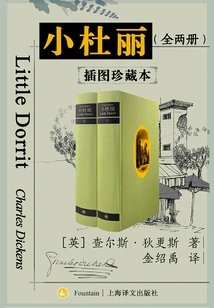
小杜丽(全两册)(插图珍藏本)
H
A dark family history full of revenge and deceit, repression and sadness, a dense forest intertwined with countless plots; a classic translation that has been out of print for many years, and precious original illustrations to reproduce Dickens's great classic. "The Little Society," published in 1857, is one of Dickens's greatest late works. The novel is set in Marshall West Gaol, a famous debtor's prison in London during the Victorian period. It tells the bitter and bumpy growth process of the "prison daughter" Little Dolly, and reveals the dark family history of Clennan, the hero, full of revenge and deceit, oppression and sadness. The story and characters are so complex that critics call it a "dense forest intertwined with countless plots". Reading it is like peeling off a cocoon, making readers sigh and find it difficult to put down the book. The book's broad depiction of British society in the Victorian era, its profound exposure of the greedy nature and filthy souls of capitalists hidden under the cloak of hypocrisy, and its ruthless mockery of the corrupt officialdom embody the characteristics of Dickens' later works: his ideological content tends to be more profound and rich, and his ability to control characters and plots tends to be more mature.
A dark family history full of revenge and deceit, repression and sadness, a dense forest intertwined with countless plots; a classic translation that has been out of print for many years, and precious original illustrations to reproduce Dickens's great classic. "The Little Society," published in 1857, is one of Dickens's greatest late works. The novel is set in Marshall West Gaol, a famous debtor's prison in London during the Victorian period. It tells the bitter and bumpy growth process of the "prison daughter" Little Dolly, and reveals the dark family history of Clennan, the hero, full of revenge and deceit, oppression and sadness. The story and characters are so complex that critics call it a "dense forest intertwined with countless plots". Reading it is like peeling off a cocoon, making readers sigh and find it difficult to put down the book. The book's broad depiction of British society in the Victorian era, its profound exposure of the greedy nature and filthy souls of capitalists hidden under the cloak of hypocrisy, and its ruthless mockery of the corrupt officialdom embody the characteristics of Dickens' later works: his ideological content tends to be more profound and rich, and his ability to control characters and plots tends to be more mature.
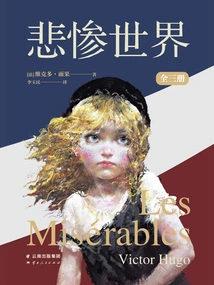
Les Miserables (all Three Volumes)
General Fiction悲惨世界(全三册)
G
"Les Misérables" is a novel published by French writer Victor Hugo in 1862. "Les Misérables" is clearly about tragedy, but in fact it is about the glory of human nature. Through the tragic experiences of Jean Valjean and others and a series of touching deeds after Jean Valjean was converted by the bishop, the novel profoundly reveals the contradictions and ugliness of society, and eulogizes the truth, goodness and beauty of human nature. It is a model of the combination of realism and romanticism in the history of world literature. It is known as an encyclopedia of human suffering and has a shocking artistic appeal.
"Les Misérables" is a novel published by French writer Victor Hugo in 1862. "Les Misérables" is clearly about tragedy, but in fact it is about the glory of human nature. Through the tragic experiences of Jean Valjean and others and a series of touching deeds after Jean Valjean was converted by the bishop, the novel profoundly reveals the contradictions and ugliness of society, and eulogizes the truth, goodness and beauty of human nature. It is a model of the combination of realism and romanticism in the history of world literature. It is known as an encyclopedia of human suffering and has a shocking artistic appeal.
Ac
General Fictionac
H
"David Copperfield" is a novel written by the British novelist Charles Dickens. The book adopts a first-person narrative and incorporates many of the author's own life experiences, integrating the sincerity and darkness of friends, the childishness and impulsiveness of love, the sweetness and triviality of marriage, and the conflicts and harmony of family members into a stream. The language is witty and interesting, showing a broad picture of Britain in the mid-19th century, reflecting Dickens's ideal that the world is full of kindness and justice.
"David Copperfield" is a novel written by the British novelist Charles Dickens. The book adopts a first-person narrative and incorporates many of the author's own life experiences, integrating the sincerity and darkness of friends, the childishness and impulsiveness of love, the sweetness and triviality of marriage, and the conflicts and harmony of family members into a stream. The language is witty and interesting, showing a broad picture of Britain in the mid-19th century, reflecting Dickens's ideal that the world is full of kindness and justice.

Trial Issue
General Fiction试刊号
H
"Trial Issue" is the last novel written by Italian writer Umberto Eco before his death. Through a conspiracy-laden experiment in running a newspaper, it conducts a profound analysis and criticism of modern journalism. In Milan in 1992, several reporters joined a daily newspaper that was being prepared, "Tomorrow Daily", ambitious to show off their skills in new positions...
"Trial Issue" is the last novel written by Italian writer Umberto Eco before his death. Through a conspiracy-laden experiment in running a newspaper, it conducts a profound analysis and criticism of modern journalism. In Milan in 1992, several reporters joined a daily newspaper that was being prepared, "Tomorrow Daily", ambitious to show off their skills in new positions...
P
General Fictionp
H
"The Wizard of Oz" was published in 1900. It is one of the "Ten Great American Children's Literature Works" selected by the American Children's Literature Association and one of the children's books recommended by the American Education Association. "The Wizard of Oz", with its fantastic scenes, gripping plot and endless imagination, has been translated into more than 20 languages since its publication and is a well-deserved fairy tale classic. After "The Wizard of Oz", Baum continued to create a series of Oz series, a total of 14 books. "The Wizard of Oz" was adapted into a popular film in 1939 and has since become one of the most famous stories in the history of American pop culture.
"The Wizard of Oz" was published in 1900. It is one of the "Ten Great American Children's Literature Works" selected by the American Children's Literature Association and one of the children's books recommended by the American Education Association. "The Wizard of Oz", with its fantastic scenes, gripping plot and endless imagination, has been translated into more than 20 languages since its publication and is a well-deserved fairy tale classic. After "The Wizard of Oz", Baum continued to create a series of Oz series, a total of 14 books. "The Wizard of Oz" was adapted into a popular film in 1939 and has since become one of the most famous stories in the history of American pop culture.
Dear Enemy: the Daddy-long-legs Sequel
General Fiction亲爱的敌人:长腿叔叔续集
H
"Dear Enemy" is the sequel to "Daddy-Long-Legs". This is also an epistolary novel, but the protagonist is replaced by Judy's college classmate and best friend-Sally. After Judy married "Daddy Long Legs" Jervis, the two lived a happy and sweet life. Judy wanted to improve the John Greer Orphanage where she once lived. When they saw that the optimistic Sally was still living a willful and muddled life, with "no progress" in their words, the couple decided to invite Sally to be the director of the John Greer Orphanage. Sally was reluctant at first, but after Judy's repeated persuasion and politician Gordon's cynicism (Sally believed that the latter had a greater driving force), this red-haired Irish descendant came to the orphanage resolutely...
"Dear Enemy" is the sequel to "Daddy-Long-Legs". This is also an epistolary novel, but the protagonist is replaced by Judy's college classmate and best friend-Sally. After Judy married "Daddy Long Legs" Jervis, the two lived a happy and sweet life. Judy wanted to improve the John Greer Orphanage where she once lived. When they saw that the optimistic Sally was still living a willful and muddled life, with "no progress" in their words, the couple decided to invite Sally to be the director of the John Greer Orphanage. Sally was reluctant at first, but after Judy's repeated persuasion and politician Gordon's cynicism (Sally believed that the latter had a greater driving force), this red-haired Irish descendant came to the orphanage resolutely...
K
General Fictionk
H
Judy, a little orphan girl who grew up in an orphanage, unexpectedly received the help of a kind-hearted director and entered the university of her dreams. Since Judy had never met this director, but accidentally saw his slender figure cast against the wall like a long-legged spider, she nicknamed him "Daddy-Long-Legs." When "Daddy-Long-Legs" sponsored her, he asked her to write to him every month to report every detail of her life, and declared that she would not reply to his letters. So, Judy began to write letters to her "daddy-long-legs" in a funny and sincere style. Suddenly one day, the mysterious "Daddy-Long-Legs" finally appeared...
Judy, a little orphan girl who grew up in an orphanage, unexpectedly received the help of a kind-hearted director and entered the university of her dreams. Since Judy had never met this director, but accidentally saw his slender figure cast against the wall like a long-legged spider, she nicknamed him "Daddy-Long-Legs." When "Daddy-Long-Legs" sponsored her, he asked her to write to him every month to report every detail of her life, and declared that she would not reply to his letters. So, Judy began to write letters to her "daddy-long-legs" in a funny and sincere style. Suddenly one day, the mysterious "Daddy-Long-Legs" finally appeared...
K
General Fictionk
H
The protagonist of "Daddy-Long-Legs", Joshua Albert (later renamed Judy), is a little girl who grew up in an orphanage. She is an excellent writer and was sponsored by an anonymous director of the orphanage to go to college. Judy had never met this director, but saw him by chance, so she called him "Daddy-Long-Legs." As a requirement for funding, the director asked Judy to write him a letter every month, reporting every detail of her life in order to practice her writing skills. This book is composed of letters written by Judy to Daddy-Long-Legs. From it, we can see a girl's growth path of studying hard, finding herself, becoming independent, and finally realizing her dream as a writer.
The protagonist of "Daddy-Long-Legs", Joshua Albert (later renamed Judy), is a little girl who grew up in an orphanage. She is an excellent writer and was sponsored by an anonymous director of the orphanage to go to college. Judy had never met this director, but saw him by chance, so she called him "Daddy-Long-Legs." As a requirement for funding, the director asked Judy to write him a letter every month, reporting every detail of her life in order to practice her writing skills. This book is composed of letters written by Judy to Daddy-Long-Legs. From it, we can see a girl's growth path of studying hard, finding herself, becoming independent, and finally realizing her dream as a writer.
K
General Fictionk
H
"Daddy Long Legs" is a novel written by American writer Jane Webster in 1912. The main story of this novel is that Judy grew up in an orphanage. When she was 18 years old, luck came to her. An anonymous director of the orphanage named "Daddy-Long-Legs" was willing to sponsor her to go to college. But there is one condition, that is, Judy must write a letter every month to report on her study and life situation, and there will be no reply to her. In the next four years, Judy, who was independent and self-respecting, kept writing letters to this uncle she had never met as a spiritual sustenance. Although she received help, she did not rely on it. Instead, she studied hard, obtained a scholarship, and used her vacations to tutor, determined to become a writer. But the letters she wrote were like nothing. When she knew she would never get a reply, she also complained to "Daddy-Long-Legs". And when she was about to confess her love to the excellent and outstanding Master Jiewei, "Daddy Long Legs" finally showed up - Master Jiewei was the "Daddy Long Legs" who supported her.
"Daddy Long Legs" is a novel written by American writer Jane Webster in 1912. The main story of this novel is that Judy grew up in an orphanage. When she was 18 years old, luck came to her. An anonymous director of the orphanage named "Daddy-Long-Legs" was willing to sponsor her to go to college. But there is one condition, that is, Judy must write a letter every month to report on her study and life situation, and there will be no reply to her. In the next four years, Judy, who was independent and self-respecting, kept writing letters to this uncle she had never met as a spiritual sustenance. Although she received help, she did not rely on it. Instead, she studied hard, obtained a scholarship, and used her vacations to tutor, determined to become a writer. But the letters she wrote were like nothing. When she knew she would never get a reply, she also complained to "Daddy-Long-Legs". And when she was about to confess her love to the excellent and outstanding Master Jiewei, "Daddy Long Legs" finally showed up - Master Jiewei was the "Daddy Long Legs" who supported her.
Everyone is Different
Literature人各有异
I
Simplicity and joy in a complex world, peace and clarity in a feather. The most famous collection of essays by E. B. White, the greatest American essayist of the 20th century, returns to nature and sees sincerity in the trivial, which is the farm life essay that hatched "Charlotte's Web". E. B. White's "People Are Different" is a summary of what he saw, heard, thought, and did during five years on his farm in Maine. In the winter of 1938, just as his career at The New Yorker was going smoothly, White suddenly turned around and ran to Maine to work as a farmer. From spring to summer, and from autumn to winter, he personally managed a farm. The reason here may have a lot to do with Thoreau. From White's writings, we can always see the connection between the two. However, the more important point is that White, like Thoreau, is always wary of the deprivation and infringement of personal freedom in the name of the country, government, collective, etc. Even The New Yorker's requirement that editors always speak as "we" made him uncomfortable. It was in the countryside of Maine that "he found his subject (himself) and a gentle but sincere tone." He replaced "we" with "I" and achieved the independent existence of intellectuals as individuals. From this we can see that this book is a slow book, so we might as well read it slowly. There is no subtle statement in the book, but when it comes to society, it is still common sense. What he wrote is an attitude and a state of mind. What he wants to build is a simple, aesthetic life, although this simple life sometimes requires miserable management and a lot of work.
Simplicity and joy in a complex world, peace and clarity in a feather. The most famous collection of essays by E. B. White, the greatest American essayist of the 20th century, returns to nature and sees sincerity in the trivial, which is the farm life essay that hatched "Charlotte's Web". E. B. White's "People Are Different" is a summary of what he saw, heard, thought, and did during five years on his farm in Maine. In the winter of 1938, just as his career at The New Yorker was going smoothly, White suddenly turned around and ran to Maine to work as a farmer. From spring to summer, and from autumn to winter, he personally managed a farm. The reason here may have a lot to do with Thoreau. From White's writings, we can always see the connection between the two. However, the more important point is that White, like Thoreau, is always wary of the deprivation and infringement of personal freedom in the name of the country, government, collective, etc. Even The New Yorker's requirement that editors always speak as "we" made him uncomfortable. It was in the countryside of Maine that "he found his subject (himself) and a gentle but sincere tone." He replaced "we" with "I" and achieved the independent existence of intellectuals as individuals. From this we can see that this book is a slow book, so we might as well read it slowly. There is no subtle statement in the book, but when it comes to society, it is still common sense. What he wrote is an attitude and a state of mind. What he wants to build is a simple, aesthetic life, although this simple life sometimes requires miserable management and a lot of work.