Library
Browse and search books
13,360 novels found
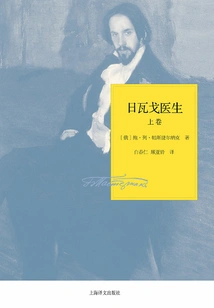
Doctor Zhivago (part 1) (pasternak's Works Series)
General Fiction日瓦戈医生(上)(帕斯捷尔纳克作品系列)
H
Introduction to "Doctor Zhivago (Part 1)": Zhivago, a surgeon who was born into a family of intellectuals, served in the Tsarist army during World War I. He saw the weakness and incompetence of the Tsarist army and the corruption of the old army. His intelligent mind foresaw the maturation of the revolutionary power. He expected that the revolution would bring new life to the country and the people, and supported the new regime with positive actions. However, the harsh reality of the civil war and the subsequent implementation of a series of policies by the new regime made this honest and upright old intellectual develop deep doubts and fears about violence and centralization, and he was under tremendous pressure in a forced and systematic double life. He praised the simple and tranquil Russian quality and yearned to live a quiet life and do meaningful work; but this ideal of life, as well as his difficult and beautiful love with Lala, were ultimately not tolerated by the harsh reality.
Introduction to "Doctor Zhivago (Part 1)": Zhivago, a surgeon who was born into a family of intellectuals, served in the Tsarist army during World War I. He saw the weakness and incompetence of the Tsarist army and the corruption of the old army. His intelligent mind foresaw the maturation of the revolutionary power. He expected that the revolution would bring new life to the country and the people, and supported the new regime with positive actions. However, the harsh reality of the civil war and the subsequent implementation of a series of policies by the new regime made this honest and upright old intellectual develop deep doubts and fears about violence and centralization, and he was under tremendous pressure in a forced and systematic double life. He praised the simple and tranquil Russian quality and yearned to live a quiet life and do meaningful work; but this ideal of life, as well as his difficult and beautiful love with Lala, were ultimately not tolerated by the harsh reality.
T

Confessions of a Citizen (maloy Sandor)
General Fiction一个市民的自白(马洛伊·山多尔作品)
I
It arose in the golden age of Hungarian capitalism. It is a special social class including aristocrats, celebrities, capitalists, bankers, middle class and dilapidated nobles. It is the "citizen class" in the novel. This is the confession of a "citizen", this is the last elegy sung to the bourgeoisie, this is a picture of the life of the emerging citizen class in Eastern Europe between the two world wars, this is a period of exile, loneliness and determination. As the representative work of Malloy Sandor, in terms of literary and artistic standards, "Confessions of a Citizen" is completely comparable to Proust's "In Search of Lost Time" and Thomas Mann's "The Buddenbrooks".
It arose in the golden age of Hungarian capitalism. It is a special social class including aristocrats, celebrities, capitalists, bankers, middle class and dilapidated nobles. It is the "citizen class" in the novel. This is the confession of a "citizen", this is the last elegy sung to the bourgeoisie, this is a picture of the life of the emerging citizen class in Eastern Europe between the two world wars, this is a period of exile, loneliness and determination. As the representative work of Malloy Sandor, in terms of literary and artistic standards, "Confessions of a Citizen" is completely comparable to Proust's "In Search of Lost Time" and Thomas Mann's "The Buddenbrooks".
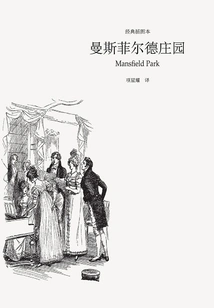
曼斯菲尔德庄园(奥斯丁文集经典插图本系列)
G
This book is one of the author's major works. The kind-hearted and sensible Fanny was fostered in the home of her wealthy aunt since she was a child because her family was poor. Although her aunt's two cousins were smart and beautiful, they were both arrogant and willful. Thanks to the kind care of her cousin Edmund, she found comfort and happiness in the life of being dependent on others. As an adult, Fanny often attended social gatherings with her cousins. They met the charming young man Crawford and his sister Mary at the pastor's house. Edmund falls in love with the beautiful and witty Mary at first sight, while Fanny's two cousins desperately pursue Crawford. Unexpectedly, Crawford discovers that he really likes Fanny after a casual encounter, while Fanny's deep love is always the gentle and sincere Edmund... The final ending of these young men and women trapped in emotional entanglements is unexpected, but also reasonable.
This book is one of the author's major works. The kind-hearted and sensible Fanny was fostered in the home of her wealthy aunt since she was a child because her family was poor. Although her aunt's two cousins were smart and beautiful, they were both arrogant and willful. Thanks to the kind care of her cousin Edmund, she found comfort and happiness in the life of being dependent on others. As an adult, Fanny often attended social gatherings with her cousins. They met the charming young man Crawford and his sister Mary at the pastor's house. Edmund falls in love with the beautiful and witty Mary at first sight, while Fanny's two cousins desperately pursue Crawford. Unexpectedly, Crawford discovers that he really likes Fanny after a casual encounter, while Fanny's deep love is always the gentle and sincere Edmund... The final ending of these young men and women trapped in emotional entanglements is unexpected, but also reasonable.
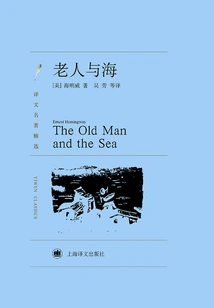
老人与海(译文名著精选)
I
Ernest Hemingway (1899-1961), one of the most outstanding writers in the United States, winner of the 1954 Nobel Prize for Literature. "The Old Man and the Sea" is Hemingway's most representative inspirational novel. The work describes an old Cuban fisherman who finally caught a big fish alone after eighty-four consecutive days without catching a fish. He fought with the big fish for three days at sea and finally killed it. On his way back, he was repeatedly attacked by sharks. When he finally returned to port, only the head, tail and a spine were left. This is a short but rich story. It has become a must-read inspirational work for most teenagers. "The Old Man and the Sea" also includes some of Hemingway's most representative short stories and short stories, from which readers can learn about Hemingway's novel writing style.
Ernest Hemingway (1899-1961), one of the most outstanding writers in the United States, winner of the 1954 Nobel Prize for Literature. "The Old Man and the Sea" is Hemingway's most representative inspirational novel. The work describes an old Cuban fisherman who finally caught a big fish alone after eighty-four consecutive days without catching a fish. He fought with the big fish for three days at sea and finally killed it. On his way back, he was repeatedly attacked by sharks. When he finally returned to port, only the head, tail and a spine were left. This is a short but rich story. It has become a must-read inspirational work for most teenagers. "The Old Man and the Sea" also includes some of Hemingway's most representative short stories and short stories, from which readers can learn about Hemingway's novel writing style.
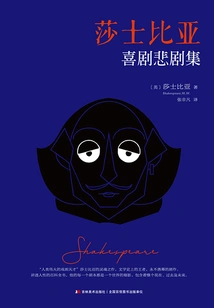
Shakespeare's Comedies and Tragedies
General Fiction莎士比亚喜剧悲剧集
H
This book is a collection of Shakespeare's classic plays, including the famous "Romeo and Juliet" among Shakespeare's early plays, the representative works "Hamlet" and "King Lear" among the "four major tragedies", and the representative works of his "four major comedies" "A Midsummer Night's Dream" and "The Merchant of Venice".
This book is a collection of Shakespeare's classic plays, including the famous "Romeo and Juliet" among Shakespeare's early plays, the representative works "Hamlet" and "King Lear" among the "four major tragedies", and the representative works of his "four major comedies" "A Midsummer Night's Dream" and "The Merchant of Venice".
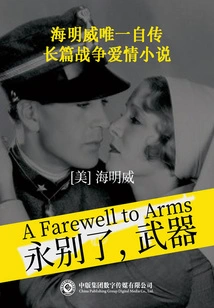
Farewell, Weapons
General Fiction永别了,武器
I
"A Farewell to Arms" is a novel written by the American novelist Ernest Hemingway. It is his early masterpiece and was first published on September 27, 1929. The work tells the story of an American young man, Frederick Henry, who volunteered for the Red Cross to drive an ambulance and rescue the wounded on the northern Italian front in the late World War I. During a mission, Henry was hit by a cannonball and injured. While recovering from his injuries in a Milan hospital, he was cared for by British nurse Catherine, and the two fell in love. After recovering from his injuries, Henry returned to the front line. When he retreated with the Italian troops, he witnessed the cruel scenes of the war. He resolutely left the army, joined Catherine and fled to Switzerland. As a result, Catherine died in childbirth. By describing the love between the two, the work reveals the absurd and cruel nature of war, reflecting the mutual killing between people in war and the destruction of human spirit and emotions by war. This book is a public edition, compiled by China Edition Group Digital Media Co., Ltd., And is not an imported edition.
"A Farewell to Arms" is a novel written by the American novelist Ernest Hemingway. It is his early masterpiece and was first published on September 27, 1929. The work tells the story of an American young man, Frederick Henry, who volunteered for the Red Cross to drive an ambulance and rescue the wounded on the northern Italian front in the late World War I. During a mission, Henry was hit by a cannonball and injured. While recovering from his injuries in a Milan hospital, he was cared for by British nurse Catherine, and the two fell in love. After recovering from his injuries, Henry returned to the front line. When he retreated with the Italian troops, he witnessed the cruel scenes of the war. He resolutely left the army, joined Catherine and fled to Switzerland. As a result, Catherine died in childbirth. By describing the love between the two, the work reveals the absurd and cruel nature of war, reflecting the mutual killing between people in war and the destruction of human spirit and emotions by war. This book is a public edition, compiled by China Edition Group Digital Media Co., Ltd., And is not an imported edition.
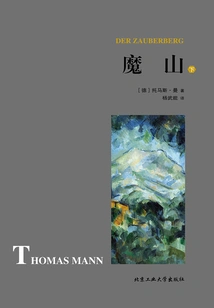
Magic Mountain (part 2)
General Fiction魔山(下)
G
"The Magic Mountain" is the masterpiece of Nobel Prize winner Thomas Mann. The novel is centered on a sanatorium and describes many feudal nobles and bourgeois figures in Europe, including Prussian officers, Russian ladies, Dutch colonists, Jesuits... They are all parasites of society. The entire sanatorium is filled with a morbid and dying atmosphere, symbolizing the decline of capitalist civilization. The work reveals the kinship between decadence and fascism through the ideological conflicts between the characters.
"The Magic Mountain" is the masterpiece of Nobel Prize winner Thomas Mann. The novel is centered on a sanatorium and describes many feudal nobles and bourgeois figures in Europe, including Prussian officers, Russian ladies, Dutch colonists, Jesuits... They are all parasites of society. The entire sanatorium is filled with a morbid and dying atmosphere, symbolizing the decline of capitalist civilization. The work reveals the kinship between decadence and fascism through the ideological conflicts between the characters.
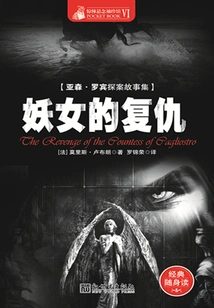
The Witch's Revenge
General Fiction妖女的复仇
I
It tells the story of Robin solving the serial murder case in the villa area. The countess, who has an sworn hatred with Robin, is deliberately planning to take revenge on Robin, and Robin's long-lost biological son is unfortunately involved. The mysteries in this story appear one after another, the content is suspenseful and tense, and every aspect is fascinating.
It tells the story of Robin solving the serial murder case in the villa area. The countess, who has an sworn hatred with Robin, is deliberately planning to take revenge on Robin, and Robin's long-lost biological son is unfortunately involved. The mysteries in this story appear one after another, the content is suspenseful and tense, and every aspect is fascinating.

Greenhouse at the End of the Earth
General Fiction地球尽头的温室
J
Due to climate deterioration and frequent weather events, the earth has entered the "dust age" and familiar animals and plants have become extinct one by one. Human physique also changed. One type developed antibodies to dust and was captured and traded. The other type became half-man, half-machine, used and discarded by their former compatriots. To isolate the dust, humans split into different groups. One group built a "dome city" protected by a huge glass cover in the city, while a small number of marginalized people and refugees built "forest villages" in the mountains. In "Dome City", resources are scarce and competition is fierce. People are willing to trample on each other to protect themselves. However, under the leadership of a legendary woman, Zhixiu, the "Forest Village" is self-sufficient and takes in refugees from all over the world who have been displaced by wars and massacres. In the dense forest deep in the forest village, there is a huge greenhouse hidden in which a strange man-made plant grows. Some people say that in the silent night, it will glow green... At the end of the day, both mortals and heroes face choices. Choose love or choose hate, choose to lead to a different future.
Due to climate deterioration and frequent weather events, the earth has entered the "dust age" and familiar animals and plants have become extinct one by one. Human physique also changed. One type developed antibodies to dust and was captured and traded. The other type became half-man, half-machine, used and discarded by their former compatriots. To isolate the dust, humans split into different groups. One group built a "dome city" protected by a huge glass cover in the city, while a small number of marginalized people and refugees built "forest villages" in the mountains. In "Dome City", resources are scarce and competition is fierce. People are willing to trample on each other to protect themselves. However, under the leadership of a legendary woman, Zhixiu, the "Forest Village" is self-sufficient and takes in refugees from all over the world who have been displaced by wars and massacres. In the dense forest deep in the forest village, there is a huge greenhouse hidden in which a strange man-made plant grows. Some people say that in the silent night, it will glow green... At the end of the day, both mortals and heroes face choices. Choose love or choose hate, choose to lead to a different future.
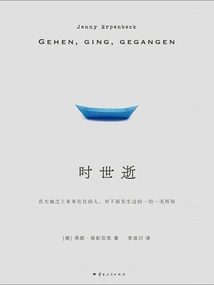
Time Passes
General Fiction时世逝
C
A Berliner lived an orderly life until one day he suddenly broke into a group of strangers. They spoke a mixed and broken language and traveled across the sea from war-torn Africa to Germany. The early experience of World War II made Berliners value order extremely, and "there is no freedom in chaos." However, as a citizen of the former East Germany, the memory of the Berlin Wall has never been far away, and living an immigrant life in his own country is not an unfamiliar experience - thirty years ago, his country and its future disappeared overnight. By a strange combination of circumstances, he became friends with the refugees, learned about their troubled past, and became deeply involved in their stories. "Only if they survive in Germany today does it mean that Hitler has truly been defeated." In an era of drastic changes, the destiny of mankind is related to each other as never before. When war creates volcanoes on the earth, when huge despair overflows the sea of anger, people also erect high walls on all sides. But is it really possible for peace to exist alone? "The Passing of Time" is a story of encounter with the other: to what extent can humans understand each other's suffering and share peace? Erpenbeck confronts the core moral issues of our time, "intervenes in European issues of race, immigration, nationalism and identity in a literary form, and provides a powerful response to the current deepening crises" (Booker Prize Jury).
A Berliner lived an orderly life until one day he suddenly broke into a group of strangers. They spoke a mixed and broken language and traveled across the sea from war-torn Africa to Germany. The early experience of World War II made Berliners value order extremely, and "there is no freedom in chaos." However, as a citizen of the former East Germany, the memory of the Berlin Wall has never been far away, and living an immigrant life in his own country is not an unfamiliar experience - thirty years ago, his country and its future disappeared overnight. By a strange combination of circumstances, he became friends with the refugees, learned about their troubled past, and became deeply involved in their stories. "Only if they survive in Germany today does it mean that Hitler has truly been defeated." In an era of drastic changes, the destiny of mankind is related to each other as never before. When war creates volcanoes on the earth, when huge despair overflows the sea of anger, people also erect high walls on all sides. But is it really possible for peace to exist alone? "The Passing of Time" is a story of encounter with the other: to what extent can humans understand each other's suffering and share peace? Erpenbeck confronts the core moral issues of our time, "intervenes in European issues of race, immigration, nationalism and identity in a literary form, and provides a powerful response to the current deepening crises" (Booker Prize Jury).
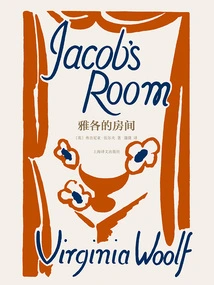
Jacob's Room (collected Works of Woolf: 2022 Edition)
General Fiction雅各的房间(伍尔夫文集:2022版)
H
Published in 1922, this book was the beginning of Woolf's use of stream-of-consciousness techniques and was regarded as the prelude to a series of subsequent masterpieces. The novel is set in England. From a female perspective, it uses scenes and fragments full of symbolic meaning to outline the short life of a sensitive young man, Jacob Flanders: childhood at the seaside, studying in Cambridge, love experience in London, traveling in Greece, and finally dying in the war. With this book, Woolf's reputation as a novelist was further recognized, and her creative characteristics of downplaying plot and action and focusing on the inner world of her characters began to attract people's attention.
Published in 1922, this book was the beginning of Woolf's use of stream-of-consciousness techniques and was regarded as the prelude to a series of subsequent masterpieces. The novel is set in England. From a female perspective, it uses scenes and fragments full of symbolic meaning to outline the short life of a sensitive young man, Jacob Flanders: childhood at the seaside, studying in Cambridge, love experience in London, traveling in Greece, and finally dying in the war. With this book, Woolf's reputation as a novelist was further recognized, and her creative characteristics of downplaying plot and action and focusing on the inner world of her characters began to attract people's attention.
Q

Waking up Women (complete Collection)
General Fiction醒来的女性(全集)
L
Let's meet Mira. She is a small-town girl who loves reading. She has been an independent and smart child since she was a child. When she was fourteen, she read Nietzsche and Paine. She finished all the textbooks on the first day of school, and the school had to let her skip a grade. But this was the United States in the 1930s. The most common occupation for women was "typist" and the theme of life was "family." Her mother's greatest expectation for her is to "marry into a good family." In a small, closed place, her intelligence and independence make her an outlier. Over time, she succumbed. She got married hastily like other girls, wore a corset, learned to cook, kept the house in order, gave birth to two children, and tried hard to be a "good wife and mother". Her husband has a decent job and she lives in a big house that many people dream of. She has a graceful manner and is always smiling. And only she knew that beneath the calm surface of life, she was silently collapsing...
Let's meet Mira. She is a small-town girl who loves reading. She has been an independent and smart child since she was a child. When she was fourteen, she read Nietzsche and Paine. She finished all the textbooks on the first day of school, and the school had to let her skip a grade. But this was the United States in the 1930s. The most common occupation for women was "typist" and the theme of life was "family." Her mother's greatest expectation for her is to "marry into a good family." In a small, closed place, her intelligence and independence make her an outlier. Over time, she succumbed. She got married hastily like other girls, wore a corset, learned to cook, kept the house in order, gave birth to two children, and tried hard to be a "good wife and mother". Her husband has a decent job and she lives in a big house that many people dream of. She has a graceful manner and is always smiling. And only she knew that beneath the calm surface of life, she was silently collapsing...
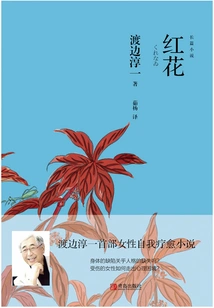
Safflower
General Fiction红花
H
The young Dongzi had her uterus removed due to surgery, and since then she has been burdened with the ideological burden of no longer being a woman. Faced with the persistent and passionate pursuit of her admirer, she could not bear to be harmed and could only refuse; faced with the resurgence of old love, she could not let go and could only conceal it; faced with the entanglement of homosexuality, she was at a loss and allowed herself to be manipulated... What made her finally overcome the psychological barrier and find herself again?
The young Dongzi had her uterus removed due to surgery, and since then she has been burdened with the ideological burden of no longer being a woman. Faced with the persistent and passionate pursuit of her admirer, she could not bear to be harmed and could only refuse; faced with the resurgence of old love, she could not let go and could only conceal it; faced with the entanglement of homosexuality, she was at a loss and allowed herself to be manipulated... What made her finally overcome the psychological barrier and find herself again?
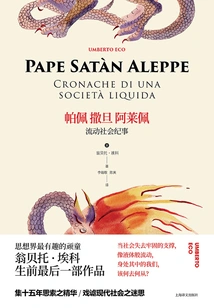
Pape Satan Alepe
General Fiction帕佩撒旦阿莱佩
H
"Pape Satanaleppe: Chronicle of a Mobile Society" is the last work of Umberto Eco. It was published in Italy a week after Eco's death. It collects articles in the "Express" column that are closely related to the current society. It is Eco's observation and thinking about all social phenomena in the last 15 years of his life. It is wild and interesting. In addition to wise thinking and sharp judgment, there are also many subtle moments of self-knowledge, like the blink of an eye in confusion. "Pape Satan Areppe" comes from a vague words spoken by Pluto, the God of the Underworld, in the seventh song of Dante's "Divine Comedy: Inferno". It has no precise meaning, but it reminds people of all kinds of strange and weird things, which fits the wild and imaginative topics contained in this book. The subtitle "Chronicle of a Mobile Society" points out Umberto Eco's reflections and evaluation of today's society. In a mobile society, there is no solid thing as a support. It is a society that has lost all values and references and has no sense of belonging.
"Pape Satanaleppe: Chronicle of a Mobile Society" is the last work of Umberto Eco. It was published in Italy a week after Eco's death. It collects articles in the "Express" column that are closely related to the current society. It is Eco's observation and thinking about all social phenomena in the last 15 years of his life. It is wild and interesting. In addition to wise thinking and sharp judgment, there are also many subtle moments of self-knowledge, like the blink of an eye in confusion. "Pape Satan Areppe" comes from a vague words spoken by Pluto, the God of the Underworld, in the seventh song of Dante's "Divine Comedy: Inferno". It has no precise meaning, but it reminds people of all kinds of strange and weird things, which fits the wild and imaginative topics contained in this book. The subtitle "Chronicle of a Mobile Society" points out Umberto Eco's reflections and evaluation of today's society. In a mobile society, there is no solid thing as a support. It is a society that has lost all values and references and has no sense of belonging.
G
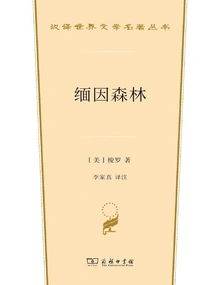
缅因森林(汉译世界文学名著丛书)
H
"The Maine Woods" (1864), the main text and appendices total about 252,000 words, including 897 notes, about 55,000 words, divided into four parts: "Cothardtine Mountain", "Chisencook Lake", "Allagash and the East Branch" and "Appendices". This book details Thoreau's three visits to the Maine woodlands, but it is by no means a simple travelogue. Instead, it uses beautiful writing to describe the journey of a seeker who is keen on exploring and discovering nature and understanding himself. The book contains vivid descriptions of the majestic scenery of the Maine forest, interesting descriptions of the lives of pioneers and native Indians, and profound reflections on the way humans and nature get along, pioneering environmentalism. The author humbly sought advice from the Indian guides and objectively analyzed the shortcomings and advantages of the "civilized" and "primitive" lifestyles. At the back of the book is a list of Maine woodland flora and fauna and an Indian glossary, which proves that the author's love for nature and Indian culture is not the product of superficial interest, but is based on a deep understanding. U. S. President Theodore Roosevelt was deeply influenced by this book when he was young, and he went to climb the mountains that Thoreau climbed during his journey. This book is planned to be included in the "Chinese Translation of World Literature Masterpieces" series.
"The Maine Woods" (1864), the main text and appendices total about 252,000 words, including 897 notes, about 55,000 words, divided into four parts: "Cothardtine Mountain", "Chisencook Lake", "Allagash and the East Branch" and "Appendices". This book details Thoreau's three visits to the Maine woodlands, but it is by no means a simple travelogue. Instead, it uses beautiful writing to describe the journey of a seeker who is keen on exploring and discovering nature and understanding himself. The book contains vivid descriptions of the majestic scenery of the Maine forest, interesting descriptions of the lives of pioneers and native Indians, and profound reflections on the way humans and nature get along, pioneering environmentalism. The author humbly sought advice from the Indian guides and objectively analyzed the shortcomings and advantages of the "civilized" and "primitive" lifestyles. At the back of the book is a list of Maine woodland flora and fauna and an Indian glossary, which proves that the author's love for nature and Indian culture is not the product of superficial interest, but is based on a deep understanding. U. S. President Theodore Roosevelt was deeply influenced by this book when he was young, and he went to climb the mountains that Thoreau climbed during his journey. This book is planned to be included in the "Chinese Translation of World Literature Masterpieces" series.
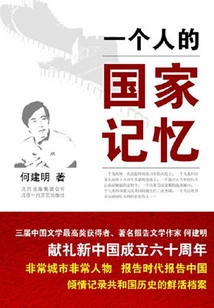
One's National Memory
Literature一个人的国家记忆
I
The book is divided into nine chapters, describing three cities, three characters, and three historical events, describing their importance in the history of the Republic: Daqing: an industrial holy city born at the same time as the grand celebration of the Republic.
The book is divided into nine chapters, describing three cities, three characters, and three historical events, describing their importance in the history of the Republic: Daqing: an industrial holy city born at the same time as the grand celebration of the Republic.
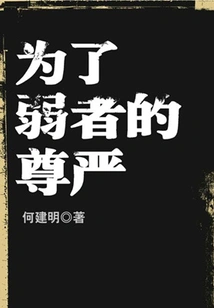
For the Dignity of the Weak
Literature为了弱者的尊严
I
Liang Yurun, the protagonist of the article, served as the deputy director of the Shanxi Provincial Letters and Calls Bureau, in charge of the work of receiving interviews from the masses. He has handled thousands of civil cases and solved problems, and a considerable number of them were "long-standing problems" in the name of the central and provincial governments. Due to the space limit of the article, the author cannot describe them one by one. But during the interview, wherever I went, the most profound thing I felt was Comrade Liang Yurun's high prestige among the people, which made me admire and moved me often.
Liang Yurun, the protagonist of the article, served as the deputy director of the Shanxi Provincial Letters and Calls Bureau, in charge of the work of receiving interviews from the masses. He has handled thousands of civil cases and solved problems, and a considerable number of them were "long-standing problems" in the name of the central and provincial governments. Due to the space limit of the article, the author cannot describe them one by one. But during the interview, wherever I went, the most profound thing I felt was Comrade Liang Yurun's high prestige among the people, which made me admire and moved me often.

康拉德作品译评系列·之一:黑暗之心
H
On the Thames River at dusk, Marlowe told his crew friends about his experience of driving a steamboat up the Congo River in Africa to rescue a legendary explorer named Kurtz deep in the jungle. Along the way, he witnessed the desolate and primitive scenes of the African land, and also witnessed the various atrocities committed by the colonists against black laborers; when the mysterious white fog cleared, the steamboat encountered a sudden attack by a savage tribe. What kind of unknown and thrilling stories are hidden in the silent primitive jungle? What kind of shock did Kurtz's last words bring to Marlowe? All the answers lie in "Heart of Darkness".
On the Thames River at dusk, Marlowe told his crew friends about his experience of driving a steamboat up the Congo River in Africa to rescue a legendary explorer named Kurtz deep in the jungle. Along the way, he witnessed the desolate and primitive scenes of the African land, and also witnessed the various atrocities committed by the colonists against black laborers; when the mysterious white fog cleared, the steamboat encountered a sudden attack by a savage tribe. What kind of unknown and thrilling stories are hidden in the silent primitive jungle? What kind of shock did Kurtz's last words bring to Marlowe? All the answers lie in "Heart of Darkness".

D
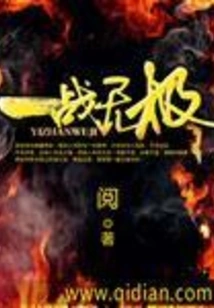
An Endless Battle
Xuanhuan一战无极
Read
On the top of the continent, Ten Thousand Ren Peaks fell; The artifact comes out and screams for nine days; The flowers of the void are buried in chaos; The source of all spirits, the soul returns to heaven... There is a kind of person in this world who is called a genius! There is a kind of genius in this world called Tianjiao! There is a genius in this world called a legend! There is a legend in this world called a myth! This is a story about a young man who created a myth... What is casting a god? Forge a weapon that has never been seen in the world, a weapon that no one in the world dares to forge! That's all...
On the top of the continent, Ten Thousand Ren Peaks fell; The artifact comes out and screams for nine days; The flowers of the void are buried in chaos; The source of all spirits, the soul returns to heaven... There is a kind of person in this world who is called a genius! There is a kind of genius in this world called Tianjiao! There is a genius in this world called a legend! There is a legend in this world called a myth! This is a story about a young man who created a myth... What is casting a god? Forge a weapon that has never been seen in the world, a weapon that no one in the world dares to forge! That's all...
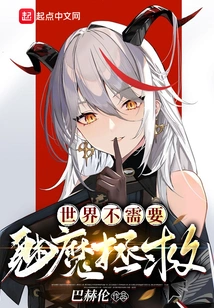
The World Doesn't Need a Succubus to Save It
Light Novel世界不需要魅魔拯救
S
"Oops, I've become a succubus!" ... On this day, Ning Feng and the ferocious succubus fought a fierce battle with blood flowing out. After the war, Ning Feng, who was trying to win glory for mankind, discovered something that made him collapse... Is the spirit about to awaken? Disaster strikes again? The world is in danger? No. These are not the worst. What really upset Ning Feng was something else-- He has awakened the succubus bloodline! He became a half-succubus! ... Ning Feng - a social animal appointed by the Watch Society, an evil spirit from the past, the last prophet, a person who breaks oaths, and a demon who plays with people's hearts... He said: "The world is already a mature child, it does not need to be saved by others..." "At least, we shouldn't let the succubus come to our rescue!" [Readers: 1087962493 Welcome to play! ]
"Oops, I've become a succubus!" ... On this day, Ning Feng and the ferocious succubus fought a fierce battle with blood flowing out. After the war, Ning Feng, who was trying to win glory for mankind, discovered something that made him collapse... Is the spirit about to awaken? Disaster strikes again? The world is in danger? No. These are not the worst. What really upset Ning Feng was something else-- He has awakened the succubus bloodline! He became a half-succubus! ... Ning Feng - a social animal appointed by the Watch Society, an evil spirit from the past, the last prophet, a person who breaks oaths, and a demon who plays with people's hearts... He said: "The world is already a mature child, it does not need to be saved by others..." "At least, we shouldn't let the succubus come to our rescue!" [Readers: 1087962493 Welcome to play! ]

绝品仙妻,腹黑蛇王吃定你
Tripod
Xiao Moran said he was very sad when he died suddenly while playing computer games. However, the soul that did not die traveled to another world and became a female monk. Xiao Moran felt that God still favored her. In order to cultivate Taoism and become an immortal, there is no problem in changing the name of Xiao Moran and dressing up as a man to enter the world! --The plot is fictitious, please do not imitate it.
Xiao Moran said he was very sad when he died suddenly while playing computer games. However, the soul that did not die traveled to another world and became a female monk. Xiao Moran felt that God still favored her. In order to cultivate Taoism and become an immortal, there is no problem in changing the name of Xiao Moran and dressing up as a man to enter the world! --The plot is fictitious, please do not imitate it.
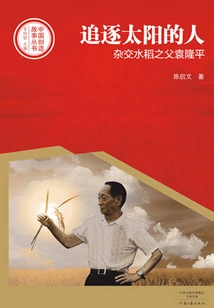
追逐太阳的人:杂交水稻之父袁隆平
J
"May everyone in the world have enough to eat." For this simple ideal, Yuan Longping, the "father of hybrid rice," has always been fighting on the front line of agricultural scientific research, bringing green hope and golden harvests to mankind's use of scientific and technological means to overcome hunger, and making significant contributions to solving the Chinese people's food problems and ensuring national food security. This book vividly, rigorously and scientifically describes Mr. Yuan Longping's scientific exploration of developing hybrid rice. It also describes Yuan Longping's life experience in the past ninety years. It tells a series of scientific experimental activities of Yuan Longping's research and development of hybrid rice in a rigorous and scientific manner, vividly showing his scientific research and life world. This book places Yuan Longping in the country, nation and era at that time, so his narration also reflects the progress of a country and nation.
"May everyone in the world have enough to eat." For this simple ideal, Yuan Longping, the "father of hybrid rice," has always been fighting on the front line of agricultural scientific research, bringing green hope and golden harvests to mankind's use of scientific and technological means to overcome hunger, and making significant contributions to solving the Chinese people's food problems and ensuring national food security. This book vividly, rigorously and scientifically describes Mr. Yuan Longping's scientific exploration of developing hybrid rice. It also describes Yuan Longping's life experience in the past ninety years. It tells a series of scientific experimental activities of Yuan Longping's research and development of hybrid rice in a rigorous and scientific manner, vividly showing his scientific research and life world. This book places Yuan Longping in the country, nation and era at that time, so his narration also reflects the progress of a country and nation.
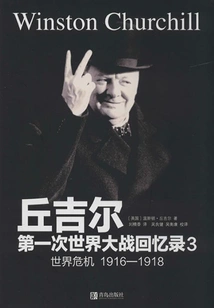
丘吉尔第一次世界大战回忆录3:世界危机(1916-1918)
H
"Memoirs of the First World War III: World Crisis (1916-1918)" describes the third stage of the First World War from 1916 to 1918. In the first two years, the two sides were in a state of evenly matched stalemate. France and Britain launched the Battle of the Somme, the Battle of Arras, the Battle of Messina, the Battle of Passchendaele and the Battle of Cambrai. Germany tried to capture Verdun, the cornerstone of France's honor and spirit. But neither side achieved anything. In terms of naval warfare, Britain missed many opportunities in the Battle of Jutland. Churchill described this in detail and profoundly analyzed the conservative thinking of the British naval commander. However, Britain defeated German submarine warfare at sea. Due to Germany's naval blockade and unrestricted submarine warfare, which prompted the United States to enter the war, the balance of power changed. Once the German army's rusticity declined, they suffered a crushing defeat, and the German Empire collapsed and surrendered.
"Memoirs of the First World War III: World Crisis (1916-1918)" describes the third stage of the First World War from 1916 to 1918. In the first two years, the two sides were in a state of evenly matched stalemate. France and Britain launched the Battle of the Somme, the Battle of Arras, the Battle of Messina, the Battle of Passchendaele and the Battle of Cambrai. Germany tried to capture Verdun, the cornerstone of France's honor and spirit. But neither side achieved anything. In terms of naval warfare, Britain missed many opportunities in the Battle of Jutland. Churchill described this in detail and profoundly analyzed the conservative thinking of the British naval commander. However, Britain defeated German submarine warfare at sea. Due to Germany's naval blockade and unrestricted submarine warfare, which prompted the United States to enter the war, the balance of power changed. Once the German army's rusticity declined, they suffered a crushing defeat, and the German Empire collapsed and surrendered.
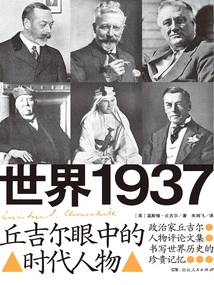
世界1937:丘吉尔眼中的时代人物
H
This book is a collection of character reviews by Churchill, written in 1937 at the turn of the two world wars. In this turbulent era, Churchill witnessed the First World War, the Russian Revolution, the rise of Hitler, the Spanish Revolution, the Irish Home Rule Movement and the Great Depression. He recalled Kaiser Wilhelm II, Hindenburg, Lawrence of Arabia, Foch, Clemenceau, Arthur Balfour, George V, Kitchener and other important figures in the First World War, and also looked forward to the different futures of Roosevelt and Hitler. As a leading politician in modern history, the book is immersed in his precise understanding of history, politics, and life, his rational analysis and unique insights on important issues, and his intuitive feelings about personal contacts with relevant figures. It is a rare book about characters.
This book is a collection of character reviews by Churchill, written in 1937 at the turn of the two world wars. In this turbulent era, Churchill witnessed the First World War, the Russian Revolution, the rise of Hitler, the Spanish Revolution, the Irish Home Rule Movement and the Great Depression. He recalled Kaiser Wilhelm II, Hindenburg, Lawrence of Arabia, Foch, Clemenceau, Arthur Balfour, George V, Kitchener and other important figures in the First World War, and also looked forward to the different futures of Roosevelt and Hitler. As a leading politician in modern history, the book is immersed in his precise understanding of history, politics, and life, his rational analysis and unique insights on important issues, and his intuitive feelings about personal contacts with relevant figures. It is a rare book about characters.
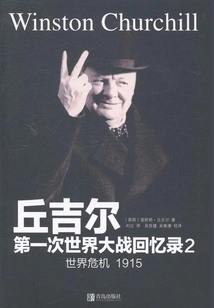
丘吉尔第一次世界大战回忆录2:世界危机(1915)
H
1915 was the second phase of the First World War. France and Britain launched the Battle of Champagne, the Battle of Artois, the Battle of Ypres, and the Battle of Los Loos. In the face of new weapons - machine guns and powerful artillery - the dominant traditional military thinking - frontal attack, charge and fight, and repel the enemy's defense line - became ineffective. The Western Front achieved nothing except a life-consuming battle, and the war reached a stalemate. The British invented tanks and used smoke screens, making only limited progress. The British Navy had control of the sea, but its commander was conservative in thinking and ineffective in naval warfare, so no positive results were achieved. In this volume, Churchill made the strategic decision to attack the Dardanelles, which had a decisive impact on the combination of international forces and the entire war. However, due to the lack of understanding and weak support from most military leaders, the war opportunities were repeatedly delayed, and good opportunities to secure victory were missed more than ten times, and finally ended in failure. The Allies were in crisis.
1915 was the second phase of the First World War. France and Britain launched the Battle of Champagne, the Battle of Artois, the Battle of Ypres, and the Battle of Los Loos. In the face of new weapons - machine guns and powerful artillery - the dominant traditional military thinking - frontal attack, charge and fight, and repel the enemy's defense line - became ineffective. The Western Front achieved nothing except a life-consuming battle, and the war reached a stalemate. The British invented tanks and used smoke screens, making only limited progress. The British Navy had control of the sea, but its commander was conservative in thinking and ineffective in naval warfare, so no positive results were achieved. In this volume, Churchill made the strategic decision to attack the Dardanelles, which had a decisive impact on the combination of international forces and the entire war. However, due to the lack of understanding and weak support from most military leaders, the war opportunities were repeatedly delayed, and good opportunities to secure victory were missed more than ten times, and finally ended in failure. The Allies were in crisis.
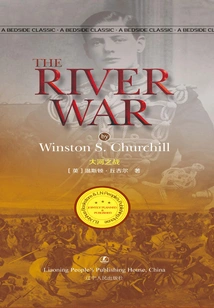
Battle of the River
General Fiction大河之战
H
"The Battle of the River" is a very famous book written by the former British Prime Minister Winston Churchill when he was young. It is about the historical content of the war between Britain and Sudan. In other words, it is a first-hand historical account of the British reconquest of Sudan that Mr. Churchill personally experienced. The conquest took place in 1899. Mr. Winston Churchill documented his experiences as a British officer during the Mahdi War in Sudan, which lasted nearly 20 years. The so-called "Mahdi War in Sudan" refers to the armed struggle launched by the rebel army led by Khalifa Abdullah Mohammed against the British army led by Lord Kitchener in order to oppose British colonial rule. "Mahdi", who claimed to be the successor of Mahdi Muhammad Ahmed, was forced to launch this resistance war because he was dissatisfied with the heavy oppression by the British colonial authorities, the Egyptian feudal dynasty and the Sudanese feudal lords.
"The Battle of the River" is a very famous book written by the former British Prime Minister Winston Churchill when he was young. It is about the historical content of the war between Britain and Sudan. In other words, it is a first-hand historical account of the British reconquest of Sudan that Mr. Churchill personally experienced. The conquest took place in 1899. Mr. Winston Churchill documented his experiences as a British officer during the Mahdi War in Sudan, which lasted nearly 20 years. The so-called "Mahdi War in Sudan" refers to the armed struggle launched by the rebel army led by Khalifa Abdullah Mohammed against the British army led by Lord Kitchener in order to oppose British colonial rule. "Mahdi", who claimed to be the successor of Mahdi Muhammad Ahmed, was forced to launch this resistance war because he was dissatisfied with the heavy oppression by the British colonial authorities, the Egyptian feudal dynasty and the Sudanese feudal lords.
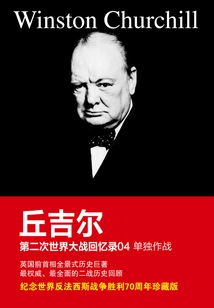
第二次世界大战回忆录04:单独作战
H
It mainly explains the development process of the war situation from January to June 1941. During this period, the world structure underwent astonishing changes: Germany tore up its previous border agreement and declared war on the Soviet Union. As a result, the Soviet Union, Britain, and the United States joined forces to fight against fascist Germany. The two sides fought in open spaces across the Balkans, North Africa, and across the Middle East.
It mainly explains the development process of the war situation from January to June 1941. During this period, the world structure underwent astonishing changes: Germany tore up its previous border agreement and declared war on the Soviet Union. As a result, the Soviet Union, Britain, and the United States joined forces to fight against fascist Germany. The two sides fought in open spaces across the Balkans, North Africa, and across the Middle East.
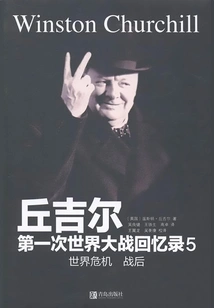
丘吉尔第一次世界大战回忆录5:世界危机·战后
H
"Memoirs of the First World War 5: World Crisis·After the War" After the First World War, Britain was in trouble due to issues such as the repatriation and demobilization of the army and the layoff of women. A civil war broke out in Russia, and the Allies intervened armedly, but to no avail. World War I weakened the capitalist world system; to end the state of war, a peace conference was held in Paris, France. Although the League of Nations was established, it did not achieve the goals of international security and disarmament. "Memoirs of the First World War 5: World Crisis and Postwar" focuses on events other than the Paris Peace Conference, the consequences of the Peace Conference resolutions, and the outside world's reaction to them. In addition, this volume also describes the profoundly contradictory and long-standing issues between Britain and Ireland; it describes that although Turkey was defeated in World War I, Kemalist Turkey was rising; although Greece was a victorious country, it staged a tragedy because of its war against Türkiye after the war.
"Memoirs of the First World War 5: World Crisis·After the War" After the First World War, Britain was in trouble due to issues such as the repatriation and demobilization of the army and the layoff of women. A civil war broke out in Russia, and the Allies intervened armedly, but to no avail. World War I weakened the capitalist world system; to end the state of war, a peace conference was held in Paris, France. Although the League of Nations was established, it did not achieve the goals of international security and disarmament. "Memoirs of the First World War 5: World Crisis and Postwar" focuses on events other than the Paris Peace Conference, the consequences of the Peace Conference resolutions, and the outside world's reaction to them. In addition, this volume also describes the profoundly contradictory and long-standing issues between Britain and Ireland; it describes that although Turkey was defeated in World War I, Kemalist Turkey was rising; although Greece was a victorious country, it staged a tragedy because of its war against Türkiye after the war.
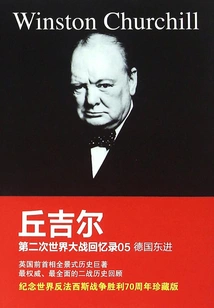
第二次世界大战回忆录05:德国东进
H
In this volume, the author describes the complex relationship between the United States and the Allies, from secretly providing assistance to the Allies, to gradually changing its attitude towards the war as the situation developed, until the "Pearl Harbor incident" that humiliated the United States. The United States, a military power that tried to stay out of the war in the early stages of the war, truly joined the camp of the Allies and participated in the struggle to resist and eliminate fascist Germany and Japan.
In this volume, the author describes the complex relationship between the United States and the Allies, from secretly providing assistance to the Allies, to gradually changing its attitude towards the war as the situation developed, until the "Pearl Harbor incident" that humiliated the United States. The United States, a military power that tried to stay out of the war in the early stages of the war, truly joined the camp of the Allies and participated in the struggle to resist and eliminate fascist Germany and Japan.
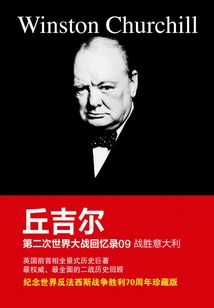
第二次世界大战回忆录09:战胜意大利
H
It leads readers into the stalemate stage in the middle of World War II and into the arduous and spectacular historical landscape on the African battlefield. At that time, after withstanding the initial fierce offensive of the fascist countries, the Allies gradually gained a foothold. Eisenhower led his troops into North Africa and reversed the situation in Africa in one fell swoop; Churchill successively visited Moscow and Washington, demonstrating magnificent great-power diplomacy. At the same time, the romantic Casablanca and the mysterious Katyn, Poland, these familiar place names are looming in the book.
It leads readers into the stalemate stage in the middle of World War II and into the arduous and spectacular historical landscape on the African battlefield. At that time, after withstanding the initial fierce offensive of the fascist countries, the Allies gradually gained a foothold. Eisenhower led his troops into North Africa and reversed the situation in Africa in one fell swoop; Churchill successively visited Moscow and Washington, demonstrating magnificent great-power diplomacy. At the same time, the romantic Casablanca and the mysterious Katyn, Poland, these familiar place names are looming in the book.
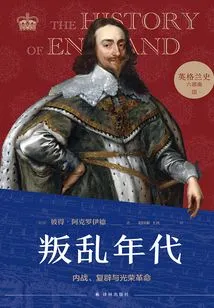
叛乱年代:内战、复辟与光荣革命(英格兰史六部曲3)
G
"The Six-Part History of England" is the representative work of the historical writer Peter Ackroyd, which includes six volumes: "The Founding of the Empire", "The Tudor Dynasty", "The Age of Rebellion", "The Revolutionary Century", "The King of the World" and "Revolution". It writes the historical process of this legendary country in a magnificent way: how this once closed island country gradually turned into an empire with territories all over the world through religious reform, parliamentary system, technological and ideological revolution, as well as trade and colonial expansion; and how it repositioned itself in the new post-war order as the empire declined today and continued to influence the world. Ackroyd's writing conveys his deep attachment to this country that once stood at the apex of human civilization. It not only creates a history of struggle and innovation for the rise of a great power, but also creates a glorious national epic. "The Age of Rebellion" is the third volume of Ackroyd's "Six Parts of History of England". It begins with King James VI of Scotland going south and becoming the first monarch of the Stuart Dynasty, and ends with James II being deposed and going into hasty exile. Brutal civil war marked the Stuart era. James I's attitude towards the English Parliament sowed the seeds of division, and the country was plagued by internal conflicts throughout the reign of his successor, Charles I. The author vividly presents the turbulent 17th century in England, and at the same time depicts the extremely rich cultural and social life of this period, including Shakespeare's later masterpieces, John Milton's poems, etc., Not only tells the story of the British royal family, but also shows the daily status of the British people in the era of rebellion.
"The Six-Part History of England" is the representative work of the historical writer Peter Ackroyd, which includes six volumes: "The Founding of the Empire", "The Tudor Dynasty", "The Age of Rebellion", "The Revolutionary Century", "The King of the World" and "Revolution". It writes the historical process of this legendary country in a magnificent way: how this once closed island country gradually turned into an empire with territories all over the world through religious reform, parliamentary system, technological and ideological revolution, as well as trade and colonial expansion; and how it repositioned itself in the new post-war order as the empire declined today and continued to influence the world. Ackroyd's writing conveys his deep attachment to this country that once stood at the apex of human civilization. It not only creates a history of struggle and innovation for the rise of a great power, but also creates a glorious national epic. "The Age of Rebellion" is the third volume of Ackroyd's "Six Parts of History of England". It begins with King James VI of Scotland going south and becoming the first monarch of the Stuart Dynasty, and ends with James II being deposed and going into hasty exile. Brutal civil war marked the Stuart era. James I's attitude towards the English Parliament sowed the seeds of division, and the country was plagued by internal conflicts throughout the reign of his successor, Charles I. The author vividly presents the turbulent 17th century in England, and at the same time depicts the extremely rich cultural and social life of this period, including Shakespeare's later masterpieces, John Milton's poems, etc., Not only tells the story of the British royal family, but also shows the daily status of the British people in the era of rebellion.
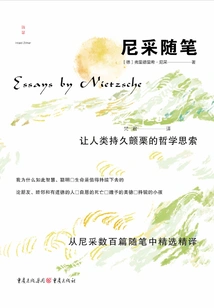
Nietzsche's Essays
Literature尼采随笔
H
This book selects 36 polemical essays from Friedrich Nietzsche's many important works. The book opens with three classic articles by Nietzsche discussing educational issues: "On the Future of Our Educational Institutions", "Humanistic Education Begins with Strict Language Training" and "Three Measures of University Education". The rest of the book contains 33 exquisite expositions selected from important works such as "Thus Spoke Zarathustra", "Twilight of the Idols" and "Look, This Man". In the process of criticizing Christianity, Nietzsche focused on criticizing "pity". Nietzsche believes that great acts of kindness will not make people grateful, but will lead to revenge; if this small favor has not been forgotten, it will become a worm that is always gnawing; loving one's neighbor is a pathological good and the morality of the weak; the kindness of the strong should inspire people's unique personality of self-respect and self-improvement, and promote "healthy selfishness" in people. And "healthy selfishness" is the clean selfishness that overflows from the powerful soul. It takes all things into itself and then makes them ebb from the individual soul as a gift of love. Therefore, Nietzsche advocates that human beings should love distant people, love people in the future, love the beginning, and love ghosts.
This book selects 36 polemical essays from Friedrich Nietzsche's many important works. The book opens with three classic articles by Nietzsche discussing educational issues: "On the Future of Our Educational Institutions", "Humanistic Education Begins with Strict Language Training" and "Three Measures of University Education". The rest of the book contains 33 exquisite expositions selected from important works such as "Thus Spoke Zarathustra", "Twilight of the Idols" and "Look, This Man". In the process of criticizing Christianity, Nietzsche focused on criticizing "pity". Nietzsche believes that great acts of kindness will not make people grateful, but will lead to revenge; if this small favor has not been forgotten, it will become a worm that is always gnawing; loving one's neighbor is a pathological good and the morality of the weak; the kindness of the strong should inspire people's unique personality of self-respect and self-improvement, and promote "healthy selfishness" in people. And "healthy selfishness" is the clean selfishness that overflows from the powerful soul. It takes all things into itself and then makes them ebb from the individual soul as a gift of love. Therefore, Nietzsche advocates that human beings should love distant people, love people in the future, love the beginning, and love ghosts.
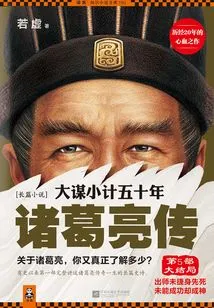
Fifty Years of Big Plans and Little Plans: the Biography of Zhuge Liang (part 5 Finale)
General Fiction大谋小计五十年:诸葛亮传(第5部大结局)
I
After pacifying Nanzhong, Shu Han had no worries. With his outstanding political foresight, Zhuge Liang predicted that the only way for the Shu Han to gain living space was to take advantage of the fact that Cao Wei had no time to look westward and the national power had not yet recovered, so he decided to mobilize the entire country to launch the Northern Expedition. At this time, wars continued ahead, undercurrents surged in the court, there were estrangements and suspicions between monarchs and ministers, and treacherous men had ulterior motives. Adou, who could not be supported, and power struggles that he could not avoid made Zhuge Liang's Northern Expedition extremely difficult in his later years. After a lot of painstaking efforts, he finally fell into the Wuzhangyuan, leaving behind eternal regrets. Are there really six Qishan Mountains in history? Is the Empty City Plan real? Does Wuzhangyuan Nuanxing exist? Zhuge Liang's true intention of the Northern Expedition, as well as the true face of the Northern Expedition, will be answered in the finale.
After pacifying Nanzhong, Shu Han had no worries. With his outstanding political foresight, Zhuge Liang predicted that the only way for the Shu Han to gain living space was to take advantage of the fact that Cao Wei had no time to look westward and the national power had not yet recovered, so he decided to mobilize the entire country to launch the Northern Expedition. At this time, wars continued ahead, undercurrents surged in the court, there were estrangements and suspicions between monarchs and ministers, and treacherous men had ulterior motives. Adou, who could not be supported, and power struggles that he could not avoid made Zhuge Liang's Northern Expedition extremely difficult in his later years. After a lot of painstaking efforts, he finally fell into the Wuzhangyuan, leaving behind eternal regrets. Are there really six Qishan Mountains in history? Is the Empty City Plan real? Does Wuzhangyuan Nuanxing exist? Zhuge Liang's true intention of the Northern Expedition, as well as the true face of the Northern Expedition, will be answered in the finale.
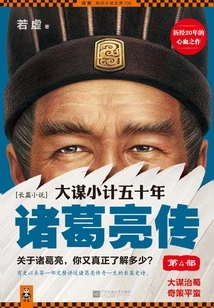
大谋小计五十年:诸葛亮传(第4部)
I
Just as the Shu and Han Dynasties were forming a two-pronged attack on the Central Plains, and the Longzhong plan was about to become a reality, Guan Yu's careless loss of Jingzhou put the Liu Bei Group's strategic initiative against Cao accumulated over the years in vain. In order to regain the lost territory, Liu Bei insisted on the eastward expedition, but was defeated by Yiling. He had no choice but to entrust Zhuge Liang to Baidi City, leaving an eternal controversy that "you can take it for yourself". At this time, there were powerful enemies externally, internal rebellions, political instability, and popular separation. The newly born Shu Han regime was facing the most difficult situation.
Just as the Shu and Han Dynasties were forming a two-pronged attack on the Central Plains, and the Longzhong plan was about to become a reality, Guan Yu's careless loss of Jingzhou put the Liu Bei Group's strategic initiative against Cao accumulated over the years in vain. In order to regain the lost territory, Liu Bei insisted on the eastward expedition, but was defeated by Yiling. He had no choice but to entrust Zhuge Liang to Baidi City, leaving an eternal controversy that "you can take it for yourself". At this time, there were powerful enemies externally, internal rebellions, political instability, and popular separation. The newly born Shu Han regime was facing the most difficult situation.

The Only Story
General Fiction唯一的故事
H
In love, everything is both true and false. Nothing is ridiculous about the topic of love. Paul, a young man from the suburbs of London, returned home from college during the holidays and joined a tennis club. His partner, Susan, is a married woman in her forties with two daughters. The two fell in love. Paul rescued Susan from a bad marriage, but had to separate because of Susan's alcoholism. The love once disappeared, leaving only regret and resentment...
In love, everything is both true and false. Nothing is ridiculous about the topic of love. Paul, a young man from the suburbs of London, returned home from college during the holidays and joined a tennis club. His partner, Susan, is a married woman in her forties with two daughters. The two fell in love. Paul rescued Susan from a bad marriage, but had to separate because of Susan's alcoholism. The love once disappeared, leaving only regret and resentment...
T
General Fictiont
H
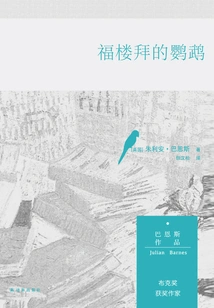
In a very peculiar way, Barnes explores Flaubert, the writer he regards as his spiritual mentor. There is a stuffed parrot in both Flaubert's former residences. Which one was the one Flaubert used? Retired doctor Jeffrey Brathwaite began his search for Flaubert's parrot with this question in mind. There are many stories in the intermittent journey, and Flaubert's shadow becomes increasingly blurred among the old events.
In a very peculiar way, Barnes explores Flaubert, the writer he regards as his spiritual mentor. There is a stuffed parrot in both Flaubert's former residences. Which one was the one Flaubert used? Retired doctor Jeffrey Brathwaite began his search for Flaubert's parrot with this question in mind. There are many stories in the intermittent journey, and Flaubert's shadow becomes increasingly blurred among the old events.
The Noise of Time (barnes Works)
General Fiction时间的噪音(巴恩斯作品)
G
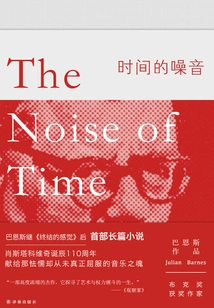
"The Noise of Time" is Barnes' first novel after "The Sense of an Ending". In May 1937, in an apartment building in Leningrad, a man in his early thirties wearing glasses was waiting in front of the elevator door with a small suitcase leaning against his legs. They always came for you at midnight, and rather than be dragged out of the apartment in his pajamas, he would rather pack up and wait in front of the elevator night after night, waiting to be arrested. He was Shostakovich, a man who spent his whole life waiting to be shot. He gave cowardice to power and courage to music. This book is a life biography written by Julian Barnes for his hero.
"The Noise of Time" is Barnes' first novel after "The Sense of an Ending". In May 1937, in an apartment building in Leningrad, a man in his early thirties wearing glasses was waiting in front of the elevator door with a small suitcase leaning against his legs. They always came for you at midnight, and rather than be dragged out of the apartment in his pajamas, he would rather pack up and wait in front of the elevator night after night, waiting to be arrested. He was Shostakovich, a man who spent his whole life waiting to be shot. He gave cowardice to power and courage to music. This book is a life biography written by Julian Barnes for his hero.
Spanish Armada
History西班牙无敌舰队
L
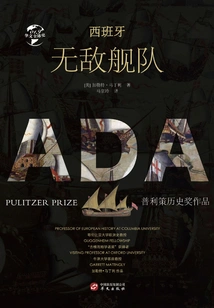
"Spanish Armada" takes the naval battle between Spain and England from the beginning of 1587 to the end of 1588 as a clue. It tells the origin, process and results of the Spanish Armada's expedition to England, and reveals the intricate interest relationships among European countries in the 16th century. The book covers major historical events such as the "Three Henrys' War", St. Bartholomew's Massacre, and the Paris Riots. Why was Mary Queen of Scots guillotined? How does Queen Elizabeth I of England plan her strategy? Why did King Philip II of Spain insist on attacking England? Why was King Henry III of France killed? Why did the powerful Spanish Armada return with a disastrous defeat? What impact did this naval battle have on European countries? The Spanish Armada set sail in the name of God, but why was it abandoned by God? This book will reveal the answers one by one.
"Spanish Armada" takes the naval battle between Spain and England from the beginning of 1587 to the end of 1588 as a clue. It tells the origin, process and results of the Spanish Armada's expedition to England, and reveals the intricate interest relationships among European countries in the 16th century. The book covers major historical events such as the "Three Henrys' War", St. Bartholomew's Massacre, and the Paris Riots. Why was Mary Queen of Scots guillotined? How does Queen Elizabeth I of England plan her strategy? Why did King Philip II of Spain insist on attacking England? Why was King Henry III of France killed? Why did the powerful Spanish Armada return with a disastrous defeat? What impact did this naval battle have on European countries? The Spanish Armada set sail in the name of God, but why was it abandoned by God? This book will reveal the answers one by one.
B
MilitaryB
M
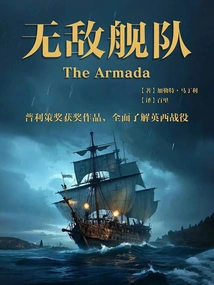
A Pulitzer Prize-winning work, the supreme example of non-fiction writing and the pinnacle of historical narrative. The book takes the Anglo-Spanish Great Battle of 1588 as its core, describing in detail the background and process of the Battle of the Armada and its far-reaching impact on European history. It not only contains wonderful descriptions of grand battles, but also delicate portrayals of the inner world of the characters. Through rich historical materials and vivid narratives, it shows the intricate political relationships, military strategies and the fate of key figures in European countries at that time.
A Pulitzer Prize-winning work, the supreme example of non-fiction writing and the pinnacle of historical narrative. The book takes the Anglo-Spanish Great Battle of 1588 as its core, describing in detail the background and process of the Battle of the Armada and its far-reaching impact on European history. It not only contains wonderful descriptions of grand battles, but also delicate portrayals of the inner world of the characters. Through rich historical materials and vivid narratives, it shows the intricate political relationships, military strategies and the fate of key figures in European countries at that time.
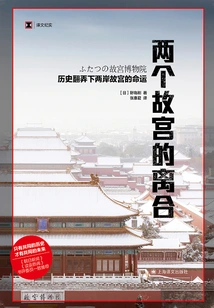
两个故宫的离合:历史翻弄下两岸故宫的命运
Q
This book reveals how a large number of cultural relics flowed out of the country in the late Qing Dynasty, why Chiang Kai-shek was defeated and fled in the war, and why he used the extremely precious warships to transport cultural relics. What kind of warehouse stage did these cultural relics go through in Taiwan? Under what international circumstances, the Taipei National Palace Museum was later built, and the Democratic Progressive Party's \
This book reveals how a large number of cultural relics flowed out of the country in the late Qing Dynasty, why Chiang Kai-shek was defeated and fled in the war, and why he used the extremely precious warships to transport cultural relics. What kind of warehouse stage did these cultural relics go through in Taiwan? Under what international circumstances, the Taipei National Palace Museum was later built, and the Democratic Progressive Party's \
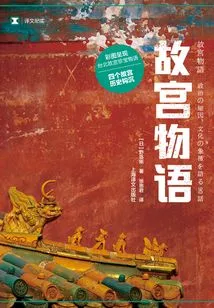
Forbidden City Story
History故宫物语
Q
In the first part of the book, "Talk about Cultural Relics," Nojima Tsuyoshi reviews 37 important collections of the Taipei National Palace Museum, including "Jade Cabbage," "Traveling in Streams and Mountains," "Quick Snow Scenery," "Mao Gong's Cauldron," and "Dwelling in the Fuchun Mountains." He sometimes describes the works themselves, but more often the background of their creation and the stories of these cultural relics during the wartime displacement. The second article "Talk about the Forbidden City" China, each chapter revolves around the historical figures and events related to the Forbidden City, giving a close-up of the past of the Forbidden City. "The history of the Forbidden City is the epitome of China's modern history. Culture reflects everything in China, and the Chinese people also reflect their own history and destiny through culture." The third chapter, "Interviewing People from the Past," reveals unknown historical details through exclusive interviews with former deans of the Forbidden City and other social figures.
In the first part of the book, "Talk about Cultural Relics," Nojima Tsuyoshi reviews 37 important collections of the Taipei National Palace Museum, including "Jade Cabbage," "Traveling in Streams and Mountains," "Quick Snow Scenery," "Mao Gong's Cauldron," and "Dwelling in the Fuchun Mountains." He sometimes describes the works themselves, but more often the background of their creation and the stories of these cultural relics during the wartime displacement. The second article "Talk about the Forbidden City" China, each chapter revolves around the historical figures and events related to the Forbidden City, giving a close-up of the past of the Forbidden City. "The history of the Forbidden City is the epitome of China's modern history. Culture reflects everything in China, and the Chinese people also reflect their own history and destiny through culture." The third chapter, "Interviewing People from the Past," reveals unknown historical details through exclusive interviews with former deans of the Forbidden City and other social figures.

快穿之宿主又在拆cp
J
The new article "Dr. Liao's White Rose" has been published~ As the "first sister" of Shaohua Quick Travel Company, Qin Zhiyi has never failed in the mission of dismantling CPs, and her life is prosperous. But there is also a day when everything goes wrong in a beautiful life. Qin Zhiyi, who has been going smoothly, will inevitably have times when the boat capsizes in the gutter, but... If the boat capsizes, why does a big boss come out? From the actor in the entertainment industry to the interstellar commander, this boss is omnipotent and omniscient. The key is, he still likes her and dotes on her! ! ! As we all know, the correct interpretation of this man named Shang Nai has always been "What can you do to me?" Qin Zhiyi said that living with Mr. Nai is really not a pleasant experience. The boss can lead her to torture scumbags and monsters at first, and bend down to tie her shoelaces at the next. His words about not loving her behavior are more detailed than anyone else's. I really have to love this kind of guy!
The new article "Dr. Liao's White Rose" has been published~ As the "first sister" of Shaohua Quick Travel Company, Qin Zhiyi has never failed in the mission of dismantling CPs, and her life is prosperous. But there is also a day when everything goes wrong in a beautiful life. Qin Zhiyi, who has been going smoothly, will inevitably have times when the boat capsizes in the gutter, but... If the boat capsizes, why does a big boss come out? From the actor in the entertainment industry to the interstellar commander, this boss is omnipotent and omniscient. The key is, he still likes her and dotes on her! ! ! As we all know, the correct interpretation of this man named Shang Nai has always been "What can you do to me?" Qin Zhiyi said that living with Mr. Nai is really not a pleasant experience. The boss can lead her to torture scumbags and monsters at first, and bend down to tie her shoelaces at the next. His words about not loving her behavior are more detailed than anyone else's. I really have to love this kind of guy!

My Childhood Friend is My Husband
Modern Romance我的发小是老公
V
Hello everyone, my name is Ye Duoduo, the leaf of leaves, more or less Duoduo, I am a lucky but unlucky person, my wish is to be ordinary and indifferent to the world, but my strength does not allow it.
Hello everyone, my name is Ye Duoduo, the leaf of leaves, more or less Duoduo, I am a lucky but unlucky person, my wish is to be ordinary and indifferent to the world, but my strength does not allow it.

It Comes to You
Short Fiction它来找你了
J
If you don't control the evil and greed of human nature, do you know? , It will find you, it is coming.
If you don't control the evil and greed of human nature, do you know? , It will find you, it is coming.
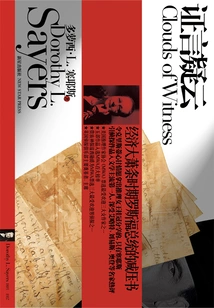
Doubts About Testimony
General Fiction证言疑云
J
Lord Wimsey's brother gathered his friends and came to Liddesdale Hall. Hunting, playing, and the countryside are intoxicating... Until one night, a man's body was found lying in the chrysanthemum bushes, wearing evening clothes and loafers. Surprisingly, he was Wenxi's future brother-in-law; not only that, the person suspected of the murder was Wenxi's brother. Witnesses come on stage one by one, with various testimonies. Where is the truth hidden?
Lord Wimsey's brother gathered his friends and came to Liddesdale Hall. Hunting, playing, and the countryside are intoxicating... Until one night, a man's body was found lying in the chrysanthemum bushes, wearing evening clothes and loafers. Surprisingly, he was Wenxi's future brother-in-law; not only that, the person suspected of the murder was Wenxi's brother. Witnesses come on stage one by one, with various testimonies. Where is the truth hidden?