Library
Browse and search books
13,360 novels found

Z
LiteratureZ
H
Woolf's famous work is the foundation of stream-of-consciousness novels. It has many innovations in subject matter, style and writing methods. Woolf created an eternal classic with her keen perception of the moment. "Mrs. Dalloway" was published in 1925 and is known as the foundation of the stream of consciousness novel. The novel describes a day in the life of the heroine Clarissa Dalloway, detailing her preparations for a dinner party held at home. However, what readers see is not just Mrs. Dalloway's activities in a day, but her temperament, her encounters, and her relationship with her family and friends. The characters' memories and the transformation of time and space are intertwined and interpenetrated, falling like raindrops in colorful colors, making us unconsciously empathize with each other, and the picture of Mrs. Dalloway's life is slowly unfolding before our eyes.
Woolf's famous work is the foundation of stream-of-consciousness novels. It has many innovations in subject matter, style and writing methods. Woolf created an eternal classic with her keen perception of the moment. "Mrs. Dalloway" was published in 1925 and is known as the foundation of the stream of consciousness novel. The novel describes a day in the life of the heroine Clarissa Dalloway, detailing her preparations for a dinner party held at home. However, what readers see is not just Mrs. Dalloway's activities in a day, but her temperament, her encounters, and her relationship with her family and friends. The characters' memories and the transformation of time and space are intertwined and interpenetrated, falling like raindrops in colorful colors, making us unconsciously empathize with each other, and the picture of Mrs. Dalloway's life is slowly unfolding before our eyes.

The Years (collected Works of Woolf: 2022 Edition)
General Fiction岁月(伍尔夫文集:2022版)
H
Published in 1937, this book was Woolf's last novel published during her lifetime, and it was also her best-selling work during her lifetime. This book tells the history of the Padgett family for more than fifty years, from the unpredictable spring of 1880 to a summer night dance in the 1930s. The personal lives of the characters are placed on the stage, through dialogue and psychological activities, while various historical events serve as the background, looming. Along with the characters in the book, we grow, lose, are moved, regret, endure, and are heartbroken. Completely different from the author's previous novel "The Waves", this book focuses on the description and presentation of reality and deliberately downplays fantasy and poetry. Behind this effort is Woolf's ambition and courage to innovate in her prime years of creation.
Published in 1937, this book was Woolf's last novel published during her lifetime, and it was also her best-selling work during her lifetime. This book tells the history of the Padgett family for more than fifty years, from the unpredictable spring of 1880 to a summer night dance in the 1930s. The personal lives of the characters are placed on the stage, through dialogue and psychological activities, while various historical events serve as the background, looming. Along with the characters in the book, we grow, lose, are moved, regret, endure, and are heartbroken. Completely different from the author's previous novel "The Waves", this book focuses on the description and presentation of reality and deliberately downplays fantasy and poetry. Behind this effort is Woolf's ambition and courage to innovate in her prime years of creation.
Ag
General Fictionag
H
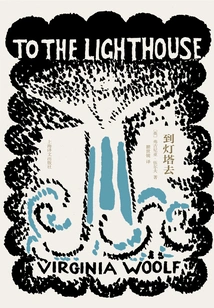
Woolf's representative work is also a representative work of stream-of-consciousness writing. It has a profound impact on the history of literature. It uses rich and exquisite literary techniques and is full of artistic color. Mr. Qu Shijing's classic translation. "To the Lighthouse" is a work written by Woolf in 1927. It is a quasi-autobiographical stream-of-consciousness novel that has a profound influence on the history of literature. The novel describes the life of Professor Ramsay's family and a few close friends on vacation on a Scottish island after the First World War. In this novel with a very simple plot, the author explores the meaning of life and the nature of the self, pointing out that it is possible for the self to escape the clutches of the endless passage of time and survive forever despite the threat of death. The light at the top of the lighthouse symbolizes the light of Mrs. Ramsay's soul. This book's use of literary techniques is rich and exquisite. Whether it is psychological description, perspective switching, or stream of consciousness techniques, they are all full of artistic color and are amazing to read.
Woolf's representative work is also a representative work of stream-of-consciousness writing. It has a profound impact on the history of literature. It uses rich and exquisite literary techniques and is full of artistic color. Mr. Qu Shijing's classic translation. "To the Lighthouse" is a work written by Woolf in 1927. It is a quasi-autobiographical stream-of-consciousness novel that has a profound influence on the history of literature. The novel describes the life of Professor Ramsay's family and a few close friends on vacation on a Scottish island after the First World War. In this novel with a very simple plot, the author explores the meaning of life and the nature of the self, pointing out that it is possible for the self to escape the clutches of the endless passage of time and survive forever despite the threat of death. The light at the top of the lighthouse symbolizes the light of Mrs. Ramsay's soul. This book's use of literary techniques is rich and exquisite. Whether it is psychological description, perspective switching, or stream of consciousness techniques, they are all full of artistic color and are amazing to read.
Flush (collected Works of Woolf)
General Fiction弗勒希(伍尔夫文集)
H
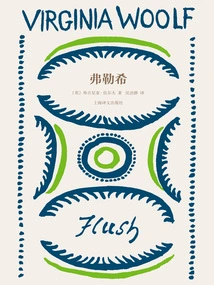
"Flush is a plush version of Woolf." Woolf's rare humorous work and one of the best-selling works, a warm little book written for "dog lovers", is the best introduction to reading Woolf. Flush is a puppy with a great background. His owner is Elizabeth Barrett (later Mrs. Browning), a legendary woman in the history of English literature. Flush and her went from being in conflict with each other to being inseparable, accompanying her through the years of lingering in bed, and then followed her to elope with Mr. Browning, from the cold and humid England to sunny Italy, and witnessed the happy married life of the two poets. In "Flouch", the author uses humorous writing methods to reproduce the romantic love of the poet couple that transcends time and space by writing a biography of the dog. At the same time, the author also uses a dog's perspective to reflect the social contradictions of the Victorian era and urbanites' yearning for nature and wildness. The author's unique feminist thoughts add an evocative depth to this sketch-like work. Attached is Woolf's famous essay "Remembering a Faithful Friend" in which she fondly recalls her beloved dog.
"Flush is a plush version of Woolf." Woolf's rare humorous work and one of the best-selling works, a warm little book written for "dog lovers", is the best introduction to reading Woolf. Flush is a puppy with a great background. His owner is Elizabeth Barrett (later Mrs. Browning), a legendary woman in the history of English literature. Flush and her went from being in conflict with each other to being inseparable, accompanying her through the years of lingering in bed, and then followed her to elope with Mr. Browning, from the cold and humid England to sunny Italy, and witnessed the happy married life of the two poets. In "Flouch", the author uses humorous writing methods to reproduce the romantic love of the poet couple that transcends time and space by writing a biography of the dog. At the same time, the author also uses a dog's perspective to reflect the social contradictions of the Victorian era and urbanites' yearning for nature and wildness. The author's unique feminist thoughts add an evocative depth to this sketch-like work. Attached is Woolf's famous essay "Remembering a Faithful Friend" in which she fondly recalls her beloved dog.
J
LiteratureJ
H
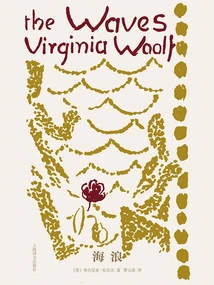
"The Waves" is Woolf's work at the peak of her creative power and was published in 1931. This poetic experimental work does not have a story in the strict sense, but is more like a musical work composed of nine movements: each introduction is an exquisite prose poem, using the ebb and flow of the sun and waves to correspond to the ups and downs of life; following each introduction are the momentary inner monologues of six highly formalized characters without surnames in their respective life stages - from childhood, studenthood, youth, middle age to old age. The introduction and the main text map each other, opening up an unprecedented and nuanced channel for the readers' senses, and getting closer to the essence of life, time, consciousness and feeling to the maximum extent. This is a work that occupies an important position in the palace of modern literature. To this day, it still stirs our souls with its exquisite text structure and poetic style.
"The Waves" is Woolf's work at the peak of her creative power and was published in 1931. This poetic experimental work does not have a story in the strict sense, but is more like a musical work composed of nine movements: each introduction is an exquisite prose poem, using the ebb and flow of the sun and waves to correspond to the ups and downs of life; following each introduction are the momentary inner monologues of six highly formalized characters without surnames in their respective life stages - from childhood, studenthood, youth, middle age to old age. The introduction and the main text map each other, opening up an unprecedented and nuanced channel for the readers' senses, and getting closer to the essence of life, time, consciousness and feeling to the maximum extent. This is a work that occupies an important position in the palace of modern literature. To this day, it still stirs our souls with its exquisite text structure and poetic style.

Monday or Tuesday: Eight Stories=周一或周二:八个故事(英文版)
H
"Monday or Tuesday: Eight Stories" is a collection of early short stories by the famous British female writer Virginia Woolf. In this work, traditional plot and character concepts are abandoned, replaced by a stream-of-consciousness, almost dreamy, experimental narrative. The short length of each novel in this work makes it easier for readers to access the so-called "stream of consciousness" novels.
"Monday or Tuesday: Eight Stories" is a collection of early short stories by the famous British female writer Virginia Woolf. In this work, traditional plot and character concepts are abandoned, replaced by a stream-of-consciousness, almost dreamy, experimental narrative. The short length of each novel in this work makes it easier for readers to access the so-called "stream of consciousness" novels.

Go Out and Buy Eggs
Literature出门买蛋去
I
The years go by, the seasons change, and some life experiences leave traces in the days. Have those deep or shallow feelings, as well as the whispers about the world, been properly placed? Ogawa Ito's collection of prose essays records life experiences throughout the year. Turn on the "receiving antenna" and seriously experience the world through Ogawa Ito's words! --I consider myself to be 100% a cat. Longing for freedom. However, sometimes I want to rely on others. --Be kind to your neighbors with an upright heart, and work conscientiously and happily for someone without losing any sense of proportion. -- Believes that writing a diary is a kind of salvation and the only moment when she feels free. --Fancy people, cute people, calm people, elegant people, everyone is free to express their unique look. --The act of hating will corrode your own heart and will not bring any extra points to your life in the end. - No need to work hard to forgive. It's not right to say forgetting. Only by understanding the other person's behavior can you save your own wounded soul. --Decorating all kinds of things in visible places always feels messy. --It's great to drink in moderation and enjoy the aftertaste of being "slightly tipsy". Ogawa Ito's words convey not only the touch of life, but also the dialogue with oneself. Through Nuan Nuan's words, you can feel the change of seasons and the joy of life. What you get from it is not only a touch, but also the redemption and respect for life.
The years go by, the seasons change, and some life experiences leave traces in the days. Have those deep or shallow feelings, as well as the whispers about the world, been properly placed? Ogawa Ito's collection of prose essays records life experiences throughout the year. Turn on the "receiving antenna" and seriously experience the world through Ogawa Ito's words! --I consider myself to be 100% a cat. Longing for freedom. However, sometimes I want to rely on others. --Be kind to your neighbors with an upright heart, and work conscientiously and happily for someone without losing any sense of proportion. -- Believes that writing a diary is a kind of salvation and the only moment when she feels free. --Fancy people, cute people, calm people, elegant people, everyone is free to express their unique look. --The act of hating will corrode your own heart and will not bring any extra points to your life in the end. - No need to work hard to forgive. It's not right to say forgetting. Only by understanding the other person's behavior can you save your own wounded soul. --Decorating all kinds of things in visible places always feels messy. --It's great to drink in moderation and enjoy the aftertaste of being "slightly tipsy". Ogawa Ito's words convey not only the touch of life, but also the dialogue with oneself. Through Nuan Nuan's words, you can feel the change of seasons and the joy of life. What you get from it is not only a touch, but also the redemption and respect for life.

Enjoy While Hot
General Fiction趁热品尝
H
Various life stories that unfold through food. Slowly savor the power and meaning of rebirth that each delicacy brings to people. The mother actually called grandma Xiaohua, saying that grandma had returned to the state of a child. Grandma first erased my mother's existence from her memory. Not long after, Mayu was also forgotten by her grandmother. Grandma, who became strange, suddenly remembered the natural shaved ice that looked like Mount Fuji. The boyfriend, who is about to be transferred to Canada, takes his girlfriend to visit an inconspicuous but delicious restaurant that his father frequented during his lifetime. Here he will confess to his girlfriend the most important thing in his life. The couple who were about to divorce decided to arrange a farewell trip, enjoy delicious matsutake dishes together, and go to hot springs separately. ...Food plays a down-to-earth and reliable role in these people's lives. Food is an important emotional nutrient, a comfort that can't bear sadness, an addition to happiness, and a force that supports people to go on bravely.
Various life stories that unfold through food. Slowly savor the power and meaning of rebirth that each delicacy brings to people. The mother actually called grandma Xiaohua, saying that grandma had returned to the state of a child. Grandma first erased my mother's existence from her memory. Not long after, Mayu was also forgotten by her grandmother. Grandma, who became strange, suddenly remembered the natural shaved ice that looked like Mount Fuji. The boyfriend, who is about to be transferred to Canada, takes his girlfriend to visit an inconspicuous but delicious restaurant that his father frequented during his lifetime. Here he will confess to his girlfriend the most important thing in his life. The couple who were about to divorce decided to arrange a farewell trip, enjoy delicious matsutake dishes together, and go to hot springs separately. ...Food plays a down-to-earth and reliable role in these people's lives. Food is an important emotional nutrient, a comfort that can't bear sadness, an addition to happiness, and a force that supports people to go on bravely.

Western Food Ogawa
Literature洋食小川
H
Gentle and unpretentious, Ogawa Ito tells her daily life in more than 50 essays. She is both a writer and a lifer. Being able to spend every day calmly and peacefully is such a hard-won life. Please remember this rare happiness. There are some burdens to bear in life, some of which cannot be easily told to others, some of which make oneself regretful, and some which make oneself feel guilty. Surviving is by no means a simple matter. Many times it doesn't work out. For a whole day, without deliberately doing anything special, just because of the food, singing, dancing, silence, and talking and laughing, my heart will be filled to the top and extremely happy. Life is slowly managed along these small blessings. Take off the burden on your shoulders and see the scenery that you couldn't see if you were just trying to be brave. Living life as usual is the most powerful resistance to the cruel world.
Gentle and unpretentious, Ogawa Ito tells her daily life in more than 50 essays. She is both a writer and a lifer. Being able to spend every day calmly and peacefully is such a hard-won life. Please remember this rare happiness. There are some burdens to bear in life, some of which cannot be easily told to others, some of which make oneself regretful, and some which make oneself feel guilty. Surviving is by no means a simple matter. Many times it doesn't work out. For a whole day, without deliberately doing anything special, just because of the food, singing, dancing, silence, and talking and laughing, my heart will be filled to the top and extremely happy. Life is slowly managed along these small blessings. Take off the burden on your shoulders and see the scenery that you couldn't see if you were just trying to be brave. Living life as usual is the most powerful resistance to the cruel world.

If There Were Grapefruit
Literature倘若有柚子
H
There must be many things hidden in this world that I can find if I keep looking. Ogawa Ito's words are just right and restrained, implying deep feelings, making people want to seriously cherish every moment of light in life. "If I can harvest grapefruit in my garden in the future, that will be enough to make people cheer. There should be a long, long way to go before that day." Ogawa Ito wrote an essay about his life spanning a year with his usual delicate words. Ogawa Ito's ability to create atmosphere is extremely strong, making people feel that everything is a beautiful fragment of life. Ogawa Ito deconstructs simple daily life, every word and sentence is concise and gentle, full of just the right amount of elegance and affection. No matter which page you turn and which paragraph you read, you will feel beautiful but not excessive. In monotonous days, Ogawa Ito chooses to decorate his life with different rewards. Living every day well is the greatest reward for yourself.
There must be many things hidden in this world that I can find if I keep looking. Ogawa Ito's words are just right and restrained, implying deep feelings, making people want to seriously cherish every moment of light in life. "If I can harvest grapefruit in my garden in the future, that will be enough to make people cheer. There should be a long, long way to go before that day." Ogawa Ito wrote an essay about his life spanning a year with his usual delicate words. Ogawa Ito's ability to create atmosphere is extremely strong, making people feel that everything is a beautiful fragment of life. Ogawa Ito deconstructs simple daily life, every word and sentence is concise and gentle, full of just the right amount of elegance and affection. No matter which page you turn and which paragraph you read, you will feel beautiful but not excessive. In monotonous days, Ogawa Ito chooses to decorate his life with different rewards. Living every day well is the greatest reward for yourself.

Chestnuts in the Night
Literature深夜中的栗子
H
[Best-selling author Ogawa Ito returns with heart-warming following "Camellia Stationery" and "Sands Day at the Lion House"] In spring, feel the warmth from the heart, stand under the blooming cherry blossoms, and be a serious flower viewer. On a hot summer day, the sun shines on the lake, putting peaches into the cool lake water. Thousands of light and shadows soothe people's hearts. In the season of falling leaves, make your favorite pastries with your own hands, stay in the kitchen all day, and enjoy a pleasant cooking time. The breath of winter is coming, brew a pot of hot tea, and use chestnuts in the middle of the night to eliminate all mediocrity and fatigue. The bits and pieces that are repeated, repeated, repeated, repeated constitute life itself. It is in this daily life that I write one story after another and listen to them fall to the ground.
[Best-selling author Ogawa Ito returns with heart-warming following "Camellia Stationery" and "Sands Day at the Lion House"] In spring, feel the warmth from the heart, stand under the blooming cherry blossoms, and be a serious flower viewer. On a hot summer day, the sun shines on the lake, putting peaches into the cool lake water. Thousands of light and shadows soothe people's hearts. In the season of falling leaves, make your favorite pastries with your own hands, stay in the kitchen all day, and enjoy a pleasant cooking time. The breath of winter is coming, brew a pot of hot tea, and use chestnuts in the middle of the night to eliminate all mediocrity and fatigue. The bits and pieces that are repeated, repeated, repeated, repeated constitute life itself. It is in this daily life that I write one story after another and listen to them fall to the ground.
H
LiteratureH
H
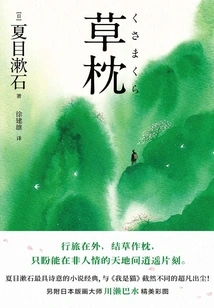
In order to escape from the worries of the world, a painter left the city in early spring and went into the mountains, where he stayed temporarily in a hot spring house called Nagujing. In the middle of the night on the first day of his stay, the painter was awakened by a burst of singing. He stood up and looked around, and saw a woman vaguely appearing in the attic outside the house like a phantom, and then disappeared again. The next day, he got up early and took a bath, wondering whether what he saw and heard last night was a dream, but he saw the "phantom" walking towards him serving tea. It turns out that this graceful "phantom" is the daughter of the master of this family. She appears in front of the artist's eyes like a fairy in the painting, showing a hazy and mysterious beauty. Afterwards, the painter went to a nearby barbershop for a shave. The owner of the barbershop said that the hot spring master's daughter, a girl named Namei, was divorced and had a "crazy" temper, and asked him not to get too close. A young monk who came to the barber shop to have his head shaved retorted that Namei was a very wise adult. The beauty that everyone talks about, the beauty that seems absurd and simple in conversation, has become an otherworldly and "inhuman" existence in the artist's heart. The artist feels that every move she makes is like the person in the painting, and imagines that if he develops feelings for her, can this feeling be called "inhuman"?
In order to escape from the worries of the world, a painter left the city in early spring and went into the mountains, where he stayed temporarily in a hot spring house called Nagujing. In the middle of the night on the first day of his stay, the painter was awakened by a burst of singing. He stood up and looked around, and saw a woman vaguely appearing in the attic outside the house like a phantom, and then disappeared again. The next day, he got up early and took a bath, wondering whether what he saw and heard last night was a dream, but he saw the "phantom" walking towards him serving tea. It turns out that this graceful "phantom" is the daughter of the master of this family. She appears in front of the artist's eyes like a fairy in the painting, showing a hazy and mysterious beauty. Afterwards, the painter went to a nearby barbershop for a shave. The owner of the barbershop said that the hot spring master's daughter, a girl named Namei, was divorced and had a "crazy" temper, and asked him not to get too close. A young monk who came to the barber shop to have his head shaved retorted that Namei was a very wise adult. The beauty that everyone talks about, the beauty that seems absurd and simple in conversation, has become an otherworldly and "inhuman" existence in the artist's heart. The artist feels that every move she makes is like the person in the painting, and imagines that if he develops feelings for her, can this feeling be called "inhuman"?
N
General Fictionn
H
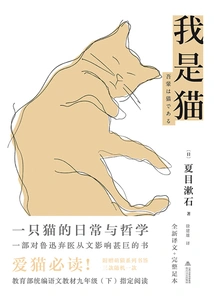
"I Am a Cat" is a famous work by Japan's "national writer" Natsume Soseki, which has a profound influence on Japanese literature. The novel adopts humorous, satirical and comical techniques, and from the perspective of a cat, it describes the daily life of its owner Kushamana and his friends, as well as various phenomena in the human world as seen by the cat. This cat is self-righteous, witty, humorous and witty. The author used his words to ridicule the empty spiritual world of the intellectuals in Meiji society, and exposed the snobbish, vulgar, and ferocious nature of Kaneda and other bourgeoisie and their accomplices.
"I Am a Cat" is a famous work by Japan's "national writer" Natsume Soseki, which has a profound influence on Japanese literature. The novel adopts humorous, satirical and comical techniques, and from the perspective of a cat, it describes the daily life of its owner Kushamana and his friends, as well as various phenomena in the human world as seen by the cat. This cat is self-righteous, witty, humorous and witty. The author used his words to ridicule the empty spiritual world of the intellectuals in Meiji society, and exposed the snobbish, vulgar, and ferocious nature of Kaneda and other bourgeoisie and their accomplices.
Literary Theory
Literature文学论
H
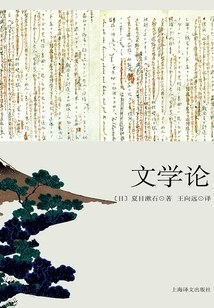
"On Literature" is a famous work by Natsume Soseki, a great modern Japanese writer and national writer. It is the author's lecture notes at the University of Tokyo. It is also the world's first work on literary principles written from the perspective of psychological aesthetics and reader acceptance. It has both textual characteristics and wide influence worldwide. "On Literature" can be said to be a collection of British literary criticism. Starting from social psychology and aesthetics, Natsume Soseki believed that the content of literature consists of "cognitive" elements such as concepts, reason, and impressions (Soseki used F) and emotional elements (Soseki used f), and created the literary formula F+f, thus unfolding his literary view. Many later Japanese writers and scholars spoke highly of "On Literature". They pointed out that such a self-contained tome on literature as "On Literature" was the only one in Europe at that time.
"On Literature" is a famous work by Natsume Soseki, a great modern Japanese writer and national writer. It is the author's lecture notes at the University of Tokyo. It is also the world's first work on literary principles written from the perspective of psychological aesthetics and reader acceptance. It has both textual characteristics and wide influence worldwide. "On Literature" can be said to be a collection of British literary criticism. Starting from social psychology and aesthetics, Natsume Soseki believed that the content of literature consists of "cognitive" elements such as concepts, reason, and impressions (Soseki used F) and emotional elements (Soseki used f), and created the literary formula F+f, thus unfolding his literary view. Many later Japanese writers and scholars spoke highly of "On Literature". They pointed out that such a self-contained tome on literature as "On Literature" was the only one in Europe at that time.
Poppy (natsume Soseki's Work Series)
General Fiction虞美人草(夏目漱石作品系列)
H
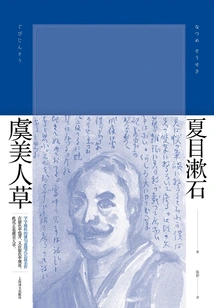
Natsume Soseki's unique and gorgeous work is a long masterpiece of haiku written in a series of beautiful words. It is a confrontation between modernity and classics, and the confrontation between glitz and simplicity. Blooming in silver, and fading in silver. This flower is poppy poppy. In Japan after the Meiji Restoration, amidst the tremendous social changes, the confrontation between tradition and modernity, morality and utilitarianism was extremely fierce. A group of young men and women each chose a different life: the poet Ono was born in poverty, and he was extremely vain and tried to completely change his life by marrying a rich girl; the philosophy graduate Kono was world-weary and pessimistic, and decided to leave the hypocritical family; the beautiful but arrogant rich girl Fujio hoped to get rid of her original engagement and find another good relationship... In the end, these young people met their unexpected but reasonable endings. In the last chapter of the novel, on the silver screen in the deceased Fujio's room, there is a poppy with verdigris stems and red and purple petals, which "blooms in silver and withers in silver", gorgeous but disillusioned. Natsume Soseki took this flower as his title and used it as a metaphor for people. People are "busy making trade-offs between this way of living and that way of living." They are satisfied with the comedy of existence full of frolic, noise, deception, contempt, and trampling, but ignore the great tragedy of life under the decline of morality.
Natsume Soseki's unique and gorgeous work is a long masterpiece of haiku written in a series of beautiful words. It is a confrontation between modernity and classics, and the confrontation between glitz and simplicity. Blooming in silver, and fading in silver. This flower is poppy poppy. In Japan after the Meiji Restoration, amidst the tremendous social changes, the confrontation between tradition and modernity, morality and utilitarianism was extremely fierce. A group of young men and women each chose a different life: the poet Ono was born in poverty, and he was extremely vain and tried to completely change his life by marrying a rich girl; the philosophy graduate Kono was world-weary and pessimistic, and decided to leave the hypocritical family; the beautiful but arrogant rich girl Fujio hoped to get rid of her original engagement and find another good relationship... In the end, these young people met their unexpected but reasonable endings. In the last chapter of the novel, on the silver screen in the deceased Fujio's room, there is a poppy with verdigris stems and red and purple petals, which "blooms in silver and withers in silver", gorgeous but disillusioned. Natsume Soseki took this flower as his title and used it as a metaphor for people. People are "busy making trade-offs between this way of living and that way of living." They are satisfied with the comedy of existence full of frolic, noise, deception, contempt, and trampling, but ignore the great tragedy of life under the decline of morality.
Loneliness Experiment
General Fiction孤独实验
H
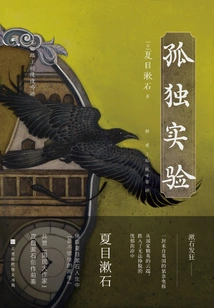
This book collects Natsume Soseki's life in the UK or his works based on British literature and history, including "The Carlyle Museum", "Tower of London", "Phantom Shield" and "Xiaolu Xing". "Carlyle Museum": "It is this face that has been soaking in this bathtub that is about the same height as a radiator, lying on this simple bed for forty years, always complaining about the noise outside." Soseki's travel notes describing Soseki's visit to Thomas Carlyle's former residence. "Tower of London": "The Tower of London is like the focus of dreams in my previous life." This work is written based on Soseki's own experience of actually visiting the Tower of London and his unique vision of fantasy. It incorporates Soseki's views on Western painting. "Phantom Shield": "This is the world in the shield. However, William is the shield." This is a tragic love novel depicting the knights William and Clara in ancient times. William and Clara are like Romeo and Juliet. "The Dew Walk": It is a work with strong British literature. The story is based on the legend of King Arthur and describes the secret love between the legendary Knight of the Round Table Lancelot and Princess Guinevere. The name is quoted from the unknown poet's work "Song of Dew" in the ancient Yuefu ballads of the Han Dynasty in China.
This book collects Natsume Soseki's life in the UK or his works based on British literature and history, including "The Carlyle Museum", "Tower of London", "Phantom Shield" and "Xiaolu Xing". "Carlyle Museum": "It is this face that has been soaking in this bathtub that is about the same height as a radiator, lying on this simple bed for forty years, always complaining about the noise outside." Soseki's travel notes describing Soseki's visit to Thomas Carlyle's former residence. "Tower of London": "The Tower of London is like the focus of dreams in my previous life." This work is written based on Soseki's own experience of actually visiting the Tower of London and his unique vision of fantasy. It incorporates Soseki's views on Western painting. "Phantom Shield": "This is the world in the shield. However, William is the shield." This is a tragic love novel depicting the knights William and Clara in ancient times. William and Clara are like Romeo and Juliet. "The Dew Walk": It is a work with strong British literature. The story is based on the legend of King Arthur and describes the secret love between the legendary Knight of the Round Table Lancelot and Princess Guinevere. The name is quoted from the unknown poet's work "Song of Dew" in the ancient Yuefu ballads of the Han Dynasty in China.

F
General FictionF
H
Sanshirō, a young man who went to university in Tokyo from a small place, had three worlds in front of him. The first world is hometown, an old world that although people feel familiar with, no one wants to go back to. In the second world, there are libraries, dim laboratories, and a stable but monotonous campus world. The third world is like a bright spring, with electric lights, silver spoons, bubbly champagne, and outstandingly beautiful women, so close yet seemingly out of reach. A classic that spans a century, it vividly portrays the ignorance and confusion of young people in a small town when they face the dazzling modern city for the first time. A hometown that cannot be returned to, a city that cannot be integrated into, every young man is a lost lamb.
Sanshirō, a young man who went to university in Tokyo from a small place, had three worlds in front of him. The first world is hometown, an old world that although people feel familiar with, no one wants to go back to. In the second world, there are libraries, dim laboratories, and a stable but monotonous campus world. The third world is like a bright spring, with electric lights, silver spoons, bubbly champagne, and outstandingly beautiful women, so close yet seemingly out of reach. A classic that spans a century, it vividly portrays the ignorance and confusion of young people in a small town when they face the dazzling modern city for the first time. A hometown that cannot be returned to, a city that cannot be integrated into, every young man is a lost lamb.

Balzac Classic: Honorine
General Fiction巴尔扎克经典:奥诺丽纳
I
This book is Balzac's classic masterpiece, translated by Fu Lei. Honorine was first serialized in La Stampa from March 17 to 29, 1843. In 1844, a single volume was published by Botai Bookstore, divided into forty chapters, each chapter has a title. In the same year, it was compiled into the fourth volume of Finer's edition of The Human Comedy. In the work, the author not only raised issues of family, marriage, and love, but also raised issues of morality, law, and religion. Honorina is dissatisfied with her subordinate status in the family and pursues independence, freedom and exciting love. She abandoned her property and husband and ran away with her lover, only to be abandoned because she lost her property. She expected to earn her own living, but after seven years of struggle, she still had to return to her husband under the pressure of society, law, and religious concepts, and finally died of physical and mental exhaustion. Honorina is a person who intentionally stays away from the money society, and her escape is also a story of encounter. Even among all Balzac's characters, Honorine shines brightest. Balzac wrote about the various behaviors of all living beings in the money society and the stories of various people's encounters with money in this era.
This book is Balzac's classic masterpiece, translated by Fu Lei. Honorine was first serialized in La Stampa from March 17 to 29, 1843. In 1844, a single volume was published by Botai Bookstore, divided into forty chapters, each chapter has a title. In the same year, it was compiled into the fourth volume of Finer's edition of The Human Comedy. In the work, the author not only raised issues of family, marriage, and love, but also raised issues of morality, law, and religion. Honorina is dissatisfied with her subordinate status in the family and pursues independence, freedom and exciting love. She abandoned her property and husband and ran away with her lover, only to be abandoned because she lost her property. She expected to earn her own living, but after seven years of struggle, she still had to return to her husband under the pressure of society, law, and religious concepts, and finally died of physical and mental exhaustion. Honorina is a person who intentionally stays away from the money society, and her escape is also a story of encounter. Even among all Balzac's characters, Honorine shines brightest. Balzac wrote about the various behaviors of all living beings in the money society and the stories of various people's encounters with money in this era.
Q
General Fictionq
H
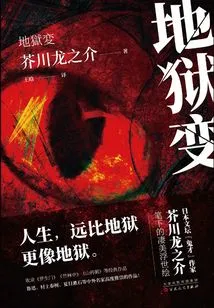
This book contains a total of eleven short stories by Ryunosuke Akutagawa. It is a collection of Ryunosuke Akutagawa's representative works from different periods. It profoundly shows the game between human nature and desire, the choice of good and evil, and the helplessness of life. Among them, "Hell Transformation" tells the story of a highly skilled painter, Yoshihide, who, in order to pursue the highest realm of art, cruelly sacrificed his daughter to complete a "Hell Transformation" screen that shocked the world. Ryunosuke Akutagawa uses a unique layout to push the protagonist in the article to the extreme situation of life and death test, thereby showing readers the opposition between good and evil and conveying his understanding of human nature.
This book contains a total of eleven short stories by Ryunosuke Akutagawa. It is a collection of Ryunosuke Akutagawa's representative works from different periods. It profoundly shows the game between human nature and desire, the choice of good and evil, and the helplessness of life. Among them, "Hell Transformation" tells the story of a highly skilled painter, Yoshihide, who, in order to pursue the highest realm of art, cruelly sacrificed his daughter to complete a "Hell Transformation" screen that shocked the world. Ryunosuke Akutagawa uses a unique layout to push the protagonist in the article to the extreme situation of life and death test, thereby showing readers the opposition between good and evil and conveying his understanding of human nature.

A
General FictionA
H
This collection of novels can be said to be the "original point" of inspiration for Tsunoda Mitsuyo's genius creation. It consists of three short stories about "growth". "Happy Game": Two men and one woman who are neither lovers nor blood related formed a strange but warm "home". Haori and Liren left their "home" one after another to explore the world, but "I" still stubbornly fantasized about continuing to stay in this warm nest... "Carefree Angel": "I" faced an old man, and talked about a man who was wandering in the present. A story between reality and fiction: My mother is seriously ill and hospitalized. "I", my sister and my father fill the emptiness in their hearts with ever-expanding material desires. Life seems to be no longer under their control... "Public Bathroom": "I" is out of tune with the world and refuses to open up to the world. One day, I am cured by a little girl I meet by chance in a public bathroom...
This collection of novels can be said to be the "original point" of inspiration for Tsunoda Mitsuyo's genius creation. It consists of three short stories about "growth". "Happy Game": Two men and one woman who are neither lovers nor blood related formed a strange but warm "home". Haori and Liren left their "home" one after another to explore the world, but "I" still stubbornly fantasized about continuing to stay in this warm nest... "Carefree Angel": "I" faced an old man, and talked about a man who was wandering in the present. A story between reality and fiction: My mother is seriously ill and hospitalized. "I", my sister and my father fill the emptiness in their hearts with ever-expanding material desires. Life seems to be no longer under their control... "Public Bathroom": "I" is out of tune with the world and refuses to open up to the world. One day, I am cured by a little girl I meet by chance in a public bathroom...
Red Haired Woman
General Fiction红发女人
I
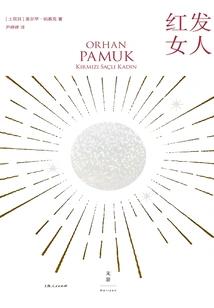
The Nobel Prize winner's work is Pamuk's first attempt to "write a shorter novel", although the story has been brewing for thirty years - it began in the summer of 1988, when Pamuk met a pair of well-diggers near his residence who were affectionate as father and son. The process of digging a well to get water is also a journey of digging all the way into the dark depths of memory. Jem, a young man who lost his father and became an apprentice to dig wells, gradually became a businessman with no worries about food and clothing over the years. Underneath his peaceful middle-aged life, there is an unknown past buried. Until one day, the past he tried to forget finally swallowed him up. What kind of father do we need? One who tolerates everything we do, or one who teaches us obedience? Perhaps, after trying all the freedoms, we just want to find a meaning, a center, a person who can say "no" to ourselves. Sixteen-year-old high school student Jim came to the small town of Engeran on the outskirts of Istanbul during the summer vacation and dug a well with the well-digger Mahmoud. Because water could not be found for a long time, the work became extremely boring. However, Master Mahmoud and Jim gradually became as close as a father and son. Just this summer, a red-haired woman briefly appeared in Jem's life. Because of an accident, Jem fled the town in panic. For the next thirty years, he continued to read and search for two ancient legends. He discovered that these ancient stories still mysteriously guided his destiny. Thirty years later, Jem has become the owner of a construction company and leads a prosperous and peaceful middle-aged life. He returns to Engren and discovers everything he had tried to forget...
The Nobel Prize winner's work is Pamuk's first attempt to "write a shorter novel", although the story has been brewing for thirty years - it began in the summer of 1988, when Pamuk met a pair of well-diggers near his residence who were affectionate as father and son. The process of digging a well to get water is also a journey of digging all the way into the dark depths of memory. Jem, a young man who lost his father and became an apprentice to dig wells, gradually became a businessman with no worries about food and clothing over the years. Underneath his peaceful middle-aged life, there is an unknown past buried. Until one day, the past he tried to forget finally swallowed him up. What kind of father do we need? One who tolerates everything we do, or one who teaches us obedience? Perhaps, after trying all the freedoms, we just want to find a meaning, a center, a person who can say "no" to ourselves. Sixteen-year-old high school student Jim came to the small town of Engeran on the outskirts of Istanbul during the summer vacation and dug a well with the well-digger Mahmoud. Because water could not be found for a long time, the work became extremely boring. However, Master Mahmoud and Jim gradually became as close as a father and son. Just this summer, a red-haired woman briefly appeared in Jem's life. Because of an accident, Jem fled the town in panic. For the next thirty years, he continued to read and search for two ancient legends. He discovered that these ancient stories still mysteriously guided his destiny. Thirty years later, Jem has become the owner of a construction company and leads a prosperous and peaceful middle-aged life. He returns to Engren and discovers everything he had tried to forget...

Butcher's Crossing
General Fiction屠夫十字镇
K
Another masterpiece by John Williams, author of "Stoner". The difference from "Stoner" is that he wants to understand the reality of the world. They are both a story about perseverance in the face of meaninglessness, about failure caused by naivety. Unlike Stoner, who sticks to his faith, this is a young man who is passionate and curious about the unknown, eager to seek the real world: what he believes in is not the belief of Emerson and Thoreau, but the seeing behind it - except for wilderness and experience, nothing is more sincere and charming than the inner impulse. At the same time, he is the same as Stoner in a sense, they have achieved self-realization. Perhaps, each of us has this kind of impulse and passion, which has made us who we are today. A deep meditation on the young mind. The author John Williams said that when a young man who dropped out of Harvard came to the West and saw nature and the true appearance of the wilderness, what would happen to him? This is where the novel begins. "Butcher's Crossing" tells the story of Andrews, a young man who dropped out of Harvard in 1873. Influenced by the natural concepts of Emerson and Thoreau, he came to Butcher's Crossing with the urge to find beauty, hope and vitality, and followed the hunter Miller and two others (Schneider the skinner and Charlie Hogg, who worked with the camp) into the Colorado mountains to hunt bison. Each of them embarked on this uncertain journey with different purposes and ideas. They experienced many difficulties and even lost one person's life. They returned to Butcher's Crossing Town, but earth-shaking changes had taken place here...
Another masterpiece by John Williams, author of "Stoner". The difference from "Stoner" is that he wants to understand the reality of the world. They are both a story about perseverance in the face of meaninglessness, about failure caused by naivety. Unlike Stoner, who sticks to his faith, this is a young man who is passionate and curious about the unknown, eager to seek the real world: what he believes in is not the belief of Emerson and Thoreau, but the seeing behind it - except for wilderness and experience, nothing is more sincere and charming than the inner impulse. At the same time, he is the same as Stoner in a sense, they have achieved self-realization. Perhaps, each of us has this kind of impulse and passion, which has made us who we are today. A deep meditation on the young mind. The author John Williams said that when a young man who dropped out of Harvard came to the West and saw nature and the true appearance of the wilderness, what would happen to him? This is where the novel begins. "Butcher's Crossing" tells the story of Andrews, a young man who dropped out of Harvard in 1873. Influenced by the natural concepts of Emerson and Thoreau, he came to Butcher's Crossing with the urge to find beauty, hope and vitality, and followed the hunter Miller and two others (Schneider the skinner and Charlie Hogg, who worked with the camp) into the Colorado mountains to hunt bison. Each of them embarked on this uncertain journey with different purposes and ideas. They experienced many difficulties and even lost one person's life. They returned to Butcher's Crossing Town, but earth-shaking changes had taken place here...

K
Z
The Last Gift (gurna Works)
General Fiction最后的礼物(古尔纳作品)
H
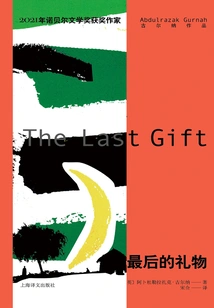
Gurna, the 2021 Nobel Prize winner, continues to write about the loneliness and struggle of wanderers in foreign lands, perfectly interpreting what is meant by "a hometown that cannot be returned, a foreign country that cannot be integrated". Focusing on the identity crisis encountered by the descendants of immigrants, it reveals the damage caused by ethnocentrism to the human soul and attempts to explore the way out. Attached is the unabridged translation of Gurna's acceptance speech, giving a glimpse into the secrets of growth and writing that span two continents and blend with multiple civilizations. "The Last Gift" is a companion piece to his other novel "In Praise of Silence". The story tells the story of the protagonist, Abbas, who abandoned his wife and children at the age of nineteen due to low self-esteem and suspicion, fled his hometown of Zanzibar, became a sailor, traveled to major ports around the world, and lived a life of no fixed abode. It was not until fifteen years later that he fell in love at first sight with Maryam, a black mixed-race girl who was abandoned after birth in Exeter, England. The two decided to settle in Norwich and start an ordinary life of having children. However, life is not happily ever after. The humble status of British immigrants always haunts the family like a nightmare. And Abbas's silence about Zanzibar has made a pair of children like rootless duckweeds, losing themselves in the issue of identity. Abbas suffered a stroke at the age of sixty-three, and remained sick until his death. During these final years, the distant homeland that he had spent most of his life trying to forget became increasingly clear in his mind, making him dream about it. With the encouragement of his wife, he finally told a tape recorder his complete life story, leaving the last gift of his life to his children.
Gurna, the 2021 Nobel Prize winner, continues to write about the loneliness and struggle of wanderers in foreign lands, perfectly interpreting what is meant by "a hometown that cannot be returned, a foreign country that cannot be integrated". Focusing on the identity crisis encountered by the descendants of immigrants, it reveals the damage caused by ethnocentrism to the human soul and attempts to explore the way out. Attached is the unabridged translation of Gurna's acceptance speech, giving a glimpse into the secrets of growth and writing that span two continents and blend with multiple civilizations. "The Last Gift" is a companion piece to his other novel "In Praise of Silence". The story tells the story of the protagonist, Abbas, who abandoned his wife and children at the age of nineteen due to low self-esteem and suspicion, fled his hometown of Zanzibar, became a sailor, traveled to major ports around the world, and lived a life of no fixed abode. It was not until fifteen years later that he fell in love at first sight with Maryam, a black mixed-race girl who was abandoned after birth in Exeter, England. The two decided to settle in Norwich and start an ordinary life of having children. However, life is not happily ever after. The humble status of British immigrants always haunts the family like a nightmare. And Abbas's silence about Zanzibar has made a pair of children like rootless duckweeds, losing themselves in the issue of identity. Abbas suffered a stroke at the age of sixty-three, and remained sick until his death. During these final years, the distant homeland that he had spent most of his life trying to forget became increasingly clear in his mind, making him dream about it. With the encouragement of his wife, he finally told a tape recorder his complete life story, leaving the last gift of his life to his children.
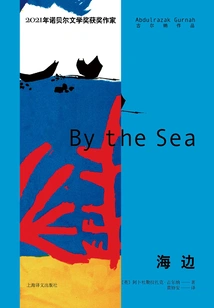
Seaside (works by Gurna)
General Fiction海边(古尔纳作品)
H
The masterpiece of Gurner, the 2021 Nobel Prize winner, was shortlisted for the 2001 Booker Prize long list and the Los Angeles Times Book Award short list. Revenge and forgiveness, two lonely and cold hearts, two helpless and desperate strangers completed their respective redemptions of blood and tears in Western civilization. Specially included is the unabridged translation of Gurna's award-winning speech, giving a glimpse into the secrets of growth and writing that span two continents and blend with multiple civilizations. "By the Sea" is one of the masterpieces of the 2021 Nobel Prize writer Gurner. It was shortlisted for the 2001 Booker Prize long list and the Los Angeles Times Book Award short list. The novel tells the story of Saleh Omar, a middle-aged man who came to the UK from Zanzibar to seek political asylum at the end of the 20th century. After arriving in the UK, Omar was arranged to live temporarily in a seaside town. Because he used the name of his former hometown enemy Rajeb Sherbon when entering the country, his son Latif actually came to visit him, which triggered the grudges between the two families. Living together in a foreign country that was riddled with hostility, Omar and Latif opened their hearts and recalled the family grudges of the year. The truth gradually emerged and the two finally reached a reconciliation. The novel uses flashbacks, interludes and other methods to explain the reasons why the protagonist Omar left his hometown, which leads to various memories, ranging from family feuds to Zanzibar's colonial independence history. The constant changes in narrative angles, the overlapping of memories and forgetting, form Gurna's unique narrative art. "By the Sea" demonstrates Gulner's deep concern for the situation of refugees, especially those caught between different cultures.
The masterpiece of Gurner, the 2021 Nobel Prize winner, was shortlisted for the 2001 Booker Prize long list and the Los Angeles Times Book Award short list. Revenge and forgiveness, two lonely and cold hearts, two helpless and desperate strangers completed their respective redemptions of blood and tears in Western civilization. Specially included is the unabridged translation of Gurna's award-winning speech, giving a glimpse into the secrets of growth and writing that span two continents and blend with multiple civilizations. "By the Sea" is one of the masterpieces of the 2021 Nobel Prize writer Gurner. It was shortlisted for the 2001 Booker Prize long list and the Los Angeles Times Book Award short list. The novel tells the story of Saleh Omar, a middle-aged man who came to the UK from Zanzibar to seek political asylum at the end of the 20th century. After arriving in the UK, Omar was arranged to live temporarily in a seaside town. Because he used the name of his former hometown enemy Rajeb Sherbon when entering the country, his son Latif actually came to visit him, which triggered the grudges between the two families. Living together in a foreign country that was riddled with hostility, Omar and Latif opened their hearts and recalled the family grudges of the year. The truth gradually emerged and the two finally reached a reconciliation. The novel uses flashbacks, interludes and other methods to explain the reasons why the protagonist Omar left his hometown, which leads to various memories, ranging from family feuds to Zanzibar's colonial independence history. The constant changes in narrative angles, the overlapping of memories and forgetting, form Gurna's unique narrative art. "By the Sea" demonstrates Gulner's deep concern for the situation of refugees, especially those caught between different cultures.
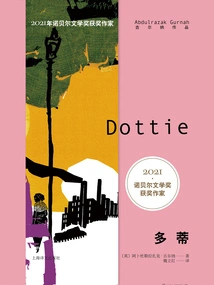
Doty (works by Gurna)
General Fiction多蒂(古尔纳作品)
H
The work of Gurna, the 2021 Nobel Prize-winning writer, is a contemporary women's coming-of-age novel comparable to "Jane Eyre". Focusing on identity and racial conflicts, and seeing the big from the small, it presents a vivid picture of the British post-colonial era. The work has skillful narrative skills and a thought-provoking theme. "Dottie" is the third novel in the creative career of the 2021 Nobel Prize winner Abdul Razak Gulna. It is also his only literary work so far with a female protagonist. This work continues the theme of refugees that he has always been concerned about and is good at, accurately depicting the living conditions of African refugees in the UK, focusing on identity and racial conflicts, and showing a vivid picture of the post-colonial era in Britain. Dottie in the story is an African-American woman living in the UK. By recording her interactions with all kinds of people in her life (including relatives, lovers, co-workers, landlords, social workers, teachers, doctors, etc.) - There are both tender mutual comfort and support, as well as profound misunderstandings and betrayals - it vividly outlines the image of a young woman who was born at the bottom of society. In the process of continuous learning, thinking and struggle, she gradually became full-fledged and achieved class crossing. The work's narrative skills are skillful and its themes are thought-provoking. It is a rare and excellent female coming-of-age novel.
The work of Gurna, the 2021 Nobel Prize-winning writer, is a contemporary women's coming-of-age novel comparable to "Jane Eyre". Focusing on identity and racial conflicts, and seeing the big from the small, it presents a vivid picture of the British post-colonial era. The work has skillful narrative skills and a thought-provoking theme. "Dottie" is the third novel in the creative career of the 2021 Nobel Prize winner Abdul Razak Gulna. It is also his only literary work so far with a female protagonist. This work continues the theme of refugees that he has always been concerned about and is good at, accurately depicting the living conditions of African refugees in the UK, focusing on identity and racial conflicts, and showing a vivid picture of the post-colonial era in Britain. Dottie in the story is an African-American woman living in the UK. By recording her interactions with all kinds of people in her life (including relatives, lovers, co-workers, landlords, social workers, teachers, doctors, etc.) - There are both tender mutual comfort and support, as well as profound misunderstandings and betrayals - it vividly outlines the image of a young woman who was born at the bottom of society. In the process of continuous learning, thinking and struggle, she gradually became full-fledged and achieved class crossing. The work's narrative skills are skillful and its themes are thought-provoking. It is a rare and excellent female coming-of-age novel.
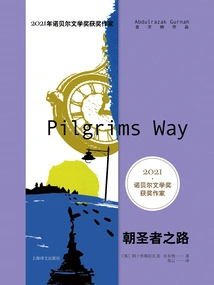
Pilgrim's Road (works by Gurna)
General Fiction朝圣者之路(古尔纳作品)
H
The work of 2021 Nobel Prize winner Gurna, a fascinating story about identity, memory and immigration. A tragic song for the dispersed, a "pilgrimage road" for foreigners. Specially included is the unabridged translation of Gurna's award-winning speech. Tanzanian student Dawood came to the UK after experiencing political turmoil in his homeland. For years, he tried to hide his past. But when he meets Catherine, he is determined to tell her about the horrors of his teenage years and the torn feeling of being a "foreigner" in the face of provincialism and racism. Structured as a pilgrimage, "Pilgrim's Way" guides Daoud to immerse himself in the pain and beauty of his past and move forward with a new understanding of his life in exile, a captivating story of identity, memory and migration.
The work of 2021 Nobel Prize winner Gurna, a fascinating story about identity, memory and immigration. A tragic song for the dispersed, a "pilgrimage road" for foreigners. Specially included is the unabridged translation of Gurna's award-winning speech. Tanzanian student Dawood came to the UK after experiencing political turmoil in his homeland. For years, he tried to hide his past. But when he meets Catherine, he is determined to tell her about the horrors of his teenage years and the torn feeling of being a "foreigner" in the face of provincialism and racism. Structured as a pilgrimage, "Pilgrim's Way" guides Daoud to immerse himself in the pain and beauty of his past and move forward with a new understanding of his life in exile, a captivating story of identity, memory and migration.

Abandonment (works by Gurna)
General Fiction遗弃(古尔纳作品)
H
The seventh novel of Gurna, the 2021 Nobel Prize-winning writer and shortlisted for the 2006 Commonwealth Writers' Prize, is one of the writer's masterpieces, with a clear autobiographical flavor. This poignant and moving love story has successfully created two African female characters belonging to different eras. The portrayal of the characters' psychology is very delicate and highly contagious. The novel "Abandonment" was first published in 2005. It is one of Gurna's masterpieces and was shortlisted for the 2006 Commonwealth Writers Award. It tells the story of the love tragedy of two generations who cannot tolerate the secular world. The first story takes place in the British colony of Kenya at the end of the 19th century. Martin Pierce, a British writer, traveler and orientalist, was in danger in the desert and was discovered and rescued by a Muslim young man, Hassanali. After being rescued, Pierce came to thank Hassanali and met Hassanali's sister Rihanna. The two fell in love at first sight and came together regardless of colonial and religious restrictions. The second story takes place in Zanzibar and London, England, before and after independence in the mid-20th century, telling the story of two brothers, Amin and Rashid. His brother Amin fell in love with Jamila, a young and beautiful but not well-known local woman - she is the granddaughter of Pierce and Rihanna in the previous story. However, due to the firm opposition of her parents, they were forced to break up. Since then, they have lived with the guilt and regret caused by "abandoning" each other. His younger brother Rashid won a scholarship to study in the UK and "abandoned" his hometown in turmoil.
The seventh novel of Gurna, the 2021 Nobel Prize-winning writer and shortlisted for the 2006 Commonwealth Writers' Prize, is one of the writer's masterpieces, with a clear autobiographical flavor. This poignant and moving love story has successfully created two African female characters belonging to different eras. The portrayal of the characters' psychology is very delicate and highly contagious. The novel "Abandonment" was first published in 2005. It is one of Gurna's masterpieces and was shortlisted for the 2006 Commonwealth Writers Award. It tells the story of the love tragedy of two generations who cannot tolerate the secular world. The first story takes place in the British colony of Kenya at the end of the 19th century. Martin Pierce, a British writer, traveler and orientalist, was in danger in the desert and was discovered and rescued by a Muslim young man, Hassanali. After being rescued, Pierce came to thank Hassanali and met Hassanali's sister Rihanna. The two fell in love at first sight and came together regardless of colonial and religious restrictions. The second story takes place in Zanzibar and London, England, before and after independence in the mid-20th century, telling the story of two brothers, Amin and Rashid. His brother Amin fell in love with Jamila, a young and beautiful but not well-known local woman - she is the granddaughter of Pierce and Rihanna in the previous story. However, due to the firm opposition of her parents, they were forced to break up. Since then, they have lived with the guilt and regret caused by "abandoning" each other. His younger brother Rashid won a scholarship to study in the UK and "abandoned" his hometown in turmoil.
S
General Fictions
J
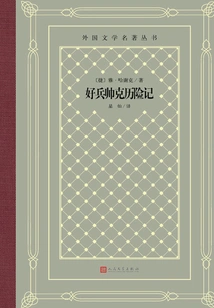
This outstanding political satirical novel takes the experience of an ordinary Czech soldier, Servik, in the First World War as the plot clue, and profoundly exposes the vicious tyranny of the rulers of the Austro-Hungarian Empire and the corruption and depravity of the army. The novel vividly describes the imperialist army's rape and robbery of the people, the absurd relationship between officers and soldiers, their animal-like ferocity towards prisoners, and the stupidity and greed of officers at all levels.
This outstanding political satirical novel takes the experience of an ordinary Czech soldier, Servik, in the First World War as the plot clue, and profoundly exposes the vicious tyranny of the rulers of the Austro-Hungarian Empire and the corruption and depravity of the army. The novel vividly describes the imperialist army's rape and robbery of the people, the absurd relationship between officers and soldiers, their animal-like ferocity towards prisoners, and the stupidity and greed of officers at all levels.

X
General Fictionx
I
"The Good Soldier Schweik" is a world-famous satirical novel, based on the author's own real war experience. The novel vividly satirizes the incompetence and stupidity of the officers, policemen and priests of the Austro-Hungarian Empire through the experience of Svejke, the "officially certified idiot", in the First World War. Since its publication, this work has continued to exert influence around the world. The image of Shuike created in this book is honest, honest, honest, humorous and smart. He is always good at exposing the lies of the ruling bureaucrats with his honest and innocent attitude, exposing the ugly face of the tyrannical and corrupt officers, embarrassing the arrogant bureaucrats, and highlighting the value of people's freedom. The "Sweike spirit" is still not out of date today!
"The Good Soldier Schweik" is a world-famous satirical novel, based on the author's own real war experience. The novel vividly satirizes the incompetence and stupidity of the officers, policemen and priests of the Austro-Hungarian Empire through the experience of Svejke, the "officially certified idiot", in the First World War. Since its publication, this work has continued to exert influence around the world. The image of Shuike created in this book is honest, honest, honest, humorous and smart. He is always good at exposing the lies of the ruling bureaucrats with his honest and innocent attitude, exposing the ugly face of the tyrannical and corrupt officers, embarrassing the arrogant bureaucrats, and highlighting the value of people's freedom. The "Sweike spirit" is still not out of date today!
W
General Fictionw
I
The novel takes the hero Szeke's experience in World War I as the main plot, and vividly describes the incompetence, stupidity, and ugliness of the officers, policemen, and priests of the Austro-Hungarian Empire, and profoundly exposes the vicious tyranny of the rulers of the Austro-Hungarian Empire and the corruption and depravity of the army. The work uses vivid brushstrokes to create an honest, honest, humorous, and lovable image of the good soldier Szeke, who vividly reflects the wisdom of the Czech people and their dissatisfaction and spontaneous struggle against foreign rulers.
The novel takes the hero Szeke's experience in World War I as the main plot, and vividly describes the incompetence, stupidity, and ugliness of the officers, policemen, and priests of the Austro-Hungarian Empire, and profoundly exposes the vicious tyranny of the rulers of the Austro-Hungarian Empire and the corruption and depravity of the army. The work uses vivid brushstrokes to create an honest, honest, humorous, and lovable image of the good soldier Szeke, who vividly reflects the wisdom of the Czech people and their dissatisfaction and spontaneous struggle against foreign rulers.

His Good Night is Very Tender
Short Fiction他的晚安很缱绻
H
1V1 Shuang Jiewen (a collection of contemporary novels)~ -- Small theater: Chen Xinyu went out to play and broke his mobile phone. Gu Zheng couldn't get in touch and became anxious. He found Chen Xinyu and a father and son talking and laughing happily in the restaurant of the aquarium. Gu Zheng exuded the aura of death and successfully scared away the father and son. Then, Gu Zheng took Chen Xinyu to buy a mobile phone. That day, they visited many stores and looked at many models of mobile phones. In the end, Gu Zheng chose the most fall-resistant one for Chen Xinyu... -- From now on, every good night he says will be only to you. There is abuse and sweetness, different characters, different love.
1V1 Shuang Jiewen (a collection of contemporary novels)~ -- Small theater: Chen Xinyu went out to play and broke his mobile phone. Gu Zheng couldn't get in touch and became anxious. He found Chen Xinyu and a father and son talking and laughing happily in the restaurant of the aquarium. Gu Zheng exuded the aura of death and successfully scared away the father and son. Then, Gu Zheng took Chen Xinyu to buy a mobile phone. That day, they visited many stores and looked at many models of mobile phones. In the end, Gu Zheng chose the most fall-resistant one for Chen Xinyu... -- From now on, every good night he says will be only to you. There is abuse and sweetness, different characters, different love.

Light and Shadow Build Dreams
Slice of Life光影筑梦
F
The struggles of ordinary people, personal choices under the changing times, skills changing destiny, the balance between family and career, and the true meaning of ordinary life. Character settings: Chen Meng: The heroine. Born in rural Henan in 1990. He has a tough, down-to-earth and resilient personality, average academic performance, somewhat introverted but has an independent mind. Never give up when you experience setbacks, and know how to seize opportunities. Chen's mother: Chen Meng's mother. Do small business in Beijing (such as selling breakfast, setting up stalls). Hard-working and simple, he loves his daughter but has limited abilities. He hopes that his daughter can gain a foothold in a big city. Chen's father: Chen Meng's father. She works as a farmer at home and is taciturn. She supports her daughter in studying but is unable to change the general environment. Teacher Liu: Chen Mengchu's third class teacher. Responsible but limited by the "vocational education craze" and quota pressure at the time, he lobbied Chen Meng to attend a technical school. Boss Wang: The owner of a small graphic design company in Beijing. Mean, stingy, and just looking to take advantage of cheap labor. Master Li: Owner and photographer of a small photo studio. With good skills and a relatively kind personality, he is Chen Meng's real first teacher. Sister Zhang: Supervisor of post-processing at the photo studio. With strong skills and strict requirements, Chen Meng is the noble person in his career\u002F Yanshi. Zhou Hang: Chen Meng's husband. He may also be a photo studio practitioner (photographer or post-production artist), he is down-to-earth and reliable, and understands and supports Chen Meng's career. Xiaobao: Chen Meng's son. Symbolizing the completion and new stage of her life.
The struggles of ordinary people, personal choices under the changing times, skills changing destiny, the balance between family and career, and the true meaning of ordinary life. Character settings: Chen Meng: The heroine. Born in rural Henan in 1990. He has a tough, down-to-earth and resilient personality, average academic performance, somewhat introverted but has an independent mind. Never give up when you experience setbacks, and know how to seize opportunities. Chen's mother: Chen Meng's mother. Do small business in Beijing (such as selling breakfast, setting up stalls). Hard-working and simple, he loves his daughter but has limited abilities. He hopes that his daughter can gain a foothold in a big city. Chen's father: Chen Meng's father. She works as a farmer at home and is taciturn. She supports her daughter in studying but is unable to change the general environment. Teacher Liu: Chen Mengchu's third class teacher. Responsible but limited by the "vocational education craze" and quota pressure at the time, he lobbied Chen Meng to attend a technical school. Boss Wang: The owner of a small graphic design company in Beijing. Mean, stingy, and just looking to take advantage of cheap labor. Master Li: Owner and photographer of a small photo studio. With good skills and a relatively kind personality, he is Chen Meng's real first teacher. Sister Zhang: Supervisor of post-processing at the photo studio. With strong skills and strict requirements, Chen Meng is the noble person in his career\u002F Yanshi. Zhou Hang: Chen Meng's husband. He may also be a photo studio practitioner (photographer or post-production artist), he is down-to-earth and reliable, and understands and supports Chen Meng's career. Xiaobao: Chen Meng's son. Symbolizing the completion and new stage of her life.

杏子酱:索尔仁尼琴中短篇小说集(百读文库)
H
In the 1950s and 1960s, Solzhenitsyn triggered a "nuclear explosion" in the literary world and even the entire society with his short stories and novellas. After that, he was restrained by large-scale works, and returned to the short genre after half a century: the novel collection "Apricot Jam" was the last literary work created by the writer in his later years, including eight short stories and one novella. The fate of the characters in the book range from generals to reform-through-labor prisoners, from priests to modern bankers, from engineers to farmers, and their fates are powerfully ground in the millstone of history. Therefore, the grand trajectory of the "red wheel" of history can be completely described in the short story. The writer's innovation in the short story genre was also completed at the same time: the counterpoint melody and "Gemini" structure allow the different fates of one character, or the fate of two unrelated characters, to be contained in one short story at the same time, thus forming a mysterious metaphor for history and prompting readers to feel and reflect more deeply on Russia's harsh fate in the 20th century.
In the 1950s and 1960s, Solzhenitsyn triggered a "nuclear explosion" in the literary world and even the entire society with his short stories and novellas. After that, he was restrained by large-scale works, and returned to the short genre after half a century: the novel collection "Apricot Jam" was the last literary work created by the writer in his later years, including eight short stories and one novella. The fate of the characters in the book range from generals to reform-through-labor prisoners, from priests to modern bankers, from engineers to farmers, and their fates are powerfully ground in the millstone of history. Therefore, the grand trajectory of the "red wheel" of history can be completely described in the short story. The writer's innovation in the short story genre was also completed at the same time: the counterpoint melody and "Gemini" structure allow the different fates of one character, or the fate of two unrelated characters, to be contained in one short story at the same time, thus forming a mysterious metaphor for history and prompting readers to feel and reflect more deeply on Russia's harsh fate in the 20th century.
平原三部曲(第九届茅盾文学家获奖作家李佩甫作品)
K
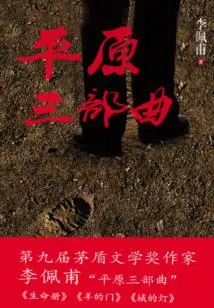
The Pingyuan trilogy "Sheep's Gate", "City's Lamp" and "Book of Life" uses the intersection of history and reality as the basic structural framework. It describes Hu Tiancheng, secretary of the rural party branch. During his nearly 40 years in office, he used various "connections" to manage the "human field" and built a huge network of relationships from the township to the county, and from the provincial capital to the capital. The book "Lights of the City" constructs a unique "sieged city" world: there is "glorious light" in the city, which is pleasant and clean; outside the city, there is a huge black hole that is constantly being swallowed by darkness. In the abyss of desire, sin is rampant. In the throes of entanglement and biting inside and outside the city. "Book of Life" not only describes the living conditions of villagers who catered to, refused, or drifted away during the political movements in the second half of the twentieth century, but also describes how villagers "escaped" from the countryside and persisted and lost in the face of the temptation of materialistic cities.
The Pingyuan trilogy "Sheep's Gate", "City's Lamp" and "Book of Life" uses the intersection of history and reality as the basic structural framework. It describes Hu Tiancheng, secretary of the rural party branch. During his nearly 40 years in office, he used various "connections" to manage the "human field" and built a huge network of relationships from the township to the county, and from the provincial capital to the capital. The book "Lights of the City" constructs a unique "sieged city" world: there is "glorious light" in the city, which is pleasant and clean; outside the city, there is a huge black hole that is constantly being swallowed by darkness. In the abyss of desire, sin is rampant. In the throes of entanglement and biting inside and outside the city. "Book of Life" not only describes the living conditions of villagers who catered to, refused, or drifted away during the political movements in the second half of the twentieth century, but also describes how villagers "escaped" from the countryside and persisted and lost in the face of the temptation of materialistic cities.
Welcome to Danyuan Village
General Fiction欢迎来到弹园村
I
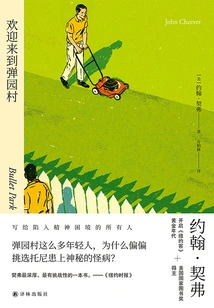
Danyuan Village, an ordinary family. One morning, my son Tony refused to get out of bed. When his mother came to take his temperature, he said, "I'm not sick, I'm just sad. I just don't want to get up." His parents decided to let him rest for a day. Five days later, he was still in bed. Tony is nine years old. He suddenly gave up all sports activities, gave up socializing with friends, and sat down in front of the TV. Senior year of high school. He said, what's the use of having a diploma. This thing is just a fake piece of paper, like a fake treaty. What happened to Tony?
Danyuan Village, an ordinary family. One morning, my son Tony refused to get out of bed. When his mother came to take his temperature, he said, "I'm not sick, I'm just sad. I just don't want to get up." His parents decided to let him rest for a day. Five days later, he was still in bed. Tony is nine years old. He suddenly gave up all sports activities, gave up socializing with friends, and sat down in front of the TV. Senior year of high school. He said, what's the use of having a diploma. This thing is just a fake piece of paper, like a fake treaty. What happened to Tony?

The Triumph of the Egg and Other Stories
General Fiction鸡蛋的胜利和其他故事
J
"The Triumph of the Egg and Other Stories" is a collection of short stories by Sherwood Anderson, the "father of modern American literature", and includes 15 works: A small egg can completely defeat a person and an "American dream"; At this moment, Mary wants to see the outside world. She has stayed in this small town for too long. The night before, her father told her that he had a heart disease and might die at any time; A man in a brown coat People keep writing, but no words in his pen can bring him into life; Rosalind abandons the town and her parents and runs forward, and every step she takes makes her experience a fresh sense of escape... Anderson is an explorer of the human soul. He sneaks into the daily life of people in the town at a glance, and concisely and accurately depicts their inner fragility and loneliness, fantasies and desires, touching the universal state of human existence.
"The Triumph of the Egg and Other Stories" is a collection of short stories by Sherwood Anderson, the "father of modern American literature", and includes 15 works: A small egg can completely defeat a person and an "American dream"; At this moment, Mary wants to see the outside world. She has stayed in this small town for too long. The night before, her father told her that he had a heart disease and might die at any time; A man in a brown coat People keep writing, but no words in his pen can bring him into life; Rosalind abandons the town and her parents and runs forward, and every step she takes makes her experience a fresh sense of escape... Anderson is an explorer of the human soul. He sneaks into the daily life of people in the town at a glance, and concisely and accurately depicts their inner fragility and loneliness, fantasies and desires, touching the universal state of human existence.

Lost Horizon
General Fiction消失的地平线
J
In the book "Lost Horizon", four Western travelers accidentally come to the secret land of Shangri-La located in the mountains. The four travelers, who were originally diplomats, bankers, nuns and college graduates, were bound together by fate and encountered various bizarre events in Shangri-La. Shangri-La is like a paradise, where there are no complicated trivial matters and meaningless disputes. People are accompanied by Chopin's lost music, the girl who never grows old, the shining Karakal Mountain outside the window, and the slow flow of time. What shocking secrets are hidden in Shangri-La, protected by the light of the sun and moon? Led by local elders, the four travelers uncovered the mystery of Shangri-La layer by layer...
In the book "Lost Horizon", four Western travelers accidentally come to the secret land of Shangri-La located in the mountains. The four travelers, who were originally diplomats, bankers, nuns and college graduates, were bound together by fate and encountered various bizarre events in Shangri-La. Shangri-La is like a paradise, where there are no complicated trivial matters and meaningless disputes. People are accompanied by Chopin's lost music, the girl who never grows old, the shining Karakal Mountain outside the window, and the slow flow of time. What shocking secrets are hidden in Shangri-La, protected by the light of the sun and moon? Led by local elders, the four travelers uncovered the mystery of Shangri-La layer by layer...
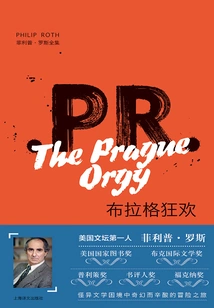
Carnival in Prague (complete Works by Philip Roth)
General Fiction布拉格狂欢(菲利普·罗斯全集)
H
The successful Nathan Zuckerman came to Prague in the mid-1970s. Here he discovered a completely different literary predicament and experienced a series of fantastic and poignant adventures. "Prague Carnival" presents Zuckerman's sojourn life with the exiled artists in the form of a diary, and tells the struggle of these morally bankrupt artists in a totalitarian society: while they indulge themselves in carnival and exile, they are also using their bodies to resist the constraints of their spirits. Philip Roth uses this book to explore the difficult fate and living conditions of intellectuals in harsh political situations, and his writing reveals profound concern and sympathy.
The successful Nathan Zuckerman came to Prague in the mid-1970s. Here he discovered a completely different literary predicament and experienced a series of fantastic and poignant adventures. "Prague Carnival" presents Zuckerman's sojourn life with the exiled artists in the form of a diary, and tells the struggle of these morally bankrupt artists in a totalitarian society: while they indulge themselves in carnival and exile, they are also using their bodies to resist the constraints of their spirits. Philip Roth uses this book to explore the difficult fate and living conditions of intellectuals in harsh political situations, and his writing reveals profound concern and sympathy.

Selected Novels of Chekhov·visiting Patients
General Fiction契诃夫小说选集·出诊集
J
Chekhov is a world-class master of short stories in Russia and the last critical realist art master in Russia in the late 19th century. Together with the French writer Maupassant and the American writer O. Henry, he is known as one of the "three major short story writers in the world". This collection contains 10 short stories, all of which describe urban life. The author describes the miserable fate of young intellectuals under the unreasonable social system: depression and sadness, or degeneration and vulgarity.
Chekhov is a world-class master of short stories in Russia and the last critical realist art master in Russia in the late 19th century. Together with the French writer Maupassant and the American writer O. Henry, he is known as one of the "three major short story writers in the world". This collection contains 10 short stories, all of which describe urban life. The author describes the miserable fate of young intellectuals under the unreasonable social system: depression and sadness, or degeneration and vulgarity.

One Hundred Billion Lives
General Fiction一千亿种生活
K
Even if you have nothing in front of you, you can get comfort from this book and embrace the ecstasy of life. The last fourteen days of the year feel like stepping into a strange parallel universe. Here, there is a store filled with lemon aroma, filled with all kinds of cleaning tools. Brushes, rags, steel wool and dusters, boxes of gloves - heavy-duty, latex, rubber, polyethylene, cotton mops, squeegees, regular brooms, trash clips. A strange silence lingered in the shop. Here, there is an inexplicable crack, extending from the wall to the tiles on the floor, like a yawning mouth. The wind passed through the cracks, and there seemed to be a small sigh floating into the distance. Here, an unpredictable weather moves toward the airport. Four cheetahs, a goat of unknown origin, a donkey, and a turtle are stuffed in the animal storage station. The parked airport stages a ridiculous comedy that makes people laugh and cry. Here, snowflakes seem to rise from the ground and fall from the sky at the same time; sheep are paired with foxes, and mice dance with insects. Here, there is a miraculous little garden, with snow falling on the treetops, and a woman with silver hair wearing a red coat walking slowly through the snow and walking toward us. All stories start from here and quietly intersect with each of our lives. You will find that the world is bigger than reality; you will find that you are not alone. Because, the feeling in your heart, I also feel in my heart.
Even if you have nothing in front of you, you can get comfort from this book and embrace the ecstasy of life. The last fourteen days of the year feel like stepping into a strange parallel universe. Here, there is a store filled with lemon aroma, filled with all kinds of cleaning tools. Brushes, rags, steel wool and dusters, boxes of gloves - heavy-duty, latex, rubber, polyethylene, cotton mops, squeegees, regular brooms, trash clips. A strange silence lingered in the shop. Here, there is an inexplicable crack, extending from the wall to the tiles on the floor, like a yawning mouth. The wind passed through the cracks, and there seemed to be a small sigh floating into the distance. Here, an unpredictable weather moves toward the airport. Four cheetahs, a goat of unknown origin, a donkey, and a turtle are stuffed in the animal storage station. The parked airport stages a ridiculous comedy that makes people laugh and cry. Here, snowflakes seem to rise from the ground and fall from the sky at the same time; sheep are paired with foxes, and mice dance with insects. Here, there is a miraculous little garden, with snow falling on the treetops, and a woman with silver hair wearing a red coat walking slowly through the snow and walking toward us. All stories start from here and quietly intersect with each of our lives. You will find that the world is bigger than reality; you will find that you are not alone. Because, the feeling in your heart, I also feel in my heart.

寻梦芦笛(世界科幻大师丛书)
I
What possibilities does our universe hold? What will science bring to us and what will it take away from us? What connections can we make with others, and can we achieve true happiness? Thinking and discussing these issues is interesting and meaningful. Keep asking questions, thinking, and then embody your thinking into actions. Perhaps one day, this will become a force that changes the real world.
What possibilities does our universe hold? What will science bring to us and what will it take away from us? What connections can we make with others, and can we achieve true happiness? Thinking and discussing these issues is interesting and meaningful. Keep asking questions, thinking, and then embody your thinking into actions. Perhaps one day, this will become a force that changes the real world.

Wardrobe
General Fiction衣柜
I
"The Wardrobe" is a collection of novels by Olga Tokarczuk, the winner of the 2018 Nobel Prize for Literature, and includes three works. Among them, "The Wardrobe" tells the story of a couple who were attracted by an old wardrobe that was as mysterious as an energy pit, and eventually lived in it and refused to come out; the narrator of "Room Number" is "I" who is a room attendant. In the story, "I" wander around different rooms of the Capital Hotel, following clues to capture the clues left by guests. "Goddess" is about a programming genius who is like the god of creation. He constantly builds new worlds with programs, but is repeatedly disappointed with human beings... In these surreal stories, Tokarczuk uses her unique "fourth-person narrative" to explore the hidden world beyond daily experience. This book is directly translated from the original Polish work, and specifically includes literary interviews Tokarczuk accepted at the "Quotation Marks International Literary Festival" she planned and organized.
"The Wardrobe" is a collection of novels by Olga Tokarczuk, the winner of the 2018 Nobel Prize for Literature, and includes three works. Among them, "The Wardrobe" tells the story of a couple who were attracted by an old wardrobe that was as mysterious as an energy pit, and eventually lived in it and refused to come out; the narrator of "Room Number" is "I" who is a room attendant. In the story, "I" wander around different rooms of the Capital Hotel, following clues to capture the clues left by guests. "Goddess" is about a programming genius who is like the god of creation. He constantly builds new worlds with programs, but is repeatedly disappointed with human beings... In these surreal stories, Tokarczuk uses her unique "fourth-person narrative" to explore the hidden world beyond daily experience. This book is directly translated from the original Polish work, and specifically includes literary interviews Tokarczuk accepted at the "Quotation Marks International Literary Festival" she planned and organized.

狄更斯别集:中短篇小说选
H
This book collects 12 short stories and short stories by Dickens. Dickens's short stories and novellas, like his novels, embody the great writer's unique creative ideas and aesthetic pursuit of brown literary attainments. At the same time, they profoundly reflect the contradictions of real society and vigorously promote the humanitarian ideas he advocated throughout his life.
This book collects 12 short stories and short stories by Dickens. Dickens's short stories and novellas, like his novels, embody the great writer's unique creative ideas and aesthetic pursuit of brown literary attainments. At the same time, they profoundly reflect the contradictions of real society and vigorously promote the humanitarian ideas he advocated throughout his life.
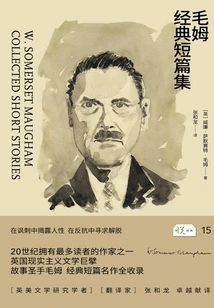
Somerset Maugham's Classic Short Stories Collection
General Fiction毛姆经典短篇集
H
Maugham created more than 150 short stories in his life. The more representative short story collections include "A Trembling Leaf", "The Casuarina Tree", "Akin", "People Who Are Home Around the World", etc. His short stories can be divided into three broad categories: "Western stories" set in Europe, "Eastern stories" set in the South Pacific, Southeast Asia and China, and Ashingdon spy stories. These short stories are so witty and ingenious that we can start reading them from any story anytime, anywhere, whether it is a cold winter night alone or a moment sitting on the subway. As soon as you turn the page, you will immediately enter another world. Those oriental-themed stories with a strong "exotic" atmosphere make readers unable to put it down. This book selects twelve representative short stories by Maugham, which are humorous and full of irony.
Maugham created more than 150 short stories in his life. The more representative short story collections include "A Trembling Leaf", "The Casuarina Tree", "Akin", "People Who Are Home Around the World", etc. His short stories can be divided into three broad categories: "Western stories" set in Europe, "Eastern stories" set in the South Pacific, Southeast Asia and China, and Ashingdon spy stories. These short stories are so witty and ingenious that we can start reading them from any story anytime, anywhere, whether it is a cold winter night alone or a moment sitting on the subway. As soon as you turn the page, you will immediately enter another world. Those oriental-themed stories with a strong "exotic" atmosphere make readers unable to put it down. This book selects twelve representative short stories by Maugham, which are humorous and full of irony.

Afternoon at the Foreign Fruit Shop
General Fiction洋果子店的午后
L
This book is a collection of short stories published by the famous contemporary Japanese writer Ogawa Yoko in 1998. Although it is the author's early work, the author's characteristics - a world setting full of fantasy, a plot intertwined with reality and fiction, and a delicate and restrained psychological description - have matured in this work. The book consists of eleven short stories, with the themes of "death" and "mourning", and the stage background is set in a fictional town with a clock tower. The stories are independent of each other, but they are also implicitly connected and scattered with foreshadowing, vaguely forming a circular structure that echoes from beginning to end. Some characters appear interspersed in each chapter. For example, the passerby in the first chapter is the protagonist of the second chapter, and the second chapter has details related to the third chapter... Weird interweaving, evil collision, and the fate of desperate people are gathered in a poignant web woven by ominousness and darkness.
This book is a collection of short stories published by the famous contemporary Japanese writer Ogawa Yoko in 1998. Although it is the author's early work, the author's characteristics - a world setting full of fantasy, a plot intertwined with reality and fiction, and a delicate and restrained psychological description - have matured in this work. The book consists of eleven short stories, with the themes of "death" and "mourning", and the stage background is set in a fictional town with a clock tower. The stories are independent of each other, but they are also implicitly connected and scattered with foreshadowing, vaguely forming a circular structure that echoes from beginning to end. Some characters appear interspersed in each chapter. For example, the passerby in the first chapter is the protagonist of the second chapter, and the second chapter has details related to the third chapter... Weird interweaving, evil collision, and the fate of desperate people are gathered in a poignant web woven by ominousness and darkness.

两个地主(屠格涅夫中短篇小说选)
L
Turgenev's lyrical style is unprecedented and unprecedented. He can always add just the right amount of lyricism when telling stories, making the articles full of rich flavor of life and natural beauty. The language of Turgenev's novels is pure and beautiful, and the structure is concise and rigorous. His writing style even influenced the later standardization of the Russian language. Lu Xun recommended Turgenev to Chinese youths more than once, calling him a true master of the Russian language.
Turgenev's lyrical style is unprecedented and unprecedented. He can always add just the right amount of lyricism when telling stories, making the articles full of rich flavor of life and natural beauty. The language of Turgenev's novels is pure and beautiful, and the structure is concise and rigorous. His writing style even influenced the later standardization of the Russian language. Lu Xun recommended Turgenev to Chinese youths more than once, calling him a true master of the Russian language.
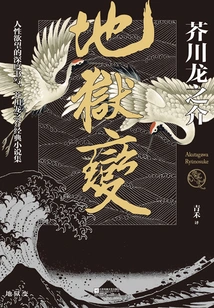
Q
General Fictionq
H
"Hell Change" contains a total of seventeen short stories and short stories by the Japanese literary giant Akutagawa Ryunosuke. Among them, "Hell Change" and "The Nose" are representative, starting from a unique narrative perspective and narrative structure, they grimly observed the Japanese social psychology of that time where "others are hell". This abnormal individual psychology gradually evolved into a habitual social psychology, which is thought-provoking. In addition, works represented by "Hell Transformation" express the life tragedy of a lonely person who is "art for art's sake". To achieve the ideal of "art supremacy" through self-destruction, behind this heavy price is the painful roar of a lonely soul. All in all, Akutagawa's novels are rich in subject matter and diverse in form. They are good at looking at the past and the present. They are especially good at deconstructing stories and lashing out at human nature from the perspective of Zen philosophy. It is truly a masterpiece, profound and grim.
"Hell Change" contains a total of seventeen short stories and short stories by the Japanese literary giant Akutagawa Ryunosuke. Among them, "Hell Change" and "The Nose" are representative, starting from a unique narrative perspective and narrative structure, they grimly observed the Japanese social psychology of that time where "others are hell". This abnormal individual psychology gradually evolved into a habitual social psychology, which is thought-provoking. In addition, works represented by "Hell Transformation" express the life tragedy of a lonely person who is "art for art's sake". To achieve the ideal of "art supremacy" through self-destruction, behind this heavy price is the painful roar of a lonely soul. All in all, Akutagawa's novels are rich in subject matter and diverse in form. They are good at looking at the past and the present. They are especially good at deconstructing stories and lashing out at human nature from the perspective of Zen philosophy. It is truly a masterpiece, profound and grim.