Library
Browse and search books
43 novels found
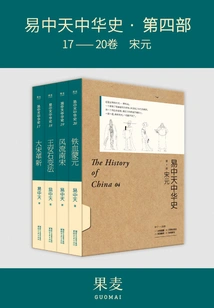
易中天中华史·第四部:宋元(套装共4册)
Yi Zhongtian
"Yi Zhongtian History of China (Part 4, Song and Yuan Dynasties, 4 volumes in total)" written by Yi Zhongtian is a set of the fourth volume of "Yi Zhongtian History of China", "Song and Yuan Dynasties", including "Revolution of the Song Dynasty", "Wang Anshi's Reform", "Romantic Southern Song Dynasty" and "Iron-Blooded Mongolian Yuan". The wheel of Chinese civilization has entered a new era. A new Song Dynasty, a new social life, a new situation and strategy. From the Rebellion of the Five Dynasties to the Qingming Festival, what changes have the historical situation experienced? The Mongols rose rapidly under the leadership of Genghis Khan. What impact will this have on Chinese civilization?
"Yi Zhongtian History of China (Part 4, Song and Yuan Dynasties, 4 volumes in total)" written by Yi Zhongtian is a set of the fourth volume of "Yi Zhongtian History of China", "Song and Yuan Dynasties", including "Revolution of the Song Dynasty", "Wang Anshi's Reform", "Romantic Southern Song Dynasty" and "Iron-Blooded Mongolian Yuan". The wheel of Chinese civilization has entered a new era. A new Song Dynasty, a new social life, a new situation and strategy. From the Rebellion of the Five Dynasties to the Qingming Festival, what changes have the historical situation experienced? The Mongols rose rapidly under the leadership of Genghis Khan. What impact will this have on Chinese civilization?
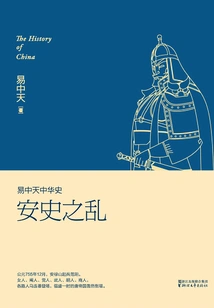
易中天中华史:安史之乱
Yi Zhongtian
Why did the Anshi Rebellion break out? How did women, eunuchs, party members, barbarians, warriors, and businessmen bring down the powerful Tang Empire? To answer these questions and understand that period of history, please read "Yi Zhongtian History of China Volume 16: The An-Shi Rebellion". After ending the chaos during the Tang Zhongzong and Tang Ruizong periods, Tang Xuanzong Li Longji took power. The young emperor worked hard to govern, appointing Yao Chong and Song Jing as prime ministers, Yu Wenrong to manage finances, and Zhang Shuo to assist in government. Nearly a hundred years after the founding of the country, the Tang Empire ushered in its heyday, known in history as the "Kaiyuan Age." Such a prosperous age made the aging Tang Xuanzong very proud. He was addicted to "The Song of Colorful Clothes and Feather Clothes", obsessed with the world of two people with Yang Guifei, and appointed treacherous ministers. In the past, Li Linfu was in power, and later Yang Guozhong was in power. An Lushan, who was born as a barbarian in the border area, was accumulating strength little by little. Finally, in December 755 AD, An Lushan raised troops against Fan Yang. The Tang Dynasty, which had been in peace for a long time, was vulnerable to a blow. The road to suppressing the rebellion was long and arduous. After the Anshi Rebellion, the Tang Dynasty was barely supported by eunuchs, internal strife among courtiers, separatist vassal towns, and barbarians. However, the peasant uprising army led by Huang Chao kicked the dynasty back again. In 907 AD, the Tang Dynasty perished.
Why did the Anshi Rebellion break out? How did women, eunuchs, party members, barbarians, warriors, and businessmen bring down the powerful Tang Empire? To answer these questions and understand that period of history, please read "Yi Zhongtian History of China Volume 16: The An-Shi Rebellion". After ending the chaos during the Tang Zhongzong and Tang Ruizong periods, Tang Xuanzong Li Longji took power. The young emperor worked hard to govern, appointing Yao Chong and Song Jing as prime ministers, Yu Wenrong to manage finances, and Zhang Shuo to assist in government. Nearly a hundred years after the founding of the country, the Tang Empire ushered in its heyday, known in history as the "Kaiyuan Age." Such a prosperous age made the aging Tang Xuanzong very proud. He was addicted to "The Song of Colorful Clothes and Feather Clothes", obsessed with the world of two people with Yang Guifei, and appointed treacherous ministers. In the past, Li Linfu was in power, and later Yang Guozhong was in power. An Lushan, who was born as a barbarian in the border area, was accumulating strength little by little. Finally, in December 755 AD, An Lushan raised troops against Fan Yang. The Tang Dynasty, which had been in peace for a long time, was vulnerable to a blow. The road to suppressing the rebellion was long and arduous. After the Anshi Rebellion, the Tang Dynasty was barely supported by eunuchs, internal strife among courtiers, separatist vassal towns, and barbarians. However, the peasant uprising army led by Huang Chao kicked the dynasty back again. In 907 AD, the Tang Dynasty perished.
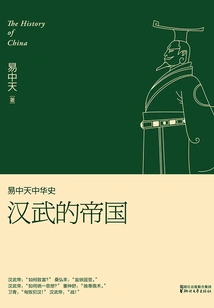
易中天中华史:汉武的帝国
Yi Zhongtian
At the beginning of the establishment of the Han Empire, everything was in ruins. Empress Lu's power was in the hands of both the government and the public, and her relatives started to stir up trouble, leading to chaos among the Lu emperors. The two emperors Wen and Jing recuperated the country, did little corvee and paid little tax, and resumed production. Everything has been prepared, just waiting for Emperor Wu of the Han Dynasty to take the stage. He was determined to forge ahead and made the Han Dynasty's politics, economy, and military become unprecedentedly powerful. Politically, he strengthened the imperial power, implemented favor orders, and weakened the princes and kings; culturally, he adopted Dong Zhongshu's suggestion, deposed hundreds of schools of thought, and only respected Confucianism, making it the mainstream thought for two thousand years; militarily, he defeated the old enemy of the Huns, making the Han Empire the leading military power at that time; economically, he listened to Sang Hongyang's suggestion, and established the Yantieguan camp, which greatly enriched the national treasury. Under his management, the Han Empire was proud of the East. Scholar Yi Zhongtian subverts the traditional writing method of historical works. With beautiful poetic language and a unique and innovative global perspective, he will spend five years writing five masterpieces with a total of 36 volumes, "Yi Zhongtian's History of China".
At the beginning of the establishment of the Han Empire, everything was in ruins. Empress Lu's power was in the hands of both the government and the public, and her relatives started to stir up trouble, leading to chaos among the Lu emperors. The two emperors Wen and Jing recuperated the country, did little corvee and paid little tax, and resumed production. Everything has been prepared, just waiting for Emperor Wu of the Han Dynasty to take the stage. He was determined to forge ahead and made the Han Dynasty's politics, economy, and military become unprecedentedly powerful. Politically, he strengthened the imperial power, implemented favor orders, and weakened the princes and kings; culturally, he adopted Dong Zhongshu's suggestion, deposed hundreds of schools of thought, and only respected Confucianism, making it the mainstream thought for two thousand years; militarily, he defeated the old enemy of the Huns, making the Han Empire the leading military power at that time; economically, he listened to Sang Hongyang's suggestion, and established the Yantieguan camp, which greatly enriched the national treasury. Under his management, the Han Empire was proud of the East. Scholar Yi Zhongtian subverts the traditional writing method of historical works. With beautiful poetic language and a unique and innovative global perspective, he will spend five years writing five masterpieces with a total of 36 volumes, "Yi Zhongtian's History of China".
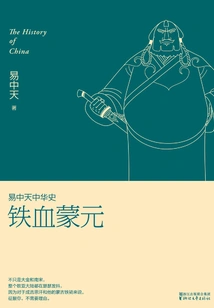
易中天中华史:铁血蒙元
Yi Zhongtian
Genghis Khan, the "genius of a generation", was born, and the Mongolian cavalry swept across the Eurasian continent in just a few decades. Where did they come from? Is he the chosen one or a short-lived troublemaker? The pattern of world civilization is being reshuffled. Where will the wheel of Chinese history go? Welcome to the war world of Genghis Khan.
Genghis Khan, the "genius of a generation", was born, and the Mongolian cavalry swept across the Eurasian continent in just a few decades. Where did they come from? Is he the chosen one or a short-lived troublemaker? The pattern of world civilization is being reshuffled. Where will the wheel of Chinese history go? Welcome to the war world of Genghis Khan.
易中天中华史:青春志
Yi Zhongtian
This book will help you understand the adolescence of our nation - the Eastern Zhou Dynasty. Go and see those assassins who committed suicide, the beauties who pursued true love, the warriors who never looked back, the loyal ministers, the envoys who turned the tide, and the humane ghosts and gods. The assassins chose to kill themselves for the sake of the saying: A man dies for his confidant, and a woman dies for her favor. Among them was Nie Zheng, an assassin who was even more tragic than Jing Ke. He came out because he was grateful for Yan Zhongzi's favor and appreciation. After the deed was accomplished, he brutally cut off his face, gouged out his own eyes, and finally even disemboweled and removed his intestines, just to cut off clues, hide his identity, and not harm his employer and relatives. As an "assassin", his "work" was really good.
This book will help you understand the adolescence of our nation - the Eastern Zhou Dynasty. Go and see those assassins who committed suicide, the beauties who pursued true love, the warriors who never looked back, the loyal ministers, the envoys who turned the tide, and the humane ghosts and gods. The assassins chose to kill themselves for the sake of the saying: A man dies for his confidant, and a woman dies for her favor. Among them was Nie Zheng, an assassin who was even more tragic than Jing Ke. He came out because he was grateful for Yan Zhongzi's favor and appreciation. After the deed was accomplished, he brutally cut off his face, gouged out his own eyes, and finally even disemboweled and removed his intestines, just to cut off clues, hide his identity, and not harm his employer and relatives. As an "assassin", his "work" was really good.
易中天中华史:两汉两罗马
Yi Zhongtian
Alexander, who came out of Macedonia, led Rome to fight Persia, conquer Egypt, and invade India. However, Macedonia, which was promoted to an empire, fell apart behind Alexander. The "Age of Kings" established the People's Assembly and the Senate system, but freedom and law eventually replaced the king. The republic lasted for five hundred years, but collapsed after the assassination of Caesar. The person who inherited Caesar's will was Octavian, who came from a poor family, and he finally achieved "peace under Rome." After that, the Roman Empire continued to be in turmoil, and the five wise kings were unable to turn the tide. Like Rome, the Han Dynasty also grew up on its own and had no faith. After Wang Mang's reforms and restructuring, both farmers and businesses suffered losses, and public resentment boiled over. From this, the Western Han Dynasty transitioned to the Eastern Han Dynasty. Scholar Yi Zhongtian subverts the traditional writing method of historical works. With beautiful poetic language and a unique and innovative global perspective, he will spend five years writing five masterpieces with a total of 36 volumes, "Yi Zhongtian's History of China".
Alexander, who came out of Macedonia, led Rome to fight Persia, conquer Egypt, and invade India. However, Macedonia, which was promoted to an empire, fell apart behind Alexander. The "Age of Kings" established the People's Assembly and the Senate system, but freedom and law eventually replaced the king. The republic lasted for five hundred years, but collapsed after the assassination of Caesar. The person who inherited Caesar's will was Octavian, who came from a poor family, and he finally achieved "peace under Rome." After that, the Roman Empire continued to be in turmoil, and the five wise kings were unable to turn the tide. Like Rome, the Han Dynasty also grew up on its own and had no faith. After Wang Mang's reforms and restructuring, both farmers and businesses suffered losses, and public resentment boiled over. From this, the Western Han Dynasty transitioned to the Eastern Han Dynasty. Scholar Yi Zhongtian subverts the traditional writing method of historical works. With beautiful poetic language and a unique and innovative global perspective, he will spend five years writing five masterpieces with a total of 36 volumes, "Yi Zhongtian's History of China".
儒墨道法的救世之策
Yi Zhongtian
The strategy of Confucianism, Mohism, Taoism and Law to save the world: The world is in chaos and the market needs to be "rescued". Pre-Qin scholars are contending with each other. Which one is right and wrong is Confucianism, Mohism, Taoism and Law? Same world, different dreams - self-restraint and propriety, loving you is discussed, but state-owned enterprise reform and loving you are not discussed, saving can only be achieved by not tossing, double-dealing and domineering - who should I leave this world to? To save the world, save people first, to save people first, save hearts. Crisis turns into gold. How should we deal with it? Yi Zhongtian answered the questions of the pre-Qin scholars, saying that the great way is simple, easy and refreshing.
The strategy of Confucianism, Mohism, Taoism and Law to save the world: The world is in chaos and the market needs to be "rescued". Pre-Qin scholars are contending with each other. Which one is right and wrong is Confucianism, Mohism, Taoism and Law? Same world, different dreams - self-restraint and propriety, loving you is discussed, but state-owned enterprise reform and loving you are not discussed, saving can only be achieved by not tossing, double-dealing and domineering - who should I leave this world to? To save the world, save people first, to save people first, save hearts. Crisis turns into gold. How should we deal with it? Yi Zhongtian answered the questions of the pre-Qin scholars, saying that the great way is simple, easy and refreshing.
易中天中华史:命运和选择
Yi Zhongtian
The 24th volume "Destiny and Choice" is the summary volume of the Chinese History series. Yi Zhongtian takes you through a quick flashback, beginning with the "rise of China" in the Luoyang Basin 3,700 years ago. It gives you a bird's-eye view of how the Western Zhou Dynasty built the Chinese civilization circle with political wisdom, and how it passed the blame of "unclear property rights" to its descendants. After two hundred years of trial and error, reform and contention during the Warring States Period, China finally entered the imperial era. Since then, the history of the Chinese empire has been clearly divided into four periods: the founding period from Qin and Han to the Three Kingdoms 410 years; the 400 years from the Three Kingdoms, Wei, Jin and Southern and Northern Dynasties, the trial and error, exploration, and integration period; the Sui, Tang and Song dynasties in 683 years, the peak period; and the Yuan, Ming and Qing dynasties in 647 years, the finalization period. Along the way, we have chosen to turn a country into an empire; we have chosen to respect Confucianism alone and integrate Buddhism and Taoism; we have chosen to open up the north and the south and integrate the Hu and Han; unfortunately, we have also chosen to remain in seclusion and deceive ourselves with illusions. Why these choices and not others? Please see the answer to "Destiny and Choice".
The 24th volume "Destiny and Choice" is the summary volume of the Chinese History series. Yi Zhongtian takes you through a quick flashback, beginning with the "rise of China" in the Luoyang Basin 3,700 years ago. It gives you a bird's-eye view of how the Western Zhou Dynasty built the Chinese civilization circle with political wisdom, and how it passed the blame of "unclear property rights" to its descendants. After two hundred years of trial and error, reform and contention during the Warring States Period, China finally entered the imperial era. Since then, the history of the Chinese empire has been clearly divided into four periods: the founding period from Qin and Han to the Three Kingdoms 410 years; the 400 years from the Three Kingdoms, Wei, Jin and Southern and Northern Dynasties, the trial and error, exploration, and integration period; the Sui, Tang and Song dynasties in 683 years, the peak period; and the Yuan, Ming and Qing dynasties in 647 years, the finalization period. Along the way, we have chosen to turn a country into an empire; we have chosen to respect Confucianism alone and integrate Buddhism and Taoism; we have chosen to open up the north and the south and integrate the Hu and Han; unfortunately, we have also chosen to remain in seclusion and deceive ourselves with illusions. Why these choices and not others? Please see the answer to "Destiny and Choice".
易中天中华史:严嵩与张居正
Yi Zhongtian
Among the emperors of the Ming Dynasty, Jiajing was the most skilled at dancing. He was able to ensure that he had great power, but he was not as hardworking as Zhu Yuanzhang and Ming Chengzu. The only ones who were unlucky were his officials and the empire. The chief assistants changed like a revolving door until Yan Song came to power. Throughout his life, Yan Song was only a favored minister rather than a powerful minister. Although he did a lot of harm to others, he was eventually tricked by Emperor Jiajing. Hai Rui, who has gone through many ups and downs, also reflects a strange phenomenon: everyone knows that Hai Rui is incorruptible, but almost everyone wants to isolate him. The lonely Hai Rui could not even resign and could only serve as a living fossil in Nanjing as a sign of the empire's promotion of morality. Zhang Juzheng was even more complicated. He took advantage of the emperor's youth to rush to implement reforms, but in the end he almost ended up having his coffin opened and his body slaughtered. The only thing that is certain is that as an educator, he failed; as a reformer, he also failed. After Emperor Wanli turned thirty-three, he stopped looking at the court and hid in the deep palace quietly. Cabinet ministers like to see but not see him, and they like to criticize memorials but not approve them. What on earth has he done? Did the Ming Dynasty die in Wanli rather than Chongzhen, as later generations said?
Among the emperors of the Ming Dynasty, Jiajing was the most skilled at dancing. He was able to ensure that he had great power, but he was not as hardworking as Zhu Yuanzhang and Ming Chengzu. The only ones who were unlucky were his officials and the empire. The chief assistants changed like a revolving door until Yan Song came to power. Throughout his life, Yan Song was only a favored minister rather than a powerful minister. Although he did a lot of harm to others, he was eventually tricked by Emperor Jiajing. Hai Rui, who has gone through many ups and downs, also reflects a strange phenomenon: everyone knows that Hai Rui is incorruptible, but almost everyone wants to isolate him. The lonely Hai Rui could not even resign and could only serve as a living fossil in Nanjing as a sign of the empire's promotion of morality. Zhang Juzheng was even more complicated. He took advantage of the emperor's youth to rush to implement reforms, but in the end he almost ended up having his coffin opened and his body slaughtered. The only thing that is certain is that as an educator, he failed; as a reformer, he also failed. After Emperor Wanli turned thirty-three, he stopped looking at the court and hid in the deep palace quietly. Cabinet ministers like to see but not see him, and they like to criticize memorials but not approve them. What on earth has he done? Did the Ming Dynasty die in Wanli rather than Chongzhen, as later generations said?
易中天品读中国系列:大话方言
Yi Zhongtian
Zhongtian's Reading China series, a 20-year classic, has sold millions of copies, covering Beijing, Shanghai, Guangzhou, Xiamen, Chengdu, and Wuhan. If you understand the city, you will understand ourselves!
Zhongtian's Reading China series, a 20-year classic, has sold millions of copies, covering Beijing, Shanghai, Guangzhou, Xiamen, Chengdu, and Wuhan. If you understand the city, you will understand ourselves!
易中天品读中国系列:读城记
Yi Zhongtian
Zhongtian's Reading China series, a 20-year classic, has sold millions of copies, covering Beijing, Shanghai, Guangzhou, Xiamen, Chengdu, and Wuhan. If you understand the city, you will understand ourselves!
Zhongtian's Reading China series, a 20-year classic, has sold millions of copies, covering Beijing, Shanghai, Guangzhou, Xiamen, Chengdu, and Wuhan. If you understand the city, you will understand ourselves!
易中天品读中国系列:中国人的智慧
Yi Zhongtian
Zhongtian's Reading China series, a 20-year classic, has sold millions of copies, covering Beijing, Shanghai, Guangzhou, Xiamen, Chengdu, and Wuhan. If you understand the city, you will understand ourselves!
Zhongtian's Reading China series, a 20-year classic, has sold millions of copies, covering Beijing, Shanghai, Guangzhou, Xiamen, Chengdu, and Wuhan. If you understand the city, you will understand ourselves!
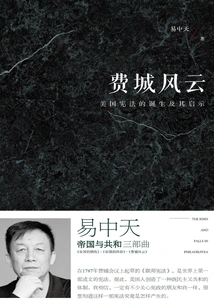
费城风云:美国宪法的诞生及其启示
Yi Zhongtian
"Philadelphia" reproduces the birth process of the United States' Federal Constitution. In this book, you can see the thrilling Philadelphia Constitutional Convention in 1787, appreciate the wisdom and mind of influential figures such as Washington, Franklin, and Madison, as well as the tit-for-tat debates and the final great compromise of state representatives on the premise of adhering to the common bottom line. The second part, "Watching Fire from the Other Shore", includes Yi Zhongtian's four articles on American politics.
"Philadelphia" reproduces the birth process of the United States' Federal Constitution. In this book, you can see the thrilling Philadelphia Constitutional Convention in 1787, appreciate the wisdom and mind of influential figures such as Washington, Franklin, and Madison, as well as the tit-for-tat debates and the final great compromise of state representatives on the premise of adhering to the common bottom line. The second part, "Watching Fire from the Other Shore", includes Yi Zhongtian's four articles on American politics.
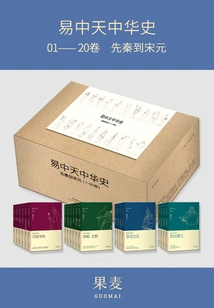
Yi Zhongtian's History of China: Pre-qin to Song and Yuan Dynasties (set of 20 Volumes in Total)
History易中天中华史:先秦到宋元(套装共20册)
Yi Zhongtian
The set version of "Yi Zhongtian Chinese History: Pre-Qin to Song and Yuan" contains a total of 20 volumes from "Ancestors" to "Iron-Blooded Mongolian Yuan".
The set version of "Yi Zhongtian Chinese History: Pre-Qin to Song and Yuan" contains a total of 20 volumes from "Ancestors" to "Iron-Blooded Mongolian Yuan".
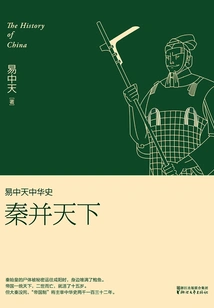
易中天中华史:秦并天下
Yi Zhongtian
Shang Yang's reforms led to the rise of Qin in anger. Qin Shihuang destroyed the six kingdoms and united the world, establishing a unified country with an autocratic monarchy. He is diligent. I went to rest after reading the One Hundred and Twenty Jin Bamboo Briefs every day. He is cautious. No one is allowed to carry weapons in the palace, so when Jing Ke came to assassinate him, everyone could only stare. He was suspicious. They change their residence every day, and anyone who exposes their whereabouts will be punished by death. He is cruel. The criticism of Li Si spread outside the palace, and because they could not find out who had leaked the secret, everyone present was killed. With such fortifications in place, it's time to secure our position, right? However, Qin's harsh rule personally sent him to the guillotine, and the great ship of Qin sank in just fifteen years. When Chu and Han fought, Liu Bang proclaimed himself emperor and followed the Qin Dynasty system. The Qin Dynasty was not dead after all. The "imperial system" pioneered by Qin Shihuang dominated Chinese history for 2,132 years. .
Shang Yang's reforms led to the rise of Qin in anger. Qin Shihuang destroyed the six kingdoms and united the world, establishing a unified country with an autocratic monarchy. He is diligent. I went to rest after reading the One Hundred and Twenty Jin Bamboo Briefs every day. He is cautious. No one is allowed to carry weapons in the palace, so when Jing Ke came to assassinate him, everyone could only stare. He was suspicious. They change their residence every day, and anyone who exposes their whereabouts will be punished by death. He is cruel. The criticism of Li Si spread outside the palace, and because they could not find out who had leaked the secret, everyone present was killed. With such fortifications in place, it's time to secure our position, right? However, Qin's harsh rule personally sent him to the guillotine, and the great ship of Qin sank in just fifteen years. When Chu and Han fought, Liu Bang proclaimed himself emperor and followed the Qin Dynasty system. The Qin Dynasty was not dead after all. The "imperial system" pioneered by Qin Shihuang dominated Chinese history for 2,132 years. .
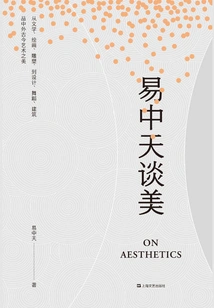
Yi Zhongtian Talks About Beauty
Literature易中天谈美
Yi Zhongtian
Aesthetics is where Yi Zhongtian came from. "Yi Zhongtian Talks about Beauty" is a wonderful summary of Professor Yi Zhongtian's many years of aesthetic research and writing. The book is divided into three volumes: aesthetic essays, which talk about aesthetic perceptions in a relaxed way. Topics cover architecture, painting, sculpture, modern and contemporary art; short aesthetic essays, in-depth exploration of the core concepts and application categories of aesthetics, including the logical starting point of the literary and artistic system, the theory of artistic practice, and the internal logic of the history of Chinese aesthetics. The third volume systematically discusses the aesthetic thoughts of "Wen Xin Diao Long". These three volumes form a gradient from shallow to deep. Whether they are general readers who are interested in aesthetics, or readers who want to understand aesthetics in depth and get into aesthetics, they can get enlightenment from this book, break in, and have a glimpse of the secrets of aesthetics.
Aesthetics is where Yi Zhongtian came from. "Yi Zhongtian Talks about Beauty" is a wonderful summary of Professor Yi Zhongtian's many years of aesthetic research and writing. The book is divided into three volumes: aesthetic essays, which talk about aesthetic perceptions in a relaxed way. Topics cover architecture, painting, sculpture, modern and contemporary art; short aesthetic essays, in-depth exploration of the core concepts and application categories of aesthetics, including the logical starting point of the literary and artistic system, the theory of artistic practice, and the internal logic of the history of Chinese aesthetics. The third volume systematically discusses the aesthetic thoughts of "Wen Xin Diao Long". These three volumes form a gradient from shallow to deep. Whether they are general readers who are interested in aesthetics, or readers who want to understand aesthetics in depth and get into aesthetics, they can get enlightenment from this book, break in, and have a glimpse of the secrets of aesthetics.
易小二枯燥乏味的生活
Yi Zhongtian
By chance, Yi Xiaoer made a fortune in the United States. Returning to China with wealth and living a boring life
By chance, Yi Xiaoer made a fortune in the United States. Returning to China with wealth and living a boring life
易中天中华史:魏晋风度
Yi Zhongtian
Love beauty, talk freely, drink alcohol, take drugs, and be feminine in men. What kind of demeanor is this? Beautiful yet ugly, noble yet greedy, chic yet snobbish, elegant yet vulgar, true yet hypocritical, what kind of era is this? The country changes hands, the Central Plains competes with each other, the clothes and clothes move south, and the Five Barbarians enter China. What kind of change is this? Abnormal independence, pathological freedom, nihilistic reality, fragile beauty, what kind of pursuit is this? Why is China's history doomed to such a disaster? What is the status of the Wei and Jin Dynasties in history? What enlightenment do these unsolvable mysteries leave us? Scholar Yi Zhongtian subverts the traditional writing method of historical works. With beautiful poetic language and a unique and innovative global perspective, he will spend five years writing five masterpieces with a total of 36 volumes, "Yi Zhongtian's History of China".
Love beauty, talk freely, drink alcohol, take drugs, and be feminine in men. What kind of demeanor is this? Beautiful yet ugly, noble yet greedy, chic yet snobbish, elegant yet vulgar, true yet hypocritical, what kind of era is this? The country changes hands, the Central Plains competes with each other, the clothes and clothes move south, and the Five Barbarians enter China. What kind of change is this? Abnormal independence, pathological freedom, nihilistic reality, fragile beauty, what kind of pursuit is this? Why is China's history doomed to such a disaster? What is the status of the Wei and Jin Dynasties in history? What enlightenment do these unsolvable mysteries leave us? Scholar Yi Zhongtian subverts the traditional writing method of historical works. With beautiful poetic language and a unique and innovative global perspective, he will spend five years writing five masterpieces with a total of 36 volumes, "Yi Zhongtian's History of China".
易中天中华史:国家
Yi Zhongtian
Why is the symbol of civilization the country? Why do countries around the world have such diverse systems? From tribe to country is a fork in the road of history. The nations of the world began to part ways and move forward in the right direction. The Roman Republic, the Greek city-state democracy, and the Western Zhou Dynasty were ordered by heaven. This book will take you back to the historical scene to explore the origins and secrets of the country. Scholar Yi Zhongtian subverts the writing method of traditional historical works. With beautiful poetic language and a unique and innovative global perspective, he will spend five years writing five masterpieces, "Yi Zhongtian History of China" with a total of thirty-six volumes: the first "Roots of China", the second "The First Empire", the third "Sui, Tang, Song and Yuan", the fourth "Ming and Qing", and the fifth "Modern Times". The first fifteen volumes have been published.
Why is the symbol of civilization the country? Why do countries around the world have such diverse systems? From tribe to country is a fork in the road of history. The nations of the world began to part ways and move forward in the right direction. The Roman Republic, the Greek city-state democracy, and the Western Zhou Dynasty were ordered by heaven. This book will take you back to the historical scene to explore the origins and secrets of the country. Scholar Yi Zhongtian subverts the writing method of traditional historical works. With beautiful poetic language and a unique and innovative global perspective, he will spend five years writing five masterpieces, "Yi Zhongtian History of China" with a total of thirty-six volumes: the first "Roots of China", the second "The First Empire", the third "Sui, Tang, Song and Yuan", the fourth "Ming and Qing", and the fifth "Modern Times". The first fifteen volumes have been published.
易中天中华史:南朝,北朝
Yi Zhongtian
Liu Yuan was clearly the emperor of the Huns, but he designated the country as Han, regarded Liu Bang and Liu Bei as his ancestors, and chose to "list on the backdoor." Shi Le was just a slave who was sold, but he was crowned king and emperor and successfully achieved a "counterattack". Fu Jian unified the north and was full of ambitions. In the battle of Feishui, the wind and cranes roared, and the grass and trees were all soldiers. The primitive and barbaric Xianbei Tuoba tribe, with shaved heads and braids, quietly emerged in the north, and the myth that "Hu did not have a century-old national destiny" was broken. Tuoba changed his surname to Yuan, Dugu changed his surname to Liu, and Bu Liugu changed his surname to Lu... He didn't speak Xianbei but spoke Chinese, and he didn't wear Xianbei clothes but Hanfu. What made Emperor Xiaowen determined to completely Sinicize? Almost all of the nine sons and more than 40 grandsons of Emperor Wu of the Song Dynasty Liu Yu died unexpectedly. Scholar Yi Zhongtian subverts the traditional writing method of historical works. With beautiful poetic language and a unique and innovative global perspective, he will spend five years writing five masterpieces with a total of 36 volumes, "Yi Zhongtian's History of China".
Liu Yuan was clearly the emperor of the Huns, but he designated the country as Han, regarded Liu Bang and Liu Bei as his ancestors, and chose to "list on the backdoor." Shi Le was just a slave who was sold, but he was crowned king and emperor and successfully achieved a "counterattack". Fu Jian unified the north and was full of ambitions. In the battle of Feishui, the wind and cranes roared, and the grass and trees were all soldiers. The primitive and barbaric Xianbei Tuoba tribe, with shaved heads and braids, quietly emerged in the north, and the myth that "Hu did not have a century-old national destiny" was broken. Tuoba changed his surname to Yuan, Dugu changed his surname to Liu, and Bu Liugu changed his surname to Lu... He didn't speak Xianbei but spoke Chinese, and he didn't wear Xianbei clothes but Hanfu. What made Emperor Xiaowen determined to completely Sinicize? Almost all of the nine sons and more than 40 grandsons of Emperor Wu of the Song Dynasty Liu Yu died unexpectedly. Scholar Yi Zhongtian subverts the traditional writing method of historical works. With beautiful poetic language and a unique and innovative global perspective, he will spend five years writing five masterpieces with a total of 36 volumes, "Yi Zhongtian's History of China".
易中天中华史:奠基者
Yi Zhongtian
The mountains and rivers made of copper in the Yin and Shang Dynasties were vulnerable to a single blow, and the towering towers collapsed at the drop of a hat. The victory of the Zhou people came too quickly. However, can the new political power be maintained? The calm Zhou people stole the sky and changed the sun, becoming "sons of heaven", enfeoffing various princes, and successfully "dominated the world". The Duke of Zhou maintained order with etiquette, governed the country with virtue, and stabilized the world with the four major systems. From then on, the Zhou Dynasty ushered in a prosperous era of etiquette and music for five hundred years. But why was the Zhou people's world in chaos? How to enter the adolescence of the Chinese nation? Scholar Yi Zhongtian subverts the writing method of traditional historical works. With beautiful poetic language and a unique and innovative global perspective, he will spend five years writing five masterpieces, "Yi Zhongtian History of China" with a total of thirty-six volumes: the first "Roots of China", the second "The First Empire", the third "Sui, Tang, Song and Yuan", the fourth "Ming and Qing", and the fifth "Modern Times". The first fifteen volumes have been published.
The mountains and rivers made of copper in the Yin and Shang Dynasties were vulnerable to a single blow, and the towering towers collapsed at the drop of a hat. The victory of the Zhou people came too quickly. However, can the new political power be maintained? The calm Zhou people stole the sky and changed the sun, becoming "sons of heaven", enfeoffing various princes, and successfully "dominated the world". The Duke of Zhou maintained order with etiquette, governed the country with virtue, and stabilized the world with the four major systems. From then on, the Zhou Dynasty ushered in a prosperous era of etiquette and music for five hundred years. But why was the Zhou people's world in chaos? How to enter the adolescence of the Chinese nation? Scholar Yi Zhongtian subverts the writing method of traditional historical works. With beautiful poetic language and a unique and innovative global perspective, he will spend five years writing five masterpieces, "Yi Zhongtian History of China" with a total of thirty-six volumes: the first "Roots of China", the second "The First Empire", the third "Sui, Tang, Song and Yuan", the fourth "Ming and Qing", and the fifth "Modern Times". The first fifteen volumes have been published.
易中天中华史:风流南宋
Yi Zhongtian
Following "Yi Zhongtian's History of China", we will go on a journey of historical roots, experience the simplicity of the Xia, the splendor of the Shang, the elegance of the Zhou, the strength of the Han, the cosmopolitanism of the Tang, the delicacy of the Song, the etherealness of the Yuan, the secularity of the Ming, and the official accent of the Qing. This solves many historical doubts: Were Xia, Shang and Zhou dynasties? Who are the scholars of the pre-Qin period? What does the style of Wei and Jin look like? Have you heard the sound of the prosperous Tang Dynasty? When the journey ends, we may understand: what are Chinese roots, Chinese dreams, and Chinese souls.
Following "Yi Zhongtian's History of China", we will go on a journey of historical roots, experience the simplicity of the Xia, the splendor of the Shang, the elegance of the Zhou, the strength of the Han, the cosmopolitanism of the Tang, the delicacy of the Song, the etherealness of the Yuan, the secularity of the Ming, and the official accent of the Qing. This solves many historical doubts: Were Xia, Shang and Zhou dynasties? Who are the scholars of the pre-Qin period? What does the style of Wei and Jin look like? Have you heard the sound of the prosperous Tang Dynasty? When the journey ends, we may understand: what are Chinese roots, Chinese dreams, and Chinese souls.
易中天中华史:百家争鸣
Yi Zhongtian
Is human nature good or evil? Does the king want mercy or the rule of law? Can social justice be achieved? Confucius said: Can this world be saved? In the end, there was no one to inherit my legacy! Zhuangzi said: The emperor's sword or the common man's sword? Can the world be saved? If you don't save, you can save! Mozi said: Justice and fairness are the most important. To do righteousness, no matter whether you live or die. Han Fei said: Human nature is evil, don't expect moral education, people are unreliable. A great debate that has lasted for three hundred years has no answer, but it has affected this nation for two thousand years. Scholar Yi Zhongtian subverts the traditional writing method of historical works. With beautiful poetic language and a unique and innovative global perspective, he will spend five years writing five masterpieces with a total of 36 volumes, "Yi Zhongtian's History of China".
Is human nature good or evil? Does the king want mercy or the rule of law? Can social justice be achieved? Confucius said: Can this world be saved? In the end, there was no one to inherit my legacy! Zhuangzi said: The emperor's sword or the common man's sword? Can the world be saved? If you don't save, you can save! Mozi said: Justice and fairness are the most important. To do righteousness, no matter whether you live or die. Han Fei said: Human nature is evil, don't expect moral education, people are unreliable. A great debate that has lasted for three hundred years has no answer, but it has affected this nation for two thousand years. Scholar Yi Zhongtian subverts the traditional writing method of historical works. With beautiful poetic language and a unique and innovative global perspective, he will spend five years writing five masterpieces with a total of 36 volumes, "Yi Zhongtian's History of China".
Yi Zhongtian's History of China: from the Spring and Autumn Period to the Warring States Period
History易中天中华史:从春秋到战国
Yi Zhongtian
Guan Zhong implemented the integration of military and political affairs and upgraded Qi's combat effectiveness through heavy equipment. Duke Huan of Qi became the first overlord in the Spring and Autumn Period; Shang Yang carried out reforms and executed more than 700 prisoners a day, which made Qin stand out from the fierce competition; Su Qin, the biggest gambler in the Warring States Period, teamed up with Zhang Yi to control the fate of seven countries... During these five hundred years, sages debated the truth and monarchs competed for hegemony. From the Spring and Autumn Period to the Warring States Period, it was a romantic era in Chinese history. Scholar Yi Zhongtian subverts the traditional writing method of historical works. With beautiful poetic language and a unique and innovative global perspective, he will spend five years writing five masterpieces with a total of 36 volumes, "Yi Zhongtian's History of China".
Guan Zhong implemented the integration of military and political affairs and upgraded Qi's combat effectiveness through heavy equipment. Duke Huan of Qi became the first overlord in the Spring and Autumn Period; Shang Yang carried out reforms and executed more than 700 prisoners a day, which made Qin stand out from the fierce competition; Su Qin, the biggest gambler in the Warring States Period, teamed up with Zhang Yi to control the fate of seven countries... During these five hundred years, sages debated the truth and monarchs competed for hegemony. From the Spring and Autumn Period to the Warring States Period, it was a romantic era in Chinese history. Scholar Yi Zhongtian subverts the traditional writing method of historical works. With beautiful poetic language and a unique and innovative global perspective, he will spend five years writing five masterpieces with a total of 36 volumes, "Yi Zhongtian's History of China".
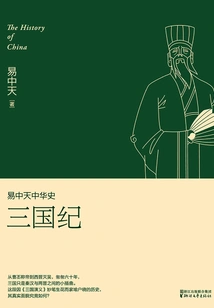
易中天中华史:三国纪
Yi Zhongtian
The Han Dynasty collapsed and wars continued; heroes competed with each other, and the world was divided into three parts. What is the true nature of this period of history, which has become a household name due to the brilliant writing of "The Romance of the Three Kingdoms"? What is the profound meaning and governing force behind it? Why are there "third parties involved" in the history of the unified Chinese empire? What kind of style and spirit do Cao Cao, Sun Quan, Liu Bei and Zhuge Liang embody respectively? In this book, there is no struggle between loyalty and evil, only history as close to reality as possible. Scholar Yi Zhongtian subverts the traditional writing method of historical works. With beautiful poetic language and a unique and innovative global perspective, he will spend five years writing five masterpieces with a total of 36 volumes, "Yi Zhongtian's History of China".
The Han Dynasty collapsed and wars continued; heroes competed with each other, and the world was divided into three parts. What is the true nature of this period of history, which has become a household name due to the brilliant writing of "The Romance of the Three Kingdoms"? What is the profound meaning and governing force behind it? Why are there "third parties involved" in the history of the unified Chinese empire? What kind of style and spirit do Cao Cao, Sun Quan, Liu Bei and Zhuge Liang embody respectively? In this book, there is no struggle between loyalty and evil, only history as close to reality as possible. Scholar Yi Zhongtian subverts the traditional writing method of historical works. With beautiful poetic language and a unique and innovative global perspective, he will spend five years writing five masterpieces with a total of 36 volumes, "Yi Zhongtian's History of China".
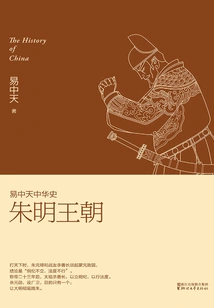
易中天中华史:朱明王朝
Yi Zhongtian
Not long after Zhu Yuanzhang became emperor, he overturned the table of traditional politics. Through a series of combined punches, he rebuilt the imperial system and changed the course of China. Zhu Di usurped the throne from his nephew and moved the capital to the border city of Beijing. His institutional design established the personality and characteristics of the entire Ming Dynasty. The Zhu Ming Dynasty was a dynasty with the surname Zhu through and through: the emperors were arbitrary and capricious; ministers were reduced to domestic slaves; literary prisons and eunuchs tyrannizing power emerged in endlessly; Jin Yiwei and the East-West Factory were all-pervasive. On the edge of imperial power, Jiangnan was prosperous and the people were charming. The prosperous towns are economically active and have given birth to diverse and novel market cultures. From temples to rivers and lakes, the Ming Dynasty is wonderful.
Not long after Zhu Yuanzhang became emperor, he overturned the table of traditional politics. Through a series of combined punches, he rebuilt the imperial system and changed the course of China. Zhu Di usurped the throne from his nephew and moved the capital to the border city of Beijing. His institutional design established the personality and characteristics of the entire Ming Dynasty. The Zhu Ming Dynasty was a dynasty with the surname Zhu through and through: the emperors were arbitrary and capricious; ministers were reduced to domestic slaves; literary prisons and eunuchs tyrannizing power emerged in endlessly; Jin Yiwei and the East-West Factory were all-pervasive. On the edge of imperial power, Jiangnan was prosperous and the people were charming. The prosperous towns are economically active and have given birth to diverse and novel market cultures. From temples to rivers and lakes, the Ming Dynasty is wonderful.
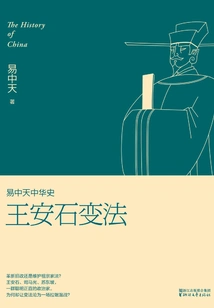
易中天中华史:王安石变法
Yi Zhongtian
Facing the many crises in the Song Dynasty, the newly ascended young emperor Song Shenzong planned to get rid of the bad government and restore the country's prestige. He needs a revolution and a helper. The talented Wang Anshi stepped onto the stage of reform. He recruited reformist talents and established relevant institutions to promote reform. A series of new laws were quickly launched. Unexpectedly, although the desire for reform is good, its implementation has many drawbacks. Opposition groups rose up to attack, and Wang Anshi resigned as prime minister twice, insisting that Sima Guang, who protected the ancestral family law, take power and abolish the new law. The rational Su Dongpo did not please both the old and the new, and almost died because of the "Wutai Poetry Case". A group of smart and upright politicians eventually turned the reform into a tug-of-war, and the fate of the Song Dynasty was changed as a result. Scholar Yi Zhongtian subverts the writing methods of traditional historical works. With beautiful poetic language and a unique and innovative global perspective, he will spend five years writing six massive works, "Yi Zhongtian History of China" with a total of thirty-two volumes: the first "Pre-Qin", the second "Qin, Han, Wei, Jin, Southern and Northern Dynasties", the third "Sui and Tang", the fourth "Song and Yuan", the fifth "Ming and Qing", and the sixth "Modern and Modern Times". The first eighteen volumes have been published. Following "Yi Zhongtian's History of China", we will go on a journey of historical roots, experience the simplicity of the Xia, the splendor of the Shang, the elegance of the Zhou, the strength of the Han, the cosmopolitanism of the Tang, the delicacy of the Song, the etherealness of the Yuan, the secularity of the Ming, and the official accent of the Qing. This solves many historical doubts: Were Xia, Shang and Zhou dynasties? Who are the scholars of the pre-Qin period? What does the style of Wei and Jin look like? Have you heard the sound of the prosperous Tang Dynasty? When the journey ends, we may understand: what are Chinese roots, Chinese dreams, and Chinese souls.
Facing the many crises in the Song Dynasty, the newly ascended young emperor Song Shenzong planned to get rid of the bad government and restore the country's prestige. He needs a revolution and a helper. The talented Wang Anshi stepped onto the stage of reform. He recruited reformist talents and established relevant institutions to promote reform. A series of new laws were quickly launched. Unexpectedly, although the desire for reform is good, its implementation has many drawbacks. Opposition groups rose up to attack, and Wang Anshi resigned as prime minister twice, insisting that Sima Guang, who protected the ancestral family law, take power and abolish the new law. The rational Su Dongpo did not please both the old and the new, and almost died because of the "Wutai Poetry Case". A group of smart and upright politicians eventually turned the reform into a tug-of-war, and the fate of the Song Dynasty was changed as a result. Scholar Yi Zhongtian subverts the writing methods of traditional historical works. With beautiful poetic language and a unique and innovative global perspective, he will spend five years writing six massive works, "Yi Zhongtian History of China" with a total of thirty-two volumes: the first "Pre-Qin", the second "Qin, Han, Wei, Jin, Southern and Northern Dynasties", the third "Sui and Tang", the fourth "Song and Yuan", the fifth "Ming and Qing", and the sixth "Modern and Modern Times". The first eighteen volumes have been published. Following "Yi Zhongtian's History of China", we will go on a journey of historical roots, experience the simplicity of the Xia, the splendor of the Shang, the elegance of the Zhou, the strength of the Han, the cosmopolitanism of the Tang, the delicacy of the Song, the etherealness of the Yuan, the secularity of the Ming, and the official accent of the Qing. This solves many historical doubts: Were Xia, Shang and Zhou dynasties? Who are the scholars of the pre-Qin period? What does the style of Wei and Jin look like? Have you heard the sound of the prosperous Tang Dynasty? When the journey ends, we may understand: what are Chinese roots, Chinese dreams, and Chinese souls.
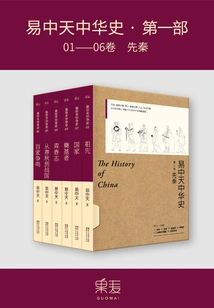
易中天中华史·第一部:先秦(套装共6册)
Yi Zhongtian
Nuwa, the root of blood; Zhou Gong, the root of the system; Confucius and Mencius, the root of etiquette. To understand the "civilization genome" of the Chinese nation, please read the first volume of "Yi Zhongtian's History of China" "Pre-Qin" (including "Ancestors", "Country", "Founders", "Youth", "From the Spring and Autumn Period to the Warring States" and "A Hundred Schools of Thought", a total of 6 volumes). Scholar Yi Zhongtian subverts the writing method of traditional historical works. With beautiful poetic language and a unique and innovative global perspective, he will spend five to six years writing a total of 36 volumes of "History of China" in five volumes at the rate of two volumes per quarter: the first volume is "Pre-Qin", the second volume is "Qin, Han, Wei, Jin, Southern and Northern Dynasties", the third volume is "Sui, Tang, Song and Yuan", the fourth volume is "Ming and Qing", and the fifth volume is "Modern Times". We will follow Yi Zhongtian on a historical journey to find his roots, experience the simplicity of the Xia, the splendor of the Shang, the elegance of the Zhou, the strength of the Han, the cosmopolitan Tang Dynasty, and taste the delicacy of the Song, the etherealness of the Yuan, and the secularity of the Ming and the official accent of the Qing.
Nuwa, the root of blood; Zhou Gong, the root of the system; Confucius and Mencius, the root of etiquette. To understand the "civilization genome" of the Chinese nation, please read the first volume of "Yi Zhongtian's History of China" "Pre-Qin" (including "Ancestors", "Country", "Founders", "Youth", "From the Spring and Autumn Period to the Warring States" and "A Hundred Schools of Thought", a total of 6 volumes). Scholar Yi Zhongtian subverts the writing method of traditional historical works. With beautiful poetic language and a unique and innovative global perspective, he will spend five to six years writing a total of 36 volumes of "History of China" in five volumes at the rate of two volumes per quarter: the first volume is "Pre-Qin", the second volume is "Qin, Han, Wei, Jin, Southern and Northern Dynasties", the third volume is "Sui, Tang, Song and Yuan", the fourth volume is "Ming and Qing", and the fifth volume is "Modern Times". We will follow Yi Zhongtian on a historical journey to find his roots, experience the simplicity of the Xia, the splendor of the Shang, the elegance of the Zhou, the strength of the Han, the cosmopolitan Tang Dynasty, and taste the delicacy of the Song, the etherealness of the Yuan, and the secularity of the Ming and the official accent of the Qing.
Song Dynasty Innovation
History大宋革新
Yi Zhongtian
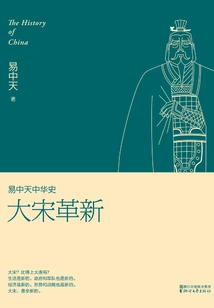
Zhao Kuangyin wears a yellow robe, and Liu Yong lingers in the brothel singing about the dawn wind and the waning moon. Di Tiantian went on a rampage, while Bao Gong sat in Kaifeng Mansion and acted impartially. In Liao, Jin, and Xixia, powerful enemies were all around, but in Bianliang City and Lin'an Prefecture, Cuju and sumo wrestling were still singing and dancing. Da Song lived his own new flavor, which was definitely different from the past. The latest volume of "History of China" written by the well-known scholar Yi Zhongtian focuses on the theme of "innovation", sorting out the historical trends during the changes in the Tang and Song Dynasties, and analyzing the many aspects of the Song Dynasty that were different from the past: new life, new economy, new regime, new situation, new strategy. The Song Dynasty was brand new and different from the past, and the successes and failures of innovation are also worthy of review by today's people. Yi Zhongtian's unique "Yi's Reading" style narrates the originally boring historical battles in a way that is humorous and easy to understand, but also profound. This book observes the Song Dynasty from the perspective of big history and a global perspective, analyzes the strategic deployment and decision-making since the founding of the Song Dynasty, and also focuses on small details to discover the deep context of big history from specific examples and historical figures. What happened to the yellow robe? What historical details are hidden in "Along the River During the Qingming Festival"? Who is Bao Zheng? Why did Di Qing die? "Revolution of the Song Dynasty" answers these questions, and not only gives the answers, but also reveals the inner context and logic of the 3,700-year history of Chinese civilization. Scholar Yi Zhongtian subverts the writing methods of traditional historical works. With beautiful poetic language and a unique and innovative global perspective, he will spend five years writing six 32-volume masterpiece "Yi Zhongtian Chinese History": the first "Pre-Qin", the second "Qin, Han, Wei, Jin, Southern and Northern Dynasties", the third "Sui and Tang", the fourth "Song and Yuan", the fifth "Ming and Qing", and the sixth "Modern and Modern Times". The first seventeen volumes have been published and are entering the fourth volume. Following "Yi Zhongtian's History of China", we will go on a journey of historical roots, experience the simplicity of the Xia, the splendor of the Shang, the elegance of the Zhou, the strength of the Han, the cosmopolitanism of the Tang, the delicacy of the Song, the etherealness of the Yuan, the secularity of the Ming, and the official accent of the Qing. This solves many historical doubts: Were Xia, Shang and Zhou dynasties? Who are the scholars of the pre-Qin period? What does the style of Wei and Jin look like? Have you heard the sound of the prosperous Tang Dynasty? When the journey ends, we may understand: what are Chinese roots, Chinese dreams, and Chinese souls.
Zhao Kuangyin wears a yellow robe, and Liu Yong lingers in the brothel singing about the dawn wind and the waning moon. Di Tiantian went on a rampage, while Bao Gong sat in Kaifeng Mansion and acted impartially. In Liao, Jin, and Xixia, powerful enemies were all around, but in Bianliang City and Lin'an Prefecture, Cuju and sumo wrestling were still singing and dancing. Da Song lived his own new flavor, which was definitely different from the past. The latest volume of "History of China" written by the well-known scholar Yi Zhongtian focuses on the theme of "innovation", sorting out the historical trends during the changes in the Tang and Song Dynasties, and analyzing the many aspects of the Song Dynasty that were different from the past: new life, new economy, new regime, new situation, new strategy. The Song Dynasty was brand new and different from the past, and the successes and failures of innovation are also worthy of review by today's people. Yi Zhongtian's unique "Yi's Reading" style narrates the originally boring historical battles in a way that is humorous and easy to understand, but also profound. This book observes the Song Dynasty from the perspective of big history and a global perspective, analyzes the strategic deployment and decision-making since the founding of the Song Dynasty, and also focuses on small details to discover the deep context of big history from specific examples and historical figures. What happened to the yellow robe? What historical details are hidden in "Along the River During the Qingming Festival"? Who is Bao Zheng? Why did Di Qing die? "Revolution of the Song Dynasty" answers these questions, and not only gives the answers, but also reveals the inner context and logic of the 3,700-year history of Chinese civilization. Scholar Yi Zhongtian subverts the writing methods of traditional historical works. With beautiful poetic language and a unique and innovative global perspective, he will spend five years writing six 32-volume masterpiece "Yi Zhongtian Chinese History": the first "Pre-Qin", the second "Qin, Han, Wei, Jin, Southern and Northern Dynasties", the third "Sui and Tang", the fourth "Song and Yuan", the fifth "Ming and Qing", and the sixth "Modern and Modern Times". The first seventeen volumes have been published and are entering the fourth volume. Following "Yi Zhongtian's History of China", we will go on a journey of historical roots, experience the simplicity of the Xia, the splendor of the Shang, the elegance of the Zhou, the strength of the Han, the cosmopolitanism of the Tang, the delicacy of the Song, the etherealness of the Yuan, the secularity of the Ming, and the official accent of the Qing. This solves many historical doubts: Were Xia, Shang and Zhou dynasties? Who are the scholars of the pre-Qin period? What does the style of Wei and Jin look like? Have you heard the sound of the prosperous Tang Dynasty? When the journey ends, we may understand: what are Chinese roots, Chinese dreams, and Chinese souls.
易中天中华史·第三部:隋唐(4册)
Yi Zhongtian
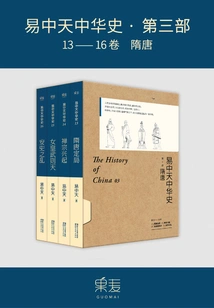
From Emperor Yang of the Sui Dynasty to Taizong of the Tang Dynasty, from Wu Zetian to Concubine Yang Guifei, from Anlu Mountain to Huang Chao. The Xuanwumen Revolution, the Wuzhou Revolution, the Anshi Rebellion, the rise of Zen Buddhism, and the unprecedentedly powerful Sui and Tang dynasties were all exciting. The set version of "Yi Zhongtian Chinese History Part 3: Sui and Tang Dynasties" contains 4 volumes in total: "The Final Destiny of Sui and Tang Dynasties", "The Rise of Zen Buddhism", "Empress Wu Zetian" and "The Rebellion of Anshi". Scholar Yi Zhongtian subverts the writing method of traditional historical works. With beautiful poetic language and a unique and innovative global perspective, he will spend five to six years at the rate of two volumes per quarter to write five 36-volume masterpiece "Yi Zhongtian History of China": the first "Pre-Qin", the second "Qin, Han, Wei, Jin, Southern and Northern Dynasties", the third "Sui and Tang", the fourth "Song and Yuan", the fifth "Ming and Qing", and the sixth "Modern Times". Following "Yi Zhongtian's History of China", we will go on a journey of historical roots, experience the simplicity of the Xia, the splendor of the Shang, the elegance of the Zhou, the strength of the Han, the cosmopolitanism of the Tang, the delicacy of the Song, the etherealness of the Yuan, the secularity of the Ming, and the official accent of the Qing. This solves many historical doubts: Were Xia, Shang and Zhou dynasties? Who are the scholars of the pre-Qin period? What does the style of Wei and Jin look like? Have you heard the sound of the prosperous Tang Dynasty? When the journey ends, we may understand: what are Chinese roots, Chinese dreams, and Chinese souls.
From Emperor Yang of the Sui Dynasty to Taizong of the Tang Dynasty, from Wu Zetian to Concubine Yang Guifei, from Anlu Mountain to Huang Chao. The Xuanwumen Revolution, the Wuzhou Revolution, the Anshi Rebellion, the rise of Zen Buddhism, and the unprecedentedly powerful Sui and Tang dynasties were all exciting. The set version of "Yi Zhongtian Chinese History Part 3: Sui and Tang Dynasties" contains 4 volumes in total: "The Final Destiny of Sui and Tang Dynasties", "The Rise of Zen Buddhism", "Empress Wu Zetian" and "The Rebellion of Anshi". Scholar Yi Zhongtian subverts the writing method of traditional historical works. With beautiful poetic language and a unique and innovative global perspective, he will spend five to six years at the rate of two volumes per quarter to write five 36-volume masterpiece "Yi Zhongtian History of China": the first "Pre-Qin", the second "Qin, Han, Wei, Jin, Southern and Northern Dynasties", the third "Sui and Tang", the fourth "Song and Yuan", the fifth "Ming and Qing", and the sixth "Modern Times". Following "Yi Zhongtian's History of China", we will go on a journey of historical roots, experience the simplicity of the Xia, the splendor of the Shang, the elegance of the Zhou, the strength of the Han, the cosmopolitanism of the Tang, the delicacy of the Song, the etherealness of the Yuan, the secularity of the Ming, and the official accent of the Qing. This solves many historical doubts: Were Xia, Shang and Zhou dynasties? Who are the scholars of the pre-Qin period? What does the style of Wei and Jin look like? Have you heard the sound of the prosperous Tang Dynasty? When the journey ends, we may understand: what are Chinese roots, Chinese dreams, and Chinese souls.
易中天中华史·第二部:秦汉魏晋南北朝(套装共6册)
Yi Zhongtian
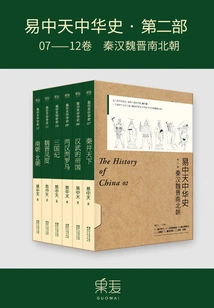
There are two short-lived dynasties: Qin and Jin, one or two long-lived dynasties: Western Han and Eastern Han, as well as the division of the world and the confrontation between north and south. The second volume of "Yi Zhongtian's History of China", "Qin, Han, Wei, Jin, Southern and Northern Dynasties", will show eight hundred years of history, including "Qin's Merger of the World", "Han Wu's Empire", "Two Han and Two Rome", "Three Kingdoms", "Wei and Jin Styles", and "Southern and Northern Dynasties" in 6 volumes. Scholar Yi Zhongtian subverts the writing method of traditional historical works. With beautiful poetic language and a unique and innovative global perspective, he will spend five to six years writing a total of 36 volumes of "History of China" in five volumes at the rate of two volumes per quarter: the first volume is "Pre-Qin", the second volume is "Qin, Han, Wei, Jin, Southern and Northern Dynasties", the third volume is "Sui, Tang, Song and Yuan", the fourth volume is "Ming and Qing", and the fifth volume is "Modern Times". Following "Yi Zhongtian's History of China", we will go on a journey of historical roots, experience the simplicity of the Xia, the splendor of the Shang, the elegance of the Zhou, the strength of the Han, the cosmopolitanism of the Tang, the delicacy of the Song, the etherealness of the Yuan, the secularity of the Ming, and the official accent of the Qing. This solves many historical doubts: Were Xia, Shang and Zhou dynasties? Who are the scholars of the pre-Qin period? What does the style of Wei and Jin look like? Have you heard the sound of the prosperous Tang Dynasty? When the journey ends, we may understand: what are Chinese roots, Chinese dreams, and Chinese souls.
There are two short-lived dynasties: Qin and Jin, one or two long-lived dynasties: Western Han and Eastern Han, as well as the division of the world and the confrontation between north and south. The second volume of "Yi Zhongtian's History of China", "Qin, Han, Wei, Jin, Southern and Northern Dynasties", will show eight hundred years of history, including "Qin's Merger of the World", "Han Wu's Empire", "Two Han and Two Rome", "Three Kingdoms", "Wei and Jin Styles", and "Southern and Northern Dynasties" in 6 volumes. Scholar Yi Zhongtian subverts the writing method of traditional historical works. With beautiful poetic language and a unique and innovative global perspective, he will spend five to six years writing a total of 36 volumes of "History of China" in five volumes at the rate of two volumes per quarter: the first volume is "Pre-Qin", the second volume is "Qin, Han, Wei, Jin, Southern and Northern Dynasties", the third volume is "Sui, Tang, Song and Yuan", the fourth volume is "Ming and Qing", and the fifth volume is "Modern Times". Following "Yi Zhongtian's History of China", we will go on a journey of historical roots, experience the simplicity of the Xia, the splendor of the Shang, the elegance of the Zhou, the strength of the Han, the cosmopolitanism of the Tang, the delicacy of the Song, the etherealness of the Yuan, the secularity of the Ming, and the official accent of the Qing. This solves many historical doubts: Were Xia, Shang and Zhou dynasties? Who are the scholars of the pre-Qin period? What does the style of Wei and Jin look like? Have you heard the sound of the prosperous Tang Dynasty? When the journey ends, we may understand: what are Chinese roots, Chinese dreams, and Chinese souls.
Art Anthropology
Literature艺术人类学
Yi Zhongtian
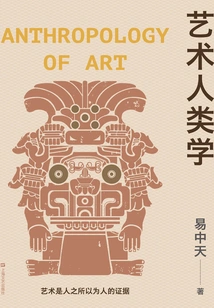
This book is a wonderful summary of Professor Yi Zhongtian's many years of aesthetic research and writing. In this work, Yi Zhongtian cited a large number of anthropological materials and elaborated on a basic point of view: Art was created by humans specifically to achieve human confirmation. In art, through the experience and transmission of emotions, people's self-verification and mutual verification between people are realized. This is the "confirmation theory of the essence of art". This book starts from the perspective of human beings stepping out of nature, and examines a large number of primitive art forms such as crafts, architecture, sculpture, human body decoration, dance, drama, painting, music, poetry, etc. It is not only an important work for understanding the origin and essence of human art, but also a vivid illustration of primitive art.
This book is a wonderful summary of Professor Yi Zhongtian's many years of aesthetic research and writing. In this work, Yi Zhongtian cited a large number of anthropological materials and elaborated on a basic point of view: Art was created by humans specifically to achieve human confirmation. In art, through the experience and transmission of emotions, people's self-verification and mutual verification between people are realized. This is the "confirmation theory of the essence of art". This book starts from the perspective of human beings stepping out of nature, and examines a large number of primitive art forms such as crafts, architecture, sculpture, human body decoration, dance, drama, painting, music, poetry, etc. It is not only an important work for understanding the origin and essence of human art, but also a vivid illustration of primitive art.
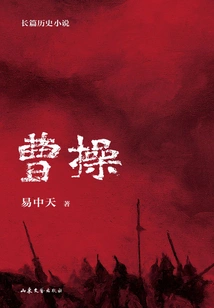
Cao Cao (all Three Volumes)
General Fiction曹操(全三册)
Yi Zhongtian
Cao Cao originally did not have this obligation, nor did he have the ability. Why did he step forward and completely break with Dong Zhuo, who had used him so much, and did not hesitate to fight him with an egg against a stone? After the defeat, how did Cao Cao survive from the desperate situation, develop and grow while constantly correcting his mistakes, conquer Yanzhou, welcome the emperor, defeat Yuan Shu, capture Lu Bu, surrender Zhang Xiu, fight Yuan Shao, and become the greatest winner? Why did Cao Cao, who unified northern China, defeat Chibi and never cross the Yangtze River? From then on, how should Cao Cao, who was in his old age and full of ambitions, plan his world and life? One by one, former allies have become Cao Cao's enemies: Dong Zhuo, who looked at him differently, Lu Bu, who shared hardships, Yuan Shao, who was sympathetic to his brothers, Yang Biao, who secretly communicated with each other, Liu Bei, who cherished each other, Xiandi who relied on each other, Xun Yu who supported each other with Tao, Wu Yan who committed himself to each other, and even Xi Liu, who gave his whole heart and soul, finally left him. Whose fault is it?
Cao Cao originally did not have this obligation, nor did he have the ability. Why did he step forward and completely break with Dong Zhuo, who had used him so much, and did not hesitate to fight him with an egg against a stone? After the defeat, how did Cao Cao survive from the desperate situation, develop and grow while constantly correcting his mistakes, conquer Yanzhou, welcome the emperor, defeat Yuan Shu, capture Lu Bu, surrender Zhang Xiu, fight Yuan Shao, and become the greatest winner? Why did Cao Cao, who unified northern China, defeat Chibi and never cross the Yangtze River? From then on, how should Cao Cao, who was in his old age and full of ambitions, plan his world and life? One by one, former allies have become Cao Cao's enemies: Dong Zhuo, who looked at him differently, Lu Bu, who shared hardships, Yuan Shao, who was sympathetic to his brothers, Yang Biao, who secretly communicated with each other, Liu Bei, who cherished each other, Xiandi who relied on each other, Xun Yu who supported each other with Tao, Wu Yan who committed himself to each other, and even Xi Liu, who gave his whole heart and soul, finally left him. Whose fault is it?
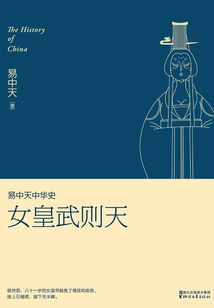
易中天中华史:女皇武则天
Yi Zhongtian
From the daughter of a timber merchant to a member of the Zhaoyi Palace, from living in loneliness in the palace to accompanying the ancient Buddha with a green lantern in Ganye Temple, the legend of Wu Meiniang has just begun. Palace fighting, layout, and ascendancy, Luoyang became the capital of the gods, the Tang Dynasty gave way to the Zhou Dynasty, and a generation of queens has never existed before, and there will never be another one. Following "Yi Zhongtian's History of China", we will go on a journey of historical roots, experience the simplicity of the Xia, the splendor of the Shang, the elegance of the Zhou, the strength of the Han, the cosmopolitanism of the Tang, the delicacy of the Song, the etherealness of the Yuan, and the secularity of the Ming and the official accent of the Qing. This solves many historical doubts: Were Xia, Shang and Zhou dynasties? Who are the scholars of the pre-Qin period? What does the style of Wei and Jin look like? Have you heard the sound of the prosperous Tang Dynasty? When the journey ends, we may understand: what are Chinese roots, Chinese dreams, and Chinese souls.
From the daughter of a timber merchant to a member of the Zhaoyi Palace, from living in loneliness in the palace to accompanying the ancient Buddha with a green lantern in Ganye Temple, the legend of Wu Meiniang has just begun. Palace fighting, layout, and ascendancy, Luoyang became the capital of the gods, the Tang Dynasty gave way to the Zhou Dynasty, and a generation of queens has never existed before, and there will never be another one. Following "Yi Zhongtian's History of China", we will go on a journey of historical roots, experience the simplicity of the Xia, the splendor of the Shang, the elegance of the Zhou, the strength of the Han, the cosmopolitanism of the Tang, the delicacy of the Song, the etherealness of the Yuan, and the secularity of the Ming and the official accent of the Qing. This solves many historical doubts: Were Xia, Shang and Zhou dynasties? Who are the scholars of the pre-Qin period? What does the style of Wei and Jin look like? Have you heard the sound of the prosperous Tang Dynasty? When the journey ends, we may understand: what are Chinese roots, Chinese dreams, and Chinese souls.
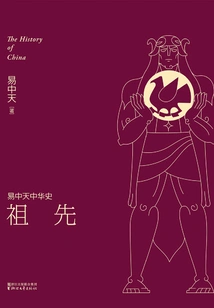
易中天中华史:祖先
Yi Zhongtian
To see yourself clearly, you must first trace your roots. Myths and legends are the childhood memories of a nation, and they all contain the secrets and dreams of a certain culture. The history of God is the history of man, the spiritual history of man's self-understanding. As long as the mystery is removed, we can open the maze and vaguely see something real. This book will explore with you the origin of Chinese civilization and discover the true colors of our ancestors - Nuwa, Eve, Fuxi, Yanhuang, Yao and Shun. Scholar Yi Zhongtian subverts the writing method of traditional historical works. With beautiful poetic language and a unique and innovative global perspective, he will spend five years writing five masterpieces, "Yi Zhongtian History of China" with a total of thirty-six volumes: the first "Roots of China", the second "The First Empire", the third "Sui, Tang, Song and Yuan", the fourth "Ming and Qing", and the fifth "Modern Times". The first fifteen volumes have been published.
To see yourself clearly, you must first trace your roots. Myths and legends are the childhood memories of a nation, and they all contain the secrets and dreams of a certain culture. The history of God is the history of man, the spiritual history of man's self-understanding. As long as the mystery is removed, we can open the maze and vaguely see something real. This book will explore with you the origin of Chinese civilization and discover the true colors of our ancestors - Nuwa, Eve, Fuxi, Yanhuang, Yao and Shun. Scholar Yi Zhongtian subverts the writing method of traditional historical works. With beautiful poetic language and a unique and innovative global perspective, he will spend five years writing five masterpieces, "Yi Zhongtian History of China" with a total of thirty-six volumes: the first "Roots of China", the second "The First Empire", the third "Sui, Tang, Song and Yuan", the fourth "Ming and Qing", and the fifth "Modern Times". The first fifteen volumes have been published.
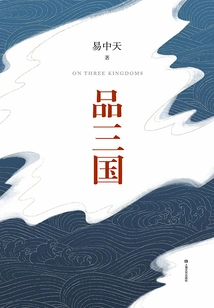
Taste the Three Kingdoms
History品三国
Yi Zhongtian
"Taste of the Three Kingdoms" is Yi Zhongtian's analysis of the changing situations and heroes of the Three Kingdoms. Use stories to tell characters, characters to tell history, history to tell culture, and culture to tell human nature. Mr. Yi Zhongtian discussed the major events of the Three Kingdoms, scrutinized the merits and demerits of the heroes, and summarized the successes and failures.
"Taste of the Three Kingdoms" is Yi Zhongtian's analysis of the changing situations and heroes of the Three Kingdoms. Use stories to tell characters, characters to tell history, history to tell culture, and culture to tell human nature. Mr. Yi Zhongtian discussed the major events of the Three Kingdoms, scrutinized the merits and demerits of the heroes, and summarized the successes and failures.
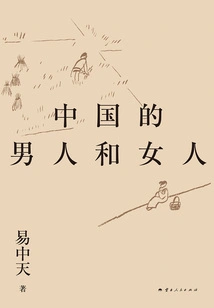
易中天带你读懂中国系列:中国的男人和女人
Yi Zhongtian
"Chinese Men and Women" shows the styles of Chinese men and women in different eras. This book starts with two gender roles, first analyzes the typical characters in literary works, then proceeds to the real social manifestations of the two, and further examines the social and historical evolution of the relationship between the two. In an empirical spirit, this investigation does not stop at the moral fringes of a specific historical period, but presents a complete picture of gender relations, and its content is helpful for people to seek the historical origins of their own gender roles. The book contains narratives, evidence, opinions, and stories, and is both informative and interesting.
"Chinese Men and Women" shows the styles of Chinese men and women in different eras. This book starts with two gender roles, first analyzes the typical characters in literary works, then proceeds to the real social manifestations of the two, and further examines the social and historical evolution of the relationship between the two. In an empirical spirit, this investigation does not stop at the moral fringes of a specific historical period, but presents a complete picture of gender relations, and its content is helpful for people to seek the historical origins of their own gender roles. The book contains narratives, evidence, opinions, and stories, and is both informative and interesting.
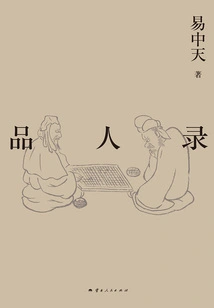
易中天带你读懂中国系列:品人录
Yi Zhongtian
Xiang Yu, Liu Bang, Cao Cao, Liu Bei, Zhuge Liang, Wu Zetian, Sun Wuji, Hai Rui, Kangxi and Yongzheng years Gengyao... Using five historical figures as the starting point, we will tell you about their heroic stories, political wrestling, and palace battles with evidence and evidence. The author has a good grasp of historical facts and textual research, and looks at the interaction between individuals and the historical environment from a macro perspective. The writing style is relaxed and interesting, and the text is full of story-telling.
Xiang Yu, Liu Bang, Cao Cao, Liu Bei, Zhuge Liang, Wu Zetian, Sun Wuji, Hai Rui, Kangxi and Yongzheng years Gengyao... Using five historical figures as the starting point, we will tell you about their heroic stories, political wrestling, and palace battles with evidence and evidence. The author has a good grasp of historical facts and textual research, and looks at the interaction between individuals and the historical environment from a macro perspective. The writing style is relaxed and interesting, and the text is full of story-telling.
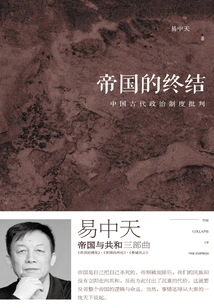
End of Empire
History帝国的终结
Yi Zhongtian
"Mr. Yi Zhongtian's "The End of the Empire" is his way of interpreting Chinese history, or a unique understanding of the history of the Chinese Empire from its formation, development to end. If readers calm down and savor it carefully, it will not be difficult to understand It is found that he has some unique views on the original meaning of "feudalism" and the "public world" of "the world is for the common good", which shows his wisdom and sensitivity to history and reality. " - Fan Shuzhi, professor and doctoral supervisor of the History Department of Fudan University.
"Mr. Yi Zhongtian's "The End of the Empire" is his way of interpreting Chinese history, or a unique understanding of the history of the Chinese Empire from its formation, development to end. If readers calm down and savor it carefully, it will not be difficult to understand It is found that he has some unique views on the original meaning of "feudalism" and the "public world" of "the world is for the common good", which shows his wisdom and sensitivity to history and reality. " - Fan Shuzhi, professor and doctoral supervisor of the History Department of Fudan University.
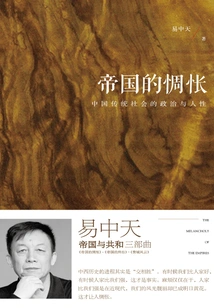
Imperial Melancholy
History帝国的惆怅
Yi Zhongtian
Yi Zhongtian's reflections on the imperial system. The process of Chinese and Western history is a process of "mutual victory". Sometimes we are better than others, and sometimes others are better than us. The trouble is just that people are better than us in modern times. Our scenery is beautiful, but it has become a thing of the past. This makes people sad. Melancholy means feeling lost, bewildered, and confused, that is, "sad as if lost", because we should not be like this. This requires reflection on the imperial system after the Qin and Han Dynasties, and even on the state system before the empire. But to follow the clues, from near to far, we have to start with the empire.
Yi Zhongtian's reflections on the imperial system. The process of Chinese and Western history is a process of "mutual victory". Sometimes we are better than others, and sometimes others are better than us. The trouble is just that people are better than us in modern times. Our scenery is beautiful, but it has become a thing of the past. This makes people sad. Melancholy means feeling lost, bewildered, and confused, that is, "sad as if lost", because we should not be like this. This requires reflection on the imperial system after the Qin and Han Dynasties, and even on the state system before the empire. But to follow the clues, from near to far, we have to start with the empire.
易中天中华史:大航海时代
Yi Zhongtian
Ming Taizu's sea ban was very strict: no one was allowed to enter the sea. Therefore, more than sixty years after Zheng He's voyages to the West, the West began the historical process of geographical discovery and the opportunity to open the maritime century was handed over to others. After Aobai, there were no powerful ministers to act arrogantly; after the vassal withdrawal, there was no local separatism; after Yongzheng, there was no struggle for the throne; after the people were spread over the land, there was no rebellion by hungry people. There are too many problems that need to be solved to build a cross-cultural and multi-ethnic unified empire, but Kangxi and his successors answered them better than any previous dynasty. So, is the problem really solved? After meeting Qianlong in court, British diplomat Macartney said this: The Qing Empire was like a luxurious warship that was in disrepair and only relied on the support of the sailors to prevent it from sinking. The people in the first-class cabin didn't know this. Only a literary work felt that it was riddled with holes. She is the great "Dream of Red Mansions".
Ming Taizu's sea ban was very strict: no one was allowed to enter the sea. Therefore, more than sixty years after Zheng He's voyages to the West, the West began the historical process of geographical discovery and the opportunity to open the maritime century was handed over to others. After Aobai, there were no powerful ministers to act arrogantly; after the vassal withdrawal, there was no local separatism; after Yongzheng, there was no struggle for the throne; after the people were spread over the land, there was no rebellion by hungry people. There are too many problems that need to be solved to build a cross-cultural and multi-ethnic unified empire, but Kangxi and his successors answered them better than any previous dynasty. So, is the problem really solved? After meeting Qianlong in court, British diplomat Macartney said this: The Qing Empire was like a luxurious warship that was in disrepair and only relied on the support of the sailors to prevent it from sinking. The people in the first-class cabin didn't know this. Only a literary work felt that it was riddled with holes. She is the great "Dream of Red Mansions".
Pre-qin Scholars (2024)
History先秦诸子(2024)
Yi Zhongtian
"Pre-Qin Scholars" is a historical summary and ideological condensation of the pre-Qin era. Taking Confucianism, Mohism, Taoism and Law as the main line, it explains in detail the great debates among hundreds of schools of thought on the good and evil of human nature, the rule of virtue and the rule of law, and action and inaction, spanning more than three hundred years. The Mohists paid attention to society and left behind social ideals, which are equality, mutual benefit, and fraternity; the Taoists paid attention to life and left behind the pursuit of life, which is truth, freedom, and tolerance; the Legalists paid attention to the country and left behind the concepts of governance, which are openness, fairness, and justice; the Confucians paid attention to culture and left behind the core values, which are benevolence, justice, and self-improvement. In other words, Mohism left behind the beautiful ideal of building a homeland, Taoism left behind the crystallization of wisdom to guide life, Legalism left behind the ideological resources to cope with changes, and Confucianism left behind the value system that unites the people. A great debate that has lasted for three hundred years has no answer, but has affected the Chinese nation for thousands of years.
"Pre-Qin Scholars" is a historical summary and ideological condensation of the pre-Qin era. Taking Confucianism, Mohism, Taoism and Law as the main line, it explains in detail the great debates among hundreds of schools of thought on the good and evil of human nature, the rule of virtue and the rule of law, and action and inaction, spanning more than three hundred years. The Mohists paid attention to society and left behind social ideals, which are equality, mutual benefit, and fraternity; the Taoists paid attention to life and left behind the pursuit of life, which is truth, freedom, and tolerance; the Legalists paid attention to the country and left behind the concepts of governance, which are openness, fairness, and justice; the Confucians paid attention to culture and left behind the core values, which are benevolence, justice, and self-improvement. In other words, Mohism left behind the beautiful ideal of building a homeland, Taoism left behind the crystallization of wisdom to guide life, Legalism left behind the ideological resources to cope with changes, and Confucianism left behind the value system that unites the people. A great debate that has lasted for three hundred years has no answer, but has affected the Chinese nation for thousands of years.
易中天三国经典套装:曹操+品三国
Yi Zhongtian
Travel through the thousand-year starry sky and reappear the true colors of heroes. Discuss the major events of the Three Kingdoms, carefully analyze the merits and demerits of the heroes, and summarize the successes and failures. In Yi Zhongtian's writings, we can see a more three-dimensional and realistic world of the Three Kingdoms, where there are no perfect heroes, only real people who work hard to move forward in troubled times.
Travel through the thousand-year starry sky and reappear the true colors of heroes. Discuss the major events of the Three Kingdoms, carefully analyze the merits and demerits of the heroes, and summarize the successes and failures. In Yi Zhongtian's writings, we can see a more three-dimensional and realistic world of the Three Kingdoms, where there are no perfect heroes, only real people who work hard to move forward in troubled times.