Library
Browse and search books
20 novels found
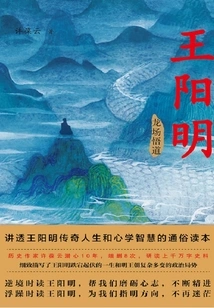
Wang Yangming 1: Enlightenment in Longchang
General Fiction王阳明1:龙场悟道
Xu Baoyun
This volume tells the story of how Wang Yangming became enlightened after being demoted to the Dragon Field. In the early days of Zhengde, the eunuchs had exclusive power. Wang Yangming was imprisoned and exiled to Longchang, Guizhou because he spoke uprightly. Along the way, he was hunted down, encountered a shipwreck, traveled around the world, his life was trampled on, and his life seemed to be at an impasse. All this did not extinguish the bright light in Wang Yangming's heart. He worked hard to save himself. He realized the principle of "unity of knowledge and action" in Longchang overnight and completed self-save in a desperate situation. He made friends with the Miao people, interacted with the chieftain, and quelled the war. He was invited to teach in Guiyang, and the once "desperate situation" has become a paradise.
This volume tells the story of how Wang Yangming became enlightened after being demoted to the Dragon Field. In the early days of Zhengde, the eunuchs had exclusive power. Wang Yangming was imprisoned and exiled to Longchang, Guizhou because he spoke uprightly. Along the way, he was hunted down, encountered a shipwreck, traveled around the world, his life was trampled on, and his life seemed to be at an impasse. All this did not extinguish the bright light in Wang Yangming's heart. He worked hard to save himself. He realized the principle of "unity of knowledge and action" in Longchang overnight and completed self-save in a desperate situation. He made friends with the Miao people, interacted with the chieftain, and quelled the war. He was invited to teach in Guiyang, and the once "desperate situation" has become a paradise.
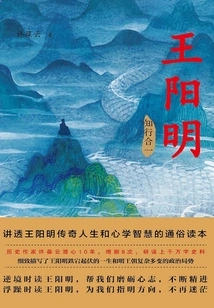
Wang Yangming 2: Unity of Knowledge and Action
General Fiction王阳明2:知行合一
Xu Baoyun
This volume tells the story of Wang Yangming's defeat of mountain bandits in southern Jiangxi and the powerful Ning Wang Zhu Chenhao. Wang Yangming went to Guizhou from Longchangyi to give lectures, discovered the secret of "five evils to be punished", and vowed to destroy the thieves in the human heart by integrating knowledge and action. He served as the county magistrate in Luling, Jiangxi Province, and petitioned for orders for the people; after Liu Jin was executed, Yangming finally had hope again. Wang Qiong outwitted Qian Ning and King Ning, and appointed Wang Yangming to patrol south of Jiangxi to suppress bandits and prevent King Ning from rebelling.
This volume tells the story of Wang Yangming's defeat of mountain bandits in southern Jiangxi and the powerful Ning Wang Zhu Chenhao. Wang Yangming went to Guizhou from Longchangyi to give lectures, discovered the secret of "five evils to be punished", and vowed to destroy the thieves in the human heart by integrating knowledge and action. He served as the county magistrate in Luling, Jiangxi Province, and petitioned for orders for the people; after Liu Jin was executed, Yangming finally had hope again. Wang Qiong outwitted Qian Ning and King Ning, and appointed Wang Yangming to patrol south of Jiangxi to suppress bandits and prevent King Ning from rebelling.
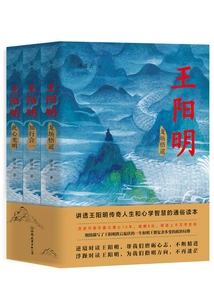
Wang Yangming (all Three Volumes)
General Fiction王阳明(全三册)
Xu Baoyun
Wang Shouren (October 31, 1472 - January 9, 1529), whose real name was Wang Yun, courtesy name Bo'an, and nickname Yangming, was from Yuyao, Zhejiang, Han nationality. An outstanding thinker, writer, military strategist and educator in the Ming Dynasty. Destiny never favored Wang Yangming. When he first entered the officialdom, he offended powerful traitors because of his outspokenness and was demoted to the wild Longchang. Later, he put down the rebellion of King Ning, which was a great achievement, but because of the obstruction of villains, he had to retreat bravely. In his later years, he was also criticized because of the popularity of "Xin Xue". In Wang Yangming's life, there were more adversity than good times, more suffering than glory, and more controversy than praise. However, Wang Yangming, who believed in the "Learning of Conscience", relied on the wisdom of "Learning from the Heart" to successfully break through the situation in the dark era. He made some knowledge and career, earned a bright and beautiful life, and influenced and inspired everyone who struggled to break through in the darkest moments of life.
Wang Shouren (October 31, 1472 - January 9, 1529), whose real name was Wang Yun, courtesy name Bo'an, and nickname Yangming, was from Yuyao, Zhejiang, Han nationality. An outstanding thinker, writer, military strategist and educator in the Ming Dynasty. Destiny never favored Wang Yangming. When he first entered the officialdom, he offended powerful traitors because of his outspokenness and was demoted to the wild Longchang. Later, he put down the rebellion of King Ning, which was a great achievement, but because of the obstruction of villains, he had to retreat bravely. In his later years, he was also criticized because of the popularity of "Xin Xue". In Wang Yangming's life, there were more adversity than good times, more suffering than glory, and more controversy than praise. However, Wang Yangming, who believed in the "Learning of Conscience", relied on the wisdom of "Learning from the Heart" to successfully break through the situation in the dark era. He made some knowledge and career, earned a bright and beautiful life, and influenced and inspired everyone who struggled to break through in the darkest moments of life.

The Biography of "japanese" in Ming Dynasty
General Fiction大明平“倭”传
Xu Baoyun
On April 22, the thirty-fifth year of the Jiajing reign of the Ming Dynasty (AD 1556), Pinghai suffered from Zongxian and was ordered to do so in the face of danger. The sky was gloomy, leaden clouds shrouded the sky and fields, and everything as far as the eye could see was suppressed by the same heavy turbidity. On the official road, a group of carriages and horses passed quickly, raising gray smoke. Hu Zongxian, who was the censor of Youqiandu, had just been appointed governor of Zhejiang and South Zhili (Jiangsu) and was on his way to Hangzhou to govern. Originally, the governorship of Liangjiang should be one of the most attractive official positions in the imperial court, but he did not feel the joy he deserved at all. In recent years, the position has become a chilling trap. In the twenty-eighth year of Jiajing's reign, Zhu Wan, the governor of Zhejiang, was dismissed from his post and questioned, and committed suicide by taking poison. In the thirty-third year of Jiajing's reign, Wang Shu, the governor of Zhejiang, was dismissed from his post.
On April 22, the thirty-fifth year of the Jiajing reign of the Ming Dynasty (AD 1556), Pinghai suffered from Zongxian and was ordered to do so in the face of danger. The sky was gloomy, leaden clouds shrouded the sky and fields, and everything as far as the eye could see was suppressed by the same heavy turbidity. On the official road, a group of carriages and horses passed quickly, raising gray smoke. Hu Zongxian, who was the censor of Youqiandu, had just been appointed governor of Zhejiang and South Zhili (Jiangsu) and was on his way to Hangzhou to govern. Originally, the governorship of Liangjiang should be one of the most attractive official positions in the imperial court, but he did not feel the joy he deserved at all. In recent years, the position has become a chilling trap. In the twenty-eighth year of Jiajing's reign, Zhu Wan, the governor of Zhejiang, was dismissed from his post and questioned, and committed suicide by taking poison. In the thirty-third year of Jiajing's reign, Wang Shu, the governor of Zhejiang, was dismissed from his post.
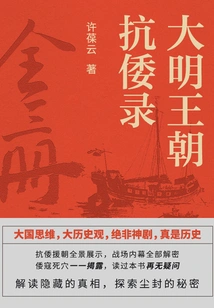
Records of the Ming Dynasty's Resistance Against Japanese Aggression (complete Three Volumes)
General Fiction大明王朝抗倭录(全三册)
Xu Baoyun
Wanli was a prosperous period for the Ming Dynasty. During these more than 40 years, the Ming Dynasty fought against foreign enemies and won more than a hundred battles. Among them, only the three battles of suppressing the rebellion in Ningxia, pacifying Bozhou Yang Yinglong, and resisting Japanese aggression and aiding Korea were the most famous, known as the "Three Great Conquests of Wanli"! The reason why the "Three Major Campaigns" are tied is of course because these three battles were fought the most beautifully and won the most thoroughly. However, the "Battle to Resist Japan and Aid Korea" recorded in the history books does not look like a victory in any way. It can hardly match the battles of Ningxia and Bozhou. What is the reason? At this time, please be careful about one thing: Regarding the War to Resist Japan and Aid Korea, the comments given by Japanese historical materials, Korean historical materials, and Qing Dynasty historical materials are all wrong, confusing, and deviate from the facts. The history of China must be written by the Chinese, and the gaps in history must be filled by ourselves. This book is the result of seven years of work, and the purpose of its creation is to "rectify chaos." 90% Of the content is a new logical inference based on existing data. It concludes with "the Ming Dynasty achieved complete victory", launches a new interpretation of every historical event and every battle, and explains the Ming army's brilliant strategy, advanced tactics, and sophisticated weapons. The fact that siege tactics, cavalry tactics, infantry and artillery coordination were an era ahead of Japan, and that it was easy to annihilate Japanese pirates, promoted the power of the Ming army, exposed Japan's bad roots, promoted the Ming army's great victory in the battle against Japanese pirates, and satirized the stinginess and ingratitude of the Korean people. The content of this book is completely new, the conclusions are new, the argument is novel, the analysis is profound, the logic is clear, it conforms to public opinion, and it gives a sigh of relief to the entire country and nation. For the same historical event, the historical materials and data may be the same, but the "conclusion" is completely defined by people. The Japanese defined this war as "boasting", the Qing people defined it as "slandering the Ming Dynasty", and among us (before the completion of this book) no one has really given a strong definition to this important historical event. Therefore, whether there are novels or film and television works about "The Ming Dynasty's Resistance against Japanese Aggression and Aid Korea", there is a complete blank. Nowadays, anti-Japanese and anti-Korean sentiments are rising in China, and film and television works are all about "fighting Japan", but none of them mention the exciting event of "the Ming Dynasty resisted Japan and aided Korea." This is a strange thing, and it is also a great opportunity for the timely release of this book.
Wanli was a prosperous period for the Ming Dynasty. During these more than 40 years, the Ming Dynasty fought against foreign enemies and won more than a hundred battles. Among them, only the three battles of suppressing the rebellion in Ningxia, pacifying Bozhou Yang Yinglong, and resisting Japanese aggression and aiding Korea were the most famous, known as the "Three Great Conquests of Wanli"! The reason why the "Three Major Campaigns" are tied is of course because these three battles were fought the most beautifully and won the most thoroughly. However, the "Battle to Resist Japan and Aid Korea" recorded in the history books does not look like a victory in any way. It can hardly match the battles of Ningxia and Bozhou. What is the reason? At this time, please be careful about one thing: Regarding the War to Resist Japan and Aid Korea, the comments given by Japanese historical materials, Korean historical materials, and Qing Dynasty historical materials are all wrong, confusing, and deviate from the facts. The history of China must be written by the Chinese, and the gaps in history must be filled by ourselves. This book is the result of seven years of work, and the purpose of its creation is to "rectify chaos." 90% Of the content is a new logical inference based on existing data. It concludes with "the Ming Dynasty achieved complete victory", launches a new interpretation of every historical event and every battle, and explains the Ming army's brilliant strategy, advanced tactics, and sophisticated weapons. The fact that siege tactics, cavalry tactics, infantry and artillery coordination were an era ahead of Japan, and that it was easy to annihilate Japanese pirates, promoted the power of the Ming army, exposed Japan's bad roots, promoted the Ming army's great victory in the battle against Japanese pirates, and satirized the stinginess and ingratitude of the Korean people. The content of this book is completely new, the conclusions are new, the argument is novel, the analysis is profound, the logic is clear, it conforms to public opinion, and it gives a sigh of relief to the entire country and nation. For the same historical event, the historical materials and data may be the same, but the "conclusion" is completely defined by people. The Japanese defined this war as "boasting", the Qing people defined it as "slandering the Ming Dynasty", and among us (before the completion of this book) no one has really given a strong definition to this important historical event. Therefore, whether there are novels or film and television works about "The Ming Dynasty's Resistance against Japanese Aggression and Aid Korea", there is a complete blank. Nowadays, anti-Japanese and anti-Korean sentiments are rising in China, and film and television works are all about "fighting Japan", but none of them mention the exciting event of "the Ming Dynasty resisted Japan and aided Korea." This is a strange thing, and it is also a great opportunity for the timely release of this book.
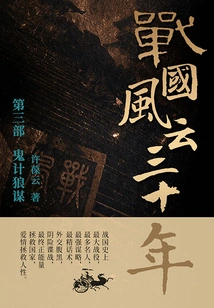
Thirty Years of Warring States Period 3: Evil Schemes
General Fiction战国风云三十年3:鬼计狼谋
Xu Baoyun
Qin, the strongest country, wants to unify, and Zhao, the weakest country, wants to dominate. They have to defeat Qi, Chu, and Wei. Their goals are different, but their strategies are the same. The two countries are naturally complicit. Zhao Sheng was in charge of the state affairs of Zhao and designed and implemented the whole conspiracy, with Lin Xiangru and Yu Qing being his accomplices; Wei Wuji was in charge of the state affairs of Wei and shouldered the important responsibilities alone, while Tian Wen, Xu Jia, and Mang Mao all tried to destabilize him for their own personal gain, which was miserable; Wei Ran was in charge of the state affairs of Qin and was proficient in strategy, with Bai Qi, Hu Yang, and Sima mistakenly serving as his wings. Fan Sui started out by lying, but was ultimately destroyed by his own lies. The spy Su Dai of the State of Yan deceived the State of Qi into betraying the State of Wei. The Mohist tycoon wanted to persuade the King of Qi to help the State of Wei, but was assassinated by Qi Prime Minister Tian Wen. The tycoon's daughter Shi Yu lived in the State of Wei. Both the King of Wei and Wei Wuji liked her. The Su Dynasty used counterintuitive tactics to force Prime Minister Tian Wen to leave Wei and led the five-nation coalition to attack Qi. In the Battle of Jishui, Qi was defeated by Yan general Le Yi. The Qin army secretly attacked the main beam of Wei State but failed. King Qin took the opportunity to depose Wei Ran as prime minister. Queen Mother Xuan (Mi Yue) pretended to be ill and forced him to admit defeat and still let Wei Ran serve as prime minister. Zhao Sheng sent his spy Gongsun Long to deceive the Prime Minister of Yan, Gongsun Cao, and deceived Le Yi back to Zhao State. The Yan State was greatly weakened. Lu Zhong and Mo Zhe went to Qi State to assist Tian Dan in restoring the country, but the national power was lost. When Qin invaded South Korea, South Korea presented its party to Zhao for help. Zhao Sheng thought that he had the support of various countries and pretended to accept the party's invitation to the Qin army to fight, but in fact he retreated to Changping. Fan Sui speculated that other countries would not help Zhao. The Qin army entered Changping for a decisive battle with the Zhao army. The Qin army was gradually defeated by the Zhao army in the mountain battle. Lian Po defeated the elite Qin army in Dabaigou. The Qin army suffered 100,000 casualties. As expected, the five countries refused to cooperate with Zhao. Qin's spy Lou Huan came to Zhao again, shaken King Zhao's confidence, tricked King Zhao into sending envoys to Qin, and further divided the already weak "alliance". With no support and no food, Zhao had no choice but to appoint Zhao Kuo as commander. He fought alone in Changping with a death wish. Bai Qi took over the Qin army. The Qin army was defeated back to the starting point and could not recover for more than ten years. Zhao State was also defeated, and its many years of hegemony were in vain. Fan Sui killed Bai Qi to clear himself, but the lie was eventually exposed and he collapsed. Wei Wuji gave up his fame and started a new life with Shi Yu in the Kingdom of Zhao.
Qin, the strongest country, wants to unify, and Zhao, the weakest country, wants to dominate. They have to defeat Qi, Chu, and Wei. Their goals are different, but their strategies are the same. The two countries are naturally complicit. Zhao Sheng was in charge of the state affairs of Zhao and designed and implemented the whole conspiracy, with Lin Xiangru and Yu Qing being his accomplices; Wei Wuji was in charge of the state affairs of Wei and shouldered the important responsibilities alone, while Tian Wen, Xu Jia, and Mang Mao all tried to destabilize him for their own personal gain, which was miserable; Wei Ran was in charge of the state affairs of Qin and was proficient in strategy, with Bai Qi, Hu Yang, and Sima mistakenly serving as his wings. Fan Sui started out by lying, but was ultimately destroyed by his own lies. The spy Su Dai of the State of Yan deceived the State of Qi into betraying the State of Wei. The Mohist tycoon wanted to persuade the King of Qi to help the State of Wei, but was assassinated by Qi Prime Minister Tian Wen. The tycoon's daughter Shi Yu lived in the State of Wei. Both the King of Wei and Wei Wuji liked her. The Su Dynasty used counterintuitive tactics to force Prime Minister Tian Wen to leave Wei and led the five-nation coalition to attack Qi. In the Battle of Jishui, Qi was defeated by Yan general Le Yi. The Qin army secretly attacked the main beam of Wei State but failed. King Qin took the opportunity to depose Wei Ran as prime minister. Queen Mother Xuan (Mi Yue) pretended to be ill and forced him to admit defeat and still let Wei Ran serve as prime minister. Zhao Sheng sent his spy Gongsun Long to deceive the Prime Minister of Yan, Gongsun Cao, and deceived Le Yi back to Zhao State. The Yan State was greatly weakened. Lu Zhong and Mo Zhe went to Qi State to assist Tian Dan in restoring the country, but the national power was lost. When Qin invaded South Korea, South Korea presented its party to Zhao for help. Zhao Sheng thought that he had the support of various countries and pretended to accept the party's invitation to the Qin army to fight, but in fact he retreated to Changping. Fan Sui speculated that other countries would not help Zhao. The Qin army entered Changping for a decisive battle with the Zhao army. The Qin army was gradually defeated by the Zhao army in the mountain battle. Lian Po defeated the elite Qin army in Dabaigou. The Qin army suffered 100,000 casualties. As expected, the five countries refused to cooperate with Zhao. Qin's spy Lou Huan came to Zhao again, shaken King Zhao's confidence, tricked King Zhao into sending envoys to Qin, and further divided the already weak "alliance". With no support and no food, Zhao had no choice but to appoint Zhao Kuo as commander. He fought alone in Changping with a death wish. Bai Qi took over the Qin army. The Qin army was defeated back to the starting point and could not recover for more than ten years. Zhao State was also defeated, and its many years of hegemony were in vain. Fan Sui killed Bai Qi to clear himself, but the lie was eventually exposed and he collapsed. Wei Wuji gave up his fame and started a new life with Shi Yu in the Kingdom of Zhao.
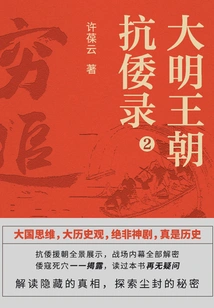
大明王朝抗倭录2:穷追
Xu Baoyun
Wanli was a prosperous period for the Ming Dynasty. During these more than 40 years, the Ming Dynasty fought against foreign enemies and won more than a hundred battles. Among them, only the three battles of suppressing the rebellion in Ningxia, pacifying Bozhou Yang Yinglong, and resisting Japanese aggression and aiding Korea were the most famous, known as the "Three Great Conquests of Wanli"! The reason why the "Three Major Campaigns" are tied is of course because these three battles were fought the most beautifully and won the most thoroughly. However, the "Battle to Resist Japan and Aid Korea" recorded in the history books does not look like a victory in any way. It can hardly match the battles of Ningxia and Bozhou. What is the reason? At this time, please be careful about one thing: Regarding the War to Resist Japan and Aid Korea, the comments given by Japanese historical materials, Korean historical materials, and Qing Dynasty historical materials are all wrong, confusing, and deviate from the facts. The history of China must be written by the Chinese, and the gaps in history must be filled by ourselves. This book is the result of seven years of work, and the purpose of its creation is to "rectify chaos." 90% Of the content is a new logical inference based on existing data. It concludes with "the Ming Dynasty achieved complete victory", launches a new interpretation of every historical event and every battle, and explains the Ming army's brilliant strategy, advanced tactics, and sophisticated weapons. The fact that siege tactics, cavalry tactics, infantry and artillery coordination were an era ahead of Japan, and that it was easy to annihilate Japanese pirates, promoted the power of the Ming army, exposed Japan's bad roots, promoted the Ming army's great victory in the battle against Japanese pirates, and satirized the stinginess and ingratitude of the Korean people. The content of this book is completely new, the conclusions are new, the argument is novel, the analysis is profound, the logic is clear, it conforms to public opinion, and it gives a sigh of relief to the entire country and nation. For the same historical event, the historical materials and data may be the same, but the "conclusion" is completely defined by people. The Japanese defined this war as "boasting", the Qing people defined it as "slandering the Ming Dynasty", and among us (before the completion of this book) no one has really given a strong definition to this important historical event. Therefore, whether there are novels or film and television works about "The Ming Dynasty's Resistance against Japanese Aggression and Aid Korea", there is a complete blank. Nowadays, anti-Japanese and anti-Korean sentiments are rising in China, and film and television works are all about "fighting Japan", but none of them mention the exciting event of "the Ming Dynasty resisted Japan and aided Korea." This is a strange thing, and it is also a great opportunity for the timely release of this book.
Wanli was a prosperous period for the Ming Dynasty. During these more than 40 years, the Ming Dynasty fought against foreign enemies and won more than a hundred battles. Among them, only the three battles of suppressing the rebellion in Ningxia, pacifying Bozhou Yang Yinglong, and resisting Japanese aggression and aiding Korea were the most famous, known as the "Three Great Conquests of Wanli"! The reason why the "Three Major Campaigns" are tied is of course because these three battles were fought the most beautifully and won the most thoroughly. However, the "Battle to Resist Japan and Aid Korea" recorded in the history books does not look like a victory in any way. It can hardly match the battles of Ningxia and Bozhou. What is the reason? At this time, please be careful about one thing: Regarding the War to Resist Japan and Aid Korea, the comments given by Japanese historical materials, Korean historical materials, and Qing Dynasty historical materials are all wrong, confusing, and deviate from the facts. The history of China must be written by the Chinese, and the gaps in history must be filled by ourselves. This book is the result of seven years of work, and the purpose of its creation is to "rectify chaos." 90% Of the content is a new logical inference based on existing data. It concludes with "the Ming Dynasty achieved complete victory", launches a new interpretation of every historical event and every battle, and explains the Ming army's brilliant strategy, advanced tactics, and sophisticated weapons. The fact that siege tactics, cavalry tactics, infantry and artillery coordination were an era ahead of Japan, and that it was easy to annihilate Japanese pirates, promoted the power of the Ming army, exposed Japan's bad roots, promoted the Ming army's great victory in the battle against Japanese pirates, and satirized the stinginess and ingratitude of the Korean people. The content of this book is completely new, the conclusions are new, the argument is novel, the analysis is profound, the logic is clear, it conforms to public opinion, and it gives a sigh of relief to the entire country and nation. For the same historical event, the historical materials and data may be the same, but the "conclusion" is completely defined by people. The Japanese defined this war as "boasting", the Qing people defined it as "slandering the Ming Dynasty", and among us (before the completion of this book) no one has really given a strong definition to this important historical event. Therefore, whether there are novels or film and television works about "The Ming Dynasty's Resistance against Japanese Aggression and Aid Korea", there is a complete blank. Nowadays, anti-Japanese and anti-Korean sentiments are rising in China, and film and television works are all about "fighting Japan", but none of them mention the exciting event of "the Ming Dynasty resisted Japan and aided Korea." This is a strange thing, and it is also a great opportunity for the timely release of this book.
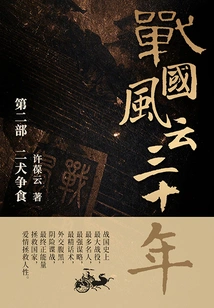
战国风云三十年2:二犬争食
Xu Baoyun
Qin, the strongest country, wants to unify, and Zhao, the weakest country, wants to dominate. They have to defeat Qi, Chu, and Wei. Their goals are different, but their strategies are the same. The two countries are naturally complicit. Zhao Sheng was in charge of the state affairs of Zhao and designed and implemented the whole conspiracy, with Lin Xiangru and Yu Qing being his accomplices; Wei Wuji was in charge of the state affairs of Wei and shouldered the important responsibilities alone, while Tian Wen, Xu Jia, and Mang Mao all tried to destabilize him for their own personal gain, which was miserable; Wei Ran was in charge of the state affairs of Qin and was proficient in strategy, with Bai Qi, Hu Yang, and Sima mistakenly serving as his wings. Fan Sui started out by lying, but was ultimately destroyed by his own lies. The spy Su Dai of the State of Yan deceived the State of Qi into betraying the State of Wei. The Mohist tycoon wanted to persuade the King of Qi to help the State of Wei, but was assassinated by Qi Prime Minister Tian Wen. The tycoon's daughter Shi Yu lived in the State of Wei. Both the King of Wei and Wei Wuji liked her. The Su Dynasty used counterintuitive tactics to force Prime Minister Tian Wen to leave Wei and led the five-nation coalition to attack Qi. In the Battle of Jishui, Qi was defeated by Yan general Le Yi. The Qin army secretly attacked the main beam of Wei State but failed. King Qin took the opportunity to depose Wei Ran as prime minister. Queen Mother Xuan (Mi Yue) pretended to be ill and forced him to admit defeat and still let Wei Ran serve as prime minister. Zhao Sheng sent his spy Gongsun Long to deceive the Prime Minister of Yan, Gongsun Cao, and deceived Le Yi back to Zhao State. The Yan State was greatly weakened. Lu Zhong and Mo Zhe went to Qi State to assist Tian Dan in restoring the country, but the national power was lost. When Qin invaded South Korea, South Korea presented its party to Zhao for help. Zhao Sheng thought that he had the support of various countries and pretended to accept the party's invitation to the Qin army to fight, but in fact he retreated to Changping. Fan Sui speculated that other countries would not help Zhao. The Qin army entered Changping for a decisive battle with the Zhao army. The Qin army was gradually defeated by the Zhao army in the mountain battle. Lian Po defeated the elite Qin army in Dabaigou. The Qin army suffered 100,000 casualties. As expected, the five countries refused to cooperate with Zhao. Qin's spy Lou Huan came to Zhao again, shaken King Zhao's confidence, tricked King Zhao into sending envoys to Qin, and further divided the already weak "alliance". With no support and no food, Zhao had no choice but to appoint Zhao Kuo as commander. He fought alone in Changping with a death wish. Bai Qi took over the Qin army. The Qin army was defeated back to the starting point and could not recover for more than ten years. Zhao State was also defeated, and its many years of hegemony were in vain. Fan Sui killed Bai Qi to clear himself, but the lie was eventually exposed and he collapsed. Wei Wuji gave up his fame and started a new life with Shi Yu in the Kingdom of Zhao.
Qin, the strongest country, wants to unify, and Zhao, the weakest country, wants to dominate. They have to defeat Qi, Chu, and Wei. Their goals are different, but their strategies are the same. The two countries are naturally complicit. Zhao Sheng was in charge of the state affairs of Zhao and designed and implemented the whole conspiracy, with Lin Xiangru and Yu Qing being his accomplices; Wei Wuji was in charge of the state affairs of Wei and shouldered the important responsibilities alone, while Tian Wen, Xu Jia, and Mang Mao all tried to destabilize him for their own personal gain, which was miserable; Wei Ran was in charge of the state affairs of Qin and was proficient in strategy, with Bai Qi, Hu Yang, and Sima mistakenly serving as his wings. Fan Sui started out by lying, but was ultimately destroyed by his own lies. The spy Su Dai of the State of Yan deceived the State of Qi into betraying the State of Wei. The Mohist tycoon wanted to persuade the King of Qi to help the State of Wei, but was assassinated by Qi Prime Minister Tian Wen. The tycoon's daughter Shi Yu lived in the State of Wei. Both the King of Wei and Wei Wuji liked her. The Su Dynasty used counterintuitive tactics to force Prime Minister Tian Wen to leave Wei and led the five-nation coalition to attack Qi. In the Battle of Jishui, Qi was defeated by Yan general Le Yi. The Qin army secretly attacked the main beam of Wei State but failed. King Qin took the opportunity to depose Wei Ran as prime minister. Queen Mother Xuan (Mi Yue) pretended to be ill and forced him to admit defeat and still let Wei Ran serve as prime minister. Zhao Sheng sent his spy Gongsun Long to deceive the Prime Minister of Yan, Gongsun Cao, and deceived Le Yi back to Zhao State. The Yan State was greatly weakened. Lu Zhong and Mo Zhe went to Qi State to assist Tian Dan in restoring the country, but the national power was lost. When Qin invaded South Korea, South Korea presented its party to Zhao for help. Zhao Sheng thought that he had the support of various countries and pretended to accept the party's invitation to the Qin army to fight, but in fact he retreated to Changping. Fan Sui speculated that other countries would not help Zhao. The Qin army entered Changping for a decisive battle with the Zhao army. The Qin army was gradually defeated by the Zhao army in the mountain battle. Lian Po defeated the elite Qin army in Dabaigou. The Qin army suffered 100,000 casualties. As expected, the five countries refused to cooperate with Zhao. Qin's spy Lou Huan came to Zhao again, shaken King Zhao's confidence, tricked King Zhao into sending envoys to Qin, and further divided the already weak "alliance". With no support and no food, Zhao had no choice but to appoint Zhao Kuo as commander. He fought alone in Changping with a death wish. Bai Qi took over the Qin army. The Qin army was defeated back to the starting point and could not recover for more than ten years. Zhao State was also defeated, and its many years of hegemony were in vain. Fan Sui killed Bai Qi to clear himself, but the lie was eventually exposed and he collapsed. Wei Wuji gave up his fame and started a new life with Shi Yu in the Kingdom of Zhao.
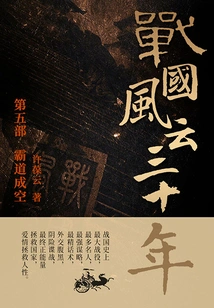
战国风云三十年5:霸道成空
Xu Baoyun
Qin, the strongest country, wants to unify, and Zhao, the weakest country, wants to dominate. They have to defeat Qi, Chu, and Wei. Their goals are different, but their strategies are the same. The two countries are naturally complicit. Zhao Sheng was in charge of the state affairs of Zhao and designed and implemented the whole conspiracy, with Lin Xiangru and Yu Qing being his accomplices; Wei Wuji was in charge of the state affairs of Wei and shouldered the important responsibilities alone, while Tian Wen, Xu Jia, and Mang Mao all tried to destabilize him for their own personal gain, which was miserable; Wei Ran was in charge of the state affairs of Qin and was proficient in strategy, with Bai Qi, Hu Yang, and Sima mistakenly serving as his wings. Fan Sui started out by lying, but was ultimately destroyed by his own lies. The spy Su Dai of the State of Yan deceived the State of Qi into betraying the State of Wei. The Mohist tycoon wanted to persuade the King of Qi to help the State of Wei, but was assassinated by Qi Prime Minister Tian Wen. The tycoon's daughter Shi Yu lived in the State of Wei. Both the King of Wei and Wei Wuji liked her. The Su Dynasty used counterintuitive tactics to force Prime Minister Tian Wen to leave Wei and led the five-nation coalition to attack Qi. In the Battle of Jishui, Qi was defeated by Yan general Le Yi. The Qin army secretly attacked the main beam of Wei State but failed. King Qin took the opportunity to depose Wei Ran as prime minister. Queen Mother Xuan (Mi Yue) pretended to be ill and forced him to admit defeat and still let Wei Ran serve as prime minister. Zhao Sheng sent his spy Gongsun Long to deceive the Prime Minister of Yan, Gongsun Cao, and deceived Le Yi back to Zhao State. The Yan State was greatly weakened. Lu Zhong and Mo Zhe went to Qi State to assist Tian Dan in restoring the country, but the national power was lost. When Qin invaded South Korea, South Korea presented its party to Zhao for help. Zhao Sheng thought that he had the support of various countries and pretended to accept the party's invitation to the Qin army to fight, but in fact he retreated to Changping. Fan Sui speculated that other countries would not help Zhao. The Qin army entered Changping for a decisive battle with the Zhao army. The Qin army was gradually defeated by the Zhao army in the mountain battle. Lian Po defeated the elite Qin army in Dabaigou. The Qin army suffered 100,000 casualties. As expected, the five countries refused to cooperate with Zhao. Qin's spy Lou Huan came to Zhao again, shaken King Zhao's confidence, tricked King Zhao into sending envoys to Qin, and further divided the already weak "alliance". With no support and no food, Zhao had no choice but to appoint Zhao Kuo as commander. He fought alone in Changping with a death wish. Bai Qi took over the Qin army. The Qin army was defeated back to the starting point and could not recover for more than ten years. Zhao State was also defeated, and its many years of hegemony were in vain. Fan Sui killed Bai Qi to clear himself, but the lie was eventually exposed and he collapsed. Wei Wuji gave up his fame and started a new life with Shi Yu in the Kingdom of Zhao.
Qin, the strongest country, wants to unify, and Zhao, the weakest country, wants to dominate. They have to defeat Qi, Chu, and Wei. Their goals are different, but their strategies are the same. The two countries are naturally complicit. Zhao Sheng was in charge of the state affairs of Zhao and designed and implemented the whole conspiracy, with Lin Xiangru and Yu Qing being his accomplices; Wei Wuji was in charge of the state affairs of Wei and shouldered the important responsibilities alone, while Tian Wen, Xu Jia, and Mang Mao all tried to destabilize him for their own personal gain, which was miserable; Wei Ran was in charge of the state affairs of Qin and was proficient in strategy, with Bai Qi, Hu Yang, and Sima mistakenly serving as his wings. Fan Sui started out by lying, but was ultimately destroyed by his own lies. The spy Su Dai of the State of Yan deceived the State of Qi into betraying the State of Wei. The Mohist tycoon wanted to persuade the King of Qi to help the State of Wei, but was assassinated by Qi Prime Minister Tian Wen. The tycoon's daughter Shi Yu lived in the State of Wei. Both the King of Wei and Wei Wuji liked her. The Su Dynasty used counterintuitive tactics to force Prime Minister Tian Wen to leave Wei and led the five-nation coalition to attack Qi. In the Battle of Jishui, Qi was defeated by Yan general Le Yi. The Qin army secretly attacked the main beam of Wei State but failed. King Qin took the opportunity to depose Wei Ran as prime minister. Queen Mother Xuan (Mi Yue) pretended to be ill and forced him to admit defeat and still let Wei Ran serve as prime minister. Zhao Sheng sent his spy Gongsun Long to deceive the Prime Minister of Yan, Gongsun Cao, and deceived Le Yi back to Zhao State. The Yan State was greatly weakened. Lu Zhong and Mo Zhe went to Qi State to assist Tian Dan in restoring the country, but the national power was lost. When Qin invaded South Korea, South Korea presented its party to Zhao for help. Zhao Sheng thought that he had the support of various countries and pretended to accept the party's invitation to the Qin army to fight, but in fact he retreated to Changping. Fan Sui speculated that other countries would not help Zhao. The Qin army entered Changping for a decisive battle with the Zhao army. The Qin army was gradually defeated by the Zhao army in the mountain battle. Lian Po defeated the elite Qin army in Dabaigou. The Qin army suffered 100,000 casualties. As expected, the five countries refused to cooperate with Zhao. Qin's spy Lou Huan came to Zhao again, shaken King Zhao's confidence, tricked King Zhao into sending envoys to Qin, and further divided the already weak "alliance". With no support and no food, Zhao had no choice but to appoint Zhao Kuo as commander. He fought alone in Changping with a death wish. Bai Qi took over the Qin army. The Qin army was defeated back to the starting point and could not recover for more than ten years. Zhao State was also defeated, and its many years of hegemony were in vain. Fan Sui killed Bai Qi to clear himself, but the lie was eventually exposed and he collapsed. Wei Wuji gave up his fame and started a new life with Shi Yu in the Kingdom of Zhao.
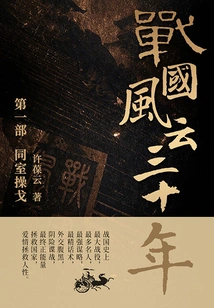
战国风云三十年1:同室操戈
Xu Baoyun
Qin, the strongest country, wants to unify, and Zhao, the weakest country, wants to dominate. They have to defeat Qi, Chu, and Wei. Their goals are different, but their strategies are the same. The two countries are naturally complicit. Zhao Sheng was in charge of the state affairs of Zhao and designed and implemented the whole conspiracy, with Lin Xiangru and Yu Qing being his accomplices; Wei Wuji was in charge of the state affairs of Wei and shouldered the important responsibilities alone, while Tian Wen, Xu Jia, and Mang Mao all tried to destabilize him for their own personal gain, which was miserable; Wei Ran was in charge of the state affairs of Qin and was proficient in strategy, with Bai Qi, Hu Yang, and Sima mistakenly serving as his wings. Fan Sui started out by lying, but was ultimately destroyed by his own lies. The spy Su Dai of the State of Yan deceived the State of Qi into betraying the State of Wei. The Mohist tycoon wanted to persuade the King of Qi to help the State of Wei, but was assassinated by Qi Prime Minister Tian Wen. The tycoon's daughter Shi Yu lived in the State of Wei. Both the King of Wei and Wei Wuji liked her. The Su Dynasty used counterintuitive tactics to force Prime Minister Tian Wen to leave Wei and led the five-nation coalition to attack Qi. In the Battle of Jishui, Qi was defeated by Yan general Le Yi. The Qin army secretly attacked the main beam of Wei State but failed. King Qin took the opportunity to depose Wei Ran as prime minister. Queen Mother Xuan (Mi Yue) pretended to be ill and forced him to admit defeat and still let Wei Ran serve as prime minister. Zhao Sheng sent his spy Gongsun Long to deceive the Prime Minister of Yan, Gongsun Cao, and deceived Le Yi back to Zhao State. The Yan State was greatly weakened. Lu Zhong and Mo Zhe went to Qi State to assist Tian Dan in restoring the country, but the national power was lost. When Qin invaded South Korea, South Korea presented its party to Zhao for help. Zhao Sheng thought that he had the support of various countries and pretended to accept the party's invitation to the Qin army to fight, but in fact he retreated to Changping. Fan Sui speculated that other countries would not help Zhao. The Qin army entered Changping for a decisive battle with the Zhao army. The Qin army was gradually defeated by the Zhao army in the mountain battle. Lian Po defeated the elite Qin army in Dabaigou. The Qin army suffered 100,000 casualties. As expected, the five countries refused to cooperate with Zhao. Qin's spy Lou Huan came to Zhao again, shaken King Zhao's confidence, tricked King Zhao into sending envoys to Qin, and further divided the already weak "alliance". With no support and no food, Zhao had no choice but to appoint Zhao Kuo as commander. He fought alone in Changping with a death wish. Bai Qi took over the Qin army. The Qin army was defeated back to the starting point and could not recover for more than ten years. Zhao State was also defeated, and its many years of hegemony were in vain. Fan Sui killed Bai Qi to clear himself, but the lie was eventually exposed and he collapsed. Wei Wuji gave up his fame and started a new life with Shi Yu in the Kingdom of Zhao.
Qin, the strongest country, wants to unify, and Zhao, the weakest country, wants to dominate. They have to defeat Qi, Chu, and Wei. Their goals are different, but their strategies are the same. The two countries are naturally complicit. Zhao Sheng was in charge of the state affairs of Zhao and designed and implemented the whole conspiracy, with Lin Xiangru and Yu Qing being his accomplices; Wei Wuji was in charge of the state affairs of Wei and shouldered the important responsibilities alone, while Tian Wen, Xu Jia, and Mang Mao all tried to destabilize him for their own personal gain, which was miserable; Wei Ran was in charge of the state affairs of Qin and was proficient in strategy, with Bai Qi, Hu Yang, and Sima mistakenly serving as his wings. Fan Sui started out by lying, but was ultimately destroyed by his own lies. The spy Su Dai of the State of Yan deceived the State of Qi into betraying the State of Wei. The Mohist tycoon wanted to persuade the King of Qi to help the State of Wei, but was assassinated by Qi Prime Minister Tian Wen. The tycoon's daughter Shi Yu lived in the State of Wei. Both the King of Wei and Wei Wuji liked her. The Su Dynasty used counterintuitive tactics to force Prime Minister Tian Wen to leave Wei and led the five-nation coalition to attack Qi. In the Battle of Jishui, Qi was defeated by Yan general Le Yi. The Qin army secretly attacked the main beam of Wei State but failed. King Qin took the opportunity to depose Wei Ran as prime minister. Queen Mother Xuan (Mi Yue) pretended to be ill and forced him to admit defeat and still let Wei Ran serve as prime minister. Zhao Sheng sent his spy Gongsun Long to deceive the Prime Minister of Yan, Gongsun Cao, and deceived Le Yi back to Zhao State. The Yan State was greatly weakened. Lu Zhong and Mo Zhe went to Qi State to assist Tian Dan in restoring the country, but the national power was lost. When Qin invaded South Korea, South Korea presented its party to Zhao for help. Zhao Sheng thought that he had the support of various countries and pretended to accept the party's invitation to the Qin army to fight, but in fact he retreated to Changping. Fan Sui speculated that other countries would not help Zhao. The Qin army entered Changping for a decisive battle with the Zhao army. The Qin army was gradually defeated by the Zhao army in the mountain battle. Lian Po defeated the elite Qin army in Dabaigou. The Qin army suffered 100,000 casualties. As expected, the five countries refused to cooperate with Zhao. Qin's spy Lou Huan came to Zhao again, shaken King Zhao's confidence, tricked King Zhao into sending envoys to Qin, and further divided the already weak "alliance". With no support and no food, Zhao had no choice but to appoint Zhao Kuo as commander. He fought alone in Changping with a death wish. Bai Qi took over the Qin army. The Qin army was defeated back to the starting point and could not recover for more than ten years. Zhao State was also defeated, and its many years of hegemony were in vain. Fan Sui killed Bai Qi to clear himself, but the lie was eventually exposed and he collapsed. Wei Wuji gave up his fame and started a new life with Shi Yu in the Kingdom of Zhao.
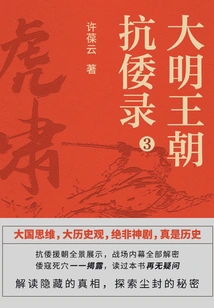
大明王朝抗倭录3:虎啸
Xu Baoyun
Wanli was a prosperous period for the Ming Dynasty. During these more than 40 years, the Ming Dynasty fought against foreign enemies and won more than a hundred battles. Among them, only the three battles of suppressing the rebellion in Ningxia, pacifying Bozhou Yang Yinglong, and resisting Japanese aggression and aiding Korea were the most famous, known as the "Three Great Conquests of Wanli"! The reason why the "Three Major Campaigns" are tied is of course because these three battles were fought the most beautifully and won the most thoroughly. However, the "Battle to Resist Japan and Aid Korea" recorded in the history books does not look like a victory in any way. It can hardly match the battles of Ningxia and Bozhou. What is the reason? At this time, please be careful about one thing: Regarding the War to Resist Japan and Aid Korea, the comments given by Japanese historical materials, Korean historical materials, and Qing Dynasty historical materials are all wrong, confusing, and deviate from the facts. The history of China must be written by the Chinese, and the gaps in history must be filled by ourselves. This book is the result of seven years of work, and the purpose of its creation is to "rectify chaos." 90% Of the content is a new logical inference based on existing data. It concludes with "the Ming Dynasty achieved complete victory", launches a new interpretation of every historical event and every battle, and explains the Ming army's brilliant strategy, advanced tactics, and sophisticated weapons. The fact that siege tactics, cavalry tactics, infantry and artillery coordination were an era ahead of Japan, and that it was easy to annihilate Japanese pirates, promoted the power of the Ming army, exposed Japan's bad roots, promoted the Ming army's great victory in the battle against Japanese pirates, and satirized the stinginess and ingratitude of the Korean people. The content of this book is completely new, the conclusions are new, the argument is novel, the analysis is profound, the logic is clear, it conforms to public opinion, and it gives a sigh of relief to the entire country and nation. For the same historical event, the historical materials and data may be the same, but the "conclusion" is completely defined by people. The Japanese defined this war as "boasting", the Qing people defined it as "slandering the Ming Dynasty", and among us (before the completion of this book) no one has really given a strong definition to this important historical event. Therefore, whether there are novels or film and television works about "The Ming Dynasty's Resistance against Japanese Aggression and Aid Korea", there is a complete blank. Nowadays, anti-Japanese and anti-Korean sentiments are rising in China, and film and television works are all about "fighting Japan", but none of them mention the exciting event of "the Ming Dynasty resisted Japan and aided Korea." This is a strange thing, and it is also a great opportunity for the timely release of this book.
Wanli was a prosperous period for the Ming Dynasty. During these more than 40 years, the Ming Dynasty fought against foreign enemies and won more than a hundred battles. Among them, only the three battles of suppressing the rebellion in Ningxia, pacifying Bozhou Yang Yinglong, and resisting Japanese aggression and aiding Korea were the most famous, known as the "Three Great Conquests of Wanli"! The reason why the "Three Major Campaigns" are tied is of course because these three battles were fought the most beautifully and won the most thoroughly. However, the "Battle to Resist Japan and Aid Korea" recorded in the history books does not look like a victory in any way. It can hardly match the battles of Ningxia and Bozhou. What is the reason? At this time, please be careful about one thing: Regarding the War to Resist Japan and Aid Korea, the comments given by Japanese historical materials, Korean historical materials, and Qing Dynasty historical materials are all wrong, confusing, and deviate from the facts. The history of China must be written by the Chinese, and the gaps in history must be filled by ourselves. This book is the result of seven years of work, and the purpose of its creation is to "rectify chaos." 90% Of the content is a new logical inference based on existing data. It concludes with "the Ming Dynasty achieved complete victory", launches a new interpretation of every historical event and every battle, and explains the Ming army's brilliant strategy, advanced tactics, and sophisticated weapons. The fact that siege tactics, cavalry tactics, infantry and artillery coordination were an era ahead of Japan, and that it was easy to annihilate Japanese pirates, promoted the power of the Ming army, exposed Japan's bad roots, promoted the Ming army's great victory in the battle against Japanese pirates, and satirized the stinginess and ingratitude of the Korean people. The content of this book is completely new, the conclusions are new, the argument is novel, the analysis is profound, the logic is clear, it conforms to public opinion, and it gives a sigh of relief to the entire country and nation. For the same historical event, the historical materials and data may be the same, but the "conclusion" is completely defined by people. The Japanese defined this war as "boasting", the Qing people defined it as "slandering the Ming Dynasty", and among us (before the completion of this book) no one has really given a strong definition to this important historical event. Therefore, whether there are novels or film and television works about "The Ming Dynasty's Resistance against Japanese Aggression and Aid Korea", there is a complete blank. Nowadays, anti-Japanese and anti-Korean sentiments are rising in China, and film and television works are all about "fighting Japan", but none of them mention the exciting event of "the Ming Dynasty resisted Japan and aided Korea." This is a strange thing, and it is also a great opportunity for the timely release of this book.
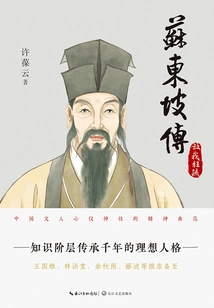
Biography of Su Dongpo (1): Visiting My Madness
General Fiction苏东坡传(1):访我狂疏
Xu Baoyun
Su Dongpo is a legend. He was proficient in poetry, calligraphy and painting. He was a free and unrestrained writer with outstanding literary talent. He was widely circulated and recited through the ages. He was also an excellent politician. He was a scholar in the Hanlin Academy and held a high position. He participated in major decisions of the court. After becoming a local official, he benefited one area and was loved by the people. He Treating everyone equally, his circle of friends ranged from emperors and high-ranking officials to ordinary people, including literati, monks and beggars; he was a true Confucian scholar, but he also deeply understood the essence of Buddhism and Taoism... Su Dongpo was a superstar in the long history, shining brightly and not dimming for more than a thousand years. His great personality and innocent spirit have become more and more eye-catching over time. The author of this book spent several years and revised the draft several times to analyze Su Dongpo's life course and open up his rich inner world. When you open this book, a real and three-dimensional Su Dongpo appears on the page. After reading in depth, Su Dongpo's legendary and ups and downs life appears before your eyes.
Su Dongpo is a legend. He was proficient in poetry, calligraphy and painting. He was a free and unrestrained writer with outstanding literary talent. He was widely circulated and recited through the ages. He was also an excellent politician. He was a scholar in the Hanlin Academy and held a high position. He participated in major decisions of the court. After becoming a local official, he benefited one area and was loved by the people. He Treating everyone equally, his circle of friends ranged from emperors and high-ranking officials to ordinary people, including literati, monks and beggars; he was a true Confucian scholar, but he also deeply understood the essence of Buddhism and Taoism... Su Dongpo was a superstar in the long history, shining brightly and not dimming for more than a thousand years. His great personality and innocent spirit have become more and more eye-catching over time. The author of this book spent several years and revised the draft several times to analyze Su Dongpo's life course and open up his rich inner world. When you open this book, a real and three-dimensional Su Dongpo appears on the page. After reading in depth, Su Dongpo's legendary and ups and downs life appears before your eyes.
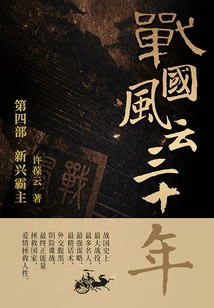
Thirty Years of Warring States Period 4: Emerging Overlord
General Fiction战国风云三十年4:新兴霸主
Xu Baoyun
Qin, the strongest country, wants to unify, and Zhao, the weakest country, wants to dominate. They have to defeat Qi, Chu, and Wei. Their goals are different, but their strategies are the same. The two countries are naturally complicit. Zhao Sheng was in charge of the state affairs of Zhao and designed and implemented the whole conspiracy, with Lin Xiangru and Yu Qing being his accomplices; Wei Wuji was in charge of the state affairs of Wei and shouldered the important responsibilities alone, while Tian Wen, Xu Jia, and Mang Mao all tried to destabilize him for their own personal gain, which was miserable; Wei Ran was in charge of the state affairs of Qin and was proficient in strategy, with Bai Qi, Hu Yang, and Sima mistakenly serving as his wings. Fan Sui started out by lying, but was ultimately destroyed by his own lies. The spy Su Dai of the State of Yan deceived the State of Qi into betraying the State of Wei. The Mohist tycoon wanted to persuade the King of Qi to help the State of Wei, but was assassinated by Qi Prime Minister Tian Wen. The tycoon's daughter Shi Yu lived in the State of Wei. Both the King of Wei and Wei Wuji liked her. The Su Dynasty used counterintuitive tactics to force Prime Minister Tian Wen to leave Wei and led the five-nation coalition to attack Qi. In the Battle of Jishui, Qi was defeated by Yan general Le Yi. The Qin army secretly attacked the main beam of Wei State but failed. King Qin took the opportunity to depose Wei Ran as prime minister. Queen Mother Xuan (Mi Yue) pretended to be ill and forced him to admit defeat and still let Wei Ran serve as prime minister. Zhao Sheng sent his spy Gongsun Long to deceive the Prime Minister of Yan, Gongsun Cao, and deceived Le Yi back to Zhao State. The Yan State was greatly weakened. Lu Zhong and Mo Zhe went to Qi State to assist Tian Dan in restoring the country, but the national power was lost. When Qin invaded South Korea, South Korea presented its party to Zhao for help. Zhao Sheng thought that he had the support of various countries and pretended to accept the party's invitation to the Qin army to fight, but in fact he retreated to Changping. Fan Sui speculated that other countries would not help Zhao. The Qin army entered Changping for a decisive battle with the Zhao army. The Qin army was gradually defeated by the Zhao army in the mountain battle. Lian Po defeated the elite Qin army in Dabaigou. The Qin army suffered 100,000 casualties. As expected, the five countries refused to cooperate with Zhao. Qin's spy Lou Huan came to Zhao again, shaken King Zhao's confidence, tricked King Zhao into sending envoys to Qin, and further divided the already weak "alliance". With no support and no food, Zhao had no choice but to appoint Zhao Kuo as commander. He fought alone in Changping with a death wish. Bai Qi took over the Qin army. The Qin army was defeated back to the starting point and could not recover for more than ten years. Zhao State was also defeated, and its many years of hegemony were in vain. Fan Sui killed Bai Qi to clear himself, but the lie was eventually exposed and he collapsed. Wei Wuji gave up his fame and started a new life with Shi Yu in the Kingdom of Zhao.
Qin, the strongest country, wants to unify, and Zhao, the weakest country, wants to dominate. They have to defeat Qi, Chu, and Wei. Their goals are different, but their strategies are the same. The two countries are naturally complicit. Zhao Sheng was in charge of the state affairs of Zhao and designed and implemented the whole conspiracy, with Lin Xiangru and Yu Qing being his accomplices; Wei Wuji was in charge of the state affairs of Wei and shouldered the important responsibilities alone, while Tian Wen, Xu Jia, and Mang Mao all tried to destabilize him for their own personal gain, which was miserable; Wei Ran was in charge of the state affairs of Qin and was proficient in strategy, with Bai Qi, Hu Yang, and Sima mistakenly serving as his wings. Fan Sui started out by lying, but was ultimately destroyed by his own lies. The spy Su Dai of the State of Yan deceived the State of Qi into betraying the State of Wei. The Mohist tycoon wanted to persuade the King of Qi to help the State of Wei, but was assassinated by Qi Prime Minister Tian Wen. The tycoon's daughter Shi Yu lived in the State of Wei. Both the King of Wei and Wei Wuji liked her. The Su Dynasty used counterintuitive tactics to force Prime Minister Tian Wen to leave Wei and led the five-nation coalition to attack Qi. In the Battle of Jishui, Qi was defeated by Yan general Le Yi. The Qin army secretly attacked the main beam of Wei State but failed. King Qin took the opportunity to depose Wei Ran as prime minister. Queen Mother Xuan (Mi Yue) pretended to be ill and forced him to admit defeat and still let Wei Ran serve as prime minister. Zhao Sheng sent his spy Gongsun Long to deceive the Prime Minister of Yan, Gongsun Cao, and deceived Le Yi back to Zhao State. The Yan State was greatly weakened. Lu Zhong and Mo Zhe went to Qi State to assist Tian Dan in restoring the country, but the national power was lost. When Qin invaded South Korea, South Korea presented its party to Zhao for help. Zhao Sheng thought that he had the support of various countries and pretended to accept the party's invitation to the Qin army to fight, but in fact he retreated to Changping. Fan Sui speculated that other countries would not help Zhao. The Qin army entered Changping for a decisive battle with the Zhao army. The Qin army was gradually defeated by the Zhao army in the mountain battle. Lian Po defeated the elite Qin army in Dabaigou. The Qin army suffered 100,000 casualties. As expected, the five countries refused to cooperate with Zhao. Qin's spy Lou Huan came to Zhao again, shaken King Zhao's confidence, tricked King Zhao into sending envoys to Qin, and further divided the already weak "alliance". With no support and no food, Zhao had no choice but to appoint Zhao Kuo as commander. He fought alone in Changping with a death wish. Bai Qi took over the Qin army. The Qin army was defeated back to the starting point and could not recover for more than ten years. Zhao State was also defeated, and its many years of hegemony were in vain. Fan Sui killed Bai Qi to clear himself, but the lie was eventually exposed and he collapsed. Wei Wuji gave up his fame and started a new life with Shi Yu in the Kingdom of Zhao.

Iron-blooded Loyal Soul
General Fiction铁血忠魂
Xu Baoyun
The big cleavage blade is facing you, and you miss it and swing it horizontally to block the waist. You follow the wind and sweep the autumn leaves, sweeping across thousands of enemies and making it impossible to escape. You step up and lift like thunder, and the chain lifts the lower part of the willow at an angle. You use quick access to protect the left and right, and you move to change shape and thrust the bayonet. --The Northwestern Army's "Eight Breaking Swords" sword technique, returning to the team. One day at the end of January 1938, a train slowly drove into Wuhan Station. A large group of students who had gathered on the platform early in the morning shouted slogans and surrounded the soft sleeper box. Passengers in other carriages crowded to the window to watch the fun. Those who couldn't squeeze in asked those in front: "What's going on?" "They are arresting traitors! The mayor of Tianjin who said that the July 7th Incident was a traitor is in the box."
The big cleavage blade is facing you, and you miss it and swing it horizontally to block the waist. You follow the wind and sweep the autumn leaves, sweeping across thousands of enemies and making it impossible to escape. You step up and lift like thunder, and the chain lifts the lower part of the willow at an angle. You use quick access to protect the left and right, and you move to change shape and thrust the bayonet. --The Northwestern Army's "Eight Breaking Swords" sword technique, returning to the team. One day at the end of January 1938, a train slowly drove into Wuhan Station. A large group of students who had gathered on the platform early in the morning shouted slogans and surrounded the soft sleeper box. Passengers in other carriages crowded to the window to watch the fun. Those who couldn't squeeze in asked those in front: "What's going on?" "They are arresting traitors! The mayor of Tianjin who said that the July 7th Incident was a traitor is in the box."
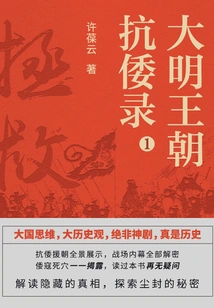
Record of the Ming Dynasty's Anti-japanese War 1: Rescue
General Fiction大明王朝抗倭录1:拯救
Xu Baoyun
Wanli was a prosperous period for the Ming Dynasty. During these more than 40 years, the Ming Dynasty fought against foreign enemies and won more than a hundred battles. Among them, only the three battles of suppressing the rebellion in Ningxia, pacifying Bozhou Yang Yinglong, and resisting Japanese aggression and aiding Korea were the most famous, known as the "Three Great Conquests of Wanli"! The reason why the "Three Major Campaigns" are tied is of course because these three battles were fought the most beautifully and won the most thoroughly. However, the "Battle to Resist Japan and Aid Korea" recorded in the history books does not look like a victory in any way. It can hardly match the battles of Ningxia and Bozhou. What is the reason? At this time, please be careful about one thing: Regarding the War to Resist Japan and Aid Korea, the comments given by Japanese historical materials, Korean historical materials, and Qing Dynasty historical materials are all wrong, confusing, and deviate from the facts. The history of China must be written by the Chinese, and the gaps in history must be filled by ourselves. This book is the result of seven years of work, and the purpose of its creation is to "rectify chaos." 90% Of the content is a new logical inference based on existing data. It concludes with "the Ming Dynasty achieved complete victory", launches a new interpretation of every historical event and every battle, and explains the Ming army's brilliant strategy, advanced tactics, and sophisticated weapons. The fact that siege tactics, cavalry tactics, infantry and artillery coordination were an era ahead of Japan, and that it was easy to annihilate Japanese pirates, promoted the power of the Ming army, exposed Japan's bad roots, promoted the Ming army's great victory in the battle against Japanese pirates, and satirized the stinginess and ingratitude of the Korean people. The content of this book is completely new, the conclusions are new, the argument is novel, the analysis is profound, the logic is clear, it conforms to public opinion, and it gives a sigh of relief to the entire country and nation. For the same historical event, the historical materials and data may be the same, but the "conclusion" is completely defined by people. The Japanese defined this war as "boasting", the Qing people defined it as "slandering the Ming Dynasty", and among us (before the completion of this book) no one has really given a strong definition to this important historical event. Therefore, whether there are novels or film and television works about "The Ming Dynasty's Resistance against Japanese Aggression and Aid Korea", there is a complete blank. Nowadays, anti-Japanese and anti-Korean sentiments are rising in China, and film and television works are all about "fighting Japan", but none of them mention the exciting event of "the Ming Dynasty resisted Japan and aided Korea." This is a strange thing, and it is also a great opportunity for the timely release of this book.
Wanli was a prosperous period for the Ming Dynasty. During these more than 40 years, the Ming Dynasty fought against foreign enemies and won more than a hundred battles. Among them, only the three battles of suppressing the rebellion in Ningxia, pacifying Bozhou Yang Yinglong, and resisting Japanese aggression and aiding Korea were the most famous, known as the "Three Great Conquests of Wanli"! The reason why the "Three Major Campaigns" are tied is of course because these three battles were fought the most beautifully and won the most thoroughly. However, the "Battle to Resist Japan and Aid Korea" recorded in the history books does not look like a victory in any way. It can hardly match the battles of Ningxia and Bozhou. What is the reason? At this time, please be careful about one thing: Regarding the War to Resist Japan and Aid Korea, the comments given by Japanese historical materials, Korean historical materials, and Qing Dynasty historical materials are all wrong, confusing, and deviate from the facts. The history of China must be written by the Chinese, and the gaps in history must be filled by ourselves. This book is the result of seven years of work, and the purpose of its creation is to "rectify chaos." 90% Of the content is a new logical inference based on existing data. It concludes with "the Ming Dynasty achieved complete victory", launches a new interpretation of every historical event and every battle, and explains the Ming army's brilliant strategy, advanced tactics, and sophisticated weapons. The fact that siege tactics, cavalry tactics, infantry and artillery coordination were an era ahead of Japan, and that it was easy to annihilate Japanese pirates, promoted the power of the Ming army, exposed Japan's bad roots, promoted the Ming army's great victory in the battle against Japanese pirates, and satirized the stinginess and ingratitude of the Korean people. The content of this book is completely new, the conclusions are new, the argument is novel, the analysis is profound, the logic is clear, it conforms to public opinion, and it gives a sigh of relief to the entire country and nation. For the same historical event, the historical materials and data may be the same, but the "conclusion" is completely defined by people. The Japanese defined this war as "boasting", the Qing people defined it as "slandering the Ming Dynasty", and among us (before the completion of this book) no one has really given a strong definition to this important historical event. Therefore, whether there are novels or film and television works about "The Ming Dynasty's Resistance against Japanese Aggression and Aid Korea", there is a complete blank. Nowadays, anti-Japanese and anti-Korean sentiments are rising in China, and film and television works are all about "fighting Japan", but none of them mention the exciting event of "the Ming Dynasty resisted Japan and aided Korea." This is a strange thing, and it is also a great opportunity for the timely release of this book.
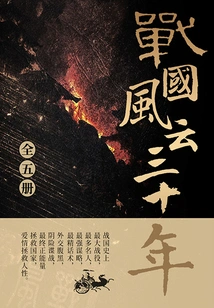
Thirty Years of Warring States Period (complete Collection)
General Fiction战国风云三十年(全集)
Xu Baoyun
Qin, the strongest country, wants to unify, and Zhao, the weakest country, wants to dominate. They have to defeat Qi, Chu, and Wei. Their goals are different, but their strategies are the same. The two countries are naturally complicit. Zhao Sheng was in charge of the state affairs of Zhao and designed and implemented the whole conspiracy, with Lin Xiangru and Yu Qing being his accomplices; Wei Wuji was in charge of the state affairs of Wei and shouldered the important responsibilities alone, while Tian Wen, Xu Jia, and Mang Mao all tried to destabilize him for their own personal gain, which was miserable; Wei Ran was in charge of the state affairs of Qin and was proficient in strategy, with Bai Qi, Hu Yang, and Sima mistakenly serving as his wings. Fan Sui started out by lying, but was ultimately destroyed by his own lies. The spy Su Dai of the State of Yan deceived the State of Qi into betraying the State of Wei. The Mohist tycoon wanted to persuade the King of Qi to help the State of Wei, but was assassinated by Qi Prime Minister Tian Wen. The tycoon's daughter Shi Yu lived in the State of Wei. Both the King of Wei and Wei Wuji liked her. The Su Dynasty used counterintuitive tactics to force Prime Minister Tian Wen to leave Wei and led the five-nation coalition to attack Qi. In the Battle of Jishui, Qi was defeated by Yan general Le Yi. The Qin army secretly attacked the main beam of Wei State but failed. King Qin took the opportunity to depose Wei Ran as prime minister. Queen Mother Xuan (Mi Yue) pretended to be ill and forced him to admit defeat and still let Wei Ran serve as prime minister. Zhao Sheng sent his spy Gongsun Long to deceive the Prime Minister of Yan, Gongsun Cao, and deceived Le Yi back to Zhao State. The Yan State was greatly weakened. Lu Zhong and Mo Zhe went to Qi State to assist Tian Dan in restoring the country, but the national power was lost. When Qin invaded South Korea, South Korea presented its party to Zhao for help. Zhao Sheng thought that he had the support of various countries and pretended to accept the party's invitation to the Qin army to fight, but in fact he retreated to Changping. Fan Sui speculated that other countries would not help Zhao. The Qin army entered Changping for a decisive battle with the Zhao army. The Qin army was gradually defeated by the Zhao army in the mountain battle. Lian Po defeated the elite Qin army in Dabaigou. The Qin army suffered 100,000 casualties. As expected, the five countries refused to cooperate with Zhao. Qin's spy Lou Huan came to Zhao again, shaken King Zhao's confidence, tricked King Zhao into sending envoys to Qin, and further divided the already weak "alliance". With no support and no food, Zhao had no choice but to appoint Zhao Kuo as commander. He fought alone in Changping with a death wish. Bai Qi took over the Qin army. The Qin army was defeated back to the starting point and could not recover for more than ten years. Zhao State was also defeated, and its many years of hegemony were in vain. Fan Sui killed Bai Qi to clear himself, but the lie was eventually exposed and he collapsed. Wei Wuji gave up his fame and started a new life with Shi Yu in the Kingdom of Zhao.
Qin, the strongest country, wants to unify, and Zhao, the weakest country, wants to dominate. They have to defeat Qi, Chu, and Wei. Their goals are different, but their strategies are the same. The two countries are naturally complicit. Zhao Sheng was in charge of the state affairs of Zhao and designed and implemented the whole conspiracy, with Lin Xiangru and Yu Qing being his accomplices; Wei Wuji was in charge of the state affairs of Wei and shouldered the important responsibilities alone, while Tian Wen, Xu Jia, and Mang Mao all tried to destabilize him for their own personal gain, which was miserable; Wei Ran was in charge of the state affairs of Qin and was proficient in strategy, with Bai Qi, Hu Yang, and Sima mistakenly serving as his wings. Fan Sui started out by lying, but was ultimately destroyed by his own lies. The spy Su Dai of the State of Yan deceived the State of Qi into betraying the State of Wei. The Mohist tycoon wanted to persuade the King of Qi to help the State of Wei, but was assassinated by Qi Prime Minister Tian Wen. The tycoon's daughter Shi Yu lived in the State of Wei. Both the King of Wei and Wei Wuji liked her. The Su Dynasty used counterintuitive tactics to force Prime Minister Tian Wen to leave Wei and led the five-nation coalition to attack Qi. In the Battle of Jishui, Qi was defeated by Yan general Le Yi. The Qin army secretly attacked the main beam of Wei State but failed. King Qin took the opportunity to depose Wei Ran as prime minister. Queen Mother Xuan (Mi Yue) pretended to be ill and forced him to admit defeat and still let Wei Ran serve as prime minister. Zhao Sheng sent his spy Gongsun Long to deceive the Prime Minister of Yan, Gongsun Cao, and deceived Le Yi back to Zhao State. The Yan State was greatly weakened. Lu Zhong and Mo Zhe went to Qi State to assist Tian Dan in restoring the country, but the national power was lost. When Qin invaded South Korea, South Korea presented its party to Zhao for help. Zhao Sheng thought that he had the support of various countries and pretended to accept the party's invitation to the Qin army to fight, but in fact he retreated to Changping. Fan Sui speculated that other countries would not help Zhao. The Qin army entered Changping for a decisive battle with the Zhao army. The Qin army was gradually defeated by the Zhao army in the mountain battle. Lian Po defeated the elite Qin army in Dabaigou. The Qin army suffered 100,000 casualties. As expected, the five countries refused to cooperate with Zhao. Qin's spy Lou Huan came to Zhao again, shaken King Zhao's confidence, tricked King Zhao into sending envoys to Qin, and further divided the already weak "alliance". With no support and no food, Zhao had no choice but to appoint Zhao Kuo as commander. He fought alone in Changping with a death wish. Bai Qi took over the Qin army. The Qin army was defeated back to the starting point and could not recover for more than ten years. Zhao State was also defeated, and its many years of hegemony were in vain. Fan Sui killed Bai Qi to clear himself, but the lie was eventually exposed and he collapsed. Wei Wuji gave up his fame and started a new life with Shi Yu in the Kingdom of Zhao.
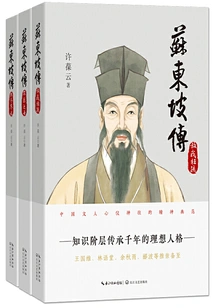
Biography of Su Dongpo (3 Volumes in Total)
General Fiction苏东坡传(全3册)
Xu Baoyun
This book is a trilogy of long historical novels written by historical writer Xu Baoyun. The book begins when the young Su Dongpo emerged and became famous all over the world, and narrates his ups and downs in the officialdom until his rise to immortality. It shows the talent and sentiments of Su Dongpo, a literary giant of a generation, and then reflects the spiritual core and life experiences of traditional literati in the temple. The book has a grand background. Through thrilling historical events such as the Xining Reform and the imperial party strife, it shows the social changes and the style of the times under the rule of several generations of emperors in the Northern Song Dynasty.
This book is a trilogy of long historical novels written by historical writer Xu Baoyun. The book begins when the young Su Dongpo emerged and became famous all over the world, and narrates his ups and downs in the officialdom until his rise to immortality. It shows the talent and sentiments of Su Dongpo, a literary giant of a generation, and then reflects the spiritual core and life experiences of traditional literati in the temple. The book has a grand background. Through thrilling historical events such as the Xining Reform and the imperial party strife, it shows the social changes and the style of the times under the rule of several generations of emperors in the Northern Song Dynasty.
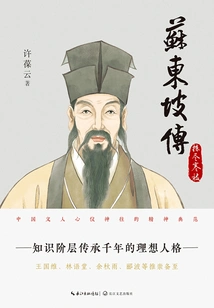
Biography of Su Dongpo (2): Picking up All the Cold Branches
General Fiction苏东坡传(2):拣尽寒枝
Xu Baoyun
Su Dongpo is a legend. He was proficient in poetry, calligraphy and painting. He was a free and unrestrained writer with outstanding literary talent. He was widely circulated and recited through the ages. He was also an excellent politician. He was a scholar in the Hanlin Academy and held a high position. He participated in major decisions of the court. After becoming a local official, he benefited one area and was loved by the people. He Treating everyone equally, his circle of friends ranged from emperors and high-ranking officials to ordinary people, including literati, monks and beggars; he was a true Confucian scholar, but he also deeply understood the essence of Buddhism and Taoism... Su Dongpo was a superstar in the long history, shining brightly and not dimming for more than a thousand years. His great personality and innocent spirit have become more and more eye-catching over time. The author of this book spent several years and revised the draft several times to analyze Su Dongpo's life course and open up his rich inner world. When you open this book, a real and three-dimensional Su Dongpo appears on the page. After reading in depth, Su Dongpo's legendary and ups and downs life appears before your eyes.
Su Dongpo is a legend. He was proficient in poetry, calligraphy and painting. He was a free and unrestrained writer with outstanding literary talent. He was widely circulated and recited through the ages. He was also an excellent politician. He was a scholar in the Hanlin Academy and held a high position. He participated in major decisions of the court. After becoming a local official, he benefited one area and was loved by the people. He Treating everyone equally, his circle of friends ranged from emperors and high-ranking officials to ordinary people, including literati, monks and beggars; he was a true Confucian scholar, but he also deeply understood the essence of Buddhism and Taoism... Su Dongpo was a superstar in the long history, shining brightly and not dimming for more than a thousand years. His great personality and innocent spirit have become more and more eye-catching over time. The author of this book spent several years and revised the draft several times to analyze Su Dongpo's life course and open up his rich inner world. When you open this book, a real and three-dimensional Su Dongpo appears on the page. After reading in depth, Su Dongpo's legendary and ups and downs life appears before your eyes.
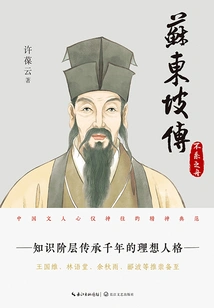
Biography of Su Dongpo (3): the Untied Boat
General Fiction苏东坡传(3):不系之舟
Xu Baoyun
Su Dongpo is a legend. He was proficient in poetry, calligraphy and painting. He was a free and unrestrained writer with outstanding literary talent. He was widely circulated and recited through the ages. He was also an excellent politician. He was a scholar in the Hanlin Academy and held a high position. He participated in major decisions of the court. After becoming a local official, he benefited one area and was loved by the people. He Treating everyone equally, his circle of friends ranged from emperors and high-ranking officials to ordinary people, including literati, monks and beggars; he was a true Confucian scholar, but he also deeply understood the essence of Buddhism and Taoism... Su Dongpo was a superstar in the long history, shining brightly and not dimming for more than a thousand years. His great personality and innocent spirit have become more and more eye-catching over time. The author of this book spent several years and revised the draft several times to analyze Su Dongpo's life course and open up his rich inner world. When you open this book, a real and three-dimensional Su Dongpo appears on the page. After reading in depth, Su Dongpo's legendary and ups and downs life appears before your eyes.
Su Dongpo is a legend. He was proficient in poetry, calligraphy and painting. He was a free and unrestrained writer with outstanding literary talent. He was widely circulated and recited through the ages. He was also an excellent politician. He was a scholar in the Hanlin Academy and held a high position. He participated in major decisions of the court. After becoming a local official, he benefited one area and was loved by the people. He Treating everyone equally, his circle of friends ranged from emperors and high-ranking officials to ordinary people, including literati, monks and beggars; he was a true Confucian scholar, but he also deeply understood the essence of Buddhism and Taoism... Su Dongpo was a superstar in the long history, shining brightly and not dimming for more than a thousand years. His great personality and innocent spirit have become more and more eye-catching over time. The author of this book spent several years and revised the draft several times to analyze Su Dongpo's life course and open up his rich inner world. When you open this book, a real and three-dimensional Su Dongpo appears on the page. After reading in depth, Su Dongpo's legendary and ups and downs life appears before your eyes.
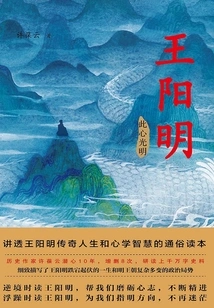
Wang Yangming 3: This Heart is Bright
General Fiction王阳明3:此心光明
Xu Baoyun
This book tells the story of Wang Yangming who used his troops like a god, quelled King Ning's rebellion in fourteen days, and captured Zhu Chenhao alive. However, Emperor Zhengde wanted to go to the south of the Yangtze River, and Wang Yangming resisted the order to save the people. The traitors brought trouble to Yangzhou and Nanchang, and Yangming dealt with the traitors. Jiajing ascended to the throne; Yangming gave lectures; after his wife died, he married Xing'er; he launched a campaign against the Sitian Rebellion; he suppressed eight villages, saw the tragic killings and became seriously ill, proving his "conscience", and died on the way home.
This book tells the story of Wang Yangming who used his troops like a god, quelled King Ning's rebellion in fourteen days, and captured Zhu Chenhao alive. However, Emperor Zhengde wanted to go to the south of the Yangtze River, and Wang Yangming resisted the order to save the people. The traitors brought trouble to Yangzhou and Nanchang, and Yangming dealt with the traitors. Jiajing ascended to the throne; Yangming gave lectures; after his wife died, he married Xing'er; he launched a campaign against the Sitian Rebellion; he suppressed eight villages, saw the tragic killings and became seriously ill, proving his "conscience", and died on the way home.