Library
Browse and search books
119 novels found
Small Town in March
General Fiction小城三月
Xiao Hong
"March in a Small Town" is a collection of short stories by Xiao Hong. The author has made many new attempts in the artistic aspects of image selection, characterization, and language use. The tragedy reflected in the works represents Xiao Hong's creative tone. This book selects novels such as "Watching a Kite", "The Bandage on the Leg", "The Wife and the Watermelon", "Two Frogs", "The Mute Old Man", "Night Wind" and "The Death of Aunt Wang". These works all reflect her concern for life and the people.
"March in a Small Town" is a collection of short stories by Xiao Hong. The author has made many new attempts in the artistic aspects of image selection, characterization, and language use. The tragedy reflected in the works represents Xiao Hong's creative tone. This book selects novels such as "Watching a Kite", "The Bandage on the Leg", "The Wife and the Watermelon", "Two Frogs", "The Mute Old Man", "Night Wind" and "The Death of Aunt Wang". These works all reflect her concern for life and the people.
The Field of Life and Death (works by Xiao Hong)
General Fiction生死场(萧红作品)
Xiao Hong
"In the countryside, people and animals are busy living and dying." It shocked the literary world once it was published in 1935. The book is set in the countryside near Harbin, and vividly depicts the "strength of life" and "struggle of death" of ordinary people at the bottom.
"In the countryside, people and animals are busy living and dying." It shocked the literary world once it was published in 1935. The book is set in the countryside near Harbin, and vividly depicts the "strength of life" and "struggle of death" of ordinary people at the bottom.
The Legend of Hulan River
General Fiction呼兰河传
Xiao Hong
"The Story of Hulan River" was written in the 1940s of the last century by the talented but short-lived female writer Xiao Hong. This novel describes the customs and customs of the northeastern town Hulan (Hulan County, Harbin City) in the 1930s and 1940s. It truly and vividly reproduces the ordinary, humble, and backward living conditions and the muddled, mediocre, and ignorant mental state of the local people. The language of the novel is refined and there is no trace of deliberate carving. It is generally colloquial language and short sentences, and some local slangs are also used, which enhances the descriptive function of the language and is very expressive, making the description of characters, events, and scenery very vivid and vivid. Readers can easily enter the realm of the novel and have an immersive feeling.
"The Story of Hulan River" was written in the 1940s of the last century by the talented but short-lived female writer Xiao Hong. This novel describes the customs and customs of the northeastern town Hulan (Hulan County, Harbin City) in the 1930s and 1940s. It truly and vividly reproduces the ordinary, humble, and backward living conditions and the muddled, mediocre, and ignorant mental state of the local people. The language of the novel is refined and there is no trace of deliberate carving. It is generally colloquial language and short sentences, and some local slangs are also used, which enhances the descriptive function of the language and is very expressive, making the description of characters, events, and scenery very vivid and vivid. Readers can easily enter the realm of the novel and have an immersive feeling.
The Story of Hulan River (an Illustrated Collection of Modern and Contemporary Novels)
General Fiction呼兰河传(现当代长篇小说典藏插图本)
Xiao Hong
In the 1920s, in a small county town by the Hulan River in Northeast China, life was like a river flowing with tranquility and ease, but also with ignorance and hardship. Life in Hulan River may be a bit dull, but Xiao Hong uses her skillful writing skills, lyrical artistic conception, and heavy yet light writing style to outline scenes full of childlike images, and contributes an immortal classic to Chinese literature. "The Story of the Hulan River" is a sad but yet sad elegy by Xiao Hong, a genre painting on the banks of the Hulan River.
In the 1920s, in a small county town by the Hulan River in Northeast China, life was like a river flowing with tranquility and ease, but also with ignorance and hardship. Life in Hulan River may be a bit dull, but Xiao Hong uses her skillful writing skills, lyrical artistic conception, and heavy yet light writing style to outline scenes full of childlike images, and contributes an immortal classic to Chinese literature. "The Story of the Hulan River" is a sad but yet sad elegy by Xiao Hong, a genre painting on the banks of the Hulan River.
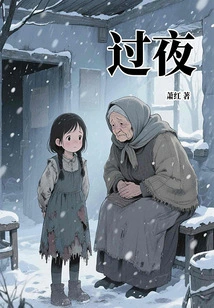
过夜(名家文学经典)
Xiao Hong
"Overnight" uses Xiao Hong's wandering on a cold winter night in Harbin as a clue to depict the survival plight of lower-class women. The protagonist wandered around in the cold night and witnessed an old woman forcing a thirteen-year-old girl to sell herself to survive. The distortion of human nature caused by poverty, the snow on a cold night, the suffering individuals, and the cold utility among people are intertwined into a sad social picture. This collection also includes "Squatting on a Foreign Car" and "People Outside the Family", which mainly express family affection and emotional exchanges between people. The background is bitingly cold and sad.
"Overnight" uses Xiao Hong's wandering on a cold winter night in Harbin as a clue to depict the survival plight of lower-class women. The protagonist wandered around in the cold night and witnessed an old woman forcing a thirteen-year-old girl to sell herself to survive. The distortion of human nature caused by poverty, the snow on a cold night, the suffering individuals, and the cold utility among people are intertwined into a sad social picture. This collection also includes "Squatting on a Foreign Car" and "People Outside the Family", which mainly express family affection and emotional exchanges between people. The background is bitingly cold and sad.
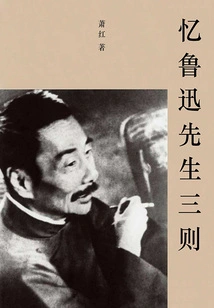
忆鲁迅先生三则(名家文学经典)
Xiao Hong
This collection consists of three texts: "Memories of Mr. Lu Xun", "In Tokyo" and "Memories of Mr. Lu Xun". On October 19, 1936, Mr. Lu Xun passed away in Shanghai due to illness. At that time, the writer Xiao Hong was in Tokyo, Japan. When she learned the news late, she was shocked and deeply saddened. I wrote the article "In Tokyo" to express my condolences. After that, Xiao Hong returned to China and often met with her wife Xu Guangping. They went to her home to reminisce about old times. There was a gray-blue vase in her home with evergreens planted in it, which would last through the winter. Every time Xiao Hong went there, the flowers were always green, but the vase was placed anywhere, and finally placed in front of her husband's portrait. After the war broke out, people moved away from Peiping, and the vases were placed in Mr. Lu Xun's cemetery. Because people moved south, the cemetery lost care, and the tomb grass grew very tall, burying the vases and covering Mr. Lu Xun's porcelain statue. But no matter how far we go, the past is still young, and the people who have passed away will be remembered in our hearts. The last article in the collection, "Memories of Mr. Lu Xun", is the longest. It tells every detail of Xiao Hong and Mr. Lu Xun's family, their deep friendship, and plain records. It is a precious first-hand information to understand that era, Mr. Lu Xun, and the living conditions of his family.
This collection consists of three texts: "Memories of Mr. Lu Xun", "In Tokyo" and "Memories of Mr. Lu Xun". On October 19, 1936, Mr. Lu Xun passed away in Shanghai due to illness. At that time, the writer Xiao Hong was in Tokyo, Japan. When she learned the news late, she was shocked and deeply saddened. I wrote the article "In Tokyo" to express my condolences. After that, Xiao Hong returned to China and often met with her wife Xu Guangping. They went to her home to reminisce about old times. There was a gray-blue vase in her home with evergreens planted in it, which would last through the winter. Every time Xiao Hong went there, the flowers were always green, but the vase was placed anywhere, and finally placed in front of her husband's portrait. After the war broke out, people moved away from Peiping, and the vases were placed in Mr. Lu Xun's cemetery. Because people moved south, the cemetery lost care, and the tomb grass grew very tall, burying the vases and covering Mr. Lu Xun's porcelain statue. But no matter how far we go, the past is still young, and the people who have passed away will be remembered in our hearts. The last article in the collection, "Memories of Mr. Lu Xun", is the longest. It tells every detail of Xiao Hong and Mr. Lu Xun's family, their deep friendship, and plain records. It is a precious first-hand information to understand that era, Mr. Lu Xun, and the living conditions of his family.
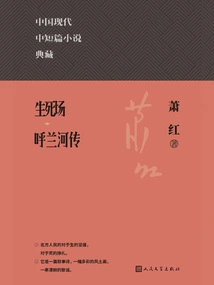
The Field of Life and Death the Legend of Hulan River
General Fiction生死场 呼兰河传
Xiao Hong
Xiao Hong was born in Hulan County, Harbin, Heilongjiang Province. She was only 31 years old when she died. She is a writer with a unique style in the history of modern literature. She cares about women and disadvantaged people. She pursues freedom, equality and respect. Her writing is compassionate and full of spirituality. She is one of the best writers in China in the 20th century. The works she left behind include "Trek", "Bridge", "Ox Cart", "The Field of Life and Death", "Shopping Street", "March in the Small Town", "The Story of Hulan River", "Mabele", etc. Xiao Hong's works have become classics. The famous American scholar Xia Zhiqing once said: "I believe Xiao Hong's books will become classics that will be read by generations to come." This book includes Xiao Hong's two works, "The Field of Life and Death" and "The Biography of the Hulan River". Lu Xun once commented on "The Field of Life and Death": "Narration and description of scenes are better than description of characters. However, the strength of the people in the north for life and their struggle for death are often reflected on the back of the paper." "The Biography of the Hulan River" was a work completed by Xiao Hong before his death. Mao Dun called it: "The Biography of the Hulan River is a narrative poem, a colorful folk painting, and a string of sad ballads."
Xiao Hong was born in Hulan County, Harbin, Heilongjiang Province. She was only 31 years old when she died. She is a writer with a unique style in the history of modern literature. She cares about women and disadvantaged people. She pursues freedom, equality and respect. Her writing is compassionate and full of spirituality. She is one of the best writers in China in the 20th century. The works she left behind include "Trek", "Bridge", "Ox Cart", "The Field of Life and Death", "Shopping Street", "March in the Small Town", "The Story of Hulan River", "Mabele", etc. Xiao Hong's works have become classics. The famous American scholar Xia Zhiqing once said: "I believe Xiao Hong's books will become classics that will be read by generations to come." This book includes Xiao Hong's two works, "The Field of Life and Death" and "The Biography of the Hulan River". Lu Xun once commented on "The Field of Life and Death": "Narration and description of scenes are better than description of characters. However, the strength of the people in the north for life and their struggle for death are often reflected on the back of the paper." "The Biography of the Hulan River" was a work completed by Xiao Hong before his death. Mao Dun called it: "The Biography of the Hulan River is a narrative poem, a colorful folk painting, and a string of sad ballads."
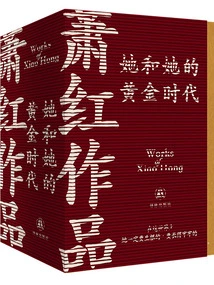
她和她的黄金时代(萧红作品)
Xiao Hong
Xiao Hong is a modern Chinese female writer and one of the four most talented women in the Republic of China. She is known as the "Luo Shen of Literature in the 1930s". She entered the literary world at the age of twenty-three and became famous with "The Field of Life and Death". Lu Xun praised her as "the most promising female writer in contemporary China". Xiao Hong was only thirty-one years old, but she left behind works of genius that are still praised today. In April 1933, Xiao Hong published the novel "The Abandoned Child" under the pseudonym "Quiet Yin". This was her first published work and started her writing career. "Xiao Hong's Works: She and Her Golden Age" is a commemorative edition of the letter set celebrating the 90th anniversary of Xiao Hong's creative career, including the representative novels "The Field of Life and Death", "The Story of the Hulan River" and "Mabele" and the representative prose work "Shangshi Street". "The Story of Hulan River" is prefaced by Mao Dun and is Xiao Hong's masterpiece. Xiao Hong uses her own childhood life as a line to describe the customs and customs of a small northeastern town in the 1920s and 1930s. Write about the pure joy and pure desolation of childhood in the world of ice and snow. "The Field of Life and Death" was prefaced by Lu Xun and became a famous work by Xiao Hong. It shocked the literary world upon its publication in 1935. The book is set in the countryside near Harbin, and vividly depicts the "strength of life" and "struggle of death" of ordinary people at the bottom. "Mabele" is Xiao Hong's masterpiece and a masterpiece of long satire. Marble was a bystander of that era, a redundant person. Even after more than half a century, watching Ma Bole still makes people feel that he is around, even that he is himself. The complete collection of Xiao Hong's prose in "Shangshi Street" includes for the first time rare original images of many of Xiao Hong's works from the first issue. From 1933 to 1941, in order of writing time, it contains ninety-two masterpieces such as "Abandoned Children", "Hotel Europa" and "Memories of Mr. Lu Xun". From her early twenties to the end of her life in her thirties, her temperament writings in the past ten years have become a true record of Xiao Hong's "golden age".
Xiao Hong is a modern Chinese female writer and one of the four most talented women in the Republic of China. She is known as the "Luo Shen of Literature in the 1930s". She entered the literary world at the age of twenty-three and became famous with "The Field of Life and Death". Lu Xun praised her as "the most promising female writer in contemporary China". Xiao Hong was only thirty-one years old, but she left behind works of genius that are still praised today. In April 1933, Xiao Hong published the novel "The Abandoned Child" under the pseudonym "Quiet Yin". This was her first published work and started her writing career. "Xiao Hong's Works: She and Her Golden Age" is a commemorative edition of the letter set celebrating the 90th anniversary of Xiao Hong's creative career, including the representative novels "The Field of Life and Death", "The Story of the Hulan River" and "Mabele" and the representative prose work "Shangshi Street". "The Story of Hulan River" is prefaced by Mao Dun and is Xiao Hong's masterpiece. Xiao Hong uses her own childhood life as a line to describe the customs and customs of a small northeastern town in the 1920s and 1930s. Write about the pure joy and pure desolation of childhood in the world of ice and snow. "The Field of Life and Death" was prefaced by Lu Xun and became a famous work by Xiao Hong. It shocked the literary world upon its publication in 1935. The book is set in the countryside near Harbin, and vividly depicts the "strength of life" and "struggle of death" of ordinary people at the bottom. "Mabele" is Xiao Hong's masterpiece and a masterpiece of long satire. Marble was a bystander of that era, a redundant person. Even after more than half a century, watching Ma Bole still makes people feel that he is around, even that he is himself. The complete collection of Xiao Hong's prose in "Shangshi Street" includes for the first time rare original images of many of Xiao Hong's works from the first issue. From 1933 to 1941, in order of writing time, it contains ninety-two masterpieces such as "Abandoned Children", "Hotel Europa" and "Memories of Mr. Lu Xun". From her early twenties to the end of her life in her thirties, her temperament writings in the past ten years have become a true record of Xiao Hong's "golden age".
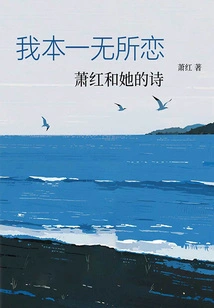
I Love Nothing: Xiao Hong and Her Poems
Literature我本一无所恋:萧红和她的诗
Xiao Hong
Xiao Hong is a talented female writer famous at home and abroad in the 20th century. She is known as the "Luo Shen of Chinese literature in the 1930s". He began to publish his works officially in 1933 and died of illness in 1942. His creative career lasted only 9 years, but he left us with a precious cultural heritage of more than one million words. Xiao Hong has written a large number of novels and essays, but few people know that she also published some poems and is a talented and prolific writer. This book is a collection of Xiao Hong's poetry works. Although Xiao Hong's poetry works are not many, each one is full of spirituality.
Xiao Hong is a talented female writer famous at home and abroad in the 20th century. She is known as the "Luo Shen of Chinese literature in the 1930s". He began to publish his works officially in 1933 and died of illness in 1942. His creative career lasted only 9 years, but he left us with a precious cultural heritage of more than one million words. Xiao Hong has written a large number of novels and essays, but few people know that she also published some poems and is a talented and prolific writer. This book is a collection of Xiao Hong's poetry works. Although Xiao Hong's poetry works are not many, each one is full of spirituality.
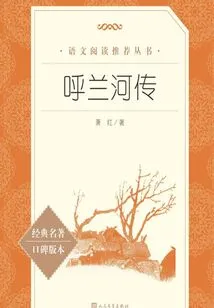
The Legend of Hulan River
General Fiction呼兰河传
Xiao Hong
"The Story of Hulan River" is one of Xiao Hong's most famous novels, written in Hong Kong in 1940. This work is based on Xiao Hong's hometown and childhood life, and has a unique artistic form. Xiao Hong's skillful recall skills, lyrical prose style, and heavy yet light writing style have created the pinnacle of her "memory style" works. This reprint has been revised based on the 1941 Shanghai Magazine Company Edition, making the version more complete and reliable. In addition, there is an "Introduction" at the front of the book and a "Knowledge Link" at the back to provide readers with necessary guidance and accumulation of knowledge.
"The Story of Hulan River" is one of Xiao Hong's most famous novels, written in Hong Kong in 1940. This work is based on Xiao Hong's hometown and childhood life, and has a unique artistic form. Xiao Hong's skillful recall skills, lyrical prose style, and heavy yet light writing style have created the pinnacle of her "memory style" works. This reprint has been revised based on the 1941 Shanghai Magazine Company Edition, making the version more complete and reliable. In addition, there is an "Introduction" at the front of the book and a "Knowledge Link" at the back to provide readers with necessary guidance and accumulation of knowledge.
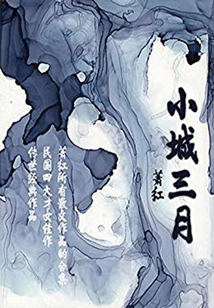
Small Town in March
General Fiction小城三月
Xiao Hong
Xiao Hong is known as the "Literary Goddess of the 1930s". She is the woman with the most tragic fate among the four talented women in the Republic of China, and is also a legendary figure. Her novels all have a self-narrative nature. Even in the descriptions of strangers, we can read the writer's own shadow in them. "March in a Small Town" reflects Xiao Hong's perspective and attitude in observing the world from multiple angles and aspects. Xiao Hong is an author highly praised by Lu Xun. Even the literary giants Lu Xun and Mao Dun wrote prefaces to "The Biography of Hulan River" respectively, which is a seminal work that confirmed Xiao Hong's literary status. Single volumes of his works have been best-selling for decades and are sufficiently classic.
Xiao Hong is known as the "Literary Goddess of the 1930s". She is the woman with the most tragic fate among the four talented women in the Republic of China, and is also a legendary figure. Her novels all have a self-narrative nature. Even in the descriptions of strangers, we can read the writer's own shadow in them. "March in a Small Town" reflects Xiao Hong's perspective and attitude in observing the world from multiple angles and aspects. Xiao Hong is an author highly praised by Lu Xun. Even the literary giants Lu Xun and Mao Dun wrote prefaces to "The Biography of Hulan River" respectively, which is a seminal work that confirmed Xiao Hong's literary status. Single volumes of his works have been best-selling for decades and are sufficiently classic.
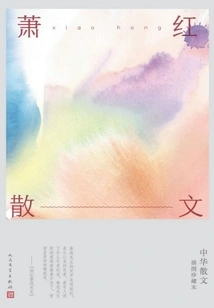
Xiao Hong's Prose
Literature萧红散文
Xiao Hong
The "Chinese Prose Illustrated Collector's Edition" series is a long-selling prose series of our publisher. It has become a trustworthy prose classic in the hearts of readers and is also a standing book list in the publisher. At the same time, this series of books has been changed several times since its release in the 1990s, and new famous artists have been added each time. The current cover is from 2008. It is time to refresh it as a whole and promote it to new and old readers with a new look. This volume selects several essays by Xiao Hong, including "Squatting on the Foreign Car", "When My Grandfather Died", "The Tutor", "The Advertiser's Dream", "The Europa Hotel", "His Upper Lip Is Frosted", "Eternal Yearning and Pursuit", "Remembering Mr. Lu Xun", "A Letter to My Brother in September 18th", "The Story of Hulan River (Excerpt)" and other famous and representative works. There are also more than twenty exquisite illustrations.
The "Chinese Prose Illustrated Collector's Edition" series is a long-selling prose series of our publisher. It has become a trustworthy prose classic in the hearts of readers and is also a standing book list in the publisher. At the same time, this series of books has been changed several times since its release in the 1990s, and new famous artists have been added each time. The current cover is from 2008. It is time to refresh it as a whole and promote it to new and old readers with a new look. This volume selects several essays by Xiao Hong, including "Squatting on the Foreign Car", "When My Grandfather Died", "The Tutor", "The Advertiser's Dream", "The Europa Hotel", "His Upper Lip Is Frosted", "Eternal Yearning and Pursuit", "Remembering Mr. Lu Xun", "A Letter to My Brother in September 18th", "The Story of Hulan River (Excerpt)" and other famous and representative works. There are also more than twenty exquisite illustrations.
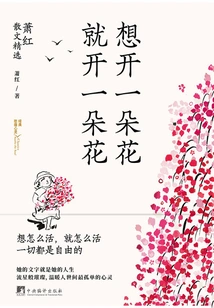
想开一朵花 就开一朵花:萧红散文精选
Xiao Hong
This book collects 62 classic essays by Xiao Hong, divided into four series: the first series: The flowers are blooming, let's go to the back garden; the second series, The Days of Black Lieba and White Salt; the third series, Freedom and Leisure, My Golden Age; the fourth series, the night you left, the sky was filled with stars. The content covers four periods: childhood memories, early wandering, golden age and escape career. She writes with talent and keen artistic feelings. Her words are fresh, natural, delicate and straightforward, with genius-like poetry and child-like innocence. Xiao Hong's prose focuses on expressing strong personal life experiences and has a distinct autobiographical color. It is an excellent way to understand the real Xiao Hong and that magnificent era. Re-reading Xiao Hong is not only to relive the brilliance of humanity and poetry in her words, but also to gain warmth and strength from her meteor-like life of bold pursuit of freedom, love and literary dreams.
This book collects 62 classic essays by Xiao Hong, divided into four series: the first series: The flowers are blooming, let's go to the back garden; the second series, The Days of Black Lieba and White Salt; the third series, Freedom and Leisure, My Golden Age; the fourth series, the night you left, the sky was filled with stars. The content covers four periods: childhood memories, early wandering, golden age and escape career. She writes with talent and keen artistic feelings. Her words are fresh, natural, delicate and straightforward, with genius-like poetry and child-like innocence. Xiao Hong's prose focuses on expressing strong personal life experiences and has a distinct autobiographical color. It is an excellent way to understand the real Xiao Hong and that magnificent era. Re-reading Xiao Hong is not only to relive the brilliance of humanity and poetry in her words, but also to gain warmth and strength from her meteor-like life of bold pursuit of freedom, love and literary dreams.
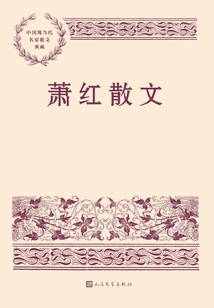
Xiao Hong's Prose
Literature萧红散文
Xiao Hong
As a female writer whose personal destiny and work style are tragic in the history of modern literature, Xiao Hong's novels have a prose style, and her prose is both poetic and childish. Whether she is recalling the cold winter land of her hometown of Hulan River and personal experiences, or writing about her wandering life in the city, including When recalling Mr. Lu Xun, etc., They all adopt a child-like perspective and tone. The writing may seem loose and uninhibited, but in fact it is painstakingly detailed. Some of the famous repetitive sentences and paragraphs are full of musical melody when read. He is one of the rare modern writers who is famous for not winning by quantity, and deserves to be included in this series of books. Teacher Ji Hongzhen, the author of "The Biography of Xiao Hong", has added and deleted articles and written an introduction to this edition. His works include "Squatting on the Foreign Car", "When My Grandfather Died", "The Tutor", "His Upper Lip is Frosted", "Eternal Longing and Pursuit", "Remembering Mr. Lu Xun", "The Story of Hulan River (Excerpt)" and other famous and representative works. There are also more than twenty exquisite illustrations.
As a female writer whose personal destiny and work style are tragic in the history of modern literature, Xiao Hong's novels have a prose style, and her prose is both poetic and childish. Whether she is recalling the cold winter land of her hometown of Hulan River and personal experiences, or writing about her wandering life in the city, including When recalling Mr. Lu Xun, etc., They all adopt a child-like perspective and tone. The writing may seem loose and uninhibited, but in fact it is painstakingly detailed. Some of the famous repetitive sentences and paragraphs are full of musical melody when read. He is one of the rare modern writers who is famous for not winning by quantity, and deserves to be included in this series of books. Teacher Ji Hongzhen, the author of "The Biography of Xiao Hong", has added and deleted articles and written an introduction to this edition. His works include "Squatting on the Foreign Car", "When My Grandfather Died", "The Tutor", "His Upper Lip is Frosted", "Eternal Longing and Pursuit", "Remembering Mr. Lu Xun", "The Story of Hulan River (Excerpt)" and other famous and representative works. There are also more than twenty exquisite illustrations.
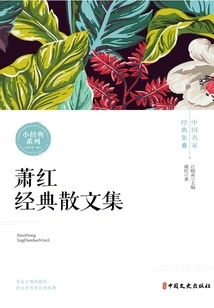
萧红经典散文集(中国名家经典集)
Xiao Hong
The condensation of a lifetime of talent, a classic that has stood the test of time. Xiao Hong is one of the greatest female writers in modern China, especially her novels, such as "The Field of Life and Death", "The Story of Hulan River" and "March in a Small Town", which have become classics of modern Chinese literature. However, few of her proses have been published in books. This book contains classic prose works written by Xiao Hong.
The condensation of a lifetime of talent, a classic that has stood the test of time. Xiao Hong is one of the greatest female writers in modern China, especially her novels, such as "The Field of Life and Death", "The Story of Hulan River" and "March in a Small Town", which have become classics of modern Chinese literature. However, few of her proses have been published in books. This book contains classic prose works written by Xiao Hong.
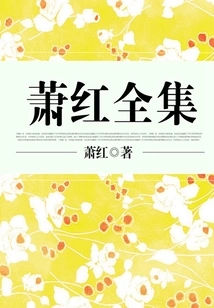
Xiao Hong's Complete Works
Literature萧红全集
Xiao Hong
Xiao Hong, one of the four most talented women of the Republic of China, has left us a very rich body of work in her short creative career, covering novels, prose, poetry and drama creation. This book selects Xiao Hong's classic works of all genres, including important letters and essays written to her lovers and friends during her lifetime, in order to reflect and express the overall ideological and artistic picture of Xiao Hong's life more completely and richly.
Xiao Hong, one of the four most talented women of the Republic of China, has left us a very rich body of work in her short creative career, covering novels, prose, poetry and drama creation. This book selects Xiao Hong's classic works of all genres, including important letters and essays written to her lovers and friends during her lifetime, in order to reflect and express the overall ideological and artistic picture of Xiao Hong's life more completely and richly.
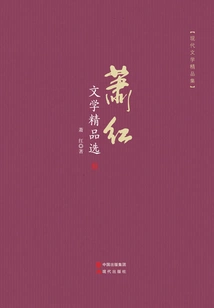
Selected Works of Xiao Hong's Literature
Literature萧红文学精品选
Xiao Hong
This book contains many literary works by Xiao Hong, a famous talented woman and famous female writer in the Republic of China, including 8 novels including "The Field of Life and Death", 22 prose works such as "Insomnia Night" and "Summer Night", and some poetry works. Each work is deeply loved by readers.
This book contains many literary works by Xiao Hong, a famous talented woman and famous female writer in the Republic of China, including 8 novels including "The Field of Life and Death", 22 prose works such as "Insomnia Night" and "Summer Night", and some poetry works. Each work is deeply loved by readers.

萧红散文大全集:又见春天
Xiao Hong
Xiao Hong, known as the "Literary Goddess of the 1930s", was the woman with the most tragic fate among the four talented women in the Republic of China, and was also a legendary figure. As a literary legend, Xiao Hong's works are always told in conjunction with her fate, which somewhat obscures the brilliance that her works should have. This book contains almost all of Xiao Hong's classic prose works that are worth reading again and again. Xiao Hong's prose has very distinct feminine characteristics, with an innate sense of desolation, poetic undercurrents, melancholic undertones, and charming childishness. At the same time, she does not reject the cruelty of reality. This makes her transcend the female writers in the general sense and join the great masters of modern literature.
Xiao Hong, known as the "Literary Goddess of the 1930s", was the woman with the most tragic fate among the four talented women in the Republic of China, and was also a legendary figure. As a literary legend, Xiao Hong's works are always told in conjunction with her fate, which somewhat obscures the brilliance that her works should have. This book contains almost all of Xiao Hong's classic prose works that are worth reading again and again. Xiao Hong's prose has very distinct feminine characteristics, with an innate sense of desolation, poetic undercurrents, melancholic undertones, and charming childishness. At the same time, she does not reject the cruelty of reality. This makes her transcend the female writers in the general sense and join the great masters of modern literature.
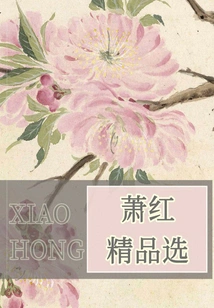
Xiao Hong's Boutique Selection
Literature萧红精品选
Xiao Hong
Xiao Hong is known as the "Literary God of the 1930s" in the last century. She is a writer who is extremely compassionate and melancholy. The profound tragic content in her works and the free poetic style full of genius creation are unique. Xiao Hong achieved a new connection between the most elegant parts of traditional literature - poetry, "wen" (prose) and novels, putting modern Chinese novels on the path of prose culture and creating the most vital content in modern literature.
Xiao Hong is known as the "Literary God of the 1930s" in the last century. She is a writer who is extremely compassionate and melancholy. The profound tragic content in her works and the free poetic style full of genius creation are unique. Xiao Hong achieved a new connection between the most elegant parts of traditional literature - poetry, "wen" (prose) and novels, putting modern Chinese novels on the path of prose culture and creating the most vital content in modern literature.
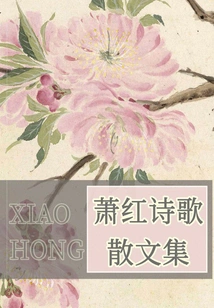
萧红诗歌散文集
Xiao Hong
This book selects Xiao Hong's representative works from different periods, divided into poems, prose, novels, etc. The selected contents are all chapters that represent his creative characteristics, are very influential, and are loved by most readers, such as "Memorable Maple Leaf", "Accidental Thoughts", "Europa Hotel", "A Letter to the Northeast Compatriots in Exile", "Biography of the Hulan River", "March in a Small Town", etc. Among them, the novel "The Story of Hulan River" was called by Mao Dun "a narrative poem, a colorful folk painting, and a string of sad ballads." Similarly, Xiao Hong's prose creation also has high achievements. Her prose is beautiful, sad and melancholy. It is profound and strong in emotional concentration and lyrical tension. Her portrayal of characters pays attention to the exploration of psychological depth, and has a strong lyrical color and unique artistic charm.
This book selects Xiao Hong's representative works from different periods, divided into poems, prose, novels, etc. The selected contents are all chapters that represent his creative characteristics, are very influential, and are loved by most readers, such as "Memorable Maple Leaf", "Accidental Thoughts", "Europa Hotel", "A Letter to the Northeast Compatriots in Exile", "Biography of the Hulan River", "March in a Small Town", etc. Among them, the novel "The Story of Hulan River" was called by Mao Dun "a narrative poem, a colorful folk painting, and a string of sad ballads." Similarly, Xiao Hong's prose creation also has high achievements. Her prose is beautiful, sad and melancholy. It is profound and strong in emotional concentration and lyrical tension. Her portrayal of characters pays attention to the exploration of psychological depth, and has a strong lyrical color and unique artistic charm.
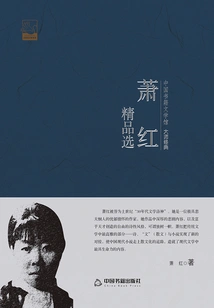
Xiao Hong's Boutique Selection
Literature萧红精品选
Xiao Hong
Xiao Hong is known as the "Literary God of the 1930s" in the last century. She is a writer who is extremely compassionate and melancholy. The profound tragic content in her works and the free poetic style full of genius creation make her unique. Xiao Hong achieved a new connection between the most elegant parts of traditional literature - poetry, "wen" (prose) and novels, putting modern Chinese novels on the path of prose culture and creating the most vital content in modern literature.
Xiao Hong is known as the "Literary God of the 1930s" in the last century. She is a writer who is extremely compassionate and melancholy. The profound tragic content in her works and the free poetic style full of genius creation make her unique. Xiao Hong achieved a new connection between the most elegant parts of traditional literature - poetry, "wen" (prose) and novels, putting modern Chinese novels on the path of prose culture and creating the most vital content in modern literature.
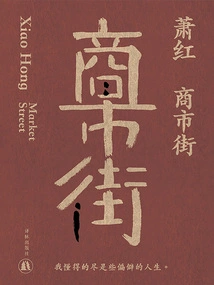
Shopping Street (works by Xiao Hong)
Literature商市街(萧红作品)
Xiao Hong
"All I know is remote life." "Shangshi Street" is the complete collection of Xiao Hong's prose. From 1933 to 1941, in order of writing time, it contains ninety-two masterpieces such as "The Abandoned Child", "Hotel Europa", "Black Lieba and White Salt", "When My Grandfather Died" and "Reminiscences of Mr. Lu Xun". From Xiao Hong's early twenties to the end of her life in her thirties, her temperament writings in the past ten years have become a true record of Xiao Hong's "golden age".
"All I know is remote life." "Shangshi Street" is the complete collection of Xiao Hong's prose. From 1933 to 1941, in order of writing time, it contains ninety-two masterpieces such as "The Abandoned Child", "Hotel Europa", "Black Lieba and White Salt", "When My Grandfather Died" and "Reminiscences of Mr. Lu Xun". From Xiao Hong's early twenties to the end of her life in her thirties, her temperament writings in the past ten years have become a true record of Xiao Hong's "golden age".
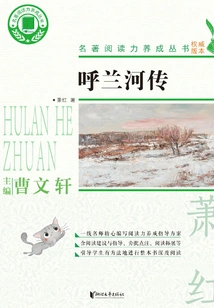
The Legend of Hulan River
Literature呼兰河传
Xiao Hong
"The Story of Hulan River" is an autobiographical novel created by the famous modern female writer Xiao Hong. It was written in Hong Kong in 1940. The whole book depicts the customs and customs of Hulan, a small town on the northeastern border, and demonstrates Xiao Hong's unique artistic personality and characteristics. It is his most representative work. The book is divided into seven chapters, using the author's childhood memories as a guide to tell the story of what happened around her: the big mud pits that constantly bring disasters to people, "grand events" that bring people spiritual enjoyment such as dancing to the gods, setting off river lanterns, and singing wild stage operas, the tragic experiences of the reunited daughter-in-law, You Erye, Feng Waizuizi's family, etc. By recalling various characters and life scenes in her hometown, the author expresses her denial of the social reality of old China that distorts human nature and damages personality.
"The Story of Hulan River" is an autobiographical novel created by the famous modern female writer Xiao Hong. It was written in Hong Kong in 1940. The whole book depicts the customs and customs of Hulan, a small town on the northeastern border, and demonstrates Xiao Hong's unique artistic personality and characteristics. It is his most representative work. The book is divided into seven chapters, using the author's childhood memories as a guide to tell the story of what happened around her: the big mud pits that constantly bring disasters to people, "grand events" that bring people spiritual enjoyment such as dancing to the gods, setting off river lanterns, and singing wild stage operas, the tragic experiences of the reunited daughter-in-law, You Erye, Feng Waizuizi's family, etc. By recalling various characters and life scenes in her hometown, the author expresses her denial of the social reality of old China that distorts human nature and damages personality.
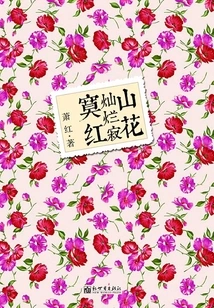
山花灿烂寂寞红
Xiao Hong
"Mountain Flowers Are Brilliant and Lonely Red" mainly collects some autobiographical essays and novels from Xiao Hong's works. Some works are memories of a rebellious and interesting childhood life, some are descriptions of the hungry and embarrassment life experienced in adulthood, and some are works in memory of Mr. Lu Xun and with the theme of anti-Japanese war. The plot of the book is vivid and full of strong human touch, and the language is simple, sharp and yet humorous. By reading, you will find that no matter how painful and unfortunate it is, Xiao Hong's heart "with eternal longing and pursuit" is always toward "love" and "warmth".
"Mountain Flowers Are Brilliant and Lonely Red" mainly collects some autobiographical essays and novels from Xiao Hong's works. Some works are memories of a rebellious and interesting childhood life, some are descriptions of the hungry and embarrassment life experienced in adulthood, and some are works in memory of Mr. Lu Xun and with the theme of anti-Japanese war. The plot of the book is vivid and full of strong human touch, and the language is simple, sharp and yet humorous. By reading, you will find that no matter how painful and unfortunate it is, Xiao Hong's heart "with eternal longing and pursuit" is always toward "love" and "warmth".
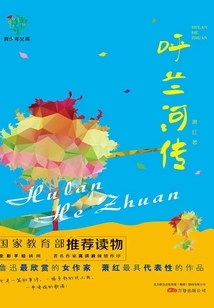
悦成长青少年文库:呼兰河传
Xiao Hong
"The Story of Hulan River" is the representative work of Xiao Hong, the "Luo Shen of 1930s Literature". Xiao Hong's works are full of sadness. It expresses self-subjective feelings in a lyrical style; the structure of the novel is prose; it emphasizes the description of cultural customs and natural scenery, and does not waste pen and ink on the portrayal of characters; the plot of the story is intermittent, but it is meaningful; the interesting stories from childhood are full of wit and humor.
"The Story of Hulan River" is the representative work of Xiao Hong, the "Luo Shen of 1930s Literature". Xiao Hong's works are full of sadness. It expresses self-subjective feelings in a lyrical style; the structure of the novel is prose; it emphasizes the description of cultural customs and natural scenery, and does not waste pen and ink on the portrayal of characters; the plot of the story is intermittent, but it is meaningful; the interesting stories from childhood are full of wit and humor.
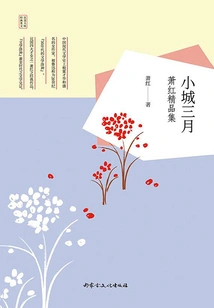
小城三月:萧红精品集
Xiao Hong
Xiao Hong is known as the literary Luo Shen of the 20th century (1930s). She is a writer with great compassion and melancholy. Her works are unique in their profound tragic content and free poetic style full of genius. Xiao Hong achieved a new connection between the elegant parts of traditional literature - poetry, (text) (prose) and novels, making modern Chinese novels embark on the path of prose culture.
Xiao Hong is known as the literary Luo Shen of the 20th century (1930s). She is a writer with great compassion and melancholy. Her works are unique in their profound tragic content and free poetic style full of genius. Xiao Hong achieved a new connection between the elegant parts of traditional literature - poetry, (text) (prose) and novels, making modern Chinese novels embark on the path of prose culture.
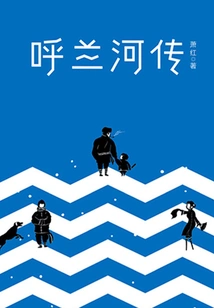
The Legend of Hulan River (illustrated Collector's Edition)
General Fiction呼兰河传(插图珍藏版)
Xiao Hong
Complete collection of the original versions of "The Legend of Hulan River" and "The Field of Life and Death"! Xiao Hong's 105th birthday commemorative edition! A literary classic with more than 3 million genuine copies! No. 9 Among the top 100 Chinese novels of the 20th century! Newly added exquisite hand-drawn illustrations! "In addition to coldness and hatred, life also has warmth and love." Lu Xun's most admired female writer, Xiao Hong's true pinnacle masterpiece. This book is based on the final version of "The Story of Hulan River" and "The Field of Life and Death" published in 1940. It has been carefully edited and edited to retain the original characteristics of Xiao Hong. It has added 11 original hand-painted illustrations to reproduce classic literary scenes such as burning clouds and chasing dragonflies in the back garden. The pictures are beautiful and warm, and completely restore the background of the novel's story.
Complete collection of the original versions of "The Legend of Hulan River" and "The Field of Life and Death"! Xiao Hong's 105th birthday commemorative edition! A literary classic with more than 3 million genuine copies! No. 9 Among the top 100 Chinese novels of the 20th century! Newly added exquisite hand-drawn illustrations! "In addition to coldness and hatred, life also has warmth and love." Lu Xun's most admired female writer, Xiao Hong's true pinnacle masterpiece. This book is based on the final version of "The Story of Hulan River" and "The Field of Life and Death" published in 1940. It has been carefully edited and edited to retain the original characteristics of Xiao Hong. It has added 11 original hand-painted illustrations to reproduce classic literary scenes such as burning clouds and chasing dragonflies in the back garden. The pictures are beautiful and warm, and completely restore the background of the novel's story.
The Legend of Hulan River
General Fiction呼兰河传
Xiao Hong
"The Story of Hulan River" is one of Xiao Hong's representative works. The author was living in Hong Kong at that time, and his life was extremely embarrassing and confusing. This "The Story of Hulan River" is the author's recollection of his childhood life, hoping to bring back emotional hope and spiritual comfort. With a warm and romantic tone and an innocent perspective, a picture of local customs and customs full of love and freedom unfolds. The famous writer Mao Dun called this book "a narrative poem, a colorful folk painting, and a string of sad ballads." This book was rated ninth among the top 100 Chinese novels of the 20th century by Hong Kong's "Asian Literary Forum".
"The Story of Hulan River" is one of Xiao Hong's representative works. The author was living in Hong Kong at that time, and his life was extremely embarrassing and confusing. This "The Story of Hulan River" is the author's recollection of his childhood life, hoping to bring back emotional hope and spiritual comfort. With a warm and romantic tone and an innocent perspective, a picture of local customs and customs full of love and freedom unfolds. The famous writer Mao Dun called this book "a narrative poem, a colorful folk painting, and a string of sad ballads." This book was rated ninth among the top 100 Chinese novels of the 20th century by Hong Kong's "Asian Literary Forum".
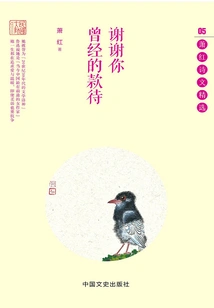
谢谢你曾经的款待:萧红诗文精选
Xiao Hong
Xiao Hong, one of the four most talented women in the Republic of China, left us a very rich body of work in her short creative career, covering novels, prose, poetry and drama creation. This book selects Xiao Hong's classic works of all genres, such as the most influential novels "The Death of Aunt Wang" and "March in a Small Town", more than ten classic essays such as "When My Grandfather Died", "Europa Hotel", "Remembering Mr. Lu Xun" and a series of poems such as "Grains of Sand", in order to reflect and express Xiao Hong's ideological and artistic life in a more complete and rich way.
Xiao Hong, one of the four most talented women in the Republic of China, left us a very rich body of work in her short creative career, covering novels, prose, poetry and drama creation. This book selects Xiao Hong's classic works of all genres, such as the most influential novels "The Death of Aunt Wang" and "March in a Small Town", more than ten classic essays such as "When My Grandfather Died", "Europa Hotel", "Remembering Mr. Lu Xun" and a series of poems such as "Grains of Sand", in order to reflect and express Xiao Hong's ideological and artistic life in a more complete and rich way.
馨香一缕寄云边
Xiao Hong
"A ray of fragrance is sent to the clouds" is a collection of literary works by the now famous writer Xiao Hong. Xiao Hong has left a shining footprint in the history of modern Chinese literature with landmark works such as "The Field of Life and Death" and "The Story of Hulan River". Although Xiao Hong only lived in the world for thirty-one years, she used the blazing fire of life to create nearly a million vivid, clear and beautiful words full of national spirit. Whether it is novels, essays, poems, or dramas, Xiao Hong's writing always shines with realism. This has won her a high reputation among readers at home and abroad. The disaster of her motherland, the loss of her hometown, and her personal ups and downs gave her works a sad and cynical mood.
"A ray of fragrance is sent to the clouds" is a collection of literary works by the now famous writer Xiao Hong. Xiao Hong has left a shining footprint in the history of modern Chinese literature with landmark works such as "The Field of Life and Death" and "The Story of Hulan River". Although Xiao Hong only lived in the world for thirty-one years, she used the blazing fire of life to create nearly a million vivid, clear and beautiful words full of national spirit. Whether it is novels, essays, poems, or dramas, Xiao Hong's writing always shines with realism. This has won her a high reputation among readers at home and abroad. The disaster of her motherland, the loss of her hometown, and her personal ups and downs gave her works a sad and cynical mood.
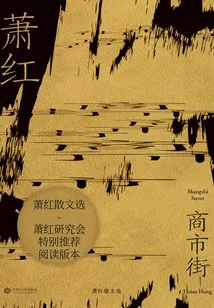
Shopping Street
Literature商市街
Xiao Hong
"Shangshi Street" is Xiao Hong's masterpiece of prose. This book contains a complete collection of 41 essays from "Shangshi Street" first published by Cultural Life Publishing House in 1936, and 19 representative prose works of Xiao Hong from different periods, such as "In Memory of Mr. Lu Xun", "Chang'an Temple", "To the Exiles in the Northeast" and "September 18 Letter to My Brother" written by Xiao Hong to his younger brother. Many of the selected chapters record the poor but happy life of Xiao Hong and Xiao Jun when they lived together. They are highly autobiographical and are the best entry point to understand Xiao Hong's life. The overall style has strong characteristics of social customs paintings, with concise and simple language, sincere emotions and very strong readability.
"Shangshi Street" is Xiao Hong's masterpiece of prose. This book contains a complete collection of 41 essays from "Shangshi Street" first published by Cultural Life Publishing House in 1936, and 19 representative prose works of Xiao Hong from different periods, such as "In Memory of Mr. Lu Xun", "Chang'an Temple", "To the Exiles in the Northeast" and "September 18 Letter to My Brother" written by Xiao Hong to his younger brother. Many of the selected chapters record the poor but happy life of Xiao Hong and Xiao Jun when they lived together. They are highly autobiographical and are the best entry point to understand Xiao Hong's life. The overall style has strong characteristics of social customs paintings, with concise and simple language, sincere emotions and very strong readability.
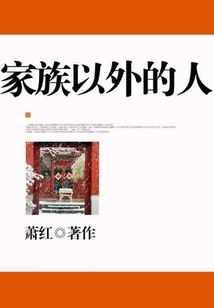
People Outside the Family
Literature家族以外的人
Xiao Hong
"People Outside the Family" is a prose book written by Xiao Hong. I squatted on the tree, gradually getting a little scared, the sun also set; the leaves rustled; the pedestrians walking on the street outside the wall were as dark as shadows; the doors and windows of the houses in the courtyard turned into black holes, and wild cats ran and screamed on the wall next to me.
"People Outside the Family" is a prose book written by Xiao Hong. I squatted on the tree, gradually getting a little scared, the sun also set; the leaves rustled; the pedestrians walking on the street outside the wall were as dark as shadows; the doors and windows of the houses in the courtyard turned into black holes, and wild cats ran and screamed on the wall next to me.
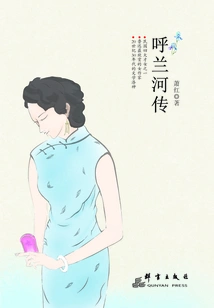
The Legend of Hulan River
General Fiction呼兰河传
Xiao Hong
"The Story of Hulan River" is an autobiographical novel written by the well-known writer Xiao Hong. The author uses his own childhood memories as clues to vividly and vividly reproduce the ordinary and backward living conditions and mediocre and ignorant mental state of the local people by describing the life scenes and customs of his hometown in the 1920s and 1930s.
"The Story of Hulan River" is an autobiographical novel written by the well-known writer Xiao Hong. The author uses his own childhood memories as clues to vividly and vividly reproduce the ordinary and backward living conditions and mediocre and ignorant mental state of the local people by describing the life scenes and customs of his hometown in the 1920s and 1930s.
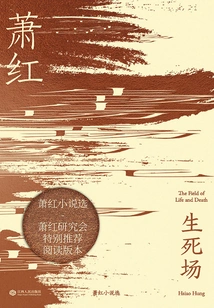
Field of Life and Death
General Fiction生死场
Xiao Hong
"The Field of Life and Death" is Xiao Hong's famous work and a classic of modern Chinese literature. The novel describes the grievances and resentments that occurred in a remote village on the outskirts of Harbin before and after the September 18th Incident. Lu Xun commented, "Instead of listening to me complain, it is better to see the scene of life and death." The lines in the book describe the Chinese people's struggle for life and death, and it is known as a classic text of the national spirit of an era. In addition, this edition selects six other representative classic novels written by Xiao Hong during his time in Chongqing and Hong Kong: "Hand", "Ox Cart", "Escape", "Under the Mountain", "Back Garden", "Northern China" and Xiao Hong's last novel "March in a Small Town". This book additionally includes the preface written by Lu Xun for the first edition of "The Field of Life and Death" to help readers better understand and understand the content of this book.
"The Field of Life and Death" is Xiao Hong's famous work and a classic of modern Chinese literature. The novel describes the grievances and resentments that occurred in a remote village on the outskirts of Harbin before and after the September 18th Incident. Lu Xun commented, "Instead of listening to me complain, it is better to see the scene of life and death." The lines in the book describe the Chinese people's struggle for life and death, and it is known as a classic text of the national spirit of an era. In addition, this edition selects six other representative classic novels written by Xiao Hong during his time in Chongqing and Hong Kong: "Hand", "Ox Cart", "Escape", "Under the Mountain", "Back Garden", "Northern China" and Xiao Hong's last novel "March in a Small Town". This book additionally includes the preface written by Lu Xun for the first edition of "The Field of Life and Death" to help readers better understand and understand the content of this book.
Xiao Hong's Prose
Literature萧红散文
Xiao Hong
"Xiao Hong's Prose" is one of the large series of "Chinese Prose Collection Edition". As a literary legend, Xiao Hong's works are always told together with her fate, which somewhat obscures the brilliance of her works. Xiao Hong's prose has very distinct feminine characteristics, with an innate sense of desolation, poetic undercurrents, melancholic undertones, and charming childishness. At the same time, she does not reject the cruelty of reality. This makes her transcend the female writers in the general sense and join the great masters of modern literature.
"Xiao Hong's Prose" is one of the large series of "Chinese Prose Collection Edition". As a literary legend, Xiao Hong's works are always told together with her fate, which somewhat obscures the brilliance of her works. Xiao Hong's prose has very distinct feminine characteristics, with an innate sense of desolation, poetic undercurrents, melancholic undertones, and charming childishness. At the same time, she does not reject the cruelty of reality. This makes her transcend the female writers in the general sense and join the great masters of modern literature.
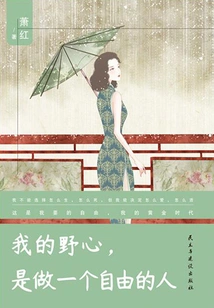
My Ambition is to Be a Free Person
Literature我的野心,是做一个自由的人
Xiao Hong
He was awarded the title of "Luo Shen of Literature" for "The Story of Hulan River", and Xu Anhua, Tang Wei and Feng Shaofeng were moved by it. She was homeless throughout her life, but she dared to pursue love and freedom. This is a portrayal of her life and a microcosm of our lives. "My Ambition is to Be a Free Man" is a book of laments about life written by Xiao Hong, a generation of "literary Luo Shen". Her life was lively, ups and downs, and extraordinary: she escaped from the ignorance of her hometown and her father's tyranny and unreasonableness, experienced all kinds of painstaking and indifferent love, and escaped from the cruelty and bloodshed of war; she also had her grandfather's love to warm her heart, her progress in literary writing to provide her with food and clothing, and Lu Xun, who was like a brother and an elder to help her. She was homeless throughout her life, but she dared to pursue love and freedom throughout her life; this is a true portrayal of her life, and it is also the epitome of the ups and downs of each of us little people. Although life is complicated, I hope you will not give up easily.
He was awarded the title of "Luo Shen of Literature" for "The Story of Hulan River", and Xu Anhua, Tang Wei and Feng Shaofeng were moved by it. She was homeless throughout her life, but she dared to pursue love and freedom. This is a portrayal of her life and a microcosm of our lives. "My Ambition is to Be a Free Man" is a book of laments about life written by Xiao Hong, a generation of "literary Luo Shen". Her life was lively, ups and downs, and extraordinary: she escaped from the ignorance of her hometown and her father's tyranny and unreasonableness, experienced all kinds of painstaking and indifferent love, and escaped from the cruelty and bloodshed of war; she also had her grandfather's love to warm her heart, her progress in literary writing to provide her with food and clothing, and Lu Xun, who was like a brother and an elder to help her. She was homeless throughout her life, but she dared to pursue love and freedom throughout her life; this is a true portrayal of her life, and it is also the epitome of the ups and downs of each of us little people. Although life is complicated, I hope you will not give up easily.
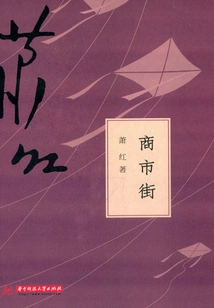
Shopping Street
Literature商市街
Xiao Hong
Xiao Hong is known as the "Literary Goddess of the 1930s". She is the woman with the most tragic fate among the four talented women in the Republic of China, and is also a legendary figure. Xiao Hong was an author highly praised by Lu Xun. Lu Xun and Mao Dun, both literary giants of the generation, respectively wrote prefaces to "The Biography of the Hulan River", which was a seminal work that confirmed Xiao Hong's literary status. Single volumes of his works have been best-selling for decades and are sufficiently classic. There are five volumes in this series of Xiao Hong's complete works. This book is the third part of the series. It is a collection of all Xiao Hong's prose works.
Xiao Hong is known as the "Literary Goddess of the 1930s". She is the woman with the most tragic fate among the four talented women in the Republic of China, and is also a legendary figure. Xiao Hong was an author highly praised by Lu Xun. Lu Xun and Mao Dun, both literary giants of the generation, respectively wrote prefaces to "The Biography of the Hulan River", which was a seminal work that confirmed Xiao Hong's literary status. Single volumes of his works have been best-selling for decades and are sufficiently classic. There are five volumes in this series of Xiao Hong's complete works. This book is the third part of the series. It is a collection of all Xiao Hong's prose works.
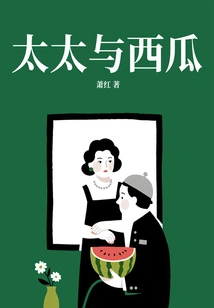
Wife and Watermelon
Literature太太与西瓜
Xiao Hong
"The Wife and the Watermelon" delicately depicts the indifference and vanity of the upper class through the interaction between a rich lady and the footman who delivers the watermelon. The ladies use the gifts given by others to put on airs, take the gifts of others for granted, and even sneer at them. The morbid view of human nature revealed between the lines is full of irony. In several other novels, the author's writing is equally powerful. "On the Road in the Morning" depicts all the living beings on the streets in the early morning. From cigarette boys and old men selling pulp to disabled beggars, they are all struggling to survive in poverty. At the same time, the warmth of mutual support among the people at the bottom is not lost. "Yali" is a story about exile and ideals. The protagonist "I" has established a deep friendship with Yali from North Korea. Although Yali is in a foreign land, she cannot forget her suffering hometown and her father who fought for the revolution. In the end, she chose to give up her personal peace and embark on the road of shedding blood for the motherland. "Two Frogs" describes the tragedy of lovers Hirano and Qin Zheng. The sweet time in the past is only a dream. Each story is like a mirror of the times, reflecting the glory and darkness of human nature, while also conveying the author's deep concern and compassion for the suffering lives.
"The Wife and the Watermelon" delicately depicts the indifference and vanity of the upper class through the interaction between a rich lady and the footman who delivers the watermelon. The ladies use the gifts given by others to put on airs, take the gifts of others for granted, and even sneer at them. The morbid view of human nature revealed between the lines is full of irony. In several other novels, the author's writing is equally powerful. "On the Road in the Morning" depicts all the living beings on the streets in the early morning. From cigarette boys and old men selling pulp to disabled beggars, they are all struggling to survive in poverty. At the same time, the warmth of mutual support among the people at the bottom is not lost. "Yali" is a story about exile and ideals. The protagonist "I" has established a deep friendship with Yali from North Korea. Although Yali is in a foreign land, she cannot forget her suffering hometown and her father who fought for the revolution. In the end, she chose to give up her personal peace and embark on the road of shedding blood for the motherland. "Two Frogs" describes the tragedy of lovers Hirano and Qin Zheng. The sweet time in the past is only a dream. Each story is like a mirror of the times, reflecting the glory and darkness of human nature, while also conveying the author's deep concern and compassion for the suffering lives.
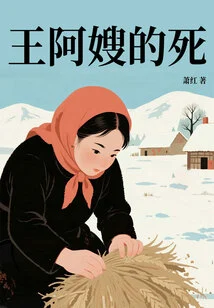
Death of Aunt Wang
Literature王阿嫂的死
Xiao Hong
"The Death of Aunt Wang" is set in the northeastern countryside and tells the story of the tragedy of Aunt Wang, a peasant woman. The novel profoundly exposes the cruel exploitation of farmers by the landlord class and reveals the suffering of the people at the bottom. "The Story of Wang Si" reveals the tragedy of the grassroots people at the bottom who cannot truly integrate into the upper class society even if they give everything they have through the experience of a loyal old cook Wang Si. He ends up losing his wallet while working, losing his life savings, his sense of identity, and ultimately being lost in ridicule. Feng Shan, the old hunter in "Stable Night", has been looking for companions and a sense of belonging all his life. When he finally waited for his old friend "Wu Dongjia", he found that they had been separated by class and time, leaving only the emptiness of memories.
"The Death of Aunt Wang" is set in the northeastern countryside and tells the story of the tragedy of Aunt Wang, a peasant woman. The novel profoundly exposes the cruel exploitation of farmers by the landlord class and reveals the suffering of the people at the bottom. "The Story of Wang Si" reveals the tragedy of the grassroots people at the bottom who cannot truly integrate into the upper class society even if they give everything they have through the experience of a loyal old cook Wang Si. He ends up losing his wallet while working, losing his life savings, his sense of identity, and ultimately being lost in ridicule. Feng Shan, the old hunter in "Stable Night", has been looking for companions and a sense of belonging all his life. When he finally waited for his old friend "Wu Dongjia", he found that they had been separated by class and time, leaving only the emptiness of memories.
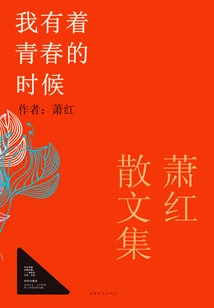
萧红散文集:我有着青春的时候
Xiao Hong
Some people describe Xiao Hong as saying that she is not a firework, but she is lonelier than a firework; she is not a begonia, but she is more heartbroken than a begonia flower. Xiao Hong, this northeastern woman, is like a begonia flower growing in the ice and snow. She is aloof and ice-white, a touch of sad and bright red in the scattered and chaotic 1930s. Lying listening to the sound of the waves, how did she endure this long and lonely life in her short life? From her words, you may be able to find scattered answers. The book basically covers all of Xiao Hong's prose. Among them, "Shangshi Street" is equivalent to her diary when she and Xiao Jun lived together, and the letter "To Xiao Jun" reveals Xiao Hong's emotions when she was passionately in love. There are also essays in which she describes life in her hometown and mourns her grandfather. From this book, we can see the real Xiao Hong.
Some people describe Xiao Hong as saying that she is not a firework, but she is lonelier than a firework; she is not a begonia, but she is more heartbroken than a begonia flower. Xiao Hong, this northeastern woman, is like a begonia flower growing in the ice and snow. She is aloof and ice-white, a touch of sad and bright red in the scattered and chaotic 1930s. Lying listening to the sound of the waves, how did she endure this long and lonely life in her short life? From her words, you may be able to find scattered answers. The book basically covers all of Xiao Hong's prose. Among them, "Shangshi Street" is equivalent to her diary when she and Xiao Jun lived together, and the letter "To Xiao Jun" reveals Xiao Hong's emotions when she was passionately in love. There are also essays in which she describes life in her hometown and mourns her grandfather. From this book, we can see the real Xiao Hong.
Complete Works of Xiao Hong's Classics
Literature萧红经典全集
Xiao Hong
Xiao Hong's works have a strong local flavor, and her narrative style is delicate, profound, euphemistic and moving. Many of her novels are masterpieces in the history of modern Chinese novels and have strong artistic vitality. The novel "The Story of Hulan River" was called by Mao Dun "a narrative poem, a colorful folk painting, and a string of sad ballads." Similarly, Xiao Hong's prose creation also has high achievements. Her prose is beautiful, sad and melancholy. It is profound and strong in emotional concentration and lyrical tension. Her portrayal of characters pays attention to the exploration of psychological depth, and has a strong lyrical color and unique artistic charm. I hope this book can help readers broaden their horizons, absorb nutrients, and cultivate their sentiments.
Xiao Hong's works have a strong local flavor, and her narrative style is delicate, profound, euphemistic and moving. Many of her novels are masterpieces in the history of modern Chinese novels and have strong artistic vitality. The novel "The Story of Hulan River" was called by Mao Dun "a narrative poem, a colorful folk painting, and a string of sad ballads." Similarly, Xiao Hong's prose creation also has high achievements. Her prose is beautiful, sad and melancholy. It is profound and strong in emotional concentration and lyrical tension. Her portrayal of characters pays attention to the exploration of psychological depth, and has a strong lyrical color and unique artistic charm. I hope this book can help readers broaden their horizons, absorb nutrients, and cultivate their sentiments.
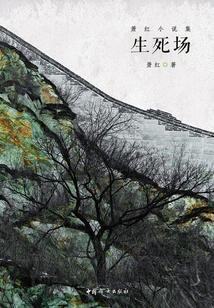
萧红小说集:生死场
Xiao Hong
Xiao Hong, known as the "Literary Goddess of the 1930s", was the woman with the most tragic fate among the four talented women in the Republic of China, and was also a legendary figure. This book selects Xiao Hong's most classic novels such as "The Back Garden", "The Story of Hulan River", "The Field of Life and Death", "Mabele", "The Death of Aunt Wang" and "March in the Small Town". Xiao Hong is unique in the history of literature because of the mixed emotional tone of sadness and joy in her works, her strong and soft language style, her unique use of writing perspective and her treatment of writing structure. His works express his subjective feelings in a lyrical style; he has a prose novel structure; he emphasizes the description of cultural customs and natural scenery, and does not waste pen and ink on the portrayal of characters; the storyline is intermittent, but meaningful; and the interesting stories from his childhood are full of wit and humor.
Xiao Hong, known as the "Literary Goddess of the 1930s", was the woman with the most tragic fate among the four talented women in the Republic of China, and was also a legendary figure. This book selects Xiao Hong's most classic novels such as "The Back Garden", "The Story of Hulan River", "The Field of Life and Death", "Mabele", "The Death of Aunt Wang" and "March in the Small Town". Xiao Hong is unique in the history of literature because of the mixed emotional tone of sadness and joy in her works, her strong and soft language style, her unique use of writing perspective and her treatment of writing structure. His works express his subjective feelings in a lyrical style; he has a prose novel structure; he emphasizes the description of cultural customs and natural scenery, and does not waste pen and ink on the portrayal of characters; the storyline is intermittent, but meaningful; and the interesting stories from his childhood are full of wit and humor.
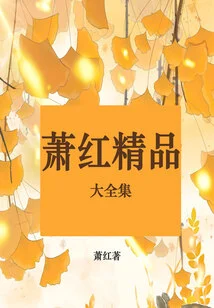
萧红精品大全集
Xiao Hong
This is a large collection of essays that selects the best parts of Xiao Hong's literary works, aiming to show readers the unique talent and artistic charm of this outstanding female writer. This book carefully selects a number of Xiao Hong's representative works in different creative periods, with a total of more than 600,000 words. Including novels, short stories, prose, poetry and other genres. The book includes many classic but slightly less popular works, and also includes 42 letters to Xiao Jun. The novels included in the book, such as "The Field of Life and Death" and "The Story of Hulan River", are unique in the modern Chinese literary world with their profound tragic connotations and unique literary styles. The work not only reveals the social reality and the suffering life of the people in Northeast China, but also shows Xiao Hong's profound thinking about life, human nature and destiny. In terms of short stories and short stories, this book includes classics such as "March in a Small Town" and "Ox Cart". These works have won the love and praise of readers for their delicate emotional descriptions and profound social insights. The prose part includes chapters such as "Eternal Longing and Pursuit" and "Memory of Mr. Lu Xun". These works record Xiao Hong's personal experience, emotional world and deep memory of Lu Xun and other literary predecessors, showing Xiao Hong's sensitivity, delicacy and affection as a female writer. This book is not only a collection of literary works, but also an important document reflecting Xiao Hong's literary thoughts and artistic style. By reading this book, readers can have an in-depth understanding of Xiao Hong's literary achievements and creative characteristics, appreciate the social style and people's living conditions of that era described in her writings, and gain a more comprehensive understanding of this great female writer.
This is a large collection of essays that selects the best parts of Xiao Hong's literary works, aiming to show readers the unique talent and artistic charm of this outstanding female writer. This book carefully selects a number of Xiao Hong's representative works in different creative periods, with a total of more than 600,000 words. Including novels, short stories, prose, poetry and other genres. The book includes many classic but slightly less popular works, and also includes 42 letters to Xiao Jun. The novels included in the book, such as "The Field of Life and Death" and "The Story of Hulan River", are unique in the modern Chinese literary world with their profound tragic connotations and unique literary styles. The work not only reveals the social reality and the suffering life of the people in Northeast China, but also shows Xiao Hong's profound thinking about life, human nature and destiny. In terms of short stories and short stories, this book includes classics such as "March in a Small Town" and "Ox Cart". These works have won the love and praise of readers for their delicate emotional descriptions and profound social insights. The prose part includes chapters such as "Eternal Longing and Pursuit" and "Memory of Mr. Lu Xun". These works record Xiao Hong's personal experience, emotional world and deep memory of Lu Xun and other literary predecessors, showing Xiao Hong's sensitivity, delicacy and affection as a female writer. This book is not only a collection of literary works, but also an important document reflecting Xiao Hong's literary thoughts and artistic style. By reading this book, readers can have an in-depth understanding of Xiao Hong's literary achievements and creative characteristics, appreciate the social style and people's living conditions of that era described in her writings, and gain a more comprehensive understanding of this great female writer.
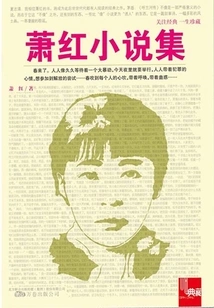
Xiao Hong's Novels
Literature萧红小说集
Xiao Hong
Xiao Hong, known as the "Literary Goddess of the 1930s", was the woman with the most tragic fate among the four talented women in the Republic of China, and was also a legendary figure. This book selects Xiao Hong's representative novels "The Story of Hulan River", "The Field of Life and Death", "March in a Small Town", etc. Xiao Hong's works express her subjective feelings in a lyrical style; the structure of the novel is prose; it emphasizes the description of cultural customs and natural scenery, and does not waste pen and ink on the portrayal of characters; the plot of the story is intermittent, but meaningful; and the interesting stories from childhood are full of wit and humor. As Mr. Mao Dun commented: "There is irony and humor. You feel relaxed when you start reading, but as you continue, your heart will become heavier and heavier. However, there is still beauty, even if this beauty is a bit morbid, it still can't help but dazzle you."
Xiao Hong, known as the "Literary Goddess of the 1930s", was the woman with the most tragic fate among the four talented women in the Republic of China, and was also a legendary figure. This book selects Xiao Hong's representative novels "The Story of Hulan River", "The Field of Life and Death", "March in a Small Town", etc. Xiao Hong's works express her subjective feelings in a lyrical style; the structure of the novel is prose; it emphasizes the description of cultural customs and natural scenery, and does not waste pen and ink on the portrayal of characters; the plot of the story is intermittent, but meaningful; and the interesting stories from childhood are full of wit and humor. As Mr. Mao Dun commented: "There is irony and humor. You feel relaxed when you start reading, but as you continue, your heart will become heavier and heavier. However, there is still beauty, even if this beauty is a bit morbid, it still can't help but dazzle you."
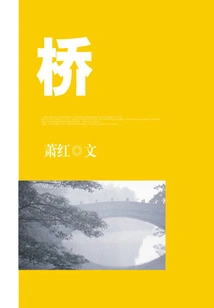
Bridge
General Fiction桥
Xiao Hong
"The Bridge" is the representative work of Xiao Hong's short stories. She was very fond of this piece and compiled a novel and essay collection "The Bridge" under this name before it was published. The work has made many new attempts in artistic aspects such as image selection, characterization and language use, which has enabled her creation of works to move from immaturity to maturity, laying the foundation for the creation of more in-depth novels in the future, and the tragedy it embodies represents the tone of Xiao Hong's creation.
"The Bridge" is the representative work of Xiao Hong's short stories. She was very fond of this piece and compiled a novel and essay collection "The Bridge" under this name before it was published. The work has made many new attempts in artistic aspects such as image selection, characterization and language use, which has enabled her creation of works to move from immaturity to maturity, laying the foundation for the creation of more in-depth novels in the future, and the tragedy it embodies represents the tone of Xiao Hong's creation.
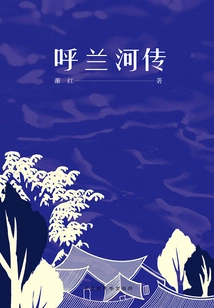
The Legend of Hulan River
General Fiction呼兰河传
Xiao Hong
"The Story of Hulan River" is Xiao Hong's last work. When she was lonely and lonely, she thought of her hometown and the ink-stained golden age by the Hulan River - her childhood. She talks in the most naive and simple language, with a slow rhythm, but deep connotation, simple and mellow, making it soul-stirring and full of vicissitudes of life. Have a unique and distinctive personal style.
"The Story of Hulan River" is Xiao Hong's last work. When she was lonely and lonely, she thought of her hometown and the ink-stained golden age by the Hulan River - her childhood. She talks in the most naive and simple language, with a slow rhythm, but deep connotation, simple and mellow, making it soul-stirring and full of vicissitudes of life. Have a unique and distinctive personal style.

The Legend of Hulan River
General Fiction呼兰河传
Xiao Hong
"The Story of Hulan River" is a novel written by Xiao Hong, a talented woman in the Republic of China, in Hong Kong, and it is also her pinnacle work. The novel is based on the author's hometown and childhood life, and depicts the monotony and beauty of Hulan, the hometown in the author's memory - a northeastern town in the 1920s and 1930s, as well as the kindness and ignorance of the people. There are seven chapters in the book: Chapters 1 and 2 describe the small town style, Chapters 3 and 4 talk about the close and distant characters in the family, and Chapters 5, 6 and 7 describe the independent side characters. The seven chapters can be independent and integrated.
"The Story of Hulan River" is a novel written by Xiao Hong, a talented woman in the Republic of China, in Hong Kong, and it is also her pinnacle work. The novel is based on the author's hometown and childhood life, and depicts the monotony and beauty of Hulan, the hometown in the author's memory - a northeastern town in the 1920s and 1930s, as well as the kindness and ignorance of the people. There are seven chapters in the book: Chapters 1 and 2 describe the small town style, Chapters 3 and 4 talk about the close and distant characters in the family, and Chapters 5, 6 and 7 describe the independent side characters. The seven chapters can be independent and integrated.
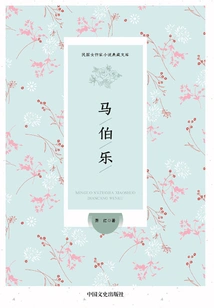
Marble
General Fiction马伯乐
Xiao Hong
"Mabele" is a representative novel by Xiao Hong. Ma Bole is a bystander and a superfluous person of an era described by Xiao Hong. A person who is timid, selfish, suspicious, mediocre, full of complaints, always thinking but never doing anything. He only knows how to spend money, but not how to make money. He wanted to spend money with his parents and wife, but he got angry because he asked for money from his father. He wanted to write an article to make money, but he just couldn't think of writing. At the train station, he left his wife, children and a bunch of luggage in the square, and climbed on the train to escape alone. In the torrent of escape, happiness secretly emerged... Xiao Hong used satire to portray Mabole, a man without national consciousness. At the same time, he also represented a considerable number of insensitive people of that era.
"Mabele" is a representative novel by Xiao Hong. Ma Bole is a bystander and a superfluous person of an era described by Xiao Hong. A person who is timid, selfish, suspicious, mediocre, full of complaints, always thinking but never doing anything. He only knows how to spend money, but not how to make money. He wanted to spend money with his parents and wife, but he got angry because he asked for money from his father. He wanted to write an article to make money, but he just couldn't think of writing. At the train station, he left his wife, children and a bunch of luggage in the square, and climbed on the train to escape alone. In the torrent of escape, happiness secretly emerged... Xiao Hong used satire to portray Mabole, a man without national consciousness. At the same time, he also represented a considerable number of insensitive people of that era.
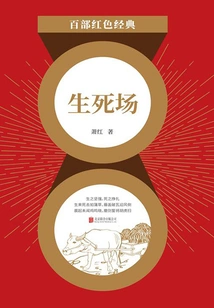
Field of Life and Death (red Classic)
General Fiction生死场(红色经典)
Xiao Hong
This book is an anthology of Xiao Hong's novels, including three novels: "The Field of Life and Death", "The Bridge" and "The Story of Hulan River". "The Field of Life and Death" uses the technique of group portraits to tell the story of villagers in a small village on the outskirts of Harbin in the 1930s. The closed and backward countryside has caused spiritual desolation and emptiness among the villagers, while the exploitation and oppression of the landlords has brought them the reality of living in poverty despite working all year round. Numbness and ignorance spread among them. The Japanese invasion brought far more pain to the villagers than before. Many villagers died and fled, and a small number of them joined various anti-Japanese teams. Erliban, who used to be passive and slack during the war against Japan, lost his wife and children, and wanted to join the revolutionary army but was ridiculed by the distrust of the villagers. However, he still said goodbye to his old sheep and followed Li Qingshan lamely to the city to join the team. The hills and woods gradually faded away, leaving only the old sheep neighing.
This book is an anthology of Xiao Hong's novels, including three novels: "The Field of Life and Death", "The Bridge" and "The Story of Hulan River". "The Field of Life and Death" uses the technique of group portraits to tell the story of villagers in a small village on the outskirts of Harbin in the 1930s. The closed and backward countryside has caused spiritual desolation and emptiness among the villagers, while the exploitation and oppression of the landlords has brought them the reality of living in poverty despite working all year round. Numbness and ignorance spread among them. The Japanese invasion brought far more pain to the villagers than before. Many villagers died and fled, and a small number of them joined various anti-Japanese teams. Erliban, who used to be passive and slack during the war against Japan, lost his wife and children, and wanted to join the revolutionary army but was ridiculed by the distrust of the villagers. However, he still said goodbye to his old sheep and followed Li Qingshan lamely to the city to join the team. The hills and woods gradually faded away, leaving only the old sheep neighing.