Library
Browse and search books
11 novels found
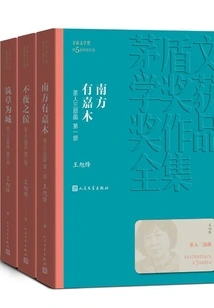
Tea Man Trilogy (3 Volumes in Total)
General Fiction茶人三部曲(全3册)
Wang Xufeng
This book takes the ups and downs of the four generations of the Hangjiuzhai family, the owners of the Wangyou Tea House in Hangzhou, the capital of green tea, as the main line. It creates characters with different social significance and artistic brilliance such as Hang Tianzui, Hang Jiahe, Zhao Jike, Shen Luai, etc., And shows It embodies the temperament and spirit of the Hangzhou tea people who endured heavy burdens, wiped away dirt, shed blood and sacrificed their lives on a life full of hardships and still struggled forward. It embodies the perseverance of the Chinese nation for survival and development and the ideal tendency of loving freedom and yearning for light. The smoke of tea, the vapor of blood, the collision of hearts, and the entanglement of love are all intertwined in the author's clear, gentle, yet powerful and restrained writing.
This book takes the ups and downs of the four generations of the Hangjiuzhai family, the owners of the Wangyou Tea House in Hangzhou, the capital of green tea, as the main line. It creates characters with different social significance and artistic brilliance such as Hang Tianzui, Hang Jiahe, Zhao Jike, Shen Luai, etc., And shows It embodies the temperament and spirit of the Hangzhou tea people who endured heavy burdens, wiped away dirt, shed blood and sacrificed their lives on a life full of hardships and still struggled forward. It embodies the perseverance of the Chinese nation for survival and development and the ideal tendency of loving freedom and yearning for light. The smoke of tea, the vapor of blood, the collision of hearts, and the entanglement of love are all intertwined in the author's clear, gentle, yet powerful and restrained writing.
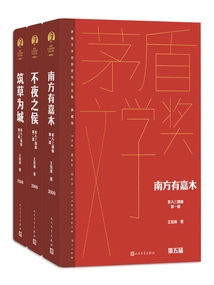
Tea Man Trilogy (all Three Parts)
General Fiction茶人三部曲(全三部)
Wang Xufeng
"Tea Man Trilogy" takes the ups and downs of the four generations of the Hangjiuzhai family, the owners of the Wangyou Tea House in Hangzhou, the capital of green tea, as the main line, and creates characters with different social significance and artistic brilliance such as Wu Chaqing, Hang Tianzui, Hang Jiahe, Zhao Jike, Shen Luai, etc. The image shows the temperament and spirit of the Hangzhou tea people who endured heavy burdens, wiped away dirt, shed blood and sacrificed their lives on the road of life full of worries. It embodies the perseverance of the Chinese nation for survival and development and the ideal tendency of loving freedom and yearning for light. The smoke of tea, the vapor of blood, the collision of hearts, and the entanglement of love are intertwined in the author's clear, gentle, and restrained writing; the changes of the century, the history of Hangzhou, the rise and fall of the tea industry, and the sentiments of tea people all reflect each other and merge into one, showing the author's rigorous and clear historical knowledge and ability to describe social phenomena on a large scale, which is particularly rare today.
"Tea Man Trilogy" takes the ups and downs of the four generations of the Hangjiuzhai family, the owners of the Wangyou Tea House in Hangzhou, the capital of green tea, as the main line, and creates characters with different social significance and artistic brilliance such as Wu Chaqing, Hang Tianzui, Hang Jiahe, Zhao Jike, Shen Luai, etc. The image shows the temperament and spirit of the Hangzhou tea people who endured heavy burdens, wiped away dirt, shed blood and sacrificed their lives on the road of life full of worries. It embodies the perseverance of the Chinese nation for survival and development and the ideal tendency of loving freedom and yearning for light. The smoke of tea, the vapor of blood, the collision of hearts, and the entanglement of love are intertwined in the author's clear, gentle, and restrained writing; the changes of the century, the history of Hangzhou, the rise and fall of the tea industry, and the sentiments of tea people all reflect each other and merge into one, showing the author's rigorous and clear historical knowledge and ability to describe social phenomena on a large scale, which is particularly rare today.
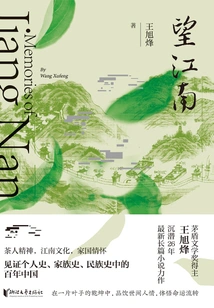
Looking South of the Yangtze River
General Fiction望江南
Wang Xufeng
"Looking to the South of the Yangtze River" is a novel written by Wang Xufeng, winner of the Mao Dun Literature Prize, who spent 26 years in hiding. The novel narrates the ups and downs of the Hang family, a tea family in the south of the Yangtze River, and the fate of the characters during the magnificent social process in the nearly twenty years before and after the founding of New China. Wang Xufeng writes about tea people and tea affairs. In the earth-shaking era, he writes about the choice and openness, integration and advancement of the Chinese people soaked in the mist and rain of Jiangnan; in the excitement and wind and thunder of the times, Wang Xufeng writes about the fragrance and nature of tea, the poetry and power of Jiangnan culture, and the Chinese style, feelings and character. The story of the Hang family is also a Chinese story. It intersects historical memories and emotional imagination. It is not only a reconstruction of the lost time, but also an exploration of the modern inheritance of cultural traditions. This novel provides a new narrative for the dramatic changes and permanence of Chinese life and spirit, and witnesses the century-old China in personal history, family history, and national history.
"Looking to the South of the Yangtze River" is a novel written by Wang Xufeng, winner of the Mao Dun Literature Prize, who spent 26 years in hiding. The novel narrates the ups and downs of the Hang family, a tea family in the south of the Yangtze River, and the fate of the characters during the magnificent social process in the nearly twenty years before and after the founding of New China. Wang Xufeng writes about tea people and tea affairs. In the earth-shaking era, he writes about the choice and openness, integration and advancement of the Chinese people soaked in the mist and rain of Jiangnan; in the excitement and wind and thunder of the times, Wang Xufeng writes about the fragrance and nature of tea, the poetry and power of Jiangnan culture, and the Chinese style, feelings and character. The story of the Hang family is also a Chinese story. It intersects historical memories and emotional imagination. It is not only a reconstruction of the lost time, but also an exploration of the modern inheritance of cultural traditions. This novel provides a new narrative for the dramatic changes and permanence of Chinese life and spirit, and witnesses the century-old China in personal history, family history, and national history.
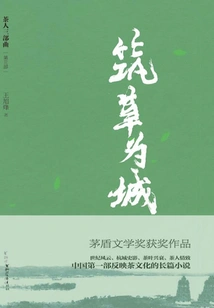
“茶人三部曲”第三部:筑草为城
Wang Xufeng
The story was written from the 1950s and 1960s to the end of the century, describing how the Hang family experienced the bloody war of resistance against Japan and then ushered in the turbulent historical period of the Cultural Revolution, reflecting the social reality at that time. The Hang family has gone through various tests, showing unprecedented tenacity and independent personality in pursuit of freedom. The novel exudes a rich flavor of tea culture. The story takes place in Hangzhou, the capital of green tea. Hang Jiuzhai, the descendant of Wangyou Tea House, was a tea merchant in the south of the Yangtze River in the late Qing Dynasty. He was elegant and elegant, but had trouble managing money and business. He eventually died on the smoke couch of a woman with fireworks. The next generation of tea master is called Hang Tianzui. He grew up in the era when the feudal dynasty completely collapsed and the Republic of China was born. He is always intertwined with the contradiction between decadence and hard work. He is knowledgeable, talented, passionate, and ambitious, but he is indecisive. He loves his boyfriend, his wife, his concubines, and his children... In the end, he is so "loved" that he feels lost and has no choice but to escape to Buddhism. The three sons and two daughters born to Hang Tianzui experienced a broader era. They participated in the whole process of the rise and fall of Hua Cha in various capacities and in different ways. During this period, the fate of the nation, family and individuals were complicated and ups and downs. The rise and fall of tea houses were closely linked to the rise and fall of Chinese tea over the past century. The novel therefore outlines a long scroll of the fate of Chinese tea people in recent and modern history.
The story was written from the 1950s and 1960s to the end of the century, describing how the Hang family experienced the bloody war of resistance against Japan and then ushered in the turbulent historical period of the Cultural Revolution, reflecting the social reality at that time. The Hang family has gone through various tests, showing unprecedented tenacity and independent personality in pursuit of freedom. The novel exudes a rich flavor of tea culture. The story takes place in Hangzhou, the capital of green tea. Hang Jiuzhai, the descendant of Wangyou Tea House, was a tea merchant in the south of the Yangtze River in the late Qing Dynasty. He was elegant and elegant, but had trouble managing money and business. He eventually died on the smoke couch of a woman with fireworks. The next generation of tea master is called Hang Tianzui. He grew up in the era when the feudal dynasty completely collapsed and the Republic of China was born. He is always intertwined with the contradiction between decadence and hard work. He is knowledgeable, talented, passionate, and ambitious, but he is indecisive. He loves his boyfriend, his wife, his concubines, and his children... In the end, he is so "loved" that he feels lost and has no choice but to escape to Buddhism. The three sons and two daughters born to Hang Tianzui experienced a broader era. They participated in the whole process of the rise and fall of Hua Cha in various capacities and in different ways. During this period, the fate of the nation, family and individuals were complicated and ups and downs. The rise and fall of tea houses were closely linked to the rise and fall of Chinese tea over the past century. The novel therefore outlines a long scroll of the fate of Chinese tea people in recent and modern history.
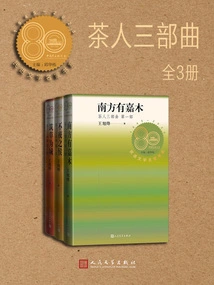
The Tea Man Trilogy: 3 Volumes in Total (book Series of Famous Democratic Progressive Literature Writers)
General Fiction茶人三部曲:全3册(民进文学名家书系)
Wang Xufeng
"Tea Man Trilogy" takes the ups and downs of the four generations of the Hangjiuzhai family, the owners of the Wangyou Tea House in Hangzhou, the capital of green tea, as the main line, and creates characters with different social significance and artistic brilliance such as Wu Chaqing, Hang Tianzui, Hang Jiahe, Zhao Jike, Shen Luai, etc. The image shows the temperament and spirit of the Hangzhou tea people who endured heavy burdens, wiped away dirt, shed blood and sacrificed their lives on the road of life full of worries. It embodies the perseverance of the Chinese nation for survival and development and the ideal tendency of loving freedom and yearning for light. The smoke of tea, the collision of hearts, and the entanglement of love are intertwined in the author's elegant, gentle and restrained writing; the changes of the century, the history of Hangzhou, the rise and fall of the tea industry, and the sentiments of tea people all reflect each other and merge into one, showing the author's rigorous and clear historical knowledge and ability to describe social phenomena on a large scale, which is particularly rare nowadays.
"Tea Man Trilogy" takes the ups and downs of the four generations of the Hangjiuzhai family, the owners of the Wangyou Tea House in Hangzhou, the capital of green tea, as the main line, and creates characters with different social significance and artistic brilliance such as Wu Chaqing, Hang Tianzui, Hang Jiahe, Zhao Jike, Shen Luai, etc. The image shows the temperament and spirit of the Hangzhou tea people who endured heavy burdens, wiped away dirt, shed blood and sacrificed their lives on the road of life full of worries. It embodies the perseverance of the Chinese nation for survival and development and the ideal tendency of loving freedom and yearning for light. The smoke of tea, the collision of hearts, and the entanglement of love are intertwined in the author's elegant, gentle and restrained writing; the changes of the century, the history of Hangzhou, the rise and fall of the tea industry, and the sentiments of tea people all reflect each other and merge into one, showing the author's rigorous and clear historical knowledge and ability to describe social phenomena on a large scale, which is particularly rare nowadays.
There is Jiamu in the South
General Fiction南方有嘉木
Wang Xufeng
This book is the winner of the 5th Mao Dun Literature Award and is one of the Tea Man trilogy. This is China's first full-length novel reflecting tea culture. The story takes place in Hangzhou, the capital of green tea. The protagonists are Hang Jiuzhai, Hang Tianzui and the three sons and two daughters born to Hang Tianzui, the three generations of Wangyou Tea House. They have participated in the whole process of the rise and fall of Chinese tea in various capacities and in different ways. During this period, the fate of the nation, family and individuals were complicated and ups and downs, and the interests of the tea house were closely related to the interests of Chinese tea for hundreds of years. The novel therefore outlines a long scroll of the fate of Chinese tea people in recent and modern history. In Hangzhou, the capital of green tea, Hang Jiuzhai, the descendant of Wangyou Tea House, was a tea merchant in the south of the Yangtze River in the late Qing Dynasty. He was elegant and elegant, but had trouble managing money and business. He eventually died on the smoke couch of a woman with fireworks. The next generation of tea master is called Hang Tianzui. He grew up in the era when the feudal dynasty completely collapsed and the Republic of China was born. He is always intertwined with the contradiction between decadence and hard work.
This book is the winner of the 5th Mao Dun Literature Award and is one of the Tea Man trilogy. This is China's first full-length novel reflecting tea culture. The story takes place in Hangzhou, the capital of green tea. The protagonists are Hang Jiuzhai, Hang Tianzui and the three sons and two daughters born to Hang Tianzui, the three generations of Wangyou Tea House. They have participated in the whole process of the rise and fall of Chinese tea in various capacities and in different ways. During this period, the fate of the nation, family and individuals were complicated and ups and downs, and the interests of the tea house were closely related to the interests of Chinese tea for hundreds of years. The novel therefore outlines a long scroll of the fate of Chinese tea people in recent and modern history. In Hangzhou, the capital of green tea, Hang Jiuzhai, the descendant of Wangyou Tea House, was a tea merchant in the south of the Yangtze River in the late Qing Dynasty. He was elegant and elegant, but had trouble managing money and business. He eventually died on the smoke couch of a woman with fireworks. The next generation of tea master is called Hang Tianzui. He grew up in the era when the feudal dynasty completely collapsed and the Republic of China was born. He is always intertwined with the contradiction between decadence and hard work.
杭州传:住在天堂
Wang Xufeng
"Hangzhou Biography: Living in Paradise" is an important book in the "Silk Road Biography of One Hundred Cities" series. In order of time, the author systematically combs the formation and development of Hangzhou from the ancient Yue people who carved jade into swords to contemporary Hangzhou: from a large bay and a swamp, through the huge changes in the natural environment and the various efforts of residents of past generations, the sea has turned into a mulberry field. Today, it has become a livable paradise on earth that people yearn for. It not only has a beautiful environment and pleasant scenery, but also has its own masters in many fields such as history, Chinese studies, literature, art, fine arts, gardens, religion, big data, etc., And is famous all over the world. The author uses a historian's pen to dwell on the city's past, and also uses a poetic pen to focus on the characters in it. He not only writes about the imprint of the pain of his family and country on this city, but also writes about the encouragement and encouragement of the country's revitalization to this city. This book is a rare humanistic masterpiece that provides a comprehensive understanding of Hangzhou.
"Hangzhou Biography: Living in Paradise" is an important book in the "Silk Road Biography of One Hundred Cities" series. In order of time, the author systematically combs the formation and development of Hangzhou from the ancient Yue people who carved jade into swords to contemporary Hangzhou: from a large bay and a swamp, through the huge changes in the natural environment and the various efforts of residents of past generations, the sea has turned into a mulberry field. Today, it has become a livable paradise on earth that people yearn for. It not only has a beautiful environment and pleasant scenery, but also has its own masters in many fields such as history, Chinese studies, literature, art, fine arts, gardens, religion, big data, etc., And is famous all over the world. The author uses a historian's pen to dwell on the city's past, and also uses a poetic pen to focus on the characters in it. He not only writes about the imprint of the pain of his family and country on this city, but also writes about the encouragement and encouragement of the country's revitalization to this city. This book is a rare humanistic masterpiece that provides a comprehensive understanding of Hangzhou.
“茶人三部曲”第一部:南方有嘉木
Wang Xufeng
It has been adapted into a TV series of the same name "There Are Good Woods in the South", starring Cheng Qian, Xu Fan, Wu Gang, Zhao Kui'e, He Bing, Xiao Rongsheng and others. Hangzhou, the capital of green tea, the owner of Wangyou Tea House, Hang Jiuzhai, was a tea merchant in the south of the Yangtze River in the late Qing Dynasty. He was elegant and elegant, but had trouble managing money and business. He eventually died on the smoke couch of a woman with fireworks. Hang Tianzui, the next generation of tea master, grew up in the era when the feudal dynasty completely collapsed and the Republic of China was born. He was always intertwined with the contradiction between decadence and hard work. He was knowledgeable, talented, passionate, and ambitious, but he was indecisive. Amidst all kinds of love entanglements, he had no choice but to escape to Buddhism. The third generation of the Hang family, represented by Hang Jiahe, has experienced a broader era. They have participated in the rise and fall of Hua Tea in various capacities and in different ways. The fate of the nation, family and individuals is complicated and ups and downs. The novel therefore outlines a long scroll of the fate of Chinese tea people in modern history.
It has been adapted into a TV series of the same name "There Are Good Woods in the South", starring Cheng Qian, Xu Fan, Wu Gang, Zhao Kui'e, He Bing, Xiao Rongsheng and others. Hangzhou, the capital of green tea, the owner of Wangyou Tea House, Hang Jiuzhai, was a tea merchant in the south of the Yangtze River in the late Qing Dynasty. He was elegant and elegant, but had trouble managing money and business. He eventually died on the smoke couch of a woman with fireworks. Hang Tianzui, the next generation of tea master, grew up in the era when the feudal dynasty completely collapsed and the Republic of China was born. He was always intertwined with the contradiction between decadence and hard work. He was knowledgeable, talented, passionate, and ambitious, but he was indecisive. Amidst all kinds of love entanglements, he had no choice but to escape to Buddhism. The third generation of the Hang family, represented by Hang Jiahe, has experienced a broader era. They have participated in the rise and fall of Hua Tea in various capacities and in different ways. The fate of the nation, family and individuals is complicated and ups and downs. The novel therefore outlines a long scroll of the fate of Chinese tea people in modern history.
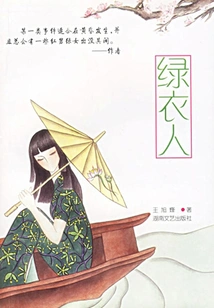
Man in Green
Youth Fiction绿衣人
Wang Xufeng
On the eve of the excavation of the Leifeng Pagoda underground palace, reporters from all walks of life in Hangzhou gathered at Liuzhuang State Guesthouse to prepare to report on this unprecedented event. On a dark night with few stars, tabloid reporter Chen Zixu met a man in green at the "Aromatherapy Hair Care" hair salon in the woods. This woman has the charm of the last female aristocrat played by Pan Hong, and the charming charm of fashion pioneer Li Wen. So a love story happened that even the "amateur female collector" Yao Yian and the talented Zhu Jing were greatly envious...
On the eve of the excavation of the Leifeng Pagoda underground palace, reporters from all walks of life in Hangzhou gathered at Liuzhuang State Guesthouse to prepare to report on this unprecedented event. On a dark night with few stars, tabloid reporter Chen Zixu met a man in green at the "Aromatherapy Hair Care" hair salon in the woods. This woman has the charm of the last female aristocrat played by Pan Hong, and the charming charm of fashion pioneer Li Wen. So a love story happened that even the "amateur female collector" Yao Yian and the talented Zhu Jing were greatly envious...
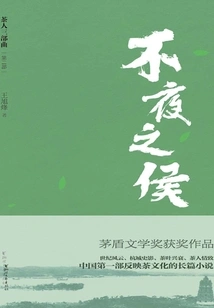
“茶人三部曲”第二部:不夜之侯
Wang Xufeng
The novel takes the Anti-Japanese War as the background and reflects the fate of various characters of the Hang family, a tea family rooted in Hangzhou in the south of the Yangtze River, in this turbulent era: Shen Luai, Hang Jiacao and other Hang family women died tragically under the iron heel of the Japanese invaders; Ji Cao, Hang Yi, Hang Han and Wangyou, as the new generation of Hang family children, participated in the great Anti-Japanese War. Some died in the war, while others insisted on building the Chinese tea industry for the future after victory. As a descendant of a tea family, Hang Jiahe endured huge and unimaginable disasters during the long war years, showing the immortal character of a Chinese tea man. The novel focuses on depicting the cultural form in the context of the war, showing the profound power of Chinese tea culture as an integral part of the Chinese national spirit in the historical context of that time. While narrating the story, the novel also describes the bumpy development history of my country's tea industry during this period. The magnificent historical narrative and delicate description of the characters and plots bring readers a pleasant reading experience.
The novel takes the Anti-Japanese War as the background and reflects the fate of various characters of the Hang family, a tea family rooted in Hangzhou in the south of the Yangtze River, in this turbulent era: Shen Luai, Hang Jiacao and other Hang family women died tragically under the iron heel of the Japanese invaders; Ji Cao, Hang Yi, Hang Han and Wangyou, as the new generation of Hang family children, participated in the great Anti-Japanese War. Some died in the war, while others insisted on building the Chinese tea industry for the future after victory. As a descendant of a tea family, Hang Jiahe endured huge and unimaginable disasters during the long war years, showing the immortal character of a Chinese tea man. The novel focuses on depicting the cultural form in the context of the war, showing the profound power of Chinese tea culture as an integral part of the Chinese national spirit in the historical context of that time. While narrating the story, the novel also describes the bumpy development history of my country's tea industry during this period. The magnificent historical narrative and delicate description of the characters and plots bring readers a pleasant reading experience.
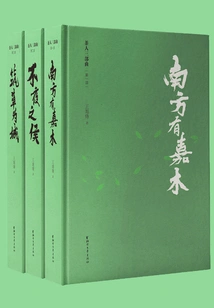
Tea Man Trilogy (complete Collection)
General Fiction茶人三部曲(全集)
Wang Xufeng
"The Tea Man Trilogy" is China's first full-length novel that reflects tea culture. It has won the Mao Dun Literature Award and the "Five One Project" Award of the Central Propaganda Department. It includes three novels: "There Are Beautiful Trees in the South", "The Nightless Marquis" and "Building Grass into a City". "There is Jiamu in the South" is the first part of the "Tea Man Trilogy". Hangzhou, the capital of green tea, the owner of Wangyou Tea House, Hang Jiuzhai, was a tea merchant in the south of the Yangtze River in the late Qing Dynasty. He was elegant and elegant, but had trouble managing money and business. He eventually died on the smoke couch of a woman with fireworks. Hang Tianzui, the next generation of tea master, grew up in the era when the feudal dynasty completely collapsed and the Republic of China was born. He was always intertwined with the contradiction between decadence and hard work. He was knowledgeable, talented, passionate, and ambitious, but he was indecisive. Amidst all kinds of love entanglements, he had no choice but to escape to Buddhism. The third generation of the Hang family, represented by Hang Jiahe, has experienced a broader era. They have participated in the rise and fall of Hua Tea in various capacities and in different ways. The fate of the nation, family and individuals is complicated and ups and downs. The novel therefore outlines a long scroll of the fate of Chinese tea people in modern history. "The Nightless Lord" is the second part of the "Tea Man Trilogy". The novel takes the Anti-Japanese War as the background and reflects the fate of various characters of the Hang family, a tea family rooted in Hangzhou in the south of the Yangtze River, in this turbulent era: Shen Luai, Hang Jiacao and other Hang family women died tragically under the iron heel of the Japanese invaders; Ji Cao, Hang Yi, Hang Han and Wangyou, as the new generation of Hang family children, participated in the great Anti-Japanese War. Some died in the war, while others insisted on building the Chinese tea industry for the future after victory. As a descendant of a tea family, Hang Jiahe endured huge and unimaginable disasters during the long war years, showing the immortal character of a Chinese tea man. The novel focuses on depicting the cultural form in the context of the war, showing the profound power of Chinese tea culture as an integral part of the Chinese national spirit in the historical context of that time. While narrating the story, the novel also describes the bumpy development history of my country's tea industry during this period. The magnificent historical narrative and delicate description of the characters and plots bring readers a pleasant reading experience. "Building Grass into a City" is the second part of the "Tea Man Trilogy". The story was written from the 1950s and 1960s to the end of the century, describing how the Hang family experienced the bloody war of resistance against Japan and then ushered in the turbulent historical period of the Cultural Revolution, reflecting the social reality at that time. The Hang family has gone through various tests, showing unprecedented tenacity and independent personality in pursuit of freedom. The novel exudes a rich flavor of tea culture. The story takes place in Hangzhou, the capital of green tea. Hang Jiuzhai, the descendant of Wangyou Tea House, was a tea merchant in the south of the Yangtze River in the late Qing Dynasty. He was elegant and elegant, but had trouble managing money and business. He eventually died on the smoke couch of a woman with fireworks. The next generation of tea master is called Hang Tianzui. He grew up in the era when the feudal dynasty completely collapsed and the Republic of China was born. He is always intertwined with the contradiction between decadence and hard work. He is knowledgeable, talented, passionate, and ambitious, but he is indecisive. He loves his boyfriend, his wife, his concubines, and his children... In the end, he is so "loved" that he feels lost and has no choice but to escape to Buddhism. The three sons and two daughters born to Hang Tianzui experienced a broader era. They participated in the whole process of the rise and fall of Hua Cha in various capacities and in different ways. During this period, the fate of the nation, family and individuals were complicated and ups and downs. The rise and fall of tea houses were closely linked to the rise and fall of Chinese tea over the past century. The novel therefore outlines a long scroll of the fate of Chinese tea people in recent and modern history.
"The Tea Man Trilogy" is China's first full-length novel that reflects tea culture. It has won the Mao Dun Literature Award and the "Five One Project" Award of the Central Propaganda Department. It includes three novels: "There Are Beautiful Trees in the South", "The Nightless Marquis" and "Building Grass into a City". "There is Jiamu in the South" is the first part of the "Tea Man Trilogy". Hangzhou, the capital of green tea, the owner of Wangyou Tea House, Hang Jiuzhai, was a tea merchant in the south of the Yangtze River in the late Qing Dynasty. He was elegant and elegant, but had trouble managing money and business. He eventually died on the smoke couch of a woman with fireworks. Hang Tianzui, the next generation of tea master, grew up in the era when the feudal dynasty completely collapsed and the Republic of China was born. He was always intertwined with the contradiction between decadence and hard work. He was knowledgeable, talented, passionate, and ambitious, but he was indecisive. Amidst all kinds of love entanglements, he had no choice but to escape to Buddhism. The third generation of the Hang family, represented by Hang Jiahe, has experienced a broader era. They have participated in the rise and fall of Hua Tea in various capacities and in different ways. The fate of the nation, family and individuals is complicated and ups and downs. The novel therefore outlines a long scroll of the fate of Chinese tea people in modern history. "The Nightless Lord" is the second part of the "Tea Man Trilogy". The novel takes the Anti-Japanese War as the background and reflects the fate of various characters of the Hang family, a tea family rooted in Hangzhou in the south of the Yangtze River, in this turbulent era: Shen Luai, Hang Jiacao and other Hang family women died tragically under the iron heel of the Japanese invaders; Ji Cao, Hang Yi, Hang Han and Wangyou, as the new generation of Hang family children, participated in the great Anti-Japanese War. Some died in the war, while others insisted on building the Chinese tea industry for the future after victory. As a descendant of a tea family, Hang Jiahe endured huge and unimaginable disasters during the long war years, showing the immortal character of a Chinese tea man. The novel focuses on depicting the cultural form in the context of the war, showing the profound power of Chinese tea culture as an integral part of the Chinese national spirit in the historical context of that time. While narrating the story, the novel also describes the bumpy development history of my country's tea industry during this period. The magnificent historical narrative and delicate description of the characters and plots bring readers a pleasant reading experience. "Building Grass into a City" is the second part of the "Tea Man Trilogy". The story was written from the 1950s and 1960s to the end of the century, describing how the Hang family experienced the bloody war of resistance against Japan and then ushered in the turbulent historical period of the Cultural Revolution, reflecting the social reality at that time. The Hang family has gone through various tests, showing unprecedented tenacity and independent personality in pursuit of freedom. The novel exudes a rich flavor of tea culture. The story takes place in Hangzhou, the capital of green tea. Hang Jiuzhai, the descendant of Wangyou Tea House, was a tea merchant in the south of the Yangtze River in the late Qing Dynasty. He was elegant and elegant, but had trouble managing money and business. He eventually died on the smoke couch of a woman with fireworks. The next generation of tea master is called Hang Tianzui. He grew up in the era when the feudal dynasty completely collapsed and the Republic of China was born. He is always intertwined with the contradiction between decadence and hard work. He is knowledgeable, talented, passionate, and ambitious, but he is indecisive. He loves his boyfriend, his wife, his concubines, and his children... In the end, he is so "loved" that he feels lost and has no choice but to escape to Buddhism. The three sons and two daughters born to Hang Tianzui experienced a broader era. They participated in the whole process of the rise and fall of Hua Cha in various capacities and in different ways. During this period, the fate of the nation, family and individuals were complicated and ups and downs. The rise and fall of tea houses were closely linked to the rise and fall of Chinese tea over the past century. The novel therefore outlines a long scroll of the fate of Chinese tea people in recent and modern history.