Library
Browse and search books
70 novels found
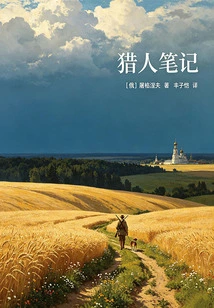
Hunter's Notes (With Quality Library)
Literature猎人笔记(有质量文库)
Turgenev
Deep in the dark forest, who is secretly stalking the little girl picking mushrooms at dusk? Why did the singing coming from the landlord's house late at night make the coachman outside the window burst into tears? Walking across Russia with a shotgun, what did Turgenev see? He saw that farmers understand dignity better than landowners, and saw those humble but hot souls under the pale sky. He didn't shout, just watched quietly, and then wrote everything down in this "Hunter's Notebook". Mr. Feng Zikai's translation is so flavorful, it's as if you can hear the sound of pine needles falling to the ground in the Russian forest. Birds have feathers and people have clothes. Strip away our clothes and class, and what are we left with? This book will tell you the answer. Perhaps, being able to see the tears of the humble is the greatest power of literature. Open it and you will understand why Tolstoy said: "After reading "A Hunter's Notebook", it is even difficult for me to write anymore."
Deep in the dark forest, who is secretly stalking the little girl picking mushrooms at dusk? Why did the singing coming from the landlord's house late at night make the coachman outside the window burst into tears? Walking across Russia with a shotgun, what did Turgenev see? He saw that farmers understand dignity better than landowners, and saw those humble but hot souls under the pale sky. He didn't shout, just watched quietly, and then wrote everything down in this "Hunter's Notebook". Mr. Feng Zikai's translation is so flavorful, it's as if you can hear the sound of pine needles falling to the ground in the Russian forest. Birds have feathers and people have clothes. Strip away our clothes and class, and what are we left with? This book will tell you the answer. Perhaps, being able to see the tears of the humble is the greatest power of literature. Open it and you will understand why Tolstoy said: "After reading "A Hunter's Notebook", it is even difficult for me to write anymore."

First Love (Quality Library)
General Fiction初恋(有质量文库)
Turgenev
When I was sixteen, I fell in love with the girl who moved next door. I was a few years younger than her, but I thought she was taller than the moon. I climbed over walls, fought, and trembled at night for her, wishing I could tear out my whole heart and give it to her. But she always smiled and ran away, her eyes drifting away. That "elsewhere" is my father. Turgenev used the cleanest words to write the cruelest story. What you thought was your first love is actually the first shadow cast by the adult world. Feng Zikai's translation is like a Russian birch forest, quiet, but every leaf is trembling. After reading, you will understand: some love is not prepared for you from the beginning.
When I was sixteen, I fell in love with the girl who moved next door. I was a few years younger than her, but I thought she was taller than the moon. I climbed over walls, fought, and trembled at night for her, wishing I could tear out my whole heart and give it to her. But she always smiled and ran away, her eyes drifting away. That "elsewhere" is my father. Turgenev used the cleanest words to write the cruelest story. What you thought was your first love is actually the first shadow cast by the adult world. Feng Zikai's translation is like a Russian birch forest, quiet, but every leaf is trembling. After reading, you will understand: some love is not prepared for you from the beginning.

The Noble House (Turgenev's Novel)
General Fiction贵族之家(屠格涅夫长篇小说)
Turgenev
"The Noble House" was written in 1858. It is based on the love story of the aristocratic young Lavretsky and Lisa. This is a Russian version of "Jane Eyre". The novel is not only exploring the way out for the Russian aristocracy, but it is also exploring the way out for Russia. The hero and heroine of the novel have become classic images of Russian literature. The novels "The Noble House" and "Rodin", "The Night Before", "Father and Son", "Virgin Land" and "Smoke" constitute Turgenev's six most famous novels. They constitute Turgenev's six most famous novels. They are called "artistic chronicles of Russian society" because they continuously reflect the dramatic changes in Russian society. At the same time, they incorporate dramatic and strong love themes into social descriptions, and in terms of writing skills, they focus on Turgenev's literary level in his mature period of creation.
"The Noble House" was written in 1858. It is based on the love story of the aristocratic young Lavretsky and Lisa. This is a Russian version of "Jane Eyre". The novel is not only exploring the way out for the Russian aristocracy, but it is also exploring the way out for Russia. The hero and heroine of the novel have become classic images of Russian literature. The novels "The Noble House" and "Rodin", "The Night Before", "Father and Son", "Virgin Land" and "Smoke" constitute Turgenev's six most famous novels. They constitute Turgenev's six most famous novels. They are called "artistic chronicles of Russian society" because they continuously reflect the dramatic changes in Russian society. At the same time, they incorporate dramatic and strong love themes into social descriptions, and in terms of writing skills, they focus on Turgenev's literary level in his mature period of creation.
Hunter's Notes
Literature猎人笔记
Turgenev
"Hunter's Notes" is a collection of essays by Russian writer Turgenev that describes the life of Russian rural areas in the mid-19th century through the hunting activities of hunters. The work adopts the form of a record of observations, which is true, concrete, vivid and vivid, with various genres and styles, and the language is concise and beautiful. It can be said to be an example of prose novels and poetic novels. "Hunter's Notes" is the author's famous work and has had a great influence on Russian literature. "Hunter's Notes" uses a hunter's hunting traces as clues and the beautiful natural scenery of Russia as the background to string together twenty-five stories. The book depicts many characters such as aristocratic landowners, poor farmers, peasant children, peasant women, intellectuals, etc., Showing the unique and honest folk customs of Russia, and reproducing the life style of all strata of people in Russian towns and villages under serfdom.
"Hunter's Notes" is a collection of essays by Russian writer Turgenev that describes the life of Russian rural areas in the mid-19th century through the hunting activities of hunters. The work adopts the form of a record of observations, which is true, concrete, vivid and vivid, with various genres and styles, and the language is concise and beautiful. It can be said to be an example of prose novels and poetic novels. "Hunter's Notes" is the author's famous work and has had a great influence on Russian literature. "Hunter's Notes" uses a hunter's hunting traces as clues and the beautiful natural scenery of Russia as the background to string together twenty-five stories. The book depicts many characters such as aristocratic landowners, poor farmers, peasant children, peasant women, intellectuals, etc., Showing the unique and honest folk customs of Russia, and reproducing the life style of all strata of people in Russian towns and villages under serfdom.

Hunter's Notes (youth Edition)
Literature猎人笔记(青少版)
Turgenev
"Hunter's Notes" is a collection of essays by Russian writer Turgenev that describes the life of Russian rural areas in the mid-19th century through the hunting activities of hunters. The work adopts the form of a record of observations, which is true, concrete, vivid and vivid, with various genres and styles, and the language is concise and beautiful. It can be said to be an example of prose novels and poetic novels. "Hunter's Notes" is the author's famous work and has had a great influence on Russian literature.
"Hunter's Notes" is a collection of essays by Russian writer Turgenev that describes the life of Russian rural areas in the mid-19th century through the hunting activities of hunters. The work adopts the form of a record of observations, which is true, concrete, vivid and vivid, with various genres and styles, and the language is concise and beautiful. It can be said to be an example of prose novels and poetic novels. "Hunter's Notes" is the author's famous work and has had a great influence on Russian literature.
Hunter's Notes
Literature猎人笔记
Turgenev
"Hunter's Notes" is a collection of essays by Russian writer Turgenev that describes the life of Russian rural areas in the mid-19th century through the hunting activities of hunters. The work adopts the form of a record of observations, which is true, concrete, vivid and vivid, with various genres and styles, and the language is concise and beautiful. It can be said to be an example of prose novels and poetic novels. "Hunter's Notes" is the author's famous work and has had a great influence on Russian literature.
"Hunter's Notes" is a collection of essays by Russian writer Turgenev that describes the life of Russian rural areas in the mid-19th century through the hunting activities of hunters. The work adopts the form of a record of observations, which is true, concrete, vivid and vivid, with various genres and styles, and the language is concise and beautiful. It can be said to be an example of prose novels and poetic novels. "Hunter's Notes" is the author's famous work and has had a great influence on Russian literature.

Hunter's Notes
Literature猎人笔记
Turgenev
The famous work of the outstanding Russian writer Turgenev in the 19th century. This is a collection of essays describing rural life in Russia in the mid-19th century through hunters' hunting activities. The work takes a hunter's hunting as a clue and depicts many characters such as landlords, housekeepers, mill wives, town doctors, aristocratic intellectuals, serfs, peasant children, etc., Truly showing the life style of people from all walks of life in urban and rural areas in the era in which the author lived. With Turgenev's graceful narration, the natural scenery of Russia, the customs and habits of the Russian people, the bullying of farmers by landlords, and the kindness, simplicity and wisdom of farmers slowly flow out in front of us like lyrical songs, converging into a colorful and touching symphonic poem. For readers in the 21st century, it is still an immortal work that provides infinitely beautiful artistic enjoyment and is rich in instruction.
The famous work of the outstanding Russian writer Turgenev in the 19th century. This is a collection of essays describing rural life in Russia in the mid-19th century through hunters' hunting activities. The work takes a hunter's hunting as a clue and depicts many characters such as landlords, housekeepers, mill wives, town doctors, aristocratic intellectuals, serfs, peasant children, etc., Truly showing the life style of people from all walks of life in urban and rural areas in the era in which the author lived. With Turgenev's graceful narration, the natural scenery of Russia, the customs and habits of the Russian people, the bullying of farmers by landlords, and the kindness, simplicity and wisdom of farmers slowly flow out in front of us like lyrical songs, converging into a colorful and touching symphonic poem. For readers in the 21st century, it is still an immortal work that provides infinitely beautiful artistic enjoyment and is rich in instruction.

Hunter's Notes (full Translation)
Literature猎人笔记(全译本)
Turgenev
This book takes an aristocratic hunter's hunting trip through the countryside as a clue, depicts the beautiful Russian scenery and rural customs, and depicts the images of landowners, housekeepers, mill wives, town doctors, aristocratic intellectuals, serfs, peasant children and other people from all walks of life. Author: Ivan Sergeyevich Turgenev (Russian name: Иван Сергеевич Тургенев, November 9, 1818 - September 3, 1883), a 19th-century Russian critical realist writer. His major works include the novels "Luo Ting", "The Noble House", "The Night Before", "Father and Son", "Virgin Land", and the novellas "Axia" and "First Love", etc.
This book takes an aristocratic hunter's hunting trip through the countryside as a clue, depicts the beautiful Russian scenery and rural customs, and depicts the images of landowners, housekeepers, mill wives, town doctors, aristocratic intellectuals, serfs, peasant children and other people from all walks of life. Author: Ivan Sergeyevich Turgenev (Russian name: Иван Сергеевич Тургенев, November 9, 1818 - September 3, 1883), a 19th-century Russian critical realist writer. His major works include the novels "Luo Ting", "The Noble House", "The Night Before", "Father and Son", "Virgin Land", and the novellas "Axia" and "First Love", etc.
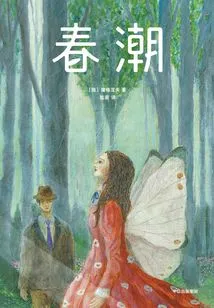
Spring Tide
General Fiction春潮
Turgenev
22-year-old Sanin was traveling in Germany and met 19-year-old girl Gemma. Sanin fell in love with Gemma at first sight, so he changed his plan to return to China and decided to stay - for Gemma's sake. Gemma already had a fiancé, but with more and more contact, Gemma finally fell hopelessly in love with Sanin. At this time, a rich woman named Maria suddenly broke into their emotional world...
22-year-old Sanin was traveling in Germany and met 19-year-old girl Gemma. Sanin fell in love with Gemma at first sight, so he changed his plan to return to China and decided to stay - for Gemma's sake. Gemma already had a fiancé, but with more and more contact, Gemma finally fell hopelessly in love with Sanin. At this time, a rich woman named Maria suddenly broke into their emotional world...
The Night Before
General Fiction前夜
Turgenev
The protagonist Yelena comes from a wealthy and aristocratic family, and has several enthusiastic suitors around her, but none of them are satisfied. Later, she met Insarov, a Bulgarian who actively fought for the liberation of the motherland and was prepared to fight for his whole life. She admired and loved him very much and married him despite the opposition of his parents. He went with him to Bulgaria to participate in the national liberation movement against Turkish slavery.
The protagonist Yelena comes from a wealthy and aristocratic family, and has several enthusiastic suitors around her, but none of them are satisfied. Later, she met Insarov, a Bulgarian who actively fought for the liberation of the motherland and was prepared to fight for his whole life. She admired and loved him very much and married him despite the opposition of his parents. He went with him to Bulgaria to participate in the national liberation movement against Turkish slavery.

在每一双动物的眼睛里(大自然的写作课)
Turgenev
This book collects Turgenev's representative prose works. With Turgenev's graceful narration, Russia's natural scenery, the customs and habits of the Russian people, the bullying of farmers by landlords, and the kindness, simplicity and wisdom of farmers slowly flow out in front of us like lyrical songs, converging into a colorful and touching symphonic poem.
This book collects Turgenev's representative prose works. With Turgenev's graceful narration, Russia's natural scenery, the customs and habits of the Russian people, the bullying of farmers by landlords, and the kindness, simplicity and wisdom of farmers slowly flow out in front of us like lyrical songs, converging into a colorful and touching symphonic poem.

Hunter's Notes
Literature猎人笔记
Turgenev
"Hunter's Notes" is a collection of essays by Russian writer Turgenev that describes the life of Russian rural areas in the mid-19th century through the hunting activities of hunters. The work adopts the form of a record of observations, which is true, concrete, vivid and vivid, with various genres and styles, and the language is concise and beautiful. It can be said to be an example of prose novels and poetic novels. "Hunter's Notes" is the author's famous work and has had a great influence on Russian literature.
"Hunter's Notes" is a collection of essays by Russian writer Turgenev that describes the life of Russian rural areas in the mid-19th century through the hunting activities of hunters. The work adopts the form of a record of observations, which is true, concrete, vivid and vivid, with various genres and styles, and the language is concise and beautiful. It can be said to be an example of prose novels and poetic novels. "Hunter's Notes" is the author's famous work and has had a great influence on Russian literature.

Hunter's Notes
General Fiction猎人笔记
Turgenev
"Hunter's Notes" follows Turgenev's beautiful narrative, and the natural scenery of Russia, the customs and habits of the Russian people, the bullying of farmers by landlords, and the kindness, simplicity and wisdom of farmers are fully presented.
"Hunter's Notes" follows Turgenev's beautiful narrative, and the natural scenery of Russia, the customs and habits of the Russian people, the bullying of farmers by landlords, and the kindness, simplicity and wisdom of farmers are fully presented.
The Night Before
General Fiction前夜
Turgenev
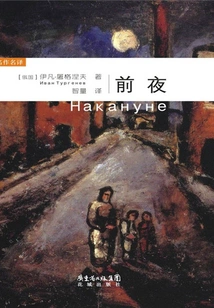
This book is Turgenev's novel that reflects the new trends in Russian society after the defeat of the Crimean War. It is a masterpiece that profoundly reveals the reality of Russian society. The novel reflects the background of the upsurge of social movements in Russia in the late 1850s and the social needs for new characters and new lives.
This book is Turgenev's novel that reflects the new trends in Russian society after the defeat of the Crimean War. It is a masterpiece that profoundly reveals the reality of Russian society. The novel reflects the background of the upsurge of social movements in Russia in the late 1850s and the social needs for new characters and new lives.
Noble House
General Fiction贵族之家
Turgenev
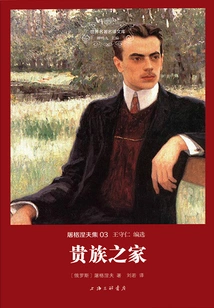
"The Noble House" is the second in Turgenev's series of six novels. It is the most beautiful and moving one, written in 1859. This is a deeply touching love novel and a social novel that profoundly reflects the times. The fate of each character, their love experiences, joys and sorrows, are closely related to the era and historical reality in which they live. The character traits of each character in the work specifically reflect the imprint of the times and history. The personality traits and interests and considerations they show in love are all expressions of human nature under specific social and historical conditions. It is rare in the history of world culture that the products of artistic image thinking can reach such a high level of ideological generalization. Therefore, this novel has become an immortal classic in the history of world literature.
"The Noble House" is the second in Turgenev's series of six novels. It is the most beautiful and moving one, written in 1859. This is a deeply touching love novel and a social novel that profoundly reflects the times. The fate of each character, their love experiences, joys and sorrows, are closely related to the era and historical reality in which they live. The character traits of each character in the work specifically reflect the imprint of the times and history. The personality traits and interests and considerations they show in love are all expressions of human nature under specific social and historical conditions. It is rare in the history of world culture that the products of artistic image thinking can reach such a high level of ideological generalization. Therefore, this novel has become an immortal classic in the history of world literature.
First Love
General Fiction初恋
Turgenev
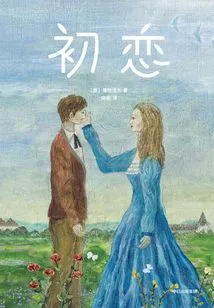
The 16-year-old boy Volodya fell in love at first sight with the 21-year-old girl next door, Ginaida. A smile she occasionally gave him could make him swoon. Volodya is willing to give everything for Zinaida, and she knows it very well, but she always treats him aloof. One night, Volodya accidentally discovered that Zinaida was secretly dating her father...
The 16-year-old boy Volodya fell in love at first sight with the 21-year-old girl next door, Ginaida. A smile she occasionally gave him could make him swoon. Volodya is willing to give everything for Zinaida, and she knows it very well, but she always treats him aloof. One night, Volodya accidentally discovered that Zinaida was secretly dating her father...
Noble House
General Fiction贵族之家
Turgenev
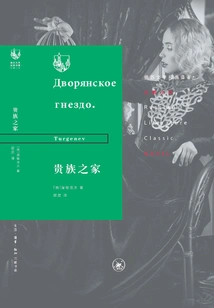
"The Noble House" is Turgenev's "one of the most rigorously structured and perfect works". The novel tells the story of the aristocratic young man Lavretsky who fell in love with the beautiful Varvara, the daughter of a retired major general in Moscow, and married her frivolously. Later, the couple settled in Paris, and Varvara became a "celebrity" in the social circle. Lavretsky left home angrily after discovering his wife's infidelity. After returning to China, he met Lisa and fell in love with each other. This time the newspapers published news of his wife's death, which fueled his hopes for the pursuit of happiness. Not long after he and Lisa trusted each other for life, Varvara suddenly appeared. The news of his death was false. Hopes of happiness vanished, and Lisa entered a convent; Lavretsky did not divorce despite his wife's pleas, and spent the rest of his life alone. Eight years later, when he revisited Lisa's home, things had changed, old friends had passed away one after another, and Lisa was still in the monastery; the younger generation had grown up and moved into the old house. He quietly recalled the past on the bench in the garden where he and Lisa had expressed their feelings to each other, and then left quietly.
"The Noble House" is Turgenev's "one of the most rigorously structured and perfect works". The novel tells the story of the aristocratic young man Lavretsky who fell in love with the beautiful Varvara, the daughter of a retired major general in Moscow, and married her frivolously. Later, the couple settled in Paris, and Varvara became a "celebrity" in the social circle. Lavretsky left home angrily after discovering his wife's infidelity. After returning to China, he met Lisa and fell in love with each other. This time the newspapers published news of his wife's death, which fueled his hopes for the pursuit of happiness. Not long after he and Lisa trusted each other for life, Varvara suddenly appeared. The news of his death was false. Hopes of happiness vanished, and Lisa entered a convent; Lavretsky did not divorce despite his wife's pleas, and spent the rest of his life alone. Eight years later, when he revisited Lisa's home, things had changed, old friends had passed away one after another, and Lisa was still in the monastery; the younger generation had grown up and moved into the old house. He quietly recalled the past on the bench in the garden where he and Lisa had expressed their feelings to each other, and then left quietly.

Hunter's Notes (writer List Classic)
Literature猎人笔记(作家榜经典名著)
Turgenev
A nobleman gave up his superior and comfortable manor life. He shouldered a hunting rifle, led a hunting dog, and lived a hunting life of living in the open air. He set foot on forests and grasslands, crossed villages and rivers, not only enjoyed the freedom of walking between heaven and earth, but also used his observant eyes and keen heart to appreciate the poetry of nature and gain insight into the rich inner world of everyone he met along the way. He wrote 25 wonderful essays about what he saw, heard, thought and felt during his hunting trip, which were collected into the world-famous "Hunter's Notes". Every article in the book exudes the fragrance of nature, shines with the glory of human nature, and is endlessly memorable.
A nobleman gave up his superior and comfortable manor life. He shouldered a hunting rifle, led a hunting dog, and lived a hunting life of living in the open air. He set foot on forests and grasslands, crossed villages and rivers, not only enjoyed the freedom of walking between heaven and earth, but also used his observant eyes and keen heart to appreciate the poetry of nature and gain insight into the rich inner world of everyone he met along the way. He wrote 25 wonderful essays about what he saw, heard, thought and felt during his hunting trip, which were collected into the world-famous "Hunter's Notes". Every article in the book exudes the fragrance of nature, shines with the glory of human nature, and is endlessly memorable.
Hunter's Notes (translation Classic)
Literature猎人笔记(译文经典)
Turgenev
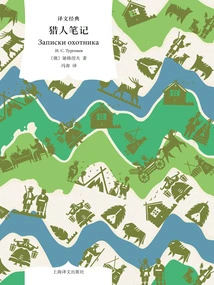
Turgenev's masterpiece, a pastoral pastoral of Russian natural scenery and humanistic care; with beautiful words, it brings pure aesthetic enjoyment; translated by the famous Russian translator Feng Chun. "Hunter's Notes" is Turgenev's masterpiece. The book uses a hunter's hunting as a clue to string together twenty-five self-contained stories. The natural landscapes full of Russian style and the typical images of kind and honest Russian farmers are vividly written on the page. Under the interaction of the scenery and people, it reveals the national character and simple nature of the Russian people from the outside to the inside. "Hunter's Notes" is not only artistically unique and embodies Turgenev's highest artistic achievement, but also shines with deep humanistic care between the lines. Through the delicate portrayal of the complex relationships between various characters, it expresses resistance to all oppression and bullying. Regardless of the differences in people's identities, personality and dignity are always the most precious assets that everyone has equally.
Turgenev's masterpiece, a pastoral pastoral of Russian natural scenery and humanistic care; with beautiful words, it brings pure aesthetic enjoyment; translated by the famous Russian translator Feng Chun. "Hunter's Notes" is Turgenev's masterpiece. The book uses a hunter's hunting as a clue to string together twenty-five self-contained stories. The natural landscapes full of Russian style and the typical images of kind and honest Russian farmers are vividly written on the page. Under the interaction of the scenery and people, it reveals the national character and simple nature of the Russian people from the outside to the inside. "Hunter's Notes" is not only artistically unique and embodies Turgenev's highest artistic achievement, but also shines with deep humanistic care between the lines. Through the delicate portrayal of the complex relationships between various characters, it expresses resistance to all oppression and bullying. Regardless of the differences in people's identities, personality and dignity are always the most precious assets that everyone has equally.
Father and Son
General Fiction父与子
Turgenev
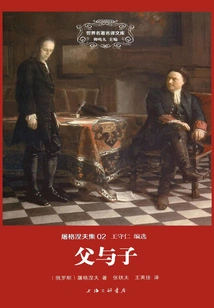
"Father and Son" describes the theme of conflict between fathers and sons. This conflict took on the color of the times in Turgenev's writings. Bazarov represented the young generation of the 1860s - the radical civilian intellectuals. Pavel and Nicholas represent the older generation of conservative liberal aristocrats. Of course, people in the father's generation have different attitudes towards young people. Nicholas is relatively gentle and hopes to understand his children and keep up with the times, but he is not very successful. Pavel is stubborn, believes in aristocratic liberalism, and is obsessed with the rebellion of young people. The conflict between father and son is manifested in a broad sense as the opposition between Pavel and Bazarov, thus shaping the image of the "new man" of the era in Bazarov.
"Father and Son" describes the theme of conflict between fathers and sons. This conflict took on the color of the times in Turgenev's writings. Bazarov represented the young generation of the 1860s - the radical civilian intellectuals. Pavel and Nicholas represent the older generation of conservative liberal aristocrats. Of course, people in the father's generation have different attitudes towards young people. Nicholas is relatively gentle and hopes to understand his children and keep up with the times, but he is not very successful. Pavel is stubborn, believes in aristocratic liberalism, and is obsessed with the rebellion of young people. The conflict between father and son is manifested in a broad sense as the opposition between Pavel and Bazarov, thus shaping the image of the "new man" of the era in Bazarov.
Ba Jin Translated Father and Son Virgin Land
General Fiction巴金译父与子 处女地
Turgenev
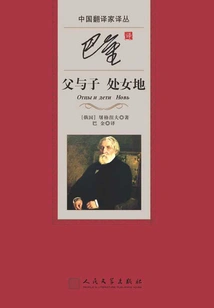
Part one of this book describes the struggle between old and new ideas on the eve of Russia's serfdom reform, creating a distinct image of Bazarov, a representative of the new generation and a civilian intellectual. It depicts an incomparably broad picture of Russian social life, creates various vivid artistic images, and reveals the beautiful soul of the people. He developed Russian realist literature with his own artistic treasures. The writing style of this book is graceful, the structure is clever, and the language is fresh and concise, making it deeply loved by readers.
Part one of this book describes the struggle between old and new ideas on the eve of Russia's serfdom reform, creating a distinct image of Bazarov, a representative of the new generation and a civilian intellectual. It depicts an incomparably broad picture of Russian social life, creates various vivid artistic images, and reveals the beautiful soul of the people. He developed Russian realist literature with his own artistic treasures. The writing style of this book is graceful, the structure is clever, and the language is fresh and concise, making it deeply loved by readers.

The Night Before (turgenev's Novel)
General Fiction前夜(屠格涅夫长篇小说)
Turgenev
"The Night Before" was written in 1859. It is the earliest novel in the history of Russian literature that praises the "new man" (that is, the person who is dedicated to his career and takes action). For the first time, an intellectual from a non-aristocratic background is used as the protagonist of the work. It quickly and keenly reflects the trends and requirements of historical development in the 1850s, and opens a new page in Russian literature. The heroic and patriotic Insarov and the heroine Yelena in the novel have become classic images of Russian literature, and "The Night Before" itself has also become synonymous with the period before major events in Russian literature. "The Night Before" and "Rodin", "The Noble House", "Father and Son", "Virgin Land" and "Smoke" constitute Turgenev's six most famous novels. They are called "artistic chronicles of Russian society" because they continuously reflect the dramatic changes in Russian society.
"The Night Before" was written in 1859. It is the earliest novel in the history of Russian literature that praises the "new man" (that is, the person who is dedicated to his career and takes action). For the first time, an intellectual from a non-aristocratic background is used as the protagonist of the work. It quickly and keenly reflects the trends and requirements of historical development in the 1850s, and opens a new page in Russian literature. The heroic and patriotic Insarov and the heroine Yelena in the novel have become classic images of Russian literature, and "The Night Before" itself has also become synonymous with the period before major events in Russian literature. "The Night Before" and "Rodin", "The Noble House", "Father and Son", "Virgin Land" and "Smoke" constitute Turgenev's six most famous novels. They are called "artistic chronicles of Russian society" because they continuously reflect the dramatic changes in Russian society.
Hunter's Notes
General Fiction猎人笔记
Turgenev
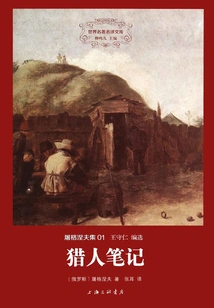
"Hunter's Notes" is Turgenev's famous work. It is a collection of essays that describes Russian rural life in the mid-19th century through the hunting activities of hunters. The book exposed the brutality of serf owners and the miserable life of serfs, for which the author was exiled. With Turgenev's graceful narration, Russia's natural scenery, the customs and habits of the Russian people, the bullying of farmers by landlords, and the kindness, simplicity and wisdom of farmers slowly flow out in front of us like lyrical songs, converging into a colorful and touching symphonic poem.
"Hunter's Notes" is Turgenev's famous work. It is a collection of essays that describes Russian rural life in the mid-19th century through the hunting activities of hunters. The book exposed the brutality of serf owners and the miserable life of serfs, for which the author was exiled. With Turgenev's graceful narration, Russia's natural scenery, the customs and habits of the Russian people, the bullying of farmers by landlords, and the kindness, simplicity and wisdom of farmers slowly flow out in front of us like lyrical songs, converging into a colorful and touching symphonic poem.
Hunter's Notes
General Fiction猎人笔记
Turgenev
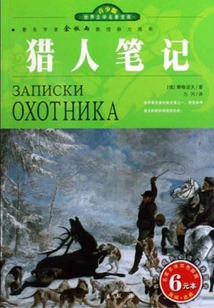
"Hunter's Notes" is Turgenev's famous work, which occupies a very important position in the history of Russian and even world literature. This book is written from the perspective of a hunter. Describes rural life in Russia in the 1840s. It brings fresh air to the literary world with a new perspective and unique artistic form that reflects rural life, and reproduces the Russian rural style and human conditions under the serfdom of the 19th century with its delicate and realistic writing style. The publication of this work marked the formation of Turgenev's creative personality and the beginning of his path to realism.
"Hunter's Notes" is Turgenev's famous work, which occupies a very important position in the history of Russian and even world literature. This book is written from the perspective of a hunter. Describes rural life in Russia in the 1840s. It brings fresh air to the literary world with a new perspective and unique artistic form that reflects rural life, and reproduces the Russian rural style and human conditions under the serfdom of the 19th century with its delicate and realistic writing style. The publication of this work marked the formation of Turgenev's creative personality and the beginning of his path to realism.

Hunter's Notes
General Fiction猎人笔记
Turgenev
He exposed the cruelty of serf owners and the miserable life of serfs, and was therefore exiled. While in prison, he wrote the short story "Mumu" to protest against serfdom. In every notebook story, in addition to the image of the "hunter", another feature is the description of nature. Regardless of the colors, sounds and smells, they all show the writer's keen insight, hearing and delicate sensibility. No wonder Tolstoy asserted that no writer after Turgenev dared to describe natural scenery.
He exposed the cruelty of serf owners and the miserable life of serfs, and was therefore exiled. While in prison, he wrote the short story "Mumu" to protest against serfdom. In every notebook story, in addition to the image of the "hunter", another feature is the description of nature. Regardless of the colors, sounds and smells, they all show the writer's keen insight, hearing and delicate sensibility. No wonder Tolstoy asserted that no writer after Turgenev dared to describe natural scenery.

The Night Before, Father and Son
General Fiction前夜 父与子
Turgenev
The protagonist of "The Night Before", the Russian girl Yelena, fell in love with a young Bulgarian who made it his mission to liberate his motherland and married him. Although her husband died of illness on their way back to Bulgaria, she stayed true to her faith and set out for Bulgaria alone. The protagonist of "Father and Son" is Bazarov, a civilian intellectual. He is strong and values practical action, but denies art, poetry and people's inner feelings. However, he sincerely falls in love with the noble woman Odintsova. He expressed his love for Odintsova to her, but was rejected. Because of the failure of love, he became doubtful and pessimistic, and passed away with regret.
The protagonist of "The Night Before", the Russian girl Yelena, fell in love with a young Bulgarian who made it his mission to liberate his motherland and married him. Although her husband died of illness on their way back to Bulgaria, she stayed true to her faith and set out for Bulgaria alone. The protagonist of "Father and Son" is Bazarov, a civilian intellectual. He is strong and values practical action, but denies art, poetry and people's inner feelings. However, he sincerely falls in love with the noble woman Odintsova. He expressed his love for Odintsova to her, but was rejected. Because of the failure of love, he became doubtful and pessimistic, and passed away with regret.

Hunter's Notes
Literature猎人笔记
Turgenev
This book is a collection of essays. In the article, the author, as a hunter, uses the hunting route as a clue to take us to visit Russian villages, appreciate the Russian natural landscape, and listen to many sad, happy, interesting, or thought-provoking stories. In addition, you will get to know many people with different statuses, whether they are landowners, nobles, serfs, domestic servants, or people without status. They will give you a comprehensive and novel understanding of Russia of that era.
This book is a collection of essays. In the article, the author, as a hunter, uses the hunting route as a clue to take us to visit Russian villages, appreciate the Russian natural landscape, and listen to many sad, happy, interesting, or thought-provoking stories. In addition, you will get to know many people with different statuses, whether they are landowners, nobles, serfs, domestic servants, or people without status. They will give you a comprehensive and novel understanding of Russia of that era.
Hunter's Diary
General Fiction猎人日记
Turgenev
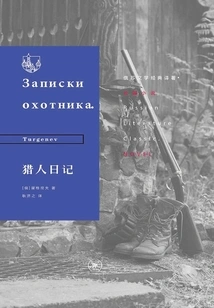
"Diary of a Hunter" is Turgenev's famous work, and it was also the work that put him in prison. The book tells twenty-four stories using a hunter's hunting as a clue. These stories seem independent and unrelated, but they all have a strong local Russian flavor, and they directly touch on the poor life of the people at the bottom of Russia, fully exposing the cruelty of serfdom. Turgenev used a unique writing technique to depict Russia's honest folk customs and changing natural scenes vividly, like a rich and colorful oil painting: the grass shines like the light of green jade; "Diary of a Hunter" is the first work in the history of Russian literature to expose serfdom in such a detailed and naked way, which is why it is a world-famous work.
"Diary of a Hunter" is Turgenev's famous work, and it was also the work that put him in prison. The book tells twenty-four stories using a hunter's hunting as a clue. These stories seem independent and unrelated, but they all have a strong local Russian flavor, and they directly touch on the poor life of the people at the bottom of Russia, fully exposing the cruelty of serfdom. Turgenev used a unique writing technique to depict Russia's honest folk customs and changing natural scenes vividly, like a rich and colorful oil painting: the grass shines like the light of green jade; "Diary of a Hunter" is the first work in the history of Russian literature to expose serfdom in such a detailed and naked way, which is why it is a world-famous work.

Luo Ting (turgenev's Novel)
General Fiction罗亭(屠格涅夫长篇小说)
Turgenev
"Rodin" is a novel written by Russian writer Turgenev in 1856. The protagonist in the novel, Luo Tingkong, has enthusiasm and dreams. No matter in love or career, he shrinks back when encountering the slightest difficulty. He is a typical "giant in words and a dwarf in action". The image of Luoting is the manifestation of the image of "superfluous man" in Russian literature in the mid-19th century, and is therefore one of the classic images of Russian literature. The novel shows the life of aristocratic landowners in the 1840s, reflects the confrontation between the two major outlets in Russia, and especially illustrates the weakness of aristocratic intellectuals. The novels "Rodin", "The Noble House", "The Night Before", "Father and Son", "Virgin Land" and "Smoke" constitute Turgenev's six most famous novels. They are called "artistic chronicles of Russian society" because they continuously reflect the dramatic changes in Russian society. At the same time, they incorporate dramatic and strong love themes into social descriptions, and in terms of writing skills, they focus on Turgenev's literary level in his mature period of creation.
"Rodin" is a novel written by Russian writer Turgenev in 1856. The protagonist in the novel, Luo Tingkong, has enthusiasm and dreams. No matter in love or career, he shrinks back when encountering the slightest difficulty. He is a typical "giant in words and a dwarf in action". The image of Luoting is the manifestation of the image of "superfluous man" in Russian literature in the mid-19th century, and is therefore one of the classic images of Russian literature. The novel shows the life of aristocratic landowners in the 1840s, reflects the confrontation between the two major outlets in Russia, and especially illustrates the weakness of aristocratic intellectuals. The novels "Rodin", "The Noble House", "The Night Before", "Father and Son", "Virgin Land" and "Smoke" constitute Turgenev's six most famous novels. They are called "artistic chronicles of Russian society" because they continuously reflect the dramatic changes in Russian society. At the same time, they incorporate dramatic and strong love themes into social descriptions, and in terms of writing skills, they focus on Turgenev's literary level in his mature period of creation.
Hunter's Notes
General Fiction猎人笔记
Turgenev
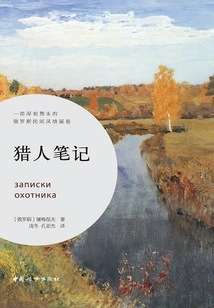
"Hunter's Notes" is Turgenev's first realist masterpiece, making him famous in the literary world. The book uses a hunter's safari as a clue to show the vast and unique landscape of Russia in the mid-19th century. Through 25 stories, it depicts serfs, landowners, doctors, nobles, intellectuals and other figures. It reveals the cruelty and hypocrisy of landowners, the misery and helplessness of serf life, silently satirizes and criticizes the serfdom system, and expresses the desire and pursuit of a better life.
"Hunter's Notes" is Turgenev's first realist masterpiece, making him famous in the literary world. The book uses a hunter's safari as a clue to show the vast and unique landscape of Russia in the mid-19th century. Through 25 stories, it depicts serfs, landowners, doctors, nobles, intellectuals and other figures. It reveals the cruelty and hypocrisy of landowners, the misery and helplessness of serf life, silently satirizes and criticizes the serfdom system, and expresses the desire and pursuit of a better life.
Hunter's Notes
Literature猎人笔记
Turgenev
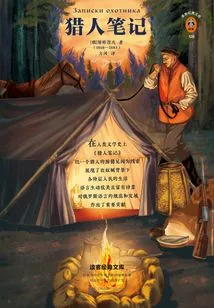
Improve your writing skills and read "Hunter's Notes"! Master the rich skills of writing about people, scenes and narratives! The Ministry of Education compiles the first volume of "Chinese Language" for seventh grade, designated reading! The representative work of Turgenev, a master of Russian literature and a 19th-century Russian critical realist writer. Turgenev, Leo Tolstoy, and Dostoyevsky are collectively known as the "Three Giants of Russian Literature" and occupy an important position in the history of Russian literature and even the world's literary world. "Hunter's Notes" is a collection of essays that records rural life in Russia in the 1840s and 1950s. The book uses a hunter's experiences during his hunting trip as a clue. Through twenty-five stories, it shows the images of people from all walks of life in the countryside, including landlords, serfs, and doctors. The book's depiction of the relationship between farmers and landlords strongly expresses opposition to serfdom, and is known as "a book that ignites a fire" in the history of Russian literature.
Improve your writing skills and read "Hunter's Notes"! Master the rich skills of writing about people, scenes and narratives! The Ministry of Education compiles the first volume of "Chinese Language" for seventh grade, designated reading! The representative work of Turgenev, a master of Russian literature and a 19th-century Russian critical realist writer. Turgenev, Leo Tolstoy, and Dostoyevsky are collectively known as the "Three Giants of Russian Literature" and occupy an important position in the history of Russian literature and even the world's literary world. "Hunter's Notes" is a collection of essays that records rural life in Russia in the 1840s and 1950s. The book uses a hunter's experiences during his hunting trip as a clue. Through twenty-five stories, it shows the images of people from all walks of life in the countryside, including landlords, serfs, and doctors. The book's depiction of the relationship between farmers and landlords strongly expresses opposition to serfdom, and is known as "a book that ignites a fire" in the history of Russian literature.

Smoke (turgenev's Novel)
General Fiction烟(屠格涅夫长篇小说)
Turgenev
In 1867, Turgenev published the novel "Smoke". This work has a broad social background. The novel takes the Russian serfdom reform in 1861 as the background, and the whole novel revolves around the central issue of how to treat serfdom and the way out for Russia's reform. In fact, because this top-down reform was extremely deceptive, farmers lost their land as a result of the reform and were actually still dependent on their landlords. The struggle between various social groups has become more intense and clear. As a realist writer with a keen observation of society, Turgenev felt that "there is malaise everywhere, the inaccessible 'mud' and poverty are a sad sight." He cared about the motherland, but could not find the right way out, and he had a strong pessimism. His thoughts were full of depression and contradictions. When he read Schopenhauer's works, he once had the idea of escaping into the ivory tower. In the novel "Smoke", the author uses the failure of the protagonist's personal life to express his personal ideological crisis.
In 1867, Turgenev published the novel "Smoke". This work has a broad social background. The novel takes the Russian serfdom reform in 1861 as the background, and the whole novel revolves around the central issue of how to treat serfdom and the way out for Russia's reform. In fact, because this top-down reform was extremely deceptive, farmers lost their land as a result of the reform and were actually still dependent on their landlords. The struggle between various social groups has become more intense and clear. As a realist writer with a keen observation of society, Turgenev felt that "there is malaise everywhere, the inaccessible 'mud' and poverty are a sad sight." He cared about the motherland, but could not find the right way out, and he had a strong pessimism. His thoughts were full of depression and contradictions. When he read Schopenhauer's works, he once had the idea of escaping into the ivory tower. In the novel "Smoke", the author uses the failure of the protagonist's personal life to express his personal ideological crisis.
Father and Son
General Fiction父与子
Turgenev
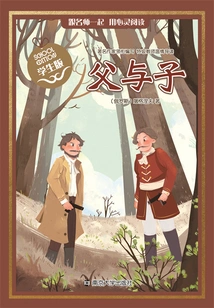
This book describes the contradiction between the new generation of civilian intellectuals represented by Bazarov and the aristocratic conservatives represented by Pavel during the Russian serfdom reform period, as well as the struggle between old and new ideas between the two. The whole book describes the love and estrangement between father and son, the helplessness and hope of life under the background of social change.
This book describes the contradiction between the new generation of civilian intellectuals represented by Bazarov and the aristocratic conservatives represented by Pavel during the Russian serfdom reform period, as well as the struggle between old and new ideas between the two. The whole book describes the love and estrangement between father and son, the helplessness and hope of life under the background of social change.

Virgin Land (turgenev's Novel)
General Fiction处女地(屠格涅夫长篇小说)
Turgenev
"Virgin Soil" is the final work of Turgenev's novel. This novel is based on the populist "Go to the Folk" movement and uses the disillusionment of an idealist's ideals and his love story as the main line to describe the ideological process of a generation of young people. The new version of "Virgin Land" has three major features: First, it is processed based on Mr. Ba Jin's translation. Mr. Ba Jin's translation is excellent, and this is our company's proprietary translation. Secondly, a series of books is published in the form of "Turgenev's novels" to popularize the literary concept that these six works are "artistic chronicles of Russian society" to a wide range of readers, helping readers not only experience the evolution of Turgenev's creation but also continuously understand the changes in Russian society during that historical period.
"Virgin Soil" is the final work of Turgenev's novel. This novel is based on the populist "Go to the Folk" movement and uses the disillusionment of an idealist's ideals and his love story as the main line to describe the ideological process of a generation of young people. The new version of "Virgin Land" has three major features: First, it is processed based on Mr. Ba Jin's translation. Mr. Ba Jin's translation is excellent, and this is our company's proprietary translation. Secondly, a series of books is published in the form of "Turgenev's novels" to popularize the literary concept that these six works are "artistic chronicles of Russian society" to a wide range of readers, helping readers not only experience the evolution of Turgenev's creation but also continuously understand the changes in Russian society during that historical period.

Father and Son
General Fiction父与子
Turgenev
The main plot of the novel takes place in two months. Bazarov came to Kirsanov's territory at the end of May and died at the end of July. What happened to the protagonists before and after these two months are all interspersed and narrated in the epilogue in the form of biographies. The entire plot unfolds in three central locations: Kirsanov's territory, Ozintsova's manor, and Bazarov's home. The author narrates in the novel that after graduating from college in 1859, Kirsanov, a son of an aristocrat, took his friend Bazarov, a medical student from a civilian background, to visit his father's manor. Bazarov is a "nihilist" and does not believe in any rules and regulations. The conflict between Bazarov and Pavel became increasingly acute, and a duel took place. Bazarov was forced to leave Kirsanov Manor and return to his parents' home. At home, he unfortunately contracted sepsis while dissecting a farmer's corpse and died soon after.
The main plot of the novel takes place in two months. Bazarov came to Kirsanov's territory at the end of May and died at the end of July. What happened to the protagonists before and after these two months are all interspersed and narrated in the epilogue in the form of biographies. The entire plot unfolds in three central locations: Kirsanov's territory, Ozintsova's manor, and Bazarov's home. The author narrates in the novel that after graduating from college in 1859, Kirsanov, a son of an aristocrat, took his friend Bazarov, a medical student from a civilian background, to visit his father's manor. Bazarov is a "nihilist" and does not believe in any rules and regulations. The conflict between Bazarov and Pavel became increasingly acute, and a duel took place. Bazarov was forced to leave Kirsanov Manor and return to his parents' home. At home, he unfortunately contracted sepsis while dissecting a farmer's corpse and died soon after.

Hunter's Notes
General Fiction猎人笔记
Turgenev
Turgenev, the first Russian writer to gain world fame, is a famous masterpiece showing his keen observation. "Hunter's Notes" is Turgenev's famous work. It was created between 1847 and 1851. It was collected and published in 1852 and the final version was published in 1880, including 25 articles in total. The novel uses the hunting activities of hunters as clues to describe Russian rural life in the mid-19th century, showing the relationship between farmers and landlords under the background of serfdom. The famous writer Herzen praised this book as an "indictment against serfdom." The work uses the beautiful natural scenery of the Russian countryside as the background, depicts many vivid and vivid characters such as different types of landlords, intellectuals, farmers, etc., And truly shows the life styles of people from all walks of life in urban and rural areas at that time.
Turgenev, the first Russian writer to gain world fame, is a famous masterpiece showing his keen observation. "Hunter's Notes" is Turgenev's famous work. It was created between 1847 and 1851. It was collected and published in 1852 and the final version was published in 1880, including 25 articles in total. The novel uses the hunting activities of hunters as clues to describe Russian rural life in the mid-19th century, showing the relationship between farmers and landlords under the background of serfdom. The famous writer Herzen praised this book as an "indictment against serfdom." The work uses the beautiful natural scenery of the Russian countryside as the background, depicts many vivid and vivid characters such as different types of landlords, intellectuals, farmers, etc., And truly shows the life styles of people from all walks of life in urban and rural areas at that time.

Hunter's Notes
General Fiction猎人笔记
Turgenev
"Hunter's Notes" is a feature collection with a unique form. His first feature "Hory and Kalinich" was first published in the first issue of the Russian magazine "Modern Man" in 1847. Most of the subsequent chapters were also published in the same magazine one after another. Until 1852, the author compiled twenty-one features that had been published successively, plus an unpublished new work "Two Landlords", and published a separate volume under the title "Hunter's Notes". By 1880, the author added three more chapters that were later written: "The End of Chertopkhanov" (1872), "The Sound of the Wheels" (1874), and "The Withered Woman" (1874), totaling twenty-five chapters, which became the final version before and after the author's lifetime. It is this final version that we are basing our translation on today.
"Hunter's Notes" is a feature collection with a unique form. His first feature "Hory and Kalinich" was first published in the first issue of the Russian magazine "Modern Man" in 1847. Most of the subsequent chapters were also published in the same magazine one after another. Until 1852, the author compiled twenty-one features that had been published successively, plus an unpublished new work "Two Landlords", and published a separate volume under the title "Hunter's Notes". By 1880, the author added three more chapters that were later written: "The End of Chertopkhanov" (1872), "The Sound of the Wheels" (1874), and "The Withered Woman" (1874), totaling twenty-five chapters, which became the final version before and after the author's lifetime. It is this final version that we are basing our translation on today.

猎人笔记(汉译世界文学名著丛书)
Turgenev
"Hunter's Notes" is a classic masterpiece by Turgenev, a Russian critical realist writer, poet and playwright in the 19th century. In the article, the author, as a hunter, uses the hunting route as a clue to take us through villages large and small in Russia, see the beautiful natural landscapes in Russia, and hear many stories that are either sad, happy, extremely interesting, or thought-provoking. In addition to these anecdotes and beautiful scenery, you will also see the cold and hypocritical faces of the serf owners, and you will also see the wisdom and optimism of the farmers that we have never seen before. You will get to know many people with different statuses, whether they are landowners, nobles, serfs, domestic servants, or people without status. They will give you a comprehensive and novel understanding of Russia of that era.
"Hunter's Notes" is a classic masterpiece by Turgenev, a Russian critical realist writer, poet and playwright in the 19th century. In the article, the author, as a hunter, uses the hunting route as a clue to take us through villages large and small in Russia, see the beautiful natural landscapes in Russia, and hear many stories that are either sad, happy, extremely interesting, or thought-provoking. In addition to these anecdotes and beautiful scenery, you will also see the cold and hypocritical faces of the serf owners, and you will also see the wisdom and optimism of the farmers that we have never seen before. You will get to know many people with different statuses, whether they are landowners, nobles, serfs, domestic servants, or people without status. They will give you a comprehensive and novel understanding of Russia of that era.
Li Jianwu's Translated Works·volume 9
Literature李健吾译文集·第九卷
Turgenev
The complete collection of translations by Mr. Li Jianwu, the first translator of Flaubert and the first translator of Molière, a versatile writer, translator, critic, and researcher; it brings together all the surviving translation works of the famous translator Li Jianwu, totaling fourteen volumes and more than 3.5 Million words. It has extremely high literary value and academic significance; "It has filling gaps and milestone significance in the domestic translation, literary research and publishing circles. Mr. Li Jianwu is a famous modern writer, dramatist, translator, critic and literary researcher in my country. He is well-known in the fields of creation, criticism, translation and research...
The complete collection of translations by Mr. Li Jianwu, the first translator of Flaubert and the first translator of Molière, a versatile writer, translator, critic, and researcher; it brings together all the surviving translation works of the famous translator Li Jianwu, totaling fourteen volumes and more than 3.5 Million words. It has extremely high literary value and academic significance; "It has filling gaps and milestone significance in the domestic translation, literary research and publishing circles. Mr. Li Jianwu is a famous modern writer, dramatist, translator, critic and literary researcher in my country. He is well-known in the fields of creation, criticism, translation and research...

Hunter's Notes (translation 40)
General Fiction猎人笔记(译文40)
Turgenev
"Hunter's Notes" is a famous work by Russian critical realist writer Turgenev in the 19th century. It is a collection of essays with a unique form. The work uses a hunter's hunting as a clue to describe the beautiful scenery of Russian nature. It depicts many characters such as landlords, housekeepers, mill wives, town doctors, aristocratic intellectuals, serfs, peasant children, etc. It truly shows the life style of people from all walks of life in urban and rural areas in other provinces under the background of serfdom. In a lyrical style, the work demonstrates the simple kindness of farmers' nature, the dignity of personality, and the sacred and noble themes of humanitarianism that the writer strives to elucidate. The love for the people, the praise for the spiritual power, wisdom and genius contained in the working people, and the silent indictment of the serfdom system make the work endowed with wise ideas and great artistic appeal.
"Hunter's Notes" is a famous work by Russian critical realist writer Turgenev in the 19th century. It is a collection of essays with a unique form. The work uses a hunter's hunting as a clue to describe the beautiful scenery of Russian nature. It depicts many characters such as landlords, housekeepers, mill wives, town doctors, aristocratic intellectuals, serfs, peasant children, etc. It truly shows the life style of people from all walks of life in urban and rural areas in other provinces under the background of serfdom. In a lyrical style, the work demonstrates the simple kindness of farmers' nature, the dignity of personality, and the sacred and noble themes of humanitarianism that the writer strives to elucidate. The love for the people, the praise for the spiritual power, wisdom and genius contained in the working people, and the silent indictment of the serfdom system make the work endowed with wise ideas and great artistic appeal.

Father and Son (turgenev's Novel)
General Fiction父与子(屠格涅夫长篇小说)
Turgenev
"Fathers and Sons" was created in 1861. This representative work of Turgenev added the substance of "new man" to the image of "superfluous man" in the Russian literature gallery, or it was the first "new man" image with the characteristics of "superfluous man" - Bazarov. It also contributed a philosophical term - nihilism - to the history of human thought. The novels "Father and Son", "Rodin", "The Night Before", "Noble House", "Virgin Land" and "Smoke" constitute Turgenev's six most famous novels. They constitute Turgenev's six most famous novels. They are called "artistic chronicles of Russian society" because they continuously reflect the dramatic changes in Russian society. At the same time, they incorporate dramatic and strong love themes into social descriptions, and in terms of writing skills, they focus on Turgenev's literary level in his mature period of creation.
"Fathers and Sons" was created in 1861. This representative work of Turgenev added the substance of "new man" to the image of "superfluous man" in the Russian literature gallery, or it was the first "new man" image with the characteristics of "superfluous man" - Bazarov. It also contributed a philosophical term - nihilism - to the history of human thought. The novels "Father and Son", "Rodin", "The Night Before", "Noble House", "Virgin Land" and "Smoke" constitute Turgenev's six most famous novels. They constitute Turgenev's six most famous novels. They are called "artistic chronicles of Russian society" because they continuously reflect the dramatic changes in Russian society. At the same time, they incorporate dramatic and strong love themes into social descriptions, and in terms of writing skills, they focus on Turgenev's literary level in his mature period of creation.
Noble House
General Fiction贵族之家
Turgenev
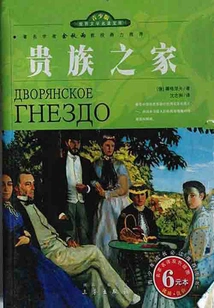
The protagonist Lavretsky is a Russian young man from an ancient aristocratic family. He got married hastily because of his young age and little experience, and lived abroad after his marriage. His wife Varvara's infidelity made him despair of love and wanted to return to his country to start a career. After returning home, he fell in love with the kind and innocent Lisa. Just when the magical power of love rekindled his hope in life, his wife who was rumored to be dead came back, and everything came to nothing...
The protagonist Lavretsky is a Russian young man from an ancient aristocratic family. He got married hastily because of his young age and little experience, and lived abroad after his marriage. His wife Varvara's infidelity made him despair of love and wanted to return to his country to start a career. After returning home, he fell in love with the kind and innocent Lisa. Just when the magical power of love rekindled his hope in life, his wife who was rumored to be dead came back, and everything came to nothing...

Hunter's Notes
General Fiction猎人笔记
Turgenev
This book is a collection of essays describing rural life in Russia in the 1840s and 1950s. It is the first work to describe peasants in the history of Russian literature. It is Turgenev's first realist masterpiece, and caused him to suffer imprisonment and exile. The book takes a hunter's safari as a clue and depicts many characters such as landlords, doctors, aristocratic intellectuals, and serfs through twenty-five stories. It exposes the cruelty and hypocrisy of serf owners, the misery and helplessness of serf life, silently satirizes and criticizes the serfdom system, and expresses the desire and pursuit of a better life. The description of the scenery in the book is particularly praised. Whether it is natural phenomena, scenery of lakes and mountains, marking atmosphere, setting off characters, or contrasting plots, they are all interesting and charming in his writings, and they have become an indispensable part of his works. Moreover, its language is concise, beautiful, vivid, concise, and full of music, which has had a huge impact on the development of Russian literary language.
This book is a collection of essays describing rural life in Russia in the 1840s and 1950s. It is the first work to describe peasants in the history of Russian literature. It is Turgenev's first realist masterpiece, and caused him to suffer imprisonment and exile. The book takes a hunter's safari as a clue and depicts many characters such as landlords, doctors, aristocratic intellectuals, and serfs through twenty-five stories. It exposes the cruelty and hypocrisy of serf owners, the misery and helplessness of serf life, silently satirizes and criticizes the serfdom system, and expresses the desire and pursuit of a better life. The description of the scenery in the book is particularly praised. Whether it is natural phenomena, scenery of lakes and mountains, marking atmosphere, setting off characters, or contrasting plots, they are all interesting and charming in his writings, and they have become an indispensable part of his works. Moreover, its language is concise, beautiful, vivid, concise, and full of music, which has had a huge impact on the development of Russian literary language.
Father and Son
General Fiction父与子
Turgenev
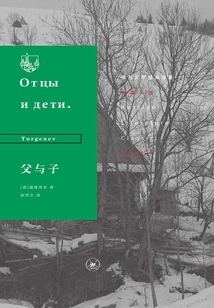
"Fathers and Sons" is a novel written by Turgenev in 1861. In this work, Turgenev describes the conflict in values, social ideals and life paths between the weak people in the 1850s who had good intentions but did nothing and the new, powerful, "nihilistic" young revolutionary generation. The novel combines the facts, pictures, and characters' inner thoughts into real, concise, and natural behavioral descriptions and dialogues, and creates a series of vivid characters such as Bazarov, the "first awe-inspiring figure" in Russian literature. It fully displays the model paradigm of the evolution of the times, and the confusion and confusion at the transition between the new and the old era...
"Fathers and Sons" is a novel written by Turgenev in 1861. In this work, Turgenev describes the conflict in values, social ideals and life paths between the weak people in the 1850s who had good intentions but did nothing and the new, powerful, "nihilistic" young revolutionary generation. The novel combines the facts, pictures, and characters' inner thoughts into real, concise, and natural behavioral descriptions and dialogues, and creates a series of vivid characters such as Bazarov, the "first awe-inspiring figure" in Russian literature. It fully displays the model paradigm of the evolution of the times, and the confusion and confusion at the transition between the new and the old era...

Hunter's Notes (new Reading of Classic)
General Fiction猎人笔记(经典新读)
Turgenev
"Hunter's Notes" made Turgenev famous in the literary world. The book uses the clues of a hunter to string together more than 20 simple and beautiful stories, revealing the cruelty of the landlord class and the miserable life of the serfs. With a few characters and a simple plot, the novel depicts Russia's unique and beautiful natural scenery and unique folk customs. The content of the book is in the form of a record of observations, with concise and beautiful language and diverse genres and styles, which has had a great influence on Russian literature.
"Hunter's Notes" made Turgenev famous in the literary world. The book uses the clues of a hunter to string together more than 20 simple and beautiful stories, revealing the cruelty of the landlord class and the miserable life of the serfs. With a few characters and a simple plot, the novel depicts Russia's unique and beautiful natural scenery and unique folk customs. The content of the book is in the form of a record of observations, with concise and beautiful language and diverse genres and styles, which has had a great influence on Russian literature.
Axia
General Fiction阿霞
Turgenev
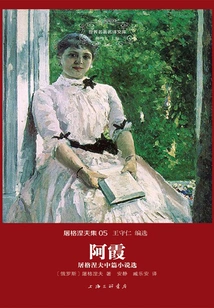
This book contains three of Turgenev's famous novellas "Asha", "First Love" and "Spring Water". "Axia" and "First Love" both describe the fate of aristocratic intellectuals through love tragedies. These works were created during the period when the Russian liberation movement shifted from the aristocratic period to the civilian intellectual period. Due to their own limitations, the role of the aristocratic intellectuals in social development has gradually declined. "Spring Water" is set in the German city of Frankfurt. It tells the story of the love between a Russian aristocratic young man Sanin and an Italian girl Gemma, and the story of their marriage being destroyed by a young Russian aristocratic young woman.
This book contains three of Turgenev's famous novellas "Asha", "First Love" and "Spring Water". "Axia" and "First Love" both describe the fate of aristocratic intellectuals through love tragedies. These works were created during the period when the Russian liberation movement shifted from the aristocratic period to the civilian intellectual period. Due to their own limitations, the role of the aristocratic intellectuals in social development has gradually declined. "Spring Water" is set in the German city of Frankfurt. It tells the story of the love between a Russian aristocratic young man Sanin and an Italian girl Gemma, and the story of their marriage being destroyed by a young Russian aristocratic young woman.

Hunter's Notes (full Translation)
General Fiction猎人笔记(全译本)
Turgenev
In places where the ice and snow have melted away, under the slanting sunlight, skylarks sing with innocent confidence, and water flows with joy, shouting loudly, rushing from one ravine to another... Turgenev used poetic language and strung together twenty-five independent stories through a hunter's hunting activities, describing the rural life in Russia in the mid-19th century. "Hunter's Notes" is Turgenev's famous work and his first realist masterpiece. It occupies a very important position in his entire literary creation. The contents of the whole book are true portrayals of Russian life, authentic Russian things, and each article exudes the fragrance of Russian soil. In "Hunter's Notes" we can not only see that Turgenev is good at depicting scenes, but also his extraordinary skill in portraying characters.
In places where the ice and snow have melted away, under the slanting sunlight, skylarks sing with innocent confidence, and water flows with joy, shouting loudly, rushing from one ravine to another... Turgenev used poetic language and strung together twenty-five independent stories through a hunter's hunting activities, describing the rural life in Russia in the mid-19th century. "Hunter's Notes" is Turgenev's famous work and his first realist masterpiece. It occupies a very important position in his entire literary creation. The contents of the whole book are true portrayals of Russian life, authentic Russian things, and each article exudes the fragrance of Russian soil. In "Hunter's Notes" we can not only see that Turgenev is good at depicting scenes, but also his extraordinary skill in portraying characters.
Spring Tide
Literature春潮
Turgenev
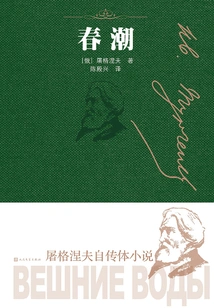
On the occasion of the 200th anniversary of Turgenev's birth, Turgenev's autobiographical short story "Spring Tide" was published. This autobiographical novel shows the beautiful emotions of youth, and the psychological description is meticulous. In addition, this novel not only helps readers understand Turgenev's psychological growth background and process, but also helps readers gain a deeper understanding of the writer's attitude towards women and emotions in other works.
On the occasion of the 200th anniversary of Turgenev's birth, Turgenev's autobiographical short story "Spring Tide" was published. This autobiographical novel shows the beautiful emotions of youth, and the psychological description is meticulous. In addition, this novel not only helps readers understand Turgenev's psychological growth background and process, but also helps readers gain a deeper understanding of the writer's attitude towards women and emotions in other works.
Collected Works of Turgenev
Literature屠格涅夫文集
Turgenev
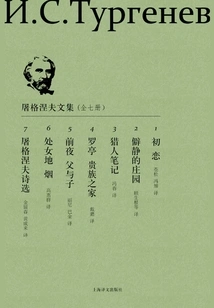
The "Collected Works of Turgenev" published by Shanghai Translation Publishing House includes his representative essay collection "Hunter's Notes", novels "Roting Noble House", "The Night Before Father and Son", "Virgin Land Smoke", short story collections "First Love", "Secluded Manor" and poetry collection "Selected Poems of Turgenev". There are seven volumes in total, covering basically all the important literary works created by Turgenev throughout his life.
The "Collected Works of Turgenev" published by Shanghai Translation Publishing House includes his representative essay collection "Hunter's Notes", novels "Roting Noble House", "The Night Before Father and Son", "Virgin Land Smoke", short story collections "First Love", "Secluded Manor" and poetry collection "Selected Poems of Turgenev". There are seven volumes in total, covering basically all the important literary works created by Turgenev throughout his life.