Library
Browse and search books
28 novels found
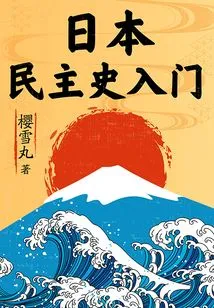
日本民主史入门
Sakura Snowmaru
Sakura Yukimaru's masterpiece on the history of Japanese democracy! From the germination of democracy in the Meiji period to the civil struggle in Japan after World War II, it vividly and interestingly tells the tortuous story of Japan's democratic development and reform in five historical stages. The realization of any modern democracy will never be achieved overnight! From the germination of modern democracy in the Meiji period, to the short-lived Taisho democratic government, to the continuous civil struggle in post-war Japan, the fierce collision of institutions and human nature has intertwined into a complex history of Japanese democracy. Based on the five major historical stages, it sorts out the major "political events" and "civilian struggles" that really happened in Japan, and vividly and interestingly reproduces the reform and development of Japan's democracy. People first, peace, human rights! This is a popular history of Japanese democracy that does not shy away from the truth or exaggerate the results!
Sakura Yukimaru's masterpiece on the history of Japanese democracy! From the germination of democracy in the Meiji period to the civil struggle in Japan after World War II, it vividly and interestingly tells the tortuous story of Japan's democratic development and reform in five historical stages. The realization of any modern democracy will never be achieved overnight! From the germination of modern democracy in the Meiji period, to the short-lived Taisho democratic government, to the continuous civil struggle in post-war Japan, the fierce collision of institutions and human nature has intertwined into a complex history of Japanese democracy. Based on the five major historical stages, it sorts out the major "political events" and "civilian struggles" that really happened in Japan, and vividly and interestingly reproduces the reform and development of Japan's democracy. People first, peace, human rights! This is a popular history of Japanese democracy that does not shy away from the truth or exaggerate the results!
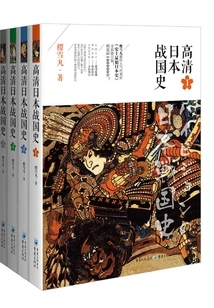
高清日本战国史(套装全4册)
Sakura Snowmaru
A new revised version of Sakura Yukimaru's most popular masterpiece "The Strongest History of Japan in History"! Sales exceeded 100,000 copies! This set contains four books, brand new sequels, and unfinished wonderful Japanese history! High-definition history of Japan's Warring States Period allows you to see another side of history that is rarely known.
A new revised version of Sakura Yukimaru's most popular masterpiece "The Strongest History of Japan in History"! Sales exceeded 100,000 copies! This set contains four books, brand new sequels, and unfinished wonderful Japanese history! High-definition history of Japan's Warring States Period allows you to see another side of history that is rarely known.
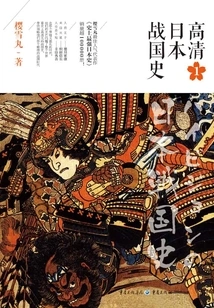
高清日本战国史1
Sakura Snowmaru
"HD Japanese Warring States History 1" starts from the birth of Tokugawa Ieyasu until Japan was unified by Toyotomi Hideyoshi. It mainly tells the history of Japan's Warring States Period in three clues: the first and important one is about Tokugawa Ieyasu who started as a hostage, unified Mikawa and continued to grow, and his extremely difficult life years of surviving in the cracks; the second The first clue narrates the short but glorious life of Oda Nobunaga from a "Martian" who was not favored by the world, to gradually becoming the overlord of the world, and finally committed suicide in the Honnoji Incident; the third clue describes the arduous struggle of Toyotomi Hideyoshi, who was born in a humble background. It was his talent and strategy that finally unified the entire Japan and ended the dark Warring States Period. While telling the ups and downs of the characters' fate, it more closely reveals the great mysteries in the history of Japan's Warring States Period - the rebellion of Akechi Mitsuhide, the Incident at Honnoji Temple, and the final outcome of Oda Nobunaga.
"HD Japanese Warring States History 1" starts from the birth of Tokugawa Ieyasu until Japan was unified by Toyotomi Hideyoshi. It mainly tells the history of Japan's Warring States Period in three clues: the first and important one is about Tokugawa Ieyasu who started as a hostage, unified Mikawa and continued to grow, and his extremely difficult life years of surviving in the cracks; the second The first clue narrates the short but glorious life of Oda Nobunaga from a "Martian" who was not favored by the world, to gradually becoming the overlord of the world, and finally committed suicide in the Honnoji Incident; the third clue describes the arduous struggle of Toyotomi Hideyoshi, who was born in a humble background. It was his talent and strategy that finally unified the entire Japan and ended the dark Warring States Period. While telling the ups and downs of the characters' fate, it more closely reveals the great mysteries in the history of Japan's Warring States Period - the rebellion of Akechi Mitsuhide, the Incident at Honnoji Temple, and the final outcome of Oda Nobunaga.
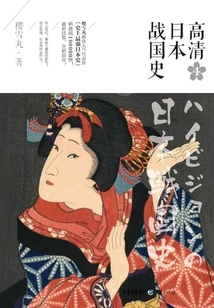
高清日本战国史4
Sakura Snowmaru
"High Definition Japanese Warring States History 4" is the fourth part of "High Definition Japanese Warring States History". The author reflects the many contradictions in the shogunate's rule at that time and the intrigues between the ruling class through the relationship between the shogunate Tokugawa Hidetada and a group of important ministers, the mutual relationship between the important ministers, and Tokugawa Hidetada's biography at Tokugawa Iemitsu. The fight between Tokugawa Iemitsu and the emperor reflects the relationship between the emperor and the shogunate. The spread and resistance to Catholicism hinted at the serious dissatisfaction of the lower class of society with the rule, and the sharp contradictions and conflicts between the bottom and the upper class finally led to a series of peasant uprisings. Although the uprising was eventually suppressed, its impact was extremely far-reaching. It not only shook the foundation of the shogunate's rule, but also prompted Japan to implement a closed-door foreign policy. With the deaths of Tokugawa Iemitsu and a number of ministers and the intensifying conflicts between the daimyo, the foundation of the shogunate's rule was seriously weakened. With the rise of the ronin class and some daimyo, it seemed that the edifice of the shogunate's rule was about to collapse.
"High Definition Japanese Warring States History 4" is the fourth part of "High Definition Japanese Warring States History". The author reflects the many contradictions in the shogunate's rule at that time and the intrigues between the ruling class through the relationship between the shogunate Tokugawa Hidetada and a group of important ministers, the mutual relationship between the important ministers, and Tokugawa Hidetada's biography at Tokugawa Iemitsu. The fight between Tokugawa Iemitsu and the emperor reflects the relationship between the emperor and the shogunate. The spread and resistance to Catholicism hinted at the serious dissatisfaction of the lower class of society with the rule, and the sharp contradictions and conflicts between the bottom and the upper class finally led to a series of peasant uprisings. Although the uprising was eventually suppressed, its impact was extremely far-reaching. It not only shook the foundation of the shogunate's rule, but also prompted Japan to implement a closed-door foreign policy. With the deaths of Tokugawa Iemitsu and a number of ministers and the intensifying conflicts between the daimyo, the foundation of the shogunate's rule was seriously weakened. With the rise of the ronin class and some daimyo, it seemed that the edifice of the shogunate's rule was about to collapse.
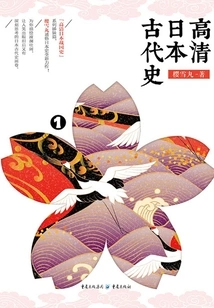
高清日本古代史1
Sakura Snowmaru
This book begins with the emergence of human beings and civilization on the Japanese island. Using time as the longitude and characters as the latitude, this book completely displays the entire historical process of Japan from the Neolithic Age to the Asuka Age, and focuses on telling readers the more famous figures and events in Japanese history during this period.
This book begins with the emergence of human beings and civilization on the Japanese island. Using time as the longitude and characters as the latitude, this book completely displays the entire historical process of Japan from the Neolithic Age to the Asuka Age, and focuses on telling readers the more famous figures and events in Japanese history during this period.
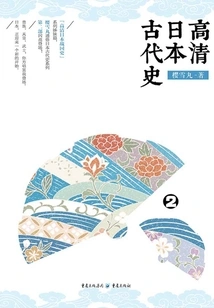
高清日本古代史2
Sakura Snowmaru
This book continues the content of the first part and tells the story of Japan's disastrous defeat and retreat to its homeland after the Battle of Shiromurae. From Nara to the Heian period, successive emperors devoted themselves to developing Japan's national power. However, this eventually led to samurai separatism and the emperor lost the real power to govern the country. This book clearly shows the entire historical process of the Nara and Heian periods, and focuses on telling readers the more famous figures and events in Japanese history during this period.
This book continues the content of the first part and tells the story of Japan's disastrous defeat and retreat to its homeland after the Battle of Shiromurae. From Nara to the Heian period, successive emperors devoted themselves to developing Japan's national power. However, this eventually led to samurai separatism and the emperor lost the real power to govern the country. This book clearly shows the entire historical process of the Nara and Heian periods, and focuses on telling readers the more famous figures and events in Japanese history during this period.
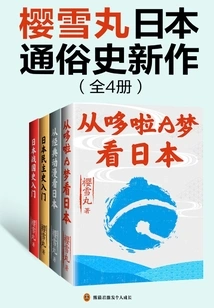
樱雪丸日本通俗史新作(全4册)
Sakura Snowmaru
Sakura Yukimaru's new popular history of Japan (all 4 volumes)! Genuine electronics are on sale for the first time! "Seeing Japan from Doraemon", "Seeing Japan from Classic Animation", "Introduction to the History of Japanese Democracy" and "Introduction to the History of Japan's Warring States" will help you explore the details of Japan, analyze Japanese history, and discover the spiritual background of Japan! "See Japan through Doraemon": Understand Japanese culture through "Doraemon"! It turns out that there are so many Japanese cultural memes hidden in "Doraemon"! "Seeing Japan through Classic Animation": Using ten classic Japanese animations as the starting point, you can learn about Japanese history and the popular history of Japanese society through animation! "Introduction to the History of Japanese Democracy": From the emergence of democracy in the Meiji period to the Japanese civil struggle after World War II, it vividly and interestingly tells the tortuous story of Japan's democratic development and reform in five historical stages. "Introduction to the History of Japan's Warring States Period": Telling the history of Japan's Warring States Period in the voices of dozens of people including Ikkyu, Soun Hojo, Michio Saito, etc.!
Sakura Yukimaru's new popular history of Japan (all 4 volumes)! Genuine electronics are on sale for the first time! "Seeing Japan from Doraemon", "Seeing Japan from Classic Animation", "Introduction to the History of Japanese Democracy" and "Introduction to the History of Japan's Warring States" will help you explore the details of Japan, analyze Japanese history, and discover the spiritual background of Japan! "See Japan through Doraemon": Understand Japanese culture through "Doraemon"! It turns out that there are so many Japanese cultural memes hidden in "Doraemon"! "Seeing Japan through Classic Animation": Using ten classic Japanese animations as the starting point, you can learn about Japanese history and the popular history of Japanese society through animation! "Introduction to the History of Japanese Democracy": From the emergence of democracy in the Meiji period to the Japanese civil struggle after World War II, it vividly and interestingly tells the tortuous story of Japan's democratic development and reform in five historical stages. "Introduction to the History of Japan's Warring States Period": Telling the history of Japan's Warring States Period in the voices of dozens of people including Ikkyu, Soun Hojo, Michio Saito, etc.!
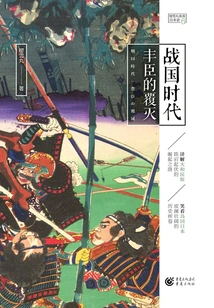
战国时代:丰臣的覆灭
Sakura Snowmaru
After the Battle of Sekihara, Tokugawa Ieyasu was appointed by the Emperor as the General to Conquer the Barbarians, founded the Tokugawa Shogunate, and began his journey to become the first person in Japan. However, the Toyotomi family has always been regarded as orthodox and still powerful. Toyotomi Hideyori also has loyal retainers around him and has a marriage agreement with the Tokugawa family. Tokugawa Ieyasu must start from two aspects, one is to make the world surrender with his strength, and the other is to oust the Toyotomi family from power as legitimately as possible. A competition of intelligence and strength that lasted for more than ten years began. At the same time, the issue of successor was also placed in front of Tokugawa Ieyasu. Who can I trust with my long-lasting achievements? The internal fighting of the Tokugawa family burned the life of this overlord in another way.
After the Battle of Sekihara, Tokugawa Ieyasu was appointed by the Emperor as the General to Conquer the Barbarians, founded the Tokugawa Shogunate, and began his journey to become the first person in Japan. However, the Toyotomi family has always been regarded as orthodox and still powerful. Toyotomi Hideyori also has loyal retainers around him and has a marriage agreement with the Tokugawa family. Tokugawa Ieyasu must start from two aspects, one is to make the world surrender with his strength, and the other is to oust the Toyotomi family from power as legitimately as possible. A competition of intelligence and strength that lasted for more than ten years began. At the same time, the issue of successor was also placed in front of Tokugawa Ieyasu. Who can I trust with my long-lasting achievements? The internal fighting of the Tokugawa family burned the life of this overlord in another way.
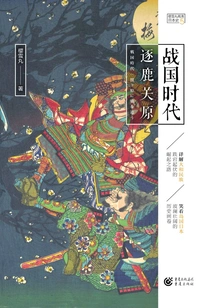
战国时代:逐鹿关原
Sakura Snowmaru
Toyotomi Hideyoshi had just ended a century of turmoil, but he was unable to eliminate the negative effects of this century of war in the short term - low national power, poor people's lives, and conflicts between various forces that had not been completely resolved. In order to divert domestic conflicts, Toyotomi Hideyoshi launched an aggressive war against North Korea. North Korea was vulnerable and could only ask for help from the Ming Dynasty at that time, and relied on the help of the Ming Dynasty to repel the invaders. This failure caused a generation of heroic Toyotomi Hideyoshi to die in depression, leaving his youngest son Toyotomi Hideyori to inherit the family business. However, there are similarities in history both at home and abroad. The accession of a young master to the throne often means the beginning of turmoil. Mitsunari Ishida, who was loyal to the Toyotomi family, and Tokugawa Ieyasu, a powerful minister, had frequent frictions, which eventually led to a war of unprecedented scale. Almost all the forces at that time took sides out of their own considerations. In the end, Tokugawa Ieyasu defeated Ishida Mitsunari in the decisive battle of Sekigahara, seized the entire world, founded the Tokugawa Shogunate, and began the Edo Shogunate era.
Toyotomi Hideyoshi had just ended a century of turmoil, but he was unable to eliminate the negative effects of this century of war in the short term - low national power, poor people's lives, and conflicts between various forces that had not been completely resolved. In order to divert domestic conflicts, Toyotomi Hideyoshi launched an aggressive war against North Korea. North Korea was vulnerable and could only ask for help from the Ming Dynasty at that time, and relied on the help of the Ming Dynasty to repel the invaders. This failure caused a generation of heroic Toyotomi Hideyoshi to die in depression, leaving his youngest son Toyotomi Hideyori to inherit the family business. However, there are similarities in history both at home and abroad. The accession of a young master to the throne often means the beginning of turmoil. Mitsunari Ishida, who was loyal to the Toyotomi family, and Tokugawa Ieyasu, a powerful minister, had frequent frictions, which eventually led to a war of unprecedented scale. Almost all the forces at that time took sides out of their own considerations. In the end, Tokugawa Ieyasu defeated Ishida Mitsunari in the decisive battle of Sekigahara, seized the entire world, founded the Tokugawa Shogunate, and began the Edo Shogunate era.
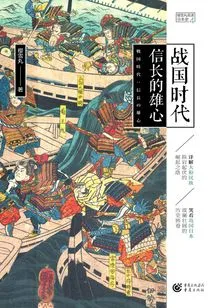
战国时代:信长的雄心
Sakura Snowmaru
This book starts from the birth of Tokugawa Ieyasu until the unification of Japan by Toyotomi Hideyoshi. It mainly tells the history of Japan's Warring States Period in three clues: the first and most important one tells the story of Tokugawa Ieyasu who started as a hostage, unified Mikawa and continued to grow, and his most difficult life years in surviving in the cracks; the second clue , narrates the short but glorious life of Oda Nobunaga from a "Martian" who was not favored by the world, to gradually becoming the overlord of the world, and finally committed suicide in the Honnoji Incident; the third clue describes the arduous struggle of Toyotomi Hideyoshi, who was born in a humble background. It was his talent and strategy that finally unified the entire Japan and ended the dark Warring States Period. While telling the ups and downs of the characters' fate, it more closely reveals the biggest mystery in the history of Japan's Warring States Period - the rebellion of Akechi Mitsuhide, the Incident at Honnoji Temple, and the final outcome of Oda Nobunaga.
This book starts from the birth of Tokugawa Ieyasu until the unification of Japan by Toyotomi Hideyoshi. It mainly tells the history of Japan's Warring States Period in three clues: the first and most important one tells the story of Tokugawa Ieyasu who started as a hostage, unified Mikawa and continued to grow, and his most difficult life years in surviving in the cracks; the second clue , narrates the short but glorious life of Oda Nobunaga from a "Martian" who was not favored by the world, to gradually becoming the overlord of the world, and finally committed suicide in the Honnoji Incident; the third clue describes the arduous struggle of Toyotomi Hideyoshi, who was born in a humble background. It was his talent and strategy that finally unified the entire Japan and ended the dark Warring States Period. While telling the ups and downs of the characters' fate, it more closely reveals the biggest mystery in the history of Japan's Warring States Period - the rebellion of Akechi Mitsuhide, the Incident at Honnoji Temple, and the final outcome of Oda Nobunaga.
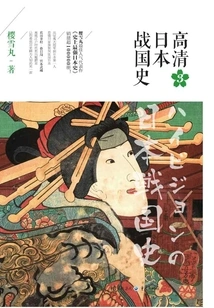
高清日本战国史3
Sakura Snowmaru
"HD Japanese Warring States Period 3" is a historical and social science book about the history of Japan's Warring States Period. The author narrates the chaotic situation in extremely humorous language, allowing readers to review decades of history with a smile, and easily understand that era when talents emerged in large numbers and were of great significance to Japan and the world. "HD History of Japan's Warring States Period 3" continues the content of the previous volume: after the Sekigahara Battle, Tokugawa Ieyasu was appointed by the Emperor as the General to Conquer the Barbarians, founded the Tokugawa Shogunate, and began his journey to become the first person in Japan. However, the Toyotomi family has always been regarded as orthodox and still powerful. Toyotomi Hideyori also has loyal retainers around him and has a marriage agreement with the Tokugawa family. Tokugawa Ieyasu must start from two aspects, one is to make the world surrender with his strength, and the other is to oust the Toyotomi family from power as legitimately as possible. A competition of intelligence and strength that lasted for more than ten years began. At the same time, the issue of successor was also placed in front of Tokugawa Ieyasu. Who can I trust with my long-lasting achievements? The internal fighting of the Tokugawa family burned the life of this overlord in another way.
"HD Japanese Warring States Period 3" is a historical and social science book about the history of Japan's Warring States Period. The author narrates the chaotic situation in extremely humorous language, allowing readers to review decades of history with a smile, and easily understand that era when talents emerged in large numbers and were of great significance to Japan and the world. "HD History of Japan's Warring States Period 3" continues the content of the previous volume: after the Sekigahara Battle, Tokugawa Ieyasu was appointed by the Emperor as the General to Conquer the Barbarians, founded the Tokugawa Shogunate, and began his journey to become the first person in Japan. However, the Toyotomi family has always been regarded as orthodox and still powerful. Toyotomi Hideyori also has loyal retainers around him and has a marriage agreement with the Tokugawa family. Tokugawa Ieyasu must start from two aspects, one is to make the world surrender with his strength, and the other is to oust the Toyotomi family from power as legitimately as possible. A competition of intelligence and strength that lasted for more than ten years began. At the same time, the issue of successor was also placed in front of Tokugawa Ieyasu. Who can I trust with my long-lasting achievements? The internal fighting of the Tokugawa family burned the life of this overlord in another way.
Japan's Meiji Restoration 1
History日本明治维新1
Sakura Snowmaru
In June 1853, four American steam warships came to Edo, Japan, during the "Black Ship Arrival", breaking Japan's two-hundred-year-long policy of isolation. The actual ruler of Japan, the Tokugawa Shogunate, announced the founding of the country and signed a series of unequal treaties with Western powers; at the same time, Japan's "respecting and resisting faction" began a vigorous "overthrow" movement. By 1867, the shogunate returned power to the emperor, and the reformers announced the "restoration of royal government." After the abolition of vassals and the establishment of prefectures and the Southwest War, the cabinet system was implemented and a constitutional system was established, putting Japan on the road to becoming a rich country and strengthening its military. Subsequently, Japan began its crazy expansion and launched the Sino-Japanese Sino-Japanese Sino-Japanese Sino-Japanese Naval War and the Russo-Japanese War. This book covers a total of 60 years of history from "The Arrival of the Black Ships" to the Russo-Japanese War. It provides a panoramic view of the historical process of the "Meiji Restoration" that transformed Japan from a small, poor and weak country into a modern and powerful country, as well as the expansion ambitions of Japanese militarism after the Meiji Restoration.
In June 1853, four American steam warships came to Edo, Japan, during the "Black Ship Arrival", breaking Japan's two-hundred-year-long policy of isolation. The actual ruler of Japan, the Tokugawa Shogunate, announced the founding of the country and signed a series of unequal treaties with Western powers; at the same time, Japan's "respecting and resisting faction" began a vigorous "overthrow" movement. By 1867, the shogunate returned power to the emperor, and the reformers announced the "restoration of royal government." After the abolition of vassals and the establishment of prefectures and the Southwest War, the cabinet system was implemented and a constitutional system was established, putting Japan on the road to becoming a rich country and strengthening its military. Subsequently, Japan began its crazy expansion and launched the Sino-Japanese Sino-Japanese Sino-Japanese Sino-Japanese Naval War and the Russo-Japanese War. This book covers a total of 60 years of history from "The Arrival of the Black Ships" to the Russo-Japanese War. It provides a panoramic view of the historical process of the "Meiji Restoration" that transformed Japan from a small, poor and weak country into a modern and powerful country, as well as the expansion ambitions of Japanese militarism after the Meiji Restoration.
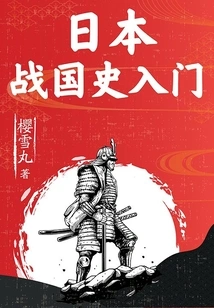
日本战国史入门
Sakura Snowmaru
Sakura Yukimaru's popular masterpiece! The history of Japan's Warring States Period is told in the voices of dozens of people including Ikkyu, Hojo Soun, and Saito Michichi! Read a Japanese historical novel in the early hours of the morning in one sitting! In the history of Japan's Warring States Period, various separatist forces in Japan fought for the world for more than 150 years. Many heroes of troubled times emerged, such as Oda Nobunaga, Toyotomi Hideyoshi, Takeda Shingen, Uesugi Kenshin, etc. However, people often ignore those small figures who have not established any achievements, but they are actually indispensable roles in the historical flow. The story background of this book is the more than one hundred years of Japanese Warring States history from 1467 to 1616. Starting from the perspective of minor figures in the historical process, the story is told in the tone of dozens of protagonists such as Ikkyu, Hojo Soun, Saito Michizan, etc., And together they interpret the unique grand scene of Japan's Warring States history. The full text is based on real historical materials, with the era and specific characters as the main line, and also incorporates novel writing techniques, skillfully citing classics and classics, and creating a little-known history of Japan's Warring States Period.
Sakura Yukimaru's popular masterpiece! The history of Japan's Warring States Period is told in the voices of dozens of people including Ikkyu, Hojo Soun, and Saito Michichi! Read a Japanese historical novel in the early hours of the morning in one sitting! In the history of Japan's Warring States Period, various separatist forces in Japan fought for the world for more than 150 years. Many heroes of troubled times emerged, such as Oda Nobunaga, Toyotomi Hideyoshi, Takeda Shingen, Uesugi Kenshin, etc. However, people often ignore those small figures who have not established any achievements, but they are actually indispensable roles in the historical flow. The story background of this book is the more than one hundred years of Japanese Warring States history from 1467 to 1616. Starting from the perspective of minor figures in the historical process, the story is told in the tone of dozens of protagonists such as Ikkyu, Hojo Soun, Saito Michizan, etc., And together they interpret the unique grand scene of Japan's Warring States history. The full text is based on real historical materials, with the era and specific characters as the main line, and also incorporates novel writing techniques, skillfully citing classics and classics, and creating a little-known history of Japan's Warring States Period.
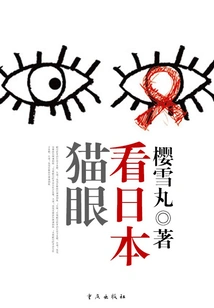
猫眼看日本
Sakura Snowmaru
This book uses "Doraemon" as the starting point to provide an in-depth analysis of all aspects of Japanese history and society. "Doraemon" is a very influential cartoon, and the twists and turns and bizarre historical story behind this well-known cartoon are probably unfamiliar to many people. It is through this topic that the author guides everyone to understand Japan and Japanese history. The text in this book is concise, humorous and highly readable, making it suitable for leisure reading by most readers.
This book uses "Doraemon" as the starting point to provide an in-depth analysis of all aspects of Japanese history and society. "Doraemon" is a very influential cartoon, and the twists and turns and bizarre historical story behind this well-known cartoon are probably unfamiliar to many people. It is through this topic that the author guides everyone to understand Japan and Japanese history. The text in this book is concise, humorous and highly readable, making it suitable for leisure reading by most readers.
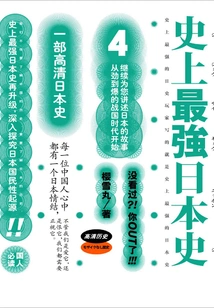
史上最强日本史4
Sakura Snowmaru
Tell the history of Japan in a popular and smooth way.
Tell the history of Japan in a popular and smooth way.
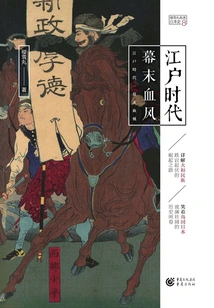
江户时代:幕末血风
Sakura Snowmaru
In June 1853, four steamships from the United States arrived in Edo, Japan, breaking Japan's two-hundred-year policy of seclusion and becoming known as the Black Ships in history. The actual ruler of Japan, the Tokugawa Shogunate, announced the founding of the country and signed a series of treaties with Western powers. At the same time, Japan's local samurai formed the Zunban faction and began a vigorous "overthrow" movement. In 1867, the shogunate returned power to the emperor, but it did not intend to give up control of Japan. The two sides fought a fierce battle at Fushimi Toba in Kyoto. Although it ended in the defeat of the shogunate, Edo Castle was still in the hands of the Tokugawa family.
In June 1853, four steamships from the United States arrived in Edo, Japan, breaking Japan's two-hundred-year policy of seclusion and becoming known as the Black Ships in history. The actual ruler of Japan, the Tokugawa Shogunate, announced the founding of the country and signed a series of treaties with Western powers. At the same time, Japan's local samurai formed the Zunban faction and began a vigorous "overthrow" movement. In 1867, the shogunate returned power to the emperor, but it did not intend to give up control of Japan. The two sides fought a fierce battle at Fushimi Toba in Kyoto. Although it ended in the defeat of the shogunate, Edo Castle was still in the hands of the Tokugawa family.
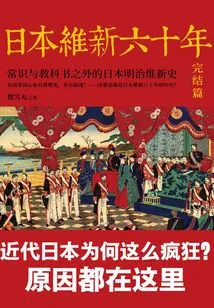
日本维新六十年(完结篇)
Sakura Snowmaru
What is it that makes Japan the country it is today? From the arrival of the black ships to the death of Emperor Meiji, this was almost a 60-year period that completely changed the destiny of Japan. In 1853, the actual ruler of Japan, the Tokugawa Shogunate, declared the country. In 1867, the shogunate returned power to the emperor. The reformists announced the "restoration of royal government." In 1875, Japan announced a preparatory constitutional period. In 1890, Japan convened a congress, and then began its crazy expansion, launching the Sino-Japanese Sino-Japanese Sino-Japanese Sino-Japanese Naval War and the Russo-Japanese War. The victory of the Sino-Japanese War and the Russo-Japanese War made Japan a world-class power. In 1912, Emperor Meiji died and the Meiji era came to an end. It's the end of an era and the end of another crazy era.
What is it that makes Japan the country it is today? From the arrival of the black ships to the death of Emperor Meiji, this was almost a 60-year period that completely changed the destiny of Japan. In 1853, the actual ruler of Japan, the Tokugawa Shogunate, declared the country. In 1867, the shogunate returned power to the emperor. The reformists announced the "restoration of royal government." In 1875, Japan announced a preparatory constitutional period. In 1890, Japan convened a congress, and then began its crazy expansion, launching the Sino-Japanese Sino-Japanese Sino-Japanese Sino-Japanese Naval War and the Russo-Japanese War. The victory of the Sino-Japanese War and the Russo-Japanese War made Japan a world-class power. In 1912, Emperor Meiji died and the Meiji era came to an end. It's the end of an era and the end of another crazy era.
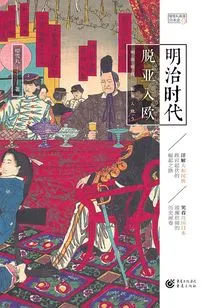
明治时代:脱亚入欧
Sakura Snowmaru
Emperor Meiji, who regained control of the government, worked hard to govern and reform, determined to put Japan on the road to prosperity. In 1871, the Meiji government sent a large-scale mission headed by Right Minister Iwakura Tomomi to visit Europe and the United States to inspect the capitalist state system. The new government actively introduced various European and American systems and carried out many reforms in the economic system, national industry, national education, etc. These reforms are collectively known as the Meiji Restoration. But like all reforms, the Meiji Restoration faced many obstacles from the beginning. Because of reform measures such as the abolition of feudal lords and the establishment of counties, the military system, and the abolition of sword orders, strong dissatisfaction arose among the former samurai class, and rebellions continued in various places. In 1877, the Satsuma Domain led by Saigo Takamori rebelled. This war, known as the Southwest War, lasted for half a year and was the last civil war in Japanese history. With the defeat of the Satsuma Army in the Southwest War, the feudal militaristic state controlled and dominated by the emperor was established, marking the end of Japan's capitalist revolution. After pacifying the southwest, Japan established a parliament in accordance with the model of Western powers, revised its constitution, and conducted diplomacy with Western countries.
Emperor Meiji, who regained control of the government, worked hard to govern and reform, determined to put Japan on the road to prosperity. In 1871, the Meiji government sent a large-scale mission headed by Right Minister Iwakura Tomomi to visit Europe and the United States to inspect the capitalist state system. The new government actively introduced various European and American systems and carried out many reforms in the economic system, national industry, national education, etc. These reforms are collectively known as the Meiji Restoration. But like all reforms, the Meiji Restoration faced many obstacles from the beginning. Because of reform measures such as the abolition of feudal lords and the establishment of counties, the military system, and the abolition of sword orders, strong dissatisfaction arose among the former samurai class, and rebellions continued in various places. In 1877, the Satsuma Domain led by Saigo Takamori rebelled. This war, known as the Southwest War, lasted for half a year and was the last civil war in Japanese history. With the defeat of the Satsuma Army in the Southwest War, the feudal militaristic state controlled and dominated by the emperor was established, marking the end of Japan's capitalist revolution. After pacifying the southwest, Japan established a parliament in accordance with the model of Western powers, revised its constitution, and conducted diplomacy with Western countries.
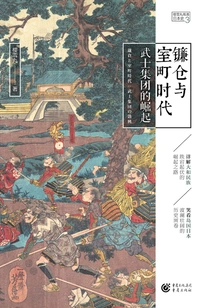
镰仓与室町时代:武士集团的崛起
Sakura Snowmaru
In 1199, Minamoto Yoritomo died. After Minamoto Yoritomo's death, the shogunate power was controlled by his wife Hojo Masako and his father-in-law Hojo Tokimasa. Since then, the shogunate's power has become a mere decoration, and the real power has been led by the hereditary power of the Hojo clan. In 1219, Hojo Yoshitoki instigated Minamoto no Yori family's surviving son Minamoto no Akatsuki to assassinate Minamoto no Tomo, and then used this to kill Minamoto no Kōko. The Minamoto family was extinct. Hojo Masako became the supreme ruler, and supported Fujiwara Yorike, who was related to the Minamoto family, as the general. In 1221, Emperor Gotoba launched a war to overthrow the emperor, which was known as the "Jokyu Rebellion" in history, but it ended in failure. After the Chengjiu Rebellion, the public power began to decline, and the warrior class developed unprecedentedly. However, the stability of the Kamakura shogunate did not last long. The Yuan-Japanese War between China and Japan accelerated the decline and destruction of the Kamakura shogunate and deepened the rift between the public and samurai families. In 1318, Emperor Go-Daigo ascended the throne and was determined to restore the authority of the imperial family, deposed the imperial government, and began his own campaign. In 1331, Emperor Go-Daigo once again conspired to overthrow the emperor, but was defeated by the shogunate army. This was known as the "Motohiro Rebellion" in history. Emperor Go-Daigo was exiled, and the second overthrow movement failed. In 1333, wealthy families in various places began to fall. The shogunate sent Ashikaga Takashi (Ashikaga Takauji) to quell the rebellion. Ashikaga Takashi was already dissatisfied with the autocratic regime of the Hojo clan. He defected on the way and captured Kamakura. The last generation in power, Hojo Takatoki, committed suicide, and the Kamakura shogunate was destroyed. After Emperor Go-Daigo abdicated, he was defeated by Yoshino, and Japan entered the Southern and Northern Dynasties period.
In 1199, Minamoto Yoritomo died. After Minamoto Yoritomo's death, the shogunate power was controlled by his wife Hojo Masako and his father-in-law Hojo Tokimasa. Since then, the shogunate's power has become a mere decoration, and the real power has been led by the hereditary power of the Hojo clan. In 1219, Hojo Yoshitoki instigated Minamoto no Yori family's surviving son Minamoto no Akatsuki to assassinate Minamoto no Tomo, and then used this to kill Minamoto no Kōko. The Minamoto family was extinct. Hojo Masako became the supreme ruler, and supported Fujiwara Yorike, who was related to the Minamoto family, as the general. In 1221, Emperor Gotoba launched a war to overthrow the emperor, which was known as the "Jokyu Rebellion" in history, but it ended in failure. After the Chengjiu Rebellion, the public power began to decline, and the warrior class developed unprecedentedly. However, the stability of the Kamakura shogunate did not last long. The Yuan-Japanese War between China and Japan accelerated the decline and destruction of the Kamakura shogunate and deepened the rift between the public and samurai families. In 1318, Emperor Go-Daigo ascended the throne and was determined to restore the authority of the imperial family, deposed the imperial government, and began his own campaign. In 1331, Emperor Go-Daigo once again conspired to overthrow the emperor, but was defeated by the shogunate army. This was known as the "Motohiro Rebellion" in history. Emperor Go-Daigo was exiled, and the second overthrow movement failed. In 1333, wealthy families in various places began to fall. The shogunate sent Ashikaga Takashi (Ashikaga Takauji) to quell the rebellion. Ashikaga Takashi was already dissatisfied with the autocratic regime of the Hojo clan. He defected on the way and captured Kamakura. The last generation in power, Hojo Takatoki, committed suicide, and the Kamakura shogunate was destroyed. After Emperor Go-Daigo abdicated, he was defeated by Yoshino, and Japan entered the Southern and Northern Dynasties period.
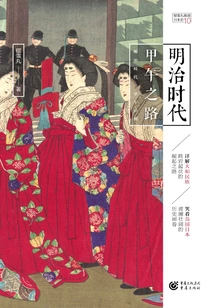
明治时代:甲午之路
Sakura Snowmaru
Through the Meiji Restoration, Japan "left Asia and joined Europe", its national strength greatly increased, and it gradually embarked on the path of aggression and expansion. Correspondingly, the Qing Dynasty at this time appeared to be "returning to glory" through the Westernization Movement, but in fact it was politically corrupt, people lived in poverty, and various factions in the officialdom were fighting overtly and secretly, and intrigues among themselves. Under such circumstances, competition between the two countries became inevitable at that time. In 1876, Japan used force to open the door of North Korea, forced the North Korean government to sign the "Treaty of Ganghwa", and obtained a series of privileges such as consular jurisdiction. In 1894, the Donghak Party uprising broke out in North Korea. The North Korean government troops were retreating steadily and were forced to ask for help from their sovereign state, the Qing Dynasty. Japan took the opportunity to also send troops to North Korea, deliberately provoking a war. The Battle of Toshima broke out on July 25, 1894, and the Sino-Japanese War of 1894-1894 began. Because Japan had been planning for a long time and the Qing Dynasty rushed to fight, the war ended with China's defeat and the complete destruction of the Beiyang Navy.
Through the Meiji Restoration, Japan "left Asia and joined Europe", its national strength greatly increased, and it gradually embarked on the path of aggression and expansion. Correspondingly, the Qing Dynasty at this time appeared to be "returning to glory" through the Westernization Movement, but in fact it was politically corrupt, people lived in poverty, and various factions in the officialdom were fighting overtly and secretly, and intrigues among themselves. Under such circumstances, competition between the two countries became inevitable at that time. In 1876, Japan used force to open the door of North Korea, forced the North Korean government to sign the "Treaty of Ganghwa", and obtained a series of privileges such as consular jurisdiction. In 1894, the Donghak Party uprising broke out in North Korea. The North Korean government troops were retreating steadily and were forced to ask for help from their sovereign state, the Qing Dynasty. Japan took the opportunity to also send troops to North Korea, deliberately provoking a war. The Battle of Toshima broke out on July 25, 1894, and the Sino-Japanese War of 1894-1894 began. Because Japan had been planning for a long time and the Qing Dynasty rushed to fight, the war ended with China's defeat and the complete destruction of the Beiyang Navy.
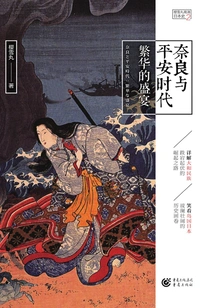
奈良与平安时代:繁华的盛宴
Sakura Snowmaru
After the Battle of Shiromurajiang, Japan's vitality was severely damaged and it retreated to its homeland. In Japan, after the death of Emperor Tenchi, the Imshin Rebellion broke out, and Emperor Tenmu succeeded to the throne. After Tenmu came to power, he took full power and continued to push forward the Daika Reform until Emperor Bunmu and Emperor Genmei formulated the "Daibao Ryuto" and "Youro Ryuto" successively, fully establishing the results of the Daika Reform. In 710, Emperor Genmei moved the capital to Nara Castle, starting the Nara era; in 794, Emperor Tsunemu moved the capital to Heian-kyo, starting the Heian era. The emperor was in power during both the Nara and Heian periods. In 877, Fujiwara Momotsune forced Emperor Seiwa to abdicate and was succeeded by the 9-year-old Emperor Yosei, who served as regent as his uncle. In 887, Emperor Uta succeeded to the throne and announced that Fujiwara Motosune should be "cleared" for all matters, no matter how big or small. This began the famous "photography policy". In 1086, Emperor Shirakawa established the "institutional administration" in order to compete with the Fujiwara clan, which is known as the "institutional administration era" in history. In 1179, Taira Kiyomori led troops into Kyoto and imprisoned Emperor Shirakawa, imposing a dictatorship. In 1185, Minamoto Yoritomo raised an army to eliminate the Taira clan and took control of the central government. He was later appointed by the emperor as the "General for Conquering the Barbarians" and established the shogunate in Kamakura. From this time on, the nobility and the emperor were no longer the center of Japanese political power, and the samurai holding steel swords became the new masters of history.
After the Battle of Shiromurajiang, Japan's vitality was severely damaged and it retreated to its homeland. In Japan, after the death of Emperor Tenchi, the Imshin Rebellion broke out, and Emperor Tenmu succeeded to the throne. After Tenmu came to power, he took full power and continued to push forward the Daika Reform until Emperor Bunmu and Emperor Genmei formulated the "Daibao Ryuto" and "Youro Ryuto" successively, fully establishing the results of the Daika Reform. In 710, Emperor Genmei moved the capital to Nara Castle, starting the Nara era; in 794, Emperor Tsunemu moved the capital to Heian-kyo, starting the Heian era. The emperor was in power during both the Nara and Heian periods. In 877, Fujiwara Momotsune forced Emperor Seiwa to abdicate and was succeeded by the 9-year-old Emperor Yosei, who served as regent as his uncle. In 887, Emperor Uta succeeded to the throne and announced that Fujiwara Motosune should be "cleared" for all matters, no matter how big or small. This began the famous "photography policy". In 1086, Emperor Shirakawa established the "institutional administration" in order to compete with the Fujiwara clan, which is known as the "institutional administration era" in history. In 1179, Taira Kiyomori led troops into Kyoto and imprisoned Emperor Shirakawa, imposing a dictatorship. In 1185, Minamoto Yoritomo raised an army to eliminate the Taira clan and took control of the central government. He was later appointed by the emperor as the "General for Conquering the Barbarians" and established the shogunate in Kamakura. From this time on, the nobility and the emperor were no longer the center of Japanese political power, and the samurai holding steel swords became the new masters of history.
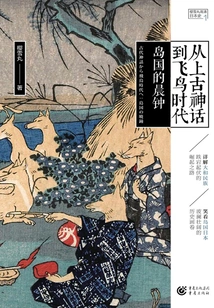
从上古神话到飞鸟时代:岛国的晨钟
Sakura Snowmaru
In 57 AD, the Japanese slave king went to Luoyang to meet Emperor Guangwu of the Han Dynasty Liu Xiu, and was named "the Japanese slave king of the Han Dynasty". At that time, Japan's political power was limited to today's Kyushu Island, divided into dozens of tribes, and there were constant disputes. Until the Three Kingdoms period, various tribes formed an alliance and elected Queen Beimihu as the leader of the alliance. After that, Japan continued to send envoys to China to learn from China's advanced systems and technologies. In 593 AD, Prince Shotoku took over as regent and implemented reforms. After the death of Prince Shotoku, Emperor Kotoku once again implemented reforms after coming to power, which was known as the "Taika Reform" in history. However, the Dahua reform was resisted because it touched the interests of the nobles. It was not implemented again until Empress Saimei (Princess Tao) came to the throne. Soon, the famous "Battle of Shiromura River" broke out, and Japan was defeated and retreated to its homeland.
In 57 AD, the Japanese slave king went to Luoyang to meet Emperor Guangwu of the Han Dynasty Liu Xiu, and was named "the Japanese slave king of the Han Dynasty". At that time, Japan's political power was limited to today's Kyushu Island, divided into dozens of tribes, and there were constant disputes. Until the Three Kingdoms period, various tribes formed an alliance and elected Queen Beimihu as the leader of the alliance. After that, Japan continued to send envoys to China to learn from China's advanced systems and technologies. In 593 AD, Prince Shotoku took over as regent and implemented reforms. After the death of Prince Shotoku, Emperor Kotoku once again implemented reforms after coming to power, which was known as the "Taika Reform" in history. However, the Dahua reform was resisted because it touched the interests of the nobles. It was not implemented again until Empress Saimei (Princess Tao) came to the throne. Soon, the famous "Battle of Shiromura River" broke out, and Japan was defeated and retreated to its homeland.
从经典动漫看日本
Sakura Snowmaru
Sakura Yukimaru's masterpiece of popular Japanese history! Take ten classic Japanese anime as an entry point to learn about Japanese history and the popular history of Japanese society through anime! The book selects ten well-known Japanese animations that the author may be familiar with and are popular in mainland China, including "Naruto", "Koga Ninja", "Yu Yu Hakusho", "Ghost", "Smart Ikkyu", "Gintama", "Rurouni Kenshin", "KERORO", "Detective Conan" and "Doraemon". Based on the familiar comic text, the author extends the explanation of Japanese history involved in the comic plot.
Sakura Yukimaru's masterpiece of popular Japanese history! Take ten classic Japanese anime as an entry point to learn about Japanese history and the popular history of Japanese society through anime! The book selects ten well-known Japanese animations that the author may be familiar with and are popular in mainland China, including "Naruto", "Koga Ninja", "Yu Yu Hakusho", "Ghost", "Smart Ikkyu", "Gintama", "Rurouni Kenshin", "KERORO", "Detective Conan" and "Doraemon". Based on the familiar comic text, the author extends the explanation of Japanese history involved in the comic plot.
史上最强日本史3
Sakura Snowmaru
This book is the third volume that tells the history of Japan in a popular and smooth way. In the eighth year of Keicho (1603), shortly after the Battle of Sekigahara, Tokugawa Ieyasu was appointed by the Emperor as the general to conquer the barbarians and established the shogunate in Edo. This is of course the result of countless arrangements, but for Ieyasu, his purpose is far more than that. What he really wants to do is to eliminate the Toyotomi family and put the entire Japan in the hands of the Tokugawa family. On the other hand, the Toyotomi family, which has felt many crises, has also carried out various resistances under the leadership of the core group headed by Mrs. Yodo. Whether it is negative or positive, everyone hopes to protect the great achievements of the late Taiko Toyotomi Hideyoshi to the end. Thus, a decisive battle between east and west will begin again. And whose side will the goddess of victory stand on this time? Is it the east side or the west side? Is it a giant or a Hanshin?
This book is the third volume that tells the history of Japan in a popular and smooth way. In the eighth year of Keicho (1603), shortly after the Battle of Sekigahara, Tokugawa Ieyasu was appointed by the Emperor as the general to conquer the barbarians and established the shogunate in Edo. This is of course the result of countless arrangements, but for Ieyasu, his purpose is far more than that. What he really wants to do is to eliminate the Toyotomi family and put the entire Japan in the hands of the Tokugawa family. On the other hand, the Toyotomi family, which has felt many crises, has also carried out various resistances under the leadership of the core group headed by Mrs. Yodo. Whether it is negative or positive, everyone hopes to protect the great achievements of the late Taiko Toyotomi Hideyoshi to the end. Thus, a decisive battle between east and west will begin again. And whose side will the goddess of victory stand on this time? Is it the east side or the west side? Is it a giant or a Hanshin?
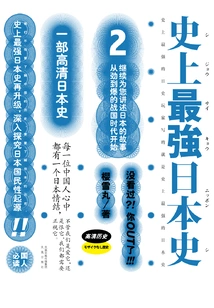
史上最强日本史2
Sakura Snowmaru
The full text is based on historical facts and takes specific events as the main line. It is dedicated to revealing the mystery behind complex historical events and translating the author's understanding of history into popular and fluent text, which is highly readable.
The full text is based on historical facts and takes specific events as the main line. It is dedicated to revealing the mystery behind complex historical events and translating the author's understanding of history into popular and fluent text, which is highly readable.
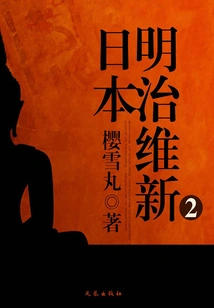
Japan Meiji Restoration 2
History日本明治维新2
Sakura Snowmaru
In June 1853, four American steam warships came to Edo, Japan, during the "Black Ship Arrival", breaking Japan's two-hundred-year-long policy of isolation. The actual ruler of Japan, the Tokugawa Shogunate, announced the founding of the country and signed a series of unequal treaties with Western powers; at the same time, Japan's "respecting and resisting faction" began a vigorous "overthrow" movement. By 1867, the shogunate returned power to the emperor, and the reformers announced the "restoration of royal government." After the abolition of vassals and the establishment of prefectures and the Southwest War, the cabinet system was implemented and a constitutional system was established, putting Japan on the road to becoming a rich country and strengthening its military. Subsequently, Japan began its crazy expansion and launched the Sino-Japanese Sino-Japanese Sino-Japanese Sino-Japanese Naval War and the Russo-Japanese War. This book covers a total of 60 years of history from "The Arrival of the Black Ships" to the Russo-Japanese War. It provides a panoramic view of the historical process of the "Meiji Restoration" that transformed Japan from a small, poor and weak country into a modern and powerful country, as well as the expansion ambitions of Japanese militarism after the Meiji Restoration.
In June 1853, four American steam warships came to Edo, Japan, during the "Black Ship Arrival", breaking Japan's two-hundred-year-long policy of isolation. The actual ruler of Japan, the Tokugawa Shogunate, announced the founding of the country and signed a series of unequal treaties with Western powers; at the same time, Japan's "respecting and resisting faction" began a vigorous "overthrow" movement. By 1867, the shogunate returned power to the emperor, and the reformers announced the "restoration of royal government." After the abolition of vassals and the establishment of prefectures and the Southwest War, the cabinet system was implemented and a constitutional system was established, putting Japan on the road to becoming a rich country and strengthening its military. Subsequently, Japan began its crazy expansion and launched the Sino-Japanese Sino-Japanese Sino-Japanese Sino-Japanese Naval War and the Russo-Japanese War. This book covers a total of 60 years of history from "The Arrival of the Black Ships" to the Russo-Japanese War. It provides a panoramic view of the historical process of the "Meiji Restoration" that transformed Japan from a small, poor and weak country into a modern and powerful country, as well as the expansion ambitions of Japanese militarism after the Meiji Restoration.
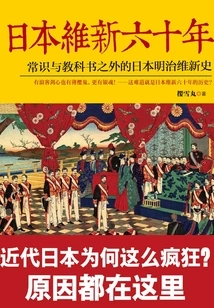
日本维新六十年
Sakura Snowmaru
What is it that makes Japan the country it is today? From the arrival of the black ships to the death of Emperor Meiji, this was almost a 60-year period that completely changed the destiny of Japan. In 1853, the actual ruler of Japan, the Tokugawa Shogunate, announced the founding of the country. In 1867, the shogunate returned power to the emperor, and the reformists announced the "restoration of royal government." The overthrow of the shogunate, the sabotage faction, the anti-barbarian faction, and the founding faction all came on stage one after another. In 1875, Japan announced that it had entered a preparatory constitutional period. In 1890, Japan held a parliament, and then began its crazy expansion, launching the Sino-Japanese Sino-Japanese Sino-Japanese Sino-Japanese Naval War and the Russo-Japanese War. The victory of the Sino-Japanese War and the Russo-Japanese War made Japan a world-class power. In 1912, Emperor Meiji died and the Meiji era came to an end. It was the end of an era and the beginning of another crazy era.
What is it that makes Japan the country it is today? From the arrival of the black ships to the death of Emperor Meiji, this was almost a 60-year period that completely changed the destiny of Japan. In 1853, the actual ruler of Japan, the Tokugawa Shogunate, announced the founding of the country. In 1867, the shogunate returned power to the emperor, and the reformists announced the "restoration of royal government." The overthrow of the shogunate, the sabotage faction, the anti-barbarian faction, and the founding faction all came on stage one after another. In 1875, Japan announced that it had entered a preparatory constitutional period. In 1890, Japan held a parliament, and then began its crazy expansion, launching the Sino-Japanese Sino-Japanese Sino-Japanese Sino-Japanese Naval War and the Russo-Japanese War. The victory of the Sino-Japanese War and the Russo-Japanese War made Japan a world-class power. In 1912, Emperor Meiji died and the Meiji era came to an end. It was the end of an era and the beginning of another crazy era.
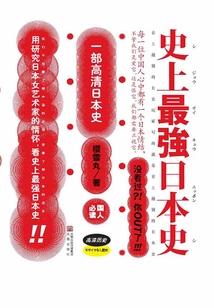
史上最强日本史
Sakura Snowmaru
It tells the story of Japan's Warring States Troubles in the more than three hundred years from 1543 to 1868 in a popular and smooth writing style. It is based on historical materials, takes the age and specific tasks as the main line, and adds the writing style of the novel to give a detailed account of the fifteenth generation of the Edo shogunate and the generals. The fate of other samurai, merchants, etc. Is displayed in a panoramic manner, with more emphasis on the narrative of Japan's war history at that time. The "machi culture" of Edo (Tokyo) is the most inscribed, and the story of Japan's political and economic system and people's lives at that time is added. The first part is written from the birth of Tokugawa Ieyasu until Japan was unified by Toyotomi Hideyoshi. It narrates Tokugawa Ieyasu's most difficult life years in his struggle, starting from his status as a hostage. While telling the ups and downs of the characters' fate, it more closely reveals the biggest mystery in the history of Japan's Warring States Period - the rebellion of Akechi Mitsuhide, the Incident at Honnoji Temple, and the final outcome of Oda Nobunaga.
It tells the story of Japan's Warring States Troubles in the more than three hundred years from 1543 to 1868 in a popular and smooth writing style. It is based on historical materials, takes the age and specific tasks as the main line, and adds the writing style of the novel to give a detailed account of the fifteenth generation of the Edo shogunate and the generals. The fate of other samurai, merchants, etc. Is displayed in a panoramic manner, with more emphasis on the narrative of Japan's war history at that time. The "machi culture" of Edo (Tokyo) is the most inscribed, and the story of Japan's political and economic system and people's lives at that time is added. The first part is written from the birth of Tokugawa Ieyasu until Japan was unified by Toyotomi Hideyoshi. It narrates Tokugawa Ieyasu's most difficult life years in his struggle, starting from his status as a hostage. While telling the ups and downs of the characters' fate, it more closely reveals the biggest mystery in the history of Japan's Warring States Period - the rebellion of Akechi Mitsuhide, the Incident at Honnoji Temple, and the final outcome of Oda Nobunaga.