Library
Browse and search books
17 novels found
Tokyo Walking Notes
Literature东京漫步记
Nagai Kafeng
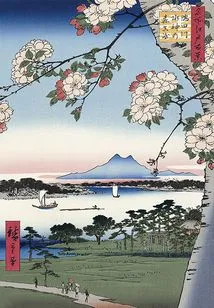
Karika Nagai personally compiled the serials in Mita Literature into this volume. It records what Karika Nagai saw and heard while strolling through the streets of Tokyo. He feels nostalgic for the historical sites in Edo, and regrets that with the rise of steel and concrete, the beautiful scenery no longer exists. The book quotes a large number of karaoke works and also mentions many ukiyo-e works from the Edo period, showing the scenery of Edo Castle from a literary and artistic perspective.
Karika Nagai personally compiled the serials in Mita Literature into this volume. It records what Karika Nagai saw and heard while strolling through the streets of Tokyo. He feels nostalgic for the historical sites in Edo, and regrets that with the rise of steel and concrete, the beautiful scenery no longer exists. The book quotes a large number of karaoke works and also mentions many ukiyo-e works from the Edo period, showing the scenery of Edo Castle from a literary and artistic perspective.
Daughter of the Duke's Mansion
Ancient Romance国公府嫡女
Nagai Kafeng
Zheng Xinyu, a modern girl, fell into the water and traveled to the Kingdom of Shu. They had to accept a new identity and adapt to the new ancient life. Everything that happens here is closely related to her. Her ancient identity and environment told her that this was a deep compound where her parents who died young and her younger brothers and sisters needed to be taken care of. My uncle and aunt tried their best, but my grandmother was the only one who treated me sincerely. Therefore, she had to abandon everything in the past. Since she woke up after falling into the water, she would no longer be the person who had no fight with the world and swallowed her anger. She vowed to repay everyone who had harmed her and owed her money. He redressed the injustice of his parents, punished his second uncle and his family who had evil intentions, and protected his younger siblings. After that, I met His Royal Highness Prince Ziyi: Yuming Shaohe. He looks very much like modern Zheng Xinyu's boyfriend: Li Junfan. As a result, she developed a good impression of him, and the two met, got to know each other, and fell in love. [Travel time, palace fights and house fights, sweet pets, revenge, 1V1, abuse of scum, cool articles]
Zheng Xinyu, a modern girl, fell into the water and traveled to the Kingdom of Shu. They had to accept a new identity and adapt to the new ancient life. Everything that happens here is closely related to her. Her ancient identity and environment told her that this was a deep compound where her parents who died young and her younger brothers and sisters needed to be taken care of. My uncle and aunt tried their best, but my grandmother was the only one who treated me sincerely. Therefore, she had to abandon everything in the past. Since she woke up after falling into the water, she would no longer be the person who had no fight with the world and swallowed her anger. She vowed to repay everyone who had harmed her and owed her money. He redressed the injustice of his parents, punished his second uncle and his family who had evil intentions, and protected his younger siblings. After that, I met His Royal Highness Prince Ziyi: Yuming Shaohe. He looks very much like modern Zheng Xinyu's boyfriend: Li Junfan. As a result, she developed a good impression of him, and the two met, got to know each other, and fell in love. [Travel time, palace fights and house fights, sweet pets, revenge, 1V1, abuse of scum, cool articles]

Geng Yu Grows Bamboo
Short Fiction耿羽种竹
Nagai Kafeng
After I was demoted, I started planting bamboo. The imperial court was recruiting talented people, and I became an official again, but this official was not the inspector I had before. But...
After I was demoted, I started planting bamboo. The imperial court was recruiting talented people, and I became an official again, but this official was not the inspector I had before. But...
Bookboy Kang Erqiao
Short Fiction书童康二乔
Nagai Kafeng
What does the book boy wish for? He just wanted to return to his hometown with his brother.
What does the book boy wish for? He just wanted to return to his hometown with his brother.
A Sword of Revenge
Short Fiction一刀之恩仇
Nagai Kafeng
Twenty years ago, I came to work as a waiter in the back kitchen of Zuixianlou. At that time, Master Gan, who was young, energetic and arrogant, asked me to learn how to make meat. I don't know how to slice meat, so he taught me how to do it as a novice, but he taught me this way. A piece of flesh on my hand was severely sliced off by him. I hated him so much. I was still young and didn't have the strength to go against him. Twenty years later, all the way. I finally became a famous chef in Xifeng City. Later, I sent someone to send him an invitation. We met at a discipleship conference.
Twenty years ago, I came to work as a waiter in the back kitchen of Zuixianlou. At that time, Master Gan, who was young, energetic and arrogant, asked me to learn how to make meat. I don't know how to slice meat, so he taught me how to do it as a novice, but he taught me this way. A piece of flesh on my hand was severely sliced off by him. I hated him so much. I was still young and didn't have the strength to go against him. Twenty years later, all the way. I finally became a famous chef in Xifeng City. Later, I sent someone to send him an invitation. We met at a discipleship conference.
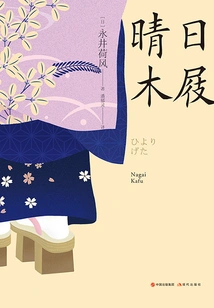
Sunny Clogs
Literature晴日木屐
Nagai Kafeng
"Clothes of a Clear Sun" is a collection of prose essays by the representative Japanese aesthetic writer Karika Nagai, including Zhou Zuoren's favorite special collection "Cloths of a Clear Sun", as well as 17 excellent prose essays such as "Snowy Day", "Bells" and "Plum Rain Clear". As the "Preface" says, "The recorded image of Japan today" presents the emotion of "the abyss of yesterday has become a shoal today, and everything in the world is unpredictable." Nagai Hefeng's life, aspirations, literary and artistic views, creative views, etc. Are all included in this excellent prose. The written words are like vivid "Edo period" ukiyo-e paintings. When you walk among them, you can see familiar remnants and remnants of past civilization everywhere. "Sunny Geta" describes a story about a 100-year-old man wearing Sunny Geta and holding a bat umbrella in the streets and alleys of Tokyo and its suburbs. He recounts his experiences and thoughts in detail, especially recording the traditional Japanese culture and ancient relics that have been severely damaged under the impact of modern civilized society. It expresses the aftertaste, yearning and nostalgia for the secular life in Edo in a sad and sad mood, highlighting the cultural critical vision of a traditional literati in a period of social transformation. He poured his nostalgia for the scenery of the past into his writing, constructing an aesthetic space that is different from that of contemporary cities, and showing the Dutch-style literati taste and tranquil and comfortable life. Karika Nagai is a sentimental nostalgist. His words are full of passionate and simple nostalgia for the Meiji period. He disdains the society after Taisho that is full of suspicion and resentment. He feels that Japan's modern life and Japanese people's temperament are completely different from the elegance of Japanese scenery. "In those days, the falling snow on the street could always evoke the sadness in people's hearts just like the timbre of the shamisen." "What is irreversible in this world are not just short-lived dreams." These emotions are particularly strong in works such as "Geta on a Sunny Day", "Snowy Day", "Hometown Now and Then" and "Concubine's House". Like his novels, Hefeng's prose essays reflected his high sensitivity to the tide of modernization in Japan at that time. He used literature to criticize current ills and face social problems directly. He also conveyed his firm belief that "the deep valleys of moral corruption are not without true and kind feelings." This was the fulcrum of his nostalgia for Edo. As the saying goes, "Knowing people and judging the world", the best way to interpret Nagai Hefeng is to read his essays. It is said that literature is like people, and this is especially true for him.
"Clothes of a Clear Sun" is a collection of prose essays by the representative Japanese aesthetic writer Karika Nagai, including Zhou Zuoren's favorite special collection "Cloths of a Clear Sun", as well as 17 excellent prose essays such as "Snowy Day", "Bells" and "Plum Rain Clear". As the "Preface" says, "The recorded image of Japan today" presents the emotion of "the abyss of yesterday has become a shoal today, and everything in the world is unpredictable." Nagai Hefeng's life, aspirations, literary and artistic views, creative views, etc. Are all included in this excellent prose. The written words are like vivid "Edo period" ukiyo-e paintings. When you walk among them, you can see familiar remnants and remnants of past civilization everywhere. "Sunny Geta" describes a story about a 100-year-old man wearing Sunny Geta and holding a bat umbrella in the streets and alleys of Tokyo and its suburbs. He recounts his experiences and thoughts in detail, especially recording the traditional Japanese culture and ancient relics that have been severely damaged under the impact of modern civilized society. It expresses the aftertaste, yearning and nostalgia for the secular life in Edo in a sad and sad mood, highlighting the cultural critical vision of a traditional literati in a period of social transformation. He poured his nostalgia for the scenery of the past into his writing, constructing an aesthetic space that is different from that of contemporary cities, and showing the Dutch-style literati taste and tranquil and comfortable life. Karika Nagai is a sentimental nostalgist. His words are full of passionate and simple nostalgia for the Meiji period. He disdains the society after Taisho that is full of suspicion and resentment. He feels that Japan's modern life and Japanese people's temperament are completely different from the elegance of Japanese scenery. "In those days, the falling snow on the street could always evoke the sadness in people's hearts just like the timbre of the shamisen." "What is irreversible in this world are not just short-lived dreams." These emotions are particularly strong in works such as "Geta on a Sunny Day", "Snowy Day", "Hometown Now and Then" and "Concubine's House". Like his novels, Hefeng's prose essays reflected his high sensitivity to the tide of modernization in Japan at that time. He used literature to criticize current ills and face social problems directly. He also conveyed his firm belief that "the deep valleys of moral corruption are not without true and kind feelings." This was the fulcrum of his nostalgia for Edo. As the saying goes, "Knowing people and judging the world", the best way to interpret Nagai Hefeng is to read his essays. It is said that literature is like people, and this is especially true for him.
Infatuated and Jealous Wife
Short Fiction痴情妒妇
Nagai Kafeng
When I was having a good time in Tianshui Lane, I never thought that the pretty person would die in front of me, and I collapsed on the ground...
When I was having a good time in Tianshui Lane, I never thought that the pretty person would die in front of me, and I collapsed on the ground...
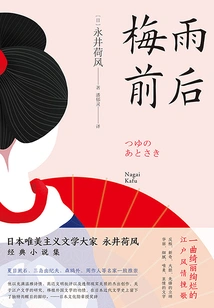
Before and after the Plum Rain
General Fiction梅雨前后
Nagai Kafeng
"Before and After the Plum Rain" is a collection of classic novels by the Japanese aestheticist writer Karika Nagai, including "Before and After the Plum Rain", "Sunset Glow at the Willow Window", "Flower in the Shade", "Some Night", "Yokokan" and other representative novels. The historical novel "Sunset Glow at the Scattered Willow Window" was written in 1913 and was originally titled "The Death of a Popular Novelist". It describes the decline and decline of the famous Edo period popular novelist Yanahutei Tanehiko due to the severe cultural policies of the Tenpo Reform in the Edo period. The novella "Before and After the Plum Rain" of the same name describes the degenerate life of a cafe waitress Kimie from the countryside to the city in Ginza, a busy city in Tokyo, Japan, where the west wind blows from the east. It is one of Nagai Kafeng's masterpieces in his mature creative period. Beauty and retro have become his unique aesthetic style. "The Flower of the Shade" also reflects the mentality of private prostitution. Unlike Junichiro Tanizaki who was keen to oppose the repression of sex and love by feudal ethics through female beauty and sensual beauty, Karika Nagai was better at ridiculing and criticizing the superficial Westernization of Japan after the Meiji Restoration by describing the world's customs. Karika Nagai pays attention to the female group, especially those lower class characters struggling in the quagmire of fate. They represent the slowly disappearing Edo style. His works reveal the hedonistic thoughts of grasping the present and experiencing joy. They also reflect the author's pursuit of truth in the Japanese social situation at that time, and his unique rebellious style of commemorating Edo customs to resist the hypocrisy of society.
"Before and After the Plum Rain" is a collection of classic novels by the Japanese aestheticist writer Karika Nagai, including "Before and After the Plum Rain", "Sunset Glow at the Willow Window", "Flower in the Shade", "Some Night", "Yokokan" and other representative novels. The historical novel "Sunset Glow at the Scattered Willow Window" was written in 1913 and was originally titled "The Death of a Popular Novelist". It describes the decline and decline of the famous Edo period popular novelist Yanahutei Tanehiko due to the severe cultural policies of the Tenpo Reform in the Edo period. The novella "Before and After the Plum Rain" of the same name describes the degenerate life of a cafe waitress Kimie from the countryside to the city in Ginza, a busy city in Tokyo, Japan, where the west wind blows from the east. It is one of Nagai Kafeng's masterpieces in his mature creative period. Beauty and retro have become his unique aesthetic style. "The Flower of the Shade" also reflects the mentality of private prostitution. Unlike Junichiro Tanizaki who was keen to oppose the repression of sex and love by feudal ethics through female beauty and sensual beauty, Karika Nagai was better at ridiculing and criticizing the superficial Westernization of Japan after the Meiji Restoration by describing the world's customs. Karika Nagai pays attention to the female group, especially those lower class characters struggling in the quagmire of fate. They represent the slowly disappearing Edo style. His works reveal the hedonistic thoughts of grasping the present and experiencing joy. They also reflect the author's pursuit of truth in the Japanese social situation at that time, and his unique rebellious style of commemorating Edo customs to resist the hypocrisy of society.
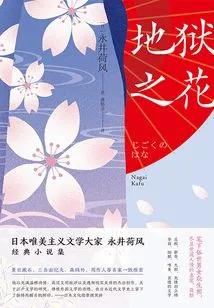
Flower of Hell
General Fiction地狱之花
Nagai Kafeng
"Flower of Hell" is a collection of classic novels by the Japanese aestheticist writer Karika Nagai, including "Flower of Hell", "Sumida River", "Fox", "The Snow Melts", "Sleeping Face", "Enomonogatari", "Song of Fukagawa" and other representative novels. The famous novel "Hell Flower" of the same name reflects the Meiji era women's determination to break through secular concepts and strive for the freedom and happiness of modern people through the experiences of a girl Sonoko who worked as a female teacher in a wealthy family. This work is regarded as the declaration of Japan's "Zolaism" and plays an important role in the history of Japanese literature. Nagai Kafeng focuses on ordinary people, or writes about young people who choose to die due to illness because their dreams cannot be realized ("Sumida River"), or writes about the fox exorcism experience that I experienced as a teenager, which made me doubt the karma in the world ("Fox"), or writes about the confession of the past left by the old abbot of a small temple. A life story ("Enomonogatari"), or a waitress reunited with a father who abandoned his daughter and lived a miserable life ("The Snow Melts"). Even if all living beings live in the mire of the bottom and face the test of sin and evil, they still have "beautiful flowers of human love" and "fragrant fruits of tears." Unlike Junichiro Tanizaki who was keen to oppose the repression of sex and love by feudal ethics through female beauty and sensual beauty, Karika Nagai was better at ridiculing and criticizing the superficial Westernization of Japan after the Meiji Restoration by describing the world's customs. Karika Nagai pays attention to the female group, especially those lower class characters struggling in the quagmire of fate. They represent the slowly disappearing Edo style. His works reveal the hedonistic thoughts of grasping the present and experiencing joy. They also reflect the author's pursuit of truth in the Japanese social situation at that time, and his unique rebellious style of commemorating Edo customs to resist the hypocrisy of society.
"Flower of Hell" is a collection of classic novels by the Japanese aestheticist writer Karika Nagai, including "Flower of Hell", "Sumida River", "Fox", "The Snow Melts", "Sleeping Face", "Enomonogatari", "Song of Fukagawa" and other representative novels. The famous novel "Hell Flower" of the same name reflects the Meiji era women's determination to break through secular concepts and strive for the freedom and happiness of modern people through the experiences of a girl Sonoko who worked as a female teacher in a wealthy family. This work is regarded as the declaration of Japan's "Zolaism" and plays an important role in the history of Japanese literature. Nagai Kafeng focuses on ordinary people, or writes about young people who choose to die due to illness because their dreams cannot be realized ("Sumida River"), or writes about the fox exorcism experience that I experienced as a teenager, which made me doubt the karma in the world ("Fox"), or writes about the confession of the past left by the old abbot of a small temple. A life story ("Enomonogatari"), or a waitress reunited with a father who abandoned his daughter and lived a miserable life ("The Snow Melts"). Even if all living beings live in the mire of the bottom and face the test of sin and evil, they still have "beautiful flowers of human love" and "fragrant fruits of tears." Unlike Junichiro Tanizaki who was keen to oppose the repression of sex and love by feudal ethics through female beauty and sensual beauty, Karika Nagai was better at ridiculing and criticizing the superficial Westernization of Japan after the Meiji Restoration by describing the world's customs. Karika Nagai pays attention to the female group, especially those lower class characters struggling in the quagmire of fate. They represent the slowly disappearing Edo style. His works reveal the hedonistic thoughts of grasping the present and experiencing joy. They also reflect the author's pursuit of truth in the Japanese social situation at that time, and his unique rebellious style of commemorating Edo customs to resist the hypocrisy of society.
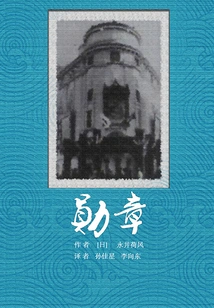
Medal
General Fiction勋章
Nagai Kafeng
In addition to "Medal", this collection of novels and essays also includes "Yokokan", "Watch", "Shoes" and other works, all of which are the author's late works. This book adheres to the author's consistent style and depicts the lives of ordinary people in postwar Japan. It can be regarded as a work that blends life and death.
In addition to "Medal", this collection of novels and essays also includes "Yokokan", "Watch", "Shoes" and other works, all of which are the author's late works. This book adheres to the author's consistent style and depicts the lives of ordinary people in postwar Japan. It can be regarded as a work that blends life and death.
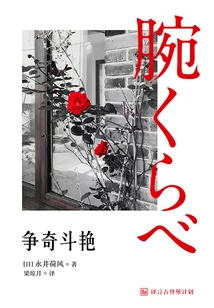
Fight for Beauty
General Fiction争奇斗艳
Nagai Kafeng
Komadai, a geisha who returns to her old profession, encounters Yoshioka, a client of her childhood, and captures his heart again. Yoshioka abandons the geisha he has kept for many years and intends to redeem Komadai's life. During this period, Komayo fell in love with the kabuki actor Segawa, and they had a secret tryst. He used Segawa's acting skills and connections to rehearse a dance for him to perform at the performance art show. Although he shined at the performance art show, he was jealous of Kikuchiyo from the same geisha house. At the same time, Komayo and Segawa's affair was also discovered by Yoshioka. Yoshioka abandoned Komayo and redeemed Kikuchiyo's life to help him establish his own business. The relationship between Komashiro and Segawa was not smooth sailing, and Segawa was not recognized by Segawa's adoptive mother. Segawa also felt tired of Komashiro always stressing that he was kind to him, and later he found a new love, Junryu, and abandoned Komashiro. Just when Komaro was desperate, the proprietress of the geisha house passed away. The boss learned of Komaro's tragic life experience for the first time and persuaded Komaro who was about to leave.
Komadai, a geisha who returns to her old profession, encounters Yoshioka, a client of her childhood, and captures his heart again. Yoshioka abandons the geisha he has kept for many years and intends to redeem Komadai's life. During this period, Komayo fell in love with the kabuki actor Segawa, and they had a secret tryst. He used Segawa's acting skills and connections to rehearse a dance for him to perform at the performance art show. Although he shined at the performance art show, he was jealous of Kikuchiyo from the same geisha house. At the same time, Komayo and Segawa's affair was also discovered by Yoshioka. Yoshioka abandoned Komayo and redeemed Kikuchiyo's life to help him establish his own business. The relationship between Komashiro and Segawa was not smooth sailing, and Segawa was not recognized by Segawa's adoptive mother. Segawa also felt tired of Komashiro always stressing that he was kind to him, and later he found a new love, Junryu, and abandoned Komashiro. Just when Komaro was desperate, the proprietress of the geisha house passed away. The boss learned of Komaro's tragic life experience for the first time and persuaded Komaro who was about to leave.
![Nagai Hefeng's Romance in a Foreign Country (two Volumes) [one Page]](https://bucket.daosearch.io/books/26927675.jpg)
永井荷风异国放浪记(全两册)【一页】
Nagai Kafeng
"World traveler" Nagai Kafeng's exotic travel notes, from the New World of the United States to the banks of the Seine in France, from the back streets to the flowery streets and willow alleys, explore the underlying human feelings of the golden country and capture the romantic flowers of ancient Europe. The first volume of this book is "American Story", which describes every detail of Nagai Kafeng's four years of traveling in the American continent. He walked through the bustling lights of Broadway in New York City, he murmured melancholy under the bustling night scene of Seattle, and he observed all kinds of life in the countryside of Washington... The shattering of the American dream is also a new starting point for self-awakening. The next volume is "The Story of France". Kafeng Nagai is obsessed with the romantic freedom of France. In this paradise of "flowers of evil", he lives at the bottom and lives in self-exile. Indulging in beauty, he also pursues beauty. Whether it is beautiful scenery, beauties or romantic French style, he has painted a circle of rose-colored shadows.
"World traveler" Nagai Kafeng's exotic travel notes, from the New World of the United States to the banks of the Seine in France, from the back streets to the flowery streets and willow alleys, explore the underlying human feelings of the golden country and capture the romantic flowers of ancient Europe. The first volume of this book is "American Story", which describes every detail of Nagai Kafeng's four years of traveling in the American continent. He walked through the bustling lights of Broadway in New York City, he murmured melancholy under the bustling night scene of Seattle, and he observed all kinds of life in the countryside of Washington... The shattering of the American dream is also a new starting point for self-awakening. The next volume is "The Story of France". Kafeng Nagai is obsessed with the romantic freedom of France. In this paradise of "flowers of evil", he lives at the bottom and lives in self-exile. Indulging in beauty, he also pursues beauty. Whether it is beautiful scenery, beauties or romantic French style, he has painted a circle of rose-colored shadows.

Lotus Breeze Whispers
Literature荷风细语
Nagai Kafeng
Select the representative prose works of Kafeng Nagai, the founder of Japanese aesthetic school. Hefeng walked around the streets of Tokyo and European and American countries with sunny clogs on his feet and a bat umbrella in his hand. He recounted his experiences and thoughts in detail, especially recording the traditional culture and ancient relics that had been severely damaged under the impact of modern civilized society. He expressed his aftertaste and yearning for the secular life in Edo with a sad and sad mood, highlighting the cultural critical vision of a traditional literati in a period of social transformation. "Translation Huacai" is a new book series launched by Shanghai Translation Publishing House. The theme is clear and published in volumes, with five types in each volume, with exquisite covers that match the theme style. It is designed by the new generation of outstanding designer Zhou Weiwei. In terms of content, we make full use of the powerful and widely recognized translation resources of Shanghai Translation Publishing House to extract famous works from them into a volume. The theme of the first volume is "Wandering", including Gide, Hemingway, Lawrence, Nagai Kafeng, Maugham The travel writings of five famous literary figures include Gide's "Abandoning Travel", Hemingway's "Paris Never Ends", Lawrence "The Wandering Stranger", Nagai Kafeng's "Whispers on the Lotus Wind" and Somerset Maugham's "On His Majesty's Representation".
Select the representative prose works of Kafeng Nagai, the founder of Japanese aesthetic school. Hefeng walked around the streets of Tokyo and European and American countries with sunny clogs on his feet and a bat umbrella in his hand. He recounted his experiences and thoughts in detail, especially recording the traditional culture and ancient relics that had been severely damaged under the impact of modern civilized society. He expressed his aftertaste and yearning for the secular life in Edo with a sad and sad mood, highlighting the cultural critical vision of a traditional literati in a period of social transformation. "Translation Huacai" is a new book series launched by Shanghai Translation Publishing House. The theme is clear and published in volumes, with five types in each volume, with exquisite covers that match the theme style. It is designed by the new generation of outstanding designer Zhou Weiwei. In terms of content, we make full use of the powerful and widely recognized translation resources of Shanghai Translation Publishing House to extract famous works from them into a volume. The theme of the first volume is "Wandering", including Gide, Hemingway, Lawrence, Nagai Kafeng, Maugham The travel writings of five famous literary figures include Gide's "Abandoning Travel", Hemingway's "Paris Never Ends", Lawrence "The Wandering Stranger", Nagai Kafeng's "Whispers on the Lotus Wind" and Somerset Maugham's "On His Majesty's Representation".
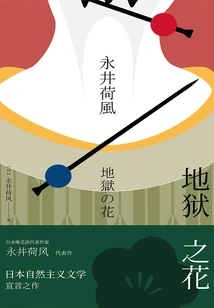
Flower of Hell
Literature地狱之花
Nagai Kafeng
"Flower of Hell" is a masterpiece by the famous Japanese writer Karika Nagai. This book contains four short stories and short stories: "Flowers of Hell", "Sumida River", "Snow Melting" and "Two Wives". "Flower of Hell" reflects the Meiji era women's determination to break through secular concepts and strive for the freedom and happiness of modern people through the experiences of a girl Sonoko who worked as a female teacher in a wealthy family. The postscript of the work is regarded by the Japanese literary circle as a declaration of Zolaism and has a great influence. "Sumida River" is considered to be the most classical novel among Nagai Kafeng's creations. The main characters, Asi and Changji, are childhood sweethearts who face different choices of life paths when they grow up. Asi is determined to become a geisha, while Changyoshi is asked by her mother to study hard. Contrasting with Changji's loneliness and sadness is Asi's cheerfulness and courage. The other two works included in this book, "Snow Melt" and "Two Wives", are also famous short stories and short stories by Karika Nagai.
"Flower of Hell" is a masterpiece by the famous Japanese writer Karika Nagai. This book contains four short stories and short stories: "Flowers of Hell", "Sumida River", "Snow Melting" and "Two Wives". "Flower of Hell" reflects the Meiji era women's determination to break through secular concepts and strive for the freedom and happiness of modern people through the experiences of a girl Sonoko who worked as a female teacher in a wealthy family. The postscript of the work is regarded by the Japanese literary circle as a declaration of Zolaism and has a great influence. "Sumida River" is considered to be the most classical novel among Nagai Kafeng's creations. The main characters, Asi and Changji, are childhood sweethearts who face different choices of life paths when they grow up. Asi is determined to become a geisha, while Changyoshi is asked by her mother to study hard. Contrasting with Changji's loneliness and sadness is Asi's cheerfulness and courage. The other two works included in this book, "Snow Melt" and "Two Wives", are also famous short stories and short stories by Karika Nagai.
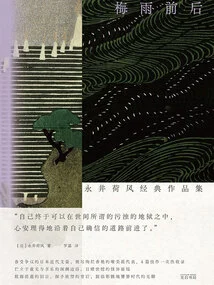
梅雨前后:永井荷风经典作品集
Nagai Kafeng
"I can finally move forward along the path I am sure of with peace of mind in the so-called filthy hell of the world." This book is a collection of novellas by Nagai Karikaze, a famous modern Japanese writer. It includes four novellas by Nagai Karikaze. Nagai Kafeng's works mostly feature geishas, dancers, cafe waitresses and other women who have fallen into love. He uses decadent brushwork to record the men and women who indulge in pleasure under the influence of the new era. His works always reveal the indescribable quality of emptiness. People are unable to place their own destiny in the gap between morality and desire, and they are unable to stop the entangled and collapsed relationship with others.
"I can finally move forward along the path I am sure of with peace of mind in the so-called filthy hell of the world." This book is a collection of novellas by Nagai Karikaze, a famous modern Japanese writer. It includes four novellas by Nagai Karikaze. Nagai Kafeng's works mostly feature geishas, dancers, cafe waitresses and other women who have fallen into love. He uses decadent brushwork to record the men and women who indulge in pleasure under the influence of the new era. His works always reveal the indescribable quality of emptiness. People are unable to place their own destiny in the gap between morality and desire, and they are unable to stop the entangled and collapsed relationship with others.
Jingyan
General Fiction竞艳
Nagai Kafeng
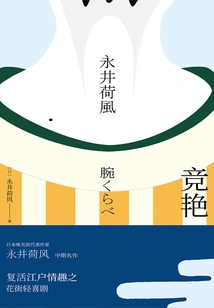
"Jing Yan" is a famous novel written by Nagai Kafeng. The protagonist is a geisha named Komashiro. After she got married, she retired for a time, but due to her husband's death, she returned to the flower world after seven years. There are vivid psychological descriptions and the appearances of various characters in the work, and the writing style is vivid and sophisticated. This way of writing can only be mastered by Nagai Kafeng. Known as the successor of Edo literature, he appropriately changed the word "vulgar" into "elegant".
"Jing Yan" is a famous novel written by Nagai Kafeng. The protagonist is a geisha named Komashiro. After she got married, she retired for a time, but due to her husband's death, she returned to the flower world after seven years. There are vivid psychological descriptions and the appearances of various characters in the work, and the writing style is vivid and sophisticated. This way of writing can only be mastered by Nagai Kafeng. Known as the successor of Edo literature, he appropriately changed the word "vulgar" into "elegant".
Yidong Qitan
General Fiction濹东绮谭
Nagai Kafeng
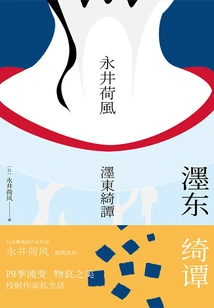
This book includes two representative novellas by Kafeng Nagai, "Yi Dong Qi Tan" and "The Rainy Season". In "The Story of the East", Kafeng Nagai used teasing and mocking strokes to describe Japan's dark situation and strange social atmosphere during the war years, and made sharp and ruthless mockery of the police's arrogance and ignorance as well as the dark era before Japan launched the war. The author watched his country slide into the abyss of war with sadness and indifference. "The Rainy Season" describes a cafe waitress named Junjie who came to the city from the countryside. In the specific environment of Ginza, downtown Tokyo, and influenced by the westward spread of the east at that time, she became a woman who indulged in fornication with the opposite sex and had no sense of shame. Her depravity reflects the moral decay caused by the social atmosphere at that time, and she has the tendency of civilized criticism.
This book includes two representative novellas by Kafeng Nagai, "Yi Dong Qi Tan" and "The Rainy Season". In "The Story of the East", Kafeng Nagai used teasing and mocking strokes to describe Japan's dark situation and strange social atmosphere during the war years, and made sharp and ruthless mockery of the police's arrogance and ignorance as well as the dark era before Japan launched the war. The author watched his country slide into the abyss of war with sadness and indifference. "The Rainy Season" describes a cafe waitress named Junjie who came to the city from the countryside. In the specific environment of Ginza, downtown Tokyo, and influenced by the westward spread of the east at that time, she became a woman who indulged in fornication with the opposite sex and had no sense of shame. Her depravity reflects the moral decay caused by the social atmosphere at that time, and she has the tendency of civilized criticism.