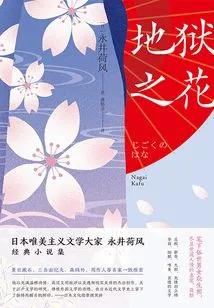
Flower of Hell
by Nagai Kafeng
About This Novel
"Flower of Hell" is a collection of classic novels by the Japanese aestheticist writer Karika Nagai, including "Flower of Hell", "Sumida River", "Fox", "The Snow Melts", "Sleeping Face", "Enomonogatari", "Song of Fukagawa" and other representative novels. The famous novel "Hell Flower" of the same name reflects the Meiji era women's determination to break through secular concepts and strive for the freedom and happiness of modern people through the experiences of a girl Sonoko who worked as a female teacher in a wealthy family. This work is regarded as the declaration of Japan's "Zolaism" and plays an important role in the history of Japanese literature. Nagai Kafeng focuses on ordinary people, or writes about young people who choose to die due to illness because their dreams cannot be realized ("Sumida River"), or writes about the fox exorcism experience that I experienced as a teenager, which made me doubt the karma in the world ("Fox"), or writes about the confession of the past left by the old abbot of a small temple. A life story ("Enomonogatari"), or a waitress reunited with a father who abandoned his daughter and lived a miserable life ("The Snow Melts"). Even if all living beings live in the mire of the bottom and face the test of sin and evil, they still have "beautiful flowers of human love" and "fragrant fruits of tears." Unlike Junichiro Tanizaki who was keen to oppose the repression of sex and love by feudal ethics through female beauty and sensual beauty, Karika Nagai was better at ridiculing and criticizing the superficial Westernization of Japan after the Meiji Restoration by describing the world's customs. Karika Nagai pays attention to the female group, especially those lower class characters struggling in the quagmire of fate. They represent the slowly disappearing Edo style. His works reveal the hedonistic thoughts of grasping the present and experiencing joy. They also reflect the author's pursuit of truth in the Japanese social situation at that time, and his unique rebellious style of commemorating Edo customs to resist the hypocrisy of society.
Official Sources
What Readers Think
Rating
Community(0)
Rating
Community(0)