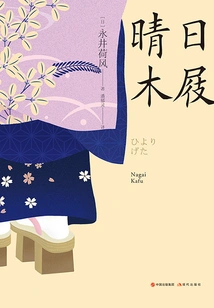
Sunny Clogs
by Nagai Kafeng
About This Novel
"Clothes of a Clear Sun" is a collection of prose essays by the representative Japanese aesthetic writer Karika Nagai, including Zhou Zuoren's favorite special collection "Cloths of a Clear Sun", as well as 17 excellent prose essays such as "Snowy Day", "Bells" and "Plum Rain Clear". As the "Preface" says, "The recorded image of Japan today" presents the emotion of "the abyss of yesterday has become a shoal today, and everything in the world is unpredictable." Nagai Hefeng's life, aspirations, literary and artistic views, creative views, etc. Are all included in this excellent prose. The written words are like vivid "Edo period" ukiyo-e paintings. When you walk among them, you can see familiar remnants and remnants of past civilization everywhere. "Sunny Geta" describes a story about a 100-year-old man wearing Sunny Geta and holding a bat umbrella in the streets and alleys of Tokyo and its suburbs. He recounts his experiences and thoughts in detail, especially recording the traditional Japanese culture and ancient relics that have been severely damaged under the impact of modern civilized society. It expresses the aftertaste, yearning and nostalgia for the secular life in Edo in a sad and sad mood, highlighting the cultural critical vision of a traditional literati in a period of social transformation. He poured his nostalgia for the scenery of the past into his writing, constructing an aesthetic space that is different from that of contemporary cities, and showing the Dutch-style literati taste and tranquil and comfortable life. Karika Nagai is a sentimental nostalgist. His words are full of passionate and simple nostalgia for the Meiji period. He disdains the society after Taisho that is full of suspicion and resentment. He feels that Japan's modern life and Japanese people's temperament are completely different from the elegance of Japanese scenery. "In those days, the falling snow on the street could always evoke the sadness in people's hearts just like the timbre of the shamisen." "What is irreversible in this world are not just short-lived dreams." These emotions are particularly strong in works such as "Geta on a Sunny Day", "Snowy Day", "Hometown Now and Then" and "Concubine's House". Like his novels, Hefeng's prose essays reflected his high sensitivity to the tide of modernization in Japan at that time. He used literature to criticize current ills and face social problems directly. He also conveyed his firm belief that "the deep valleys of moral corruption are not without true and kind feelings." This was the fulcrum of his nostalgia for Edo. As the saying goes, "Knowing people and judging the world", the best way to interpret Nagai Hefeng is to read his essays. It is said that literature is like people, and this is especially true for him.
Official Sources
What Readers Think
Rating
Community(0)
Rating
Community(0)