Library
Browse and search books
383 novels found
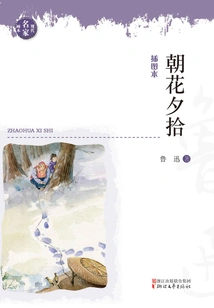
朝花夕拾(插图本)
Lu Xun
"Morning Blossoms Plucked at Dusk" are ten essays "copied from memory" written by Lu Xun between February and November 1926 in retrospect of the past. These essays were published one after another in the bimonthly magazine "Wangyuan", with the general title "Revisiting Old Things". When compiled into a book in 1927, it was named "Morning Blossoms Picked Up at Dusk". Regarding "Picking Up Flowers in the Morning and Dusk", Lu Xun's own explanation is: "Folding flowers with dew, the color and fragrance are naturally much better, but I can't. Even the bizarre and messy things in my mind now, I can't instantly transform them into strange and messy articles. Or, when I look up at the flowing clouds in the day, they will flash in front of my eyes." As the only collection of Lu Xun's essays, and with the nature of autobiography, this book is of great value to the study of Lu Xun.
"Morning Blossoms Plucked at Dusk" are ten essays "copied from memory" written by Lu Xun between February and November 1926 in retrospect of the past. These essays were published one after another in the bimonthly magazine "Wangyuan", with the general title "Revisiting Old Things". When compiled into a book in 1927, it was named "Morning Blossoms Picked Up at Dusk". Regarding "Picking Up Flowers in the Morning and Dusk", Lu Xun's own explanation is: "Folding flowers with dew, the color and fragrance are naturally much better, but I can't. Even the bizarre and messy things in my mind now, I can't instantly transform them into strange and messy articles. Or, when I look up at the flowing clouds in the day, they will flash in front of my eyes." As the only collection of Lu Xun's essays, and with the nature of autobiography, this book is of great value to the study of Lu Xun.
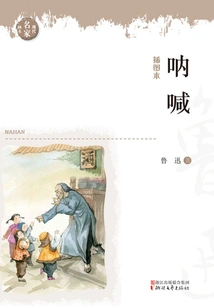
Scream (illustrated Book)
General Fiction呐喊(插图本)
Lu Xun
"The Scream" is a collection of short stories written by Mr. Lu Xun between 1918 and 1922. It includes fourteen short stories including "Diary of a Madman", "Medicine" and "Tomorrow". It aroused strong social repercussions after its publication. "The Scream" truly depicts China's social life from the Revolution of 1911 to the May Fourth period, reveals various deep-seated social contradictions, deeply analyzes and completely negates the feudal system and outdated traditional concepts, and expresses the author's strong concern for the survival of the nation and his deep thinking on social change.
"The Scream" is a collection of short stories written by Mr. Lu Xun between 1918 and 1922. It includes fourteen short stories including "Diary of a Madman", "Medicine" and "Tomorrow". It aroused strong social repercussions after its publication. "The Scream" truly depicts China's social life from the Revolution of 1911 to the May Fourth period, reveals various deep-seated social contradictions, deeply analyzes and completely negates the feudal system and outdated traditional concepts, and expresses the author's strong concern for the survival of the nation and his deep thinking on social change.
Shout
General Fiction呐喊
Lu Xun
"The Scream" is a collection of Lu Xun's short stories, including 14 novels written by Lu Xun from 1918 to 1922, including "Diary of a Madman", "Kong Yiji", "Medicine", "The True Story of Ah Q" and "Hometown". "The Scream" depicts the reality of Chinese society from before and after the Revolution of 1911 to the "May 4th" period, profoundly exposes the cannibalistic nature and hypocrisy of the feudal patriarchal system and feudal ethics, painfully dissects the silent soul of China's people, and criticizes the bad nature of the people.
"The Scream" is a collection of Lu Xun's short stories, including 14 novels written by Lu Xun from 1918 to 1922, including "Diary of a Madman", "Kong Yiji", "Medicine", "The True Story of Ah Q" and "Hometown". "The Scream" depicts the reality of Chinese society from before and after the Revolution of 1911 to the "May 4th" period, profoundly exposes the cannibalistic nature and hypocrisy of the feudal patriarchal system and feudal ethics, painfully dissects the silent soul of China's people, and criticizes the bad nature of the people.
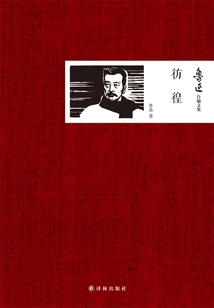
Wandering (collected Works Compiled by Lu Xun)
General Fiction彷徨(鲁迅自编文集)
Lu Xun
"Wandering" contains 11 novels written by Lu Xun from 1924 to 1925, which was the period when the new culture camp was divided after the "May 4th" movement. It turns out that among those who participated in the New Culture Movement, "some retired, some were promoted, and some moved forward." Lu Xun was as "lonely" and "wandering" as a wandering warrior unable to form an army. "Wandering" expresses his mood of exploration on the revolutionary journey during this period.
"Wandering" contains 11 novels written by Lu Xun from 1924 to 1925, which was the period when the new culture camp was divided after the "May 4th" movement. It turns out that among those who participated in the New Culture Movement, "some retired, some were promoted, and some moved forward." Lu Xun was as "lonely" and "wandering" as a wandering warrior unable to form an army. "Wandering" expresses his mood of exploration on the revolutionary journey during this period.
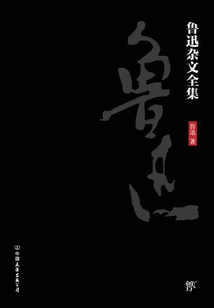
鲁迅杂文全集(全二册)最新版
Lu Xun
"The Complete Collection of Lu Xun's Essays" is a collection of all Lu Xun's essays, including "The Grave", "Hot Wind", "The Huagai Collection", "The Sequel to the Huagai Collection", "The Sequel to the Huagai Collection", "Only Collection", "Three Idle Collections", "Two Hearts Collection", "Nanqianbei Diao Collection" There are 19 volumes including "Pseudo Free Letters", "Quan Feng Yue Tan", "Lace Literature", "Qie Jie Ting's Essays", "Second Collection of Qie Jie Ting's Essays", "The Last Collection of Qie Jie Ting's Essays", "Collection of Qie Jie Ting's Essays", "Collections from Jiwai Collection", "Supplements to Collection from Jiwai Collection". Lu Xun's works are of extremely high literary value, especially Lu Xun's essays, which occupy a unique position among Lu Xun's works.
"The Complete Collection of Lu Xun's Essays" is a collection of all Lu Xun's essays, including "The Grave", "Hot Wind", "The Huagai Collection", "The Sequel to the Huagai Collection", "The Sequel to the Huagai Collection", "Only Collection", "Three Idle Collections", "Two Hearts Collection", "Nanqianbei Diao Collection" There are 19 volumes including "Pseudo Free Letters", "Quan Feng Yue Tan", "Lace Literature", "Qie Jie Ting's Essays", "Second Collection of Qie Jie Ting's Essays", "The Last Collection of Qie Jie Ting's Essays", "Collection of Qie Jie Ting's Essays", "Collections from Jiwai Collection", "Supplements to Collection from Jiwai Collection". Lu Xun's works are of extremely high literary value, especially Lu Xun's essays, which occupy a unique position among Lu Xun's works.
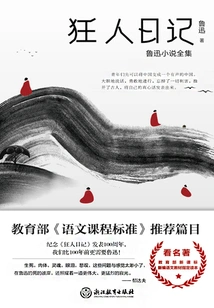
Diary of a Madman: Complete Novels by Lu Xun
General Fiction狂人日记:鲁迅小说全集
Lu Xun
"Diary of a Madman: The Complete Novels of Lu Xun" contains all of Lu Xun's novels, which are selected from three novel collections: "The Scream", "Wandering" and "New Stories". The themes of Lu Xun's novels are mostly anti-feudal, anti-ethical, anti-tradition, and anti-superstition. He is good at creating typical images and satirizing the dark sides of characters. His writing style is profound, cold and humorous, his syntax is concise and steep, and his stories are mostly set in his hometown. The protagonists of the novel, Ah Q, Sister Xianglin, Kong Yiji, Runtu, etc., Are well known to women and children in China.
"Diary of a Madman: The Complete Novels of Lu Xun" contains all of Lu Xun's novels, which are selected from three novel collections: "The Scream", "Wandering" and "New Stories". The themes of Lu Xun's novels are mostly anti-feudal, anti-ethical, anti-tradition, and anti-superstition. He is good at creating typical images and satirizing the dark sides of characters. His writing style is profound, cold and humorous, his syntax is concise and steep, and his stories are mostly set in his hometown. The protagonists of the novel, Ah Q, Sister Xianglin, Kong Yiji, Runtu, etc., Are well known to women and children in China.
朝花夕拾(中文在线典藏版)
Lu Xun
"Morning Blossoms Plucked at Dusk" is the only collection of memory essays written by Lu Xun. It was originally called "Revisiting Old Things". "Morning Blossoms Plucked at Dusk" was the name that Lu Xun later changed, and it has always been highly praised. "Chao" means the early years, and "Xi" means the old age, which means picking up flowers in the morning at night. This refers to Mr. Lu Xun's memories of people and things in his childhood, adolescence, and youth in his later years. The author said that these articles are "memories" "copied from memory". This book is a collection of Lu Xun's reminiscence essays written in 1926, with a total of ten essays. The first five articles were written in Beijing, and the last five articles were written in Xiamen.
"Morning Blossoms Plucked at Dusk" is the only collection of memory essays written by Lu Xun. It was originally called "Revisiting Old Things". "Morning Blossoms Plucked at Dusk" was the name that Lu Xun later changed, and it has always been highly praised. "Chao" means the early years, and "Xi" means the old age, which means picking up flowers in the morning at night. This refers to Mr. Lu Xun's memories of people and things in his childhood, adolescence, and youth in his later years. The author said that these articles are "memories" "copied from memory". This book is a collection of Lu Xun's reminiscence essays written in 1926, with a total of ten essays. The first five articles were written in Beijing, and the last five articles were written in Xiamen.
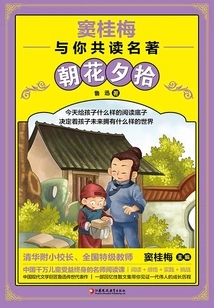
朝花夕拾(窦桂梅与你共读名著)
Lu Xun
"Morning Blossoms Picked Up at Dusk (Reading Masterpieces with You by Dou Guimei)" selects 10 of Mr. Lu Xun's beautiful, interesting and representative essays. It records the author's childhood life and youth study experience, recalls those unforgettable years, expresses the nostalgia for his former relatives, friends and teachers, and at the same time makes ruthless criticism and bitter satire of the dark reality. From these vivid words, we get to know a living Lu Xun and appreciate his fun, richness, grace and gentleness.
"Morning Blossoms Picked Up at Dusk (Reading Masterpieces with You by Dou Guimei)" selects 10 of Mr. Lu Xun's beautiful, interesting and representative essays. It records the author's childhood life and youth study experience, recalls those unforgettable years, expresses the nostalgia for his former relatives, friends and teachers, and at the same time makes ruthless criticism and bitter satire of the dark reality. From these vivid words, we get to know a living Lu Xun and appreciate his fun, richness, grace and gentleness.
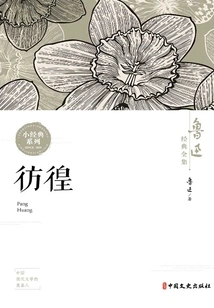
彷徨(鲁迅经典全集)
Lu Xun
The work expresses the author's thorough and uncompromising spirit of opposing feudalism and is a mirror of China's revolutionary thoughts. The works mainly include subjects of farmers and intellectuals. The entire collection of novels runs through the concern for the peasants and intellectuals living under the heavy pressure of feudal forces who "sorrow for their misfortune and are angry for their inability to fight". The novel is set in a profound and broad historical picture, and the narration of the fate of the characters is filled with emotions.
The work expresses the author's thorough and uncompromising spirit of opposing feudalism and is a mirror of China's revolutionary thoughts. The works mainly include subjects of farmers and intellectuals. The entire collection of novels runs through the concern for the peasants and intellectuals living under the heavy pressure of feudal forces who "sorrow for their misfortune and are angry for their inability to fight". The novel is set in a profound and broad historical picture, and the narration of the fate of the characters is filled with emotions.
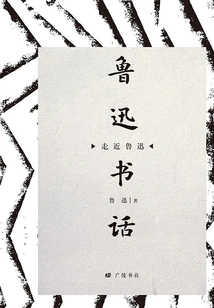
Lu Xun's Calligraphy
Literature鲁迅书话
Lu Xun
This book includes articles such as "Reading at random", "To Yan Limin", "To Hu Shi", "To Zhang Tingqian", "So-called novels among the Song Dynasty and its aftermath", "Fourteen Years of "Reading the Classics"", "Reading the Classics and Reading History".
This book includes articles such as "Reading at random", "To Yan Limin", "To Hu Shi", "To Zhang Tingqian", "So-called novels among the Song Dynasty and its aftermath", "Fourteen Years of "Reading the Classics"", "Reading the Classics and Reading History".
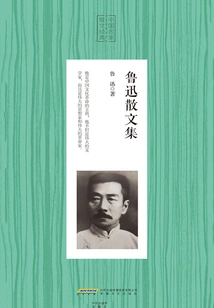
Lu Xun's Prose Collection
Literature鲁迅散文集
Lu Xun
This volume includes Lu Xun's classic prose "Wild Grass" and "Picking Flowers in the Morning and Evening". Its prose is extremely ironic and enlightening, and it is a very profound chapter of enlightenment.
This volume includes Lu Xun's classic prose "Wild Grass" and "Picking Flowers in the Morning and Evening". Its prose is extremely ironic and enlightening, and it is a very profound chapter of enlightenment.
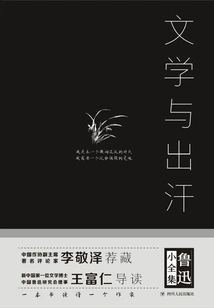
鲁迅小全集:文学与出汗(精装)
Lu Xun
"Literature and Sweating\u002F The Complete Works of Lu Xun" contains representative works from Lu Xun's essay albums "Grave", "Hot Wind", "Huagai Collection", "Huagai Collection Sequel", "Just Collection" and "Three Idle Collections". Lu Xun's essays still have strong practical significance in modern times. In particular, his essays have had a profound impact on the emergence and influence of various critical styles in modern communication, the development of essay writing themes, genres, and methods, the free and creative contribution to the use of modern literary language, and the reverse use of imaginative thinking and the combination of positive and negative.
"Literature and Sweating\u002F The Complete Works of Lu Xun" contains representative works from Lu Xun's essay albums "Grave", "Hot Wind", "Huagai Collection", "Huagai Collection Sequel", "Just Collection" and "Three Idle Collections". Lu Xun's essays still have strong practical significance in modern times. In particular, his essays have had a profound impact on the emergence and influence of various critical styles in modern communication, the development of essay writing themes, genres, and methods, the free and creative contribution to the use of modern literary language, and the reverse use of imaginative thinking and the combination of positive and negative.
朝花夕拾:鲁迅散文全集
Lu Xun
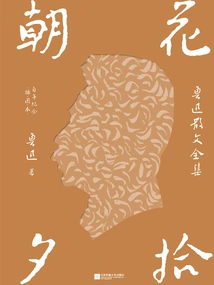
In order to commemorate the 100th anniversary of the publication of Lu Xun's novel "Blessing", authorized by the Lu Xun Museum in Beijing, this time the "My Silence is Deafening" illustrated series of selected works of Lu Xun (including novels, essays, essays, and biographies) is released, which for the first time includes Lu Xun's collection of woodcut prints, Lu Xun photos and other precious images. "Morning Blossoms Plucked at Dusk: The Complete Works of Lu Xun's Prose" is an illustrated prose book in the "My Silence Is Deafening" series of selected works of Lu Xun. Among them, "Morning Blossoms Plucked at Dusk" (1926) has a total of 10 articles, "Wild Grass" (1927) has a total of 23 articles, and "A Book of Two Places" (1934) has a total of 3 volumes. The selected prose in this book was edited by referring to the 1936 edition of "The Complete Works of Lu Xun" (first edition) and the November 2005 edition of "The Complete Works of Lu Xun" published by People's Literature Publishing House. In order to retain the essence of the original work to the greatest extent, the Tongjia characters and Lu Xun's customary characters throughout the book are still completely retained. Other foreign names, place names, etc. Also retain their original translations without modification. At the same time, in order to facilitate reading, necessary annotations are made on the names of people, places, works, important events, etc. In the book.
In order to commemorate the 100th anniversary of the publication of Lu Xun's novel "Blessing", authorized by the Lu Xun Museum in Beijing, this time the "My Silence is Deafening" illustrated series of selected works of Lu Xun (including novels, essays, essays, and biographies) is released, which for the first time includes Lu Xun's collection of woodcut prints, Lu Xun photos and other precious images. "Morning Blossoms Plucked at Dusk: The Complete Works of Lu Xun's Prose" is an illustrated prose book in the "My Silence Is Deafening" series of selected works of Lu Xun. Among them, "Morning Blossoms Plucked at Dusk" (1926) has a total of 10 articles, "Wild Grass" (1927) has a total of 23 articles, and "A Book of Two Places" (1934) has a total of 3 volumes. The selected prose in this book was edited by referring to the 1936 edition of "The Complete Works of Lu Xun" (first edition) and the November 2005 edition of "The Complete Works of Lu Xun" published by People's Literature Publishing House. In order to retain the essence of the original work to the greatest extent, the Tongjia characters and Lu Xun's customary characters throughout the book are still completely retained. Other foreign names, place names, etc. Also retain their original translations without modification. At the same time, in order to facilitate reading, necessary annotations are made on the names of people, places, works, important events, etc. In the book.
故事新编(精装典藏本)
Lu Xun
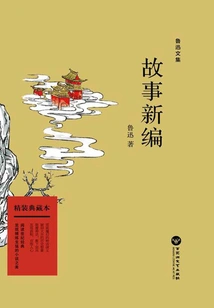
"New Stories" contains 8 novels and 1 preface written by Mr. Lu Xun from 1922 to 1935. "New Storytelling" mainly takes mythology and Chinese history as its themes, "only takes a few reasons and touches them randomly", "intricately blends ancient and modern times", and is rich in imagination and quite subversive. In addition to "New Stories", this book also includes Mr. Lu Xun's collection of prose poems "Wild Grass", which more completely, more concentratedly and richly reflects the ideological and artistic panorama of Mr. Lu Xun's life works.
"New Stories" contains 8 novels and 1 preface written by Mr. Lu Xun from 1922 to 1935. "New Storytelling" mainly takes mythology and Chinese history as its themes, "only takes a few reasons and touches them randomly", "intricately blends ancient and modern times", and is rich in imagination and quite subversive. In addition to "New Stories", this book also includes Mr. Lu Xun's collection of prose poems "Wild Grass", which more completely, more concentratedly and richly reflects the ideological and artistic panorama of Mr. Lu Xun's life works.
有间文库:朝花夕拾
Lu Xun
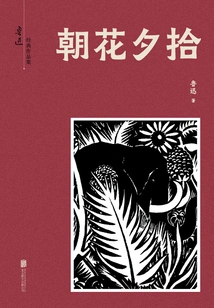
"Morning Blossoms Plucked at Dusk" is a collection of Lu Xun's retrospective essays. It is a well-known collection of essays and a collection of essays that is like a good teacher and helpful friend. Although "Morning Blossoms Plucked at Dusk" is not just written for children, it also writes many things about children, which makes it interesting to read. And as we grow older, we can always read different flavors from it. This is the charm of Lu Xun's works. This book is Lu Xun's recollection of different life experiences in his childhood, adolescence and youth. Girls with first love, female college students... For the author, some of them he has interacted with, some he has read in books, some he has heard of, and some he has imagined. They all left a deep mark on the author's life. In the author's eyes, they are all the most tempting mysteries, the most beautiful poems, and "Dante's women"
"Morning Blossoms Plucked at Dusk" is a collection of Lu Xun's retrospective essays. It is a well-known collection of essays and a collection of essays that is like a good teacher and helpful friend. Although "Morning Blossoms Plucked at Dusk" is not just written for children, it also writes many things about children, which makes it interesting to read. And as we grow older, we can always read different flavors from it. This is the charm of Lu Xun's works. This book is Lu Xun's recollection of different life experiences in his childhood, adolescence and youth. Girls with first love, female college students... For the author, some of them he has interacted with, some he has read in books, some he has heard of, and some he has imagined. They all left a deep mark on the author's life. In the author's eyes, they are all the most tempting mysteries, the most beautiful poems, and "Dante's women"
Hesitant
General Fiction彷徨
Lu Xun
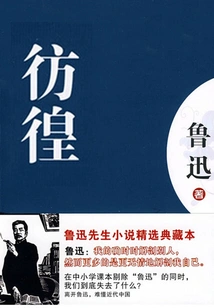
"Wandering" is a collection of short stories by Mr. Lu Xun, which was written during the period when the new culture camp was divided after the "May 4th Movement". It turns out that among those who participated in the New Culture Movement, "some retired, some were promoted, and some advanced." Lu Xun was as "lonely" and "wandering" as a wandering warrior unable to form a formation. On the title page of "Wandering", he quoted a poem from "Li Sao": "The road is long and long, and I will search up and down."
"Wandering" is a collection of short stories by Mr. Lu Xun, which was written during the period when the new culture camp was divided after the "May 4th Movement". It turns out that among those who participated in the New Culture Movement, "some retired, some were promoted, and some advanced." Lu Xun was as "lonely" and "wandering" as a wandering warrior unable to form a formation. On the title page of "Wandering", he quoted a poem from "Li Sao": "The road is long and long, and I will search up and down."
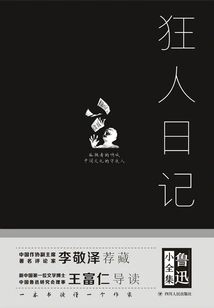
The Complete Works of Lu Xun: Diary of a Madman (hardcover)
General Fiction鲁迅小全集:狂人日记(精装)
Lu Xun
The pioneer and most important work of modern Chinese vernacular novels, a very good collection of novels written by Lu Xun. A cry from the iron house, a textbook recommended for self-examination by Chinese people, and a classic that analyzes the Chinese people with sharp writing. Lu Xun was ahead of his time, and his works were a thorough interpretation of the Chinese psychological model and folk customs. Today, when we read Lu Xun, it has even more profound significance. It shows the simple beauty of words.
The pioneer and most important work of modern Chinese vernacular novels, a very good collection of novels written by Lu Xun. A cry from the iron house, a textbook recommended for self-examination by Chinese people, and a classic that analyzes the Chinese people with sharp writing. Lu Xun was ahead of his time, and his works were a thorough interpretation of the Chinese psychological model and folk customs. Today, when we read Lu Xun, it has even more profound significance. It shows the simple beauty of words.
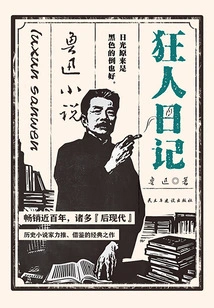
Diary of a Madman
General Fiction狂人日记
Lu Xun
This book contains two classic works by Lu Xun, "Diary of a Madman" and "Hot Wind". "Diary of a Madman" is the first short vernacular diary novel written by Lu Xun and the first modern vernacular novel in China. It was written in April 1918. This article first appeared in the monthly magazine "New Youth", Volume 4, Issue 5, May 15, 1918, and was later included in the collection "Scream". "Hot Wind" refers to a collection of essays written by Lu Xun from 1918 to 1924. At that time, China was in its darkest era, and many people with lofty ideals and benevolence were exploring the root causes of social ills. There was ruthless indifference and affectionate irony in the cultural circles.
This book contains two classic works by Lu Xun, "Diary of a Madman" and "Hot Wind". "Diary of a Madman" is the first short vernacular diary novel written by Lu Xun and the first modern vernacular novel in China. It was written in April 1918. This article first appeared in the monthly magazine "New Youth", Volume 4, Issue 5, May 15, 1918, and was later included in the collection "Scream". "Hot Wind" refers to a collection of essays written by Lu Xun from 1918 to 1924. At that time, China was in its darkest era, and many people with lofty ideals and benevolence were exploring the root causes of social ills. There was ruthless indifference and affectionate irony in the cultural circles.
Traveling Through Mountains and Rivers
Ancient Romance历遍山河人间
Lu Xun
--Adapted from "A Taoist Friend of Mine" His disaster is destined to come, and he just wants to have a good love, but as everyone knows, she is his disaster...
--Adapted from "A Taoist Friend of Mine" His disaster is destined to come, and he just wants to have a good love, but as everyone knows, she is his disaster...
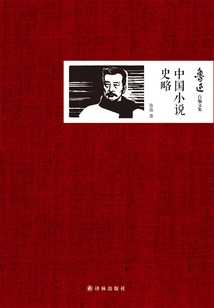
中国小说史略(鲁迅自编文集)
Lu Xun
"A Brief History of Chinese Novels" was originally Lu Xun's lecture notes on the history of Chinese novels at Peking University, with a total of twenty-eight articles. It was written in 1924 and published by Beijing Beixin Book Company in 1925. This book is the first monograph on the history of Chinese novels compiled by Mr. Lu Xun. The book has a total of twenty-eight chapters, describing the occurrence, development, and evolution of ancient Chinese novels, starting from myths and legends and ending with condemnation novels in the late Qing Dynasty. This book has a rich collection of materials and collected them carefully. It analyzes the thought and art of the novels of the past dynasties with concise words and accurate judgments. It is a landmark classic work in the 20th century.
"A Brief History of Chinese Novels" was originally Lu Xun's lecture notes on the history of Chinese novels at Peking University, with a total of twenty-eight articles. It was written in 1924 and published by Beijing Beixin Book Company in 1925. This book is the first monograph on the history of Chinese novels compiled by Mr. Lu Xun. The book has a total of twenty-eight chapters, describing the occurrence, development, and evolution of ancient Chinese novels, starting from myths and legends and ending with condemnation novels in the late Qing Dynasty. This book has a rich collection of materials and collected them carefully. It analyzes the thought and art of the novels of the past dynasties with concise words and accurate judgments. It is a landmark classic work in the 20th century.
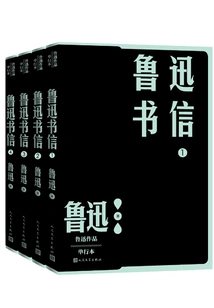
Letters of Lu Xun (four Volumes)
Literature鲁迅书信(全四册)
Lu Xun
The single volume of "The Complete Works of Lu Xun" is a popularized reading version based on the compilation of "The Complete Works of Lu Xun". Our publisher launched 24 categories in 1973, including only novels and essays. In 2006, our company launched a new edition, this time adding diaries and letters, totaling 29 types. There are four volumes of Lu Xun's letters, including the author's diaries written from October 8, 1904 to before his death. These diaries were collected by Lu Xun and published by Xu Guangping as "Lu Xun's Letters".
The single volume of "The Complete Works of Lu Xun" is a popularized reading version based on the compilation of "The Complete Works of Lu Xun". Our publisher launched 24 categories in 1973, including only novels and essays. In 2006, our company launched a new edition, this time adding diaries and letters, totaling 29 types. There are four volumes of Lu Xun's letters, including the author's diaries written from October 8, 1904 to before his death. These diaries were collected by Lu Xun and published by Xu Guangping as "Lu Xun's Letters".
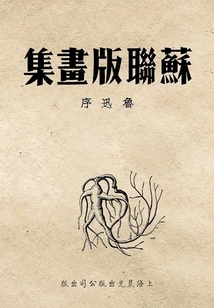
Soviet Print Collection
Literature苏联版画集
Lu Xun
A collection of printmaking works compiled by Lu Xun. In early 1936, printmaking exhibitions organized by the Soviet Association for Foreign Culture were held in Nanjing and Shanghai. Lu Xun received strong support and wrote an introduction. Lu Xun later accepted the invitation to edit and publish these prints, and wrote the preface himself. He said: "I feel that none of these authors are chic, elegant, smart, and exquisite. They are all like the incarnation of the vast black soil, and sometimes they seem cumbersome. Since the October Revolution, the pioneering masters endured hunger and cold, and persevered in developing this field with a large mirror and a few knives. Although it has been copied this time, the outline is still there. We can see that any of the paintings are not solid, sincere, or tricked. " Therefore, he hopes that the publication of this collection will have a good impact on Chinese readers, and not just express the artistic achievements of the Soviet Union.
A collection of printmaking works compiled by Lu Xun. In early 1936, printmaking exhibitions organized by the Soviet Association for Foreign Culture were held in Nanjing and Shanghai. Lu Xun received strong support and wrote an introduction. Lu Xun later accepted the invitation to edit and publish these prints, and wrote the preface himself. He said: "I feel that none of these authors are chic, elegant, smart, and exquisite. They are all like the incarnation of the vast black soil, and sometimes they seem cumbersome. Since the October Revolution, the pioneering masters endured hunger and cold, and persevered in developing this field with a large mirror and a few knives. Although it has been copied this time, the outline is still there. We can see that any of the paintings are not solid, sincere, or tricked. " Therefore, he hopes that the publication of this collection will have a good impact on Chinese readers, and not just express the artistic achievements of the Soviet Union.
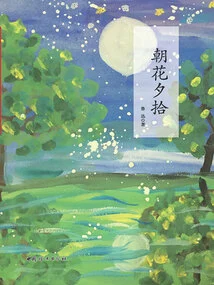
朝花夕拾
Lu Xun
"Morning Blossoms Plucked at Dusk" is the only collection of memory prose written by Lu Xun, and is a model of modern memory prose. It consists of ten essays, which relatively completely records Lu Xun's life experience and growth path from childhood to youth. On the basis of recalling the past, Lu Xun violently criticized the social phenomena at that time, making it highly realistic. From these articles, we can gain a perspective on life at the end of the Qing Dynasty and the beginning of the Republic of China, and understand the social landscape at that time.
"Morning Blossoms Plucked at Dusk" is the only collection of memory prose written by Lu Xun, and is a model of modern memory prose. It consists of ten essays, which relatively completely records Lu Xun's life experience and growth path from childhood to youth. On the basis of recalling the past, Lu Xun violently criticized the social phenomena at that time, making it highly realistic. From these articles, we can gain a perspective on life at the end of the Qing Dynasty and the beginning of the Republic of China, and understand the social landscape at that time.
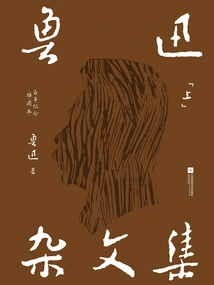
Collected Essays of Lu Xun (part 1)
Literature鲁迅杂文集(上)
Lu Xun
In order to commemorate the 100th anniversary of the publication of Lu Xun's novel "Blessing", authorized by the Lu Xun Museum in Beijing, this time the "My Silence is Deafening" illustrated series of selected works of Lu Xun (including novels, essays, essays, and biographies) is released, which for the first time includes Lu Xun's collection of woodcut prints, Lu Xun photos and other precious images. "Collected Essays of Lu Xun" is an illustrated volume of essays in the "My Silence Is Deafening" series of selected works of Lu Xun. The selected essays in this book are edited by referring to the 1936 edition of "The Complete Works of Lu Xun" (first edition) and the November 2005 edition of "The Complete Works of Lu Xun" published by People's Literature Publishing House. In order to retain the essence of the original work to the greatest extent, the Tongjia characters and Lu Xun's customary characters throughout the book are still completely retained. Other foreign names, place names, etc. Also retain their original translations without modification. At the same time, in order to facilitate reading, necessary annotations are made on the names of people, places, works, important events, etc. In the book.
In order to commemorate the 100th anniversary of the publication of Lu Xun's novel "Blessing", authorized by the Lu Xun Museum in Beijing, this time the "My Silence is Deafening" illustrated series of selected works of Lu Xun (including novels, essays, essays, and biographies) is released, which for the first time includes Lu Xun's collection of woodcut prints, Lu Xun photos and other precious images. "Collected Essays of Lu Xun" is an illustrated volume of essays in the "My Silence Is Deafening" series of selected works of Lu Xun. The selected essays in this book are edited by referring to the 1936 edition of "The Complete Works of Lu Xun" (first edition) and the November 2005 edition of "The Complete Works of Lu Xun" published by People's Literature Publishing House. In order to retain the essence of the original work to the greatest extent, the Tongjia characters and Lu Xun's customary characters throughout the book are still completely retained. Other foreign names, place names, etc. Also retain their original translations without modification. At the same time, in order to facilitate reading, necessary annotations are made on the names of people, places, works, important events, etc. In the book.
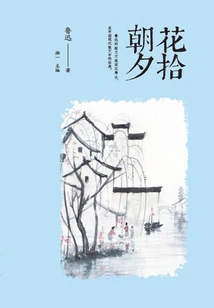
朝花夕拾
Lu Xun
As a "note of memories", this collection reflects the author Lu Xun's teenage life in many aspects, and vividly reflects the formation of his character and interests. The first seven chapters reflect his childhood life in his family and private school in Shaoxing, and the last three chapters describe his journey from his hometown to Nanjing, to Japan to study, and then back to China to teach. They reveal all the ugly and irrational phenomena in semi-feudal and semi-colonial society. They also reflect the difficult journey of aspiring young intellectuals in seeking light in the dark night of old China, and express the author's nostalgia for his former relatives, friends, and teachers. The anthology is mainly narrative, full of strong lyrical flavor, often mixed with discussion, so that lyricism, narrative and discussion are integrated into one, beautiful, harmonious, simple and touching. The works are poetic and picturesque, interspersed with humor and allegory from time to time; the images are vivid, the style is clear, and they have strong appeal.
As a "note of memories", this collection reflects the author Lu Xun's teenage life in many aspects, and vividly reflects the formation of his character and interests. The first seven chapters reflect his childhood life in his family and private school in Shaoxing, and the last three chapters describe his journey from his hometown to Nanjing, to Japan to study, and then back to China to teach. They reveal all the ugly and irrational phenomena in semi-feudal and semi-colonial society. They also reflect the difficult journey of aspiring young intellectuals in seeking light in the dark night of old China, and express the author's nostalgia for his former relatives, friends, and teachers. The anthology is mainly narrative, full of strong lyrical flavor, often mixed with discussion, so that lyricism, narrative and discussion are integrated into one, beautiful, harmonious, simple and touching. The works are poetic and picturesque, interspersed with humor and allegory from time to time; the images are vivid, the style is clear, and they have strong appeal.
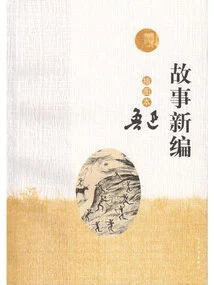
New Story (illustrated Version)
Literature故事新编(插图本)
Lu Xun
"New Stories" contains eight short stories written by Mr. Lu Xun between 1922 and 1935 based on ancient myths and historical legends. It was first published by Shanghai Cultural Life Publishing House in January 1936 and listed as one of the "Literature Series" edited by Ba Jin. "New Story" is different from "The Scream" and "Wandering" in terms of material selection and writing method. Mr. Lu Xun himself believed that this was a collection of "myths, legends and historical facts".
"New Stories" contains eight short stories written by Mr. Lu Xun between 1922 and 1935 based on ancient myths and historical legends. It was first published by Shanghai Cultural Life Publishing House in January 1936 and listed as one of the "Literature Series" edited by Ba Jin. "New Story" is different from "The Scream" and "Wandering" in terms of material selection and writing method. Mr. Lu Xun himself believed that this was a collection of "myths, legends and historical facts".
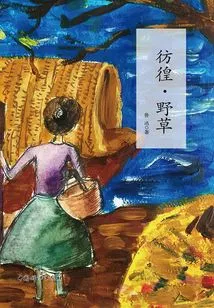
Wandering·weeds
General Fiction彷徨·野草
Lu Xun
"Wandering" contains 11 novels written by the author from 1924 to 1925. It was first published by Beijing Beixin Book Company in 1926 and listed as one of the "Wuhe Series" compiled by the author. "Wild Grass" contains 23 prose poems written by Lu Xun in Beijing from September 1924 to April 1926 and one "Inscription" written when compiling the collection in 1927. It can be said that the author's lifelong philosophy is contained in "Weeds".
"Wandering" contains 11 novels written by the author from 1924 to 1925. It was first published by Beijing Beixin Book Company in 1926 and listed as one of the "Wuhe Series" compiled by the author. "Wild Grass" contains 23 prose poems written by Lu Xun in Beijing from September 1924 to April 1926 and one "Inscription" written when compiling the collection in 1927. It can be said that the author's lifelong philosophy is contained in "Weeds".
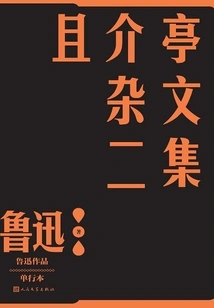
且介亭杂文二集
Lu Xun
"Second Collection of Qiejieting Essays" contains 48 essays written by Lu Xun in 1935. They were works created when Lu Xun lived in the semi-concession area of Shanghai. The stand-alone version is a popularized reading version based on the compilation of "The Complete Works of Lu Xun". Lu Xun's works include essays, short stories, reviews, essays, and translations, which have had a profound impact on Chinese literature after the "May Fourth Movement."
"Second Collection of Qiejieting Essays" contains 48 essays written by Lu Xun in 1935. They were works created when Lu Xun lived in the semi-concession area of Shanghai. The stand-alone version is a popularized reading version based on the compilation of "The Complete Works of Lu Xun". Lu Xun's works include essays, short stories, reviews, essays, and translations, which have had a profound impact on Chinese literature after the "May Fourth Movement."
呐喊(鲁迅经典全集)
Lu Xun
The collection of novels truly depicts the social life from the Revolution of 1911 to the May 4th Movement. Starting from revolutionary democracy, with the purpose of enlightenment and the spirit of humanitarianism, it reveals various deep-seated social contradictions, conducts a profound analysis and relatively complete negation of the old Chinese system and some outdated traditional concepts, and shows a strong sense of worry for the survival of the nation and a strong hope for social change. "The Scream" is the beginning and maturity of modern Chinese novels, and pioneered modern realist literature.
The collection of novels truly depicts the social life from the Revolution of 1911 to the May 4th Movement. Starting from revolutionary democracy, with the purpose of enlightenment and the spirit of humanitarianism, it reveals various deep-seated social contradictions, conducts a profound analysis and relatively complete negation of the old Chinese system and some outdated traditional concepts, and shows a strong sense of worry for the survival of the nation and a strong hope for social change. "The Scream" is the beginning and maturity of modern Chinese novels, and pioneered modern realist literature.
Jiwaiji
Literature集外集
Lu Xun
This book is a collection of poems and essays that were not included in Lu Xun's essays published before 1933. It was published by Shanghai Qunzhong Book Company in May 1935. The stand-alone version is a popularized reading version based on the compilation of "The Complete Works of Lu Xun". Lu Xun's works include essays, short stories, reviews, essays, and translations, which have had a profound impact on Chinese literature after the "May Fourth Movement."
This book is a collection of poems and essays that were not included in Lu Xun's essays published before 1933. It was published by Shanghai Qunzhong Book Company in May 1935. The stand-alone version is a popularized reading version based on the compilation of "The Complete Works of Lu Xun". Lu Xun's works include essays, short stories, reviews, essays, and translations, which have had a profound impact on Chinese literature after the "May Fourth Movement."
故事新编(鲁迅经典全集)
Lu Xun
"New Stories" is a collection of short stories written by Mr. Lu Xun based on ancient myths and historical legends. It is Lu Xun's last innovative work. Five of the eight stories in it were written in the last period of Lu Xun's life. Facing the threat of death, being in internal and external difficulties, and suffering from physical and mental exhaustion, the overall style of "New Stories" shows unprecedented calmness, abundance, humor and freedom. Mr. Lu Xun himself believed that this was a
"New Stories" is a collection of short stories written by Mr. Lu Xun based on ancient myths and historical legends. It is Lu Xun's last innovative work. Five of the eight stories in it were written in the last period of Lu Xun's life. Facing the threat of death, being in internal and external difficulties, and suffering from physical and mental exhaustion, the overall style of "New Stories" shows unprecedented calmness, abundance, humor and freedom. Mr. Lu Xun himself believed that this was a
朝花夕拾(插图本)
Lu Xun
This book is one of the most important collections of prose by Mr. Lu Xun and enjoys a high reputation in the history of modern Chinese prose. It contains a total of twelve works including "From Baicao Garden to Sanwei Bookstore", which describes the author's childhood life and study process in his youth, expresses his nostalgia for his former relatives, friends and teachers, and mocks the reactionary and conservative forces in the narration and discussion. It is a beautiful prose treasure based on memories and written with skillful literary techniques. It has been loved by generations of readers, especially young readers.
This book is one of the most important collections of prose by Mr. Lu Xun and enjoys a high reputation in the history of modern Chinese prose. It contains a total of twelve works including "From Baicao Garden to Sanwei Bookstore", which describes the author's childhood life and study process in his youth, expresses his nostalgia for his former relatives, friends and teachers, and mocks the reactionary and conservative forces in the narration and discussion. It is a beautiful prose treasure based on memories and written with skillful literary techniques. It has been loved by generations of readers, especially young readers.
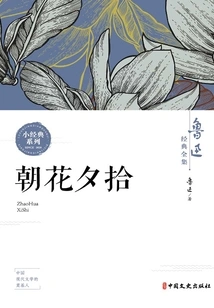
朝花夕拾(鲁迅经典全集)
Lu Xun
As a "note of memories", this collection reflects the author Lu Xun's teenage life in many aspects, and vividly reflects the formation of his character and interests. The first seven chapters reflect his childhood life in his family and private school in Shaoxing, while the last three chapters describe his experience of traveling from his hometown to Nanjing, to Japan to study, and then back to China to teach. They expose all kinds of ugly and unreasonable phenomena in semi-feudal and semi-colonial society. They also reflect the difficult journey of aspiring young intellectuals in seeking light in the vast darkness of old China, and express the author's nostalgia for his former relatives, friends, and teachers.
As a "note of memories", this collection reflects the author Lu Xun's teenage life in many aspects, and vividly reflects the formation of his character and interests. The first seven chapters reflect his childhood life in his family and private school in Shaoxing, while the last three chapters describe his experience of traveling from his hometown to Nanjing, to Japan to study, and then back to China to teach. They expose all kinds of ugly and unreasonable phenomena in semi-feudal and semi-colonial society. They also reflect the difficult journey of aspiring young intellectuals in seeking light in the vast darkness of old China, and express the author's nostalgia for his former relatives, friends, and teachers.
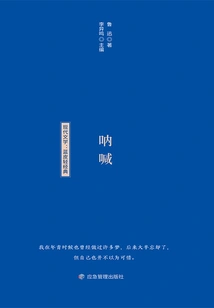
蓝皮轻经典阅读书系:呐喊
Lu Xun
"The Scream" collects short stories written by Mr. Lu Xun from 1918 to 1922. It is the beginning and maturity of modern Chinese novels, and pioneered modern realist literature. For readers who like Lu Xun's works, this book is a must-read. The book vividly creates a number of immortal artistic images such as Madman, Kong Yiji, and Ah Q. It profoundly reflects the current situation of life from the end of the 19th century to the 1920s, effectively exposes and lashes out the old feudal evil forces, expresses the author's desire for change, shouts for the times, and hopes to awaken the minds of the people. It also establishes Mr. Lu Xun's current position in the history of modern Chinese literature and modern culture. The collected works reflect the appearance of China's ancient rural villages and towns from before and after the Revolution of 1911 to the "May 4th" period, depict the social reality of China from before and after the 1911 Revolution to the "May 4th" period, summarize the historical experience and lessons of the 1911 Revolution, profoundly expose the cannibalistic nature and hypocrisy of the feudal patriarchal system and feudal ethics, painfully dissect the silent soul of China's citizens, and criticize the bad nature of the people.
"The Scream" collects short stories written by Mr. Lu Xun from 1918 to 1922. It is the beginning and maturity of modern Chinese novels, and pioneered modern realist literature. For readers who like Lu Xun's works, this book is a must-read. The book vividly creates a number of immortal artistic images such as Madman, Kong Yiji, and Ah Q. It profoundly reflects the current situation of life from the end of the 19th century to the 1920s, effectively exposes and lashes out the old feudal evil forces, expresses the author's desire for change, shouts for the times, and hopes to awaken the minds of the people. It also establishes Mr. Lu Xun's current position in the history of modern Chinese literature and modern culture. The collected works reflect the appearance of China's ancient rural villages and towns from before and after the Revolution of 1911 to the "May 4th" period, depict the social reality of China from before and after the 1911 Revolution to the "May 4th" period, summarize the historical experience and lessons of the 1911 Revolution, profoundly expose the cannibalistic nature and hypocrisy of the feudal patriarchal system and feudal ethics, painfully dissect the silent soul of China's citizens, and criticize the bad nature of the people.
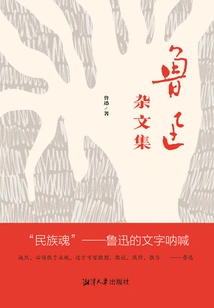
Lu Xun's Essays
Literature鲁迅杂文集
Lu Xun
This book collects Mr. Lu Xun's essays written in different eras and in different styles, including 12 essays in "Grave", 10 essays in "Huagai Collection", 5 essays in "Jijiji", 6 essays in "Sanxian Collection", 6 essays in "Zhunfengyuetan", 11 essays in "Collection of Nanqiangbei Diao", and "Essays of Qiejieting". 9 Articles, 5 "Lace Literature", 12 "Qiejieting Essays Collection Two", a total of 76 essays, roughly arranged in the order of publication time, fully displaying Mr. Lu Xun's creative style and cultural heritage in different periods, and truly showing Mr. Lu Xun's thoughts and style.
This book collects Mr. Lu Xun's essays written in different eras and in different styles, including 12 essays in "Grave", 10 essays in "Huagai Collection", 5 essays in "Jijiji", 6 essays in "Sanxian Collection", 6 essays in "Zhunfengyuetan", 11 essays in "Collection of Nanqiangbei Diao", and "Essays of Qiejieting". 9 Articles, 5 "Lace Literature", 12 "Qiejieting Essays Collection Two", a total of 76 essays, roughly arranged in the order of publication time, fully displaying Mr. Lu Xun's creative style and cultural heritage in different periods, and truly showing Mr. Lu Xun's thoughts and style.
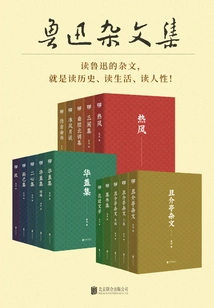
Youjian Library: Lu Xun's Essays
Literature有间文库:鲁迅杂文集
Lu Xun
The collection of Lu Xun's essays includes: Refeng, Sanxian Collection, Nanqianbei Diao Collection, Pseudo Free Letters, Quan Feng Yue Tan, Qie Jie Ting's Essays, Two Collections of Qie Jie Ting's Essays, The Last Collection of Qie Jie Ting's Essays, Collection Outside Collection, Tomb, Huagai Collection, Huagai Collection Sequel, Erxin Collection, Already Collection, and 15 volumes of lace literature.
The collection of Lu Xun's essays includes: Refeng, Sanxian Collection, Nanqianbei Diao Collection, Pseudo Free Letters, Quan Feng Yue Tan, Qie Jie Ting's Essays, Two Collections of Qie Jie Ting's Essays, The Last Collection of Qie Jie Ting's Essays, Collection Outside Collection, Tomb, Huagai Collection, Huagai Collection Sequel, Erxin Collection, Already Collection, and 15 volumes of lace literature.
The Complete Works of Lu Xun (volume 8)
Literature鲁迅全集(第八卷)
Lu Xun
This book is the eighth volume compiled based on the collection of Chinese writer, thinker and revolutionary Mr. Lu Xun, including "Collection and Supplements to Collection" and other works.
This book is the eighth volume compiled based on the collection of Chinese writer, thinker and revolutionary Mr. Lu Xun, including "Collection and Supplements to Collection" and other works.
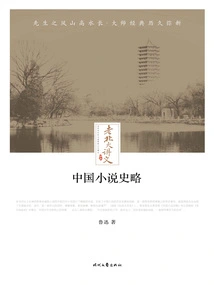
老北大讲义:中国小说史略
Lu Xun
"A Brief History of Chinese Novels" is China's first monograph on the history of novels. The book provides an incisive discussion of Chinese novels from ancient mythology to condemnation novels in the late Qing Dynasty. It summarizes the historical development and achievements of Chinese novels. It is a landmark academic work. Even Mr. Hu Shi gave it a high evaluation, saying that it "is a pioneering creation, with diligent collection, excellent materials, and rigorous editing" (Hu Shi's "History of Vernacular Literature"); Mr. Guo Moruo even compiled "A Brief History of Chinese Novels" and Wang Guowei's "History of Opera in the Song and Yuan Dynasties" was hailed as "a pair of gems in the study of Chinese literature and art history" and believed that what the two engaged in was "not only pioneering work, unprecedented, but also an authoritative achievement that has been leading millions of later students."
"A Brief History of Chinese Novels" is China's first monograph on the history of novels. The book provides an incisive discussion of Chinese novels from ancient mythology to condemnation novels in the late Qing Dynasty. It summarizes the historical development and achievements of Chinese novels. It is a landmark academic work. Even Mr. Hu Shi gave it a high evaluation, saying that it "is a pioneering creation, with diligent collection, excellent materials, and rigorous editing" (Hu Shi's "History of Vernacular Literature"); Mr. Guo Moruo even compiled "A Brief History of Chinese Novels" and Wang Guowei's "History of Opera in the Song and Yuan Dynasties" was hailed as "a pair of gems in the study of Chinese literature and art history" and believed that what the two engaged in was "not only pioneering work, unprecedented, but also an authoritative achievement that has been leading millions of later students."
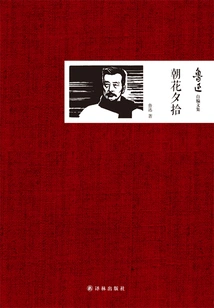
朝花夕拾(鲁迅自编文集)
Lu Xun
"Morning Blossoms Plucked at Dusk" is Lu Xun's only collection of retrospective essays, originally titled "Revisiting Old Things". It is a text written by Lu Xun recalling different life experiences and experiences in his childhood, adolescence and youth. He wrote a lot about children and teenagers, which was very interesting to read. The whole book is composed of "Xiaoyin", "Dog·Cat·Rat", "Ah Changyu", "Twenty-Four Pictures of Filial Piety", "Five Rampant Meeting", "Impermanence", "From Baicao Garden to Sanwei Bookstore", "Father's Illness", "Miscellaneous Notes", "Mr. Fujino", "Fan Ainong" and "Postscript".
"Morning Blossoms Plucked at Dusk" is Lu Xun's only collection of retrospective essays, originally titled "Revisiting Old Things". It is a text written by Lu Xun recalling different life experiences and experiences in his childhood, adolescence and youth. He wrote a lot about children and teenagers, which was very interesting to read. The whole book is composed of "Xiaoyin", "Dog·Cat·Rat", "Ah Changyu", "Twenty-Four Pictures of Filial Piety", "Five Rampant Meeting", "Impermanence", "From Baicao Garden to Sanwei Bookstore", "Father's Illness", "Miscellaneous Notes", "Mr. Fujino", "Fan Ainong" and "Postscript".
The Complete Works of Lu Xun (volume 7)
Literature鲁迅全集(第七卷)
Lu Xun
This book is the seventh volume compiled based on the collection of Chinese writer, thinker and revolutionary Mr. Lu Xun, including "Collection of Collections", "Collections of Collections" and other works.
This book is the seventh volume compiled based on the collection of Chinese writer, thinker and revolutionary Mr. Lu Xun, including "Collection of Collections", "Collections of Collections" and other works.
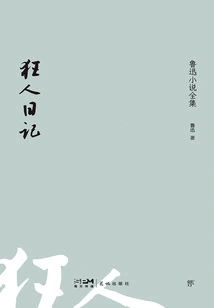
Diary of a Madman: Complete Novels by Lu Xun
General Fiction狂人日记:鲁迅小说全集
Lu Xun
"Diary of a Madman: The Complete Novels of Lu Xun" includes all the novels in "The Scream", "Wandering" and "New Stories", a total of 33 articles. These novels mostly describe the tragedies of ordinary people at the bottom of society. Lu Xun used his dagger-sharp writing style to criticize the "numb souls of the Chinese people", hoping to alert the world. The themes of Lu Xun's novels are mostly anti-feudal, anti-ethical, anti-tradition, and anti-superstition. He is good at creating typical images and satirizing the dark sides of characters. Most of the stories are set in his hometown. The protagonists of the novel, Ah Q, Sister Xianglin, Kong Yiji, and Runtu, are well known in China.
"Diary of a Madman: The Complete Novels of Lu Xun" includes all the novels in "The Scream", "Wandering" and "New Stories", a total of 33 articles. These novels mostly describe the tragedies of ordinary people at the bottom of society. Lu Xun used his dagger-sharp writing style to criticize the "numb souls of the Chinese people", hoping to alert the world. The themes of Lu Xun's novels are mostly anti-feudal, anti-ethical, anti-tradition, and anti-superstition. He is good at creating typical images and satirizing the dark sides of characters. Most of the stories are set in his hometown. The protagonists of the novel, Ah Q, Sister Xianglin, Kong Yiji, and Runtu, are well known in China.
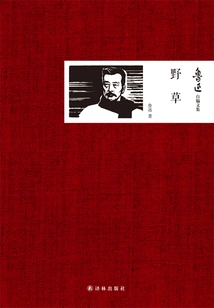
野草(鲁迅自编文集)
Lu Xun
"Wild Grass" includes 23 prose poems written by Lu Xun in Beijing from September 1924 to April 1926 and one "Inscription" written when compiling the collection in 1927. "Weeds" runs through serious self-dissection and unremitting ideological exploration. Its artistic features are distinctive - symbolic and metaphorical techniques, rich imagination and strange conception.
"Wild Grass" includes 23 prose poems written by Lu Xun in Beijing from September 1924 to April 1926 and one "Inscription" written when compiling the collection in 1927. "Weeds" runs through serious self-dissection and unremitting ideological exploration. Its artistic features are distinctive - symbolic and metaphorical techniques, rich imagination and strange conception.
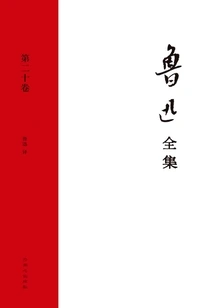
The Complete Works of Lu Xun (volume 20)
Literature鲁迅全集(第二十卷)
Lu Xun
In October 1936, Mr. Lu Xun passed away in Shanghai. Mr. Lu Xun's Memorial Committee compiled and printed the first edition of "The Complete Works of Lu Xun" after Lu Xun's death in order to "expand the influence of Lu Xun's spirit, awaken the soul of the country, and strive for light." "The Complete Works" is edited and edited by the Lu Xun Memorial Committee chaired by Cai Yuanpei. The editorial members include Cai Yuanpei, Ma Yuzao, Shen Jianshi, Mao Dun, and Zhou Zuoren. The general catalog of "The Complete Works" is based on the catalog of writings personally designated by Lu Xun, with the addition of translations, and strives to have roughly the same number of words in each volume. The whole book is roughly divided into three parts: creation, editing of ancient books, and translation. The contents of each part are arranged in chronological order. The book has a total of more than six million words and is divided into twenty volumes. It was officially published and distributed in June 1938. This publication is based on the 1938 edition of "The Complete Works of Lu Xun".
In October 1936, Mr. Lu Xun passed away in Shanghai. Mr. Lu Xun's Memorial Committee compiled and printed the first edition of "The Complete Works of Lu Xun" after Lu Xun's death in order to "expand the influence of Lu Xun's spirit, awaken the soul of the country, and strive for light." "The Complete Works" is edited and edited by the Lu Xun Memorial Committee chaired by Cai Yuanpei. The editorial members include Cai Yuanpei, Ma Yuzao, Shen Jianshi, Mao Dun, and Zhou Zuoren. The general catalog of "The Complete Works" is based on the catalog of writings personally designated by Lu Xun, with the addition of translations, and strives to have roughly the same number of words in each volume. The whole book is roughly divided into three parts: creation, editing of ancient books, and translation. The contents of each part are arranged in chronological order. The book has a total of more than six million words and is divided into twenty volumes. It was officially published and distributed in June 1938. This publication is based on the 1938 edition of "The Complete Works of Lu Xun".
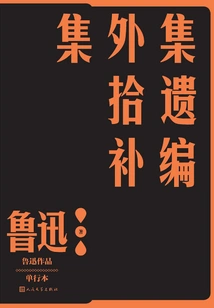
集外集拾遗补编
Lu Xun
The "Supplement to the Collection of Collections and Supplements" includes the lost articles that have been discovered after the publication of the "Collection and Collection of Collections" compiled by Xu Guangping in May 1938. Advertisements, notices, corrections, etc. Are compiled into Appendix One; those recorded from other people's works are compiled into Appendix Two. The single volume of "The Complete Works of Lu Xun" is a popularized reading version based on the compilation of "The Complete Works of Lu Xun".
The "Supplement to the Collection of Collections and Supplements" includes the lost articles that have been discovered after the publication of the "Collection and Collection of Collections" compiled by Xu Guangping in May 1938. Advertisements, notices, corrections, etc. Are compiled into Appendix One; those recorded from other people's works are compiled into Appendix Two. The single volume of "The Complete Works of Lu Xun" is a popularized reading version based on the compilation of "The Complete Works of Lu Xun".
朝花夕拾(2021版)
Lu Xun
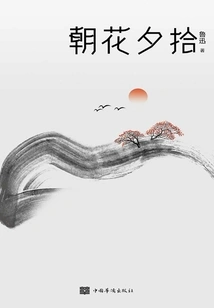
"Morning Blossoms Plucked at Dusk" is a collection of essays by the modern writer Lu Xun. It contains a total of 10 memoir essays written by Lu Xun in 1926. Among them, the first five were written in Beijing and the last five were written in Xiamen. Initially, "Revisiting Old Things" was published successively in the bimonthly magazine "Wangyuan". In July 1927, Lu Xun added "Xiaoyin" and "Postscript", compiled and published them, and renamed them "Morning Blossoms Plucked at Dusk". "Morning Blossoms Plucked at Dusk" is Lu Xun's work of recalling the past. It uses life experiences in his youth as clues and combines narration and discussion, memories and reflections, lyricism and satire. It narrates a set of his life experiences from rural to urban, from family to society, and from domestic to foreign countries. It expresses his nostalgia for his past relatives, friends and teachers, and at the same time mocks and criticizes the old forces and culture. At the same time, this book also includes Mr. Lu Xun's classic prose essays, including "Autumn Night", "In Memory of Mr. Liu Hezhen", "On the Fall of Leifeng Pagoda" and other classics. These works have distinctive artistic features and clear distinctions between love and hate. The ideas in them can transcend history and time and space, and they still have irreplaceable important inspiration and value for us today.
"Morning Blossoms Plucked at Dusk" is a collection of essays by the modern writer Lu Xun. It contains a total of 10 memoir essays written by Lu Xun in 1926. Among them, the first five were written in Beijing and the last five were written in Xiamen. Initially, "Revisiting Old Things" was published successively in the bimonthly magazine "Wangyuan". In July 1927, Lu Xun added "Xiaoyin" and "Postscript", compiled and published them, and renamed them "Morning Blossoms Plucked at Dusk". "Morning Blossoms Plucked at Dusk" is Lu Xun's work of recalling the past. It uses life experiences in his youth as clues and combines narration and discussion, memories and reflections, lyricism and satire. It narrates a set of his life experiences from rural to urban, from family to society, and from domestic to foreign countries. It expresses his nostalgia for his past relatives, friends and teachers, and at the same time mocks and criticizes the old forces and culture. At the same time, this book also includes Mr. Lu Xun's classic prose essays, including "Autumn Night", "In Memory of Mr. Liu Hezhen", "On the Fall of Leifeng Pagoda" and other classics. These works have distinctive artistic features and clear distinctions between love and hate. The ideas in them can transcend history and time and space, and they still have irreplaceable important inspiration and value for us today.
Scream·picking up Flowers in the Morning and Evening
General Fiction呐喊·朝花夕拾
Lu Xun
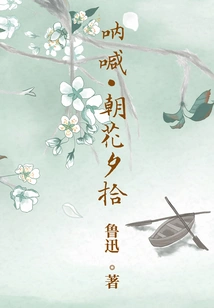
"The Scream" is Lu Xun's first collection of short stories. The work truly depicts social life from the Revolution of 1911 to the May 4th Movement. Starting from revolutionary democracy, with the purpose of enlightenment and the spirit of humanitarianism, it reveals various deep-seated social contradictions, conducts a profound analysis and relatively complete negation of the old Chinese system and some outdated traditional concepts, and shows a strong sense of worry for national survival and a strong hope for social change. "Morning Blossoms Plucked at Dusk" is Lu Xun's first collection of retrospective essays. "Morning Blossoms Plucked at Dusk" describes Lu Xun's life from childhood, adolescence to youth. It is full of childlike interest and the writing is fresh and beautiful. It is one of Lu Xun's few classic works that is extremely suitable for young readers.
"The Scream" is Lu Xun's first collection of short stories. The work truly depicts social life from the Revolution of 1911 to the May 4th Movement. Starting from revolutionary democracy, with the purpose of enlightenment and the spirit of humanitarianism, it reveals various deep-seated social contradictions, conducts a profound analysis and relatively complete negation of the old Chinese system and some outdated traditional concepts, and shows a strong sense of worry for national survival and a strong hope for social change. "Morning Blossoms Plucked at Dusk" is Lu Xun's first collection of retrospective essays. "Morning Blossoms Plucked at Dusk" describes Lu Xun's life from childhood, adolescence to youth. It is full of childlike interest and the writing is fresh and beautiful. It is one of Lu Xun's few classic works that is extremely suitable for young readers.
The Complete Works of Lu Xun (volume 5)
Literature鲁迅全集(第五卷)
Lu Xun
This book is the fifth volume compiled based on the collection of Chinese writer, thinker and revolutionary Mr. Lu Xun, including works such as "Pseudo Free Letters", "Quasi Feng Yue Tan" and "Lace Literature".
This book is the fifth volume compiled based on the collection of Chinese writer, thinker and revolutionary Mr. Lu Xun, including works such as "Pseudo Free Letters", "Quasi Feng Yue Tan" and "Lace Literature".
The Complete Works of Lu Xun (volume 12)
Literature鲁迅全集(第十二卷)
Lu Xun
This book is the twelfth volume compiled based on the collection of Chinese writer, thinker and revolutionary Mr. Lu Xun, including "Letters (1927-1933)" and other works.
This book is the twelfth volume compiled based on the collection of Chinese writer, thinker and revolutionary Mr. Lu Xun, including "Letters (1927-1933)" and other works.
The Complete Works of Lu Xun (volume 13)
Literature鲁迅全集(第十三卷)
Lu Xun
This book is the thirteenth volume compiled based on the collection of Chinese writer, thinker and revolutionary Mr. Lu Xun, including "Letters (1934-1935)" and other works.
This book is the thirteenth volume compiled based on the collection of Chinese writer, thinker and revolutionary Mr. Lu Xun, including "Letters (1934-1935)" and other works.