Library
Browse and search books
1,449 novels found
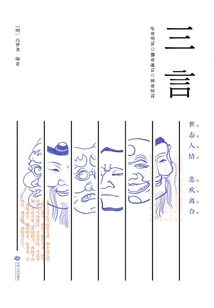
Three Words
General Fiction三言
G
"Three Words" consists of ten ancient vernacular novels, telling the world, human emotions, joys and sorrows that have been circulated for a long time. Du Shiniang, the Oil Seller, Governor Qiao... These touching images in folk tales will be restored to the HIFI level in this book. The selected passages in the book are all from Ming Dynasty writer Feng Menglong's "Essays to Tell the World", "Words to Warn the World" and "Everlasting Words to Awaken the World" - these "three words" are also the origin of the title of the book. Different from previous editions, there are no deletions in the selected chapters, and everything is vivid and full of form and spirit. As a literary masterpiece comparable to "Jin Ping Mei", "Three Characters" has always been highly praised for its readability and storytelling skills. This selection of "Three Words" eliminates old and outdated concepts and themes, and only retains the works that are suitable and must-read today - ten selected from the original 120 articles - which embody the brilliance of the art of novels in the past.
"Three Words" consists of ten ancient vernacular novels, telling the world, human emotions, joys and sorrows that have been circulated for a long time. Du Shiniang, the Oil Seller, Governor Qiao... These touching images in folk tales will be restored to the HIFI level in this book. The selected passages in the book are all from Ming Dynasty writer Feng Menglong's "Essays to Tell the World", "Words to Warn the World" and "Everlasting Words to Awaken the World" - these "three words" are also the origin of the title of the book. Different from previous editions, there are no deletions in the selected chapters, and everything is vivid and full of form and spirit. As a literary masterpiece comparable to "Jin Ping Mei", "Three Characters" has always been highly praised for its readability and storytelling skills. This selection of "Three Words" eliminates old and outdated concepts and themes, and only retains the works that are suitable and must-read today - ten selected from the original 120 articles - which embody the brilliance of the art of novels in the past.
T
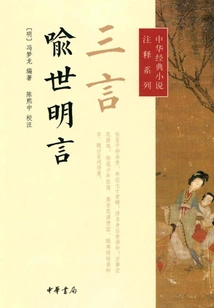
三言·喻世明言(中华经典小说注释系列)
G
"Three Words" is the collective name of "Mingyan", "Words to Warn the World" and "Everlasting Words to Awaken the World" compiled by the famous Ming Dynasty writer Feng Menglong. It is also collectively known as "Sanyan Erpai" together with "Erpai" written by the famous Ming Dynasty writer Ling Shuchu. It enjoys a high status in the history of Chinese literature and is as famous as the "Four Great Classics" and "Jin Ping Mei". "Yu Shi Ming Yan" is the first part of "Three Words", consisting of forty volumes and forty kinds of scripts. The themes are wide-ranging, depicting the true face of urban citizen life, and mainly embodying the thoughts, aspirations and moral standards of the citizen class. Among them, "Brother Jiang Xing Meets Again in Pearl Shirt", "Shen Xiaoxia Meets as a Teacher", "Teng Dayin's Ghost Seizes Household Property", "Jade Slave Beats the Lover with a Stick" and "Song Sigong Makes a Trouble with the Soul-Confining Zhang" are all excellent works that have long been famous. The annotated version of Mr. Chen Xizhong published this time corrects the errors in the previous annotated version, makes detailed annotations on poems, allusions, historical facts, difficult words, etc., And pays attention to citing ancient novels such as "Water Margin" and "Jin Ping Mei" as examples and comparisons. It is an excellent text that is both convenient for readers to read and has collection value.
"Three Words" is the collective name of "Mingyan", "Words to Warn the World" and "Everlasting Words to Awaken the World" compiled by the famous Ming Dynasty writer Feng Menglong. It is also collectively known as "Sanyan Erpai" together with "Erpai" written by the famous Ming Dynasty writer Ling Shuchu. It enjoys a high status in the history of Chinese literature and is as famous as the "Four Great Classics" and "Jin Ping Mei". "Yu Shi Ming Yan" is the first part of "Three Words", consisting of forty volumes and forty kinds of scripts. The themes are wide-ranging, depicting the true face of urban citizen life, and mainly embodying the thoughts, aspirations and moral standards of the citizen class. Among them, "Brother Jiang Xing Meets Again in Pearl Shirt", "Shen Xiaoxia Meets as a Teacher", "Teng Dayin's Ghost Seizes Household Property", "Jade Slave Beats the Lover with a Stick" and "Song Sigong Makes a Trouble with the Soul-Confining Zhang" are all excellent works that have long been famous. The annotated version of Mr. Chen Xizhong published this time corrects the errors in the previous annotated version, makes detailed annotations on poems, allusions, historical facts, difficult words, etc., And pays attention to citing ancient novels such as "Water Margin" and "Jin Ping Mei" as examples and comparisons. It is an excellent text that is both convenient for readers to read and has collection value.
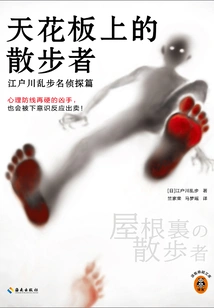
The Walker on the Ceiling: Detective Edogawa Ranpo
General Fiction天花板上的散步者:江户川乱步名侦探篇
G
"I think the best detective method is to look into people's hearts from a psychological perspective." Akechi Kogoro, who enjoys studying people, has disheveled hair and sharp eyes. Facing a series of mysterious cases with insufficient evidence, he launched a thrilling psychological showdown with the murderer. The bookstore owner's wife died mysteriously, but two witnesses gave completely opposite testimonies! Living alone in the house where an old woman's body was found, the prisoner tried to pass a lie test to get rid of suspicion completely! An apartment resident was poisoned, but when the poison struck, he only stared at the empty ceiling... A shooting occurred at a party at night, and the gangster's escaping footprints mysteriously disappeared in the ancient well... Akechi Kogoro, who is good at attacking the mind, uses 6 high-level psychological warfare games to show you the flaws in the murderer's subconscious at a glance, and completely defeat the murderer's psychological defenses!
"I think the best detective method is to look into people's hearts from a psychological perspective." Akechi Kogoro, who enjoys studying people, has disheveled hair and sharp eyes. Facing a series of mysterious cases with insufficient evidence, he launched a thrilling psychological showdown with the murderer. The bookstore owner's wife died mysteriously, but two witnesses gave completely opposite testimonies! Living alone in the house where an old woman's body was found, the prisoner tried to pass a lie test to get rid of suspicion completely! An apartment resident was poisoned, but when the poison struck, he only stared at the empty ceiling... A shooting occurred at a party at night, and the gangster's escaping footprints mysteriously disappeared in the ancient well... Akechi Kogoro, who is good at attacking the mind, uses 6 high-level psychological warfare games to show you the flaws in the murderer's subconscious at a glance, and completely defeat the murderer's psychological defenses!
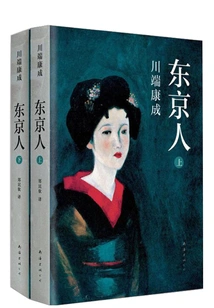
Tokyoites
General Fiction东京人
G
Following "Snow Country", this is a super-long masterpiece from the golden age of creation, confronting the incompleteness and destruction of beauty, the difficulty of survival, and human desire and loneliness. People living in Tokyo have no hometown. Keiko, who lost her husband, met Shunzo Shimaki and his daughter Yumiko. Junzo's wife has been recuperating away from home for many years due to illness, so Keiko and Junzo formed a strange family. Keiko's business is getting better and better. She not only supports the family's expenses, but also bears the medical expenses of Junsan's wife. However, Junsan's company is on the verge of bankruptcy. One day, Junzo suddenly left without saying goodbye and disappeared. In a home that was reorganized like two broken mirrors, Keiko, together with her biological children and adopted daughter, experienced the world's human kindness and kindness in the joys and sorrows of separation, telling a Tokyo story full of love and loneliness.
Following "Snow Country", this is a super-long masterpiece from the golden age of creation, confronting the incompleteness and destruction of beauty, the difficulty of survival, and human desire and loneliness. People living in Tokyo have no hometown. Keiko, who lost her husband, met Shunzo Shimaki and his daughter Yumiko. Junzo's wife has been recuperating away from home for many years due to illness, so Keiko and Junzo formed a strange family. Keiko's business is getting better and better. She not only supports the family's expenses, but also bears the medical expenses of Junsan's wife. However, Junsan's company is on the verge of bankruptcy. One day, Junzo suddenly left without saying goodbye and disappeared. In a home that was reorganized like two broken mirrors, Keiko, together with her biological children and adopted daughter, experienced the world's human kindness and kindness in the joys and sorrows of separation, telling a Tokyo story full of love and loneliness.
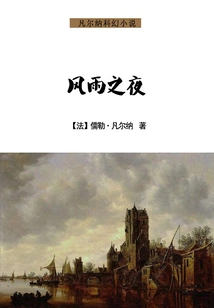
Stormy Night
General Fiction风雨之夜
G
Luctrop's doctor Trifilga only treats wealthy people and treats the poor with a cold shoulder. That night, it was windy and rainy, and the nearby volcano burst into flames from time to time. The daughter, wife, and mother of the patient Walter Kaltifo, who lived in Val Carniu, came several times to ask for a doctor's visit. After rejecting them several times, the doctor finally followed Walter Caldefer's mother to the patient's home. On the way, a nearby volcano suddenly erupted. The doctor fell to the ground. When he got up, the old woman disappeared... The doctor came to the patient's home, but this was the doctor's home! The dying patient is Dr. Trifilga! ... The doctor tried his best to treat her, but in the end he died by his own hands.
Luctrop's doctor Trifilga only treats wealthy people and treats the poor with a cold shoulder. That night, it was windy and rainy, and the nearby volcano burst into flames from time to time. The daughter, wife, and mother of the patient Walter Kaltifo, who lived in Val Carniu, came several times to ask for a doctor's visit. After rejecting them several times, the doctor finally followed Walter Caldefer's mother to the patient's home. On the way, a nearby volcano suddenly erupted. The doctor fell to the ground. When he got up, the old woman disappeared... The doctor came to the patient's home, but this was the doctor's home! The dying patient is Dr. Trifilga! ... The doctor tried his best to treat her, but in the end he died by his own hands.

First Time in Life
General Fiction人生第一次
G
Grandpa and Noah sat on a bench in the square, sharing their obsession with mathematics and numbers. Every day, everything around me is getting blurry. Grandpa knew that his memories were gradually passing away, and he could only hold Noah's hand tightly, hoping to make Noah disappear in the end. Sometimes sitting next to Grandpa is his son Ted. Ted doesn't like math and only likes writing and guitar. Throughout his life, he has been waiting for his father to accompany him, encourage him and recognize him. The universe is vast and life is equally long. While we were together, we also said goodbye. When everything in the world disappears, only those who cherish love can embrace the future and survive.
Grandpa and Noah sat on a bench in the square, sharing their obsession with mathematics and numbers. Every day, everything around me is getting blurry. Grandpa knew that his memories were gradually passing away, and he could only hold Noah's hand tightly, hoping to make Noah disappear in the end. Sometimes sitting next to Grandpa is his son Ted. Ted doesn't like math and only likes writing and guitar. Throughout his life, he has been waiting for his father to accompany him, encourage him and recognize him. The universe is vast and life is equally long. While we were together, we also said goodbye. When everything in the world disappears, only those who cherish love can embrace the future and survive.
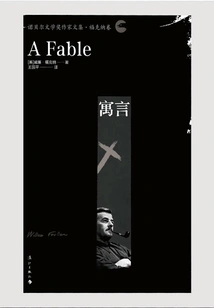
Fable
General Fiction寓言
G
"Fable" is Faulkner's painstaking work in his later years. It subverted Faulkner's previous "Yoknapatawpha lineage". While it won the National Book Award and the Pulitzer Prize for Fiction, it also caused huge controversy. The story takes place in Verdun at the end of World War I, and spans a week. A regiment of the French army launched a mutiny and openly disobeyed the order to attack the German army. At the same time, the German soldiers also stopped attacking, and the battlefield that had been noisy for four years temporarily returned to calm. The commanders of the allied forces of France, Britain, and the United States were greatly shocked. They could not tolerate this kind of calm, and ordered the 3,000 soldiers of the regiment to be taken to the Allied headquarters and sentenced to death... As Faulkner said: "If Jesus comes again in 1914-1915, he will be crucified on the cross again." Faulkner used the story of Jesus' crucifixion to express his deep thoughts on human nature and war.
"Fable" is Faulkner's painstaking work in his later years. It subverted Faulkner's previous "Yoknapatawpha lineage". While it won the National Book Award and the Pulitzer Prize for Fiction, it also caused huge controversy. The story takes place in Verdun at the end of World War I, and spans a week. A regiment of the French army launched a mutiny and openly disobeyed the order to attack the German army. At the same time, the German soldiers also stopped attacking, and the battlefield that had been noisy for four years temporarily returned to calm. The commanders of the allied forces of France, Britain, and the United States were greatly shocked. They could not tolerate this kind of calm, and ordered the 3,000 soldiers of the regiment to be taken to the Allied headquarters and sentenced to death... As Faulkner said: "If Jesus comes again in 1914-1915, he will be crucified on the cross again." Faulkner used the story of Jesus' crucifixion to express his deep thoughts on human nature and war.

Difficult Love (calvino Classic)
General Fiction困难的爱(卡尔维诺经典)
G
A difficult love, a difficult life. Calvino uses the difficulties of "love" and "life" as the main thread, and lightly captures the images of ordinary people's lives: the difficulty of spending a night cramped in the second-class carriage for the lover; the difficulty of not being able to show off the affair after a night of love; the difficulty of the couple who are forced to live apart from each other day and night. ; The difficulty of wearing glasses to discover a new world but unable to see clearly because the vision is too clear; the difficulty of living in a city shrouded in smoke and with no hope of purification... These difficulties constitute the constants of human life, linking the path of contemplation of the present world, as well as some moments of epiphany.
A difficult love, a difficult life. Calvino uses the difficulties of "love" and "life" as the main thread, and lightly captures the images of ordinary people's lives: the difficulty of spending a night cramped in the second-class carriage for the lover; the difficulty of not being able to show off the affair after a night of love; the difficulty of the couple who are forced to live apart from each other day and night. ; The difficulty of wearing glasses to discover a new world but unable to see clearly because the vision is too clear; the difficulty of living in a city shrouded in smoke and with no hope of purification... These difficulties constitute the constants of human life, linking the path of contemplation of the present world, as well as some moments of epiphany.

L
General FictionL
G
Dazai Osamu's true masterpiece! "The most beautiful commemorative novel" in Osamu Dazai's heart! Recognized by millions of readers! Translator Yang Wei of the phenomenal translation "Human Disqualification" has dedicated his heart to the translation! The novel is set against the background of the chaos in post-war Japan. It unfolds through the first-person narration of Kazuko and the diary and suicide note of her brother Naoji. It depicts the setting sun-like life of the descendants of aristocrats with their social status declining day by day. It places the beauty of the future on the protagonist, shining a gleam of light amidst the decadence.
Dazai Osamu's true masterpiece! "The most beautiful commemorative novel" in Osamu Dazai's heart! Recognized by millions of readers! Translator Yang Wei of the phenomenal translation "Human Disqualification" has dedicated his heart to the translation! The novel is set against the background of the chaos in post-war Japan. It unfolds through the first-person narration of Kazuko and the diary and suicide note of her brother Naoji. It depicts the setting sun-like life of the descendants of aristocrats with their social status declining day by day. It places the beauty of the future on the protagonist, shining a gleam of light amidst the decadence.

B
LiteratureB
G
The 36 articles in this book discuss 31 classic writers and their works. It is the best introductory book into the world of classics. Here, Calvino opens up his eclectic and eclectic secret bookshelf to us and talks about his ideal book collection. With passion and wisdom, Calvino makes literary works present various charms in front of readers. Free of academic jargon and journalistic glibness, erudition rather than showmanship, and full of genuine passion for literature. Because of this, this book has moved thousands of readers around the world, whether they are reading it for the first time or re-reading it in a new way.
The 36 articles in this book discuss 31 classic writers and their works. It is the best introductory book into the world of classics. Here, Calvino opens up his eclectic and eclectic secret bookshelf to us and talks about his ideal book collection. With passion and wisdom, Calvino makes literary works present various charms in front of readers. Free of academic jargon and journalistic glibness, erudition rather than showmanship, and full of genuine passion for literature. Because of this, this book has moved thousands of readers around the world, whether they are reading it for the first time or re-reading it in a new way.

宇宙奇趣全集
G
"The Complete Collection of Curiosities of the Universe" is the first time that all the fascinating stories about the universe told by Calvino since 1964 are collected in the same book. "The Complete Collection of Curiosities of the Universe" also plays an interesting role in making concepts that are difficult in modern science easy and visible, thereby establishing a literary genre that is closer to the myth of the origin of the universe than to science fiction. Calvino said that "The Complete Curiosities of the Universe" is not a science fiction story, that is to say, it is not a traditional science fiction story in the style of Jules Verne and H. G. Wells - although I appreciate it very much. Behind the cosmic curiosities lie more Leopardi, comic strips of Popeye, paintings of Samuel Beckett, Giordano Bruno, Lewis Carroll, poker aces, and sometimes engravings of Randelphi, Immanuel Kant, Borges, Granville.
"The Complete Collection of Curiosities of the Universe" is the first time that all the fascinating stories about the universe told by Calvino since 1964 are collected in the same book. "The Complete Collection of Curiosities of the Universe" also plays an interesting role in making concepts that are difficult in modern science easy and visible, thereby establishing a literary genre that is closer to the myth of the origin of the universe than to science fiction. Calvino said that "The Complete Curiosities of the Universe" is not a science fiction story, that is to say, it is not a traditional science fiction story in the style of Jules Verne and H. G. Wells - although I appreciate it very much. Behind the cosmic curiosities lie more Leopardi, comic strips of Popeye, paintings of Samuel Beckett, Giordano Bruno, Lewis Carroll, poker aces, and sometimes engravings of Randelphi, Immanuel Kant, Borges, Granville.

Palomar
Literature帕洛马尔
G
Calvino agreed that this book is "an autobiography written in the third person" and admitted that "any experience of Palomar is my experience." The protagonist Palomar in the novel is very imaginative and speculative. He is obsessed with detailed observation of objective objects and their states, such as the waves of the sea, the shape of geckos, the moon, stars, and grass. He constantly asked himself various questions, such as sexual desire, death, people's situation in society, etc., And explored the relationship between people and the universe, the disorder and order of the world, and the language communication between people. Here, Calvino, incarnated as Palomar, conceals his final contemplation of the world in the narrative, penetrating the entire experience of life. Calvino passed away one year after the novel was published. What is significant is that the last chapter of "Palomar" is entirely devoted to the protagonist's meditation on death.
Calvino agreed that this book is "an autobiography written in the third person" and admitted that "any experience of Palomar is my experience." The protagonist Palomar in the novel is very imaginative and speculative. He is obsessed with detailed observation of objective objects and their states, such as the waves of the sea, the shape of geckos, the moon, stars, and grass. He constantly asked himself various questions, such as sexual desire, death, people's situation in society, etc., And explored the relationship between people and the universe, the disorder and order of the world, and the language communication between people. Here, Calvino, incarnated as Palomar, conceals his final contemplation of the world in the narrative, penetrating the entire experience of life. Calvino passed away one year after the novel was published. What is significant is that the last chapter of "Palomar" is entirely devoted to the protagonist's meditation on death.

Z
Literaturez
G
In this autobiographical meditation, Calvino turned to his past: the awkward childhood of traveling with his father, the lifelong love affair with the cinema, the memories of the anti-fascist war, the reflections on language, the perception of kitchen trash cans, and even the shape of the entire world. His reflections on the nature of memory are intelligent, fascinating, and brimming with a unique alchemical brilliance. The first "Road to St. John" is Calvino's detailed memories and descriptions of his hometown city of San Remo, showing the natural and cultural scenes of San Remo, as well as his early life experiences. "Autobiography of a Spectator" is actually about the author himself, mainly about his experience of secretly running away from home to watch movies in the years from 1936 to the outbreak of the war. It records the memories left in his mind by the movies from various countries screened in Italy at that time, as well as the impact of movies, mainly American movies, on the lives of Italians at that time. The second half of this article mainly writes about the perception of the works of the outstanding Italian director Fellini. You can explore the influence of film on his creations in this article. "Memories of a War" is Calvino's recollection of a war he participated in as a guerrilla after the war. The article didn't talk much about the details of the war, only the little things that the war left in his memory. This kind of memory actually has the nature of creative practice. "The Lovely Trash Can" starts from the trash can in the kitchen when the author lived in Paris, covering its use, location, emptying time, etc. It actually describes his life in Paris and can be regarded as Calvino's memories of that period of life. "In the Dark" is a possibly unfinished note. If asked about his understanding of the world and the universe, the author's understanding of concepts such as elements, matter, breadth, and thickness of the world is more like a worldview within the scope of philosophy. This article is of some help in understanding Calvino's cosmology and "The Curiosities of the Universe".
In this autobiographical meditation, Calvino turned to his past: the awkward childhood of traveling with his father, the lifelong love affair with the cinema, the memories of the anti-fascist war, the reflections on language, the perception of kitchen trash cans, and even the shape of the entire world. His reflections on the nature of memory are intelligent, fascinating, and brimming with a unique alchemical brilliance. The first "Road to St. John" is Calvino's detailed memories and descriptions of his hometown city of San Remo, showing the natural and cultural scenes of San Remo, as well as his early life experiences. "Autobiography of a Spectator" is actually about the author himself, mainly about his experience of secretly running away from home to watch movies in the years from 1936 to the outbreak of the war. It records the memories left in his mind by the movies from various countries screened in Italy at that time, as well as the impact of movies, mainly American movies, on the lives of Italians at that time. The second half of this article mainly writes about the perception of the works of the outstanding Italian director Fellini. You can explore the influence of film on his creations in this article. "Memories of a War" is Calvino's recollection of a war he participated in as a guerrilla after the war. The article didn't talk much about the details of the war, only the little things that the war left in his memory. This kind of memory actually has the nature of creative practice. "The Lovely Trash Can" starts from the trash can in the kitchen when the author lived in Paris, covering its use, location, emptying time, etc. It actually describes his life in Paris and can be regarded as Calvino's memories of that period of life. "In the Dark" is a possibly unfinished note. If asked about his understanding of the world and the universe, the author's understanding of concepts such as elements, matter, breadth, and thickness of the world is more like a worldview within the scope of philosophy. This article is of some help in understanding Calvino's cosmology and "The Curiosities of the Universe".
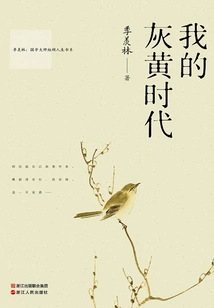
My Gray and Yellow Era
Literature我的灰黄时代
G
How are masters developed? "When I think back to my childhood, there is no red or green in front of my eyes, just gray and yellow." This set the tone for Mr. Ji Xianlin's life in his boyhood. However, his life and study experience during this period had an extremely profound impact on him, which can be seen from the meticulousness of his memories, down to every plant, tree, brick and tile, as well as the sincerity of his feelings. Especially those who lost their parents at a young age, were dependent on others, and traveled around... These special experiences have had a lifelong impact and are worthy of every sensitive heart to appreciate. From the gray childhood life and early experiences described by Ji Xianlin, we can trace his life footsteps and show his soft and childlike side besides his academic image.
How are masters developed? "When I think back to my childhood, there is no red or green in front of my eyes, just gray and yellow." This set the tone for Mr. Ji Xianlin's life in his boyhood. However, his life and study experience during this period had an extremely profound impact on him, which can be seen from the meticulousness of his memories, down to every plant, tree, brick and tile, as well as the sincerity of his feelings. Especially those who lost their parents at a young age, were dependent on others, and traveled around... These special experiences have had a lifelong impact and are worthy of every sensitive heart to appreciate. From the gray childhood life and early experiences described by Ji Xianlin, we can trace his life footsteps and show his soft and childlike side besides his academic image.

Ode to the Earth: a Garden Journey
Literature大地颂歌:花园之旅
G
One day I felt a deep longing, an urgent need to be close to the earth. So, I decided to garden every day. After three seasons of spring, summer, autumn and winter, I have been tending flowers and plants in the garden I call my secret garden for three years. Stopping in a garden with blooming flowers made me religious again. In the book in front of me, some words are prayers, confessions, and confessions of love for the earth and nature. The earth is not a dead, lifeless, silent being, but a living being, a living organism. Even stones are alive. Today we are exploiting it brutally, ravaging it, and thus destroying it completely. The earth asks us to take care of it and treat it well. "Care" has the same etymological origin as "beauty". If you love it, you must praise it. The texts in this volume are all hymns, praising the earth.
One day I felt a deep longing, an urgent need to be close to the earth. So, I decided to garden every day. After three seasons of spring, summer, autumn and winter, I have been tending flowers and plants in the garden I call my secret garden for three years. Stopping in a garden with blooming flowers made me religious again. In the book in front of me, some words are prayers, confessions, and confessions of love for the earth and nature. The earth is not a dead, lifeless, silent being, but a living being, a living organism. Even stones are alive. Today we are exploiting it brutally, ravaging it, and thus destroying it completely. The earth asks us to take care of it and treat it well. "Care" has the same etymological origin as "beauty". If you love it, you must praise it. The texts in this volume are all hymns, praising the earth.
三言·警世通言(中华经典小说注释系列)
G
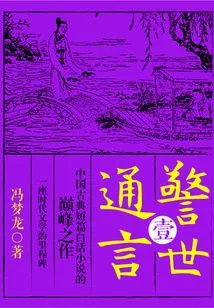
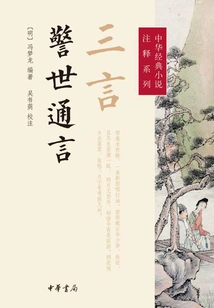
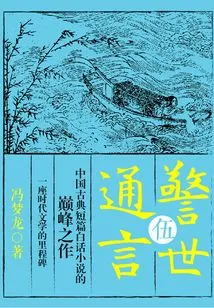
"Three Words" is the collective name of "Mingyan", "Words to Warn the World" and "Everlasting Words to Awaken the World" compiled by the famous Ming Dynasty writer Feng Menglong. It is also collectively known as "Sanyan Erpai" together with "Erpai" written by the famous Ming Dynasty writer Ling Shuchu. It enjoys a high status in the history of Chinese literature and is as famous as the "Four Great Classics" and "Jin Ping Mei". "Warning Words" is the second of "Three Words" by Feng Menglong, a famous popular writer in the Ming Dynasty. It is the most popular story-telling novel with the theme of marriage and love. The profound ideological connotation and superb artistic skills displayed are refreshing. What is particularly valuable is that the book has created a number of images of women with distinctive personalities, which have strong artistic appeal. "Du Shiniang Sinks the Treasure Chest in Anger" is the representative work of this book, which is perfect both ideologically and artistically. This time we asked relevant experts to annotate the noun system, dialect titles at that time, and uncommon words in the book to facilitate readers' reading and understanding.
"Three Words" is the collective name of "Mingyan", "Words to Warn the World" and "Everlasting Words to Awaken the World" compiled by the famous Ming Dynasty writer Feng Menglong. It is also collectively known as "Sanyan Erpai" together with "Erpai" written by the famous Ming Dynasty writer Ling Shuchu. It enjoys a high status in the history of Chinese literature and is as famous as the "Four Great Classics" and "Jin Ping Mei". "Warning Words" is the second of "Three Words" by Feng Menglong, a famous popular writer in the Ming Dynasty. It is the most popular story-telling novel with the theme of marriage and love. The profound ideological connotation and superb artistic skills displayed are refreshing. What is particularly valuable is that the book has created a number of images of women with distinctive personalities, which have strong artistic appeal. "Du Shiniang Sinks the Treasure Chest in Anger" is the representative work of this book, which is perfect both ideologically and artistically. This time we asked relevant experts to annotate the noun system, dialect titles at that time, and uncommon words in the book to facilitate readers' reading and understanding.
S
S

C
Y
Literaturey
G
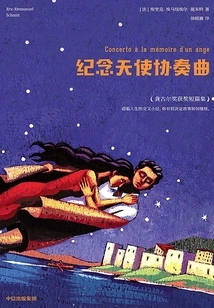
Can we change our destiny? French national writer Schmitt uses four imaginative and strange stories to try to answer this mysterious problem of life. Each story has an unexpected ending. In a small French town, a woman who poisoned her three husbands refused to plead guilty. But facing the handsome priest, she decided to confess everything to God. When the moment of atonement comes, can she cross that threshold? On the sea, a crew member with four daughters got the news: "Your daughter is dead." He was in a dilemma - which daughter died? Which daughter did he wish was dead? Does he have the right to make such a choice? After an accident at a music summer camp, the perpetrator and the victim reversed the positions of good and evil in human nature. When the "Concerto in Memory of Angels" plays again, is it the devil or the angel who dies? Finally, there is the love affair between the President and the President's wife at the wrong time in the Elysee Palace - they love each other in front of others and kill each other in private. Which one is true? What changes may not be life itself, but the way you look at life...
Can we change our destiny? French national writer Schmitt uses four imaginative and strange stories to try to answer this mysterious problem of life. Each story has an unexpected ending. In a small French town, a woman who poisoned her three husbands refused to plead guilty. But facing the handsome priest, she decided to confess everything to God. When the moment of atonement comes, can she cross that threshold? On the sea, a crew member with four daughters got the news: "Your daughter is dead." He was in a dilemma - which daughter died? Which daughter did he wish was dead? Does he have the right to make such a choice? After an accident at a music summer camp, the perpetrator and the victim reversed the positions of good and evil in human nature. When the "Concerto in Memory of Angels" plays again, is it the devil or the angel who dies? Finally, there is the love affair between the President and the President's wife at the wrong time in the Elysee Palace - they love each other in front of others and kill each other in private. Which one is true? What changes may not be life itself, but the way you look at life...
三个火枪手(世界文学名著名译典藏)
G
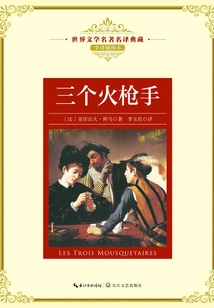
"The Three Musketeers" is one of the major works of the French popular historical novelist Alexandre Dumas (1802-1870). The protagonist of "The Three Musketeers", D'Artagnan, is a son of a provincial nobleman. After coming to Paris, he joined the musketeers of King Louis XIII and formed sworn friends with the other three musketeers. Queen Anna had an affair with British Prime Minister Buckingham, and Anna sent a diamond pendant to Buckingham; Richelieu, who was an enemy of the queen, sent people to England to steal the two diamonds on the pendant, hoping to make the queen embarrassed at the ball. D'Artagnan volunteered to go to England with three friends. After many twists and turns, he finally retrieved the pendant and saved the queen's reputation.
"The Three Musketeers" is one of the major works of the French popular historical novelist Alexandre Dumas (1802-1870). The protagonist of "The Three Musketeers", D'Artagnan, is a son of a provincial nobleman. After coming to Paris, he joined the musketeers of King Louis XIII and formed sworn friends with the other three musketeers. Queen Anna had an affair with British Prime Minister Buckingham, and Anna sent a diamond pendant to Buckingham; Richelieu, who was an enemy of the queen, sent people to England to steal the two diamonds on the pendant, hoping to make the queen embarrassed at the ball. D'Artagnan volunteered to go to England with three friends. After many twists and turns, he finally retrieved the pendant and saved the queen's reputation.
Youth (collected Works of Dostoevsky 2015)
General Fiction少年(陀思妥耶夫斯基文集2015)
G
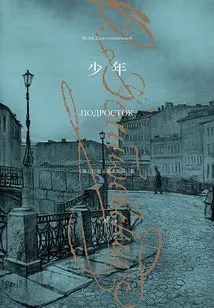
"The Boy" is a very important novel by Dostoevsky in his later years. The novel takes as its main line the growth experience of Arkady Dolgoruky, a young man who is not deeply involved in the world and is deeply influenced by Rothschild's thoughts. It depicts the corrosion of the souls of the young generation in Russia by money worship in the 1870s when capitalism was developing rapidly.
"The Boy" is a very important novel by Dostoevsky in his later years. The novel takes as its main line the growth experience of Arkady Dolgoruky, a young man who is not deeply involved in the world and is deeply influenced by Rothschild's thoughts. It depicts the corrosion of the souls of the young generation in Russia by money worship in the 1870s when capitalism was developing rapidly.
White Night (collected Works of Dostoevsky 2015)
General Fiction白夜(陀思妥耶夫斯基文集2015)
G
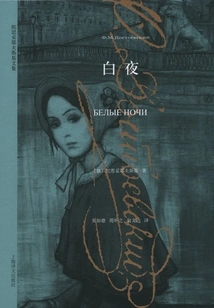
"White Nights" is a collection of novellas by Dostoyevsky, the great Russian writer of the 19th century, which includes the famous stories "The Poor Man", "White Nights" and "The Gambler". "White Nights" describes the innocent girl Nastenka falling in love with a young tenant. The two agreed to meet on a bridge in Petersburg a year later, but the tenant did not show up. The protagonist "Dreamer" was deeply moved by the girl's affection and waited with her by the river for four consecutive nights until the tenant showed up.
"White Nights" is a collection of novellas by Dostoyevsky, the great Russian writer of the 19th century, which includes the famous stories "The Poor Man", "White Nights" and "The Gambler". "White Nights" describes the innocent girl Nastenka falling in love with a young tenant. The two agreed to meet on a bridge in Petersburg a year later, but the tenant did not show up. The protagonist "Dreamer" was deeply moved by the girl's affection and waited with her by the river for four consecutive nights until the tenant showed up.
Notes from the Underground (collected Works of Dostoevsky)
General Fiction地下室手记(陀思妥耶夫斯基文集)
G
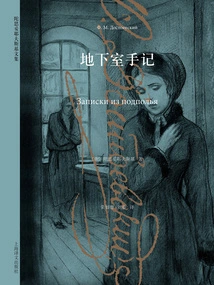
A collection of Dostoevsky's early short stories and short stories, which describe the various aspects of the world of little people; it deeply explores the human nature of the human heart and the ultimate expression of various personalities; Wang Xiaobo wholeheartedly recommends "Nedochka", Mr. Rong Rude's classic translation, which includes exquisite illustrations. "Notes from the Underground" is a collection of short stories and short stories by the great Russian writer Fyodor Dostoevsky, including "Mr. Prohalchin", "The Landlady", "Nedo Chika", "Little Hero", "Trouble in the Manor" and "Notes from the Underground". "Mr. Prokharchin" and "The Landlady" are Doshi's earliest novellas. They respectively tell the life of a buffoon character, Mr. Prokharchin, and the story of a tenant who is obsessed with the landlady. They reflect Doshi's concern for the fate of little people. "Nedochka" is Doshi's first attempt at a full-length novel. Unfortunately, the story could not be completed. Even so, the tragic fate of the orphan girl Niedochka still moves countless readers. "Little Hero" tells the emotional twists and turns of a young man's first love affair, while "The Affair in the Manor" revolves around an anecdote about the reversal of master and servant identities at the farm inherited by Rostanev. In these two stories, the flattering, fickle, entangled and even self-destructive side of human nature is more clearly displayed to readers. "Notes from the Underground" is the most important novella in Doshi's middle period. Through the description of the "basement people" who want to do things that are not good for themselves, it vividly depicts people's complex, contradictory and even almost abnormal psychological states, which embodies all of Doshi's artistic features. Therefore, "Notes from the Underground" is also regarded as a sign that Doshi's thoughts and creations have entered a mature period, and it is the "general outline" of the five subsequent novels of Doshi.
A collection of Dostoevsky's early short stories and short stories, which describe the various aspects of the world of little people; it deeply explores the human nature of the human heart and the ultimate expression of various personalities; Wang Xiaobo wholeheartedly recommends "Nedochka", Mr. Rong Rude's classic translation, which includes exquisite illustrations. "Notes from the Underground" is a collection of short stories and short stories by the great Russian writer Fyodor Dostoevsky, including "Mr. Prohalchin", "The Landlady", "Nedo Chika", "Little Hero", "Trouble in the Manor" and "Notes from the Underground". "Mr. Prokharchin" and "The Landlady" are Doshi's earliest novellas. They respectively tell the life of a buffoon character, Mr. Prokharchin, and the story of a tenant who is obsessed with the landlady. They reflect Doshi's concern for the fate of little people. "Nedochka" is Doshi's first attempt at a full-length novel. Unfortunately, the story could not be completed. Even so, the tragic fate of the orphan girl Niedochka still moves countless readers. "Little Hero" tells the emotional twists and turns of a young man's first love affair, while "The Affair in the Manor" revolves around an anecdote about the reversal of master and servant identities at the farm inherited by Rostanev. In these two stories, the flattering, fickle, entangled and even self-destructive side of human nature is more clearly displayed to readers. "Notes from the Underground" is the most important novella in Doshi's middle period. Through the description of the "basement people" who want to do things that are not good for themselves, it vividly depicts people's complex, contradictory and even almost abnormal psychological states, which embodies all of Doshi's artistic features. Therefore, "Notes from the Underground" is also regarded as a sign that Doshi's thoughts and creations have entered a mature period, and it is the "general outline" of the five subsequent novels of Doshi.
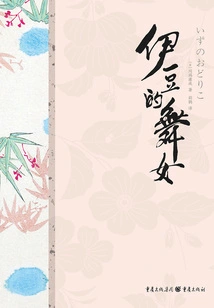
Kawabata Yasunari's Best Collection: the Dancing Girl of Izu
General Fiction川端康成精选集:伊豆的舞女
G
This book is a collection of works by the well-known writer Kawabata Yasunari. It includes seven works: "The Dancing Girl of Izu", "Reunion", "Water Moon", "Beasts", "Flower Waltz", "Celebrity" and "Flowers Never Sleep". His works are widely known, with an ethereal style, traditional charm and great literary quality. Many famous domestic writers such as Mo Yan and Yu Hua greatly appreciate and love Kawabata Yasunari's writings. Among them, "The Dancing Girl of Izu" has a quiet and light tone, which contains a very profound taste of life. "I" briefly met and accompanied the dancing girl Kaoruko and her family, but had no choice but to separate. Fresh and beautiful, a beautiful Japanese-style first love...
This book is a collection of works by the well-known writer Kawabata Yasunari. It includes seven works: "The Dancing Girl of Izu", "Reunion", "Water Moon", "Beasts", "Flower Waltz", "Celebrity" and "Flowers Never Sleep". His works are widely known, with an ethereal style, traditional charm and great literary quality. Many famous domestic writers such as Mo Yan and Yu Hua greatly appreciate and love Kawabata Yasunari's writings. Among them, "The Dancing Girl of Izu" has a quiet and light tone, which contains a very profound taste of life. "I" briefly met and accompanied the dancing girl Kaoruko and her family, but had no choice but to separate. Fresh and beautiful, a beautiful Japanese-style first love...
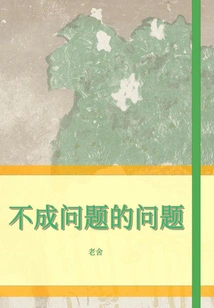
Not a Problem
General Fiction不成问题的问题
G
"The Problem That Is Not a Problem" is a short story by the modern Chinese writer Lao She published in 1943. This novel tells the story of the decline of Shuhua Farm in the rear area during the Chinese Anti-Japanese War under the management of director Ding Wuyuan. The novel tells people through the different management methods of the two directors that anywhere in China relies on human relationships, rather than relying on ability, business, or science. Only by being smooth and having strong interpersonal relationships can a person find a place in society. Otherwise, everything will be powerless.
"The Problem That Is Not a Problem" is a short story by the modern Chinese writer Lao She published in 1943. This novel tells the story of the decline of Shuhua Farm in the rear area during the Chinese Anti-Japanese War under the management of director Ding Wuyuan. The novel tells people through the different management methods of the two directors that anywhere in China relies on human relationships, rather than relying on ability, business, or science. Only by being smooth and having strong interpersonal relationships can a person find a place in society. Otherwise, everything will be powerless.
N
General Fictionn
G
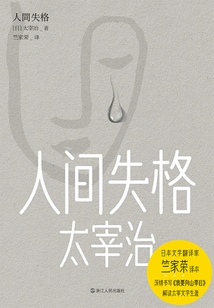
The handsome Ye Zang comes from a wealthy family. He has seen the warmth and coldness of human nature since he was a child, and has to play a clown to seek recognition. After growing up, he was influenced by bad friends and suffered a blow from his wife. He felt guilty for his own incompetence and was completely disappointed in others. He drank drunkenly all day long until he was destroyed.
The handsome Ye Zang comes from a wealthy family. He has seen the warmth and coldness of human nature since he was a child, and has to play a clown to seek recognition. After growing up, he was influenced by bad friends and suffered a blow from his wife. He felt guilty for his own incompetence and was completely disappointed in others. He drank drunkenly all day long until he was destroyed.
P
General Fictionp
G
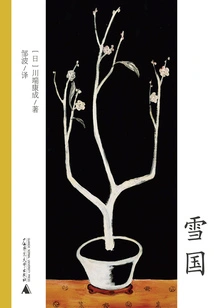
Shimamura is a freelancer studying Western ballet in Tokyo. He comes from a wealthy family. He went to Yuzawa Town three times to meet the geisha Komako. Yukio, the son of Komako's shamisen master, suffered from tuberculosis and returned to Yuzawa Town to recuperate accompanied by a woman named Ye Zi. He happened to be sitting opposite Shimamura where he went to meet Komako for the second time. The narrative of the novel begins here. Shimamura admired the snowy scenery at dusk through the fogged car window, but when he saw the bright eyes of the leaves reflected on the car window, he couldn't help but feel moved. Dao Cun not only admires Ju Zi's beauty and character, but at the same time secretly can't let go of the simple Ye Zi...
Shimamura is a freelancer studying Western ballet in Tokyo. He comes from a wealthy family. He went to Yuzawa Town three times to meet the geisha Komako. Yukio, the son of Komako's shamisen master, suffered from tuberculosis and returned to Yuzawa Town to recuperate accompanied by a woman named Ye Zi. He happened to be sitting opposite Shimamura where he went to meet Komako for the second time. The narrative of the novel begins here. Shimamura admired the snowy scenery at dusk through the fogged car window, but when he saw the bright eyes of the leaves reflected on the car window, he couldn't help but feel moved. Dao Cun not only admires Ju Zi's beauty and character, but at the same time secretly can't let go of the simple Ye Zi...
H
General FictionH
G
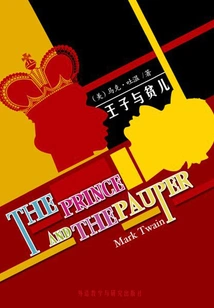
In the masterpiece "The Prince and the Pauper" by American writer Mark Twain, the British prince Edward Tudor and the pauper Tom Candy exchanged identities by mistake, and each experienced a wonderful and exciting adventure. The poor boy became a prince and became a king, gradually getting lost in countless glory and wealth; while the noble prince became a beggar, experienced the suffering of the people, and became the most merciful king after returning to the palace. The author uses rich imagination and humorous language to vividly show the huge difference between the court and the lower society. He also adds various tender moments into the disappointing reality, successfully highlighting the truth, goodness and beauty in the world.
In the masterpiece "The Prince and the Pauper" by American writer Mark Twain, the British prince Edward Tudor and the pauper Tom Candy exchanged identities by mistake, and each experienced a wonderful and exciting adventure. The poor boy became a prince and became a king, gradually getting lost in countless glory and wealth; while the noble prince became a beggar, experienced the suffering of the people, and became the most merciful king after returning to the palace. The author uses rich imagination and humorous language to vividly show the huge difference between the court and the lower society. He also adds various tender moments into the disappointing reality, successfully highlighting the truth, goodness and beauty in the world.
Youjian Library: Yushi Mingyan
General Fiction有间文库:喻世明言
G
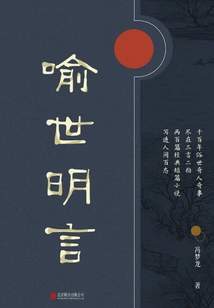
"The Mingyan of Yushi", together with "Tongyan of Warning the World" and "Eternal Words of Awakening the World" are collectively called "Three Words". The book has forty volumes. Like "Tongyan" and "Hengyan", it is a novel in the Song, Yuan and Ming dynasties. The works have a wide range of themes and complex content, including condemnation of the ugliness of feudal bureaucracy and praise of the virtues of upright officials, praise of friendship and love, and condemnation of treachery and heartless behavior. Many works describe the lives of ordinary people. They can be said to depict the "strange things" and "various things" in the society at that time, reproducing everything in the streets of the Song, Yuan and Ming dynasties.
"The Mingyan of Yushi", together with "Tongyan of Warning the World" and "Eternal Words of Awakening the World" are collectively called "Three Words". The book has forty volumes. Like "Tongyan" and "Hengyan", it is a novel in the Song, Yuan and Ming dynasties. The works have a wide range of themes and complex content, including condemnation of the ugliness of feudal bureaucracy and praise of the virtues of upright officials, praise of friendship and love, and condemnation of treachery and heartless behavior. Many works describe the lives of ordinary people. They can be said to depict the "strange things" and "various things" in the society at that time, reproducing everything in the streets of the Song, Yuan and Ming dynasties.
Coriolanus
Literature科利奥兰纳斯
G
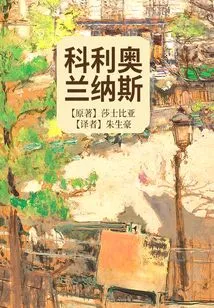
"Coriolanus" is a play written by the British playwright William Shakespeare in his later years. It is a tragedy and was first published in 1623. The play tells the tragedy of Marcellus (known as Coriolanus), a hero of the Roman Republic, who was expelled from Rome because of his suspicious character and bad temper, which offended the public. The author uses the relationship between the hero and the masses as the main line to reveal the weaknesses of human nature. Through the description of the sharp conflicts between the upper-class rulers of Rome and the people, and the national conflicts between Rome and the Vols Kingdom, the work shows the multi-faceted and complex social life in Britain at the end of Queen Elizabeth's reign and the beginning of Stuart's rule.
"Coriolanus" is a play written by the British playwright William Shakespeare in his later years. It is a tragedy and was first published in 1623. The play tells the tragedy of Marcellus (known as Coriolanus), a hero of the Roman Republic, who was expelled from Rome because of his suspicious character and bad temper, which offended the public. The author uses the relationship between the hero and the masses as the main line to reveal the weaknesses of human nature. Through the description of the sharp conflicts between the upper-class rulers of Rome and the people, and the national conflicts between Rome and the Vols Kingdom, the work shows the multi-faceted and complex social life in Britain at the end of Queen Elizabeth's reign and the beginning of Stuart's rule.
四季之歌:梭罗日记选(梭罗文集)
G
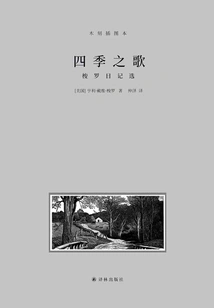
"Song of the Seasons" is a selection from Thoreau's diaries. This book is arranged in the order of the four seasons of spring, summer, autumn and winter, and the flow of day and night of 365 days in a year, and selects the best chapters from Thoreau's diary manuscript. This is Thoreau's experience when he lived on the shores of Walden Pond in Concord in the 1840s and 1850s, making daily excursions and observing the scenery, scenery, and seasonal changes in nature. It not only includes his detailed records of everything in the world, but also his understanding of life, soul, and truth.
"Song of the Seasons" is a selection from Thoreau's diaries. This book is arranged in the order of the four seasons of spring, summer, autumn and winter, and the flow of day and night of 365 days in a year, and selects the best chapters from Thoreau's diary manuscript. This is Thoreau's experience when he lived on the shores of Walden Pond in Concord in the 1840s and 1850s, making daily excursions and observing the scenery, scenery, and seasonal changes in nature. It not only includes his detailed records of everything in the world, but also his understanding of life, soul, and truth.
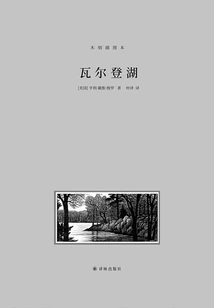
Walden Pond (collected Works of Thoreau)
Literature瓦尔登湖(梭罗文集)
G
"Walden" uses clear thoughts and words to tell us the true meaning of life of "minimal material and abundant soul". Thoreau stayed away from the hustle and bustle and lived a minimalist life in Walden's poetic and beautiful scenery of the four seasons, constantly thinking about how to live closer to his own soul. He used words to set up a ruler of the real world, letting future generations know how deep the torrent of illusions and illusions is.
"Walden" uses clear thoughts and words to tell us the true meaning of life of "minimal material and abundant soul". Thoreau stayed away from the hustle and bustle and lived a minimalist life in Walden's poetic and beautiful scenery of the four seasons, constantly thinking about how to live closer to his own soul. He used words to set up a ruler of the real world, letting future generations know how deep the torrent of illusions and illusions is.
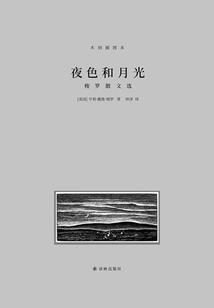
夜色和月光:梭罗散文选(梭罗文集)
G
"Night and Moonlight" is a selection of Thoreau's essays. This book collects Thoreau's classic prose masterpieces, including "Wild Apple", "The Descent of Forest Trees", "Natural History of Massachusetts" and other excellent works in the field of natural history and natural history. It also includes Thoreau's reasoning essays explaining his outlook on life, love and political opinions, which comprehensively demonstrates Thoreau's natural interests and transcendental philosophy. Specially included is the famous lecture "Nonviolent Resistance", as well as the translator's detailed commentary and interpretation.
"Night and Moonlight" is a selection of Thoreau's essays. This book collects Thoreau's classic prose masterpieces, including "Wild Apple", "The Descent of Forest Trees", "Natural History of Massachusetts" and other excellent works in the field of natural history and natural history. It also includes Thoreau's reasoning essays explaining his outlook on life, love and political opinions, which comprehensively demonstrates Thoreau's natural interests and transcendental philosophy. Specially included is the famous lecture "Nonviolent Resistance", as well as the translator's detailed commentary and interpretation.
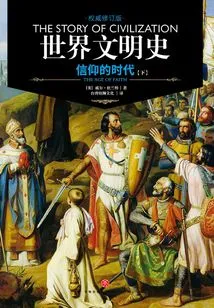
世界文明史:信仰的时代(下)
G
This book describes the early changes in faith in Europe, divided into three parts: "Byzantine, Islamic and Jewish Civilizations", "Dark Ages and Crusades" and "Christian Civilization". It adopts an integrated historical research method to fully and objectively analyze and discuss the possible scope and opinions of the medieval civilization from 325 to 1300. Starting from the distant Byzantium and Islam, this book gives a general introduction to each of the four medieval civilizations or aspects of each era: Byzantium, Islam, Judaism and Western Europe, and gives as much analysis as possible of the confluence and excitement of these four cultures during the Crusades. Medieval times are a state and a period: in Western Europe we should end with Columbus; in Russia it continues to the time of Peter the Great (during 1725); in India it continues to our own time. This era left behind precious religious, economic, artistic and literary legacies.
This book describes the early changes in faith in Europe, divided into three parts: "Byzantine, Islamic and Jewish Civilizations", "Dark Ages and Crusades" and "Christian Civilization". It adopts an integrated historical research method to fully and objectively analyze and discuss the possible scope and opinions of the medieval civilization from 325 to 1300. Starting from the distant Byzantium and Islam, this book gives a general introduction to each of the four medieval civilizations or aspects of each era: Byzantium, Islam, Judaism and Western Europe, and gives as much analysis as possible of the confluence and excitement of these four cultures during the Crusades. Medieval times are a state and a period: in Western Europe we should end with Columbus; in Russia it continues to the time of Peter the Great (during 1725); in India it continues to our own time. This era left behind precious religious, economic, artistic and literary legacies.
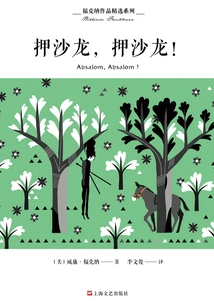
Selections from Faulkner's Works: Absalom, Absalom!
General Fiction福克纳作品精选系列:押沙龙,押沙龙!
G
"Absalom! Absalom! "" Is Faulkner's ninth novel, published in 1936. This extremely epic novel is a work that he is very satisfied with. He also specially provided a chronology and character genealogy for the novel. The title of the novel is taken from the Bible and tells the story of a family from its rise to its decline before and after the Civil War - Sutburn brought a group of black slaves to Jefferson Town and built a plantation. He has a son, Charles, with his ex-wife of black descent, and a son, Henry, and a daughter, Judith, with his current wife. Judith became romantically involved with her half-brother Charles. In order to avoid scandal, Henry killed his half-brother, and the once-splendid manor quickly declined. Sutben, who returned from the war, tried to revitalize his family business, but ultimately failed and died under the knife of others. The novel fully displays the sufferings, joys and sorrows of several generations of people in the American South from the second half of the 19th century to the beginning of the 20th century, reflects the social and historical outlook at that time, and reveals the difficult situation and destiny of human beings.
"Absalom! Absalom! "" Is Faulkner's ninth novel, published in 1936. This extremely epic novel is a work that he is very satisfied with. He also specially provided a chronology and character genealogy for the novel. The title of the novel is taken from the Bible and tells the story of a family from its rise to its decline before and after the Civil War - Sutburn brought a group of black slaves to Jefferson Town and built a plantation. He has a son, Charles, with his ex-wife of black descent, and a son, Henry, and a daughter, Judith, with his current wife. Judith became romantically involved with her half-brother Charles. In order to avoid scandal, Henry killed his half-brother, and the once-splendid manor quickly declined. Sutben, who returned from the war, tried to revitalize his family business, but ultimately failed and died under the knife of others. The novel fully displays the sufferings, joys and sorrows of several generations of people in the American South from the second half of the 19th century to the beginning of the 20th century, reflects the social and historical outlook at that time, and reveals the difficult situation and destiny of human beings.
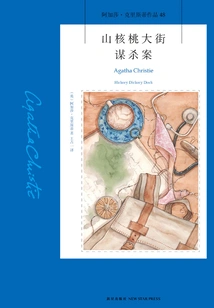
Pecan Street Murders
General Fiction山核桃大街谋杀案
G
There is a dormitory for international students on Pecan Street. Men and women with different skin colors and personalities live here, and they live in harmony. But recently, there have been a series of strange theft incidents, and what was lost were less valuable things, such as light bulbs, a girl's lipstick, a shoe, and the like. Mrs. Hubbard, the housekeeper, didn't pay much attention until someone had ink spilled on a girl's graduation thesis. She felt that there was hidden malice in the matter and she must take it seriously. Mrs. Hubbard asked Poirot to investigate. Poirot suggested "calling the police" in the dormitory. As soon as this was said, someone "surrendered" that night. However, the girls who surrendered died the next day and were clumsily disguised as suicides. The murder brought the police to Pecan Street, and more crazy murders followed. Is the cruel murderer really one of the inexperienced students?
There is a dormitory for international students on Pecan Street. Men and women with different skin colors and personalities live here, and they live in harmony. But recently, there have been a series of strange theft incidents, and what was lost were less valuable things, such as light bulbs, a girl's lipstick, a shoe, and the like. Mrs. Hubbard, the housekeeper, didn't pay much attention until someone had ink spilled on a girl's graduation thesis. She felt that there was hidden malice in the matter and she must take it seriously. Mrs. Hubbard asked Poirot to investigate. Poirot suggested "calling the police" in the dormitory. As soon as this was said, someone "surrendered" that night. However, the girls who surrendered died the next day and were clumsily disguised as suicides. The murder brought the police to Pecan Street, and more crazy murders followed. Is the cruel murderer really one of the inexperienced students?

Eugenie Grandet
General Fiction欧仁尼·葛朗台
G
This book is the most important work in Balzac's "Human Comedy: Scenes from Provincial Life". Balzac called this novel "one of the most outstanding drawings" in "Human Comedy". The novel describes the family conflicts between the Grandet couple, father and daughter, uncle and nephew, profoundly reveals the money relationship in bourgeois families, extensively unfolds the customs of the French provinces in the first half of the 19th century, and creates a typical artistic image of "Grandet", one of the four misers in the gallery of world literary figures. He was greedy, cunning, and stingy. Money was his belief. Watching gold alone was his hobby. Before he died, he did not forget to tell his daughter to go there and give an account. His family was extremely wealthy, but he had to personally distribute the bread for every meal and the candles he lit every day. His stinginess swelled and engulfed him whole. Grandet was portrayed extremely vividly, making him one of the most famous typical images in the history of world literature.
This book is the most important work in Balzac's "Human Comedy: Scenes from Provincial Life". Balzac called this novel "one of the most outstanding drawings" in "Human Comedy". The novel describes the family conflicts between the Grandet couple, father and daughter, uncle and nephew, profoundly reveals the money relationship in bourgeois families, extensively unfolds the customs of the French provinces in the first half of the 19th century, and creates a typical artistic image of "Grandet", one of the four misers in the gallery of world literary figures. He was greedy, cunning, and stingy. Money was his belief. Watching gold alone was his hobby. Before he died, he did not forget to tell his daughter to go there and give an account. His family was extremely wealthy, but he had to personally distribute the bread for every meal and the candles he lit every day. His stinginess swelled and engulfed him whole. Grandet was portrayed extremely vividly, making him one of the most famous typical images in the history of world literature.
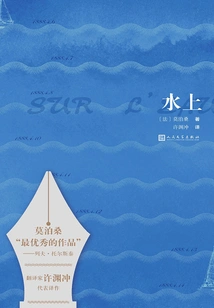
On Water
Literature水上
G
"On the Water" is a travelogue by Maupassant, which is more sincere, more intimate and more profound than the novel. The travel notes describe the scenery on the sea, record what he saw during the journey, and record his random thoughts: as big as the wise words to govern the country and bring peace to the world, as small as the gentle ripples of the sea water when the wind blows, and others such as the satire of the mediocre and the sympathy for the poor. Leo Tolstoy said in the preface to "The Collected Works of Maupassant" that "On the Water" is Maupassant's "best work".
"On the Water" is a travelogue by Maupassant, which is more sincere, more intimate and more profound than the novel. The travel notes describe the scenery on the sea, record what he saw during the journey, and record his random thoughts: as big as the wise words to govern the country and bring peace to the world, as small as the gentle ripples of the sea water when the wind blows, and others such as the satire of the mediocre and the sympathy for the poor. Leo Tolstoy said in the preface to "The Collected Works of Maupassant" that "On the Water" is Maupassant's "best work".

做王子,也做乞丐:松浦弥太郎的理想生活
G
An autobiographical essay by Japanese life master Yataro Matsuura. Before he graduated from high school, he decided to go to the United States to explore the world. In the fall of his 18th year, Matsuura arrived in San Francisco. What was he pursuing during this journey? When his parents asked, "Why do we want to travel?" What was the answer that the young Matsuura couldn't answer? A work full of precious sentences dedicated to travelers on the road of life. After experiencing the years of youth and frivolity, in the loneliness of wandering, he wrote down the people he met, the places he arrived, and what happened--some may be a perfect ending, and sometimes it is a "this is life" situation. Matsuura's unique outlook on life began to sprout from his early wanderings, adventures, experiences and growth.
An autobiographical essay by Japanese life master Yataro Matsuura. Before he graduated from high school, he decided to go to the United States to explore the world. In the fall of his 18th year, Matsuura arrived in San Francisco. What was he pursuing during this journey? When his parents asked, "Why do we want to travel?" What was the answer that the young Matsuura couldn't answer? A work full of precious sentences dedicated to travelers on the road of life. After experiencing the years of youth and frivolity, in the loneliness of wandering, he wrote down the people he met, the places he arrived, and what happened--some may be a perfect ending, and sometimes it is a "this is life" situation. Matsuura's unique outlook on life began to sprout from his early wanderings, adventures, experiences and growth.

Novel Lantern
General Fiction小说灯笼
G
"Novel Lantern" contains sixteen short stories by Osamu Dazai. These works go against the stereotype of Osamu Dazai being full of decadence, guilt and self-denial, and present them as bright and warm as a lantern. Osamu Dazai always tried his best to create a happy atmosphere when he was in pain internally and exhausted physically. Osamu Dazai himself is a sad comedy. People think he is extremely selfish, but in fact, he always cares about the feelings of others. Maybe he thinks that as long as he brings gentleness to those around him, he can feel warmer too.
"Novel Lantern" contains sixteen short stories by Osamu Dazai. These works go against the stereotype of Osamu Dazai being full of decadence, guilt and self-denial, and present them as bright and warm as a lantern. Osamu Dazai always tried his best to create a happy atmosphere when he was in pain internally and exhausted physically. Osamu Dazai himself is a sad comedy. People think he is extremely selfish, but in fact, he always cares about the feelings of others. Maybe he thinks that as long as he brings gentleness to those around him, he can feel warmer too.

Ribbon
General Fiction丝带
G
The young girl Skylark and her grandmother Sumire are not blood related, but they unexpectedly hit it off, and they are like friends with a deep friendship that transcends age. Grandma Pansy likes to observe birds. She likes to drink sweet coffee on the terrace and use telescopes to observe various birds near her home. The skylark was influenced and likes birds as much as her grandmother. One day, the grandfather and grandson accidentally discovered three small bird eggs. They regarded them as treasures and decided to hatch them. Skylark and Sumire took care of the eggs carefully, not daring to relax day and night. In the end, only one of the three eggs hatched into a small yellow bird, which was a cute little parrot. Skylark gently held it in his hand, and they gave it a nice name - Ribbon. Later, the ribbon gradually grew up and became more and more lively and cute. Skylark and Sumire loved it very much. Unexpectedly, one day, Sumire forgot to close the birdcage and the door when she was cleaning the room. The grown-up Ribbon spread its wings and flew away, leaving home and the kind-hearted grandfather and grandson. The story also unfolds...
The young girl Skylark and her grandmother Sumire are not blood related, but they unexpectedly hit it off, and they are like friends with a deep friendship that transcends age. Grandma Pansy likes to observe birds. She likes to drink sweet coffee on the terrace and use telescopes to observe various birds near her home. The skylark was influenced and likes birds as much as her grandmother. One day, the grandfather and grandson accidentally discovered three small bird eggs. They regarded them as treasures and decided to hatch them. Skylark and Sumire took care of the eggs carefully, not daring to relax day and night. In the end, only one of the three eggs hatched into a small yellow bird, which was a cute little parrot. Skylark gently held it in his hand, and they gave it a nice name - Ribbon. Later, the ribbon gradually grew up and became more and more lively and cute. Skylark and Sumire loved it very much. Unexpectedly, one day, Sumire forgot to close the birdcage and the door when she was cleaning the room. The grown-up Ribbon spread its wings and flew away, leaving home and the kind-hearted grandfather and grandson. The story also unfolds...
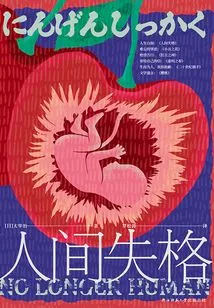
N
General Fictionn
G
"Disqualification in the World" is an autobiographical novel. The preface and appendix are narrated in the author's voice, and the three notebooks are narrated in the voice of the protagonist Ye Zang. The protagonist Ye Zang is cowardly and timid, afraid to face all the emotions in the world, and does not understand the complex inner world of human beings. He hides his true self by making others happy, uses drinking to have fun to escape the world, and ultimately leads to destruction. This kind of confusion runs through the youth of the author and everyone; he is tortured by pain and confusion, and he spends his life seeking love and avoiding love due to self-weariness. To be disqualified in the human world means to have lost the qualifications to be a human being. Through the experience of the novel's protagonist Ye Zang, Dazai Osamu expressed the real pain in his life. This work is considered an autobiographical novel. In the same year of its publication, Osamu Dazai drowned and died. "The Clown's Flower" is also known as "The Flower of Taoism". In 1930, when Osamu Dazai was 21 years old, he met a young married woman in Ginza, Tokyo, and the two committed suicide by drowning in Kamakura. Later, Dazai Osamu was rescued, but the other party died unfortunately. Osamu Dazai was charged with "assisted suicide" but was not prosecuted. This incident became an unforgettable crime for Dazai Osamu, and he created the novel "Clown Flower" based on this experience. "Clown's Flower" is considered to be the prelude and starting point of creation of "The Lost World", and its protagonist is the same person as Oba Yezo in "The Lost World". "The God of Kyogen" In 1935, at the age of 26, Osamu Dazai attempted to hang himself on Mount Kamakura after failing to apply for a job at the Tokyo Metropolitan News Agency. "The God of Kyogen" tells the story of the protagonist, Kazuo Kazuo, who committed suicide after failing to apply for a newspaper job. Dazai Osamu admitted in the article that all of this was his own personal experience. "Imaginary Spring", "Clown's Flower", "The God of Madness" and "Imaginary Spring" all belong to the "Imaginary Wandering" trilogy. "Imaginary Spring" tells the story of Osamu Dazai's downfall, depression and spiritual self-criticism in his life through the perspective of others in the form of letters. The book not only talks about Dazai Osamu's past relationships again, but also explains his literary ideals. "Flagbearer of the Twentieth Century" In 1936, Osamu Dazai experienced numerous embarrassments including appendicitis complicated by peritonitis, drug poisoning, and failure to win the Akutagawa Prize. In a desperate situation, Osamu Dazai wrote the sentence "I'm sorry for being born human" under the title of this work. The novel tells the story of Dazai Osamu who tried his best to fight against life, but encountered various misfortunes in turn. Osamu Dazai said: "I wrote "The Standard Bearer of the Twentieth Century" in extreme despair; but I still firmly believe that on the other side of despair, there must be hope." "Cherry" June 13, 1948, heavy rain poured down. Dazai Osamu and female reader Yamazaki Furei committed suicide by throwing themselves into the Tamagawa River. Six days later, their bodies were found under the bridge, on his birthday. Since then, June 19th every year has been regarded as the anniversary of Dazai Osamu's death. On this day, fresh cherries are placed in front of Dazai Osamu's tomb to hold a "cherry memorial ceremony". The name Sakura Ji comes from the novel "Cherry" published one year before his suicide, which tells the helpless life between Dazai Osamu and his wife and children. This work is considered to be Osamu Dazai's last literary legacy.
"Disqualification in the World" is an autobiographical novel. The preface and appendix are narrated in the author's voice, and the three notebooks are narrated in the voice of the protagonist Ye Zang. The protagonist Ye Zang is cowardly and timid, afraid to face all the emotions in the world, and does not understand the complex inner world of human beings. He hides his true self by making others happy, uses drinking to have fun to escape the world, and ultimately leads to destruction. This kind of confusion runs through the youth of the author and everyone; he is tortured by pain and confusion, and he spends his life seeking love and avoiding love due to self-weariness. To be disqualified in the human world means to have lost the qualifications to be a human being. Through the experience of the novel's protagonist Ye Zang, Dazai Osamu expressed the real pain in his life. This work is considered an autobiographical novel. In the same year of its publication, Osamu Dazai drowned and died. "The Clown's Flower" is also known as "The Flower of Taoism". In 1930, when Osamu Dazai was 21 years old, he met a young married woman in Ginza, Tokyo, and the two committed suicide by drowning in Kamakura. Later, Dazai Osamu was rescued, but the other party died unfortunately. Osamu Dazai was charged with "assisted suicide" but was not prosecuted. This incident became an unforgettable crime for Dazai Osamu, and he created the novel "Clown Flower" based on this experience. "Clown's Flower" is considered to be the prelude and starting point of creation of "The Lost World", and its protagonist is the same person as Oba Yezo in "The Lost World". "The God of Kyogen" In 1935, at the age of 26, Osamu Dazai attempted to hang himself on Mount Kamakura after failing to apply for a job at the Tokyo Metropolitan News Agency. "The God of Kyogen" tells the story of the protagonist, Kazuo Kazuo, who committed suicide after failing to apply for a newspaper job. Dazai Osamu admitted in the article that all of this was his own personal experience. "Imaginary Spring", "Clown's Flower", "The God of Madness" and "Imaginary Spring" all belong to the "Imaginary Wandering" trilogy. "Imaginary Spring" tells the story of Osamu Dazai's downfall, depression and spiritual self-criticism in his life through the perspective of others in the form of letters. The book not only talks about Dazai Osamu's past relationships again, but also explains his literary ideals. "Flagbearer of the Twentieth Century" In 1936, Osamu Dazai experienced numerous embarrassments including appendicitis complicated by peritonitis, drug poisoning, and failure to win the Akutagawa Prize. In a desperate situation, Osamu Dazai wrote the sentence "I'm sorry for being born human" under the title of this work. The novel tells the story of Dazai Osamu who tried his best to fight against life, but encountered various misfortunes in turn. Osamu Dazai said: "I wrote "The Standard Bearer of the Twentieth Century" in extreme despair; but I still firmly believe that on the other side of despair, there must be hope." "Cherry" June 13, 1948, heavy rain poured down. Dazai Osamu and female reader Yamazaki Furei committed suicide by throwing themselves into the Tamagawa River. Six days later, their bodies were found under the bridge, on his birthday. Since then, June 19th every year has been regarded as the anniversary of Dazai Osamu's death. On this day, fresh cherries are placed in front of Dazai Osamu's tomb to hold a "cherry memorial ceremony". The name Sakura Ji comes from the novel "Cherry" published one year before his suicide, which tells the helpless life between Dazai Osamu and his wife and children. This work is considered to be Osamu Dazai's last literary legacy.
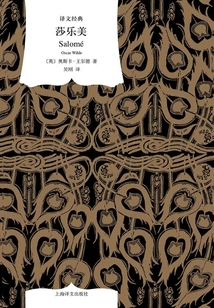
Salome: a Trilingual Illustrated Edition in Chinese, English and French (classic in Translation)
General Fiction莎乐美:中英法三语插图典藏本(译文经典)
G
The British genius Wilde is a classic among the aesthetic works of the British genius Oscar Wilde, and is also the only tragedy in Wilde's life; unique black and white illustrations by the talented illustrator Beardsley, showing sinful passion and decadent style; newly added paintings by the French symbolist master Gustave Moreau; original presentation in Chinese, English and French. "Salome" is a one-act play by British aestheticist writer Oscar Wilde, which can be called a classic among aestheticist works. The story is based on the plot in the Bible where Salome danced for King Herod in exchange for the head of John the Baptist. This biblical allusion was unearthed by Wilde's masterful hand to have the darkest and most profound connotation. The entanglement of desire, the outbreak of abnormal love, and the weird atmosphere are all developed to the extreme by him in this short space. Beardsley, a talented painter who died young at the same time, can also be regarded as the best interpreter of Wilde's demonic works. The translated classic version of "Salome" not only includes many illustrations created for the book by the famous British illustrator Beardsley - known as "one of the most successful collaborations between poets and painters in history", but also adds classic paintings about Salome by the French symbolist master Gustave Moreau - the mysterious and gorgeous religious atmosphere created in the work adds a unique aesthetic experience to readers.
The British genius Wilde is a classic among the aesthetic works of the British genius Oscar Wilde, and is also the only tragedy in Wilde's life; unique black and white illustrations by the talented illustrator Beardsley, showing sinful passion and decadent style; newly added paintings by the French symbolist master Gustave Moreau; original presentation in Chinese, English and French. "Salome" is a one-act play by British aestheticist writer Oscar Wilde, which can be called a classic among aestheticist works. The story is based on the plot in the Bible where Salome danced for King Herod in exchange for the head of John the Baptist. This biblical allusion was unearthed by Wilde's masterful hand to have the darkest and most profound connotation. The entanglement of desire, the outbreak of abnormal love, and the weird atmosphere are all developed to the extreme by him in this short space. Beardsley, a talented painter who died young at the same time, can also be regarded as the best interpreter of Wilde's demonic works. The translated classic version of "Salome" not only includes many illustrations created for the book by the famous British illustrator Beardsley - known as "one of the most successful collaborations between poets and painters in history", but also adds classic paintings about Salome by the French symbolist master Gustave Moreau - the mysterious and gorgeous religious atmosphere created in the work adds a unique aesthetic experience to readers.

新文章读本(川端康成作品系列)
G
The works of Yasunari Kawabata, the Nobel Prize winner in literature, perceive the life of art and capture the breath of writing. Mr. Kawabata's sensitivity may be unparalleled. "New Articles Reader" is a collection of serials titled "New Articles Lectures" published by Kawabata Yasunari in the magazine "Literary Exchanges" from February 1949 to November 1950. It is a collection of literary criticism by Kawabata Yasunari. Kawabata, who has been familiar with "The Tale of Genji" and "Pillow" since childhood, strongly advocates "living articles" based on his nostalgia. The book is divided into ten chapters, citing articles by Japanese and foreign writers such as Akutagawa Ryunosuke, Ishikawa Jun, Yono Koji, Izumi Kyoka, Nagai Karikaze, Yokomitsu Riichi, Shiga Naoya, Sato Haruo, Kikuchi Hiroshi, Tayama Hanabukuro, Flaubert and other Japanese and foreign writers. It breaks down the entries and analyzes the secrets of masterpieces in language that is easy for ordinary readers to understand. Together with Junichiro Tanizaki and Yukio Mishima's literary review "Article Reader" of the same name, it is the most famous writer's literary review in the history of modern Japanese literature. From it, we can get a glimpse of the author's theory of writers and writing concepts.
The works of Yasunari Kawabata, the Nobel Prize winner in literature, perceive the life of art and capture the breath of writing. Mr. Kawabata's sensitivity may be unparalleled. "New Articles Reader" is a collection of serials titled "New Articles Lectures" published by Kawabata Yasunari in the magazine "Literary Exchanges" from February 1949 to November 1950. It is a collection of literary criticism by Kawabata Yasunari. Kawabata, who has been familiar with "The Tale of Genji" and "Pillow" since childhood, strongly advocates "living articles" based on his nostalgia. The book is divided into ten chapters, citing articles by Japanese and foreign writers such as Akutagawa Ryunosuke, Ishikawa Jun, Yono Koji, Izumi Kyoka, Nagai Karikaze, Yokomitsu Riichi, Shiga Naoya, Sato Haruo, Kikuchi Hiroshi, Tayama Hanabukuro, Flaubert and other Japanese and foreign writers. It breaks down the entries and analyzes the secrets of masterpieces in language that is easy for ordinary readers to understand. Together with Junichiro Tanizaki and Yukio Mishima's literary review "Article Reader" of the same name, it is the most famous writer's literary review in the history of modern Japanese literature. From it, we can get a glimpse of the author's theory of writers and writing concepts.
Prosecution Witness (original Movie of the Same Name)
General Fiction控方证人(同名电影原著)
G
Leonard Wall was accused of murdering wealthy woman Emily in order to gain access to her huge inheritance, but he has repeatedly proven his innocence. Leonard's wife was the only witness who could prove his innocence, but she testified as a prosecution witness that he was indeed guilty of murder. Leonard is almost in dire straits until a mysterious woman appears... A dog-shaped pattern on the wall; a radio that summons death; the secret of the blue porcelain jar; a crazy gray cat... Eleven mysterious stories, the most terrifying thing is not the "ghost", but the devil in your heart.
Leonard Wall was accused of murdering wealthy woman Emily in order to gain access to her huge inheritance, but he has repeatedly proven his innocence. Leonard's wife was the only witness who could prove his innocence, but she testified as a prosecution witness that he was indeed guilty of murder. Leonard is almost in dire straits until a mysterious woman appears... A dog-shaped pattern on the wall; a radio that summons death; the secret of the blue porcelain jar; a crazy gray cat... Eleven mysterious stories, the most terrifying thing is not the "ghost", but the devil in your heart.

P
General Fictionp
G
Raskolnikov, a poor college student, was tortured by depression and poverty and killed the cruel and greedy loan shark Ivanovna and his sister Lizaveta. After the murder, Raskolnikov could not get rid of the fear in his heart. He felt that all the good feelings he had had were wiped out. This was an inner punishment more severe than legal punishment...
Raskolnikov, a poor college student, was tortured by depression and poverty and killed the cruel and greedy loan shark Ivanovna and his sister Lizaveta. After the murder, Raskolnikov could not get rid of the fear in his heart. He felt that all the good feelings he had had were wiped out. This was an inner punishment more severe than legal punishment...

快穿佛系女配美如画
G
[1v1, sweet and sweet article] Qingwan feels that her future life will be gloomy. Other people's systems are all kinds of ridiculous. Her system is simply indescribable. She has no choice but to rely on herself. Along the way, she beats the White Lotus heroine, cruelly tortures the scheming bitch, and by the way, captures a super good-looking villain and returns home. One day, I packed my luggage late in the morning and was about to run away from home to flirt with other boys. Who knew that I was caught by a certain man as soon as I stepped out of the house? Qing Wan was about to cry but had no tears: "Return the goods, I want to return the goods." A certain man narrowed his dark eyes and took her into his arms: "Wife, what did you say?" Seeing that the situation was wrong, Qing Wan was immediately frightened.
[1v1, sweet and sweet article] Qingwan feels that her future life will be gloomy. Other people's systems are all kinds of ridiculous. Her system is simply indescribable. She has no choice but to rely on herself. Along the way, she beats the White Lotus heroine, cruelly tortures the scheming bitch, and by the way, captures a super good-looking villain and returns home. One day, I packed my luggage late in the morning and was about to run away from home to flirt with other boys. Who knew that I was caught by a certain man as soon as I stepped out of the house? Qing Wan was about to cry but had no tears: "Return the goods, I want to return the goods." A certain man narrowed his dark eyes and took her into his arms: "Wife, what did you say?" Seeing that the situation was wrong, Qing Wan was immediately frightened.