Library
Browse and search books
1,449 novels found

Cymbeline: English-chinese (shakespeare Tragedy Series)
General Fiction辛白林:英汉对照(莎士比亚悲剧系列)
G
"Cymbeline" tells the story of Inozhen, the daughter of King Cymbeline of Britain, who has a private life-long relationship with her lover Posthumus. Cymbeline was furious and exiled Posthumus to Rome. The bad friend Iakimo believed that the princess would definitely be unfaithful, so he made a bet with Posthumus. In the end, the princess resolved Iakimo's deception and the couple was reunited.
"Cymbeline" tells the story of Inozhen, the daughter of King Cymbeline of Britain, who has a private life-long relationship with her lover Posthumus. Cymbeline was furious and exiled Posthumus to Rome. The bad friend Iakimo believed that the princess would definitely be unfaithful, so he made a bet with Posthumus. In the end, the princess resolved Iakimo's deception and the couple was reunited.
X
General Fictionx
G
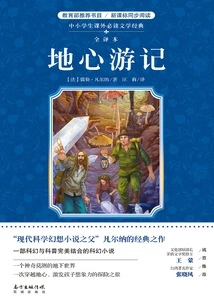
The novel describes Professor Lidenbrock's accidental discovery of a piece of parchment in an ancient book. He got inspiration from the words on the parchment: the predecessor Arne Saknusem had traveled to the center of the earth. The professor decided to make the same trip. He entered the Snæfellsjökull crater in Iceland. After three months of travel, he went through difficulties and obstacles such as lack of water, getting lost, and storms. Finally, due to the impact of rock flows, he returned to the ground from a crater on the island of Storumboli in northern Sicily in the Mediterranean Sea.
The novel describes Professor Lidenbrock's accidental discovery of a piece of parchment in an ancient book. He got inspiration from the words on the parchment: the predecessor Arne Saknusem had traveled to the center of the earth. The professor decided to make the same trip. He entered the Snæfellsjökull crater in Iceland. After three months of travel, he went through difficulties and obstacles such as lack of water, getting lost, and storms. Finally, due to the impact of rock flows, he returned to the ground from a crater on the island of Storumboli in northern Sicily in the Mediterranean Sea.
Crime and Punishment (translation 40)
General Fiction罪与罚(译文40)
G
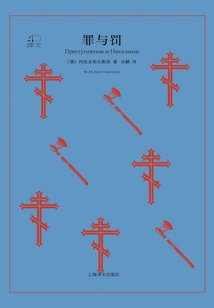
"Crime and Punishment" is one of the masterpieces of Dostoevsky, the great Russian writer of the 19th century. The novel describes Raskolnikov, a poor college student who wanted to be a Napoleonic figure and believed that he was a superman. He was poisoned by anarchist ideas and forced to make a living. He killed the old landlady who was a loan shark and her innocent sister, and committed a murder that shocked the whole of Russia. After experiencing a painful confession, he finally surrendered under the persuasion of the Christian girl Sonia and was sentenced to exile in Siberia. The work focuses on the protagonist's mental state of being condemned by his conscience and feeling deeply lonely and fearful after committing a crime, and depicts his psychological changes before and after the crime. On the one hand, the novel depicts the miserable life of the lower class people in Russia and exposes the sins of the aristocracy; on the other hand, it also promotes the idea of accepting one's fate and seeking liberation from religion.
"Crime and Punishment" is one of the masterpieces of Dostoevsky, the great Russian writer of the 19th century. The novel describes Raskolnikov, a poor college student who wanted to be a Napoleonic figure and believed that he was a superman. He was poisoned by anarchist ideas and forced to make a living. He killed the old landlady who was a loan shark and her innocent sister, and committed a murder that shocked the whole of Russia. After experiencing a painful confession, he finally surrendered under the persuasion of the Christian girl Sonia and was sentenced to exile in Siberia. The work focuses on the protagonist's mental state of being condemned by his conscience and feeling deeply lonely and fearful after committing a crime, and depicts his psychological changes before and after the crime. On the one hand, the novel depicts the miserable life of the lower class people in Russia and exposes the sins of the aristocracy; on the other hand, it also promotes the idea of accepting one's fate and seeking liberation from religion.
S
General Fictions
G
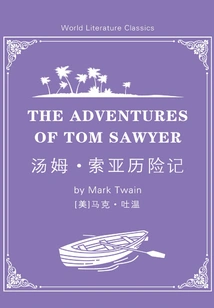
"The Adventures of Tom Sawyer" is the masterpiece of the famous American novelist Mark Twain, published in 1876. The novel describes the colorful and romantic lives of a group of children headed by Tom Sawyer. In order to get rid of boring homework, hypocritical teachings and rigid living environment, they did all kinds of risky things. Although the novel "The Adventures of Tom Sawyer" is written for children, it is also a book for everyone. Because reading this novel can "adults remember themselves from back then, their emotions, thoughts, words and some incredible actions at that time."
"The Adventures of Tom Sawyer" is the masterpiece of the famous American novelist Mark Twain, published in 1876. The novel describes the colorful and romantic lives of a group of children headed by Tom Sawyer. In order to get rid of boring homework, hypocritical teachings and rigid living environment, they did all kinds of risky things. Although the novel "The Adventures of Tom Sawyer" is written for children, it is also a book for everyone. Because reading this novel can "adults remember themselves from back then, their emotions, thoughts, words and some incredible actions at that time."

P
General Fictionp
G
Raskolnikov, a poor college student, was tortured by depression and poverty and killed the cruel and greedy loan shark Ivanovna and his sister Lizaveta. After the murder, Mrs. Raskolnikov could not get rid of the fear in her heart. He felt that all his original bad feelings were wiped out. This was an inner punishment more severe than legal punishment.
Raskolnikov, a poor college student, was tortured by depression and poverty and killed the cruel and greedy loan shark Ivanovna and his sister Lizaveta. After the murder, Mrs. Raskolnikov could not get rid of the fear in her heart. He felt that all his original bad feelings were wiped out. This was an inner punishment more severe than legal punishment.
Pride and Prejudice (collected Works of Jane Austen)
General Fiction傲慢与偏见(简·奥斯丁文集)
G
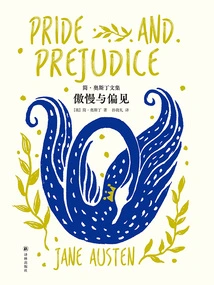
"Pride and Prejudice" is Austen's colorful and fascinating comedy masterpiece. It takes the love entanglements of the hero and heroine as the main line and describes four marriages. The writing of the novel is funny and spicy, and the dialogue is full of life. Through the interaction between Elizabeth and Darcy, it presents the marriage and love model that Austen longed for: in addition to equality and respect, there is also freedom and mutual understanding. To this day, we can still extract from Elizabeth the spiritual core that is suitable for today's women: she has her own thoughts, and insists on her own emotional choices beyond the label of "elegant woman".
"Pride and Prejudice" is Austen's colorful and fascinating comedy masterpiece. It takes the love entanglements of the hero and heroine as the main line and describes four marriages. The writing of the novel is funny and spicy, and the dialogue is full of life. Through the interaction between Elizabeth and Darcy, it presents the marriage and love model that Austen longed for: in addition to equality and respect, there is also freedom and mutual understanding. To this day, we can still extract from Elizabeth the spiritual core that is suitable for today's women: she has her own thoughts, and insists on her own emotional choices beyond the label of "elegant woman".
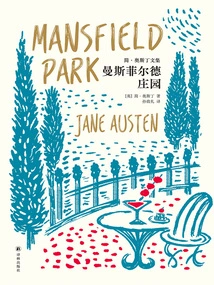
Mansfield Park (collected Works of Jane Austen)
General Fiction曼斯菲尔德庄园(简·奥斯丁文集)
G
Fanny, who is kind and sensible but comes from a poor family, was fostered in the home of her wealthy aunt when she was young. The care and love of her cousin Edmund was the only warmth in her life under the shelter of others. As an adult, Fanny often attended social gatherings with her cousins, and thus got acquainted with the charming young man Crawford and his sister... The final ending of these young men and women who were entangled in emotions was unexpected, but also reasonable. At a time when individuality and originality are showing off, the shy, delicate, sincere and sensitive country girl Fanny has won our respect and love with her virtue and personality.
Fanny, who is kind and sensible but comes from a poor family, was fostered in the home of her wealthy aunt when she was young. The care and love of her cousin Edmund was the only warmth in her life under the shelter of others. As an adult, Fanny often attended social gatherings with her cousins, and thus got acquainted with the charming young man Crawford and his sister... The final ending of these young men and women who were entangled in emotions was unexpected, but also reasonable. At a time when individuality and originality are showing off, the shy, delicate, sincere and sensitive country girl Fanny has won our respect and love with her virtue and personality.
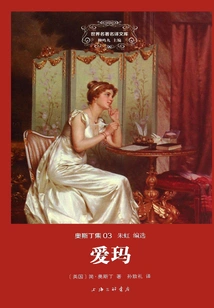
Ah
General Fictionah
G
"Emma" is one of the most influential classic novels in the 19th century. The protagonist Emma is a beautiful, intelligent and wealthy girl, and she is also an out-and-out dreamer. She enthusiastically pays attention to the romantic stories around her, but stubbornly believes that she will never fall into them. She took it upon herself to direct love affairs again and again for the orphan Harriet. When Harriet mistakenly thought she was in love with the magistrate Mr. Knightley, Emma was shocked to realize that she was also in love with Mr. Knightley. Although this was contrary to the vow she had announced from the beginning that she would never marry, she had to give up her innocent vow when she fell in love. The work has been adapted to the screen many times.
"Emma" is one of the most influential classic novels in the 19th century. The protagonist Emma is a beautiful, intelligent and wealthy girl, and she is also an out-and-out dreamer. She enthusiastically pays attention to the romantic stories around her, but stubbornly believes that she will never fall into them. She took it upon herself to direct love affairs again and again for the orphan Harriet. When Harriet mistakenly thought she was in love with the magistrate Mr. Knightley, Emma was shocked to realize that she was also in love with Mr. Knightley. Although this was contrary to the vow she had announced from the beginning that she would never marry, she had to give up her innocent vow when she fell in love. The work has been adapted to the screen many times.
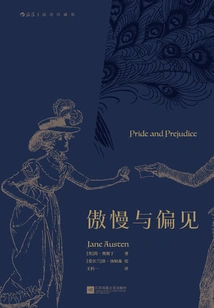
N
General Fictionn
G
The author Jane Austen uses the love story and self-growth of Squire Bennet's second daughter Elizabeth and the hero Darcy to lead readers to appreciate the rural life and worldly conditions of the British Regency period from the late 18th to the early 19th century. Although describing love and marriage, Austen went against the sentimental novel content and pretentious writing methods that were popular in society at the time. She used her "rare sense of humor" to express serious thinking and criticism, exploring women's self-discovery and growth in love, and their pursuit of personal independence and equal rights. Mr. Wang Keyi's translation retains the quaint charm of the original work, and Austen's ironic essence can be seen everywhere.
The author Jane Austen uses the love story and self-growth of Squire Bennet's second daughter Elizabeth and the hero Darcy to lead readers to appreciate the rural life and worldly conditions of the British Regency period from the late 18th to the early 19th century. Although describing love and marriage, Austen went against the sentimental novel content and pretentious writing methods that were popular in society at the time. She used her "rare sense of humor" to express serious thinking and criticism, exploring women's self-discovery and growth in love, and their pursuit of personal independence and equal rights. Mr. Wang Keyi's translation retains the quaint charm of the original work, and Austen's ironic essence can be seen everywhere.
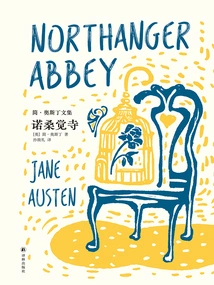
Northanger Abbey (collected Works of Jane Austen)
General Fiction诺桑觉寺(简·奥斯丁文集)
G
Catherine, the innocent daughter of a country priest, gets acquainted with the hypocritical Thorpe brothers and sisters, and falls in love at first sight with the upright and handsome rich boy Henry. She is warmly invited to his home by Henry's father, General Tierney. In Northanger Abbey, a deep and ancient house, Catherine, who has always been obsessed with Gothic novels, embarked on a ridiculous "adventure" journey in the house because of various terrifying phantoms in her mind. Although the snobbish General Tierney believed Thorpe's words and ordered Catherine to be expelled, Henry did not give in. After many twists and turns, he finally got married to Catherine.
Catherine, the innocent daughter of a country priest, gets acquainted with the hypocritical Thorpe brothers and sisters, and falls in love at first sight with the upright and handsome rich boy Henry. She is warmly invited to his home by Henry's father, General Tierney. In Northanger Abbey, a deep and ancient house, Catherine, who has always been obsessed with Gothic novels, embarked on a ridiculous "adventure" journey in the house because of various terrifying phantoms in her mind. Although the snobbish General Tierney believed Thorpe's words and ordered Catherine to be expelled, Henry did not give in. After many twists and turns, he finally got married to Catherine.
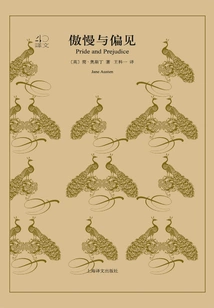
Pride and Prejudice (translation 40)
General Fiction傲慢与偏见(译文40)
G
The great American literary critic Edmund Wilson said: "In the history of British literature for nearly one and a quarter centuries, there have been several revolutions of taste, but only Shakespeare and Jane Austen have endured." This book is one of Austen's most famous works. Mrs. Bennet's lifelong ambition is to marry her five daughters decently, so she always regards the wealthy bachelors nearby as a piece of property that one of her daughters deserves, so there are several young couples who have ups and downs of separation and reunion. In the end, the hero and heroine put aside their pride and prejudice and made their own moral choices. The work fully expresses the author's own views on marriage, emphasizing the impact of economic interests and family status on love and marriage. The more than 50 original illustrations compiled in this book vividly reproduce classic scenes. They were created by the Irish-British painter Hugh Thomson at the end of the 19th century. They are also the most widely circulated and unique set of illustrations of Austen's works.
The great American literary critic Edmund Wilson said: "In the history of British literature for nearly one and a quarter centuries, there have been several revolutions of taste, but only Shakespeare and Jane Austen have endured." This book is one of Austen's most famous works. Mrs. Bennet's lifelong ambition is to marry her five daughters decently, so she always regards the wealthy bachelors nearby as a piece of property that one of her daughters deserves, so there are several young couples who have ups and downs of separation and reunion. In the end, the hero and heroine put aside their pride and prejudice and made their own moral choices. The work fully expresses the author's own views on marriage, emphasizing the impact of economic interests and family status on love and marriage. The more than 50 original illustrations compiled in this book vividly reproduce classic scenes. They were created by the Irish-British painter Hugh Thomson at the end of the 19th century. They are also the most widely circulated and unique set of illustrations of Austen's works.
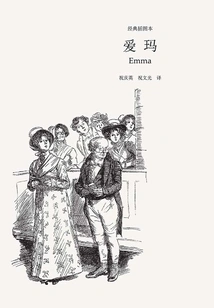
Emma (austen's Anthology Classic Illustrated Series)
General Fiction爱玛(奥斯丁文集经典插图本系列)
G
Enthusiastic Emma is concerned about Harriet's marriage. She thinks that the girl comes from a wealthy family, so she wants her to reject farmer Martin's proposal and blindly encourages her to love the Reverend Elton. Emma's brother-in-law, Knightley, is sixteen years older than Emma. He has always loved Emma, but he often criticizes her shortcomings, including her subjective interference in other people's love affairs and marriages. After Harriet married Miss Hawkins, Emma asked Harriet to fall in love with Frank Churchill, but Harriet fell in love with Knightley. At this time, Emma was surprised to find that she had always loved Knightley in her heart. In the end, the two of them, Frank Churchill and Jane Fairfax, as well as Martin and Harriet, finally got married.
Enthusiastic Emma is concerned about Harriet's marriage. She thinks that the girl comes from a wealthy family, so she wants her to reject farmer Martin's proposal and blindly encourages her to love the Reverend Elton. Emma's brother-in-law, Knightley, is sixteen years older than Emma. He has always loved Emma, but he often criticizes her shortcomings, including her subjective interference in other people's love affairs and marriages. After Harriet married Miss Hawkins, Emma asked Harriet to fall in love with Frank Churchill, but Harriet fell in love with Knightley. At this time, Emma was surprised to find that she had always loved Knightley in her heart. In the end, the two of them, Frank Churchill and Jane Fairfax, as well as Martin and Harriet, finally got married.
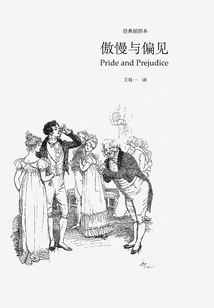
傲慢与偏见(奥斯丁文集经典插图本系列)
G
"Pride and Prejudice" describes the emotional entanglements between the arrogant single young man Darcy and the prejudiced second lady Elizabeth, the wealthy single aristocrat Bingley and the virtuous eldest lady Jane. It fully expresses the author's own views on marriage and emphasizes the impact of economic interests on love and marriage. The plot of the novel is full of comedy and the language is witty and humorous. It is the most popular of Austen's novels and has been adapted into movies and TV series many times.
"Pride and Prejudice" describes the emotional entanglements between the arrogant single young man Darcy and the prejudiced second lady Elizabeth, the wealthy single aristocrat Bingley and the virtuous eldest lady Jane. It fully expresses the author's own views on marriage and emphasizes the impact of economic interests on love and marriage. The plot of the novel is full of comedy and the language is witty and humorous. It is the most popular of Austen's novels and has been adapted into movies and TV series many times.
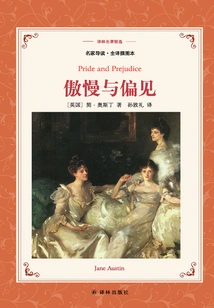
傲慢与偏见(译林名著精选)
G
This book revolves around the marriage affairs of several daughters of Squire Bennett's family. Mr. Bingley, a wealthy bachelor who recently moved from London, fell in love with the gentle and beautiful eldest daughter Jane, while his friend Darcy fell in love with the second daughter Elizabeth. However, due to Darcy's arrogance, Elizabeth's prejudice, and many rumors, the relationship between the two encountered many obstacles. After a series of interesting twists and turns, the misunderstanding was finally eliminated. Darcy overcame his pride, Elizabeth got to know him better, and finally the two got married. This book is a rare masterpiece in the world's library, and Maugham listed it as one of the top ten novels in the world.
This book revolves around the marriage affairs of several daughters of Squire Bennett's family. Mr. Bingley, a wealthy bachelor who recently moved from London, fell in love with the gentle and beautiful eldest daughter Jane, while his friend Darcy fell in love with the second daughter Elizabeth. However, due to Darcy's arrogance, Elizabeth's prejudice, and many rumors, the relationship between the two encountered many obstacles. After a series of interesting twists and turns, the misunderstanding was finally eliminated. Darcy overcame his pride, Elizabeth got to know him better, and finally the two got married. This book is a rare masterpiece in the world's library, and Maugham listed it as one of the top ten novels in the world.

N
General Fictionn
G
"Pride and Prejudice" describes the love and marriage of middle-class men and women. The novel uses comedy techniques to express serious criticism of life and explores the heroine's psychological process of self-discovery from love to marriage. The marriage between the heroine and Darcy is a happy marriage that the author praises as "setting an example for all lovers in the world".
"Pride and Prejudice" describes the love and marriage of middle-class men and women. The novel uses comedy techniques to express serious criticism of life and explores the heroine's psychological process of self-discovery from love to marriage. The marriage between the heroine and Darcy is a happy marriage that the author praises as "setting an example for all lovers in the world".

傲慢与偏见:上下(人文经典文库)
G
"Pride and Prejudice" is a representative novel by the British female writer Jane Austen. It reflects the world customs of British society from the late 18th century to the early 19th century through the story of several middle-class girls from villages and towns talking about marriage. The plot of the novel is tortuous and full of comedy, the language is natural and fluent, and it is witty and humorous. It reveals the tragedy and comedy of life with superb skills. Wang Keyi's translation is recognized as a classic translation of "Pride and Prejudice", and its language style has the conciseness of classical literature. He accurately restored the humorous and sharp characteristics of the original work. The tension between Darcy's "arrogance" and Elizabeth's "prejudice" in the book is particularly vividly presented through Wang Keyiwen's white and white translation.
"Pride and Prejudice" is a representative novel by the British female writer Jane Austen. It reflects the world customs of British society from the late 18th century to the early 19th century through the story of several middle-class girls from villages and towns talking about marriage. The plot of the novel is tortuous and full of comedy, the language is natural and fluent, and it is witty and humorous. It reveals the tragedy and comedy of life with superb skills. Wang Keyi's translation is recognized as a classic translation of "Pride and Prejudice", and its language style has the conciseness of classical literature. He accurately restored the humorous and sharp characteristics of the original work. The tension between Darcy's "arrogance" and Elizabeth's "prejudice" in the book is particularly vividly presented through Wang Keyiwen's white and white translation.
Much Ado About Nothing (shakespeare Comedy Series)
General Fiction无事生非(莎士比亚喜剧系列)
G
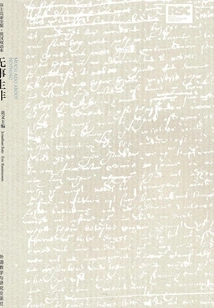
The latest classic version of FLTRP! "Much Ado About Nothing" has two parallel clues around the theme of proposal, telling the story of two couples' experiences of falling in love, proposing, and finally getting married.
The latest classic version of FLTRP! "Much Ado About Nothing" has two parallel clues around the theme of proposal, telling the story of two couples' experiences of falling in love, proposing, and finally getting married.

卡拉马佐夫兄弟(上)(译文名著精选)
G
"The Brothers Karamazov (Part 1)": The old Karamazov is greedy and lustful, monopolizing the inheritance left by his wife to his sons, and he and his eldest son Dmitri are jealous of a romantic woman. One night, Dmitry suspected that his lover was having a tryst with the old man, so he broke into his home and almost beat the old man to death in a rage. After he fled in panic, the old Karamazov's illegitimate son Smerdyakov, who was hiding in secret and pretending to be ill, secretly killed the old man, causing a complicated and confusing murder that shocked the whole of Russia, and triggered a series of thrilling events. The work shows the intricate social and family conflicts and human tragedy, and embodies the highest artistic achievement of the writer's life.
"The Brothers Karamazov (Part 1)": The old Karamazov is greedy and lustful, monopolizing the inheritance left by his wife to his sons, and he and his eldest son Dmitri are jealous of a romantic woman. One night, Dmitry suspected that his lover was having a tryst with the old man, so he broke into his home and almost beat the old man to death in a rage. After he fled in panic, the old Karamazov's illegitimate son Smerdyakov, who was hiding in secret and pretending to be ill, secretly killed the old man, causing a complicated and confusing murder that shocked the whole of Russia, and triggered a series of thrilling events. The work shows the intricate social and family conflicts and human tragedy, and embodies the highest artistic achievement of the writer's life.
The Great Gatsby (a Must-read World Famous Classic)
General Fiction了不起的盖茨比(世界名著必读经典)
G
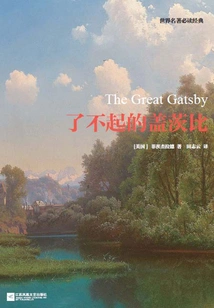
Gatsby was not rich when he was young. He fell in love with a girl named Daisy, and Daisy also fell in love with him. However, Daisy finally broke up with him and married Tom, a rich boy. Daisy was not happy after her marriage, and the satisfaction of her material desires could not fill Daisy's spiritual emptiness. Gatsby firmly believed that money made Daisy betray her chastity and determined to become a rich man. A few years later, Gatsby finally succeeded. He built a mansion opposite Daisy's mansion. Gatsby spent money like water and played the flute all night long, hoping to attract Daisy's attention and regain his lost love.
Gatsby was not rich when he was young. He fell in love with a girl named Daisy, and Daisy also fell in love with him. However, Daisy finally broke up with him and married Tom, a rich boy. Daisy was not happy after her marriage, and the satisfaction of her material desires could not fill Daisy's spiritual emptiness. Gatsby firmly believed that money made Daisy betray her chastity and determined to become a rich man. A few years later, Gatsby finally succeeded. He built a mansion opposite Daisy's mansion. Gatsby spent money like water and played the flute all night long, hoping to attract Daisy's attention and regain his lost love.
Y
General Fictiony
G
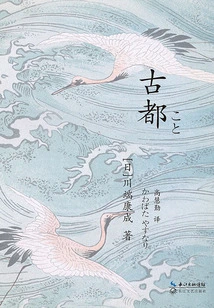
"Ancient Capital" describes the story of a young girl, Chieko, who was abandoned by her parents because of her poor family. She was taken in by a businessman, Taijiro and his wife, and raised as an adult. Later, she unexpectedly reunited with her twin sister Miaozi, and a series of misunderstandings occurred. The author not only describes their bitter life experience and pure love, but also describes their yearning for a better life. However, the insurmountable gap in social status forced the sisters to separate, and the sadness and loneliness of the impermanence of the world are revealed between the lines. "The Dancing Girl of Izu" is Kawabata Yasunari's early masterpiece and famous work. In the novel, "I" met an innocent dancing girl during a trip to Izu, and developed an ignorant love affair with the dancing girl. The whole story is immersed in the shyness and beauty of being reluctant to speak, and brings readers into an ethereal and fresh aesthetic world.
"Ancient Capital" describes the story of a young girl, Chieko, who was abandoned by her parents because of her poor family. She was taken in by a businessman, Taijiro and his wife, and raised as an adult. Later, she unexpectedly reunited with her twin sister Miaozi, and a series of misunderstandings occurred. The author not only describes their bitter life experience and pure love, but also describes their yearning for a better life. However, the insurmountable gap in social status forced the sisters to separate, and the sadness and loneliness of the impermanence of the world are revealed between the lines. "The Dancing Girl of Izu" is Kawabata Yasunari's early masterpiece and famous work. In the novel, "I" met an innocent dancing girl during a trip to Izu, and developed an ignorant love affair with the dancing girl. The whole story is immersed in the shyness and beauty of being reluctant to speak, and brings readers into an ethereal and fresh aesthetic world.
Brothers Karamazov
General Fiction卡拉马佐夫兄弟
G
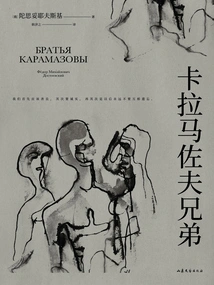
"The Brothers Karamazov" is a novel written by the Russian writer Dostoevsky, and is also considered to be his most accomplished masterpiece. The novel begins with the murder of old Karamazov, a provincial rural landowner, and his son becomes a suspect and is put on trial. The author weaves a narrative surrounded by three-dimensional characters, developing a story with twists and turns, facing insurmountable philosophical dilemmas at each stage until it reaches the climax of the plot. In this work, Dostoevsky not only demonstrated the uncanny writing skills and talent of a literary master, but also conducted in-depth discussions on philosophy, psychology, religion, etc. The Brothers Karamazov is one of the greatest novels of all time. Among a small number of outstanding works, "The Brothers Karamazov" ranks first!
"The Brothers Karamazov" is a novel written by the Russian writer Dostoevsky, and is also considered to be his most accomplished masterpiece. The novel begins with the murder of old Karamazov, a provincial rural landowner, and his son becomes a suspect and is put on trial. The author weaves a narrative surrounded by three-dimensional characters, developing a story with twists and turns, facing insurmountable philosophical dilemmas at each stage until it reaches the climax of the plot. In this work, Dostoevsky not only demonstrated the uncanny writing skills and talent of a literary master, but also conducted in-depth discussions on philosophy, psychology, religion, etc. The Brothers Karamazov is one of the greatest novels of all time. Among a small number of outstanding works, "The Brothers Karamazov" ranks first!

O
General Fictiono
G
She is both old and young, both abrupt and mysterious; she is the cradle and mother of Quasimodo, and the lair where Frollo plots his conspiracy; she is Esmeralda's refuge, and the demon attacked by the Beggar Gang; she is the temple that is feared by all, and the palace where all fates are rubbed. Whether her soul is good or evil, it is always closely related to all living things... She is, incomparable, Notre Dame de Paris.
She is both old and young, both abrupt and mysterious; she is the cradle and mother of Quasimodo, and the lair where Frollo plots his conspiracy; she is Esmeralda's refuge, and the demon attacked by the Beggar Gang; she is the temple that is feared by all, and the palace where all fates are rubbed. Whether her soul is good or evil, it is always closely related to all living things... She is, incomparable, Notre Dame de Paris.
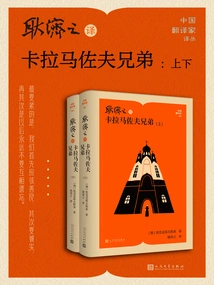
Geng Jizhi's Translation of the Brothers Karamazov: 2 Volumes (translation Series by Chinese Translators)
General Fiction耿济之译卡拉马佐夫兄弟:全2册(中国翻译家译丛)
G
"The Brothers Karamazov" is a novel written by the Russian writer Fyodor Dostoevsky, and is generally considered to be the pinnacle of the author's literary career. The book is adapted from a real patricide case, describing the sharp conflict between the old Karamazov and his three sons, as well as the court trial of the patricide case. The whole novel has two levels: on the surface, it is a case of patricide, and the victim's sons are suspected of conspiracy to some extent; but on a deeper level, it is a drama about the human spirit, telling a moral battle between lust, faith, reason and free will. The work shows an intricate tragic theme of society, family, morality and human nature. "The Brothers Karamazov" translated by translator Geng Jizhi is considered one of the most authoritative Chinese translations. It is famous for its faithfulness to the original work and restores the seriousness and ideological depth of Dossev's original text.
"The Brothers Karamazov" is a novel written by the Russian writer Fyodor Dostoevsky, and is generally considered to be the pinnacle of the author's literary career. The book is adapted from a real patricide case, describing the sharp conflict between the old Karamazov and his three sons, as well as the court trial of the patricide case. The whole novel has two levels: on the surface, it is a case of patricide, and the victim's sons are suspected of conspiracy to some extent; but on a deeper level, it is a drama about the human spirit, telling a moral battle between lust, faith, reason and free will. The work shows an intricate tragic theme of society, family, morality and human nature. "The Brothers Karamazov" translated by translator Geng Jizhi is considered one of the most authoritative Chinese translations. It is famous for its faithfulness to the original work and restores the seriousness and ideological depth of Dossev's original text.
N
General Fictionn
G
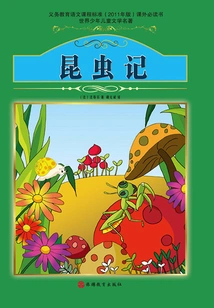
"Insect Diary" is a scientific work with the same influence, but it is a book that children can understand and love. It is as romantic as a fairy tale and has the rigor of a scientific report. The author conveys the feelings of the human world through the world of insects and guides people's love for the entire world. There is no empty preaching from political textbooks. Using scientific facts and prose style, the author writes about love.
"Insect Diary" is a scientific work with the same influence, but it is a book that children can understand and love. It is as romantic as a fairy tale and has the rigor of a scientific report. The author conveys the feelings of the human world through the world of insects and guides people's love for the entire world. There is no empty preaching from political textbooks. Using scientific facts and prose style, the author writes about love.
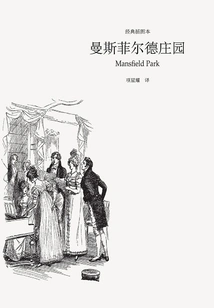
曼斯菲尔德庄园(奥斯丁文集经典插图本系列)
G
This book is one of the author's major works. The kind-hearted and sensible Fanny was fostered in the home of her wealthy aunt since she was a child because her family was poor. Although her aunt's two cousins were smart and beautiful, they were both arrogant and willful. Thanks to the kind care of her cousin Edmund, she found comfort and happiness in the life of being dependent on others. As an adult, Fanny often attended social gatherings with her cousins. They met the charming young man Crawford and his sister Mary at the pastor's house. Edmund falls in love with the beautiful and witty Mary at first sight, while Fanny's two cousins desperately pursue Crawford. Unexpectedly, Crawford discovers that he really likes Fanny after a casual encounter, while Fanny's deep love is always the gentle and sincere Edmund... The final ending of these young men and women trapped in emotional entanglements is unexpected, but also reasonable.
This book is one of the author's major works. The kind-hearted and sensible Fanny was fostered in the home of her wealthy aunt since she was a child because her family was poor. Although her aunt's two cousins were smart and beautiful, they were both arrogant and willful. Thanks to the kind care of her cousin Edmund, she found comfort and happiness in the life of being dependent on others. As an adult, Fanny often attended social gatherings with her cousins. They met the charming young man Crawford and his sister Mary at the pastor's house. Edmund falls in love with the beautiful and witty Mary at first sight, while Fanny's two cousins desperately pursue Crawford. Unexpectedly, Crawford discovers that he really likes Fanny after a casual encounter, while Fanny's deep love is always the gentle and sincere Edmund... The final ending of these young men and women trapped in emotional entanglements is unexpected, but also reasonable.

Magic Mountain (part 2)
General Fiction魔山(下)
G
"The Magic Mountain" is the masterpiece of Nobel Prize winner Thomas Mann. The novel is centered on a sanatorium and describes many feudal nobles and bourgeois figures in Europe, including Prussian officers, Russian ladies, Dutch colonists, Jesuits... They are all parasites of society. The entire sanatorium is filled with a morbid and dying atmosphere, symbolizing the decline of capitalist civilization. The work reveals the kinship between decadence and fascism through the ideological conflicts between the characters.
"The Magic Mountain" is the masterpiece of Nobel Prize winner Thomas Mann. The novel is centered on a sanatorium and describes many feudal nobles and bourgeois figures in Europe, including Prussian officers, Russian ladies, Dutch colonists, Jesuits... They are all parasites of society. The entire sanatorium is filled with a morbid and dying atmosphere, symbolizing the decline of capitalist civilization. The work reveals the kinship between decadence and fascism through the ideological conflicts between the characters.

叛乱年代:内战、复辟与光荣革命(英格兰史六部曲3)
G
"The Six-Part History of England" is the representative work of the historical writer Peter Ackroyd, which includes six volumes: "The Founding of the Empire", "The Tudor Dynasty", "The Age of Rebellion", "The Revolutionary Century", "The King of the World" and "Revolution". It writes the historical process of this legendary country in a magnificent way: how this once closed island country gradually turned into an empire with territories all over the world through religious reform, parliamentary system, technological and ideological revolution, as well as trade and colonial expansion; and how it repositioned itself in the new post-war order as the empire declined today and continued to influence the world. Ackroyd's writing conveys his deep attachment to this country that once stood at the apex of human civilization. It not only creates a history of struggle and innovation for the rise of a great power, but also creates a glorious national epic. "The Age of Rebellion" is the third volume of Ackroyd's "Six Parts of History of England". It begins with King James VI of Scotland going south and becoming the first monarch of the Stuart Dynasty, and ends with James II being deposed and going into hasty exile. Brutal civil war marked the Stuart era. James I's attitude towards the English Parliament sowed the seeds of division, and the country was plagued by internal conflicts throughout the reign of his successor, Charles I. The author vividly presents the turbulent 17th century in England, and at the same time depicts the extremely rich cultural and social life of this period, including Shakespeare's later masterpieces, John Milton's poems, etc., Not only tells the story of the British royal family, but also shows the daily status of the British people in the era of rebellion.
"The Six-Part History of England" is the representative work of the historical writer Peter Ackroyd, which includes six volumes: "The Founding of the Empire", "The Tudor Dynasty", "The Age of Rebellion", "The Revolutionary Century", "The King of the World" and "Revolution". It writes the historical process of this legendary country in a magnificent way: how this once closed island country gradually turned into an empire with territories all over the world through religious reform, parliamentary system, technological and ideological revolution, as well as trade and colonial expansion; and how it repositioned itself in the new post-war order as the empire declined today and continued to influence the world. Ackroyd's writing conveys his deep attachment to this country that once stood at the apex of human civilization. It not only creates a history of struggle and innovation for the rise of a great power, but also creates a glorious national epic. "The Age of Rebellion" is the third volume of Ackroyd's "Six Parts of History of England". It begins with King James VI of Scotland going south and becoming the first monarch of the Stuart Dynasty, and ends with James II being deposed and going into hasty exile. Brutal civil war marked the Stuart era. James I's attitude towards the English Parliament sowed the seeds of division, and the country was plagued by internal conflicts throughout the reign of his successor, Charles I. The author vividly presents the turbulent 17th century in England, and at the same time depicts the extremely rich cultural and social life of this period, including Shakespeare's later masterpieces, John Milton's poems, etc., Not only tells the story of the British royal family, but also shows the daily status of the British people in the era of rebellion.

The Noise of Time (barnes Works)
General Fiction时间的噪音(巴恩斯作品)
G
"The Noise of Time" is Barnes' first novel after "The Sense of an Ending". In May 1937, in an apartment building in Leningrad, a man in his early thirties wearing glasses was waiting in front of the elevator door with a small suitcase leaning against his legs. They always came for you at midnight, and rather than be dragged out of the apartment in his pajamas, he would rather pack up and wait in front of the elevator night after night, waiting to be arrested. He was Shostakovich, a man who spent his whole life waiting to be shot. He gave cowardice to power and courage to music. This book is a life biography written by Julian Barnes for his hero.
"The Noise of Time" is Barnes' first novel after "The Sense of an Ending". In May 1937, in an apartment building in Leningrad, a man in his early thirties wearing glasses was waiting in front of the elevator door with a small suitcase leaning against his legs. They always came for you at midnight, and rather than be dragged out of the apartment in his pajamas, he would rather pack up and wait in front of the elevator night after night, waiting to be arrested. He was Shostakovich, a man who spent his whole life waiting to be shot. He gave cowardice to power and courage to music. This book is a life biography written by Julian Barnes for his hero.
A
LiteratureA
G
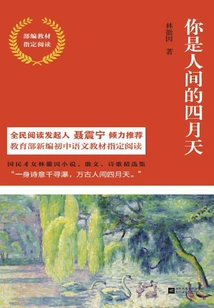
This book mainly collects Lin Huiyin's selected excellent poems and prose works. Lin Huiyin's poems are exquisite, delicate in emotion, graceful in style, and full of beauty; her prose is passionate and full of meaning. The language is simple and easy to understand, the aesthetics are unique, and it is full of classical charm.
This book mainly collects Lin Huiyin's selected excellent poems and prose works. Lin Huiyin's poems are exquisite, delicate in emotion, graceful in style, and full of beauty; her prose is passionate and full of meaning. The language is simple and easy to understand, the aesthetics are unique, and it is full of classical charm.
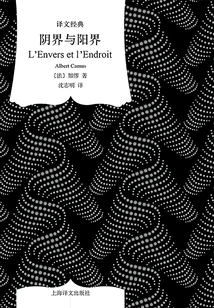
Yin World and Yang World
Literature阴界与阳界
G
A selection of the works of Camus, winner of the Nobel Prize for Literature, this book collects the essence of Camus's creations from 1933 to 1939: "The World of Hell and the Sun", the collection of beautiful essays of "The Good Marriage" and the novel "Happy Death". The themes all revolve around the metaphysical issues of life and death, so "The World of Hell and the Sun" is the title of the book. Camus believed that "every artist retains a unique source deep in his soul, which nourishes his words and deeds throughout his life", and "The Realm of the Underworld", his first outstanding work, is exactly where this source lies. The four essays in "A Good Marriage" are Camus's early travel notes. He expressed his feelings about life in poetic and picturesque language. "Happy Death" is Camus's debut novel. Although it is not very mature, it clearly embodies Camus's philosophical ideas.
A selection of the works of Camus, winner of the Nobel Prize for Literature, this book collects the essence of Camus's creations from 1933 to 1939: "The World of Hell and the Sun", the collection of beautiful essays of "The Good Marriage" and the novel "Happy Death". The themes all revolve around the metaphysical issues of life and death, so "The World of Hell and the Sun" is the title of the book. Camus believed that "every artist retains a unique source deep in his soul, which nourishes his words and deeds throughout his life", and "The Realm of the Underworld", his first outstanding work, is exactly where this source lies. The four essays in "A Good Marriage" are Camus's early travel notes. He expressed his feelings about life in poetic and picturesque language. "Happy Death" is Camus's debut novel. Although it is not very mature, it clearly embodies Camus's philosophical ideas.
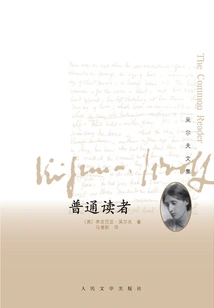
General Readers
Literature普通读者
G
The content of "The Common Reader (I, II)" includes: the Paston family and Chaucer; ignorance of Greek culture; Elizabethan inns; reflections on reading Elizabethan plays; Montaigne; the Duchess of Newcastle; Dandy Evelyn; flute; the life of the unknown; Jane Austen; modern novels; "Jane Eyre" and "Wuthering Heights"; George Eliot; the Russian perspective and other classic works of literary criticism.
The content of "The Common Reader (I, II)" includes: the Paston family and Chaucer; ignorance of Greek culture; Elizabethan inns; reflections on reading Elizabethan plays; Montaigne; the Duchess of Newcastle; Dandy Evelyn; flute; the life of the unknown; Jane Austen; modern novels; "Jane Eyre" and "Wuthering Heights"; George Eliot; the Russian perspective and other classic works of literary criticism.
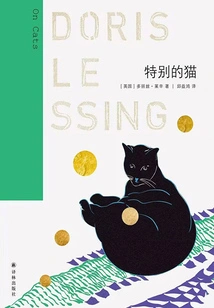
Special Cat (works by Lessing)
Literature特别的猫(莱辛作品)
G
"A cat is such a luxurious and rare animal. It can make your every day full of endless surprises. The feeling of petting this little beast is so wonderful, the fur under your palm is so soft and smooth, and it will warm your body when you wake up on a cold winter night. Even if it is a local cat that can be seen everywhere, it still exudes a noble and charming temperament. From his independent gait, you even You can get a glimpse of the jaguar... "When you sit next to a cat you have known for many years, put your hands on him, and try to adapt to his pulse of life that is very different from yours. From time to time, he will raise his head and greet you with a particularly gentle tone, telling you that he knows you want to enter his world..." No matter who you are, you will always meet that cat that belongs to you.
"A cat is such a luxurious and rare animal. It can make your every day full of endless surprises. The feeling of petting this little beast is so wonderful, the fur under your palm is so soft and smooth, and it will warm your body when you wake up on a cold winter night. Even if it is a local cat that can be seen everywhere, it still exudes a noble and charming temperament. From his independent gait, you even You can get a glimpse of the jaguar... "When you sit next to a cat you have known for many years, put your hands on him, and try to adapt to his pulse of life that is very different from yours. From time to time, he will raise his head and greet you with a particularly gentle tone, telling you that he knows you want to enter his world..." No matter who you are, you will always meet that cat that belongs to you.
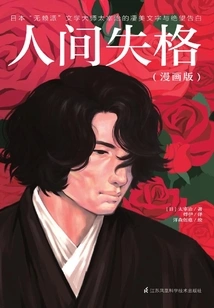
Disqualified from the World (comic Version)
General Fiction人间失格(漫画版)
G
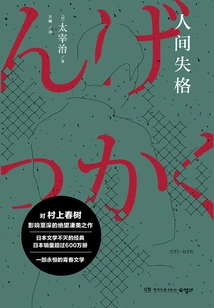
To be disqualified in the human world is to lose the qualifications to be a human being. This article consists of five parts: a preface, a first-hand notebook, a second-hand notebook, a third-hand notebook, and a postscript. The preface and postscript are narrated in the author's voice, while the three notebooks are narrated in the voice of the protagonist Ye Zang. The protagonist Ye Zang is timid and cowardly, afraid of worldly emotions and does not understand the complex thoughts of human beings, so he disguises himself through comedy. Later, I discovered that drinking and having fun seemed to be a better way to escape the world, so I lived a wild life all day long, numbing myself through alcohol, drugs, and women, and eventually led to destruction. He was tortured by the most real pain of being a human being. He spent his whole life seeking love and avoiding love under self-weariness, and in the end he could only destroy himself. In addition, this book also includes 7 representative works of Osamu Dazai, including "Viyong's Wife", "The Story of a Snowy Night" and "Goodbye".
To be disqualified in the human world is to lose the qualifications to be a human being. This article consists of five parts: a preface, a first-hand notebook, a second-hand notebook, a third-hand notebook, and a postscript. The preface and postscript are narrated in the author's voice, while the three notebooks are narrated in the voice of the protagonist Ye Zang. The protagonist Ye Zang is timid and cowardly, afraid of worldly emotions and does not understand the complex thoughts of human beings, so he disguises himself through comedy. Later, I discovered that drinking and having fun seemed to be a better way to escape the world, so I lived a wild life all day long, numbing myself through alcohol, drugs, and women, and eventually led to destruction. He was tortured by the most real pain of being a human being. He spent his whole life seeking love and avoiding love under self-weariness, and in the end he could only destroy himself. In addition, this book also includes 7 representative works of Osamu Dazai, including "Viyong's Wife", "The Story of a Snowy Night" and "Goodbye".
N
Literaturen
G
This book contains Osamu Dazai's five important masterpieces, namely "Disqualification in the World", "Clown's Flower", "Run, Melos" and "Villon's Wife" Goodbye. "Disqualified in the World" is Osamu Dazai's last novella before his death, and it is also a work with a rather autobiographical feel. The protagonist of the novel, Ye Zang, has been sensitive and thoughtful since childhood, with a cowardly personality. Although he was born into a wealthy family, he is full of fear of the surrounding environment and people. In his early years, he left his hometown to study and first tasted wine and sex. From then on, he indulged in it and spent his life avoiding everything he feared.
This book contains Osamu Dazai's five important masterpieces, namely "Disqualification in the World", "Clown's Flower", "Run, Melos" and "Villon's Wife" Goodbye. "Disqualified in the World" is Osamu Dazai's last novella before his death, and it is also a work with a rather autobiographical feel. The protagonist of the novel, Ye Zang, has been sensitive and thoughtful since childhood, with a cowardly personality. Although he was born into a wealthy family, he is full of fear of the surrounding environment and people. In his early years, he left his hometown to study and first tasted wine and sex. From then on, he indulged in it and spent his life avoiding everything he feared.
W
General FictionW
G
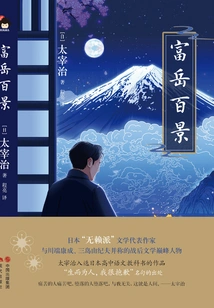
This book is based on "The Complete Works of Osamu Dazai" published by Japan's Chikuma Shobo in 1985, and includes 9 short stories and essays by Osamu Dazai, including "One Hundred Views of Mount Fuji", "Girl Apprentice", "Flag Bearer of the 20th Century", "Grandma's House" and "Lantern". "One Hundred Views of Mount Fuji" is uniquely written and is used in most Japanese high school Chinese textbooks. It centers on Mount Fuji and depicts the scenery of Fuji from multiple angles. Each scenery entrusts Osamu Dazai's emotions. The subtitle of "The Standard Bearer of the Twentieth Century" "I'm sorry for being a human being" has become Osamu Dazai's most famous quote.
This book is based on "The Complete Works of Osamu Dazai" published by Japan's Chikuma Shobo in 1985, and includes 9 short stories and essays by Osamu Dazai, including "One Hundred Views of Mount Fuji", "Girl Apprentice", "Flag Bearer of the 20th Century", "Grandma's House" and "Lantern". "One Hundred Views of Mount Fuji" is uniquely written and is used in most Japanese high school Chinese textbooks. It centers on Mount Fuji and depicts the scenery of Fuji from multiple angles. Each scenery entrusts Osamu Dazai's emotions. The subtitle of "The Standard Bearer of the Twentieth Century" "I'm sorry for being a human being" has become Osamu Dazai's most famous quote.
R
General FictionR
G
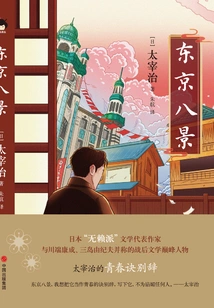
This book is based on "The Complete Works of Osamu Dazai" published by Japan's Chikuma Shobo in 1985, and includes 9 short stories and essays by Osamu Dazai, including "The Blind Man Laughs Alone", "Cricket", "A Tale of Poverty", "Eight Scenes of Tokyo" and "The Letter of the Wind". "Eight Views of Tokyo" is Osamu Dazai's farewell message to his youth. "The Blind Man Laughs Alone" uses the diary of a blind musician to write about his optimism in the face of a difficult life. "Cricket" expresses Osamu Dazai's unique views on art, success and wealth through the voice of an artist's wife.
This book is based on "The Complete Works of Osamu Dazai" published by Japan's Chikuma Shobo in 1985, and includes 9 short stories and essays by Osamu Dazai, including "The Blind Man Laughs Alone", "Cricket", "A Tale of Poverty", "Eight Scenes of Tokyo" and "The Letter of the Wind". "Eight Views of Tokyo" is Osamu Dazai's farewell message to his youth. "The Blind Man Laughs Alone" uses the diary of a blind musician to write about his optimism in the face of a difficult life. "Cricket" expresses Osamu Dazai's unique views on art, success and wealth through the voice of an artist's wife.

T
General FictionT
G
Transgender writing + reversal novel + epistolary style + anti-secular spirit, Dazai Osamu's questioning of individual self-existence, and tireless exploration and pursuit of novel forms. "Falling Heroes" is a collection of novels written by Osamu Dazai. It was written in a state of chaos during the war. Osamu Dazai wrote in the article "Fifteen Years": "I will not give up writing. Now that this is the case, I will try my best to write novels to the end." There are 14 works in this book, some of which are close to the author. The "private novel" of Ie's true experience describes Dazai's introspection and the psychological process of reconciliation with his family. It also includes dissatisfaction and ridicule of the war, showing a clear-cut anti-war attitude. In addition, there are also anecdotes full of humor, and the redemption and disillusionment of personal beliefs, which comprehensively show the diverse aspects of Dazai in the middle period of his creation.
Transgender writing + reversal novel + epistolary style + anti-secular spirit, Dazai Osamu's questioning of individual self-existence, and tireless exploration and pursuit of novel forms. "Falling Heroes" is a collection of novels written by Osamu Dazai. It was written in a state of chaos during the war. Osamu Dazai wrote in the article "Fifteen Years": "I will not give up writing. Now that this is the case, I will try my best to write novels to the end." There are 14 works in this book, some of which are close to the author. The "private novel" of Ie's true experience describes Dazai's introspection and the psychological process of reconciliation with his family. It also includes dissatisfaction and ridicule of the war, showing a clear-cut anti-war attitude. In addition, there are also anecdotes full of humor, and the redemption and disillusionment of personal beliefs, which comprehensively show the diverse aspects of Dazai in the middle period of his creation.

Pandora's Box (complete Works of Osamu Dazai)
General Fiction潘多拉的盒子(太宰治全集)
G
This book is a famous work by Osamu Dazai, and it is also an epistolary novel. "Skylark", a young man who went to a mountain health sanatorium due to tuberculosis, was terrified of his impending death. On the other hand, he was fighting the disease in the company of friends with distinctive personalities and backgrounds, striving to become a "new man." There, the sweet and sour relationship with the two vital nurses - Sister Zhu and Azheng, and the sudden grief caused by the death of his partner due to illness, all made him emotionally ups and downs. He continued to meticulously record these daily mental fluctuations in letters to close friends. However, "Skylark" has always maintained a positive worldview similar to Greek mythology - in the corner of Pandora's box, which spreads misfortune to the world, a small gemstone engraved with the word "Hope" was found. "Pandora's Box" is the sunny side of Osamu Dazai's writing.
This book is a famous work by Osamu Dazai, and it is also an epistolary novel. "Skylark", a young man who went to a mountain health sanatorium due to tuberculosis, was terrified of his impending death. On the other hand, he was fighting the disease in the company of friends with distinctive personalities and backgrounds, striving to become a "new man." There, the sweet and sour relationship with the two vital nurses - Sister Zhu and Azheng, and the sudden grief caused by the death of his partner due to illness, all made him emotionally ups and downs. He continued to meticulously record these daily mental fluctuations in letters to close friends. However, "Skylark" has always maintained a positive worldview similar to Greek mythology - in the corner of Pandora's box, which spreads misfortune to the world, a small gemstone engraved with the word "Hope" was found. "Pandora's Box" is the sunny side of Osamu Dazai's writing.
V
General FictionV
G
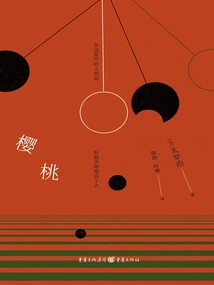
This book is a collection of Dazai Osamu's short works in his later period of creation, including "Cherry", "Viyong's Wife", "Wish Fulfillment", "Girl Disciple", "One Hundred Views of Mount Fuji" and more than ten works. It basically covers the living conditions of various people in the depressed social environment of post-war Japan, and provides a profound reflection on women, family relationships, social atmosphere, etc.
This book is a collection of Dazai Osamu's short works in his later period of creation, including "Cherry", "Viyong's Wife", "Wish Fulfillment", "Girl Disciple", "One Hundred Views of Mount Fuji" and more than ten works. It basically covers the living conditions of various people in the depressed social environment of post-war Japan, and provides a profound reflection on women, family relationships, social atmosphere, etc.

T
General FictionT
G
It is a mature work in the middle period of Osamu Dazai's creation. It is an important window to understand the whole picture of Dazai's creation: private novels + ridicule of current affairs + anecdotes + personal beliefs, illuminating the changing things and emotions in the world, and gaining insight into the subtle evil and beauty in human nature. "New Hamlet" is Osamu Dazai's first novel. During this period, he interrupted all other work and devoted himself to it. Later, the eldest daughter was born. This book includes: Cricket, Romantic Lantern, Eight Views of Tokyo, Owl Communication, Sado, Poverty Story, Philosophy of Dressing, Miss Ayu, Chiyoda, New Hamlet, Notes in the Wind, Who, Shame, etc., Showing different aspects of Dazai's literature. Through one farce after another, His Highness Hamlet becomes more and more middle-class; he incarnates Judas, the sinner of the ages, and secretly tells the hidden secret of betrayal that changes the course of civilization. Candles illuminate the changing events and emotions in the world, and gain insight into the subtle evil and beauty in human nature.
It is a mature work in the middle period of Osamu Dazai's creation. It is an important window to understand the whole picture of Dazai's creation: private novels + ridicule of current affairs + anecdotes + personal beliefs, illuminating the changing things and emotions in the world, and gaining insight into the subtle evil and beauty in human nature. "New Hamlet" is Osamu Dazai's first novel. During this period, he interrupted all other work and devoted himself to it. Later, the eldest daughter was born. This book includes: Cricket, Romantic Lantern, Eight Views of Tokyo, Owl Communication, Sado, Poverty Story, Philosophy of Dressing, Miss Ayu, Chiyoda, New Hamlet, Notes in the Wind, Who, Shame, etc., Showing different aspects of Dazai's literature. Through one farce after another, His Highness Hamlet becomes more and more middle-class; he incarnates Judas, the sinner of the ages, and secretly tells the hidden secret of betrayal that changes the course of civilization. Candles illuminate the changing events and emotions in the world, and gain insight into the subtle evil and beauty in human nature.
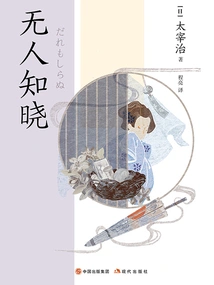
No One Knows (hefeng Translation Series)
General Fiction无人知晓(和风译丛)
G
During the war, Osamu Dazai turned his writing to historical legends and created a pure land in troubled times. This book contains Osamu Dazai's acclaimed masterpieces of overturning the case, "The Right Minister Shitomo", "Reminiscences of Zenzo", etc. It is an important reference for studying Dazai Osamu's literary style and artistic level. Dazai Osamu used his unique handling of plots to inject new value into traditional works. Under the intertwining of light and dark intentions, a picture depicting human nature unfolds.
During the war, Osamu Dazai turned his writing to historical legends and created a pure land in troubled times. This book contains Osamu Dazai's acclaimed masterpieces of overturning the case, "The Right Minister Shitomo", "Reminiscences of Zenzo", etc. It is an important reference for studying Dazai Osamu's literary style and artistic level. Dazai Osamu used his unique handling of plots to inject new value into traditional works. Under the intertwining of light and dark intentions, a picture depicting human nature unfolds.
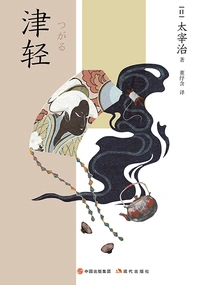
Tsugaru (japanese Translation Series)
Literature津轻(和风译丛)
G
Tsugaru is Dazai Osamu's hometown, where he spent the first twenty years of his short life. It can be said that Tsugaru made Dazai Osamu what he is today; and when Dazai Osamu revisited his hometown, he also found the long-lost warmth. This book is not only an excellent work describing the customs and customs of Tsugaru, but also has extremely high literary value. Reading this book may allow us to gain unprecedented spiritual strength through Dazai Osamu's growth path.
Tsugaru is Dazai Osamu's hometown, where he spent the first twenty years of his short life. It can be said that Tsugaru made Dazai Osamu what he is today; and when Dazai Osamu revisited his hometown, he also found the long-lost warmth. This book is not only an excellent work describing the customs and customs of Tsugaru, but also has extremely high literary value. Reading this book may allow us to gain unprecedented spiritual strength through Dazai Osamu's growth path.
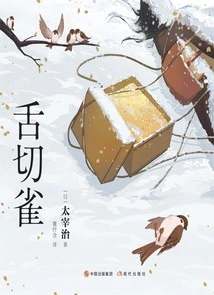
Japanese Style Painting: Tongue-cut Bird
Literature和风绘:舌切雀
G
This is a fable full of irony, with humorous language and a brisk narrative rhythm. Through these three simple characters, "Japan's best loser", a vulgar and greedy old woman, and a little sparrow whose tongue was pulled out, a kaleidoscope-like fairy tale world is firmly constructed, and the traditional values of "good and evil will be rewarded in the end" and "greedy and greedy" are presented in a unique and vivid way. If you have seen enough of the so-called great truths, you might as well read the fables told by Osamu Dazai, uncover layers of fairy tales, and explore the rules of the world.
This is a fable full of irony, with humorous language and a brisk narrative rhythm. Through these three simple characters, "Japan's best loser", a vulgar and greedy old woman, and a little sparrow whose tongue was pulled out, a kaleidoscope-like fairy tale world is firmly constructed, and the traditional values of "good and evil will be rewarded in the end" and "greedy and greedy" are presented in a unique and vivid way. If you have seen enough of the so-called great truths, you might as well read the fables told by Osamu Dazai, uncover layers of fairy tales, and explore the rules of the world.
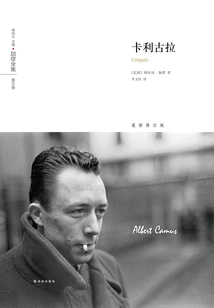
B
LiteratureB
G
"Caligula" includes two parts: Camus's dramatic works and Camus's theory of drama. Camus's drama works include five works: "Caligula", "The Misunderstanding", "Martial Law", "The Just" and "The Rebellion of Asturias". "Caligula" is Camus's very violent impact on the issue of human existence.
"Caligula" includes two parts: Camus's dramatic works and Camus's theory of drama. Camus's drama works include five works: "Caligula", "The Misunderstanding", "Martial Law", "The Just" and "The Rebellion of Asturias". "Caligula" is Camus's very violent impact on the issue of human existence.

B
LiteratureB
G
If the two major themes of Camus's creation and thinking throughout his life are "absurdity" and "resistance", then the philosophical essay "The Myth of Sisyphus" is Camus's most in-depth and concentrated investigation and most thorough and clear explanation of the philosophy of absurdity. Sisyphus, a Greek mythological figure who pushes rocks up mountains and performs never-ending hard labor, is undoubtedly the most vivid symbol of the absurdity of human existence; but at the same time, he is also a great example for human beings to not despair or be depressed, but to rise up against absurdity and not hesitate to fight against absurd fate to the end. Therefore, "The Myth of Sisyphus" is not so much a tragic self-portrait of the human condition as it is a victory song of liberal humanism. It constitutes a style that is both pathos and sublime. In the entire field of human culture and art, perhaps only Beethoven's "Symphony of Destiny" can rival it in taste.
If the two major themes of Camus's creation and thinking throughout his life are "absurdity" and "resistance", then the philosophical essay "The Myth of Sisyphus" is Camus's most in-depth and concentrated investigation and most thorough and clear explanation of the philosophy of absurdity. Sisyphus, a Greek mythological figure who pushes rocks up mountains and performs never-ending hard labor, is undoubtedly the most vivid symbol of the absurdity of human existence; but at the same time, he is also a great example for human beings to not despair or be depressed, but to rise up against absurdity and not hesitate to fight against absurd fate to the end. Therefore, "The Myth of Sisyphus" is not so much a tragic self-portrait of the human condition as it is a victory song of liberal humanism. It constitutes a style that is both pathos and sublime. In the entire field of human culture and art, perhaps only Beethoven's "Symphony of Destiny" can rival it in taste.

The Outsider (masterpiece of World Literature)
General Fiction局外人(世界文学名著)
G
"The Stranger" is a famous work by the French writer Camus and one of the outstanding works of existential literature. In an objectively recorded "zero style", the book roughly describes the various absurd things that the protagonist Meursault has experienced in an absurd world, as well as his own absurd experience. From attending his mother's funeral to accidentally becoming a murderer, and then being sentenced to death, Meursault seemed indifferent to everything, existing indifferently, rationally, and irrationally. He was like a symbolic symbol, representing a universal existence, and like a blood-red beacon, highly warning. However, the emergence of the outsider phenomenon is undoubtedly bred by the world itself, and Meursault's existence has its profound external reasons.
"The Stranger" is a famous work by the French writer Camus and one of the outstanding works of existential literature. In an objectively recorded "zero style", the book roughly describes the various absurd things that the protagonist Meursault has experienced in an absurd world, as well as his own absurd experience. From attending his mother's funeral to accidentally becoming a murderer, and then being sentenced to death, Meursault seemed indifferent to everything, existing indifferently, rationally, and irrationally. He was like a symbolic symbol, representing a universal existence, and like a blood-red beacon, highly warning. However, the emergence of the outsider phenomenon is undoubtedly bred by the world itself, and Meursault's existence has its profound external reasons.
Stranger (translation Classic)
General Fiction陌路人(译文经典)
G
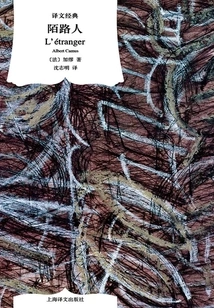
Nobel Prize winner Camus's masterpiece (also translated as "The Stranger" and "The Stranger"); a new translation by veteran translator Shen Zhiming, with an appendix of Camus's preface when the English version was published. "I refuse to lie and accept to die for the truth." Meursault received a telegram from the nursing home informing him of his mother's death. Meursault attended the funeral in a daze, and within two days, he had sex with his girlfriend. His mother's death seemed to have no impact on him. The ordinary days continued until Meursault got involved in a dispute and shot his friend's enemy. While awaiting trial, Meursault behaves nonchalantly. When asked about the motive for the murder, he replied "It's all the sun's fault" and looked forward to facing execution amidst the curses of the crowd.
Nobel Prize winner Camus's masterpiece (also translated as "The Stranger" and "The Stranger"); a new translation by veteran translator Shen Zhiming, with an appendix of Camus's preface when the English version was published. "I refuse to lie and accept to die for the truth." Meursault received a telegram from the nursing home informing him of his mother's death. Meursault attended the funeral in a daze, and within two days, he had sex with his girlfriend. His mother's death seemed to have no impact on him. The ordinary days continued until Meursault got involved in a dispute and shot his friend's enemy. While awaiting trial, Meursault behaves nonchalantly. When asked about the motive for the murder, he replied "It's all the sun's fault" and looked forward to facing execution amidst the curses of the crowd.
R
General Fictionr
G
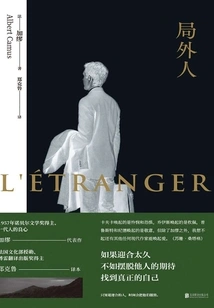
Meursault is a small clerk in Algiers. He is very empty inside and indifferent to worldly affairs. He refuses to pretend about his feelings and is indifferent to the relationships between people. He even went swimming, dated, watched funny movies and laughed the day after his mother died. During a seaside vacation, Meursault got involved in a conflict and killed someone "because of the sunshine". In the end, he was hanged - not for the crime he committed, but because he did not accept the creeds and customs approved by the law: "he did not cry when his mother was buried." "The Outsider" uses calm and restrained language to tell the story of a man who lives outside the secular rules, critically examines the freedom and equality advertised by the society at that time, and explores the absurd and hypocritical society's complete obliteration of the value of human freedom.
Meursault is a small clerk in Algiers. He is very empty inside and indifferent to worldly affairs. He refuses to pretend about his feelings and is indifferent to the relationships between people. He even went swimming, dated, watched funny movies and laughed the day after his mother died. During a seaside vacation, Meursault got involved in a conflict and killed someone "because of the sunshine". In the end, he was hanged - not for the crime he committed, but because he did not accept the creeds and customs approved by the law: "he did not cry when his mother was buried." "The Outsider" uses calm and restrained language to tell the story of a man who lives outside the secular rules, critically examines the freedom and equality advertised by the society at that time, and explores the absurd and hypocritical society's complete obliteration of the value of human freedom.
Q
General Fictionq
G
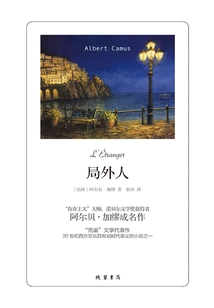
Meursault's mother passed away, but he did not want to cry at her funeral. Soon after, he killed an Arab on the beach. In court, the prosecutor did not elaborate on the case, but refused to let go of Meursault's failure to cry for his mother...
Meursault's mother passed away, but he did not want to cry at her funeral. Soon after, he killed an Arab on the beach. In court, the prosecutor did not elaborate on the case, but refused to let go of Meursault's failure to cry for his mother...