Library
Browse and search books
374 novels found
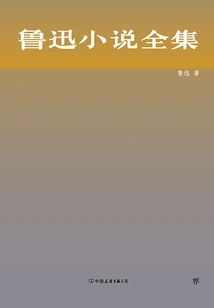
Complete Works of Lu Xun's Novels
General Fiction鲁迅小说全集
Lu Xun
"The Complete Works of Lu Xun's Novels" includes all the novels in "The Scream", "Wandering" and "New Stories", a total of 33 articles. These novels mostly describe the tragedies of ordinary people at the bottom of society. Lu Xun used his dagger-sharp writing style to criticize the "numb souls of the Chinese people", hoping to alert the world. The themes of Lu Xun's novels are mostly anti-feudal, anti-ethical, anti-tradition, and anti-superstition. He is good at creating typical images and satirizing the dark sides of characters. Most of the stories are set in his hometown. The protagonists of the novel, Ah Q, Sister Xianglin, Kong Yiji, and Runtu, are well known in China.
"The Complete Works of Lu Xun's Novels" includes all the novels in "The Scream", "Wandering" and "New Stories", a total of 33 articles. These novels mostly describe the tragedies of ordinary people at the bottom of society. Lu Xun used his dagger-sharp writing style to criticize the "numb souls of the Chinese people", hoping to alert the world. The themes of Lu Xun's novels are mostly anti-feudal, anti-ethical, anti-tradition, and anti-superstition. He is good at creating typical images and satirizing the dark sides of characters. Most of the stories are set in his hometown. The protagonists of the novel, Ah Q, Sister Xianglin, Kong Yiji, and Runtu, are well known in China.
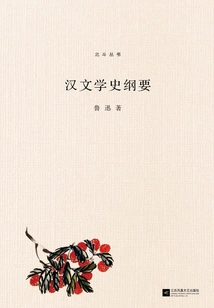
汉文学史纲要
Lu Xun
As the founder of my country's new literature, Mr. Lu Xun also had extremely in-depth and systematic research and unique viewpoints on my country's classical literature. He once planned to write "History of Chinese Literature", but unfortunately it failed to be realized due to various reasons. The only thing left was this "Outline of the History of Chinese Literature". The book was originally a handout compiled by Lu Xun when he was teaching a course on the history of Chinese literature at Xiamen University in 1923, titled "A Brief History of Chinese Literature"; it was used again the following year when he was teaching the same course at Sun Yat-sen University in Guangzhou, and was retitled "An Outline of the History of Ancient Chinese Literature". It was not officially published during the author's lifetime, but was renamed when it was compiled into "The Complete Works of Lu Xun" in 1938. Also included is Lu Xun's article "The Relationship between Wei and Jin Styles and Articles, Medicine and Wine".
As the founder of my country's new literature, Mr. Lu Xun also had extremely in-depth and systematic research and unique viewpoints on my country's classical literature. He once planned to write "History of Chinese Literature", but unfortunately it failed to be realized due to various reasons. The only thing left was this "Outline of the History of Chinese Literature". The book was originally a handout compiled by Lu Xun when he was teaching a course on the history of Chinese literature at Xiamen University in 1923, titled "A Brief History of Chinese Literature"; it was used again the following year when he was teaching the same course at Sun Yat-sen University in Guangzhou, and was retitled "An Outline of the History of Ancient Chinese Literature". It was not officially published during the author's lifetime, but was renamed when it was compiled into "The Complete Works of Lu Xun" in 1938. Also included is Lu Xun's article "The Relationship between Wei and Jin Styles and Articles, Medicine and Wine".
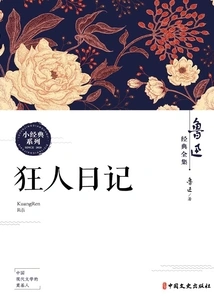
狂人日记(鲁迅经典全集)
Lu Xun
This book is the first short vernacular diary novel written by Lu Xun and the first modern vernacular novel in China. Through the image of the persecuted "madman" and the "madman's" self-narrative description, the novel reveals the "cannibalistic" nature of feudal ethics and expresses the author's resistance to Chinese feudal culture with feudal ethics as the main connotation; it also expresses the author's profound sense of repentance. The author conducted a profound reflection on Chinese culture from a thorough "revolutionary democratic" standpoint, and at the same time expressed deep concern and indignation about the future of China and even mankind.
This book is the first short vernacular diary novel written by Lu Xun and the first modern vernacular novel in China. Through the image of the persecuted "madman" and the "madman's" self-narrative description, the novel reveals the "cannibalistic" nature of feudal ethics and expresses the author's resistance to Chinese feudal culture with feudal ethics as the main connotation; it also expresses the author's profound sense of repentance. The author conducted a profound reflection on Chinese culture from a thorough "revolutionary democratic" standpoint, and at the same time expressed deep concern and indignation about the future of China and even mankind.
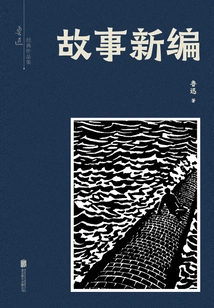
Youjian Bunko: Newly Compiled Stories
General Fiction有间文库:故事新编
Lu Xun
"New Stories" is a collection of short stories written by Mr. Lu Xun based on ancient myths and historical legends. On the basis of "extensive research on literature", the teacher "takes some reasons and adds them at will". It makes the story lively, interesting and highly imaginative. Read "New Stories" and let Lu Xun help you look at tradition in a different light!
"New Stories" is a collection of short stories written by Mr. Lu Xun based on ancient myths and historical legends. On the basis of "extensive research on literature", the teacher "takes some reasons and adds them at will". It makes the story lively, interesting and highly imaginative. Read "New Stories" and let Lu Xun help you look at tradition in a different light!
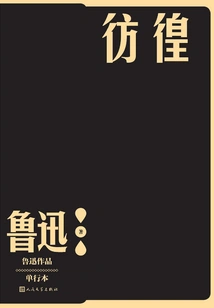
Hesitant
General Fiction彷徨
Lu Xun
"Wandering" is a collection of Lu Xun's novels, including eleven novels written by him from 1924 to 1925. The first "Blessing" was written on February 16, 1924, and the last "Divorce" was written on November 6, 1925. The actual time span is more than a year and a half. "Wandering" was first published by Beijing Beixin Book Company in August 1926, and was listed as one of the "Wuhe Series" compiled by the author. A total of fifteen editions were printed during the author's lifetime. Subsequent editions are identical to the first edition.
"Wandering" is a collection of Lu Xun's novels, including eleven novels written by him from 1924 to 1925. The first "Blessing" was written on February 16, 1924, and the last "Divorce" was written on November 6, 1925. The actual time span is more than a year and a half. "Wandering" was first published by Beijing Beixin Book Company in August 1926, and was listed as one of the "Wuhe Series" compiled by the author. A total of fifteen editions were printed during the author's lifetime. Subsequent editions are identical to the first edition.
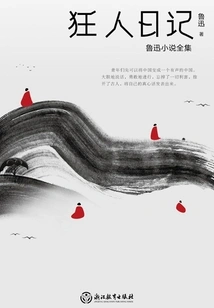
狂人日记:鲁迅小说全集(2021版)
Lu Xun
"Diary of a Madman: The Complete Novels of Lu Xun" contains all of Lu Xun's novels, selected from three novel collections: "The Scream", "Wandering" and "New Stories". Lu Xun's novels take ordinary social life as their themes and deeply reflect on culture and human nature. They have deep artistic conception, cold outside and hot inside, cold and humorous writing, and concise and sharp syntax. Most of the stories are set in his hometown, and have created many classic and unforgettable novel protagonists such as Ah Q, Xiang Linsao, Kong Yiji, and Run Tu. This book also includes Mr. Lu Xun's "How I Started Writing Novel" as a preface to share his creative experience with readers; the back of the book also includes "Mr. Lu Xun's Chronicle" written by Lu Xun's friend Xu Shouchang to help readers understand Lu Xun more specifically.
"Diary of a Madman: The Complete Novels of Lu Xun" contains all of Lu Xun's novels, selected from three novel collections: "The Scream", "Wandering" and "New Stories". Lu Xun's novels take ordinary social life as their themes and deeply reflect on culture and human nature. They have deep artistic conception, cold outside and hot inside, cold and humorous writing, and concise and sharp syntax. Most of the stories are set in his hometown, and have created many classic and unforgettable novel protagonists such as Ah Q, Xiang Linsao, Kong Yiji, and Run Tu. This book also includes Mr. Lu Xun's "How I Started Writing Novel" as a preface to share his creative experience with readers; the back of the book also includes "Mr. Lu Xun's Chronicle" written by Lu Xun's friend Xu Shouchang to help readers understand Lu Xun more specifically.
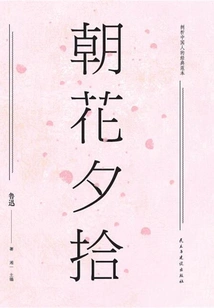
朝花夕拾
Lu Xun
"Morning Blossoms Plucked at Dusk" is Mr. Lu Xun's well-known collection of reminiscence essays. It relatively completely records his life experience and ideological context from childhood to youth. While shaping some distinctive characters, it also integrates these memories into rational thinking. It is a warm and beneficial read. Although "Morning Blossoms Plucked at Dusk" is not just written for children, it also writes many things about children, which makes it interesting to read. And as we grow older, we can always read different flavors from it. This is the charm of Lu Xun's works.
"Morning Blossoms Plucked at Dusk" is Mr. Lu Xun's well-known collection of reminiscence essays. It relatively completely records his life experience and ideological context from childhood to youth. While shaping some distinctive characters, it also integrates these memories into rational thinking. It is a warm and beneficial read. Although "Morning Blossoms Plucked at Dusk" is not just written for children, it also writes many things about children, which makes it interesting to read. And as we grow older, we can always read different flavors from it. This is the charm of Lu Xun's works.
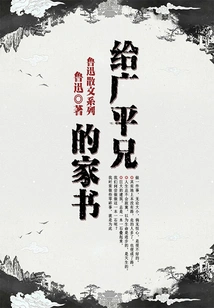
鲁迅作品集:给广平兄的家书
Lu Xun
Mr. Lu Xun's diverse writing style contains his profound thinking about life and deep concern for the country and nation, embodying his passion and innocence. Lu Xun's writings not only had a warning effect on the people at that time, but also had profound inspiration and educational significance for our descendants. This book is composed of many family letters written by Lu Xun. The content is heart-warming, like a trickle, showing the softest and most emotional side of a fighter's heart. Guo Moruo once commented: Lu Xun was a revolutionary thinker, an epoch-making literary and artistic writer, a historian who sought truth from facts, an educator who set an example, and an internationalist who longed for human liberation. Books from the two places, nurturing each other, are the most beautiful flowers in the world that bloom in the turbulent years.
Mr. Lu Xun's diverse writing style contains his profound thinking about life and deep concern for the country and nation, embodying his passion and innocence. Lu Xun's writings not only had a warning effect on the people at that time, but also had profound inspiration and educational significance for our descendants. This book is composed of many family letters written by Lu Xun. The content is heart-warming, like a trickle, showing the softest and most emotional side of a fighter's heart. Guo Moruo once commented: Lu Xun was a revolutionary thinker, an epoch-making literary and artistic writer, a historian who sought truth from facts, an educator who set an example, and an internationalist who longed for human liberation. Books from the two places, nurturing each other, are the most beautiful flowers in the world that bloom in the turbulent years.
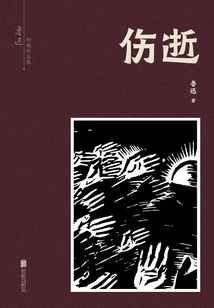
Youjian Library: Sadness and Death
General Fiction有间文库:伤逝
Lu Xun
"Sorrow" written in 1925 is Mr. Lu Xun's only novel that reflects the love between young men and women. The author places the love story of a pair of young people in the dark feudal background that is still strong after the "May Fourth Movement" ebbs. Through their tragic fate, they imply that people should combine individual liberation with social liberation and lead young people to seek a "new way of life", which has profound historical significance.
"Sorrow" written in 1925 is Mr. Lu Xun's only novel that reflects the love between young men and women. The author places the love story of a pair of young people in the dark feudal background that is still strong after the "May Fourth Movement" ebbs. Through their tragic fate, they imply that people should combine individual liberation with social liberation and lead young people to seek a "new way of life", which has profound historical significance.
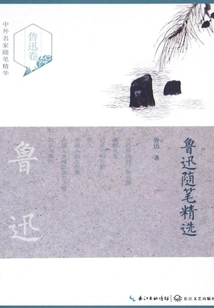
Selected Essays of Lu Xun
Literature鲁迅随笔精选
Lu Xun
"Selected Essays of Lu Xun" selects nearly 100 famous essays, cultural essays, social essays, and life essays written by the literary giant Mr. Lu Xun throughout his life. The writing is sharp and humorous, and the insights are profound and unique, highlighting Mr. Lu Xun's style and achievements in prose creation.
"Selected Essays of Lu Xun" selects nearly 100 famous essays, cultural essays, social essays, and life essays written by the literary giant Mr. Lu Xun throughout his life. The writing is sharp and humorous, and the insights are profound and unique, highlighting Mr. Lu Xun's style and achievements in prose creation.
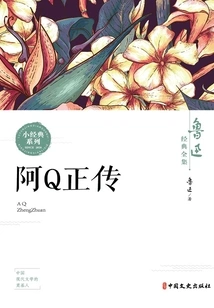
阿Q正传(鲁迅经典全集)
Lu Xun
The novel was written at the end of 1921. It is set in the Chinese countryside before and after the Revolution of 1911. It tells the story of Ah Q, a wandering farmhand in Weizhuang. Although he is "really capable" of work, he has nothing and even his name has been forgotten. The novel criticized the feudal, conservative, vulgar, corrupt and other social characteristics of Chinese society at that time, and effectively revealed the life scenes of the old Chinese people and their morbid conditions in dire straits.
The novel was written at the end of 1921. It is set in the Chinese countryside before and after the Revolution of 1911. It tells the story of Ah Q, a wandering farmhand in Weizhuang. Although he is "really capable" of work, he has nothing and even his name has been forgotten. The novel criticized the feudal, conservative, vulgar, corrupt and other social characteristics of Chinese society at that time, and effectively revealed the life scenes of the old Chinese people and their morbid conditions in dire straits.
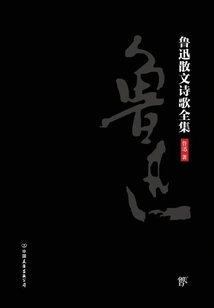
鲁迅散文诗歌全集
Lu Xun
"The Complete Collection of Prose and Poems of Lu Xun" is a collection of all of Lu Xun's prose and poetry works. The prose part of the book includes "Morning Blossoms Plucked at Dusk" and 55 essays on Lu Xun's memories of people. The poetry part includes "Wild Grass" and more than 50 old and new style poems by Lu Xun. Mr. Lu Xun's prose and poetry works have extremely high literary value and are very interesting to read. They fully demonstrate Mr. Lu Xun's literary skills and rich life experience, and reflect the author's thoughts, feelings and creative style from one side.
"The Complete Collection of Prose and Poems of Lu Xun" is a collection of all of Lu Xun's prose and poetry works. The prose part of the book includes "Morning Blossoms Plucked at Dusk" and 55 essays on Lu Xun's memories of people. The poetry part includes "Wild Grass" and more than 50 old and new style poems by Lu Xun. Mr. Lu Xun's prose and poetry works have extremely high literary value and are very interesting to read. They fully demonstrate Mr. Lu Xun's literary skills and rich life experience, and reflect the author's thoughts, feelings and creative style from one side.
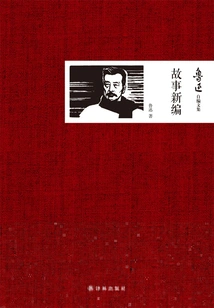
Newly Compiled Stories (collected Works Compiled by Lu Xun)
General Fiction故事新编(鲁迅自编文集)
Lu Xun
"New Stories" is a collection of short stories written by Mr. Lu Xun based on ancient myths and historical legends. It includes 8 works written by him in different periods. The language of these works adheres to Mr. Lu Xun's consistent writing style, which is humorous, tactful and satirical. Although the content of the story comes from history, it only uses a little reason. After the author touches it at will, what is displayed in front of us is a wonderful and interesting picture.
"New Stories" is a collection of short stories written by Mr. Lu Xun based on ancient myths and historical legends. It includes 8 works written by him in different periods. The language of these works adheres to Mr. Lu Xun's consistent writing style, which is humorous, tactful and satirical. Although the content of the story comes from history, it only uses a little reason. After the author touches it at will, what is displayed in front of us is a wonderful and interesting picture.
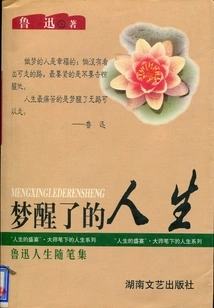
A Life That Wakes up from a Dream
Literature梦醒了的人生
Lu Xun
The main content of this book talks about: what happened to Nora after she left; the footprints of her life; the author's autobiography; my first master; my vaccination; Chang and "The Classic of Mountains and Seas"; Wuchang Meeting; Impermanence; From Baicao Garden to Sanwei Bookstore; Nv Diao; Father's Illness; Trivial Notes; Sudden Thoughts; To Xiao Jun; Mr. Fujino; Confucius in Modern China; How I started writing novels; Fan Ainong; Miscellaneous Memories; Preface to "The Scream"; Preface to "Selected Works"; correspondence; me and the beginning of "Threads"; discovery of women and children; birth, old age, illness and death; food, clothing, housing and transportation; reflections on life, etc.
The main content of this book talks about: what happened to Nora after she left; the footprints of her life; the author's autobiography; my first master; my vaccination; Chang and "The Classic of Mountains and Seas"; Wuchang Meeting; Impermanence; From Baicao Garden to Sanwei Bookstore; Nv Diao; Father's Illness; Trivial Notes; Sudden Thoughts; To Xiao Jun; Mr. Fujino; Confucius in Modern China; How I started writing novels; Fan Ainong; Miscellaneous Memories; Preface to "The Scream"; Preface to "Selected Works"; correspondence; me and the beginning of "Threads"; discovery of women and children; birth, old age, illness and death; food, clothing, housing and transportation; reflections on life, etc.
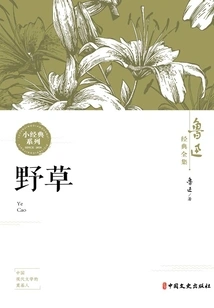
Wild Grass (complete Classics of Lu Xun)
Literature野草(鲁迅经典全集)
Lu Xun
This collection of poems truly describes the author's thoughts and feelings as he continued to fight after the New Culture United Front split, but felt lonely and lonely, and explored and moved forward amidst hesitation. The collection of poems has diverse content, rich imagination, unique conception, vivid language, lyricism and musicality, successful use of symbolic techniques, and strong artistic appeal. The collection of poems is in the form of monologue lyrical prose, with poetic imagination and sublimation, deepening the art and ideological conception of Chinese prose poetry.
This collection of poems truly describes the author's thoughts and feelings as he continued to fight after the New Culture United Front split, but felt lonely and lonely, and explored and moved forward amidst hesitation. The collection of poems has diverse content, rich imagination, unique conception, vivid language, lyricism and musicality, successful use of symbolic techniques, and strong artistic appeal. The collection of poems is in the form of monologue lyrical prose, with poetic imagination and sublimation, deepening the art and ideological conception of Chinese prose poetry.
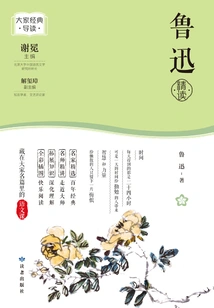
鲁迅精读(大家经典导读)
Lu Xun
From Mr. Lu Xun's classic works, 30 works are selected that are suitable for the target readers and children of the same age group. They are the pioneer and most important works of modern Chinese vernacular novels and a collection of Lu Xun's intensive reading novels.
From Mr. Lu Xun's classic works, 30 works are selected that are suitable for the target readers and children of the same age group. They are the pioneer and most important works of modern Chinese vernacular novels and a collection of Lu Xun's intensive reading novels.
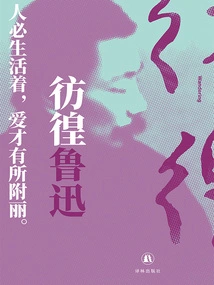
彷徨(鲁迅作品:他和他的觉醒年代)
Lu Xun
"Wandering" contains 11 novels written by Lu Xun. First published in 1926. Chapters include: Blessings, In Restaurants, Happy Family, Soap, Ever-Bright Lamp, Public Display, Old Master Gao, Lonely Man, Sad Death, Brothers, and Divorce.
"Wandering" contains 11 novels written by Lu Xun. First published in 1926. Chapters include: Blessings, In Restaurants, Happy Family, Soap, Ever-Bright Lamp, Public Display, Old Master Gao, Lonely Man, Sad Death, Brothers, and Divorce.
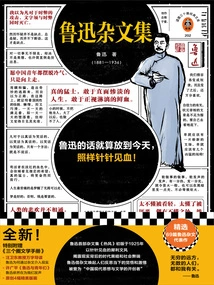
Lu Xun's Essays
Literature鲁迅杂文集
Lu Xun
This book selects 69 representative works of Lu Xun's essays based on Xu Guangping's recollection of Lu Xun's "Gladful Remembrance", such as "youth", "women's normal college incident", "family" and other issues that Lu Xun was deeply concerned about. Facing the world and people's hearts, Lu Xun pointed out that "the life of 'irony' is real!" His words can always hit the mark in one fell swoop and hit the nail on the head! When seeing young people being harmed, Lu Xun always stood up and spoke out: "The timid are angry, but they attack the weaker!" Facing the vulnerable groups, Lu Xun always showed endless care and tenderness: "Think of everyone at any time and seek some benefits!" He never admitted that he was a mentor, but he gave people uncompromising courage and resilience between the lines: "May all Chinese youth get rid of the air conditioning!" It turns out that Lu Xun's essays not only have the sharpness we are familiar with, but also the tenderness that is easily overlooked!
This book selects 69 representative works of Lu Xun's essays based on Xu Guangping's recollection of Lu Xun's "Gladful Remembrance", such as "youth", "women's normal college incident", "family" and other issues that Lu Xun was deeply concerned about. Facing the world and people's hearts, Lu Xun pointed out that "the life of 'irony' is real!" His words can always hit the mark in one fell swoop and hit the nail on the head! When seeing young people being harmed, Lu Xun always stood up and spoke out: "The timid are angry, but they attack the weaker!" Facing the vulnerable groups, Lu Xun always showed endless care and tenderness: "Think of everyone at any time and seek some benefits!" He never admitted that he was a mentor, but he gave people uncompromising courage and resilience between the lines: "May all Chinese youth get rid of the air conditioning!" It turns out that Lu Xun's essays not only have the sharpness we are familiar with, but also the tenderness that is easily overlooked!
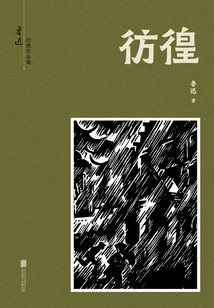
Youjian Library: Wandering
General Fiction有间文库:彷徨
Lu Xun
"Wandering" is a collection of Lu Xun's short stories, which includes 11 short stories written by Lu Xun between 1924 and 1925, including "Blessings", "At the Restaurant", "Happy Family", "Old Master Gao", "Brothers", "Sad Death", etc. Among them, chapters such as "Blessing" and "Divorce" reveal the spiritual and physical oppression of rural women by the old ethics; chapters such as "In the Restaurant" and "The Lonely" profoundly explain the plight of the once advanced middle-aged intellectuals trapped in the "Array of Nothingness". The entire collection of novels uses vivid writing skills to outline each character with typical significance. It is full of concern for the peasants and intellectuals who were living under the heavy pressure of feudal forces at that time, and deeply reflected the hesitation of an era.
"Wandering" is a collection of Lu Xun's short stories, which includes 11 short stories written by Lu Xun between 1924 and 1925, including "Blessings", "At the Restaurant", "Happy Family", "Old Master Gao", "Brothers", "Sad Death", etc. Among them, chapters such as "Blessing" and "Divorce" reveal the spiritual and physical oppression of rural women by the old ethics; chapters such as "In the Restaurant" and "The Lonely" profoundly explain the plight of the once advanced middle-aged intellectuals trapped in the "Array of Nothingness". The entire collection of novels uses vivid writing skills to outline each character with typical significance. It is full of concern for the peasants and intellectuals who were living under the heavy pressure of feudal forces at that time, and deeply reflected the hesitation of an era.
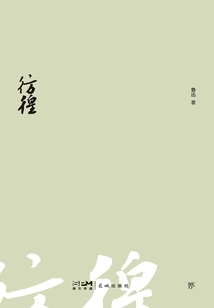
Hesitant
General Fiction彷徨
Lu Xun
"Wandering" is Lu Xun's second novel collection, which includes eleven novels written by him from 1924 to 1925. The first "Blessing" was written on February 16, 1924, and the last "Divorce" was written on November 6, 1925. The actual time span is more than a year and a half. "Wandering" was written during the ebb of the May Fourth Movement, and divisions emerged within the New Culture Movement camp. The entire collection of novels is full of concern for the peasants and intellectuals living under the heavy pressure of feudal forces who "sorrow for their misfortune and are angry for their inability to fight."
"Wandering" is Lu Xun's second novel collection, which includes eleven novels written by him from 1924 to 1925. The first "Blessing" was written on February 16, 1924, and the last "Divorce" was written on November 6, 1925. The actual time span is more than a year and a half. "Wandering" was written during the ebb of the May Fourth Movement, and divisions emerged within the New Culture Movement camp. The entire collection of novels is full of concern for the peasants and intellectuals living under the heavy pressure of feudal forces who "sorrow for their misfortune and are angry for their inability to fight."
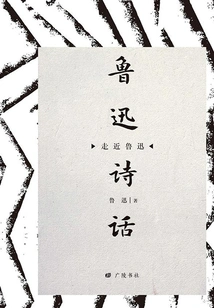
Lu Xun's Poems
Literature鲁迅诗话
Lu Xun
This book is Lu Xun's discussion of the history of poetry, poets, poems through the ages, and his words about poetry theory. Lu Xun's poetic theory clarified the origin and development direction of poetry. At the same time, he dared to express his own opinions and did not follow others' opinions. He also made a historical materialist discussion on the content and form of poetry, pointing out the correct direction for the development of new poetry. Even today, Lu Xun's poetic theory still has far-reaching historical and practical significance for the establishment and development of Marxist poetry theory in the history of modern literary criticism.
This book is Lu Xun's discussion of the history of poetry, poets, poems through the ages, and his words about poetry theory. Lu Xun's poetic theory clarified the origin and development direction of poetry. At the same time, he dared to express his own opinions and did not follow others' opinions. He also made a historical materialist discussion on the content and form of poetry, pointing out the correct direction for the development of new poetry. Even today, Lu Xun's poetic theory still has far-reaching historical and practical significance for the establishment and development of Marxist poetry theory in the history of modern literary criticism.
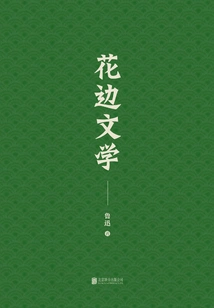
Youjian Library: Lace Literature
Literature有间文库:花边文学
Lu Xun
This book contains sixty-one essays written by the author from January to November 1934, and was published by Shanghai Lianhua Book Company in June 1936. Reprinted in August of the same year. A total of two editions were printed during the author's lifetime. Lu Xun often wrote short commentaries, which indeed started from the "Freedom Talk" submitted to "Shenbao". Collected from 1933, there are two books: "Pseudo Free Book" and "Huai Fengyue Talk". Later, the editor, Mr. Li Liewen, was really squeezed out. The next year, he was finally squeezed out. Lu Xun changed some methods, changed some pen names, and asked someone to copy and submit the manuscript. The new editor could not distinguish it carefully, so he still published it frequently. On the one hand, the scope was expanded, and the supplement "Tongxiang" of "China Daily" and the semi-monthly essay magazine "Taibai" were also written occasionally. The same text was written in 1934. The collection of these things written in 1934 is this "Lace Literature".
This book contains sixty-one essays written by the author from January to November 1934, and was published by Shanghai Lianhua Book Company in June 1936. Reprinted in August of the same year. A total of two editions were printed during the author's lifetime. Lu Xun often wrote short commentaries, which indeed started from the "Freedom Talk" submitted to "Shenbao". Collected from 1933, there are two books: "Pseudo Free Book" and "Huai Fengyue Talk". Later, the editor, Mr. Li Liewen, was really squeezed out. The next year, he was finally squeezed out. Lu Xun changed some methods, changed some pen names, and asked someone to copy and submit the manuscript. The new editor could not distinguish it carefully, so he still published it frequently. On the one hand, the scope was expanded, and the supplement "Tongxiang" of "China Daily" and the semi-monthly essay magazine "Taibai" were also written occasionally. The same text was written in 1934. The collection of these things written in 1934 is this "Lace Literature".
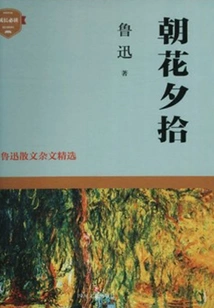
朝花夕拾:鲁迅散文杂文精选
Lu Xun
This book combines some of Mr. Lu Xun's prose and essays, reorganizes them and publishes them. The prose part mainly focuses on the classic prose in "Morning Blossoms Plucked at Dusk" and "Weeds", which are important materials for understanding Mr. Lu Xun's early life and ideological development. The essays can clearly reflect the overall outlook of society at that time, and at the same time have an enlightening effect on the national spirit.
This book combines some of Mr. Lu Xun's prose and essays, reorganizes them and publishes them. The prose part mainly focuses on the classic prose in "Morning Blossoms Plucked at Dusk" and "Weeds", which are important materials for understanding Mr. Lu Xun's early life and ideological development. The essays can clearly reflect the overall outlook of society at that time, and at the same time have an enlightening effect on the national spirit.
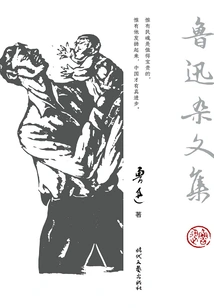
Lu Xun's Essays
Literature鲁迅杂文集
Lu Xun
Lu Xun pioneered a new literary style called "Zawen" that was mainly based on theory and had a flexible form, and carried it forward, deeply revealing various issues in Chinese society at that time. Lu Xun's essays cover a wide range of topics and have profound observations on the dark side of society and the bad nature of the nation. From "Refeng" and "Huagai Collection" to "The Final Collection of Qiejieting Essays", "Jiwai Collection" and "Collection Supplements from Collection Waiji", this book contains Mr. Lu Xun's 17 classic essays. Some are obscure and tortuous, and some are humorous, all of which can achieve a satirical effect in making people smile knowingly. Some are gloomy and severe, and their calm narratives contain infinite resentment towards the enemy.
Lu Xun pioneered a new literary style called "Zawen" that was mainly based on theory and had a flexible form, and carried it forward, deeply revealing various issues in Chinese society at that time. Lu Xun's essays cover a wide range of topics and have profound observations on the dark side of society and the bad nature of the nation. From "Refeng" and "Huagai Collection" to "The Final Collection of Qiejieting Essays", "Jiwai Collection" and "Collection Supplements from Collection Waiji", this book contains Mr. Lu Xun's 17 classic essays. Some are obscure and tortuous, and some are humorous, all of which can achieve a satirical effect in making people smile knowingly. Some are gloomy and severe, and their calm narratives contain infinite resentment towards the enemy.
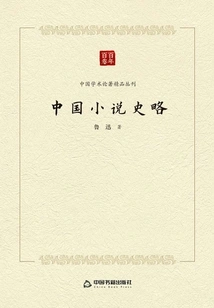
中国学术论著精品丛刊:中国小说史略
Lu Xun
This book is a monograph that discusses the history of the development of Chinese novels. Starting from ancient myths and legends to the condemnation of novels in the late Qing Dynasty, it discusses the origin and evolution of Chinese novels, evaluates representative novel writers and works in various historical periods of China, and analyzes the internal connections between earlier and later novels.
This book is a monograph that discusses the history of the development of Chinese novels. Starting from ancient myths and legends to the condemnation of novels in the late Qing Dynasty, it discusses the origin and evolution of Chinese novels, evaluates representative novel writers and works in various historical periods of China, and analyzes the internal connections between earlier and later novels.
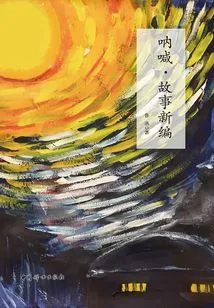
Scream·new Story
Literature呐喊·故事新编
Lu Xun
This book contains Lu Xun's two collections of essays "The Scream" and "New Stories". In "The Scream", the author elaborates on the reasons why he abandoned medicine to pursue literature and the famous "Iron Room" theory. He pins his hope on awakening the numb Chinese people in this collection of essays and sends out a cry from the bottom of his heart. In "New Stories", the author borrows ancient Chinese classic myths and legends or celebrity allusions, and performs artistic processing and processing to give them a new look. He strives to satirize the rulers of the time and awaken the sleeping people in a more popular form.
This book contains Lu Xun's two collections of essays "The Scream" and "New Stories". In "The Scream", the author elaborates on the reasons why he abandoned medicine to pursue literature and the famous "Iron Room" theory. He pins his hope on awakening the numb Chinese people in this collection of essays and sends out a cry from the bottom of his heart. In "New Stories", the author borrows ancient Chinese classic myths and legends or celebrity allusions, and performs artistic processing and processing to give them a new look. He strives to satirize the rulers of the time and awaken the sleeping people in a more popular form.
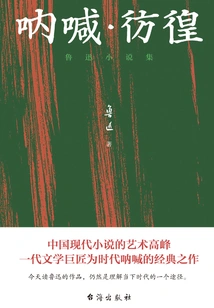
Scream·wandering: a Collection of Novels by Lu Xun
General Fiction呐喊·彷徨:鲁迅小说集
Lu Xun
"The Scream", a collection of novels. Written from 1918 to 1922. At that time, around the time of the May 4th Movement, the Chinese people's anti-imperialist and anti-feudal struggle was vigorously developing. The author said in the "Preface to "The Scream"" that he "shouted a few times" in order to "comfort the warrior who was running in loneliness and make him not afraid to go forward." Therefore, he titled the novel collection "The Scream". "Wandering", a collection of short stories. In addition to continuing to describe the resistance, struggles and misfortunes of the working people at the lower levels, the work more expresses the spiritual world and life path of intellectuals, severely criticizes the old feudal morality and culture, and attacks the rule of feudalism. At the same time, it also reveals the weaknesses of intellectuals' individualism and individual liberation views.
"The Scream", a collection of novels. Written from 1918 to 1922. At that time, around the time of the May 4th Movement, the Chinese people's anti-imperialist and anti-feudal struggle was vigorously developing. The author said in the "Preface to "The Scream"" that he "shouted a few times" in order to "comfort the warrior who was running in loneliness and make him not afraid to go forward." Therefore, he titled the novel collection "The Scream". "Wandering", a collection of short stories. In addition to continuing to describe the resistance, struggles and misfortunes of the working people at the lower levels, the work more expresses the spiritual world and life path of intellectuals, severely criticizes the old feudal morality and culture, and attacks the rule of feudalism. At the same time, it also reveals the weaknesses of intellectuals' individualism and individual liberation views.
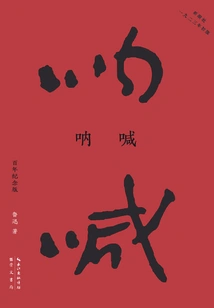
Scream (centennial Edition)
General Fiction呐喊(百年纪念版)
Lu Xun
In August 1923, the first edition of "The Scream" was published by Peking University Xinchaoshe, nearly a hundred years ago. The first edition of "The Scream" was edited and finalized by Mr. Lu Xun, and included 15 stories published by him between 1918 and 1922 (during the 13th printing of "The Scream" in 1930, the author removed "Buzhou Mountain" and later renamed it "Mending the Sky" and included it in "New Stories"). The cover and layout of the book were designed by Mr. Lu Xun himself. It was loved by readers as soon as it was launched and is still an irreplaceable classic version today. In this reprint, we focus on recreating the original appearance of the first edition of "The Scream" for readers. In terms of editing, in addition to converting the traditional vertical layout of the first edition into the simplified horizontal layout, only a few text, punctuation and intellectual errors in the first edition were corrected. A large number of Lu Xun's customary words, phrases and sentence patterns in the first edition have been retained as they are. In terms of binding, a double cover design is adopted, and the inner cover is the restored original first edition cover. Mr. Lu Xun's works remain timeless.
In August 1923, the first edition of "The Scream" was published by Peking University Xinchaoshe, nearly a hundred years ago. The first edition of "The Scream" was edited and finalized by Mr. Lu Xun, and included 15 stories published by him between 1918 and 1922 (during the 13th printing of "The Scream" in 1930, the author removed "Buzhou Mountain" and later renamed it "Mending the Sky" and included it in "New Stories"). The cover and layout of the book were designed by Mr. Lu Xun himself. It was loved by readers as soon as it was launched and is still an irreplaceable classic version today. In this reprint, we focus on recreating the original appearance of the first edition of "The Scream" for readers. In terms of editing, in addition to converting the traditional vertical layout of the first edition into the simplified horizontal layout, only a few text, punctuation and intellectual errors in the first edition were corrected. A large number of Lu Xun's customary words, phrases and sentence patterns in the first edition have been retained as they are. In terms of binding, a double cover design is adopted, and the inner cover is the restored original first edition cover. Mr. Lu Xun's works remain timeless.
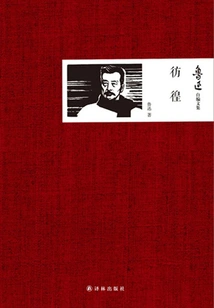
Hesitant
General Fiction彷徨
Lu Xun
This book is Mr. Lu Xun's second novel collection, including a total of eleven novels written by him from 1924 to 1925. Including "Blessing", "Divorce" and other important works. The entire collection of novels runs through the concern for the peasants and intellectuals living under the heavy pressure of feudal forces who "sorrow for their misfortune and are angry for their inability to fight". This book is also the most influential work in the New Culture Movement and was reprinted fifteen times during the author's lifetime. The blueprint used is the first edition collected in the Lu Xun Museum, published in August 1926 by Beixin Book Company.
This book is Mr. Lu Xun's second novel collection, including a total of eleven novels written by him from 1924 to 1925. Including "Blessing", "Divorce" and other important works. The entire collection of novels runs through the concern for the peasants and intellectuals living under the heavy pressure of feudal forces who "sorrow for their misfortune and are angry for their inability to fight". This book is also the most influential work in the New Culture Movement and was reprinted fifteen times during the author's lifetime. The blueprint used is the first edition collected in the Lu Xun Museum, published in August 1926 by Beixin Book Company.
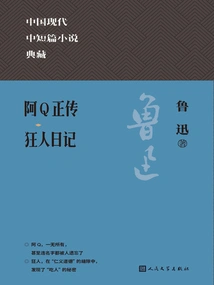
The True Story of Ah Q Diary of a Madman
General Fiction阿Q正传 狂人日记
Lu Xun
This book is a selection of Lu Xun's representative novels. Lu Xun is the greatest writer and thinker in modern China. His influence on later generations is significant and far-reaching. Since his first modern vernacular novel "Diary of a Madman", he has created many masterpieces that have become classics in the history of literature, such as "The True Story of Ah Q", "Blessing", "Kong Yiji", etc., And left a total of three novel collections "The Scream", "Wandering" and "New Stories". Lu Xun's early novels often focused on the lives of the lower class people in the late Qing Dynasty and the early Republic of China. They paid attention to detailed descriptions and were able to vividly depict characters using line drawing techniques and explore subtle psychological changes in every detail. It mainly expresses the numbness and ignorance of the people at the bottom and the hardship of life. The later work "New Stories" uses historical allusions to reflect reality, with a calm, generous and humorous style.
This book is a selection of Lu Xun's representative novels. Lu Xun is the greatest writer and thinker in modern China. His influence on later generations is significant and far-reaching. Since his first modern vernacular novel "Diary of a Madman", he has created many masterpieces that have become classics in the history of literature, such as "The True Story of Ah Q", "Blessing", "Kong Yiji", etc., And left a total of three novel collections "The Scream", "Wandering" and "New Stories". Lu Xun's early novels often focused on the lives of the lower class people in the late Qing Dynasty and the early Republic of China. They paid attention to detailed descriptions and were able to vividly depict characters using line drawing techniques and explore subtle psychological changes in every detail. It mainly expresses the numbness and ignorance of the people at the bottom and the hardship of life. The later work "New Stories" uses historical allusions to reflect reality, with a calm, generous and humorous style.
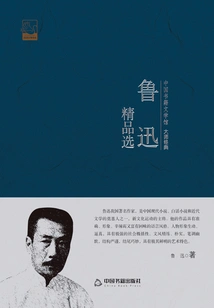
Lu Xun's Best Selections
Literature鲁迅精品选
Lu Xun
Lu Xun, Chinese writer, thinker, revolutionist and educator. Lu Xun's literary creations have long become the most cherished ideological and cultural classics of the Chinese nation. Inheriting and conscientiously studying and studying this precious spiritual heritage will certainly be of great benefit to continuously cultivating and improving the overall humanistic quality of the Chinese nation. "Chinese Book and Literature Museum·Master Classics: Selected Works of Lu Xun" includes Lu Xun's most representative works: the novels "Diary of a Madman", "Blessing", "Kong Yiji", the collection of essays "Mr. Fujino", as well as prose poems and some poems, essays, etc. I hope that reading "Chinese Book and Literature Museum·Master Classics: Selected Works of Lu Xun" will help you understand Lu Xun more thoroughly, broaden your reading horizons, gain wisdom and enlightenment, and improve your humanistic quality.
Lu Xun, Chinese writer, thinker, revolutionist and educator. Lu Xun's literary creations have long become the most cherished ideological and cultural classics of the Chinese nation. Inheriting and conscientiously studying and studying this precious spiritual heritage will certainly be of great benefit to continuously cultivating and improving the overall humanistic quality of the Chinese nation. "Chinese Book and Literature Museum·Master Classics: Selected Works of Lu Xun" includes Lu Xun's most representative works: the novels "Diary of a Madman", "Blessing", "Kong Yiji", the collection of essays "Mr. Fujino", as well as prose poems and some poems, essays, etc. I hope that reading "Chinese Book and Literature Museum·Master Classics: Selected Works of Lu Xun" will help you understand Lu Xun more thoroughly, broaden your reading horizons, gain wisdom and enlightenment, and improve your humanistic quality.
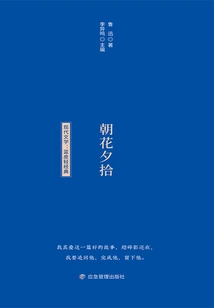
蓝皮轻经典阅读书系:朝花夕拾
Lu Xun
"Morning Blossoms Picked Up at Dusk", formerly known as "Revisiting Old Things", is a collection of Mr. Lu Xun's essays. It contains 10 of Mr. Lu Xun's retrospective essays. The collection is mainly about chronicling events and is full of strong lyricism, with discussion mixed in with the lyricism. Some of these articles reflect Mr. Lu Xun's life as a teenager, as well as the formation of his character and interests, while others expose the ugly or grotesque phenomena of semi-feudal and semi-colonial society. The descriptions in the book are full of ambition and interest, but also have criticisms of current problems, allowing people to understand the story and trigger thinking about the times.
"Morning Blossoms Picked Up at Dusk", formerly known as "Revisiting Old Things", is a collection of Mr. Lu Xun's essays. It contains 10 of Mr. Lu Xun's retrospective essays. The collection is mainly about chronicling events and is full of strong lyricism, with discussion mixed in with the lyricism. Some of these articles reflect Mr. Lu Xun's life as a teenager, as well as the formation of his character and interests, while others expose the ugly or grotesque phenomena of semi-feudal and semi-colonial society. The descriptions in the book are full of ambition and interest, but also have criticisms of current problems, allowing people to understand the story and trigger thinking about the times.
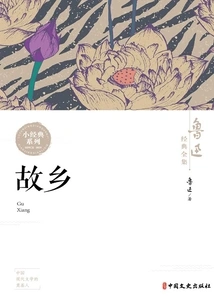
故乡(鲁迅经典全集)
Lu Xun
The novel takes "my" activities of returning to my hometown as a clue, follows the plot arrangement of "returning to my hometown" - "in my hometown" and "leaving my hometown", and based on what "I" see, hear, remember and feel, focusing on the characters of Runtu and Yang Ersao, thus reflecting the rural bankruptcy and the painful life of farmers before and after the Revolution of 1911. Reality; at the same time, it profoundly points out that due to the influence of the traditional concepts of feudal society, the spiritual constraints of the working people have caused the distortion of innocent human nature, resulting in indifference and isolation between people. It expresses the author's strong dissatisfaction with reality and his strong desire to transform the old society and create a new life. The novel was selected as junior middle school Chinese language, ninth grade (volume 1) by People's Education Press.
The novel takes "my" activities of returning to my hometown as a clue, follows the plot arrangement of "returning to my hometown" - "in my hometown" and "leaving my hometown", and based on what "I" see, hear, remember and feel, focusing on the characters of Runtu and Yang Ersao, thus reflecting the rural bankruptcy and the painful life of farmers before and after the Revolution of 1911. Reality; at the same time, it profoundly points out that due to the influence of the traditional concepts of feudal society, the spiritual constraints of the working people have caused the distortion of innocent human nature, resulting in indifference and isolation between people. It expresses the author's strong dissatisfaction with reality and his strong desire to transform the old society and create a new life. The novel was selected as junior middle school Chinese language, ninth grade (volume 1) by People's Education Press.
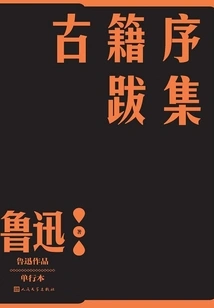
古籍序跋集
Lu Xun
"Collection of Prefaces and Postscripts to Ancient Books" contains 35 prefaces and postscripts written by Lu Xun between 1912 and 1935 for the ancient books he compiled or edited. Each article is arranged according to the time of collaboration. Necessary corrections were made with reference to relevant literature for any informational errors in the text. Lu Xun's works include essays, short stories, reviews, essays, and translations, which have had a profound impact on Chinese literature after the "May Fourth Movement."
"Collection of Prefaces and Postscripts to Ancient Books" contains 35 prefaces and postscripts written by Lu Xun between 1912 and 1935 for the ancient books he compiled or edited. Each article is arranged according to the time of collaboration. Necessary corrections were made with reference to relevant literature for any informational errors in the text. Lu Xun's works include essays, short stories, reviews, essays, and translations, which have had a profound impact on Chinese literature after the "May Fourth Movement."
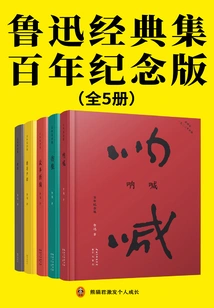
鲁迅经典集:百年纪念版(全5册)
Lu Xun
Lu Xun personally compiled and designed the cover of the handed down master copy! Reproduce the original appearance of the first edition to commemorate the 140th anniversary of Lu Xun's birth! The value-added appendix includes Lu Xun's manuscripts and old photos from the first edition, which are converted into traditional Chinese and simplified Chinese according to popular standards. If I read it when I'm lonely, I won't be lonely anymore. This reprint focuses on recreating for readers the original appearance of the first edition of "The Scream", "Wandering", "New Stories", "Morning Blossoms Gathered at Dusk" and "Weeds".
Lu Xun personally compiled and designed the cover of the handed down master copy! Reproduce the original appearance of the first edition to commemorate the 140th anniversary of Lu Xun's birth! The value-added appendix includes Lu Xun's manuscripts and old photos from the first edition, which are converted into traditional Chinese and simplified Chinese according to popular standards. If I read it when I'm lonely, I won't be lonely anymore. This reprint focuses on recreating for readers the original appearance of the first edition of "The Scream", "Wandering", "New Stories", "Morning Blossoms Gathered at Dusk" and "Weeds".
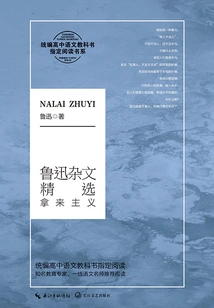
鲁迅杂文精选:拿来主义
Lu Xun
"Usageism: Selected Essays of Lu Xun" is a collection of Lu Xun's essays, including more than 60 classic works such as "Have Chinese People Lost Self-Confidence", "Usageism", "In Memory of Mr. Liu Hezhen" and "For the Memory of Forgetting".
"Usageism: Selected Essays of Lu Xun" is a collection of Lu Xun's essays, including more than 60 classic works such as "Have Chinese People Lost Self-Confidence", "Usageism", "In Memory of Mr. Liu Hezhen" and "For the Memory of Forgetting".
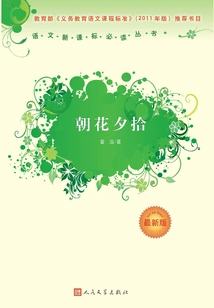
朝花夕拾
Lu Xun
This book is one of the most important collections of prose by Mr. Lu Xun and enjoys a high reputation in the history of modern Chinese prose. It contains a total of twelve works including "From Baicao Garden to Sanwei Bookstore", which describes the author's childhood life and study process in his youth, expresses his nostalgia for his former relatives, friends and teachers, and mocks the reactionary and conservative forces in the narration and discussion. It is a beautiful prose treasure based on memories and written with skillful literary techniques. It has been loved by generations of readers, especially young readers.
This book is one of the most important collections of prose by Mr. Lu Xun and enjoys a high reputation in the history of modern Chinese prose. It contains a total of twelve works including "From Baicao Garden to Sanwei Bookstore", which describes the author's childhood life and study process in his youth, expresses his nostalgia for his former relatives, friends and teachers, and mocks the reactionary and conservative forces in the narration and discussion. It is a beautiful prose treasure based on memories and written with skillful literary techniques. It has been loved by generations of readers, especially young readers.
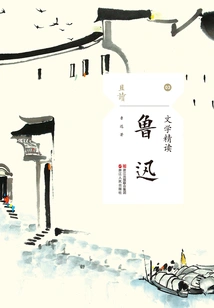
Intensive Literary Reading·lu Xun
Literature文学精读·鲁迅
Lu Xun
Lu Xun is a famous modern Chinese writer and thinker. His works are not only highly artistic, but also very profound in thought. This book is divided into three parts: prose, novels, and essays. It not only includes the prose "Morning Flowers Picked at Dusk" and "Wild Grass" (excerpts), but also eight novels such as "Kong Yiji" and "Blessing", as well as several essays. These articles are all masterpieces that enter the world of Lu Xun's literature. Read calmly, understand Lu Xun, gain insight into China, and measure yourself.
Lu Xun is a famous modern Chinese writer and thinker. His works are not only highly artistic, but also very profound in thought. This book is divided into three parts: prose, novels, and essays. It not only includes the prose "Morning Flowers Picked at Dusk" and "Wild Grass" (excerpts), but also eight novels such as "Kong Yiji" and "Blessing", as well as several essays. These articles are all masterpieces that enter the world of Lu Xun's literature. Read calmly, understand Lu Xun, gain insight into China, and measure yourself.
The Complete Works of Lu Xun (volume 2)
Literature鲁迅全集(第二卷)
Lu Xun
In October 1936, Mr. Lu Xun passed away in Shanghai. Mr. Lu Xun Memorial Committee is\
In October 1936, Mr. Lu Xun passed away in Shanghai. Mr. Lu Xun Memorial Committee is\
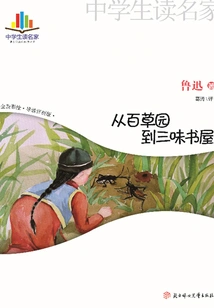
From Baicao Garden to Sanwei Bookstore
Literature从百草园到三味书屋
Lu Xun
Education is always rooted in love. "From Baicao Garden to Sanwei Bookstore" is a collection of Mr. Lu Xun's articles, including "From Baicao Garden to Sanwei Bookstore", "Kite", "Runtu", "Mr. Fujino", "A Chang and the Classic of Mountains and Seas", "Hometown", "Spring", "The True Story of Ah Q" and many other articles that have been selected in primary and secondary school Chinese textbooks. This book not only completely retains the most wonderful descriptions of scenes, objects, and people in each article, but also invited Ge Tao, a researcher at the Lu Xun Museum, to provide an introduction and analysis, restoring the most authentic and intimate Lu Xun to our readers.
Education is always rooted in love. "From Baicao Garden to Sanwei Bookstore" is a collection of Mr. Lu Xun's articles, including "From Baicao Garden to Sanwei Bookstore", "Kite", "Runtu", "Mr. Fujino", "A Chang and the Classic of Mountains and Seas", "Hometown", "Spring", "The True Story of Ah Q" and many other articles that have been selected in primary and secondary school Chinese textbooks. This book not only completely retains the most wonderful descriptions of scenes, objects, and people in each article, but also invited Ge Tao, a researcher at the Lu Xun Museum, to provide an introduction and analysis, restoring the most authentic and intimate Lu Xun to our readers.
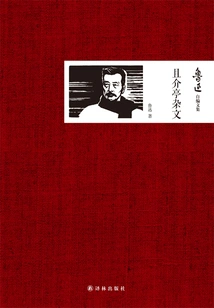
且介亭杂文(鲁迅自编文集)
Lu Xun
"Qiejieting Essays" is a collection of essays by Lu Xun. This book collects thirty-six essays written by Lu Xun in 1934, including "Two or Three Things About China", "Using Doctrine", "An Eye for an Eye", "Speaking of "Face"", etc. "Qiejie" is made up of half of the word "concession", which means that only half of China's sovereignty is left. These essays are not only sophisticated in technique and rich in argumentation, but the author's application of Marxist theory has also been integrated and integrated into specific content in accordance with the characteristics of miscellany.
"Qiejieting Essays" is a collection of essays by Lu Xun. This book collects thirty-six essays written by Lu Xun in 1934, including "Two or Three Things About China", "Using Doctrine", "An Eye for an Eye", "Speaking of "Face"", etc. "Qiejie" is made up of half of the word "concession", which means that only half of China's sovereignty is left. These essays are not only sophisticated in technique and rich in argumentation, but the author's application of Marxist theory has also been integrated and integrated into specific content in accordance with the characteristics of miscellany.
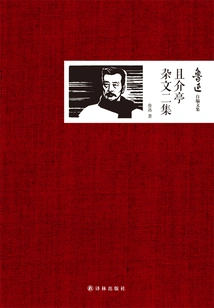
且介亭杂文二集(鲁迅自编文集)
Lu Xun
"Second Collection of Qiejieting Essays" is a collection of Lu Xun's essays. It contains forty-eight essays written by Lu Xun in 1935, including "The Hermit", "Cartoons and Cartoons", "The Beginning of Literacy in Life", "On "People's Words Are Terrible"", "Re-Discussion on "The Literary Disdain"", "Celebrities and Famous Quotes", "Escape from Fame", "The Tragedy of Almost Nothing", etc.
"Second Collection of Qiejieting Essays" is a collection of Lu Xun's essays. It contains forty-eight essays written by Lu Xun in 1935, including "The Hermit", "Cartoons and Cartoons", "The Beginning of Literacy in Life", "On "People's Words Are Terrible"", "Re-Discussion on "The Literary Disdain"", "Celebrities and Famous Quotes", "Escape from Fame", "The Tragedy of Almost Nothing", etc.
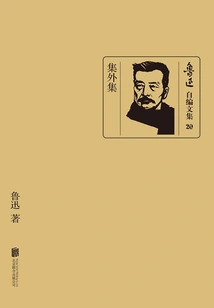
Jiwaiji
Literature集外集
Lu Xun
This book is a collection of poems and essays that were not included in the author's collection of essays published before 1933. It was published by Shanghai Qunzhong Book Company in May 1935. Only one edition was printed during the author's lifetime. This time, only two articles, "\u003CCollection of Short Stories in the Modern World\u003ESmall Quotes" and the translated version "Poems of Petofi Sandor", which have been compiled into "Sanxian Collection", have been taken out. The "preparations" for the three chapters "Beyond Chewing", "Bearing Before Chewing" and "Pastoral Thoughts" were copied out by the author himself after the book was published. Those originally intended to be printed in "Collection Supplements" are now placed after the relevant texts in this collection; " The letters of "Communication (Fu Miao River)" were copied and supplemented this time; the last one was omitted in the first edition of "\u003CBenliu\u003E Editor's Postscript", which has been added now; the old-style poems collected have been adjusted in order according to the time of writing. This book is a collection of poems and essays that were not included in the author's collection of essays published before 1933. It was published by Shanghai Qunzhong Book Company in May 1935. Only one edition was printed during the author's lifetime. This time, only two articles, "\u003CCollection of Short Stories in the Modern World\u003ESmall Quotes" and the translated version "Poems of Petofi Sandor", which have been compiled into "Sanxian Collection", have been taken out. The "preparations" for the three chapters "Beyond Chewing", "Bearing Before Chewing" and "Pastoral Thoughts" were copied out by the author himself after the book was published. Those originally intended to be printed in "Collection Supplements" are now placed after the relevant texts in this collection; " The letters of "Communication (Fu Miao River)" were copied and supplemented this time; the last one was omitted in the first edition of "\u003CBenliu\u003E Editor's Postscript", which has been added now; the old-style poems collected have been adjusted in order according to the time of writing.
This book is a collection of poems and essays that were not included in the author's collection of essays published before 1933. It was published by Shanghai Qunzhong Book Company in May 1935. Only one edition was printed during the author's lifetime. This time, only two articles, "\u003CCollection of Short Stories in the Modern World\u003ESmall Quotes" and the translated version "Poems of Petofi Sandor", which have been compiled into "Sanxian Collection", have been taken out. The "preparations" for the three chapters "Beyond Chewing", "Bearing Before Chewing" and "Pastoral Thoughts" were copied out by the author himself after the book was published. Those originally intended to be printed in "Collection Supplements" are now placed after the relevant texts in this collection; " The letters of "Communication (Fu Miao River)" were copied and supplemented this time; the last one was omitted in the first edition of "\u003CBenliu\u003E Editor's Postscript", which has been added now; the old-style poems collected have been adjusted in order according to the time of writing. This book is a collection of poems and essays that were not included in the author's collection of essays published before 1933. It was published by Shanghai Qunzhong Book Company in May 1935. Only one edition was printed during the author's lifetime. This time, only two articles, "\u003CCollection of Short Stories in the Modern World\u003ESmall Quotes" and the translated version "Poems of Petofi Sandor", which have been compiled into "Sanxian Collection", have been taken out. The "preparations" for the three chapters "Beyond Chewing", "Bearing Before Chewing" and "Pastoral Thoughts" were copied out by the author himself after the book was published. Those originally intended to be printed in "Collection Supplements" are now placed after the relevant texts in this collection; " The letters of "Communication (Fu Miao River)" were copied and supplemented this time; the last one was omitted in the first edition of "\u003CBenliu\u003E Editor's Postscript", which has been added now; the old-style poems collected have been adjusted in order according to the time of writing.
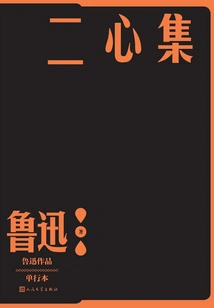
Two Hearts Collection
Literature二心集
Lu Xun
"Two Hearts Collection" contains 37 essays written by Mr. Lu Xun from 1930 to 1931, with a translation of "Modern Film and the Property-owning Stage" at the end. The author sold the copyright to Shanghai Hezhong Bookstore in August 1932, and it was first published in October of the same year. Lu Xun's works include essays, short stories, reviews, essays, and translations, which have had a profound impact on Chinese literature after the "May Fourth Movement."
"Two Hearts Collection" contains 37 essays written by Mr. Lu Xun from 1930 to 1931, with a translation of "Modern Film and the Property-owning Stage" at the end. The author sold the copyright to Shanghai Hezhong Bookstore in August 1932, and it was first published in October of the same year. Lu Xun's works include essays, short stories, reviews, essays, and translations, which have had a profound impact on Chinese literature after the "May Fourth Movement."
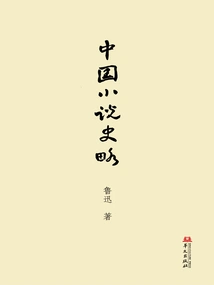
A Brief History of Chinese Novels
Literature中国小说史略
Lu Xun
"A Brief History of Chinese Novels" is the pioneer work in the study of the history of Chinese novels. It was originally Lu Xun's lecture notes at Peking University. The book has a total of twenty-eight articles, starting from ancient myths and legends to condemnation novels in the late Qing Dynasty. It comprehensively combs the origin, development and evolution of Chinese novels, and analyzes in detail the characteristics, genres, representative works and social and cultural backgrounds of novels in each historical period. It not only ends the situation of "no history of Chinese novels", but also provides new perspectives and methods for the study of Chinese literary history. This book is hailed as a classic in the study of the history of Chinese novels and is still widely cited and referenced today.
"A Brief History of Chinese Novels" is the pioneer work in the study of the history of Chinese novels. It was originally Lu Xun's lecture notes at Peking University. The book has a total of twenty-eight articles, starting from ancient myths and legends to condemnation novels in the late Qing Dynasty. It comprehensively combs the origin, development and evolution of Chinese novels, and analyzes in detail the characteristics, genres, representative works and social and cultural backgrounds of novels in each historical period. It not only ends the situation of "no history of Chinese novels", but also provides new perspectives and methods for the study of Chinese literary history. This book is hailed as a classic in the study of the history of Chinese novels and is still widely cited and referenced today.
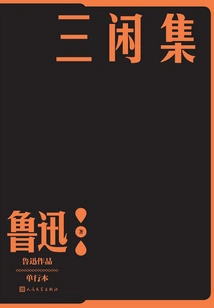
Sanxianji
Literature三闲集
Lu Xun
It contains thirty-four essays written by Lu Xun from 1927 to 1929, with an appendix at the end of the "Bibliography of Lu Xun's Translations" written in 1932. In 1928, there was a debate between Creation Society, Sun Society and Lu Xun centered on the issue of revolutionary literature. Cheng Fangwu said that Mr. Lu Xun was "sitting under the canopy and copying old news about his novels" and that it was a "interest-centered literature and art."
It contains thirty-four essays written by Lu Xun from 1927 to 1929, with an appendix at the end of the "Bibliography of Lu Xun's Translations" written in 1932. In 1928, there was a debate between Creation Society, Sun Society and Lu Xun centered on the issue of revolutionary literature. Cheng Fangwu said that Mr. Lu Xun was "sitting under the canopy and copying old news about his novels" and that it was a "interest-centered literature and art."
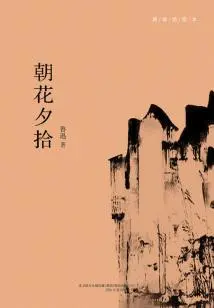
朝花夕拾
Lu Xun
"Morning Blossoms Plucked at Dusk" is Mr. Lu Xun's well-known collection of reminiscence essays. It relatively completely records his life experience and ideological context from childhood to youth. While shaping some distinctive characters, it also integrates these memories into rational thinking. It is a warm and beneficial read.
"Morning Blossoms Plucked at Dusk" is Mr. Lu Xun's well-known collection of reminiscence essays. It relatively completely records his life experience and ideological context from childhood to youth. While shaping some distinctive characters, it also integrates these memories into rational thinking. It is a warm and beneficial read.
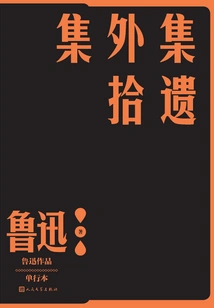
Collection Outside the Collection
Literature集外集拾遗
Lu Xun
The title was drawn up by the author himself, but the compilation was not completed due to illness. When "The Complete Works of Lu Xun" was published in 1938, it was compiled and printed by Xu Guangping. In 1957, it was expanded and reorganized on this basis. A total of 126 articles were collected, written between 1903 and 1936, including all works of various genres collected at that time that had not been included in various collections.
The title was drawn up by the author himself, but the compilation was not completed due to illness. When "The Complete Works of Lu Xun" was published in 1938, it was compiled and printed by Xu Guangping. In 1957, it was expanded and reorganized on this basis. A total of 126 articles were collected, written between 1903 and 1936, including all works of various genres collected at that time that had not been included in various collections.
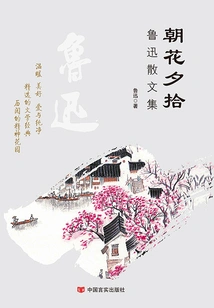
朝花夕拾
Lu Xun
The book "Morning Blossoms Plucked at Dusk" contains 10 essays, 1 short quotation and 1 postscript written by Mr. Lu Xun between February and November 1926. It is a prose "copied from memory". "Using the life experiences of teenagers as clues, it truly and touchingly describes a group of lives from rural to urban, from family to society, and from domestic to foreign countries." "Morning Blossoms Plucked at Dusk" has distinctive artistic features - a clear distinction between love and hate; an organic combination of narration and discussion, memories and reflections, lyricism and satire; it is smooth and natural, approachable and approachable.
The book "Morning Blossoms Plucked at Dusk" contains 10 essays, 1 short quotation and 1 postscript written by Mr. Lu Xun between February and November 1926. It is a prose "copied from memory". "Using the life experiences of teenagers as clues, it truly and touchingly describes a group of lives from rural to urban, from family to society, and from domestic to foreign countries." "Morning Blossoms Plucked at Dusk" has distinctive artistic features - a clear distinction between love and hate; an organic combination of narration and discussion, memories and reflections, lyricism and satire; it is smooth and natural, approachable and approachable.