Library
Browse and search books
330 novels found
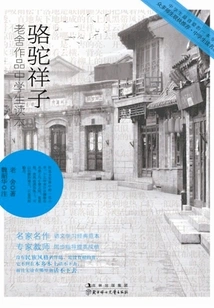
Camel Xiangzi
General Fiction骆驼祥子
Lao She
"Camel Xiangzi" is a tragedy depicted by Lao She with sympathetic brushstrokes: In Beijing in the 1920s, a hard-working and strong man from the lower society had a beautiful dream of getting rich and struggling, but was eventually swallowed up by the dark storm. It reveals the slave mentality and ultimate disillusionment of hopes of the "little people" at that time. With the suicide of Xiangzi's beloved woman, Xiaofuzi, Xiangzi extinguished the last spark of personal struggle. This is the typical fate of the poor citizens of old Beijing in old China.
"Camel Xiangzi" is a tragedy depicted by Lao She with sympathetic brushstrokes: In Beijing in the 1920s, a hard-working and strong man from the lower society had a beautiful dream of getting rich and struggling, but was eventually swallowed up by the dark storm. It reveals the slave mentality and ultimate disillusionment of hopes of the "little people" at that time. With the suicide of Xiangzi's beloved woman, Xiaofuzi, Xiangzi extinguished the last spark of personal struggle. This is the typical fate of the poor citizens of old Beijing in old China.
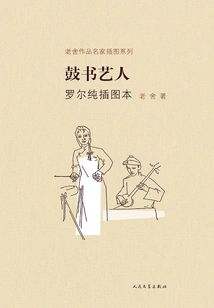
Drum Calligraphy Artist Luo Erchun
General Fiction鼓书艺人罗尔纯
Lao She
"Artist of Drum Calligraphy" was written by Lao She. In the past, there was an old saying among artists: "One lifetime of making art, three lifetimes of suffering." "Artist of Drum Calligraphy" tells the story of the sufferings of Fang Baoqing, a drum calligraphy artist, and his family: Baoqing's brother Baosen was killed by the Japanese army; his daughter Xiulian was ruined by Zhang Wen after her marriage to the progressive writer Meng Liang fell through; and her married daughter Dafeng was also abandoned.
"Artist of Drum Calligraphy" was written by Lao She. In the past, there was an old saying among artists: "One lifetime of making art, three lifetimes of suffering." "Artist of Drum Calligraphy" tells the story of the sufferings of Fang Baoqing, a drum calligraphy artist, and his family: Baoqing's brother Baosen was killed by the Japanese army; his daughter Xiulian was ruined by Zhang Wen after her marriage to the progressive writer Meng Liang fell through; and her married daughter Dafeng was also abandoned.
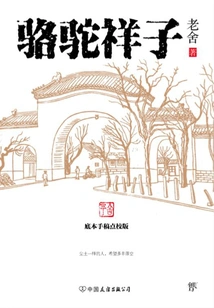
Camel Xiangzi
General Fiction骆驼祥子
Lao She
"Camel Xiangzi" is Lao She's masterpiece. It uses the whereabouts of Xiangzi, a rickshaw driver in Peiping, as a clue, the life of Beijing citizens in the late 1920s as the background, and the rough and tragic life experience of rickshaw driver Xiangzi as the main plot. It profoundly reveals the oppression of the living conditions of the ordinary people in an era, expresses the author's deep sympathy for the working people, and shows the picture of the poor citizens at the bottom who actively strive to change their destiny, but encounter obstacles everywhere.
"Camel Xiangzi" is Lao She's masterpiece. It uses the whereabouts of Xiangzi, a rickshaw driver in Peiping, as a clue, the life of Beijing citizens in the late 1920s as the background, and the rough and tragic life experience of rickshaw driver Xiangzi as the main plot. It profoundly reveals the oppression of the living conditions of the ordinary people in an era, expresses the author's deep sympathy for the working people, and shows the picture of the poor citizens at the bottom who actively strive to change their destiny, but encounter obstacles everywhere.
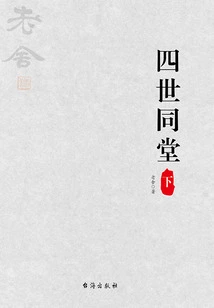
Four Generations Living under One Roof (part 2)
General Fiction四世同堂(下)
Lao She
"Four Generations Under One Roof" is a novel written by the Chinese writer Lao She. "Four Generations Under One House" tells the story of the era when the Marco Polo Bridge Incident broke out and Peking fell. It takes the lives of four generations of the Qi family under one roof as the main line. It vividly and vividly depicts the ups and downs, life and death of people from all walks of life and all kinds of people represented by the residents of Xiaoyangquan Hutong. This book narrates the tragic experience of the vast number of civilians under the iron heel of the Japanese invaders in the abnormal world after the fall of Peiping. The uneasiness, panic and shock after the ancient and peaceful life of the school was broken. It lashes out the ugly souls of the perpetrators who are attached to the enemy, exposes the brutal crimes of Japanese militarism, and reflects the common people. The heroic and fearless resistance in the face of a powerful enemy eulogized and promoted the great patriotism and steadfast and noble national integrity of the Chinese people. It epically demonstrated the outstanding contributions made by the Chinese people to the world anti-fascist war during the Second World War. It was magnificent and evocative.
"Four Generations Under One Roof" is a novel written by the Chinese writer Lao She. "Four Generations Under One House" tells the story of the era when the Marco Polo Bridge Incident broke out and Peking fell. It takes the lives of four generations of the Qi family under one roof as the main line. It vividly and vividly depicts the ups and downs, life and death of people from all walks of life and all kinds of people represented by the residents of Xiaoyangquan Hutong. This book narrates the tragic experience of the vast number of civilians under the iron heel of the Japanese invaders in the abnormal world after the fall of Peiping. The uneasiness, panic and shock after the ancient and peaceful life of the school was broken. It lashes out the ugly souls of the perpetrators who are attached to the enemy, exposes the brutal crimes of Japanese militarism, and reflects the common people. The heroic and fearless resistance in the face of a powerful enemy eulogized and promoted the great patriotism and steadfast and noble national integrity of the Chinese people. It epically demonstrated the outstanding contributions made by the Chinese people to the world anti-fascist war during the Second World War. It was magnificent and evocative.
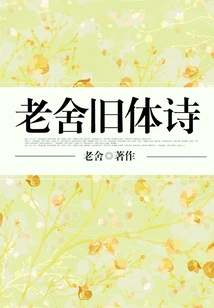
Lao She's Old Style Poems
Literature老舍旧体诗
Lao She
Lao She is well-known as a novelist, and his novels such as "Camel Xiangzi" and "Four Generations Under One Roof" are famous at home and abroad; Lao She is well-known as a playwright, and his plays such as "Teahouse" are famous all over the world. However, if Lao She is described as a poet, it may not be familiar to the general readers. This book is to show Mr. Lao She's profound poetry skills to the general readers. The book contains a large number of excellent old-style poems written by Mr. Lao She, which can be seen in his careful consideration of words and sentences.
Lao She is well-known as a novelist, and his novels such as "Camel Xiangzi" and "Four Generations Under One Roof" are famous at home and abroad; Lao She is well-known as a playwright, and his plays such as "Teahouse" are famous all over the world. However, if Lao She is described as a poet, it may not be familiar to the general readers. This book is to show Mr. Lao She's profound poetry skills to the general readers. The book contains a large number of excellent old-style poems written by Mr. Lao She, which can be seen in his careful consideration of words and sentences.
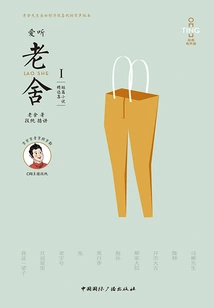
Listening to Lao She I: Selected Short Stories
General Fiction爱听老舍Ⅰ:短篇小说精选集
Lao She
Lao She's novels mainly describe the lives and fate of citizens, especially the urban poor, with vivid and humorous writing. This set of books is based on the selection of Lao She's classic short stories and prose works. We have combined the selection criteria of more classic, more humorous, and more suitable for broadcasting to conduct personalized screening. "Listening to Lao She I: Selected Short Stories" includes 9 short stories by Lao She, including "Mr. Breeches", "Micro God", "Good Business Opening", "Embracing the Grandson", and one novella "My Life".
Lao She's novels mainly describe the lives and fate of citizens, especially the urban poor, with vivid and humorous writing. This set of books is based on the selection of Lao She's classic short stories and prose works. We have combined the selection criteria of more classic, more humorous, and more suitable for broadcasting to conduct personalized screening. "Listening to Lao She I: Selected Short Stories" includes 9 short stories by Lao She, including "Mr. Breeches", "Micro God", "Good Business Opening", "Embracing the Grandson", and one novella "My Life".
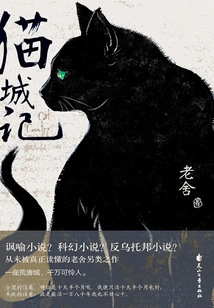
Cat City
General Fiction猫城记
Lao She
This book is a very unique work both in Lao She's novel creation and in the development history of modern Chinese literature. Some people regard "Cat City" as a satirical novel, while others regard it as a science fiction novel. Since the new era, more people have read it as a dystopian novel. Lao She's Cat City imagination has become a classic symbol for reflection on national character in the history of modern literature.
This book is a very unique work both in Lao She's novel creation and in the development history of modern Chinese literature. Some people regard "Cat City" as a satirical novel, while others regard it as a science fiction novel. Since the new era, more people have read it as a dystopian novel. Lao She's Cat City imagination has become a classic symbol for reflection on national character in the history of modern literature.
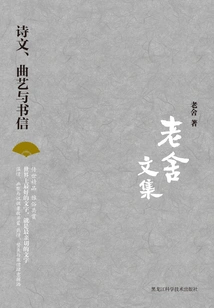
老舍文集:诗文、曲艺与书信
Lao She
"Collected Works of Lao She: Poems, Folk Art and Letters" contains Mr. Lao She's main poems, folk arts and letters from various periods. Mr. Lao She's poems reflect the poet's unique life experience and literary perception. His folk art works pursue new literary and artistic qualities, are popular, interesting, rich and vivid. Through his letters, we can have a deeper understanding of Mr. Lao She. Poems: "Jianbei Chapter", "Chengyu Road", "Ghost Song", "Red Leaves", "Love Song", etc. Folk arts: "Experimental Field" (cross talk), "Fighting the God of Plague" (allegro), "Don't Be Superstitious" (drum lyrics), etc. Letters: "Letter from Home", "To Yu Dafu", "To Guo Moruo", "To Zhu Guangqian", etc.
"Collected Works of Lao She: Poems, Folk Art and Letters" contains Mr. Lao She's main poems, folk arts and letters from various periods. Mr. Lao She's poems reflect the poet's unique life experience and literary perception. His folk art works pursue new literary and artistic qualities, are popular, interesting, rich and vivid. Through his letters, we can have a deeper understanding of Mr. Lao She. Poems: "Jianbei Chapter", "Chengyu Road", "Ghost Song", "Red Leaves", "Love Song", etc. Folk arts: "Experimental Field" (cross talk), "Fighting the God of Plague" (allegro), "Don't Be Superstitious" (drum lyrics), etc. Letters: "Letter from Home", "To Yu Dafu", "To Guo Moruo", "To Zhu Guangqian", etc.
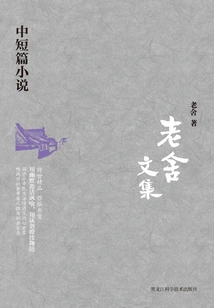
Collected Works of Lao She: Short Stories and Novels
General Fiction老舍文集:中短篇小说
Lao She
This volume includes "Going to the Market", "Yinghai Collection", "Clam Algae Collection", "Train Collection", and "Anemia Collection". "Going to the Market": This collection includes short stories written by Mr. Lao She when he was teaching at Qilu University, including "Five-Nine", "Hot Buns", "The Little Ghost of Love", etc. "Sakukai Collection": Most of the novels included in this collection can be called "character sketches", and their main purpose is basically to depict characters, including "Crescent Moon", "Ascension", "Caterpillar", etc. "Collection of Clam Algae": This collection collects several novels written by Mr. Lao She in Qingdao in 1936, including "Time-honored Brands", "Soul-Breaking Gun", "Stories Heard", etc. "Train Collection": The novels in this collection were basically written in 1939, including "Train", "Rabbit", "We Are Like This", "In My Life", "Killing Dog", etc. "Anemia Collection": This collection was published by Chongqing Wenyu Publishing House in March 1944, including "Love" and so on.
This volume includes "Going to the Market", "Yinghai Collection", "Clam Algae Collection", "Train Collection", and "Anemia Collection". "Going to the Market": This collection includes short stories written by Mr. Lao She when he was teaching at Qilu University, including "Five-Nine", "Hot Buns", "The Little Ghost of Love", etc. "Sakukai Collection": Most of the novels included in this collection can be called "character sketches", and their main purpose is basically to depict characters, including "Crescent Moon", "Ascension", "Caterpillar", etc. "Collection of Clam Algae": This collection collects several novels written by Mr. Lao She in Qingdao in 1936, including "Time-honored Brands", "Soul-Breaking Gun", "Stories Heard", etc. "Train Collection": The novels in this collection were basically written in 1939, including "Train", "Rabbit", "We Are Like This", "In My Life", "Killing Dog", etc. "Anemia Collection": This collection was published by Chongqing Wenyu Publishing House in March 1944, including "Love" and so on.
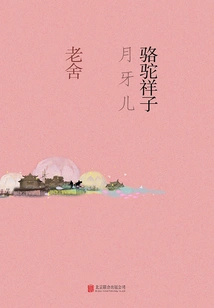
Camel Xiangzi·crescent Moon
General Fiction骆驼祥子·月牙儿
Lao She
Xiangzi's dream, who came to Beijing to work, was to earn a car, a car of his own, like a badge that showed his status. He went out early and came back late, worked hard, and his life seemed to be on the hook. Finally, he bought a car of his own for ninety-six yuan. But bad luck, the first car was confiscated by the soldiers. Xiangzi escaped from the soldiers and took a few camels with him. After selling the camels, he returned to "Renhe Car Factory" and worked hard to buy another car. He said, "If I don't work so hard, how long will it take to buy a car?" After that, Huniu planned to marry Xiangzi. Although he lived a stable life that he had never expected, Xiangzi couldn't control his desire to have a car of his own. Finally, Huniu used the money in her hands to buy the car of Er Qiangzi next door. A heavy rain made Xiangzi sick and the root of the disease fell. Misfortunes never come singly, Huniu had a difficult delivery, Xiangzi had to sell the car to accommodate Huniu and the unborn child. "Wait! When I'm done, I'll come, I'll definitely come!" This was Xiangzi's promise to his "confidante" Xiao Fuzi. However, Xiao Fuzi did not survive until Xiangzi became successful, so he hung himself from a tree behind the white house. Xiangzi also became a "degenerate ghost of individualism."
Xiangzi's dream, who came to Beijing to work, was to earn a car, a car of his own, like a badge that showed his status. He went out early and came back late, worked hard, and his life seemed to be on the hook. Finally, he bought a car of his own for ninety-six yuan. But bad luck, the first car was confiscated by the soldiers. Xiangzi escaped from the soldiers and took a few camels with him. After selling the camels, he returned to "Renhe Car Factory" and worked hard to buy another car. He said, "If I don't work so hard, how long will it take to buy a car?" After that, Huniu planned to marry Xiangzi. Although he lived a stable life that he had never expected, Xiangzi couldn't control his desire to have a car of his own. Finally, Huniu used the money in her hands to buy the car of Er Qiangzi next door. A heavy rain made Xiangzi sick and the root of the disease fell. Misfortunes never come singly, Huniu had a difficult delivery, Xiangzi had to sell the car to accommodate Huniu and the unborn child. "Wait! When I'm done, I'll come, I'll definitely come!" This was Xiangzi's promise to his "confidante" Xiao Fuzi. However, Xiao Fuzi did not survive until Xiangzi became successful, so he hung himself from a tree behind the white house. Xiangzi also became a "degenerate ghost of individualism."
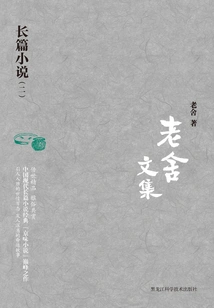
Collected Works of Lao She: Novels (2)
General Fiction老舍文集:长篇小说(二)
Lao She
"Lao Zhang's Philosophy" tells the story of a rogue villain in old Beijing who held multiple professions and believed in multiple religions. He relied on his naked philistine philosophy to commit all kinds of shameless acts. In a humorous tone, it vividly mocks the secular philosophy of patriarchal suburban areas. "Cat City" tells the story of "I" who survived a crash on Mars and was taken to Cat City by a group of aliens with cat faces to start a difficult life in Cat City. The author used the description of the chaotic life and ugly behavior of cat people to criticize the chaos caused by various disputes in the country at that time. "Zhao Ziyue" tells the story of college student Zhao Ziyue's chaotic, despondent and vulgar life. This is a novel that describes the life of college students in an all-round way and is a deconstructive reflection on the image of students during the May Fourth Movement. "Cremation" is a work with the main theme of the anti-Japanese armed struggle. It describes the heroic behavior of the Chinese army taking advantage of the emptiness of the "Wencheng" occupied by the enemy and sending plainclothes teams to sneak attack the city.
"Lao Zhang's Philosophy" tells the story of a rogue villain in old Beijing who held multiple professions and believed in multiple religions. He relied on his naked philistine philosophy to commit all kinds of shameless acts. In a humorous tone, it vividly mocks the secular philosophy of patriarchal suburban areas. "Cat City" tells the story of "I" who survived a crash on Mars and was taken to Cat City by a group of aliens with cat faces to start a difficult life in Cat City. The author used the description of the chaotic life and ugly behavior of cat people to criticize the chaos caused by various disputes in the country at that time. "Zhao Ziyue" tells the story of college student Zhao Ziyue's chaotic, despondent and vulgar life. This is a novel that describes the life of college students in an all-round way and is a deconstructive reflection on the image of students during the May Fourth Movement. "Cremation" is a work with the main theme of the anti-Japanese armed struggle. It describes the heroic behavior of the Chinese army taking advantage of the emptiness of the "Wencheng" occupied by the enemy and sending plainclothes teams to sneak attack the city.
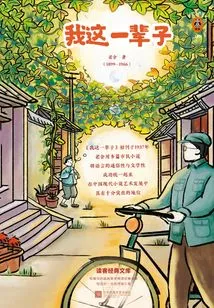
My Whole Life
General Fiction我这一辈子
Lao She
Open the reader version of "My Life" and read novels to learn writing! Recommended books for primary and secondary school libraries of the Ministry of Education! "My Life" was first published in 1937. Lao She used many citizen novels to successfully integrate the popular and literary nature of language, which has a very prominent position in the development of modern Chinese novel art! The depth, passion and humor in Lao She's novels are universal and transcend national boundaries. --Le Clézio (Nobel Prize winner in literature, French writer). The new "Reader's Edition" of "My Life" must be read for the following reasons: 1. Based on Mr. Lao She's autobiography, it contains a complete collection of 20 short stories by Lao She. 2. Specially includes 9 articles on Lao She's writing experience to learn from the master's writing skills. 3. Comes with a chronology of Lao She's novel creation, allowing you to get up close and personal with Lao She's life. 4. The original version of the Republic of China, carefully arranged, edited and annotated. The book is based on Mr. Lao She's autobiography, and selects 20 short stories and short stories from different periods and types, which comprehensively displays the style of Lao She's short stories and short stories. At the same time, 9 pieces of Lao She's own writing experience are specially included, and a "Chronology of Lao She's Novels" is specially produced to help readers better understand Lao She and appreciate the writing skills of "language master" Lao She up close.
Open the reader version of "My Life" and read novels to learn writing! Recommended books for primary and secondary school libraries of the Ministry of Education! "My Life" was first published in 1937. Lao She used many citizen novels to successfully integrate the popular and literary nature of language, which has a very prominent position in the development of modern Chinese novel art! The depth, passion and humor in Lao She's novels are universal and transcend national boundaries. --Le Clézio (Nobel Prize winner in literature, French writer). The new "Reader's Edition" of "My Life" must be read for the following reasons: 1. Based on Mr. Lao She's autobiography, it contains a complete collection of 20 short stories by Lao She. 2. Specially includes 9 articles on Lao She's writing experience to learn from the master's writing skills. 3. Comes with a chronology of Lao She's novel creation, allowing you to get up close and personal with Lao She's life. 4. The original version of the Republic of China, carefully arranged, edited and annotated. The book is based on Mr. Lao She's autobiography, and selects 20 short stories and short stories from different periods and types, which comprehensively displays the style of Lao She's short stories and short stories. At the same time, 9 pieces of Lao She's own writing experience are specially included, and a "Chronology of Lao She's Novels" is specially produced to help readers better understand Lao She and appreciate the writing skills of "language master" Lao She up close.
My Whole Life is under the Red Flag
General Fiction我这一辈子 正红旗下
Lao She
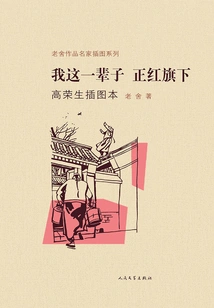
"My Life" and "Under the Red Flag" are both representative works of Lao She's novels. They are very representative. Readers can fully appreciate the author's profound satire and criticism of the world's worries and anger at that time, his gentle and playful humor and self-mockery, and his broad and compassionate humanitarian sentiments.
"My Life" and "Under the Red Flag" are both representative works of Lao She's novels. They are very representative. Readers can fully appreciate the author's profound satire and criticism of the world's worries and anger at that time, his gentle and playful humor and self-mockery, and his broad and compassionate humanitarian sentiments.
Weishen
Literature微神
Lao She
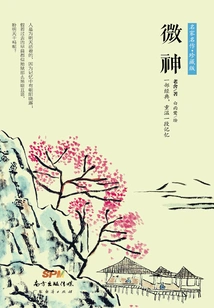
In the history of modern literature, Lao She is an outstanding "painter" of customs and worldly situations. His works are humorous, thought-provoking and unique, and are known as "unreplicable language in the history of modern literature". "Micro God" contains many of Lao She's classic prose, essays, novels, and the three-act drama "Teahouse". These works were based on the social environment of the time and, through descriptions of ordinary people's lives, reflected the social turmoil at that time and the sharp conflicts between various classes and forces. These works have a unique humorous style and a strong flavor of life. The author incorporates satirical criticism of the society at that time and compassion for the people into his words, making people laugh and fall into deep thinking at the same time.
In the history of modern literature, Lao She is an outstanding "painter" of customs and worldly situations. His works are humorous, thought-provoking and unique, and are known as "unreplicable language in the history of modern literature". "Micro God" contains many of Lao She's classic prose, essays, novels, and the three-act drama "Teahouse". These works were based on the social environment of the time and, through descriptions of ordinary people's lives, reflected the social turmoil at that time and the sharp conflicts between various classes and forces. These works have a unique humorous style and a strong flavor of life. The author incorporates satirical criticism of the society at that time and compassion for the people into his words, making people laugh and fall into deep thinking at the same time.
老舍文集:戏剧精选集
Lao She
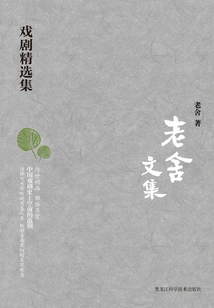
This volume contains most of Lao She's dramatic works. "Teahouse", "Longxugou" and "Earth Dragon Snake" are unabridged versions, presented authentically. At the same time, excerpts from classic dramas such as "Looking to Chang'an", "Shopgirl", "Family Portrait" and "Treasure Ship" are also included.
This volume contains most of Lao She's dramatic works. "Teahouse", "Longxugou" and "Earth Dragon Snake" are unabridged versions, presented authentically. At the same time, excerpts from classic dramas such as "Looking to Chang'an", "Shopgirl", "Family Portrait" and "Treasure Ship" are also included.
Not a Problem
General Fiction不成问题的问题
Lao She
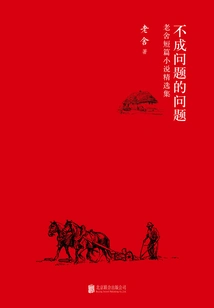
The story of Lao She's "No Problem" takes place at Shuhua Farm in Chongqing during the Anti-Japanese War. The farm manager, Director Ding, has poor management skills but is excellent at coaxing people and is well versed in the ways of the world. Under his management, everyone steals chickens and plays cards all day long, just messing around. Shuhua Farm is in decline, and the fake young artist Qin Miaozhai also gets involved. After returning from studying abroad, Director You took over the farm and began to improve the work style. Everyone felt the joy brought by self-discipline and science... The book includes three of Lao She's representative short stories, "No Problem", "Crescent Moon" and "In My Life", all of which are classics among classics. Among them, the film adaptation of "No Problem" won multiple film festival awards.
The story of Lao She's "No Problem" takes place at Shuhua Farm in Chongqing during the Anti-Japanese War. The farm manager, Director Ding, has poor management skills but is excellent at coaxing people and is well versed in the ways of the world. Under his management, everyone steals chickens and plays cards all day long, just messing around. Shuhua Farm is in decline, and the fake young artist Qin Miaozhai also gets involved. After returning from studying abroad, Director You took over the farm and began to improve the work style. Everyone felt the joy brought by self-discipline and science... The book includes three of Lao She's representative short stories, "No Problem", "Crescent Moon" and "In My Life", all of which are classics among classics. Among them, the film adaptation of "No Problem" won multiple film festival awards.
Cat City
General Fiction猫城记
Lao She
This is a well-known work by the modern Chinese novelist Lao She. It tells the story of a plane bound for Mars that crashed and killed everyone at the moment it collided with Mars. Only "I" survived, but was taken to their cat city by a group of cat-faced aliens and began a difficult alien life. Because "I" mistakenly entered the "Cat City", I got to know all kinds of cat people: Scorpion who is a big landowner, politician, poet, and military officer, Scorpion who is knowledgeable and perfunctory about the world, cat soldiers who only steal leaves and women, minister's wife who guards eight concubines, foreigners who kill without breaking the law, students who beat teachers, scholars who sell cultural relics, party sticks who make a living, and warlords who rush to surrender... With the sound of a cannon, the prosperity ended. The cat people also have a history and have a civilization of more than 20,000 years. In ancient times, they also fought with foreign countries and defeated them. However, in the past five hundred years, the result of fighting among themselves has made them completely forget the concept of fighting foreigners, and they have been united in fighting against each other, which has led to the degradation of civilization. And "I" witnessed with my own eyes a war between cat people and dwarf soldiers, which ended with the annihilation of the entire city of Cat City, an ancient alien civilization with increasingly selfish desires.
This is a well-known work by the modern Chinese novelist Lao She. It tells the story of a plane bound for Mars that crashed and killed everyone at the moment it collided with Mars. Only "I" survived, but was taken to their cat city by a group of cat-faced aliens and began a difficult alien life. Because "I" mistakenly entered the "Cat City", I got to know all kinds of cat people: Scorpion who is a big landowner, politician, poet, and military officer, Scorpion who is knowledgeable and perfunctory about the world, cat soldiers who only steal leaves and women, minister's wife who guards eight concubines, foreigners who kill without breaking the law, students who beat teachers, scholars who sell cultural relics, party sticks who make a living, and warlords who rush to surrender... With the sound of a cannon, the prosperity ended. The cat people also have a history and have a civilization of more than 20,000 years. In ancient times, they also fought with foreign countries and defeated them. However, in the past five hundred years, the result of fighting among themselves has made them completely forget the concept of fighting foreigners, and they have been united in fighting against each other, which has led to the degradation of civilization. And "I" witnessed with my own eyes a war between cat people and dwarf soldiers, which ended with the annihilation of the entire city of Cat City, an ancient alien civilization with increasingly selfish desires.
和工人同志们谈写作
Lao She
"Talking About Writing with Comrade Workers" tells about some writing methods, writing skills and characteristics introduced by Mr. Lao She and comrades workers.
"Talking About Writing with Comrade Workers" tells about some writing methods, writing skills and characteristics introduced by Mr. Lao She and comrades workers.
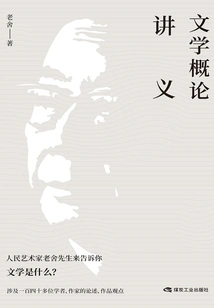
Introduction to Literature Lecture Notes
Literature文学概论讲义
Lao She
In the early 1930s, Lao She compiled the book "Lecture Notes on an Introduction to Literature" when he was teaching at Qilu University. This book is almost Lao She's only specialized theoretical work. Readers who are interested in an introduction to literature must read this book. The book contains a total of fifteen lectures, discussing the characteristics, creation, origin, style, poetry, prose, drama and novels of literature. It is not only an important material for studying Lao She's literary views, but also a rare introductory book on literary theory. In the book, Lao She not only discusses Chinese literary theory throughout the ages, but also skillfully introduces various Western literary theories. He not only talks about the characteristics of literature, the creation of literature, the origin of literature, the style of literature, the form of literature, but also the ethos and tendencies of literature. The theory is concise and vivid, which can help readers understand Lao She's views on literature and art and the literary world in the 1930s. Mr. Lao She is a monument in the history of modern and contemporary Chinese literature. His life can be said to be full of works. He not only created many novels with Beijing flavor, but also compiled this "Lecture Notes on Introduction to Literature". This rare introductory book on literary theory is full of logic, clear viewpoints and clear stance. The concept of literature is explained in a simple and easy-to-understand manner and covers a wide range of topics. It is worth reading. This book has strong practical value. It is not only the realization of Lao She's creative practice, but also the summary of his study. The book cites the discussions, works and opinions of hundreds of ancient and modern Chinese and foreign scholars and writers. It is a concise and vivid introductory book on literature. It is also the basic material for studying and understanding Lao She's views on literature and art and the literary world of the 1930s.
In the early 1930s, Lao She compiled the book "Lecture Notes on an Introduction to Literature" when he was teaching at Qilu University. This book is almost Lao She's only specialized theoretical work. Readers who are interested in an introduction to literature must read this book. The book contains a total of fifteen lectures, discussing the characteristics, creation, origin, style, poetry, prose, drama and novels of literature. It is not only an important material for studying Lao She's literary views, but also a rare introductory book on literary theory. In the book, Lao She not only discusses Chinese literary theory throughout the ages, but also skillfully introduces various Western literary theories. He not only talks about the characteristics of literature, the creation of literature, the origin of literature, the style of literature, the form of literature, but also the ethos and tendencies of literature. The theory is concise and vivid, which can help readers understand Lao She's views on literature and art and the literary world in the 1930s. Mr. Lao She is a monument in the history of modern and contemporary Chinese literature. His life can be said to be full of works. He not only created many novels with Beijing flavor, but also compiled this "Lecture Notes on Introduction to Literature". This rare introductory book on literary theory is full of logic, clear viewpoints and clear stance. The concept of literature is explained in a simple and easy-to-understand manner and covers a wide range of topics. It is worth reading. This book has strong practical value. It is not only the realization of Lao She's creative practice, but also the summary of his study. The book cites the discussions, works and opinions of hundreds of ancient and modern Chinese and foreign scholars and writers. It is a concise and vivid introductory book on literature. It is also the basic material for studying and understanding Lao She's views on literature and art and the literary world of the 1930s.
人生修行,贵在心境
Lao She
This book selects nearly 70 exemplary works by the literary master Lao She, covering planting flowers and birds, raising cats and writing, travel notes and children's folk customs... Ordinary days become full of fun and ordinary life become interesting in Lao She's writings. Mr. Lao She's prose is true and pure, with simple innocence and worldly wisdom revealed between the lines. It is full of thoughts about life. It is heart-warming and healing to read, and you can't bear to put it down. Just browse through it, every chapter is a classic! This book comprehensively displays the essence of Lao She's prose creation, allowing you and me to taste the severity, bitterness and joy of life in lightness and humor, and to highlight the flavor and interest of life in customs and human feelings. In life, there are joys and sorrows, and living is actually a state of mind. Mr. Lao She used his life experience to resonate with you and me emotionally, teaching us to fight against the chaos of the world.
This book selects nearly 70 exemplary works by the literary master Lao She, covering planting flowers and birds, raising cats and writing, travel notes and children's folk customs... Ordinary days become full of fun and ordinary life become interesting in Lao She's writings. Mr. Lao She's prose is true and pure, with simple innocence and worldly wisdom revealed between the lines. It is full of thoughts about life. It is heart-warming and healing to read, and you can't bear to put it down. Just browse through it, every chapter is a classic! This book comprehensively displays the essence of Lao She's prose creation, allowing you and me to taste the severity, bitterness and joy of life in lightness and humor, and to highlight the flavor and interest of life in customs and human feelings. In life, there are joys and sorrows, and living is actually a state of mind. Mr. Lao She used his life experience to resonate with you and me emotionally, teaching us to fight against the chaos of the world.
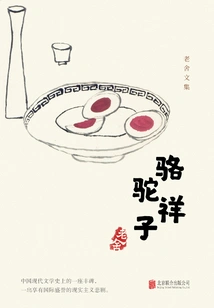
Youjian Library: Luotuo Xiangzi
General Fiction有间文库:骆驼祥子
Lao She
It tells the tragic story of Xiangzi, a rickshaw driver in the old city of Peiping, China. The profound realism of this novel lies in the fact that it not only describes the material deprivation of Xiangzi by the harsh living environment, but also depicts Xiangzi's spiritual decadence after his life ideals were destroyed.
It tells the tragic story of Xiangzi, a rickshaw driver in the old city of Peiping, China. The profound realism of this novel lies in the fact that it not only describes the material deprivation of Xiangzi by the harsh living environment, but also depicts Xiangzi's spiritual decadence after his life ideals were destroyed.
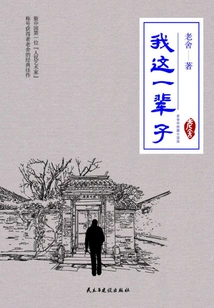
My Whole Life (selected Short Stories by Lao She)
General Fiction我这一辈子(老舍中短篇小说选)
Lao She
This anthology is rich in selections, including famous stories such as "My Life", "Crescent Moon", and "The Soul-Breaking Gun". It is written in a playful, poignant, and vigilant way, making people laugh while reading it, and comprehensively demonstrates Lao She's artistic achievements in the field of short story creation. Reading the works of famous writers can also provide you with great inner enlightenment.
This anthology is rich in selections, including famous stories such as "My Life", "Crescent Moon", and "The Soul-Breaking Gun". It is written in a playful, poignant, and vigilant way, making people laugh while reading it, and comprehensively demonstrates Lao She's artistic achievements in the field of short story creation. Reading the works of famous writers can also provide you with great inner enlightenment.
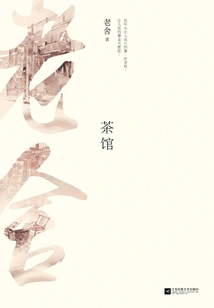
Teahouse
Literature茶馆
Lao She
"Teahouse" is Lao She's representative drama collection, which includes his famous dramas "Teahouse" and "Longxugou" and the children's drama "Treasure Ship". "Teahouse" is a classic in the history of Chinese drama, created in 1956. Through a teahouse called Yutai, the play shows the social changes in the three eras of the Reform Movement of 1898, the warlord war, and the eve of the founding of New China for nearly half a century, as well as all the living beings in this society. There are dozens of characters appearing in the play, but all of them have distinct personalities. You can "know the person by hearing their voice" and "outline the outline of a character in just a few words." This play has been performed many times at home and abroad and has won high praise. It is a classic work of contemporary Chinese drama creation; "Longxugou" was created in 1950 and is an ode to socialist New China. For this reason, Lao She was awarded the title of "People's Artist".
"Teahouse" is Lao She's representative drama collection, which includes his famous dramas "Teahouse" and "Longxugou" and the children's drama "Treasure Ship". "Teahouse" is a classic in the history of Chinese drama, created in 1956. Through a teahouse called Yutai, the play shows the social changes in the three eras of the Reform Movement of 1898, the warlord war, and the eve of the founding of New China for nearly half a century, as well as all the living beings in this society. There are dozens of characters appearing in the play, but all of them have distinct personalities. You can "know the person by hearing their voice" and "outline the outline of a character in just a few words." This play has been performed many times at home and abroad and has won high praise. It is a classic work of contemporary Chinese drama creation; "Longxugou" was created in 1950 and is an ode to socialist New China. For this reason, Lao She was awarded the title of "People's Artist".
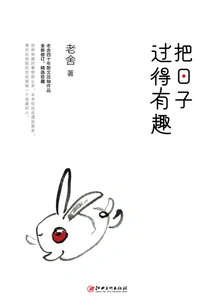
Live Your Life Interestingly
Literature把日子过得有趣
Lao She
Life is short, either be interesting or grow old and be an interesting person in your limited life. Mr. Lao She believes that real life should have joys and sorrows, light and shadow, laughter and tears. Mr. Lao She experienced a difficult childhood and experienced the bitterness of life at the bottom, which made him yearn for and love life even more. This book is a representative work of Mr. Lao She's decades of prose writing career. Mr. Lao She uses true and pure words and vivid and interesting strokes to describe what he has experienced, heard and thought, and interprets the true meaning of life in every little thing in life. The content of this book is simple, meaningful and profound. ?
Life is short, either be interesting or grow old and be an interesting person in your limited life. Mr. Lao She believes that real life should have joys and sorrows, light and shadow, laughter and tears. Mr. Lao She experienced a difficult childhood and experienced the bitterness of life at the bottom, which made him yearn for and love life even more. This book is a representative work of Mr. Lao She's decades of prose writing career. Mr. Lao She uses true and pure words and vivid and interesting strokes to describe what he has experienced, heard and thought, and interprets the true meaning of life in every little thing in life. The content of this book is simple, meaningful and profound. ?
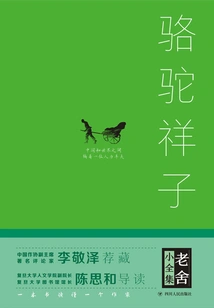
The Complete Works of Lao She: Luotuo Xiangzi (hardcover)
General Fiction老舍小全集:骆驼祥子(精装)
Lao She
The story of Xiangzi, a young, energetic and energetic rickshaw puller in the city of Peiping, China, who experienced three ups and downs in his life. Xiangzi came from the countryside. He was a bankrupt young farmer who was diligent, simple and kind. He retained everything that the countryside had nurtured and taught him, but he never wanted to go back to the countryside. Xiangzi, who came to the city from the countryside, was eager to buy a car of his own with his honest labor. It was Xiangzi's wish, hope, and even religion to be an independent worker. With diligence and perseverance, he spent three years frugally, and finally realized his ideal and became a self-reliant first-class coachman. But just half a year after pulling the cart, the cart was kidnapped by deserters in the chaos of war. Xiangzi lost the cart and only brought back three camels. Xiangzi was not discouraged. He still stubbornly started from scratch and worked harder to save money. However, before he could buy another car, all his savings were extorted and robbed by detectives, and his dream of buying a car came to nothing again. When Xiangzi pulled into his car again, it was at the expense of a deformed marriage with Huniu. The good times did not last long, because Huniu died in childbirth, and he had to sell the rickshaw to attend to the funeral. At this point, his life ideals were effectively shattered. Coupled with the suicide of his beloved woman Xiao Fuzi, the last spark of hope in his heart was blown out. Suffering repeated blows from life, Xiangzi began to lose any aspirations and confidence in life. He could no longer muster the courage to live. He was no longer proud of pulling carts as before. He hated pulling carts and hated working. Xiangzi, who was teased by life, started playing games, eating, drinking, whoring and gambling. In order to drink, Xiangzi swindled money everywhere and became a "urban garbage". In the end, he made a living by working as a handyman for weddings and funerals. Xiangzi was reduced from a "decent, strong, dreamy, self-interested, personal, strong, and great" lower-class worker to a "degenerate, selfish, unfortunate, born in the womb of social disease, and the end of individualism."
The story of Xiangzi, a young, energetic and energetic rickshaw puller in the city of Peiping, China, who experienced three ups and downs in his life. Xiangzi came from the countryside. He was a bankrupt young farmer who was diligent, simple and kind. He retained everything that the countryside had nurtured and taught him, but he never wanted to go back to the countryside. Xiangzi, who came to the city from the countryside, was eager to buy a car of his own with his honest labor. It was Xiangzi's wish, hope, and even religion to be an independent worker. With diligence and perseverance, he spent three years frugally, and finally realized his ideal and became a self-reliant first-class coachman. But just half a year after pulling the cart, the cart was kidnapped by deserters in the chaos of war. Xiangzi lost the cart and only brought back three camels. Xiangzi was not discouraged. He still stubbornly started from scratch and worked harder to save money. However, before he could buy another car, all his savings were extorted and robbed by detectives, and his dream of buying a car came to nothing again. When Xiangzi pulled into his car again, it was at the expense of a deformed marriage with Huniu. The good times did not last long, because Huniu died in childbirth, and he had to sell the rickshaw to attend to the funeral. At this point, his life ideals were effectively shattered. Coupled with the suicide of his beloved woman Xiao Fuzi, the last spark of hope in his heart was blown out. Suffering repeated blows from life, Xiangzi began to lose any aspirations and confidence in life. He could no longer muster the courage to live. He was no longer proud of pulling carts as before. He hated pulling carts and hated working. Xiangzi, who was teased by life, started playing games, eating, drinking, whoring and gambling. In order to drink, Xiangzi swindled money everywhere and became a "urban garbage". In the end, he made a living by working as a handyman for weddings and funerals. Xiangzi was reduced from a "decent, strong, dreamy, self-interested, personal, strong, and great" lower-class worker to a "degenerate, selfish, unfortunate, born in the womb of social disease, and the end of individualism."
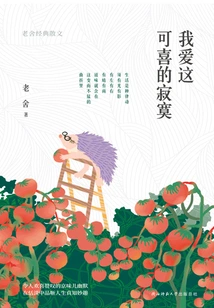
我爱这可喜的寂寞:老舍经典散文
Lao She
This book is a collection of essays by the famous writer Lao She. As a master of humor and language in the history of modern and contemporary literature, Lao She's prose works have unique language charm. This book contains more than 60 representative works, which are divided into six major chapters: "Boundless Scenery, Four Seasons," "Live as You Like," "Loneliness is a Blessing," "Humor in the Bone," "Old Friends Are Never Far Away," and "Big Comments." It also includes "Cat", "Winter in Jinan" and other must-read chapters for the new Chinese language curriculum for primary and secondary schools, as well as the famous "Master Zongyue" recited on the "Reader" program, etc. This book may describe cultural landscapes and natural scenery, or capture the details of daily life and family life, or express condolences and inner emotions for teachers and friends, or introduce his own creative experience and works. It is run through Lao She's consistent humorous style, allowing people to savor life in a light and humorous way.
This book is a collection of essays by the famous writer Lao She. As a master of humor and language in the history of modern and contemporary literature, Lao She's prose works have unique language charm. This book contains more than 60 representative works, which are divided into six major chapters: "Boundless Scenery, Four Seasons," "Live as You Like," "Loneliness is a Blessing," "Humor in the Bone," "Old Friends Are Never Far Away," and "Big Comments." It also includes "Cat", "Winter in Jinan" and other must-read chapters for the new Chinese language curriculum for primary and secondary schools, as well as the famous "Master Zongyue" recited on the "Reader" program, etc. This book may describe cultural landscapes and natural scenery, or capture the details of daily life and family life, or express condolences and inner emotions for teachers and friends, or introduce his own creative experience and works. It is run through Lao She's consistent humorous style, allowing people to savor life in a light and humorous way.
Anemia Set
General Fiction贫血集
Lao She
The short story collection "Anemia Collection" includes five works including "Love", "Little Wooden Man", "No Problem", "Eight Grand Masters" and "A Tube of Fortress Smoke".
The short story collection "Anemia Collection" includes five works including "Love", "Little Wooden Man", "No Problem", "Eight Grand Masters" and "A Tube of Fortress Smoke".
Zhao Zi Said (lao She's Works Collection 13)
General Fiction赵子曰(老舍作品集13)
Lao She
"Zhao Ziyue" depicts the chaotic, despicable and vulgar life of a group of college students in the rooftop apartment of Drum Tower in Beijing in the 1920s. The protagonist Zhao Zi said that he did not study well, but he made trouble everywhere, tied up and beat the principal, and was expelled from the university. He spends his days in the theater as a fancier and actor, playing mahjong all night long, gambling and losing money; he spends his days at banquets, punching and drinking, and lives in a state of intoxication. At the critical moment of life and death, thanks to the persuasion and guidance of his upright and promising friend Li Jingchun, he finally woke up and was willing to change his ways and start a new life.
"Zhao Ziyue" depicts the chaotic, despicable and vulgar life of a group of college students in the rooftop apartment of Drum Tower in Beijing in the 1920s. The protagonist Zhao Zi said that he did not study well, but he made trouble everywhere, tied up and beat the principal, and was expelled from the university. He spends his days in the theater as a fancier and actor, playing mahjong all night long, gambling and losing money; he spends his days at banquets, punching and drinking, and lives in a state of intoxication. At the critical moment of life and death, thanks to the persuasion and guidance of his upright and promising friend Li Jingchun, he finally woke up and was willing to change his ways and start a new life.
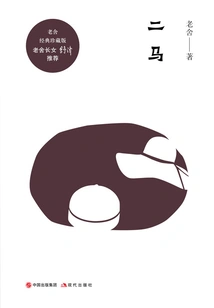
Two Horses
General Fiction二马
Lao She
The story is not only the collision of two ancient and very different empires, but also "Pride and Prejudice" written by Lao She. China and the West, men and women, father and son, tenants and landlords... All kinds of conflicts are ultimately the barriers between people. This "cartoon" brings a past Lao She to today through jumping in and out of irony and absurdity, allowing old stories to tell the confusion and dilemma of contemporary people.
The story is not only the collision of two ancient and very different empires, but also "Pride and Prejudice" written by Lao She. China and the West, men and women, father and son, tenants and landlords... All kinds of conflicts are ultimately the barriers between people. This "cartoon" brings a past Lao She to today through jumping in and out of irony and absurdity, allowing old stories to tell the confusion and dilemma of contemporary people.
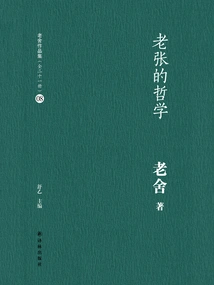
Lao Zhang's Philosophy (lao She's Works Collection 08)
General Fiction老张的哲学(老舍作品集08)
Lao She
The protagonist of "Old Zhang's Philosophy", Lao Zhang, is a rogue villain who does all kinds of evil in old Beijing. He believes in the "money-based and trinity" philosophy of life. He took a fancy to the debtor's niece and wanted to take her as a concubine, so he colluded with the wealthy gentry Sun Baye to get her. Although the plot was ultimately destroyed by the young Wang De, Lao Zhang still made money, while several other families were destroyed because of him. Although Lao She said, "I hate bad people, but bad people also have their benefits," he still mocked and criticized the morally corrupt villains mercilessly. From this, people can read the author's moral criticism and get a glimpse of Lao She's early spiritual stance.
The protagonist of "Old Zhang's Philosophy", Lao Zhang, is a rogue villain who does all kinds of evil in old Beijing. He believes in the "money-based and trinity" philosophy of life. He took a fancy to the debtor's niece and wanted to take her as a concubine, so he colluded with the wealthy gentry Sun Baye to get her. Although the plot was ultimately destroyed by the young Wang De, Lao Zhang still made money, while several other families were destroyed because of him. Although Lao She said, "I hate bad people, but bad people also have their benefits," he still mocked and criticized the morally corrupt villains mercilessly. From this, people can read the author's moral criticism and get a glimpse of Lao She's early spiritual stance.
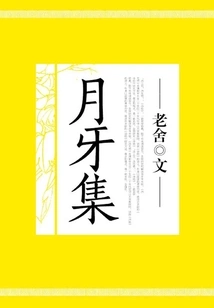
Crescent Moon Collection
General Fiction月牙集
Lao She
"Crescent Moon Collection" is a collection of novels by Lao She. It includes five novels: "Crescent Moon", "Old Tragedy in the New Era", "My Life", "Let's Talk About the House", and "The Problem That's Not a Problem". The work mainly describes the picture of the poor citizens at the bottom living in the abyss of pain under the warlords' melee and dark rule.
"Crescent Moon Collection" is a collection of novels by Lao She. It includes five novels: "Crescent Moon", "Old Tragedy in the New Era", "My Life", "Let's Talk About the House", and "The Problem That's Not a Problem". The work mainly describes the picture of the poor citizens at the bottom living in the abyss of pain under the warlords' melee and dark rule.
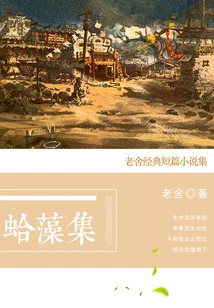
蛤藻集:老舍经典短篇小说集
Lao She
This is a collection of short stories by Lao She, written in 1936. Included in this collection include "Time-honored Brands", "Soul-Breaking Gun", "Stories I Heard", "Old Tragedies in the New Era", "Let's Talk About the House", "New Han Muled", "Ai Qi", etc. Attached is the preface by Lao She. "Soul-Breaking Gun" tells the story of a sharpshooter named Sand Dragon. When the era of pistols and trains came and the escort agency lost the meaning of existence, he was still obsessed with his past majesty and refused to accept the reality. Among the short stories Lao She wrote throughout his life, this is an important work. Among the selections of many modern Chinese literary works, "The Soul-Destroying Gun" is one of the most selected short stories. The rest of the works are also classics and worthy of careful reading.
This is a collection of short stories by Lao She, written in 1936. Included in this collection include "Time-honored Brands", "Soul-Breaking Gun", "Stories I Heard", "Old Tragedies in the New Era", "Let's Talk About the House", "New Han Muled", "Ai Qi", etc. Attached is the preface by Lao She. "Soul-Breaking Gun" tells the story of a sharpshooter named Sand Dragon. When the era of pistols and trains came and the escort agency lost the meaning of existence, he was still obsessed with his past majesty and refused to accept the reality. Among the short stories Lao She wrote throughout his life, this is an important work. Among the selections of many modern Chinese literary works, "The Soul-Destroying Gun" is one of the most selected short stories. The rest of the works are also classics and worthy of careful reading.
Face Issue
Literature面子问题
Lao She
The main character in the play "The Problem of Face", Secretary Tong Jingming, is worried about "not losing his identity because of the war of resistance" and "not being annoyed to death because of an official matter." He is not doing his job properly and is careless about his work. When he finally lost face and was dismissed from his post after having had "face problems" all his life, what he considered was to ask the doctor for a "respectable" suicide method to save his "face." The "face problems" of other characters in the play are different. Lao She's satire on these characters was not only another criticism of the bad nature of the people, but also a lash against the corrupt style of the Kuomintang bureaucracy during the War of Resistance.
The main character in the play "The Problem of Face", Secretary Tong Jingming, is worried about "not losing his identity because of the war of resistance" and "not being annoyed to death because of an official matter." He is not doing his job properly and is careless about his work. When he finally lost face and was dismissed from his post after having had "face problems" all his life, what he considered was to ask the doctor for a "respectable" suicide method to save his "face." The "face problems" of other characters in the play are different. Lao She's satire on these characters was not only another criticism of the bad nature of the people, but also a lash against the corrupt style of the Kuomintang bureaucracy during the War of Resistance.
Treasure Ship
Literature宝船
Lao She
"Treasure Ship" is a fairy tale drama written by Mr. Lao She in the 1960s. The play describes a child named Wang Xiaoer who was industrious and frugal in ancient times. He went up the mountain to cut firewood and got a small paper boat, which later became a treasure boat. The wind and waves surrounding the treasure ship praised Wang Xiaoer's kindness, wit, and bravery.
"Treasure Ship" is a fairy tale drama written by Mr. Lao She in the 1960s. The play describes a child named Wang Xiaoer who was industrious and frugal in ancient times. He went up the mountain to cut firewood and got a small paper boat, which later became a treasure boat. The wind and waves surrounding the treasure ship praised Wang Xiaoer's kindness, wit, and bravery.
Non-problems: a Collection of Short Stories and Novellas
General Fiction不成问题的问题:中短篇小说集
Lao She
The story of Lao She's "No Problem" takes place at Shuhua Farm in Chongqing during the Anti-Japanese War. The farm manager, Director Ding, has poor management skills but is excellent at coaxing people and is well versed in the ways of the world. Under his management, everyone steals chickens and plays cards all day long, just messing around. Shuhua Farm is in decline, and the fake young artist Qin Miaozhai also gets involved. After returning from studying abroad, Director You took over the farm and began to improve the work style. Everyone felt the joy brought by self-discipline and science...
The story of Lao She's "No Problem" takes place at Shuhua Farm in Chongqing during the Anti-Japanese War. The farm manager, Director Ding, has poor management skills but is excellent at coaxing people and is well versed in the ways of the world. Under his management, everyone steals chickens and plays cards all day long, just messing around. Shuhua Farm is in decline, and the fake young artist Qin Miaozhai also gets involved. After returning from studying abroad, Director You took over the farm and began to improve the work style. Everyone felt the joy brought by self-discipline and science...
我这一辈子·兔儿爷·茶馆:老舍经典
Lao She
This book collects many of Lao She's famous short works, such as the short stories "The Soul-Breaking Gun", "Crescent Moon", "Sunshine", "My Life", the essays "My Mother", "Winter in Jinan", "Master Zongyue", the script "Teahouse", etc. Many of them have been selected into primary and secondary school textbooks and are well-known masterpieces to readers. They are full of Beijing flavor, easy to read and humorous, fully embody the style and characteristics of Lao She's works, and contain Mr. Lao She's profound reflection on national character. The representative letters collected in the appendix can briefly trace Lao She's life trajectory and emotional context. This book provides readers who love Lao She and modern literature with an opportunity to appreciate Lao She's classic works of different genres in one book.
This book collects many of Lao She's famous short works, such as the short stories "The Soul-Breaking Gun", "Crescent Moon", "Sunshine", "My Life", the essays "My Mother", "Winter in Jinan", "Master Zongyue", the script "Teahouse", etc. Many of them have been selected into primary and secondary school textbooks and are well-known masterpieces to readers. They are full of Beijing flavor, easy to read and humorous, fully embody the style and characteristics of Lao She's works, and contain Mr. Lao She's profound reflection on national character. The representative letters collected in the appendix can briefly trace Lao She's life trajectory and emotional context. This book provides readers who love Lao She and modern literature with an opportunity to appreciate Lao She's classic works of different genres in one book.
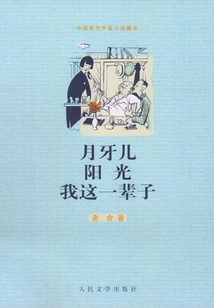
Crescent Moon, Sunshine, My Whole Life
General Fiction月牙儿 阳光 我这一辈子
Lao She
This collection of Lao She's classic novellas describes the profound and dark reality of society at that time with fresh and natural pen and ink.
This collection of Lao She's classic novellas describes the profound and dark reality of society at that time with fresh and natural pen and ink.
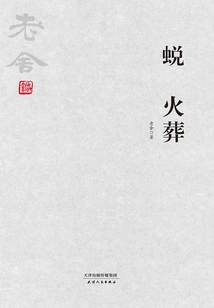
Slough Cremation
General Fiction蜕 火葬
Lao She
This book is included in the novels "Slough" and "Cremation". "Sloughing" was written in Wuhan in 1938 and was not completed. Published in "Resistance to the End" from February 1938 to March 1939, from the 4th issue to the 13th and 14th combined issues, the 16th to 19th issues, and the 21st and 22nd issues combined to the 23rd issue. "Cremation" was written in Chongqing in 1943. Published in "Literary Pioneer" Volume 4, Issues 1 to 6, from January to June 1944. First published by Chenguang Publishing Company in May 1944. "Slaughter and Cremation" is suitable for literature lovers to read.
This book is included in the novels "Slough" and "Cremation". "Sloughing" was written in Wuhan in 1938 and was not completed. Published in "Resistance to the End" from February 1938 to March 1939, from the 4th issue to the 13th and 14th combined issues, the 16th to 19th issues, and the 21st and 22nd issues combined to the 23rd issue. "Cremation" was written in Chongqing in 1943. Published in "Literary Pioneer" Volume 4, Issues 1 to 6, from January to June 1944. First published by Chenguang Publishing Company in May 1944. "Slaughter and Cremation" is suitable for literature lovers to read.
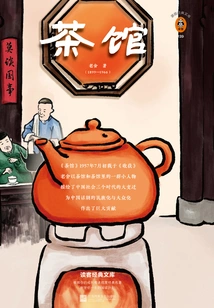
Teahouse
Literature茶馆
Lao She
Open the reader version of "Teahouse" and get started with Chinese drama literature easily! Recommended reading for the new curriculum standards! The Reading Guidance Catalog for Primary and Secondary School Students of the Ministry of Education's Basic Education Curriculum and Textbook Development Center (2020 Edition) is designated reading for high school students! "Teahouse" is the masterpiece of language master Lao She! It is a masterpiece in the history of Chinese drama! "Teahouse" was first published in Harvest magazine in 1957. Lao She used a teahouse and a group of small characters in the teahouse to depict the great changes in Chinese society in three eras, making a huge contribution to the nationalization and popularization of Chinese drama! "Teahouse" was invited to perform in Europe in 1980. It was the first time that a Chinese drama went abroad. It received praise from all over the world and was hailed by foreign experts as "a miracle on the Oriental stage"!
Open the reader version of "Teahouse" and get started with Chinese drama literature easily! Recommended reading for the new curriculum standards! The Reading Guidance Catalog for Primary and Secondary School Students of the Ministry of Education's Basic Education Curriculum and Textbook Development Center (2020 Edition) is designated reading for high school students! "Teahouse" is the masterpiece of language master Lao She! It is a masterpiece in the history of Chinese drama! "Teahouse" was first published in Harvest magazine in 1957. Lao She used a teahouse and a group of small characters in the teahouse to depict the great changes in Chinese society in three eras, making a huge contribution to the nationalization and popularization of Chinese drama! "Teahouse" was invited to perform in Europe in 1980. It was the first time that a Chinese drama went abroad. It received praise from all over the world and was hailed by foreign experts as "a miracle on the Oriental stage"!
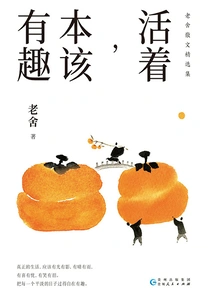
活着,本该有趣:老舍散文精选集
Lao She
The "Chinese People's Interest in Life" series selects 130 representative prose works by Lao She, Wang Zengqi and Feng Zikai. In each beautiful prose that has been washed over time, you can understand the life attitude and life wisdom of the literary masters. In the busy life, everyone is inevitably anxious and feels lost to some extent. We seem to have forgotten the fun and taste of life. Fortunately, their articles remind us that no matter how busy we are, never forget to live. Spend time looking at flowers and birds, raising cats and reading, lingering among the shadows of flowers and the fragrance of grass, among cups and dishes, caring about all things and all living things in the world, taking life and the world into your heart, and life and the world will sing in return. Make a cup of tea and dream of an old dream. Light, shadow, rain and shine are all landscapes, bitter, spicy, sour and sweet are all tastes. Don't worry about gain, loss, honor and disgrace, and run towards your own poetry and distance.
The "Chinese People's Interest in Life" series selects 130 representative prose works by Lao She, Wang Zengqi and Feng Zikai. In each beautiful prose that has been washed over time, you can understand the life attitude and life wisdom of the literary masters. In the busy life, everyone is inevitably anxious and feels lost to some extent. We seem to have forgotten the fun and taste of life. Fortunately, their articles remind us that no matter how busy we are, never forget to live. Spend time looking at flowers and birds, raising cats and reading, lingering among the shadows of flowers and the fragrance of grass, among cups and dishes, caring about all things and all living things in the world, taking life and the world into your heart, and life and the world will sing in return. Make a cup of tea and dream of an old dream. Light, shadow, rain and shine are all landscapes, bitter, spicy, sour and sweet are all tastes. Don't worry about gain, loss, honor and disgrace, and run towards your own poetry and distance.
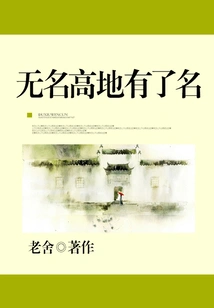
The Nameless Highland Has a Name
General Fiction无名高地有了名
Lao She
"The Nameless Highlands Got a Name" describes the battle process of "Lao Tushan" during the period of resisting U. S. Aggression and aiding Korea, and tells the glorious history of the great motherland soldiers who defended the motherland and fought under extremely difficult conditions during the period of resisting U. S. Aggression and aiding Korea.
"The Nameless Highlands Got a Name" describes the battle process of "Lao Tushan" during the period of resisting U. S. Aggression and aiding Korea, and tells the glorious history of the great motherland soldiers who defended the motherland and fought under extremely difficult conditions during the period of resisting U. S. Aggression and aiding Korea.
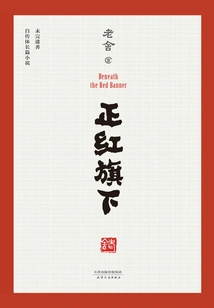
Under the Banner of Zhenghong
General Fiction正红旗下
Lao She
Lao She is a bannerman and belongs to the "Zhenghong Banner" of the "Eight Banners of Manchuria", which is also the origin of the title of the book. Lao She started writing from the time he was born, at the end of the Qing Dynasty, when society was in turmoil and people's livelihood was in decline. Seeing the decline of the Qing Dynasty, the pampered disciples of the Eight Banners were also struggling... With the rise of the Boxer Rebellion and the arrival of foreigners, the peaceful life of the Beijing people was broken. Each character came to life in Lao She's writings: the honest father, the kind and upright shopkeeper Wang, the bitter aunt, the smart and capable second brother Fuhai, the arrogant Pastor Niu... These people of the Qing Dynasty, who were in the turbulent history, all went to different fates.
Lao She is a bannerman and belongs to the "Zhenghong Banner" of the "Eight Banners of Manchuria", which is also the origin of the title of the book. Lao She started writing from the time he was born, at the end of the Qing Dynasty, when society was in turmoil and people's livelihood was in decline. Seeing the decline of the Qing Dynasty, the pampered disciples of the Eight Banners were also struggling... With the rise of the Boxer Rebellion and the arrival of foreigners, the peaceful life of the Beijing people was broken. Each character came to life in Lao She's writings: the honest father, the kind and upright shopkeeper Wang, the bitter aunt, the smart and capable second brother Fuhai, the arrogant Pastor Niu... These people of the Qing Dynasty, who were in the turbulent history, all went to different fates.
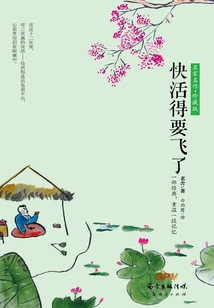
So Happy That I Want to Fly
Literature快活得要飞了
Lao She
In the history of modern literature, Lao She is an outstanding "painter" of customs and worldly situations. His works are humorous, thought-provoking and unique, and are known as "unreplicable language in the history of modern literature". "So Happy I'm Flying" contains many classic essays and novel "Divorce" by Mr. Lao She. These works are based on daily life. Through ordinary scenes and plain words, they reflect the author's complex inner world and common social conflicts, and then extend to the exploration of the national spirit and the thinking of the national destiny, allowing people to taste the severity and heaviness of life in a light and humorous way.
In the history of modern literature, Lao She is an outstanding "painter" of customs and worldly situations. His works are humorous, thought-provoking and unique, and are known as "unreplicable language in the history of modern literature". "So Happy I'm Flying" contains many classic essays and novel "Divorce" by Mr. Lao She. These works are based on daily life. Through ordinary scenes and plain words, they reflect the author's complex inner world and common social conflicts, and then extend to the exploration of the national spirit and the thinking of the national destiny, allowing people to taste the severity and heaviness of life in a light and humorous way.
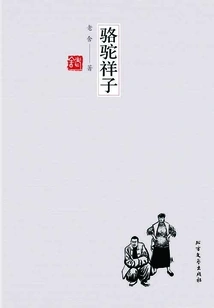
Camel Xiangzi
General Fiction骆驼祥子
Lao She
Xiangzi came from the countryside and was determined to buy a car of his own. However, the car he bought with three years of hard-earned money was robbed by the warlord's rebels. The second time, before he could save enough money to buy a car, the money was extorted by Detective Sun. Then, Huniu's "love" for him brought hardships to him both physically and mentally. After Huniu died of dystocia, a car bought with Huniu's savings had to be sold to pay for Huniu's funeral. After many setbacks, and with the suicide of Xiaofuzi, the woman Xiangzi loved, the last spark of hope in Xiangzi's heart was finally blown out, and he gradually evolved from an honest rickshaw driver to a pure lumpen proletarian. Through this tragic artistic image, we can have a deeper understanding of the semi-feudal and semi-colonial old China and inspire people to understand the root cause of Xiangzi's tragedy.
Xiangzi came from the countryside and was determined to buy a car of his own. However, the car he bought with three years of hard-earned money was robbed by the warlord's rebels. The second time, before he could save enough money to buy a car, the money was extorted by Detective Sun. Then, Huniu's "love" for him brought hardships to him both physically and mentally. After Huniu died of dystocia, a car bought with Huniu's savings had to be sold to pay for Huniu's funeral. After many setbacks, and with the suicide of Xiaofuzi, the woman Xiangzi loved, the last spark of hope in Xiangzi's heart was finally blown out, and he gradually evolved from an honest rickshaw driver to a pure lumpen proletarian. Through this tragic artistic image, we can have a deeper understanding of the semi-feudal and semi-colonial old China and inspire people to understand the root cause of Xiangzi's tragedy.
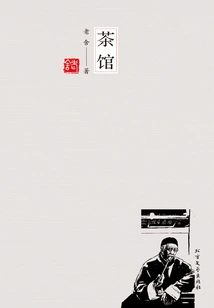
Teahouse
General Fiction茶馆
Lao She
The teahouse owner Wang Lifa wanted to make his father's teahouse prosperous, so he socialized in all directions, but the harsh reality made him often ridiculed and eventually swallowed up by the ruthless society; Qin Zhongyi, a national capitalist who often frequented teahouses, went from being ambitious to save the country through industry to going bankrupt; the bold Fourth Master Chang, a disciple of the Eight Banners, embarked on the road of self-reliance after the fall of the Qing Dynasty. The story in the play all takes place in a teahouse in Beijing. People come and go in the teahouse, and people of all colors and religions gather together. A big teahouse is like a small society. As a classic Chinese drama and one of Mr. Lao She's masterpieces, this book appropriately reflects the style of an era in concise language. Impressive and thought provoking.
The teahouse owner Wang Lifa wanted to make his father's teahouse prosperous, so he socialized in all directions, but the harsh reality made him often ridiculed and eventually swallowed up by the ruthless society; Qin Zhongyi, a national capitalist who often frequented teahouses, went from being ambitious to save the country through industry to going bankrupt; the bold Fourth Master Chang, a disciple of the Eight Banners, embarked on the road of self-reliance after the fall of the Qing Dynasty. The story in the play all takes place in a teahouse in Beijing. People come and go in the teahouse, and people of all colors and religions gather together. A big teahouse is like a small society. As a classic Chinese drama and one of Mr. Lao She's masterpieces, this book appropriately reflects the style of an era in concise language. Impressive and thought provoking.
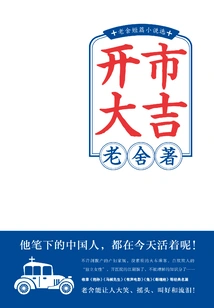
Good Business Opening: Selected Short Stories by Lao She
General Fiction开市大吉:老舍短篇小说选
Lao She
This collection of short stories selects Lao She's works that are lean, vivid, full, full of dramatic conflicts and plot twists, highlighting Lao She's Beijing-style humor and his thinking on society as a people's artist. Each piece of work is memorable with just a few strokes! Each short story can correspond to a current hot issue and a typical character: Kaishi Daji - a charlatan who runs a hospital; Carrying a grandchild - a mother-in-law who refuses to give birth to a caesarean section; Resigning - an employee who fishes at work; Mr. Breeches - an unqualified train passenger; Lotus Eater - eating anything that makes the scenery look bad; Talkies - a weird thing in the cinema; Twenty Tips for Drama Audiences - a weird thing in the drama theater; Good People - self-deception The philanthropist; the caterpillar - marriage problems, neighborhood gossip; the hot bun - the so-called "taker" in emotional problems; the morning of the dog - the spiritual victory method; the rabbit - the darkness of the entertainment industry; the time-honored brand - the plight of traditional craftsmen; the soul-breaking gun - the lost martial arts; the iron cow and the sick duck - bureaucratic disease; the problem that is not a problem - institutional disease; a letter from home - the depression of intellectuals; the little wooden man - an interesting patriotic fairy tale.
This collection of short stories selects Lao She's works that are lean, vivid, full, full of dramatic conflicts and plot twists, highlighting Lao She's Beijing-style humor and his thinking on society as a people's artist. Each piece of work is memorable with just a few strokes! Each short story can correspond to a current hot issue and a typical character: Kaishi Daji - a charlatan who runs a hospital; Carrying a grandchild - a mother-in-law who refuses to give birth to a caesarean section; Resigning - an employee who fishes at work; Mr. Breeches - an unqualified train passenger; Lotus Eater - eating anything that makes the scenery look bad; Talkies - a weird thing in the cinema; Twenty Tips for Drama Audiences - a weird thing in the drama theater; Good People - self-deception The philanthropist; the caterpillar - marriage problems, neighborhood gossip; the hot bun - the so-called "taker" in emotional problems; the morning of the dog - the spiritual victory method; the rabbit - the darkness of the entertainment industry; the time-honored brand - the plight of traditional craftsmen; the soul-breaking gun - the lost martial arts; the iron cow and the sick duck - bureaucratic disease; the problem that is not a problem - institutional disease; a letter from home - the depression of intellectuals; the little wooden man - an interesting patriotic fairy tale.
My Life: a Collection of Short and Novels
General Fiction我这一辈子:中短篇小说集
Lao She
"My Life: Selected Short Stories and Novels by Lao She" selects some of Lao She's classic short and medium stories: "The Soul-Breaking Gun", "This Life", "No Problem", "Let's Talk About the House", "Liu Family Courtyard", "Micro God", "Mr. Breeches", "Black and White Li" and other famous works. These articles not only describe the struggles of the common people at the bottom of the society, but also write interesting stories about the lives of intellectuals. The writing style is meticulous and humorous, allowing people to appreciate the philosophy of life in a light and humorous way.
"My Life: Selected Short Stories and Novels by Lao She" selects some of Lao She's classic short and medium stories: "The Soul-Breaking Gun", "This Life", "No Problem", "Let's Talk About the House", "Liu Family Courtyard", "Micro God", "Mr. Breeches", "Black and White Li" and other famous works. These articles not only describe the struggles of the common people at the bottom of the society, but also write interesting stories about the lives of intellectuals. The writing style is meticulous and humorous, allowing people to appreciate the philosophy of life in a light and humorous way.
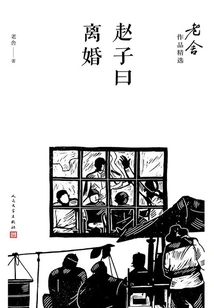
Zhao Zi Said Divorce
General Fiction赵子曰 离婚
Lao She
"Zhao Ziyue" was completed in 1926 and is Lao She's second novel. The protagonist Zhao Ziyue made trouble all day long and was expelled from the university. He spent all day as a boxer in the theater, supporting actors and actresses, playing mahjong all night long, indulging in banquets all day long, drunk and dreaming, and tried to achieve his goal of becoming an official through nepotism. Unexpectedly, he was tricked by others, and finally achieved nothing. Later, under the persuasion of a close friend, I finally woke up and started a new life. "Zhao Ziyue" is Lao She's transitional work toward maturity. It uses a tone of laughter and scolding to create the image of Zhao Ziyue, a confused college student who has neither the determination to do good nor the courage to do evil in the era of new and old changes in China. It depicts the muddled, despicable and despicable life of a group of college students in the rooftop apartment of Drum Tower in Beijing in the 1920s. "Divorce" was completed in 1933. The protagonist, Brother Zhang, is a contented citizen who accepts his fate and sticks to the rules, and is afraid of all "changes". His "sacred mission in life" is to "be a matchmaker and oppose divorce." His philosophy of life reflects the closed and self-sufficient side of traditional Chinese culture. "Divorce" truly describes the bankruptcy of "sons and daughters of old China" in civil society like Brother Zhang who follow the conservative mediocre philosophy, and the tragedy of their failure to comply with their destiny.
"Zhao Ziyue" was completed in 1926 and is Lao She's second novel. The protagonist Zhao Ziyue made trouble all day long and was expelled from the university. He spent all day as a boxer in the theater, supporting actors and actresses, playing mahjong all night long, indulging in banquets all day long, drunk and dreaming, and tried to achieve his goal of becoming an official through nepotism. Unexpectedly, he was tricked by others, and finally achieved nothing. Later, under the persuasion of a close friend, I finally woke up and started a new life. "Zhao Ziyue" is Lao She's transitional work toward maturity. It uses a tone of laughter and scolding to create the image of Zhao Ziyue, a confused college student who has neither the determination to do good nor the courage to do evil in the era of new and old changes in China. It depicts the muddled, despicable and despicable life of a group of college students in the rooftop apartment of Drum Tower in Beijing in the 1920s. "Divorce" was completed in 1933. The protagonist, Brother Zhang, is a contented citizen who accepts his fate and sticks to the rules, and is afraid of all "changes". His "sacred mission in life" is to "be a matchmaker and oppose divorce." His philosophy of life reflects the closed and self-sufficient side of traditional Chinese culture. "Divorce" truly describes the bankruptcy of "sons and daughters of old China" in civil society like Brother Zhang who follow the conservative mediocre philosophy, and the tragedy of their failure to comply with their destiny.
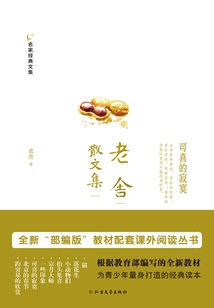
Lao She's Prose Collection
Literature老舍散文集
Lao She
This book is a collection of Mr. Lao She's prose collection, including "Master Zongyue", "Appreciation of Baotu Spring", "Some Impressions" and "Cat", etc. More than 70 excellent essays. According to the content and style characteristics, this book is divided into four series. These works may describe the scenery and people's feelings in meticulous detail and exaggerate them to the fullest; they may criticize current affairs with humor and hit the mark; they may describe family life with affection and admiration; or they may talk about literary creation, which is original and exciting. ? The articles in this book are suitable for young people to savor. They help to create a perfect mind, cultivate noble sentiments, and appreciate different lives. They also have a good guiding and inspiring effect on young people's writing. ?
This book is a collection of Mr. Lao She's prose collection, including "Master Zongyue", "Appreciation of Baotu Spring", "Some Impressions" and "Cat", etc. More than 70 excellent essays. According to the content and style characteristics, this book is divided into four series. These works may describe the scenery and people's feelings in meticulous detail and exaggerate them to the fullest; they may criticize current affairs with humor and hit the mark; they may describe family life with affection and admiration; or they may talk about literary creation, which is original and exciting. ? The articles in this book are suitable for young people to savor. They help to create a perfect mind, cultivate noble sentiments, and appreciate different lives. They also have a good guiding and inspiring effect on young people's writing. ?