Chang'an has fallen. The Liang emperor flees west in panic, while rebel troops storm the capital. The imperial treasury burns to ashes, and the streets are trampled with the bones of nobles. From then on, the realm descends into chaos.
Once a gifted woman who wielded only her brush, Cui Mi binds her husband, the commandery governor, when he tries to abandon the city and its people.
She takes up a sharpened sword, dons her husband's armor, and holds the city against the rebels, but in the end, they are too many for her to overcome.
As the city is about to fall, Li Shu of Yuzhou sends troops to the rescue.
Cui Mi asks Li Shu to leave soldiers behind to defend the city and protect its people.
But Li Shu says, "Since ancient times, good birds have chosen the right trees to nest in, and worthy ministers the right lord to serve. Madam is both wise and brave, as radiant as a celestial being. Why not choose a better husband?"
Cui Mi has long heard that Li Shu was born to a serving maid and despised by his father from birth. Once he gained power, rumors spread that he had murdered his own father and defied his stepmother. He is said to be grim-tempered and vicious, like a usurper.
Li Shu is still showing off like a peacock, sincerely recommending himself: "I, Li Shu, am twenty-four and still unmarried. What do you think of me, Madam?"
Looking at this handsome, peach-blossom-pretty general, notorious and intent on taking advantage of her predicament, Cui Mi thinks bitterly to herself: This villain is no better husband material.
Her former husband was spineless, and her next is a ravening wolf. Cui Mi feels that marrying Li Shu, this scoundrel, is a choice forced on her by circumstance.
Yet after they marry, Li Shu cherishes her deeply, shares his power with her, and carefully seeks her counsel. In time, Cui Mi earns great respect, and everyone in the Yuzhou army knows that seeing their lady is just like seeing their lord.
Cui Mi: If I can reform this villain and help restore the imperiled Liang, making the realm and its people his responsibility, that would be a fine thing.
But years later, Li Shu has achieved only the second goal, not the first.
On the day after declaring himself emperor, Li Shu issues an edict making Cui Mi his empress, to rule the realm alongside him.
"Madam, you mustn't abandon me. Liang is beyond saving, and the lords have carved up the realm. If I don't become emperor, the world will only fall into greater chaos." Afraid Cui Mi will refuse the throne, Li Shu explains carefully.
Cui Mi looks at Li Shu and lets out a deep sigh. "What use is it to say such things now, husband? I have long been your accomplice."
Li Shu then rests contentedly with his head on Cui Mi's lap and says coyly, "I truly can't bear to be apart from you for even a day."
From the moment he first met Cui Mi, Li Shu knew that she would be the only person he would ever bow his head to.
[Reading Guide]
1. Older woman-younger man romance. The heroine is two years older than the hero. The heroine is not a virgin, while the hero is. The heroine has a child with her former husband, and the hero helps raise the child.
2. The hero takes advantage of her in the beginning, grabbing everything he can and scheming at every turn. He is no good.
3. This is not a story centered on an all-powerful heroine. All the characters are people of the ancient world, and their thoughts bear the mark of their times.
4. A historical mishmash. Don't take it as historical fact.
5. Founding emperor and empress, one-on-one romance. The heroine wields real power, attends court, and participates in state affairs. To the hero, true love means sharing power and wealth.
6. The heroine isn't exactly a good person in the latter part of the story. Readers with high moral expectations for the heroine may want to steer clear.
Theme: The people are the foundation of the state; when the foundation is strong, the state is at peace.
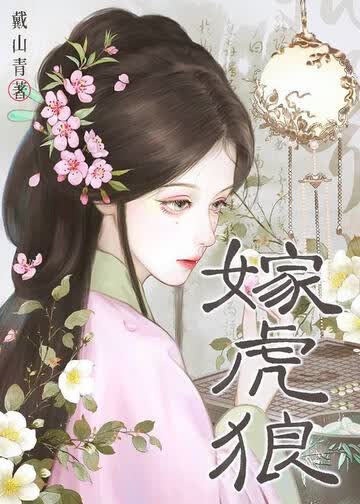
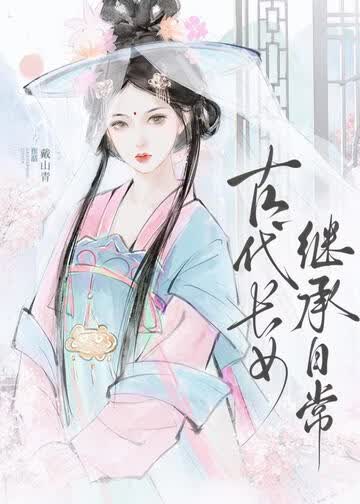 The Daily Life of an Eldest Daughter in Ancient Times
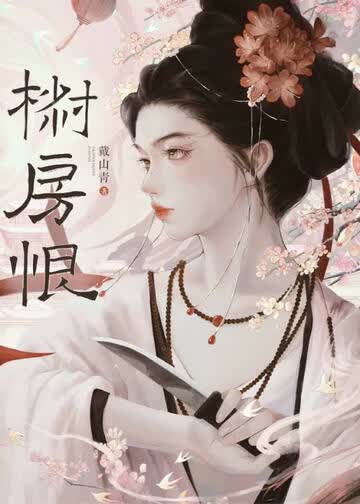 The Grudge of the Pepper Chamber
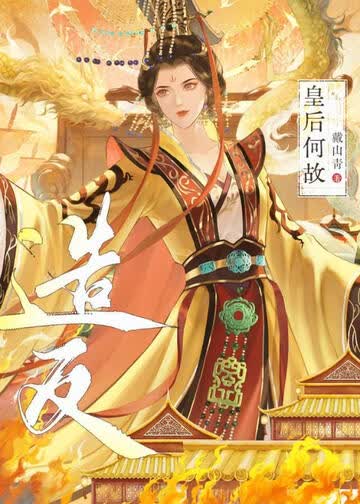 Why Did the Empress Rebel?
 The King Hui
 Concubine Dowry
 A Hall Full of Fine Clothes, Whiter Than Snow
 The Study of Love Triangles
 I Could Tell at a Glance That You're Not Human
 He's Just Sincerely Shipping the Couple [Entertainment Industry]
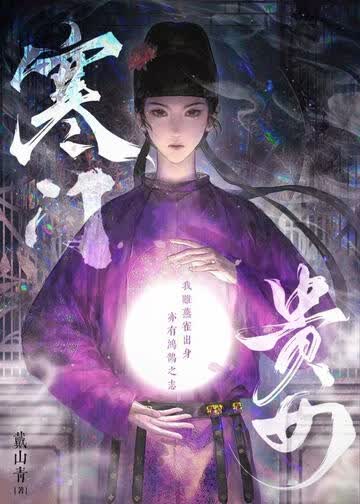 The Noble Daughter from a Humble Family