Fanqie library
Browse
- Titles
- 85
Every Fanqie book we index, searchable by title, author or tag.
-
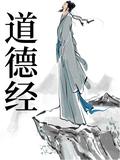 Tao Te Ching
The Tao Te Ching is known as the King of Classics and one of the greatest masterpieces in Chinese history. This version is a professional recitation version, allowing you to listen to the echoes of history and feel the wisdom of the ancients. Every sentence, every word, is full of profound philosophy and wisdom of life.
485Reads8.0Score—Shelves
Tao Te Ching
The Tao Te Ching is known as the King of Classics and one of the greatest masterpieces in Chinese history. This version is a professional recitation version, allowing you to listen to the echoes of history and feel the wisdom of the ancients. Every sentence, every word, is full of profound philosophy and wisdom of life.
485Reads8.0Score—Shelves
-
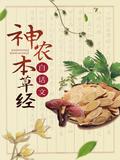 Shen Nong's Herbal Classic
"Shen Nong's Materia Medica", one of the four classic works of traditional Chinese medicine, is the earliest extant traditional Chinese medicine work. It originated from Shennong's family and was passed down orally from generation to generation. It was compiled into a book during the Eastern Han Dynasty. "Shen Nong's Materia Medica" is divided into three volumes and contains 365 kinds of medicines. It has become the essence of traditional Chinese medicine theory and the first systematic summary
142Reads8.4Score—Shelves
Shen Nong's Herbal Classic
"Shen Nong's Materia Medica", one of the four classic works of traditional Chinese medicine, is the earliest extant traditional Chinese medicine work. It originated from Shennong's family and was passed down orally from generation to generation. It was compiled into a book during the Eastern Han Dynasty. "Shen Nong's Materia Medica" is divided into three volumes and contains 365 kinds of medicines. It has become the essence of traditional Chinese medicine theory and the first systematic summary
142Reads8.4Score—Shelves
-
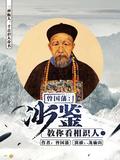 "Bingjian" Teaches You How to Recognize People You Know Zeng Guofan
Three seconds to kill a person, a wonderful book that can tell people through the ages! Zeng Guofan, a famous minister of the Zhongxing Dynasty in the Qing Dynasty, had thirteen sets of knowledge. Only two sets have been handed down, one is "Zeng Guofan's Family Letter", and the other is Zeng Guofan's knowledge of people and fortune telling - "Bingjian". How to employ people, especially how to employ the right people, is a profound knowledge. Many kings and generals in ancient times died because
121Reads8.5Score—Shelves
"Bingjian" Teaches You How to Recognize People You Know Zeng Guofan
Three seconds to kill a person, a wonderful book that can tell people through the ages! Zeng Guofan, a famous minister of the Zhongxing Dynasty in the Qing Dynasty, had thirteen sets of knowledge. Only two sets have been handed down, one is "Zeng Guofan's Family Letter", and the other is Zeng Guofan's knowledge of people and fortune telling - "Bingjian". How to employ people, especially how to employ the right people, is a profound knowledge. Many kings and generals in ancient times died because
121Reads8.5Score—Shelves
-
 Classical Talk
Zhu Ziqing's "Classics" was published in 1942 and has been widely circulated for decades, becoming a classic that popularizes ancient Chinese literature, history, and philosophy. The book has 13 chapters in total. According to the order of classification of ancient Chinese classics, histories, zis and collections, it introduces classic works such as "Shuowen Jiezi", "Book of Changes", "Shangshu" and "Book of Songs" respectively. It also outlines the situation of hundreds of schools of thought, C
69Reads8.2Score—Shelves
Classical Talk
Zhu Ziqing's "Classics" was published in 1942 and has been widely circulated for decades, becoming a classic that popularizes ancient Chinese literature, history, and philosophy. The book has 13 chapters in total. According to the order of classification of ancient Chinese classics, histories, zis and collections, it introduces classic works such as "Shuowen Jiezi", "Book of Changes", "Shangshu" and "Book of Songs" respectively. It also outlines the situation of hundreds of schools of thought, C
69Reads8.2Score—Shelves
-
 Yang Style Tai Chi Boxing Manual
This book is a public book and is a work published by writers, artists and other individuals who are not restricted by copyright laws, and is available for readers to read and communicate. Aggregation of licensed electronic rights.
26Reads8.4Score—Shelves
Yang Style Tai Chi Boxing Manual
This book is a public book and is a work published by writers, artists and other individuals who are not restricted by copyright laws, and is available for readers to read and communicate. Aggregation of licensed electronic rights.
26Reads8.4Score—Shelves
-
 Dragon Scripture
This book is a public book and is not subject to copyright restrictions. Chinese civilization has a long history and its traditional culture is as bright as stars. These classic works condense the wisdom of doing things for thousands of years and bring together the essence of human thought. They are specially processed and organized to facilitate readers' reading and communication.
20Reads8.4Score—Shelves
Dragon Scripture
This book is a public book and is not subject to copyright restrictions. Chinese civilization has a long history and its traditional culture is as bright as stars. These classic works condense the wisdom of doing things for thousands of years and bring together the essence of human thought. They are specially processed and organized to facilitate readers' reading and communication.
20Reads8.4Score—Shelves
-
 The Complete Mirror of Zhuangzi (Collection Reading Edition)
The book "Zhuangzi" is a representative work of Taoism and a wonderful flower in traditional Chinese culture. The author of "Zhuangzi" is not Zhuangzi alone. According to the research of later generations of scholars, the "internal chapters" were written by Zhuangzi, while the "outer chapters" and "miscellaneous chapters" are more complicated and were mostly written by successors of Zhuangzi's theory. Zhuangzi is a strange person, and "Zhuangzi" is a strange book. The profound and profound "Zhua
15Reads8.3Score—Shelves
The Complete Mirror of Zhuangzi (Collection Reading Edition)
The book "Zhuangzi" is a representative work of Taoism and a wonderful flower in traditional Chinese culture. The author of "Zhuangzi" is not Zhuangzi alone. According to the research of later generations of scholars, the "internal chapters" were written by Zhuangzi, while the "outer chapters" and "miscellaneous chapters" are more complicated and were mostly written by successors of Zhuangzi's theory. Zhuangzi is a strange person, and "Zhuangzi" is a strange book. The profound and profound "Zhua
15Reads8.3Score—Shelves
-
 Fahrenheit Zhongzang Sutra
"Fahrenheitang Zhongzang Sutra", written in an unknown year, has 3 volumes, 49 chapters and 60 poems. The first and middle volumes are medical treatises, which are divided into yin and yang, cold and heat, deficiency and excess, pulse patterns, viscera and other diseases. They describe the cause and pathology of each disease in detail, and also describe the diagnosis and treatment principles. Especially starting from the 22nd chapter of the medical treatise, the physiology and pathology (deficie
13Reads8.6Score—Shelves
Fahrenheit Zhongzang Sutra
"Fahrenheitang Zhongzang Sutra", written in an unknown year, has 3 volumes, 49 chapters and 60 poems. The first and middle volumes are medical treatises, which are divided into yin and yang, cold and heat, deficiency and excess, pulse patterns, viscera and other diseases. They describe the cause and pathology of each disease in detail, and also describe the diagnosis and treatment principles. Especially starting from the 22nd chapter of the medical treatise, the physiology and pathology (deficie
13Reads8.6Score—Shelves
-
 Medical Insight
Ancient Chinese medicine books are a shining pearl in the treasure house of Chinese medicine. They have high guiding significance and practical value, and have made significant contributions and far-reaching influences on the development of medicine in later generations.
7Reads8.6Score—Shelves
Medical Insight
Ancient Chinese medicine books are a shining pearl in the treasure house of Chinese medicine. They have high guiding significance and practical value, and have made significant contributions and far-reaching influences on the development of medicine in later generations.
7Reads8.6Score—Shelves
-
 Poor Family
Chinese traditional cultural thoughts have a long history and are highly original, original and literary. The early ideological forms were very distinctive, with extensive and profound contents such as religious theology, Chinese medicine classics, ancient military art, Confucianism, Taoism, Buddhism and hundreds of schools of thought, Feng Shui metaphysics, Twenty-Four Histories, customs and geography, etc. This series of "Original Books on Classic Chinese Studies and Essence Culture" retains t
4Reads7.9Score—Shelves
Poor Family
Chinese traditional cultural thoughts have a long history and are highly original, original and literary. The early ideological forms were very distinctive, with extensive and profound contents such as religious theology, Chinese medicine classics, ancient military art, Confucianism, Taoism, Buddhism and hundreds of schools of thought, Feng Shui metaphysics, Twenty-Four Histories, customs and geography, etc. This series of "Original Books on Classic Chinese Studies and Essence Culture" retains t
4Reads7.9Score—Shelves
-
 Strategy
Military Family Books
2Reads8.1Score—Shelves
Strategy
Military Family Books
2Reads8.1Score—Shelves
-
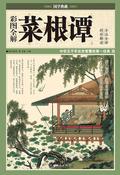 Complete Explanation of Cai Gen Tan with Color Pictures
"Cai Gen Tan" was written during the Wanli period of the Ming Dynasty, which has a history of nearly 400 years. The author Hong Yingming, whose courtesy name is Zicheng, is also known as the First Taoist. He was keen on career success in his early years. In his later years, he retired to the mountains and forests to devote himself to reading and writing. Finally, he put his life experience, reading experience and life insights into the tip of his pen and poured ink into this eloquent collection
—Reads8.4Score—Shelves
Complete Explanation of Cai Gen Tan with Color Pictures
"Cai Gen Tan" was written during the Wanli period of the Ming Dynasty, which has a history of nearly 400 years. The author Hong Yingming, whose courtesy name is Zicheng, is also known as the First Taoist. He was keen on career success in his early years. In his later years, he retired to the mountains and forests to devote himself to reading and writing. Finally, he put his life experience, reading experience and life insights into the tip of his pen and poured ink into this eloquent collection
—Reads8.4Score—Shelves
-
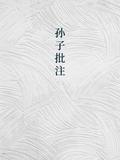 Sun Tzu's Comments
Introduction: Sun Tzu said: Soldiers are important matters of the country, the place of life and death, and the way of survival. They must be observed. Therefore, the scriptures are based on five things, which are calibrated and calculated, and their emotions are investigated: one day is Tao, two days is Heaven, three days is Earth, four days is Generals, and five days is Dharma. A symbol of traditional culture and the pinnacle of human thought. A treasure of China's classical military cultural
—Reads8.0Score—Shelves
Sun Tzu's Comments
Introduction: Sun Tzu said: Soldiers are important matters of the country, the place of life and death, and the way of survival. They must be observed. Therefore, the scriptures are based on five things, which are calibrated and calculated, and their emotions are investigated: one day is Tao, two days is Heaven, three days is Earth, four days is Generals, and five days is Dharma. A symbol of traditional culture and the pinnacle of human thought. A treasure of China's classical military cultural
—Reads8.0Score—Shelves
-
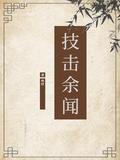 Martial Arts Memories
Ancient Chinese literary classics have a variety of artistic expression techniques, and are a colorful, magnificent and glorious picture of Chinese classical literature.
—Reads8.5Score—Shelves
Martial Arts Memories
Ancient Chinese literary classics have a variety of artistic expression techniques, and are a colorful, magnificent and glorious picture of Chinese classical literature.
—Reads8.5Score—Shelves
-
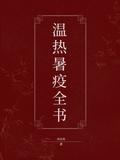 The Complete Book of Warm Heat and Heat Epidemic
"The Complete Book of Warm Heat and Summer Epidemics", a book on febrile diseases. Four volumes. Written by Zhou Yangjun of the Qing Dynasty in 1679. This book discusses febrile diseases, febrile diseases, summer diseases, and epidemic diseases in order. It selects relevant original texts such as "Treatise on Febrile Diseases" and "Treatise on Febrile Diseases" and annotates them. It refers to the academic insights, characteristics and achievements of various febrile disease experts and combines
—Reads8.4Score—Shelves
The Complete Book of Warm Heat and Heat Epidemic
"The Complete Book of Warm Heat and Summer Epidemics", a book on febrile diseases. Four volumes. Written by Zhou Yangjun of the Qing Dynasty in 1679. This book discusses febrile diseases, febrile diseases, summer diseases, and epidemic diseases in order. It selects relevant original texts such as "Treatise on Febrile Diseases" and "Treatise on Febrile Diseases" and annotates them. It refers to the academic insights, characteristics and achievements of various febrile disease experts and combines
—Reads8.4Score—Shelves
-
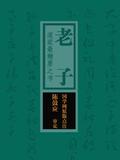 Laozi: the Most Essential Book of Taoism (Original Annotation by Guoxue. Com, Approved by Chen Guying)
"The most essential book of Taoism." (Liang Qichao's words)
—Reads8.1Score—Shelves
Laozi: the Most Essential Book of Taoism (Original Annotation by Guoxue. Com, Approved by Chen Guying)
"The most essential book of Taoism." (Liang Qichao's words)
—Reads8.1Score—Shelves
-
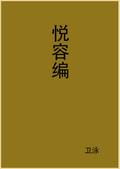 Edited by Yuerong
"Yue Rong Bian" is a short note describing the aesthetic taste of boudoir life in the late Ming Dynasty. It includes chapters such as "Xiao Yin", "Love", "Following the Fate", "Renovation", "Fate Decoration", "Selecting Attendants", "Elegant Offering", "Bo Gu", "Searching for the Truth", "Timely", "Meeting with Couples", "Borrowing Capital", "Recruiting for Yin", and "Daguan". The author extends the meaning of the idiom "women want to please their appearance", reveals the pursuit of beauty by ma
—Reads7.7Score—Shelves
Edited by Yuerong
"Yue Rong Bian" is a short note describing the aesthetic taste of boudoir life in the late Ming Dynasty. It includes chapters such as "Xiao Yin", "Love", "Following the Fate", "Renovation", "Fate Decoration", "Selecting Attendants", "Elegant Offering", "Bo Gu", "Searching for the Truth", "Timely", "Meeting with Couples", "Borrowing Capital", "Recruiting for Yin", and "Daguan". The author extends the meaning of the idiom "women want to please their appearance", reveals the pursuit of beauty by ma
—Reads7.7Score—Shelves
-
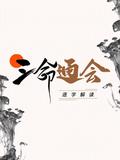 Detailed Word-By-Word Explanation of "Three Lives Tonghui"
"Sanming Tonghui" is an important work on ancient Chinese numerology. It was compiled by Wan Yuwu, a scholar in the Ming Dynasty. The book is divided into multiple volumes and details the theory and practice of numerology, including analysis of heavenly stems and earthly branches, five elements and eight characters, four pillars and eight characters, gods, patterns, fortunes, etc.
—Reads—Score—Shelves
Detailed Word-By-Word Explanation of "Three Lives Tonghui"
"Sanming Tonghui" is an important work on ancient Chinese numerology. It was compiled by Wan Yuwu, a scholar in the Ming Dynasty. The book is divided into multiple volumes and details the theory and practice of numerology, including analysis of heavenly stems and earthly branches, five elements and eight characters, four pillars and eight characters, gods, patterns, fortunes, etc.
—Reads—Score—Shelves
-
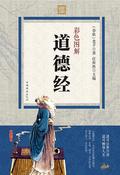 Color Illustrated Tao Te Ching
The author of "Tao Te Ching" is Laozi. Lao Tzu, also known as Lao Dan and named Li Er, was a native of the Chu state during the Spring and Autumn Period. He served as the post-historian of the Eastern Zhou royal family. According to legend, during the Lunar New Year of the Eastern Zhou Dynasty, I returned to seclusion. When passing through Hangu Pass, I met Yin Xi, the officer guarding the pass. Yin Xi asked Laozi. Laozi then left behind this more than 5,000-word "Tao Te Ching". The book was ori
—Reads8.6Score—Shelves
Color Illustrated Tao Te Ching
The author of "Tao Te Ching" is Laozi. Lao Tzu, also known as Lao Dan and named Li Er, was a native of the Chu state during the Spring and Autumn Period. He served as the post-historian of the Eastern Zhou royal family. According to legend, during the Lunar New Year of the Eastern Zhou Dynasty, I returned to seclusion. When passing through Hangu Pass, I met Yin Xi, the officer guarding the pass. Yin Xi asked Laozi. Laozi then left behind this more than 5,000-word "Tao Te Ching". The book was ori
—Reads8.6Score—Shelves
-
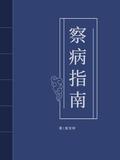 Disease Checkup Guide
This book mainly explains pulse theory, and also includes diagnostic methods such as listening to sounds, observing color, and examining taste. It is an early and systematic diagnostic monograph in my country. Shi took "Nei Jing", "Difficult Classic", "Jia Yi Jing" and other treatises on pulse diagnosis methods, and compared them with each other. Based on clinical practice, he divided the pulse conditions that had diagnostic value and were relevant for practical use into categories and compiled
—Reads8.4Score—Shelves
Disease Checkup Guide
This book mainly explains pulse theory, and also includes diagnostic methods such as listening to sounds, observing color, and examining taste. It is an early and systematic diagnostic monograph in my country. Shi took "Nei Jing", "Difficult Classic", "Jia Yi Jing" and other treatises on pulse diagnosis methods, and compared them with each other. Based on clinical practice, he divided the pulse conditions that had diagnostic value and were relevant for practical use into categories and compiled
—Reads8.4Score—Shelves
-
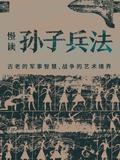 Slowly Read "The Art of War" by Sun Tzu
A classic work of ancient Chinese military science and a treasure of world military theory, it is known as the "Holy Book of Military Science". The book uses unique thinking and wisdom to conduct an in-depth analysis of the nature, laws and techniques of war. The book mainly consists of thirteen chapters, covering all aspects of war, from war planning, organization, and command to the cultivation, training, and use of soldiers, etc. There are detailed discussions. Whether they are military enthu
—Reads—Score—Shelves
Slowly Read "The Art of War" by Sun Tzu
A classic work of ancient Chinese military science and a treasure of world military theory, it is known as the "Holy Book of Military Science". The book uses unique thinking and wisdom to conduct an in-depth analysis of the nature, laws and techniques of war. The book mainly consists of thirteen chapters, covering all aspects of war, from war planning, organization, and command to the cultivation, training, and use of soldiers, etc. There are detailed discussions. Whether they are military enthu
—Reads—Score—Shelves
-
 "Su Shu": the First Book of Chinese Strategy
It is said that the plain calligraphy was written by Huang Shigong in the late Qin Dynasty, and is regarded by the people as a strange book and a book from heaven. Although it proposes that "Tao, virtue, benevolence, righteousness, and propriety are all integrated into one," "Sushu" takes Tao, virtue, benevolence, righteousness, and propriety as the basis for governing the country, and it also takes Tao, virtue, benevolence, righteousness, and propriety as the basis for governing the country, an
—Reads8.1Score—Shelves
"Su Shu": the First Book of Chinese Strategy
It is said that the plain calligraphy was written by Huang Shigong in the late Qin Dynasty, and is regarded by the people as a strange book and a book from heaven. Although it proposes that "Tao, virtue, benevolence, righteousness, and propriety are all integrated into one," "Sushu" takes Tao, virtue, benevolence, righteousness, and propriety as the basis for governing the country, and it also takes Tao, virtue, benevolence, righteousness, and propriety as the basis for governing the country, an
—Reads8.1Score—Shelves
-
 Classic of Mountains and Seas
"The Book of Mountains and Seas" also records ancient Chinese mythology, geography, plants, animals, minerals, products, witchcraft, religion, medicine, folk customs, ethnic groups, etc. The cultural phenomena it reflects are vast and inclusive. In addition to preserving a wealth of mythological materials, it also covers a variety of academic fields, such as: philosophy, aesthetics, religion, history, geography, astronomy, meteorology, medicine, animals, plants, minerals, folklore, ethnology, ge
—Reads7.9Score—Shelves
Classic of Mountains and Seas
"The Book of Mountains and Seas" also records ancient Chinese mythology, geography, plants, animals, minerals, products, witchcraft, religion, medicine, folk customs, ethnic groups, etc. The cultural phenomena it reflects are vast and inclusive. In addition to preserving a wealth of mythological materials, it also covers a variety of academic fields, such as: philosophy, aesthetics, religion, history, geography, astronomy, meteorology, medicine, animals, plants, minerals, folklore, ethnology, ge
—Reads7.9Score—Shelves
-
 Zhuang Lie's Ten Essays
Zhuang lists ten theories. Li Yuanzhuo, a professor of Taixue in the Northern Song Dynasty. One roll. Original source: "Orthodox Taoist Canon" Part 1.
—Reads8.1Score—Shelves
Zhuang Lie's Ten Essays
Zhuang lists ten theories. Li Yuanzhuo, a professor of Taixue in the Northern Song Dynasty. One roll. Original source: "Orthodox Taoist Canon" Part 1.
—Reads8.1Score—Shelves
-
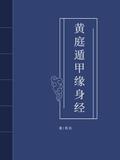 Huang Ting Dun Jia Yuan Sheng Sutra
Huang Ting Dun Jia Yuan Sheng Jing. No author. One roll. Original source: Method Class of Dongshen Department of "Orthodox Taoist Canon".
—Reads8.4Score—Shelves
Huang Ting Dun Jia Yuan Sheng Sutra
Huang Ting Dun Jia Yuan Sheng Jing. No author. One roll. Original source: Method Class of Dongshen Department of "Orthodox Taoist Canon".
—Reads8.4Score—Shelves
-
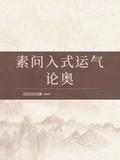 Su Wen Ru's Theory of Luck
Luck writings. Three volumes. Written by Liu Wenshu of Song Dynasty in 1099. This book specifically discusses the Five Movements and Six Qi and their application in medicine, with a total of 30 articles. Attached are some charts.
—Reads8.5Score—Shelves
Su Wen Ru's Theory of Luck
Luck writings. Three volumes. Written by Liu Wenshu of Song Dynasty in 1099. This book specifically discusses the Five Movements and Six Qi and their application in medicine, with a total of 30 articles. Attached are some charts.
—Reads8.5Score—Shelves
-
 Six Tao
"The Six Taoist Commandments", also known as "The Six Taoist Commandments of Taigong" and "The Art of War of Taigong", is a famous Taoist military book in ancient China. It is an important part of the classical military cultural heritage of the Chinese Han people. Its content is extensive and profound, its thoughts are profound and rich, and its logic is rigorous and rigorous. It is a concentrated expression of the essence of the ancient Han people's military thought. The earliest book to be exp
—Reads8.2Score—Shelves
Six Tao
"The Six Taoist Commandments", also known as "The Six Taoist Commandments of Taigong" and "The Art of War of Taigong", is a famous Taoist military book in ancient China. It is an important part of the classical military cultural heritage of the Chinese Han people. Its content is extensive and profound, its thoughts are profound and rich, and its logic is rigorous and rigorous. It is a concentrated expression of the essence of the ancient Han people's military thought. The earliest book to be exp
—Reads8.2Score—Shelves
-
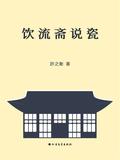 Drink Liuzhai and Talk About Porcelain
Chinese traditional cultural thoughts have a long history and are highly original, original and literary. The early ideological forms were very distinctive, with extensive and profound contents such as religious theology, Chinese medicine classics, ancient military art, Confucianism, Taoism, Buddhism and hundreds of schools of thought, Feng Shui metaphysics, Twenty-Four Histories, customs and geography, etc. This series of "Original Books on Classic Chinese Studies and Essence Culture" retains t
—Reads7.9Score—Shelves
Drink Liuzhai and Talk About Porcelain
Chinese traditional cultural thoughts have a long history and are highly original, original and literary. The early ideological forms were very distinctive, with extensive and profound contents such as religious theology, Chinese medicine classics, ancient military art, Confucianism, Taoism, Buddhism and hundreds of schools of thought, Feng Shui metaphysics, Twenty-Four Histories, customs and geography, etc. This series of "Original Books on Classic Chinese Studies and Essence Culture" retains t
—Reads7.9Score—Shelves
-
 History of Pot
"History of the Pot" is a Chinese history book written by Guo Yuanhong. The book tells the story of a character named Wu Youxu who secretly sold divination in the Chang'an market at the age of fourteen. Soon after, he lived in seclusion. Finally, when Princess Anle got married, he was recalled by the emperor to attend the wedding. He was named the Duke of the country and later returned to the mountains. In addition, "History of Pots" is also related to the development history of pots, covering t
—Reads8.0Score—Shelves
History of Pot
"History of the Pot" is a Chinese history book written by Guo Yuanhong. The book tells the story of a character named Wu Youxu who secretly sold divination in the Chang'an market at the age of fourteen. Soon after, he lived in seclusion. Finally, when Princess Anle got married, he was recalled by the emperor to attend the wedding. He was named the Duke of the country and later returned to the mountains. In addition, "History of Pots" is also related to the development history of pots, covering t
—Reads8.0Score—Shelves
-
 Guiguzi's Wisdom Life
"Guiguzi" has important historical data value for studying the literature of the pre-Qin scholars. The writing style throughout the article is concise and concise, paying attention to argumentation skills, clear viewpoints, and reasoning step by step, allowing people to appreciate the philosophical essence of the book from simplicity to complexity. It is clear and logical, allowing people to intuitively understand the life and philosophical principles contained in the book from multiple angles.
—Reads—Score—Shelves
Guiguzi's Wisdom Life
"Guiguzi" has important historical data value for studying the literature of the pre-Qin scholars. The writing style throughout the article is concise and concise, paying attention to argumentation skills, clear viewpoints, and reasoning step by step, allowing people to appreciate the philosophical essence of the book from simplicity to complexity. It is clear and logical, allowing people to intuitively understand the life and philosophical principles contained in the book from multiple angles.
—Reads—Score—Shelves
-
 Medical Economics Elementary School
Ancient Chinese medicine books are a shining pearl in the treasure house of Chinese medicine. They have high guiding significance and practical value, and have made significant contributions and far-reaching influences on the development of medicine in later generations.
—Reads8.4Score—Shelves
Medical Economics Elementary School
Ancient Chinese medicine books are a shining pearl in the treasure house of Chinese medicine. They have high guiding significance and practical value, and have made significant contributions and far-reaching influences on the development of medicine in later generations.
—Reads8.4Score—Shelves
-
 Huangdi Mingtang Moxibustion Classic
Acupuncture writings. There are two types, one-volume and three-volume, with the same contents. This book is about the full text of "Mingtang Moxibustion Sutra" and "Xiao'er Mingtang Moxibustion Sutra" in Volume 100 of "Taiping Shenghuifang" copied by a bookseller in the late Northern Song Dynasty, and the publisher changed the title to this. The original book was written by an anonymous person in the Tang Dynasty. The book records the moxibustion treatment methods and diseases treated at common
—Reads8.6Score—Shelves
Huangdi Mingtang Moxibustion Classic
Acupuncture writings. There are two types, one-volume and three-volume, with the same contents. This book is about the full text of "Mingtang Moxibustion Sutra" and "Xiao'er Mingtang Moxibustion Sutra" in Volume 100 of "Taiping Shenghuifang" copied by a bookseller in the late Northern Song Dynasty, and the publisher changed the title to this. The original book was written by an anonymous person in the Tang Dynasty. The book records the moxibustion treatment methods and diseases treated at common
—Reads8.6Score—Shelves
-
 The Analects of Confucius
 is a very important material for understanding Confucius' philosophy, politics, education, culture and other doctrines. "Half of the Analects of Confucius rules the world." From ancient times to the present, "The Analects of Confucius" has been a classic that cannot be ignored. As the source of Chinese culture, the ideas advocated by The Analects have been infiltrated into China's political and religious system, social customs, psychological habits and behavioral patter
—Reads—Score—Shelves
The Analects of Confucius
The Analects of Confucius is a very important material for understanding Confucius' philosophy, politics, education, culture and other doctrines. "Half of the Analects of Confucius rules the world." From ancient times to the present, "The Analects of Confucius" has been a classic that cannot be ignored. As the source of Chinese culture, the ideas advocated by The Analects have been infiltrated into China's political and religious system, social customs, psychological habits and behavioral patter
—Reads—Score—Shelves
-
 Comprehensive Explanation of "The Doctrine of the Mean"
There are two orientations in studying Chinese philosophy: one is objective, historical, and textual, and the other is subjective, modern, and creative. This book undoubtedly belongs to the former. The book's differences from previous interpretations are due to the need to clarify the text, rather than the product of borrowing the topic. The author of this book adheres to the interpretation principle of combining scripture exegesis, exegesis and theory. Based on extensive reading of relevant lit
—Reads8.5Score—Shelves
Comprehensive Explanation of "The Doctrine of the Mean"
There are two orientations in studying Chinese philosophy: one is objective, historical, and textual, and the other is subjective, modern, and creative. This book undoubtedly belongs to the former. The book's differences from previous interpretations are due to the need to clarify the text, rather than the product of borrowing the topic. The author of this book adheres to the interpretation principle of combining scripture exegesis, exegesis and theory. Based on extensive reading of relevant lit
—Reads8.5Score—Shelves
-
 Wang Liqun Reads Qin Shihuang from Historical Records
Professor Wang Liqun of Henan University talks about Qin Shihuang in "Historical Records" and introduces Qin Shihuang's merits and demerits in the process from the completion of the unification of Qin to the demise of the dynasty.
—Reads8.4Score—Shelves
Wang Liqun Reads Qin Shihuang from Historical Records
Professor Wang Liqun of Henan University talks about Qin Shihuang in "Historical Records" and introduces Qin Shihuang's merits and demerits in the process from the completion of the unification of Qin to the demise of the dynasty.
—Reads8.4Score—Shelves
-
 The Scholars
From the end of the Yuan Dynasty to the beginning of the Ming Dynasty to the forty-fourth year of Wanli in the Ming Dynasty, it experienced the rise and fall of a dynasty. At the end of the Yuan Dynasty, Wang Mian, a farmer's son from Zhuji, Zhejiang, became a self-taught scholar. Because he did not want to be associated with the county magistrate Shiren and the gentry, he avoided Jinan, Shandong and sold paintings to make a living. The story begins here. . . In the era of the imperial examinati
—Reads8.2Score—Shelves
The Scholars
From the end of the Yuan Dynasty to the beginning of the Ming Dynasty to the forty-fourth year of Wanli in the Ming Dynasty, it experienced the rise and fall of a dynasty. At the end of the Yuan Dynasty, Wang Mian, a farmer's son from Zhuji, Zhejiang, became a self-taught scholar. Because he did not want to be associated with the county magistrate Shiren and the gentry, he avoided Jinan, Shandong and sold paintings to make a living. The story begins here. . . In the era of the imperial examinati
—Reads8.2Score—Shelves
-
 Chapter of External Sense of Subdued Qi at Three O'clock
Medical classics
—Reads8.1Score—Shelves
Chapter of External Sense of Subdued Qi at Three O'clock
Medical classics
—Reads8.1Score—Shelves
-
 Book of Changes
The "Book of Changes" was originally a divination book written by historians of the Shang and Zhou Dynasties. It was interpreted and developed by Confucian scholars in the Spring and Autumn and Warring States periods into a philosophical book. In feudal society, it was the study of emperors. The famous scholar Sun Zhongyuan guided people to treat the book scientifically through the editing and dissemination process of the "Book of Changes", the meaning of the hexagrams and lines, and the ideolog
—Reads8.2Score—Shelves
Book of Changes
The "Book of Changes" was originally a divination book written by historians of the Shang and Zhou Dynasties. It was interpreted and developed by Confucian scholars in the Spring and Autumn and Warring States periods into a philosophical book. In feudal society, it was the study of emperors. The famous scholar Sun Zhongyuan guided people to treat the book scientifically through the editing and dissemination process of the "Book of Changes", the meaning of the hexagrams and lines, and the ideolog
—Reads8.2Score—Shelves
-
 A Cure for One Disease, a Cure for Ten Diseases
The husband's medicine is the way, and his hands are worth experimenting. Qiu Junjisheng collected thousands of books, and he did not focus on most of the books that collected opinions. Hengtiao's works in single volumes were based on his own experience, and many of them contained inventions, such as "Quanshengji" by Wang Hongxu of surgery, "Yilin Gaizeng" by Wang Qingren of internal medicine, etc. There were not many arguments, but they were all original and innovative. In particular, the metho
—Reads8.4Score—Shelves
A Cure for One Disease, a Cure for Ten Diseases
The husband's medicine is the way, and his hands are worth experimenting. Qiu Junjisheng collected thousands of books, and he did not focus on most of the books that collected opinions. Hengtiao's works in single volumes were based on his own experience, and many of them contained inventions, such as "Quanshengji" by Wang Hongxu of surgery, "Yilin Gaizeng" by Wang Qingren of internal medicine, etc. There were not many arguments, but they were all original and innovative. In particular, the metho
—Reads8.4Score—Shelves
-
 Martial Arts Editor
"Wu Bian", a military work of the Ming Dynasty, was compiled by Tang Shunzhi. This book was compiled in Jiajing, Ming Dynasty. At that time, the military preparedness of the Ming Dynasty was depleted, the generals wore light furs slowly, and the army developed the habit of being lazy and slow. It was only in the name of training simple soldiers, but without the use of strong soldiers. When there was a war, they would be hooded, timid, and had no fighting ability. Tang Shunzhi was inspired by thi
—Reads8.0Score—Shelves
Martial Arts Editor
"Wu Bian", a military work of the Ming Dynasty, was compiled by Tang Shunzhi. This book was compiled in Jiajing, Ming Dynasty. At that time, the military preparedness of the Ming Dynasty was depleted, the generals wore light furs slowly, and the army developed the habit of being lazy and slow. It was only in the name of training simple soldiers, but without the use of strong soldiers. When there was a war, they would be hooded, timid, and had no fighting ability. Tang Shunzhi was inspired by thi
—Reads8.0Score—Shelves
-
 Picture of the Ten Sons of Xuanyuan
Chinese traditional cultural thoughts have a long history and are highly original, original and literary. The early ideological forms were very distinctive, with extensive and profound contents such as religious theology, Chinese medicine classics, ancient military art, Confucianism, Taoism, Buddhism and hundreds of schools of thought, Feng Shui metaphysics, Twenty-Four Histories, customs and geography, etc. This series of "Original Books on Classic Chinese Studies and Essence Culture" retains t
—Reads8.1Score—Shelves
Picture of the Ten Sons of Xuanyuan
Chinese traditional cultural thoughts have a long history and are highly original, original and literary. The early ideological forms were very distinctive, with extensive and profound contents such as religious theology, Chinese medicine classics, ancient military art, Confucianism, Taoism, Buddhism and hundreds of schools of thought, Feng Shui metaphysics, Twenty-Four Histories, customs and geography, etc. This series of "Original Books on Classic Chinese Studies and Essence Culture" retains t
—Reads8.1Score—Shelves
-
 Medical Medical Medical
Ancient Chinese medicine books are a shining pearl in the treasure house of Chinese medicine. They have high guiding significance and practical value, and have made significant contributions and far-reaching influences on the development of medicine in later generations.
—Reads8.4Score—Shelves
Medical Medical Medical
Ancient Chinese medicine books are a shining pearl in the treasure house of Chinese medicine. They have high guiding significance and practical value, and have made significant contributions and far-reaching influences on the development of medicine in later generations.
—Reads8.4Score—Shelves
-
 Medical Conformity Record
Ancient Chinese medicine books are a shining pearl in the treasure house of Chinese medicine. They have high guiding significance and practical value, and have made significant contributions and far-reaching influences on the development of medicine in later generations.
—Reads8.5Score—Shelves
Medical Conformity Record
Ancient Chinese medicine books are a shining pearl in the treasure house of Chinese medicine. They have high guiding significance and practical value, and have made significant contributions and far-reaching influences on the development of medicine in later generations.
—Reads8.5Score—Shelves
-
 It's Also a Shanren Medical Case
Ancient Chinese medicine books are a shining pearl in the treasure house of Chinese medicine. They have high guiding significance and practical value, and have made significant contributions and far-reaching influences on the development of medicine in later generations.
—Reads8.3Score—Shelves
It's Also a Shanren Medical Case
Ancient Chinese medicine books are a shining pearl in the treasure house of Chinese medicine. They have high guiding significance and practical value, and have made significant contributions and far-reaching influences on the development of medicine in later generations.
—Reads8.3Score—Shelves
-
 Commentary on the Nam Hwa Sutra
Taoism is a religion native to China and has an extremely rich collection of classics, of which the "Nanhua Sutra" is an important one. "Nanhua Zhenjing" is "Zhuangzi". The annotated edition by Guo Xiang of the Jin Dynasty paid attention to the meaning and theory, and greatly developed Zhuangzi's thoughts. It was very popular. The sparse edition written by Cheng Xuanying of the Tang Dynasty focused on the historical facts and allusions, names of people and places, and the pronunciation and meani
—Reads8.4Score—Shelves
Commentary on the Nam Hwa Sutra
Taoism is a religion native to China and has an extremely rich collection of classics, of which the "Nanhua Sutra" is an important one. "Nanhua Zhenjing" is "Zhuangzi". The annotated edition by Guo Xiang of the Jin Dynasty paid attention to the meaning and theory, and greatly developed Zhuangzi's thoughts. It was very popular. The sparse edition written by Cheng Xuanying of the Tang Dynasty focused on the historical facts and allusions, names of people and places, and the pronunciation and meani
—Reads8.4Score—Shelves
-
 The Great Unification of Human Relations
"Ren Lun Da Tong Fu" was written by Zhang Xingjian, Shangshu of the Jin Dynasty. This book is the essence of the ancient theory of the five elements of the human body. It is the most comprehensive and accurate book on physiognomy. It is also one of only four physiognomy books included in the "Sikuquanshu". The book is full of quotes and combines the best of various physiognomy schools. It is an important reference for the ancients to select talents and gain insight into people's hearts.
—Reads8.4Score—Shelves
The Great Unification of Human Relations
"Ren Lun Da Tong Fu" was written by Zhang Xingjian, Shangshu of the Jin Dynasty. This book is the essence of the ancient theory of the five elements of the human body. It is the most comprehensive and accurate book on physiognomy. It is also one of only four physiognomy books included in the "Sikuquanshu". The book is full of quotes and combines the best of various physiognomy schools. It is an important reference for the ancients to select talents and gain insight into people's hearts.
—Reads8.4Score—Shelves
-
 Minister
"Shangshu" was written about 3,000 years ago during the Warring States Period. It is China's oldest imperial collection, and is China's first collection of ancient historical documents and some works that recount ancient deeds. It preserves some important historical materials from the Shang and Zhou Dynasties, especially the early Western Zhou Dynasty. Its basic content is ancient emperors' proclamations and military ministers' conversations. At first it was called "Shu", and in the Han Dynasty
—Reads9.1Score—Shelves
Minister
"Shangshu" was written about 3,000 years ago during the Warring States Period. It is China's oldest imperial collection, and is China's first collection of ancient historical documents and some works that recount ancient deeds. It preserves some important historical materials from the Shang and Zhou Dynasties, especially the early Western Zhou Dynasty. Its basic content is ancient emperors' proclamations and military ministers' conversations. At first it was called "Shu", and in the Han Dynasty
—Reads9.1Score—Shelves
-
 Secrets of Female Science
"Nv Ke Mi Yao" is an ancient Chinese medical book.
—Reads8.5Score—Shelves
Secrets of Female Science
"Nv Ke Mi Yao" is an ancient Chinese medical book.
—Reads8.5Score—Shelves
-
 Mathematics Chapter 9
—Reads8.1Score—Shelves
Mathematics Chapter 9
Mathematics Chapter 9
—Reads8.1Score—Shelves
-
 Hundreds of Schools of Thought
The various schools of thought are an important part of Chinese traditional culture. Many thoughts of various schools of thought have left profound inspirations to later generations, which still shine brightly today and are worth learning from. So, how many schools of thought are there? Which ones are the most widely spread? Who are the representatives of each family? What books, doctrines and legends did they leave behind? In this product, the famous philosopher Professor Sun Zhongyuan gave an
—Reads8.6Score—Shelves
Hundreds of Schools of Thought
The various schools of thought are an important part of Chinese traditional culture. Many thoughts of various schools of thought have left profound inspirations to later generations, which still shine brightly today and are worth learning from. So, how many schools of thought are there? Which ones are the most widely spread? Who are the representatives of each family? What books, doctrines and legends did they leave behind? In this product, the famous philosopher Professor Sun Zhongyuan gave an
—Reads8.6Score—Shelves