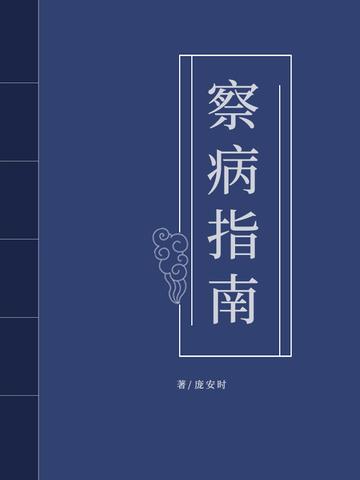
This book mainly explains pulse theory, and also includes diagnostic methods such as listening to sounds, observing color, and examining taste. It is an early and systematic diagnostic monograph in my country. Shi took "Nei Jing", "Difficult Classic", "Jia Yi Jing" and other treatises on pulse diagnosis methods, and compared them with each other. Based on clinical practice, he divided the pulse conditions that had diagnostic value and were relevant for practical use into categories and compiled them into a collection called "Guidelines for Detection of Diseases".
Reader comments
This book is amazing! It systematically explains the pulse condition, and also includes diagnostic methods such as listening to sounds, observing color, and examining taste. It feels like it has given me a guide to TCM diagnosis. Moreover, the content in the book comes from classics and is combined with clinical practice, which is very practical. I particularly like the descriptions of various pulse conditions, which are vivid and easy to understand. Recommended to friends who are interested in Chinese medicine!
This book is amazing! It systematically explains the pulse condition, and also includes diagnostic methods such as listening to sounds, observing color, and examining taste. It feels like it has given me a guide to TCM diagnosis. Moreover, the content in the book comes from classics and is combined with clinical practice, which is very practical. I particularly like the descriptions of various pulse conditions, which are vivid and easy to understand. Recommended to friends who are interested in Chinese medicine!