Fanqie library
Browse
- Titles
- 997
Every Fanqie book we index, searchable by title, author or tag.
-
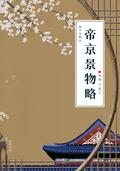 Scenery of the Imperial Capital
"Scenery of the Imperial Capital" is a humanistic and geographical work describing the scenery of Beijing and its suburbs published in the eighth year of Chongzhen in the Ming Dynasty (1635). The authors are Liu Tong and Yu Yizheng, and Zhou Sun is responsible for editing. It is one of the most detailed records of Beijing's landscapes and gardens, temples, bridges, springs, and folk customs in the late Ming Dynasty. The book has a clear structure and is divided into volumes according to regions
—Reads8.5Score—Shelves
Scenery of the Imperial Capital
"Scenery of the Imperial Capital" is a humanistic and geographical work describing the scenery of Beijing and its suburbs published in the eighth year of Chongzhen in the Ming Dynasty (1635). The authors are Liu Tong and Yu Yizheng, and Zhou Sun is responsible for editing. It is one of the most detailed records of Beijing's landscapes and gardens, temples, bridges, springs, and folk customs in the late Ming Dynasty. The book has a clear structure and is divided into volumes according to regions
—Reads8.5Score—Shelves
-
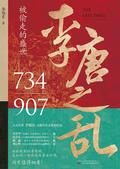 Rebellion of Li and Tang Dynasty
After the lonely Tianbao, there are only wormwood in the garden and huts. There are more than a hundred families in my house, and the world is in chaos. After the Anshi Rebellion, faced with internal and external troubles and the Tang Empire in decline, what decisions did the rulers of Li and Tang make? The country has gone from abandonment, self-confidence, tolerance and openness to solidification, complacency, blindness and disorder. Why has the country's fate declined and led to its demise? L
—Reads9.4Score—Shelves
Rebellion of Li and Tang Dynasty
After the lonely Tianbao, there are only wormwood in the garden and huts. There are more than a hundred families in my house, and the world is in chaos. After the Anshi Rebellion, faced with internal and external troubles and the Tang Empire in decline, what decisions did the rulers of Li and Tang make? The country has gone from abandonment, self-confidence, tolerance and openness to solidification, complacency, blindness and disorder. Why has the country's fate declined and led to its demise? L
—Reads9.4Score—Shelves
-
 Anshi Rebellion
The war started by the Tang Dynasty generals An Lushan and Shi Siming betrayed the Tang Dynasty. It was a civil war with the Tang Dynasty to compete for dominance. It was a turning point in the Tang Dynasty's rise and fall. This civil war caused the Tang Dynasty to lose a large number of people and its national power was sharply reduced. Because the commanders who initiated the rebellion against the Tang Dynasty were An Lushan and Shi Siming, the incident was named "Anshi". And because it broke
—Reads9.5Score—Shelves
Anshi Rebellion
The war started by the Tang Dynasty generals An Lushan and Shi Siming betrayed the Tang Dynasty. It was a civil war with the Tang Dynasty to compete for dominance. It was a turning point in the Tang Dynasty's rise and fall. This civil war caused the Tang Dynasty to lose a large number of people and its national power was sharply reduced. Because the commanders who initiated the rebellion against the Tang Dynasty were An Lushan and Shi Siming, the incident was named "Anshi". And because it broke
—Reads9.5Score—Shelves
-
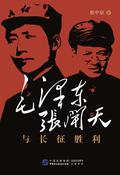 Mao Zedong, Zhang Wentian and the Victory of the Long March
The Long March of the Chinese Workers' and Peasants' Red Army was a strategic shift in the history of our country's revolution. The Long March of the Chinese Workers' and Peasants' Red Army was an important event in China's modern history. It had a far-reaching impact and determined the historical direction of China to a certain extent. The victory of the Red Army's Long March was the key to turning the Chinese revolution from crisis to safety. In this event with far-reaching historical conseque
—Reads9.5Score—Shelves
Mao Zedong, Zhang Wentian and the Victory of the Long March
The Long March of the Chinese Workers' and Peasants' Red Army was a strategic shift in the history of our country's revolution. The Long March of the Chinese Workers' and Peasants' Red Army was an important event in China's modern history. It had a far-reaching impact and determined the historical direction of China to a certain extent. The victory of the Red Army's Long March was the key to turning the Chinese revolution from crisis to safety. In this event with far-reaching historical conseque
—Reads9.5Score—Shelves
-
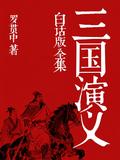 Romance of the Three Kingdoms (Complete Works in Vernacular Version)
"The Romance of the Three Kingdoms" is the first chapter-length historical novel in ancient China and is known as one of the "Four Great Classics". It was created by Luo Guanzhong, a novelist in the late Yuan and early Ming dynasties, based on historical facts and folklore during the Three Kingdoms period. This book takes the history from the end of the Eastern Han Dynasty to the early years of the Western Jin Dynasty as the background, vividly depicts the intricate political, military, and dipl
—Reads9.2Score—Shelves
Romance of the Three Kingdoms (Complete Works in Vernacular Version)
"The Romance of the Three Kingdoms" is the first chapter-length historical novel in ancient China and is known as one of the "Four Great Classics". It was created by Luo Guanzhong, a novelist in the late Yuan and early Ming dynasties, based on historical facts and folklore during the Three Kingdoms period. This book takes the history from the end of the Eastern Han Dynasty to the early years of the Western Jin Dynasty as the background, vividly depicts the intricate political, military, and dipl
—Reads9.2Score—Shelves
-
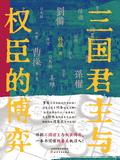 The Game Between the Monarchs and Powerful Ministers of the Three Kingdoms
Chinese history came to a crossroads during the Three Kingdoms era. The three forces represented by Cao Cao, Liu Bei, and Sun Quan represented the three trends of the world at that time. However, Cao Cao, Liu Bei, and Sun Quan were not the ones who controlled the trend of the world. The ones who really controlled the world were the swordsmen of the Three Kingdoms behind them. The sword holders refer to Zhuge Liang and Jiang Wei who are in charge of the Shu Kingdom, the three generations of the C
—Reads9.4Score—Shelves
The Game Between the Monarchs and Powerful Ministers of the Three Kingdoms
Chinese history came to a crossroads during the Three Kingdoms era. The three forces represented by Cao Cao, Liu Bei, and Sun Quan represented the three trends of the world at that time. However, Cao Cao, Liu Bei, and Sun Quan were not the ones who controlled the trend of the world. The ones who really controlled the world were the swordsmen of the Three Kingdoms behind them. The sword holders refer to Zhuge Liang and Jiang Wei who are in charge of the Shu Kingdom, the three generations of the C
—Reads9.4Score—Shelves
-
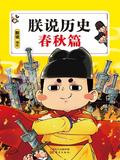 I Talk About History·spring and Autumn Period
Humorous writing style, cute illustrations, textual research on historical records, and timely summary of knowledge points. Time sorting of major events and accessible reading.
—Reads9.4Score—Shelves
I Talk About History·spring and Autumn Period
Humorous writing style, cute illustrations, textual research on historical records, and timely summary of knowledge points. Time sorting of major events and accessible reading.
—Reads9.4Score—Shelves
-
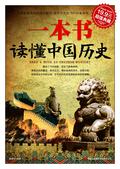 Understand Chinese History in One Book
"Understanding Chinese History in One Book" is based on the chronology of Chinese history and the important figures and events that have influenced the social and historical process in various eras. The content involves politics, military, economy, culture, diplomacy, science and technology, law, religion, art, folk customs and many other aspects.
—Reads9.4Score—Shelves
Understand Chinese History in One Book
"Understanding Chinese History in One Book" is based on the chronology of Chinese history and the important figures and events that have influenced the social and historical process in various eras. The content involves politics, military, economy, culture, diplomacy, science and technology, law, religion, art, folk customs and many other aspects.
—Reads9.4Score—Shelves
-
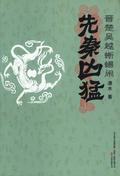 The Fierceness of the Pre-Qin Dynasty: Lizards in Jin, Chu, Wu and Yue Made Trouble
It follows the Five Hegemons of the Spring and Autumn Period and begins the Warring States Period of bronze, blood and fire. In addition, China's intellectual circles are even more interesting. Three great saints, Confucius, Laozi and Sun Wu, have emerged, providing the Chinese with a standardized cultural core for the next 2,500 years.
—Reads8.8Score—Shelves
The Fierceness of the Pre-Qin Dynasty: Lizards in Jin, Chu, Wu and Yue Made Trouble
It follows the Five Hegemons of the Spring and Autumn Period and begins the Warring States Period of bronze, blood and fire. In addition, China's intellectual circles are even more interesting. Three great saints, Confucius, Laozi and Sun Wu, have emerged, providing the Chinese with a standardized cultural core for the next 2,500 years.
—Reads8.8Score—Shelves
-
 Spring and Autumn Period and Warring States Period
This work "Spring and Autumn and Warring States" was created by the author Li Munan.
—Reads8.1Score—Shelves
Spring and Autumn Period and Warring States Period
This work "Spring and Autumn and Warring States" was created by the author Li Munan.
—Reads8.1Score—Shelves
-
 The History of the Warring States Period 254 Years (Volume 2)
This book includes Biographies No. 40: Ji Cuo, the Prince of Zhongshan, Biographies No. 41: The Prince of Song Dynasty, Biography No. 42: Ji, the Monarch of Zheng, Biography No. 43: Ji, the Monarch of Wei, and Biography No. 44: Ji, the Monarch of Lu.
—Reads7.6Score—Shelves
The History of the Warring States Period 254 Years (Volume 2)
This book includes Biographies No. 40: Ji Cuo, the Prince of Zhongshan, Biographies No. 41: The Prince of Song Dynasty, Biography No. 42: Ji, the Monarch of Zheng, Biography No. 43: Ji, the Monarch of Wei, and Biography No. 44: Ji, the Monarch of Lu.
—Reads7.6Score—Shelves
-
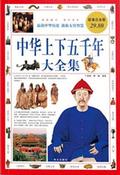 The Complete Collection of Five Thousand Years of China
The famous historian of science Bernard once said: "China has been one of the great centers of human civilization and science for many centuries." China's five thousand years of history is a long and thought-provoking process, long and turbulent, with both prosperity and glory, as well as twists and turns, but history has always moved forward firmly. The accumulation of history in the past has created today's splendid modern civilization, and in the new millennium, we need the glory of history t
—Reads9.4Score—Shelves
The Complete Collection of Five Thousand Years of China
The famous historian of science Bernard once said: "China has been one of the great centers of human civilization and science for many centuries." China's five thousand years of history is a long and thought-provoking process, long and turbulent, with both prosperity and glory, as well as twists and turns, but history has always moved forward firmly. The accumulation of history in the past has created today's splendid modern civilization, and in the new millennium, we need the glory of history t
—Reads9.4Score—Shelves
-
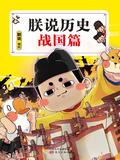 I Talk About History·warring States Chapter
Humorous writing style, cute illustrations, textual research on historical records, and timely summary of knowledge points. Time sorting of major events and accessible reading.
—Reads9.3Score—Shelves
I Talk About History·warring States Chapter
Humorous writing style, cute illustrations, textual research on historical records, and timely summary of knowledge points. Time sorting of major events and accessible reading.
—Reads9.3Score—Shelves
-
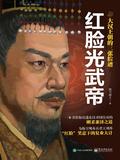 Three Facial Makeups of the Han Dynasty: the Red-Faced Emperor Guangwu
Read through the founding emperor of the Eastern Han Dynasty's hard and soft approach, and present to you the plans for resumption of business under the "red-faced" smile of the commoner emperor Liu Xiu.
—Reads8.5Score—Shelves
Three Facial Makeups of the Han Dynasty: the Red-Faced Emperor Guangwu
Read through the founding emperor of the Eastern Han Dynasty's hard and soft approach, and present to you the plans for resumption of business under the "red-faced" smile of the commoner emperor Liu Xiu.
—Reads8.5Score—Shelves
-
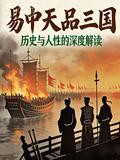 Yi Zhongtian's Appreciation of the Three Kingdoms
The main speaker, Yi Zhongtian, restored the real Cao Cao, defended Zhou Yu's false accusations, spoke up about Zhuge Liang, and re-evaluated Sima Yi. When talking about the world, there are only three points of gossip. Discuss the merits and demerits carefully, and summarize the gains and losses of successes and failures. Professor Yi Zhongtian of Xiamen University will use stories to tell characters, characters to tell history, history to tell culture, and culture to tell human nature. Discuss
—Reads8.7Score—Shelves
Yi Zhongtian's Appreciation of the Three Kingdoms
The main speaker, Yi Zhongtian, restored the real Cao Cao, defended Zhou Yu's false accusations, spoke up about Zhuge Liang, and re-evaluated Sima Yi. When talking about the world, there are only three points of gossip. Discuss the merits and demerits carefully, and summarize the gains and losses of successes and failures. Professor Yi Zhongtian of Xiamen University will use stories to tell characters, characters to tell history, history to tell culture, and culture to tell human nature. Discuss
—Reads8.7Score—Shelves
-
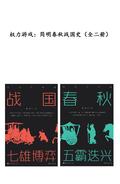 Game of Thrones: a Concise History of the Spring and Autumn Period and the Warring States Period (Two Volumes)
"Spring and Autumn: The Rise of the Five Hegemons" This book uses humorous and popular language to describe the historical evolution of the Spring and Autumn Period over the past three hundred years on the basis of respecting historical facts. The ups and downs of the five hegemons, the struggle for survival of small princes and small countries, and the various aspects of life under the big background are vividly displayed on the page, showing readers a magnificent picture of the Spring and Autu
—Reads8.4Score—Shelves
Game of Thrones: a Concise History of the Spring and Autumn Period and the Warring States Period (Two Volumes)
"Spring and Autumn: The Rise of the Five Hegemons" This book uses humorous and popular language to describe the historical evolution of the Spring and Autumn Period over the past three hundred years on the basis of respecting historical facts. The ups and downs of the five hegemons, the struggle for survival of small princes and small countries, and the various aspects of life under the big background are vividly displayed on the page, showing readers a magnificent picture of the Spring and Autu
—Reads8.4Score—Shelves
-
 China's Top Ten Famous Generals
All battles are victorious, all attacks are invincible, and all defenses are solid. First, it is best to fight for many years, such as Yu Xu. If Wudu became famous in one battle, it does not count as no performance in the future. Another example is Wang Xuance. Second, those in romances are not counted, such as Zhao Yun, Qin Qiong, Chang Yuchun, etc. Although they do exist, they have been deified and cannot be compared. . Third, there are many famous generals in the same period, and they are all
—Reads8.0Score—Shelves
China's Top Ten Famous Generals
All battles are victorious, all attacks are invincible, and all defenses are solid. First, it is best to fight for many years, such as Yu Xu. If Wudu became famous in one battle, it does not count as no performance in the future. Another example is Wang Xuance. Second, those in romances are not counted, such as Zhao Yun, Qin Qiong, Chang Yuchun, etc. Although they do exist, they have been deified and cannot be compared. . Third, there are many famous generals in the same period, and they are all
—Reads8.0Score—Shelves
-
 Sixty Years of History of the Three Kingdoms (Volume 6)
This book includes Wei Zhi 27: Zhang Liao (1), Zhang Liao (2); Wei Zhi 28: Yue Jin, Yu Jin, etc.; Wei Zhi 29: Zhang He (1), Zhang He (2); Wei Zhi 30: Xu Huang (1), Xu Huang (2), etc.
—Reads—Score—Shelves
Sixty Years of History of the Three Kingdoms (Volume 6)
This book includes Wei Zhi 27: Zhang Liao (1), Zhang Liao (2); Wei Zhi 28: Yue Jin, Yu Jin, etc.; Wei Zhi 29: Zhang He (1), Zhang He (2); Wei Zhi 30: Xu Huang (1), Xu Huang (2), etc.
—Reads—Score—Shelves
-
 From the Five Hegemons to the Seven Heroes: a Detailed Account of the Spring and Autumn Period and the Warring States Period (5 Volumes in Total)
The reconstruction of the world from the Spring and Autumn Period to the Warring States Period! Understand the Chinese pattern! There are 5 volumes in the set, namely "From Princes to Empire", "From Spring and Autumn Period to Warring States Period", "The Most Spring and Autumn Period: The Most Trendy Spring and Autumn Period Stories in History", "Spring and Autumn Period Nobles: A Collection of Historical Stories" and "Warring States Period".
—Reads9.4Score—Shelves
From the Five Hegemons to the Seven Heroes: a Detailed Account of the Spring and Autumn Period and the Warring States Period (5 Volumes in Total)
The reconstruction of the world from the Spring and Autumn Period to the Warring States Period! Understand the Chinese pattern! There are 5 volumes in the set, namely "From Princes to Empire", "From Spring and Autumn Period to Warring States Period", "The Most Spring and Autumn Period: The Most Trendy Spring and Autumn Period Stories in History", "Spring and Autumn Period Nobles: A Collection of Historical Stories" and "Warring States Period".
—Reads9.4Score—Shelves
-
 The Complete Biography of Chinese Concubines (Super Value Platinum Edition)
This book tells the stories of queens and some famous concubines in Chinese history. Some of them are eminent mothers in the world, and are famous for their virtues and models throughout the ages. Some of them are beauties and disasters, and their filth and chaos in the palace will be stinky for thousands of years. From their stories, we see the bitterness of ancient women as victims of authoritarian patriarchy, which strengthens contemporary women's confidence in self-esteem, self-reliance, and
—Reads8.8Score—Shelves
The Complete Biography of Chinese Concubines (Super Value Platinum Edition)
This book tells the stories of queens and some famous concubines in Chinese history. Some of them are eminent mothers in the world, and are famous for their virtues and models throughout the ages. Some of them are beauties and disasters, and their filth and chaos in the palace will be stinky for thousands of years. From their stories, we see the bitterness of ancient women as victims of authoritarian patriarchy, which strengthens contemporary women's confidence in self-esteem, self-reliance, and
—Reads8.8Score—Shelves
-
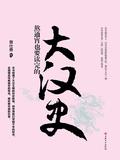 The History of the Han Dynasty I Had to Stay up All Night to Read
Before the birth of the Western Han Dynasty, the heroes of the late Qin Dynasty competed with each other and the Chu and Han Dynasties fought, which was a magnificent war and entrepreneurship in Chinese history; The "Government of Wen and Jing" pioneered by Emperor Wen and Emperor Jing of the Han Dynasty promoted rest and recuperation, which was also a great governance in Chinese history; The "Prosperous Age of Han Dynasty" when the Silk Road was opened up and the barbarians were conquered and t
—Reads8.4Score—Shelves
The History of the Han Dynasty I Had to Stay up All Night to Read
Before the birth of the Western Han Dynasty, the heroes of the late Qin Dynasty competed with each other and the Chu and Han Dynasties fought, which was a magnificent war and entrepreneurship in Chinese history; The "Government of Wen and Jing" pioneered by Emperor Wen and Emperor Jing of the Han Dynasty promoted rest and recuperation, which was also a great governance in Chinese history; The "Prosperous Age of Han Dynasty" when the Silk Road was opened up and the barbarians were conquered and t
—Reads8.4Score—Shelves
-
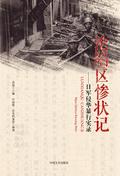 Tragedy in Occupied Areas: a Record of the Atrocities of Japanese Invasion of China
"The Tragedy of the Occupied Areas: A Record of the Atrocities of the Japanese Invasion of China" is compiled by the Second Historical Archives of China based on the archives. It comprehensively records the indiscriminate beatings of the Japanese invaders on the streets across China from July 1937 to December 1939. Enslave and torture the people in occupied areas and rob people of their property; rape women; use the underworld as minions; bury patriotic youth and students alive; poison the peopl
—Reads9.3Score—Shelves
Tragedy in Occupied Areas: a Record of the Atrocities of Japanese Invasion of China
"The Tragedy of the Occupied Areas: A Record of the Atrocities of the Japanese Invasion of China" is compiled by the Second Historical Archives of China based on the archives. It comprehensively records the indiscriminate beatings of the Japanese invaders on the streets across China from July 1937 to December 1939. Enslave and torture the people in occupied areas and rob people of their property; rape women; use the underworld as minions; bury patriotic youth and students alive; poison the peopl
—Reads9.3Score—Shelves
-
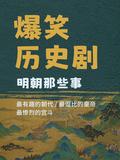 Hilarious Historical Drama About the Ming Dynasty
The most interesting dynasty, the most unique emperor, the most amusing lectures, and the most vivid interpretations will take you back to the Ming Dynasty. Which is the most interesting dynasty in ancient China? Of course it is the Ming Dynasty! Starting from a begging job, an incredible 276-year journey began. Not to mention that the dynasty unified the country from south to north, expelled the Mongols, and created the only successful case of the Northern Expedition in ancient Chinese history;
—Reads9.2Score—Shelves
Hilarious Historical Drama About the Ming Dynasty
The most interesting dynasty, the most unique emperor, the most amusing lectures, and the most vivid interpretations will take you back to the Ming Dynasty. Which is the most interesting dynasty in ancient China? Of course it is the Ming Dynasty! Starting from a begging job, an incredible 276-year journey began. Not to mention that the dynasty unified the country from south to north, expelled the Mongols, and created the only successful case of the Northern Expedition in ancient Chinese history;
—Reads9.2Score—Shelves
-
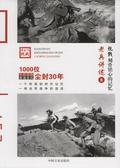 Veteran's Narrative 8: Central Army's 71St to 100Th Army
This book is composed of the memories of veterans who served in the Central Army of the Kuomintang and participated in the Anti-Japanese War. The Central Army had many numbers and better equipment than the local armies. It was an important force in the Anti-Japanese War. This book only uses the personal memories of more than 120 veterans to try to show a corner of the countless cruel battles the Central Army experienced. The important battles covered in this book mainly include: Battle of Songhu
—Reads8.3Score—Shelves
Veteran's Narrative 8: Central Army's 71St to 100Th Army
This book is composed of the memories of veterans who served in the Central Army of the Kuomintang and participated in the Anti-Japanese War. The Central Army had many numbers and better equipment than the local armies. It was an important force in the Anti-Japanese War. This book only uses the personal memories of more than 120 veterans to try to show a corner of the countless cruel battles the Central Army experienced. The important battles covered in this book mainly include: Battle of Songhu
—Reads8.3Score—Shelves
-
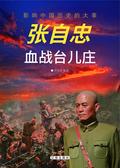 Zhang Zizhong's Bloody Battle at Taierzhuang
This book includes the tragic sinking of the warship, the great victory of the National Army at Wanjialing, the numerous generals at Wanjialing, the fierce battle at the majestic Dabie Mountains, the escape of Hu Zongnan, the direct descendant of Hu Zongnan, Wuhan is like the setting sun and snow, the arrow is on the string waiting for the opportunity, the sound of faith is the heart is full of deep feelings, the general goes to the battlefield at night, you are such a good officer, struggling o
—Reads9.5Score—Shelves
Zhang Zizhong's Bloody Battle at Taierzhuang
This book includes the tragic sinking of the warship, the great victory of the National Army at Wanjialing, the numerous generals at Wanjialing, the fierce battle at the majestic Dabie Mountains, the escape of Hu Zongnan, the direct descendant of Hu Zongnan, Wuhan is like the setting sun and snow, the arrow is on the string waiting for the opportunity, the sound of faith is the heart is full of deep feelings, the general goes to the battlefield at night, you are such a good officer, struggling o
—Reads9.5Score—Shelves
-
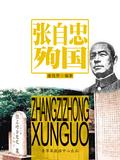 Zhang Zizhong Died for His Country
Zhang Zizhong (1891.8.11-1940.5.16), Courtesy name Xinchen, Han nationality, was born in Tangyuan Village, Linqing, Shandong Province. He died for his country as a general in the Republic of China with the rank of Army Lieutenant General. After his death, he was posthumously awarded the rank of Second Class Army General. He was also the highest-ranking general of the Allied Powers who died in World War II.
—Reads9.3Score—Shelves
Zhang Zizhong Died for His Country
Zhang Zizhong (1891.8.11-1940.5.16), Courtesy name Xinchen, Han nationality, was born in Tangyuan Village, Linqing, Shandong Province. He died for his country as a general in the Republic of China with the rank of Army Lieutenant General. After his death, he was posthumously awarded the rank of Second Class Army General. He was also the highest-ranking general of the Allied Powers who died in World War II.
—Reads9.3Score—Shelves
-
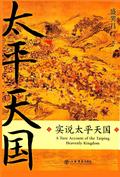 Taiping Heavenly Kingdom
"The Real Story of the Taiping Heavenly Kingdom" is an academic work written by Mr. Sheng Xunchang based on the information he collected about the Taiping Heavenly Kingdom. However, it is different from the general academic writing method. The author targets a wider audience and does not focus on research. Instead, he tells the historical facts and directly narrates the confirmed research conclusions to the readers. Therefore, reading this book is like reading about the Taiping Heavenly Kingdom.
—Reads9.4Score—Shelves
Taiping Heavenly Kingdom
"The Real Story of the Taiping Heavenly Kingdom" is an academic work written by Mr. Sheng Xunchang based on the information he collected about the Taiping Heavenly Kingdom. However, it is different from the general academic writing method. The author targets a wider audience and does not focus on research. Instead, he tells the historical facts and directly narrates the confirmed research conclusions to the readers. Therefore, reading this book is like reading about the Taiping Heavenly Kingdom.
—Reads9.4Score—Shelves
-
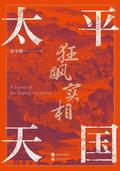 The Reality of the Taiping Heavenly Kingdom
"The Reality of the Taiping Rebellion" not only completely narrates the entire process of the Taiping Rebellion from its rise to its collapse, and analyzes its social background and reasons for its defeat, but also accurately portrays historical figures such as Hong Xiuquan, Yang Xiuqing, Hong Rengan and Zeng Guofan, revealing the mental journeys of historical figures. Cheng integrates this period of history into the great changes in the late Qing Dynasty that have not been seen in a thousand ye
—Reads9.2Score—Shelves
The Reality of the Taiping Heavenly Kingdom
"The Reality of the Taiping Rebellion" not only completely narrates the entire process of the Taiping Rebellion from its rise to its collapse, and analyzes its social background and reasons for its defeat, but also accurately portrays historical figures such as Hong Xiuquan, Yang Xiuqing, Hong Rengan and Zeng Guofan, revealing the mental journeys of historical figures. Cheng integrates this period of history into the great changes in the late Qing Dynasty that have not been seen in a thousand ye
—Reads9.2Score—Shelves
-
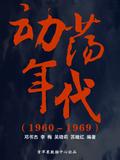 The Turbulent Years (1960-1969)
"The Turbulent Years" tells the story of the major events in the development of China's modern history from 1960 to 1969. It records the decision of the Shanghai Conference of the Central Committee of the Communist Party of China to continue the "Great Leap Forward" and put forward the four modernization goals, the formal establishment of the Tibet Autonomous Region, the People's Liberation Army's participation in aiding Vietnam in the anti-American struggle, the "Cultural Revolution", the Febru
—Reads9.3Score—Shelves
The Turbulent Years (1960-1969)
"The Turbulent Years" tells the story of the major events in the development of China's modern history from 1960 to 1969. It records the decision of the Shanghai Conference of the Central Committee of the Communist Party of China to continue the "Great Leap Forward" and put forward the four modernization goals, the formal establishment of the Tibet Autonomous Region, the People's Liberation Army's participation in aiding Vietnam in the anti-American struggle, the "Cultural Revolution", the Febru
—Reads9.3Score—Shelves
-
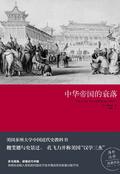 The Decline of the Chinese Empire
"The Decline of the Chinese Empire" is a modern Chinese history textbook adopted by many universities in the United States. The text is concise and smooth; the content is easy to understand. The manuscript is different from the chronological narrative of traditional general history, and starts from the three groups of farmers, gentry, and merchants that constitute the main structure of traditional society; it analyzes in detail how the Chinese empire established order step by step and became str
—Reads9.1Score—Shelves
The Decline of the Chinese Empire
"The Decline of the Chinese Empire" is a modern Chinese history textbook adopted by many universities in the United States. The text is concise and smooth; the content is easy to understand. The manuscript is different from the chronological narrative of traditional general history, and starts from the three groups of farmers, gentry, and merchants that constitute the main structure of traditional society; it analyzes in detail how the Chinese empire established order step by step and became str
—Reads9.1Score—Shelves
-
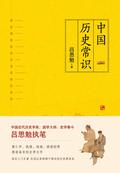 Common Sense of Chinese History (A Great Introductory Book on Chinese National History, a Best-Selling National History Book Since the Republic of China)
Written by Lu Simian, a modern Chinese historian, master of Chinese studies, and a leading figure in history, it is a masterpiece of history that is highly praised by Huang Renyu, Qian Mu, Bo Yang, Yi Zhongtian, Gu Jiegang and others. It is a best-selling Chinese history book. "Common Sense of Chinese History" is a famous historical work by Mr. Lu Simian, a modern historian, a master of Chinese studies, and a leading historian. It is also the first general history of China written in vernacular
—Reads8.6Score—Shelves
Common Sense of Chinese History (A Great Introductory Book on Chinese National History, a Best-Selling National History Book Since the Republic of China)
Written by Lu Simian, a modern Chinese historian, master of Chinese studies, and a leading figure in history, it is a masterpiece of history that is highly praised by Huang Renyu, Qian Mu, Bo Yang, Yi Zhongtian, Gu Jiegang and others. It is a best-selling Chinese history book. "Common Sense of Chinese History" is a famous historical work by Mr. Lu Simian, a modern historian, a master of Chinese studies, and a leading historian. It is also the first general history of China written in vernacular
—Reads8.6Score—Shelves
-
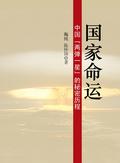 National Destiny: the Secret Journey of China's "Two Bombs and One Satellite"
This book describes in detail and profoundly the entire historical process of my country's "two bombs and one satellite" project, from the difficult initial stage, through years of bumpy development and painstaking efforts, to finally growing and achieving major achievements. The work is majestic, with a grand structure and numerous characters, each with their own charm. It is an epic masterpiece that panoramically represents my country's national defense front.
—Reads9.6Score—Shelves
National Destiny: the Secret Journey of China's "Two Bombs and One Satellite"
This book describes in detail and profoundly the entire historical process of my country's "two bombs and one satellite" project, from the difficult initial stage, through years of bumpy development and painstaking efforts, to finally growing and achieving major achievements. The work is majestic, with a grand structure and numerous characters, each with their own charm. It is an epic masterpiece that panoramically represents my country's national defense front.
—Reads9.6Score—Shelves
-
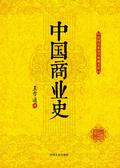 Chinese Business History
Our country has been civilized for four thousand years and is one of the oldest countries in the world. What people today refer to as the latest developments in European and American business politics, such as "economic control" and "legal currency policy," are the origins of the old politics in ancient my country. In the end, he failed to cultivate politics and education, and lost his old steadfastness. However, recommending gentlemen to gentlemen is ignorant and does not know the reason. This
—Reads8.0Score—Shelves
Chinese Business History
Our country has been civilized for four thousand years and is one of the oldest countries in the world. What people today refer to as the latest developments in European and American business politics, such as "economic control" and "legal currency policy," are the origins of the old politics in ancient my country. In the end, he failed to cultivate politics and education, and lost his old steadfastness. However, recommending gentlemen to gentlemen is ignorant and does not know the reason. This
—Reads8.0Score—Shelves
-
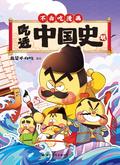 Understand the History of China. Ming Dynasty
"Understanding the History of China - Ming Dynasty" is the third volume in the "Big History" series of Bui Chi comics. The Ming Dynasty was one of the few unified feudal dynasties founded by the common people at the bottom. It had 16 emperors and spanned 276 years of history. In the history of the Ming Dynasty, passionate, sad, funny, and even absurd stories emerged one after another. Ming Taizu who went from being a cowherd boy to the founding emperor, Ming Yingzong who was defeated and capture
—Reads9.3Score—Shelves
Understand the History of China. Ming Dynasty
"Understanding the History of China - Ming Dynasty" is the third volume in the "Big History" series of Bui Chi comics. The Ming Dynasty was one of the few unified feudal dynasties founded by the common people at the bottom. It had 16 emperors and spanned 276 years of history. In the history of the Ming Dynasty, passionate, sad, funny, and even absurd stories emerged one after another. Ming Taizu who went from being a cowherd boy to the founding emperor, Ming Yingzong who was defeated and capture
—Reads9.3Score—Shelves
-
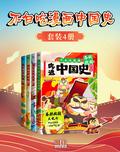 No Free Comics History of China (Four Volumes)
Thoroughly understand Chinese history Tang + Song + Ming + Spring and Autumn and Warring States. I am not eating for nothing, not eating for nothing, a comic series, a popular science comic book on the Chinese history encyclopedia.
—Reads9.2Score—Shelves
No Free Comics History of China (Four Volumes)
Thoroughly understand Chinese history Tang + Song + Ming + Spring and Autumn and Warring States. I am not eating for nothing, not eating for nothing, a comic series, a popular science comic book on the Chinese history encyclopedia.
—Reads9.2Score—Shelves
-
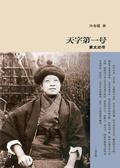 Number One in Heaven: the Biography of Zhang Taiyan
Zhang Taiyan is a strange person in modern Chinese history. He was enthusiastic about revolution and an outstanding politician; he was also a leading academic master with far-reaching influence. Zhang Taiyan is a famous person, and he has many strange behaviors and speeches, and his experiences are legendary. The author Xu Shouchang is a student of Mr. Taiyan. He records what he has seen and heard in his life, with vivid details and sincere emotions, making readers feel like they are at the scen
—Reads8.0Score—Shelves
Number One in Heaven: the Biography of Zhang Taiyan
Zhang Taiyan is a strange person in modern Chinese history. He was enthusiastic about revolution and an outstanding politician; he was also a leading academic master with far-reaching influence. Zhang Taiyan is a famous person, and he has many strange behaviors and speeches, and his experiences are legendary. The author Xu Shouchang is a student of Mr. Taiyan. He records what he has seen and heard in his life, with vivid details and sincere emotions, making readers feel like they are at the scen
—Reads8.0Score—Shelves
-
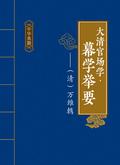 Official Studies of the Qing Dynasty·essentials of Curriculum Studies
A guide book about the work of staff in the Qing Empire. "The Official Secrets of the Secretariat" describes in detail the specific methods and techniques of staff in handling various cases and affairs. The content covers many aspects, including general introduction, robbery, murder, adultery, escape, money valley, handover, social warehouse, disaster relief, locust hunting, water conservancy, official and more than 20 categories. It is called "a must-read for officials" in the officialdom of t
—Reads8.0Score—Shelves
Official Studies of the Qing Dynasty·essentials of Curriculum Studies
A guide book about the work of staff in the Qing Empire. "The Official Secrets of the Secretariat" describes in detail the specific methods and techniques of staff in handling various cases and affairs. The content covers many aspects, including general introduction, robbery, murder, adultery, escape, money valley, handover, social warehouse, disaster relief, locust hunting, water conservancy, official and more than 20 categories. It is called "a must-read for officials" in the officialdom of t
—Reads8.0Score—Shelves
-
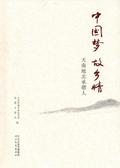 Chinese Dream Hometown Love: People from Chengde All over the World
The book is divided into four series: "Sons of Rehe", "Road to Dreams", "Love in Hometown" and "Beauty of Mind", with a total of more than 400,000 words. It contains collections published in "Chengde Daily" and "Chengde Evening News" in 2014, reflecting all parts of the country and all walks of life. There are 58 reportages on the struggle and advanced deeds of Chengde people who have made great achievements in the industry, which comprehensively show the touching stories of Chengde people from
—Reads7.8Score—Shelves
Chinese Dream Hometown Love: People from Chengde All over the World
The book is divided into four series: "Sons of Rehe", "Road to Dreams", "Love in Hometown" and "Beauty of Mind", with a total of more than 400,000 words. It contains collections published in "Chengde Daily" and "Chengde Evening News" in 2014, reflecting all parts of the country and all walks of life. There are 58 reportages on the struggle and advanced deeds of Chengde people who have made great achievements in the industry, which comprehensively show the touching stories of Chengde people from
—Reads7.8Score—Shelves
-
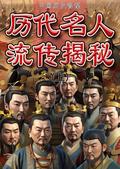 Revealing the Secrets of the Legends of Famous People from Past Dynasties (Part 1)
This book includes the content of Gou Jian's attempt to gain power and regain his country by tasting feces, keeping a low profile and Sima Yi pretending to be ill to seize power, choosing a master and escaping from Fan Sui's latrine to become prime minister, creating public opinion and Wang Mang usurping power and boasting of his "merits".
—Reads7.5Score—Shelves
Revealing the Secrets of the Legends of Famous People from Past Dynasties (Part 1)
This book includes the content of Gou Jian's attempt to gain power and regain his country by tasting feces, keeping a low profile and Sima Yi pretending to be ill to seize power, choosing a master and escaping from Fan Sui's latrine to become prime minister, creating public opinion and Wang Mang usurping power and boasting of his "merits".
—Reads7.5Score—Shelves
-
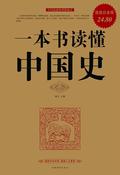 Understand Chinese History in One Book
China is a great country with a splendid civilization history of five thousand years, full of vitality and vitality. Chinese civilization has a long history, and its history is tortuous and profound. The historical events and historical figures that have occurred are complicated and have many clues. In real life, it is difficult for many people to find a way to read history and lack a clear understanding of the face of Chinese history. How to let readers clearly understand and understand history
—Reads9.5Score—Shelves
Understand Chinese History in One Book
China is a great country with a splendid civilization history of five thousand years, full of vitality and vitality. Chinese civilization has a long history, and its history is tortuous and profound. The historical events and historical figures that have occurred are complicated and have many clues. In real life, it is difficult for many people to find a way to read history and lack a clear understanding of the face of Chinese history. How to let readers clearly understand and understand history
—Reads9.5Score—Shelves
-
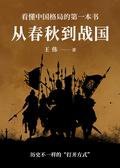 From the Spring and Autumn Period to the Warring States Period
Following "The First Book to Understand the World Pattern", the author Wang Wei returns his unique perspective to China. "From the Spring and Autumn Period to the Warring States Period" details the historical events that reconstructed the world from the Spring and Autumn Period to the Warring States Period, including the decline of the Western Zhou Dynasty and the upstarts of Jianghan and Han Dynasties. It analyzes the subtle games between the countries in the Spring and Autumn Period and the Wa
—Reads9.4Score—Shelves
From the Spring and Autumn Period to the Warring States Period
Following "The First Book to Understand the World Pattern", the author Wang Wei returns his unique perspective to China. "From the Spring and Autumn Period to the Warring States Period" details the historical events that reconstructed the world from the Spring and Autumn Period to the Warring States Period, including the decline of the Western Zhou Dynasty and the upstarts of Jianghan and Han Dynasties. It analyzes the subtle games between the countries in the Spring and Autumn Period and the Wa
—Reads9.4Score—Shelves
-
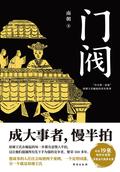 Gate Valve
In the old days, the swallows in front of Wang Xietang flew into the homes of ordinary people. The "king" here refers to a family hidden deep in history: the Langya Wang family. They flourished for more than 300 years and controlled the rise and fall of a dynasty behind the scenes. Even the emperor who sits high on the imperial palace is only an agent of his family. They are known as the "First Family in Medieval Times". This book narrates historical materials, records the rise of this family in
—Reads9.5Score—Shelves
Gate Valve
In the old days, the swallows in front of Wang Xietang flew into the homes of ordinary people. The "king" here refers to a family hidden deep in history: the Langya Wang family. They flourished for more than 300 years and controlled the rise and fall of a dynasty behind the scenes. Even the emperor who sits high on the imperial palace is only an agent of his family. They are known as the "First Family in Medieval Times". This book narrates historical materials, records the rise of this family in
—Reads9.5Score—Shelves
-
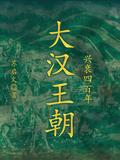 The Rise and Fall of the Han Dynasty over Four Hundred Years
This book is a selection of important historical events that occurred during the four hundred years of the Han Dynasty, during the reign of twenty-six official emperors. The palace is divided into three parts: the Western Han Dynasty, the Eastern Han Dynasty, and the Three Kingdoms. There are 36 chapters in the Western Han Dynasty, 30 chapters in the Eastern Han Dynasty, and 34 chapters in the Three Kingdoms. It details the important stage events in each period and their impact on later generati
—Reads9.5Score—Shelves
The Rise and Fall of the Han Dynasty over Four Hundred Years
This book is a selection of important historical events that occurred during the four hundred years of the Han Dynasty, during the reign of twenty-six official emperors. The palace is divided into three parts: the Western Han Dynasty, the Eastern Han Dynasty, and the Three Kingdoms. There are 36 chapters in the Western Han Dynasty, 30 chapters in the Eastern Han Dynasty, and 34 chapters in the Three Kingdoms. It details the important stage events in each period and their impact on later generati
—Reads9.5Score—Shelves
-
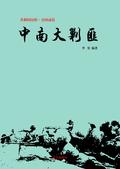 Central South Bandit Suppression
Soldiers from all over the field have made up their minds to wipe out the remaining forces of Song Xilian and then liberate Hubei! This book uses documentary techniques to describe from several aspects the process of the People's Liberation Army's Fourth Field Army and the troops affiliated with the Central and South Military Region in their struggle to suppress bandits. It also describes some little-known, bizarre, twists and turns and thrilling battle scenes in the early historical years of th
—Reads9.2Score—Shelves
Central South Bandit Suppression
Soldiers from all over the field have made up their minds to wipe out the remaining forces of Song Xilian and then liberate Hubei! This book uses documentary techniques to describe from several aspects the process of the People's Liberation Army's Fourth Field Army and the troops affiliated with the Central and South Military Region in their struggle to suppress bandits. It also describes some little-known, bizarre, twists and turns and thrilling battle scenes in the early historical years of th
—Reads9.2Score—Shelves
-
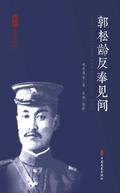 Guo Songling Rebelled Against What He Had Seen
The book "Guo Songling's Anti-Feng Feng Insights" is an important manuscript that the author accidentally discovered at an old bookstall. After careful research, it is a very precious historical memory material that has never been published. This batch of information is the first-hand information of the parties concerned, involving 18 authors. Their positions include commander-in-chief, brigade commander, regiment commander, company commander, secretary-general; director of military law, major g
—Reads9.3Score—Shelves
Guo Songling Rebelled Against What He Had Seen
The book "Guo Songling's Anti-Feng Feng Insights" is an important manuscript that the author accidentally discovered at an old bookstall. After careful research, it is a very precious historical memory material that has never been published. This batch of information is the first-hand information of the parties concerned, involving 18 authors. Their positions include commander-in-chief, brigade commander, regiment commander, company commander, secretary-general; director of military law, major g
—Reads9.3Score—Shelves
-
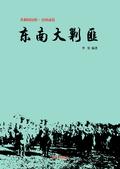 Southeastern Bandit Suppression
On the morning of November 15, 1950, County Magistrate Wang Shengsan instructed, "The body of martyr Xiao Guobao was carried from Zhongba to Changzhai on the 14th. It was determined that the Construction Department would be responsible for building a monument to the martyrs of Liberation Changshun in front of the County People's Great Hall and the tomb of martyr Xiao Guobao."
—Reads9.4Score—Shelves
Southeastern Bandit Suppression
On the morning of November 15, 1950, County Magistrate Wang Shengsan instructed, "The body of martyr Xiao Guobao was carried from Zhongba to Changzhai on the 14th. It was determined that the Construction Department would be responsible for building a monument to the martyrs of Liberation Changshun in front of the County People's Great Hall and the tomb of martyr Xiao Guobao."
—Reads9.4Score—Shelves
-
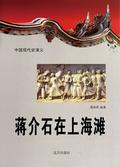 Chiang Kai-Shek on the Beach in Shanghai
The contents of this book include the two-faced factions of the Qin Dynasty and the late Chu Dynasty, the Lushun Uprising shook Sichuan, two kitchen knives started a revolution, intending to follow Sun Yat-sen, beginning to understand the Communist Party, choosing a new path at the historical juncture, the poor and the poor, replacing the old with the new and inserting the door upside down, cheating on the Pan Theater, God-given opportunities to make a fortune, there is a brave man under a heavy
—Reads7.8Score—Shelves
Chiang Kai-Shek on the Beach in Shanghai
The contents of this book include the two-faced factions of the Qin Dynasty and the late Chu Dynasty, the Lushun Uprising shook Sichuan, two kitchen knives started a revolution, intending to follow Sun Yat-sen, beginning to understand the Communist Party, choosing a new path at the historical juncture, the poor and the poor, replacing the old with the new and inserting the door upside down, cheating on the Pan Theater, God-given opportunities to make a fortune, there is a brave man under a heavy
—Reads7.8Score—Shelves
-
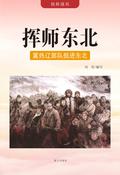 Commanding Troops to the Northeast——hebei Reliao Troops Advance into the Northeast
This book mainly introduces the Hebei Reliao troops' advance into the Northeast, mainly including the central government's decision to send troops to the Northeast: the central government studied and decided on the Northeast strategy, the anti-Japanese coalition forces returned to the Northeast, Changning airlift seized the strategic opportunity, and the central government adjusted its operational strategy; the People's Liberation Army marched toward the northeast: striving to take over the init
—Reads9.4Score—Shelves
Commanding Troops to the Northeast——hebei Reliao Troops Advance into the Northeast
This book mainly introduces the Hebei Reliao troops' advance into the Northeast, mainly including the central government's decision to send troops to the Northeast: the central government studied and decided on the Northeast strategy, the anti-Japanese coalition forces returned to the Northeast, Changning airlift seized the strategic opportunity, and the central government adjusted its operational strategy; the People's Liberation Army marched toward the northeast: striving to take over the init
—Reads9.4Score—Shelves
-
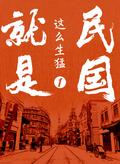 The Republic of China Was so Vigorous.1
Exclusive historical materials, cutting-edge viewpoints, the Chinese version of WikiLeaks; the "new master of humorous history telling" Wu Manlan Jiang Biao fiercely begins to talk about the history of the Republic of China! The late Qing Dynasty is like a dangerous house. If you kick it lightly, it will collapse! Faced with this critical situation, people of all colors started a big PK on the stage of China! Li Hongzhang worked hard for the Westernization Movement, but why did he get so much in
—Reads7.8Score—Shelves
The Republic of China Was so Vigorous.1
Exclusive historical materials, cutting-edge viewpoints, the Chinese version of WikiLeaks; the "new master of humorous history telling" Wu Manlan Jiang Biao fiercely begins to talk about the history of the Republic of China! The late Qing Dynasty is like a dangerous house. If you kick it lightly, it will collapse! Faced with this critical situation, people of all colors started a big PK on the stage of China! Li Hongzhang worked hard for the Westernization Movement, but why did he get so much in
—Reads7.8Score—Shelves
-
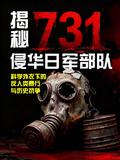 Revealing the Secret of 731 Japanese Troops Invading China
This is a dark history that has been deliberately covered up—— In the name of "scientific research," the Japanese Army's Unit 731 established a giant death factory in Northeast China, using living people to conduct inhumane experiments such as bacterial infection, vivisection, and frostbite testing. More than 3,000 innocent people were tortured to death. What is even more shocking is that these "research results" were directly used on the battlefield, launching germ warfare in more than 20 provi
—Reads9.4Score—Shelves
Revealing the Secret of 731 Japanese Troops Invading China
This is a dark history that has been deliberately covered up—— In the name of "scientific research," the Japanese Army's Unit 731 established a giant death factory in Northeast China, using living people to conduct inhumane experiments such as bacterial infection, vivisection, and frostbite testing. More than 3,000 innocent people were tortured to death. What is even more shocking is that these "research results" were directly used on the battlefield, launching germ warfare in more than 20 provi
—Reads9.4Score—Shelves