Fanqie library
Browse
- Titles
- 997
Every Fanqie book we index, searchable by title, author or tag.
-
 Three Thousand Years of Finance in China
What was the financial mechanism to sustain the long-term development and effective governance of the Chinese Empire? From a financial perspective, what is unique about China's path to becoming a modern country compared with the West? What are the financial drivers driving China's political development? China has a history of more than 3,000 years since the Shang Dynasty with precise written records. "Three Thousand Years of Finance in China" uses the clue of "finance" to reorganize Chinese hist
—Reads9.3Score—Shelves
Three Thousand Years of Finance in China
What was the financial mechanism to sustain the long-term development and effective governance of the Chinese Empire? From a financial perspective, what is unique about China's path to becoming a modern country compared with the West? What are the financial drivers driving China's political development? China has a history of more than 3,000 years since the Shang Dynasty with precise written records. "Three Thousand Years of Finance in China" uses the clue of "finance" to reorganize Chinese hist
—Reads9.3Score—Shelves
-
 The Secrets of How Wealthy Businessmen in Past Generations Made Fortunes (Part 1)
This book includes the three stories of Shen Wan: his wealth leads to trouble, he explores the ups and downs of his fortunes and sells off his land for business, he helps build Nanjing and dares to brag about his wealth to the emperor, he succeeds in business and Qian Tongshen, he does all the business in the world in Yunnan, etc.
—Reads8.1Score—Shelves
The Secrets of How Wealthy Businessmen in Past Generations Made Fortunes (Part 1)
This book includes the three stories of Shen Wan: his wealth leads to trouble, he explores the ups and downs of his fortunes and sells off his land for business, he helps build Nanjing and dares to brag about his wealth to the emperor, he succeeds in business and Qian Tongshen, he does all the business in the world in Yunnan, etc.
—Reads8.1Score—Shelves
-
 Empress Dowager Cixi
 is a famous figure in the history of China's late Qing Dynasty. This book takes Cixi's life as the main line, is based on authoritative historical materials, and tells the story of the controversial life of Empress Dowager Cixi. The book comprehensively records the mystery of Empress Dowager Cixi's birth, her daily life, her teenage years, her escape to the north with Emperor Xianfeng, her dealings with the eight ministers Gu Ming, her rebellion with Prince Gong, the 1898 Co
—Reads9.4Score—Shelves
Empress Dowager Cixi
Empress Dowager Cixi is a famous figure in the history of China's late Qing Dynasty. This book takes Cixi's life as the main line, is based on authoritative historical materials, and tells the story of the controversial life of Empress Dowager Cixi. The book comprehensively records the mystery of Empress Dowager Cixi's birth, her daily life, her teenage years, her escape to the north with Emperor Xianfeng, her dealings with the eight ministers Gu Ming, her rebellion with Prince Gong, the 1898 Co
—Reads9.4Score—Shelves
-
 Economic War - Three Major Battles to Win on the Economic Front
This book includes: starting the war for the silver dollar; establishing the Financial and Economic Committee of the Central Committee; Chen Yun presiding over the work of the Central Finance Committee; holding the founding meeting of the Central Finance Committee; Chen Yun studying market prices; winning the first battle to stabilize the economy; decisive battle in the grain and cotton market; Chen Yun solving transportation problems; grain adjustment in Northeast China Scare off grain dealers;
—Reads9.3Score—Shelves
Economic War - Three Major Battles to Win on the Economic Front
This book includes: starting the war for the silver dollar; establishing the Financial and Economic Committee of the Central Committee; Chen Yun presiding over the work of the Central Finance Committee; holding the founding meeting of the Central Finance Committee; Chen Yun studying market prices; winning the first battle to stabilize the economy; decisive battle in the grain and cotton market; Chen Yun solving transportation problems; grain adjustment in Northeast China Scare off grain dealers;
—Reads9.3Score—Shelves
-
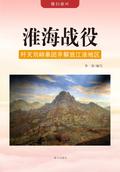 Battle of Huaihai - Annihilate the Liu Zhi Group and Liberate the Jianghuai Area
The content of this book includes the Battle of Nianzhuang: the central decision-making of the Huaihai Campaign, the adjustment of strategic intentions, the Battle of Shuangduiji: the attack on Su County to cut off the Xu-Beng Line, the adjustment of the combat plan, the Battle of Chenguanzhuang: the Kuomintang's retreat from Xuzhou, the People's Liberation Army taking advantage of the victory to encircle the enemy, etc.
—Reads9.0Score—Shelves
Battle of Huaihai - Annihilate the Liu Zhi Group and Liberate the Jianghuai Area
The content of this book includes the Battle of Nianzhuang: the central decision-making of the Huaihai Campaign, the adjustment of strategic intentions, the Battle of Shuangduiji: the attack on Su County to cut off the Xu-Beng Line, the adjustment of the combat plan, the Battle of Chenguanzhuang: the Kuomintang's retreat from Xuzhou, the People's Liberation Army taking advantage of the victory to encircle the enemy, etc.
—Reads9.0Score—Shelves
-
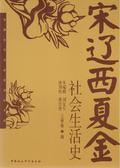 Social Life History of the Song, Liao, Western Xia and Jin Dynasties (History of Social Life in Ancient China)
The Song, Liao, Xixia, and Jin periods were an era of multi-ethnic strife and integration. All aspects of their social life show the richness and variety of customs of various ethnic groups, and there is me among you, and you among me. During this period, there were four main changes in Chinese customs. First, the living room changed from kneeling on the floor to sitting with one's feet down, which caused a series of changes in etiquette and furniture. The kang introduced by the Jurchens began t
—Reads8.4Score—Shelves
Social Life History of the Song, Liao, Western Xia and Jin Dynasties (History of Social Life in Ancient China)
The Song, Liao, Xixia, and Jin periods were an era of multi-ethnic strife and integration. All aspects of their social life show the richness and variety of customs of various ethnic groups, and there is me among you, and you among me. During this period, there were four main changes in Chinese customs. First, the living room changed from kneeling on the floor to sitting with one's feet down, which caused a series of changes in etiquette and furniture. The kang introduced by the Jurchens began t
—Reads8.4Score—Shelves
-
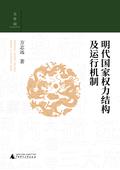 State Power Structure and Operating Mechanism in the Ming Dynasty
This book is a classic work on the history of the political system of the Ming Dynasty. It is based on the basic characteristics and formation path of the ancient Chinese state system. It takes the internal structure and operating rules of state power in the Ming Dynasty as an entry point and outlines the huge state machinery of the Ming Dynasty that had checks and balances at every level from the central to the local level, from the emperor to the gentry. Through the entire process of the estab
—Reads9.3Score—Shelves
State Power Structure and Operating Mechanism in the Ming Dynasty
This book is a classic work on the history of the political system of the Ming Dynasty. It is based on the basic characteristics and formation path of the ancient Chinese state system. It takes the internal structure and operating rules of state power in the Ming Dynasty as an entry point and outlines the huge state machinery of the Ming Dynasty that had checks and balances at every level from the central to the local level, from the emperor to the gentry. Through the entire process of the estab
—Reads9.3Score—Shelves
-
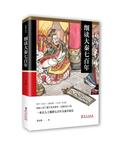 A Closer Look at the Seven Hundred Years of the Qin Dynasty
In 221 BC, King Qin unified the world and established the Qin Dynasty; in 207 BC, Prince Qin Ying surrendered to Liu Bang, and the Qin Dynasty perished. The powerful Qin Empire only existed for a short period of 14 years, but it took nearly 700 years for the Qin State to develop into the Qin Dynasty. The book is divided into six parts: "Rise, Confrontation, Soar, Expansion, Unification, and Collapse". It explores the subtleties of history, tells us the historical origins between the vassal state
—Reads9.3Score—Shelves
A Closer Look at the Seven Hundred Years of the Qin Dynasty
In 221 BC, King Qin unified the world and established the Qin Dynasty; in 207 BC, Prince Qin Ying surrendered to Liu Bang, and the Qin Dynasty perished. The powerful Qin Empire only existed for a short period of 14 years, but it took nearly 700 years for the Qin State to develop into the Qin Dynasty. The book is divided into six parts: "Rise, Confrontation, Soar, Expansion, Unification, and Collapse". It explores the subtleties of history, tells us the historical origins between the vassal state
—Reads9.3Score—Shelves
-
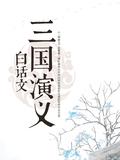 Romance of the Three Kingdoms in Vernacular
"The Romance of the Three Kingdoms" describes the historical events of nearly a hundred years from the end of the Eastern Han Dynasty to the early years of the Western Jin Dynasty. It mainly describes wars. It tells the story of the war between the heroes in the late Eastern Han Dynasty and the political and military struggles among the three kingdoms of Wei, Shu and Wu. Finally, Sima Yan unified the three kingdoms and established the Jin Dynasty. It reflects the transformation of various social
—Reads9.5Score—Shelves
Romance of the Three Kingdoms in Vernacular
"The Romance of the Three Kingdoms" describes the historical events of nearly a hundred years from the end of the Eastern Han Dynasty to the early years of the Western Jin Dynasty. It mainly describes wars. It tells the story of the war between the heroes in the late Eastern Han Dynasty and the political and military struggles among the three kingdoms of Wei, Shu and Wu. Finally, Sima Yan unified the three kingdoms and established the Jin Dynasty. It reflects the transformation of various social
—Reads9.5Score—Shelves
-
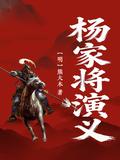 The Romance of the Yang Family (Original Work)
"Generals of the Yang Family" is a historical heroic romance novel written by the Ming Dynasty writer Xiong Damu. It is set in the early Northern Song Dynasty and tells the heroic deeds of Yang Ye and his descendants who were loyal and brave for generations to resist the enemy and defend the country. By depicting the heroic stories of the Yang family generals who fought bloody battles and defended the frontier, the work created popular heroic images of Yang Ye, Yang Yanzhao, Yang Zongbao, etc.,
—Reads7.9Score—Shelves
The Romance of the Yang Family (Original Work)
"Generals of the Yang Family" is a historical heroic romance novel written by the Ming Dynasty writer Xiong Damu. It is set in the early Northern Song Dynasty and tells the heroic deeds of Yang Ye and his descendants who were loyal and brave for generations to resist the enemy and defend the country. By depicting the heroic stories of the Yang family generals who fought bloody battles and defended the frontier, the work created popular heroic images of Yang Ye, Yang Yanzhao, Yang Zongbao, etc.,
—Reads7.9Score—Shelves
-
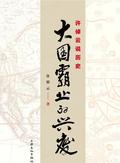 Xu Zhuoyun Talks About History: the Rise and Fall of Great Powers' Hegemony
The rise and fall of a dynasty can be summed up in one sentence: whether the core of public power is released. ——Xu Zhuoyun Mr. Xu Zhuoyun, with his profound knowledge of integrating the East and the West and connecting the past and the present, deeply analyzed from the perspective of systems theory the success and failure of the hegemony of great powers at home and abroad in ancient and modern times. In the Chinese history section, starting from the Qin and Han Empires, the book outlines and o
—Reads9.3Score—Shelves
Xu Zhuoyun Talks About History: the Rise and Fall of Great Powers' Hegemony
The rise and fall of a dynasty can be summed up in one sentence: whether the core of public power is released. ——Xu Zhuoyun Mr. Xu Zhuoyun, with his profound knowledge of integrating the East and the West and connecting the past and the present, deeply analyzed from the perspective of systems theory the success and failure of the hegemony of great powers at home and abroad in ancient and modern times. In the Chinese history section, starting from the Qin and Han Empires, the book outlines and o
—Reads9.3Score—Shelves
-
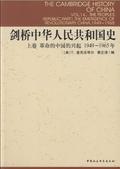 Cambridge History of the People's Republic of China. Volume 1
"Cambridge History of China" is one of Cambridge's various history series. Each volume is edited by scholars who study the corresponding periods of Chinese history. Each chapter in the volume is written by experts on various topics, including Chinese history researchers from all over the world. To a certain extent, it represents the level and trend of Western Chinese history research and has a certain influence in the international academic community. The translation of this volume is still fait
—Reads9.1Score—Shelves
Cambridge History of the People's Republic of China. Volume 1
"Cambridge History of China" is one of Cambridge's various history series. Each volume is edited by scholars who study the corresponding periods of Chinese history. Each chapter in the volume is written by experts on various topics, including Chinese history researchers from all over the world. To a certain extent, it represents the level and trend of Western Chinese history research and has a certain influence in the international academic community. The translation of this volume is still fait
—Reads9.1Score—Shelves
-
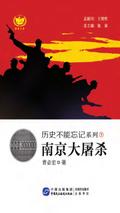 Nanjing Massacre
"History Can't Forget" is a themed series of books specially designed by China Democracy and Legal Publishing House for young readers. It aims to allow young people to fully understand the face of the Anti-Japanese War and inspire their patriotism. This book is a part of the series, which mainly reflects the process of the Japanese invasion of Nanjing and the fall of Nanjing, the shameful acts of bloody massacre, brutal rape, wanton robbery, arson, and cultural destruction carried out by the Jap
—Reads9.5Score—Shelves
Nanjing Massacre
"History Can't Forget" is a themed series of books specially designed by China Democracy and Legal Publishing House for young readers. It aims to allow young people to fully understand the face of the Anti-Japanese War and inspire their patriotism. This book is a part of the series, which mainly reflects the process of the Japanese invasion of Nanjing and the fall of Nanjing, the shameful acts of bloody massacre, brutal rape, wanton robbery, arson, and cultural destruction carried out by the Jap
—Reads9.5Score—Shelves
-
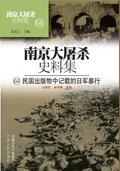 Nanjing Massacre Historical Materials Volume 64 Japanese Atrocities in Publications of the Republic of China
"Collection of Historical Materials on the Nanjing Massacre" is a large-scale academic project. The collection, arrangement of historical materials, and the translation, editing and publication of English, Japanese, German, Italian, Russian and other documents are very complex and arduous tasks, so they can only be published in batches. It is unavoidable to arrange the publication of similar historical materials in different volumes. We apologize for this. We hope that this collection of histori
—Reads9.4Score—Shelves
Nanjing Massacre Historical Materials Volume 64 Japanese Atrocities in Publications of the Republic of China
"Collection of Historical Materials on the Nanjing Massacre" is a large-scale academic project. The collection, arrangement of historical materials, and the translation, editing and publication of English, Japanese, German, Italian, Russian and other documents are very complex and arduous tasks, so they can only be published in batches. It is unavoidable to arrange the publication of similar historical materials in different volumes. We apologize for this. We hope that this collection of histori
—Reads9.4Score—Shelves
-
 Internal Guard's Sword: the Headquarters of the Chinese People's Armed Police Force Was Established
Although "The Story of the Republic" is a story, it has nothing to do with drama. We just want to record this period of history with the help of popular and appealing words. This 500-volume series brings together 500 major historical events that have a profound impact on the history of the Republic. In terms of the layout of the series, we have tried our best to select a number of events that are representative or of universal significance in each era and describe them so that they can reflect t
—Reads9.3Score—Shelves
Internal Guard's Sword: the Headquarters of the Chinese People's Armed Police Force Was Established
Although "The Story of the Republic" is a story, it has nothing to do with drama. We just want to record this period of history with the help of popular and appealing words. This 500-volume series brings together 500 major historical events that have a profound impact on the history of the Republic. In terms of the layout of the series, we have tried our best to select a number of events that are representative or of universal significance in each era and describe them so that they can reflect t
—Reads9.3Score—Shelves
-
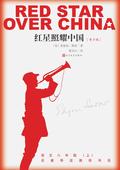 Red Star Shines on China: Youth Edition
"Red Star Shines on China" is a documentary literary work created by American journalist Edgar Snow and translated by Dong Leshan. This book truly records what the author saw and heard during on-the-spot interviews in the revolutionary base areas in northwest China from June to October 1936. It reports to the world the situation of China, the Chinese Workers' and Peasants' Red Army, and many Red Army leaders and Red Army generals. 2016 Marks the 80th anniversary of the victory of the Long March
—Reads9.5Score—Shelves
Red Star Shines on China: Youth Edition
"Red Star Shines on China" is a documentary literary work created by American journalist Edgar Snow and translated by Dong Leshan. This book truly records what the author saw and heard during on-the-spot interviews in the revolutionary base areas in northwest China from June to October 1936. It reports to the world the situation of China, the Chinese Workers' and Peasants' Red Army, and many Red Army leaders and Red Army generals. 2016 Marks the 80th anniversary of the victory of the Long March
—Reads9.5Score—Shelves
-
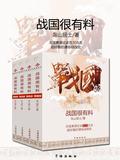 Read the History of the Warring States Period in One Go: the Warring States Period Is Full of Information (All Three Volumes)
This book uses an easy-to-understand method to present the heart-stirring history of the Warring States Period in front of readers. Here are the familiar four princes of the Warring States Period; there are tragic war epics; there are academic thoughts where a hundred schools of thought contend; there is the change of overlords among the princes; here is the popular history of the Warring States Period: The Warring States Period is full of information.
—Reads9.5Score—Shelves
Read the History of the Warring States Period in One Go: the Warring States Period Is Full of Information (All Three Volumes)
This book uses an easy-to-understand method to present the heart-stirring history of the Warring States Period in front of readers. Here are the familiar four princes of the Warring States Period; there are tragic war epics; there are academic thoughts where a hundred schools of thought contend; there is the change of overlords among the princes; here is the popular history of the Warring States Period: The Warring States Period is full of information.
—Reads9.5Score—Shelves
-
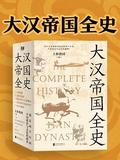 The Whole History of the Han Empire
Ranked first in the history list of Tianya Cooking Wine, with more than 10 million clicks during the serialization period, it is another popular history book after "Those Things in the Ming Dynasty"! This is an interesting, informative and rigorous popular reading on the history of the Han Dynasty. It tells the history that is closest to reality in an interesting and humorous style.
—Reads—Score—Shelves
The Whole History of the Han Empire
Ranked first in the history list of Tianya Cooking Wine, with more than 10 million clicks during the serialization period, it is another popular history book after "Those Things in the Ming Dynasty"! This is an interesting, informative and rigorous popular reading on the history of the Han Dynasty. It tells the history that is closest to reality in an interesting and humorous style.
—Reads—Score—Shelves
-
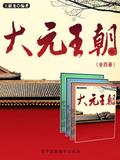 The Yuan Dynasty (Four Volumes)
In the Song Dynasty, the military power of the country was weak, but the economy and culture were prosperous. The politics and military and the economy and culture formed an extremely sharp contrast, seemingly disharmony coexisting in one, which led to very different evaluations from readers of history in the past, including praise and blame. The Song Dynasty thousands of years ago has become history, but the celebrities and sages, talented scholars, street life, crafts and curios of the Song Dy
—Reads9.4Score—Shelves
The Yuan Dynasty (Four Volumes)
In the Song Dynasty, the military power of the country was weak, but the economy and culture were prosperous. The politics and military and the economy and culture formed an extremely sharp contrast, seemingly disharmony coexisting in one, which led to very different evaluations from readers of history in the past, including praise and blame. The Song Dynasty thousands of years ago has become history, but the celebrities and sages, talented scholars, street life, crafts and curios of the Song Dy
—Reads9.4Score—Shelves
-
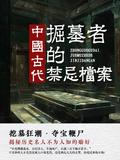 Taboo Archives of Ancient Chinese Gravediggers
"A small leather whip dipped in salt water will not be used to hit living people, but will be used to whip dead corpses. It will not stop after less than three hundred blows." Not only was the person who did this not criticized, but he was also praised by Dr. Kong. Do you think this will never happen? This is about Wu Zixu, who dug up graves and whipped corpses not for money, but only to avenge his father's shame. He dug up King Ping of Chu and whipped his corpse three hundred times, creating a
—Reads8.3Score—Shelves
Taboo Archives of Ancient Chinese Gravediggers
"A small leather whip dipped in salt water will not be used to hit living people, but will be used to whip dead corpses. It will not stop after less than three hundred blows." Not only was the person who did this not criticized, but he was also praised by Dr. Kong. Do you think this will never happen? This is about Wu Zixu, who dug up graves and whipped corpses not for money, but only to avenge his father's shame. He dug up King Ping of Chu and whipped his corpse three hundred times, creating a
—Reads8.3Score—Shelves
-
 The Law of Blood Remuneration: the Survival Game in Chinese History
"The Law of Blood Remuneration: The Survival Game in Chinese History" This book proposes concepts such as blood rewards and meta-rules. The so-called blood reward, that is, the reward obtained from bleeding and fighting, embodies the exchange relationship between life and survival resources. The law of blood reward has three key points: 1. Blood reward is the profit from violent plunder at the cost of life. 2. When the blood reward is greater than the cost, violent plunder occurs. 3. Violent plu
—Reads9.4Score—Shelves
The Law of Blood Remuneration: the Survival Game in Chinese History
"The Law of Blood Remuneration: The Survival Game in Chinese History" This book proposes concepts such as blood rewards and meta-rules. The so-called blood reward, that is, the reward obtained from bleeding and fighting, embodies the exchange relationship between life and survival resources. The law of blood reward has three key points: 1. Blood reward is the profit from violent plunder at the cost of life. 2. When the blood reward is greater than the cost, violent plunder occurs. 3. Violent plu
—Reads9.4Score—Shelves
-
 Chronicles of the Ancient Kingdoms of Pre-Qin Dynasty
This book systematically tells the history of more than two hundred ancient countries in the pre-Qin era, divided into seven parts: East China, Central China, South China, Southwest, Northwest, North China, and Northeast China. It shows the style of the ancient countries in the "era of all nations" in the pre-Qin period. These two hundred ancient countries are rarely mentioned in Sima Qian's "Historical Records". There are records, but their stories are rarely known. This book is based on tradit
—Reads9.3Score—Shelves
Chronicles of the Ancient Kingdoms of Pre-Qin Dynasty
This book systematically tells the history of more than two hundred ancient countries in the pre-Qin era, divided into seven parts: East China, Central China, South China, Southwest, Northwest, North China, and Northeast China. It shows the style of the ancient countries in the "era of all nations" in the pre-Qin period. These two hundred ancient countries are rarely mentioned in Sima Qian's "Historical Records". There are records, but their stories are rarely known. This book is based on tradit
—Reads9.3Score—Shelves
-
 Selected Poems of Song Zhiwen
Song Zhiwen (about 656 - about 712), whose courtesy name was Yanqing and whose given name was Shaolian, was a Han nationality from Fenzhou (now Fenyang City, Shanxi Province). He was a poet in the early Tang Dynasty. He and Shen Quanqi were also called "Shen Song". In the second year of Shangyuan (675), Emperor Gaozong of the Tang Dynasty, he passed the imperial examination. Wu Zetian was the one who held the real power at that time. Song Zhiwen, who was rich in talent and learning, was deeply a
—Reads8.5Score—Shelves
Selected Poems of Song Zhiwen
Song Zhiwen (about 656 - about 712), whose courtesy name was Yanqing and whose given name was Shaolian, was a Han nationality from Fenzhou (now Fenyang City, Shanxi Province). He was a poet in the early Tang Dynasty. He and Shen Quanqi were also called "Shen Song". In the second year of Shangyuan (675), Emperor Gaozong of the Tang Dynasty, he passed the imperial examination. Wu Zetian was the one who held the real power at that time. Song Zhiwen, who was rich in talent and learning, was deeply a
—Reads8.5Score—Shelves
-
 A Study on the Song Dynasty
The Song Dynasty was an era of highly prosperous commodity economy, culture, education, and scientific innovation in ancient Chinese history. In the more than 300 years since its founding, the Song Dynasty overthrew twice, both due to foreign aggression. It was the only dynasty that did not die from civil strife, so it has unique research value. Chinese and foreign historians have concentrated a large number of scholars on various aspects of the Song Dynasty, and many results with certain social
—Reads8.7Score—Shelves
A Study on the Song Dynasty
The Song Dynasty was an era of highly prosperous commodity economy, culture, education, and scientific innovation in ancient Chinese history. In the more than 300 years since its founding, the Song Dynasty overthrew twice, both due to foreign aggression. It was the only dynasty that did not die from civil strife, so it has unique research value. Chinese and foreign historians have concentrated a large number of scholars on various aspects of the Song Dynasty, and many results with certain social
—Reads8.7Score—Shelves
-
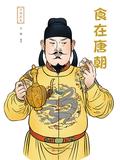 Exploring History: Food in the Tang Dynasty
"Eating in the Tang Dynasty" is about the food of the Tang Dynasty in the historical series "Eating in the Tang Dynasty". It selects the parts about eating from Tang poetry, Tang legends, Tang Dynasty prose and literati's notes, and explains them in detail in categories according to the categories and characteristics of the food. It provides a relatively comprehensive overview and introduction to the food and culture of the Tang Dynasty.
—Reads8.5Score—Shelves
Exploring History: Food in the Tang Dynasty
"Eating in the Tang Dynasty" is about the food of the Tang Dynasty in the historical series "Eating in the Tang Dynasty". It selects the parts about eating from Tang poetry, Tang legends, Tang Dynasty prose and literati's notes, and explains them in detail in categories according to the categories and characteristics of the food. It provides a relatively comprehensive overview and introduction to the food and culture of the Tang Dynasty.
—Reads8.5Score—Shelves
-
 The Rule of Hongwu - the Southern Expedition and the Northern Expedition and the Four Major Cases in the Early Ming Dynasty
Zhu Yuanzhang led the heroes to pacify Jiangnan, overthrew the Yuan Dynasty, and established the Ming Dynasty. On the one hand, he worked diligently and loved the people, cultivated himself, organized households and unified the people, promoted imperial examinations, and cracked down on corruption and gangsters, so that the Ming Dynasty gradually got on the right track and was full of vitality; on the other hand, he lost his son in his later years and deliberately created Hu Lan's Prison and bru
—Reads9.2Score—Shelves
The Rule of Hongwu - the Southern Expedition and the Northern Expedition and the Four Major Cases in the Early Ming Dynasty
Zhu Yuanzhang led the heroes to pacify Jiangnan, overthrew the Yuan Dynasty, and established the Ming Dynasty. On the one hand, he worked diligently and loved the people, cultivated himself, organized households and unified the people, promoted imperial examinations, and cracked down on corruption and gangsters, so that the Ming Dynasty gradually got on the right track and was full of vitality; on the other hand, he lost his son in his later years and deliberately created Hu Lan's Prison and bru
—Reads9.2Score—Shelves
-
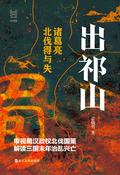 Leaving Qishan: Zhuge Liang's Gains and Losses in the Northern Expedition (Longitude and Latitude Series)
Best-selling historical writer Yuan Canxing's new work will help you understand the cruel fate that the people of the Shu Han Dynasty experienced in order to realize Liu Bei's dream. Prime Minister Zhuge devoted himself to death, and the people of Shu Han died. The later master Liu Chan was happy and did not miss Shu, so that the common people had a chance to survive. This book focuses on the Shu Han regime's Northern Expedition "out of Qishan" during the Three Kingdoms period, discusses the est
—Reads9.1Score—Shelves
Leaving Qishan: Zhuge Liang's Gains and Losses in the Northern Expedition (Longitude and Latitude Series)
Best-selling historical writer Yuan Canxing's new work will help you understand the cruel fate that the people of the Shu Han Dynasty experienced in order to realize Liu Bei's dream. Prime Minister Zhuge devoted himself to death, and the people of Shu Han died. The later master Liu Chan was happy and did not miss Shu, so that the common people had a chance to survive. This book focuses on the Shu Han regime's Northern Expedition "out of Qishan" during the Three Kingdoms period, discusses the est
—Reads9.1Score—Shelves
-
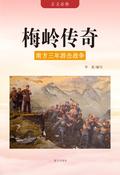 The Legend of Meiling - Three Years of Guerrilla War in the South
On October 13, the Central Branch and the Central Government Office held a meeting in Ruijin of the main responsible persons of the former Central Committee of the Communist Party of China and the central government departments remaining in the Soviet Area, and announced the establishment of the Central Branch and the Central Government Office. The Central Bureau initially consisted of five people, including Xiang Ying, Chen Yi, Chen Tanqiu, He Chang, and Qu Qiubai. Later, Deng Zihui, Zhang Ding
—Reads9.4Score—Shelves
The Legend of Meiling - Three Years of Guerrilla War in the South
On October 13, the Central Branch and the Central Government Office held a meeting in Ruijin of the main responsible persons of the former Central Committee of the Communist Party of China and the central government departments remaining in the Soviet Area, and announced the establishment of the Central Branch and the Central Government Office. The Central Bureau initially consisted of five people, including Xiang Ying, Chen Yi, Chen Tanqiu, He Chang, and Qu Qiubai. Later, Deng Zihui, Zhang Ding
—Reads9.4Score—Shelves
-
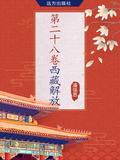 Volume 28: Liberation of Tibet
The content of this book includes the disputes when danger is imminent, Liu Wenhui's visit to the Hongmen Banquet, repeated remonstrances to no avail, the long love between Hu Zongnan's children, Hu Zongnan's role as a scapegoat, the operation of the Longxing Temple headquarters, Chiang Kai-shek's farewell to the mainland, The military meeting before the war, Han Chenglie's blessing in disguise, the unreturnable fleet, fighting alone without backup, Fan Wenxiu's tragic hero, the hero's bloody Ki
—Reads9.1Score—Shelves
Volume 28: Liberation of Tibet
The content of this book includes the disputes when danger is imminent, Liu Wenhui's visit to the Hongmen Banquet, repeated remonstrances to no avail, the long love between Hu Zongnan's children, Hu Zongnan's role as a scapegoat, the operation of the Longxing Temple headquarters, Chiang Kai-shek's farewell to the mainland, The military meeting before the war, Han Chenglie's blessing in disguise, the unreturnable fleet, fighting alone without backup, Fan Wenxiu's tragic hero, the hero's bloody Ki
—Reads9.1Score—Shelves
-
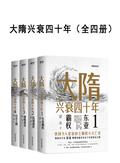 The Rise and Fall of the Sui Dynasty (4 Volumes in Total)
In ancient Chinese history, there was a unified dynasty that was as short-lived as the Qin Dynasty - the Sui Dynasty, which died in less than forty years. Although short-lived, the Sui Dynasty also had the same extraordinary and legendary historical characteristics as the Qin Dynasty: unity, prosperity, civilization, and short-lived, tyrannical, and rebellion coexisted. This was a prosperous and civilized dynasty. Its warehouses were filled with food that could not be eaten for fifty or sixty ye
—Reads9.5Score—Shelves
The Rise and Fall of the Sui Dynasty (4 Volumes in Total)
In ancient Chinese history, there was a unified dynasty that was as short-lived as the Qin Dynasty - the Sui Dynasty, which died in less than forty years. Although short-lived, the Sui Dynasty also had the same extraordinary and legendary historical characteristics as the Qin Dynasty: unity, prosperity, civilization, and short-lived, tyrannical, and rebellion coexisted. This was a prosperous and civilized dynasty. Its warehouses were filled with food that could not be eaten for fifty or sixty ye
—Reads9.5Score—Shelves
-
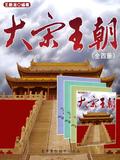 Song Dynasty (Four Volumes)
In the Song Dynasty, the military power of the country was weak, but the economy and culture were prosperous. The politics and military and the economy and culture formed an extremely sharp contrast, seemingly disharmony coexisting in one, which led to very different evaluations from readers of history in the past, including praise and blame. The Song Dynasty thousands of years ago has become history, but the celebrities and sages, talented scholars, street life, crafts and curios of the Song Dy
—Reads9.4Score—Shelves
Song Dynasty (Four Volumes)
In the Song Dynasty, the military power of the country was weak, but the economy and culture were prosperous. The politics and military and the economy and culture formed an extremely sharp contrast, seemingly disharmony coexisting in one, which led to very different evaluations from readers of history in the past, including praise and blame. The Song Dynasty thousands of years ago has become history, but the celebrities and sages, talented scholars, street life, crafts and curios of the Song Dy
—Reads9.4Score—Shelves
-
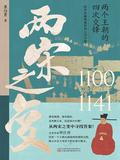 Changes in the Two Song Dynasties
The book depicts the history of the confrontation between the north and the south from Huizong Zhao Ji's accession to the throne in the first month of 1100 to the Shaoxing peace talks between the Song and Jin Dynasties in 1141. It shows the whole process of the Northern Song Dynasty's empire from prosperity to decline, rapid decline, and eventual destruction, as well as the Southern Song Dynasty's military and civilian resistance step by step, and finally established a foothold in the peaceful c
—Reads9.1Score—Shelves
Changes in the Two Song Dynasties
The book depicts the history of the confrontation between the north and the south from Huizong Zhao Ji's accession to the throne in the first month of 1100 to the Shaoxing peace talks between the Song and Jin Dynasties in 1141. It shows the whole process of the Northern Song Dynasty's empire from prosperity to decline, rapid decline, and eventual destruction, as well as the Southern Song Dynasty's military and civilian resistance step by step, and finally established a foothold in the peaceful c
—Reads9.1Score—Shelves
-
 Song Dynasty Facts Garden (Free Public Edition Book)
Also known as "Facts Leiyuan" and "Song Dynasty Leiyao". Class book. Shaoyu, courtesy name Yuzhong, was born in Changshan, Quzhou (now part of Zhejiang). He was a Jinshi in Zhenghe, transferred to the Tiantai Academy, and served successively as the prefect of Jian, Rao and Jizhou. This is because there are many records of the Northern Song Dynasty's court and civil affairs scattered in various records. However, they are scattered and inconsistent, making it difficult to examine them. So I collec
—Reads8.5Score—Shelves
Song Dynasty Facts Garden (Free Public Edition Book)
Also known as "Facts Leiyuan" and "Song Dynasty Leiyao". Class book. Shaoyu, courtesy name Yuzhong, was born in Changshan, Quzhou (now part of Zhejiang). He was a Jinshi in Zhenghe, transferred to the Tiantai Academy, and served successively as the prefect of Jian, Rao and Jizhou. This is because there are many records of the Northern Song Dynasty's court and civil affairs scattered in various records. However, they are scattered and inconsistent, making it difficult to examine them. So I collec
—Reads8.5Score—Shelves
-
 Records of the Fourth Red Front Army's Campaign
In the late 1920s and early 1930s, as famous generals such as Xu Xiangqian, Xu Jishen, Zeng Zhongsheng, and Kuang Jixun entered the Dabie Mountains, a large red army appeared in the vast area north of the Yangtze River, south of the Huaihe River, and east of Pinghan Road. She was the Fourth Red Army that created the Hubei-Henan-Anhui Soviet Area and the Sichuan-Shaanxi Soviet Area, the second largest red base in the country. In the face of increasingly crazy "encirclement and suppression" campai
—Reads9.6Score—Shelves
Records of the Fourth Red Front Army's Campaign
In the late 1920s and early 1930s, as famous generals such as Xu Xiangqian, Xu Jishen, Zeng Zhongsheng, and Kuang Jixun entered the Dabie Mountains, a large red army appeared in the vast area north of the Yangtze River, south of the Huaihe River, and east of Pinghan Road. She was the Fourth Red Army that created the Hubei-Henan-Anhui Soviet Area and the Sichuan-Shaanxi Soviet Area, the second largest red base in the country. In the face of increasingly crazy "encirclement and suppression" campai
—Reads9.6Score—Shelves
-
 Sketch Recipe (Free Public Edition Book)
Originally called "Jingfang Xiaopin", it is a medical prescription work. Written by Chen Yanzhi. It was written between the first year of Xiaojian and the first year of Yonghui (454-473) in Song Dynasty in the Southern and Northern Dynasties. The title of the book "Jingfang" comes from "Hanshu·Yiwenzhi", and the meaning of "Xiaopin" is taken from the Buddhist classic "Xiaopin Prajna" (also translated as "Xiaopin Jing"). The original book has been lost for a long time and has not been published i
—Reads8.7Score—Shelves
Sketch Recipe (Free Public Edition Book)
Originally called "Jingfang Xiaopin", it is a medical prescription work. Written by Chen Yanzhi. It was written between the first year of Xiaojian and the first year of Yonghui (454-473) in Song Dynasty in the Southern and Northern Dynasties. The title of the book "Jingfang" comes from "Hanshu·Yiwenzhi", and the meaning of "Xiaopin" is taken from the Buddhist classic "Xiaopin Prajna" (also translated as "Xiaopin Jing"). The original book has been lost for a long time and has not been published i
—Reads8.7Score—Shelves
-
 The Iron-Blooded Spirit of the Northern and Southern Dynasties Swallowed up Liu Jinnu Who Was Thousands of Miles Away
A history of fighting and fighting, a hero's magnificent life. Liu Yu single-handedly opened the ups and downs of the Northern and Southern Dynasties. In terms of political governance, his policies contributed to the peaceful and prosperous era of the "Yuanjia Rule"; in terms of martial arts, he unified the south for the first time after more than a hundred years of chaos. The two Northern Expeditions established the largest territory of the Southern Dynasty. Liu Yu was an outstanding military c
—Reads9.4Score—Shelves
The Iron-Blooded Spirit of the Northern and Southern Dynasties Swallowed up Liu Jinnu Who Was Thousands of Miles Away
A history of fighting and fighting, a hero's magnificent life. Liu Yu single-handedly opened the ups and downs of the Northern and Southern Dynasties. In terms of political governance, his policies contributed to the peaceful and prosperous era of the "Yuanjia Rule"; in terms of martial arts, he unified the south for the first time after more than a hundred years of chaos. The two Northern Expeditions established the largest territory of the Southern Dynasty. Liu Yu was an outstanding military c
—Reads9.4Score—Shelves
-
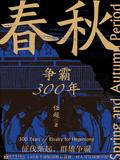 Spring and Autumn Period: 300 Years of Struggle for Hegemony
During the 300 years of the Spring and Autumn Period, heroes rose up together, and the front lines were gradually stained with blood; hundreds of schools of thought contended, and ideas flowed freely. This is a time of chaos, a time of rebellion. The feudal system began to disintegrate at its peak, all changes were brewing, and China was about to enter an unprecedented new chapter. This book takes the Five Hegemons of the Spring and Autumn Period as the main clue. The time span starts from 771 B
—Reads9.5Score—Shelves
Spring and Autumn Period: 300 Years of Struggle for Hegemony
During the 300 years of the Spring and Autumn Period, heroes rose up together, and the front lines were gradually stained with blood; hundreds of schools of thought contended, and ideas flowed freely. This is a time of chaos, a time of rebellion. The feudal system began to disintegrate at its peak, all changes were brewing, and China was about to enter an unprecedented new chapter. This book takes the Five Hegemons of the Spring and Autumn Period as the main clue. The time span starts from 771 B
—Reads9.5Score—Shelves
-
 Selected Historical Records (Collection of Chinese Classical Literature Reader Series)
The book "Selected Historical Records" incorporates Mr. Wang Boxiang's lifelong efforts in studying "Records of the Historian". So far, this "Selected Historical Records" is still the highest academic level among the anthologies of "Historical Records" published at home and abroad. The "Preface" at the beginning of this book systematically discusses Sima Qian's life, the great historical and literary achievements, far-reaching influence and version knowledge of "Historical Records". It is a uniq
—Reads8.6Score—Shelves
Selected Historical Records (Collection of Chinese Classical Literature Reader Series)
The book "Selected Historical Records" incorporates Mr. Wang Boxiang's lifelong efforts in studying "Records of the Historian". So far, this "Selected Historical Records" is still the highest academic level among the anthologies of "Historical Records" published at home and abroad. The "Preface" at the beginning of this book systematically discusses Sima Qian's life, the great historical and literary achievements, far-reaching influence and version knowledge of "Historical Records". It is a uniq
—Reads8.6Score—Shelves
-
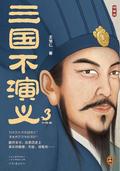 Romance of the Three Kingdoms 3
The Three Kingdoms era was a time of great changes and heroes emerged in large numbers. There are endless official historical records, unofficial legends, and romance novels about this period. It is difficult to distinguish between right and wrong, and the true face of the Three Kingdoms has gradually been ignored by readers. This book is a brand new masterpiece by Wang Jueren, the author of "Three Hundred Years of the Rise and Fall of the Tang Dynasty" (formerly "The Bloody Tang Dynasty"). It s
—Reads9.5Score—Shelves
Romance of the Three Kingdoms 3
The Three Kingdoms era was a time of great changes and heroes emerged in large numbers. There are endless official historical records, unofficial legends, and romance novels about this period. It is difficult to distinguish between right and wrong, and the true face of the Three Kingdoms has gradually been ignored by readers. This book is a brand new masterpiece by Wang Jueren, the author of "Three Hundred Years of the Rise and Fall of the Tang Dynasty" (formerly "The Bloody Tang Dynasty"). It s
—Reads9.5Score—Shelves
-
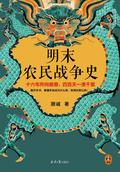 History of Peasants' War in the Late Ming Dynasty
He was invincible for sixteen years, and fell thousands of miles away in four hundred days. Open this book and understand why Li Zicheng failed, and he failed so quickly! In March 1644, Li Zicheng invaded Beijing and the Ming Dynasty fell. At this time, he had been fighting for sixteen years. In April of the same year, Li Zicheng was defeated at Shanhaiguan and the Qing army entered the pass. In May of the following year, Li Zicheng sacrificed his life in Jiugong Mountain in Huguang, only 400 da
—Reads9.3Score—Shelves
History of Peasants' War in the Late Ming Dynasty
He was invincible for sixteen years, and fell thousands of miles away in four hundred days. Open this book and understand why Li Zicheng failed, and he failed so quickly! In March 1644, Li Zicheng invaded Beijing and the Ming Dynasty fell. At this time, he had been fighting for sixteen years. In April of the same year, Li Zicheng was defeated at Shanhaiguan and the Qing army entered the pass. In May of the following year, Li Zicheng sacrificed his life in Jiugong Mountain in Huguang, only 400 da
—Reads9.3Score—Shelves
-
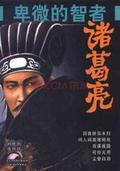 The Humble Wise Man: Zhuge Liang
Zhuge Liang is an incarnation of wisdom that shines in the annals of history, an eternal model of both political integrity and talent, so much so that Lu Xun criticized him for being "many wise but almost demonic". However, in recent years, voices have emerged that question or even deny Zhuge Liang, subverting Zhuge Liang's perfect image in people's minds. Is he in love with the Han Dynasty and caring about the world? Or is it going to be a militancy and ruin the lives of the people? What is the
—Reads8.6Score—Shelves
The Humble Wise Man: Zhuge Liang
Zhuge Liang is an incarnation of wisdom that shines in the annals of history, an eternal model of both political integrity and talent, so much so that Lu Xun criticized him for being "many wise but almost demonic". However, in recent years, voices have emerged that question or even deny Zhuge Liang, subverting Zhuge Liang's perfect image in people's minds. Is he in love with the Han Dynasty and caring about the world? Or is it going to be a militancy and ruin the lives of the people? What is the
—Reads8.6Score—Shelves
-
 Five Thousand Years and Five Years of China
In the middle of the Tang Dynasty, Huaixi Town was a stubborn fortress of the feudal separatist regime at that time. (814 AD) After the death of Wu Shaoyang, the Huaixi Jiedu envoy, his son Wu Yuanji became independent. Emperor Xianzong of the Tang Dynasty sent troops to conquer Huaixi in four directions, but the offensive continued for three or four years to no avail. The first coach Gao Xiayu was severely defeated by Wu Yuanji. The second coach Yuan Zi was as fearful of the enemy as a tiger an
—Reads8.1Score—Shelves
Five Thousand Years and Five Years of China
In the middle of the Tang Dynasty, Huaixi Town was a stubborn fortress of the feudal separatist regime at that time. (814 AD) After the death of Wu Shaoyang, the Huaixi Jiedu envoy, his son Wu Yuanji became independent. Emperor Xianzong of the Tang Dynasty sent troops to conquer Huaixi in four directions, but the offensive continued for three or four years to no avail. The first coach Gao Xiayu was severely defeated by Wu Yuanji. The second coach Yuan Zi was as fearful of the enemy as a tiger an
—Reads8.1Score—Shelves
-
 Five Thousand Years and Four of China
The rulers of the Northern Wei Dynasty were members of the Tuoba tribe of the Xianbei ethnic group. People in the Tuoba tribe all wear long braids. Its history originates from the period of Ba Mao. In the early years of the Eastern Han Dynasty, Tuoba Tuiyin led everyone to move to the vicinity of Hulun Lake in present-day Inner Mongolia. In the early years of the Eastern Jin Dynasty, the Tuoba tribe was still a nomadic tribe in Northeast my country. Later, it absorbed the culture of the Central
—Reads8.5Score—Shelves
Five Thousand Years and Four of China
The rulers of the Northern Wei Dynasty were members of the Tuoba tribe of the Xianbei ethnic group. People in the Tuoba tribe all wear long braids. Its history originates from the period of Ba Mao. In the early years of the Eastern Han Dynasty, Tuoba Tuiyin led everyone to move to the vicinity of Hulun Lake in present-day Inner Mongolia. In the early years of the Eastern Jin Dynasty, the Tuoba tribe was still a nomadic tribe in Northeast my country. Later, it absorbed the culture of the Central
—Reads8.5Score—Shelves
-
 Five Thousand Years of China
When Wang Chong wrote "Lunheng", although rough hemp paper was already available, this kind of paper was made of raw materials such as hemp and ramie. The texture of the paper was relatively rough and the fiber tissue was unevenly distributed, making it not suitable for writing. His book was written on bamboo slips and wooden slips. Shortly after Wang Chong's death, Cai Lun improved the papermaking technology and created paper suitable for writing.
—Reads8.1Score—Shelves
Five Thousand Years of China
When Wang Chong wrote "Lunheng", although rough hemp paper was already available, this kind of paper was made of raw materials such as hemp and ramie. The texture of the paper was relatively rough and the fiber tissue was unevenly distributed, making it not suitable for writing. His book was written on bamboo slips and wooden slips. Shortly after Wang Chong's death, Cai Lun improved the papermaking technology and created paper suitable for writing.
—Reads8.1Score—Shelves
-
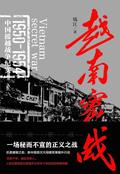 Vietnam Secret War
The "Aid to Vietnam to Resist the French" was the first large-scale military foreign aid operation after the founding of the People's Republic of China. Since the operation was top secret, no publicity, publicity, or reporting was allowed, only the officers and soldiers of the Chinese Military Advisory Group witnessed the magnificent and thrilling events of the "Aid to Vietnam to Resist the French." Based on the latest declassified files, this book details the complete process of China dispatchi
—Reads8.6Score—Shelves
Vietnam Secret War
The "Aid to Vietnam to Resist the French" was the first large-scale military foreign aid operation after the founding of the People's Republic of China. Since the operation was top secret, no publicity, publicity, or reporting was allowed, only the officers and soldiers of the Chinese Military Advisory Group witnessed the magnificent and thrilling events of the "Aid to Vietnam to Resist the French." Based on the latest declassified files, this book details the complete process of China dispatchi
—Reads8.6Score—Shelves
-
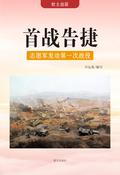 Victory in the First Battle - the Volunteers Launched Their First Battle
After the "United Nations Army" was attacked, although it was discovered that volunteers had entered North Korea to participate in the war, they believed that China was sending troops symbolically, so they continued to advance northward after making slight adjustments. On October 31, the US 24th Division entered Taichon and Turtle City, and the 1st Cavalry Division was transferred from Pyongyang to the Unsan and Yongsan-dong areas; the British 27th Brigade moved to Dingzhou and Seoncheon; the ma
—Reads9.3Score—Shelves
Victory in the First Battle - the Volunteers Launched Their First Battle
After the "United Nations Army" was attacked, although it was discovered that volunteers had entered North Korea to participate in the war, they believed that China was sending troops symbolically, so they continued to advance northward after making slight adjustments. On October 31, the US 24th Division entered Taichon and Turtle City, and the 1st Cavalry Division was transferred from Pyongyang to the Unsan and Yongsan-dong areas; the British 27th Brigade moved to Dingzhou and Seoncheon; the ma
—Reads9.3Score—Shelves
-
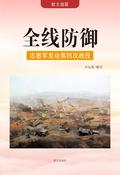 Defense Across the Board—the Volunteer Army Launches the Fourth Battle
On January 25, 1951, the new commander of the U. S. Eighth Army, Li Qiwei, after studying the combat patterns of the Volunteer Army, ordered the U. S. First and Ninth Armies to carry out a multi-pronged attack in the direction of Seoul on a 68-kilometer stretch from Yemuli to Yeoju. The 50th and 38th officers and soldiers of the Volunteer Army who were defending in the area overcame difficulties such as cold weather and lack of engineering equipment to build two defensive positions and repeatedl
—Reads9.4Score—Shelves
Defense Across the Board—the Volunteer Army Launches the Fourth Battle
On January 25, 1951, the new commander of the U. S. Eighth Army, Li Qiwei, after studying the combat patterns of the Volunteer Army, ordered the U. S. First and Ninth Armies to carry out a multi-pronged attack in the direction of Seoul on a 68-kilometer stretch from Yemuli to Yeoju. The 50th and 38th officers and soldiers of the Volunteer Army who were defending in the area overcame difficulties such as cold weather and lack of engineering equipment to build two defensive positions and repeatedl
—Reads9.4Score—Shelves
-
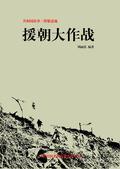 War to Aid Korea
Although there were arguments and differences between China and North Korea at the end of the third battle, this did not prevent the two sides from continuing to cooperate in fighting aggression.
—Reads9.5Score—Shelves
War to Aid Korea
Although there were arguments and differences between China and North Korea at the end of the third battle, this did not prevent the two sides from continuing to cooperate in fighting aggression.
—Reads9.5Score—Shelves
-
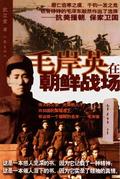 Mao Anying on the Korean Battlefield
In the middle of the last century, the Korean Peninsula was raging with war, and New China was in danger of dying and facing a critical crisis. The unyielding Mao Anying resolutely made a choice - to resist U. S. Aggression, aid Korea, and defend the country! The iron-blooded man Mao Anying took the initiative to volunteer as a non-soldier, rushed to the battlefield, and died for his country dozens of days later. A ray of loyal soul floats into the sky, and the body wrapped in horse leather has
—Reads9.5Score—Shelves
Mao Anying on the Korean Battlefield
In the middle of the last century, the Korean Peninsula was raging with war, and New China was in danger of dying and facing a critical crisis. The unyielding Mao Anying resolutely made a choice - to resist U. S. Aggression, aid Korea, and defend the country! The iron-blooded man Mao Anying took the initiative to volunteer as a non-soldier, rushed to the battlefield, and died for his country dozens of days later. A ray of loyal soul floats into the sky, and the body wrapped in horse leather has
—Reads9.5Score—Shelves
-
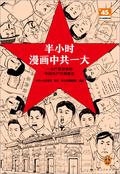 Half-Hour Cartoon About the First National Congress of the Communist Party of China
This is a serious and lively history of the founding of the Communist Party of China. It is jointly created by the Half-Hour Comics team and experts and scholars from the National Memorial Hall of the Communist Party of China. As an entry-level book specially developed for teenagers, every detail has been rigorously researched, and the story of the birth of the Party is told to children in their favorite comic form. Chen, Chen, and Li from the north and south met to found the party. Early Commun
—Reads9.4Score—Shelves
Half-Hour Cartoon About the First National Congress of the Communist Party of China
This is a serious and lively history of the founding of the Communist Party of China. It is jointly created by the Half-Hour Comics team and experts and scholars from the National Memorial Hall of the Communist Party of China. As an entry-level book specially developed for teenagers, every detail has been rigorously researched, and the story of the birth of the Party is told to children in their favorite comic form. Chen, Chen, and Li from the north and south met to found the party. Early Commun
—Reads9.4Score—Shelves