Fanqie library
Browse
- Titles
- 601
Every Fanqie book we index, searchable by title, author or tag.
-
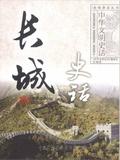 History of the Great Wall
This book tells the story that since the Eastern Zhou Dynasty countries built the Great Wall for self-defense more than 2,000 years ago, the Qin, Han, Northern Wei, Sui, Jin, Ming and other dynasties all built the Great Wall, covering all northern provinces and regions. The Great Wall has a huge and far-reaching impact on the historical process of China. The editors of this book first focus on the accuracy of knowledge, and also strive to make the narrative vivid, standardized, easy to understan
—Reads8.5Score—Shelves
History of the Great Wall
This book tells the story that since the Eastern Zhou Dynasty countries built the Great Wall for self-defense more than 2,000 years ago, the Qin, Han, Northern Wei, Sui, Jin, Ming and other dynasties all built the Great Wall, covering all northern provinces and regions. The Great Wall has a huge and far-reaching impact on the historical process of China. The editors of this book first focus on the accuracy of knowledge, and also strive to make the narrative vivid, standardized, easy to understan
—Reads8.5Score—Shelves
-
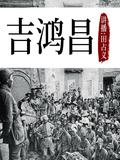 Ji Hongchang
 (1895-1934), courtesy name Shiwu, formerly known as Ji Hengli, was an anti-Japanese hero, patriotic general, and a native of Fugou, Henan Province. In 1913, he joined Feng Yuxiang's army and was promoted from soldier to army commander. He was brave and good at fighting. He joined the Communist Party of China in 1932. In 1934, he participated in the organization of the Chinese People's Anti-Fascist Grand Alliance and was elected as the chairman. He secretly printed the "National War
—Reads—Score—Shelves
Ji Hongchang
Ji Hongchang (1895-1934), courtesy name Shiwu, formerly known as Ji Hengli, was an anti-Japanese hero, patriotic general, and a native of Fugou, Henan Province. In 1913, he joined Feng Yuxiang's army and was promoted from soldier to army commander. He was brave and good at fighting. He joined the Communist Party of China in 1932. In 1934, he participated in the organization of the Chinese People's Anti-Fascist Grand Alliance and was elected as the chairman. He secretly printed the "National War
—Reads—Score—Shelves
-
 The Legend of Zhong Ling
During the reign of Emperor Shenzong of the Song Dynasty, Zhong Xiong, a veteran general from the town and Taibao Taibao, retired after his military service. He was discharged from his army and returned to his fields to settle down in Zhongjiagang, Xiangyang. He originally wanted to enjoy his old age and his family in peace. Unexpectedly, a disaster strikes from heaven, and a mysterious murderer attacks the manor at night, killing the whole family of the Zhong family with ruthless means. Only Zh
—Reads9.0Score—Shelves
The Legend of Zhong Ling
During the reign of Emperor Shenzong of the Song Dynasty, Zhong Xiong, a veteran general from the town and Taibao Taibao, retired after his military service. He was discharged from his army and returned to his fields to settle down in Zhongjiagang, Xiangyang. He originally wanted to enjoy his old age and his family in peace. Unexpectedly, a disaster strikes from heaven, and a mysterious murderer attacks the manor at night, killing the whole family of the Zhong family with ruthless means. Only Zh
—Reads9.0Score—Shelves
-
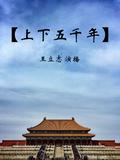 Five Thousand Years
Telling the story of China's history over the past five thousand years
—Reads9.1Score—Shelves
Five Thousand Years
Telling the story of China's history over the past five thousand years
—Reads9.1Score—Shelves
-
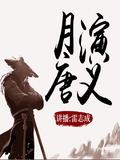 Yuetang Romance
"Yue Tang Romance" Tang Xuanzong adopted his daughter-in-law Yang Yuhuan as his concubine, and set up lanterns on the fifteenth day of the first lunar month. The hero Guo Ziyi and others saw injustice on Guan Deng Road, made a big fuss in the Bachelor's Mansion, and killed Li Gui, the son of King Li Linfu; Bohai County sent envoys to the four treasures - literary watches, orbs, divine bows, and magical beasts, which led to Li Taibai interpreting watches and identifying beads; The best in the wor
—Reads9.0Score—Shelves
Yuetang Romance
"Yue Tang Romance" Tang Xuanzong adopted his daughter-in-law Yang Yuhuan as his concubine, and set up lanterns on the fifteenth day of the first lunar month. The hero Guo Ziyi and others saw injustice on Guan Deng Road, made a big fuss in the Bachelor's Mansion, and killed Li Gui, the son of King Li Linfu; Bohai County sent envoys to the four treasures - literary watches, orbs, divine bows, and magical beasts, which led to Li Taibai interpreting watches and identifying beads; The best in the wor
—Reads9.0Score—Shelves
-
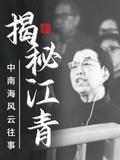 Revealing the Secrets of Jiang Qing: the Stormy Past of Zhongnanhai
Jiang Qing is a very special figure in China. Even today after his death, he is still concerned by many people and even has a certain legend.
—Reads8.4Score—Shelves
Revealing the Secrets of Jiang Qing: the Stormy Past of Zhongnanhai
Jiang Qing is a very special figure in China. Even today after his death, he is still concerned by many people and even has a certain legend.
—Reads8.4Score—Shelves
-
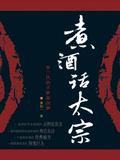 Cooking Wine and Talking to Emperor Taizong
This book takes the second king of the past dynasties, Emperor Taizongwen, as the main line, telling the story of their rise to power, governing the country, and passing on the throne. The founding emperors were often warriors who conquered the world, and the rise and fall of the dynasty seemed to depend more on how future emperors took control of the country. Will those second-generation emperors work hard to govern and be better than their masters? Or will he spend his money recklessly and end
—Reads8.6Score—Shelves
Cooking Wine and Talking to Emperor Taizong
This book takes the second king of the past dynasties, Emperor Taizongwen, as the main line, telling the story of their rise to power, governing the country, and passing on the throne. The founding emperors were often warriors who conquered the world, and the rise and fall of the dynasty seemed to depend more on how future emperors took control of the country. Will those second-generation emperors work hard to govern and be better than their masters? Or will he spend his money recklessly and end
—Reads8.6Score—Shelves
-
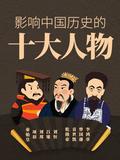 Top Ten Figures Who Influenced Chinese History
The secret life of a boss Shape the empire, write the era, and determine the life and death of the people They are the most influential figures in thousands of years of history Birth, old age, illness and death, seven emotions and six desires, eating whole grains They are also mortal mortals who cannot break free from the shackles of human nature. Tell history, tell stories, understand life There are no big principles, there are quite a lot of little stories. It's too tiring to take serious hist
—Reads9.2Score—Shelves
Top Ten Figures Who Influenced Chinese History
The secret life of a boss Shape the empire, write the era, and determine the life and death of the people They are the most influential figures in thousands of years of history Birth, old age, illness and death, seven emotions and six desires, eating whole grains They are also mortal mortals who cannot break free from the shackles of human nature. Tell history, tell stories, understand life There are no big principles, there are quite a lot of little stories. It's too tiring to take serious hist
—Reads9.2Score—Shelves
-
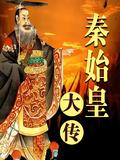 The Great Biography of Qin Shihuang
The secret of Qin Shihuang's unification of the world and his achievement as an emperor throughout the ages is his endless creativity! In order to build a great Qin Empire that would last forever, Qin Shihuang formulated a series of systems and policies that his predecessors could not even imagine. Although his empire only lasted for 14 years, his systems became the objects of reference and imitation by all subsequent emperors, influencing ancient Chinese politics for 2,000 years. He was the cre
—Reads8.1Score—Shelves
The Great Biography of Qin Shihuang
The secret of Qin Shihuang's unification of the world and his achievement as an emperor throughout the ages is his endless creativity! In order to build a great Qin Empire that would last forever, Qin Shihuang formulated a series of systems and policies that his predecessors could not even imagine. Although his empire only lasted for 14 years, his systems became the objects of reference and imitation by all subsequent emperors, influencing ancient Chinese politics for 2,000 years. He was the cre
—Reads8.1Score—Shelves
-
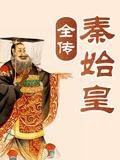 Complete Biography of Qin Shihuang
Is Qin Shi Huang Ying Zheng a benevolent monarch or a tyrant? Why do later generations have polarized evaluations of him? This book takes you through the speculations of reality and history, and restores the real First Emperor in history. A legendary counterattack in life ▲He was born into a noble family but was hunted down at a young age. What kind of childhood did he have? ▲Succeeded to the throne at the age of 13 and took charge at the age of 21. He knew people well and used them well. He swe
—Reads8.6Score—Shelves
Complete Biography of Qin Shihuang
Is Qin Shi Huang Ying Zheng a benevolent monarch or a tyrant? Why do later generations have polarized evaluations of him? This book takes you through the speculations of reality and history, and restores the real First Emperor in history. A legendary counterattack in life ▲He was born into a noble family but was hunted down at a young age. What kind of childhood did he have? ▲Succeeded to the throne at the age of 13 and took charge at the age of 21. He knew people well and used them well. He swe
—Reads8.6Score—Shelves
-
 A Powerful Weapon
Modern archaeological discoveries prove that the earliest human beings used stone tools and wooden sticks, mainly stone tools. Over millions of years, until more than 10,000 years ago, the Neolithic tools, which were mainly ground stone tools, replaced the Old Stone tools, which were mainly hammered stone tools. Stone axes, stone shovels, stone sickles, stone knives, bone cutters and other tools appeared. Bows and arrows also began to be widely used. In the middle and late primitive society, wit
—Reads8.1Score—Shelves
A Powerful Weapon
Modern archaeological discoveries prove that the earliest human beings used stone tools and wooden sticks, mainly stone tools. Over millions of years, until more than 10,000 years ago, the Neolithic tools, which were mainly ground stone tools, replaced the Old Stone tools, which were mainly hammered stone tools. Stone axes, stone shovels, stone sickles, stone knives, bone cutters and other tools appeared. Bows and arrows also began to be widely used. In the middle and late primitive society, wit
—Reads8.1Score—Shelves
-
 Things About the Han Dynasty (Eight Volumes in Total)
The birth of Liu Bang, the founding emperor of the Han Dynasty, was very strange. It is said that he was born after his mother Wang had sex with a dragon. He was born with seventy-two moles on his feet. This is destined that Liu Bang is not an ordinary figure. He was extremely naughty when he was a child, which troubled his family. After studying, the teacher was eventually brought down by him. So the eighteen-year-old Liu Bang left school and began his life as a gangster. At this moment, Liu Ba
—Reads—Score—Shelves
Things About the Han Dynasty (Eight Volumes in Total)
The birth of Liu Bang, the founding emperor of the Han Dynasty, was very strange. It is said that he was born after his mother Wang had sex with a dragon. He was born with seventy-two moles on his feet. This is destined that Liu Bang is not an ordinary figure. He was extremely naughty when he was a child, which troubled his family. After studying, the teacher was eventually brought down by him. So the eighteen-year-old Liu Bang left school and began his life as a gangster. At this moment, Liu Ba
—Reads—Score—Shelves
-
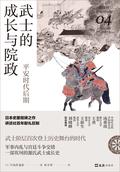 The Growth and Administration of the Samurai: the Late Heian Period (Kodansha History of Japan 04)
In the 10th century, Japan continued to have internal strife and foreign wars, and the samurai class began to step onto the stage of history as a national military force. After several wars, the Genji clan in Hanoi stood out and became the "backbone of the Wu family". Their power gradually grew and posed a threat to the imperial court. In order to provide checks and balances, the imperial court deliberately suppressed the Minamoto warriors and cultivated the Taira family to fight against them. T
—Reads8.9Score—Shelves
The Growth and Administration of the Samurai: the Late Heian Period (Kodansha History of Japan 04)
In the 10th century, Japan continued to have internal strife and foreign wars, and the samurai class began to step onto the stage of history as a national military force. After several wars, the Genji clan in Hanoi stood out and became the "backbone of the Wu family". Their power gradually grew and posed a threat to the imperial court. In order to provide checks and balances, the imperial court deliberately suppressed the Minamoto warriors and cultivated the Taira family to fight against them. T
—Reads8.9Score—Shelves
-
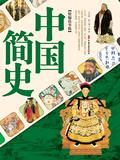 A Brief History of China
On the premise of respecting historical facts, the book sorts out the complicated historical events one by one in chronological order, changing the format from lengthy sermons. The articles are short and concise, easy to read and understand, and can more easily lead readers to span thousands of years and fully appreciate the profound and long-standing cultural traditions of the Chinese nation.
—Reads—Score—Shelves
A Brief History of China
On the premise of respecting historical facts, the book sorts out the complicated historical events one by one in chronological order, changing the format from lengthy sermons. The articles are short and concise, easy to read and understand, and can more easily lead readers to span thousands of years and fully appreciate the profound and long-standing cultural traditions of the Chinese nation.
—Reads—Score—Shelves
-
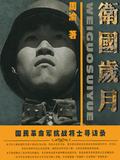 The Years of Patriotism: an Interview with the Soldiers of the National Revolutionary Army in the War of Resistance
The book is based on Zhou Yu, a volunteer who cared for the Anti-Japanese War veterans in Guizhou Province, who searched for a large number of surviving Anti-Japanese War veterans in Guizhou. It uses the oral memories of those who experienced the Anti-Japanese War as the main line, and combined with historical research, so that readers can also understand the historical background and battle processes experienced by those who experienced the Anti-Japanese War while reading the real Anti-Japanese
—Reads—Score—Shelves
The Years of Patriotism: an Interview with the Soldiers of the National Revolutionary Army in the War of Resistance
The book is based on Zhou Yu, a volunteer who cared for the Anti-Japanese War veterans in Guizhou Province, who searched for a large number of surviving Anti-Japanese War veterans in Guizhou. It uses the oral memories of those who experienced the Anti-Japanese War as the main line, and combined with historical research, so that readers can also understand the historical background and battle processes experienced by those who experienced the Anti-Japanese War while reading the real Anti-Japanese
—Reads—Score—Shelves
-
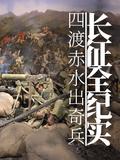 Surprise Soldiers Surprised as They Crossed Chishui on the Fourth Complete Documentary of the Long March
This album tells the story of Mao Zedong's wise choices before and after the founding of New China, which changed the destiny and development of the Communist Party and New China.
—Reads—Score—Shelves
Surprise Soldiers Surprised as They Crossed Chishui on the Fourth Complete Documentary of the Long March
This album tells the story of Mao Zedong's wise choices before and after the founding of New China, which changed the destiny and development of the Communist Party and New China.
—Reads—Score—Shelves
-
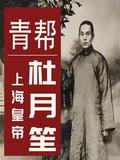 Shanghai Youth Gang Emperor: Du Yuesheng
The legendary life of Emperor Du Yuesheng of the Republic of China. Yan Ke's historical data unlocks the key to Du Yuesheng's success. In 5 minutes a day, learn the wisdom of the Qinggang godfather. During the Republic of China, there was a saying in Shanghai: "Huang Jinrong is greedy for money, Zhang Xiaolin is good at fighting, and Du Yuesheng knows how to be a good man." The comment "Du Yuesheng knows how to be a good person" can be said to be a good summary of his life. Du Yuesheng's secreta
—Reads—Score—Shelves
Shanghai Youth Gang Emperor: Du Yuesheng
The legendary life of Emperor Du Yuesheng of the Republic of China. Yan Ke's historical data unlocks the key to Du Yuesheng's success. In 5 minutes a day, learn the wisdom of the Qinggang godfather. During the Republic of China, there was a saying in Shanghai: "Huang Jinrong is greedy for money, Zhang Xiaolin is good at fighting, and Du Yuesheng knows how to be a good man." The comment "Du Yuesheng knows how to be a good person" can be said to be a good summary of his life. Du Yuesheng's secreta
—Reads—Score—Shelves
-
 Han Liu Bang
It is said that Liu Bang, the founder of the Han Dynasty, was a native of Zhongyangli, Fengyi, Peixian County. Three years younger than Qin Shihuang, when Liu Bang was still "gnawing at age" in his thirties, Qin Shihuang had already unified the six countries. Unexpectedly, Liu Bang only found a wife when he was forty years old, and he had no money to marry her home, so he had to live in the home of Lao Zheng. He could actually "fly into the sky" and become an emperor from a grassroots. This book
—Reads9.2Score—Shelves
Han Liu Bang
It is said that Liu Bang, the founder of the Han Dynasty, was a native of Zhongyangli, Fengyi, Peixian County. Three years younger than Qin Shihuang, when Liu Bang was still "gnawing at age" in his thirties, Qin Shihuang had already unified the six countries. Unexpectedly, Liu Bang only found a wife when he was forty years old, and he had no money to marry her home, so he had to live in the home of Lao Zheng. He could actually "fly into the sky" and become an emperor from a grassroots. This book
—Reads9.2Score—Shelves
-
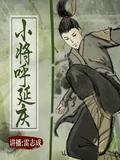 Young General Hu Yanqing
Hu Yanqing is a descendant of Hu Yanzan, the famous founding general of the Northern Song Dynasty. During the period from Emperor Renzong of the Northern Song Dynasty (Zhao Zhen of the Song Dynasty: lived from 1010 to 1063, reigned from 1023 to 1063) to Emperor Huizong of the Song Dynasty (Prince Ciyun), his grandfather Huyan Pixian (Huyan Bixian), his father Huyan Shouyong (Huyan Shouyong), and his uncle Huyan Shouxin were all meritorious officials. Later, the Hu family was framed by the traito
—Reads8.8Score—Shelves
Young General Hu Yanqing
Hu Yanqing is a descendant of Hu Yanzan, the famous founding general of the Northern Song Dynasty. During the period from Emperor Renzong of the Northern Song Dynasty (Zhao Zhen of the Song Dynasty: lived from 1010 to 1063, reigned from 1023 to 1063) to Emperor Huizong of the Song Dynasty (Prince Ciyun), his grandfather Huyan Pixian (Huyan Bixian), his father Huyan Shouyong (Huyan Shouyong), and his uncle Huyan Shouxin were all meritorious officials. Later, the Hu family was framed by the traito
—Reads8.8Score—Shelves
-
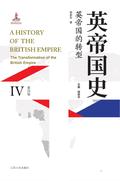 History of the British Empire. Volume 4, the Transformation of the British Empire
Introduction This book is the fourth volume of the first multi-volume history of the British Empire in domestic academic circles. This volume studies the history of the British Empire from 1783 to 1815, arguing that this was an important period in the development of the British Empire and a transitional period from the old system to the new empire, and from the old colonial system to the new colonial system. After the transformation, the British Empire established an empire with a broader territ
—Reads7.6Score—Shelves
History of the British Empire. Volume 4, the Transformation of the British Empire
Introduction This book is the fourth volume of the first multi-volume history of the British Empire in domestic academic circles. This volume studies the history of the British Empire from 1783 to 1815, arguing that this was an important period in the development of the British Empire and a transitional period from the old system to the new empire, and from the old colonial system to the new colonial system. After the transformation, the British Empire established an empire with a broader territ
—Reads7.6Score—Shelves
-
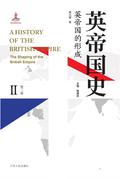 History of the British Empire. Volume 2, the Formation of the British Empire
Introduction Through the process of British colonial expansion and commercial competition, this book points out that the 16th century was an important turning point in the development of British society and the preparation period for the British Empire. After the development and changes in the 16th century, by the 17th century it had the conditions and motivation to transform from a nation-state to a comprehensive empire building. From civilian colonization to mercantile empire was the most esse
—Reads8.0Score—Shelves
History of the British Empire. Volume 2, the Formation of the British Empire
Introduction Through the process of British colonial expansion and commercial competition, this book points out that the 16th century was an important turning point in the development of British society and the preparation period for the British Empire. After the development and changes in the 16th century, by the 17th century it had the conditions and motivation to transform from a nation-state to a comprehensive empire building. From civilian colonization to mercantile empire was the most esse
—Reads8.0Score—Shelves
-
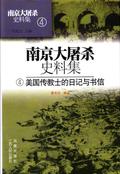 Diaries and Letters of American Missionaries
"Collection of Historical Materials on the Nanjing Massacre" is a large-scale academic project. The collection, arrangement of historical materials, and the translation, editing and publication of English, Japanese, German, Italian, Russian and other documents are very complex and arduous tasks, so they can only be published in batches. It is unavoidable to arrange the publication of similar historical materials in different volumes. We apologize for this. We hope that this collection of histori
—Reads8.2Score—Shelves
Diaries and Letters of American Missionaries
"Collection of Historical Materials on the Nanjing Massacre" is a large-scale academic project. The collection, arrangement of historical materials, and the translation, editing and publication of English, Japanese, German, Italian, Russian and other documents are very complex and arduous tasks, so they can only be published in batches. It is unavoidable to arrange the publication of similar historical materials in different volumes. We apologize for this. We hope that this collection of histori
—Reads8.2Score—Shelves
-
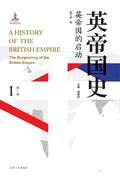 History of the British Empire. Volume 1, the Start of the British Empire
Introduction This book is the first volume of the first multi-volume history of the British Empire in domestic academia. This volume mainly studies the initial stage of the British Empire, that is, Britain's overseas colonial activities during the Tudor period, which is equivalent to the prehistory of the British Empire. It includes thoughts on a series of issues such as early British colonial thought, the relationship between the nation-state and the British Empire, mercantilist national policy
—Reads8.4Score—Shelves
History of the British Empire. Volume 1, the Start of the British Empire
Introduction This book is the first volume of the first multi-volume history of the British Empire in domestic academia. This volume mainly studies the initial stage of the British Empire, that is, Britain's overseas colonial activities during the Tudor period, which is equivalent to the prehistory of the British Empire. It includes thoughts on a series of issues such as early British colonial thought, the relationship between the nation-state and the British Empire, mercantilist national policy
—Reads8.4Score—Shelves
-
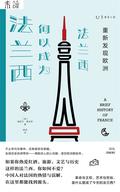 Rediscovering Europe: What Makes France France?
If we want to understand France today, we must understand its history. If you want to understand the French people's concerns about the republic, you have to go back to the French Revolution; if you want to understand France's advanced education system, you have to visit Napoleon; if you want to appreciate the power of Racine's drama, you have to grasp the tensions and contradictions in the life of Louis XIV; if you want to understand the development of elegant French, you have to visit the Gaul
—Reads8.2Score—Shelves
Rediscovering Europe: What Makes France France?
If we want to understand France today, we must understand its history. If you want to understand the French people's concerns about the republic, you have to go back to the French Revolution; if you want to understand France's advanced education system, you have to visit Napoleon; if you want to appreciate the power of Racine's drama, you have to grasp the tensions and contradictions in the life of Louis XIV; if you want to understand the development of elegant French, you have to visit the Gaul
—Reads8.2Score—Shelves
-
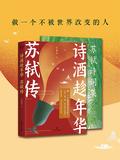 Poetry and Wine Take Advantage of Youth: a Biography of Su Shi
"Three ups and downs in life do not change the youthful spirit!" Like his idol Su Shi, be a person who will not be changed by the world. This book is a biography of Su Shi written by the young talent Chen Wuyun. It narrates Su Shi's life in the order of chronological development and restores the symbolized "Su Dongpo" to a more real "Su Shi". In the old-new party struggle triggered by Wang Anshi's reform in the Northern Song Dynasty, all the participants changed their appearance in the end, exce
—Reads8.5Score—Shelves
Poetry and Wine Take Advantage of Youth: a Biography of Su Shi
"Three ups and downs in life do not change the youthful spirit!" Like his idol Su Shi, be a person who will not be changed by the world. This book is a biography of Su Shi written by the young talent Chen Wuyun. It narrates Su Shi's life in the order of chronological development and restores the symbolized "Su Dongpo" to a more real "Su Shi". In the old-new party struggle triggered by Wang Anshi's reform in the Northern Song Dynasty, all the participants changed their appearance in the end, exce
—Reads8.5Score—Shelves
-
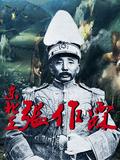 Northeastern King Zhang Zuolin
It tells in depth the legendary life of Zhang Zuolin and Zhang Xueliang, the father and son of a generation of heroes, reproduces the grand picture of China's social transformation period from the Manchu Qing Dynasty to the Republic of China, and shaped the lives of Tang Erhu, Zhang Zuoxiang, Feng Linge, Zhang Jinghui, Sun Liechen, Zhang Shifei, Tian Xiao There are a large number of flesh-and-blood characters such as Feng and Du Lisan. The story is carefully created based on a large number of hi
—Reads9.2Score—Shelves
Northeastern King Zhang Zuolin
It tells in depth the legendary life of Zhang Zuolin and Zhang Xueliang, the father and son of a generation of heroes, reproduces the grand picture of China's social transformation period from the Manchu Qing Dynasty to the Republic of China, and shaped the lives of Tang Erhu, Zhang Zuoxiang, Feng Linge, Zhang Jinghui, Sun Liechen, Zhang Shifei, Tian Xiao There are a large number of flesh-and-blood characters such as Feng and Du Lisan. The story is carefully created based on a large number of hi
—Reads9.2Score—Shelves
-
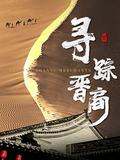 Looking for Shanxi Merchants
Shanxi merchants are a shining name in the history of Chinese business. Their legendary experience is a history book carrying courage, wisdom and integrity. Shanxi merchants have been prosperous for five hundred years, spanning nine thousand miles across Europe and Asia. They have accumulated a rich commercial culture in the history of China's economic development and formed the unique Shanxi merchant spirit. "Tracing Shanxi Merchants" uses a story-based narrative to lead everyone to appreciate
—Reads—Score—Shelves
Looking for Shanxi Merchants
Shanxi merchants are a shining name in the history of Chinese business. Their legendary experience is a history book carrying courage, wisdom and integrity. Shanxi merchants have been prosperous for five hundred years, spanning nine thousand miles across Europe and Asia. They have accumulated a rich commercial culture in the history of China's economic development and formed the unique Shanxi merchant spirit. "Tracing Shanxi Merchants" uses a story-based narrative to lead everyone to appreciate
—Reads—Score—Shelves
-
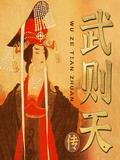 The Legend of Wu Zetian
Heroines turn things around, and a generation of empresses is unparalleled in history; Although she entered the palace because of her charm, she redeemed herself as a nun because of her cleverness; The lone phoenix spreads its wings and ascends to the throne of the dragon; the weak woman waves her hand to subdue all the ministers; The merits and demerits have been debated for thousands of years, and the wordless tablets are filled with poems and essays. The merits and demerits of a thousand year
—Reads—Score—Shelves
The Legend of Wu Zetian
Heroines turn things around, and a generation of empresses is unparalleled in history; Although she entered the palace because of her charm, she redeemed herself as a nun because of her cleverness; The lone phoenix spreads its wings and ascends to the throne of the dragon; the weak woman waves her hand to subdue all the ministers; The merits and demerits have been debated for thousands of years, and the wordless tablets are filled with poems and essays. The merits and demerits of a thousand year
—Reads—Score—Shelves
-
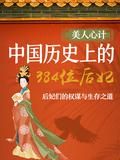 Beauty's Scheming, 384 Concubines in Chinese History
Deep in the palace, the concubines' strategies and ways of survival They are the driving forces behind history, standing beside the emperor, but controlling their own destiny in the treacherous palace struggles. From the good wives in the pre-Qin Dynasty to the Wanrong in the late Qing Dynasty, these concubines had their own very different destinies, but they all left a profound mark in the long history of history. Qi Wenjiang, who strategized in troubled times and helped Duke Huan of Qi to domi
—Reads—Score—Shelves
Beauty's Scheming, 384 Concubines in Chinese History
Deep in the palace, the concubines' strategies and ways of survival They are the driving forces behind history, standing beside the emperor, but controlling their own destiny in the treacherous palace struggles. From the good wives in the pre-Qin Dynasty to the Wanrong in the late Qing Dynasty, these concubines had their own very different destinies, but they all left a profound mark in the long history of history. Qi Wenjiang, who strategized in troubled times and helped Duke Huan of Qi to domi
—Reads—Score—Shelves
-
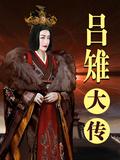 The Great Biography of Lu Pheasant
Lu Pheasant was the first woman in Chinese history to take the imperial title. Although she had mixed reputations, she stopped fighting within the palace and focused on recuperating for the people. She can be called a "Ming Zhu". Lu Pheasant's role in historical development. The main manifestation is that she helped Liu Bang complete the cause of unification, continued to implement the policy of "resting with the people", and played a role in the recovery and development of the economy in the ea
—Reads—Score—Shelves
The Great Biography of Lu Pheasant
Lu Pheasant was the first woman in Chinese history to take the imperial title. Although she had mixed reputations, she stopped fighting within the palace and focused on recuperating for the people. She can be called a "Ming Zhu". Lu Pheasant's role in historical development. The main manifestation is that she helped Liu Bang complete the cause of unification, continued to implement the policy of "resting with the people", and played a role in the recovery and development of the economy in the ea
—Reads—Score—Shelves
-
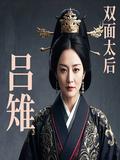 The World of Harem: Han Heroine Lu Pheasant
Lu Pheasant, also known as Eshan, was the queen of Liu Bang, the founder of the Han Dynasty. She was the first queen and empress dowager recorded in Chinese history. She took the throne for sixteen years and implemented a series of political and economic reforms, such as weakening the power of princes and kings and promoting the techniques of Huang and Lao, laying the foundation for the "Government of Wen and Jing". Lu Pheasant's political decisiveness and wisdom demonstrate her extraordinary ta
—Reads—Score—Shelves
The World of Harem: Han Heroine Lu Pheasant
Lu Pheasant, also known as Eshan, was the queen of Liu Bang, the founder of the Han Dynasty. She was the first queen and empress dowager recorded in Chinese history. She took the throne for sixteen years and implemented a series of political and economic reforms, such as weakening the power of princes and kings and promoting the techniques of Huang and Lao, laying the foundation for the "Government of Wen and Jing". Lu Pheasant's political decisiveness and wisdom demonstrate her extraordinary ta
—Reads—Score—Shelves
-
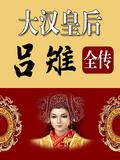 The Complete Biography of Lu Pheasant, Queen of the Han Dynasty
Lu Pheasant was the first woman in Chinese history to take the imperial title. Although she had mixed reputations, she stopped fighting within the palace and focused on recuperating for the people. She can be called a "Ming Zhu". Lu Pheasant's role in historical development. The main manifestation is that she helped Liu Bang complete the cause of unification, continued to implement the policy of "resting with the people", and played a role in the recovery and development of the economy in the ea
—Reads—Score—Shelves
The Complete Biography of Lu Pheasant, Queen of the Han Dynasty
Lu Pheasant was the first woman in Chinese history to take the imperial title. Although she had mixed reputations, she stopped fighting within the palace and focused on recuperating for the people. She can be called a "Ming Zhu". Lu Pheasant's role in historical development. The main manifestation is that she helped Liu Bang complete the cause of unification, continued to implement the policy of "resting with the people", and played a role in the recovery and development of the economy in the ea
—Reads—Score—Shelves
-
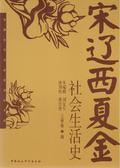 Social Life History of the Song, Liao, Western Xia and Jin Dynasties (History of Social Life in Ancient China)
The Song, Liao, Xixia, and Jin periods were an era of multi-ethnic strife and integration. All aspects of their social life show the richness and variety of customs of various ethnic groups, and there is me among you, and you among me. During this period, there were four main changes in Chinese customs. First, the living room changed from kneeling on the floor to sitting with one's feet down, which caused a series of changes in etiquette and furniture. The kang introduced by the Jurchens began t
—Reads8.4Score—Shelves
Social Life History of the Song, Liao, Western Xia and Jin Dynasties (History of Social Life in Ancient China)
The Song, Liao, Xixia, and Jin periods were an era of multi-ethnic strife and integration. All aspects of their social life show the richness and variety of customs of various ethnic groups, and there is me among you, and you among me. During this period, there were four main changes in Chinese customs. First, the living room changed from kneeling on the floor to sitting with one's feet down, which caused a series of changes in etiquette and furniture. The kang introduced by the Jurchens began t
—Reads8.4Score—Shelves
-
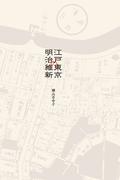 From Edo to Tokyo: the Meiji Restoration of Little People
In Edo, which was hit by the Meiji Restoration, the daimyo returned to their own territories one after another, causing the population to drop by half, and the metropolis with a population of one million instantly declined. Wandering warriors without owners frequently caused chaos, and land and identities began to flow. People were panicked and complained. In Tokyo, where the order of Edo is gradually disintegrating, people are desperately trying to keep up with the changes of the times and stru
—Reads8.1Score—Shelves
From Edo to Tokyo: the Meiji Restoration of Little People
In Edo, which was hit by the Meiji Restoration, the daimyo returned to their own territories one after another, causing the population to drop by half, and the metropolis with a population of one million instantly declined. Wandering warriors without owners frequently caused chaos, and land and identities began to flow. People were panicked and complained. In Tokyo, where the order of Edo is gradually disintegrating, people are desperately trying to keep up with the changes of the times and stru
—Reads8.1Score—Shelves
-
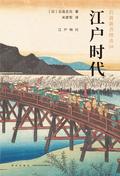 Iwanami New Book Selection 04: Edo Period
The Edo Period (1603-1867) was the last era of Japan's feudal system, the era that left the most legacy for today's Japan, and the era in which Japanese culture matured in an all-round way. _X000D_ In the 17th century, the Tokugawa clan, which was gradually gaining a foothold, no longer needed to tolerate Christian missionary work in exchange for trade with the West. When the shogunate's army crazily slaughtered Christians, the believers adhered to the belief that "if they resisted, they would n
—Reads8.2Score—Shelves
Iwanami New Book Selection 04: Edo Period
The Edo Period (1603-1867) was the last era of Japan's feudal system, the era that left the most legacy for today's Japan, and the era in which Japanese culture matured in an all-round way. _X000D_ In the 17th century, the Tokugawa clan, which was gradually gaining a foothold, no longer needed to tolerate Christian missionary work in exchange for trade with the West. When the shogunate's army crazily slaughtered Christians, the believers adhered to the belief that "if they resisted, they would n
—Reads8.2Score—Shelves
-
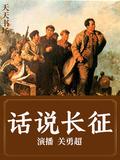 Talking About the Long March
Humanity's journey to challenge the limits of survival, a role model for young people to pursue their faith, and a red spirit that today's Chinese people should not forget.
—Reads—Score—Shelves
Talking About the Long March
Humanity's journey to challenge the limits of survival, a role model for young people to pursue their faith, and a red spirit that today's Chinese people should not forget.
—Reads—Score—Shelves
-
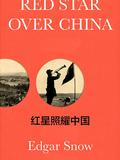 Red Star Shines on China
"Red Star Shining on China" is an immortal masterpiece by the famous American journalist Edgar Snow. The author conducted an on-the-spot investigation into the revolutionary base areas in northwest China from June to October 1936, and completed the writing of "A Long Journey to the West" based on the first-hand materials obtained during the investigation. As a Western journalist, Snow made an objective evaluation of the Chinese Communist Party and the Chinese revolution, and made fair reports to
—Reads8.1Score—Shelves
Red Star Shines on China
"Red Star Shining on China" is an immortal masterpiece by the famous American journalist Edgar Snow. The author conducted an on-the-spot investigation into the revolutionary base areas in northwest China from June to October 1936, and completed the writing of "A Long Journey to the West" based on the first-hand materials obtained during the investigation. As a Western journalist, Snow made an objective evaluation of the Chinese Communist Party and the Chinese revolution, and made fair reports to
—Reads8.1Score—Shelves
-
 Collection of Life·jinyun Characters
In ancient times, a branch of the Jinyun family, affected by tribal conflicts in the Central Plains, came to the area of Haoxi, a tributary of the Oujiang River in central and southern Zhejiang. They blended with the indigenous Yue people and gradually became more humanized. They brought the respect and memory of the ancestor Yellow Emperor and the mysterious legends about the Yellow Emperor, making Jinyun a gathering place for the Yellow Emperor culture in southern China. Jinyun has a history
—Reads7.8Score—Shelves
Collection of Life·jinyun Characters
In ancient times, a branch of the Jinyun family, affected by tribal conflicts in the Central Plains, came to the area of Haoxi, a tributary of the Oujiang River in central and southern Zhejiang. They blended with the indigenous Yue people and gradually became more humanized. They brought the respect and memory of the ancestor Yellow Emperor and the mysterious legends about the Yellow Emperor, making Jinyun a gathering place for the Yellow Emperor culture in southern China. Jinyun has a history
—Reads7.8Score—Shelves
-
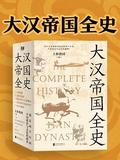 The Whole History of the Han Empire
Ranked first in the history list of Tianya Cooking Wine, with more than 10 million clicks during the serialization period, it is another popular history book after "Those Things in the Ming Dynasty"! This is an interesting, informative and rigorous popular reading on the history of the Han Dynasty. It tells the history that is closest to reality in an interesting and humorous style.
—Reads—Score—Shelves
The Whole History of the Han Empire
Ranked first in the history list of Tianya Cooking Wine, with more than 10 million clicks during the serialization period, it is another popular history book after "Those Things in the Ming Dynasty"! This is an interesting, informative and rigorous popular reading on the history of the Han Dynasty. It tells the history that is closest to reality in an interesting and humorous style.
—Reads—Score—Shelves
-
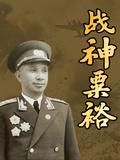 God of War Suyu
Among the military generals of his generation, Su Yu was a well-deserved "God of War" figure. From a guard to the first general of the founding of the country, how did General Su Yu become a god in one battle? Mao Zedong said: Su Yu was the best at fighting; he was called a "young tactician" by Zhu De; Lin Biao thought highly of himself, but regarded Su Yu as a genius warrior! Su Yu has a genius-like keen perception of the battlefield and is good at commanding large corps in battle. He moves tro
—Reads8.4Score—Shelves
God of War Suyu
Among the military generals of his generation, Su Yu was a well-deserved "God of War" figure. From a guard to the first general of the founding of the country, how did General Su Yu become a god in one battle? Mao Zedong said: Su Yu was the best at fighting; he was called a "young tactician" by Zhu De; Lin Biao thought highly of himself, but regarded Su Yu as a genius warrior! Su Yu has a genius-like keen perception of the battlefield and is good at commanding large corps in battle. He moves tro
—Reads8.4Score—Shelves
-
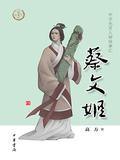 Cai Wenji--A Collection of Stories About Chinese Sages and Sages
Cai Wenji, whose given name was Yan and whose courtesy name was Wenji (some say Zhaoji, was called Wenji in Jin Dynasty to avoid Sima Zhao's taboo). A native of Yuxian County, Chenliu County (now Qixian County, Henan Province), she was the daughter of the writer Cai Yong and a female writer in the late Eastern Han Dynasty. She is knowledgeable and talented, and is good at literature, music, and calligraphy. She first married Wei Zhongdao and returned home after her husband died. At the end of th
—Reads8.4Score—Shelves
Cai Wenji--A Collection of Stories About Chinese Sages and Sages
Cai Wenji, whose given name was Yan and whose courtesy name was Wenji (some say Zhaoji, was called Wenji in Jin Dynasty to avoid Sima Zhao's taboo). A native of Yuxian County, Chenliu County (now Qixian County, Henan Province), she was the daughter of the writer Cai Yong and a female writer in the late Eastern Han Dynasty. She is knowledgeable and talented, and is good at literature, music, and calligraphy. She first married Wei Zhongdao and returned home after her husband died. At the end of th
—Reads8.4Score—Shelves
-
 Food Culture (Part 1)
The Chinese nation is the oldest nation in the world, and the Chinese civilization is one of the oldest civilizations in the world. China's recorded history is nearly 5,000 years old. Starting from 841 BC, there have been almost 3,002 years of documented chronicles, which is rare in the long history of mankind. Among the four major ancient civilizations in the world, only China's history has always been passed down in an orderly manner and has never been interrupted.
—Reads8.5Score—Shelves
Food Culture (Part 1)
The Chinese nation is the oldest nation in the world, and the Chinese civilization is one of the oldest civilizations in the world. China's recorded history is nearly 5,000 years old. Starting from 841 BC, there have been almost 3,002 years of documented chronicles, which is rare in the long history of mankind. Among the four major ancient civilizations in the world, only China's history has always been passed down in an orderly manner and has never been interrupted.
—Reads8.5Score—Shelves
-
 100 Stories About Party History
Looking back on the party's ups and downs, we should not forget our original aspirations and move forward hand in hand.
—Reads—Score—Shelves
100 Stories About Party History
Looking back on the party's ups and downs, we should not forget our original aspirations and move forward hand in hand.
—Reads—Score—Shelves
-
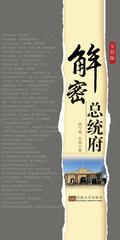 Decrypting the Presidential Palace (Full Color Version)
This book takes the architecture, inscriptions, legends of the Presidential Palace as well as important historical figures and scenes related to them as the main line, and combines the latest discoveries and research results to solve the mystery of what tourists see and hear. Articles such as the site selection of the Supervisory Office, Lu Tanjiayan, the reconstruction of the Martial Temple, the name of Xuyuan, the Treasure of Heaven, the Taolin Temple, the Inspired Stone House, the Calligraphe
—Reads9.0Score—Shelves
Decrypting the Presidential Palace (Full Color Version)
This book takes the architecture, inscriptions, legends of the Presidential Palace as well as important historical figures and scenes related to them as the main line, and combines the latest discoveries and research results to solve the mystery of what tourists see and hear. Articles such as the site selection of the Supervisory Office, Lu Tanjiayan, the reconstruction of the Martial Temple, the name of Xuyuan, the Treasure of Heaven, the Taolin Temple, the Inspired Stone House, the Calligraphe
—Reads9.0Score—Shelves
-
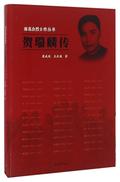 Biography of He Ruilin
Make good use of the rich party history resources, Remember the revolutionary martyrs and carry forward the revolutionary spirit, Inspire people to continue to forge ahead. The "Biographies of the Yuhuatai Martyrs" series strives to be realistic, objective and true to reflect the life trajectory and revolutionary deeds of the Yuhuatai martyrs, and to comprehensively and deeply grasp the historical materials of the martyrs, including searching for relevant martyrs' cemeteries, memorial venues in
—Reads7.9Score—Shelves
Biography of He Ruilin
Make good use of the rich party history resources, Remember the revolutionary martyrs and carry forward the revolutionary spirit, Inspire people to continue to forge ahead. The "Biographies of the Yuhuatai Martyrs" series strives to be realistic, objective and true to reflect the life trajectory and revolutionary deeds of the Yuhuatai martyrs, and to comprehensively and deeply grasp the historical materials of the martyrs, including searching for relevant martyrs' cemeteries, memorial venues in
—Reads7.9Score—Shelves
-
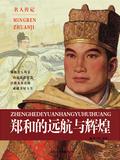 Zheng He's Voyage and Glory
This book includes the descendants of the nobles of the Western Regions, the navigators who aspired to be sailors in childhood, the support behind Zheng He, the mysterious purpose of his voyages to the West, the personnel of Zheng He's large fleet, etc.
—Reads8.1Score—Shelves
Zheng He's Voyage and Glory
This book includes the descendants of the nobles of the Western Regions, the navigators who aspired to be sailors in childhood, the support behind Zheng He, the mysterious purpose of his voyages to the West, the personnel of Zheng He's large fleet, etc.
—Reads8.1Score—Shelves
-
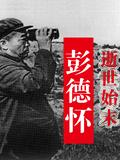 The Whole Story of Peng Dehuai's Death
During the "Cultural Revolution", Peng Dehuai was framed and brutally persecuted by Lin Biao and Jiang Qing's counter-revolutionary group, and was beaten many times. Died on November 29, 1974. In 1978, the Third Plenary Session of the Eleventh Central Committee of the Communist Party of China vindicated him and restored his reputation.
—Reads8.5Score—Shelves
The Whole Story of Peng Dehuai's Death
During the "Cultural Revolution", Peng Dehuai was framed and brutally persecuted by Lin Biao and Jiang Qing's counter-revolutionary group, and was beaten many times. Died on November 29, 1974. In 1978, the Third Plenary Session of the Eleventh Central Committee of the Communist Party of China vindicated him and restored his reputation.
—Reads8.5Score—Shelves
-
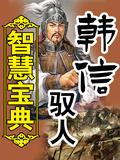 Han Xin's Book of Wisdom for Managing People
Han Xin, the founding hero and strategist of the Western Han Dynasty, was one of the three heroes of the early Han Dynasty. Han Xin was born as a commoner. His family was poor in his early years. Han Xin's family was poor in his early years, so he often sent food from others. At the end of the Qin Dynasty, he participated in the anti-Qin struggle and defected to Xiang Yu. Later, he was recommended by Xia Houying and became the governor of Su, but he was not reused. Xiao He recommended Han Xin to
—Reads—Score—Shelves
Han Xin's Book of Wisdom for Managing People
Han Xin, the founding hero and strategist of the Western Han Dynasty, was one of the three heroes of the early Han Dynasty. Han Xin was born as a commoner. His family was poor in his early years. Han Xin's family was poor in his early years, so he often sent food from others. At the end of the Qin Dynasty, he participated in the anti-Qin struggle and defected to Xiang Yu. Later, he was recommended by Xia Houying and became the governor of Su, but he was not reused. Xiao He recommended Han Xin to
—Reads—Score—Shelves
-
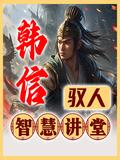 Han Xin Controls People's Wisdom
Han Xin is known as the "Soldier Immortal". He uses soldiers like a god and controls people in a wise way. The core lies in knowing people, employing them, tolerating them and controlling them. He knows the military well and is a good general. He knows how to make decisions based on people and use them according to their talents. He can make the best use of the strengths of different people. In military use, he pays attention to the combination of kindness and power, and clear rewards and punish
—Reads—Score—Shelves
Han Xin Controls People's Wisdom
Han Xin is known as the "Soldier Immortal". He uses soldiers like a god and controls people in a wise way. The core lies in knowing people, employing them, tolerating them and controlling them. He knows the military well and is a good general. He knows how to make decisions based on people and use them according to their talents. He can make the best use of the strengths of different people. In military use, he pays attention to the combination of kindness and power, and clear rewards and punish
—Reads—Score—Shelves
-
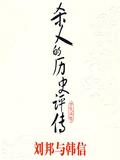 Historical Commentary on Murder: Liu Bang and Han Xin
Han Xin is the God of War in Chinese history. His intimidating reputation and devastating sharpness can eclipse all the heroes of the world, and are enough to make famous generals in subsequent dynasties admire and commemorate him. Han Xin definitely did not become famous in one battle and gain vanity, but became famous in battles and shines through the history of war. His cunning tactics and clever attacks made almost every battle an unparalleled example. The enemy was frightened, defenseless,
—Reads—Score—Shelves
Historical Commentary on Murder: Liu Bang and Han Xin
Han Xin is the God of War in Chinese history. His intimidating reputation and devastating sharpness can eclipse all the heroes of the world, and are enough to make famous generals in subsequent dynasties admire and commemorate him. Han Xin definitely did not become famous in one battle and gain vanity, but became famous in battles and shines through the history of war. His cunning tactics and clever attacks made almost every battle an unparalleled example. The enemy was frightened, defenseless,
—Reads—Score—Shelves