Fanqie library
Browse
- Titles
- 837
Every Fanqie book we index, searchable by title, author or tag.
-
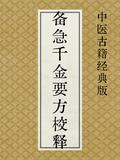 Edited Explanation of Essential Prescriptions for Emergency Preparedness (Classic Edition of Ancient Traditional Chinese Medicine Books)
This clinical classic of traditional Chinese medicine compiled by Sun Simiao is authoritative and authoritative. It systematically collects medical achievements before the Tang Dynasty and covers various clinical diseases, prescriptions, acupuncture, health care and other rich contents. The book emphasizes the medical ethics concept of "great doctors sincerely", with practical and efficient prescriptions and diverse and comprehensive treatments. It is an important clinical reference book of trad
—Reads8.6Score—Shelves
Edited Explanation of Essential Prescriptions for Emergency Preparedness (Classic Edition of Ancient Traditional Chinese Medicine Books)
This clinical classic of traditional Chinese medicine compiled by Sun Simiao is authoritative and authoritative. It systematically collects medical achievements before the Tang Dynasty and covers various clinical diseases, prescriptions, acupuncture, health care and other rich contents. The book emphasizes the medical ethics concept of "great doctors sincerely", with practical and efficient prescriptions and diverse and comprehensive treatments. It is an important clinical reference book of trad
—Reads8.6Score—Shelves
-
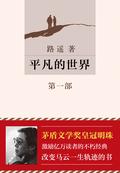 Ordinary World: Part 1
This is a realistic novel and a fictionalized family history. The author highly condenses the historical change process of rural northwest China, and the work achieves a high degree of unity of ideology and artistry. In particular, the protagonist's spirit of hard struggle in the face of difficulties can still inspire today's college students. This is a novel that presents a panoramic view of contemporary urban and rural social life in China. There are three volumes in this book. Based on the br
—Reads9.5Score—Shelves
Ordinary World: Part 1
This is a realistic novel and a fictionalized family history. The author highly condenses the historical change process of rural northwest China, and the work achieves a high degree of unity of ideology and artistry. In particular, the protagonist's spirit of hard struggle in the face of difficulties can still inspire today's college students. This is a novel that presents a panoramic view of contemporary urban and rural social life in China. There are three volumes in this book. Based on the br
—Reads9.5Score—Shelves
-
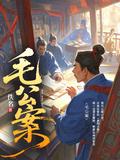 Mao Gongan
Qing Dynasty public case novels. The protagonist Mao Dengke (fictional character) is an upright and honest official who can solve cases like a god. The novel mainly describes how he solves a series of complex cases through meticulous investigation and reasoning, such as rape and murder, murder for money, frame-up, etc., And finally delivers justice to the victims and punishes the real culprits, which reflects the people's yearning for honest officials and fair justice.
—Reads8.5Score—Shelves
Mao Gongan
Qing Dynasty public case novels. The protagonist Mao Dengke (fictional character) is an upright and honest official who can solve cases like a god. The novel mainly describes how he solves a series of complex cases through meticulous investigation and reasoning, such as rape and murder, murder for money, frame-up, etc., And finally delivers justice to the victims and punishes the real culprits, which reflects the people's yearning for honest officials and fair justice.
—Reads8.5Score—Shelves
-
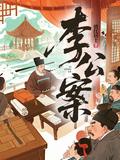 Li Gongan
Qing Dynasty public case novels. The protagonist is Li Bingheng, a capable official in the Qing Dynasty (some say he is a fictional character). It tells the story of how when he served as a local official in many places, he went deep into the people, conducted private interviews incognito, and used his wisdom and courage to solve various difficult cases. Emphasizing his image of being upright and loving the people as his own son, the plot mostly revolves around adultery, injustice, and robbery.
—Reads8.5Score—Shelves
Li Gongan
Qing Dynasty public case novels. The protagonist is Li Bingheng, a capable official in the Qing Dynasty (some say he is a fictional character). It tells the story of how when he served as a local official in many places, he went deep into the people, conducted private interviews incognito, and used his wisdom and courage to solve various difficult cases. Emphasizing his image of being upright and loving the people as his own son, the plot mostly revolves around adultery, injustice, and robbery.
—Reads8.5Score—Shelves
-
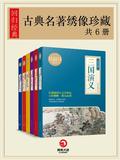 Return to the Classics: Collection of Embroidered Portraits of Classical Masterpieces (6 Volumes in Total)
This volume includes books such as "The Romance of the Three Kingdoms", "A Dream of Red Mansions", "Water Margin", "Journey to the West", and "The Romance of the Gods".
—Reads9.4Score—Shelves
Return to the Classics: Collection of Embroidered Portraits of Classical Masterpieces (6 Volumes in Total)
This volume includes books such as "The Romance of the Three Kingdoms", "A Dream of Red Mansions", "Water Margin", "Journey to the West", and "The Romance of the Gods".
—Reads9.4Score—Shelves
-
 Poetry Around the Stove (Free Public Edition Book)
He "warmed around the stove with all the handsome men from the East China Sea", "discussed loftily and laughed", and "those who excelled in chanting", so he was named "Waiting the stove". The purpose of this book's discussion of poetry is the theory of "intention as the main commander", emphasizing the leading role of thoughts and emotions in creation. Du Fu, the poet in the prosperous Tang Dynasty, was the most admired, because his poems were "meaningful", and he also admired Li Shangyin's poem
—Reads8.6Score—Shelves
Poetry Around the Stove (Free Public Edition Book)
He "warmed around the stove with all the handsome men from the East China Sea", "discussed loftily and laughed", and "those who excelled in chanting", so he was named "Waiting the stove". The purpose of this book's discussion of poetry is the theory of "intention as the main commander", emphasizing the leading role of thoughts and emotions in creation. Du Fu, the poet in the prosperous Tang Dynasty, was the most admired, because his poems were "meaningful", and he also admired Li Shangyin's poem
—Reads8.6Score—Shelves
-
 Lingfenguan Cihua (Free Public Edition Book)
This book discusses the poetry of You Peng in the early Qing Dynasty and the same period, and also covers the poetry of various schools in the Song and Yuan Dynasties.
—Reads8.1Score—Shelves
Lingfenguan Cihua (Free Public Edition Book)
This book discusses the poetry of You Peng in the early Qing Dynasty and the same period, and also covers the poetry of various schools in the Song and Yuan Dynasties.
—Reads8.1Score—Shelves
-
 Yucun Cihua (Free Public Edition Book)
"The mistakes of the present are corrected by keeping the mistakes of the past" and "selecting what is feasible can be used as a guide, and what is not possible can be used as a lesson." It is advisable to use the past for the present and to facilitate the creation of contemporary people. The book contains miscellaneous comments on the merits and demerits of previous poems, and occasionally identifies the sources of errors in words and sentences and explains their general meaning.
—Reads8.7Score—Shelves
Yucun Cihua (Free Public Edition Book)
"The mistakes of the present are corrected by keeping the mistakes of the past" and "selecting what is feasible can be used as a guide, and what is not possible can be used as a lesson." It is advisable to use the past for the present and to facilitate the creation of contemporary people. The book contains miscellaneous comments on the merits and demerits of previous poems, and occasionally identifies the sources of errors in words and sentences and explains their general meaning.
—Reads8.7Score—Shelves
-
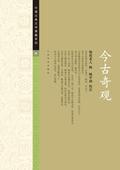 Wonders of Modern and Ancient Times (Chinese Classical Literature Collection Series)
"Wonderful Wonders of Modern and Ancient Times" is a collection of storybooks selected by the old man Baoweng from the "Three Words" and "Two Patterns", with a total of forty stories. The work extensively and deeply reflects the life, thoughts and feelings of the citizens at that time from various angles. It is a better collection of classical short stories. This manuscript is an annotated version made by Mr. Gu Xuejie based on the Ming edition of "Jingu Wonders". The annotations are detailed an
—Reads8.7Score—Shelves
Wonders of Modern and Ancient Times (Chinese Classical Literature Collection Series)
"Wonderful Wonders of Modern and Ancient Times" is a collection of storybooks selected by the old man Baoweng from the "Three Words" and "Two Patterns", with a total of forty stories. The work extensively and deeply reflects the life, thoughts and feelings of the citizens at that time from various angles. It is a better collection of classical short stories. This manuscript is an annotated version made by Mr. Gu Xuejie based on the Ming edition of "Jingu Wonders". The annotations are detailed an
—Reads8.7Score—Shelves
-
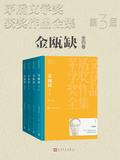 Jin Ou Que: All Four Volumes (Complete Collection of Mao Dun Literary Award-Winning Works) (2019 Edition)
During the reign of Emperor Huizong of the Song Dynasty, the Song, Liao and Jin Dynasties each occupied one side. The Jin Kingdom was strong and powerful, while the Liao Kingdom had many disadvantages. However, since the Chanyuan Alliance, the Northern Song Dynasty thought that the world was peaceful and relaxed its vigilance. This book takes the military general Ma Kuo as the main character and the experiences and achievements of his family as the main line. It tells the history from the Song a
—Reads9.4Score—Shelves
Jin Ou Que: All Four Volumes (Complete Collection of Mao Dun Literary Award-Winning Works) (2019 Edition)
During the reign of Emperor Huizong of the Song Dynasty, the Song, Liao and Jin Dynasties each occupied one side. The Jin Kingdom was strong and powerful, while the Liao Kingdom had many disadvantages. However, since the Chanyuan Alliance, the Northern Song Dynasty thought that the world was peaceful and relaxed its vigilance. This book takes the military general Ma Kuo as the main character and the experiences and achievements of his family as the main line. It tells the history from the Song a
—Reads9.4Score—Shelves
-
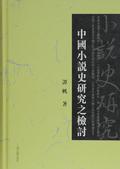 A Review of Research on the History of Chinese Novels
It selects 16 research papers on the history of Chinese novels published by the author since 1998, divided into five columns: "Style Research", "Terminology Research", "Novel Research", "Critical Research" and "'Four Wonderful Books' Research". This collection of essays reflects the general trajectory of the author's research on the history of ancient Chinese novels, and is also the author's theoretical thinking on the history of Chinese novels over the years.
—Reads8.9Score—Shelves
A Review of Research on the History of Chinese Novels
It selects 16 research papers on the history of Chinese novels published by the author since 1998, divided into five columns: "Style Research", "Terminology Research", "Novel Research", "Critical Research" and "'Four Wonderful Books' Research". This collection of essays reflects the general trajectory of the author's research on the history of ancient Chinese novels, and is also the author's theoretical thinking on the history of Chinese novels over the years.
—Reads8.9Score—Shelves
-
 The Family of Goujian, King of Yue
The title of "Historical Records" records the inspirational story of King Gou Jian of Yue who endured hardships and finally destroyed Wu Xueshi, as well as the history of the rise and fall of his descendants.
—Reads8.7Score—Shelves
The Family of Goujian, King of Yue
The title of "Historical Records" records the inspirational story of King Gou Jian of Yue who endured hardships and finally destroyed Wu Xueshi, as well as the history of the rise and fall of his descendants.
—Reads8.7Score—Shelves
-
 Records of the Kingdom of Buddhism (Free Public Edition Book)
It was originally called "The Biography of Travels to Tianzhu", also known as "The Biography of the Eminent Monk Fa Xian", or simply "The Biography of Fa Xian". Chinese and foreign communication works. Written by Shi Faxian (about 337-about 422) of the Eastern Jin Dynasty. One roll. Faxian's common name was Gong, and he was from Wuyang, Pingyang (now Linfen, Shanxi). He became a novice at the age of three and received the great ordination at the age of twenty. In the third year of Long'an in the
—Reads8.5Score—Shelves
Records of the Kingdom of Buddhism (Free Public Edition Book)
It was originally called "The Biography of Travels to Tianzhu", also known as "The Biography of the Eminent Monk Fa Xian", or simply "The Biography of Fa Xian". Chinese and foreign communication works. Written by Shi Faxian (about 337-about 422) of the Eastern Jin Dynasty. One roll. Faxian's common name was Gong, and he was from Wuyang, Pingyang (now Linfen, Shanxi). He became a novice at the age of three and received the great ordination at the age of twenty. In the third year of Long'an in the
—Reads8.5Score—Shelves
-
 Letters from Chongling (Free Public Edition Book)
During the Guangxu period, Yun served in the court for nineteen years and compiled what he saw and heard into this book. There are many inside stories about the strife in the Qing Palace. It is an important historical material for studying the activities of the ruling group in the late Qing Dynasty.
—Reads8.7Score—Shelves
Letters from Chongling (Free Public Edition Book)
During the Guangxu period, Yun served in the court for nineteen years and compiled what he saw and heard into this book. There are many inside stories about the strife in the Qing Palace. It is an important historical material for studying the activities of the ruling group in the late Qing Dynasty.
—Reads8.7Score—Shelves
-
 Compilation and Annotation of Zhongzang Sutra (Classic Edition of Ancient Traditional Chinese Medicine Books)
It is said to be a classic of traditional Chinese medicine written by Hua Tuo. This book is based on the authoritative version and has detailed and comprehensive editing and annotations. The book systematically expounds the theory of syndrome differentiation of viscera and has unique insights into the physiology, pathology, diagnosis and treatment of viscera. It supplements the core content of the viscera theory of traditional Chinese medicine and improves the syndrome differentiation system of
—Reads8.5Score—Shelves
Compilation and Annotation of Zhongzang Sutra (Classic Edition of Ancient Traditional Chinese Medicine Books)
It is said to be a classic of traditional Chinese medicine written by Hua Tuo. This book is based on the authoritative version and has detailed and comprehensive editing and annotations. The book systematically expounds the theory of syndrome differentiation of viscera and has unique insights into the physiology, pathology, diagnosis and treatment of viscera. It supplements the core content of the viscera theory of traditional Chinese medicine and improves the syndrome differentiation system of
—Reads8.5Score—Shelves
-
 Collected Works of Wang Shifu
Wang Shifu (1260-1336), whose name was Dexin, was from Dadu (now Beijing) and his ancestral home was Dingxing (now Dingxing County), Baoding City, Hebei Province. He was a famous opera writer in the Yuan Dynasty and the author of the drama "The Romance of the West Chamber". His life story is unknown. Wang Shifu is as famous as Guan Hanqing. His works comprehensively inherited the exquisite language art of Tang poetry and Song lyrics, and absorbed the lively oral language of the Yuan Dynasty folk
—Reads8.6Score—Shelves
Collected Works of Wang Shifu
Wang Shifu (1260-1336), whose name was Dexin, was from Dadu (now Beijing) and his ancestral home was Dingxing (now Dingxing County), Baoding City, Hebei Province. He was a famous opera writer in the Yuan Dynasty and the author of the drama "The Romance of the West Chamber". His life story is unknown. Wang Shifu is as famous as Guan Hanqing. His works comprehensively inherited the exquisite language art of Tang poetry and Song lyrics, and absorbed the lively oral language of the Yuan Dynasty folk
—Reads8.6Score—Shelves
-
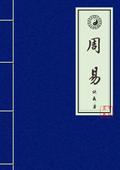 Zhouyi
"Book of Changes" is the first of the group of classics and a book of teachings. This book is the first original version created by the ancient Fuxi based on the Hetu Luoshu. It is the crystallization of ancient national thoughts and wisdom and is known as the "source of the great road".
—Reads9.2Score—Shelves
Zhouyi
"Book of Changes" is the first of the group of classics and a book of teachings. This book is the first original version created by the ancient Fuxi based on the Hetu Luoshu. It is the crystallization of ancient national thoughts and wisdom and is known as the "source of the great road".
—Reads9.2Score—Shelves
-
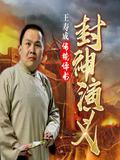 Fengshenyanyi
The famous storyteller Wang Shoucheng worked hard to create the classic storyteller "The Romance of the Gods". Based on the history of Jiang Ziya assisting the Zhou Dynasty (King Wen and King Wu of Zhou) in the crusade against Shang Zhou, it describes the story of the immortals who explained and intercepted the teachings, fought with wits and courage, broke the formation and beheaded the generals to become gods. Contains a wealth of folklore and mythology. There are vivid and distinctive charact
—Reads—Score—Shelves
Fengshenyanyi
The famous storyteller Wang Shoucheng worked hard to create the classic storyteller "The Romance of the Gods". Based on the history of Jiang Ziya assisting the Zhou Dynasty (King Wen and King Wu of Zhou) in the crusade against Shang Zhou, it describes the story of the immortals who explained and intercepted the teachings, fought with wits and courage, broke the formation and beheaded the generals to become gods. Contains a wealth of folklore and mythology. There are vivid and distinctive charact
—Reads—Score—Shelves
-
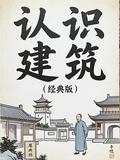 Understanding Architecture (Classic Edition)
Architecture is solidified music and the most profound dialogue between people and space. This book comprehensively interprets the logic behind the world's classic architecture from structure, light and shadow to humanistic background. Architecture is not only for shelter from wind and rain, but also for the sustenance of human dignity and dreams. Through this book, you will re-examine every house around you and understand how space shapes people's behavior and how people give soul to bricks and
—Reads8.7Score—Shelves
Understanding Architecture (Classic Edition)
Architecture is solidified music and the most profound dialogue between people and space. This book comprehensively interprets the logic behind the world's classic architecture from structure, light and shadow to humanistic background. Architecture is not only for shelter from wind and rain, but also for the sustenance of human dignity and dreams. Through this book, you will re-examine every house around you and understand how space shapes people's behavior and how people give soul to bricks and
—Reads8.7Score—Shelves
-
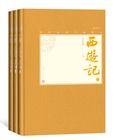 Journey to the West: 3 Volumes (Collection of Chinese Classical Novels: Illustrated Edition)
"Journey to the West" was written around the middle of the Ming Dynasty in my country in the 1670s. It, together with the "Romance of the Three Kingdoms" and "Water Margin" that appeared earlier than it, and later "The Scholars" and "Dream of Red Mansions", are the most representative and most famous novels of the Ming and Qing Dynasties in my country. "Journey to the West" is based on Xuanzang's experience of seeking Buddhist scriptures in the Tang Dynasty. After artistic processing by the nove
—Reads9.5Score—Shelves
Journey to the West: 3 Volumes (Collection of Chinese Classical Novels: Illustrated Edition)
"Journey to the West" was written around the middle of the Ming Dynasty in my country in the 1670s. It, together with the "Romance of the Three Kingdoms" and "Water Margin" that appeared earlier than it, and later "The Scholars" and "Dream of Red Mansions", are the most representative and most famous novels of the Ming and Qing Dynasties in my country. "Journey to the West" is based on Xuanzang's experience of seeking Buddhist scriptures in the Tang Dynasty. After artistic processing by the nove
—Reads9.5Score—Shelves
-
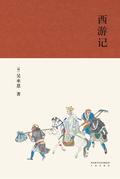 Journey to the West: 2 Volumes in Total
There is a naughty monkey in the Huaguo Mountain in the Aolai Kingdom of Dongsheng Shenzhou. He worships Subhuti as his teacher and learns the seventy-two transformations. After that, he takes over the mountain and becomes the king, calling himself the Monkey King. The Jade Emperor sent Taishang Laojun to subdue the Great Sage. Unexpectedly, the monkey refused to be restrained and made a big fuss in the sky. He was imprisoned in the alchemy furnace for forty-nine days to develop his piercing eye
—Reads9.4Score—Shelves
Journey to the West: 2 Volumes in Total
There is a naughty monkey in the Huaguo Mountain in the Aolai Kingdom of Dongsheng Shenzhou. He worships Subhuti as his teacher and learns the seventy-two transformations. After that, he takes over the mountain and becomes the king, calling himself the Monkey King. The Jade Emperor sent Taishang Laojun to subdue the Great Sage. Unexpectedly, the monkey refused to be restrained and made a big fuss in the sky. He was imprisoned in the alchemy furnace for forty-nine days to develop his piercing eye
—Reads9.4Score—Shelves
-
 Journey to the West Original Playback
The original work of Journey to the West is broadcast.
—Reads—Score—Shelves
Journey to the West Original Playback
The original work of Journey to the West is broadcast.
—Reads—Score—Shelves
-
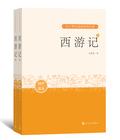 Journey to the West: up and Down (Reading Guide Catalog for Primary and Secondary School Students)
"Journey to the West", "The Romance of the Three Kingdoms", "Water Margin" and "Dream of Red Mansions" are collectively known as the four major Chinese classical novels. They are the most accomplished and most famous novels about gods and demons in ancient China. "Journey to the West" has a total of 100 chapters. Chapters 1 to 12 mainly tell the story of Sun Wukong's birth, causing havoc in the sky, and the origin of Tang Monk's Buddhist scriptures. Chapters 13 to 100 are the main body of the bo
—Reads9.4Score—Shelves
Journey to the West: up and Down (Reading Guide Catalog for Primary and Secondary School Students)
"Journey to the West", "The Romance of the Three Kingdoms", "Water Margin" and "Dream of Red Mansions" are collectively known as the four major Chinese classical novels. They are the most accomplished and most famous novels about gods and demons in ancient China. "Journey to the West" has a total of 100 chapters. Chapters 1 to 12 mainly tell the story of Sun Wukong's birth, causing havoc in the sky, and the origin of Tang Monk's Buddhist scriptures. Chapters 13 to 100 are the main body of the bo
—Reads9.4Score—Shelves
-
 Journey to the West-Ming Dynasty-Wu Chengen
Based on the history of Monk Xuanzang's journey to the West to seek Buddhist scriptures in the Tang Dynasty, it has been widely circulated in folk literature and art from the Song Dynasty to the Yuan Dynasty in the form of scripts, operas, etc. The whole book combines fantasy, human nature and animal nature, and has eternal charm.
—Reads9.4Score—Shelves
Journey to the West-Ming Dynasty-Wu Chengen
Based on the history of Monk Xuanzang's journey to the West to seek Buddhist scriptures in the Tang Dynasty, it has been widely circulated in folk literature and art from the Song Dynasty to the Yuan Dynasty in the form of scripts, operas, etc. The whole book combines fantasy, human nature and animal nature, and has eternal charm.
—Reads9.4Score—Shelves
-
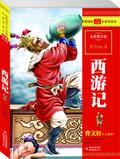 Journey to the West (Full Color Youth Edition)
Wu Cheng'en, the author of "Journey to the West", whose courtesy name is Ruzhong and whose nickname is Sheyangshan, was originally from Lianshui, Jiangsu Province, and later moved to Shanyang, Huai'an (now Huai'an, Jiangsu Province). Wu Chengen was smart and quick-thinking since he was a child. He was famous in his hometown for his literary talent as a boy. However, he did not go well in the examination room and in his official career. It was not until middle age that he was able to obtain the t
—Reads9.5Score—Shelves
Journey to the West (Full Color Youth Edition)
Wu Cheng'en, the author of "Journey to the West", whose courtesy name is Ruzhong and whose nickname is Sheyangshan, was originally from Lianshui, Jiangsu Province, and later moved to Shanyang, Huai'an (now Huai'an, Jiangsu Province). Wu Chengen was smart and quick-thinking since he was a child. He was famous in his hometown for his literary talent as a boy. However, he did not go well in the examination room and in his official career. It was not until middle age that he was able to obtain the t
—Reads9.5Score—Shelves
-
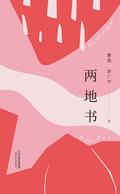 The Book of Two Places (Guomai Classic)
"Book of Two Places" is a collection of letters between Lu Xun and Xu Guangping. It contains the correspondence between the two people from March 1925 to June 1929, and completely records the trajectory of their love. Four years of love, four cities, 135 letters exchanged, and 11 years of loving each other. From Beijing to Xiamen to Guangzhou to Shanghai, while talking about national affairs and life ideals, they also expressly hinted at falling in love. Lu Xun and Xu Guangping were each other's
—Reads9.2Score—Shelves
The Book of Two Places (Guomai Classic)
"Book of Two Places" is a collection of letters between Lu Xun and Xu Guangping. It contains the correspondence between the two people from March 1925 to June 1929, and completely records the trajectory of their love. Four years of love, four cities, 135 letters exchanged, and 11 years of loving each other. From Beijing to Xiamen to Guangzhou to Shanghai, while talking about national affairs and life ideals, they also expressly hinted at falling in love. Lu Xun and Xu Guangping were each other's
—Reads9.2Score—Shelves
-
 Collected Works of Liu Ji
Liu Ji (July 1, 1311 - May 16, 1375), courtesy name Bowen and posthumous title Wencheng, was an outstanding military strategist, politician, writer and thinker in the late Yuan and early Ming dynasties, the founding father of the Ming Dynasty, Han nationality, and a native of Nantian, Wencheng, Zhejiang (originally Qingtian), so people called him Liu Qingtian at that time. In the third year of Hongwu in the Ming Dynasty (1370), he was granted the title of Uncle Chengyi, and people also called hi
—Reads8.6Score—Shelves
Collected Works of Liu Ji
Liu Ji (July 1, 1311 - May 16, 1375), courtesy name Bowen and posthumous title Wencheng, was an outstanding military strategist, politician, writer and thinker in the late Yuan and early Ming dynasties, the founding father of the Ming Dynasty, Han nationality, and a native of Nantian, Wencheng, Zhejiang (originally Qingtian), so people called him Liu Qingtian at that time. In the third year of Hongwu in the Ming Dynasty (1370), he was granted the title of Uncle Chengyi, and people also called hi
—Reads8.6Score—Shelves
-
 The Beginning and End of the Peace of Yunnan (Free Public Edition Book)
Focusing on the historical events related to the pacification of Yunnan, it records in detail the background, reasons, process and results of the pacification of Yunnan. It may involve specific circumstances of military operations, such as the location of the battle, the deployment of troops on both sides, and the use of tactics, as well as the far-reaching impact of the war on the politics, economy, and society of Yunnan. It is important information for studying the local history of Yunnan and
—Reads8.7Score—Shelves
The Beginning and End of the Peace of Yunnan (Free Public Edition Book)
Focusing on the historical events related to the pacification of Yunnan, it records in detail the background, reasons, process and results of the pacification of Yunnan. It may involve specific circumstances of military operations, such as the location of the battle, the deployment of troops on both sides, and the use of tactics, as well as the far-reaching impact of the war on the politics, economy, and society of Yunnan. It is important information for studying the local history of Yunnan and
—Reads8.7Score—Shelves
-
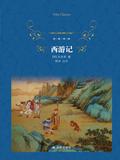 Journey to the West (Classic Translation)
"Journey to the West" is the first romantic chapter-length novel about gods and demons in ancient China. This novel is based on the historical event of "Tang Monk's Study for Buddhist Scriptures". Through the author's artistic processing, it profoundly depicts the social reality at that time. The whole book mainly describes the story of Sun Wukong after he was born and caused havoc in the Heavenly Palace. He met Tang Monk, Zhu Bajie and Sha Monk. He traveled west to obtain Buddhist scriptures an
—Reads9.6Score—Shelves
Journey to the West (Classic Translation)
"Journey to the West" is the first romantic chapter-length novel about gods and demons in ancient China. This novel is based on the historical event of "Tang Monk's Study for Buddhist Scriptures". Through the author's artistic processing, it profoundly depicts the social reality at that time. The whole book mainly describes the story of Sun Wukong after he was born and caused havoc in the Heavenly Palace. He met Tang Monk, Zhu Bajie and Sha Monk. He traveled west to obtain Buddhist scriptures an
—Reads9.6Score—Shelves
-
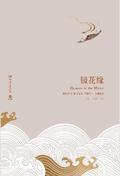 Flowers Through the Looking Glass: Two Volumes
"Flowers in the Mirror" is a novel written by Li Ruzhen, a literati in the Qing Dynasty. The first half of the book describes the story of Tang Ao, Duo Jiugong and others traveling overseas by boat; including their experiences in the Daughter's Country, the Gentleman's Country and other countries. The second half tells the story of Wu Zetian's imperial examination to select talented girls; Tang Xiaoshan, who was entrusted by Baihua Fairy, and one hundred talented girls entrusted by other flower
—Reads9.2Score—Shelves
Flowers Through the Looking Glass: Two Volumes
"Flowers in the Mirror" is a novel written by Li Ruzhen, a literati in the Qing Dynasty. The first half of the book describes the story of Tang Ao, Duo Jiugong and others traveling overseas by boat; including their experiences in the Daughter's Country, the Gentleman's Country and other countries. The second half tells the story of Wu Zetian's imperial examination to select talented girls; Tang Xiaoshan, who was entrusted by Baihua Fairy, and one hundred talented girls entrusted by other flower
—Reads9.2Score—Shelves
-
 Longxugou
"Longxugou" mainly tells the story of Cheng Baotai, an upright old artist who used to make a living as a performer. After being severely beaten by the bully Black Whirlwind, he fled to live in Longxugou and relied on Mrs. Cheng to sell cigarettes at a stall.
—Reads9.3Score—Shelves
Longxugou
"Longxugou" mainly tells the story of Cheng Baotai, an upright old artist who used to make a living as a performer. After being severely beaten by the bully Black Whirlwind, he fled to live in Longxugou and relied on Mrs. Cheng to sell cigarettes at a stall.
—Reads9.3Score—Shelves
-
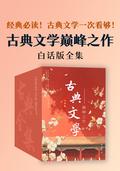 The Pinnacle of Classical Literature (Complete Works in Vernacular Version)
A set of books to understand the four highest mountains of Chinese classical literature. "Journey to the West", "Water Margin", "The Romance of the Three Kingdoms" and "A Dream of Red Mansions" are known as the "Four Great Masterpieces", but in fact not many people have actually read the original works completely - it's not that they don't want to read them, but they just can't read them. This set of "The Pinnacle of Classical Literature (Complete Works in Vernacular Edition)" is for those who "
—Reads9.4Score—Shelves
The Pinnacle of Classical Literature (Complete Works in Vernacular Version)
A set of books to understand the four highest mountains of Chinese classical literature. "Journey to the West", "Water Margin", "The Romance of the Three Kingdoms" and "A Dream of Red Mansions" are known as the "Four Great Masterpieces", but in fact not many people have actually read the original works completely - it's not that they don't want to read them, but they just can't read them. This set of "The Pinnacle of Classical Literature (Complete Works in Vernacular Edition)" is for those who "
—Reads9.4Score—Shelves
-
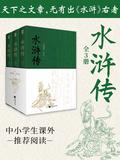 Water Margin (All 3 Volumes)
"Water Margin" is one of the four classic Chinese classics. The work takes the peasant uprising as its theme. It vividly describes the story of the Northern Song Dynasty when treacherous ministers were in power and the people were in dire straits. The peasant uprising army headed by Song Jiang gradually grew in strength and protected the people. Later, they were recruited to fight for the Song Dynasty and performed military exploits. However, they were murdered by powerful ministers for their ow
—Reads9.5Score—Shelves
Water Margin (All 3 Volumes)
"Water Margin" is one of the four classic Chinese classics. The work takes the peasant uprising as its theme. It vividly describes the story of the Northern Song Dynasty when treacherous ministers were in power and the people were in dire straits. The peasant uprising army headed by Song Jiang gradually grew in strength and protected the people. Later, they were recruited to fight for the Song Dynasty and performed military exploits. However, they were murdered by powerful ministers for their ow
—Reads9.5Score—Shelves
-
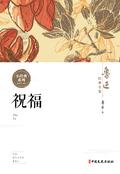 Bless
This volume includes "Blessings", "Only Collection", "Collection Outside Collection" and "Supplement to Collection Outside Collection". "Blessing" is a short story written by Lu Xun, a writer during the Republic of China. It was written on February 7, 1924. It was first published in the Shanghai "Oriental Magazine" bimonthly, Volume 21, No. 6, Published on March 25, 1924, and was later included in the novel collection "Wandering". The work tells the story of "I", an intellectual who left his hom
—Reads9.2Score—Shelves
Bless
This volume includes "Blessings", "Only Collection", "Collection Outside Collection" and "Supplement to Collection Outside Collection". "Blessing" is a short story written by Lu Xun, a writer during the Republic of China. It was written on February 7, 1924. It was first published in the Shanghai "Oriental Magazine" bimonthly, Volume 21, No. 6, Published on March 25, 1924, and was later included in the novel collection "Wandering". The work tells the story of "I", an intellectual who left his hom
—Reads9.2Score—Shelves
-
 Xu Dishan's Exquisite Prose
Xu Dishan's prose is like the peanuts he writes, simple and unpretentious, but with profound connotation and long lasting charm. His words contain profound thoughts on the nature of life in plain narrative. The famous article "Peanuts" reveals the principles of life through ordinary things; other articles often reveal philosophy in daily trivial matters and warmth in the description of nature. Reading his prose can help people find a rare sense of calmness and steadiness in an impetuous world.
—Reads—Score—Shelves
Xu Dishan's Exquisite Prose
Xu Dishan's prose is like the peanuts he writes, simple and unpretentious, but with profound connotation and long lasting charm. His words contain profound thoughts on the nature of life in plain narrative. The famous article "Peanuts" reveals the principles of life through ordinary things; other articles often reveal philosophy in daily trivial matters and warmth in the description of nature. Reading his prose can help people find a rare sense of calmness and steadiness in an impetuous world.
—Reads—Score—Shelves
-
 Yu Dafu's Best Novels
Yu Dafu's novels pioneered the lyrical style of "autobiography" in China. The protagonists are mostly those who suffer from the "diseases of the times". They are sensitive, melancholy and sinking, but they also struggle fiercely and repent in pain. The famous novel "The Sinking" shocked the literary world with its bold and explicit description of the sexual anguish of youth and the pain of family and country. His novels do not focus on plot, but on the unabashed emotional catharsis and the profo
—Reads—Score—Shelves
Yu Dafu's Best Novels
Yu Dafu's novels pioneered the lyrical style of "autobiography" in China. The protagonists are mostly those who suffer from the "diseases of the times". They are sensitive, melancholy and sinking, but they also struggle fiercely and repent in pain. The famous novel "The Sinking" shocked the literary world with its bold and explicit description of the sexual anguish of youth and the pain of family and country. His novels do not focus on plot, but on the unabashed emotional catharsis and the profo
—Reads—Score—Shelves
-
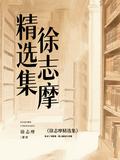 Xu Zhimo's Best Collection
Xu Zhimo's poems, like himself, pursue love, freedom and beauty. Whether it is the lingering feeling of "I leave as gently as I came" or the passion of "I will visit my only soul mate in the vast sea of people", they are all full of musical rhythm and dreamlike artistic conception. His words are the best footnotes of his passionate, sincere and beautiful life, and can awaken the most romantic corner in your heart.
—Reads8.5Score—Shelves
Xu Zhimo's Best Collection
Xu Zhimo's poems, like himself, pursue love, freedom and beauty. Whether it is the lingering feeling of "I leave as gently as I came" or the passion of "I will visit my only soul mate in the vast sea of people", they are all full of musical rhythm and dreamlike artistic conception. His words are the best footnotes of his passionate, sincere and beautiful life, and can awaken the most romantic corner in your heart.
—Reads8.5Score—Shelves
-
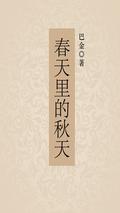 Autumn in Spring
"Autumn in Spring" is a novel written by Ba Jin based on the social reality of Quanzhou at that time. It tells a sad and touching love story: a middle school teacher named Lin fell in love with his female student Zheng Peirong in Quanzhou. However, they were strongly opposed by the girl's father and they fled to Gulangyu Island in Xiamen. However, their love could not be tolerated by feudal ethics. After a short period of happiness, Zheng Peirong returned to Quanzhou at the urging of his mother.
—Reads9.3Score—Shelves
Autumn in Spring
"Autumn in Spring" is a novel written by Ba Jin based on the social reality of Quanzhou at that time. It tells a sad and touching love story: a middle school teacher named Lin fell in love with his female student Zheng Peirong in Quanzhou. However, they were strongly opposed by the girl's father and they fled to Gulangyu Island in Xiamen. However, their love could not be tolerated by feudal ethics. After a short period of happiness, Zheng Peirong returned to Quanzhou at the urging of his mother.
—Reads9.3Score—Shelves
-
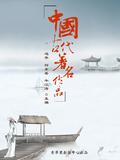 Famous Ancient Chinese Works
Literary works are created by writers based on certain positions, viewpoints, social ideals and aesthetic concepts, selecting certain materials from social life, refining and processing them. This book is one of the "Literary Works" in the series, which introduces some famous literary works in various periods such as the Spring and Autumn Period, Warring States Period, Western Han Dynasty, Three Kingdoms, Jin Dynasty, Northern and Southern Dynasties, Tang, Song, Yuan, Ming and Qing Dynasties.
—Reads8.7Score—Shelves
Famous Ancient Chinese Works
Literary works are created by writers based on certain positions, viewpoints, social ideals and aesthetic concepts, selecting certain materials from social life, refining and processing them. This book is one of the "Literary Works" in the series, which introduces some famous literary works in various periods such as the Spring and Autumn Period, Warring States Period, Western Han Dynasty, Three Kingdoms, Jin Dynasty, Northern and Southern Dynasties, Tang, Song, Yuan, Ming and Qing Dynasties.
—Reads8.7Score—Shelves
-
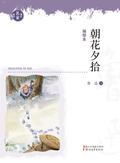 Picking up Flowers in the Morning and Evening (Illustrated Book)
As a "note of memories", this collection reflects the author Lu Xun's teenage life in many aspects, and vividly reflects the formation of his character and interests. The first seven chapters reflect his childhood life in his family and private school in Shaoxing, while the last three chapters describe his journey from his hometown to Nanjing, to Japan to study, and then back to China to teach. They reveal all the ugly and irrational phenomena in the semi-feudal and semi-colonial society. They a
—Reads8.5Score—Shelves
Picking up Flowers in the Morning and Evening (Illustrated Book)
As a "note of memories", this collection reflects the author Lu Xun's teenage life in many aspects, and vividly reflects the formation of his character and interests. The first seven chapters reflect his childhood life in his family and private school in Shaoxing, while the last three chapters describe his journey from his hometown to Nanjing, to Japan to study, and then back to China to teach. They reveal all the ugly and irrational phenomena in the semi-feudal and semi-colonial society. They a
—Reads8.5Score—Shelves
-
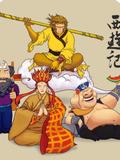 Journey to the West
 is the peak of romanticism in ancient novels. It is also a masterpiece of romanticism in the history of world literature. The emergence of this book opened up a new category of long chapter novels about gods and demons.
—Reads7.8Score—Shelves
Journey to the West
Journey to the West is the peak of romanticism in ancient novels. It is also a masterpiece of romanticism in the history of world literature. The emergence of this book opened up a new category of long chapter novels about gods and demons.
—Reads7.8Score—Shelves
-
 Gathering Flowers in the Morning and Evening: Collection of Prose by Lu Xun
This book contains the entire length of Lu Xun's prose collections "Morning Blossoms Plucked at Dusk" and "Wild Grass", as well as Lu Xun's other classic works. "Morning Blossoms Plucked at Dusk", as a "note of memories", reflects Lu Xun's life as a teenager from many aspects, conveys the formation process of Lu Xun's character and interests, and at the same time shows the difficult journey of aspiring young intellectuals to brave hardships and find light in the old society. "Weeds" was written
—Reads8.4Score—Shelves
Gathering Flowers in the Morning and Evening: Collection of Prose by Lu Xun
This book contains the entire length of Lu Xun's prose collections "Morning Blossoms Plucked at Dusk" and "Wild Grass", as well as Lu Xun's other classic works. "Morning Blossoms Plucked at Dusk", as a "note of memories", reflects Lu Xun's life as a teenager from many aspects, conveys the formation process of Lu Xun's character and interests, and at the same time shows the difficult journey of aspiring young intellectuals to brave hardships and find light in the old society. "Weeds" was written
—Reads8.4Score—Shelves
-
 Journey to the West (Youth Edition)
"Journey to the West" is one of the four classic Chinese classics. It mainly describes the story of Sun Wukong, Zhu Bajie, and Sha Seng protecting Monk Tang from the West to obtain scriptures. They encountered eighty-one difficulties along the way and went through many hardships. The three apprentices used their own skills to protect Monk Tang along the way, slayed demons, turned dangers into safety, and reached the West to obtain the scriptures and achieve enlightenment. This novel has been a h
—Reads9.5Score—Shelves
Journey to the West (Youth Edition)
"Journey to the West" is one of the four classic Chinese classics. It mainly describes the story of Sun Wukong, Zhu Bajie, and Sha Seng protecting Monk Tang from the West to obtain scriptures. They encountered eighty-one difficulties along the way and went through many hardships. The three apprentices used their own skills to protect Monk Tang along the way, slayed demons, turned dangers into safety, and reached the West to obtain the scriptures and achieve enlightenment. This novel has been a h
—Reads9.5Score—Shelves
-
 Record of Current Results (Free Public Edition Book)
Buddhist inspiration records of the Qing Dynasty record real cases of retribution for good and evil, and have the function of persuading people to do good and educating them.
—Reads8.6Score—Shelves
Record of Current Results (Free Public Edition Book)
Buddhist inspiration records of the Qing Dynasty record real cases of retribution for good and evil, and have the function of persuading people to do good and educating them.
—Reads8.6Score—Shelves
-
 Boya Qin (Free Public Edition Book)
The story of "Bo Ya Plays the Guqin" is used as the title of the book because the author believes that a close friend is rare, so he names himself Yu Boya, hoping that the world can be like Zhong Ziqi who was "cut off the strings of the harp" and understand and accept his thoughts.
—Reads8.6Score—Shelves
Boya Qin (Free Public Edition Book)
The story of "Bo Ya Plays the Guqin" is used as the title of the book because the author believes that a close friend is rare, so he names himself Yu Boya, hoping that the world can be like Zhong Ziqi who was "cut off the strings of the harp" and understand and accept his thoughts.
—Reads8.6Score—Shelves
-
 Diary of a Madman
A certain gentleman, Kunzhong, whose name is withheld now, is still a good friend in middle school. After many years of separation, the news is gradually missing.
—Reads8.6Score—Shelves
Diary of a Madman
A certain gentleman, Kunzhong, whose name is withheld now, is still a good friend in middle school. After many years of separation, the news is gradually missing.
—Reads8.6Score—Shelves
-
 Collected Works of Zhang Hua
Zhang Hua (232-300), whose courtesy name was Maoxian. A native of Fanyang Fangcheng (now Gu'an, Hebei Province). Politician, writer, and bibliophile during the Western Jin Dynasty. The sixteenth generation grandson of Zhang Liang, a Marquis of the Western Han Dynasty, and the fourteenth generation ancestor of Zhang Jiuling, the famous prime minister of the Tang Dynasty. Zhang Hua specializes in poetry and poetry, and his words are gorgeous. Compiled China's first natural history book "Natural Hi
—Reads8.6Score—Shelves
Collected Works of Zhang Hua
Zhang Hua (232-300), whose courtesy name was Maoxian. A native of Fanyang Fangcheng (now Gu'an, Hebei Province). Politician, writer, and bibliophile during the Western Jin Dynasty. The sixteenth generation grandson of Zhang Liang, a Marquis of the Western Han Dynasty, and the fourteenth generation ancestor of Zhang Jiuling, the famous prime minister of the Tang Dynasty. Zhang Hua specializes in poetry and poetry, and his words are gorgeous. Compiled China's first natural history book "Natural Hi
—Reads8.6Score—Shelves
-
 Collected Works of Zhang Yan
Zhang Yan (1248-1320), also known as Shuxia, also known as Yutian, and in his later years, he was known as Lexiaoweng. His ancestral home is Fengxiang, Shaanxi. The sixth generation ancestor Zhang Jun was a famous general in the Song Dynasty. His father, Zhang Shu, was an important member of the "Xihu Yin Society". He had a wonderful understanding of music and rhythm, and had close friendship with famous poets. Zhang Yan was a descendant of Xungui. He lived in Lin'an for the first half of his li
—Reads8.6Score—Shelves
Collected Works of Zhang Yan
Zhang Yan (1248-1320), also known as Shuxia, also known as Yutian, and in his later years, he was known as Lexiaoweng. His ancestral home is Fengxiang, Shaanxi. The sixth generation ancestor Zhang Jun was a famous general in the Song Dynasty. His father, Zhang Shu, was an important member of the "Xihu Yin Society". He had a wonderful understanding of music and rhythm, and had close friendship with famous poets. Zhang Yan was a descendant of Xungui. He lived in Lin'an for the first half of his li
—Reads8.6Score—Shelves
-
 A Note on Taiwan (Free Public Edition)
It is a seven-character ancient poem with a length of 1,027 words. From the cession of Taiwan and Penghu after the Sino-Japanese War to the failure of Taiwan's anti-Japanese war, it is a sad and emotional poem that fully expresses the pain of Taiwan being trapped by the enemy.
—Reads—Score—Shelves
A Note on Taiwan (Free Public Edition)
It is a seven-character ancient poem with a length of 1,027 words. From the cession of Taiwan and Penghu after the Sino-Japanese War to the failure of Taiwan's anti-Japanese war, it is a sad and emotional poem that fully expresses the pain of Taiwan being trapped by the enemy.
—Reads—Score—Shelves
-
 Hainan Miscellaneous Works (Free Public Edition Books)
Tinglan, whose courtesy name is Xiangzu and whose name is Qiuyuan, is from Penghu. At the age of thirteen, he entered the Pan River, whereupon he ate glutinous rice. In the twelfth year of Daoguang's reign in the Qing Dynasty, there was a famine in Penghu. Zhou Kai, the Yongdao of Xingquan, came to search for relief and wrote a "Song for Urgent Relief" to advance. In the autumn of the 15th year, after going to the province to take the exam, he crossed the Peng River from Xiamen and was blown awa
—Reads8.6Score—Shelves
Hainan Miscellaneous Works (Free Public Edition Books)
Tinglan, whose courtesy name is Xiangzu and whose name is Qiuyuan, is from Penghu. At the age of thirteen, he entered the Pan River, whereupon he ate glutinous rice. In the twelfth year of Daoguang's reign in the Qing Dynasty, there was a famine in Penghu. Zhou Kai, the Yongdao of Xingquan, came to search for relief and wrote a "Song for Urgent Relief" to advance. In the autumn of the 15th year, after going to the province to take the exam, he crossed the Peng River from Xiamen and was blown awa
—Reads8.6Score—Shelves