Fanqie library
Browse
- Titles
- 422
Every Fanqie book we index, searchable by title, author or tag.
-
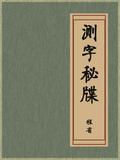 Word Test Secrets
"Secret Book of Character Testing" is a special book that specifically describes the ancient calligraphy techniques and expounds the techniques of character testing based on ancient theories such as Yin and Yang, Five Elements, Six Gods, and Bagua. It is very representative.
—Reads9.4Score—Shelves
Word Test Secrets
"Secret Book of Character Testing" is a special book that specifically describes the ancient calligraphy techniques and expounds the techniques of character testing based on ancient theories such as Yin and Yang, Five Elements, Six Gods, and Bagua. It is very representative.
—Reads9.4Score—Shelves
-
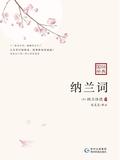 Nalan Ci
"Nalan Ci" is a collection of Nalan Xingde's poems, which is a true portrayal of his emotions throughout his life. His style of poetry is quite similar to that of the later masters of the Southern Tang Dynasty. His love stories are sincere and sentimental, and his poems about death are even more heart-wrenching to read. It is also often compared with Song Liuyong's poetry. There is a saying that "every family competes to sing "Drinking Water Ci", and how many people know Nalan's thoughts." His p
—Reads8.7Score—Shelves
Nalan Ci
"Nalan Ci" is a collection of Nalan Xingde's poems, which is a true portrayal of his emotions throughout his life. His style of poetry is quite similar to that of the later masters of the Southern Tang Dynasty. His love stories are sincere and sentimental, and his poems about death are even more heart-wrenching to read. It is also often compared with Song Liuyong's poetry. There is a saying that "every family competes to sing "Drinking Water Ci", and how many people know Nalan's thoughts." His p
—Reads8.7Score—Shelves
-
 Vernacular Liaozhai
"Strange Stories from a Chinese Studio" is the masterpiece of Pu Songling, a writer in the late Ming Dynasty and early Qing Dynasty. It can be regarded as the pinnacle of Chinese classical short stories. It has successfully shaped many artistic models, with vivid and vivid characters, twists and turns of the story, rigorous and ingenious structural layout, concise writing and delicate description. It has a wide range of topics and extremely rich content. It is said that in order to collect mater
—Reads9.4Score—Shelves
Vernacular Liaozhai
"Strange Stories from a Chinese Studio" is the masterpiece of Pu Songling, a writer in the late Ming Dynasty and early Qing Dynasty. It can be regarded as the pinnacle of Chinese classical short stories. It has successfully shaped many artistic models, with vivid and vivid characters, twists and turns of the story, rigorous and ingenious structural layout, concise writing and delicate description. It has a wide range of topics and extremely rich content. It is said that in order to collect mater
—Reads9.4Score—Shelves
-
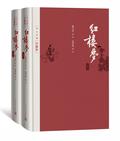 A Dream of Red Mansions: 2 Volumes (Four Great Classics: Collector's Edition)
"A Dream of Red Mansions" is one of the four great classics in ancient China and the pinnacle of ancient Chinese novels. The whole book centers on the daily life of Rongguo Mansion, takes the love and marriage tragedies of Baoyu, Daiyu, and Baochai as well as trivial matters in the Grand View Garden as the main line, and takes the history of the four famous aristocratic families of Jinling, Jia, Shi, Wang, and Xue from their peak to decline as the undercurrent, showing the decline of families an
—Reads9.5Score—Shelves
A Dream of Red Mansions: 2 Volumes (Four Great Classics: Collector's Edition)
"A Dream of Red Mansions" is one of the four great classics in ancient China and the pinnacle of ancient Chinese novels. The whole book centers on the daily life of Rongguo Mansion, takes the love and marriage tragedies of Baoyu, Daiyu, and Baochai as well as trivial matters in the Grand View Garden as the main line, and takes the history of the four famous aristocratic families of Jinling, Jia, Shi, Wang, and Xue from their peak to decline as the undercurrent, showing the decline of families an
—Reads9.5Score—Shelves
-
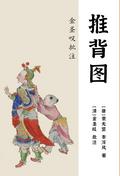 Pushing the Back Picture (Annotated by Jin Shengtan)
"Tuibei Diagram" was created by astronomer Li Chunfeng and fortune teller Yuan Tiangang in the Tang Dynasty to calculate the fortune of the Tang Dynasty. There are sixty phases in total, and each phase has a hexagram, a picture, a prophecy and a "Ode" poem, which predicts the rise and fall of China's history after the Tang Dynasty. There are many versions of "Tui Bei Tu", and they are all different. The most widely circulated version is the version annotated by Jin Shengtan.
—Reads9.4Score—Shelves
Pushing the Back Picture (Annotated by Jin Shengtan)
"Tuibei Diagram" was created by astronomer Li Chunfeng and fortune teller Yuan Tiangang in the Tang Dynasty to calculate the fortune of the Tang Dynasty. There are sixty phases in total, and each phase has a hexagram, a picture, a prophecy and a "Ode" poem, which predicts the rise and fall of China's history after the Tang Dynasty. There are many versions of "Tui Bei Tu", and they are all different. The most widely circulated version is the version annotated by Jin Shengtan.
—Reads9.4Score—Shelves
-
 Jin Shengtan Selected and Reviewed 600 Tang Poems
The characteristic of Jin Shengtan's anthology lies not only in the selection, but also in the evaluation, paying more attention to comments and appreciation. Jin Shengtan has selected nearly 600 seven-character verses from the early Tang Dynasty to the Five Dynasties for detailed commentary, focusing on trying to figure out the various layouts and patterns of succession, transition, etc. In the seven-character verses of the Tang Dynasty. He either penetrates the meaning or makes use of the topi
—Reads9.2Score—Shelves
Jin Shengtan Selected and Reviewed 600 Tang Poems
The characteristic of Jin Shengtan's anthology lies not only in the selection, but also in the evaluation, paying more attention to comments and appreciation. Jin Shengtan has selected nearly 600 seven-character verses from the early Tang Dynasty to the Five Dynasties for detailed commentary, focusing on trying to figure out the various layouts and patterns of succession, transition, etc. In the seven-character verses of the Tang Dynasty. He either penetrates the meaning or makes use of the topi
—Reads9.2Score—Shelves
-
 Traditional Chinese Medicine Collection: Kechen Medical Talk
It is divided into a summary of miscellaneous syndromes, a summary of gynecology and a summary of postpartum period, with the majority being gynecology. It explains the author's academic insights and diagnosis and treatment experience.
—Reads8.6Score—Shelves
Traditional Chinese Medicine Collection: Kechen Medical Talk
It is divided into a summary of miscellaneous syndromes, a summary of gynecology and a summary of postpartum period, with the majority being gynecology. It explains the author's academic insights and diagnosis and treatment experience.
—Reads8.6Score—Shelves
-
 Water Margin (Guomai Classic)
The Songjiang uprising during the Xuanhe period at the end of the Northern Song Dynasty was recorded in history. Relevant records can be seen in various works, such as "Song Jiang Xiao gathered to flee, plagiarizing all the way to Shandong, there were earthquakes in prefectures and counties, and many officials took refuge." From the Southern Song Dynasty to the Ming Dynasty, the legend of Liangshan heroes can be heard in scripts, storytellers, and opera stages. Whether it is the personal legends
—Reads9.5Score—Shelves
Water Margin (Guomai Classic)
The Songjiang uprising during the Xuanhe period at the end of the Northern Song Dynasty was recorded in history. Relevant records can be seen in various works, such as "Song Jiang Xiao gathered to flee, plagiarizing all the way to Shandong, there were earthquakes in prefectures and counties, and many officials took refuge." From the Southern Song Dynasty to the Ming Dynasty, the legend of Liangshan heroes can be heard in scripts, storytellers, and opera stages. Whether it is the personal legends
—Reads9.5Score—Shelves
-
 Medical Insights
Ancient Chinese medicine books are a shining pearl in the treasure house of Chinese medicine. They have high guiding significance and practical value, and have made significant contributions and far-reaching influences on the development of medicine in later generations.
—Reads9.4Score—Shelves
Medical Insights
Ancient Chinese medicine books are a shining pearl in the treasure house of Chinese medicine. They have high guiding significance and practical value, and have made significant contributions and far-reaching influences on the development of medicine in later generations.
—Reads9.4Score—Shelves
-
 Medicine Is Really Easy
Ancient Chinese medicine books are a shining pearl in the treasure house of Chinese medicine. They have high guiding significance and practical value, and have made significant contributions and far-reaching influences on the development of medicine in later generations.
—Reads9.3Score—Shelves
Medicine Is Really Easy
Ancient Chinese medicine books are a shining pearl in the treasure house of Chinese medicine. They have high guiding significance and practical value, and have made significant contributions and far-reaching influences on the development of medicine in later generations.
—Reads9.3Score—Shelves
-
 Acupuncture Integration
"Collection of Acupuncture and Moxibustion", a work on acupuncture, also known as "Collection of Acupuncture and Moxibustion in Mian Xuetang". Four volumes. Written by Liao Runhong of Qing Dynasty.
—Reads8.8Score—Shelves
Acupuncture Integration
"Collection of Acupuncture and Moxibustion", a work on acupuncture, also known as "Collection of Acupuncture and Moxibustion in Mian Xuetang". Four volumes. Written by Liao Runhong of Qing Dynasty.
—Reads8.8Score—Shelves
-
 A Doctor Must Understand
Medical treatises. Written by Li Guanxian of the Qing Dynasty in 1902. This book collects comments on the pros and cons of various medical books, discusses the four diagnoses, differentiates disease syndromes, treatment methods, prescriptions and other 13 medical treatises. All are the summary of Li's learning experience or clinical experience.
—Reads9.2Score—Shelves
A Doctor Must Understand
Medical treatises. Written by Li Guanxian of the Qing Dynasty in 1902. This book collects comments on the pros and cons of various medical books, discusses the four diagnoses, differentiates disease syndromes, treatment methods, prescriptions and other 13 medical treatises. All are the summary of Li's learning experience or clinical experience.
—Reads9.2Score—Shelves
-
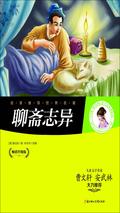 Strange Tales from a Chinese Studio
Although "Strange Stories from a Chinese Studio (Best-Selling Upgraded Edition)" talks about foxes and ghosts, its content is rooted in the soil of real life, tortuously reflecting the social reality of the era in which Pu Songling lived, reflecting the ideological aspirations of the people, and entrusting the author Pu Songling's beautiful ideals. Therefore, we cannot just regard this book as a book to kill boredom, but should deeply understand the author's love and hatred in it.
—Reads9.5Score—Shelves
Strange Tales from a Chinese Studio
Although "Strange Stories from a Chinese Studio (Best-Selling Upgraded Edition)" talks about foxes and ghosts, its content is rooted in the soil of real life, tortuously reflecting the social reality of the era in which Pu Songling lived, reflecting the ideological aspirations of the people, and entrusting the author Pu Songling's beautiful ideals. Therefore, we cannot just regard this book as a book to kill boredom, but should deeply understand the author's love and hatred in it.
—Reads9.5Score—Shelves
-
 Zhi Yanzhai's Commentary on Stones (Set of Volumes 1 and 2)
"A Dream of Red Mansions" is a masterpiece of Chinese classical literature, and its essence has been studied continuously since its publication. There are many versions of "Dream of Red Mansions", but reliable versions are rare. This is something that lovers and researchers of Red Mansions understand deeply. The existing versions of "Dream of Red Mansions" are roughly divided into two systems. One is the Zhi Ping version, which only circulates the first 80 chapters and retains Zhi Yanzhai's comm
—Reads9.4Score—Shelves
Zhi Yanzhai's Commentary on Stones (Set of Volumes 1 and 2)
"A Dream of Red Mansions" is a masterpiece of Chinese classical literature, and its essence has been studied continuously since its publication. There are many versions of "Dream of Red Mansions", but reliable versions are rare. This is something that lovers and researchers of Red Mansions understand deeply. The existing versions of "Dream of Red Mansions" are roughly divided into two systems. One is the Zhi Ping version, which only circulates the first 80 chapters and retains Zhi Yanzhai's comm
—Reads9.4Score—Shelves
-
 Chronicles of Ming Dynasty
This book records in detail the entire process of the Ming Dynasty from its establishment to its demise, covering major historical events from Zhu Yuanzhang's rise to the Yingzong period of the Ming Dynasty. By describing Zhu Yuanzhang's unification war and internal affairs management, it reveals the ruling strategies and governance concepts of the early Ming Dynasty. The book also explores the imperial power struggle, eunuch monopoly and internal and external challenges from the period of Emper
—Reads9.5Score—Shelves
Chronicles of Ming Dynasty
This book records in detail the entire process of the Ming Dynasty from its establishment to its demise, covering major historical events from Zhu Yuanzhang's rise to the Yingzong period of the Ming Dynasty. By describing Zhu Yuanzhang's unification war and internal affairs management, it reveals the ruling strategies and governance concepts of the early Ming Dynasty. The book also explores the imperial power struggle, eunuch monopoly and internal and external challenges from the period of Emper
—Reads9.5Score—Shelves
-
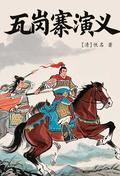 Romance of Wagangzhai
"The Romance of Wagangzhai" tells the story of the rise and fall of the Wagangzhai uprising army, and depicts a grand historical picture of chaos and the rise of heroes in the late Sui Dynasty. Dissatisfied with the tyranny of the Sui Dynasty, the heroes rebelled against Shandong and gathered in Wagangzhai. Among them are the righteousness of heroes such as Qin Qiong and Cheng Yaojin, and the resourcefulness of Xu Maogong. Together with the eighteen rebel kings, they started battles of wits and
—Reads9.6Score—Shelves
Romance of Wagangzhai
"The Romance of Wagangzhai" tells the story of the rise and fall of the Wagangzhai uprising army, and depicts a grand historical picture of chaos and the rise of heroes in the late Sui Dynasty. Dissatisfied with the tyranny of the Sui Dynasty, the heroes rebelled against Shandong and gathered in Wagangzhai. Among them are the righteousness of heroes such as Qin Qiong and Cheng Yaojin, and the resourcefulness of Xu Maogong. Together with the eighteen rebel kings, they started battles of wits and
—Reads9.6Score—Shelves
-
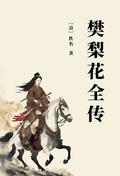 The Complete Biography of Fan Lihua
During the Zhenguan period of the Tang Dynasty, Xiliang's Hami Kingdom invaded the country. Xue Dingshan asked Ying to go to war to save his father, and met Fan Lihua when he attacked Hanjiang Pass. Fan Lihua learned art from Lishan's mother since she was a child, and she is both wise and brave. She and Xue Dingshan competed in front of the battle and fell in love at first sight. Fan Lihua pretended to be defeated and retreated, capturing Xue Dingshan. Later, Fan Lihua surrendered to the Tang Dy
—Reads9.6Score—Shelves
The Complete Biography of Fan Lihua
During the Zhenguan period of the Tang Dynasty, Xiliang's Hami Kingdom invaded the country. Xue Dingshan asked Ying to go to war to save his father, and met Fan Lihua when he attacked Hanjiang Pass. Fan Lihua learned art from Lishan's mother since she was a child, and she is both wise and brave. She and Xue Dingshan competed in front of the battle and fell in love at first sight. Fan Lihua pretended to be defeated and retreated, capturing Xue Dingshan. Later, Fan Lihua surrendered to the Tang Dy
—Reads9.6Score—Shelves
-
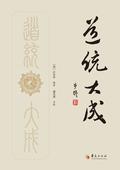 The Great Success of Taoism
"Dao Tong Dacheng" is a famous collection of Taoist scriptures in the Qing Dynasty. The contents include nine types: "The Book of Changes Can Tongqi Explains You" (annotated by Zhu Yuanyu of the Qing Dynasty), "The Book of Changes Shentongqi Tests", "The Book of Changes Cantongqi Spoken Meanings", "The Four Hundred Characters of Jindan Tests" (annotated by Lu Xixing of the Ming Dynasty), "Annotations on the Medicine Mirror" (Yuan Wang Daoyuan and Ming Lu west Xing, Xiao Tingzhi of the Yuan Dynas
—Reads9.3Score—Shelves
The Great Success of Taoism
"Dao Tong Dacheng" is a famous collection of Taoist scriptures in the Qing Dynasty. The contents include nine types: "The Book of Changes Can Tongqi Explains You" (annotated by Zhu Yuanyu of the Qing Dynasty), "The Book of Changes Shentongqi Tests", "The Book of Changes Cantongqi Spoken Meanings", "The Four Hundred Characters of Jindan Tests" (annotated by Lu Xixing of the Ming Dynasty), "Annotations on the Medicine Mirror" (Yuan Wang Daoyuan and Ming Lu west Xing, Xiao Tingzhi of the Yuan Dynas
—Reads9.3Score—Shelves
-
 Immortal's Remedy to Save the World
"The Immortal's Prescription to Help the World" is a book published by Traditional Chinese Medicine Ancient Books Publishing House in 2005. The author is Bai Heting.
—Reads9.4Score—Shelves
Immortal's Remedy to Save the World
"The Immortal's Prescription to Help the World" is a book published by Traditional Chinese Medicine Ancient Books Publishing House in 2005. The author is Bai Heting.
—Reads9.4Score—Shelves
-
 The Three Character Classic of Medicine (Free Public Edition Book)
An introduction to comprehensive traditional Chinese medicine. Volumes 1-2 cover the origin of medicine and the symptoms, diagnosis and treatment of common diseases in internal medicine, gynecology and pediatrics; Volumes 3-4 describe commonly used clinical prescriptions and analyze their efficacy and compatibility of prescriptions. The book is easy to understand and easy to remember, making it one of the most widely circulated medical books.
—Reads9.3Score—Shelves
The Three Character Classic of Medicine (Free Public Edition Book)
An introduction to comprehensive traditional Chinese medicine. Volumes 1-2 cover the origin of medicine and the symptoms, diagnosis and treatment of common diseases in internal medicine, gynecology and pediatrics; Volumes 3-4 describe commonly used clinical prescriptions and analyze their efficacy and compatibility of prescriptions. The book is easy to understand and easy to remember, making it one of the most widely circulated medical books.
—Reads9.3Score—Shelves
-
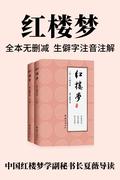 The Original Work of a Dream of Red Mansions (Unabridged Version, with Phonetic Annotations for Rare Characters)
"A Dream of Red Mansions" takes the love tragedy of Jia Baoyu and Lin Daiyu as the main line, and charts the rise and fall of the four major families of Jia, Wang, Shi and Xue. With vivid characters and poignant love, it is an eternal wonder book that can't be read to the end or described endlessly. This book adopts the form of in-text annotations and provides detailed phonetic notations and annotations for rare and difficult words as well as characters, official positions, related legends, astr
—Reads9.3Score—Shelves
The Original Work of a Dream of Red Mansions (Unabridged Version, with Phonetic Annotations for Rare Characters)
"A Dream of Red Mansions" takes the love tragedy of Jia Baoyu and Lin Daiyu as the main line, and charts the rise and fall of the four major families of Jia, Wang, Shi and Xue. With vivid characters and poignant love, it is an eternal wonder book that can't be read to the end or described endlessly. This book adopts the form of in-text annotations and provides detailed phonetic notations and annotations for rare and difficult words as well as characters, official positions, related legends, astr
—Reads9.3Score—Shelves
-
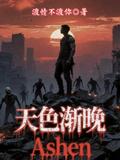 It's Getting Lateashen
The zombie virus-Ashen breaks out, turning the world into purgatory. Retired soldier "Li Yanchen" received an emergency recall order and "returned to the army" with his younger brother "Li Yanyu". However, when the army gradually collapsed in the tide of corpses, where should Li Yanchen and Li Yanyu go? It's getting late... In this doomsday world where corpses are everywhere and humanity is revealed, what story will happen next? #Apocalypse #zombie #nosystem #apocalypsesurvival #nightwatchman #
—Reads—Score—Shelves
It's Getting Lateashen
The zombie virus-Ashen breaks out, turning the world into purgatory. Retired soldier "Li Yanchen" received an emergency recall order and "returned to the army" with his younger brother "Li Yanyu". However, when the army gradually collapsed in the tide of corpses, where should Li Yanchen and Li Yanyu go? It's getting late... In this doomsday world where corpses are everywhere and humanity is revealed, what story will happen next? #Apocalypse #zombie #nosystem #apocalypsesurvival #nightwatchman #
—Reads—Score—Shelves
-
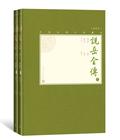 Complete Biography of Yue Shuo: 2 Volumes (Collection of Chinese Classical Novels: Illustrated Edition)
The full name of "Shuo Yue Quan Zhuan" is "Updated Jingzhong Romance Shuo Yue Quan Zhuan", with a total of eighty chapters. This book mainly uses Yue Fei's life story recorded in official history as the story frame, draws on the content of Yue Fei's stories in folklore, rap skills, and dramas as material, and fictionalizes a large number of plots and details, making the novel more vivid, colorful and fascinating than other works with similar themes. The author of the novel deliberately preserved
—Reads9.3Score—Shelves
Complete Biography of Yue Shuo: 2 Volumes (Collection of Chinese Classical Novels: Illustrated Edition)
The full name of "Shuo Yue Quan Zhuan" is "Updated Jingzhong Romance Shuo Yue Quan Zhuan", with a total of eighty chapters. This book mainly uses Yue Fei's life story recorded in official history as the story frame, draws on the content of Yue Fei's stories in folklore, rap skills, and dramas as material, and fictionalizes a large number of plots and details, making the novel more vivid, colorful and fascinating than other works with similar themes. The author of the novel deliberately preserved
—Reads9.3Score—Shelves
-
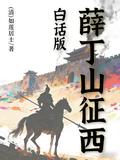 Xue Dingshan's Conquest of the West (Vernacular Version)
"Xue Dingshan's Conquest to the West" (vernacular version) takes the Tang Dynasty's magnificent journey to the West as the background and tells the legendary life of Xue Dingshan, the son of the famous general Xue Rengui. The young Xue Dingshan possesses unique skills, but due to an accidental injury to his father, he retired for a time. Later, he was called out of the mountain to lead the Western Expedition. He fought fiercely with Xiliang generals on the battlefield, and even developed a love-
—Reads9.4Score—Shelves
Xue Dingshan's Conquest of the West (Vernacular Version)
"Xue Dingshan's Conquest to the West" (vernacular version) takes the Tang Dynasty's magnificent journey to the West as the background and tells the legendary life of Xue Dingshan, the son of the famous general Xue Rengui. The young Xue Dingshan possesses unique skills, but due to an accidental injury to his father, he retired for a time. Later, he was called out of the mountain to lead the Western Expedition. He fought fiercely with Xiliang generals on the battlefield, and even developed a love-
—Reads9.4Score—Shelves
-
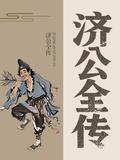 Complete Biography of Jigong
The most powerful "crazy critic" holy monk in the Southern Song Dynasty appears! He wears broken shoes and a broken hat, shakes his fan, and keeps dog meat and wine in hand, but he specializes in treating evil and corrupt officials. The cool operations such as turning stones into gold and traveling to the underworld are comparable to the ancient version of "Doctor Strange". On the surface, they are absurd and nonsensical, but at their core, they are the Zen concept of "wine and meat pass through
—Reads9.5Score—Shelves
Complete Biography of Jigong
The most powerful "crazy critic" holy monk in the Southern Song Dynasty appears! He wears broken shoes and a broken hat, shakes his fan, and keeps dog meat and wine in hand, but he specializes in treating evil and corrupt officials. The cool operations such as turning stones into gold and traveling to the underworld are comparable to the ancient version of "Doctor Strange". On the surface, they are absurd and nonsensical, but at their core, they are the Zen concept of "wine and meat pass through
—Reads9.5Score—Shelves
-
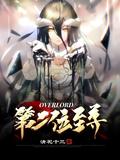 OVERLORD: the Second Supreme
(Bone King fan) I'm Dere Ombra I am the 42nd Supreme Being A summoner of the world in [Ainz Ooal Gown]. Because of an accident, I traveled to a different world. I am wandering alone in another world to find my partner. What role do I play in this world, and where should I go? (PS: This book is relatively slow and I don't know the plot.)
—Reads5.8Score—Shelves
OVERLORD: the Second Supreme
(Bone King fan) I'm Dere Ombra I am the 42nd Supreme Being A summoner of the world in [Ainz Ooal Gown]. Because of an accident, I traveled to a different world. I am wandering alone in another world to find my partner. What role do I play in this world, and where should I go? (PS: This book is relatively slow and I don't know the plot.)
—Reads5.8Score—Shelves
-
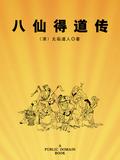 The Legend of the Eight Immortals
The book "The Legend of the Eight Immortals" (also known as "The Complete Book of the Eight Immortals") is the most complete story about the Eight Immortals and the richest in plot among the novels about the Eight Immortals. The author of the book is a Taoist named Wugu in the Qing Dynasty. He lived in Chengdu since he was a child and studied with Master Qingyun Guan Zhiyuan for 28 years. He is familiar with Taoist classics and has a deep understanding of metaphysics. Later, he traveled across t
—Reads9.5Score—Shelves
The Legend of the Eight Immortals
The book "The Legend of the Eight Immortals" (also known as "The Complete Book of the Eight Immortals") is the most complete story about the Eight Immortals and the richest in plot among the novels about the Eight Immortals. The author of the book is a Taoist named Wugu in the Qing Dynasty. He lived in Chengdu since he was a child and studied with Master Qingyun Guan Zhiyuan for 28 years. He is familiar with Taoist classics and has a deep understanding of metaphysics. Later, he traveled across t
—Reads9.5Score—Shelves
-
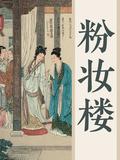 Pink Makeup Building
"Fenzhuanglou", a long chivalrous novel from the Qing Dynasty, has 80 chapters in ten volumes. The novel is set during the Qiande period of the Tang Dynasty and revolves around the tragic experiences and resistance struggles of the Luo family after Zhongliang. Luo Zeng, a descendant of Luo Cheng, the Duke of Yue and a marshal at the border, offended the powerful Prime Minister Shen Qian because of his upright character. In order to vent his personal anger, Shen Qian colluded with other countries
—Reads9.5Score—Shelves
Pink Makeup Building
"Fenzhuanglou", a long chivalrous novel from the Qing Dynasty, has 80 chapters in ten volumes. The novel is set during the Qiande period of the Tang Dynasty and revolves around the tragic experiences and resistance struggles of the Luo family after Zhongliang. Luo Zeng, a descendant of Luo Cheng, the Duke of Yue and a marshal at the border, offended the powerful Prime Minister Shen Qian because of his upright character. In order to vent his personal anger, Shen Qian colluded with other countries
—Reads9.5Score—Shelves
-
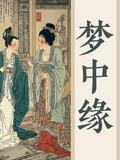 Dream Edge
"The Fate of Dreams" is a chapter-length novel written by Li Xiuxing, a scholar in the Qing Dynasty. The book has a total of twelve chapters and about 92,000 words. It uses the model of a talented man and a beautiful lady as the framework to tell a story about a tortuous marriage caused by a dream omen. Wu Ruisheng, a scholar in Yidu, Shandong Province, and his father Wu Jue had a strange dream, which predicted that his marriage would be in the south and related to "plum blossoms". Wu Ruisheng f
—Reads9.4Score—Shelves
Dream Edge
"The Fate of Dreams" is a chapter-length novel written by Li Xiuxing, a scholar in the Qing Dynasty. The book has a total of twelve chapters and about 92,000 words. It uses the model of a talented man and a beautiful lady as the framework to tell a story about a tortuous marriage caused by a dream omen. Wu Ruisheng, a scholar in Yidu, Shandong Province, and his father Wu Jue had a strange dream, which predicted that his marriage would be in the south and related to "plum blossoms". Wu Ruisheng f
—Reads9.4Score—Shelves
-
 Acupuncture Is Easy to Learn
Ancient Chinese medicine books are a shining pearl in the treasure house of Chinese medicine. They have high guiding significance and practical value, and have made significant contributions and far-reaching influences on the development of medicine in later generations.
—Reads9.3Score—Shelves
Acupuncture Is Easy to Learn
Ancient Chinese medicine books are a shining pearl in the treasure house of Chinese medicine. They have high guiding significance and practical value, and have made significant contributions and far-reaching influences on the development of medicine in later generations.
—Reads9.3Score—Shelves
-
 Chen Shiduo's Complete Medical Book
"Chen Shiduo Medical Encyclopedia" is a collection of medical works by Chen Shiduo, a famous medical scientist in the Qing Dynasty. It is rich in content and rigorously annotated, covering all aspects of traditional Chinese medicine, including pulseology, syndrome differentiation and treatment, prescription compatibility, etc. This book collects many of his handed down works and puts forward many unique treatment methods and academic viewpoints. It is an important work among ancient Chinese medi
—Reads9.4Score—Shelves
Chen Shiduo's Complete Medical Book
"Chen Shiduo Medical Encyclopedia" is a collection of medical works by Chen Shiduo, a famous medical scientist in the Qing Dynasty. It is rich in content and rigorously annotated, covering all aspects of traditional Chinese medicine, including pulseology, syndrome differentiation and treatment, prescription compatibility, etc. This book collects many of his handed down works and puts forward many unique treatment methods and academic viewpoints. It is an important work among ancient Chinese medi
—Reads9.4Score—Shelves
-
 Soup Rhymes
"Song of Soup" was written in 1694 by Wang Ang in the Qing Dynasty. The whole book is divided into 20 categories according to the functions of tonifying, releasing, attacking internal organs, vomiting, reconciling, tonifying, regulating qi, dispelling wind, purging fire, removing phlegm, reducing astringency, and menstruation. It compiles more than 200 medical prescriptions commonly used in clinical practice at that time into more than 200 songs, with a total of 308 prescriptions. Attached are t
—Reads9.3Score—Shelves
Soup Rhymes
"Song of Soup" was written in 1694 by Wang Ang in the Qing Dynasty. The whole book is divided into 20 categories according to the functions of tonifying, releasing, attacking internal organs, vomiting, reconciling, tonifying, regulating qi, dispelling wind, purging fire, removing phlegm, reducing astringency, and menstruation. It compiles more than 200 medical prescriptions commonly used in clinical practice at that time into more than 200 songs, with a total of 308 prescriptions. Attached are t
—Reads9.3Score—Shelves
-
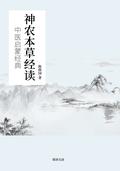 Shen Nong's Materia Medica (Classic of Enlightenment of Traditional Chinese Medicine)
This book is one of the major works by Chen Xiuyuan, a physician in the Qing Dynasty. "Shen Nong's Materia Medica" is Chen Xiuyuan's experience after carefully studying "Shen Nong's Materia Medica". It is divided into four volumes and selects 160 commonly used medicines from the 365 categories listed in the "Ben Jing". The original text has been analyzed by contemporary doctors and myself using clinical experience of each medicine. The whole book integrates the purport of the "Nei Jing" and the
—Reads8.8Score—Shelves
Shen Nong's Materia Medica (Classic of Enlightenment of Traditional Chinese Medicine)
This book is one of the major works by Chen Xiuyuan, a physician in the Qing Dynasty. "Shen Nong's Materia Medica" is Chen Xiuyuan's experience after carefully studying "Shen Nong's Materia Medica". It is divided into four volumes and selects 160 commonly used medicines from the 365 categories listed in the "Ben Jing". The original text has been analyzed by contemporary doctors and myself using clinical experience of each medicine. The whole book integrates the purport of the "Nei Jing" and the
—Reads8.8Score—Shelves
-
 Qingtong Baojian (A Must-Read Classic on Numerology)
"Qiong Tong Bao Jian" is one of the "Four Books of Numerology" in China, and is as famous as "Three Ming Tonghui", "Didi Tianmui" and "Zi Ping Zhen Interpretation". It is said to be a secret book kept by Jianghu people. However, due to many errors in copying by Jianghu people over the hundreds of years, this book was compiled and summarized by Yu Chuntai in the Qing Dynasty, who compiled and summarized the old Jianghu books "Lanjiangwang". During the Republic of China, it was added with Xu Lewu'
—Reads9.4Score—Shelves
Qingtong Baojian (A Must-Read Classic on Numerology)
"Qiong Tong Bao Jian" is one of the "Four Books of Numerology" in China, and is as famous as "Three Ming Tonghui", "Didi Tianmui" and "Zi Ping Zhen Interpretation". It is said to be a secret book kept by Jianghu people. However, due to many errors in copying by Jianghu people over the hundreds of years, this book was compiled and summarized by Yu Chuntai in the Qing Dynasty, who compiled and summarized the old Jianghu books "Lanjiangwang". During the Republic of China, it was added with Xu Lewu'
—Reads9.4Score—Shelves
-
 Bodhidharma Cleansing the Marrow and Changing Tendons
[The most precious Health Qigong classic preserved and passed down by Shaolin Temple. [Part 1 was created by Bodhidharma, which is the source of Zen Kungfu and the Beidou in the world of Chinese health-preserving martial arts. [This book is well-known in Chinese-speaking areas because Jin Yong asked Linghu Chong to practice in "The Swordsman". A health care manual that integrates the compilation of ancient books, theoretical explanations and practical guidance. Jin Jing is a method that closel
—Reads9.3Score—Shelves
Bodhidharma Cleansing the Marrow and Changing Tendons
[The most precious Health Qigong classic preserved and passed down by Shaolin Temple. [Part 1 was created by Bodhidharma, which is the source of Zen Kungfu and the Beidou in the world of Chinese health-preserving martial arts. [This book is well-known in Chinese-speaking areas because Jin Yong asked Linghu Chong to practice in "The Swordsman". A health care manual that integrates the compilation of ancient books, theoretical explanations and practical guidance. Jin Jing is a method that closel
—Reads9.3Score—Shelves
-
 Biography of Yang Family Generals
It mainly tells the stories of three generations of Yang Ye's ancestors and grandchildren who resisted the Liao Dynasty. After a long period of circulation and processing, these stories have become very different from the original appearance of history. For example, the death of Yang Ye is recorded in "History of the Song Dynasty" and "History of the Liao Dynasty" that he was defeated and captured, and died on a hunger strike for three days. There are only a few sentences. In the novel, there is
—Reads9.5Score—Shelves
Biography of Yang Family Generals
It mainly tells the stories of three generations of Yang Ye's ancestors and grandchildren who resisted the Liao Dynasty. After a long period of circulation and processing, these stories have become very different from the original appearance of history. For example, the death of Yang Ye is recorded in "History of the Song Dynasty" and "History of the Liao Dynasty" that he was defeated and captured, and died on a hunger strike for three days. There are only a few sentences. In the novel, there is
—Reads9.5Score—Shelves
-
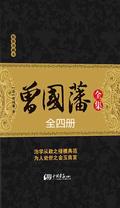 The Complete Works of Zeng Guofan (4 Volumes in Total)
"If you don't become a sage, you will become a beast." Zeng Guofan's life was marked by great success and unprecedented controversies. In the late Qing Dynasty, Hunan was full of talents. Zeng Guofan was dull and dull and did not stand out. Instead, he was called "Zeng Shao" by his contemporaries because of his ruthlessness in killing people. However, with his keen eye for knowing people, his foresight in assessing the situation, his determination to stay calm in the face of trouble, his perseve
—Reads9.1Score—Shelves
The Complete Works of Zeng Guofan (4 Volumes in Total)
"If you don't become a sage, you will become a beast." Zeng Guofan's life was marked by great success and unprecedented controversies. In the late Qing Dynasty, Hunan was full of talents. Zeng Guofan was dull and dull and did not stand out. Instead, he was called "Zeng Shao" by his contemporaries because of his ruthlessness in killing people. However, with his keen eye for knowing people, his foresight in assessing the situation, his determination to stay calm in the face of trouble, his perseve
—Reads9.1Score—Shelves
-
 Romance of Sui and Tang Dynasties (Original Work)
"The Romance of the Sui and Tang Dynasties" is a famous historical romance novel in Chinese classical literature, compiled by the Qing Dynasty writer Chu Renhuo. The book is based on the history of the late Sui Dynasty and the early Tang Dynasty. It combines official history, unofficial history and folklore. It vividly depicts the political turmoil from the decline of the Sui Dynasty to the establishment of the Tang Dynasty, the legendary stories of heroes, and the love and hatred in troubled ti
—Reads9.6Score—Shelves
Romance of Sui and Tang Dynasties (Original Work)
"The Romance of the Sui and Tang Dynasties" is a famous historical romance novel in Chinese classical literature, compiled by the Qing Dynasty writer Chu Renhuo. The book is based on the history of the late Sui Dynasty and the early Tang Dynasty. It combines official history, unofficial history and folklore. It vividly depicts the political turmoil from the decline of the Sui Dynasty to the establishment of the Tang Dynasty, the legendary stories of heroes, and the love and hatred in troubled ti
—Reads9.6Score—Shelves
-
 Health Essay
Improper diet will damage the spleen and stomach, and pointed out that "the spleen and stomach are the foundation of the day after tomorrow, and it is more important to regulate the spleen and stomach in the elderly. Moderate eating and regulating the spleen and stomach will help the normal digestion and transfer of food and subtle substances to ensure the nutrition of all parts of the human body and lead to health and longevity."
—Reads8.2Score—Shelves
Health Essay
Improper diet will damage the spleen and stomach, and pointed out that "the spleen and stomach are the foundation of the day after tomorrow, and it is more important to regulate the spleen and stomach in the elderly. Moderate eating and regulating the spleen and stomach will help the normal digestion and transfer of food and subtle substances to ensure the nutrition of all parts of the human body and lead to health and longevity."
—Reads8.2Score—Shelves
-
 Suixiju Diet Recipe
"Suixiju Diet Spectrum" was written by Wang Shixiong, a physician in the Qing Dynasty. It was published in the 11th year of Xianfeng in the Qing Dynasty (1861). It is a monograph specifically discussing the effects and medicinal uses of food. Based on decades of clinical experience and life experience, Wang classified 330 commonly used foods into water, cereal, blended, vegetable, fruity, hairy, and squamous foods, respectively elaborating on their nature and flavor, efficacy, picking time, stor
—Reads9.2Score—Shelves
Suixiju Diet Recipe
"Suixiju Diet Spectrum" was written by Wang Shixiong, a physician in the Qing Dynasty. It was published in the 11th year of Xianfeng in the Qing Dynasty (1861). It is a monograph specifically discussing the effects and medicinal uses of food. Based on decades of clinical experience and life experience, Wang classified 330 commonly used foods into water, cereal, blended, vegetable, fruity, hairy, and squamous foods, respectively elaborating on their nature and flavor, efficacy, picking time, stor
—Reads9.2Score—Shelves
-
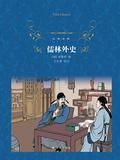 The Scholars (Classic Translation)
"The Scholars" is a novel written by Wu Jingzi in the Qing Dynasty. It uses realism to depict the different expressions of fame and wealth of various people, and represents the peak of ancient Chinese satirical novels. The use of vernacular in the novel has become more proficient and the characterization of the characters is also quite in-depth and delicate, especially the use of superb satirical techniques, making the book a masterpiece of Chinese classical satirical literature.
—Reads9.5Score—Shelves
The Scholars (Classic Translation)
"The Scholars" is a novel written by Wu Jingzi in the Qing Dynasty. It uses realism to depict the different expressions of fame and wealth of various people, and represents the peak of ancient Chinese satirical novels. The use of vernacular in the novel has become more proficient and the characterization of the characters is also quite in-depth and delicate, especially the use of superb satirical techniques, making the book a masterpiece of Chinese classical satirical literature.
—Reads9.5Score—Shelves
-
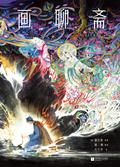 Painting Liaozhai
"Pictures from a Chinese Studio" is a picture book with the theme of "Strange Stories from a Chinese Studio". The young writer Gu Xiang translated and wrote the top ten famous Chinese novels from the Chinese Studio. The popular painter Jiu Qianfang hand-painted 50 Chinese-style paintings, which restored the fantasy world of ghost foxes in the hearts of the Chinese people with smart words and beautiful painting styles. The book contains a total of ten representative classics such as "Pian Pian",
—Reads8.6Score—Shelves
Painting Liaozhai
"Pictures from a Chinese Studio" is a picture book with the theme of "Strange Stories from a Chinese Studio". The young writer Gu Xiang translated and wrote the top ten famous Chinese novels from the Chinese Studio. The popular painter Jiu Qianfang hand-painted 50 Chinese-style paintings, which restored the fantasy world of ghost foxes in the hearts of the Chinese people with smart words and beautiful painting styles. The book contains a total of ten representative classics such as "Pian Pian",
—Reads8.6Score—Shelves
-
 Official Studies of the Qing Dynasty·essentials of Curriculum Studies
A guide book about the work of staff in the Qing Empire. "The Official Secrets of the Secretariat" describes in detail the specific methods and techniques of staff in handling various cases and affairs. The content covers many aspects, including general introduction, robbery, murder, adultery, escape, money valley, handover, social warehouse, disaster relief, locust hunting, water conservancy, official and more than 20 categories. It is called "a must-read for officials" in the officialdom of t
—Reads8.0Score—Shelves
Official Studies of the Qing Dynasty·essentials of Curriculum Studies
A guide book about the work of staff in the Qing Empire. "The Official Secrets of the Secretariat" describes in detail the specific methods and techniques of staff in handling various cases and affairs. The content covers many aspects, including general introduction, robbery, murder, adultery, escape, money valley, handover, social warehouse, disaster relief, locust hunting, water conservancy, official and more than 20 categories. It is called "a must-read for officials" in the officialdom of t
—Reads8.0Score—Shelves
-
 Biography of Generals of the Yang Family. Complete Biography of Shuohu
"The Biography of Generals of the Yang Family" narrates the story of the early Northern Song Dynasty in the history of my country, when Song Taizu, Song Taizong, and Song Zhenzong conquered the northern and western border regimes such as the Northern Han Dynasty, Liao Kingdom, and Xixia, and unified the Central Plains. The book focuses on the evocative deeds of three generations of heroes, men and women, old and young, who went to war for the country, endured humiliation and fought bloody battle
—Reads9.5Score—Shelves
Biography of Generals of the Yang Family. Complete Biography of Shuohu
"The Biography of Generals of the Yang Family" narrates the story of the early Northern Song Dynasty in the history of my country, when Song Taizu, Song Taizong, and Song Zhenzong conquered the northern and western border regimes such as the Northern Han Dynasty, Liao Kingdom, and Xixia, and unified the Central Plains. The book focuses on the evocative deeds of three generations of heroes, men and women, old and young, who went to war for the country, endured humiliation and fought bloody battle
—Reads9.5Score—Shelves
-
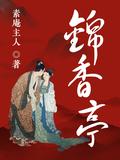 Jinxiang Pavilion
"Jinxiang Pavilion" is a Qing Dynasty Zhanghui novel about worldly affairs. The story is set in the Tianbao period of the Tang Dynasty. Zhong Jingqi, a talented scholar, was the top scholar in high school. However, due to his uprightness, he impeached the powerful Prime Minister Li Linfu and the ambitious general An Lushan and was demoted to the Shiquanbao Sihu. On the way to his appointment, he accidentally entered the "Jinxiang Pavilion" in the back garden of Ge Taigu's imperial censor, and me
—Reads9.5Score—Shelves
Jinxiang Pavilion
"Jinxiang Pavilion" is a Qing Dynasty Zhanghui novel about worldly affairs. The story is set in the Tianbao period of the Tang Dynasty. Zhong Jingqi, a talented scholar, was the top scholar in high school. However, due to his uprightness, he impeached the powerful Prime Minister Li Linfu and the ambitious general An Lushan and was demoted to the Shiquanbao Sihu. On the way to his appointment, he accidentally entered the "Jinxiang Pavilion" in the back garden of Ge Taigu's imperial censor, and me
—Reads9.5Score—Shelves
-
 HP Sky
By chance, I came to the magical world of Harry Potter, and with the ability to change the past, I returned to the beginning and witnessed history. At first I could only watch, until the Big Four established Hogwarts, and I was finally seen by them. However, without a physical body, I was powerless to do many things, so everything happened again. They quarreled, but I knew that Salazar just wanted to protect the wizarding world in his own way. He told me about the Chamber of Secrets before he le
—Reads—Score—Shelves
HP Sky
By chance, I came to the magical world of Harry Potter, and with the ability to change the past, I returned to the beginning and witnessed history. At first I could only watch, until the Big Four established Hogwarts, and I was finally seen by them. However, without a physical body, I was powerless to do many things, so everything happened again. They quarreled, but I knew that Salazar just wanted to protect the wizarding world in his own way. He told me about the Chamber of Secrets before he le
—Reads—Score—Shelves
-
 I Am a Disaster, but I Just Want to Live!
Lin Yan, who traveled through time, broke into an urban world full of weirdness and abyss and fissures. As soon as he got a foothold, he awakened to the natural disaster sequence - "The Faceless One", and was labeled as a disaster that everyone shouted about. This sequence was weak and inhumane in the early stage, with low combat power and no deterrence. However, because it was a brand-new sequence that had never appeared before, and its external performance was no different from the normal sequ
—Reads—Score—Shelves
I Am a Disaster, but I Just Want to Live!
Lin Yan, who traveled through time, broke into an urban world full of weirdness and abyss and fissures. As soon as he got a foothold, he awakened to the natural disaster sequence - "The Faceless One", and was labeled as a disaster that everyone shouted about. This sequence was weak and inhumane in the early stage, with low combat power and no deterrence. However, because it was a brand-new sequence that had never appeared before, and its external performance was no different from the normal sequ
—Reads—Score—Shelves
-
 Commentary on Ziping Zhenquan
"Ziping Zhenquan Commentary" was annotated by Xu Lewu in the Republic of China. The original work was written by Mr. Shen Xiaozhan, a Jinshi during the Qianlong reign of the Qing Dynasty. It is a classic work on traditional Ziping pattern numerology. But it is a pity that Mr. Xu Lewu interpreted "Ziping Zhenquan" based on the theory of "the theory of balance between strength and weakness, prosperity and decline, adjustment of conditions, support and suppression" based on the theory of "Di Tiansu
—Reads9.4Score—Shelves
Commentary on Ziping Zhenquan
"Ziping Zhenquan Commentary" was annotated by Xu Lewu in the Republic of China. The original work was written by Mr. Shen Xiaozhan, a Jinshi during the Qianlong reign of the Qing Dynasty. It is a classic work on traditional Ziping pattern numerology. But it is a pity that Mr. Xu Lewu interpreted "Ziping Zhenquan" based on the theory of "the theory of balance between strength and weakness, prosperity and decline, adjustment of conditions, support and suppression" based on the theory of "Di Tiansu
—Reads9.4Score—Shelves
-
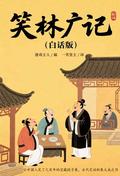 Xiaolin Guangji (Vernacular Version)
The "treasure collection of jokes" that has made Chinese people laugh for hundreds of years is a collection of ancient jokes. This book extensively compiles hundreds of jokes that have been popular among the people since the Tang, Song, Ming and Qing Dynasties. Both meat and vegetables are not tabooed. The book is divided into twelve parts, from the "Fuliu Part" that mocks decadent scholars, to the "Skills Part" that satirizes all walks of life, and even the funny stories of couples are included
—Reads9.5Score—Shelves
Xiaolin Guangji (Vernacular Version)
The "treasure collection of jokes" that has made Chinese people laugh for hundreds of years is a collection of ancient jokes. This book extensively compiles hundreds of jokes that have been popular among the people since the Tang, Song, Ming and Qing Dynasties. Both meat and vegetables are not tabooed. The book is divided into twelve parts, from the "Fuliu Part" that mocks decadent scholars, to the "Skills Part" that satirizes all walks of life, and even the funny stories of couples are included
—Reads9.5Score—Shelves
-
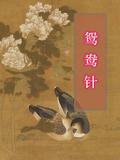 Mandarin Duck Needle
The book describes the society of the late Ming Dynasty very vividly, and the author is a person who is not aspiring to the times, so there are many harsh voices in the article. For example, he denounced the shortcomings of the academic field and said that the court should employ people in an unusual way and should not stick to the first-rate and the same way.
—Reads8.6Score—Shelves
Mandarin Duck Needle
The book describes the society of the late Ming Dynasty very vividly, and the author is a person who is not aspiring to the times, so there are many harsh voices in the article. For example, he denounced the shortcomings of the academic field and said that the court should employ people in an unusual way and should not stick to the first-rate and the same way.
—Reads8.6Score—Shelves