In this list
Reader notes translated by Google Translate
255
-
1
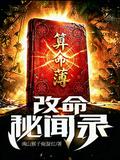 The Book of Fortune-Telling 算命簿
I am a fortune-teller in real life. I was 83 years old when I wrote this book. No one knows what sort of writing an 83-year-old man might produce, and neither do I. I just want to write a book while I still have time, and finally put one matter to rest... Synopsis: A wandering fortune-teller speaks of hidden mysteries, yet has a past unknown to all. This forbidden volume records a century's worth of secrets about practitioners of the occult. In the instant when dark arts clash with fate, the mys
1.9kReads7.0Score386Shelves
The Book of Fortune-Telling 算命簿
I am a fortune-teller in real life. I was 83 years old when I wrote this book. No one knows what sort of writing an 83-year-old man might produce, and neither do I. I just want to write a book while I still have time, and finally put one matter to rest... Synopsis: A wandering fortune-teller speaks of hidden mysteries, yet has a past unknown to all. This forbidden volume records a century's worth of secrets about practitioners of the occult. In the instant when dark arts clash with fate, the mys
1.9kReads7.0Score386Shelves
Reader note
-
2
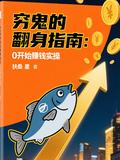 A Broke Person’s Guide to Turning Things Around: Practical Ways to Make Money from Zero 穷鬼的翻身指南:0开始赚钱实操
Still making excuses for being broke? No startup capital, no connections, no skills? Wake up! Stop numbing yourself with these excuses. You're broke because you're lazy and stupid. Look at you: a monthly salary of 3,000, a maxed-out Huabei balance, and a reading list of money-making guides gathering more dust than your savings. Sound familiar? This book, The Broke Person's Guide to Turning Things Around, is tailor-made for a naturally gifted loser like you. We don't deal in empty fantasies about
865Reads8.0Score369Shelves
A Broke Person’s Guide to Turning Things Around: Practical Ways to Make Money from Zero 穷鬼的翻身指南:0开始赚钱实操
Still making excuses for being broke? No startup capital, no connections, no skills? Wake up! Stop numbing yourself with these excuses. You're broke because you're lazy and stupid. Look at you: a monthly salary of 3,000, a maxed-out Huabei balance, and a reading list of money-making guides gathering more dust than your savings. Sound familiar? This book, The Broke Person's Guide to Turning Things Around, is tailor-made for a naturally gifted loser like you. We don't deal in empty fantasies about
865Reads8.0Score369Shelves
Reader note
-
3
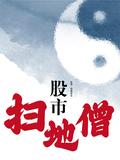 The Stock Market Sweeper Monk 股市扫地僧
(This novel contains lots of illustrations. We recommend reading it on Tomato Novel for a better experience.) There are more than 4,000 stocks in the market, and almost every day, dozens or even hundreds of them hit the daily price limit. Seven limit-up days on the main board can double your money. Four limit-up days on the ChiNext can double your money. Invest 10,000 yuan. If you can find ten stocks that double in value, you can turn that 10,000 into 10.24 million and become a millionaire. The
7.5kReads9.1Score1.2kShelves
The Stock Market Sweeper Monk 股市扫地僧
(This novel contains lots of illustrations. We recommend reading it on Tomato Novel for a better experience.) There are more than 4,000 stocks in the market, and almost every day, dozens or even hundreds of them hit the daily price limit. Seven limit-up days on the main board can double your money. Four limit-up days on the ChiNext can double your money. Invest 10,000 yuan. If you can find ten stocks that double in value, you can turn that 10,000 into 10.24 million and become a millionaire. The
7.5kReads9.1Score1.2kShelves
Reader note
-
4
 A Leek's Cultivation Diary 韭菜修行记
At a certain point in trading, you suddenly realize that what determines whether you make a profit has never been your technique. Indicators are useful, and a System is useful too, but neither is the foundation. The real foundation lies in your mindset: how you view the market, how you view yourself, and how you make sense of everything that happens to you. I didn’t think that way at first. I thought that if my technique was polished enough and my system complete enough, I could earn steady prof
30.1kReads9.3Score4kShelves
A Leek's Cultivation Diary 韭菜修行记
At a certain point in trading, you suddenly realize that what determines whether you make a profit has never been your technique. Indicators are useful, and a System is useful too, but neither is the foundation. The real foundation lies in your mindset: how you view the market, how you view yourself, and how you make sense of everything that happens to you. I didn’t think that way at first. I thought that if my technique was polished enough and my system complete enough, I could earn steady prof
30.1kReads9.3Score4kShelves
-
5
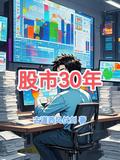 Thirty Years in the Stock Market 股市30年
A running account of the life of Lao Liu, a country boy! Social relationships, a wife and children, and decades as a stock investor Every little detail, just for fun! The era and setting in this story are not on Earth. Please don't assume it's about anyone in particular!
1.2kReads8.6Score189Shelves
Thirty Years in the Stock Market 股市30年
A running account of the life of Lao Liu, a country boy! Social relationships, a wife and children, and decades as a stock investor Every little detail, just for fun! The era and setting in this story are not on Earth. Please don't assume it's about anyone in particular!
1.2kReads8.6Score189Shelves
-
6
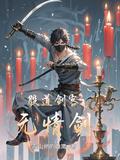 The Stock Market Swordsman and His Merciless Blade 股道剑客无情剑
Synopsis of The Merciless Sword of the Stock Market Swordsman There's a saying in the jianghu: the stock market is a battleground like hell, where the masses rise and fall. Only the ruthless can glimpse a shred of the truth. In this arena where numbers and human nature intertwine, a man known as Flying Swordsman A Fei bursts onto the scene. With his blunt sword, an old trading terminal, he cuts through a thousand unpredictable turns of the market and earns the title of Short-Term Trading Supreme
10Reads—Score—Shelves
The Stock Market Swordsman and His Merciless Blade 股道剑客无情剑
Synopsis of The Merciless Sword of the Stock Market Swordsman There's a saying in the jianghu: the stock market is a battleground like hell, where the masses rise and fall. Only the ruthless can glimpse a shred of the truth. In this arena where numbers and human nature intertwine, a man known as Flying Swordsman A Fei bursts onto the scene. With his blunt sword, an old trading terminal, he cuts through a thousand unpredictable turns of the market and earns the title of Short-Term Trading Supreme
10Reads—Score—Shelves
Reader note
-
7
 How to Earn 100 Yuan a Day 教你如何日赚100块
Great towers rise from the ground up. People should stay grounded instead of reaching for the impossible. As ordinary people at the bottom of society, we can't aim high while lacking the skills to match. When it comes to making money, start with a single cent! When we successfully earn our first 100 yuan, congratulations! That means you've made it! This book will continuously and freely offer all aspiring young people various little tips for making money. Tell me in the comments what kind of mon
91Reads—Score597Shelves
How to Earn 100 Yuan a Day 教你如何日赚100块
Great towers rise from the ground up. People should stay grounded instead of reaching for the impossible. As ordinary people at the bottom of society, we can't aim high while lacking the skills to match. When it comes to making money, start with a single cent! When we successfully earn our first 100 yuan, congratulations! That means you've made it! This book will continuously and freely offer all aspiring young people various little tips for making money. Tell me in the comments what kind of mon
91Reads—Score597Shelves
Reader note
-
8
 Money-Making Apps on Your Phone 手机上的赚钱软件
A money-making app on your phone
—Reads—Score—Shelves
Money-Making Apps on Your Phone 手机上的赚钱软件
A money-making app on your phone
—Reads—Score—Shelves
-
9
 How to Make Money with AI 如何使用AI赚钱
When AI Becomes a “Money Printer”: Unlocking the Business Secrets of Artificial Intelligence From voice interaction to scientific simulations, artificial intelligence has become a key force in business. It’s more than a tool for improving efficiency: it is reshaping how money is made. Some people profit from AI models, others earn passive income through plugins, and companies use AI to break through in fiercely competitive markets. The key to making money with AI is combining technology with r
—Reads—Score1.1kShelves
How to Make Money with AI 如何使用AI赚钱
When AI Becomes a “Money Printer”: Unlocking the Business Secrets of Artificial Intelligence From voice interaction to scientific simulations, artificial intelligence has become a key force in business. It’s more than a tool for improving efficiency: it is reshaping how money is made. Some people profit from AI models, others earn passive income through plugins, and companies use AI to break through in fiercely competitive markets. The key to making money with AI is combining technology with r
—Reads—Score1.1kShelves
-
10
 Don’t Read This Book, or You Might Defy Fate and Change Your Destiny 别看这本书我怕你逆天改命
This is nothing more than an ordinary online novel. It is nowhere near as miraculous as fellow readers claim! The only reason you can click to read it is that your luck has already begun to change. When you start from the first chapter and read carefully, the gears of your destiny may already have begun to turn.
295.7kReads9.4Score45.3kShelves
Don’t Read This Book, or You Might Defy Fate and Change Your Destiny 别看这本书我怕你逆天改命
This is nothing more than an ordinary online novel. It is nowhere near as miraculous as fellow readers claim! The only reason you can click to read it is that your luck has already begun to change. When you start from the first chapter and read carefully, the gears of your destiny may already have begun to turn.
295.7kReads9.4Score45.3kShelves
Reader note
-
11
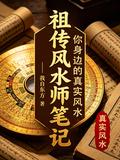 My Third Book from the East 我自东方的第3本书
[Feng Shui Stories from Around You] This book covers the feng shui of homes, shops, offices, graves and burial sites, and individuals. There's nothing mysterious or abstruse here, just feng shui from everyday life. By the time you read this book, the gears of fate may already have begun to turn. Read carefully, and you may find unexpected rewards...
277.8kReads9.1Score29.6kShelves
My Third Book from the East 我自东方的第3本书
[Feng Shui Stories from Around You] This book covers the feng shui of homes, shops, offices, graves and burial sites, and individuals. There's nothing mysterious or abstruse here, just feng shui from everyday life. By the time you read this book, the gears of fate may already have begun to turn. Read carefully, and you may find unexpected rewards...
277.8kReads9.1Score29.6kShelves
Reader note
-
12
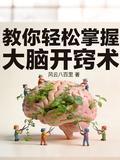 Learn to Unlock Your Brain with Ease 教你轻松掌握大脑开窍术
Do you keep getting stuck on problems with social relationships, making money, or changing your fate? This book, Teach Yourself to Unlock Your Brain, lays bare the unwritten rules of society. From “you need to understand the Way of Heaven to protect your wealth” to “get benefactors on your side by aligning your interests,” from “steer clear of a weak mindset to hold on to good fortune” to “even swatting a mosquito can teach you how to handle people,” it breaks down practical advice on social tie
2kReads—Score256Shelves
Learn to Unlock Your Brain with Ease 教你轻松掌握大脑开窍术
Do you keep getting stuck on problems with social relationships, making money, or changing your fate? This book, Teach Yourself to Unlock Your Brain, lays bare the unwritten rules of society. From “you need to understand the Way of Heaven to protect your wealth” to “get benefactors on your side by aligning your interests,” from “steer clear of a weak mindset to hold on to good fortune” to “even swatting a mosquito can teach you how to handle people,” it breaks down practical advice on social tie
2kReads—Score256Shelves
Reader note
-
13
 A Guide to Enlightenment and Turning Your Life Around 开悟逆袭人生指南
[All Substance] This is very dry, so I recommend keeping a bottle of water by your mouth while you read, or you might choke. The future is uncertain, and you and I are both just cogs in the machine. Those who have never awakened spend their whole lives following the script of fate to the letter, never knowing where they came from or where they are going. They don't know how to get everything they want. In this book, I'll pass on my secret techniques, mindset, and practical methods, and lead yo
24.3kReads8.0Score4.1kShelves
A Guide to Enlightenment and Turning Your Life Around 开悟逆袭人生指南
[All Substance] This is very dry, so I recommend keeping a bottle of water by your mouth while you read, or you might choke. The future is uncertain, and you and I are both just cogs in the machine. Those who have never awakened spend their whole lives following the script of fate to the letter, never knowing where they came from or where they are going. They don't know how to get everything they want. In this book, I'll pass on my secret techniques, mindset, and practical methods, and lead yo
24.3kReads8.0Score4.1kShelves
Reader note
-
14
 Awakening to Wealth: The Practical Guide 觉醒的财富【干货版】
[Not a feel-good book. Read with caution.] This book isn't here to please you. It's here to operate. Cut out the poverty-stricken lesion in your brain and replace it with the operating System of the strong. Ninety-nine percent of people in this world are NPCs, following a predetermined program and calling it fate. Only one percent are players. They rewrite the rules and seize resources. Want to turn your life around? Want financial freedom? Put away that fragile heart first, keep up with my pace
152Reads7.7Score—Shelves
Awakening to Wealth: The Practical Guide 觉醒的财富【干货版】
[Not a feel-good book. Read with caution.] This book isn't here to please you. It's here to operate. Cut out the poverty-stricken lesion in your brain and replace it with the operating System of the strong. Ninety-nine percent of people in this world are NPCs, following a predetermined program and calling it fate. Only one percent are players. They rewrite the rules and seize resources. Want to turn your life around? Want financial freedom? Put away that fragile heart first, keep up with my pace
152Reads7.7Score—Shelves
-
15
 The Stock Market Mastery: The Way of the Mind 股市真经之心法
Stock market techniques are easy to find, but mastering the mindset of trading is far more difficult. Setting aside complicated technical analysis, this book uses Zen reflection to observe the market and examine the greed, fear, and fixation involved in investing. The essence of investing is cultivating the mind: recognize the limits of your abilities, learn when to wait and when to let go, and accept that the market is unpredictable. Only with a calm and steadfast mind can you weather bull and
732Reads7.0Score106Shelves
The Stock Market Mastery: The Way of the Mind 股市真经之心法
Stock market techniques are easy to find, but mastering the mindset of trading is far more difficult. Setting aside complicated technical analysis, this book uses Zen reflection to observe the market and examine the greed, fear, and fixation involved in investing. The essence of investing is cultivating the mind: recognize the limits of your abilities, learn when to wait and when to let go, and accept that the market is unpredictable. Only with a calm and steadfast mind can you weather bull and
732Reads7.0Score106Shelves
Reader note
-
16
 A Hundred-Million-Level Financial IQ: The Snowball System from 0 to 1 亿级财商:从0到1的滚雪球系统
Do you ever feel that “financial freedom” is a story meant for other people? Your salary is fixed, your savings are meager, and you can never seem to find the path to making money. What you lack isn't capital, but the “billion-level financial intelligence” that can turn small sums into big money. This book is made for ordinary people. It skips empty theory and offers a practical system for building wealth: from breaking free of the misconception that “saving money equals financial intelligence”
27Reads6.7Score—Shelves
A Hundred-Million-Level Financial IQ: The Snowball System from 0 to 1 亿级财商:从0到1的滚雪球系统
Do you ever feel that “financial freedom” is a story meant for other people? Your salary is fixed, your savings are meager, and you can never seem to find the path to making money. What you lack isn't capital, but the “billion-level financial intelligence” that can turn small sums into big money. This book is made for ordinary people. It skips empty theory and offers a practical system for building wealth: from breaking free of the misconception that “saving money equals financial intelligence”
27Reads6.7Score—Shelves
Reader note
-
17
 My Coworkers Split the Bill at Their Reunion, 3,800 Yuan Each. I Didn't Go. The Next Day, the Police Said: Something Happened to Them 同事聚会AA制,每人3800我没去,次日民警:他们出事了
My coworkers split the bill at their reunion, 3,800 yuan each. I didn't go. The next day, a police officer said, “Something happened to them.”
680Reads—Score—Shelves
My Coworkers Split the Bill at Their Reunion, 3,800 Yuan Each. I Didn't Go. The Next Day, the Police Said: Something Happened to Them 同事聚会AA制,每人3800我没去,次日民警:他们出事了
My coworkers split the bill at their reunion, 3,800 yuan each. I didn't go. The next day, a police officer said, “Something happened to them.”
680Reads—Score—Shelves
-
18
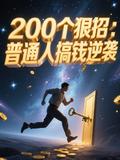 200 Killer Strategies: How Ordinary People Can Make Money and Turn Their Lives Around 200个狠招:普通人搞钱逆袭
200 Power Moves: How Ordinary People Can Make Money and Turn Their Lives Around is a practical guide for anyone who wants to earn more but doesn't know where to start. No empty pep talks or mystical nonsense, just 200 real stories of ordinary people turning things around: 28-year-old programmer Lin Qiyang went from a monthly salary of 5,000 yuan to earning 30,000 yuan a month with his skills; illustrator Su Wanqing made 300,000 yuan a year taking commissions in her spare time; secondhand shop ow
2.6kReads7.7Score661Shelves
200 Killer Strategies: How Ordinary People Can Make Money and Turn Their Lives Around 200个狠招:普通人搞钱逆袭
200 Power Moves: How Ordinary People Can Make Money and Turn Their Lives Around is a practical guide for anyone who wants to earn more but doesn't know where to start. No empty pep talks or mystical nonsense, just 200 real stories of ordinary people turning things around: 28-year-old programmer Lin Qiyang went from a monthly salary of 5,000 yuan to earning 30,000 yuan a month with his skills; illustrator Su Wanqing made 300,000 yuan a year taking commissions in her spare time; secondhand shop ow
2.6kReads7.7Score661Shelves
-
19
 I Can Make Anyone Rich, Rich, Rich, Rich 我能让任何人,变得很有钱钱钱钱
[1] Can I turn every poor person into a millionaire? [2] What is the meaning of life? [3] Can I gain a wealth of experience and, by carefully reading this book, avoid years of detours? [4] Can I turn the tide, call upon the heavens, and lead humanity off Earth and out of the solar system to find a new home... The essential lessons teachers dare not teach? The truths parents never think of? The secrets they won't tell? The challenges you dare not imagine? I'll answer them all, one by one!
49Reads6.3Score293Shelves
I Can Make Anyone Rich, Rich, Rich, Rich 我能让任何人,变得很有钱钱钱钱
[1] Can I turn every poor person into a millionaire? [2] What is the meaning of life? [3] Can I gain a wealth of experience and, by carefully reading this book, avoid years of detours? [4] Can I turn the tide, call upon the heavens, and lead humanity off Earth and out of the solar system to find a new home... The essential lessons teachers dare not teach? The truths parents never think of? The secrets they won't tell? The challenges you dare not imagine? I'll answer them all, one by one!
49Reads6.3Score293Shelves
Reader note
-
20
 A Thousand Ways to Make Money 赚钱技巧一千种
This is all about the important business of making money: opportunities to earn, ways to earn, skills, and experience. Work hard to make money, and you can enjoy every day. Keep it up, keep it up, make that money! That’s what this is about. Every chapter and every sentence here is a way to make money.
37Reads—Score—Shelves
A Thousand Ways to Make Money 赚钱技巧一千种
This is all about the important business of making money: opportunities to earn, ways to earn, skills, and experience. Work hard to make money, and you can enjoy every day. Keep it up, keep it up, make that money! That’s what this is about. Every chapter and every sentence here is a way to make money.
37Reads—Score—Shelves
Reader note
-
21
 Unorthodox Remedies of the Martial World 江湖偏方
My name is Zhang Chen. A fortune-teller said I was born with a knack for unexpected riches and would never stay on the straight and narrow. But I don’t care. In this world, people who follow the rules get leftovers, while the bold get to eat meat. I haven’t had much schooling, and I don’t understand lofty principles, but I do know this: you only win if you’re willing to fight.
103.2kReads8.9Score13.3kShelves
Unorthodox Remedies of the Martial World 江湖偏方
My name is Zhang Chen. A fortune-teller said I was born with a knack for unexpected riches and would never stay on the straight and narrow. But I don’t care. In this world, people who follow the rules get leftovers, while the bold get to eat meat. I haven’t had much schooling, and I don’t understand lofty principles, but I do know this: you only win if you’re willing to fight.
103.2kReads8.9Score13.3kShelves
Reader note
-
22
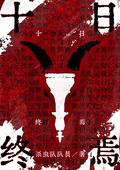 Ten Days to the End 十日终焉
2024 Tomato Novel Annual Peak Rankings TOP 1 | 2024 China Online Literature Influence List | 2024 China Good Novel Award | Over 2 million copies sold (No harem, no formulaic tropes, no invincibility, no System, no mindless antics, no wish fulfillment. Read with caution if these bother you.) Just when I thought it was an ordinary day, I discovered I had been captured and taken to the End. Just when I thought I could escape by continually taking part in death games, people began awakening supernat
1.7MReads9.9Score228kShelves
Ten Days to the End 十日终焉
2024 Tomato Novel Annual Peak Rankings TOP 1 | 2024 China Online Literature Influence List | 2024 China Good Novel Award | Over 2 million copies sold (No harem, no formulaic tropes, no invincibility, no System, no mindless antics, no wish fulfillment. Read with caution if these bother you.) Just when I thought it was an ordinary day, I discovered I had been captured and taken to the End. Just when I thought I could escape by continually taking part in death games, people began awakening supernat
1.7MReads9.9Score228kShelves
Reader note
-
23
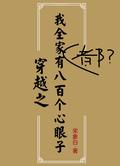 After Transmigration, Her Whole Family Are Villains 穿越之我全家都是反派
Content warning: Lots of crude bathroom humor. Don't read while eating. Version One: Jiang Mianmian transmigrates. Her father is a scheming scholar with the face of a kindly man. Her mother has the face of a bodhisattva and the heart of a ruthless killer. Her eldest brother looks simple-minded but is cunning at heart. Her second sister is selfish and sharp-tongued. They were born destined to be villains. To highlight the protagonist's justice, kindness, and greatness, they work hard to do all so
130kReads9.6Score14.5kShelves
After Transmigration, Her Whole Family Are Villains 穿越之我全家都是反派
Content warning: Lots of crude bathroom humor. Don't read while eating. Version One: Jiang Mianmian transmigrates. Her father is a scheming scholar with the face of a kindly man. Her mother has the face of a bodhisattva and the heart of a ruthless killer. Her eldest brother looks simple-minded but is cunning at heart. Her second sister is selfish and sharp-tongued. They were born destined to be villains. To highlight the protagonist's justice, kindness, and greatness, they work hard to do all so
130kReads9.6Score14.5kShelves
-
24
 Reborn as a Cat, I Raise My Good-for-Nothing Owner into a God 重生为猫,我把废柴主人养成神
Holy crap! Reborn from the start, and I’ve become a pitch-black stray cat with zero combat power?! In my previous life, I was Zero, the uncrowned king of the assassin world! In this life, I’m being held by a good-for-nothing college girl who does nothing but scream?! System alert: [If you are not contracted within 30 minutes, the Host’s soul will be formatted!] To stay alive, I, the king of assassins, swallowed my pride and put on a tearful stray-cat act right there. My plan to get adopted worke
—Reads—Score—Shelves
Reborn as a Cat, I Raise My Good-for-Nothing Owner into a God 重生为猫,我把废柴主人养成神
Holy crap! Reborn from the start, and I’ve become a pitch-black stray cat with zero combat power?! In my previous life, I was Zero, the uncrowned king of the assassin world! In this life, I’m being held by a good-for-nothing college girl who does nothing but scream?! System alert: [If you are not contracted within 30 minutes, the Host’s soul will be formatted!] To stay alive, I, the king of assassins, swallowed my pride and put on a tearful stray-cat act right there. My plan to get adopted worke
—Reads—Score—Shelves
-
25
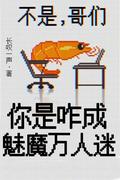 Wait, Bro, How Did You Become a Succubus Everyone Loves? 不是,哥们?你是咋成魅魔万人迷
(Succubus + winning back the husband + lighthearted comedy + everyday campus life + no System + not reborn + sweet and angsty) A gambling-addicted dad, an alcoholic mom, a sick little sister, and a broken-hearted him. To make money, Lu Xing chose to provide emotional support instead of doing either brainwork or manual labor. Everyone knows Lu Xing is the humble pursuer of the aloof campus beauty Wei Qingyu. He loves her to his very core and takes care of her in every possible way! Wei Q
265.6kReads9.5Score17.3kShelves
Wait, Bro, How Did You Become a Succubus Everyone Loves? 不是,哥们?你是咋成魅魔万人迷
(Succubus + winning back the husband + lighthearted comedy + everyday campus life + no System + not reborn + sweet and angsty) A gambling-addicted dad, an alcoholic mom, a sick little sister, and a broken-hearted him. To make money, Lu Xing chose to provide emotional support instead of doing either brainwork or manual labor. Everyone knows Lu Xing is the humble pursuer of the aloof campus beauty Wei Qingyu. He loves her to his very core and takes care of her in every possible way! Wei Q
265.6kReads9.5Score17.3kShelves
Reader note
-
26
 Metamorphosis: From Stealing 150 Yuan to Making 3.8 Billion 蜕变:从偷150元到赚38亿
Zhonghe Ba slowly explained, “During the Daoguang reign of the Qing dynasty, the Xu and Li families of Bayuan River were prominent clans known far and wide. Li Heihu, an ancestor of the Li family, envied our Xu family and drove seven iron stakes into Bayuan River to suppress the dragon vein. As a result, a sudden fire broke out at our ancestral home, ruining the family fortune and leaving the family in turmoil. My grandfather, Xu Dexin, had an older brother named Xu Deliang, who died young. My g
105Reads—Score—Shelves
Metamorphosis: From Stealing 150 Yuan to Making 3.8 Billion 蜕变:从偷150元到赚38亿
Zhonghe Ba slowly explained, “During the Daoguang reign of the Qing dynasty, the Xu and Li families of Bayuan River were prominent clans known far and wide. Li Heihu, an ancestor of the Li family, envied our Xu family and drove seven iron stakes into Bayuan River to suppress the dragon vein. As a result, a sudden fire broke out at our ancestral home, ruining the family fortune and leaving the family in turmoil. My grandfather, Xu Dexin, had an older brother named Xu Deliang, who died young. My g
105Reads—Score—Shelves
Reader note
-
27
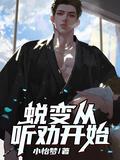 Transformation Begins with Taking Advice 蜕变从听劝开始
At 24, Lin Xingchen realized that after more than two years at work, he had accomplished nothing. His friends all seemed to be doing better and better, while he was the only one stuck in place. Just as Lin Xingchen was feeling down, one night of drinking unexpectedly changed his life. That drunken night awakened his System. From then on, his life became more colorful, and he began to transform. With the System's help, he set out to become the perfect man. “Out of shape? Then I'll work out and br
—Reads—Score—Shelves
Transformation Begins with Taking Advice 蜕变从听劝开始
At 24, Lin Xingchen realized that after more than two years at work, he had accomplished nothing. His friends all seemed to be doing better and better, while he was the only one stuck in place. Just as Lin Xingchen was feeling down, one night of drinking unexpectedly changed his life. That drunken night awakened his System. From then on, his life became more colorful, and he began to transform. With the System's help, he set out to become the perfect man. “Out of shape? Then I'll work out and br
—Reads—Score—Shelves
-
28
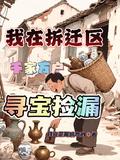 Back to 2003: My Rise Begins in the Demolition Zone 重返03,从拆迁区开始逆袭
Treasure hunting and bargain finds across the board: demolition zones, construction-waste yards, antique street stalls, scrap-buying stations, and more. The experiences of his past life taught Chang Shun a truth more commonplace than any other: money can't buy everything! But without money, you can't take a single step! Reborn with experience living in demolition zones, all he wants is to start making money...
13.3kReads8.4Score1.2kShelves
Back to 2003: My Rise Begins in the Demolition Zone 重返03,从拆迁区开始逆袭
Treasure hunting and bargain finds across the board: demolition zones, construction-waste yards, antique street stalls, scrap-buying stations, and more. The experiences of his past life taught Chang Shun a truth more commonplace than any other: money can't buy everything! But without money, you can't take a single step! Reborn with experience living in demolition zones, all he wants is to start making money...
13.3kReads8.4Score1.2kShelves
-
29
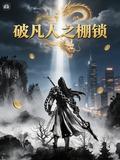 Awakening and Fighting Back: Breaking the Shackles of Mortals 开悟逆袭:破凡人之枷锁
Before you open this book, ask yourself: Is the life you’re living right now one you chose, or one arranged for you? This book doesn’t reason with you. It tears you down to the bone. Read three pages and feel nothing? Congratulations, you’re happy. Close the book and get on with your life. But if one line suddenly feels like someone’s got a hand around your throat, then you’re the person I’m looking for. There are only two kinds of people in this world. One spends their whole life clutching
127Reads—Score112Shelves
Awakening and Fighting Back: Breaking the Shackles of Mortals 开悟逆袭:破凡人之枷锁
Before you open this book, ask yourself: Is the life you’re living right now one you chose, or one arranged for you? This book doesn’t reason with you. It tears you down to the bone. Read three pages and feel nothing? Congratulations, you’re happy. Close the book and get on with your life. But if one line suddenly feels like someone’s got a hand around your throat, then you’re the person I’m looking for. There are only two kinds of people in this world. One spends their whole life clutching
127Reads—Score112Shelves
Reader note
-
30
 888 a Day: Plenty to Retire on in a County Town 每日888,县城养老很够花
[Financial Freedom] [Everyday Life] [Multiple Heroines] [Lighthearted, No Angst] At thirty, life treats you worse than a dog. Laid off and utterly disheartened, Bai Ye finally gave in and decided to return to the small county town where he was born and raised. But on the train home, he discovered that he had bound himself to a System called Life Assistant. [With the System at your side, unemployment is nothing to fear! Receive an 888-yuan daily unemployment benefit!] [Worried about your health?
34.1kReads7.8Score1.7kShelves
888 a Day: Plenty to Retire on in a County Town 每日888,县城养老很够花
[Financial Freedom] [Everyday Life] [Multiple Heroines] [Lighthearted, No Angst] At thirty, life treats you worse than a dog. Laid off and utterly disheartened, Bai Ye finally gave in and decided to return to the small county town where he was born and raised. But on the train home, he discovered that he had bound himself to a System called Life Assistant. [With the System at your side, unemployment is nothing to fear! Receive an 888-yuan daily unemployment benefit!] [Worried about your health?
34.1kReads7.8Score1.7kShelves
Reader note
-
31
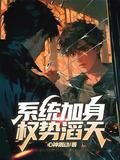 The Tycoon Who Started by Predicting the Future 神豪从预知未来开始
Shen Jun, who had transmigrated into this world, suddenly gained the ability to predict the future. Day One: Tenglong shares rise by 10.04%. Day Two: Dazhong Transportation shares rise by 10.00%. Day Three: ... Day Five: Ten kilograms of crystal meth at the bus station, worth ten million! Shen Jun: “...” Crystal meth? Are you kidding me? What kind of crystal meth is worth ten million? Things were getting increasingly ridiculous. Until... Day N: The next president of America is...
23.8kReads8.1Score1.5kShelves
The Tycoon Who Started by Predicting the Future 神豪从预知未来开始
Shen Jun, who had transmigrated into this world, suddenly gained the ability to predict the future. Day One: Tenglong shares rise by 10.04%. Day Two: Dazhong Transportation shares rise by 10.00%. Day Three: ... Day Five: Ten kilograms of crystal meth at the bus station, worth ten million! Shen Jun: “...” Crystal meth? Are you kidding me? What kind of crystal meth is worth ten million? Things were getting increasingly ridiculous. Until... Day N: The next president of America is...
23.8kReads8.1Score1.5kShelves
-
32
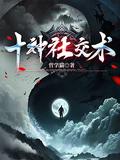 Ten Socializing Techniques 十神社交术
This is an unconventional guide to the art of social interaction, inspired by the author’s insights into “Daoist Eight Characters fortune-telling” and “Western pickup artistry.” It is completely different from the books on relationships you see in everyday life: not only is it easy to understand, it is also highly practical. Let’s look at the true nature of human beings in social interactions from a different perspective…
37Reads—Score—Shelves
Ten Socializing Techniques 十神社交术
This is an unconventional guide to the art of social interaction, inspired by the author’s insights into “Daoist Eight Characters fortune-telling” and “Western pickup artistry.” It is completely different from the books on relationships you see in everyday life: not only is it easy to understand, it is also highly practical. Let’s look at the true nature of human beings in social interactions from a different perspective…
37Reads—Score—Shelves
Reader note
-
33
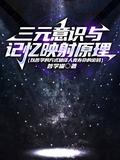 The Principles of Ternary Consciousness and Memory Mapping 三元意识与记忆映射原理
This book deciphers the secrets of human longevity through philosophical reasoning. Tomato's number one original philosophical masterpiece, The Threefold Consciousness and Memory Mapping Principle, explores ideology, human nature, the secrets of human longevity, the truth behind ancient history, the origin of the moon, the mystery of the Great Flood, reasoning about past-life memories, an analysis of homosexuality, depression, multidimensional worlds, the differences in how men and women are att
1.2kReads9.2Score398Shelves
The Principles of Ternary Consciousness and Memory Mapping 三元意识与记忆映射原理
This book deciphers the secrets of human longevity through philosophical reasoning. Tomato's number one original philosophical masterpiece, The Threefold Consciousness and Memory Mapping Principle, explores ideology, human nature, the secrets of human longevity, the truth behind ancient history, the origin of the moon, the mystery of the Great Flood, reasoning about past-life memories, an analysis of homosexuality, depression, multidimensional worlds, the differences in how men and women are att
1.2kReads9.2Score398Shelves
-
34
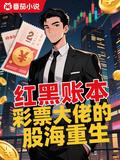 The Red and Black Ledgers: A Lottery Tycoon's Rebirth in the Stock Market 红黑帐本:彩票大佬的股海重生
He is the lottery mastermind who strikes fear into the hearts of all, manipulating the entire lottery market with a single move. By chance, he uncovers the secrets of the stock market and turns the odds-based thinking and market-making tactics of the lottery world into a deadly weapon in the battle for stocks. Using the lottery market’s precise predictions to crack the mysteries of candlestick charts, and the ruthless methods of underground trading to fight the capital vultures, he takes on inst
40Reads—Score—Shelves
The Red and Black Ledgers: A Lottery Tycoon's Rebirth in the Stock Market 红黑帐本:彩票大佬的股海重生
He is the lottery mastermind who strikes fear into the hearts of all, manipulating the entire lottery market with a single move. By chance, he uncovers the secrets of the stock market and turns the odds-based thinking and market-making tactics of the lottery world into a deadly weapon in the battle for stocks. Using the lottery market’s precise predictions to crack the mysteries of candlestick charts, and the ruthless methods of underground trading to fight the capital vultures, he takes on inst
40Reads—Score—Shelves
-
35
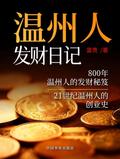 A Wenzhou Native's Diary of Getting Rich 温州人发财日记
Dare to endure every hardship under heaven, dare to travel every road, dare to overcome every obstacle, and dare to seize every fortune. This is the Wenzhou people’s philosophy of wealth. They are surpassing Indians in their drive, the British in their wealth, Americans in their money, and Jews in their intellect. With entirely new business models and ways to build wealth, they are changing reality and making history. Wherever there is wealth, there are people from Wenzhou. The future belongs to
14.1kReads9.6Score2.1kShelves
A Wenzhou Native's Diary of Getting Rich 温州人发财日记
Dare to endure every hardship under heaven, dare to travel every road, dare to overcome every obstacle, and dare to seize every fortune. This is the Wenzhou people’s philosophy of wealth. They are surpassing Indians in their drive, the British in their wealth, Americans in their money, and Jews in their intellect. With entirely new business models and ways to build wealth, they are changing reality and making history. Wherever there is wealth, there are people from Wenzhou. The future belongs to
14.1kReads9.6Score2.1kShelves
-
36
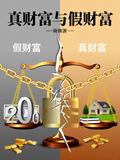 Real Wealth and False Wealth 真财富与假财富
Conventional wisdom misreads the source of wealth as natural resources and physical labor. We point instead to its true wellsprings: the ability to think and the power to create. Conventional wisdom reduces wealth to money and material goods. We reveal its real forms: ideas, systems, and technology. Conventional wisdom imagines wealth can be managed through planning and control. We argue that only free markets and property rights can provide its institutional foundation. Conventional wisdom tell
2Reads—Score—Shelves
Real Wealth and False Wealth 真财富与假财富
Conventional wisdom misreads the source of wealth as natural resources and physical labor. We point instead to its true wellsprings: the ability to think and the power to create. Conventional wisdom reduces wealth to money and material goods. We reveal its real forms: ideas, systems, and technology. Conventional wisdom imagines wealth can be managed through planning and control. We argue that only free markets and property rights can provide its institutional foundation. Conventional wisdom tell
2Reads—Score—Shelves
Reader note
-
37
 The Female Ghost Was So Beautiful, I Couldn't Restrain Myself 女鬼太美,我按捺不住
The Female Ghost Was So Beautiful, I Couldn’t Restrain Myself
5.1kReads—Score117Shelves
The Female Ghost Was So Beautiful, I Couldn't Restrain Myself 女鬼太美,我按捺不住
The Female Ghost Was So Beautiful, I Couldn’t Restrain Myself
5.1kReads—Score117Shelves
Reader note
-
38
 My Wife Chases True Love but Still Refuses to Let Me Go 妻子追真爱,却还要霸占我
My Wife Pursues Her True Love, Yet Still Wants to Keep Me to Herself
5.4kReads—Score100Shelves
My Wife Chases True Love but Still Refuses to Let Me Go 妻子追真爱,却还要霸占我
My Wife Pursues Her True Love, Yet Still Wants to Keep Me to Herself
5.4kReads—Score100Shelves
-
39
 The Heiress Lost Her Memory and Was Sent to Work at an Electronics Factory 大小姐失忆,送电子厂打工
The Heiress Loses Her Memory and Gets Sent to Work at an Electronics Factory
5.8kReads—Score—Shelves
The Heiress Lost Her Memory and Was Sent to Work at an Electronics Factory 大小姐失忆,送电子厂打工
The Heiress Loses Her Memory and Gets Sent to Work at an Electronics Factory
5.8kReads—Score—Shelves
-
40
 The Chosen Saintess Broke Off Our Engagement. I Was Fine with It, but She Changed Her Mind 天骄圣女退婚,我ok,她却不退了
The Proud Saintess Broke Off Our Engagement. I Was Fine With It, but She Changed Her Mind
1.6kReads—Score—Shelves
The Chosen Saintess Broke Off Our Engagement. I Was Fine with It, but She Changed Her Mind 天骄圣女退婚,我ok,她却不退了
The Proud Saintess Broke Off Our Engagement. I Was Fine With It, but She Changed Her Mind
1.6kReads—Score—Shelves
-
41
 My CEO Wife Took Care of Her White Moonlight, and Our Home Was Stolen 总裁老婆照顾白月光,家被偷了
His CEO Wife Is Taking Care of Her White Moonlight, and Someone Has Stolen His Home
1.6kReads—Score—Shelves
My CEO Wife Took Care of Her White Moonlight, and Our Home Was Stolen 总裁老婆照顾白月光,家被偷了
His CEO Wife Is Taking Care of Her White Moonlight, and Someone Has Stolen His Home
1.6kReads—Score—Shelves
-
42
 In This Life, I Kept My Distance From the Second Princess, and She Went Mad 这一世,我远离二公主,她疯了
In This Life, I Stay Away from the Second Princess. She Goes Mad
4.3kReads—Score—Shelves
In This Life, I Kept My Distance From the Second Princess, and She Went Mad 这一世,我远离二公主,她疯了
In This Life, I Stay Away from the Second Princess. She Goes Mad
4.3kReads—Score—Shelves
-
43
 The Ying Clan’s Startup Story: Three Hundred Years to Build Great Qin 嬴家创业记:三百年拼出一个大秦
This book follows a core approach of “popular humor + historical facts + character deconstruction + dramatic pacing.” Building on the tradition of the storyteller, it offers a lighthearted take from the perspective of a historical observer, toning down the elevated, formal feel of traditional storytelling and looking back on the rise and fall of the Qin dynasty with down-to-earth humor. We see the Qin people’s courage and tenacity: from a tribe raising horses on the western frontier to an empire
7Reads—Score—Shelves
The Ying Clan’s Startup Story: Three Hundred Years to Build Great Qin 嬴家创业记:三百年拼出一个大秦
This book follows a core approach of “popular humor + historical facts + character deconstruction + dramatic pacing.” Building on the tradition of the storyteller, it offers a lighthearted take from the perspective of a historical observer, toning down the elevated, formal feel of traditional storytelling and looking back on the rise and fall of the Qin dynasty with down-to-earth humor. We see the Qin people’s courage and tenacity: from a tribe raising horses on the western frontier to an empire
7Reads—Score—Shelves
Reader note
-
44
 The Art of Making Money 搞钱之道
The key to making money lies in the “way”: you need both practical action and clear, insightful thinking. First, focus on creating value. Whether you’re advancing your career, starting a business, or trying a side hustle, the key is to solve problems for others: specialists provide expert solutions, business owners meet market needs, and content creators share useful information. The more scarce the value you offer, the greater the reward. Next, ride the wave. Understanding trends matters more t
22Reads—Score—Shelves
The Art of Making Money 搞钱之道
The key to making money lies in the “way”: you need both practical action and clear, insightful thinking. First, focus on creating value. Whether you’re advancing your career, starting a business, or trying a side hustle, the key is to solve problems for others: specialists provide expert solutions, business owners meet market needs, and content creators share useful information. The more scarce the value you offer, the greater the reward. Next, ride the wave. Understanding trends matters more t
22Reads—Score—Shelves
-
45
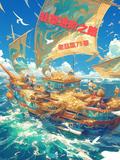 The Road to Becoming a Master Investor 韭菜进阶之路
The author is writing from personal experience. I entered the market and opened an account in 1997, and over the years I've weathered countless ups and downs. I've endured all manner of struggles and hard lessons, and seen every sort of character the stock market has to offer. I'm now a professional investor, and occasionally write a little for fun.
155Reads—Score—Shelves
The Road to Becoming a Master Investor 韭菜进阶之路
The author is writing from personal experience. I entered the market and opened an account in 1997, and over the years I've weathered countless ups and downs. I've endured all manner of struggles and hard lessons, and seen every sort of character the stock market has to offer. I'm now a professional investor, and occasionally write a little for fun.
155Reads—Score—Shelves
-
46
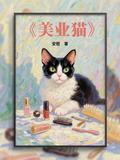 Beauty Industry Cat 美业猫
Beauty Business Cat is not a book of empty industry theories, but a "guide to avoiding pitfalls" built from 26 years of hands-on experience by beauty industry veteran An Ci, working on the shop floor. From a small training room in Jinan to a consulting firm in Shenzhen, she has seen too many businesses that "could have survived, but drove themselves to ruin": attracting customers with low prices but failing to keep them, using tricks to make quick money and ruining their reputations, or blindly
29Reads—Score—Shelves
Beauty Industry Cat 美业猫
Beauty Business Cat is not a book of empty industry theories, but a "guide to avoiding pitfalls" built from 26 years of hands-on experience by beauty industry veteran An Ci, working on the shop floor. From a small training room in Jinan to a consulting firm in Shenzhen, she has seen too many businesses that "could have survived, but drove themselves to ruin": attracting customers with low prices but failing to keep them, using tricks to make quick money and ruining their reputations, or blindly
29Reads—Score—Shelves
Reader note
-
47
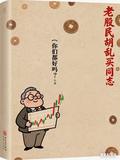 An Old Stock Trader's Careless Purchases 老股民胡乱买同志
I first encountered stocks in 1993. Thirty-two years have passed since then, yet I still strive and fight on in the stock market, a “battlefield” full of opportunity and challenge. In this book, I'll look back on my long journey of stock trading from 1993 to 2025, recounting the moments of suspense and excitement, as well as those of reflection and sudden insight. I'll lay out the judgments and decisions made amid the market's ups and downs, along with the lessons learned and growth gained throu
154Reads—Score—Shelves
An Old Stock Trader's Careless Purchases 老股民胡乱买同志
I first encountered stocks in 1993. Thirty-two years have passed since then, yet I still strive and fight on in the stock market, a “battlefield” full of opportunity and challenge. In this book, I'll look back on my long journey of stock trading from 1993 to 2025, recounting the moments of suspense and excitement, as well as those of reflection and sudden insight. I'll lay out the judgments and decisions made amid the market's ups and downs, along with the lessons learned and growth gained throu
154Reads—Score—Shelves
Reader note
-
48
 Learning Feng Shui from Third Grandpa 跟着三爷爷学风水
Born into a family of Feng Shui practitioners, I became someone who defies fate the moment I entered the world of Yin-Yang Feng Shui. As one strange event after another unfolded, I learned to recognize fortune and misfortune, ward off disaster, and handle everything with ease. To all the brothers, sisters, uncles, and aunties passing by, please leave a book review here! Remember to comment, too! Thank you! If you like learning, remember to bring your brain along. There’s plenty of useful informa
46.8kReads8.8Score4.1kShelves
Learning Feng Shui from Third Grandpa 跟着三爷爷学风水
Born into a family of Feng Shui practitioners, I became someone who defies fate the moment I entered the world of Yin-Yang Feng Shui. As one strange event after another unfolded, I learned to recognize fortune and misfortune, ward off disaster, and handle everything with ease. To all the brothers, sisters, uncles, and aunties passing by, please leave a book review here! Remember to comment, too! Thank you! If you like learning, remember to bring your brain along. There’s plenty of useful informa
46.8kReads8.8Score4.1kShelves
Reader note
-
49
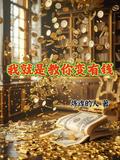 High-Level Thinking: The Truth Behind Social Mobility 高层思维:阶级跃升背后的真相
[Not a wish-fulfillment novel, but a practical guide to changing your mindset] If you’re looking for wish fulfillment, please go elsewhere. This book isn’t meant to entertain the masses. It’s for people who genuinely want to change their destiny and rise to a higher social class. I dropped out of high school in my first year and only have a middle school education. I went from working on a factory assembly line, to delivering food, to waiting tables, then got into business and sales. I caught t
726Reads8.4Score102Shelves
High-Level Thinking: The Truth Behind Social Mobility 高层思维:阶级跃升背后的真相
[Not a wish-fulfillment novel, but a practical guide to changing your mindset] If you’re looking for wish fulfillment, please go elsewhere. This book isn’t meant to entertain the masses. It’s for people who genuinely want to change their destiny and rise to a higher social class. I dropped out of high school in my first year and only have a middle school education. I went from working on a factory assembly line, to delivering food, to waiting tables, then got into business and sales. I caught t
726Reads8.4Score102Shelves
Reader note
-
50
 Son of a Convicted Minister: Laying Low in Jiangnan to Build a Maritime Empire 罪臣之子:苟安江南成就海商帝国
Fourteen Beautiful Women by My Side, Living It Up! Nurhaci calls me uncle by marriage, and the Wanli Emperor calls me uncle. Longqing, Jiajing, Wanli, Zhang Juzheng, Qi Jiguang, Toyotomi Hideyoshi, and Lady San will all appear. A historical transmigration drama with a System. I transmigrate to the eras of Jiajing, Longqing, and Wanli, encounter fourteen stunning women, build a maritime trading empire, and claim fame, fortune, and beauty. A history PhD transmigrates into the Ming dynasty. He pla
4Reads—Score—Shelves
Son of a Convicted Minister: Laying Low in Jiangnan to Build a Maritime Empire 罪臣之子:苟安江南成就海商帝国
Fourteen Beautiful Women by My Side, Living It Up! Nurhaci calls me uncle by marriage, and the Wanli Emperor calls me uncle. Longqing, Jiajing, Wanli, Zhang Juzheng, Qi Jiguang, Toyotomi Hideyoshi, and Lady San will all appear. A historical transmigration drama with a System. I transmigrate to the eras of Jiajing, Longqing, and Wanli, encounter fourteen stunning women, build a maritime trading empire, and claim fame, fortune, and beauty. A history PhD transmigrates into the Ming dynasty. He pla
4Reads—Score—Shelves
Reader note