The Kind of Immortal Energy, Such as Lan Ke Qi Yuan and Immortal Journey of Immortality.
- Views
- 2.2M
- Books
- 131
- Recommendations
- 90
- Updated
- 6d ago
In this list
126 books · page 2 of 3
-
52
青
 Qingping
YueguanEastern Fantasy4.0M Wordscompleted
18.2kReads8.6Score2.4kShelves
Qingping
YueguanEastern Fantasy4.0M Wordscompleted
18.2kReads8.6Score2.4kShelves
Reader note
Recommend good books, pay attention to reading. Fairy spirit, chivalrous spirit, martial spirit, temperament are the main ones, dig in depth, welcome to watch:
-
53
有
 There Is a Swordsman
Bashu Red BeansEastern Fantasy1.3M Wordscompleted
5.2kReads7.8Score418Shelves
There Is a Swordsman
Bashu Red BeansEastern Fantasy1.3M Wordscompleted
5.2kReads7.8Score418Shelves
Reader note
Recommend good books, pay attention to reading. Fairy spirit, chivalrous spirit, martial spirit, temperament are the main ones, dig in depth, welcome to watch:
-
54
凡
 Mortal Bones
One Geng MasterEastern Fantasy8.3M Wordscompleted
842.3kReads9.3Score155.7kShelves
Mortal Bones
One Geng MasterEastern Fantasy8.3M Wordscompleted
842.3kReads9.3Score155.7kShelves
Reader note
Recommend good books, pay attention to reading. Fairy spirit, chivalrous spirit, martial spirit, temperament are the main ones, dig in depth, welcome to watch:
-
55
这
 This Scholar Comes from the Underworld
YouziyinEastern Fantasy2.0M Wordscompleted
122.1kReads9.4Score16.8kShelves
This Scholar Comes from the Underworld
YouziyinEastern Fantasy2.0M Wordscompleted
122.1kReads9.4Score16.8kShelves
Reader note
Recommend good books, pay attention to reading. Fairy spirit, chivalrous spirit, martial spirit, temperament are the main ones, dig in depth, welcome to watch:
-
56
长
 Immortality
Feng Yu JiuqiuEastern Fantasy2.5M Wordscompleted
48kReads9.1Score7.1kShelves
Immortality
Feng Yu JiuqiuEastern Fantasy2.5M Wordscompleted
48kReads9.1Score7.1kShelves
Reader note
Recommend good books, pay attention to reading. Fairy spirit, chivalrous spirit, martial spirit, temperament are the main ones, dig in depth, welcome to watch:
-
57
幽
 Nether**
completed
—Reads5.8Score—Shelves
Nether**
completed
—Reads5.8Score—Shelves
Reader note
Recommend good books, pay attention to reading. Fairy spirit, chivalrous spirit, martial spirit, temperament are the main ones, dig in depth, welcome to watch:
-
58
穿
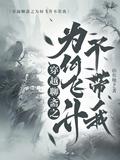 Time Traveling Through Liaozhai: Why the Ascension Didn't Take Me
Mountains UndergroundEastern Fantasy468k Wordscompleted
1.9kReads7.0Score—Shelves
Time Traveling Through Liaozhai: Why the Ascension Didn't Take Me
Mountains UndergroundEastern Fantasy468k Wordscompleted
1.9kReads7.0Score—Shelves
-
59
开
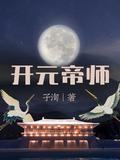 Emperor Kaiyuan
ZixunHistorical729k Wordscompleted
70Reads—Score—Shelves
Emperor Kaiyuan
ZixunHistorical729k Wordscompleted
70Reads—Score—Shelves
Reader note
Exiled Immortal Taoist Ye Fashan
-
60
*
 **
Anonymouscompleted
—Reads5.8Score—Shelves
**
Anonymouscompleted
—Reads5.8Score—Shelves
Reader note
Traditional cultural wisdom: a guide to self-cultivation and morality. In our long history of culture, Confucianism, Taoism, Buddhism, Wang Yangming's philosophy of mind, and Zhang Defen's works, as well as the concept of pursuing the path to immortality, all contain endless wisdom and point us in the direction of self-cultivation and morality and how to behave in the world. 1. Confucianism: advocates "benevolence, righteousness, etiquette, wisdom, and faith." "Filial piety is the first of all virtues", filial piety is the respect and support for parents and elders; friendship and mutual help between brothers and sisters; loyalty to the emperor, patriotism, respect for one's job and love for one's career reflect loyalty; "A person cannot stand without trust", trust is the criterion for living in life; etiquette regulates our behavior and respects teachers and ethics; righteousness allows us to adhere to justice and maintain chastity; integrity requires us to be spotless and upright; shame enables us to distinguish right from wrong and keep the bottom line of being a human being. Everything starts from oneself, guided by Confucianism, and constantly improves oneself. 2. Taoism: It advocates conforming to nature, following the fundamental law "Tao" of all things in the universe, governing by doing nothing, and not imposing interference. It is virtue to uphold a simple and pure nature, have noble moral character, and not fight for benefits. A pure heart, not disturbed by worldly complexities and desires, is pure; keep quiet and peaceful, gain insight into all things in tranquility, and practice physical and mental tranquility; let go of yourself, not be bound by prejudices and inherent concepts, accept the so-called emptiness of the world with an open and tolerant heart; understand the state of "nothing" In the world, let go of the attachment to tangible materials and fame and wealth, and return to the true nature of nothingness; to deal with the world with a gentle and humble attitude, like water, which seems to be weak but contains powerful power, that is, softness; to pursue harmony, to live in harmony with nature and others, and to live in peace without creating conflicts and disputes. 3. Buddhism: To be compassionate, to feel the suffering of all living beings, to give care and help is compassion; to pity the suffering of all living beings, and to help them escape from the sea of suffering is compassion; to rejoice in the happiness and happiness of all living beings, and to be free from jealousy, hatred, and hatred; to give up greed, anger, ignorance, pride, and suspicion, and to let go of the pursuit of worldly desires and obsessions is renunciation; to observe the precepts, Regulate your own behavior and refrain from doing things that harm sentient beings and violate morality; practice meditation, focus on your heart, and not be disturbed by the outside world, so as to gain wisdom and concentration, that is, concentration; open up wisdom, gain insight into the essence of things, and get rid of troubles and confusion as wisdom; understand the true meaning of "emptiness" and understand that everything in the world is illusion, and not being attached to appearances is emptiness. We should not be attached to form on the outside, and we should not be attached to emptiness on the inside. We should have nothing to live in, and our mind should be born. The past cannot be grasped, the present cannot be grasped, and the future cannot be grasped. 4. Wang Yangming's Theory of Mind: Emphasizes that "the heart is reason", the heart is the ontology of all things in the universe, and all moral norms and truths originate from the heart. Conscience is our innate moral judgment and intuitive ability. It can distinguish right from wrong, good and evil, and is the fundamental criterion for being a human being. Through constant self-reflection and practice, we can remove the cover of selfish desires and extend our inner conscience to all things, that is, conscience. Knowledge and action are integrated. Once you have correct cognition, you must put it into action, deepen your cognition in action, and avoid empty talk. This is the unity of knowledge and action. Make your thoughts sincere, do not deceive yourself, be pure in heart, and be sincere; care for the people, actively participate in society, and benefit the people with practical actions; explore the principles of nature in specific things, and improve yourself through understanding and practice of things; establish lofty aspirations, clarify life goals, and make unremitting efforts to realize your ideals. 5. Zhang Defen's works: In "Meeting the Unknown Self", he advocates inner tranquility and far-reaching, abandoning impetuous and troubled silence; constant self-reflection, insight into inner thoughts; understanding the true meaning of life, and understanding the wisdom of life; letting go of unnecessary burdens and liberating the shackles of the soul; loving kindness and kindness in the heart, the love that warms all things in the world; harmonizing the body and mind, accepting the harmony of the complete self; awakening inner awareness, insight into the truth of life, and exploring everything from the heart. "Meet Your Dreams Come True" encourages us to have beautiful dreams and illuminate the way forward; to set firm aspirations and anchor the goals we strive for; to work diligently and accumulate the capital for success; to be brave enough to innovate and break through the limitations of thinking; to persevere and persevere without fear of hardships and obstacles; to be good at seizing opportunities and keenly discerning the goodness of opportunities; to plan actions rationally, promote the integration of dreams in an orderly manner, and realize dreams starting from the present. "Live a New Self" inspires us to bravely challenge ourselves and break through the boundaries of comfort; actively embrace change and welcome new possible changes; continue to learn and grow to improve our own quality; decisively let go of the past and say goodbye to old patterns; maintain an optimistic attitude and laugh at the ups and downs of life; pay attention to physical and mental health and consolidate the foundation of life; stick to your true self and show your unique style. Everything starts with change. 6. Pursuing the path to immortality: pay attention to quietness to cultivate one's self, stay away from the hustle and bustle of the world, and clarify the heart; be kind-hearted, have compassion and love in the heart, and build good relationships; understand the principles of heaven, have insight into all phenomena in the world, and have a clear mind and nature; be humble in life, neither arrogant nor impetuous nor discouraged, and be open-minded; and Live in harmony, be one with all things, and conform to nature; be patient and restrained, tolerate things that are difficult to tolerate, and cultivate an open-minded mind; be willing to let go, put aside fame and wealth, and get rid of the fetters; practice diligently, improve your own skills, and practice the path of seeking the Tao from the moment. These precious cultural treasures guide us on the road of life to continuously improve ourselves, cultivate moral character, face various challenges in life with a positive and healthy attitude and behavior, realize the value of life, and gain inner peace and happiness. I hope everyone can draw strength from it and let the wisdom of traditional culture shine in our lives. We also welcome sharing this wisdom with more people in need. [Praise]
-
62
*
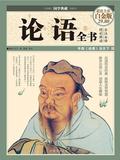 **
Confucius; Si Lucompleted
—Reads5.8Score—Shelves
**
Confucius; Si Lucompleted
—Reads5.8Score—Shelves
Reader note
Traditional cultural wisdom: a guide to self-cultivation and morality. In our long history of culture, Confucianism, Taoism, Buddhism, Wang Yangming's philosophy of mind, and Zhang Defen's works, as well as the concept of pursuing the path to immortality, all contain endless wisdom and point us in the direction of self-cultivation and morality and how to behave in the world. 1. Confucianism: advocates "benevolence, righteousness, etiquette, wisdom, and faith." "Filial piety is the first of all virtues", filial piety is the respect and support for parents and elders; friendship and mutual help between brothers and sisters; loyalty to the emperor, patriotism, respect for one's job and love for one's career reflect loyalty; "A person cannot stand without trust", trust is the criterion for living in life; etiquette regulates our behavior and respects teachers and ethics; righteousness allows us to adhere to justice and maintain chastity; integrity requires us to be spotless and upright; shame enables us to distinguish right from wrong and keep the bottom line of being a human being. Everything starts from oneself, guided by Confucianism, and constantly improves oneself. 2. Taoism: It advocates conforming to nature, following the fundamental law "Tao" of all things in the universe, governing by doing nothing, and not imposing interference. It is virtue to uphold a simple and pure nature, have noble moral character, and not fight for benefits. A pure heart, not disturbed by worldly complexities and desires, is pure; keep quiet and peaceful, gain insight into all things in tranquility, and practice physical and mental tranquility; let go of yourself, not be bound by prejudices and inherent concepts, accept the so-called emptiness of the world with an open and tolerant heart; understand the state of "nothing" In the world, let go of the attachment to tangible materials and fame and wealth, and return to the true nature of nothingness; to deal with the world with a gentle and humble attitude, like water, which seems to be weak but contains powerful power, that is, softness; to pursue harmony, to live in harmony with nature and others, and to live in peace without creating conflicts and disputes. 3. Buddhism: To be compassionate, to feel the suffering of all living beings, to give care and help is compassion; to pity the suffering of all living beings, and to help them escape from the sea of suffering is compassion; to rejoice in the happiness and happiness of all living beings, and to be free from jealousy, hatred, and hatred; to give up greed, anger, ignorance, pride, and suspicion, and to let go of the pursuit of worldly desires and obsessions is renunciation; to observe the precepts, Regulate your own behavior and refrain from doing things that harm sentient beings and violate morality; practice meditation, focus on your heart, and not be disturbed by the outside world, so as to gain wisdom and concentration, that is, concentration; open up wisdom, gain insight into the essence of things, and get rid of troubles and confusion as wisdom; understand the true meaning of "emptiness" and understand that everything in the world is illusion, and not being attached to appearances is emptiness. We should not be attached to form on the outside, and we should not be attached to emptiness on the inside. We should have nothing to live in, and our mind should be born. The past cannot be grasped, the present cannot be grasped, and the future cannot be grasped. 4. Wang Yangming's Theory of Mind: Emphasizes that "the heart is reason", the heart is the ontology of all things in the universe, and all moral norms and truths originate from the heart. Conscience is our innate moral judgment and intuitive ability. It can distinguish right from wrong, good and evil, and is the fundamental criterion for being a human being. Through constant self-reflection and practice, we can remove the cover of selfish desires and extend our inner conscience to all things, that is, conscience. Knowledge and action are integrated. Once you have correct cognition, you must put it into action, deepen your cognition in action, and avoid empty talk. This is the unity of knowledge and action. Make your thoughts sincere, do not deceive yourself, be pure in heart, and be sincere; care for the people, actively participate in society, and benefit the people with practical actions; explore the principles of nature in specific things, and improve yourself through understanding and practice of things; establish lofty aspirations, clarify life goals, and make unremitting efforts to realize your ideals. 5. Zhang Defen's works: In "Meeting the Unknown Self", he advocates inner tranquility and far-reaching, abandoning impetuous and troubled silence; constant self-reflection, insight into inner thoughts; understanding the true meaning of life, and understanding the wisdom of life; letting go of unnecessary burdens and liberating the shackles of the soul; loving kindness and kindness in the heart, the love that warms all things in the world; harmonizing the body and mind, accepting the harmony of the complete self; awakening inner awareness, insight into the truth of life, and exploring everything from the heart. "Meet Your Dreams Come True" encourages us to have beautiful dreams and illuminate the way forward; to set firm aspirations and anchor the goals we strive for; to work diligently and accumulate the capital for success; to be brave enough to innovate and break through the limitations of thinking; to persevere and persevere without fear of hardships and obstacles; to be good at seizing opportunities and keenly discerning the goodness of opportunities; to plan actions rationally, promote the integration of dreams in an orderly manner, and realize dreams starting from the present. "Live a New Self" inspires us to bravely challenge ourselves and break through the boundaries of comfort; actively embrace change and welcome new possible changes; continue to learn and grow to improve our own quality; decisively let go of the past and say goodbye to old patterns; maintain an optimistic attitude and laugh at the ups and downs of life; pay attention to physical and mental health and consolidate the foundation of life; stick to your true self and show your unique style. Everything starts with change. 6. Pursuing the path to immortality: pay attention to quietness to cultivate one's self, stay away from the hustle and bustle of the world, and clarify the heart; be kind-hearted, have compassion and love in the heart, and build good relationships; understand the principles of heaven, have insight into all phenomena in the world, and have a clear mind and nature; be humble in life, neither arrogant nor impetuous nor discouraged, and be open-minded; and Live in harmony, be one with all things, and conform to nature; be patient and restrained, tolerate things that are difficult to tolerate, and cultivate an open-minded mind; be willing to let go, put aside fame and wealth, and get rid of the fetters; practice diligently, improve your own skills, and practice the path of seeking the Tao from the moment. These precious cultural treasures guide us on the road of life to continuously improve ourselves, cultivate moral character, face various challenges in life with a positive and healthy attitude and behavior, realize the value of life, and gain inner peace and happiness. I hope everyone can draw strength from it and let the wisdom of traditional culture shine in our lives. We also welcome sharing this wisdom with more people in need. [Praise]
-
63
*
 **
Stay Still SometimesEastern Fantasy223k Wordscompleted
1.3kReads5.8Score326Shelves
**
Stay Still SometimesEastern Fantasy223k Wordscompleted
1.3kReads5.8Score326Shelves
Reader note
Traditional cultural wisdom: a guide to self-cultivation and morality. In our long history of culture, Confucianism, Taoism, Buddhism, Wang Yangming's philosophy of mind, and Zhang Defen's works, as well as the concept of pursuing the path to immortality, all contain endless wisdom and point us in the direction of self-cultivation and morality and how to behave in the world. 1. Confucianism: advocates "benevolence, righteousness, etiquette, wisdom, and faith." "Filial piety is the first of all virtues", filial piety is the respect and support for parents and elders; friendship and mutual help between brothers and sisters; loyalty to the emperor, patriotism, respect for one's job and love for one's career reflect loyalty; "A person cannot stand without trust", trust is the criterion for living in life; etiquette regulates our behavior and respects teachers and ethics; righteousness allows us to adhere to justice and maintain chastity; integrity requires us to be spotless and upright; shame enables us to distinguish right from wrong and keep the bottom line of being a human being. Everything starts from oneself, guided by Confucianism, and constantly improves oneself. 2. Taoism: It advocates conforming to nature, following the fundamental law "Tao" of all things in the universe, governing by doing nothing, and not imposing interference. It is virtue to uphold a simple and pure nature, have noble moral character, and not fight for benefits. A pure heart, not disturbed by worldly complexities and desires, is pure; keep quiet and peaceful, gain insight into all things in tranquility, and practice physical and mental tranquility; let go of yourself, not be bound by prejudices and inherent concepts, accept the so-called emptiness of the world with an open and tolerant heart; understand the state of "nothing" In the world, let go of the attachment to tangible materials and fame and wealth, and return to the true nature of nothingness; to deal with the world with a gentle and humble attitude, like water, which seems to be weak but contains powerful power, that is, softness; to pursue harmony, to live in harmony with nature and others, and to live in peace without creating conflicts and disputes. 3. Buddhism: To be compassionate, to feel the suffering of all living beings, to give care and help is compassion; to pity the suffering of all living beings, and to help them escape from the sea of suffering is compassion; to rejoice in the happiness and happiness of all living beings, and to be free from jealousy, hatred, and hatred; to give up greed, anger, ignorance, pride, and suspicion, and to let go of the pursuit of worldly desires and obsessions is renunciation; to observe the precepts, Regulate your own behavior and refrain from doing things that harm sentient beings and violate morality; practice meditation, focus on your heart, and not be disturbed by the outside world, so as to gain wisdom and concentration, that is, concentration; open up wisdom, gain insight into the essence of things, and get rid of troubles and confusion as wisdom; understand the true meaning of "emptiness" and understand that everything in the world is illusion, and not being attached to appearances is emptiness. We should not be attached to form on the outside, and we should not be attached to emptiness on the inside. We should have nothing to live in, and our mind should be born. The past cannot be grasped, the present cannot be grasped, and the future cannot be grasped. 4. Wang Yangming's Theory of Mind: Emphasizes that "the heart is reason", the heart is the ontology of all things in the universe, and all moral norms and truths originate from the heart. Conscience is our innate moral judgment and intuitive ability. It can distinguish right from wrong, good and evil, and is the fundamental criterion for being a human being. Through constant self-reflection and practice, we can remove the cover of selfish desires and extend our inner conscience to all things, that is, conscience. Knowledge and action are integrated. Once you have correct cognition, you must put it into action, deepen your cognition in action, and avoid empty talk. This is the unity of knowledge and action. Make your thoughts sincere, do not deceive yourself, be pure in heart, and be sincere; care for the people, actively participate in society, and benefit the people with practical actions; explore the principles of nature in specific things, and improve yourself through understanding and practice of things; establish lofty aspirations, clarify life goals, and make unremitting efforts to realize your ideals. 5. Zhang Defen's works: In "Meeting the Unknown Self", he advocates inner tranquility and far-reaching, abandoning impetuous and troubled silence; constant self-reflection, insight into inner thoughts; understanding the true meaning of life, and understanding the wisdom of life; letting go of unnecessary burdens and liberating the shackles of the soul; loving kindness and kindness in the heart, the love that warms all things in the world; harmonizing the body and mind, accepting the harmony of the complete self; awakening inner awareness, insight into the truth of life, and exploring everything from the heart. "Meet Your Dreams Come True" encourages us to have beautiful dreams and illuminate the way forward; to set firm aspirations and anchor the goals we strive for; to work diligently and accumulate the capital for success; to be brave enough to innovate and break through the limitations of thinking; to persevere and persevere without fear of hardships and obstacles; to be good at seizing opportunities and keenly discerning the goodness of opportunities; to plan actions rationally, promote the integration of dreams in an orderly manner, and realize dreams starting from the present. "Live a New Self" inspires us to bravely challenge ourselves and break through the boundaries of comfort; actively embrace change and welcome new possible changes; continue to learn and grow to improve our own quality; decisively let go of the past and say goodbye to old patterns; maintain an optimistic attitude and laugh at the ups and downs of life; pay attention to physical and mental health and consolidate the foundation of life; stick to your true self and show your unique style. Everything starts with change. 6. Pursuing the path to immortality: pay attention to quietness to cultivate one's self, stay away from the hustle and bustle of the world, and clarify the heart; be kind-hearted, have compassion and love in the heart, and build good relationships; understand the principles of heaven, have insight into all phenomena in the world, and have a clear mind and nature; be humble in life, neither arrogant nor impetuous nor discouraged, and be open-minded; and Live in harmony, be one with all things, and conform to nature; be patient and restrained, tolerate things that are difficult to tolerate, and cultivate an open-minded mind; be willing to let go, put aside fame and wealth, and get rid of the fetters; practice diligently, improve your own skills, and practice the path of seeking the Tao from the moment. These precious cultural treasures guide us on the road of life to continuously improve ourselves, cultivate moral character, face various challenges in life with a positive and healthy attitude and behavior, realize the value of life, and gain inner peace and happiness. I hope everyone can draw strength from it and let the wisdom of traditional culture shine in our lives. We also welcome sharing this wisdom with more people in need. [Praise]
-
66
*
 **
completed
—Reads5.8Score—Shelves
**
completed
—Reads5.8Score—Shelves
Reader note
Traditional cultural wisdom: a guide to self-cultivation and morality. In our long history of culture, Confucianism, Taoism, Buddhism, Wang Yangming's philosophy of mind, and Zhang Defen's works, as well as the concept of pursuing the path to immortality, all contain endless wisdom and point us in the direction of self-cultivation and morality and how to behave in the world. 1. Confucianism: advocates "benevolence, righteousness, etiquette, wisdom, and faith." "Filial piety is the first of all virtues", filial piety is the respect and support for parents and elders; friendship and mutual help between brothers and sisters; loyalty to the emperor, patriotism, respect for one's job and love for one's career reflect loyalty; "A person cannot stand without trust", trust is the criterion for living in life; etiquette regulates our behavior and respects teachers and ethics; righteousness allows us to adhere to justice and maintain chastity; integrity requires us to be spotless and upright; shame enables us to distinguish right from wrong and keep the bottom line of being a human being. Everything starts from oneself, guided by Confucianism, and constantly improves oneself. 2. Taoism: It advocates conforming to nature, following the fundamental law "Tao" of all things in the universe, governing by doing nothing, and not imposing interference. It is virtue to uphold a simple and pure nature, have noble moral character, and not fight for benefits. A pure heart, not disturbed by worldly complexities and desires, is pure; keep quiet and peaceful, gain insight into all things in tranquility, and practice physical and mental tranquility; let go of yourself, not be bound by prejudices and inherent concepts, accept the so-called emptiness of the world with an open and tolerant heart; understand the state of "nothing" In the world, let go of the attachment to tangible materials and fame and wealth, and return to the true nature of nothingness; to deal with the world with a gentle and humble attitude, like water, which seems to be weak but contains powerful power, that is, softness; to pursue harmony, to live in harmony with nature and others, and to live in peace without creating conflicts and disputes. 3. Buddhism: To be compassionate, to feel the suffering of all living beings, to give care and help is compassion; to pity the suffering of all living beings, and to help them escape from the sea of suffering is compassion; to rejoice in the happiness and happiness of all living beings, and to be free from jealousy, hatred, and hatred; to give up greed, anger, ignorance, pride, and suspicion, and to let go of the pursuit of worldly desires and obsessions is renunciation; to observe the precepts, Regulate your own behavior and refrain from doing things that harm sentient beings and violate morality; practice meditation, focus on your heart, and not be disturbed by the outside world, so as to gain wisdom and concentration, that is, concentration; open up wisdom, gain insight into the essence of things, and get rid of troubles and confusion as wisdom; understand the true meaning of "emptiness" and understand that everything in the world is illusion, and not being attached to appearances is emptiness. We should not be attached to form on the outside, and we should not be attached to emptiness on the inside. We should have nothing to live in, and our mind should be born. The past cannot be grasped, the present cannot be grasped, and the future cannot be grasped. 4. Wang Yangming's Theory of Mind: Emphasizes that "the heart is reason", the heart is the ontology of all things in the universe, and all moral norms and truths originate from the heart. Conscience is our innate moral judgment and intuitive ability. It can distinguish right from wrong, good and evil, and is the fundamental criterion for being a human being. Through constant self-reflection and practice, we can remove the cover of selfish desires and extend our inner conscience to all things, that is, conscience. Knowledge and action are integrated. Once you have correct cognition, you must put it into action, deepen your cognition in action, and avoid empty talk. This is the unity of knowledge and action. Make your thoughts sincere, do not deceive yourself, be pure in heart, and be sincere; care for the people, actively participate in society, and benefit the people with practical actions; explore the principles of nature in specific things, and improve yourself through understanding and practice of things; establish lofty aspirations, clarify life goals, and make unremitting efforts to realize your ideals. 5. Zhang Defen's works: In "Meeting the Unknown Self", he advocates inner tranquility and far-reaching, abandoning impetuous and troubled silence; constant self-reflection, insight into inner thoughts; understanding the true meaning of life, and understanding the wisdom of life; letting go of unnecessary burdens and liberating the shackles of the soul; loving kindness and kindness in the heart, the love that warms all things in the world; harmonizing the body and mind, accepting the harmony of the complete self; awakening inner awareness, insight into the truth of life, and exploring everything from the heart. "Meet Your Dreams Come True" encourages us to have beautiful dreams and illuminate the way forward; to set firm aspirations and anchor the goals we strive for; to work diligently and accumulate the capital for success; to be brave enough to innovate and break through the limitations of thinking; to persevere and persevere without fear of hardships and obstacles; to be good at seizing opportunities and keenly discerning the goodness of opportunities; to plan actions rationally, promote the integration of dreams in an orderly manner, and realize dreams starting from the present. "Live a New Self" inspires us to bravely challenge ourselves and break through the boundaries of comfort; actively embrace change and welcome new possible changes; continue to learn and grow to improve our own quality; decisively let go of the past and say goodbye to old patterns; maintain an optimistic attitude and laugh at the ups and downs of life; pay attention to physical and mental health and consolidate the foundation of life; stick to your true self and show your unique style. Everything starts with change. 6. Pursuing the path to immortality: pay attention to quietness to cultivate one's self, stay away from the hustle and bustle of the world, and clarify the heart; be kind-hearted, have compassion and love in the heart, and build good relationships; understand the principles of heaven, have insight into all phenomena in the world, and have a clear mind and nature; be humble in life, neither arrogant nor impetuous nor discouraged, and be open-minded; and Live in harmony, be one with all things, and conform to nature; be patient and restrained, tolerate things that are difficult to tolerate, and cultivate an open-minded mind; be willing to let go, put aside fame and wealth, and get rid of the fetters; practice diligently, improve your own skills, and practice the path of seeking the Tao from the moment. These precious cultural treasures guide us on the road of life to continuously improve ourselves, cultivate moral character, face various challenges in life with a positive and healthy attitude and behavior, realize the value of life, and gain inner peace and happiness. I hope everyone can draw strength from it and let the wisdom of traditional culture shine in our lives. We also welcome sharing this wisdom with more people in need. [Praise]
-
67
了
 The Four Trainings of Liaofan: Detailed Explanation
(Ming Dynasty) Written by Yuan Liaofan; Compiled by Chen Meijincompleted
—Reads9.6Score—Shelves
The Four Trainings of Liaofan: Detailed Explanation
(Ming Dynasty) Written by Yuan Liaofan; Compiled by Chen Meijincompleted
—Reads9.6Score—Shelves
Reader note
Traditional cultural wisdom: a guide to self-cultivation and morality. In our long history of culture, Confucianism, Taoism, Buddhism, Wang Yangming's philosophy of mind, and Zhang Defen's works, as well as the concept of pursuing the path to immortality, all contain endless wisdom and point us in the direction of self-cultivation and morality and how to behave in the world. 1. Confucianism: advocates "benevolence, righteousness, etiquette, wisdom, and faith." "Filial piety is the first of all virtues", filial piety is the respect and support for parents and elders; friendship and mutual help between brothers and sisters; loyalty to the emperor, patriotism, respect for one's job and love for one's career reflect loyalty; "A person cannot stand without trust", trust is the criterion for living in life; etiquette regulates our behavior and respects teachers and ethics; righteousness allows us to adhere to justice and maintain chastity; integrity requires us to be spotless and upright; shame enables us to distinguish right from wrong and keep the bottom line of being a human being. Everything starts from oneself, guided by Confucianism, and constantly improves oneself. 2. Taoism: It advocates conforming to nature, following the fundamental law "Tao" of all things in the universe, governing by doing nothing, and not imposing interference. It is virtue to uphold a simple and pure nature, have noble moral character, and not fight for benefits. A pure heart, not disturbed by worldly complexities and desires, is pure; keep quiet and peaceful, gain insight into all things in tranquility, and practice physical and mental tranquility; let go of yourself, not be bound by prejudices and inherent concepts, accept the so-called emptiness of the world with an open and tolerant heart; understand the state of "nothing" In the world, let go of the attachment to tangible materials and fame and wealth, and return to the true nature of nothingness; to deal with the world with a gentle and humble attitude, like water, which seems to be weak but contains powerful power, that is, softness; to pursue harmony, to live in harmony with nature and others, and to live in peace without creating conflicts and disputes. 3. Buddhism: To be compassionate, to feel the suffering of all living beings, to give care and help is compassion; to pity the suffering of all living beings, and to help them escape from the sea of suffering is compassion; to rejoice in the happiness and happiness of all living beings, and to be free from jealousy, hatred, and hatred; to give up greed, anger, ignorance, pride, and suspicion, and to let go of the pursuit of worldly desires and obsessions is renunciation; to observe the precepts, Regulate your own behavior and refrain from doing things that harm sentient beings and violate morality; practice meditation, focus on your heart, and not be disturbed by the outside world, so as to gain wisdom and concentration, that is, concentration; open up wisdom, gain insight into the essence of things, and get rid of troubles and confusion as wisdom; understand the true meaning of "emptiness" and understand that everything in the world is illusion, and not being attached to appearances is emptiness. We should not be attached to form on the outside, and we should not be attached to emptiness on the inside. We should have nothing to live in, and our mind should be born. The past cannot be grasped, the present cannot be grasped, and the future cannot be grasped. 4. Wang Yangming's Theory of Mind: Emphasizes that "the heart is reason", the heart is the ontology of all things in the universe, and all moral norms and truths originate from the heart. Conscience is our innate moral judgment and intuitive ability. It can distinguish right from wrong, good and evil, and is the fundamental criterion for being a human being. Through constant self-reflection and practice, we can remove the cover of selfish desires and extend our inner conscience to all things, that is, conscience. Knowledge and action are integrated. Once you have correct cognition, you must put it into action, deepen your cognition in action, and avoid empty talk. This is the unity of knowledge and action. Make your thoughts sincere, do not deceive yourself, be pure in heart, and be sincere; care for the people, actively participate in society, and benefit the people with practical actions; explore the principles of nature in specific things, and improve yourself through understanding and practice of things; establish lofty aspirations, clarify life goals, and make unremitting efforts to realize your ideals. 5. Zhang Defen's works: In "Meeting the Unknown Self", he advocates inner tranquility and far-reaching, abandoning impetuous and troubled silence; constant self-reflection, insight into inner thoughts; understanding the true meaning of life, and understanding the wisdom of life; letting go of unnecessary burdens and liberating the shackles of the soul; loving kindness and kindness in the heart, the love that warms all things in the world; harmonizing the body and mind, accepting the harmony of the complete self; awakening inner awareness, insight into the truth of life, and exploring everything from the heart. "Meet Your Dreams Come True" encourages us to have beautiful dreams and illuminate the way forward; to set firm aspirations and anchor the goals we strive for; to work diligently and accumulate the capital for success; to be brave enough to innovate and break through the limitations of thinking; to persevere and persevere without fear of hardships and obstacles; to be good at seizing opportunities and keenly discerning the goodness of opportunities; to plan actions rationally, promote the integration of dreams in an orderly manner, and realize dreams starting from the present. "Live a New Self" inspires us to bravely challenge ourselves and break through the boundaries of comfort; actively embrace change and welcome new possible changes; continue to learn and grow to improve our own quality; decisively let go of the past and say goodbye to old patterns; maintain an optimistic attitude and laugh at the ups and downs of life; pay attention to physical and mental health and consolidate the foundation of life; stick to your true self and show your unique style. Everything starts with change. 6. Pursuing the path to immortality: pay attention to quietness to cultivate one's self, stay away from the hustle and bustle of the world, and clarify the heart; be kind-hearted, have compassion and love in the heart, and build good relationships; understand the principles of heaven, have insight into all phenomena in the world, and have a clear mind and nature; be humble in life, neither arrogant nor impetuous nor discouraged, and be open-minded; and Live in harmony, be one with all things, and conform to nature; be patient and restrained, tolerate things that are difficult to tolerate, and cultivate an open-minded mind; be willing to let go, put aside fame and wealth, and get rid of the fetters; practice diligently, improve your own skills, and practice the path of seeking the Tao from the moment. These precious cultural treasures guide us on the road of life to continuously improve ourselves, cultivate moral character, face various challenges in life with a positive and healthy attitude and behavior, realize the value of life, and gain inner peace and happiness. I hope everyone can draw strength from it and let the wisdom of traditional culture shine in our lives. We also welcome sharing this wisdom with more people in need. [Praise]
-
68
*
 **
completed
—Reads5.8Score—Shelves
**
completed
—Reads5.8Score—Shelves
Reader note
Traditional cultural wisdom: a guide to self-cultivation and morality. In our long history of culture, Confucianism, Taoism, Buddhism, Wang Yangming's philosophy of mind, and Zhang Defen's works, as well as the concept of pursuing the path to immortality, all contain endless wisdom and point us in the direction of self-cultivation and morality and how to behave in the world. 1. Confucianism: advocates "benevolence, righteousness, etiquette, wisdom, and faith." "Filial piety is the first of all virtues", filial piety is the respect and support for parents and elders; friendship and mutual help between brothers and sisters; loyalty to the emperor, patriotism, respect for one's job and love for one's career reflect loyalty; "A person cannot stand without trust", trust is the criterion for living in life; etiquette regulates our behavior and respects teachers and ethics; righteousness allows us to adhere to justice and maintain chastity; integrity requires us to be spotless and upright; shame enables us to distinguish right from wrong and keep the bottom line of being a human being. Everything starts from oneself, guided by Confucianism, and constantly improves oneself. 2. Taoism: It advocates conforming to nature, following the fundamental law "Tao" of all things in the universe, governing by doing nothing, and not imposing interference. It is virtue to uphold a simple and pure nature, have noble moral character, and not fight for benefits. A pure heart, not disturbed by worldly complexities and desires, is pure; keep quiet and peaceful, gain insight into all things in tranquility, and practice physical and mental tranquility; let go of yourself, not be bound by prejudices and inherent concepts, accept the so-called emptiness of the world with an open and tolerant heart; understand the state of "nothing" In the world, let go of the attachment to tangible materials and fame and wealth, and return to the true nature of nothingness; to deal with the world with a gentle and humble attitude, like water, which seems to be weak but contains powerful power, that is, softness; to pursue harmony, to live in harmony with nature and others, and to live in peace without creating conflicts and disputes. 3. Buddhism: To be compassionate, to feel the suffering of all living beings, to give care and help is compassion; to pity the suffering of all living beings, and to help them escape from the sea of suffering is compassion; to rejoice in the happiness and happiness of all living beings, and to be free from jealousy, hatred, and hatred; to give up greed, anger, ignorance, pride, and suspicion, and to let go of the pursuit of worldly desires and obsessions is renunciation; to observe the precepts, Regulate your own behavior and refrain from doing things that harm sentient beings and violate morality; practice meditation, focus on your heart, and not be disturbed by the outside world, so as to gain wisdom and concentration, that is, concentration; open up wisdom, gain insight into the essence of things, and get rid of troubles and confusion as wisdom; understand the true meaning of "emptiness" and understand that everything in the world is illusion, and not being attached to appearances is emptiness. We should not be attached to form on the outside, and we should not be attached to emptiness on the inside. We should have nothing to live in, and our mind should be born. The past cannot be grasped, the present cannot be grasped, and the future cannot be grasped. 4. Wang Yangming's Theory of Mind: Emphasizes that "the heart is reason", the heart is the ontology of all things in the universe, and all moral norms and truths originate from the heart. Conscience is our innate moral judgment and intuitive ability. It can distinguish right from wrong, good and evil, and is the fundamental criterion for being a human being. Through constant self-reflection and practice, we can remove the cover of selfish desires and extend our inner conscience to all things, that is, conscience. Knowledge and action are integrated. Once you have correct cognition, you must put it into action, deepen your cognition in action, and avoid empty talk. This is the unity of knowledge and action. Make your thoughts sincere, do not deceive yourself, be pure in heart, and be sincere; care for the people, actively participate in society, and benefit the people with practical actions; explore the principles of nature in specific things, and improve yourself through understanding and practice of things; establish lofty aspirations, clarify life goals, and make unremitting efforts to realize your ideals. 5. Zhang Defen's works: In "Meeting the Unknown Self", he advocates inner tranquility and far-reaching, abandoning impetuous and troubled silence; constant self-reflection, insight into inner thoughts; understanding the true meaning of life, and understanding the wisdom of life; letting go of unnecessary burdens and liberating the shackles of the soul; loving kindness and kindness in the heart, the love that warms all things in the world; harmonizing the body and mind, accepting the harmony of the complete self; awakening inner awareness, insight into the truth of life, and exploring everything from the heart. "Meet Your Dreams Come True" encourages us to have beautiful dreams and illuminate the way forward; to set firm aspirations and anchor the goals we strive for; to work diligently and accumulate the capital for success; to be brave enough to innovate and break through the limitations of thinking; to persevere and persevere without fear of hardships and obstacles; to be good at seizing opportunities and keenly discerning the goodness of opportunities; to plan actions rationally, promote the integration of dreams in an orderly manner, and realize dreams starting from the present. "Live a New Self" inspires us to bravely challenge ourselves and break through the boundaries of comfort; actively embrace change and welcome new possible changes; continue to learn and grow to improve our own quality; decisively let go of the past and say goodbye to old patterns; maintain an optimistic attitude and laugh at the ups and downs of life; pay attention to physical and mental health and consolidate the foundation of life; stick to your true self and show your unique style. Everything starts with change. 6. Pursuing the path to immortality: pay attention to quietness to cultivate one's self, stay away from the hustle and bustle of the world, and clarify the heart; be kind-hearted, have compassion and love in the heart, and build good relationships; understand the principles of heaven, have insight into all phenomena in the world, and have a clear mind and nature; be humble in life, neither arrogant nor impetuous nor discouraged, and be open-minded; and Live in harmony, be one with all things, and conform to nature; be patient and restrained, tolerate things that are difficult to tolerate, and cultivate an open-minded mind; be willing to let go, put aside fame and wealth, and get rid of the fetters; practice diligently, improve your own skills, and practice the path of seeking the Tao from the moment. These precious cultural treasures guide us on the road of life to continuously improve ourselves, cultivate moral character, face various challenges in life with a positive and healthy attitude and behavior, realize the value of life, and gain inner peace and happiness. I hope everyone can draw strength from it and let the wisdom of traditional culture shine in our lives. We also welcome sharing this wisdom with more people in need. [Praise]
-
69
中
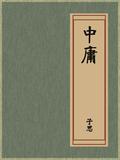 Moderate
Zisicompleted
—Reads9.5Score—Shelves
Moderate
Zisicompleted
—Reads9.5Score—Shelves
Reader note
Traditional cultural wisdom: a guide to self-cultivation and morality. In our long history of culture, Confucianism, Taoism, Buddhism, Wang Yangming's philosophy of mind, and Zhang Defen's works, as well as the concept of pursuing the path to immortality, all contain endless wisdom and point us in the direction of self-cultivation and morality and how to behave in the world. 1. Confucianism: advocates "benevolence, righteousness, etiquette, wisdom, and faith." "Filial piety is the first of all virtues", filial piety is the respect and support for parents and elders; friendship and mutual help between brothers and sisters; loyalty to the emperor, patriotism, respect for one's job and love for one's career reflect loyalty; "A person cannot stand without trust", trust is the criterion for living in life; etiquette regulates our behavior and respects teachers and ethics; righteousness allows us to adhere to justice and maintain chastity; integrity requires us to be spotless and upright; shame enables us to distinguish right from wrong and keep the bottom line of being a human being. Everything starts from oneself, guided by Confucianism, and constantly improves oneself. 2. Taoism: It advocates conforming to nature, following the fundamental law "Tao" of all things in the universe, governing by doing nothing, and not imposing interference. It is virtue to uphold a simple and pure nature, have noble moral character, and not fight for benefits. A pure heart, not disturbed by worldly complexities and desires, is pure; keep quiet and peaceful, gain insight into all things in tranquility, and practice physical and mental tranquility; let go of yourself, not be bound by prejudices and inherent concepts, accept the so-called emptiness of the world with an open and tolerant heart; understand the state of "nothing" In the world, let go of the attachment to tangible materials and fame and wealth, and return to the true nature of nothingness; to deal with the world with a gentle and humble attitude, like water, which seems to be weak but contains powerful power, that is, softness; to pursue harmony, to live in harmony with nature and others, and to live in peace without creating conflicts and disputes. 3. Buddhism: To be compassionate, to feel the suffering of all living beings, to give care and help is compassion; to pity the suffering of all living beings, and to help them escape from the sea of suffering is compassion; to rejoice in the happiness and happiness of all living beings, and to be free from jealousy, hatred, and hatred; to give up greed, anger, ignorance, pride, and suspicion, and to let go of the pursuit of worldly desires and obsessions is renunciation; to observe the precepts, Regulate your own behavior and refrain from doing things that harm sentient beings and violate morality; practice meditation, focus on your heart, and not be disturbed by the outside world, so as to gain wisdom and concentration, that is, concentration; open up wisdom, gain insight into the essence of things, and get rid of troubles and confusion as wisdom; understand the true meaning of "emptiness" and understand that everything in the world is illusion, and not being attached to appearances is emptiness. We should not be attached to form on the outside, and we should not be attached to emptiness on the inside. We should have nothing to live in, and our mind should be born. The past cannot be grasped, the present cannot be grasped, and the future cannot be grasped. 4. Wang Yangming's Theory of Mind: Emphasizes that "the heart is reason", the heart is the ontology of all things in the universe, and all moral norms and truths originate from the heart. Conscience is our innate moral judgment and intuitive ability. It can distinguish right from wrong, good and evil, and is the fundamental criterion for being a human being. Through constant self-reflection and practice, we can remove the cover of selfish desires and extend our inner conscience to all things, that is, conscience. Knowledge and action are integrated. Once you have correct cognition, you must put it into action, deepen your cognition in action, and avoid empty talk. This is the unity of knowledge and action. Make your thoughts sincere, do not deceive yourself, be pure in heart, and be sincere; care for the people, actively participate in society, and benefit the people with practical actions; explore the principles of nature in specific things, and improve yourself through understanding and practice of things; establish lofty aspirations, clarify life goals, and make unremitting efforts to realize your ideals. 5. Zhang Defen's works: In "Meeting the Unknown Self", he advocates inner tranquility and far-reaching, abandoning impetuous and troubled silence; constant self-reflection, insight into inner thoughts; understanding the true meaning of life, and understanding the wisdom of life; letting go of unnecessary burdens and liberating the shackles of the soul; loving kindness and kindness in the heart, the love that warms all things in the world; harmonizing the body and mind, accepting the harmony of the complete self; awakening inner awareness, insight into the truth of life, and exploring everything from the heart. "Meet Your Dreams Come True" encourages us to have beautiful dreams and illuminate the way forward; to set firm aspirations and anchor the goals we strive for; to work diligently and accumulate the capital for success; to be brave enough to innovate and break through the limitations of thinking; to persevere and persevere without fear of hardships and obstacles; to be good at seizing opportunities and keenly discerning the goodness of opportunities; to plan actions rationally, promote the integration of dreams in an orderly manner, and realize dreams starting from the present. "Live a New Self" inspires us to bravely challenge ourselves and break through the boundaries of comfort; actively embrace change and welcome new possible changes; continue to learn and grow to improve our own quality; decisively let go of the past and say goodbye to old patterns; maintain an optimistic attitude and laugh at the ups and downs of life; pay attention to physical and mental health and consolidate the foundation of life; stick to your true self and show your unique style. Everything starts with change. 6. Pursuing the path to immortality: pay attention to quietness to cultivate one's self, stay away from the hustle and bustle of the world, and clarify the heart; be kind-hearted, have compassion and love in the heart, and build good relationships; understand the principles of heaven, have insight into all phenomena in the world, and have a clear mind and nature; be humble in life, neither arrogant nor impetuous nor discouraged, and be open-minded; and Live in harmony, be one with all things, and conform to nature; be patient and restrained, tolerate things that are difficult to tolerate, and cultivate an open-minded mind; be willing to let go, put aside fame and wealth, and get rid of the fetters; practice diligently, improve your own skills, and practice the path of seeking the Tao from the moment. These precious cultural treasures guide us on the road of life to continuously improve ourselves, cultivate moral character, face various challenges in life with a positive and healthy attitude and behavior, realize the value of life, and gain inner peace and happiness. I hope everyone can draw strength from it and let the wisdom of traditional culture shine in our lives. We also welcome sharing this wisdom with more people in need. [Praise]
-
70
*
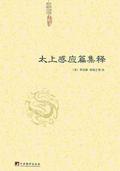 **
completed
—Reads5.8Score—Shelves
**
completed
—Reads5.8Score—Shelves
Reader note
Traditional cultural wisdom: a guide to self-cultivation and morality. In our long history of culture, Confucianism, Taoism, Buddhism, Wang Yangming's philosophy of mind, and Zhang Defen's works, as well as the concept of pursuing the path to immortality, all contain endless wisdom and point us in the direction of self-cultivation and morality and how to behave in the world. 1. Confucianism: advocates "benevolence, righteousness, etiquette, wisdom, and faith." "Filial piety is the first of all virtues", filial piety is the respect and support for parents and elders; friendship and mutual help between brothers and sisters; loyalty to the emperor, patriotism, respect for one's job and love for one's career reflect loyalty; "A person cannot stand without trust", trust is the criterion for living in life; etiquette regulates our behavior and respects teachers and ethics; righteousness allows us to adhere to justice and maintain chastity; integrity requires us to be spotless and upright; shame enables us to distinguish right from wrong and keep the bottom line of being a human being. Everything starts from oneself, guided by Confucianism, and constantly improves oneself. 2. Taoism: It advocates conforming to nature, following the fundamental law "Tao" of all things in the universe, governing by doing nothing, and not imposing interference. It is virtue to uphold a simple and pure nature, have noble moral character, and not fight for benefits. A pure heart, not disturbed by worldly complexities and desires, is pure; keep quiet and peaceful, gain insight into all things in tranquility, and practice physical and mental tranquility; let go of yourself, not be bound by prejudices and inherent concepts, accept the so-called emptiness of the world with an open and tolerant heart; understand the state of "nothing" In the world, let go of the attachment to tangible materials and fame and wealth, and return to the true nature of nothingness; to deal with the world with a gentle and humble attitude, like water, which seems to be weak but contains powerful power, that is, softness; to pursue harmony, to live in harmony with nature and others, and to live in peace without creating conflicts and disputes. 3. Buddhism: To be compassionate, to feel the suffering of all living beings, to give care and help is compassion; to pity the suffering of all living beings, and to help them escape from the sea of suffering is compassion; to rejoice in the happiness and happiness of all living beings, and to be free from jealousy, hatred, and hatred; to give up greed, anger, ignorance, pride, and suspicion, and to let go of the pursuit of worldly desires and obsessions is renunciation; to observe the precepts, Regulate your own behavior and refrain from doing things that harm sentient beings and violate morality; practice meditation, focus on your heart, and not be disturbed by the outside world, so as to gain wisdom and concentration, that is, concentration; open up wisdom, gain insight into the essence of things, and get rid of troubles and confusion as wisdom; understand the true meaning of "emptiness" and understand that everything in the world is illusion, and not being attached to appearances is emptiness. We should not be attached to form on the outside, and we should not be attached to emptiness on the inside. We should have nothing to live in, and our mind should be born. The past cannot be grasped, the present cannot be grasped, and the future cannot be grasped. 4. Wang Yangming's Theory of Mind: Emphasizes that "the heart is reason", the heart is the ontology of all things in the universe, and all moral norms and truths originate from the heart. Conscience is our innate moral judgment and intuitive ability. It can distinguish right from wrong, good and evil, and is the fundamental criterion for being a human being. Through constant self-reflection and practice, we can remove the cover of selfish desires and extend our inner conscience to all things, that is, conscience. Knowledge and action are integrated. Once you have correct cognition, you must put it into action, deepen your cognition in action, and avoid empty talk. This is the unity of knowledge and action. Make your thoughts sincere, do not deceive yourself, be pure in heart, and be sincere; care for the people, actively participate in society, and benefit the people with practical actions; explore the principles of nature in specific things, and improve yourself through understanding and practice of things; establish lofty aspirations, clarify life goals, and make unremitting efforts to realize your ideals. 5. Zhang Defen's works: In "Meeting the Unknown Self", he advocates inner tranquility and far-reaching, abandoning impetuous and troubled silence; constant self-reflection, insight into inner thoughts; understanding the true meaning of life, and understanding the wisdom of life; letting go of unnecessary burdens and liberating the shackles of the soul; loving kindness and kindness in the heart, the love that warms all things in the world; harmonizing the body and mind, accepting the harmony of the complete self; awakening inner awareness, insight into the truth of life, and exploring everything from the heart. "Meet Your Dreams Come True" encourages us to have beautiful dreams and illuminate the way forward; to set firm aspirations and anchor the goals we strive for; to work diligently and accumulate the capital for success; to be brave enough to innovate and break through the limitations of thinking; to persevere and persevere without fear of hardships and obstacles; to be good at seizing opportunities and keenly discerning the goodness of opportunities; to plan actions rationally, promote the integration of dreams in an orderly manner, and realize dreams starting from the present. "Live a New Self" inspires us to bravely challenge ourselves and break through the boundaries of comfort; actively embrace change and welcome new possible changes; continue to learn and grow to improve our own quality; decisively let go of the past and say goodbye to old patterns; maintain an optimistic attitude and laugh at the ups and downs of life; pay attention to physical and mental health and consolidate the foundation of life; stick to your true self and show your unique style. Everything starts with change. 6. Pursuing the path to immortality: pay attention to quietness to cultivate one's self, stay away from the hustle and bustle of the world, and clarify the heart; be kind-hearted, have compassion and love in the heart, and build good relationships; understand the principles of heaven, have insight into all phenomena in the world, and have a clear mind and nature; be humble in life, neither arrogant nor impetuous nor discouraged, and be open-minded; and Live in harmony, be one with all things, and conform to nature; be patient and restrained, tolerate things that are difficult to tolerate, and cultivate an open-minded mind; be willing to let go, put aside fame and wealth, and get rid of the fetters; practice diligently, improve your own skills, and practice the path of seeking the Tao from the moment. These precious cultural treasures guide us on the road of life to continuously improve ourselves, cultivate moral character, face various challenges in life with a positive and healthy attitude and behavior, realize the value of life, and gain inner peace and happiness. I hope everyone can draw strength from it and let the wisdom of traditional culture shine in our lives. We also welcome sharing this wisdom with more people in need. [Praise]
-
72
*
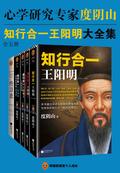 **
Duyin Mountaincompleted
—Reads5.8Score—Shelves
**
Duyin Mountaincompleted
—Reads5.8Score—Shelves
Reader note
Traditional cultural wisdom: a guide to self-cultivation and morality. In our long history of culture, Confucianism, Taoism, Buddhism, Wang Yangming's philosophy of mind, and Zhang Defen's works, as well as the concept of pursuing the path to immortality, all contain endless wisdom and point us in the direction of self-cultivation and morality and how to behave in the world. 1. Confucianism: advocates "benevolence, righteousness, etiquette, wisdom, and faith." "Filial piety is the first of all virtues", filial piety is the respect and support for parents and elders; friendship and mutual help between brothers and sisters; loyalty to the emperor, patriotism, respect for one's job and love for one's career reflect loyalty; "A person cannot stand without trust", trust is the criterion for living in life; etiquette regulates our behavior and respects teachers and ethics; righteousness allows us to adhere to justice and maintain chastity; integrity requires us to be spotless and upright; shame enables us to distinguish right from wrong and keep the bottom line of being a human being. Everything starts from oneself, guided by Confucianism, and constantly improves oneself. 2. Taoism: It advocates conforming to nature, following the fundamental law "Tao" of all things in the universe, governing by doing nothing, and not imposing interference. It is virtue to uphold a simple and pure nature, have noble moral character, and not fight for benefits. A pure heart, not disturbed by worldly complexities and desires, is pure; keep quiet and peaceful, gain insight into all things in tranquility, and practice physical and mental tranquility; let go of yourself, not be bound by prejudices and inherent concepts, accept the so-called emptiness of the world with an open and tolerant heart; understand the state of "nothing" In the world, let go of the attachment to tangible materials and fame and wealth, and return to the true nature of nothingness; to deal with the world with a gentle and humble attitude, like water, which seems to be weak but contains powerful power, that is, softness; to pursue harmony, to live in harmony with nature and others, and to live in peace without creating conflicts and disputes. 3. Buddhism: To be compassionate, to feel the suffering of all living beings, to give care and help is compassion; to pity the suffering of all living beings, and to help them escape from the sea of suffering is compassion; to rejoice in the happiness and happiness of all living beings, and to be free from jealousy, hatred, and hatred; to give up greed, anger, ignorance, pride, and suspicion, and to let go of the pursuit of worldly desires and obsessions is renunciation; to observe the precepts, Regulate your own behavior and refrain from doing things that harm sentient beings and violate morality; practice meditation, focus on your heart, and not be disturbed by the outside world, so as to gain wisdom and concentration, that is, concentration; open up wisdom, gain insight into the essence of things, and get rid of troubles and confusion as wisdom; understand the true meaning of "emptiness" and understand that everything in the world is illusion, and not being attached to appearances is emptiness. We should not be attached to form on the outside, and we should not be attached to emptiness on the inside. We should have nothing to live in, and our mind should be born. The past cannot be grasped, the present cannot be grasped, and the future cannot be grasped. 4. Wang Yangming's Theory of Mind: Emphasizes that "the heart is reason", the heart is the ontology of all things in the universe, and all moral norms and truths originate from the heart. Conscience is our innate moral judgment and intuitive ability. It can distinguish right from wrong, good and evil, and is the fundamental criterion for being a human being. Through constant self-reflection and practice, we can remove the cover of selfish desires and extend our inner conscience to all things, that is, conscience. Knowledge and action are integrated. Once you have correct cognition, you must put it into action, deepen your cognition in action, and avoid empty talk. This is the unity of knowledge and action. Make your thoughts sincere, do not deceive yourself, be pure in heart, and be sincere; care for the people, actively participate in society, and benefit the people with practical actions; explore the principles of nature in specific things, and improve yourself through understanding and practice of things; establish lofty aspirations, clarify life goals, and make unremitting efforts to realize your ideals. 5. Zhang Defen's works: In "Meeting the Unknown Self", he advocates inner tranquility and far-reaching, abandoning impetuous and troubled silence; constant self-reflection, insight into inner thoughts; understanding the true meaning of life, and understanding the wisdom of life; letting go of unnecessary burdens and liberating the shackles of the soul; loving kindness and kindness in the heart, the love that warms all things in the world; harmonizing the body and mind, accepting the harmony of the complete self; awakening inner awareness, insight into the truth of life, and exploring everything from the heart. "Meet Your Dreams Come True" encourages us to have beautiful dreams and illuminate the way forward; to set firm aspirations and anchor the goals we strive for; to work diligently and accumulate the capital for success; to be brave enough to innovate and break through the limitations of thinking; to persevere and persevere without fear of hardships and obstacles; to be good at seizing opportunities and keenly discerning the goodness of opportunities; to plan actions rationally, promote the integration of dreams in an orderly manner, and realize dreams starting from the present. "Live a New Self" inspires us to bravely challenge ourselves and break through the boundaries of comfort; actively embrace change and welcome new possible changes; continue to learn and grow to improve our own quality; decisively let go of the past and say goodbye to old patterns; maintain an optimistic attitude and laugh at the ups and downs of life; pay attention to physical and mental health and consolidate the foundation of life; stick to your true self and show your unique style. Everything starts with change. 6. Pursuing the path to immortality: pay attention to quietness to cultivate one's self, stay away from the hustle and bustle of the world, and clarify the heart; be kind-hearted, have compassion and love in the heart, and build good relationships; understand the principles of heaven, have insight into all phenomena in the world, and have a clear mind and nature; be humble in life, neither arrogant nor impetuous nor discouraged, and be open-minded; and Live in harmony, be one with all things, and conform to nature; be patient and restrained, tolerate things that are difficult to tolerate, and cultivate an open-minded mind; be willing to let go, put aside fame and wealth, and get rid of the fetters; practice diligently, improve your own skills, and practice the path of seeking the Tao from the moment. These precious cultural treasures guide us on the road of life to continuously improve ourselves, cultivate moral character, face various challenges in life with a positive and healthy attitude and behavior, realize the value of life, and gain inner peace and happiness. I hope everyone can draw strength from it and let the wisdom of traditional culture shine in our lives. We also welcome sharing this wisdom with more people in need. [Praise]
-
73
道
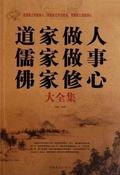 Taoist Life, Confucian Work, Buddhist Mind Cultivation Collection
Qinpucompleted
—Reads9.5Score—Shelves
Taoist Life, Confucian Work, Buddhist Mind Cultivation Collection
Qinpucompleted
—Reads9.5Score—Shelves
Reader note
Traditional cultural wisdom: a guide to self-cultivation and morality. In our long history of culture, Confucianism, Taoism, Buddhism, Wang Yangming's philosophy of mind, and Zhang Defen's works, as well as the concept of pursuing the path to immortality, all contain endless wisdom and point us in the direction of self-cultivation and morality and how to behave in the world. 1. Confucianism: advocates "benevolence, righteousness, etiquette, wisdom, and faith." "Filial piety is the first of all virtues", filial piety is the respect and support for parents and elders; friendship and mutual help between brothers and sisters; loyalty to the emperor, patriotism, respect for one's job and love for one's career reflect loyalty; "A person cannot stand without trust", trust is the criterion for living in life; etiquette regulates our behavior and respects teachers and ethics; righteousness allows us to adhere to justice and maintain chastity; integrity requires us to be spotless and upright; shame enables us to distinguish right from wrong and keep the bottom line of being a human being. Everything starts from oneself, guided by Confucianism, and constantly improves oneself. 2. Taoism: It advocates conforming to nature, following the fundamental law "Tao" of all things in the universe, governing by doing nothing, and not imposing interference. It is virtue to uphold a simple and pure nature, have noble moral character, and not fight for benefits. A pure heart, not disturbed by worldly complexities and desires, is pure; keep quiet and peaceful, gain insight into all things in tranquility, and practice physical and mental tranquility; let go of yourself, not be bound by prejudices and inherent concepts, accept the so-called emptiness of the world with an open and tolerant heart; understand the state of "nothing" In the world, let go of the attachment to tangible materials and fame and wealth, and return to the true nature of nothingness; to deal with the world with a gentle and humble attitude, like water, which seems to be weak but contains powerful power, that is, softness; to pursue harmony, to live in harmony with nature and others, and to live in peace without creating conflicts and disputes. 3. Buddhism: To be compassionate, to feel the suffering of all living beings, to give care and help is compassion; to pity the suffering of all living beings, and to help them escape from the sea of suffering is compassion; to rejoice in the happiness and happiness of all living beings, and to be free from jealousy, hatred, and hatred; to give up greed, anger, ignorance, pride, and suspicion, and to let go of the pursuit of worldly desires and obsessions is renunciation; to observe the precepts, Regulate your own behavior and refrain from doing things that harm sentient beings and violate morality; practice meditation, focus on your heart, and not be disturbed by the outside world, so as to gain wisdom and concentration, that is, concentration; open up wisdom, gain insight into the essence of things, and get rid of troubles and confusion as wisdom; understand the true meaning of "emptiness" and understand that everything in the world is illusion, and not being attached to appearances is emptiness. We should not be attached to form on the outside, and we should not be attached to emptiness on the inside. We should have nothing to live in, and our mind should be born. The past cannot be grasped, the present cannot be grasped, and the future cannot be grasped. 4. Wang Yangming's Theory of Mind: Emphasizes that "the heart is reason", the heart is the ontology of all things in the universe, and all moral norms and truths originate from the heart. Conscience is our innate moral judgment and intuitive ability. It can distinguish right from wrong, good and evil, and is the fundamental criterion for being a human being. Through constant self-reflection and practice, we can remove the cover of selfish desires and extend our inner conscience to all things, that is, conscience. Knowledge and action are integrated. Once you have correct cognition, you must put it into action, deepen your cognition in action, and avoid empty talk. This is the unity of knowledge and action. Make your thoughts sincere, do not deceive yourself, be pure in heart, and be sincere; care for the people, actively participate in society, and benefit the people with practical actions; explore the principles of nature in specific things, and improve yourself through understanding and practice of things; establish lofty aspirations, clarify life goals, and make unremitting efforts to realize your ideals. 5. Zhang Defen's works: In "Meeting the Unknown Self", he advocates inner tranquility and far-reaching, abandoning impetuous and troubled silence; constant self-reflection, insight into inner thoughts; understanding the true meaning of life, and understanding the wisdom of life; letting go of unnecessary burdens and liberating the shackles of the soul; loving kindness and kindness in the heart, the love that warms all things in the world; harmonizing the body and mind, accepting the harmony of the complete self; awakening inner awareness, insight into the truth of life, and exploring everything from the heart. "Meet Your Dreams Come True" encourages us to have beautiful dreams and illuminate the way forward; to set firm aspirations and anchor the goals we strive for; to work diligently and accumulate the capital for success; to be brave enough to innovate and break through the limitations of thinking; to persevere and persevere without fear of hardships and obstacles; to be good at seizing opportunities and keenly discerning the goodness of opportunities; to plan actions rationally, promote the integration of dreams in an orderly manner, and realize dreams starting from the present. "Live a New Self" inspires us to bravely challenge ourselves and break through the boundaries of comfort; actively embrace change and welcome new possible changes; continue to learn and grow to improve our own quality; decisively let go of the past and say goodbye to old patterns; maintain an optimistic attitude and laugh at the ups and downs of life; pay attention to physical and mental health and consolidate the foundation of life; stick to your true self and show your unique style. Everything starts with change. 6. Pursuing the path to immortality: pay attention to quietness to cultivate one's self, stay away from the hustle and bustle of the world, and clarify the heart; be kind-hearted, have compassion and love in the heart, and build good relationships; understand the principles of heaven, have insight into all phenomena in the world, and have a clear mind and nature; be humble in life, neither arrogant nor impetuous nor discouraged, and be open-minded; and Live in harmony, be one with all things, and conform to nature; be patient and restrained, tolerate things that are difficult to tolerate, and cultivate an open-minded mind; be willing to let go, put aside fame and wealth, and get rid of the fetters; practice diligently, improve your own skills, and practice the path of seeking the Tao from the moment. These precious cultural treasures guide us on the road of life to continuously improve ourselves, cultivate moral character, face various challenges in life with a positive and healthy attitude and behavior, realize the value of life, and gain inner peace and happiness. I hope everyone can draw strength from it and let the wisdom of traditional culture shine in our lives. We also welcome sharing this wisdom with more people in need. [Praise]
-
74
*
 **
Written by Bai Yuchancompleted
—Reads5.8Score—Shelves
**
Written by Bai Yuchancompleted
—Reads5.8Score—Shelves
Reader note
Traditional cultural wisdom: a guide to self-cultivation and morality. In our long history of culture, Confucianism, Taoism, Buddhism, Wang Yangming's philosophy of mind, and Zhang Defen's works, as well as the concept of pursuing the path to immortality, all contain endless wisdom and point us in the direction of self-cultivation and morality and how to behave in the world. 1. Confucianism: advocates "benevolence, righteousness, etiquette, wisdom, and faith." "Filial piety is the first of all virtues", filial piety is the respect and support for parents and elders; friendship and mutual help between brothers and sisters; loyalty to the emperor, patriotism, respect for one's job and love for one's career reflect loyalty; "A person cannot stand without trust", trust is the criterion for living in life; etiquette regulates our behavior and respects teachers and ethics; righteousness allows us to adhere to justice and maintain chastity; integrity requires us to be spotless and upright; shame enables us to distinguish right from wrong and keep the bottom line of being a human being. Everything starts from oneself, guided by Confucianism, and constantly improves oneself. 2. Taoism: It advocates conforming to nature, following the fundamental law "Tao" of all things in the universe, governing by doing nothing, and not imposing interference. It is virtue to uphold a simple and pure nature, have noble moral character, and not fight for benefits. A pure heart, not disturbed by worldly complexities and desires, is pure; keep quiet and peaceful, gain insight into all things in tranquility, and practice physical and mental tranquility; let go of yourself, not be bound by prejudices and inherent concepts, accept the so-called emptiness of the world with an open and tolerant heart; understand the state of "nothing" In the world, let go of the attachment to tangible materials and fame and wealth, and return to the true nature of nothingness; to deal with the world with a gentle and humble attitude, like water, which seems to be weak but contains powerful power, that is, softness; to pursue harmony, to live in harmony with nature and others, and to live in peace without creating conflicts and disputes. 3. Buddhism: To be compassionate, to feel the suffering of all living beings, to give care and help is compassion; to pity the suffering of all living beings, and to help them escape from the sea of suffering is compassion; to rejoice in the happiness and happiness of all living beings, and to be free from jealousy, hatred, and hatred; to give up greed, anger, ignorance, pride, and suspicion, and to let go of the pursuit of worldly desires and obsessions is renunciation; to observe the precepts, Regulate your own behavior and refrain from doing things that harm sentient beings and violate morality; practice meditation, focus on your heart, and not be disturbed by the outside world, so as to gain wisdom and concentration, that is, concentration; open up wisdom, gain insight into the essence of things, and get rid of troubles and confusion as wisdom; understand the true meaning of "emptiness" and understand that everything in the world is illusion, and not being attached to appearances is emptiness. We should not be attached to form on the outside, and we should not be attached to emptiness on the inside. We should have nothing to live in, and our mind should be born. The past cannot be grasped, the present cannot be grasped, and the future cannot be grasped. 4. Wang Yangming's Theory of Mind: Emphasizes that "the heart is reason", the heart is the ontology of all things in the universe, and all moral norms and truths originate from the heart. Conscience is our innate moral judgment and intuitive ability. It can distinguish right from wrong, good and evil, and is the fundamental criterion for being a human being. Through constant self-reflection and practice, we can remove the cover of selfish desires and extend our inner conscience to all things, that is, conscience. Knowledge and action are integrated. Once you have correct cognition, you must put it into action, deepen your cognition in action, and avoid empty talk. This is the unity of knowledge and action. Make your thoughts sincere, do not deceive yourself, be pure in heart, and be sincere; care for the people, actively participate in society, and benefit the people with practical actions; explore the principles of nature in specific things, and improve yourself through understanding and practice of things; establish lofty aspirations, clarify life goals, and make unremitting efforts to realize your ideals. 5. Zhang Defen's works: In "Meeting the Unknown Self", he advocates inner tranquility and far-reaching, abandoning impetuous and troubled silence; constant self-reflection, insight into inner thoughts; understanding the true meaning of life, and understanding the wisdom of life; letting go of unnecessary burdens and liberating the shackles of the soul; loving kindness and kindness in the heart, the love that warms all things in the world; harmonizing the body and mind, accepting the harmony of the complete self; awakening inner awareness, insight into the truth of life, and exploring everything from the heart. "Meet Your Dreams Come True" encourages us to have beautiful dreams and illuminate the way forward; to set firm aspirations and anchor the goals we strive for; to work diligently and accumulate the capital for success; to be brave enough to innovate and break through the limitations of thinking; to persevere and persevere without fear of hardships and obstacles; to be good at seizing opportunities and keenly discerning the goodness of opportunities; to plan actions rationally, promote the integration of dreams in an orderly manner, and realize dreams starting from the present. "Live a New Self" inspires us to bravely challenge ourselves and break through the boundaries of comfort; actively embrace change and welcome new possible changes; continue to learn and grow to improve our own quality; decisively let go of the past and say goodbye to old patterns; maintain an optimistic attitude and laugh at the ups and downs of life; pay attention to physical and mental health and consolidate the foundation of life; stick to your true self and show your unique style. Everything starts with change. 6. Pursuing the path to immortality: pay attention to quietness to cultivate one's self, stay away from the hustle and bustle of the world, and clarify the heart; be kind-hearted, have compassion and love in the heart, and build good relationships; understand the principles of heaven, have insight into all phenomena in the world, and have a clear mind and nature; be humble in life, neither arrogant nor impetuous nor discouraged, and be open-minded; and Live in harmony, be one with all things, and conform to nature; be patient and restrained, tolerate things that are difficult to tolerate, and cultivate an open-minded mind; be willing to let go, put aside fame and wealth, and get rid of the fetters; practice diligently, improve your own skills, and practice the path of seeking the Tao from the moment. These precious cultural treasures guide us on the road of life to continuously improve ourselves, cultivate moral character, face various challenges in life with a positive and healthy attitude and behavior, realize the value of life, and gain inner peace and happiness. I hope everyone can draw strength from it and let the wisdom of traditional culture shine in our lives. We also welcome sharing this wisdom with more people in need. [Praise]
-
75
*
 **
(Spring and Autumn Period) Lao Tzucompleted
—Reads5.8Score—Shelves
**
(Spring and Autumn Period) Lao Tzucompleted
—Reads5.8Score—Shelves
Reader note
Traditional cultural wisdom: a guide to self-cultivation and morality. In our long history of culture, Confucianism, Taoism, Buddhism, Wang Yangming's philosophy of mind, and Zhang Defen's works, as well as the concept of pursuing the path to immortality, all contain endless wisdom and point us in the direction of self-cultivation and morality and how to behave in the world. 1. Confucianism: advocates "benevolence, righteousness, etiquette, wisdom, and faith." "Filial piety is the first of all virtues", filial piety is the respect and support for parents and elders; friendship and mutual help between brothers and sisters; loyalty to the emperor, patriotism, respect for one's job and love for one's career reflect loyalty; "A person cannot stand without trust", trust is the criterion for living in life; etiquette regulates our behavior and respects teachers and ethics; righteousness allows us to adhere to justice and maintain chastity; integrity requires us to be spotless and upright; shame enables us to distinguish right from wrong and keep the bottom line of being a human being. Everything starts from oneself, guided by Confucianism, and constantly improves oneself. 2. Taoism: It advocates conforming to nature, following the fundamental law "Tao" of all things in the universe, governing by doing nothing, and not imposing interference. It is virtue to uphold a simple and pure nature, have noble moral character, and not fight for benefits. A pure heart, not disturbed by worldly complexities and desires, is pure; keep quiet and peaceful, gain insight into all things in tranquility, and practice physical and mental tranquility; let go of yourself, not be bound by prejudices and inherent concepts, accept the so-called emptiness of the world with an open and tolerant heart; understand the state of "nothing" In the world, let go of the attachment to tangible materials and fame and wealth, and return to the true nature of nothingness; to deal with the world with a gentle and humble attitude, like water, which seems to be weak but contains powerful power, that is, softness; to pursue harmony, to live in harmony with nature and others, and to live in peace without creating conflicts and disputes. 3. Buddhism: To be compassionate, to feel the suffering of all living beings, to give care and help is compassion; to pity the suffering of all living beings, and to help them escape from the sea of suffering is compassion; to rejoice in the happiness and happiness of all living beings, and to be free from jealousy, hatred, and hatred; to give up greed, anger, ignorance, pride, and suspicion, and to let go of the pursuit of worldly desires and obsessions is renunciation; to observe the precepts, Regulate your own behavior and refrain from doing things that harm sentient beings and violate morality; practice meditation, focus on your heart, and not be disturbed by the outside world, so as to gain wisdom and concentration, that is, concentration; open up wisdom, gain insight into the essence of things, and get rid of troubles and confusion as wisdom; understand the true meaning of "emptiness" and understand that everything in the world is illusion, and not being attached to appearances is emptiness. We should not be attached to form on the outside, and we should not be attached to emptiness on the inside. We should have nothing to live in, and our mind should be born. The past cannot be grasped, the present cannot be grasped, and the future cannot be grasped. 4. Wang Yangming's Theory of Mind: Emphasizes that "the heart is reason", the heart is the ontology of all things in the universe, and all moral norms and truths originate from the heart. Conscience is our innate moral judgment and intuitive ability. It can distinguish right from wrong, good and evil, and is the fundamental criterion for being a human being. Through constant self-reflection and practice, we can remove the cover of selfish desires and extend our inner conscience to all things, that is, conscience. Knowledge and action are integrated. Once you have correct cognition, you must put it into action, deepen your cognition in action, and avoid empty talk. This is the unity of knowledge and action. Make your thoughts sincere, do not deceive yourself, be pure in heart, and be sincere; care for the people, actively participate in society, and benefit the people with practical actions; explore the principles of nature in specific things, and improve yourself through understanding and practice of things; establish lofty aspirations, clarify life goals, and make unremitting efforts to realize your ideals. 5. Zhang Defen's works: In "Meeting the Unknown Self", he advocates inner tranquility and far-reaching, abandoning impetuous and troubled silence; constant self-reflection, insight into inner thoughts; understanding the true meaning of life, and understanding the wisdom of life; letting go of unnecessary burdens and liberating the shackles of the soul; loving kindness and kindness in the heart, the love that warms all things in the world; harmonizing the body and mind, accepting the harmony of the complete self; awakening inner awareness, insight into the truth of life, and exploring everything from the heart. "Meet Your Dreams Come True" encourages us to have beautiful dreams and illuminate the way forward; to set firm aspirations and anchor the goals we strive for; to work diligently and accumulate the capital for success; to be brave enough to innovate and break through the limitations of thinking; to persevere and persevere without fear of hardships and obstacles; to be good at seizing opportunities and keenly discerning the goodness of opportunities; to plan actions rationally, promote the integration of dreams in an orderly manner, and realize dreams starting from the present. "Live a New Self" inspires us to bravely challenge ourselves and break through the boundaries of comfort; actively embrace change and welcome new possible changes; continue to learn and grow to improve our own quality; decisively let go of the past and say goodbye to old patterns; maintain an optimistic attitude and laugh at the ups and downs of life; pay attention to physical and mental health and consolidate the foundation of life; stick to your true self and show your unique style. Everything starts with change. 6. Pursuing the path to immortality: pay attention to quietness to cultivate one's self, stay away from the hustle and bustle of the world, and clarify the heart; be kind-hearted, have compassion and love in the heart, and build good relationships; understand the principles of heaven, have insight into all phenomena in the world, and have a clear mind and nature; be humble in life, neither arrogant nor impetuous nor discouraged, and be open-minded; and Live in harmony, be one with all things, and conform to nature; be patient and restrained, tolerate things that are difficult to tolerate, and cultivate an open-minded mind; be willing to let go, put aside fame and wealth, and get rid of the fetters; practice diligently, improve your own skills, and practice the path of seeking the Tao from the moment. These precious cultural treasures guide us on the road of life to continuously improve ourselves, cultivate moral character, face various challenges in life with a positive and healthy attitude and behavior, realize the value of life, and gain inner peace and happiness. I hope everyone can draw strength from it and let the wisdom of traditional culture shine in our lives. We also welcome sharing this wisdom with more people in need. [Praise]
-
76
*
 **
(Ming Dynasty) Written by Wang Shouren, Edited by Wu Guang, Qian Ming, Dong Ping, Yao Yanfucompleted
—Reads5.8Score—Shelves
**
(Ming Dynasty) Written by Wang Shouren, Edited by Wu Guang, Qian Ming, Dong Ping, Yao Yanfucompleted
—Reads5.8Score—Shelves
Reader note
Traditional cultural wisdom: a guide to self-cultivation and morality. In our long history of culture, Confucianism, Taoism, Buddhism, Wang Yangming's philosophy of mind, and Zhang Defen's works, as well as the concept of pursuing the path to immortality, all contain endless wisdom and point us in the direction of self-cultivation and morality and how to behave in the world. 1. Confucianism: advocates "benevolence, righteousness, etiquette, wisdom, and faith." "Filial piety is the first of all virtues", filial piety is the respect and support for parents and elders; friendship and mutual help between brothers and sisters; loyalty to the emperor, patriotism, respect for one's job and love for one's career reflect loyalty; "A person cannot stand without trust", trust is the criterion for living in life; etiquette regulates our behavior and respects teachers and ethics; righteousness allows us to adhere to justice and maintain chastity; integrity requires us to be spotless and upright; shame enables us to distinguish right from wrong and keep the bottom line of being a human being. Everything starts from oneself, guided by Confucianism, and constantly improves oneself. 2. Taoism: It advocates conforming to nature, following the fundamental law "Tao" of all things in the universe, governing by doing nothing, and not imposing interference. It is virtue to uphold a simple and pure nature, have noble moral character, and not fight for benefits. A pure heart, not disturbed by worldly complexities and desires, is pure; keep quiet and peaceful, gain insight into all things in tranquility, and practice physical and mental tranquility; let go of yourself, not be bound by prejudices and inherent concepts, accept the so-called emptiness of the world with an open and tolerant heart; understand the state of "nothing" In the world, let go of the attachment to tangible materials and fame and wealth, and return to the true nature of nothingness; to deal with the world with a gentle and humble attitude, like water, which seems to be weak but contains powerful power, that is, softness; to pursue harmony, to live in harmony with nature and others, and to live in peace without creating conflicts and disputes. 3. Buddhism: To be compassionate, to feel the suffering of all living beings, to give care and help is compassion; to pity the suffering of all living beings, and to help them escape from the sea of suffering is compassion; to rejoice in the happiness and happiness of all living beings, and to be free from jealousy, hatred, and hatred; to give up greed, anger, ignorance, pride, and suspicion, and to let go of the pursuit of worldly desires and obsessions is renunciation; to observe the precepts, Regulate your own behavior and refrain from doing things that harm sentient beings and violate morality; practice meditation, focus on your heart, and not be disturbed by the outside world, so as to gain wisdom and concentration, that is, concentration; open up wisdom, gain insight into the essence of things, and get rid of troubles and confusion as wisdom; understand the true meaning of "emptiness" and understand that everything in the world is illusion, and not being attached to appearances is emptiness. We should not be attached to form on the outside, and we should not be attached to emptiness on the inside. We should have nothing to live in, and our mind should be born. The past cannot be grasped, the present cannot be grasped, and the future cannot be grasped. 4. Wang Yangming's Theory of Mind: Emphasizes that "the heart is reason", the heart is the ontology of all things in the universe, and all moral norms and truths originate from the heart. Conscience is our innate moral judgment and intuitive ability. It can distinguish right from wrong, good and evil, and is the fundamental criterion for being a human being. Through constant self-reflection and practice, we can remove the cover of selfish desires and extend our inner conscience to all things, that is, conscience. Knowledge and action are integrated. Once you have correct cognition, you must put it into action, deepen your cognition in action, and avoid empty talk. This is the unity of knowledge and action. Make your thoughts sincere, do not deceive yourself, be pure in heart, and be sincere; care for the people, actively participate in society, and benefit the people with practical actions; explore the principles of nature in specific things, and improve yourself through understanding and practice of things; establish lofty aspirations, clarify life goals, and make unremitting efforts to realize your ideals. 5. Zhang Defen's works: In "Meeting the Unknown Self", he advocates inner tranquility and far-reaching, abandoning impetuous and troubled silence; constant self-reflection, insight into inner thoughts; understanding the true meaning of life, and understanding the wisdom of life; letting go of unnecessary burdens and liberating the shackles of the soul; loving kindness and kindness in the heart, the love that warms all things in the world; harmonizing the body and mind, accepting the harmony of the complete self; awakening inner awareness, insight into the truth of life, and exploring everything from the heart. "Meet Your Dreams Come True" encourages us to have beautiful dreams and illuminate the way forward; to set firm aspirations and anchor the goals we strive for; to work diligently and accumulate the capital for success; to be brave enough to innovate and break through the limitations of thinking; to persevere and persevere without fear of hardships and obstacles; to be good at seizing opportunities and keenly discerning the goodness of opportunities; to plan actions rationally, promote the integration of dreams in an orderly manner, and realize dreams starting from the present. "Live a New Self" inspires us to bravely challenge ourselves and break through the boundaries of comfort; actively embrace change and welcome new possible changes; continue to learn and grow to improve our own quality; decisively let go of the past and say goodbye to old patterns; maintain an optimistic attitude and laugh at the ups and downs of life; pay attention to physical and mental health and consolidate the foundation of life; stick to your true self and show your unique style. Everything starts with change. 6. Pursuing the path to immortality: pay attention to quietness to cultivate one's self, stay away from the hustle and bustle of the world, and clarify the heart; be kind-hearted, have compassion and love in the heart, and build good relationships; understand the principles of heaven, have insight into all phenomena in the world, and have a clear mind and nature; be humble in life, neither arrogant nor impetuous nor discouraged, and be open-minded; and Live in harmony, be one with all things, and conform to nature; be patient and restrained, tolerate things that are difficult to tolerate, and cultivate an open-minded mind; be willing to let go, put aside fame and wealth, and get rid of the fetters; practice diligently, improve your own skills, and practice the path of seeking the Tao from the moment. These precious cultural treasures guide us on the road of life to continuously improve ourselves, cultivate moral character, face various challenges in life with a positive and healthy attitude and behavior, realize the value of life, and gain inner peace and happiness. I hope everyone can draw strength from it and let the wisdom of traditional culture shine in our lives. We also welcome sharing this wisdom with more people in need. [Praise]
-
77
*
 **
completed
—Reads5.8Score—Shelves
**
completed
—Reads5.8Score—Shelves
Reader note
Traditional cultural wisdom: a guide to self-cultivation and morality. In our long history of culture, Confucianism, Taoism, Buddhism, Wang Yangming's philosophy of mind, and Zhang Defen's works, as well as the concept of pursuing the path to immortality, all contain endless wisdom and point us in the direction of self-cultivation and morality and how to behave in the world. 1. Confucianism: advocates "benevolence, righteousness, etiquette, wisdom, and faith." "Filial piety is the first of all virtues", filial piety is the respect and support for parents and elders; friendship and mutual help between brothers and sisters; loyalty to the emperor, patriotism, respect for one's job and love for one's career reflect loyalty; "A person cannot stand without trust", trust is the criterion for living in life; etiquette regulates our behavior and respects teachers and ethics; righteousness allows us to adhere to justice and maintain chastity; integrity requires us to be spotless and upright; shame enables us to distinguish right from wrong and keep the bottom line of being a human being. Everything starts from oneself, guided by Confucianism, and constantly improves oneself. 2. Taoism: It advocates conforming to nature, following the fundamental law "Tao" of all things in the universe, governing by doing nothing, and not imposing interference. It is virtue to uphold a simple and pure nature, have noble moral character, and not fight for benefits. A pure heart, not disturbed by worldly complexities and desires, is pure; keep quiet and peaceful, gain insight into all things in tranquility, and practice physical and mental tranquility; let go of yourself, not be bound by prejudices and inherent concepts, accept the so-called emptiness of the world with an open and tolerant heart; understand the state of "nothing" In the world, let go of the attachment to tangible materials and fame and wealth, and return to the true nature of nothingness; to deal with the world with a gentle and humble attitude, like water, which seems to be weak but contains powerful power, that is, softness; to pursue harmony, to live in harmony with nature and others, and to live in peace without creating conflicts and disputes. 3. Buddhism: To be compassionate, to feel the suffering of all living beings, to give care and help is compassion; to pity the suffering of all living beings, and to help them escape from the sea of suffering is compassion; to rejoice in the happiness and happiness of all living beings, and to be free from jealousy, hatred, and hatred; to give up greed, anger, ignorance, pride, and suspicion, and to let go of the pursuit of worldly desires and obsessions is renunciation; to observe the precepts, Regulate your own behavior and refrain from doing things that harm sentient beings and violate morality; practice meditation, focus on your heart, and not be disturbed by the outside world, so as to gain wisdom and concentration, that is, concentration; open up wisdom, gain insight into the essence of things, and get rid of troubles and confusion as wisdom; understand the true meaning of "emptiness" and understand that everything in the world is illusion, and not being attached to appearances is emptiness. We should not be attached to form on the outside, and we should not be attached to emptiness on the inside. We should have nothing to live in, and our mind should be born. The past cannot be grasped, the present cannot be grasped, and the future cannot be grasped. 4. Wang Yangming's Theory of Mind: Emphasizes that "the heart is reason", the heart is the ontology of all things in the universe, and all moral norms and truths originate from the heart. Conscience is our innate moral judgment and intuitive ability. It can distinguish right from wrong, good and evil, and is the fundamental criterion for being a human being. Through constant self-reflection and practice, we can remove the cover of selfish desires and extend our inner conscience to all things, that is, conscience. Knowledge and action are integrated. Once you have correct cognition, you must put it into action, deepen your cognition in action, and avoid empty talk. This is the unity of knowledge and action. Make your thoughts sincere, do not deceive yourself, be pure in heart, and be sincere; care for the people, actively participate in society, and benefit the people with practical actions; explore the principles of nature in specific things, and improve yourself through understanding and practice of things; establish lofty aspirations, clarify life goals, and make unremitting efforts to realize your ideals. 5. Zhang Defen's works: In "Meeting the Unknown Self", he advocates inner tranquility and far-reaching, abandoning impetuous and troubled silence; constant self-reflection, insight into inner thoughts; understanding the true meaning of life, and understanding the wisdom of life; letting go of unnecessary burdens and liberating the shackles of the soul; loving kindness and kindness in the heart, the love that warms all things in the world; harmonizing the body and mind, accepting the harmony of the complete self; awakening inner awareness, insight into the truth of life, and exploring everything from the heart. "Meet Your Dreams Come True" encourages us to have beautiful dreams and illuminate the way forward; to set firm aspirations and anchor the goals we strive for; to work diligently and accumulate the capital for success; to be brave enough to innovate and break through the limitations of thinking; to persevere and persevere without fear of hardships and obstacles; to be good at seizing opportunities and keenly discerning the goodness of opportunities; to plan actions rationally, promote the integration of dreams in an orderly manner, and realize dreams starting from the present. "Live a New Self" inspires us to bravely challenge ourselves and break through the boundaries of comfort; actively embrace change and welcome new possible changes; continue to learn and grow to improve our own quality; decisively let go of the past and say goodbye to old patterns; maintain an optimistic attitude and laugh at the ups and downs of life; pay attention to physical and mental health and consolidate the foundation of life; stick to your true self and show your unique style. Everything starts with change. 6. Pursuing the path to immortality: pay attention to quietness to cultivate one's self, stay away from the hustle and bustle of the world, and clarify the heart; be kind-hearted, have compassion and love in the heart, and build good relationships; understand the principles of heaven, have insight into all phenomena in the world, and have a clear mind and nature; be humble in life, neither arrogant nor impetuous nor discouraged, and be open-minded; and Live in harmony, be one with all things, and conform to nature; be patient and restrained, tolerate things that are difficult to tolerate, and cultivate an open-minded mind; be willing to let go, put aside fame and wealth, and get rid of the fetters; practice diligently, improve your own skills, and practice the path of seeking the Tao from the moment. These precious cultural treasures guide us on the road of life to continuously improve ourselves, cultivate moral character, face various challenges in life with a positive and healthy attitude and behavior, realize the value of life, and gain inner peace and happiness. I hope everyone can draw strength from it and let the wisdom of traditional culture shine in our lives. We also welcome sharing this wisdom with more people in need. [Praise]
-
78
*
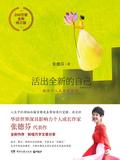 **
completed
—Reads5.8Score—Shelves
**
completed
—Reads5.8Score—Shelves
Reader note
Traditional cultural wisdom: a guide to self-cultivation and morality. In our long history of culture, Confucianism, Taoism, Buddhism, Wang Yangming's philosophy of mind, and Zhang Defen's works, as well as the concept of pursuing the path to immortality, all contain endless wisdom and point us in the direction of self-cultivation and morality and how to behave in the world. 1. Confucianism: advocates "benevolence, righteousness, etiquette, wisdom, and faith." "Filial piety is the first of all virtues", filial piety is the respect and support for parents and elders; friendship and mutual help between brothers and sisters; loyalty to the emperor, patriotism, respect for one's job and love for one's career reflect loyalty; "A person cannot stand without trust", trust is the criterion for living in life; etiquette regulates our behavior and respects teachers and ethics; righteousness allows us to adhere to justice and maintain chastity; integrity requires us to be spotless and upright; shame enables us to distinguish right from wrong and keep the bottom line of being a human being. Everything starts from oneself, guided by Confucianism, and constantly improves oneself. 2. Taoism: It advocates conforming to nature, following the fundamental law "Tao" of all things in the universe, governing by doing nothing, and not imposing interference. It is virtue to uphold a simple and pure nature, have noble moral character, and not fight for benefits. A pure heart, not disturbed by worldly complexities and desires, is pure; keep quiet and peaceful, gain insight into all things in tranquility, and practice physical and mental tranquility; let go of yourself, not be bound by prejudices and inherent concepts, accept the so-called emptiness of the world with an open and tolerant heart; understand the state of "nothing" In the world, let go of the attachment to tangible materials and fame and wealth, and return to the true nature of nothingness; to deal with the world with a gentle and humble attitude, like water, which seems to be weak but contains powerful power, that is, softness; to pursue harmony, to live in harmony with nature and others, and to live in peace without creating conflicts and disputes. 3. Buddhism: To be compassionate, to feel the suffering of all living beings, to give care and help is compassion; to pity the suffering of all living beings, and to help them escape from the sea of suffering is compassion; to rejoice in the happiness and happiness of all living beings, and to be free from jealousy, hatred, and hatred; to give up greed, anger, ignorance, pride, and suspicion, and to let go of the pursuit of worldly desires and obsessions is renunciation; to observe the precepts, Regulate your own behavior and refrain from doing things that harm sentient beings and violate morality; practice meditation, focus on your heart, and not be disturbed by the outside world, so as to gain wisdom and concentration, that is, concentration; open up wisdom, gain insight into the essence of things, and get rid of troubles and confusion as wisdom; understand the true meaning of "emptiness" and understand that everything in the world is illusion, and not being attached to appearances is emptiness. We should not be attached to form on the outside, and we should not be attached to emptiness on the inside. We should have nothing to live in, and our mind should be born. The past cannot be grasped, the present cannot be grasped, and the future cannot be grasped. 4. Wang Yangming's Theory of Mind: Emphasizes that "the heart is reason", the heart is the ontology of all things in the universe, and all moral norms and truths originate from the heart. Conscience is our innate moral judgment and intuitive ability. It can distinguish right from wrong, good and evil, and is the fundamental criterion for being a human being. Through constant self-reflection and practice, we can remove the cover of selfish desires and extend our inner conscience to all things, that is, conscience. Knowledge and action are integrated. Once you have correct cognition, you must put it into action, deepen your cognition in action, and avoid empty talk. This is the unity of knowledge and action. Make your thoughts sincere, do not deceive yourself, be pure in heart, and be sincere; care for the people, actively participate in society, and benefit the people with practical actions; explore the principles of nature in specific things, and improve yourself through understanding and practice of things; establish lofty aspirations, clarify life goals, and make unremitting efforts to realize your ideals. 5. Zhang Defen's works: In "Meeting the Unknown Self", he advocates inner tranquility and far-reaching, abandoning impetuous and troubled silence; constant self-reflection, insight into inner thoughts; understanding the true meaning of life, and understanding the wisdom of life; letting go of unnecessary burdens and liberating the shackles of the soul; loving kindness and kindness in the heart, the love that warms all things in the world; harmonizing the body and mind, accepting the harmony of the complete self; awakening inner awareness, insight into the truth of life, and exploring everything from the heart. "Meet Your Dreams Come True" encourages us to have beautiful dreams and illuminate the way forward; to set firm aspirations and anchor the goals we strive for; to work diligently and accumulate the capital for success; to be brave enough to innovate and break through the limitations of thinking; to persevere and persevere without fear of hardships and obstacles; to be good at seizing opportunities and keenly discerning the goodness of opportunities; to plan actions rationally, promote the integration of dreams in an orderly manner, and realize dreams starting from the present. "Live a New Self" inspires us to bravely challenge ourselves and break through the boundaries of comfort; actively embrace change and welcome new possible changes; continue to learn and grow to improve our own quality; decisively let go of the past and say goodbye to old patterns; maintain an optimistic attitude and laugh at the ups and downs of life; pay attention to physical and mental health and consolidate the foundation of life; stick to your true self and show your unique style. Everything starts with change. 6. Pursuing the path to immortality: pay attention to quietness to cultivate one's self, stay away from the hustle and bustle of the world, and clarify the heart; be kind-hearted, have compassion and love in the heart, and build good relationships; understand the principles of heaven, have insight into all phenomena in the world, and have a clear mind and nature; be humble in life, neither arrogant nor impetuous nor discouraged, and be open-minded; and Live in harmony, be one with all things, and conform to nature; be patient and restrained, tolerate things that are difficult to tolerate, and cultivate an open-minded mind; be willing to let go, put aside fame and wealth, and get rid of the fetters; practice diligently, improve your own skills, and practice the path of seeking the Tao from the moment. These precious cultural treasures guide us on the road of life to continuously improve ourselves, cultivate moral character, face various challenges in life with a positive and healthy attitude and behavior, realize the value of life, and gain inner peace and happiness. I hope everyone can draw strength from it and let the wisdom of traditional culture shine in our lives. We also welcome sharing this wisdom with more people in need. [Praise]
-
79
强
 Strongman**
ongoing
—Reads5.8Score—Shelves
Strongman**
ongoing
—Reads5.8Score—Shelves
Reader note
Traditional cultural wisdom: a guide to self-cultivation and morality. In our long history of culture, Confucianism, Taoism, Buddhism, Wang Yangming's philosophy of mind, and Zhang Defen's works, as well as the concept of pursuing the path to immortality, all contain endless wisdom and point us in the direction of self-cultivation and morality and how to behave in the world. 1. Confucianism: advocates "benevolence, righteousness, etiquette, wisdom, and faith." "Filial piety is the first of all virtues", filial piety is the respect and support for parents and elders; friendship and mutual help between brothers and sisters; loyalty to the emperor, patriotism, respect for one's job and love for one's career reflect loyalty; "A person cannot stand without trust", trust is the criterion for living in life; etiquette regulates our behavior and respects teachers and ethics; righteousness allows us to adhere to justice and maintain chastity; integrity requires us to be spotless and upright; shame enables us to distinguish right from wrong and keep the bottom line of being a human being. Everything starts from oneself, guided by Confucianism, and constantly improves oneself. 2. Taoism: It advocates conforming to nature, following the fundamental law "Tao" of all things in the universe, governing by doing nothing, and not imposing interference. It is virtue to uphold a simple and pure nature, have noble moral character, and not fight for benefits. A pure heart, not disturbed by worldly complexities and desires, is pure; keep quiet and peaceful, gain insight into all things in tranquility, and practice physical and mental tranquility; let go of yourself, not be bound by prejudices and inherent concepts, accept the so-called emptiness of the world with an open and tolerant heart; understand the state of "nothing" In the world, let go of the attachment to tangible materials and fame and wealth, and return to the true nature of nothingness; to deal with the world with a gentle and humble attitude, like water, which seems to be weak but contains powerful power, that is, softness; to pursue harmony, to live in harmony with nature and others, and to live in peace without creating conflicts and disputes. 3. Buddhism: To be compassionate, to feel the suffering of all living beings, to give care and help is compassion; to pity the suffering of all living beings, and to help them escape from the sea of suffering is compassion; to rejoice in the happiness and happiness of all living beings, and to be free from jealousy, hatred, and hatred; to give up greed, anger, ignorance, pride, and suspicion, and to let go of the pursuit of worldly desires and obsessions is renunciation; to observe the precepts, Regulate your own behavior and refrain from doing things that harm sentient beings and violate morality; practice meditation, focus on your heart, and not be disturbed by the outside world, so as to gain wisdom and concentration, that is, concentration; open up wisdom, gain insight into the essence of things, and get rid of troubles and confusion as wisdom; understand the true meaning of "emptiness" and understand that everything in the world is illusion, and not being attached to appearances is emptiness. We should not be attached to form on the outside, and we should not be attached to emptiness on the inside. We should have nothing to live in, and our mind should be born. The past cannot be grasped, the present cannot be grasped, and the future cannot be grasped. 4. Wang Yangming's Theory of Mind: Emphasizes that "the heart is reason", the heart is the ontology of all things in the universe, and all moral norms and truths originate from the heart. Conscience is our innate moral judgment and intuitive ability. It can distinguish right from wrong, good and evil, and is the fundamental criterion for being a human being. Through constant self-reflection and practice, we can remove the cover of selfish desires and extend our inner conscience to all things, that is, conscience. Knowledge and action are integrated. Once you have correct cognition, you must put it into action, deepen your cognition in action, and avoid empty talk. This is the unity of knowledge and action. Make your thoughts sincere, do not deceive yourself, be pure in heart, and be sincere; care for the people, actively participate in society, and benefit the people with practical actions; explore the principles of nature in specific things, and improve yourself through understanding and practice of things; establish lofty aspirations, clarify life goals, and make unremitting efforts to realize your ideals. 5. Zhang Defen's works: In "Meeting the Unknown Self", he advocates inner tranquility and far-reaching, abandoning impetuous and troubled silence; constant self-reflection, insight into inner thoughts; understanding the true meaning of life, and understanding the wisdom of life; letting go of unnecessary burdens and liberating the shackles of the soul; loving kindness and kindness in the heart, the love that warms all things in the world; harmonizing the body and mind, accepting the harmony of the complete self; awakening inner awareness, insight into the truth of life, and exploring everything from the heart. "Meet Your Dreams Come True" encourages us to have beautiful dreams and illuminate the way forward; to set firm aspirations and anchor the goals we strive for; to work diligently and accumulate the capital for success; to be brave enough to innovate and break through the limitations of thinking; to persevere and persevere without fear of hardships and obstacles; to be good at seizing opportunities and keenly discerning the goodness of opportunities; to plan actions rationally, promote the integration of dreams in an orderly manner, and realize dreams starting from the present. "Live a New Self" inspires us to bravely challenge ourselves and break through the boundaries of comfort; actively embrace change and welcome new possible changes; continue to learn and grow to improve our own quality; decisively let go of the past and say goodbye to old patterns; maintain an optimistic attitude and laugh at the ups and downs of life; pay attention to physical and mental health and consolidate the foundation of life; stick to your true self and show your unique style. Everything starts with change. 6. Pursuing the path to immortality: pay attention to quietness to cultivate one's self, stay away from the hustle and bustle of the world, and clarify the heart; be kind-hearted, have compassion and love in the heart, and build good relationships; understand the principles of heaven, have insight into all phenomena in the world, and have a clear mind and nature; be humble in life, neither arrogant nor impetuous nor discouraged, and be open-minded; and Live in harmony, be one with all things, and conform to nature; be patient and restrained, tolerate things that are difficult to tolerate, and cultivate an open-minded mind; be willing to let go, put aside fame and wealth, and get rid of the fetters; practice diligently, improve your own skills, and practice the path of seeking the Tao from the moment. These precious cultural treasures guide us on the road of life to continuously improve ourselves, cultivate moral character, face various challenges in life with a positive and healthy attitude and behavior, realize the value of life, and gain inner peace and happiness. I hope everyone can draw strength from it and let the wisdom of traditional culture shine in our lives. We also welcome sharing this wisdom with more people in need. [Praise]
-
80
侠
 The Knight Is on the Left, the Sword Is on the Right
Uncle XiaoyaoEastern Fantasy5.3M Wordsongoing
56.7kReads8.8Score6.2kShelves
The Knight Is on the Left, the Sword Is on the Right
Uncle XiaoyaoEastern Fantasy5.3M Wordsongoing
56.7kReads8.8Score6.2kShelves
Reader note
Character characteristics: See for yourself
-
81
地
 Seventy-Two Transformations of Earthly Evil
Sacrificial WineMystery1.5M Wordsongoing
76kReads9.3Score13.9kShelves
Seventy-Two Transformations of Earthly Evil
Sacrificial WineMystery1.5M Wordsongoing
76kReads9.3Score13.9kShelves
Reader note
Character characteristics: See for yourself
-
82
似
 Like a Fairy
The Little Crybaby Who Doesn't Like to Cryongoing
—Reads—Score—Shelves
Like a Fairy
The Little Crybaby Who Doesn't Like to Cryongoing
—Reads—Score—Shelves
Reader note
[Love][Love][Love][Love]
-
83
苟
 Only After Gou Ascended Did He Leave Xinshou Village.
Aomine UrakamiEastern Fantasy1.1M Wordscompleted
65kReads9.1Score7.2kShelves
Only After Gou Ascended Did He Leave Xinshou Village.
Aomine UrakamiEastern Fantasy1.1M Wordscompleted
65kReads9.1Score7.2kShelves
-
84
逆
 Immortal Fetus Against Fate
Xiushui South StreetEastern Fantasy303k Wordsongoing
2Reads—Score—Shelves
Immortal Fetus Against Fate
Xiushui South StreetEastern Fantasy303k Wordsongoing
2Reads—Score—Shelves
Reader note
✨This is the latest authentic fairy tale novel and it's very good! I don't understand that no one reads such a good book! 🌈🌈The plot setting is novel, the writing is smooth, and the sense of substitution is full. These three points are already ahead of most books. Read it with confidence, it will definitely satisfy you.
-
85
修
 Cultivation of Immortality: Immortality Begins with the Awakening of Heaven's Way to Reward Hard Work
Evening Breeze Drunken Sunset GlowEastern Fantasy286k Wordsongoing
433Reads—Score—Shelves
Cultivation of Immortality: Immortality Begins with the Awakening of Heaven's Way to Reward Hard Work
Evening Breeze Drunken Sunset GlowEastern Fantasy286k Wordsongoing
433Reads—Score—Shelves
Reader note
Cultivation of Immortality and Qi: The protagonist steps into the world of cultivation from a mortal, becomes stronger step by step, creates his own skills, and has been updated to the self-created time spell "Time Stop". The new book has no ratings, it is non-toxic and can be pitted [Like] [Like], Refining Qi - Building Foundation - Golden Pill...
-
86
上
 Ancient Myths (Four Volumes)
Zhong Yulong1.0M Wordscompleted
24Reads8.6Score—Shelves
Ancient Myths (Four Volumes)
Zhong Yulong1.0M Wordscompleted
24Reads8.6Score—Shelves
-
87
列
 The Prequel of Immortals
Luofu River409k Wordscompleted
775Reads9.3Score187Shelves
The Prequel of Immortals
Luofu River409k Wordscompleted
775Reads9.3Score187Shelves
-
88
西
 Journey to the Westcopy Edition
Light Ink Too MysteriousEastern Fantasy233k Wordsongoing
27Reads—Score—Shelves
Journey to the Westcopy Edition
Light Ink Too MysteriousEastern Fantasy233k Wordsongoing
27Reads—Score—Shelves
-
89
我
 My Farming Style Is Too Stable
QingbaiEastern Fantasy2.8M Wordscompleted
157.8kReads8.2Score19.6kShelves
My Farming Style Is Too Stable
QingbaiEastern Fantasy2.8M Wordscompleted
157.8kReads8.2Score19.6kShelves
-
90
求
 Survival: My Shelter Can Defeat the Devil!
Wooden House Keyboard ManSports2.8M Wordsongoing
71.1kReads8.4Score6.8kShelves
Survival: My Shelter Can Defeat the Devil!
Wooden House Keyboard ManSports2.8M Wordsongoing
71.1kReads8.4Score6.8kShelves
-
91
长
 Immortality: Start with Taiyin Fruit
Immortal in the RealmEastern Fantasy383k Wordsongoing
2.7kReads8.5Score185Shelves
Immortality: Start with Taiyin Fruit
Immortal in the RealmEastern Fantasy383k Wordsongoing
2.7kReads8.5Score185Shelves
-
92
君
 If You Don't See Me, Everything Will Be Empty
Night Full of Bottlesongoing
—Reads—Score—Shelves
If You Don't See Me, Everything Will Be Empty
Night Full of Bottlesongoing
—Reads—Score—Shelves
-
93
紫
 Purple Phoenix Sword Saint
Ding LuEastern Fantasy252k Wordscompleted
12Reads—Score—Shelves
Purple Phoenix Sword Saint
Ding LuEastern Fantasy252k Wordscompleted
12Reads—Score—Shelves
Reader note
I have demonic aura, but it doesn't prevent me from becoming an immortal
-
94
蝉
 The Sound of Cicadas Is Sent to Yangxi
The Rain Falls and the Bamboos Are ColdEastern Fantasy2.6M Wordscompleted
15.8kReads9.4Score1.9kShelves
The Sound of Cicadas Is Sent to Yangxi
The Rain Falls and the Bamboos Are ColdEastern Fantasy2.6M Wordscompleted
15.8kReads9.4Score1.9kShelves
Reader note
🔥👉①The world is like a chessboard, and all living beings are chess pieces. In the confrontation between black and white, all living beings show their various attitudes. 🍀Those with double eyes can subvert the world, those with refined scheming and scheming, those with second-grade postures can stand alone in the world, and those with swordsmanship can walk alone. 🍀The young man wears a wooden sword on his waist, walks out of Taoyuan, sees the prosperity of the world, and appreciates the beauty of immortals. 🍀As autumn leaves fall, cicadas chirp to welcome the sun, hello, fairy! 🌸 🔥👉②Carefully selected, if you like to pick it up yourself! 🌸
-
95
逐
 Chase the Sword
Cooked PigeonEastern Fantasy3.4M Wordscompleted
55.1kReads9.0Score6.4kShelves
Chase the Sword
Cooked PigeonEastern Fantasy3.4M Wordscompleted
55.1kReads9.0Score6.4kShelves
Reader note
🔥👉①The world is like a chessboard, and all living beings are chess pieces. In the confrontation between black and white, all living beings show their various attitudes. 🍀Those with double eyes can subvert the world, those with refined scheming and scheming, those with second-grade postures can stand alone in the world, and those with swordsmanship can walk alone. 🍀The young man wears a wooden sword on his waist, walks out of Taoyuan, sees the prosperity of the world, and appreciates the beauty of immortals. 🍀As autumn leaves fall, cicadas chirp to welcome the sun, hello, fairy! 🌸 🔥👉②Carefully selected, if you like to pick it up yourself! 🌸
-
96
朱
 Zhuque Academy
Sweet Potato MonsterEastern Fantasy1.2M Wordscompleted
23.9kReads8.2Score2.1kShelves
Zhuque Academy
Sweet Potato MonsterEastern Fantasy1.2M Wordscompleted
23.9kReads8.2Score2.1kShelves
Reader note
🔥👉①The world is like a chessboard, and all living beings are chess pieces. In the confrontation between black and white, all living beings show their various attitudes. 🍀Those with double eyes can subvert the world, those with refined scheming and scheming, those with second-grade postures can stand alone in the world, and those with swordsmanship can walk alone. 🍀The young man wears a wooden sword on his waist, walks out of Taoyuan, sees the prosperity of the world, and appreciates the beauty of immortals. 🍀As autumn leaves fall, cicadas chirp to welcome the sun, hello, fairy! 🌸 🔥👉②Carefully selected, if you like to pick it up yourself! 🌸
-
97
凡
 Ordinary Policy
Happy AcornEastern Fantasy7.5M Wordscompleted
128.1kReads9.0Score15.4kShelves
Ordinary Policy
Happy AcornEastern Fantasy7.5M Wordscompleted
128.1kReads9.0Score15.4kShelves
Reader note
🔥👉①The world is like a chessboard, and all living beings are chess pieces. In the confrontation between black and white, all living beings show their various attitudes. 🍀Those with double eyes can subvert the world, those with refined scheming and scheming, those with second-grade postures can stand alone in the world, and those with swordsmanship can walk alone. 🍀The young man wears a wooden sword on his waist, walks out of Taoyuan, sees the prosperity of the world, and appreciates the beauty of immortals. 🍀As autumn leaves fall, cicadas chirp to welcome the sun, hello, fairy! 🌸 🔥👉②Carefully selected, if you like to pick it up yourself! 🌸
-
98
执
 Rob
Charlie ShumskiEastern Fantasy2.1M Wordscompleted
17.1kReads8.6Score1.9kShelves
Rob
Charlie ShumskiEastern Fantasy2.1M Wordscompleted
17.1kReads8.6Score1.9kShelves
Reader note
🔥👉①The world is like a chessboard, and all living beings are chess pieces. In the confrontation between black and white, all living beings show their various attitudes. 🍀Those with double eyes can subvert the world, those with refined scheming and scheming, those with second-grade postures can stand alone in the world, and those with swordsmanship can walk alone. 🍀The young man wears a wooden sword on his waist, walks out of Taoyuan, sees the prosperity of the world, and appreciates the beauty of immortals. 🍀As autumn leaves fall, cicadas chirp to welcome the sun, hello, fairy! 🌸 🔥👉②Carefully selected, if you like to pick it up yourself! 🌸
-
99
剑
 Sword Market
Qingcheng in FebruaryEastern Fantasy5.4M Wordscompleted
13.7kReads8.8Score1.7kShelves
Sword Market
Qingcheng in FebruaryEastern Fantasy5.4M Wordscompleted
13.7kReads8.8Score1.7kShelves
Reader note
🔥👉①The world is like a chessboard, and all living beings are chess pieces. In the confrontation between black and white, all living beings show their various attitudes. 🍀Those with double eyes can subvert the world, those with refined scheming and scheming, those with second-grade postures can stand alone in the world, and those with swordsmanship can walk alone. 🍀The young man wears a wooden sword on his waist, walks out of Taoyuan, sees the prosperity of the world, and appreciates the beauty of immortals. 🍀As autumn leaves fall, cicadas chirp to welcome the sun, hello, fairy! 🌸 🔥👉②Carefully selected, if you like to pick it up yourself! 🌸
-
100
一
 Yijian Chunqiu
Dark Blue Demon FireEastern Fantasy3.9M Wordscompleted
399Reads7.2Score—Shelves
Yijian Chunqiu
Dark Blue Demon FireEastern Fantasy3.9M Wordscompleted
399Reads7.2Score—Shelves
Reader note
🔥👉①The world is like a chessboard, and all living beings are chess pieces. In the confrontation between black and white, all living beings show their various attitudes. 🍀Those with double eyes can subvert the world, those with refined scheming and scheming, those with second-grade postures can stand alone in the world, and those with swordsmanship can walk alone. 🍀The young man wears a wooden sword on his waist, walks out of Taoyuan, sees the prosperity of the world, and appreciates the beauty of immortals. 🍀As autumn leaves fall, cicadas chirp to welcome the sun, hello, fairy! 🌸 🔥👉②Carefully selected, if you like to pick it up yourself! 🌸
-
101
布
 Commoner's Fairy Road
Left Bank SimaEastern Fantasy1.5M Wordscompleted
18.1kReads9.0Score3.1kShelves
Commoner's Fairy Road
Left Bank SimaEastern Fantasy1.5M Wordscompleted
18.1kReads9.0Score3.1kShelves
Reader note
🔥👉①The world is like a chessboard, and all living beings are chess pieces. In the confrontation between black and white, all living beings show their various attitudes. 🍀Those with double eyes can subvert the world, those with refined scheming and scheming, those with second-grade postures can stand alone in the world, and those with swordsmanship can walk alone. 🍀The young man wears a wooden sword on his waist, walks out of Taoyuan, sees the prosperity of the world, and appreciates the beauty of immortals. 🍀As autumn leaves fall, cicadas chirp to welcome the sun, hello, fairy! 🌸 🔥👉②Carefully selected, if you like to pick it up yourself! 🌸
-
102
*
 **
No PressureEastern Fantasy3.8M Wordscompleted
7.7kReads5.8Score866Shelves
**
No PressureEastern Fantasy3.8M Wordscompleted
7.7kReads5.8Score866Shelves
Reader note
🔥👉①The world is like a chessboard, and all living beings are chess pieces. In the confrontation between black and white, all living beings show their various attitudes. 🍀Those with double eyes can subvert the world, those with refined scheming and scheming, those with second-grade postures can stand alone in the world, and those with swordsmanship can walk alone. 🍀The young man wears a wooden sword on his waist, walks out of Taoyuan, sees the prosperity of the world, and appreciates the beauty of immortals. 🍀As autumn leaves fall, cicadas chirp to welcome the sun, hello, fairy! 🌸 🔥👉②Carefully selected, if you like to pick it up yourself! 🌸
-
103
开
 Start with an Umbrella, Cultivation Depends on Waves
Bamboo Forest DetectiveEastern Fantasy1.0M Wordscompleted
900Reads6.7Score116Shelves
Start with an Umbrella, Cultivation Depends on Waves
Bamboo Forest DetectiveEastern Fantasy1.0M Wordscompleted
900Reads6.7Score116Shelves
Reader note
It looks good, but if it doesn't look good, please hit the author instead of me.
-
104
我
 I Studied for Longevity Under the Imperial Examination System
Walker XiaodingEastern Fantasy1.3M Wordscompleted
574Reads5.3Score—Shelves
I Studied for Longevity Under the Imperial Examination System
Walker XiaodingEastern Fantasy1.3M Wordscompleted
574Reads5.3Score—Shelves
Reader note
It looks good, but if it doesn't look good, please hit the author instead of me.
-
105
咳
 If You Cough and Become an Immortal, You Are Truly Worthy of Being a Teacher.
Seeing Flowers in DreamsEastern Fantasy688k Wordscompleted
2.6kReads8.2Score213Shelves
If You Cough and Become an Immortal, You Are Truly Worthy of Being a Teacher.
Seeing Flowers in DreamsEastern Fantasy688k Wordscompleted
2.6kReads8.2Score213Shelves
Reader note
It looks good, but if it doesn't look good, please hit the author instead of me.