Pan Feng, an unsystematic and unpredictable growth and development novel. The psychology and physiology, force and intelligence, and three views are all slowly transformed through the experience of blood and tears. The general framework and historical logic are gentle. It is a very good novel. (It just has a few typos, otherwise it would be a masterpiece)
📖"Seventy-two Transformations of the Earth": From "Journey to the West" to the paper wonders of cyberpunk, an underrated modern epic of monsters When the Tiangang earth evil technique in "Journey to the West" crashes into the dimensional wall and splashes into the modern city intertwined with cyberneon, "The Seventy-two Transformations of the Earth Evil" uses a strange writing style to carve out a blood-stained "side sect" in the red sea of immortality literature - this is not only a novel, but also a crazy deconstruction and reorganization of traditional cultural genes. ▶ Tear open the hypertext carnival of "Journey to the West". The seventy-two transformations in the book are no longer Sun Wukong's exclusive spells, but turned into 360 lines of "human magic": the swordsmanship can penetrate the secluded world and cut the skin of paintings, the skill of knowing the earth can peek into the underworld, and even boiling stones and swallowing knives can become the key to breaking the game. The author violently disassembles the gene chain of "Journey to the West" and "Liao Zhai", grafts the "immobilization method" to the convenience store cashier to negotiate with hungry ghosts, and uses the "flame breathing technique" to ignite the ghosts and monsters in the black clinic in the urban village. When traditional cultural codes are injected with narrative power like a diesel engine, what breaks out is not a joke, but a postmodern folklore feast. ▶ The Paradox of the Cyber Monk in a Parallel World. The protagonist Li Changan's "time travel" is a stroke of genius: he shuttles between the modern workplace and the troubled world of monsters, there is a cinnabar yellow talisman hidden in the take-out insulated box, and the printer spits out not documents but fragments of the book of life and death. This feeling of tearing is far from a simple contrast. The author uses the plot of programmers writing spells and HR interviewing monsters to accurately pierce the spiritual dilemma of contemporary social animals - when 996 oppression and thousand-year-old paintings bite the soul at the same time, which world is closer to hell? ▶ The existential struggle under the skin of a hard-core immortal cultivator. Every spell in the book has a price tag: to kill hungry ghosts in exchange for "invisibility", the price is three days of Yangshou; to kill the painted-skin spirit to awaken the "sword skill", you have to endure the pain of severing the meridians. Where is this cool article about cultivating immortals? It is clearly an Eastern expression of Kafka's dilemma: Aren't we exchanging liver damage for a mortgage, and exchanging lumbar disc herniation for a school district housing? When the protagonist is fighting for his life with the head-changing ghost in the morgue, the metaphor as sharp as a scalpel has already been cut off the page. ▶ Be alert! This is not the Xianxia universe you are familiar with. There is no crude cheating of the system's golden finger, and there is no cheap fantasy of beauties from the three realms. The whole book is filled with the dank and murderous atmosphere of Hong Kong horror movies. The squirming fleshy Ganoderma lucidum in the elevator shaft of the hospital, the fox demon HR working overtime late at night in the office building, the zombie assembly line under the red lantern in the urban village... These monsters soaked in the alienation of modern industry constitute a 21st century "Hundred Ghosts at Night". When monsters put on suits and squeeze into the subway, it is more creepy than any magical setting. [Reading Warning] Opening this book requires you to withstand three mental shocks: 1. The dense folklore hidden weapons can pierce the cognitive barrier at any time 2. The light pollution-level mix and match of neon lights and mahogany swords 3. The author may be dragged into a moral gray zone at any time to think about "what is a human being" In this era where fairy tales fall into routine rereading, "Seventy-two Transformations of Earthly Evil" is like a poison-quenched ancient sword, which not only breaks the seal of the tradition of supernatural beings, but also cuts out the organs of cyberpunk. When you close the last page late at night, you will suddenly find that the safety exit lights in the corridor of the office building are actually glowing with a faint ghost-fire green.
 What? ! You Also in the Name of the World
4.1kReads—Score251Shelves
What? ! You Also in the Name of the World
4.1kReads—Score251Shelves
 Kill the God: Agent of the End, Save Cangnan at the Beginning
21Reads5.8Score—Shelves
Kill the God: Agent of the End, Save Cangnan at the Beginning
21Reads5.8Score—Shelves
 God-Killing: the Seven-Year-Old Supreme God Shocked the Gods of the World
62.1kReads9.2Score8.8kShelves
God-Killing: the Seven-Year-Old Supreme God Shocked the Gods of the World
62.1kReads9.2Score8.8kShelves
 Beginning: Pan Feng Was in a Panic at the Beginning
18.8kReads8.9Score1.8kShelves
Beginning: Pan Feng Was in a Panic at the Beginning
18.8kReads8.9Score1.8kShelves
 Seventy-Two Transformations of Earthly Evil
61.9kReads9.3Score8.2kShelves
Seventy-Two Transformations of Earthly Evil
61.9kReads9.3Score8.2kShelves
 Magic: Nameless One
202Reads7.0Score—Shelves
Magic: Nameless One
202Reads7.0Score—Shelves
 Contract Spirit: My Spiritual Pet Is as Holy as All the Heavens
4Reads—Score—Shelves
Contract Spirit: My Spiritual Pet Is as Holy as All the Heavens
4Reads—Score—Shelves
 Start into the Night, Then Merge with the Heavens
3.3kReads6.4Score104Shelves
Start into the Night, Then Merge with the Heavens
3.3kReads6.4Score104Shelves
 God of Drama: God of Death's Godson? No, I Am Death
5.5kReads9.2Score925Shelves
God of Drama: God of Death's Godson? No, I Am Death
5.5kReads9.2Score925Shelves
 Killing the God: Taking Advantage of Qiye's Youth, She Tricked Him into Becoming His Wife
15.7kReads9.0Score2.5kShelves
Killing the God: Taking Advantage of Qiye's Youth, She Tricked Him into Becoming His Wife
15.7kReads9.0Score2.5kShelves
 Killing God: Agent of the Holy Lord? I Am the Lord of Gods
2.3kReads6.4Score272Shelves
Killing God: Agent of the Holy Lord? I Am the Lord of Gods
2.3kReads6.4Score272Shelves
 Zhan Shen: I Am a Watery River God.
42.8kReads9.3Score5.8kShelves
Zhan Shen: I Am a Watery River God.
42.8kReads9.3Score5.8kShelves
 Kill the God: Walk on Fangcun Mountain and End the Source of Troubled Times!
38kReads9.0Score4.2kShelves
Kill the God: Walk on Fangcun Mountain and End the Source of Troubled Times!
38kReads9.0Score4.2kShelves
 Killing the God: Walking Birds Under the Moon, Lin Qiye Was Stunned at the Beginning
778Reads—Score—Shelves
Killing the God: Walking Birds Under the Moon, Lin Qiye Was Stunned at the Beginning
778Reads—Score—Shelves
 God-Killing: I, the Agent of Science, Suppress the Gods
20.7kReads9.0Score3.5kShelves
God-Killing: I, the Agent of Science, Suppress the Gods
20.7kReads9.0Score3.5kShelves
 Zhan Shen: Madman? Fraud? Is This Novel Serious?
43.6kReads8.5Score5.2kShelves
Zhan Shen: Madman? Fraud? Is This Novel Serious?
43.6kReads8.5Score5.2kShelves
 Zhan Shen: I Am the King of Silver
21.9kReads8.8Score2.4kShelves
Zhan Shen: I Am the King of Silver
21.9kReads8.8Score2.4kShelves
 God-Killing: I Can Kill Gods by Adding a Health Bar to Them
19.1kReads8.9Score2.7kShelves
God-Killing: I Can Kill Gods by Adding a Health Bar to Them
19.1kReads8.9Score2.7kShelves
 God-Killing: Ye Xiaobai, the Contemporary Despicable God
15.5kReads9.2Score1.7kShelves
God-Killing: Ye Xiaobai, the Contemporary Despicable God
15.5kReads9.2Score1.7kShelves
 God Killer: I, the Lord of Taunting Disasters, Start with a Scarlet Trick
53.4kReads9.0Score8.7kShelves
God Killer: I, the Lord of Taunting Disasters, Start with a Scarlet Trick
53.4kReads9.0Score8.7kShelves
 Zhan Shen: Born to Be an Emperor, I Am God's Will!
46kReads9.1Score4.7kShelves
Zhan Shen: Born to Be an Emperor, I Am God's Will!
46kReads9.1Score4.7kShelves
 God-Killing: the Descendant of Pangu, the Most Severe Father
81.6kReads9.0Score10.9kShelves
God-Killing: the Descendant of Pangu, the Most Severe Father
81.6kReads9.0Score10.9kShelves
 Killing God: Nice to Meet You, Li Huowang of the Ancient God Church
11.3kReads9.0Score1.6kShelves
Killing God: Nice to Meet You, Li Huowang of the Ancient God Church
11.3kReads9.0Score1.6kShelves
 Zhan Shen: I Am Ascending the Level in Cang Fei, the World of Zhan Shen!
22.6kReads8.9Score2.8kShelves
Zhan Shen: I Am Ascending the Level in Cang Fei, the World of Zhan Shen!
22.6kReads8.9Score2.8kShelves
 Zhanshen: My Girlfriend Hongying
85.5kReads9.3Score9.4kShelves
Zhanshen: My Girlfriend Hongying
85.5kReads9.3Score9.4kShelves
 Zhanshen, the Agent of Huangtian Emperor, Really Doesn't Drive.
28.8kReads8.8Score3.6kShelves
Zhanshen, the Agent of Huangtian Emperor, Really Doesn't Drive.
28.8kReads8.8Score3.6kShelves
 Kill the God: I Am Chi You, the Founder of China
1.4kReads5.8Score212Shelves
Kill the God: I Am Chi You, the Founder of China
1.4kReads5.8Score212Shelves
 Killing the God: Acting as the Water God, Starting with the Three Seafood Bullies
6.2kReads9.2Score769Shelves
Killing the God: Acting as the Water God, Starting with the Three Seafood Bullies
6.2kReads9.2Score769Shelves
 God-Killing: the Emperor Plus Four Gods Specialize in Curing All Kinds of Dissatisfaction
31.8kReads8.8Score3.2kShelves
God-Killing: the Emperor Plus Four Gods Specialize in Curing All Kinds of Dissatisfaction
31.8kReads8.8Score3.2kShelves
 Yanyu Tower
1.1MReads9.6Score122.7kShelves
Yanyu Tower
1.1MReads9.6Score122.7kShelves
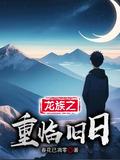 The Return of the Dragon Clan
37.2kReads9.5Score5.4kShelves
The Return of the Dragon Clan
37.2kReads9.5Score5.4kShelves
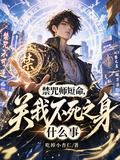 The Forbidden Curse Master Has a Short Life, What Does It Have to Do with My Immortality?
358.5kReads8.7Score28.1kShelves
The Forbidden Curse Master Has a Short Life, What Does It Have to Do with My Immortality?
358.5kReads8.7Score28.1kShelves
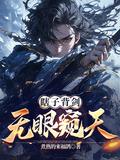 A Blind Man Carries a Sword and Looks into the Sky Without Eyes
395kReads9.2Score31.6kShelves
A Blind Man Carries a Sword and Looks into the Sky Without Eyes
395kReads9.2Score31.6kShelves
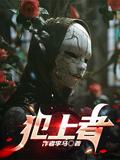 Offender
241.2kReads9.4Score32.7kShelves
Offender
241.2kReads9.4Score32.7kShelves
 Awakening of the Ten Palaces of Yama, Ex-Girlfriend Begs for Reconciliation
99.2kReads8.7Score13kShelves
Awakening of the Ten Palaces of Yama, Ex-Girlfriend Begs for Reconciliation
99.2kReads8.7Score13kShelves
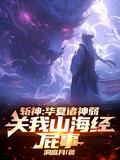 God-Killing: the Gods of China Have Nothing to Do with Me.
3.7kReads8.6Score590Shelves
God-Killing: the Gods of China Have Nothing to Do with Me.
3.7kReads8.6Score590Shelves
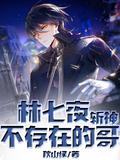 God-Killing: Lin Qiye's Non-Existent Brother
3.2kReads8.7Score482Shelves
God-Killing: Lin Qiye's Non-Existent Brother
3.2kReads8.7Score482Shelves
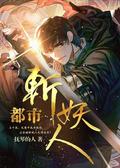 Urban Demon Slayer
16.8kReads8.7Score1.7kShelves
Urban Demon Slayer
16.8kReads8.7Score1.7kShelves
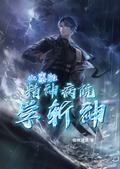 Copycat Version: I Learned to Kill Gods in a Mental Hospital
1.4kReads8.9Score132Shelves
Copycat Version: I Learned to Kill Gods in a Mental Hospital
1.4kReads8.9Score132Shelves
 Godslayer: Warden of Chaos
4.3kReads8.4Score459Shelves
Godslayer: Warden of Chaos
4.3kReads8.4Score459Shelves
 Prophet's Salvation Organization Development Plan
194Reads5.8Score—Shelves
Prophet's Salvation Organization Development Plan
194Reads5.8Score—Shelves
 I Swung My Sword Hundreds of Millions of Times at the Beginning, and I Shocked the Whole School by Killing Gods.
21.8kReads8.7Score1.7kShelves
I Swung My Sword Hundreds of Millions of Times at the Beginning, and I Shocked the Whole School by Killing Gods.
21.8kReads8.7Score1.7kShelves
 No One Returns Home at Midnight
2.8kReads9.3Score453Shelves
No One Returns Home at Midnight
2.8kReads9.3Score453Shelves
 Great Xia Boundary Keeper
341Reads8.2Score—Shelves
Great Xia Boundary Keeper
341Reads8.2Score—Shelves
 The Forbidden Area of The Human Race, the Gods and Demons Stop
44.9kReads9.2Score4.2kShelves
The Forbidden Area of The Human Race, the Gods and Demons Stop
44.9kReads9.2Score4.2kShelves
 The Taboo Is Revived, I Am the God of Slaying Gods
660Reads8.6Score100Shelves
The Taboo Is Revived, I Am the God of Slaying Gods
660Reads8.6Score100Shelves
 Mystery: I Am the Taboo of the Gods
5.5kReads9.0Score598Shelves
Mystery: I Am the Taboo of the Gods
5.5kReads9.0Score598Shelves
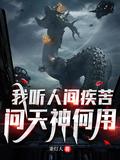 When I Hear About the Sufferings of the World, What's the Use of Asking the Gods?
17kReads9.2Score1.6kShelves
When I Hear About the Sufferings of the World, What's the Use of Asking the Gods?
17kReads9.2Score1.6kShelves
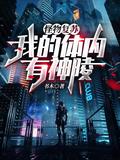 The Monster Revives, There Is a Divine Tomb in My Body
2.3kReads8.9Score209Shelves
The Monster Revives, There Is a Divine Tomb in My Body
2.3kReads8.9Score209Shelves
 Do All the Things You Draw Come True? I Draw Ragnarok
8Reads5.8Score—Shelves
Do All the Things You Draw Come True? I Draw Ragnarok
8Reads5.8Score—Shelves