A Masterpiece of War, a Grand Scene of Bloody Battles
Views
9.7M
Books
192
Recommendations
391
Updated
2d ago
Do you guys have any novels with particularly grand war scenes? It can also be passionate. It doesn't have to be war fantasy or anything like that. The battle scenes can be grand.
The Five Dynasties and Ten Kingdoms were slow, unsystematic, not brainless, no time travel, no technology, but had history, characters, and wars. The adopted son usurped power to control the feudal towns, and then unified the world, and continued the prosperity of the Tang Dynasty for another five hundred years!
You can still read these books, and I highly recommend the third one. The third one is really about pure war. There is basically no superfluous content. Eighty or ninety percent of it is war. At the same time, the third book may be a little inconsistent. The third book is more towards farming.
A masterpiece of war [Sparrow Eater]🍉I really cried when I read the description of the battlefield in this novel, my heart aches🍎The heroine is very naughty. When she first crossed over, she had no sense of belonging to this country. She even felt dissatisfied and extreme because her family was devolved [crying]. Until she went to the battlefield to find the missing hero, participated in one battle after another, and saw the tragic death of her close comrades with her own eyes. Her heart ached! [I also strongly recommend]
Yuyangzi's blood-oathed journey runs through the real battle history of the Red Army's West Route Army, Eighth Route Army, and the Second Field Army of the People's Liberation Army. It is tragic, iron-blooded, difficult and tortuous, and it is fascinating and exciting.
An extraordinary soul tempered by the flames of war: why "From Ordinary to Legend" is worth reading and re-reading. Among the vast number of Anti-Japanese War-themed works, "From Ordinary to Legend" is like a cluster of fire burning quietly in the mountains, unobtrusive but warm enough, not dazzling but illuminating people's hearts. If you are looking for a war narrative that goes beyond the roar of guns and reaches deep into the soul, these three chapters - Chapter 269 "The Last Mission, Escorting the Dawn", Chapter 270 "The Long Night is Ending, the Morning Light Comes into the Arms" and Chapter 271 "The Dawn of Peace, the Turning of the Times" - will show you the most moving cross-section of a masterpiece. 1. This is not an ordinary war story, but a "spiritual epic of the guardians of civilization." While most anti-war narratives focus on the battlefield fighting, "From Ordinary to Legend" turns the lens to a little-known corner: the silent march to save the fire of civilization in the flames of war. In Chapter 269, the task Fu Bikang received was not to capture the position, but to escort a group of powerless scholars and fifty-three boxes of precious ancient books across the front line. This setting itself is very meaningful - in a war era dominated by destruction, the author wrote a battle about "preservation". Professor Chen Xutong trembled when he touched the fragments of oracle bones, and the young teaching assistant choked up when he recited Du Fu's "Spring Hope" in a low voice in the cave. These details make the grand theme of civilization inheritance concrete and tangible. "The mission of a soldier is not only to destroy, but also to protect." This sentence gradually became clear during Fu Bikang's night march escorting ancient books. When he realized that what he was protecting was not just paper and ink, but "three thousand years of memory, the crystallization of countless people's wisdom, and evidence of whether a nation can stand up again on the ruins," a character completed his spiritual transformation from a "tool of war" to a "guardian of civilization." 2. Character Arc: From "system-dependent" to "man of independent will" Fu Bikang's growth trajectory is one of the most touching spiritual pictures of this era. He once relied on the system for guidance, but experienced a profound identity crisis after the system disappeared. And during the escort mission, when for the first time he made a choice purely relying on his own judgment, his own emotions, and his own values, a "person" in the true sense stood up. Especially in the scene of the mountaintop monologue in Chapter 270, Fu Bikang's inner monologue when facing the morning light: "There was no ecstasy in his heart, only a deep tranquility - because the long night they walked through was finally coming to an end." This restrained joy, this calm that has accumulated countless sacrifices, is far more powerful than any cheers and shouts. The author does not simply describe the victory as a carnival, but treats it as a solemn consolation - a consolation for those who died and a confirmation of all survivors. The battlefield love between Fu Bikang and his wife Lin Wanning is the gentlest flower that blooms in the smoke of gunfire. There was no oath of friendship in their conversation, only the simple wish of "when the war is over, let's go find a field like that." This yearning for ordinary life that is still maintained under extreme circumstances is the most tenacious proof of human nature. 3. Micro-narrative of historical turning points: When grand history falls on the shoulders of individuals. The description of the moment of Japan's surrender in Chapter 271 can be regarded as a model of historical detail writing. The author does not simply repeat a textbook-style grand narrative, but presents this historical turning point through the early morning of a remote mountain station: the footsteps of the correspondent running up the mountain road panting, the handwriting on the message paper spread by sweat or tears, the minute-long silence in the conference room, the soldiers' "voice between crying and laughing" after listening to the radio... What was particularly touching was Fu Bikang's complicated reaction at that moment - he did not immediately join in the celebration, but "watched quietly, like a bystander, watching a drama that was closely related to him but seemed to have nothing to do with him." This interweaving of a sense of detachment and immersion accurately captures the discomfort of people who have been at war for a long time when facing the sudden arrival of peace, and also demonstrates the author's excellent psychological insight. 4. Literary quality: as thick as an oil painting, as profound as a prose poem. The writing style of these three chapters is worth savoring alone. The author is good at using details to construct artistic conception: the metaphor of "like a drop of water flowing into a stream" when the escort team travels at night; the silhouette of Professor Chen on the dangerous Eagle's Mouth Pass, "the thin figure looks so fragile and yet so firm in front of the precipitous background"; and at the end of Chapter 270, the symbolic image of "the morning light follows their footsteps and illuminates the road ahead inch by inch". In terms of rhythm control, there is a degree of relaxation - the tension while avoiding the Japanese army in the river valley almost makes readers hold their breath, while the tranquility when discussing Du Fu's poems in the cave is heartwarming. This intertwining of tension and relief corresponds to the eternal tension between war and civilization, destruction and preservation. 5. A question that transcends the times: When the guns are silenced, where will we live? The most profound thing about "From Ordinary to Legendary" is that it thinks ahead of time about the issue of spiritual reconstruction in the "post-war era". At the campfire in Chapter 271, Fu Bikang said to Lin Wanning: "I don't want to stay in the army anymore... In eight years, I killed too many people and saw too many people die. I want to use the remaining time to do something to make things 'alive'." These words are not only a personal choice, but also the psychological epitome of a nation's shift from war thinking to construction thinking. Professor Chen's words, "What I fear most is not that these books will be blown up... What I fear most is that after the war is over, people will no longer want to read them." This is an advance warning of the cultural crisis that may be faced after victory—material ruins can be rebuilt, but spiritual desolation is even more difficult to heal. Conclusion: Why should you open this book? Because in "From Ordinary to Legendary", you will see: · The other side of war - not just killing and destruction, but also protection and inheritance · The complex texture of victory - not a simple carnival, but the tranquility precipitated by countless sacrifices · The multi-dimensional possibility of human nature - the gentleness, thinking and dignity that can still be maintained in extreme environments · The immortal resilience of civilization - how the fire keeps burning in the deepest night These three chapters are just like an exquisite microcosm: from the specific action of escorting the fire of civilization (Chapter 269), to witnessing the spiritual awakening of the long night (Chapter 270), to the historical moment of welcoming the dawn of peace (Chapter 271), a complete spiritual cycle is completed. If you have ever thought about the relationship between war and peace, destruction and creation, and individuals and times, if you believe that literature should illuminate those neglected corners of history, if you are willing to walk the last mile from war to peace with a group of flesh-and-blood characters - "From Ordinary to Legendary" is waiting for you to read. Here, every page is soaked with the weight of history, and every line shines with the glimmer of humanity. This is not only a story about the Anti-Japanese War, but also a mirror that reflects the choices, courage and hope of each of us at the turning point of the times. The long night is over, and the morning light is in my arms. As for those who have walked through the long night, their stories deserve to be remembered, recited, and carefully read by generations of people.
Hard-core interstellar war novels, battleship battles, mecha battles. No system, no time travel, grand scenes, reasonable application of various tactics, and compact combat plots. It is a rare high-quality war novel among Tomatoes.
A special force of more than ten people accidentally traveled to the anti-Japanese battlefield. After going through hardships and obstacles, they finally grew into a powerful anti-Japanese force that frightened the Japanese army!
Both books have descriptions of war. In the first book, the Jia family uncle was oppressed and could only be a playboy in the capital. When he went to the battlefield, he was tricked into guarding the city gate alone. Everyone thought he would run away, but he didn't! I burst into tears when I saw this [almost crying]
Recommend war books, documentary literature recommends 1, 2, and 4. The third book can better see the problem from the perspective of the third party of the American imperialists. German tanks and the true character of soldiers in World War II. Recommendations 5, 10, and 12, Iron-blooded SS, Iron-blooded German Empire
 Interstellar Earth Three Hundred Years
1.2kReads5.8Score—Shelves
Interstellar Earth Three Hundred Years
1.2kReads5.8Score—Shelves
 Broken Heaven
5Reads5.8Score—Shelves
Broken Heaven
5Reads5.8Score—Shelves
 Climb Naroda Peak
4.2kReads8.7Score698Shelves
Climb Naroda Peak
4.2kReads8.7Score698Shelves
 51 Degrees South Latitude
1.2kReads8.0Score185Shelves
51 Degrees South Latitude
1.2kReads8.0Score185Shelves
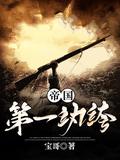 The First Dandy in the Empire
11.5kReads8.6Score1.1kShelves
The First Dandy in the Empire
11.5kReads8.6Score1.1kShelves
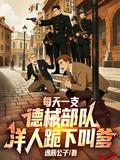 Every Day a German Weapons Unit, Foreigners Kneel Down and Call Daddy
1.5kReads7.0Score127Shelves
Every Day a German Weapons Unit, Foreigners Kneel Down and Call Daddy
1.5kReads7.0Score127Shelves
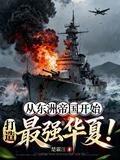 Starting from the Dongzhou Empire, Build the Strongest China!
2.7kReads5.8Score104Shelves
Starting from the Dongzhou Empire, Build the Strongest China!
2.7kReads5.8Score104Shelves
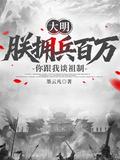 Daming: I Have Millions of Soldiers, You Talk to Me About the Ancestral System
82.2kReads8.3Score5.7kShelves
Daming: I Have Millions of Soldiers, You Talk to Me About the Ancestral System
82.2kReads8.3Score5.7kShelves
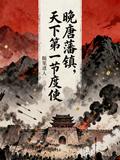 A Vassal Town in the Late Tang Dynasty, the Best Military Envoy in the World
136.7kReads8.9Score10.8kShelves
A Vassal Town in the Late Tang Dynasty, the Best Military Envoy in the World
136.7kReads8.9Score10.8kShelves
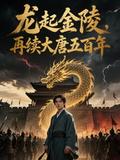 The Dragon Rises from Jinling and Continues the Tang Dynasty for Another Five Hundred Years
453Reads5.8Score—Shelves
The Dragon Rises from Jinling and Continues the Tang Dynasty for Another Five Hundred Years
453Reads5.8Score—Shelves
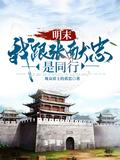 Late Ming Dynasty: Zhang Xianzhong and I Were Traveling Together
4.5kReads8.2Score251Shelves
Late Ming Dynasty: Zhang Xianzhong and I Were Traveling Together
4.5kReads8.2Score251Shelves
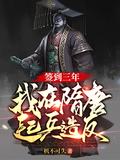 After Signing for Three Years, I Started a Rebellion in the Sui and Tang Dynasties
147Reads5.8Score—Shelves
After Signing for Three Years, I Started a Rebellion in the Sui and Tang Dynasties
147Reads5.8Score—Shelves
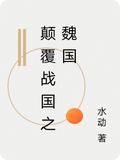 Overthrowing the Wei State in the Warring States Period
6.2kReads8.6Score619Shelves
Overthrowing the Wei State in the Warring States Period
6.2kReads8.6Score619Shelves
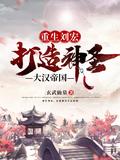 Rebirth Liu Hong and Build the Sacred Han Empire
31.2kReads9.0Score2.9kShelves
Rebirth Liu Hong and Build the Sacred Han Empire
31.2kReads9.0Score2.9kShelves
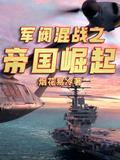 Warlords: the Rise of an Empire
12.4kReads8.6Score714Shelves
Warlords: the Rise of an Empire
12.4kReads8.6Score714Shelves
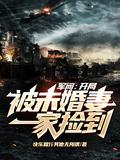 Warlord: Picked up by the Fiancée's Family at the Beginning
22Reads5.8Score—Shelves
Warlord: Picked up by the Fiancée's Family at the Beginning
22Reads5.8Score—Shelves
 Warring States Period: Jin Fought Back and Regained Han, Zhao and Wei
4.1kReads8.8Score316Shelves
Warring States Period: Jin Fought Back and Regained Han, Zhao and Wei
4.1kReads8.8Score316Shelves
 Crossing the Xiangjiang River
23Reads5.8Score—Shelves
Crossing the Xiangjiang River
23Reads5.8Score—Shelves
 Submarines Hunt the Pacific
56Reads5.8Score—Shelves
Submarines Hunt the Pacific
56Reads5.8Score—Shelves
 1940: the Life and Death Line of the Anti-Japanese War
1.1kReads—Score117Shelves
1940: the Life and Death Line of the Anti-Japanese War
1.1kReads—Score117Shelves
 The War Continues Again
595Reads—Score—Shelves
The War Continues Again
595Reads—Score—Shelves
 The Weapon of the Nation: a Century-Old Legend of China's Business War (Part 1 and 2)
307Reads9.3Score—Shelves
The Weapon of the Nation: a Century-Old Legend of China's Business War (Part 1 and 2)
307Reads9.3Score—Shelves
 Empire of China Prequel: Spring and Autumn Struggle for Hegemony
54Reads9.3Score—Shelves
Empire of China Prequel: Spring and Autumn Struggle for Hegemony
54Reads9.3Score—Shelves
 The Secret History of Manchuria (Part 1)
11.9kReads9.5Score1.4kShelves
The Secret History of Manchuria (Part 1)
11.9kReads9.5Score1.4kShelves
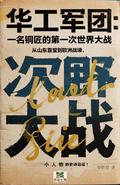 Chinese Workers' Regiment: a Coppersmith's World War I
997Reads9.5Score—Shelves
Chinese Workers' Regiment: a Coppersmith's World War I
997Reads9.5Score—Shelves
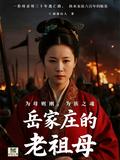 The Old Grandmother in Yuejiazhuang
1.1kReads9.2Score104Shelves
The Old Grandmother in Yuejiazhuang
1.1kReads9.2Score104Shelves
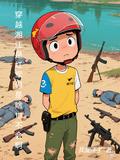 Crossing the Xiangjiang River, I Am a Red Army Soldier but I Don't Know How to Do Anything.
6kReads8.4Score182Shelves
Crossing the Xiangjiang River, I Am a Red Army Soldier but I Don't Know How to Do Anything.
6kReads8.4Score182Shelves
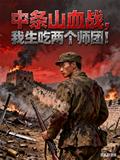 Anti-Japanese War: a Bloody Battle in Zhongtiao Mountain, with Generals on Our Shoulders!
174Reads7.1Score—Shelves
Anti-Japanese War: a Bloody Battle in Zhongtiao Mountain, with Generals on Our Shoulders!
174Reads7.1Score—Shelves
 Anti-Japanese War: Give Me Electricity All over the Country
22.5kReads8.3Score874Shelves
Anti-Japanese War: Give Me Electricity All over the Country
22.5kReads8.3Score874Shelves
 The Barber in Peiping Opens the Door to the Devils at the Beginning
17.5kReads8.1Score1.8kShelves
The Barber in Peiping Opens the Door to the Devils at the Beginning
17.5kReads8.1Score1.8kShelves
 It's Over! the Empress' Soft Rice Husband Is Actually Invincible
39.2kReads9.2Score4.5kShelves
It's Over! the Empress' Soft Rice Husband Is Actually Invincible
39.2kReads9.2Score4.5kShelves
 Rebirth: Cold-Blooded Fighter of the War of Resistance
19.7kReads8.2Score2.6kShelves
Rebirth: Cold-Blooded Fighter of the War of Resistance
19.7kReads8.2Score2.6kShelves
 Force Me to Go to the Countryside? the Wife of the Scientific Research Army Evacuated Your Whole Family
134.4kReads9.5Score10.1kShelves
Force Me to Go to the Countryside? the Wife of the Scientific Research Army Evacuated Your Whole Family
134.4kReads9.5Score10.1kShelves
 Blood Oath Journey
8.4kReads9.1Score787Shelves
Blood Oath Journey
8.4kReads9.1Score787Shelves
 I Traveled to Shanxi to Fight Against Japan
16Reads5.8Score—Shelves
I Traveled to Shanxi to Fight Against Japan
16Reads5.8Score—Shelves
 From Ordinary to Legendary
983Reads—Score106Shelves
From Ordinary to Legendary
983Reads—Score106Shelves
 The Secret History of Manchuria (Central)
2.2kReads9.4Score344Shelves
The Secret History of Manchuria (Central)
2.2kReads9.4Score344Shelves
 Sun Fleet: Jedi Strikes Back
17Reads5.8Score—Shelves
Sun Fleet: Jedi Strikes Back
17Reads5.8Score—Shelves
 Devil Troops
6.9kReads8.5Score670Shelves
Devil Troops
6.9kReads8.5Score670Shelves
 Northeast Anti-Japanese First Army Continued
129Reads—Score—Shelves
Northeast Anti-Japanese First Army Continued
129Reads—Score—Shelves
 Relying on Fists to Reach the End of the World
142Reads5.8Score—Shelves
Relying on Fists to Reach the End of the World
142Reads5.8Score—Shelves
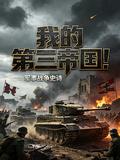 Traveling Through the Kaiser: I Revive Germany!
45.2kReads7.9Score5.2kShelves
Traveling Through the Kaiser: I Revive Germany!
45.2kReads7.9Score5.2kShelves
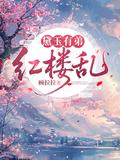 Daiyu Has a Younger Brother and Is in Trouble in the Red Mansion
39.3kReads9.0Score4.7kShelves
Daiyu Has a Younger Brother and Is in Trouble in the Red Mansion
39.3kReads9.0Score4.7kShelves
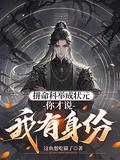 I Worked Hard to Become the Number One Scholar in the Imperial Examination, and Then You Said I Have Status.
51.6kReads8.9Score6.6kShelves
I Worked Hard to Become the Number One Scholar in the Imperial Examination, and Then You Said I Have Status.
51.6kReads8.9Score6.6kShelves
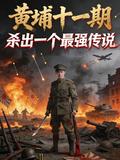 The Eleventh Phase of Huangpu Reveals the Strongest Legend
6.7kReads6.1Score450Shelves
The Eleventh Phase of Huangpu Reveals the Strongest Legend
6.7kReads6.1Score450Shelves
 Wow, My Circle of Friends Directly Connects to the Three Realms and Affects the Future.
—Reads5.8Score—Shelves
Wow, My Circle of Friends Directly Connects to the Three Realms and Affects the Future.
—Reads5.8Score—Shelves
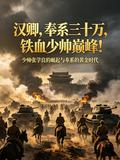 Han Qing, with 300,000 Followers, the Pinnacle of Iron-Bloodedness
9kReads—Score646Shelves
Han Qing, with 300,000 Followers, the Pinnacle of Iron-Bloodedness
9kReads—Score646Shelves
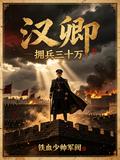 The Iron-Blooded Marshal of the Republic of China? I Will Fight to the End with the Army!
5.9kReads—Score282Shelves
The Iron-Blooded Marshal of the Republic of China? I Will Fight to the End with the Army!
5.9kReads—Score282Shelves
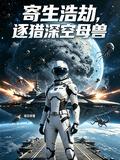 Parasitic Catastrophe, Hunting the Deep Space Mother Beast
8Reads—Score—Shelves
Parasitic Catastrophe, Hunting the Deep Space Mother Beast
8Reads—Score—Shelves
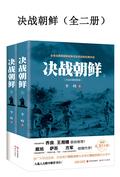 Decisive Battle Against Korea
1.6kReads9.5Score362Shelves
Decisive Battle Against Korea
1.6kReads9.5Score362Shelves