It's very real and touching. The male protagonist really sacrificed too much for these women. I think it's very sad. It's easy to bring your own emotions into it. There are also some truths in it that can inspire people.
This book is very exciting to read, it is the most enjoyable sapiosexuality in the novel, and the business war is more than addictive. The emotions are super delicate, suitable for intelligent readers, novices should not read it, the author has a great background, and there is no bad plot in the story. If anyone has the same type of trouble, please refer it to me, and we will sincerely exchange ideas.
What should I do if I travel through time and become a fake daughter? It doesn't matter that the protagonist will show off on his own, but who dares to think that pretending to be a bad daughter can actually save the world?
Because you fall in love with someone, do you have to endure so many hardships? Don't you even have the qualifications to love the wrong person? I can only say don't like him again next time and only love yourself after rebirth.
Regarding time, you may have never thought about these things - Four stories worth staying up late to read Have you ever thought about these questions - If one day, someone secretly changed the tin frog you lost when you were seven years old, would you know? If there was an app that could accurately predict yesterday's weather, which day would you use it to check? If you could sign up for a tour group and "see with your own eyes" any historical period, where would you most like to go? If a person's entire memory was transplanted to you, allowing you to live as "two people", would you be willing? It sounds like science fiction, like a joke, like a thought that crossed my mind while scrolling through my phone late at night. But someone took these ideas and wrote them into four stories that will make you feel chills behind your back after laughing. --- The first story: "Timeline Restorer" Chen Mo joined a strange unit that specialized in repairing "small historical details" that had been tampered with. What little detail? In 1998, at a primary school end-of-term commendation meeting, the order in which the list of top three students was announced; in 1985, the menu of a certain unit's cafeteria, potato beef stew, was changed from Thursday to Wednesday; in the daily report of employees of a major Internet company, someone secretly added the sentence "leaders talk too much." These things are so small that no one will care. But thirty years later, some people rely on these "small details" to write papers, publish books, and define the cognition of a generation. Chen Mo's daily job is to go back in time and bring back the changed order, date, and wording one by one. He thought he was studying history. Only later did I realize that what I was cultivating was the string in the human heart—the cognitive bottom line of "this is how it should be." The second story: "Yesterday's Weather Forecast" Zhao Qiming worked in the Meteorological Bureau for eighteen years and apologized for eighteen years. If the forecast is inaccurate, apologize; if the forecast is accurate, no one will praise you. Until one day, he participated in the development of an App - "Yesterday's Weather Forecast". You can never go wrong by checking yesterday's weather. After going online, he saw user messages like this: "Checked the weather on the day of my wedding, took a screenshot and posted it on Moments: Ten years ago today, we got married, and the sun was perfect that day." "Checked the weather on the day the baby was born: it rained lightly on the night the baby was born." "Checked the weather on the day my grandpa left: the weather forecast said it was cloudy on the day he left. I checked, and it was actually sunny. He likes sunny days." People check yesterday's weather, not to be true, but to miss it. Yesterday is gone and it won't change. But remembering yesterday is a way for people to fight against time. The third story: "Time and Space Tourism Bureau" Lin Xiao has been a "time and space tour guide" for five years, leading groups to the Tang Dynasty, Song Dynasty, ancient Rome, and Normandy. Tourists stood in the ancient Roman Colosseum, smelling blood, watching gladiators and lions fighting, and asked: "Did they know they would die?" She said: "Yes. But two thousand years ago, these people had no choice." Tourists stood on the beach of Normandy, watching soldiers charge, fall, and scream, and asked: "Can we help them?" She said: "No. We are transparent people and can only watch." She has seen prosperous times and troubled times; she has seen prosperity and desolation; she has seen smiles and tears. She gradually understood one thing: history is not a scenery, but the fate of countless people. Viewing history requires awe, not curiosity. The fourth story: "Memory Transplantation Experiment" Zhou Xiaoyang works as a "memory coordinator" at the "Memory Transplantation Center", helping people transplant memories from one person to another. Someone transplanted his mother's memory to himself, and then "saw" his mother's appearance when she was young - she ate sweets secretly, she cried secretly, and she hid a secret in her heart that she had never said. Someone transplanted the memory of his best friend to himself, and then couldn't get out - those emotions of pain, fear, and despair were transmitted to her like a virus. Someone transplanted the memory of the master's craftsmanship to himself, and then found that while he was repairing the machine, the master's words came to his mind - "This broken machine is broken again." Zhou Xiaoyang has seen too many people and has too many memories. He gradually understood: memory is not just "past things", memory is "the weight of a person". Whose memory you carry with you is whose life you will bear. ---These four stories can be found in Tomato Bookstore. 🔍 "Timeline Restorer" 🔍 "Yesterday's Weather Forecast" 🔍 "Time and Space Tourism Bureau" 🔍 "Memory Transplant Experiment" Read the first 30% for free and see how many familiar shadows are hidden in these "absurd" stories. If you find it interesting after reading, please leave your thoughts in the comment area - Which piece of your own "history" would you like to repair? Which day would you most like to check the weather? Which era would you most like to travel to? If you could transplant one person's memory, who would you choose? The comment section is waiting for you. Some stories are forgotten after reading them. But these four may make you suddenly think of the tin frog you lost when you were a child late one night.
Regarding time, you may have never thought about these things - Four stories worth staying up late to read Have you ever thought about these questions - If one day, someone secretly changed the tin frog you lost when you were seven years old, would you know? If there was an app that could accurately predict yesterday's weather, which day would you use it to check? If you could sign up for a tour group and "see with your own eyes" any historical period, where would you most like to go? If a person's entire memory was transplanted to you, allowing you to live as "two people", would you be willing? It sounds like science fiction, like a joke, like a thought that crossed my mind while scrolling through my phone late at night. But someone took these ideas and wrote them into four stories that will make you feel chills behind your back after laughing. --- The first story: "Timeline Restorer" Chen Mo joined a strange unit that specialized in repairing "small historical details" that had been tampered with. What little detail? In 1998, at a primary school end-of-term commendation meeting, the order in which the list of top three students was announced; in 1985, the menu of a certain unit's cafeteria, potato beef stew, was changed from Thursday to Wednesday; in the daily report of employees of a major Internet company, someone secretly added the sentence "leaders talk too much." These things are so small that no one will care. But thirty years later, some people rely on these "small details" to write papers, publish books, and define the cognition of a generation. Chen Mo's daily job is to go back in time and bring back the changed order, date, and wording one by one. He thought he was studying history. Only later did I realize that what I was cultivating was the string in the human heart—the cognitive bottom line of "this is how it should be." The second story: "Yesterday's Weather Forecast" Zhao Qiming worked in the Meteorological Bureau for eighteen years and apologized for eighteen years. If the forecast is inaccurate, apologize; if the forecast is accurate, no one will praise you. Until one day, he participated in the development of an App - "Yesterday's Weather Forecast". You can never go wrong by checking yesterday's weather. After going online, he saw user messages like this: "Checked the weather on the day of my wedding, took a screenshot and posted it on Moments: Ten years ago today, we got married, and the sun was perfect that day." "Checked the weather on the day the baby was born: it rained lightly on the night the baby was born." "Checked the weather on the day my grandpa left: the weather forecast said it was cloudy on the day he left. I checked, and it was actually sunny. He likes sunny days." People check yesterday's weather, not to be true, but to miss it. Yesterday is gone and it won't change. But remembering yesterday is a way for people to fight against time. The third story: "Time and Space Tourism Bureau" Lin Xiao has been a "time and space tour guide" for five years, leading groups to the Tang Dynasty, Song Dynasty, ancient Rome, and Normandy. Tourists stood in the ancient Roman Colosseum, smelling blood, watching gladiators and lions fighting, and asked: "Did they know they would die?" She said: "Yes. But two thousand years ago, these people had no choice." Tourists stood on the beach of Normandy, watching soldiers charge, fall, and scream, and asked: "Can we help them?" She said: "No. We are transparent people and can only watch." She has seen prosperous times and troubled times; she has seen prosperity and desolation; she has seen smiles and tears. She gradually understood one thing: history is not a scenery, but the fate of countless people. Viewing history requires awe, not curiosity. The fourth story: "Memory Transplantation Experiment" Zhou Xiaoyang works as a "memory coordinator" at the "Memory Transplantation Center", helping people transplant memories from one person to another. Someone transplanted his mother's memory to himself, and then "saw" his mother's appearance when she was young - she ate sweets secretly, she cried secretly, and she hid a secret in her heart that she had never said. Someone transplanted the memory of his best friend to himself, and then couldn't get out - those emotions of pain, fear, and despair were transmitted to her like a virus. Someone transplanted the memory of the master's craftsmanship to himself, and then found that while he was repairing the machine, the master's words came to his mind - "This broken machine is broken again." Zhou Xiaoyang has seen too many people and has too many memories. He gradually understood: memory is not just "past things", memory is "the weight of a person". Whose memory you carry with you is whose life you will bear. ---These four stories can be found in Tomato Book Store. 🔍 "Timeline Restorer" 🔍 "Yesterday's Weather Forecast" 🔍 "Time and Space Tourism Bureau" 🔍 "Memory Transplant Experiment" Read the first 30% for free and see how many familiar shadows are hidden in these "absurd" stories. If you find it interesting after reading, please leave your thoughts in the comment area - Which piece of your own "history" would you like to repair? Which day would you most like to check the weather? Which era would you most like to travel to? If you could transplant one person's memory, who would you choose? The comment section is waiting for you. Some stories are forgotten after reading them. But these four may make you suddenly think of the tin frog you lost when you were a child late one night.
Stop talking, I will cry for a while. There are some books that are painful only later, some books are full of pain, and there are a few books. Although some people care, they will still keep the pain to themselves. I have wiped out more than ten packs of paper towels. I can't do it anymore. I will cry for a while.
 Global Age of Heroes: Unlock the Li Xin Panel at the Beginning
11kReads9.1Score1.4kShelves
Global Age of Heroes: Unlock the Li Xin Panel at the Beginning
11kReads9.1Score1.4kShelves
 I Only Have Many Skills, Why Do They All Say I Am a God?
56.7kReads9.2Score6.2kShelves
I Only Have Many Skills, Why Do They All Say I Am a God?
56.7kReads9.2Score6.2kShelves
 Open Your Eyes Again! My Beautiful Wife Is Crying in My Arms
20.9kReads9.3Score1.8kShelves
Open Your Eyes Again! My Beautiful Wife Is Crying in My Arms
20.9kReads9.3Score1.8kShelves
 Honkai Impact: Capturing the Little Herrschers Starting with Sirin
4.9kReads9.5Score620Shelves
Honkai Impact: Capturing the Little Herrschers Starting with Sirin
4.9kReads9.5Score620Shelves
 In the Age of Magic, I Became the Only True God of Science
1.6kReads5.8Score238Shelves
In the Age of Magic, I Became the Only True God of Science
1.6kReads5.8Score238Shelves
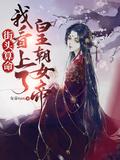 Fortune Telling on the Street, I Fell in Love with the Empress of the Dynasty
46.8kReads9.0Score5kShelves
Fortune Telling on the Street, I Fell in Love with the Empress of the Dynasty
46.8kReads9.0Score5kShelves
 After Rebirth, the Yandere Fell in Love Even More
363Reads5.8Score—Shelves
After Rebirth, the Yandere Fell in Love Even More
363Reads5.8Score—Shelves
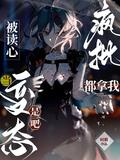 After Being Read, the Pervert Is Criticized for Wanting to Kill People Every Day
23.4kReads8.5Score3kShelves
After Being Read, the Pervert Is Criticized for Wanting to Kill People Every Day
23.4kReads8.5Score3kShelves
 It's Over! the Empress' Soft Rice Husband Is Actually Invincible
3.2kReads9.5Score739Shelves
It's Over! the Empress' Soft Rice Husband Is Actually Invincible
3.2kReads9.5Score739Shelves
 The Sound of Cicadas Is Sent to Yangxi
15.2kReads9.3Score1.6kShelves
The Sound of Cicadas Is Sent to Yangxi
15.2kReads9.3Score1.6kShelves
 A Guide to Skin Patching for People with Skin Thirst
27.3kReads9.5Score3.9kShelves
A Guide to Skin Patching for People with Skin Thirst
27.3kReads9.5Score3.9kShelves
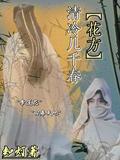 Flowercold and Cool for Thousands of Springs
297Reads8.4Score—Shelves
Flowercold and Cool for Thousands of Springs
297Reads8.4Score—Shelves
 The Little Green Tea Lunatic Can No Longer Run Wild.
5.5kReads9.3Score571Shelves
The Little Green Tea Lunatic Can No Longer Run Wild.
5.5kReads9.3Score571Shelves
 Engagement Breaks Up, Goddess Bestie Proposes in Public
162Reads5.8Score116Shelves
Engagement Breaks Up, Goddess Bestie Proposes in Public
162Reads5.8Score116Shelves
 Wait Until You Raise Your Head
37kReads9.6Score6.9kShelves
Wait Until You Raise Your Head
37kReads9.6Score6.9kShelves
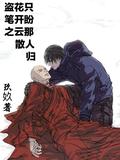 The Flowers of the Stolen Pen Bloom and Scatter, I Only Hope That the Person Will Return
458Reads8.5Score107Shelves
The Flowers of the Stolen Pen Bloom and Scatter, I Only Hope That the Person Will Return
458Reads8.5Score107Shelves
 BBQ Stall Pick-Up: Stunning Young Lady Chases After Me
77kReads9.1Score7kShelves
BBQ Stall Pick-Up: Stunning Young Lady Chases After Me
77kReads9.1Score7kShelves
 A Netizen of Ten Years Turned Out to Be a National Sister
3.4kReads5.8Score561Shelves
A Netizen of Ten Years Turned Out to Be a National Sister
3.4kReads5.8Score561Shelves
 The Concave and Convex World: I Am Jin's Brother
2.2kReads9.6Score294Shelves
The Concave and Convex World: I Am Jin's Brother
2.2kReads9.6Score294Shelves
 The Days of Sharing a House with the School Beauty
1.5kReads5.8Score222Shelves
The Days of Sharing a House with the School Beauty
1.5kReads5.8Score222Shelves
 After Rebirth, the Goddess Counselor Wants to Give Birth to a Child for Me
53.6kReads9.3Score4.3kShelves
After Rebirth, the Goddess Counselor Wants to Give Birth to a Child for Me
53.6kReads9.3Score4.3kShelves
 Ultimate Sacrifice
46kReads9.4Score6.6kShelves
Ultimate Sacrifice
46kReads9.4Score6.6kShelves
 As the Son of a Criminal, I Have the Strongest Sequence
21.4kReads8.2Score2.1kShelves
As the Son of a Criminal, I Have the Strongest Sequence
21.4kReads8.2Score2.1kShelves
 Shock! the School Beauty Disappeared, the Confinement Center Called Me to Report It
12.6kReads9.2Score1.2kShelves
Shock! the School Beauty Disappeared, the Confinement Center Called Me to Report It
12.6kReads9.2Score1.2kShelves
 Myth Revival: I Come to Canonize the Eastern Gods
3.8kReads8.2Score358Shelves
Myth Revival: I Come to Canonize the Eastern Gods
3.8kReads8.2Score358Shelves
 My Name Is Shadow, Number One in the Sequence, Chief of King's Landing
11.1kReads9.1Score955Shelves
My Name Is Shadow, Number One in the Sequence, Chief of King's Landing
11.1kReads9.1Score955Shelves
 Above the Heavenly Master
67.5kReads9.1Score7.2kShelves
Above the Heavenly Master
67.5kReads9.1Score7.2kShelves
 The Empress Listens to Her Heart, This Disciple Is Too Evil
1kReads8.1Score—Shelves
The Empress Listens to Her Heart, This Disciple Is Too Evil
1kReads8.1Score—Shelves
 After Rebirth, I Turned Around and Left, and the School Beauty Cried
19.6kReads9.5Score1.8kShelves
After Rebirth, I Turned Around and Left, and the School Beauty Cried
19.6kReads9.5Score1.8kShelves
 The Sky Is Still Blue
69Reads9.0Score—Shelves
The Sky Is Still Blue
69Reads9.0Score—Shelves
 Even If You Are a Fake Daughter, You Still Have to Be Brave and Show Off.
219.1kReads9.6Score31.1kShelves
Even If You Are a Fake Daughter, You Still Have to Be Brave and Show Off.
219.1kReads9.6Score31.1kShelves
 Spiritual Energy Revived, Guarding the Lonely City Alone
572Reads7.5Score—Shelves
Spiritual Energy Revived, Guarding the Lonely City Alone
572Reads7.5Score—Shelves
 In the First Three Months of My Life Span, I Solved All the Cases
6.7kReads9.2Score731Shelves
In the First Three Months of My Life Span, I Solved All the Cases
6.7kReads9.2Score731Shelves
 Hello, Do You Want to See My Role?
18Reads—Score—Shelves
Hello, Do You Want to See My Role?
18Reads—Score—Shelves
 Redemption and Punishment
21Reads8.2Score—Shelves
Redemption and Punishment
21Reads8.2Score—Shelves
 Three Years After Cancer: I'm Dead and He's Crazy!
2.8kReads7.2Score114Shelves
Three Years After Cancer: I'm Dead and He's Crazy!
2.8kReads7.2Score114Shelves
 Comprehensive Comic: Meiqiangmei Saves the World Starting from Mingke
449Reads8.6Score—Shelves
Comprehensive Comic: Meiqiangmei Saves the World Starting from Mingke
449Reads8.6Score—Shelves
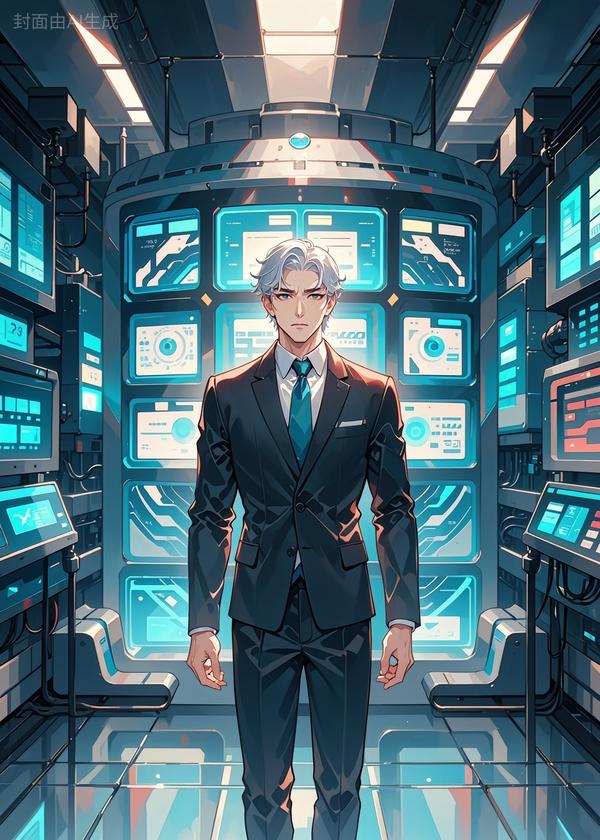 Memory Transplant Experiment.
—Reads8.6Score—Shelves
Memory Transplant Experiment.
—Reads8.6Score—Shelves
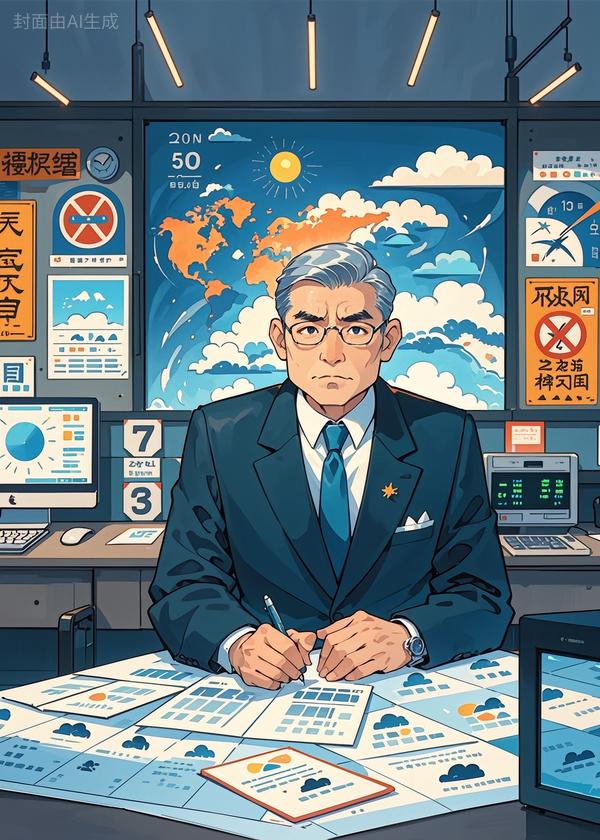 Yesterday's Weather Forecast.
—Reads8.4Score—Shelves
Yesterday's Weather Forecast.
—Reads8.4Score—Shelves
 Curse Return: If You Don't Have the Magic Power, Just Be a Script Crew
3kReads9.2Score401Shelves
Curse Return: If You Don't Have the Magic Power, Just Be a Script Crew
3kReads9.2Score401Shelves
 Adorable Little Girl.
—Reads8.6Score—Shelves
Adorable Little Girl.
—Reads8.6Score—Shelves
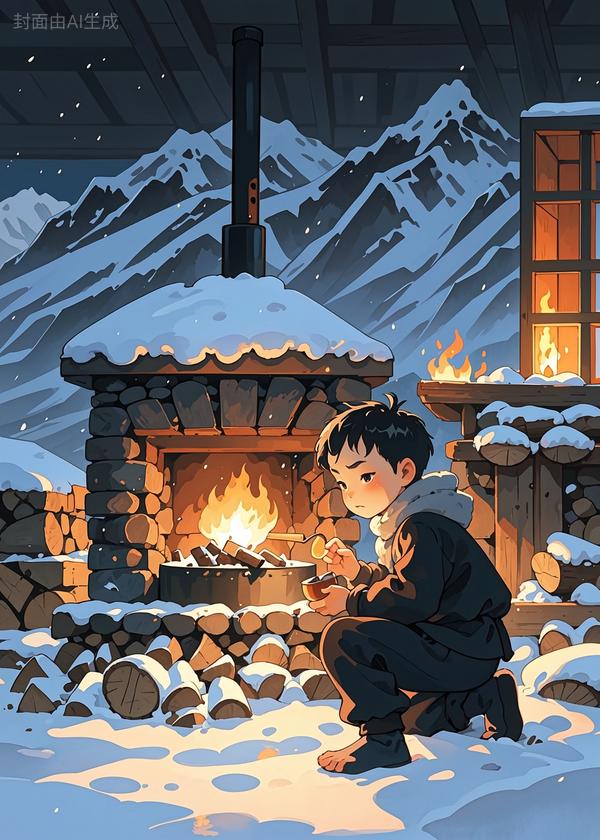 A Lovable Little Boy.
—Reads8.6Score—Shelves
A Lovable Little Boy.
—Reads8.6Score—Shelves
 I Say I Love You in Heaven
1.2kReads5.8Score276Shelves
I Say I Love You in Heaven
1.2kReads5.8Score276Shelves
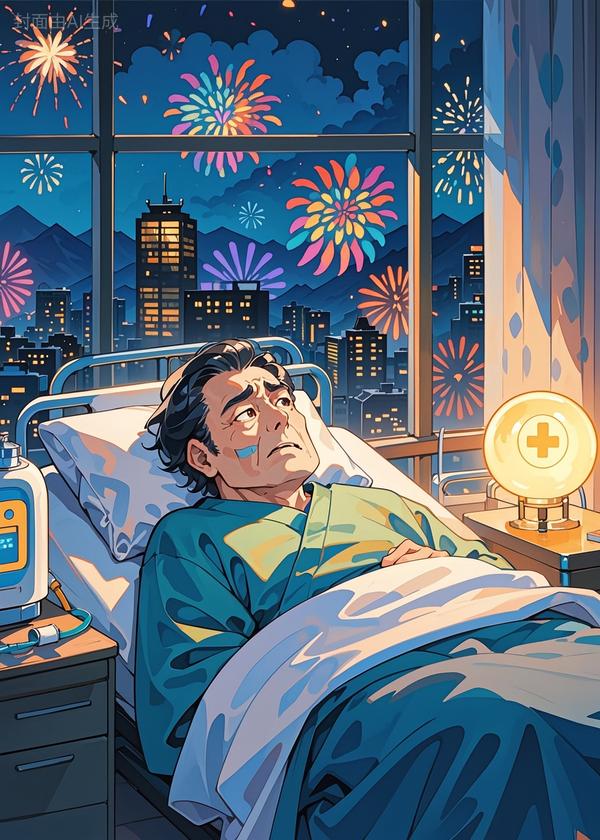 A Heart-Wrenching Male Protagonist.
27Reads8.6Score—Shelves
A Heart-Wrenching Male Protagonist.
27Reads8.6Score—Shelves
 An Infatuated Woman Is a Heartless Man.
—Reads8.5Score—Shelves
An Infatuated Woman Is a Heartless Man.
—Reads8.5Score—Shelves
 An Infatuated Man Betrays His Beloved Woman.
—Reads8.5Score—Shelves
An Infatuated Man Betrays His Beloved Woman.
—Reads8.5Score—Shelves
 Infinite: Dawn Games
13.7kReads9.3Score1.7kShelves
Infinite: Dawn Games
13.7kReads9.3Score1.7kShelves
 Pain, Cut, Cut, Cut, Cut, Cut, Cut, Cut, Cut God.
2.2kReads8.2Score254Shelves
Pain, Cut, Cut, Cut, Cut, Cut, Cut, Cut, Cut God.
2.2kReads8.2Score254Shelves
 Charles IX: a World Without Duoduo
1.9kReads8.9Score260Shelves
Charles IX: a World Without Duoduo
1.9kReads8.9Score260Shelves
 I Am an Irritable Uchiha, and My Clan Members Advised Me to Calm Down.
8.3kReads8.2Score633Shelves
I Am an Irritable Uchiha, and My Clan Members Advised Me to Calm Down.
8.3kReads8.2Score633Shelves