Personally, I think the writing is good. Classical Chinese, Shijing style, and Li Sao style are all at your fingertips. I have a brain and I debated with Mohists for two or three chapters. This is not just code writing. You should at least understand some Mohism.
In the seventeenth year of Chongzhen, a history student traveled through time with the soul of Emperor Chongzhen. It's not a great article, it's not systematic, and there are relatively few golden fingers. Have a clear understanding of the situation in the late Ming Dynasty, focusing on the management of the late Ming Dynasty and the struggle for hegemony among various forces.
• ᴗ •ᐝ Beautiful and beautiful! There is no CP from the heroine's perspective! Quick passage through history! Although there is a system, the heroine does not rely on the system. Instead, she uses her own abilities to invent and create to improve people's lives and care about the world! Moreover, the heroine's character is relatively smart and witty, and she doesn't panic when things happen! In the end, she will grow up to be beautiful and strong, and there will be some related content for later generations! It's really beautiful! [Adoration]
Su Dun took out a few pieces of paper from his sleeves, which were densely written with words. "I was in Hangzhou before. I read hundreds of books and found a few pieces of evidence. Not many, just nine." He spread the paper on the old cases next to him, "But I think the direction is right." Su Dun pointed to the first piece and said in a calm tone: "Look at the sentence in "Dayu Mo" that 'the human heart is in danger, the Dao is only small, but the essence is only one, and the Yunzhi Juezhong' is quoted in "Xunzi Jieye Pian", but Xunzi said it was quoted from the "Tao Jing", not the "Shang Shu"." "And 'Yunzhi Juezhong' should come from the Analects of Confucius. Yao said, "The calendar of heaven is in your hands, and if you are willing to hold on to it, the world will be poor, and the fortune of heaven will last forever." "The Analects of Confucius said that 'Shun also ordered Yu', but what Shun said to Yu in "Dayu Mo" is completely different from what Yao said to Shun." "The so-called sixteen words of Yu Ting are simply made up." He raised his head and glanced at everyone, waiting for them to be shocked, excited, or "enlightened" as written in later novels. However - Fan Xun raised his head and said disapprovingly: "Maybe Xunzi remembered it wrong?" Su Dun was stunned. Zhao Mingcheng nodded, with a serious look on his face: "I saw before that "Xunzi·Junzi Pian" quoted "One person is happy, and the people rely on it", and said it was the "Biography"." "Actually, this sentence comes from "Shangshu·Lu Xing"." "The source of this quotation must be misremembered by Xunzi." Su Xingchong also said: "Pre-Qin books are all bamboo slips, and it is not easy to read them. The scholars cited the scriptures and most likely wrote them from memory. Without reading and checking, the words may not be accurate." Su Dun's mouth twitched. Huh? Is there something wrong with your reaction? Too calm? Too rational? Shouldn't we exclaim "Oh my God, this is fake" and then people will be angry and share the same hatred? Why are all of them so... Calm? However, it makes so much sense, I am speechless! Li Qingzhao remained silent, just lowered his head and read the original text copied by Su Dun carefully. She stared at those lines of words for a long time, then suddenly raised her head, with a hint of weirdness in her eyes: "The original text of "Xunzi: Uncovering" is: 'In the past, when Shun ruled the world, everything was accomplished without edicts. When he was in danger, he was full of glory; when he raised a little, his glory was unknown.' Later, he quoted the "Tao Jing": "The danger of the human heart, the weakness of the Taoist heart, and the number of dangers can only be known by a wise gentleman." She looked at Su Dun with a strange light in her eyes - a look that doubted her IQ: "You don't think it's the same sentence just because 'the human heart is in danger, the Tao's heart is weak' and 'the human heart is in danger, the Tao's heart is weak' are very similar?" Su Dun was displeased and replied stiffly: "These two sentences are exactly the same, how come they are not plagiarism?" "But the meanings of these two sentences are completely different!" Li Qingzhao talked eloquently: "Xunzi first said that Shun was 'in danger' and 'nurturing the subtlety' - this means that Shun advocated using a single-minded heart to explore the subtle principles of things." "Then he quoted the "Tao Jing" that "the human heart is in danger, the Tao heart is subtle". He quoted the sentence from the "Tao Jing" in order to explain the 'danger' and 'micro' of Shun earlier." "The key point of this sentence is in the last sentence - 'The number of dangers is small, only a wise gentleman can know it'. It is talking about the 'ji' (sign) between 'danger' and 'micro', which only a 'wise gentleman' can detect." She paused, and spoke in a clear voice: "But the key point of the sixteen words of "Dayu Mo" is also at the end, 'Wei Jing Wei Yi, Yu Zhi Ju Zhong', which means to use the 'Jing Yi' skill to 'Zhi Zhong'." "The themes and philosophies of the two sentences are fundamentally different. One talks about detecting signs, and the other talks about adhering to the middle way." "Just because these eight characters are somewhat similar, do you say it is plagiarism?" Fan Wei continued: "Even if it is plagiarism, it may be that the Dao Jing copied Dayu Mo, and then was recorded as the Dao Jing. There are too many such things." He thought for a while and gave an example: "For example, the sentence 'Without indifference, one cannot achieve clear aspirations, without tranquility, one cannot reach far', which comes from "Huainanzi Zhushu Xun" of the Western Han Dynasty. More than three hundred years later, Zhuge Liang quoted it in "The Book of Commandments", and now everyone thinks it was Zhuge Liang who said it." "There is also 'the courage to be big but the heart to be small, the wisdom to be round but the action to be square', which also comes from "Huainanzi Zhushu Xun", Sun Simiao quoted it, and now everyone thinks it is Sun Simiao's words." Zhao Mingcheng added: "This is also the case in "Xunzi" itself. The section about three years of mourning in "Xunzi: Rites", from "Three years of mourning, what" to "It is the same in ancient and modern times", the entire paragraph was included in the "Book of Rites" and became the "Three Years Questions"." "Now when people quote these sentences, they must think that they come from the "Book of Rites", and not from "Xunzi"." Su Xingchong also nodded: "As for what Yao said when he surrendered to Shun, it is different from what Shun said when he surrendered to Yu. Isn't it strange?" "Two generations of holy kings faced different world situations, so they naturally had different things to say." Su Dun was confused by everyone's words and words. Didn't those books of later generations say that the "Sixteen-Character Heart Biography" was the core evidence for Yan Ruochu's falsification of "Gu Wen Shangshu"? Didn't it mean that as soon as this piece of evidence came out, the Neo-Confucianists were speechless? How come you can't even convince a few seven- and eight-year-old children here?
The protagonist's brain was not very good at first, but it became more and more effective later on. He traveled through fictional dynasties, monopolized all walks of life, made money and raised troops, and wars in troubled times were about to break out! ! !
The protagonist's awakening system can generate 100,000 troops a day. Recruit generals and conquer the world. There are strategies and brains. The literary ones include Jia Xu, Ju Shou, Chen Gong, and Cheng Yu. The martial arts include Yu Jin, Li Dian, Pang De, Gao Shun, Yan Liang, and Wen Chou. There are also various special units such as the First Ascension Camp, the Fallen Camp, the Iron Buddha Tu, the White Horse Yicong, and the Beggar Army.
Time travel, group portrait writing, no system, no cheating, no brainlessness, no intellectual subversion, original poems, rigorous logic, detailed foreshadowing, power and hegemony, nations competing for power, new book hotly recommended
All three books are historical fictions without any system. 1 The plot has ups and downs, and the protagonist and supporting characters have online IQs and are closely linked. It has a bit of a "Kowloon seizing the heir" feeling, and it also shows us the helplessness and sadness of being born into a royal family. There is intrigue and conspiracy between father and son, and between brothers. 2. The book of the Great God Yue Guan! This book takes Wu Zhou as the historical background and tells the story of a down-and-out prince who gradually became the emperor of the Tang Dynasty. Every supporting character in this book has flesh and blood, and under the author's pen, a picture of the romance of the Tang Dynasty is slowly unfolding. 3. The overall view of this book is extremely grand, and the locations of various countries seem to be clearly displayed on the map, which makes people fascinated. This book has an extremely profound portrayal of temples, rivers and lakes, political intrigues, and human hearts. It is a good article that history lovers should not miss.
The novel opens directly into the complex political situation of the Qin Dynasty. The protagonist uses the "living king of hell" method to manage politics and constantly fights with all forces. The plots such as the palace coup and the border war are thrilling and tense, and each link quickly catches the reader's attention without any sense of delay. The novel begins with traveling to Cao Ang and "cutting off the Hu Zou family", breaking the traditional narrative of the Three Kingdoms. Select the newly discovered Cao Ang, change his experience, create a new direction within the familiar framework of the Three Kingdoms, and bring a different perspective of the Three Kingdoms. The author breaks through the limitations of the original work, plans the development of Liangshan from the perspective of the reborn, and creates the strongest lineup. The reborn protagonist relies on his understanding of the original work to actively plan and face many challenges together with the heroes of Liangshan. The work combines modern elements with the Stone Age, unfolding with the dramatic plot of "accidentally taking the school beauty to the Stone Age", breaking the conventional setting of traditional time travel and opening up a novel story.
 Wilderness Club
63.1kReads9.5Score8.2kShelves
Wilderness Club
63.1kReads9.5Score8.2kShelves
 I Am Free in My Fiefdom, but I Am Called a Wise King
95.6kReads8.7Score13.6kShelves
I Am Free in My Fiefdom, but I Am Called a Wise King
95.6kReads8.7Score13.6kShelves
 Warring States Period: Jin Fought Back and Regained Han, Zhao and Wei
4.2kReads8.8Score323Shelves
Warring States Period: Jin Fought Back and Regained Han, Zhao and Wei
4.2kReads8.8Score323Shelves
 Chasing the King
5.9kReads9.0Score1.8kShelves
Chasing the King
5.9kReads9.0Score1.8kShelves
 I'm in the Prison, Immortal
324kReads8.6Score17.2kShelves
I'm in the Prison, Immortal
324kReads8.6Score17.2kShelves
 Madam, Please Respect Yourself
10.9kReads9.3Score762Shelves
Madam, Please Respect Yourself
10.9kReads9.3Score762Shelves
 My Arrogant and Talented Lady in the Hou Family
33.7kReads9.0Score3.3kShelves
My Arrogant and Talented Lady in the Hou Family
33.7kReads9.0Score3.3kShelves
 Return to Datang with Strategic Warehouse
186kReads9.5Score24.1kShelves
Return to Datang with Strategic Warehouse
186kReads9.5Score24.1kShelves
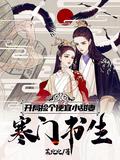 A Poor Scholar, He Picked up a Cheap Little Wife at the Beginning
38.8kReads9.2Score4kShelves
A Poor Scholar, He Picked up a Cheap Little Wife at the Beginning
38.8kReads9.2Score4kShelves
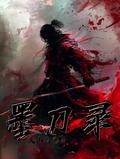 Kanto Mountain Patrol
33.6kReads9.2Score4.2kShelves
Kanto Mountain Patrol
33.6kReads9.2Score4.2kShelves
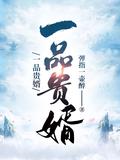 A Noble Son-In-Law
12.7kReads8.8Score1.3kShelves
A Noble Son-In-Law
12.7kReads8.8Score1.3kShelves
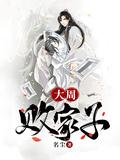 The Prodigal Son of the Great Zhou Dynasty
30.6kReads9.1Score3.3kShelves
The Prodigal Son of the Great Zhou Dynasty
30.6kReads9.1Score3.3kShelves
 In the Seventeenth Year of Chongzhen, the Ming Dynasty Was Really Hard to Save
1.6kReads8.6Score105Shelves
In the Seventeenth Year of Chongzhen, the Ming Dynasty Was Really Hard to Save
1.6kReads8.6Score105Shelves
 Water Margin: the Soul of Zhu Biao Was Slaughtered When He Went Out.
207Reads5.8Score—Shelves
Water Margin: the Soul of Zhu Biao Was Slaughtered When He Went Out.
207Reads5.8Score—Shelves
 The Last Purple-Clad Captain in Dongchang
3.4kReads8.8Score352Shelves
The Last Purple-Clad Captain in Dongchang
3.4kReads8.8Score352Shelves
 Quick Travel: Every Time It Starts in Hell
21kReads9.5Score2.1kShelves
Quick Travel: Every Time It Starts in Hell
21kReads9.5Score2.1kShelves
 It Is Natural for a Scholar to Defeat the Great Master
394Reads6.8Score—Shelves
It Is Natural for a Scholar to Defeat the Great Master
394Reads6.8Score—Shelves
 Father Su Dongpo's Wife Li Qingzhao and His Father Song Huizong
24.7kReads8.5Score3.1kShelves
Father Su Dongpo's Wife Li Qingzhao and His Father Song Huizong
24.7kReads8.5Score3.1kShelves
 Ming Dynasty: a Veteran of the Nine Dynasties Lived a Long Life
23.8kReads8.9Score2.2kShelves
Ming Dynasty: a Veteran of the Nine Dynasties Lived a Long Life
23.8kReads8.9Score2.2kShelves
 Cunhan
39Reads6.2Score—Shelves
Cunhan
39Reads6.2Score—Shelves
 Cheating Life After Time Travel by a Doctor of Chemistry
18.9kReads9.0Score2kShelves
Cheating Life After Time Travel by a Doctor of Chemistry
18.9kReads9.0Score2kShelves
 Relying on Unlimited Explosive Troops, I Finally Became the King of Zhenbei
324Reads5.8Score—Shelves
Relying on Unlimited Explosive Troops, I Finally Became the King of Zhenbei
324Reads5.8Score—Shelves
 Game Invasion: Players Can Travel Through Time Only After I Become Emperor
345.6kReads9.2Score32.1kShelves
Game Invasion: Players Can Travel Through Time Only After I Become Emperor
345.6kReads9.2Score32.1kShelves
 Who Puts the Yellow Robe on Me When It's Cold?
47.6kReads8.9Score4.4kShelves
Who Puts the Yellow Robe on Me When It's Cold?
47.6kReads8.9Score4.4kShelves
 Heroes of Troubled Times Fighting for Hegemony
1.7kReads8.2Score—Shelves
Heroes of Troubled Times Fighting for Hegemony
1.7kReads8.2Score—Shelves
 Da Qin: First Emperor, I Really Don't Want to Eat Soft Food!
66.3kReads9.5Score6.7kShelves
Da Qin: First Emperor, I Really Don't Want to Eat Soft Food!
66.3kReads9.5Score6.7kShelves
 Begin the Rebellion from the Sino-Japanese War of 1994 to Build the Strongest China!
136Reads5.8Score—Shelves
Begin the Rebellion from the Sino-Japanese War of 1994 to Build the Strongest China!
136Reads5.8Score—Shelves
 Five Dynasties: Iron Cavalry Zongheng
2.8kReads8.5Score154Shelves
Five Dynasties: Iron Cavalry Zongheng
2.8kReads8.5Score154Shelves
 Da Qin Fengge
13Reads5.8Score—Shelves
Da Qin Fengge
13Reads5.8Score—Shelves
 Jin Yiwei: Our Boss Is a Bit of a Thief
38.4kReads9.1Score4.3kShelves
Jin Yiwei: Our Boss Is a Bit of a Thief
38.4kReads9.1Score4.3kShelves
 Long Song of Brocade
4.4kReads9.1Score447Shelves
Long Song of Brocade
4.4kReads9.1Score447Shelves
 Mo Ruo Lingxiao
30.2kReads9.0Score3.7kShelves
Mo Ruo Lingxiao
30.2kReads9.0Score3.7kShelves
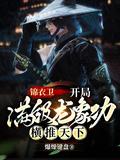 Jin Yiwei: the Dragon-Elephant Skill at Full Level at the Beginning Is the Best in the World
7.4kReads8.7Score376Shelves
Jin Yiwei: the Dragon-Elephant Skill at Full Level at the Beginning Is the Best in the World
7.4kReads8.7Score376Shelves
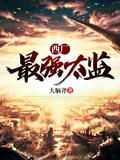 True Eunuch: Starting from the Palace, Full Level Sunflower Book
21.1kReads8.7Score1.5kShelves
True Eunuch: Starting from the Palace, Full Level Sunflower Book
21.1kReads8.7Score1.5kShelves
 I Was Forced to Be a Warlord in Ancient Times
9.3kReads8.3Score463Shelves
I Was Forced to Be a Warlord in Ancient Times
9.3kReads8.3Score463Shelves
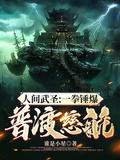 The Martial Saint in the World: Destroy Pudu Cihang with One Punch!
36.3kReads8.6Score2.6kShelves
The Martial Saint in the World: Destroy Pudu Cihang with One Punch!
36.3kReads8.6Score2.6kShelves
 Late Ming Dynasty: from Peasant Rebellion to Universal Harmony
9.2kReads8.7Score554Shelves
Late Ming Dynasty: from Peasant Rebellion to Universal Harmony
9.2kReads8.7Score554Shelves
 Daming: There Is Qin Shihuang Living in My Head!
942Reads7.5Score—Shelves
Daming: There Is Qin Shihuang Living in My Head!
942Reads7.5Score—Shelves
 I'm Using My Sword to Trick Lao Li into Growing Mushrooms
233Reads5.8Score—Shelves
I'm Using My Sword to Trick Lao Li into Growing Mushrooms
233Reads5.8Score—Shelves
 Xitang
149kReads9.4Score16.5kShelves
Xitang
149kReads9.4Score16.5kShelves
 Bright Sword: Starting from Traveling Through Zhao Gang
4.3kReads8.7Score305Shelves
Bright Sword: Starting from Traveling Through Zhao Gang
4.3kReads8.7Score305Shelves
 Da Qin: Have I Allowed You to Be a Salted Fish?
10.1kReads9.0Score840Shelves
Da Qin: Have I Allowed You to Be a Salted Fish?
10.1kReads9.0Score840Shelves
 No One Understands the First Emperor Better Than Me, Not Even Ying Zheng!
2.8kReads8.6Score188Shelves
No One Understands the First Emperor Better Than Me, Not Even Ying Zheng!
2.8kReads8.6Score188Shelves
 My Brother Is More of a Time Traveler Than I Am in Traveling Through Ancient Times.
23.5kReads9.0Score2.6kShelves
My Brother Is More of a Time Traveler Than I Am in Traveling Through Ancient Times.
23.5kReads9.0Score2.6kShelves
 I Am Fighting for the World in the Three Kingdoms
82Reads5.8Score—Shelves
I Am Fighting for the World in the Three Kingdoms
82Reads5.8Score—Shelves
 In the Morning, He Was a Farmer, and in the Evening, He Ascended to the Emperor's Hall.
10.6kReads8.4Score788Shelves
In the Morning, He Was a Farmer, and in the Evening, He Ascended to the Emperor's Hall.
10.6kReads8.4Score788Shelves
 Traveling Through History: the Vastness of China, Dialogue Between Ancient and Modern Times
855Reads8.9Score—Shelves
Traveling Through History: the Vastness of China, Dialogue Between Ancient and Modern Times
855Reads8.9Score—Shelves
 A Man in Da Qin, Transformed into a Deadly Nuclear Bomb in the World
816Reads5.8Score190Shelves
A Man in Da Qin, Transformed into a Deadly Nuclear Bomb in the World
816Reads5.8Score190Shelves
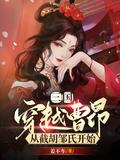 Three Kingdoms: Traveling Through Cao'ang, Starting from the Interception of Hu Zou's Family
1.7kReads9.2Score163Shelves
Three Kingdoms: Traveling Through Cao'ang, Starting from the Interception of Hu Zou's Family
1.7kReads9.2Score163Shelves
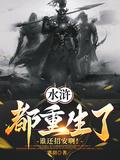 Water Margin: Full of Understanding at the Beginning, Shocked Zhou Tong
126.1kReads9.1Score12.7kShelves
Water Margin: Full of Understanding at the Beginning, Shocked Zhou Tong
126.1kReads9.1Score12.7kShelves