Modern surgeon Shen Luxi opens her eyes to find herself a Han captive in a Xiongnu camp.
Quiet and reserved, she survives the chaos with nothing but her hands and a suture needle. In a military camp where red-hot irons are used to stop bleeding, she reveals her art of “stitching flesh” for the first time. From then on, the young general Huo Qubing pulls her from a heap of corpses.
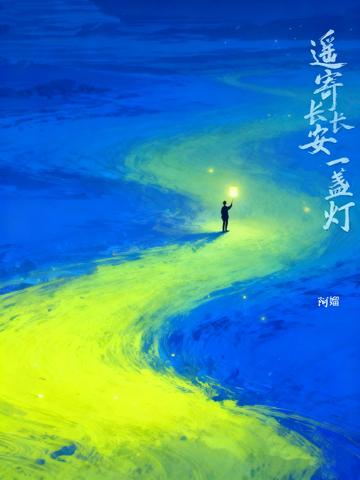
Chang’an’s red walls and green-tiled roofs glow beneath the sun. Every day, the young man in fine clothes rides past her clinic. He hangs a lantern for her beneath the moon, and releases a river lantern by the Wei River, making a wish for “Shen’s safety.”
The histories record that he will die suddenly at the age of twenty-three.
Every time she looks at him, it feels like a countdown. Every time he says, “Wait for me to come back,” she hears fate echoing in his words.
When the final battle is won and he is enfeoffed at Langjuxu, when all of Chang’an pours into the streets to welcome the young general home in triumph, Shen Luxi knows that day is near.
The laws of time and space say history must not be changed. But in that candlelit room, its flames wavering, she still worships Heaven and Earth with him. Clutching his hand, she says, “I came from two thousand years in the future.”
A thousand years later, a jade pendant lies quietly in a museum display case. Its label reads: Unearthed at Maoling, believed to have been a personal keepsake.
Through the glass, she whispers, “Chang’an is beautiful.”