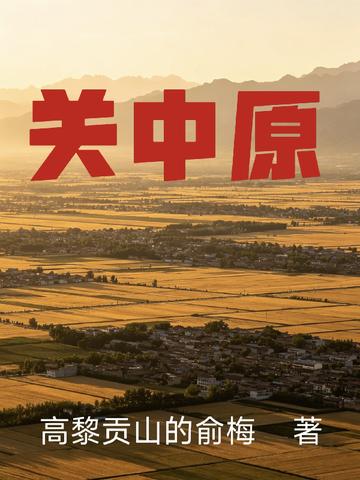
The Guanzhong Plateau is not a name on a map.
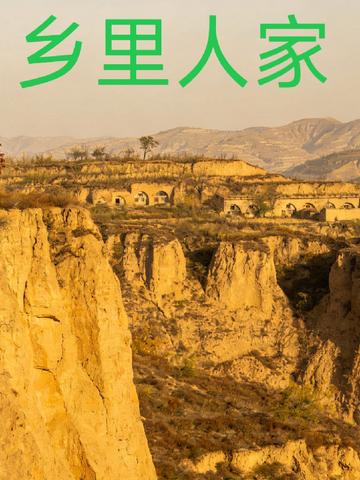
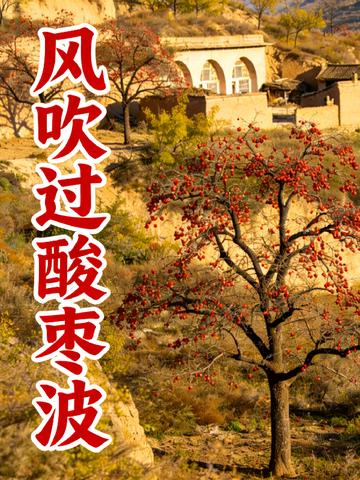
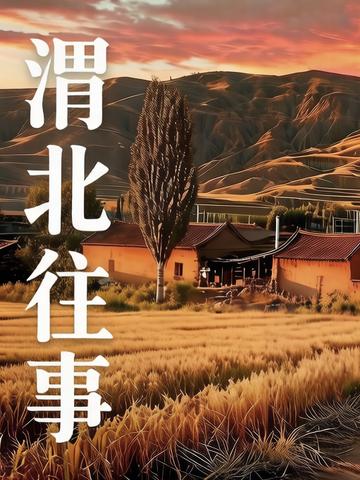
It is the loess uplands north of the Guanzhong Plain, built up from layers of yellow earth. The wind blows in from Longxi, the rain drifts over from the Qinling Mountains, and generation after generation of farmers scratch a living from the soil, then return to it when they die.
In the twenty-sixth year of the Guangxu reign, Zhang Guanghou buried the ancestral stone plaque bearing the words “A family heritage of farming and scholarship” beneath a locust tree. He thought that if he buried it deep enough, no one could touch it.
He was wrong.
Over the next hundred years, warlords passed through, Japanese invaders crossed the river, land reform divided the fields, steel furnaces were built in a mass campaign, people fled famine, were denounced, moved to the cities, and saw their homes demolished. Like a plowshare, the times turned this plateau over again and again. Three generations of the Zhang family stood upon it: some lived on their knees, some died on their feet, some fled and never returned, and some came back only to find they could no longer locate their ancestors’ graves.
This is a century of Guanzhong history, and the memory of a people’s land.
What does “a family heritage of farming and scholarship” pass down? Four characters weighed upon three generations.
A hundred years later, fragments of the stone plaque were dug out of the earth. Someone asked, “Will we pass it down?”
The plateau gave no answer. The wind kept blowing.