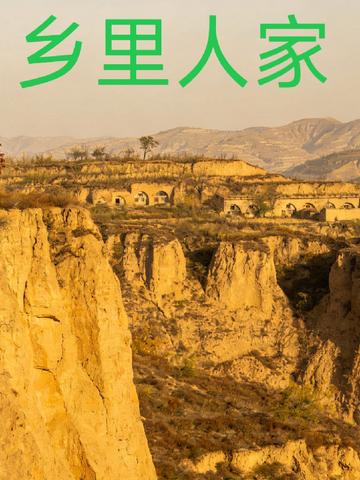
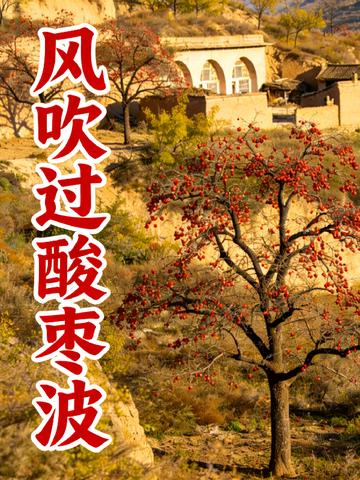
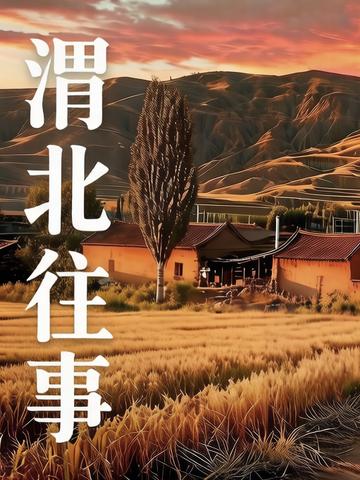
The story takes place in Yangjiazhuang, a village on the dry plateau of Weibei, Shaanxi. Centered on three generations of the Yang Laowan family, it follows three decades of rural change, with land as the lifeblood at its heart.
In the early 1980s, the first winds of the household responsibility system had just swept across this barren yellow earth. Yang Laowan is the village’s most knowledgeable farmer. He believes that “the land is alive”: it needs to lie fallow, be nurtured, and be treated with reverence. But the times are changing. The tide of migrant work carries off the young, school closures hollow out the village, and capital quietly enters the countryside to lease land. His son Gensheng is caught between his father’s deep-rooted convictions and the temptations of reality. His daughter-in-law Gaigai carries a new life in the earthen cave dwelling, while their neighbors, Yang Wancai and the Niudan family, pay a bitter price as they struggle to choose between leasing the land and holding on to it.
Structured around the seasons and the agricultural calendar, the novel uses the rhythms of spoken Shaanxi dialect to depict rural life in fine detail: plowing, thinning seedlings, threshing, going to market, and weddings and funerals. Through simple accounts of every meal and every hoe and sickle, it asks an eternal question: when land is no longer a farmer’s lifeblood, where should people put down roots?
This is a love letter to the land, and a rural elegy that fades away amid the roar of bulldozers.








The writing is very real and has a very rural atmosphere in Shaanxi.