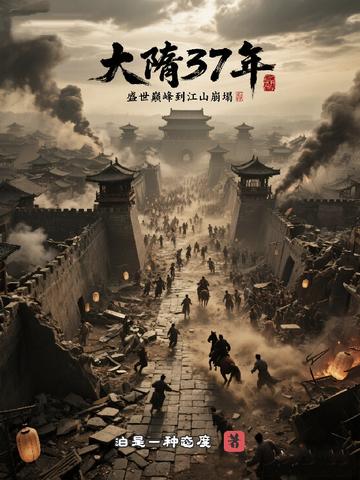
The Great Sui Dynasty (581–618) was an important dynasty in Chinese history, bridging the past and the future. Though it lasted only 37 years, its influence was profound.
The Sui Dynasty was founded by Emperor Wen, Yang Jian. He ended nearly three centuries of division that had persisted since the end of the Western Jin Dynasty, reunifying China. During his reign, Emperor Wen governed diligently and ushered in the “Reign of Kaihuang.” He made major contributions to politics, the economy, and the law, establishing the Three Departments and Six Ministries system, implementing the equal-field system, and promulgating the Kaihuang Code. These measures laid the institutional foundations for the prosperity of the Tang Dynasty that followed.
His successor, Emperor Yang, Yang Guang, was a controversial ruler. He oversaw the construction of the Grand Canal, which linked the north and south and greatly promoted economic and cultural exchange, benefiting later generations. But he was also ambitious and extravagant. He built an eastern capital, launched expeditions against Goguryeo, and embarked on endless tours, overburdening the people. This eventually sparked peasant uprisings across the country and led to the rapid collapse of the Sui Dynasty.
The Sui Dynasty was like a brilliant but fleeting meteor. Many of the institutions and engineering achievements it pioneered were inherited and further developed by the Tang Dynasty, profoundly shaping the character of the Chinese Empire in the medieval period.




Really worth reading 👍
The characterization is penetrating to the bone.