In the bitter winter of 1952 in Shenyang, a baby boy with congenital heart disease let out a feeble first cry. The doctor predicted that he would not live to see forty.
No one imagined that this fragile heart would, thirty-three years later, beat in time with the pulse of an entire nation.
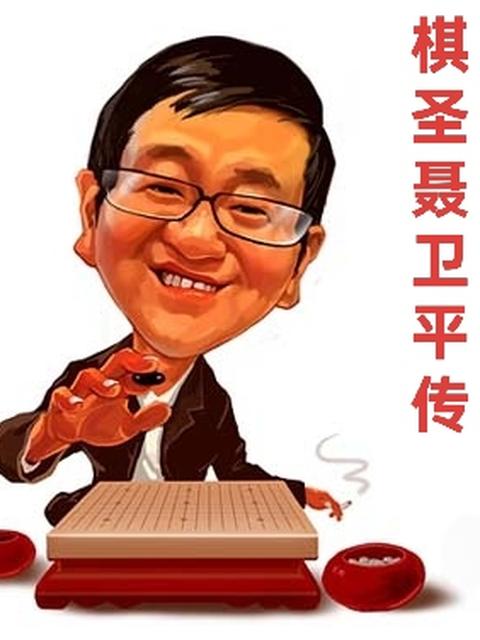
He was Nie Weiping, the only "Chess Saint" in the history of Chinese Go.
Across six volumes and fifty-eight chapters, this book paints a sweeping portrait of the legendary player's turbulent life. From the nine-year-old prodigy in Beijing's hutongs, spotted by Marshal Chen Yi, to playing Go against himself for three days and nights on the snowfields of the Great Northern Wilderness at forty degrees below zero; from defeating a Japanese ninth dan for the first time and becoming famous across Japan as the "Nie Cyclone," to winning eleven straight matches single-handedly in the China-Japan Go Challenge. When millions of Chinese crowded around black-and-white television sets, and university students poured into the streets to shout "China won!" all night long, he was more than a player: he was a national hero of his era.
But he was human, too. That "worst blunder of his career" in the Ing Cup final cost him the world championship and left him carrying a lifelong regret. His family fell apart; he battled terminal cancer and was left unconscious by a cerebral infarction. Time and again, fate drove him to the brink, yet he always sat down at the board and said calmly, "The game isn't over yet."
From resisting AI to humbly learning from "Teacher A," from player to master with students all over the world, his life was a long game of Go against fate.
In 2026, thousands gathered in the snow and wind of Beijing to bid him farewell. Cho Hunhyun came from overseas, and three generations of Go players gathered at the memorial hall. The funeral couplet read: "With a heart full of devotion, he championed our national art; with a lifetime of stones, he shaped the fate of the board."
Open this book and you will see more than one man's legend. You will see the shadow of an era, and a spark that burns on, never to be extinguished.