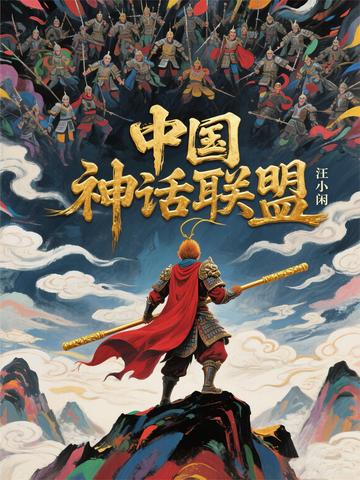
Chinese Mythology Alliance
中国神话联盟
- Status
- Completed
- Length
- 249k Words
- Genre
- Eastern Fantasy
- Subgenre
- Eastern Cultivation
- Updated
- 1y ago
- Source
- Fanqie
Synopsis
72Chapters
2Reads
298Reads · all time
More by this author
 The Middle Class
 Diary of a Fashion Brand Founder
 Saint Seiya
 The End-of-the-World Class Reunion
 White Salt, Red
 The Divine Dragon Hero
 The Divine Dragon Flying Dagger
 Eighteen-Year-Old Grandma Arrives to Restore Her Family's Glory
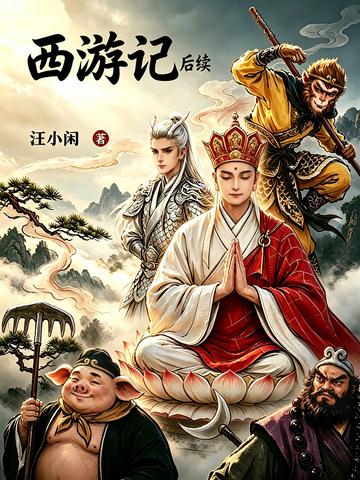 The Sequel to Journey to the West
 The Far Side of Time
 The Emperor's Lychees
 The Storm Riders: Conquer the World
Reader comments 2
Translated by Google Translate
"Mythology Alliance" uses amazing imagination to complete the modern translation and grand reconstruction of traditional Chinese mythology. The novel skillfully places well-known mythological heroes such as Sun Wukong, Yang Jian, and Nezha in a bizarre modern city, but it is by no means a simple "time travel" farce. With profound literary skills and philosophical speculation, the author constructs a dark world in which "gods and demons hide in modern times": the Monkey King becomes a security guard, Erlang Shen is in charge of a high-tech enterprise, and the third prince turns into a violent boy... This identity dislocation brings not only comic tension, but also a profound questioning of "divinity" and "humanity", "tradition" and "modernity". What is even more commendable is that the novel breaks out of the stereotype of "fighting monsters and upgrading" and advances the plot layer by layer with Gulong's suspenseful writing style. From the giant monster in the East China Sea to the mystery of the return to ruins, from the "container" wish to the "entropy shadow" early warning, each mystery is as delicately nested as a Russian matryoshka doll, blending the Cthulhu-style fear of the unknown and the ethereal compassion of Eastern philosophy. The author uses modern anxious issues such as "existence being stolen" and "civilization fading" to elevate mythological elements to the philosophical level of civilization's survival, turning a seemingly lively heroic adventure into the ultimate questioning of "what is existence" and "how to fight against nothingness". This is a new mythology with real literary ambition, which makes the ancient gods shine with shocking thoughts in the contemporary era.
This novel is a model of narrative art! The author accurately inherits Gu Long's language style - short sentences like a knife, blank spaces like a sea, and dialogues that are intertwined and full of philosophical charm. The atmosphere creation is a masterpiece: the fireworks of the late-night snack stall interweave with the majestic power of the mythical hero, the cold high-tech lair resonates with the ancient tragic wishes, the absolute silence of the ruins collides with the hustle and bustle of the torrent of consciousness... Every scene is full of imagery and symbolic meaning, just like a martial arts movie with profound artistic conception. In terms of character creation, the author shows a masterful hand. Each hero is not a symbolic combat tool, but an individual with a complete personality arc and emotional depth: Sun Wukong's rebelliousness hides an innocent heart, Yang Jian's cold reason is a sense of responsibility to carry forward, Nezha's irritability is actually a disguise for longing for recognition, Zhu Bajie's secular greed reflects the precious passion for life, Tang Seng's compassion and Sha Seng's silence constitute the moral anchor of the team. The interaction between them - from the collision of suspicion to the tacit symbiosis, from the gag to the risk of life for each other - constitutes the most touching emotional core of the novel. The growth history of this "mythical alliance" is not only an adventure to save the world, but also a passionate ode to friendship, responsibility and self-realization. The novel perfectly integrates the intellectual pleasure of suspense and puzzle solving, the reversal of plot tension, the humorous and relaxed daily life of the team, and the grand and tragic epic feeling, and the rhythm is masterfully controlled. It is not only a successful "modernization" and "globalization" interpretation of traditional Chinese mythology, but also a dazzling milestone for online literature to move towards depth and quality. This is not only the "Avengers" belonging to the East, but also a unique "Mythical Alliance" with profound cultural heritage and philosophical thinking.