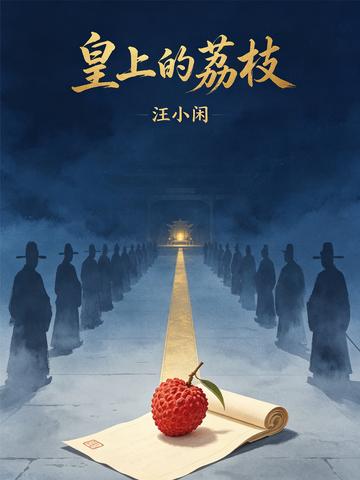
This epic saga spans the Tang Dynasty to the Northern Song Dynasty. Using lychees as its thread, it weaves together a long, blood-soaked chronicle of an empire’s rise and fall and ordinary people’s resistance.
During the Tianbao era of the Tang Dynasty, Li Shande, a low-ranking official of the ninth grade, is drawn into the vortex of a golden age collapsing when he is tasked with transporting fresh lychees to Chang’an. After the An-Shi Rebellion, he flees to Lingnan, only to discover that the “lychee tax” has become a tool for various factions to squeeze the people dry. Together with A Tong, a woman from Lingnan, he protects the rare “Fire Pearl” lychee, born in a place beset by fire and flood. This enchanted tree, imbued with the essence of heaven and earth, is both a coveted treasure of the powerful and the common people’s last chance to survive. Besieged by officials, local strongmen, and rebels, A Tong guards its roots with her own flesh and blood, establishing a secret tradition of lychee cultivation amid the poisonous miasma of Toadstone Valley.
Three hundred years later, during the reign of Emperor Shenzong of the Northern Song, the young Li Deshan is forced by the emperor to become the “Lychee Commissioner” because he shares a name with a character in a book. He retraces the bloody path of the previous dynasty. Bearing a gold plaque inscribed “As If His Majesty Were Present,” he heads south, only to witness the empire rotting under Wang Anshi’s reforms: relay stations in ruin, official granaries adulterated with sand, grain transport turned into private business, river bandits rampant, and roads choked with refugees. Tempered by blood and fire, he resolutely burns the imperial plaque, becomes a covert observer, and records the bloody truths he sees along the way in Notes from the Post Road, setting out to petition the throne.
The novel uses lychees as a mirror to reflect the greed and unyielding roots of human nature, unchanged over a thousand years. From the heaps of bones along Tang-era post roads to the bloody storms on the Northern Song canals, generations of ordinary people struggle to protect what matters amid the torrents of their times, embodying the resilience of life: “Tempered by water and fire, honed by the ashes of calamity, their resolve grows ever stronger.”
 Middle Class
 Diary of a Clothing Brand Manager
 Saint Seiya
 The End-of-the-World Class Reunion
 White Salt, Red
 The Divine Dragon Hero
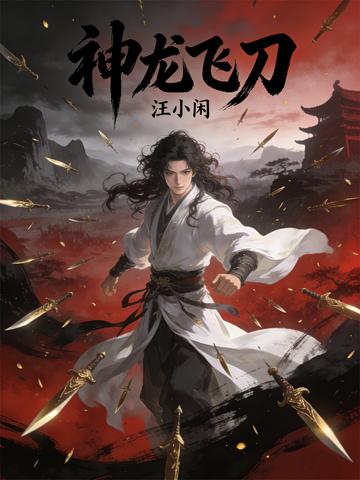 The Divine Dragon Flying Dagger
 Eighteen-Year-Old Grandma Arrives to Restore Her Family's Glory
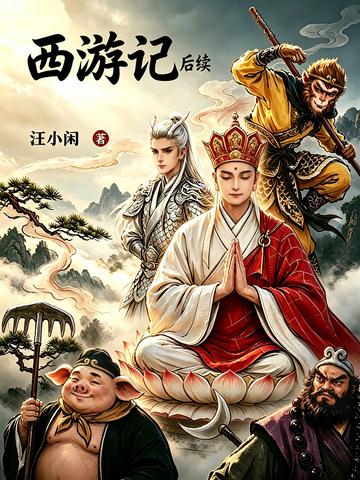 The Sequel to Journey to the West
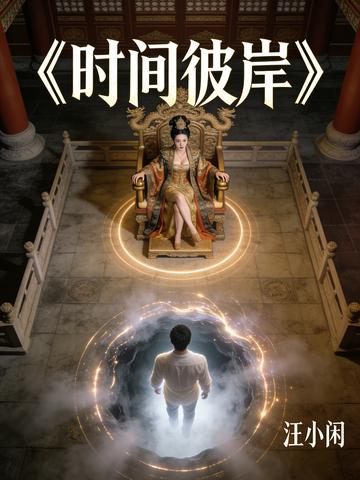 The Far Side of Time
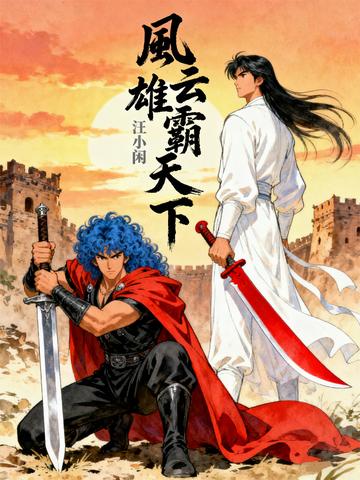 The Storm Riders: Conquer the World
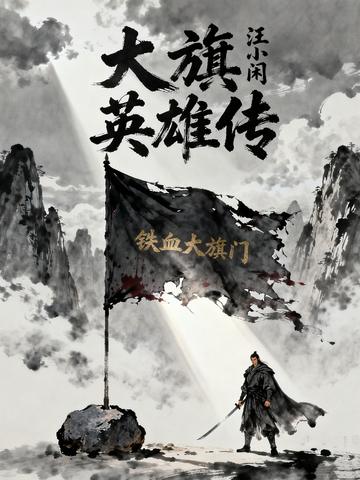 The Legend of the Great Banner Heroes