Core Themes:
1. Personal Awakening and National Salvation: A profound transformation from seeking personal revenge to fighting for the liberation of the nation.
2. The Power of People's War: Shows how ordinary people, under the Party's leadership, formed an iron wall against invasion with their own flesh and blood.
3. Bonds Forged in the Flames of War: The resilience and purity of revolutionary friendship and battlefield romance amid blood and fire.
4. Sacrifice and Legacy: Honoring those who sacrificed their lives and carrying on the indomitable spirit and revolutionary heritage of the nation.
Story Setting:
* Time Span: From the Marco Polo Bridge Incident in 1937 to victory in the War of Resistance in 1945.
* Geographical Shifts:
* **Starting Point: The North China Plain, such as a village in Hebei or Shandong** - Shows the brutality of the Japanese army's "Three Alls" policy and how village life is utterly shattered.
* **Intermediate Stop: The Water Towns of Jiangnan, such as southern Jiangsu or northern Zhejiang** - Highlights the complex conditions of guerrilla warfare behind enemy lines, with dense waterways and intermingled enemy and friendly forces, as well as the importance of underground resistance.
* **Destination: The Mountains of Southwest China, such as the Taihang or Dabie Mountains** - The consolidation and development of Eighth Route Army and New Fourth Army base areas, providing strategic depth for a protracted war.
* Historical Context: Highlights Japanese atrocities, with the Nanjing Massacre possibly mentioned in passing; cooperation between the Kuomintang and the Communist Party, including early friction and their later uneasy alliance; civilians driven from their homes; and the formation and role of the Anti-Japanese National United Front.

 The Mending of Mortal Life
 Life Is a Song, Love Fills the World
 Those Things That Happened in the Village
 My Grandfather's Story of the War Against Japan: Sequel
 My Grandfather's Story of the War Against Japan
 Pioneer of Great Ming Technology: From Commoner to Imperial Tutor
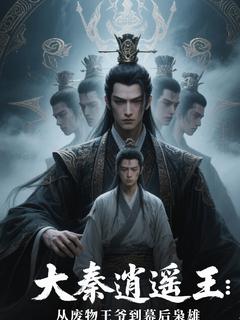 The Carefree Prince of Great Qin: From a Good-for-Nothing to the Mastermind
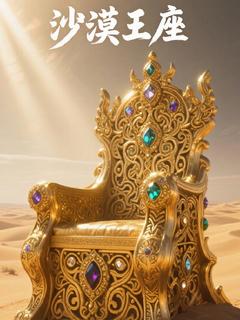 The Desert Throne
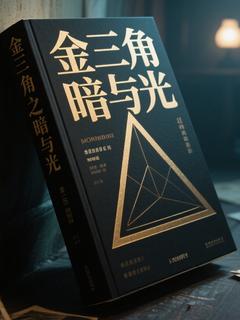 Darkness and Light in the Golden Triangle
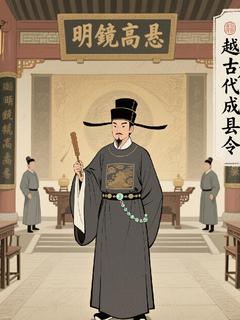 Transmigrating to Ancient Times as a County Magistrate
 I Am No Emperor of a Fallen Kingdom
 Stranded on a Desert Island with My Neighbor