Strange Tales from a Chinese Studio contains rich philosophical ideas, which are mainly reflected in the following areas:
Philosophy of Life
- Ideal character: It advocates virtues such as simplicity, generosity, integrity, serenity, wisdom, and courage. For example, The Temple Ghost shows that evil spirits cannot harm the pure and honest, while Planting a Pear satirizes the miserly. Through this praise and censure, the author reveals his pursuit of an ideal character.
- Philosophy of conduct: It advocates treating others with kindness. In many stories, good people are rewarded. In Wang Liulang, for example, Wang Liulang forms a deep friendship with a fisherman because of his kindness and integrity, and ultimately gets to be reborn in a good place, reflecting the idea that good deeds are rewarded.
Social Philosophy
- Criticism of the feudal system: The book sharply criticizes the dark side of feudal society, including the unfair and corrupt imperial examination system and the way feudal ethics shackled human nature. The Cricket reveals how the bureaucracy oppresses ordinary people, while Xi Fangping satirizes the corruption of the human justice system, exposing the many ills of society at the time.
- Attention to social realities: The book reflects the social tensions and living conditions of the people at the time, demonstrating the author's concern for and contemplation of social problems. As the author says in The Author's Preface to Strange Tales, the book gives voice to his "lonely indignation". Though it tells of ghosts and monsters, it reflects reality.
Philosophy of Nature
- The ideal of harmonious coexistence: The book envisions people living in harmony with nature. The depictions of beautiful natural scenery in Yingning, for example, show the fusion of nature's beauty and humanity's sincerity, expressing the author's love of nature and longing for ecological balance.
- Reverence for nature: Through its depictions of supernatural beings such as fox spirits, ghosts, and flower demons

 A Tribute to Liu Rendao’s Ink Paintings
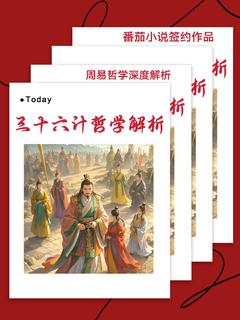 A Philosophical Analysis of the Thirty-Six Stratagems
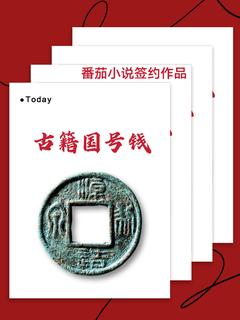 Ancient Coins Bearing Era Names
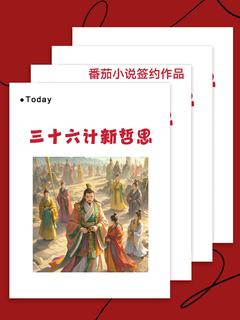 New Insights into the Thirty-Six Stratagems
 The I Ching in Poetry and Painting
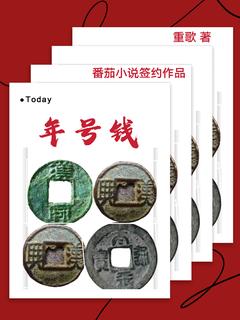 Era Coins
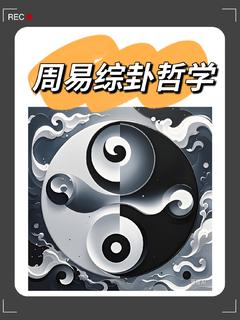 The Philosophy of the I Ching's Hexagram Pairs
 An In-Depth Analysis of the Yellow Emperor's Inner Canon
 A Deep Analysis of the Classic Philosophies in Romance of the Three Kingdoms
 The Philosophy of the Book of Changes
 The Philosophical Spirit of Journey to the West
 The Philosophical Wisdom of Qimen Dunjia