The Philosophy of Hexagram Reversals in the Book of Changes: Profound Wisdom and a Vision of the Universe
The philosophy of hexagram reversals in the Book of Changes is a treasure of ancient Chinese wisdom, containing profound principles and a vision of the universe. By completely reversing the six lines of a hexagram, a reversed hexagram reveals another side of things and illuminates the fundamental laws of yin and yang transforming into each other, and of opposition and unity throughout the universe.
This philosophical outlook emphasizes the permanence and inevitability of change. Nothing remains unchanged; everything is continually transforming and developing. Hexagram reversals help us see that things that appear to be in opposition are in fact intrinsically connected: they depend on and influence one another.
The philosophy of hexagram reversals also teaches us to view the world with a comprehensive, dialectical mindset. We should not limit ourselves to surface appearances, but should delve into the essence of things and their underlying connections. It teaches us that when facing adversity and challenges, we should consider problems from different angles and seek ways to resolve them.
At the same time, this philosophy is also important to personal cultivation and growth. It reminds us to maintain inner balance and harmony, follow the laws of nature, and not become attached to temporary gains and losses. In our dealings with others, we should understand and accept their differing positions and views.
The philosophy of hexagram reversals in the Book of Changes has long played an important role in traditional Chinese culture, influencing people's ways of thinking, values, and standards of conduct. It is the crystallization of the wisdom of the Chinese people, providing us with a precious spiritual legacy and a direction for reflection. It enables us to better understand the world, adapt to change, and pursue a life of harmony and balance.


 A Tribute to Liu Rendao’s Ink Paintings
 A Philosophical Analysis of the Thirty-Six Stratagems
 Ancient Coins Bearing Era Names
 The Philosophical Wisdom of Strange Tales from a Chinese Studio
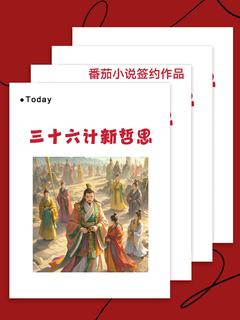 New Insights into the Thirty-Six Stratagems
 The I Ching in Poetry and Painting
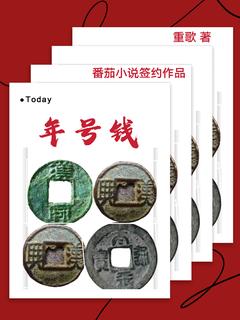 Era Coins
 An In-Depth Analysis of the Yellow Emperor's Inner Canon
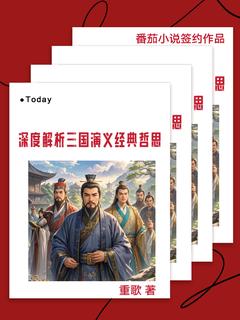 A Deep Analysis of the Classic Philosophies in Romance of the Three Kingdoms
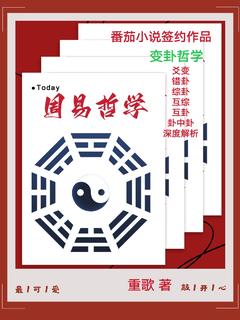 The Philosophy of the Book of Changes
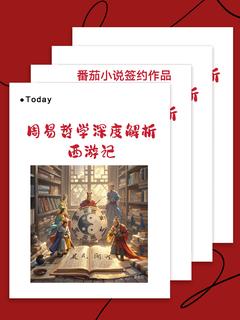 The Philosophical Spirit of Journey to the West
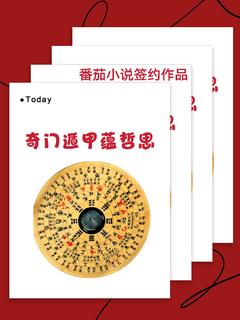 The Philosophical Wisdom of Qimen Dunjia