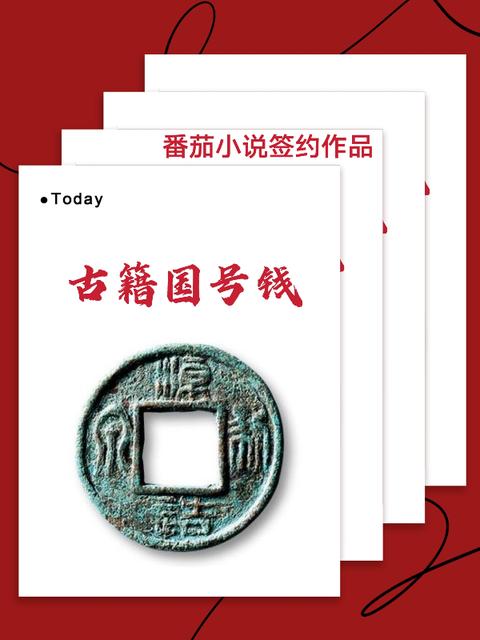
Ancient Chinese reign-title coins are coins whose inscriptions bear the name of a state or dynasty. Here is a closer look:
1. Historical origins: Reign-title coins have a long history. The earliest such coins in China are generally considered to be the Liangzao Xinquan coins cast by the Zhang regime of Former Liang during the Sixteen Kingdoms period. Their appearance marked the birth of a new way of naming coins and laid the foundation for the development of reign-title coins in later generations.
2. Development:
- Five Dynasties and Ten Kingdoms period: More types of reign-title coins appeared during this period. Examples include the Daqi Tongbao, cast in 937 when Xu Zhigao, the founding ruler of Southern Tang, declared himself emperor of Qi and established the Great Qi state; and the Hanyuan Tongbao, first issued in 948 by Liu Chengyou, Emperor Yin of Later Han.
- Song dynasty: The Song dynasty produced a wide variety of reign-title coins. In the Northern Song, there was the Songyuan Tongbao, cast in 960, the first year of the Taizu emperor's Jianlong era, and named for the state name Song in its inscription. Other examples include the Huang Song Tongbao, issued in 1039 during the second year of Emperor Renzong's Baoyuan era, and the Sheng Song Yuanbao, cast by Emperor Huizong. During the Southern Song, the Sheng Song Zhongbao was cast in the third year of Emperor Ningzong's Jiading era, while the Da Song Tongbao and Huang Song Yuanbao were cast during the Baoqing and Baoyou eras, respectively.
- Other dynasties: The Yuan dynasty issued the Da Yuan Tongbao; the Southern Ming issued the Da Ming Tongbao; and the Taiping Heavenly Kingdom regime of the Qing dynasty also cast copper coins bearing the name Taiping Tianguo.
In short, ancient Chinese reign-title coins are an important part of China's ancient monetary culture and are significant for the study of ancient history, politics, economics, and culture.

 A Tribute to Liu Rendao’s Ink Paintings
 A Philosophical Analysis of the Thirty-Six Stratagems
 The Philosophical Wisdom of Strange Tales from a Chinese Studio
 New Insights into the Thirty-Six Stratagems
 The I Ching in Poetry and Painting
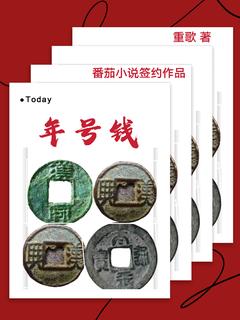 Era Coins
 The Philosophy of the I Ching's Hexagram Pairs
 An In-Depth Analysis of the Yellow Emperor's Inner Canon
 A Deep Analysis of the Classic Philosophies in Romance of the Three Kingdoms
 The Philosophy of the Book of Changes
 The Philosophical Spirit of Journey to the West
 The Philosophical Wisdom of Qimen Dunjia