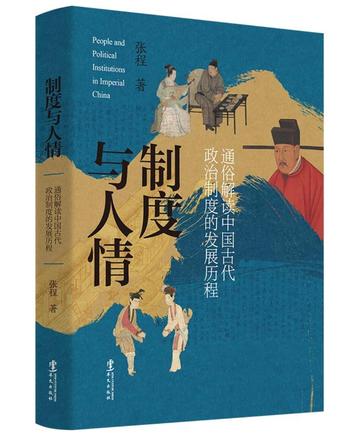
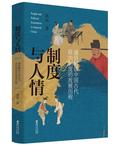
Institutions and Human Nature: A Plain-Language Guide to the Development of Ancient Chinese Political Systems
制度与人情:通俗解读中国古代政治制度的发展历程
- Status
- Completed
- Length
- 221k Words
- Genre
- Historical
- Updated
- 2y ago
- Source
- Fanqie
Synopsis
15Chapters
139Reads
9.1Score
32Listens
20.3kReads · all time
More by this author
 The Inner Workings and Outer Facade of Chinese History
 Beneath the Fallen Nest: Political Dynasties in Chinese History
 Abdication: A Power Game in Chinese History
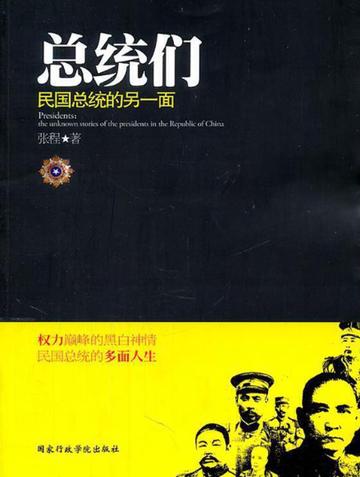 The Presidents: Another Side of the Republic's Leaders
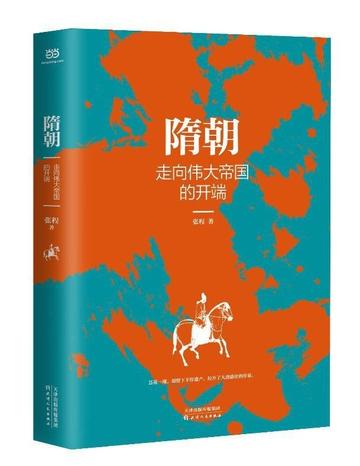 The Sui Dynasty: The Beginning of a Great Empire
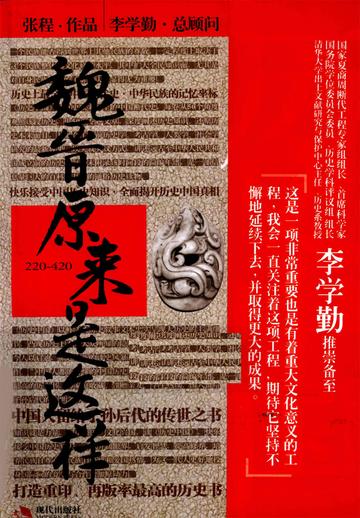 So That's What the Wei and Jin Dynasties Were Like
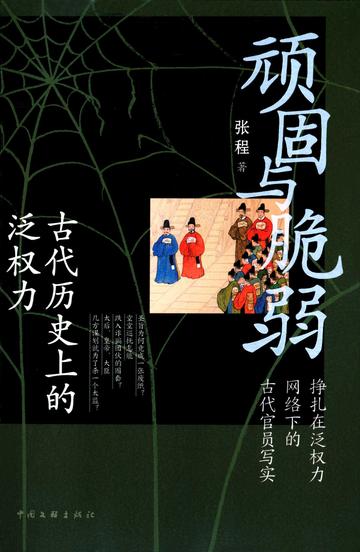 Stubbornness and Fragility: Pan-Power in Ancient History
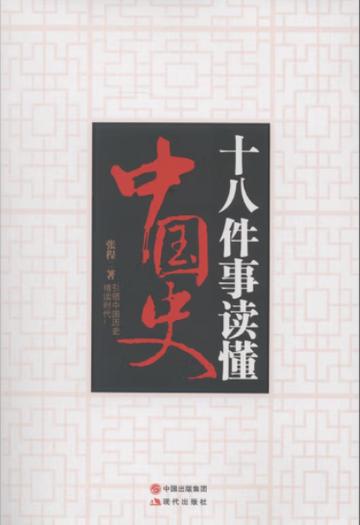 Understand Chinese History Through Eighteen Stories
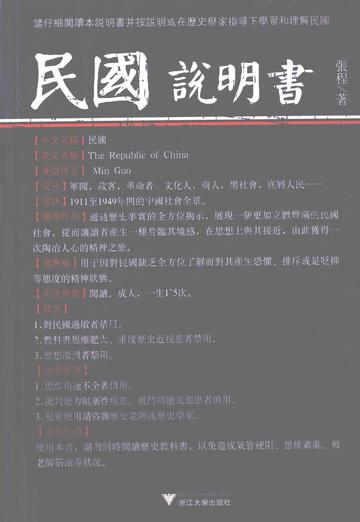 A Republic-Era Handbook
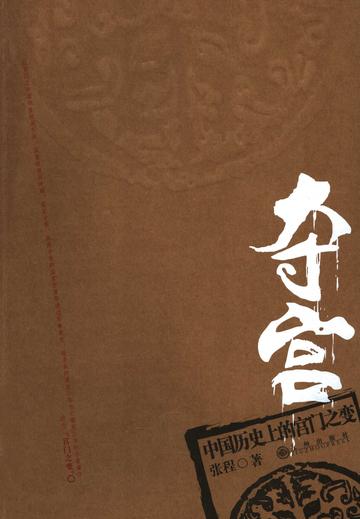 Seizing the Palace: Palace Gate Coups in Chinese History
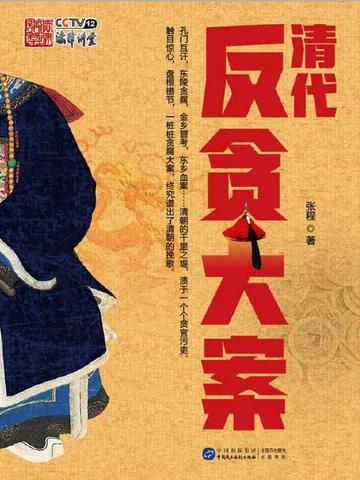 Major Anti-Corruption Cases of the Qing Dynasty
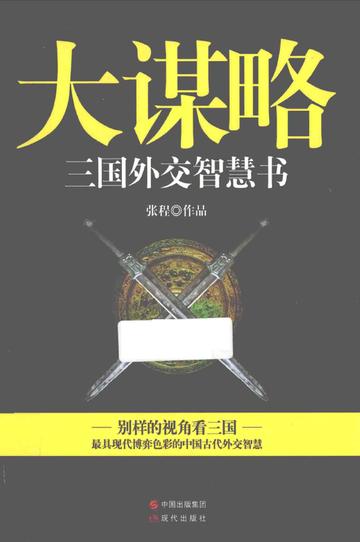 Grand Strategy: The Wisdom of Three Kingdoms Diplomacy
In booklists 3
Books That Seem Ordinary but Turn Out to Be Masterpieces
Some books get hyped into popularity, while some masterpieces are overlooked or buried. But everyone has different tastes, shaped by age, environment, and personality. Everyone has their own personal 9.9-rated masterpiece.
1.7kBooks12.4MViews1dUpdated




Looking for Books That Can Change Your Life
345Books3MViews2dUpdated
Any Books That Are Especially Useful for Studying and Everyday Life? Please!
77Books234.2kViews8dUpdated
Reader comments 4
Translated by Google Translate
I'm a little confused. This book discusses the history of ancient Chinese political systems, but the time span of the examples spans the Republic of China. Wouldn't it be inappropriate to include examples in it? But overall, the readability is very high and the text is not that boring.
It is impossible for one person to share all the cake, but when you hand the knife to others, you have to consider a lot. But the core of everything is that you have to let all the cakes accept the fate of being separated, either actively, passively or without knowing anything.
I especially like the interpretation of official titles in the Tang Dynasty in the book, which made me understand the meaning and function of each official title. And through the example of Liu Chang, I have a clearer understanding of the political reality of the Tang Dynasty. However, I hate those complicated official title names, they are so hard to read! I also like the part about the Qing Dynasty where local officials arranged their offices, it feels very graphic. All in all, this is a book worth reading!
It's very good. As an introductory book, after reading some historical records, I finally understand what the characters do and why they do it.