"Disqualification in the World" is an autobiographical novel. The preface and appendix are narrated in the author's voice, and the three letters are narrated in the voice of the protagonist Ye Zang. The protagonist Ye Zang is cowardly and timid, afraid to face all the emotions in the world, and does not understand the complex inner world of human beings. He hides his true self by making others happy, uses drinking to have fun to escape the world, and eventually leads to destruction. This kind of confusion runs through the youth of the author and everyone; he is tortured by pain and confusion, and he spends his life seeking love and avoiding love due to self-weariness. To be disqualified in the human world means to have lost the qualifications to be a human being. Through the experience of the novel's protagonist Ye Zang, Dazai Osamu expressed the real pain in his life. This work is considered an autobiographical novel. In the same year of its publication, Osamu Dazai drowned and died.
"Clown Flower"
Also known as "The Flower of Taoism". In 1930, when Osamu Dazai was 21 years old, he met a young married woman in Ginza, Tokyo, and the two committed suicide by drowning in Kamakura. Later, Dazai Osamu was rescued, but the other party died unfortunately. Osamu Dazai was charged with "assisted suicide" but was not prosecuted. This incident became an unforgettable crime for Dazai Osamu, and he created the novel "Clown Flower" based on this experience. "Clown's Flower" is considered to be the prelude and starting point of creation of "The Lost World", and its protagonist is the same person as Oba Yezo in "The Lost World".
"The God of Madness"
In 1935, at the age of 26, Osamu Dazai attempted to hang himself on Mount Kamakura after failing to apply for a job at the Tokyo Metropolitan News Agency. "The God of Kyogen" tells the story of the protagonist Kazuo Kazuo who committed suicide after failing to apply for a newspaper job. Osamu Dazai admitted in the article that all of this was his own personal experience.
"Imaginary Spring"
"The Clown Flower", "The God of Madness" and "Imaginary Spring" belong to the "Imaginary Wandering" trilogy. "Imaginary Spring" tells the story of Osamu Dazai's downfall, depression and spiritual self-criticism in his life through the perspective of others in the form of letters. The book not only talks about Dazai Osamu's past relationships again, but also explains his literary ideals.
"Standard Bearer of the 20th Century"
In 1936, Osamu Dazai experienced many difficulties including appendicitis complicated by peritonitis, drug poisoning, and failure to win the Akutagawa Prize. In a desperate situation, Osamu Dazai wrote the sentence "I'm sorry for being born human" under the title of this work. The novel tells the story of Dazai Osamu who tried his best to fight against life, but encountered various misfortunes in turn. Osamu Dazai said: "I wrote "The Standard Bearer of the Twentieth Century" in extreme despair; but I still firmly believe that on the other side of despair, there must be hope."
"Cherry"
On June 13, 1948, it rained heavily. Dazai Osamu and female reader Yamazaki Furei committed suicide by throwing themselves into the Tamagawa River. Six days later, their bodies were found under the bridge, on his birthday. Since then, June 19th every year has been regarded as the anniversary of Dazai Osamu's death. On this day, fresh cherries are placed in front of Dazai Osamu's tomb to hold a "cherry memorial ceremony". The name Sakura Ji comes from the novel "Cherry" published one year before his suicide, which tells the helpless life between Dazai Osamu and his wife and children. This work is considered to be Osamu Dazai's last literary legacy.
Reader comments
This book is very in-depth and allowed me to see the fragility and complexity of human nature. Osamu Dazai's writing is very delicate and vividly depicts the protagonist's inner world. It feels a bit like "Norwegian Wood", both exploring the human heart and the meaning of life. I think Dazai Osamu is a very powerful writer. He can integrate his own experiences and feelings into his works, making people empathize with him.
A novel worth thinking about🤔
This book should be regarded as Osamu Dazai's semi-autobiography of himself. After reading it, I just want to say that I will never read Osamu Dazai's book again.
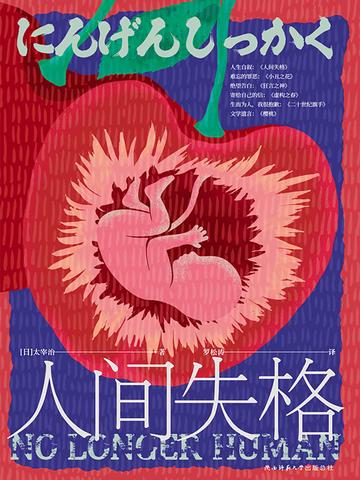
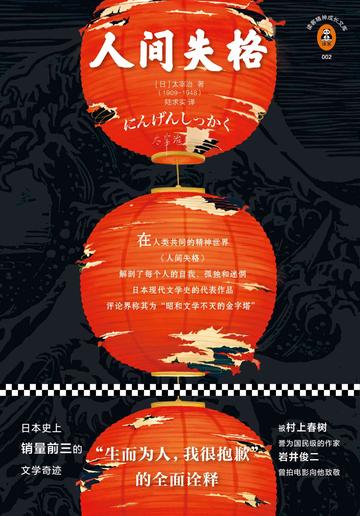 Disqualified from the World
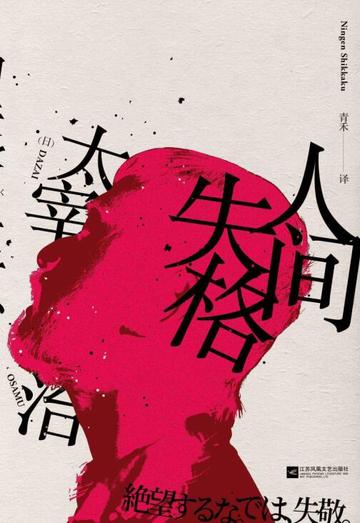 World**
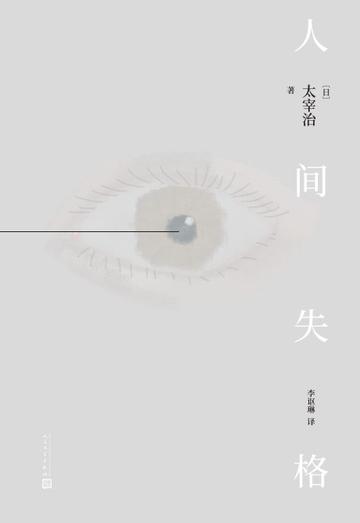 World**
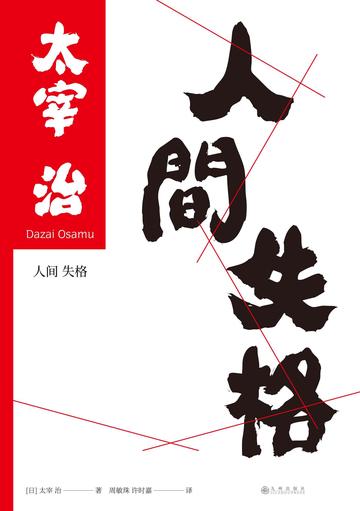 The Setting Sun Is Unworthy of the World
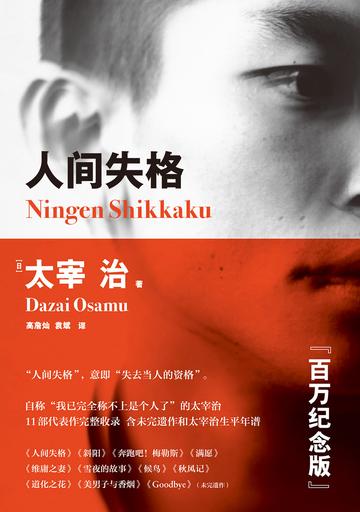 Disqualified from the World (Guomai Classic)
 Disqualified from the World
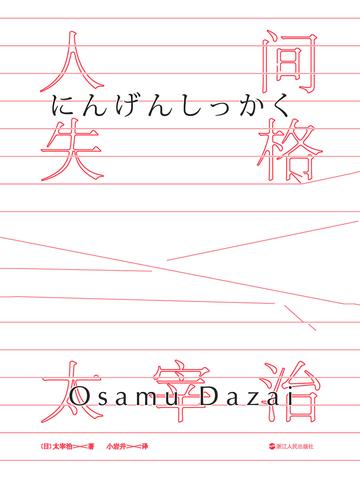 Disqualified from the World (Translated by Koiwai)
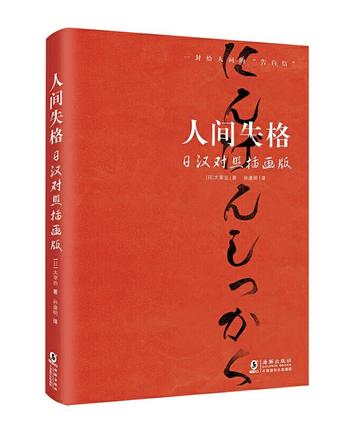 Disqualified from the World: Illustrated Edition. Japanese-Chinese Comparison
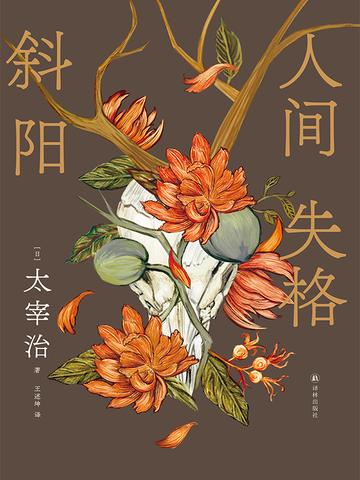 Disqualified from the World·the Setting Sun (Selected Collection of Osamu Dazai)
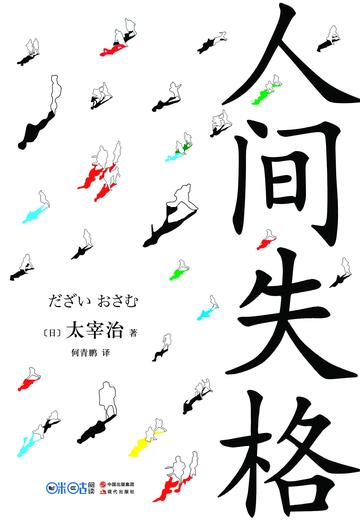 Disqualified from the World
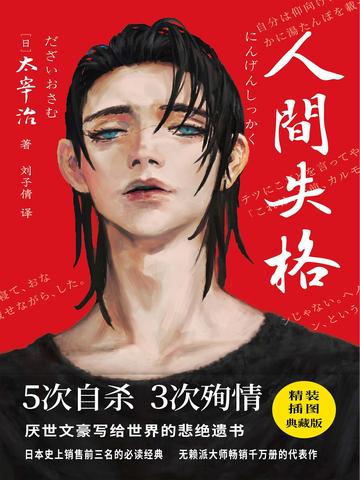 Disqualified from the World
 Disqualified in the World (Translated by Zhu Jiarong)
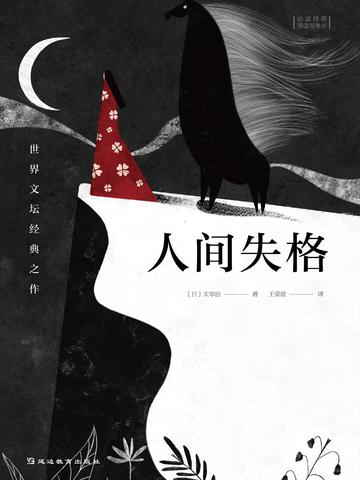 Introduction and Test Points of Must-Read Classics: Disqualification in the World
This book is very in-depth and allowed me to see the fragility and complexity of human nature. Osamu Dazai's writing is very delicate and vividly depicts the protagonist's inner world. It feels a bit like "Norwegian Wood", both exploring the human heart and the meaning of life. I think Dazai Osamu is a very powerful writer. He can integrate his own experiences and feelings into his works, making people empathize with him.
A novel worth thinking about🤔
This book should be regarded as Osamu Dazai's semi-autobiography of himself. After reading it, I just want to say that I will never read Osamu Dazai's book again.