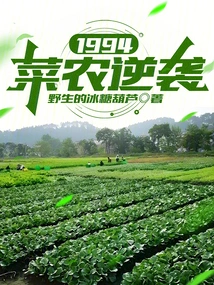
1994: Vegetable Farmers Counterattack
About This Novel
Vegetable farmer Chen Jiazhi returned to 1994. At the age of 21, he left his hometown and came to Huacheng to start his first career as a vegetable farmer. Then a novice vegetable farmer suffered a series of blows, including root rot during the rainy season, heavy rains and no harvest, typhoons and floods, high temperatures and droughts, and cold waves... Now, he has a chance to do it again. For vegetable farmers, bad weather is both a disaster and an opportunity. (Farming + daily life + agriculture + vegetable industry) [This excellent work has been completed with 2.3 Million words: Developing the Great Northwest from a seed]
Official Sources
What Readers Think
Rating
Community(0)
Official(76)Scraped 1mo ago
Rural Farming Articles: The Struggle History of Little People
This is the story of a senior vegetable farmer returning to his youth, using the experience and knowledge accumulated in his previous life to lead his family to grow vegetables and make a fortune. This is the first time I read this kind of article. There is no golden finger, and there is no beauty of leisurely returning to the countryside to live in the countryside. Some are trivial things like wives carefully calculating their income every day, and field anecdotes about men and women teasing each other in pornographic terms without scruples when they are tired from work. There is the misery of vegetable farmers watching the weather and having no harvest due to heavy rains, and there is also the joy of the protagonist battling wits and courage with a second-hand cabbage dealer in the wholesale market. The author's writing style is not outstanding, and sometimes the content is even a bit too trivial, but the characters are well portrayed, especially the protagonist's wife. In the previous life, she was tempered by life from a gentle girl to a Sichuan and Chongqing tigress. In this life, the protagonist has become practical and capable, protecting her wholehearted trust. For those who have never worked in the fields, after reading this novel, you will understand that vegetable farming is also a technical job, and not everyone can do it well. Watching the protagonist slowly develop from a small vegetable farmer to having his own stall, becoming bigger and stronger, and there is also the joy of cultivation. Book friends who like farming literature can read it.
I don't know why this score is so artificially high. It's all trivial things. If it's not because Che Lunluo keeps saying it, I guess the bad reviews should be deleted. There are only eight reviews in total, and there are only six left. I'll probably delete this one too.
The first generation of migrant workers grows vegetables, and the second generation of migrant workers opens shops and sells vegetables.
The protagonist plans to build a large number of noodle shops. It is extremely difficult to manage the vast number of fresh food stores and they are not very profitable. It is better to contract the stores to second-generation migrant workers to open stores and sell vegetables. The second generation of migrant workers grew up in a different environment, and it is difficult to say whether they can adapt to growing vegetables. It is better to let them sell vegetables in stores. For parents, they are definitely willing to let their children open a store and sell vegetables instead of growing vegetables like themselves. To be able to open a store, at least they must be able to read, do calculations, and speak eloquently. This requires letting their children study. It is necessary for their children to go to school. If the second-generation migrant workers open a shop and sell vegetables, they will definitely have to take root in the city and never go back to their hometown. When buying a house in the city, you have to buy it or not. The first-generation migrant workers grow vegetables and the second-generation migrant workers open a shop and sell vegetables. They also have houses in Guangzhou, Shenzhen, and Shanghai. They are sure winners in life. What kind of cohesion and enterprising spirit should such a company have? The first generation of migrant workers and the second generation of migrant workers need to improve their quality. It is better to establish a party organization and let the party organization be responsible for these things. Only a party organization can handle such detailed work that goes deep into the masses. If the party organization is well developed, it can also play an important role. It complements the enterprise and helps the poor. This is a model for private enterprises in the new era. What kind of treatment should enterprises enjoy politically?
The front was pretty good, but when I saw a loss-making market, I asked the protagonist to go over and manage it, and the protagonist made a profit. In the end, the other party wanted to poach people from the protagonist's team. The protagonist didn't become strong yet, and said that he didn't want to be ungrateful. The protagonist didn't lack this job, and it was always the other party who asked for help. The protagonist has always been wary of the protagonist. The protagonist wants information about the distributor, but for a food market that has been losing money, it is useless to have this information about the distributor. After giving it to the protagonist, the protagonist can guarantee that the market will always be profitable. It is obviously a win-win situation, but it makes the protagonist feel like he owes the other party.
Write about agriculture. You still have to follow the basic laws of business. On the one hand, we need to reduce costs and increase efficiency through process reengineering and supply chain management. On the other hand, we need to invest heavily in research and development, and cooperate with various agricultural schools to develop high-quality seeds and high-quality fertilizers. We need to have our own flagship products. There is also the need to follow the national strategic line and cooperate with the country's agricultural strategic intentions so as to reduce the difficulty of your survival. I read a lot of novels about agriculture in Qidian. They are either cheating or very shallow. It feels like this is either an agricultural business war novel or a house-playing novel. Then he brags that he controls hundreds of billions of assets, which is just a joke.
Seeing farming, the plot is not particularly outrageous. I finished it as soon as I watched it, and it's suitable for a long period of reading.
The book is a good book, but I couldn't stand it after I reached 400 chapters. There was a bit of matryoshka at the end. If it was about a fishing village, I might still insist on it. After all, I personally prefer the feeling of catching fish.
You can watch it when you are bored, not very attractive
This book focuses on growing vegetables, growing vegetables, and growing vegetables. It is almost interesting in other aspects. The people are sophisticated, the family is warm, and the plot is not too ups and downs. All kinds of natural disasters experienced at the beginning are all at once. A compact type of natural disaster? Grow vegetables and sell vegetables. Grow vegetables and sell vegetables.
It's a pretty good period story, similar to Return to a Small Fishing Village in 1982
I really like pastoral stories like this, come on, come on
Rating
Community(0)
Official(76)Scraped 1mo ago
Rural Farming Articles: The Struggle History of Little People
This is the story of a senior vegetable farmer returning to his youth, using the experience and knowledge accumulated in his previous life to lead his family to grow vegetables and make a fortune. This is the first time I read this kind of article. There is no golden finger, and there is no beauty of leisurely returning to the countryside to live in the countryside. Some are trivial things like wives carefully calculating their income every day, and field anecdotes about men and women teasing each other in pornographic terms without scruples when they are tired from work. There is the misery of vegetable farmers watching the weather and having no harvest due to heavy rains, and there is also the joy of the protagonist battling wits and courage with a second-hand cabbage dealer in the wholesale market. The author's writing style is not outstanding, and sometimes the content is even a bit too trivial, but the characters are well portrayed, especially the protagonist's wife. In the previous life, she was tempered by life from a gentle girl to a Sichuan and Chongqing tigress. In this life, the protagonist has become practical and capable, protecting her wholehearted trust. For those who have never worked in the fields, after reading this novel, you will understand that vegetable farming is also a technical job, and not everyone can do it well. Watching the protagonist slowly develop from a small vegetable farmer to having his own stall, becoming bigger and stronger, and there is also the joy of cultivation. Book friends who like farming literature can read it.
I don't know why this score is so artificially high. It's all trivial things. If it's not because Che Lunluo keeps saying it, I guess the bad reviews should be deleted. There are only eight reviews in total, and there are only six left. I'll probably delete this one too.
The first generation of migrant workers grows vegetables, and the second generation of migrant workers opens shops and sells vegetables.
The protagonist plans to build a large number of noodle shops. It is extremely difficult to manage the vast number of fresh food stores and they are not very profitable. It is better to contract the stores to second-generation migrant workers to open stores and sell vegetables. The second generation of migrant workers grew up in a different environment, and it is difficult to say whether they can adapt to growing vegetables. It is better to let them sell vegetables in stores. For parents, they are definitely willing to let their children open a store and sell vegetables instead of growing vegetables like themselves. To be able to open a store, at least they must be able to read, do calculations, and speak eloquently. This requires letting their children study. It is necessary for their children to go to school. If the second-generation migrant workers open a shop and sell vegetables, they will definitely have to take root in the city and never go back to their hometown. When buying a house in the city, you have to buy it or not. The first-generation migrant workers grow vegetables and the second-generation migrant workers open a shop and sell vegetables. They also have houses in Guangzhou, Shenzhen, and Shanghai. They are sure winners in life. What kind of cohesion and enterprising spirit should such a company have? The first generation of migrant workers and the second generation of migrant workers need to improve their quality. It is better to establish a party organization and let the party organization be responsible for these things. Only a party organization can handle such detailed work that goes deep into the masses. If the party organization is well developed, it can also play an important role. It complements the enterprise and helps the poor. This is a model for private enterprises in the new era. What kind of treatment should enterprises enjoy politically?
The front was pretty good, but when I saw a loss-making market, I asked the protagonist to go over and manage it, and the protagonist made a profit. In the end, the other party wanted to poach people from the protagonist's team. The protagonist didn't become strong yet, and said that he didn't want to be ungrateful. The protagonist didn't lack this job, and it was always the other party who asked for help. The protagonist has always been wary of the protagonist. The protagonist wants information about the distributor, but for a food market that has been losing money, it is useless to have this information about the distributor. After giving it to the protagonist, the protagonist can guarantee that the market will always be profitable. It is obviously a win-win situation, but it makes the protagonist feel like he owes the other party.
Write about agriculture. You still have to follow the basic laws of business. On the one hand, we need to reduce costs and increase efficiency through process reengineering and supply chain management. On the other hand, we need to invest heavily in research and development, and cooperate with various agricultural schools to develop high-quality seeds and high-quality fertilizers. We need to have our own flagship products. There is also the need to follow the national strategic line and cooperate with the country's agricultural strategic intentions so as to reduce the difficulty of your survival. I read a lot of novels about agriculture in Qidian. They are either cheating or very shallow. It feels like this is either an agricultural business war novel or a house-playing novel. Then he brags that he controls hundreds of billions of assets, which is just a joke.
Seeing farming, the plot is not particularly outrageous. I finished it as soon as I watched it, and it's suitable for a long period of reading.
The book is a good book, but I couldn't stand it after I reached 400 chapters. There was a bit of matryoshka at the end. If it was about a fishing village, I might still insist on it. After all, I personally prefer the feeling of catching fish.
You can watch it when you are bored, not very attractive
This book focuses on growing vegetables, growing vegetables, and growing vegetables. It is almost interesting in other aspects. The people are sophisticated, the family is warm, and the plot is not too ups and downs. All kinds of natural disasters experienced at the beginning are all at once. A compact type of natural disaster? Grow vegetables and sell vegetables. Grow vegetables and sell vegetables.
It's a pretty good period story, similar to Return to a Small Fishing Village in 1982
I really like pastoral stories like this, come on, come on
Featured in 7 Booklists
Official(7)
Vegetable farmer Chen Jiazhi returned to 1994. At the age of 21, he left his hometown and came to Huacheng to start his first career as a vegetable farmer. Then a novice vegetable farmer suffered a series of blows, including root rot during the rainy season, heavy rains and no harvest, typhoons and floods, high temperatures and droughts, and cold waves... Now, he has a chance to do it again. For vegetable farmers, bad weather is both a disaster and an opportunity. And he seems to have a bit of luck. Once I accidentally saved seeds, the seeds actually showed an optimization mutation with a probability of one in a million...
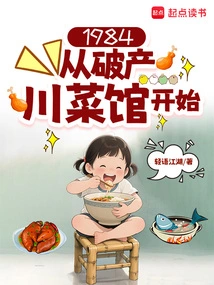


[75·Urban Farming Entrepreneurship] Vegetable farmer Chen Jiazhi was reborn in 1994. With his previous life experience and a little luck, he worked as a vegetable farmer in Huacheng. The plot mainly revolves around how he grows vegetables in bad weather. He has to find ways to deal with natural disasters such as root rot during the rainy season and typhoons and floods. The protagonist accidentally discovers seed mutations, uses modern knowledge to improve planting technology, and gradually counterattacks from a pauper to a vegetable industry tycoon. The story contains both the daily family drama in rural areas and the business war plot of starting a business and making money. It is suitable for readers who like period stories and farming stories.


The language is gentle and the atmosphere of farming writing is very full. There are constant cool points, skills, land, and money are constantly improving, just like upgrading by killing monsters. What's rare is that the plot, logic, and rhythm are well controlled. It can be seen that the author has good writing skills. This kind of writing is not easy to collapse later. Guess it is a great quality article. It is well promoted and can be booked. After all, who doesn't like to read farming articles? Readers over the age of 25 can feel free to enter!

It's a very everyday, reborn vegetable gardening article without any cheats. I think it's pretty good, suitable for book lovers who want to change their tastes.

You Might Also Like
Reborn Female General
Qianshan Tea Guest

1983 Small Island, Starting from a Large Farmer
Not Crossing In July

Go Back to the Prosperous Days and Become a Layman
Tool Superman
From Selling Box Lunches to Becoming a Famous Chinese Chef
Pangmo
Rebirth Starts in 1993
The End Of The Moon And The Sun

Back to 80 Machinery Factory
Put Less Salt In The Kidneys

Rebirth from Driving a Tractor to Becoming the Richest Man
Rabbit Eating Grass Core
Return to 1980: Make a Fortune as a Picker
Milky Little Keyboard

The Rise of the 2004 Automobile Age
Qu Ling
I'm in the County, and You Say I'm a Boss?
Outside The Forest